The visual identity of Star Wars weaponry feels futuristic, yet many of the saga’s most memorable blasters began life as very real, very terrestrial firearms. Rather than inventing props from scratch, the production team often modified existing weapons, adding cosmetic components to create something that looked both believable and otherworldly. This approach gave the blasters weight, mechanical authenticity, and a subtle sense of realism that resonated with audiences. Beneath the science fiction styling were recognizable industrial shapes and functional details drawn directly from twentieth century military hardware. The result was a unique fusion of fantasy and history that still fascinates film enthusiasts and firearm observers alike.
1. Sterling Submachine Gun and the E-11 Blaster
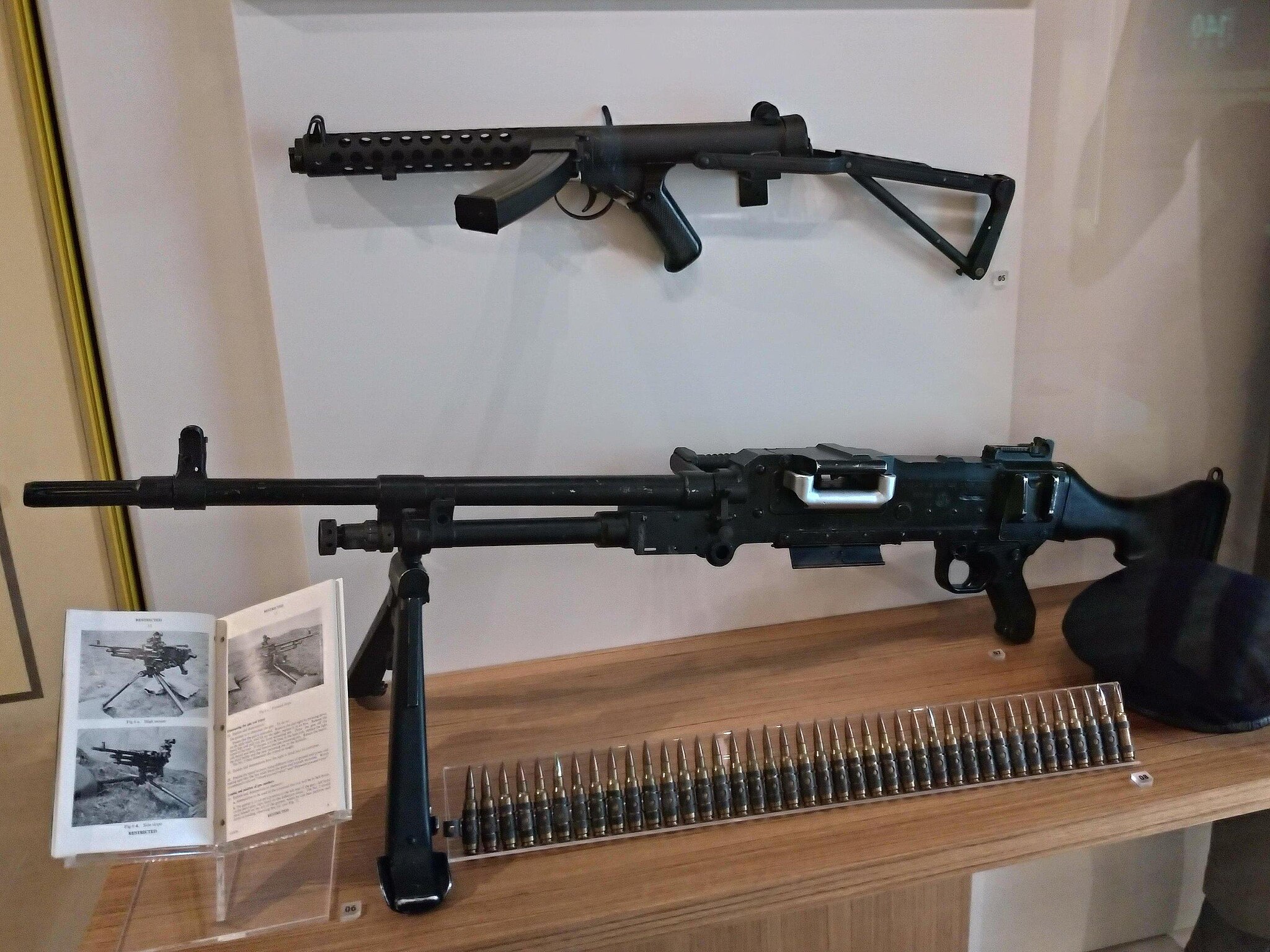
One of the most recognizable weapons in Star Wars originated from the British Sterling submachine gun. The Sterling’s compact form, tubular receiver, and distinctive magazine placement made it an ideal foundation for the Imperial E-11 blaster rifle. Prop designers enhanced the base firearm with external additions such as scope units and decorative elements, transforming a conventional military weapon into a convincing piece of science fiction equipment. Crucially, the Sterlings’ proportions already appeared futuristic, requiring surprisingly little alteration to achieve the desired cinematic effect. Its practical design translated naturally to the screen, giving the blaster a grounded, functional appearance. This connection highlights how real-world engineering often shapes fictional technology more than audiences realize.
2. Mauser C96 and Han Solo’s DL-44
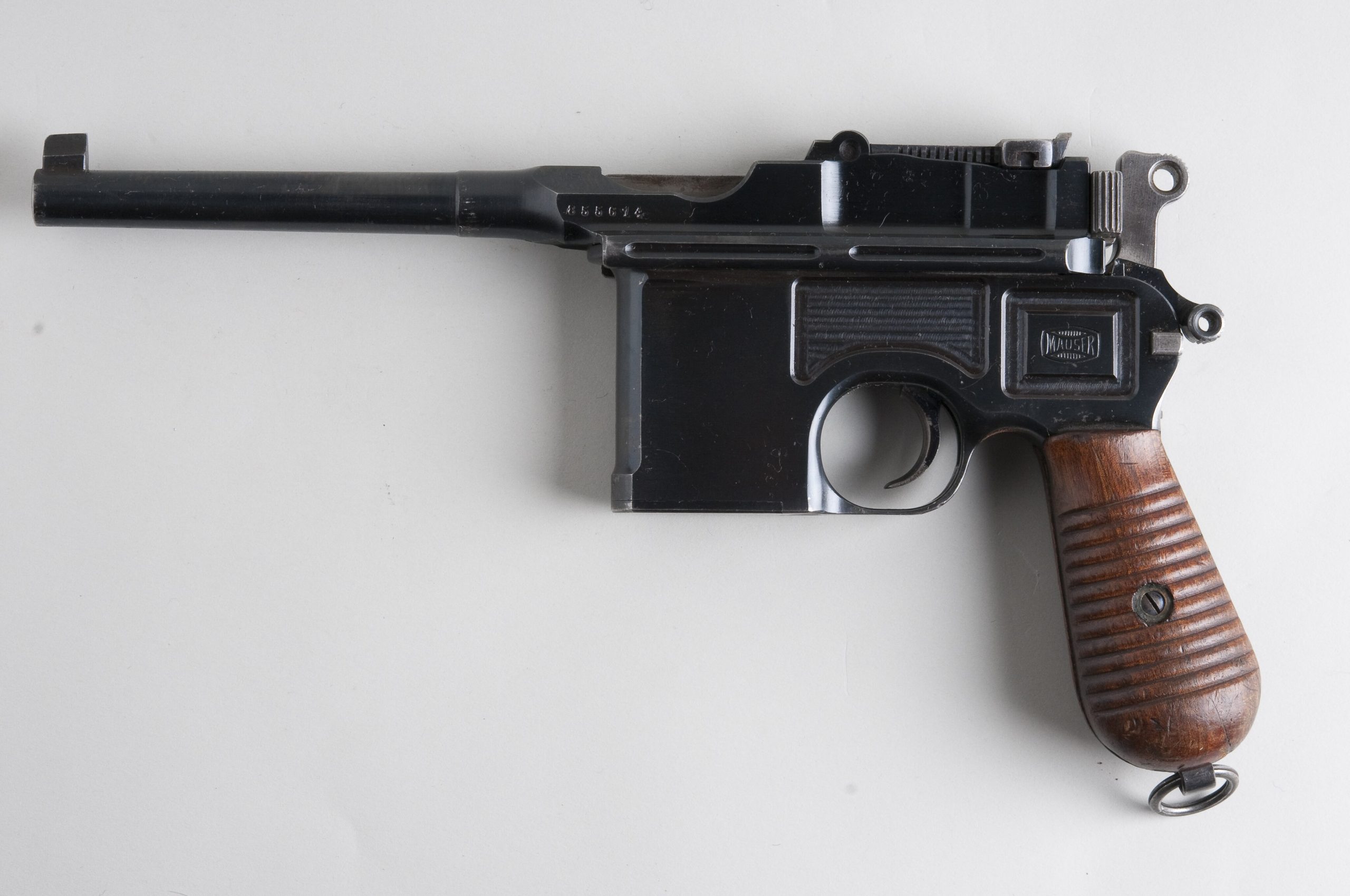
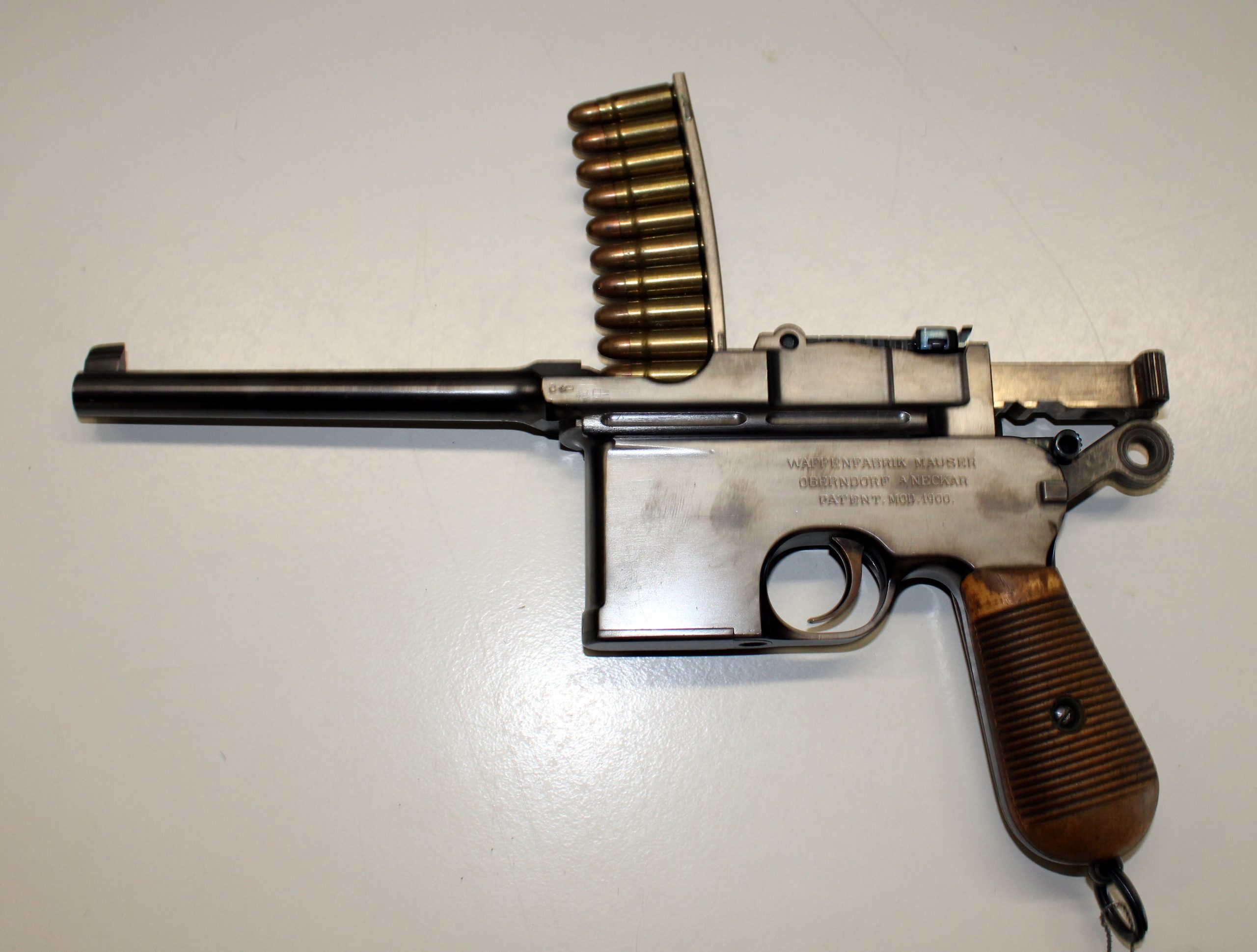
Few film weapons are as iconic as Han Solo’s DL-44, which traces its origins to the historic Mauser C96 pistol. Known for its unusual profile, integrated magazine, and broomhandle grip, the C96 already possessed a silhouette unlike most handguns of its era. Prop builders capitalized on these distinctive lines, adding visual components that amplified its exotic appearance while preserving the recognizable core structure. The result was a sidearm that felt entirely at home in a galaxy far away despite its nineteenth century mechanical roots. The choice of the C96 demonstrates the filmmakers’ keen eye for shapes that naturally evoke a sense of advanced technology. Its legacy within cinematic history remains inseparable from its unexpected science fiction transformation.