World War II transformed machine guns from supporting tools into battlefield kings that shaped tactics, movement, and survival. These weapons controlled open ground, pinned advancing troops, and decided battles long before infantry ever met face to face. Reliability, sustained fire, and adaptability mattered more than elegance. The most famous machine guns of the war earned their reputations through relentless performance under brutal conditions, from frozen forests to burning deserts. They were feared by enemies and trusted by crews who depended on them when everything else failed. This article explores two of the most iconic World War II machine guns, examining why they dominated combat and how they permanently changed modern warfare.
1. German MG42
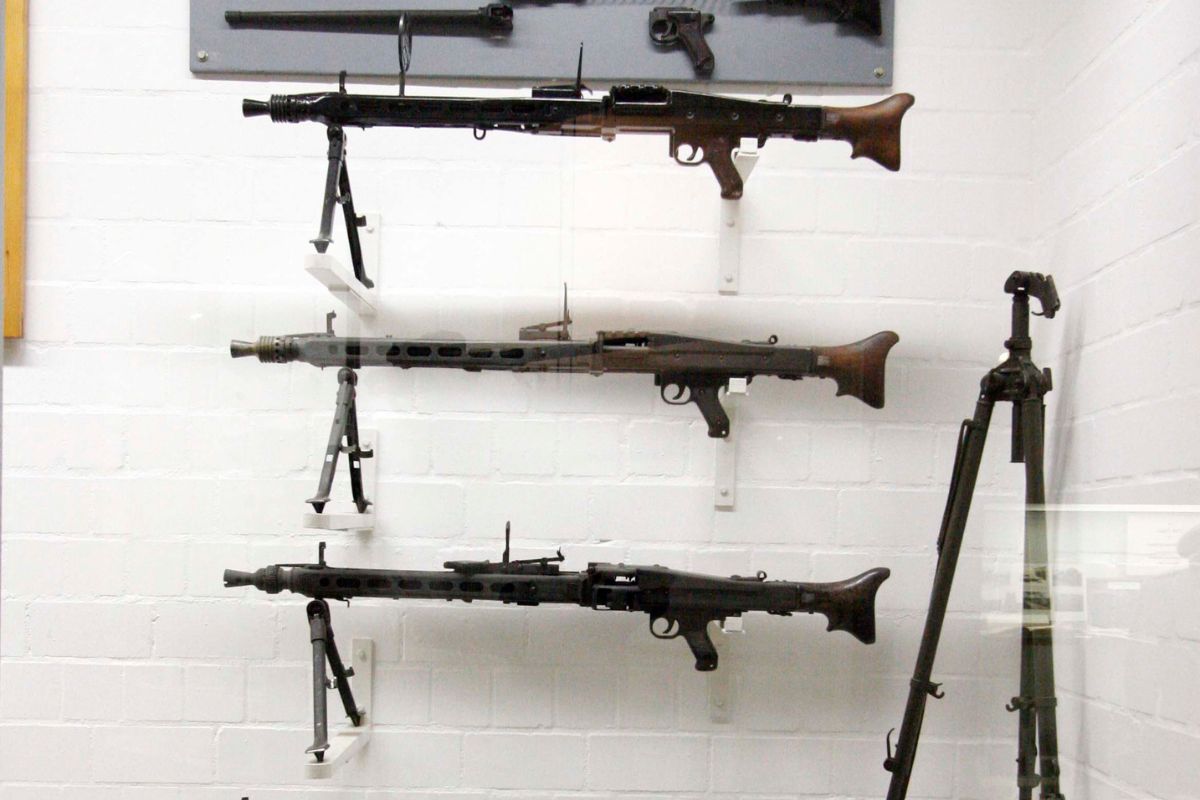
The German MG42 became one of the most feared weapons of World War II due to its extreme rate of fire and battlefield dominance. Capable of firing up to 1,200 rounds per minute, it produced a terrifying sound that Allied soldiers described as ripping cloth or tearing metal. Chambered in 7.92×57mm Mauser, it delivered lethal accuracy while maintaining suppressive fire. Its quick-change barrel system prevented overheating and allowed continuous operation. Lightweight for its class, the MG42 could be mounted, carried, or repositioned rapidly. German infantry tactics revolved around it, making squads function as support units for the gun. Its stamped steel construction allowed faster wartime production. The MG42’s design influenced machine guns for decades after the war.
2. American Browning M1919
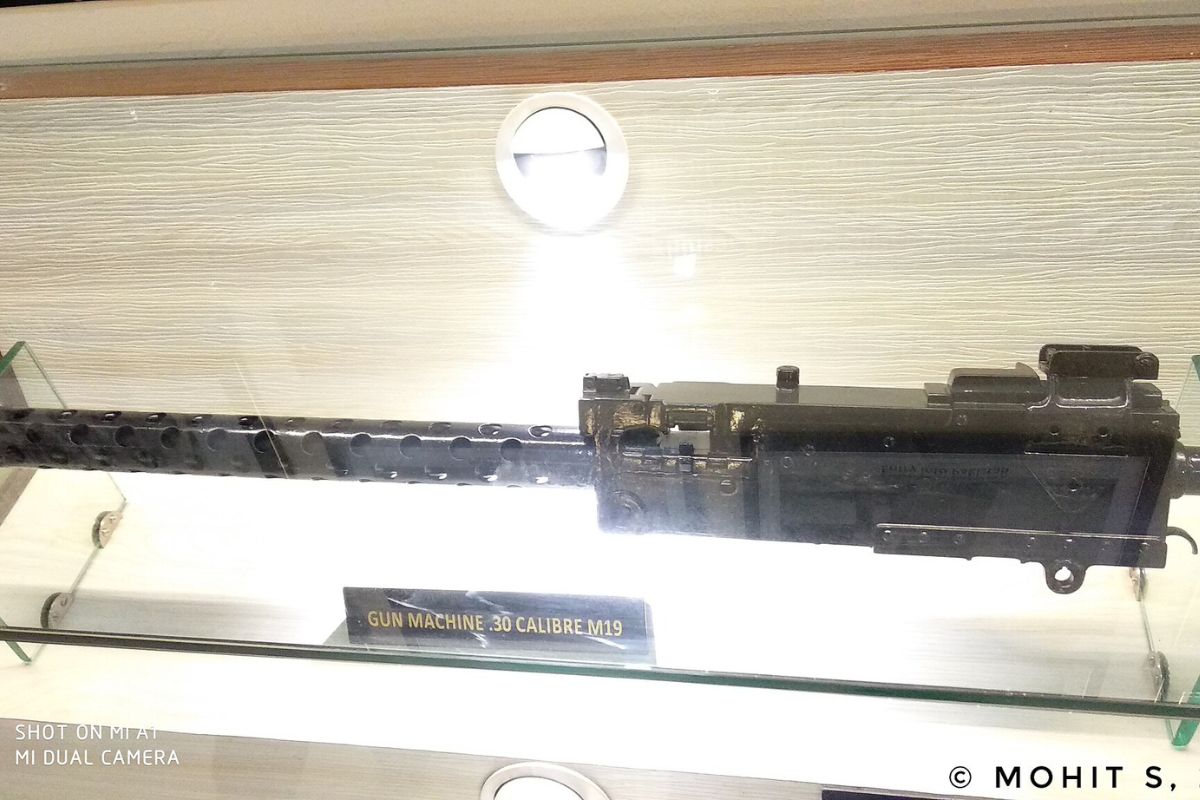
The Browning M1919 served as the backbone of American machine gun firepower throughout World War II. Chambered in .30-06 Springfield, it delivered reliable, controllable fire across multiple combat roles. Unlike heavier water-cooled designs, the M1919 was air-cooled, making it easier to transport and deploy. It could be mounted on tripods, vehicles, aircraft, or used in defensive positions. American forces valued