Buying a used gun can be a smart way to save money, but it requires careful inspection to ensure safety and legality. Many firearms look well-maintained on the surface but may hide issues that affect performance or reliability. Taking time to examine key parts and verify documentation can prevent costly mistakes. Whether purchasing from a dealer or private seller, paying attention to details helps guarantee that the firearm is both safe and worth the investment.
Verify Serial Number
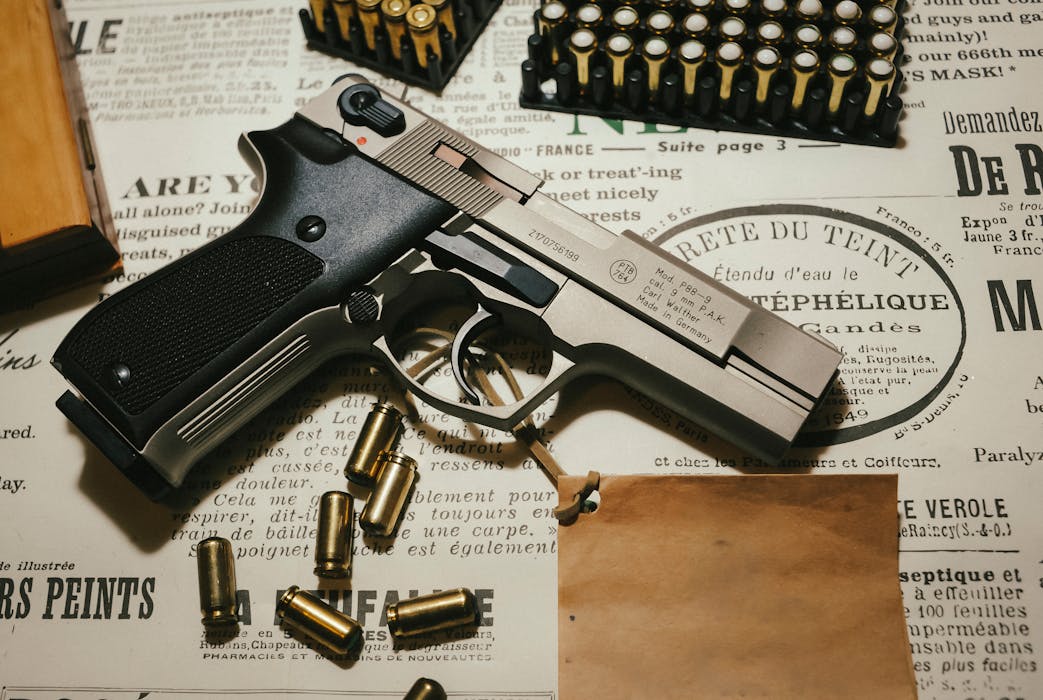
Always start by checking the serial number for clarity and consistency. It should be cleanly stamped and match any included paperwork. Avoid guns with scratched, altered, or missing numbers, as they may indicate tampering or legal issues. A quick online verification can confirm whether the firearm is registered or reported stolen.
Check Overall Condition

Inspect the entire gun for signs of damage, rust, or excessive wear. Look for pitting on metal parts, dents on the barrel, or cracks in the frame. A well-maintained gun should feel tight and balanced when handled. Avoid those with visible corrosion or mismatched components, as these often signal poor care or heavy use.
Examine the Barrel
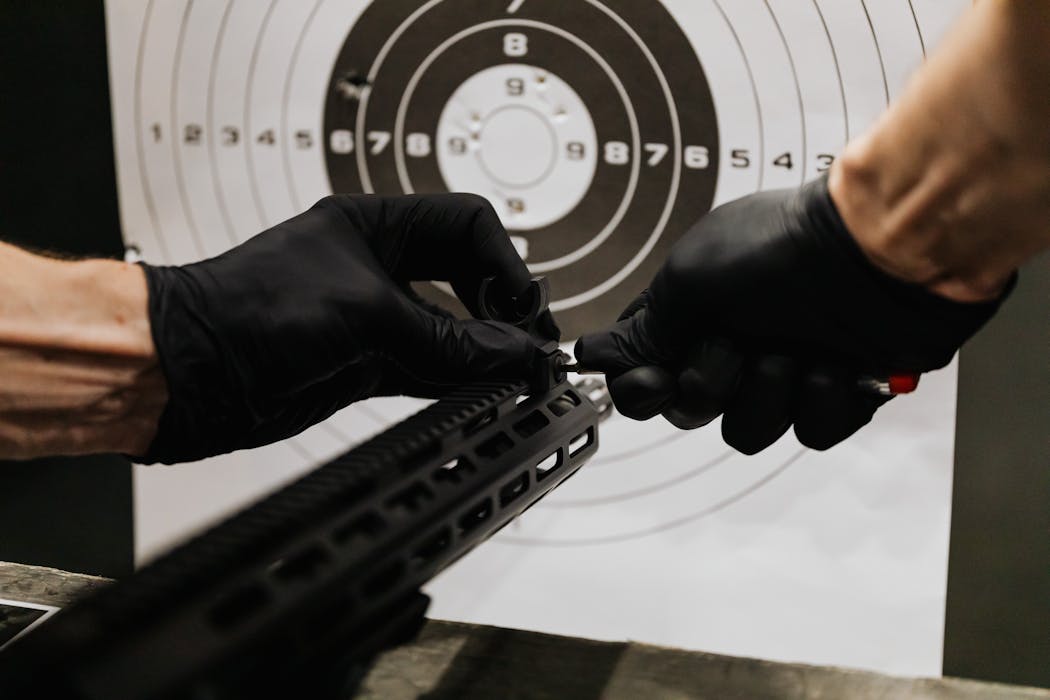
Peer down the barrel using a light to check for cleanliness and sharp rifling. Any bulges, cracks, or rust inside can affect accuracy and safety. The muzzle should be free of dents and the crown intact. A smooth, polished bore often indicates proper maintenance by the previous owner.
Inspect the Action
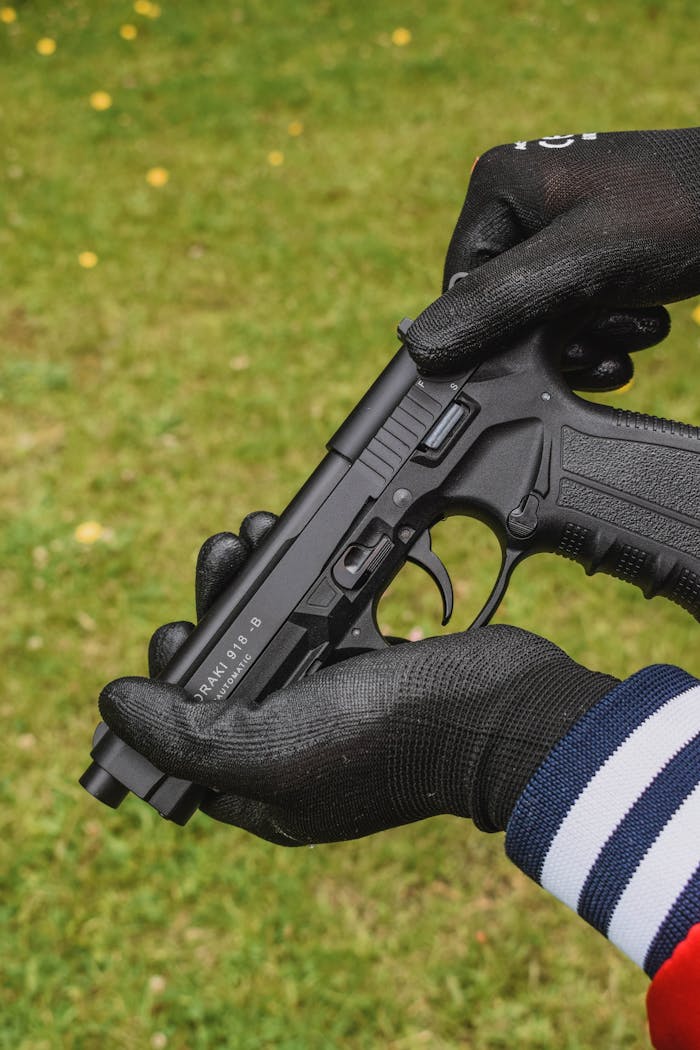
Cycle the action several times to ensure it moves smoothly without grinding or sticking. Pay attention to how the bolt locks and releases. A rough or hesitant motion may suggest internal damage or a lack of cleaning. Consistent operation shows that the gun has been well cared for and functions properly.
Test the Trigger

The trigger should move freely and reset cleanly after each pull. Feel for any grit, drag, or inconsistency that could indicate worn parts or improper modification. If possible, dry-fire the gun safely to assess smoothness and weight. A crisp trigger often reflects a firearm kept in good working order.
Review the Safety Mechanism
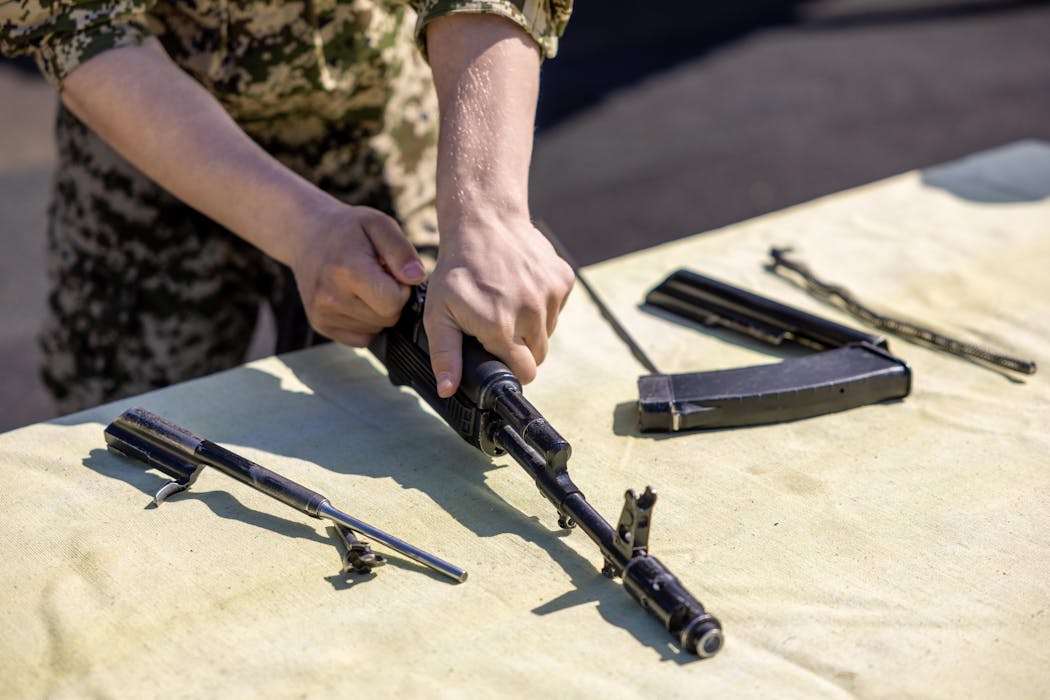
Engage and disengage the safety several times to confirm it clicks into place securely. A loose or unreliable safety is a serious concern that may compromise safe handling. Testing it in multiple positions ensures it functions under different conditions. Never buy a gun with a faulty safety switch.
Check the Sights
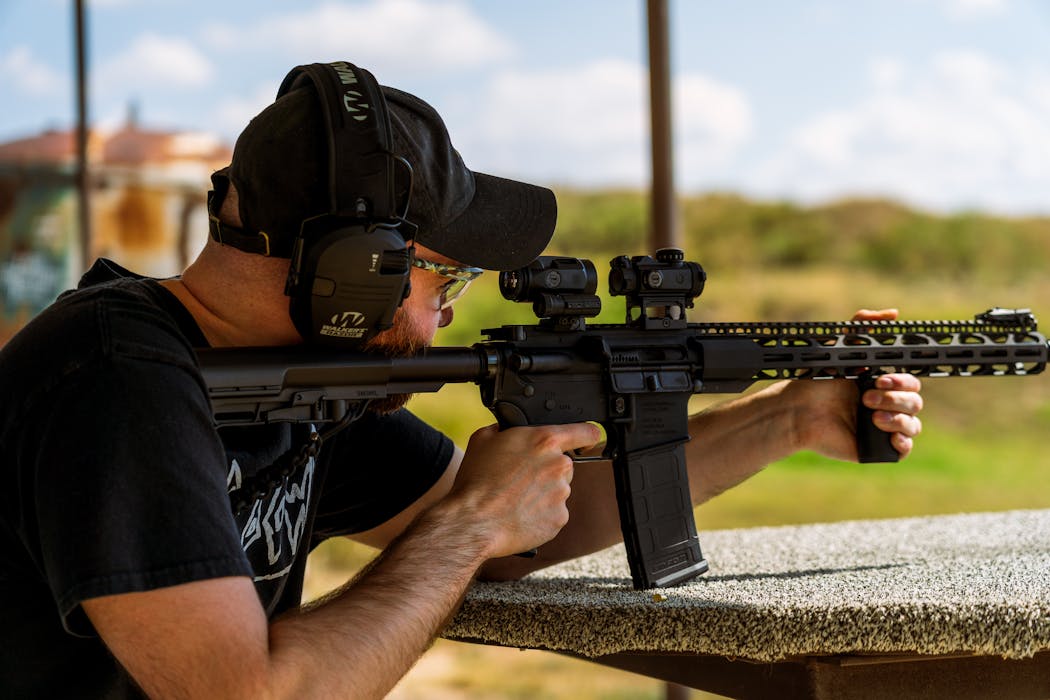
Examine front and rear sights for alignment, stability, and visibility. Bent or loose sights can throw off accuracy significantly. Fiber optic or adjustable sights should be firmly attached and responsive. Minor adjustments are normal, but major misalignment often points to rough handling or drops.
Evaluate the Stock or Grip
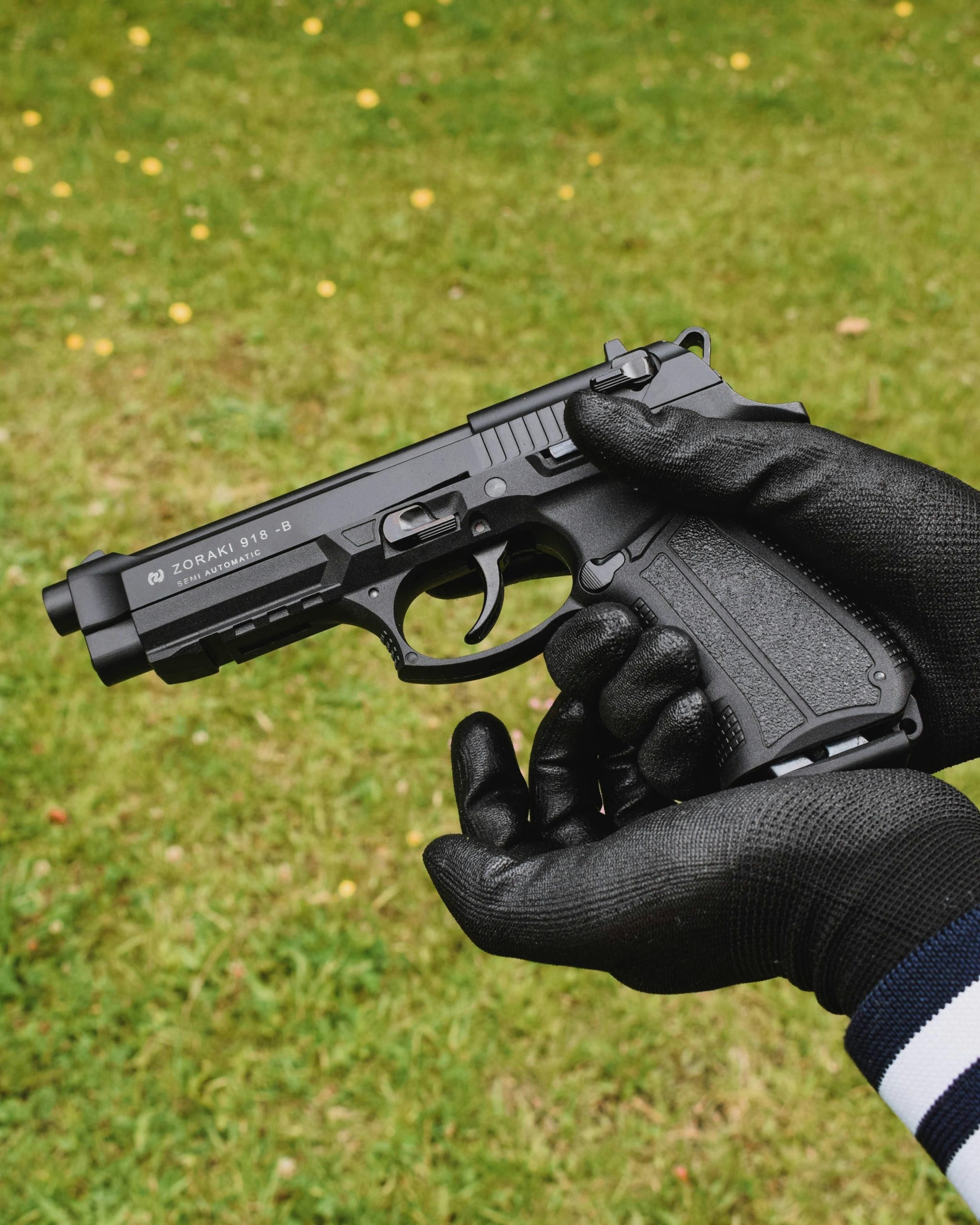
Look for cracks, chips, or looseness in the stock or grip area. Wood stocks should show even coloration without splits, while synthetic ones should be free of warping. A firm fit between the grip and frame ensures comfort and shooting accuracy. Poor fitment could signal structural issues.
Inspect the Finish
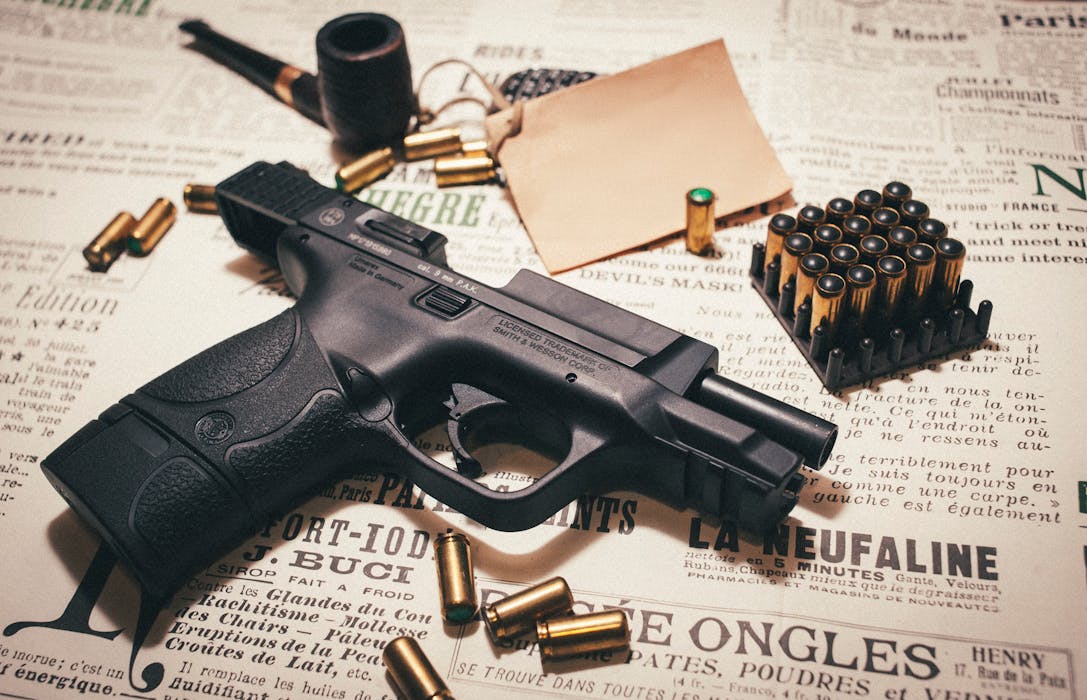
A gun’s finish tells much about its history. Check for uneven coloration, scratches, or signs of refinishing that may hide corrosion. Light wear is normal, but deep rust or peeling paint can indicate neglect. Consistent finish quality suggests the firearm was stored and maintained correctly.
Look for Rust or Corrosion

Rust on external or internal parts weakens metal and affects performance. Focus on hidden spots like the trigger guard, under the grips, and inside the barrel. Even small patches can spread if untreated. A rust-free firearm shows regular cleaning and proper storage by the previous owner.
Test the Magazine
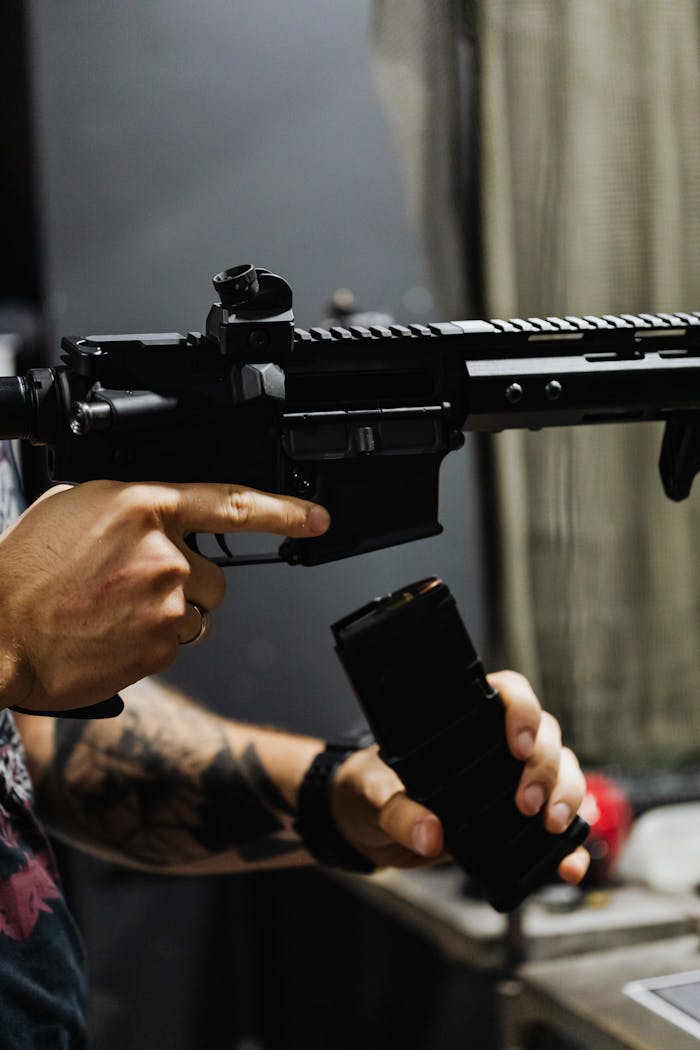
If the firearm uses a detachable magazine, insert and eject it multiple times. It should fit snugly without sticking or rattling. Check for dents, cracks, or weak springs that could cause feeding issues. Reliable magazines are essential for consistent firing performance.
Inspect the Bolt and Firing Pin
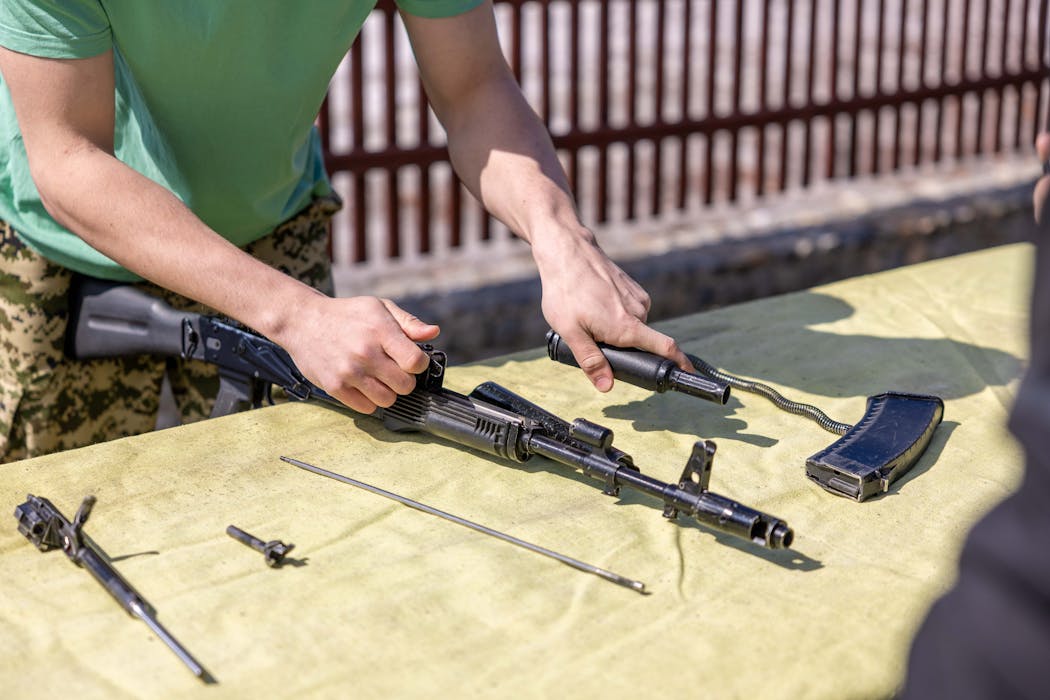
Remove the bolt if possible and check for cracks, excessive wear, or residue buildup. The firing pin should be straight and protrude correctly when dry-fired. Any sluggish or inconsistent movement could signal mechanical problems. A clean, well-lubricated bolt ensures reliable ignition and safety.
Confirm Caliber Markings
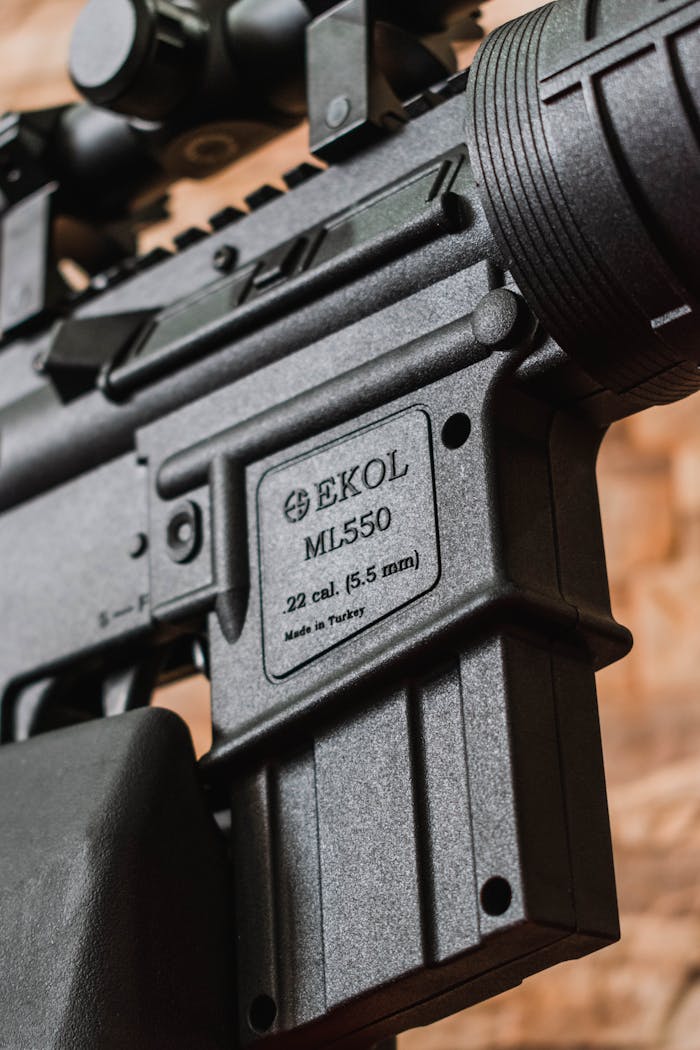
Verify that the caliber markings on the barrel and frame match the ammunition you intend to use. Using mismatched rounds can cause dangerous pressure issues. Clear and legible markings are also a sign that the gun hasn’t been altered improperly. Always double-check before purchasing.
Review Manufacturer Information

Confirm the make, model, and manufacturer details are authentic. Counterfeit or unverified guns can lead to safety concerns and legal trouble. Research the serial number and compare markings to official manufacturer references. Authentic labeling and consistent engravings confirm a legitimate purchase.
Check the Bore Alignment
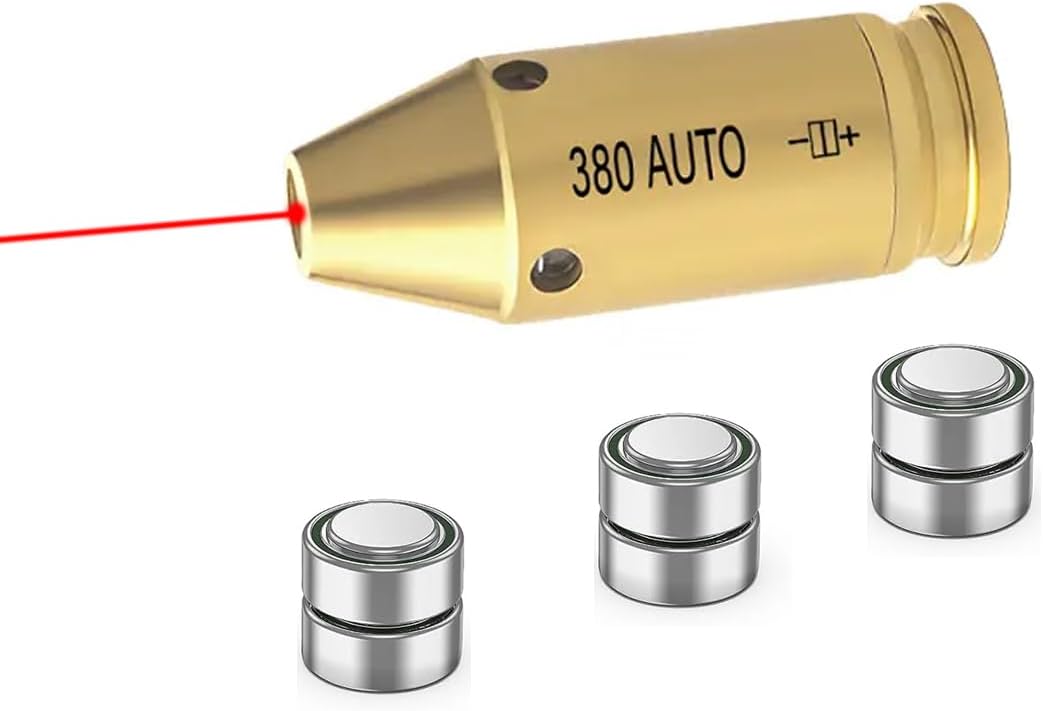
Ensure the bore is properly aligned with the chamber and frame. Misalignment can indicate damage from overpressure or accidents. Use a bore light or rod to confirm the path is straight and unobstructed. Perfect alignment ensures both safety and shooting accuracy.
Test the Ejector and Extractor

Cycle dummy rounds or snap caps through the firearm to check the ejector and extractor. They should grab and release smoothly without sticking. Malfunctioning parts can cause jams or incomplete ejections during shooting. Proper function indicates clean and well-maintained internal mechanics.
Review Maintenance History
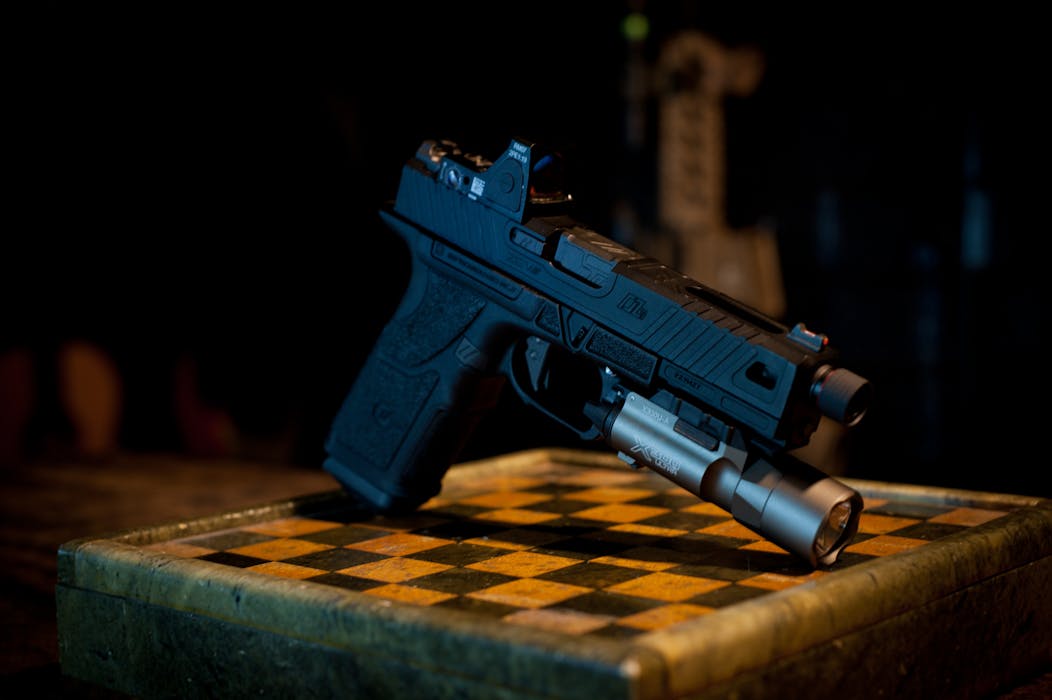
Ask the seller about the firearm’s cleaning and service history. Regular maintenance records show responsibility and care. Guns that have been stored long-term without upkeep may require extra cleaning or replacement parts. A detailed history provides confidence in long-term reliability.
Verify Legal Transfer Requirements

Before finalizing the purchase, ensure all local, state, and federal regulations are met. This includes background checks, permits, and transfer paperwork. Buying through legal channels protects both buyer and seller. Skipping documentation can result in serious legal consequences.