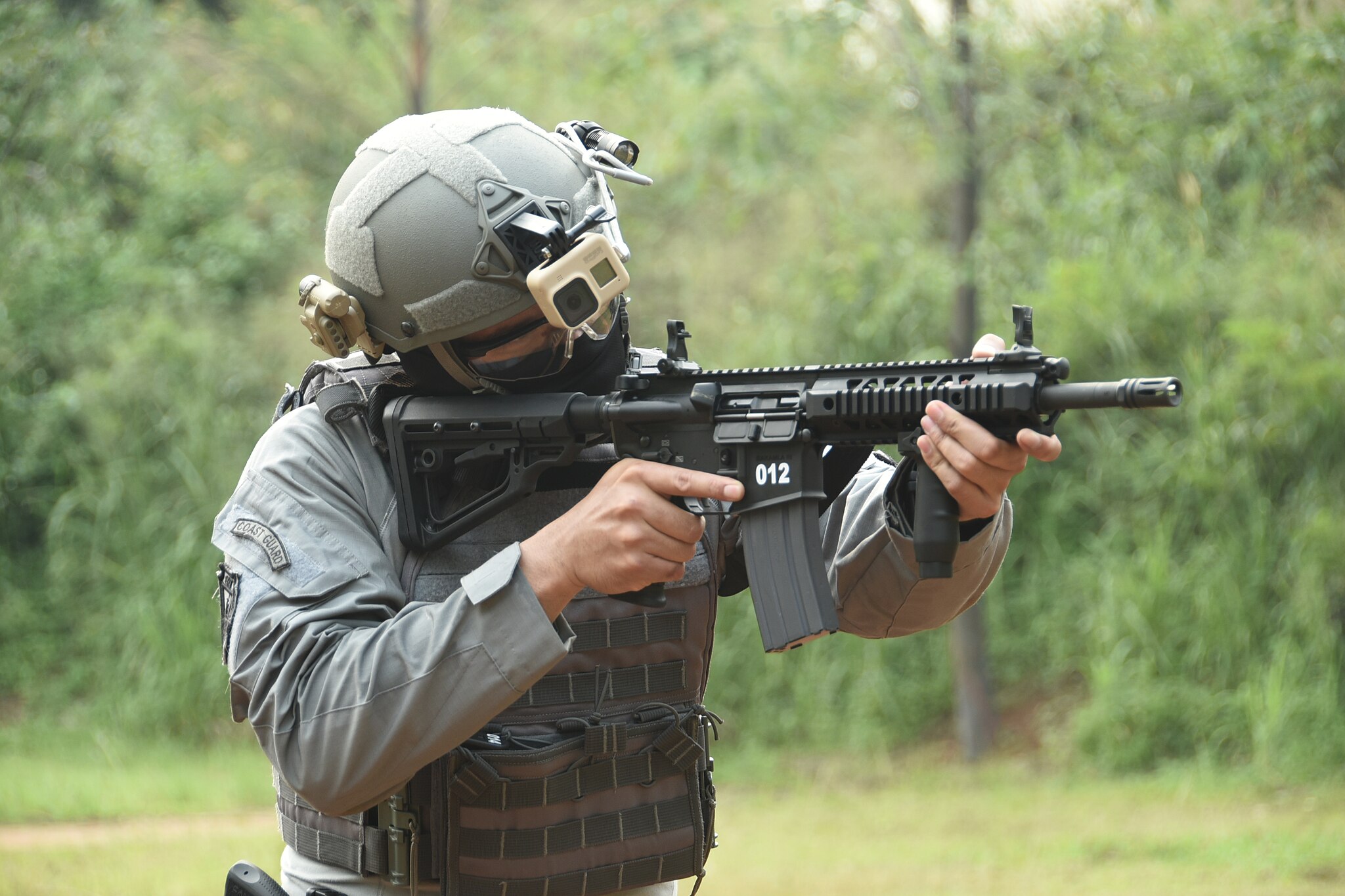
Short-barrel rifles have become increasingly common among hunters who value portability, balance, and ease of movement in real terrain. Yet many opinions about them are shaped by assumptions drawn from ballistics charts, benchrest shooting, or online repetition rather than field experience. Short barrels change how a rifle behaves, but not always in the ways people expect. Velocity loss, blast, and effective range are often misunderstood, leading hunters to dismiss setups that could actually suit their environment better. When shots happen quickly, from uneven ground or tight cover, handling and familiarity matter more than theoretical performance. Understanding what short-barrel rifles truly do, and don’t do, helps hunters make smarter, more ethical choices in the field.
1. They’re Automatically Less Accurate
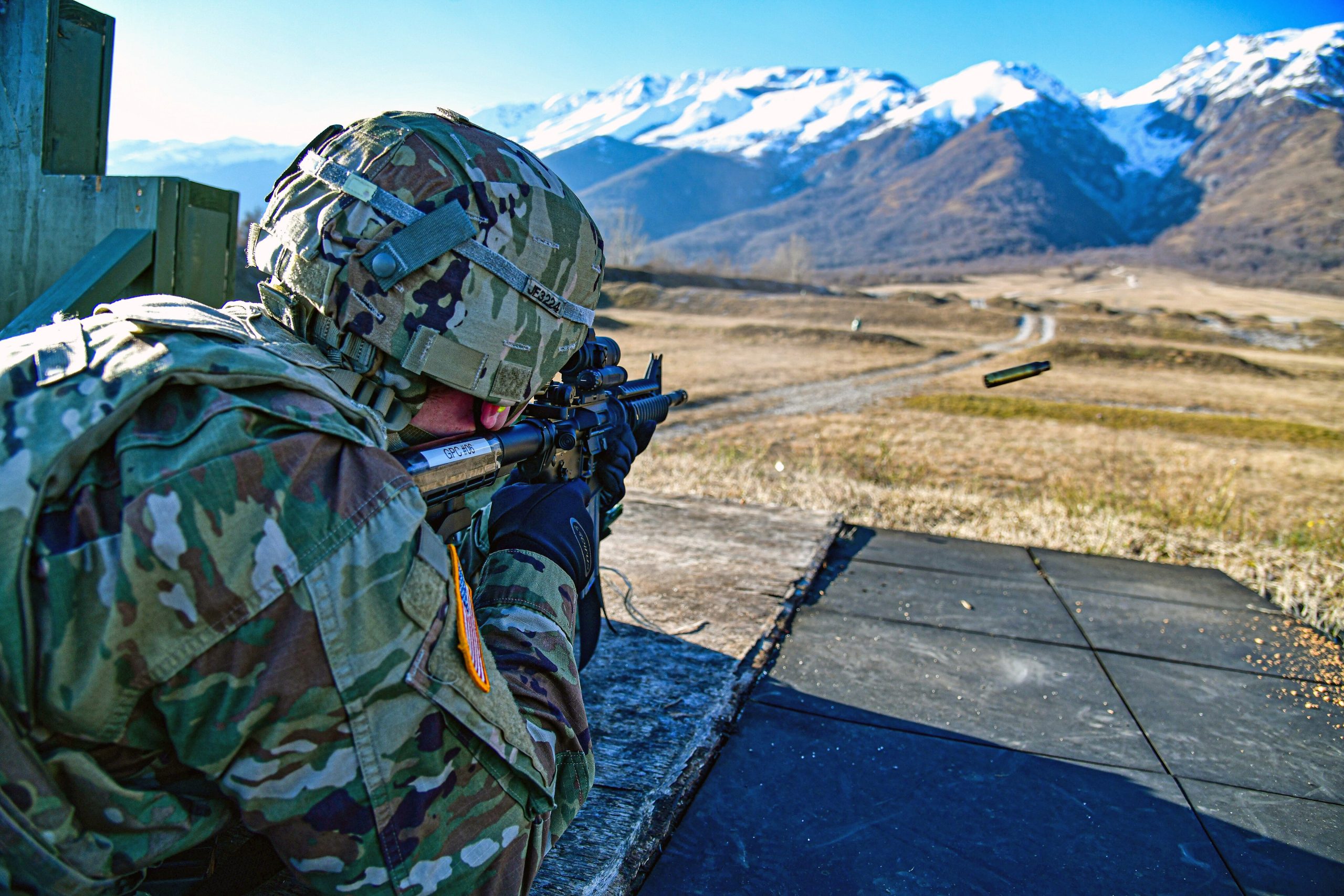
Many hunters believe short barrels are inherently inaccurate, but barrel length alone has little to do with precision. Accuracy depends more on barrel quality, chamber consistency, ammunition choice, and shooter fundamentals. A well-made short barrel can produce excellent groups at typical hunting distances. What changes most is velocity, not the rifle’s ability to place shots consistently. Inside realistic ranges, the majority of hunters cannot outshoot the mechanical accuracy of a quality short barrel. Confusing reduced velocity with reduced precision causes many hunters to overlook rifles that are fully capable of clean, repeatable shot placement where it actually counts.
2. Velocity Loss Makes Them Ineffective
Velocity loss is real with shorter barrels, but it is often overstated and misunderstood. Modern hunting bullets are designed to expand reliably at lower impact speeds than older designs. At common hunting distances, energy reduction is frequently negligible when proper bullets are chosen. Effectiveness depends on matching cartridge, bullet, and distance, not chasing maximum velocity numbers. Many animals are taken cleanly every season with modest velocities. Assuming velocity loss equals poor performance leads hunters to dismiss short barrels without considering realistic ranges or modern bullet capabilities.
3. They’re Only Useful at Close Range
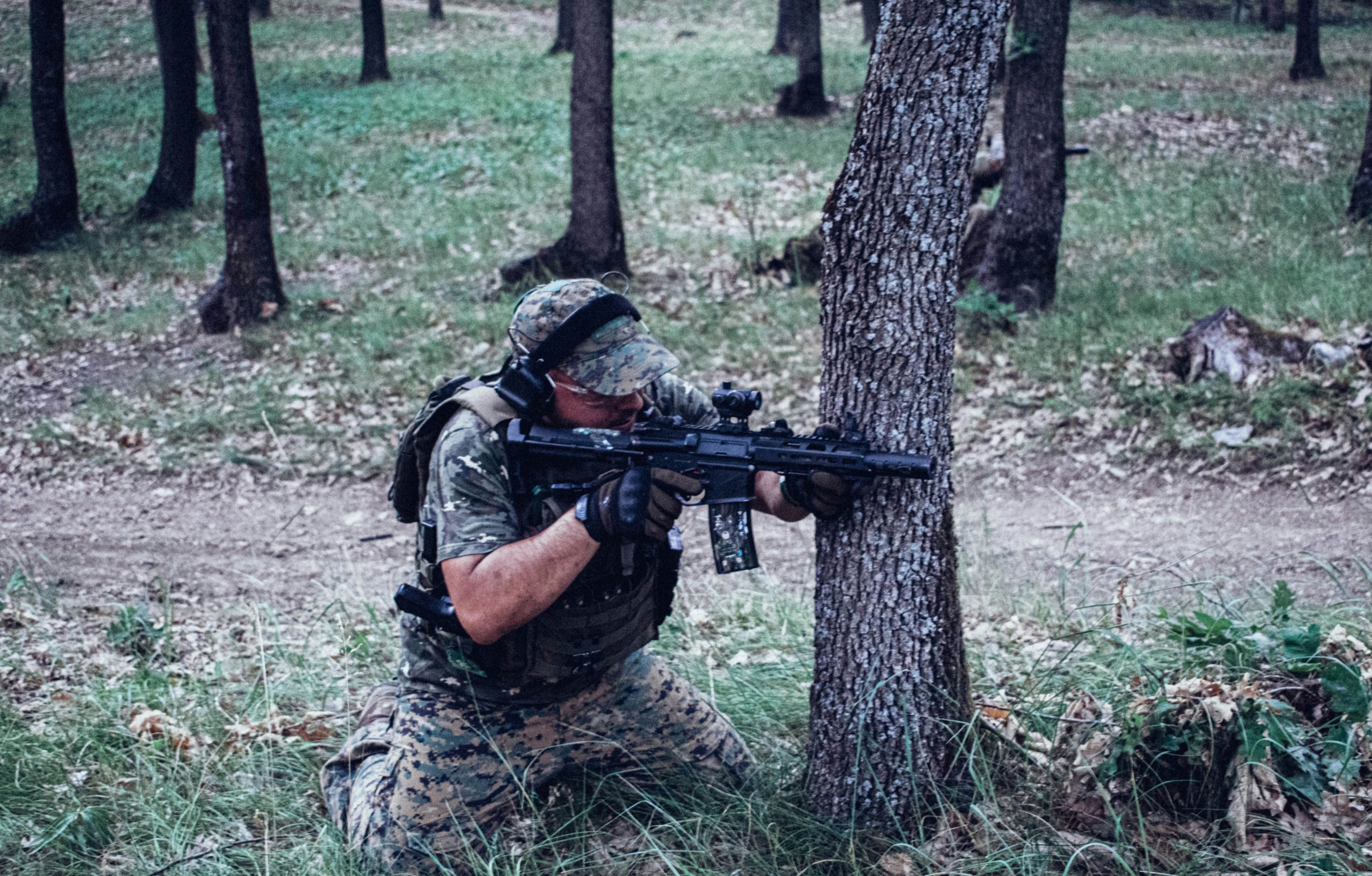
Short-barrel rifles are often labeled as strictly short-range tools, but that ignores how hunting actually happens. With proper zero and known limitations, many short barrels remain effective well beyond 200 yards. Terrain, visibility, and shot opportunity usually dictate distance more than barrel length. Most animals are taken far closer than hunters imagine when planning gear. Short barrels excel in environments where quick handling matters, yet they remain capable at moderate distances when used responsibly. Limiting them to extreme close-range roles understates their real-world versatility.
4. They Always Recoil More
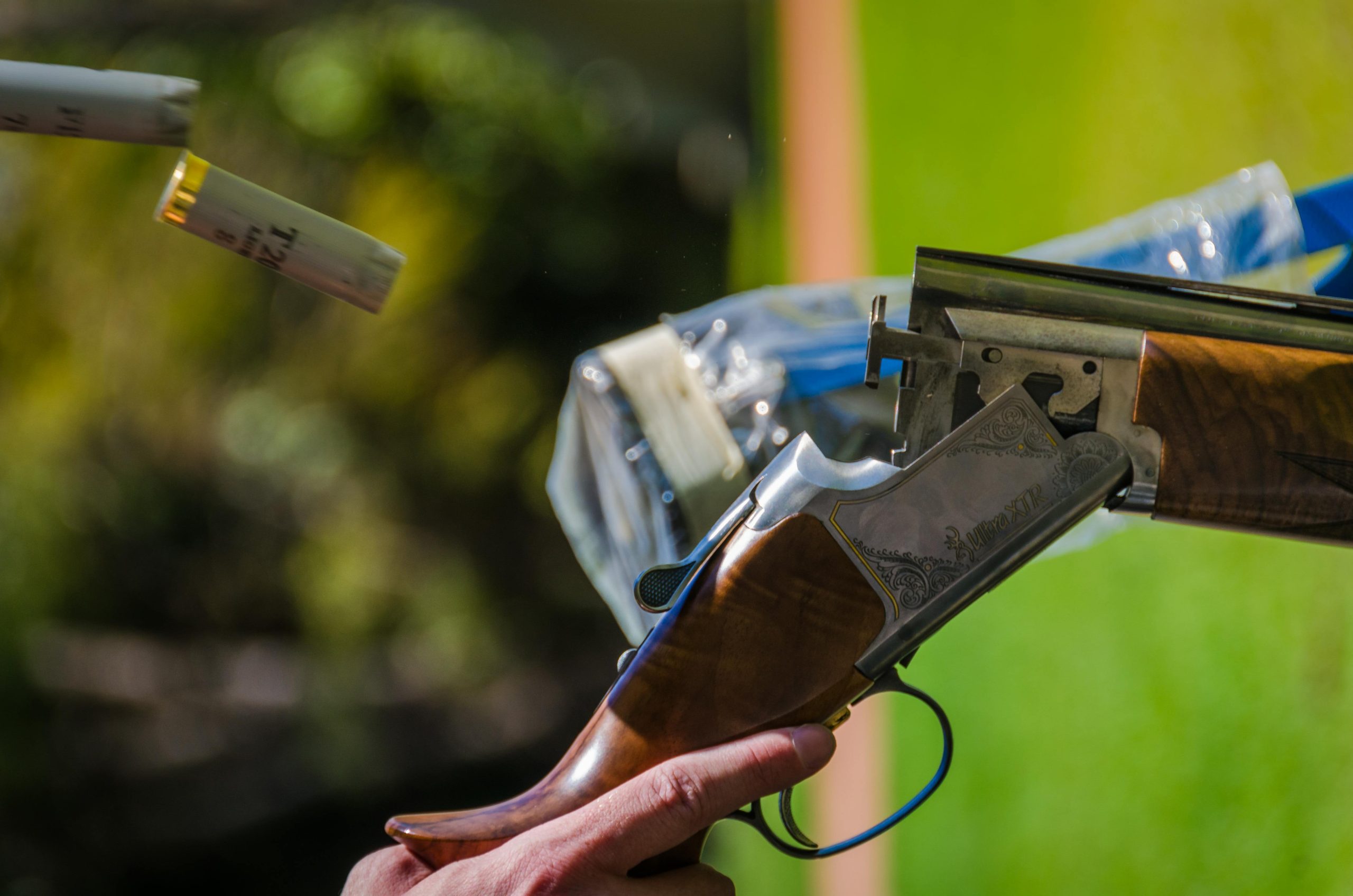
Hunters frequently assume short barrels kick harder, but perceived recoil depends on more than barrel length. Rifle weight, stock design, cartridge choice, and balance all influence how recoil feels. Some short-barreled rifles actually handle recoil better due to improved balance and faster recovery. What many hunters interpret as increased recoil is often a sharper muzzle blast rather than a greater rearward force. Confusing noise with recoil leads to false conclusions. A properly set up short-barreled rifle can be comfortable and controllable in the field.
5. Muzzle Blast Makes Them Unusable
Short barrels do produce more muzzle blast, but that does not make them impractical for hunting. Most hunters fire very few shots per season, often only one. The benefits of maneuverability and reduced fatigue often outweigh the temporary discomfort of increased blast. Proper hearing protection during practice addresses most concerns. In the field, situational awareness and shot placement matter far more than blast. Dismissing short barrels solely due to noise ignores the reality of how rifles are actually used during hunts.
6. They Can’t Shoot Precisely at Distance
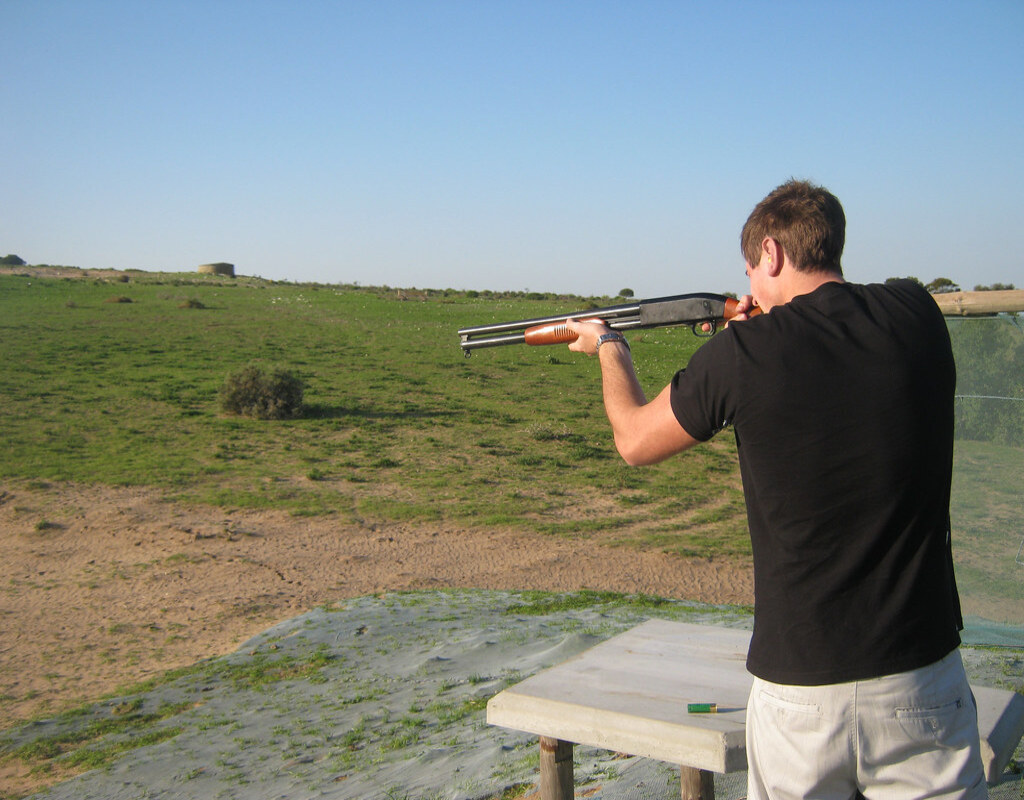
Precision at distance relies on consistency, not barrel length alone. Short barrels reduce velocity, but they do not prevent consistent shot placement within ethical ranges. Hunters who understand drop and wind can still place accurate shots. Misses blamed on barrel length are often the result of poor ranging or rushed shots. Short barrels demand knowledge of limitations, not avoidance. Precision is earned through practice and understanding, not simply added by extra inches of steel.
7. They Don’t Belong in Open Country
Many hunters assume open terrain requires long barrels, but that ignores real movement and carry demands. Long hikes, steep climbs, and constant repositioning favor lighter, more compact rifles. Many shots in open country still occur within moderate distances. Wind reading and judgment matter more than barrel length. Short barrels reduce fatigue and improve handling without automatically limiting capability. Dismissing them for open terrain oversimplifies complex hunting conditions.
8. They Balance Poorly
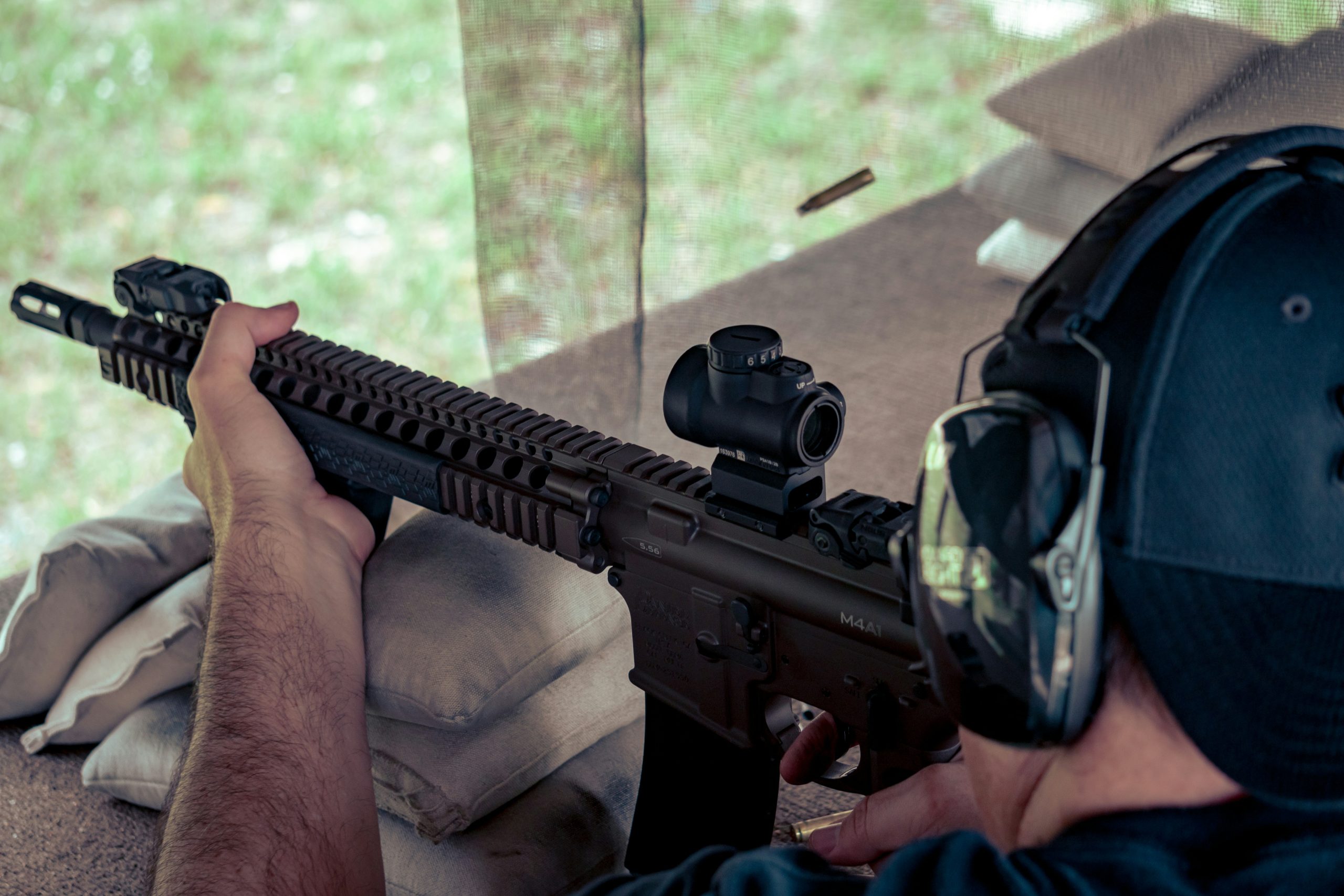
Balance is influenced by overall rifle design, not just barrel length. Many short-barreled rifles balance closer to the action, making them quicker to shoulder and steadier in unsupported positions. Long barrels can feel nose-heavy, especially with optics attached. Hunters who prioritize offhand shooting often prefer the balance of shorter setups. Poor balance results from design choices, not barrel length itself. Short barrels can enhance control when shots happen fast.
9. You Lose Too Much Energy
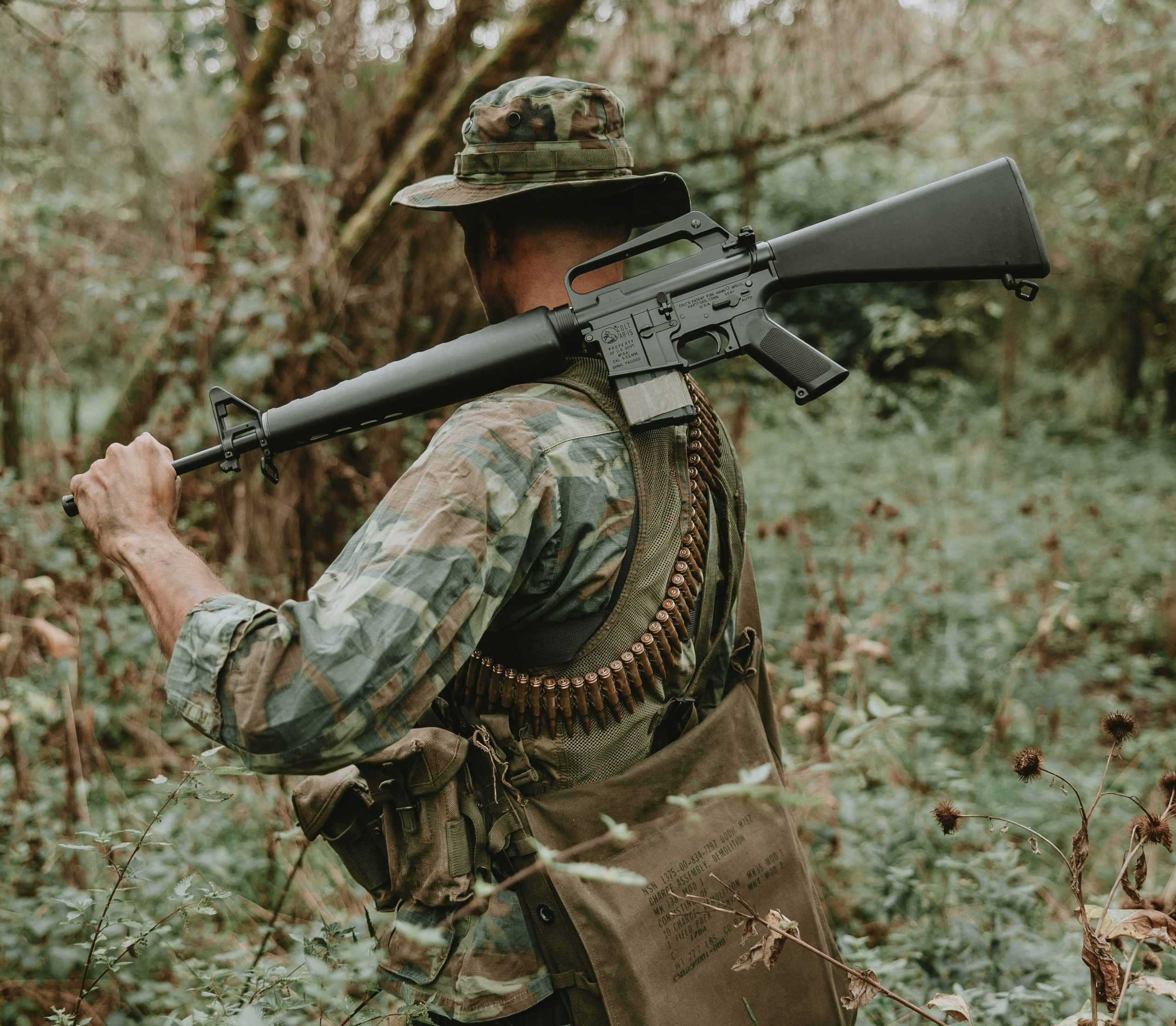
Energy figures are frequently misunderstood and taken out of context. While shorter barrels reduce muzzle energy, impact energy at realistic distances often remains more than sufficient. Bullet construction plays a larger role in terminal performance than raw energy numbers. Chasing maximum energy often leads to excessive recoil and unnecessary rifle weight. Ethical kills rely on penetration and expansion, not inflated statistics. Short barrels retain adequate energy when used within their intended envelope.
10. They Require Specialized Ammunition
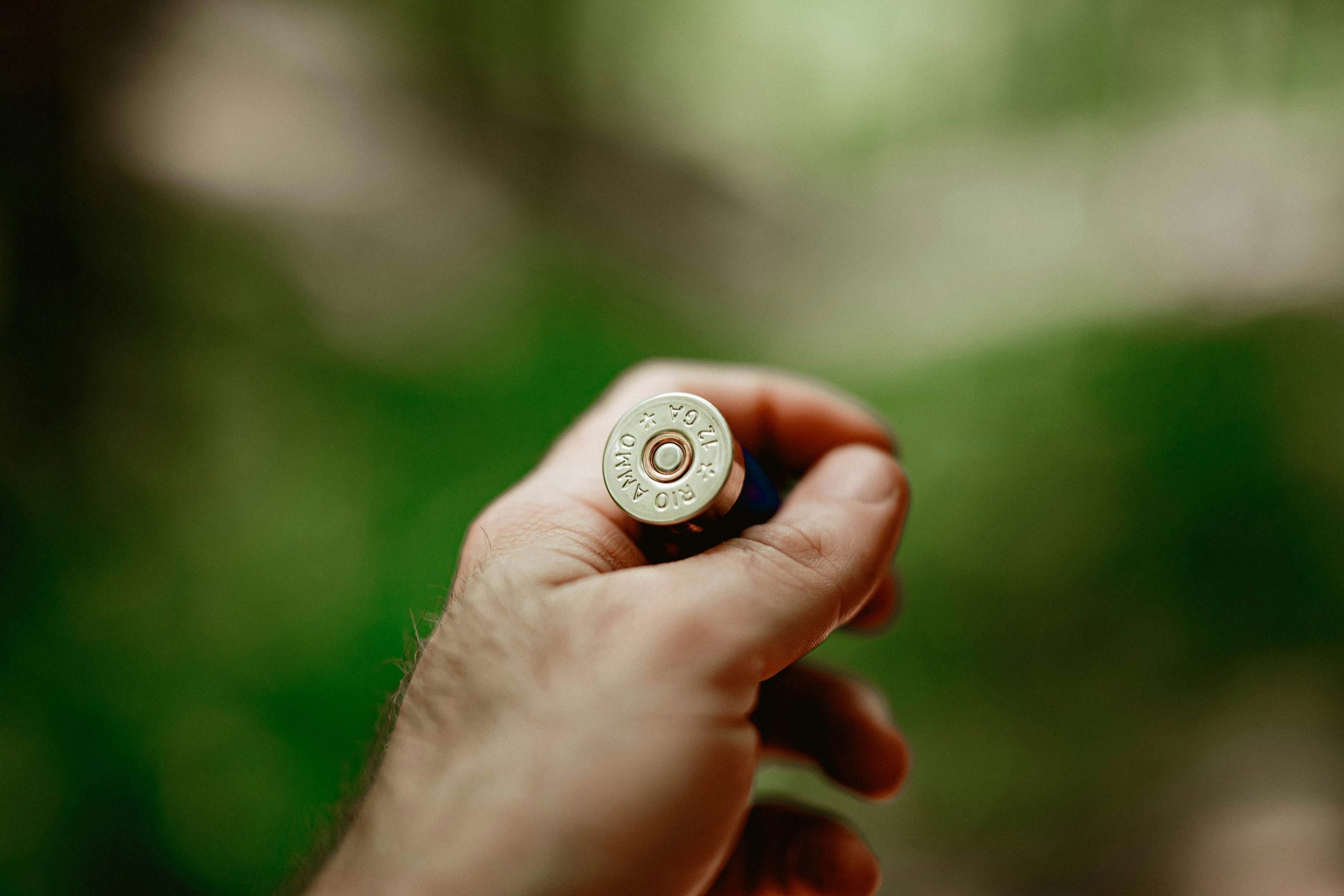
Short-barrel rifles do not require exotic or hard-to-find ammunition. Many standard hunting loads perform well when distances are realistic. While certain bullets are optimized for lower velocities, they are widely available and not niche. Understanding your rifle’s performance matters more than chasing specialty loads. The belief that short barrels demand unusual ammunition discourages hunters unnecessarily and complicates simple setups that already work well.
11. Longer Barrels Always Shoot Flatter
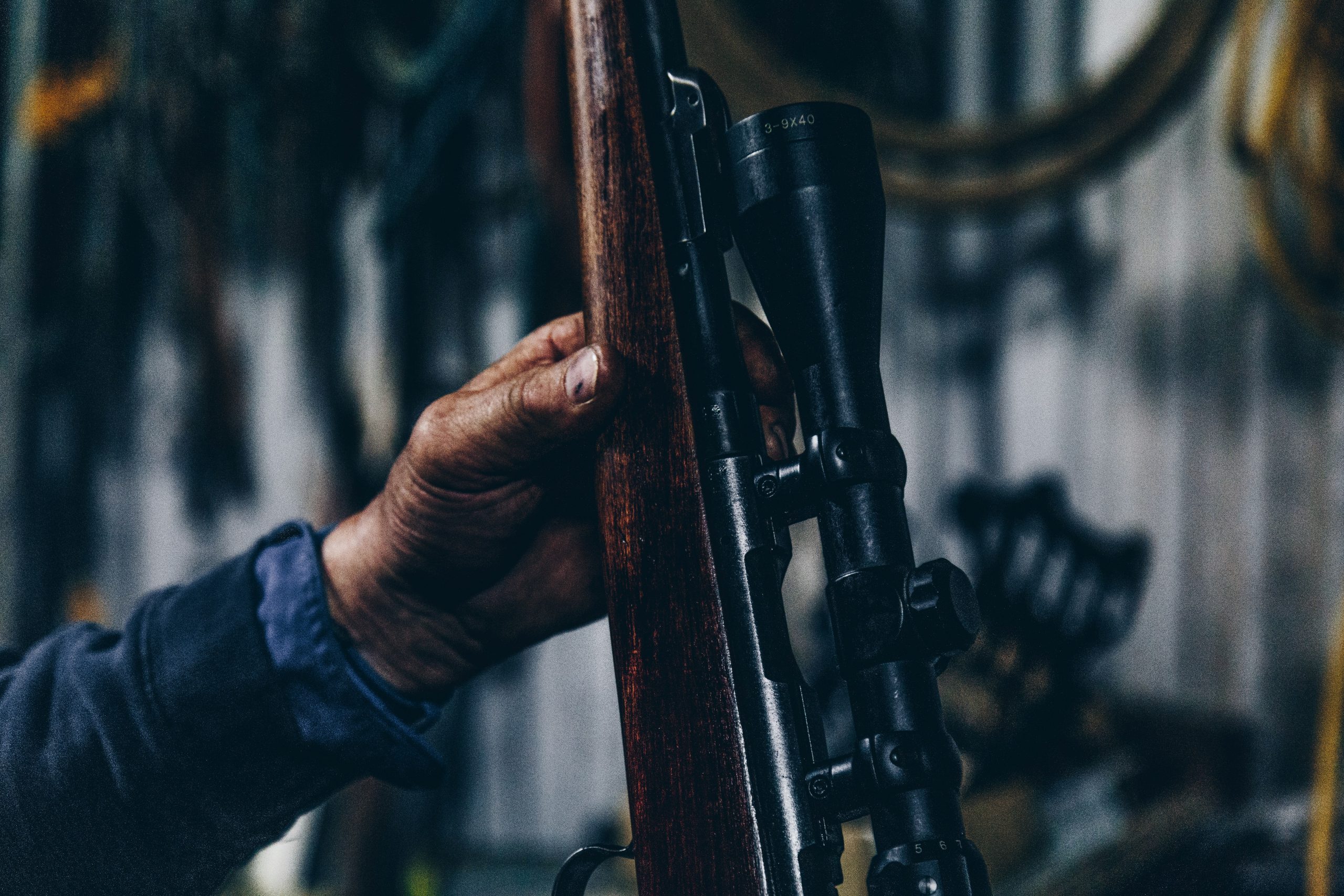
Many hunters believe longer barrels automatically produce flatter trajectories, but this oversimplifies how rifles actually perform in the field. While added velocity can reduce drop, trajectory differences inside common hunting distances are often small enough to be irrelevant. Poor zeroing, incorrect range estimation, and misunderstanding holdovers cause more misses than barrel length ever does. Within 200 yards, which covers most real hunting shots, the trajectory variation between barrel lengths is minimal. Learning proper zero distances and understanding bullet behavior matters far more than adding inches of barrel that provide little practical advantage.
12. Short Barrels Are Less Reliable
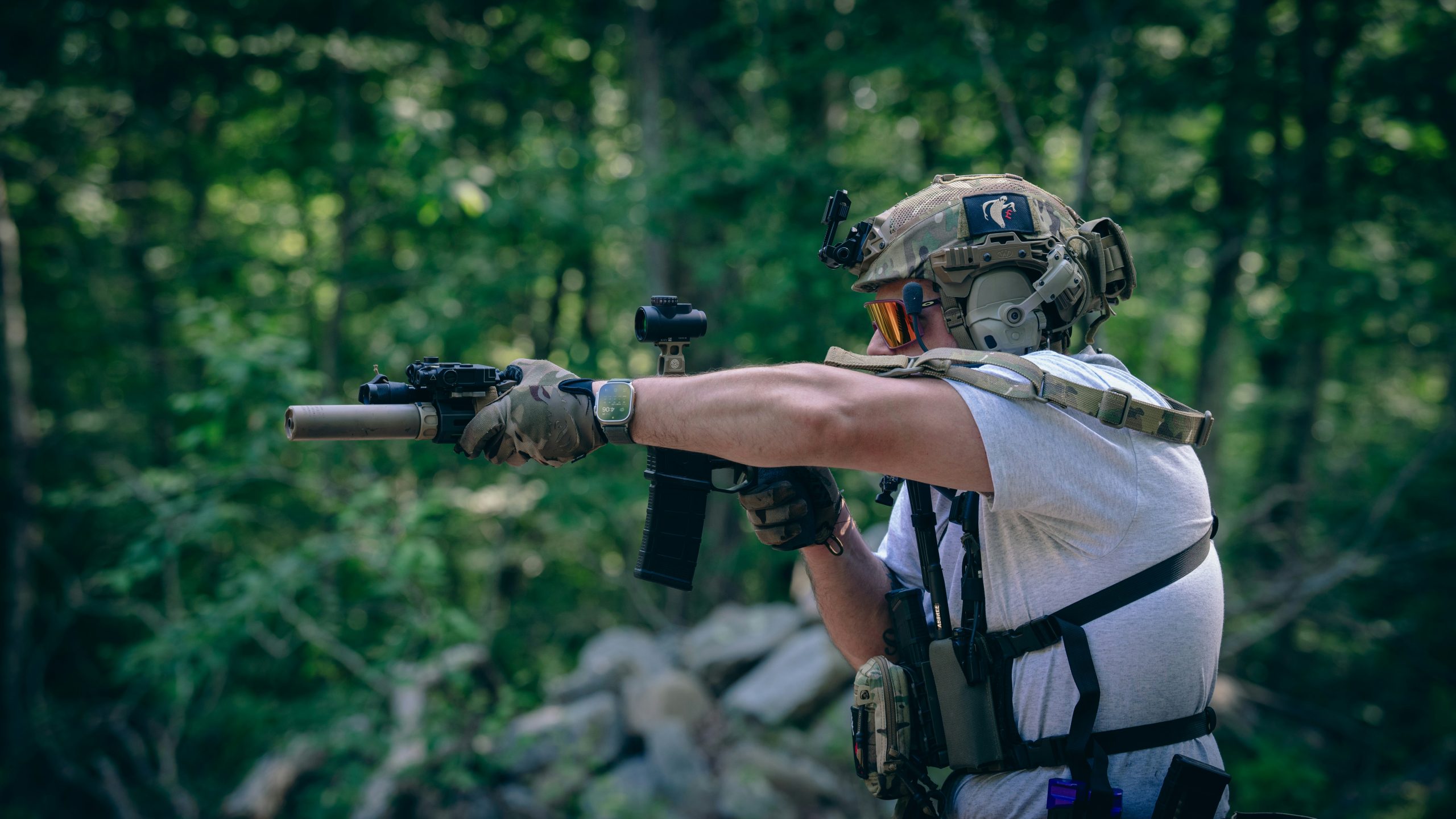
Reliability is often blamed on barrel length when the real causes are maintenance, ammunition choice, or action design. Short barrels do not inherently reduce reliability, and many compact rifles perform flawlessly in harsh hunting conditions. Feeding issues, extraction problems, or inconsistent ignition usually trace back to worn components or improper tuning. Hunters sometimes associate reliability problems from poorly set up rifles with barrel length unfairly. A well-maintained short-barrel rifle is just as dependable as a longer one when it matters most, especially in cold, wet, or dusty environments.
13. They’re Only for Tactical Use
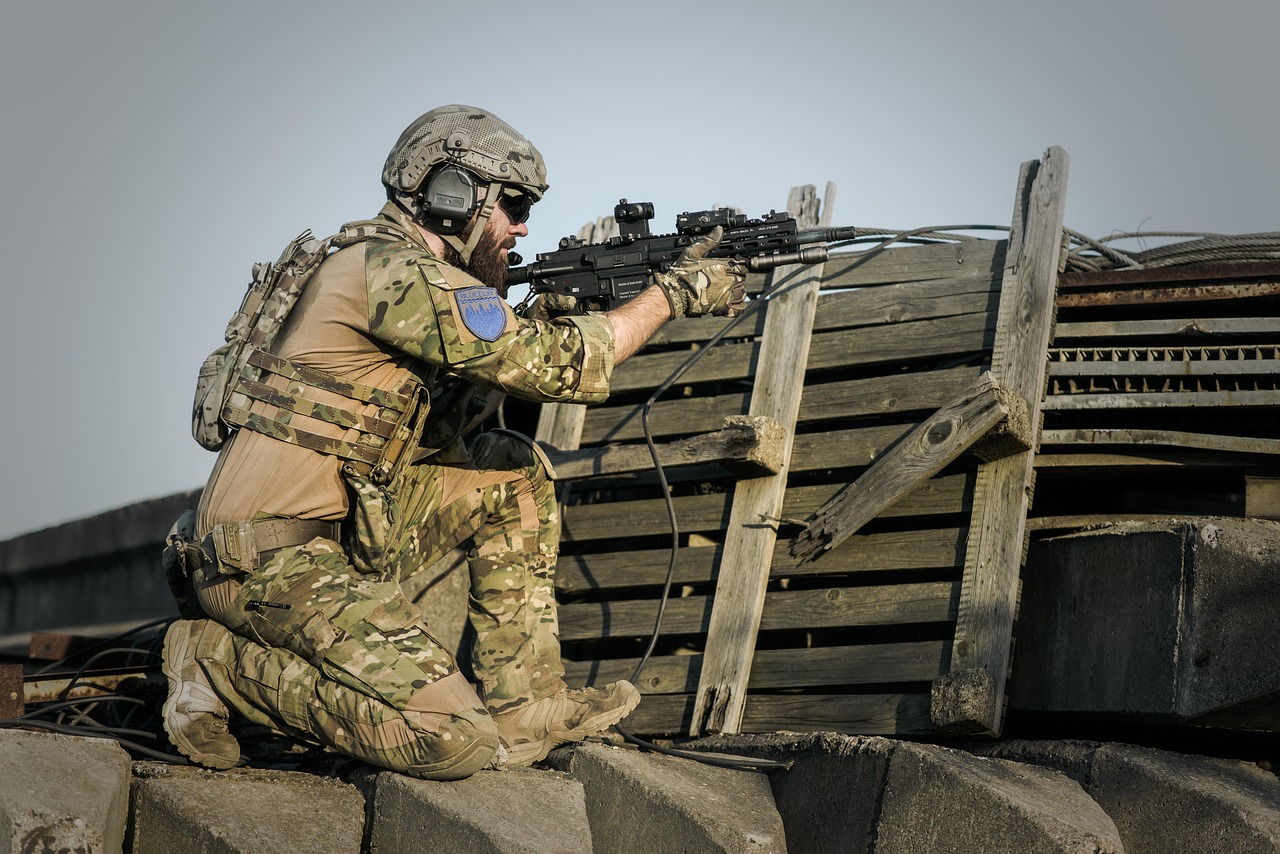
Short barrels are frequently dismissed as tactical tools because of modern imagery, but compact hunting rifles existed long before current trends. Trappers, woods hunters, and ranchers favored shorter rifles for ease of carry and fast handling. These same advantages apply today in thick cover, steep terrain, and tight shooting angles. Judging equipment by appearance rather than function leads hunters to overlook practical benefits. A rifle’s role should be defined by how it performs in the field, not by how it resembles equipment used outside hunting contexts.
14. Optics Don’t Work Well on Them
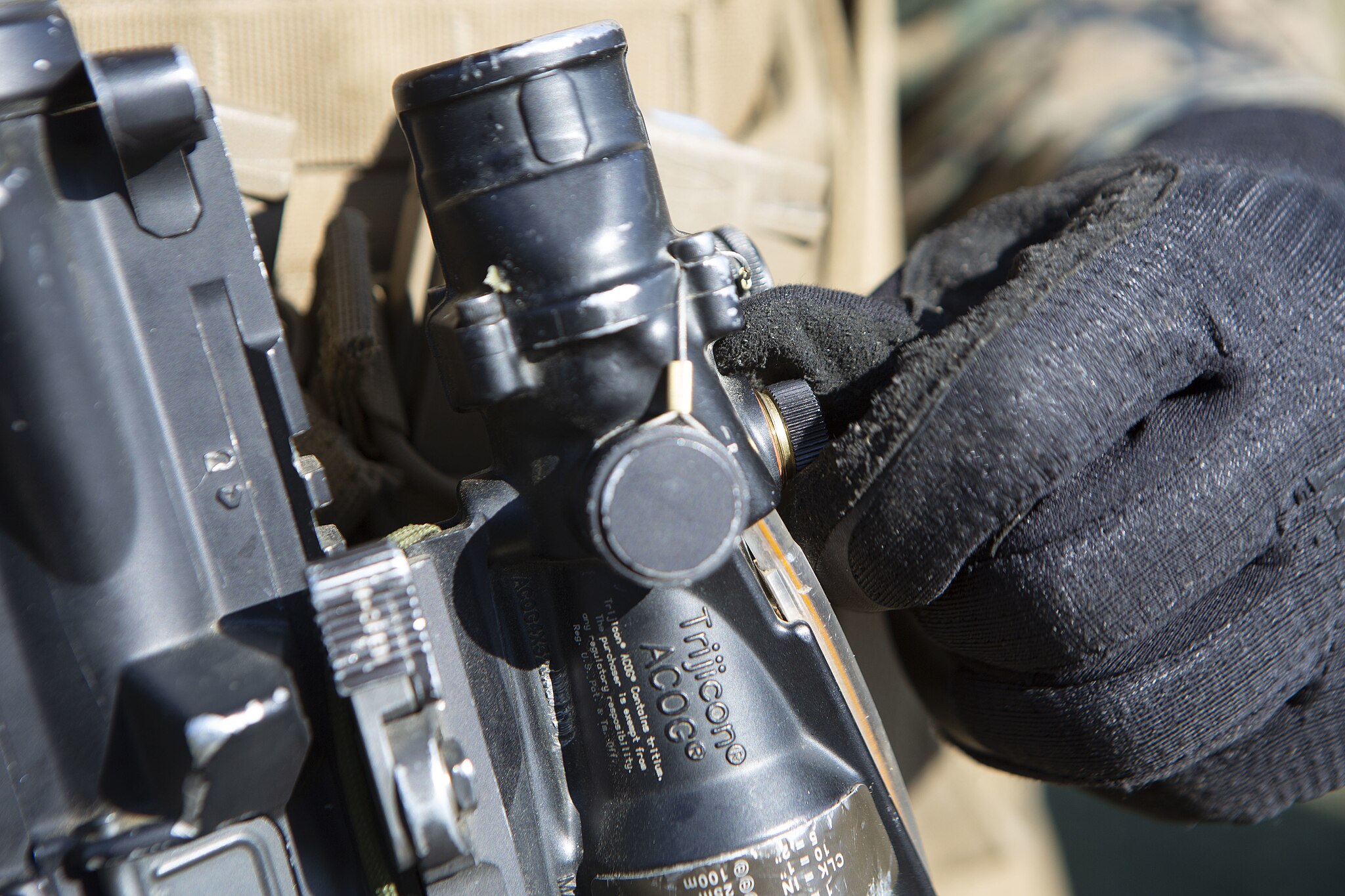
Some hunters assume short barrels limit optic effectiveness, but barrel length has no impact on how an optic functions. What matters is matching the optic to realistic engagement distances. Short-barrel rifles pair extremely well with low-power scopes or compact optics designed for quick target acquisition. Problems arise when oversized scopes intended for long-range shooting are mounted on rifles not used that way. Proper optic selection enhances usability rather than restricting it, regardless of barrel length.
15. They’re Louder Than They’re Worth
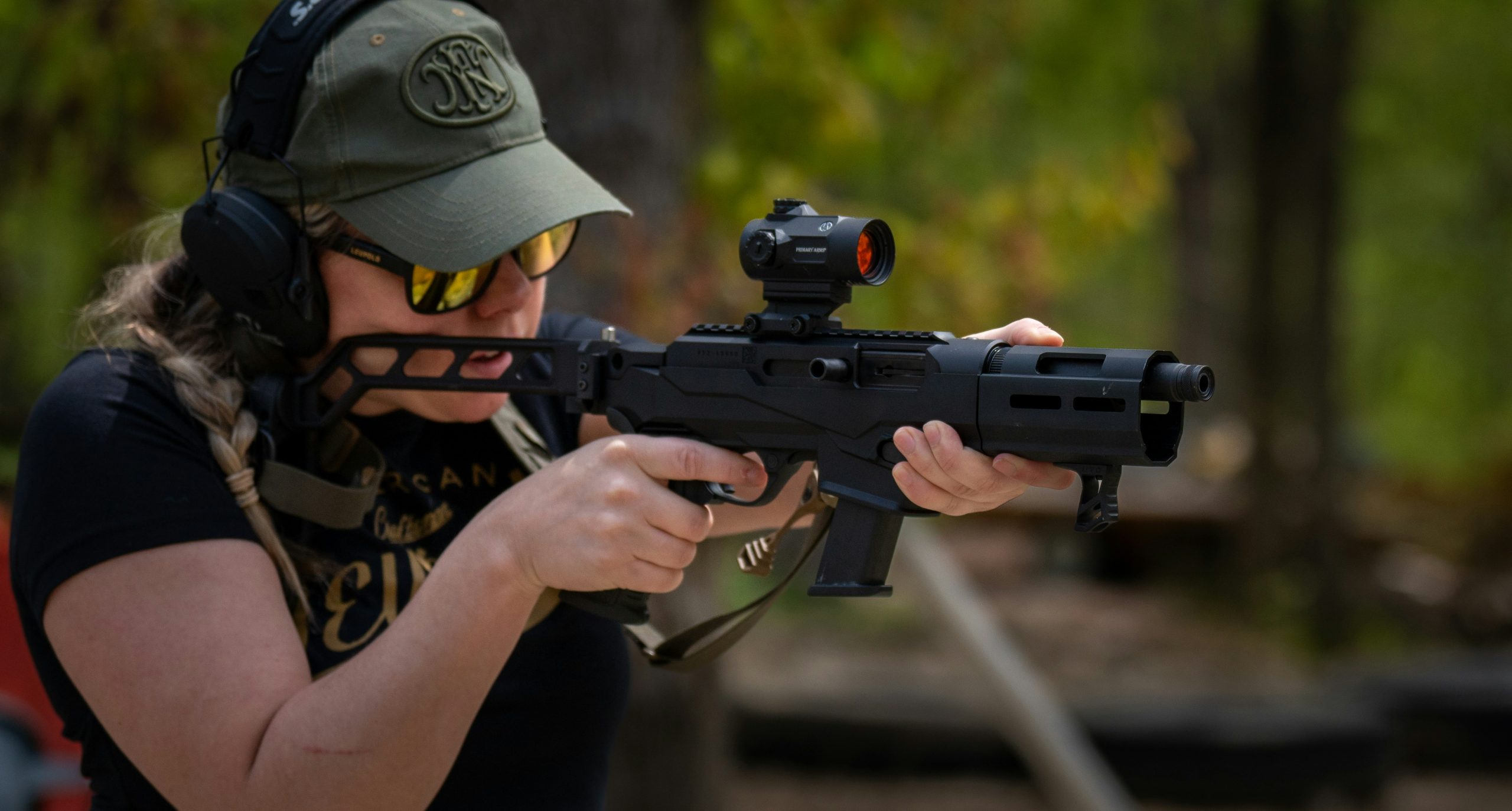
Noise is often overstated as a reason to avoid short barrels, but hunting reality differs greatly from range sessions. Most hunters fire very few shots each season, often only one during an actual hunt. Increased blast is momentary and rarely influences success. During practice, proper hearing protection eliminates discomfort. In return, hunters gain lighter weight, faster handling, and less fatigue during long days afield. Evaluating noise without considering real usage leads to skewed priorities and unnecessary avoidance.
16. They Reduce Ethical Shot Opportunities
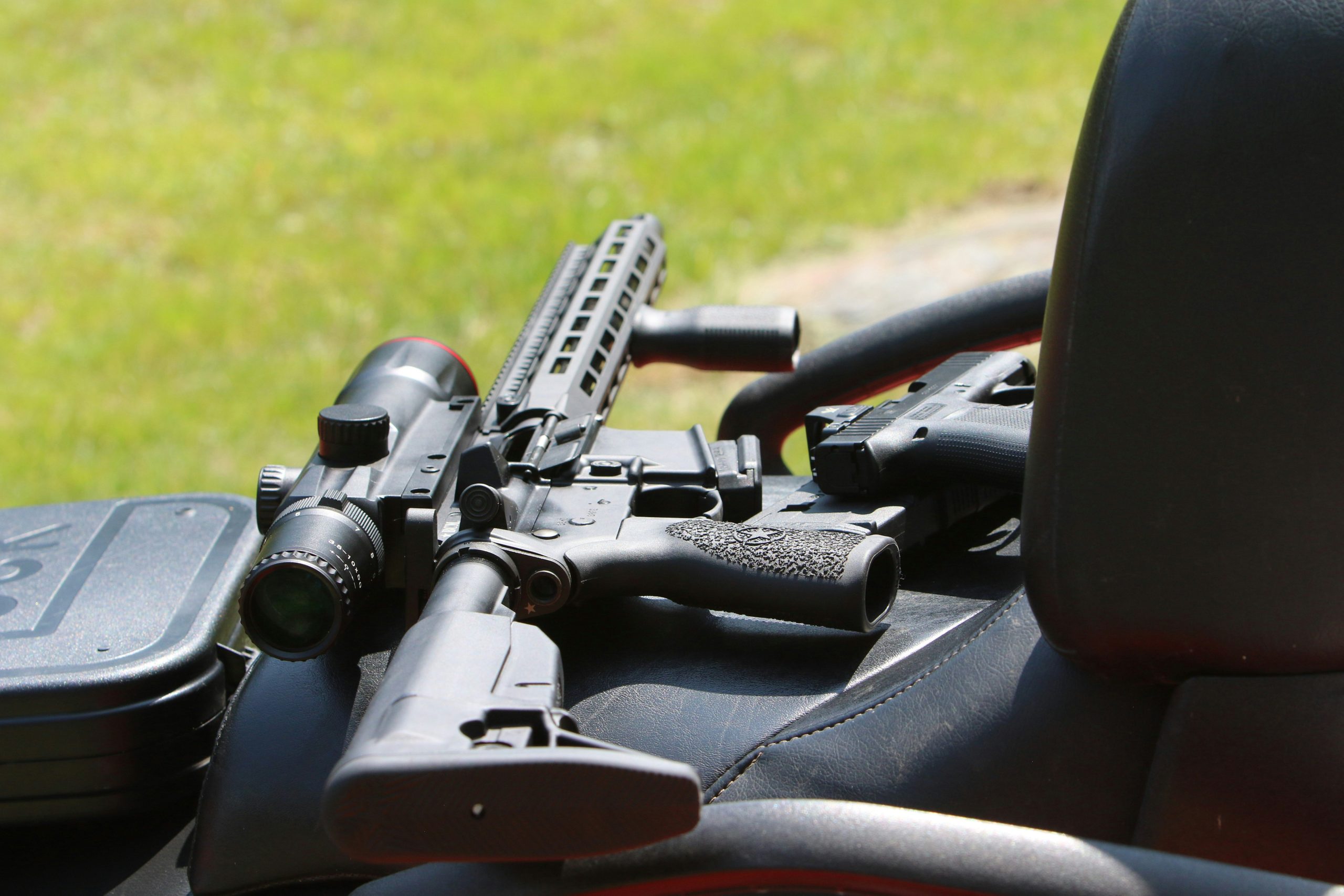
Ethical shot opportunities are determined by judgment, preparation, and self-discipline, not barrel length. Short-barreled rifles do not remove ethical options when hunters understand their limitations. Responsible hunters already pass shots beyond their effective range, regardless of equipment. Knowing velocity, drop, and wind behavior defines ethical boundaries. Blaming barrel length for poor decision-making avoids personal responsibility. When used within their realistic envelope, short barrels support clean, humane harvests just as effectively as longer rifles.
17. They’re Harder to Shoot Well
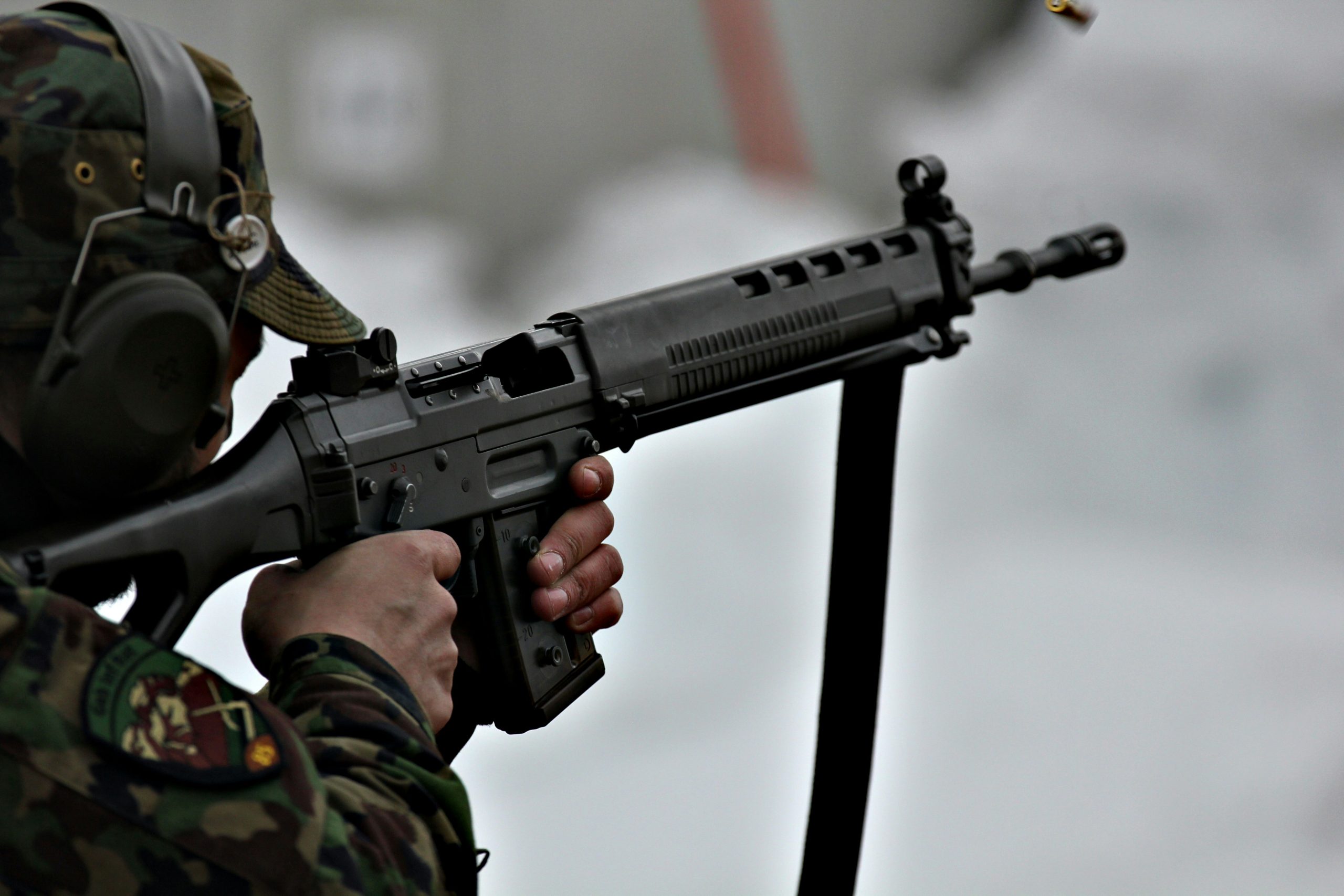
Some hunters believe shorter barrels are harder to shoot accurately, but many experience the opposite. Improved balance and quicker handling often help in real hunting positions, especially offhand or kneeling shots. Long barrels excel on benches but can feel unwieldy in tight or uneven terrain. Shots in the field rarely allow perfect setup. Short-barrel rifles settle faster and move more naturally, which can improve accuracy when time and stability are limited. Familiarity, not barrel length, determines shootability.
18. They’re Always a Compromise
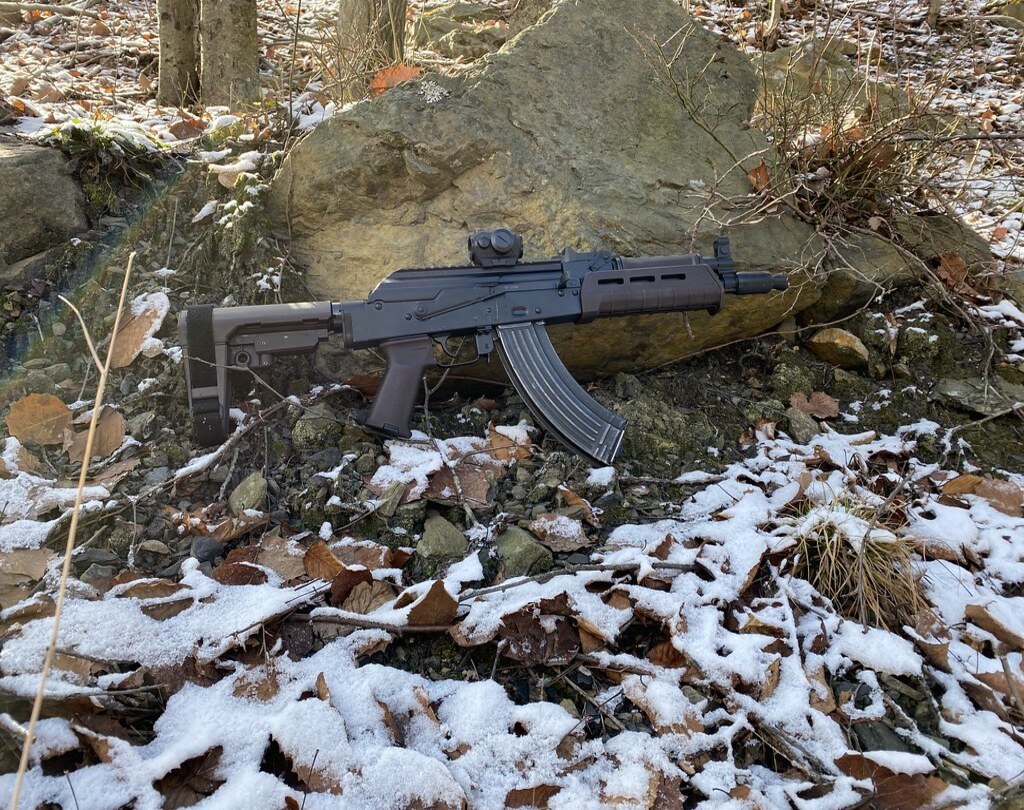
Short-barrel rifles are often described as compromises, but for many hunters they are deliberate optimizations. Every rifle design balances tradeoffs between weight, handling, velocity, and comfort. Short barrels prioritize real-world usability over theoretical maximums rarely reached during hunts. When chosen intentionally, they enhance effectiveness rather than limit it. The real mistake is assuming one rifle configuration fits every environment. Short barrels shine when matched to terrain, distance, and hunting style instead of abstract performance ideals.