Sudden weather changes can turn a manageable outdoor situation into a serious survival challenge within minutes. Clear skies can become violent storms, temperatures can drop sharply, and calm winds can turn dangerous. When this happens, survival priorities must adjust immediately. What mattered an hour ago may no longer be the top concern. Smart survival depends on recognizing these shifts and responding with the right actions in the right order. The following eighteen priorities explain how survival focus changes when weather turns unexpectedly severe, helping you stay safe, conserve energy, and make better decisions under pressure.
1. Immediate Shelter Becomes the Top Priority
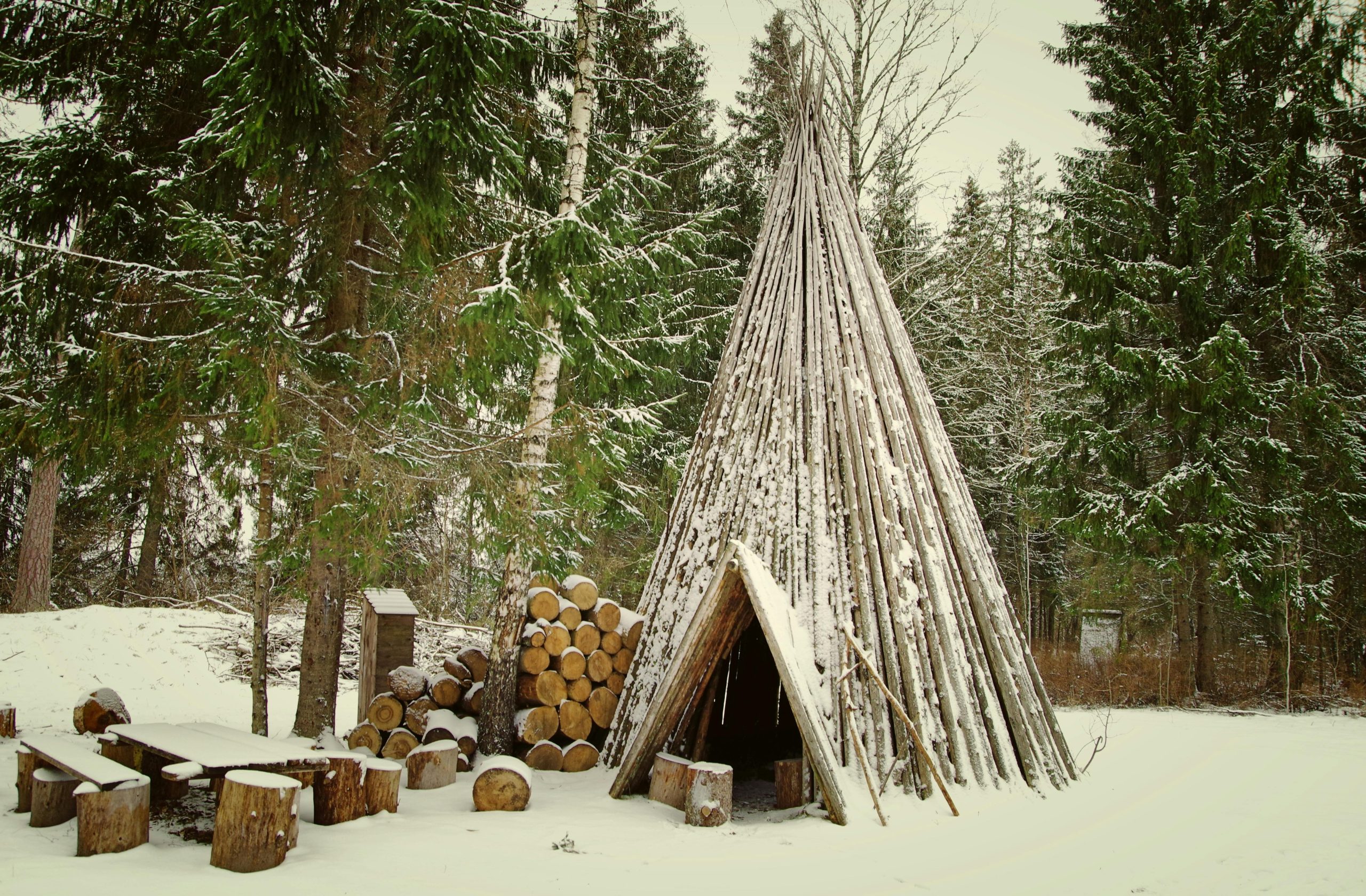
When the weather shifts suddenly, shelter moves to the top of the survival list. Wind, rain, snow, or extreme sun exposure can drain body heat rapidly. Even a basic shelter can reduce heat loss, block wind, and stabilize body temperature. Natural shelters like tree cover, rock overhangs, or terrain dips become valuable immediately. If materials are available, constructing a quick windbreak or rain barrier helps preserve energy. Shelter also provides psychological stability, allowing clearer thinking. In harsh conditions, exposure can become life-threatening faster than hunger or thirst. Prioritizing shelter early improves survival odds and prevents further complications caused by hypothermia or heat stress.
2. Temperature Regulation Replaces Long-Term Comfort

When the weather changes suddenly, staying within a safe body temperature range becomes more important than comfort. Wet clothing, strong wind, or intense heat can overwhelm the body’s ability to regulate itself. Removing soaked layers, adding insulation, or creating shade becomes urgent. Survival decisions must focus on preventing overheating or excessive cooling. This may mean stopping movement to avoid sweat or increasing activity to generate warmth. Temperature control affects mental clarity, coordination, and stamina. Ignoring this priority can lead to rapid physical decline. Adjusting clothing and activity quickly helps stabilize the body and preserves strength for future survival tasks.
3. Water Management Shifts From Conservation to Protection

In sudden weather changes, water priorities can reverse. Cold rain or snow increases dehydration risk while also threatening body heat. In extreme heat, water loss accelerates rapidly. Protecting existing water supplies from freezing, contamination, or spillage becomes critical. Collecting rainwater safely may become easier, while purification remains essential. In cold conditions, snow must be melted carefully to avoid lowering body temperature. Hydration supports circulation and decision-making. Poor water management during weather shifts leads to faster exhaustion and confusion. Adapting how water is gathered, stored, and consumed becomes a key survival focus.
4. Fire Importance Increases or Decreases Rapidly
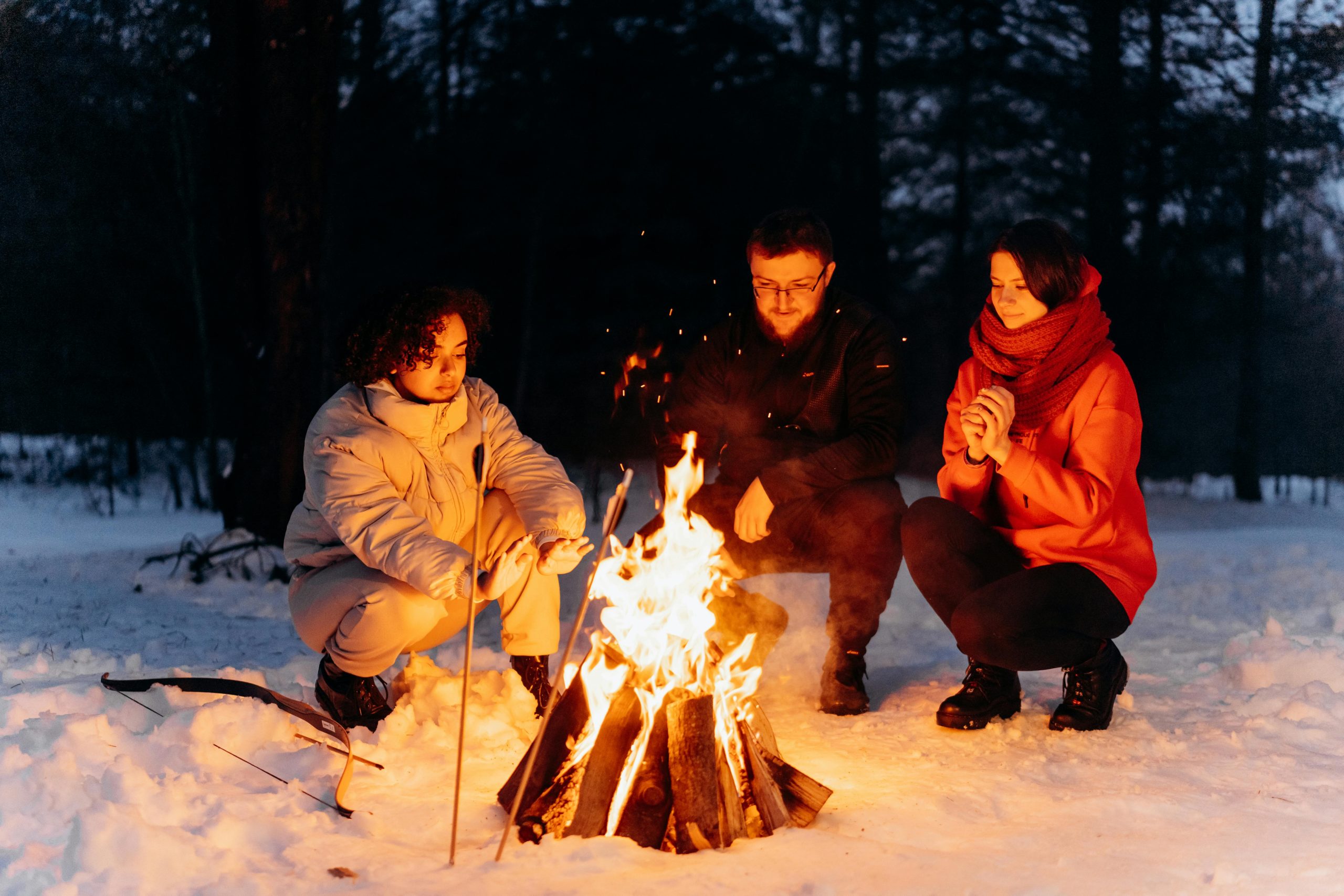
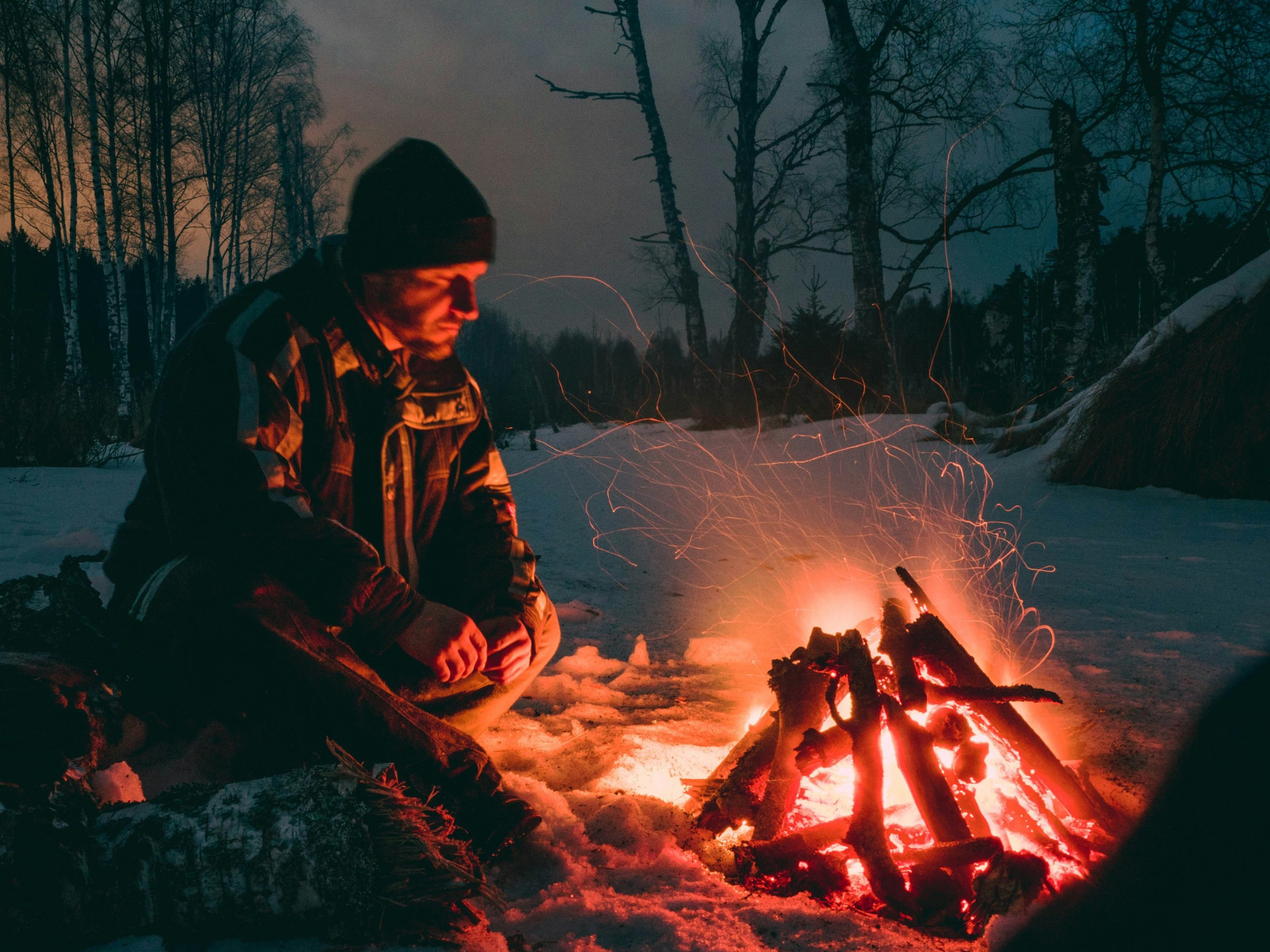
Fire priority depends heavily on sudden weather changes. Cold, wet, or windy conditions make fire essential for warmth, drying clothes, and morale. In contrast, high winds or drought conditions may make fire dangerous or impossible. Survival focus must adapt quickly. If fire is needed, protecting ignition sources and finding dry tinder becomes urgent. Fire placement must account for wind direction and safety. When fire is not safe, insulation and shelter replace its role. Recognizing whether fire helps or harms survival in current conditions is critical to making safe and effective decisions.
5. Movement Becomes a Risk Assessment
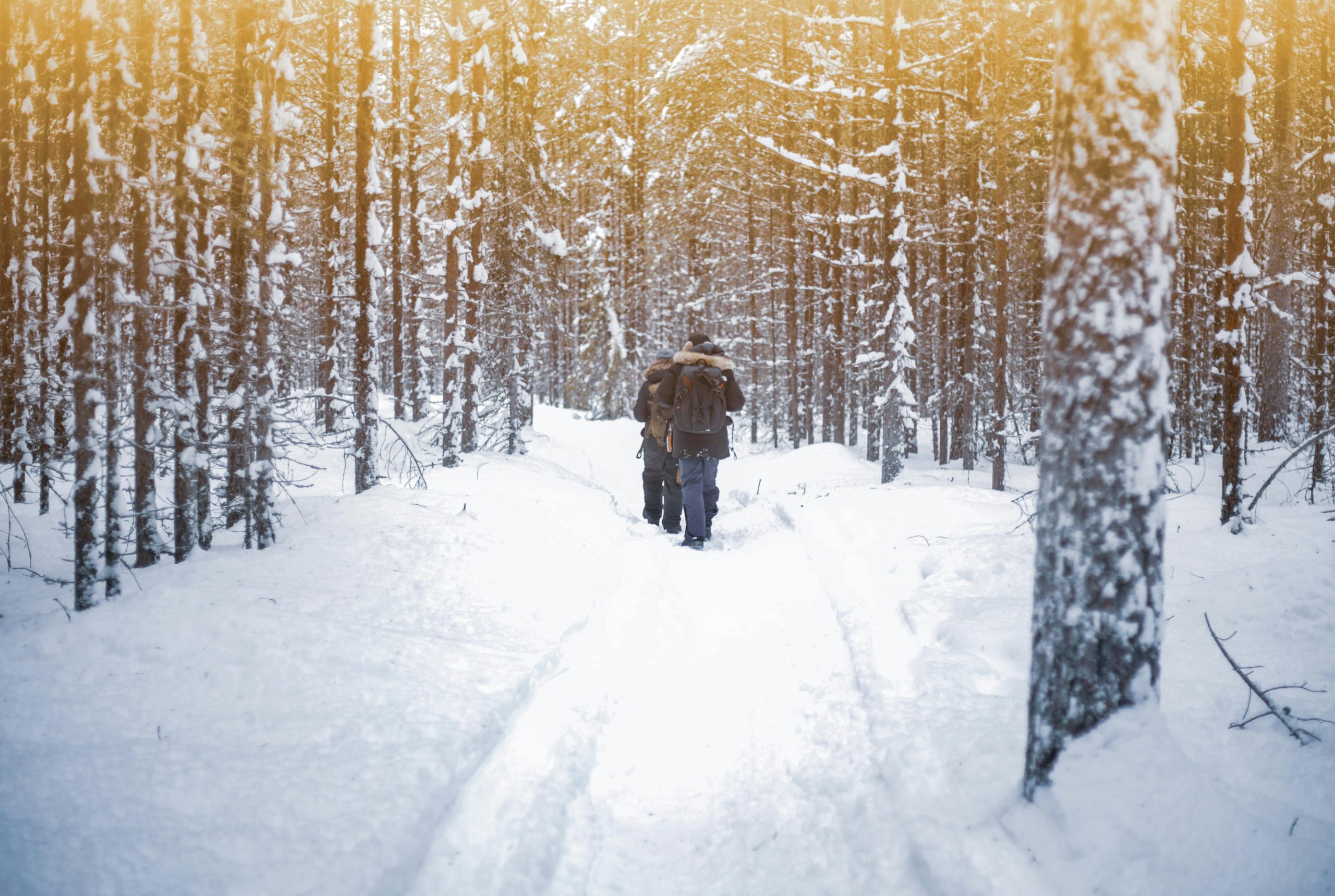
Sudden weather shifts change how safe movement is. Storms, snow, fog, or extreme heat can turn travel into a dangerous choice. Slippery ground, reduced visibility, or exhaustion increase injury risk. Survival priorities shift toward staying put if movement becomes hazardous. Conserving energy may outweigh reaching a destination quickly. In some cases, moving to lower ground or safer terrain is essential. Evaluating terrain, weather direction, and personal condition helps determine whether movement improves or worsens survival chances. Poor timing can lead to accidents that compound an already dangerous situation.
6. Navigation Accuracy Becomes Critical

Weather changes can obscure landmarks and alter familiar terrain. Fog, snowfall, or heavy rain reduces visibility and distorts sound. Navigation errors become more likely. Survival priority shifts to maintaining accurate orientation. Staying on known routes, marking locations, or stopping travel until conditions improve may be safer. Using terrain features, compasses, or GPS tools carefully becomes important. Getting lost in worsening weather drastically reduces rescue chances. Clear navigation decisions prevent unnecessary exposure and energy loss. Maintaining location awareness helps ensure survival efforts remain focused and effective.
7. Energy Conservation Gains Urgency
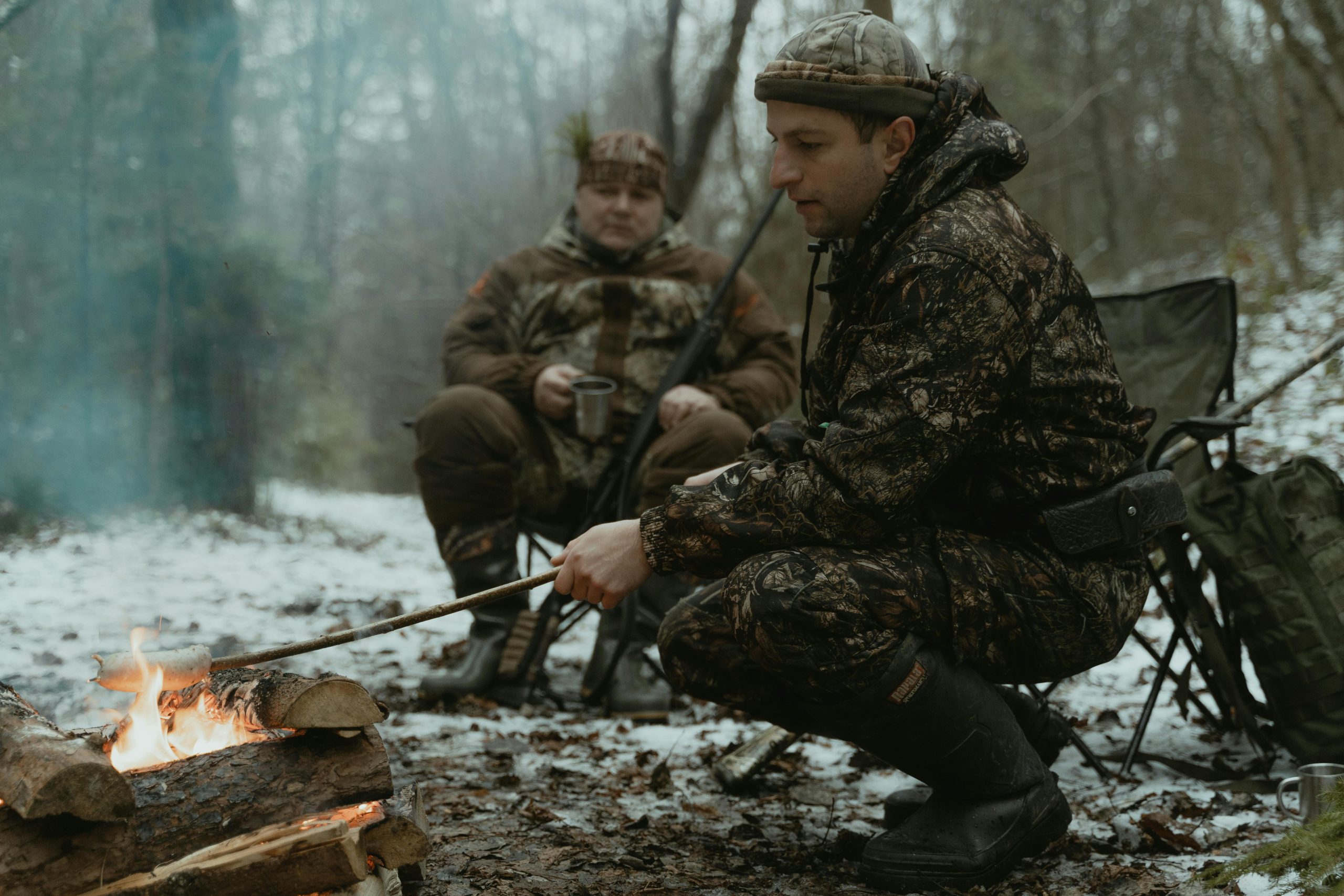
When the weather turns severe, energy becomes a limited resource. Cold forces the body to burn calories faster, while heat drains strength through dehydration. Survival priorities shift toward minimizing unnecessary movement and tasks. Sitting, resting, and planning may replace constant action. Efficient shelter building and smart layering reduce calorie burn. Overexertion leads to fatigue and poor judgment. Conserving energy ensures the body can respond when action is truly necessary. This shift often determines whether someone lasts through extended exposure or deteriorates quickly under harsh conditions.
8. Nutrition Drops in Priority Temporarily
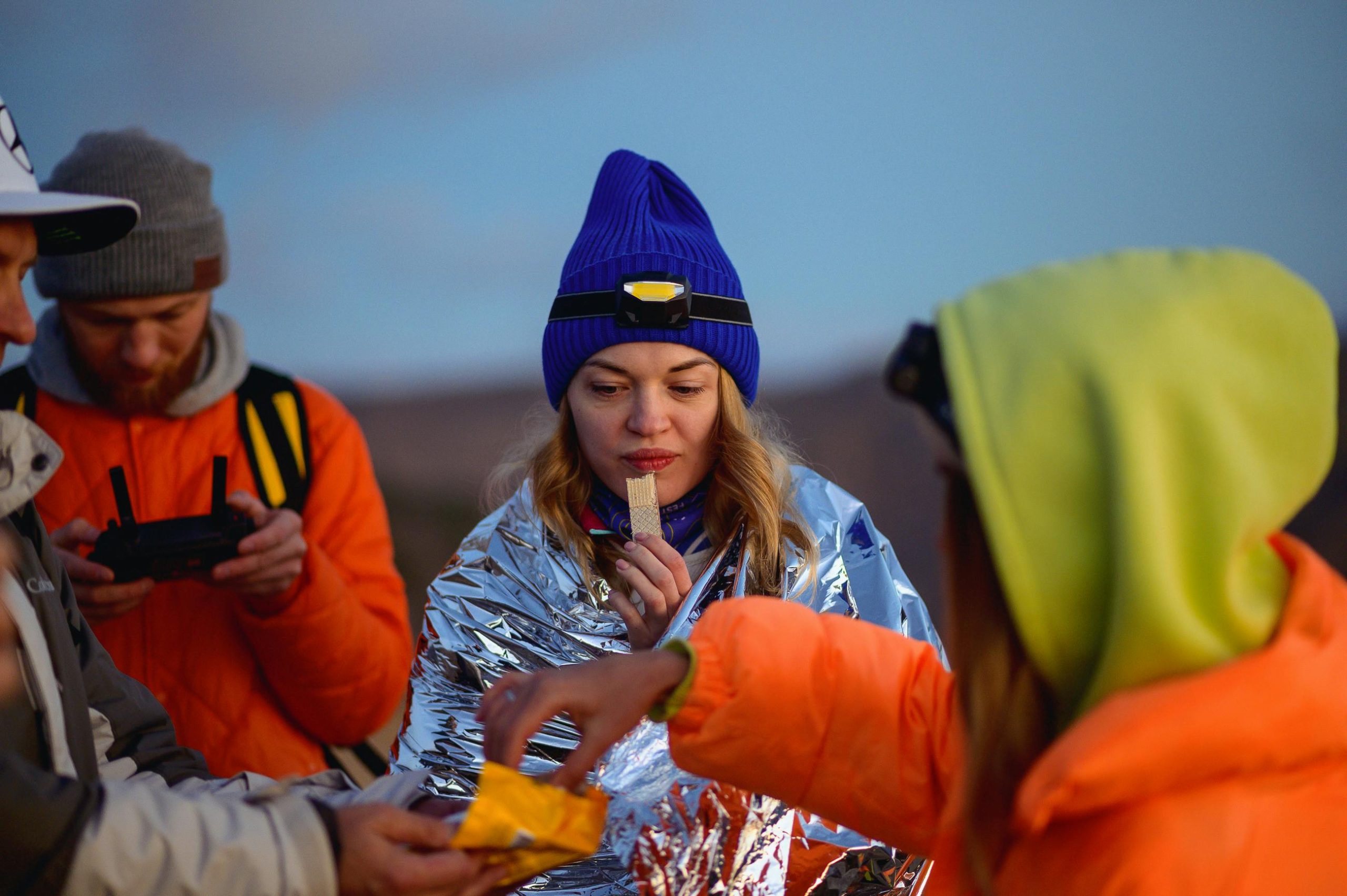
Sudden weather changes often push food lower on the priority list. Short-term survival depends more on shelter, warmth, and hydration. Searching for food in dangerous weather increases risk without immediate benefit. The body can function for days without eating, but only hours without protection from exposure. Survival focus shifts toward stabilizing conditions before worrying about calories. Once safety is restored, nutrition can be addressed. Understanding when food matters less prevents wasted effort and keeps attention on life-sustaining needs during critical moments.
9. Gear Protection Becomes Essential

Weather shifts can damage or disable essential gear quickly. Rain can soak insulation, cold can drain batteries, and heat can degrade supplies. Survival priority shifts to protecting tools, clothing, and electronics. Keeping gear dry and functional supports shelter building, navigation, and communication. Simple actions like covering packs, insulating batteries, or reorganizing equipment can prevent major problems. Losing a key gear during bad weather can escalate a survivable situation into an emergency. Gear care becomes a direct survival task rather than a secondary concern.
10. Mental Focus and Stress Control Increase in Importance
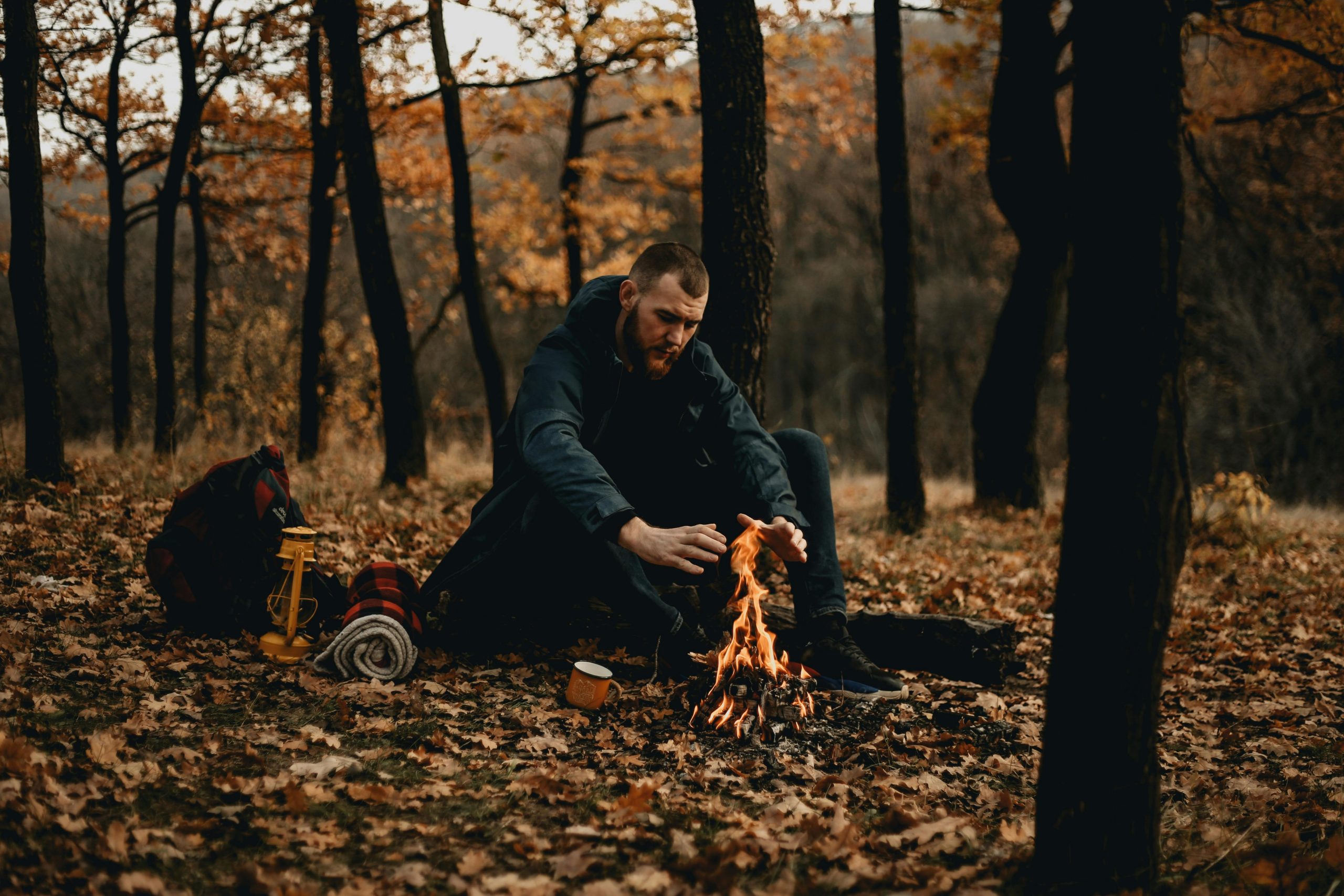
Sudden weather changes create stress and urgency. Panic leads to poor decisions and wasted energy. Survival priorities must include maintaining calm and mental focus. Taking moments to assess conditions prevents reactive mistakes. Stress management supports better planning and problem-solving. Recognizing fear without letting it dominate actions improves outcomes. Mental discipline helps prioritize tasks correctly and avoid unnecessary risks. In extreme conditions, psychological resilience can be as important as physical preparedness.
11. Signal Visibility Can Improve or Worsen
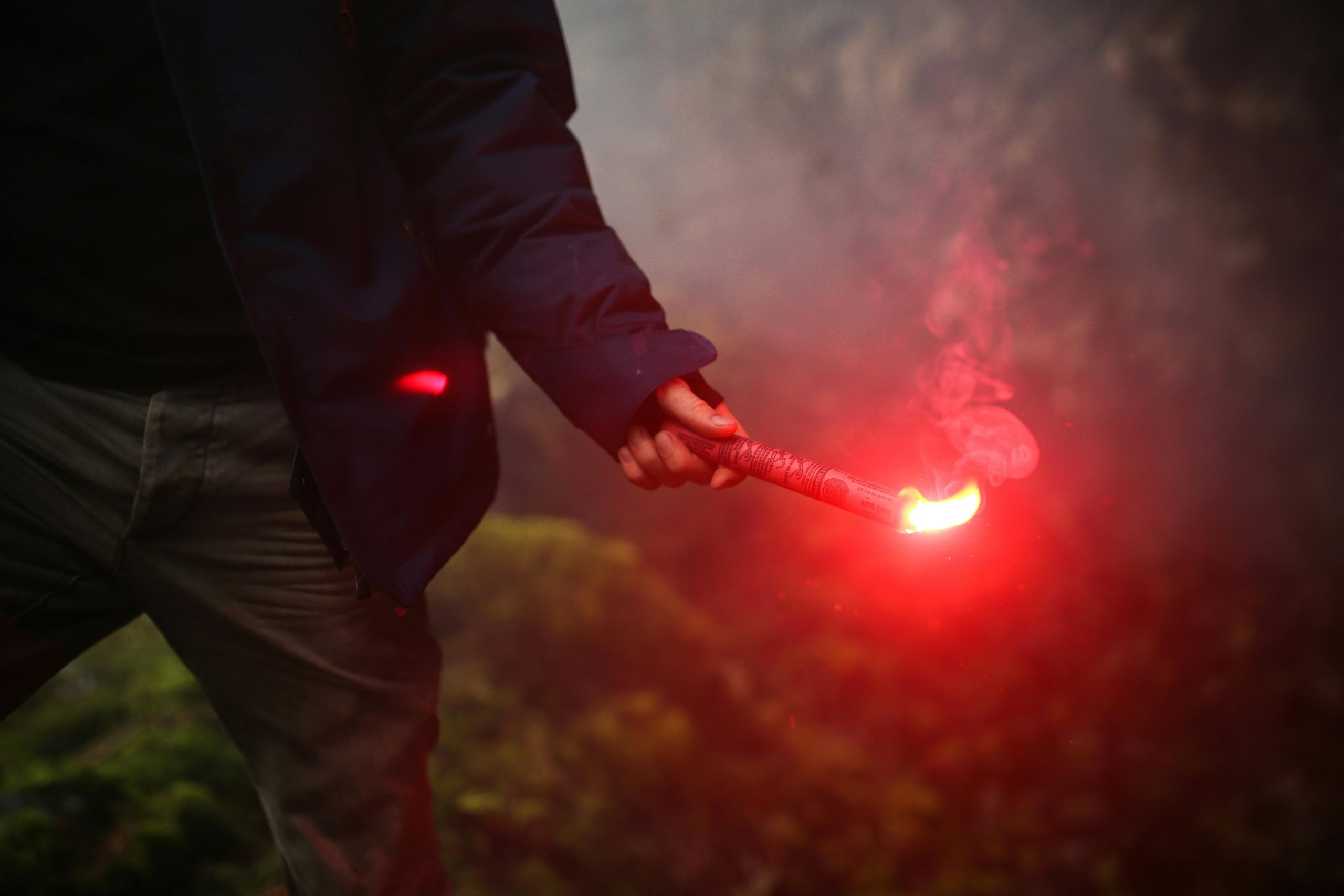
Weather affects signaling effectiveness. Clear skies may allow long-range visibility, while storms or fog limit it. Survival priorities shift to choosing appropriate signaling methods. Bright colors, reflective materials, or sound signals may work better depending on conditions. Timing signals during breaks in the weather improves success. In poor visibility, conserving signaling tools until conditions improve may be smarter. Adapting signaling strategy increases rescue chances without exhausting limited resources.
12. Injury Prevention Becomes More Critical

Bad weather increases the risk of slips, falls, and cold-related injuries. Survival focus shifts toward careful movement and task execution. Even minor injuries can become serious when evacuation is delayed. Protecting hands, feet, and joints reduces long-term risk. Slower, deliberate actions help prevent accidents. Avoiding injury preserves mobility and independence. In harsh weather, staying uninjured can be the difference between survival and escalation.
13. Clothing Management Becomes a Survival Skill

Sudden weather changes make clothing management essential. Adjusting layers prevents sweating or excessive cooling. Wet clothing must be addressed quickly to avoid heat loss. Survival priorities include choosing when to vent heat or trap warmth. Clothing also affects morale and comfort. Poor clothing decisions can undo other survival efforts. Managing layers properly helps regulate body temperature and conserve energy during changing conditions.
14. Weather Observation Becomes Continuous

When the weather shifts suddenly, monitoring changes becomes an ongoing priority. Wind direction, cloud movement, and temperature trends provide clues about what is coming next. Survival decisions depend on anticipating further changes. Observing the weather helps determine shelter strength, fire safety, and travel timing. Ignoring warning signs can lead to being caught unprepared again. Continuous awareness improves adaptability and keeps survival efforts proactive rather than reactive.
15. Time Management Shifts to Short-Term Thinking
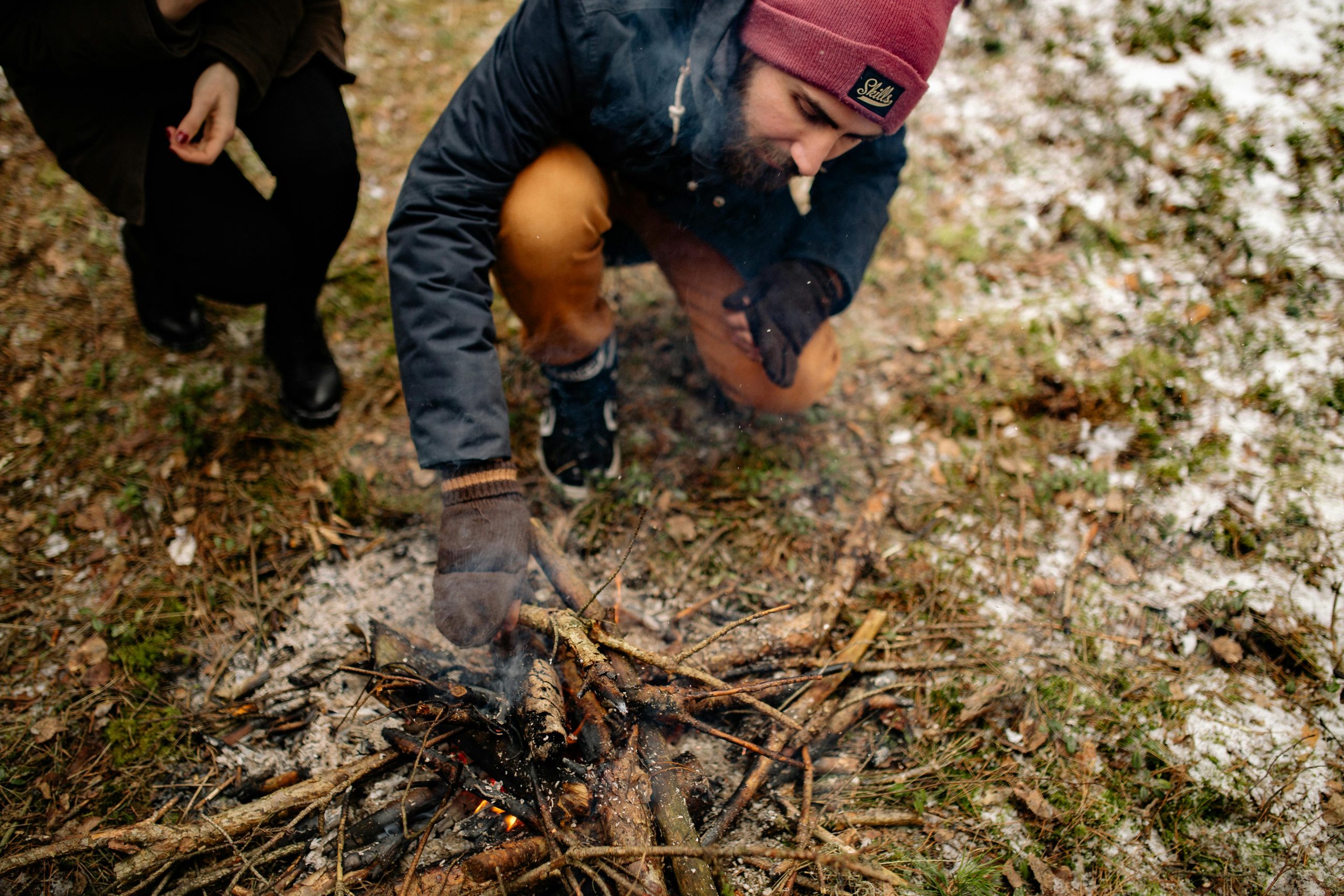
Sudden weather forces survival focus into shorter time frames. Instead of long-term plans, priorities shift to what must be done in the next hour. Immediate threats take precedence over future goals. This mindset prevents being overwhelmed and helps break survival into manageable steps. Addressing urgent needs first stabilizes the situation. Once conditions improve, longer planning can resume. Short-term thinking supports clearer decisions under pressure.
16. Communication Becomes More Valuable

When the weather deteriorates, communication can become difficult or impossible. Survival priorities shift to making contact early if tools are available. Sending location updates or distress signals before conditions worsen increases rescue chances. Conserving battery power and protecting devices becomes important. Clear communication reduces isolation and uncertainty. Waiting too long can eliminate the opportunity. Early action improves safety.
17. Risk Tolerance Must Be Reduced

Sudden weather changes demand more conservative decisions. Risks that seemed acceptable earlier may now be dangerous. Survival priorities shift toward safety over speed or convenience. Avoiding unnecessary exposure and delaying actions until conditions improve can save lives. Reassessing risk frequently helps prevent compounding mistakes. A cautious approach increases survival probability during unpredictable conditions.
18. Adaptability Becomes the Core Survival Skill

When the weather changes suddenly, adaptability ties all priorities together. Survival depends on recognizing shifts and adjusting behavior quickly. Fixed plans fail under changing conditions. Flexible thinking allows rapid reordering of needs. Those who adapt conserve energy, reduce risk, and maintain control. Adaptability supports every other survival priority. In unpredictable weather, the ability to change strategy calmly and effectively is the most valuable survival trait.