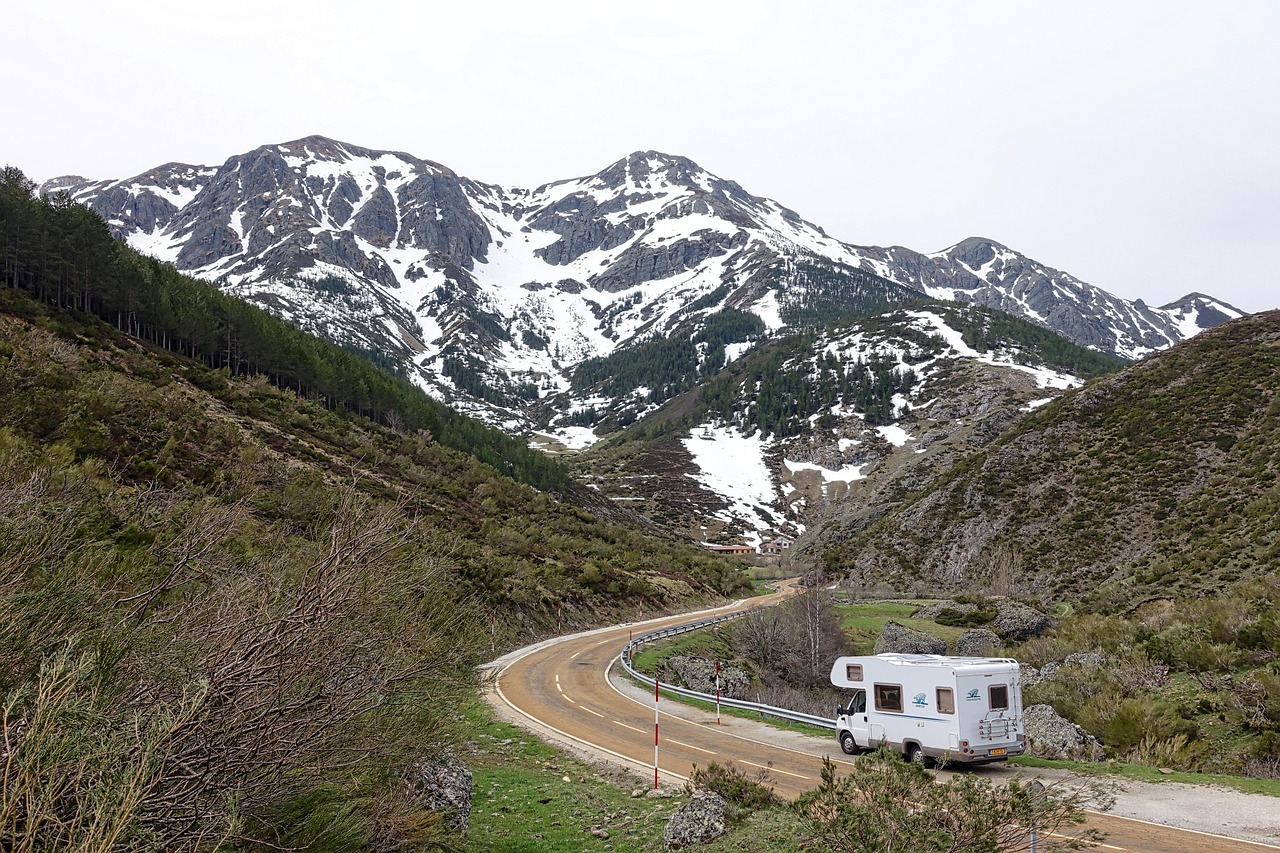
High-elevation road trips offer dramatic views, quiet mountain towns, and unforgettable driving experiences, but they also come with challenges many travelers underestimate. Thinner air, sudden weather shifts, long distances between services, and physical strain on both vehicles and people can turn a scenic drive into a stressful situation if precautions are ignored. What works at low elevations does not always work the same way in the mountains. Simple planning mistakes can affect health, safety, and timing. The good news is that most high-elevation problems are preventable with basic awareness and preparation. The following eighteen precautions focus on practical steps that help travelers adapt smoothly to altitude, protect their vehicles, and stay comfortable and safe throughout mountain road trips.
1. Allow Time for Altitude Acclimation
Ascending too quickly to high elevations can affect the body in unexpected ways. Reduced oxygen levels can cause headaches, nausea, fatigue, and shortness of breath, even in healthy travelers. Allowing time to acclimate helps the body adjust gradually. Plan your route so the first night is spent at a moderate elevation instead of jumping straight to the highest point. Take frequent breaks, walk slowly, and avoid heavy exertion during the first day. This precaution improves comfort and reduces the risk of altitude sickness. Rushing elevation gain often leads to poor sleep and reduced alertness, which can impact driving focus and enjoyment of the trip.
2. Stay Well Hydrated Throughout the Drive
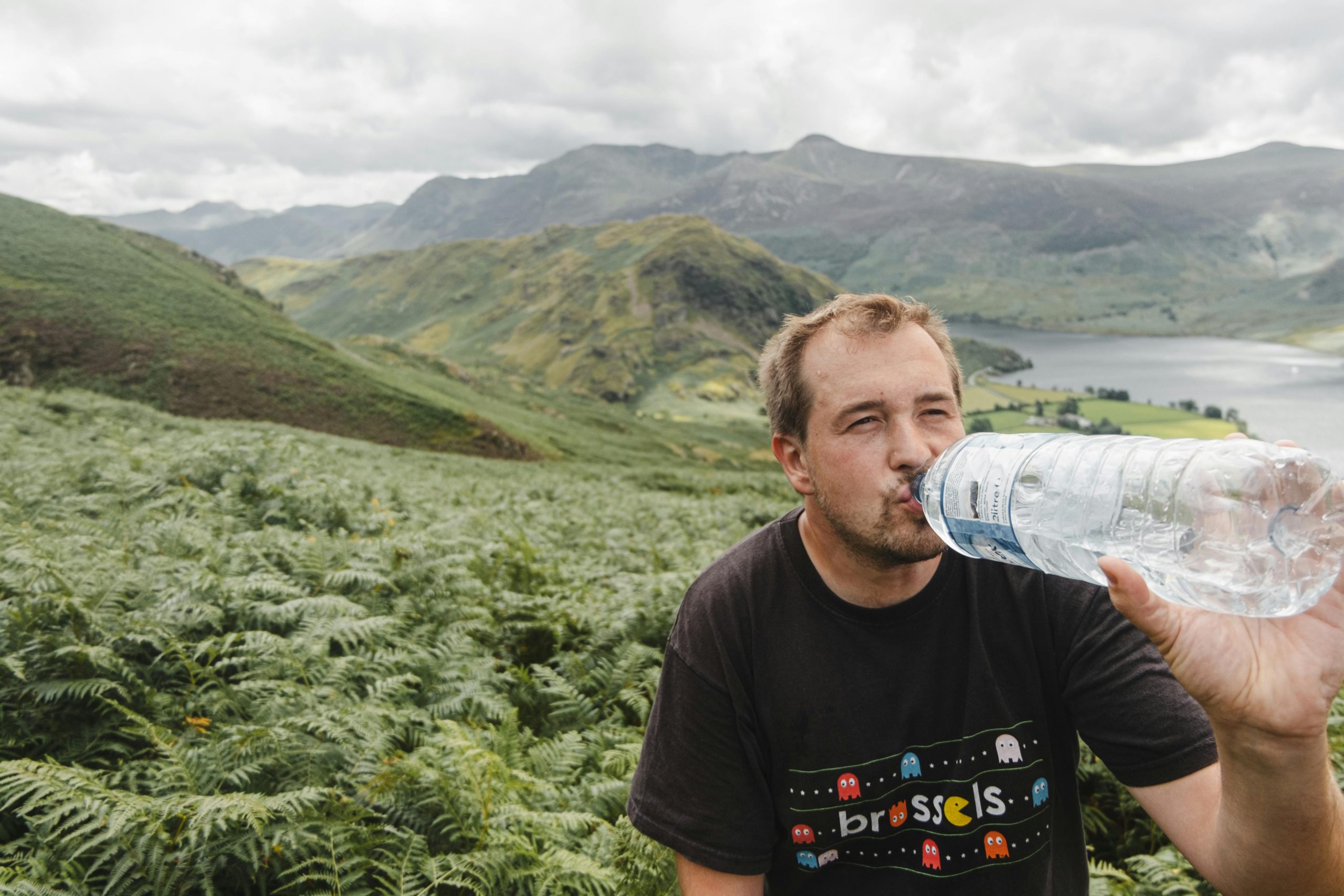
High elevations increase dehydration risk because dry air pulls moisture from the body faster than at lower elevations. You may not feel as thirsty, but fluid loss still occurs through breathing and physical activity. Drinking water regularly helps prevent headaches, fatigue, and dizziness. Avoid relying solely on coffee or energy drinks, which can worsen dehydration. Keep water easily accessible in the vehicle and take sips consistently rather than waiting until you feel thirsty. Proper hydration also supports circulation and oxygen delivery. This simple habit makes a noticeable difference in comfort and alertness during long mountain drives.
3. Eat Light and Balanced Meals

Heavy meals can feel more uncomfortable at high elevations due to slower digestion and reduced oxygen availability. Eating lighter, balanced meals helps maintain energy without adding strain. Focus on carbohydrates, fruits, and lean proteins rather than large portions of rich or greasy foods. Small, frequent snacks can help stabilize blood sugar and prevent nausea. This precaution supports better energy levels and mental clarity while driving. Overeating at altitude often leads to bloating, lethargy, and discomfort, which can distract from safe driving and reduce overall trip enjoyment.
4. Monitor Weather Conditions Constantly
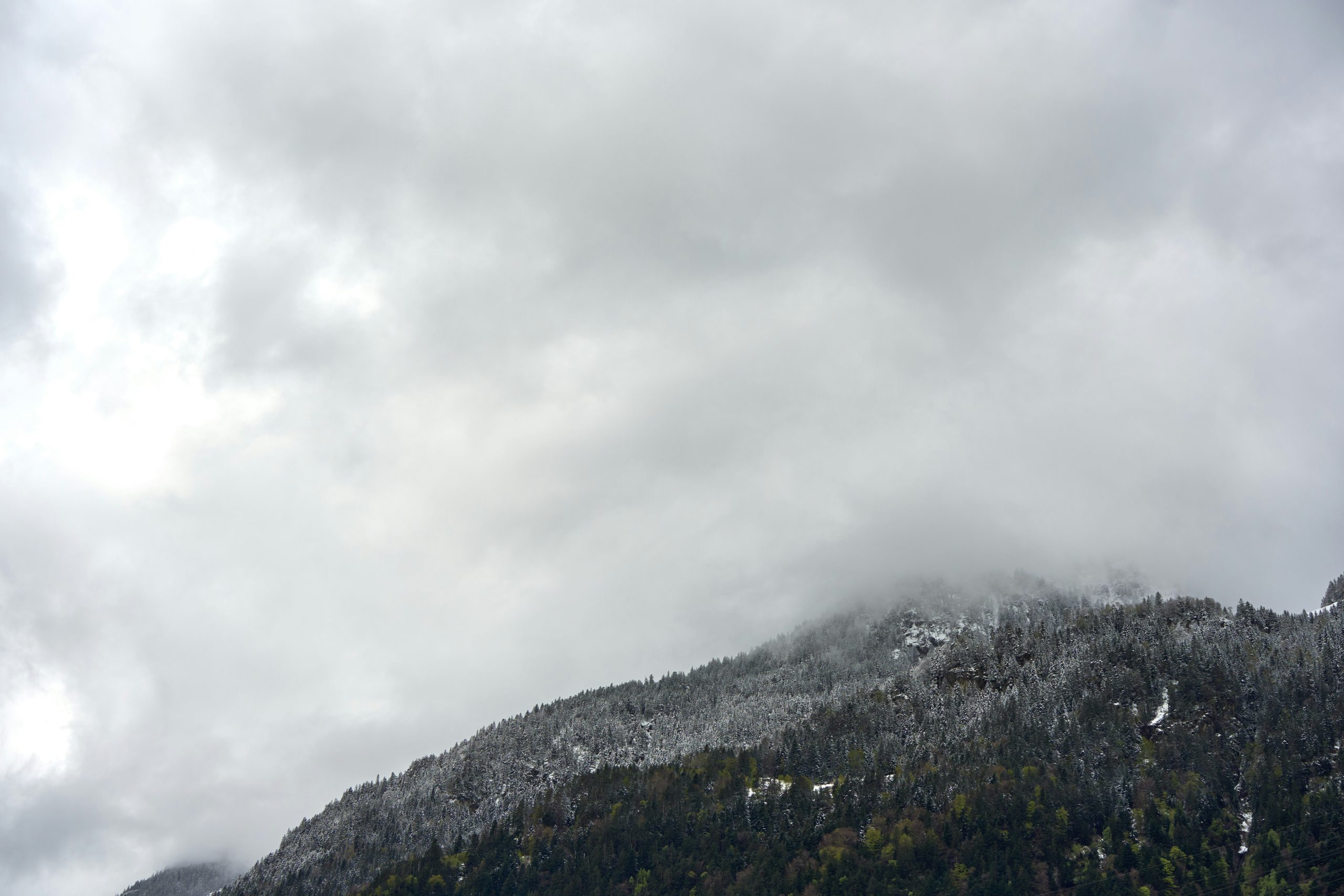
Mountain weather changes quickly and unpredictably. Clear skies can turn into snow, fog, or heavy rain within minutes. Checking forecasts before departure is not enough. Monitor conditions throughout the day using local updates and roadside signs. Sudden temperature drops can affect traction and visibility. Being aware of approaching storms allows you to adjust speed, reroute, or stop early if needed. This precaution reduces risk and stress. Many high-elevation accidents occur because travelers assume conditions will remain stable. Staying informed helps you respond before the weather becomes dangerous.
5. Inspect Brakes Before the Trip
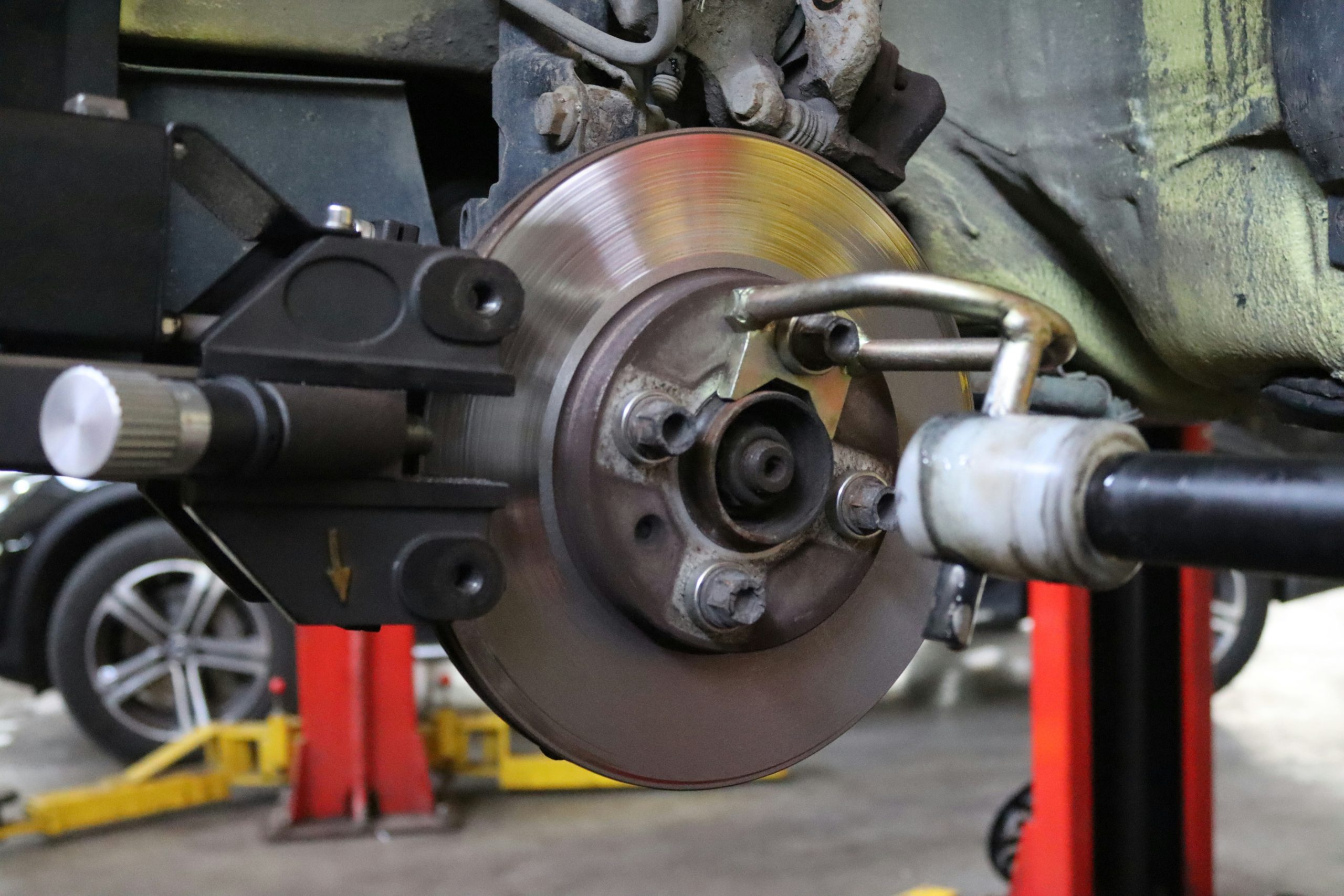
Steep grades place heavy demand on braking systems. Long downhill stretches can overheat brakes, reducing stopping power. Before a high-elevation road trip, ensure brakes are in good condition, including pads, rotors, and fluid levels. Listen for unusual sounds and pay attention to brake response during early descents. Use lower gears to control speed rather than relying solely on brakes. This precaution protects your vehicle and improves safety. Brake failure in mountain terrain is serious and often preventable with basic preparation and proper driving technique.
6. Use Lower Gears on Steep Descents
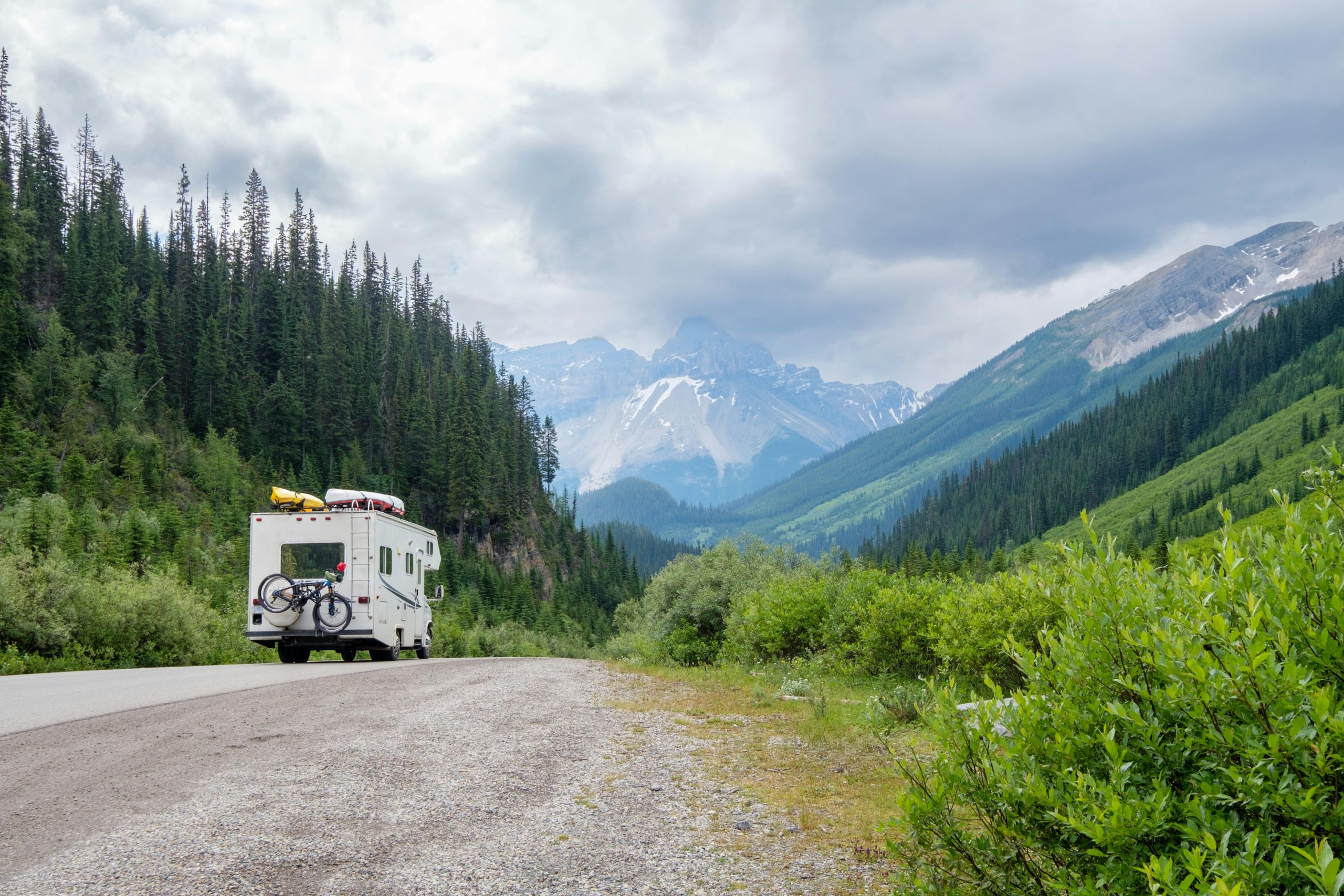
Relying only on brakes while descending long mountain roads increases heat buildup and wear. Using lower gears helps control speed naturally and reduces strain on braking systems. This technique provides smoother control and improves vehicle stability. Many drivers unfamiliar with mountain driving overlook this simple precaution. Practice downshifting early rather than waiting until speed increases. Lower gears also help maintain traction in variable conditions. Proper gear use protects your vehicle and increases confidence on steep roads, especially when curves and elevation changes combine.
7. Watch for Signs of Altitude Sickness
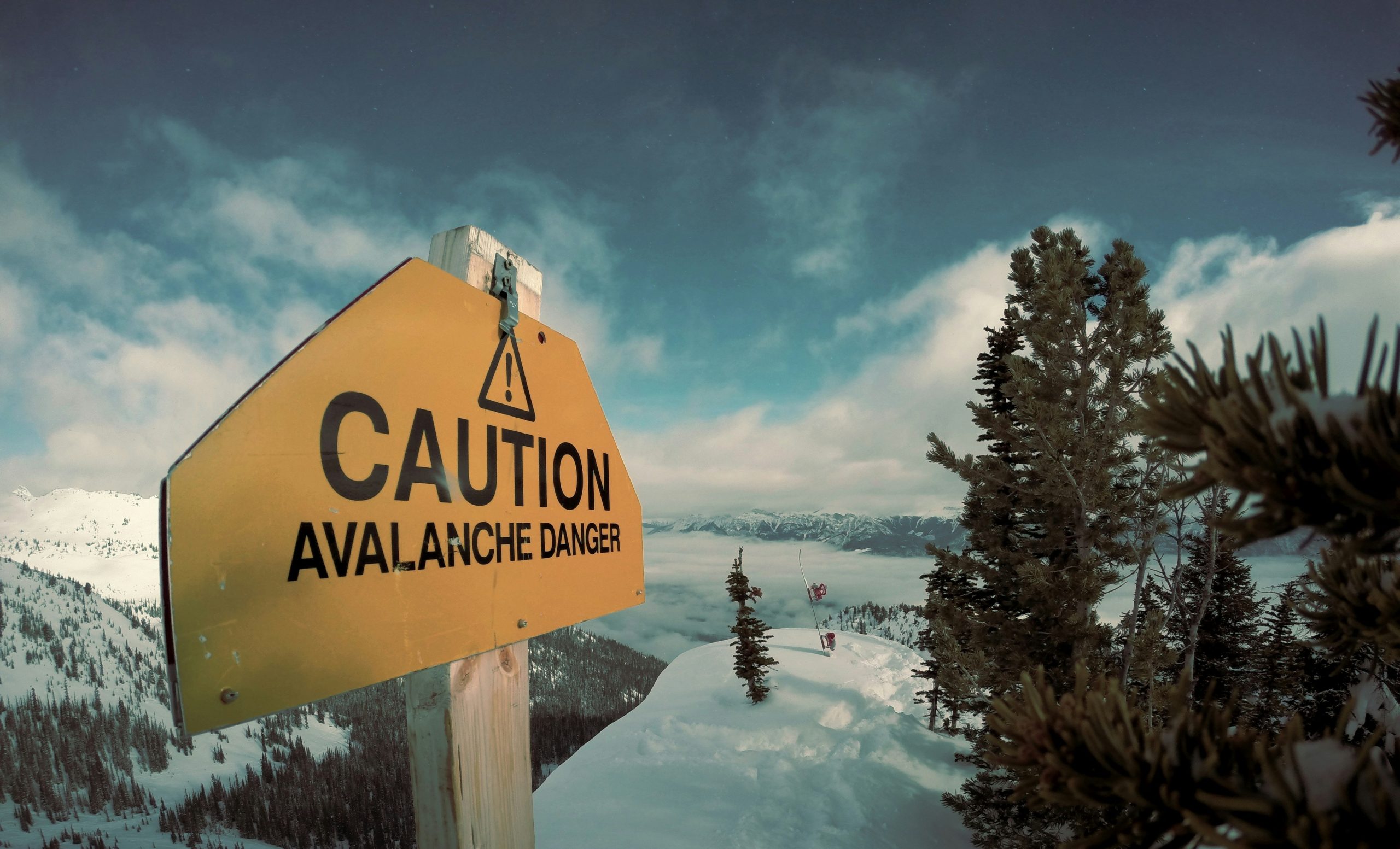
Altitude sickness can affect anyone, regardless of fitness level. Early signs include headache, nausea, dizziness, fatigue, and difficulty concentrating. Ignoring these symptoms can worsen the condition. If signs appear, slow down, hydrate, eat lightly, and rest. In some cases, descending to a lower elevation is necessary. Recognizing symptoms early prevents serious complications. This precaution is especially important for drivers, as reduced concentration and reaction time increase accident risk. Listening to your body helps ensure safety for everyone in the vehicle.
8. Plan Fuel Stops Carefully
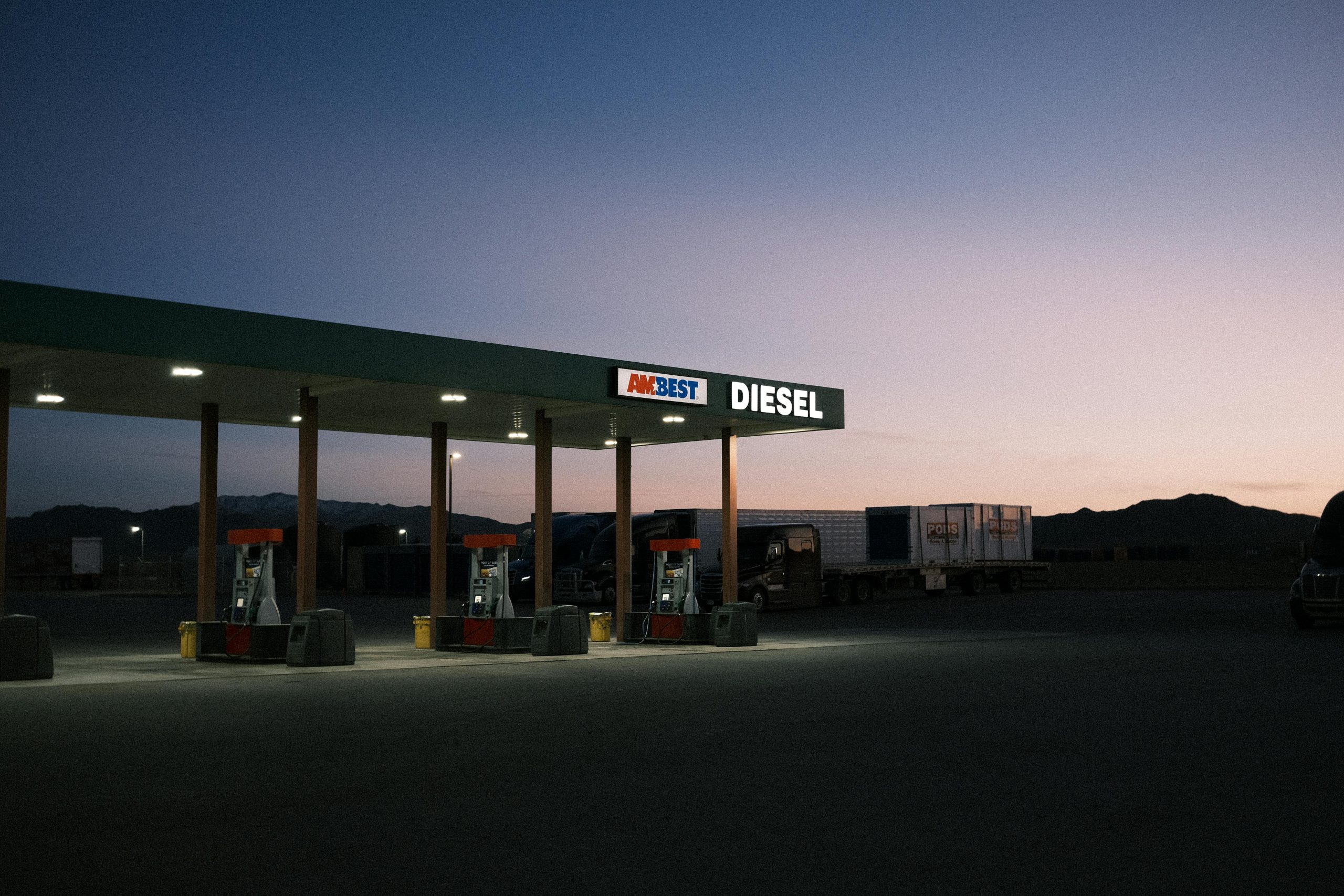
High-elevation routes often have long stretches without fuel stations. Cold temperatures and steep climbs also increase fuel consumption. Never assume the next station will be open or easily accessible. Refuel whenever possible, especially when the tank drops below half. This precaution prevents stressful situations in remote areas. Running low on fuel at altitude can also mean reduced heating in cold conditions. Planning fuel stops adds flexibility and peace of mind during long mountain drives.
9. Carry Extra Warm Clothing
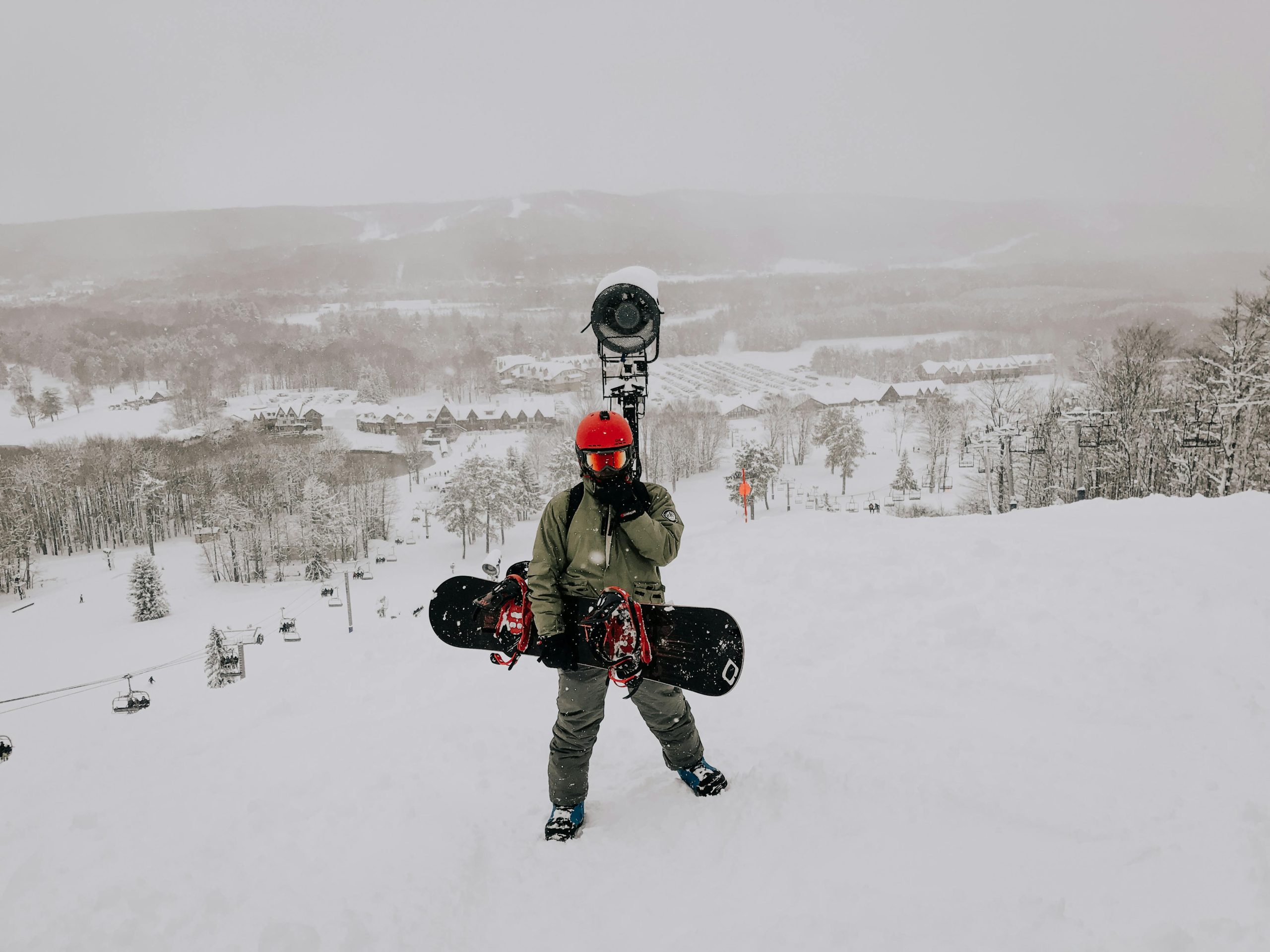
Temperatures drop quickly with elevation, even during summer. A warm afternoon can turn into a cold evening without warning. Carrying extra layers, including jackets, hats, and gloves, ensures comfort if conditions change. This precaution also protects against unexpected stops due to weather or traffic. Being cold increases fatigue and reduces focus. Warm clothing takes little space but provides significant safety benefits. Always prepare for temperatures colder than expected when traveling at high elevations.
10. Protect Skin From Increased Sun Exposure

Sun intensity increases with elevation because there is less atmospheric filtering. Even on cool days, sunburn can happen quickly. Use sunscreen, wear sunglasses, and consider protective clothing. Glare from snow or light colored rock increases eye strain. This precaution prevents discomfort and long-term skin damage. Many travelers underestimate sun exposure in the mountains due to cooler temperatures. Protecting skin and eyes improves comfort and reduces fatigue during long drives.
11. Adjust Driving Speed for Curves and Grades
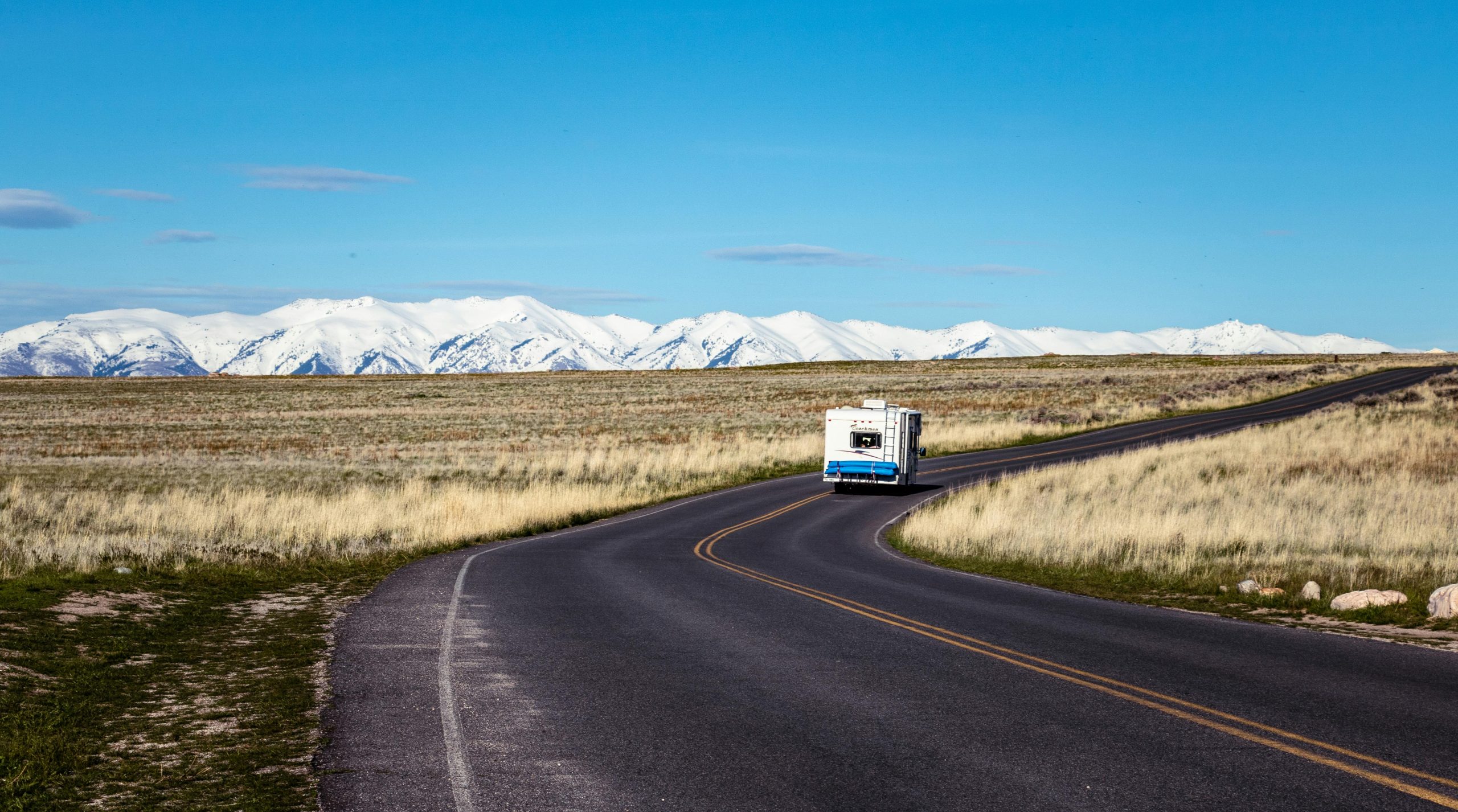
Mountain roads often feature sharp curves, narrow lanes, and sudden elevation changes. Driving at lower speeds allows more reaction time and better vehicle control. Posted speed limits may already account for terrain, but conditions can require even slower speeds. This precaution reduces accident risk and stress. Rushing through mountain roads increases fatigue and reduces enjoyment. Smooth, controlled driving improves safety and makes the journey more pleasant.
12. Keep Emergency Supplies Accessible
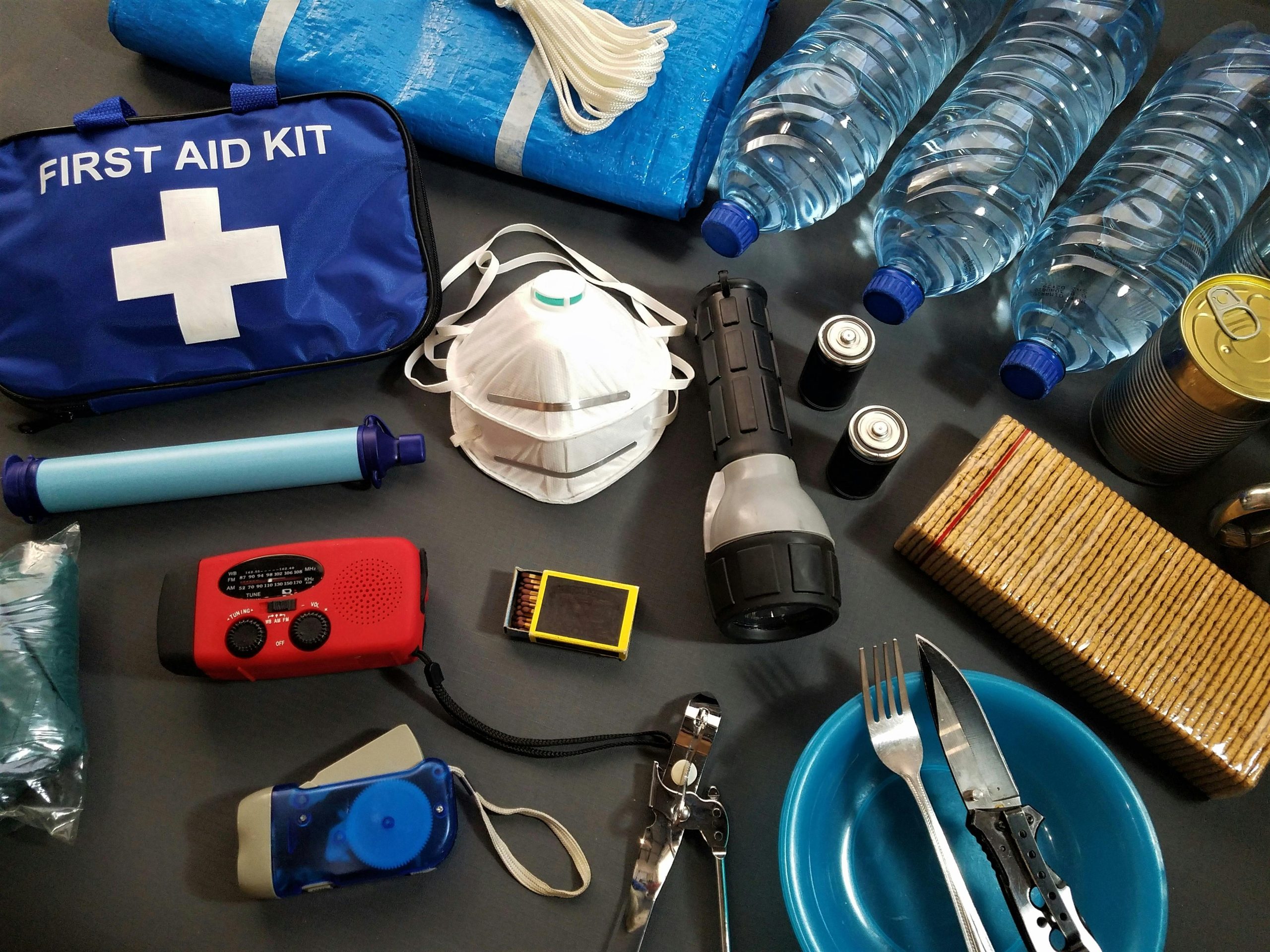
Basic emergency supplies are especially important at high elevations. Carry water, snacks, a flashlight, basic first aid items, and a phone charger. Weather or road closures can delay travel unexpectedly. Having supplies easily accessible reduces anxiety and improves safety. This precaution ensures you can manage short delays comfortably. Preparedness is especially important in remote mountain areas where help may take time to arrive.
13. Be Cautious With Physical Activity
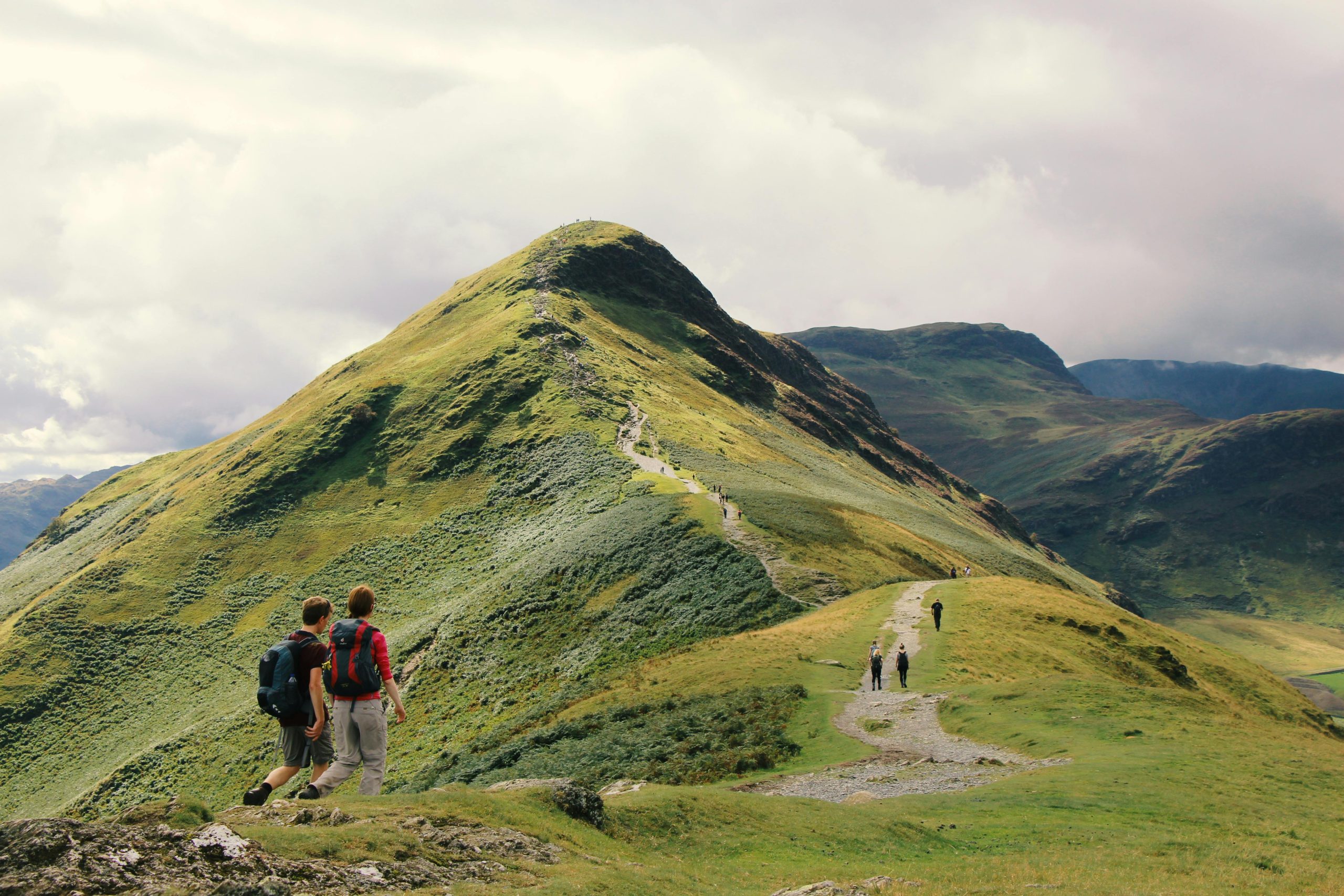
High elevations increase strain during physical activity. Simple tasks like walking uphill or unloading luggage may cause shortness of breath. Take breaks and pace yourself. Avoid intense activity immediately after arrival. This precaution conserves energy and reduces the risk of dizziness or fatigue. Understanding physical limits helps maintain focus for driving and decision-making. Slower movement is not a weakness at altitude but a smart adaptation.
14. Allow Extra Travel Time
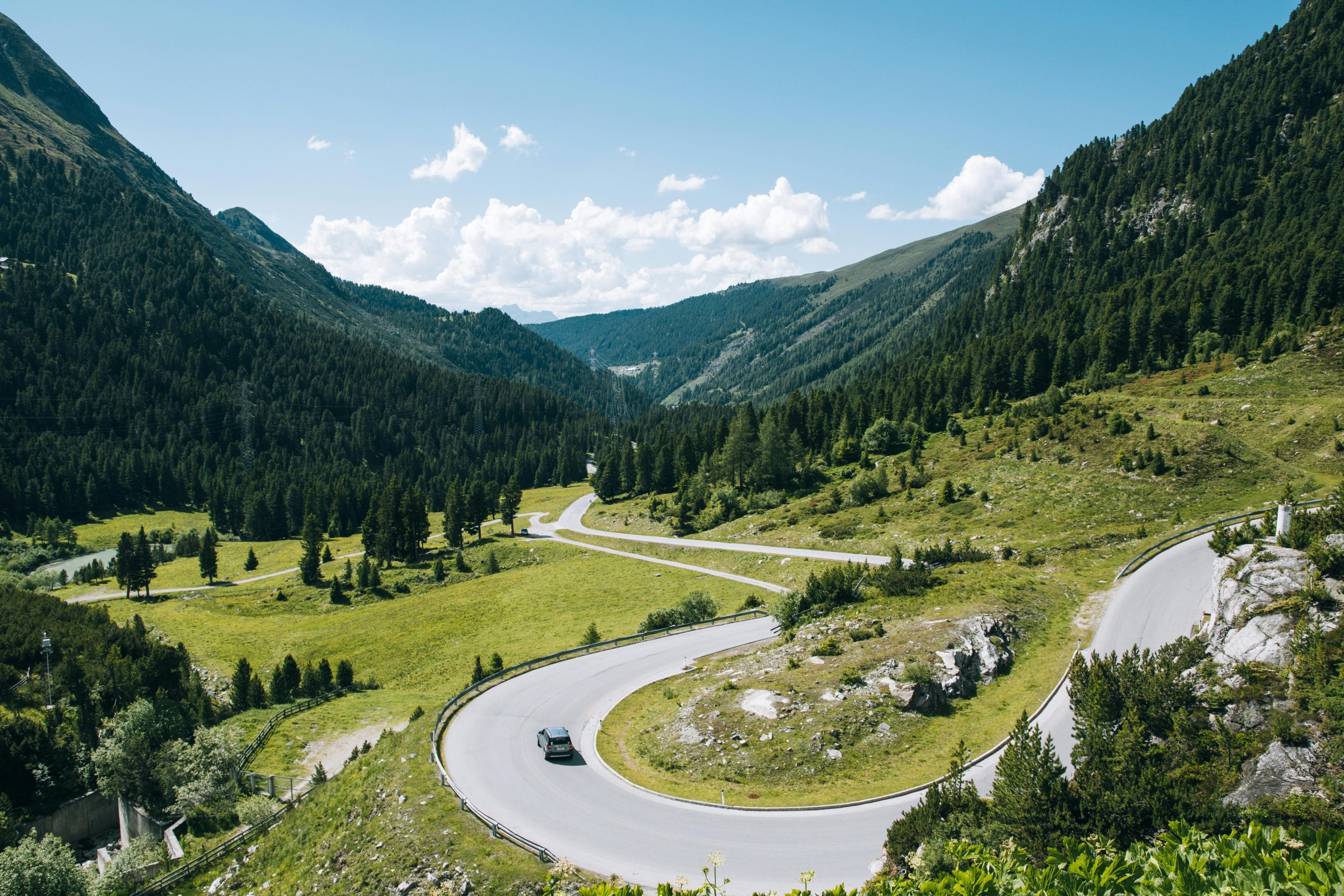
Mountain driving takes longer than flat highway travel. Curves, grades, weather, and traffic slow progress. Build extra time into your schedule to avoid pressure. Rushing increases risk and reduces enjoyment. This precaution allows flexibility for stops, weather delays, and scenic breaks. High-elevation trips are more enjoyable when time is treated as part of the experience rather than an obstacle.
15. Keep Windows Slightly Ventilated
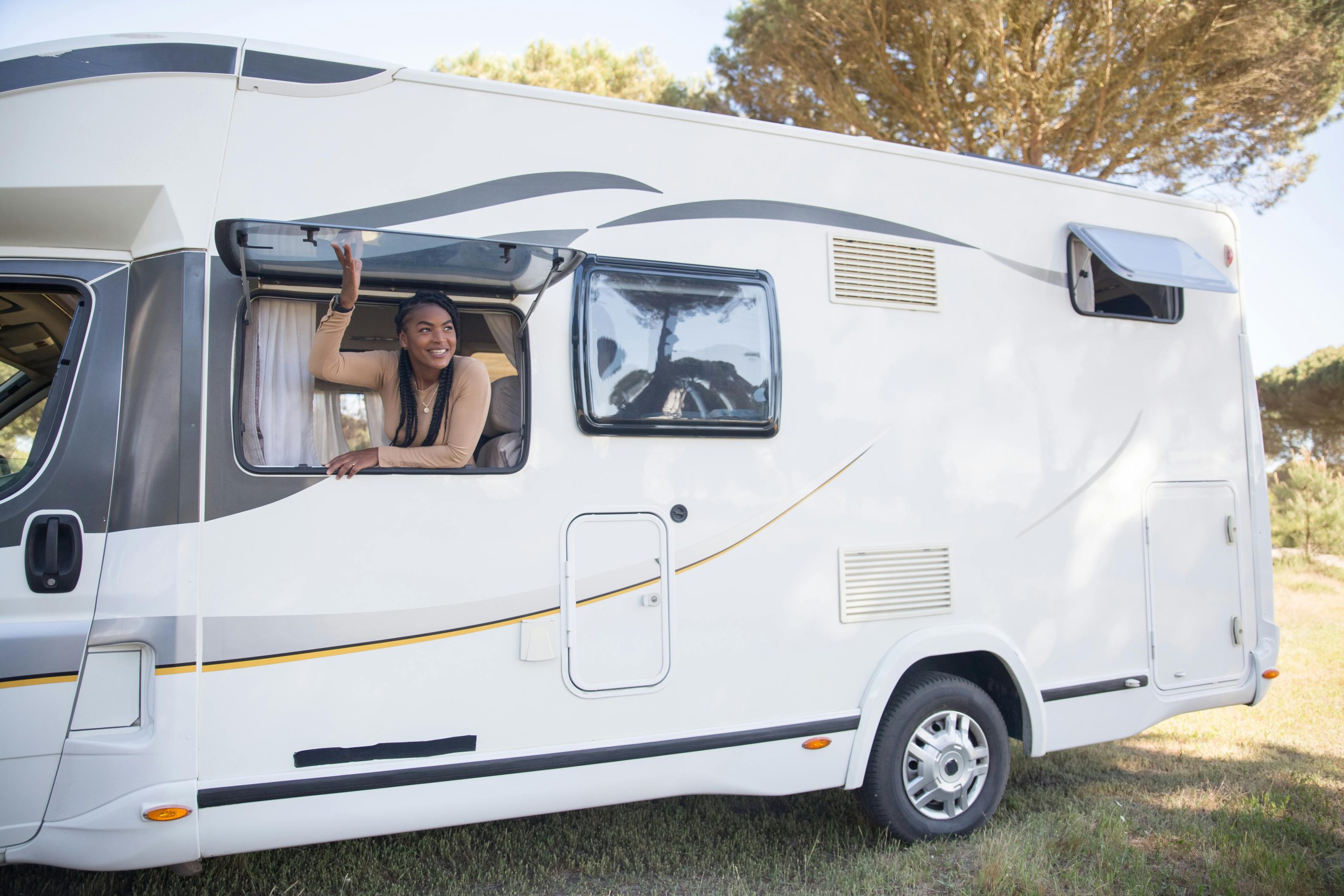
Proper ventilation helps manage air quality and comfort inside the vehicle. At altitude, fresh airflow can reduce drowsiness and help regulate temperature. Slight window ventilation also reduces fogging during cold or humid conditions. This precaution supports alertness during long drives. Fresh air circulation helps compensate for thinner oxygen levels and improves overall comfort for passengers.
16. Pay Attention to Warning Signs and Advisories
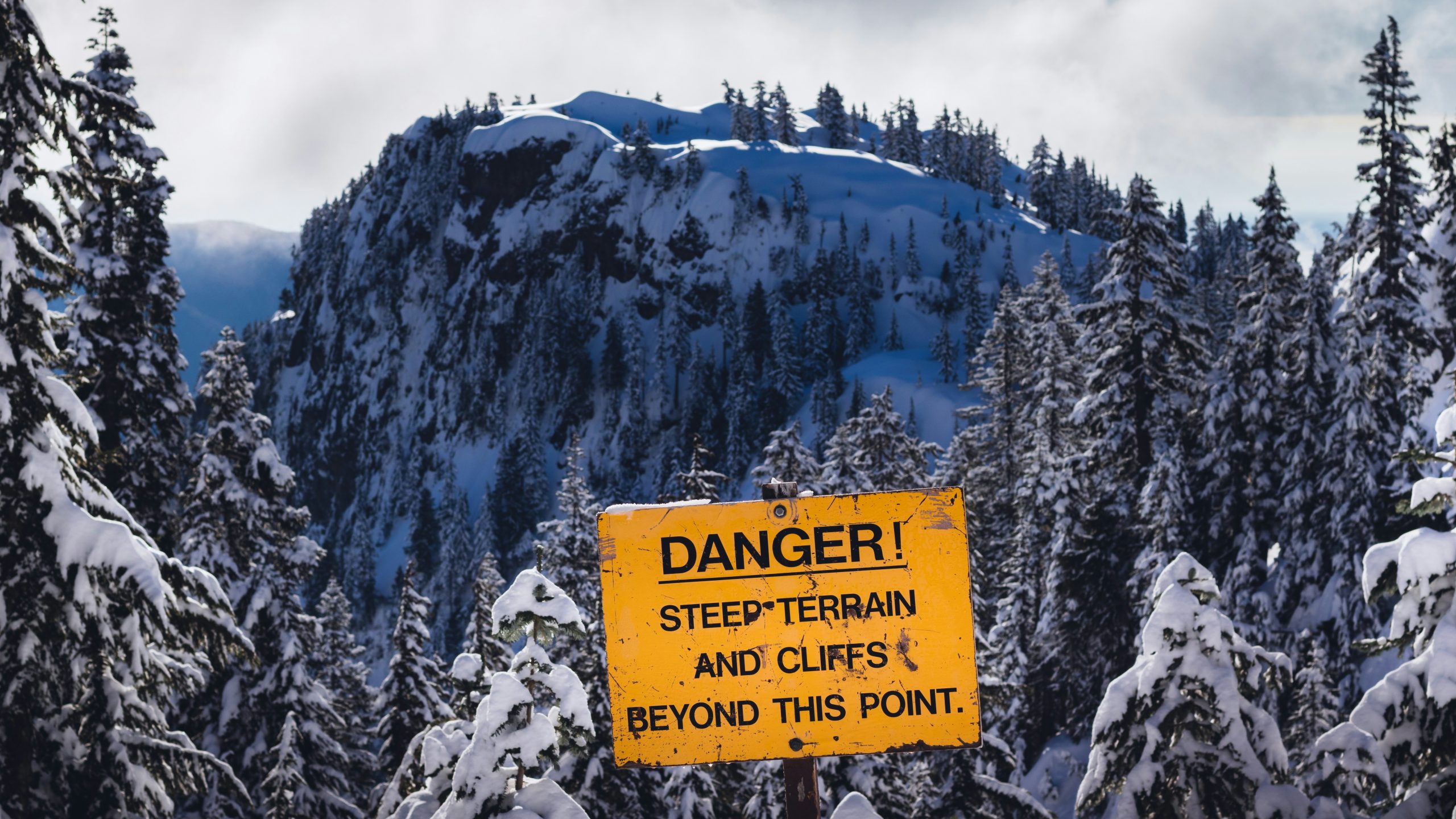
Mountain roads often include warning signs about grades, weather, wildlife, and road conditions. These signs are placed based on real risks, not convenience. Respecting them improves safety. Ignoring advisories often leads to unnecessary trouble. This precaution includes checking electronic message boards and ranger updates when available. Awareness of local conditions helps prevent surprises and allows better decision-making.
17. Rest Well Before Driving
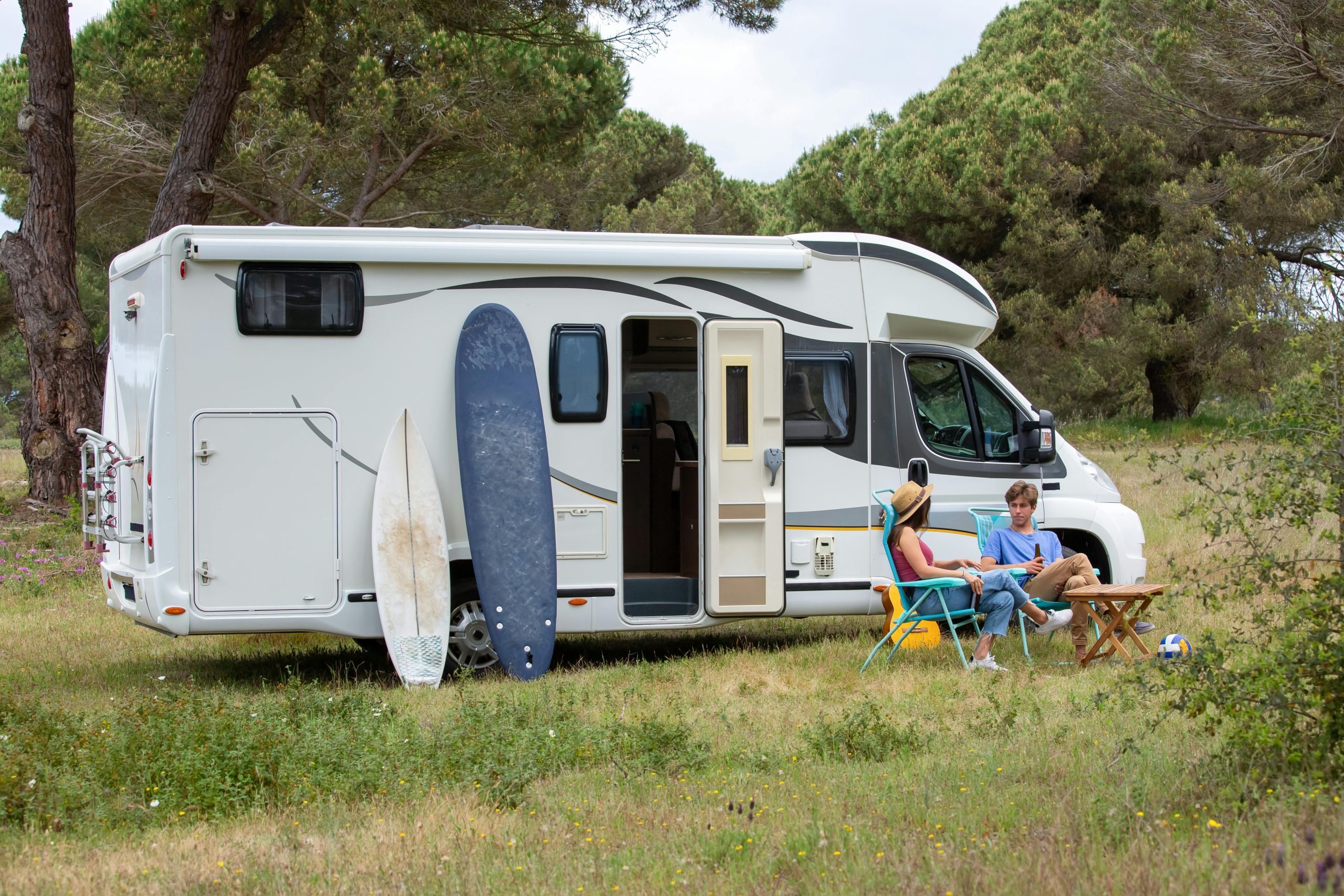
Fatigue combines poorly with altitude effects. Lack of sleep reduces reaction time and concentration, which are already challenged at elevation. Prioritize rest before long mountain drives. Short naps and driver rotation help maintain alertness. This precaution supports safe driving and better enjoyment. Well-rested drivers adapt more easily to changing conditions and make clearer decisions.
18. Stay Flexible With Plans
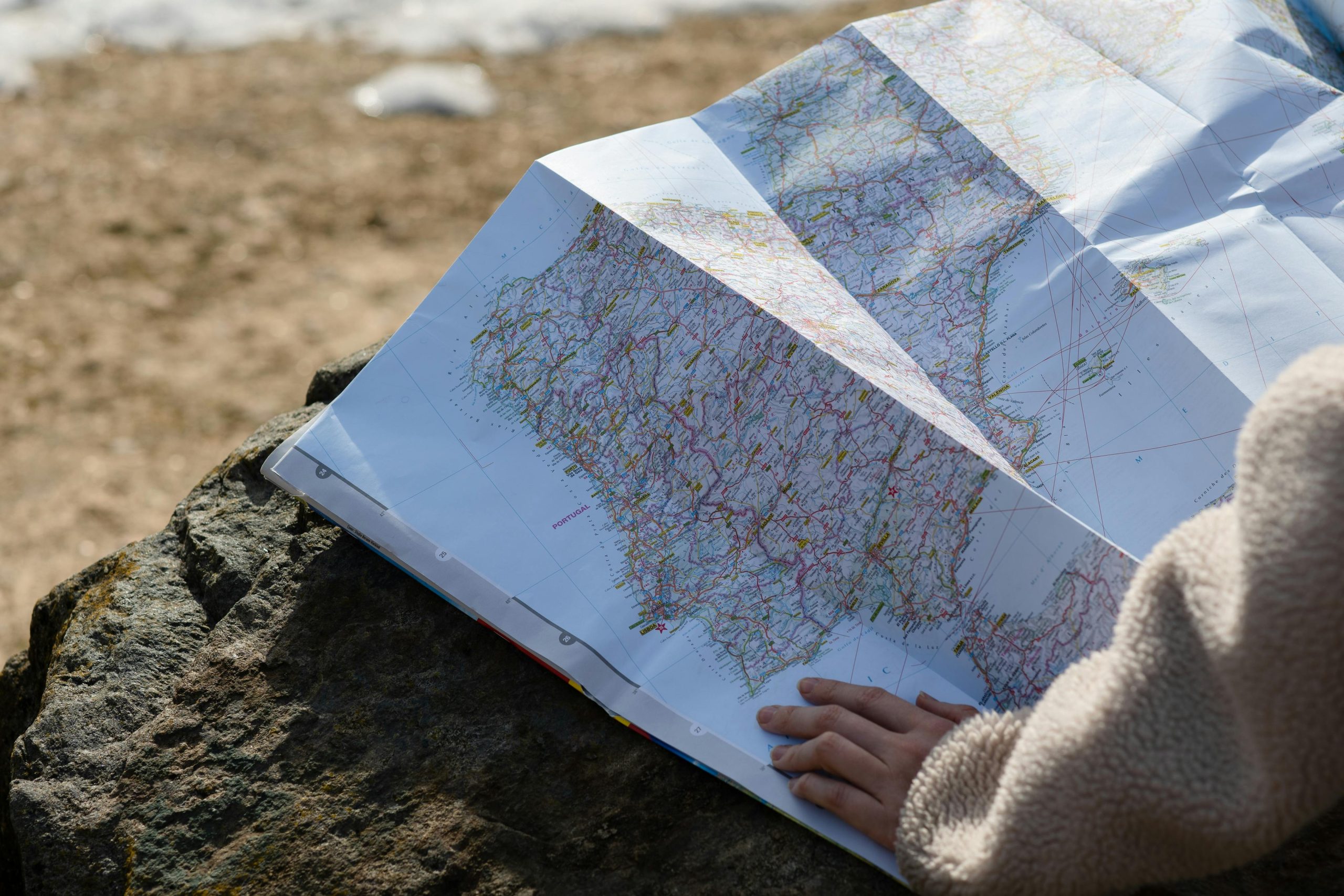
High-elevation travel requires adaptability. Weather, health, and road conditions may force changes. Staying flexible reduces stress and improves safety. Be willing to stop early, change routes, or delay plans if conditions demand it. This precaution turns challenges into manageable adjustments. Flexibility allows you to respond wisely rather than push through unsafe situations. Mountain trips reward patience and thoughtful decision-making.