Predator behavior often appears dramatic to human observers, yet most signals reflect caution, assessment, or routine survival strategies. Many encounters become tense because familiar assumptions replace careful observation of posture, movement, and context. A still body, measured pace, or brief glance may communicate restraint rather than intent. Misinterpretations usually arise from unfamiliarity with wildlife communication rather than real threat. Learning how predators signal awareness, curiosity, or avoidance encourages calmer reactions outdoors. A closer examination of common misunderstandings reveals how animals prioritize energy, safety, and distance while navigating shared landscapes shaped by instinct, environment, and experience.
Interpreting Stillness As Aggression

A motionless predator often triggers fear, yet stillness usually signals assessment rather than aggression. Many predators pause to collect scent, sound, and visual information before responding. A relaxed posture without lowered head or tightened muscles often reflects caution or curiosity. True aggression involves sustained focus, forward movement, and visible tension. Remaining still also conserves energy and reduces unnecessary conflict. Misreading stillness as imminent attack overlooks how predators avoid risk whenever possible. Understanding this behavior explains why many encounters end quietly, with animals choosing distance and observation instead of escalation once uncertainty fades in wild settings.
Assuming Direct Eye Contact Means Attack
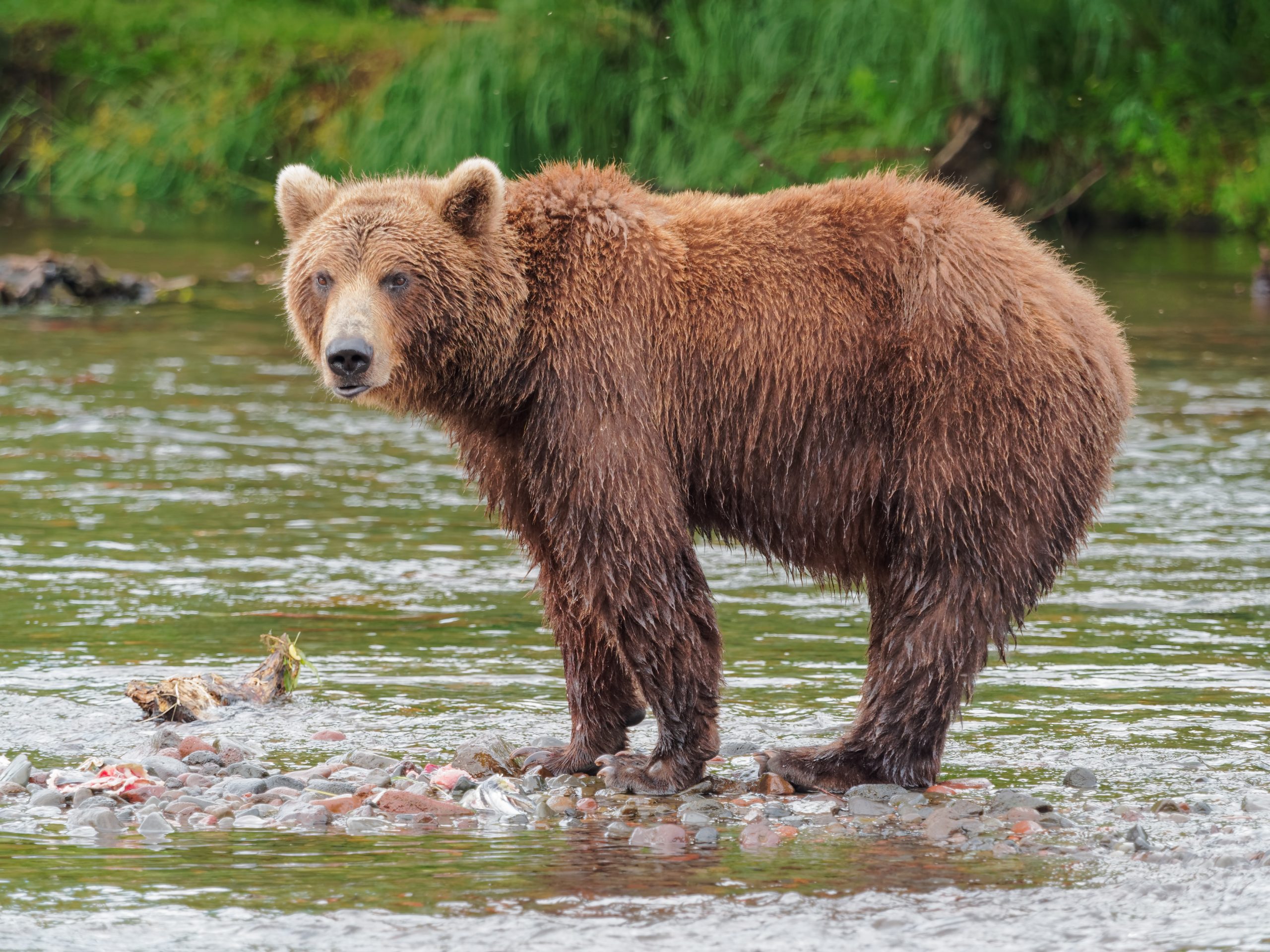
Direct eye contact from a predator often feels threatening, yet brief glances usually serve assessment rather than attack. Many predators scan surroundings to judge distance, movement, and awareness. A casual look paired with relaxed posture rarely signals aggression. Sustained staring combined with stiff muscles and deliberate movement carries different meaning. Misinterpreting eye contact alone increases panic and poor decisions. Evaluating head angle, ear position, and body tension provides clearer insight. Recognizing the difference between scanning and targeting helps explain why predators frequently look, then disengage, once curiosity or uncertainty resolves without advancing toward perceived threats.
Misreading Slow Movement As Stalking
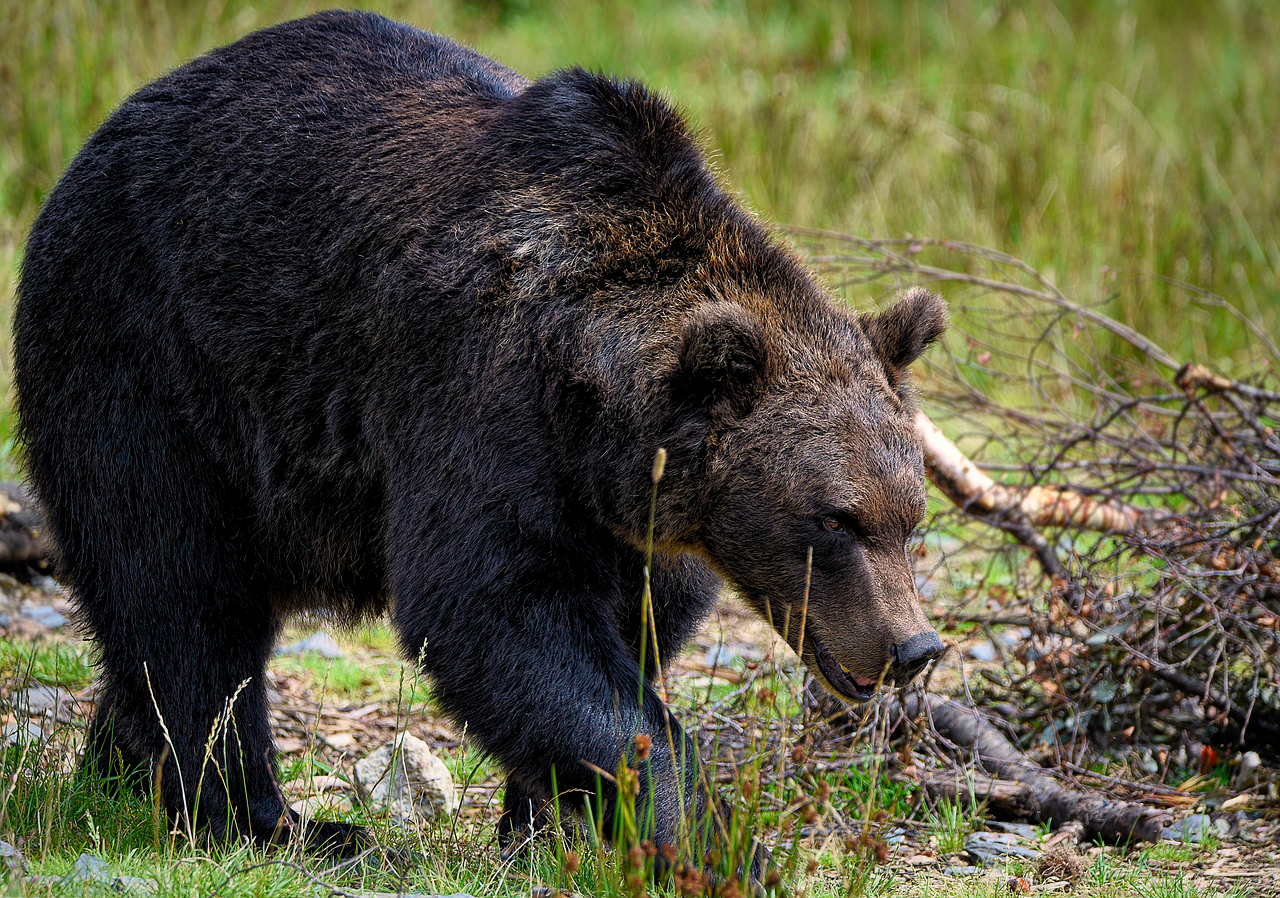
Slow movement from a predator is commonly mistaken for stalking, yet deliberate pacing often reflects energy conservation. Many predators travel steadily while navigating terrain, monitoring wind, or relocating. A relaxed gait with upright posture usually indicates routine travel rather than pursuit. True stalking includes crouched movement, focused direction, and reduced visibility. Assuming slow movement equals hunting exaggerates risk unnecessarily. Observing tail position, head level, and attention focus offers better interpretation. Understanding these distinctions explains why predators frequently pass through areas calmly without showing interest in confrontation or pursuit during normal daily movement patterns in nature.
Confusing Vocalizations With Threats
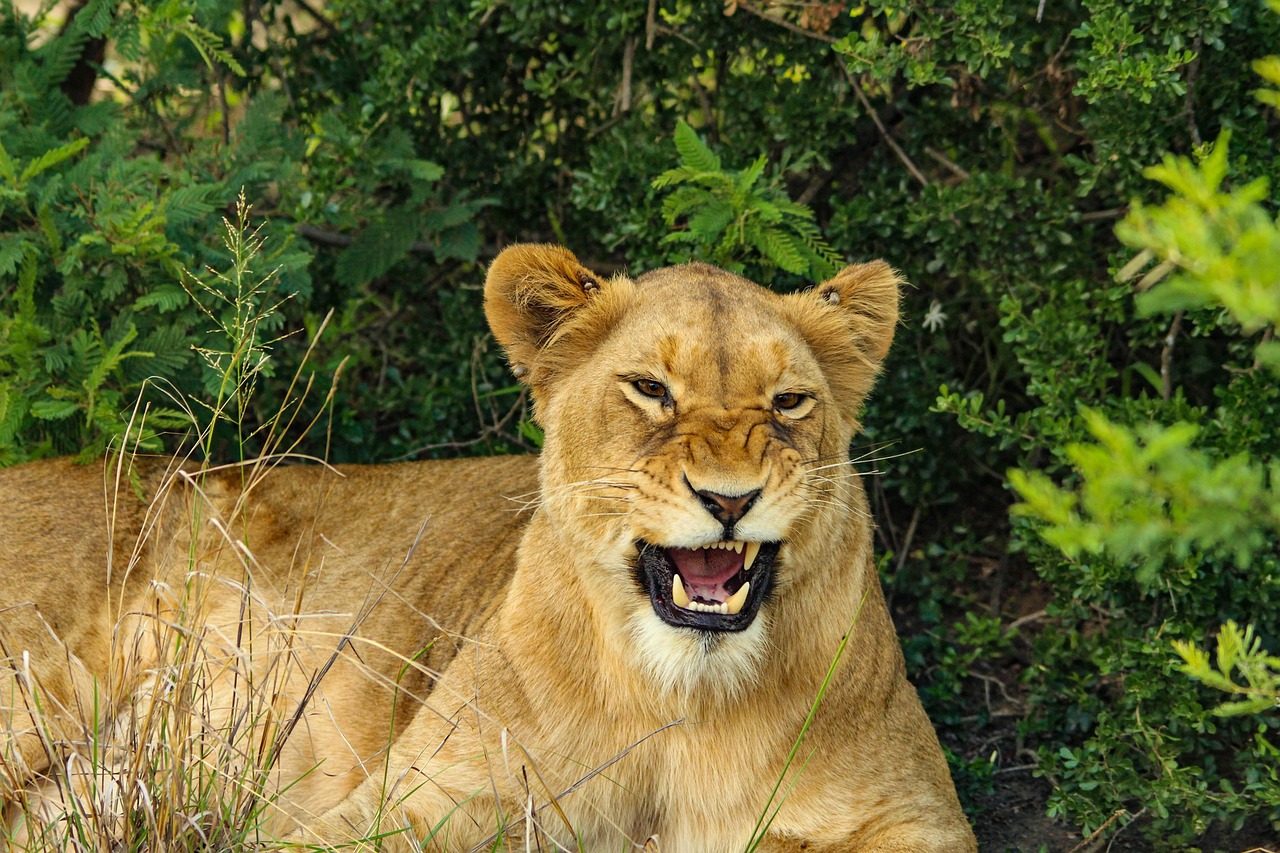
Predator vocalizations are often misunderstood as warnings of imminent attack, yet most sounds communicate distance, territory, or social presence. Many predators growl, call, or bark to announce location or discourage approach without physical conflict. A relaxed body paired with sound usually reflects communication rather than aggression. True threat behavior includes forward motion and tightened posture. Misreading vocalizations alone exaggerates danger and fuels fear. Understanding tone, repetition, and body language together explains why predators frequently vocalize to avoid confrontation. Careful observation reveals that sound often replaces aggression, allowing animals to maintain space safely in shared environments.
Mistaking Curiosity For Predatory Intent
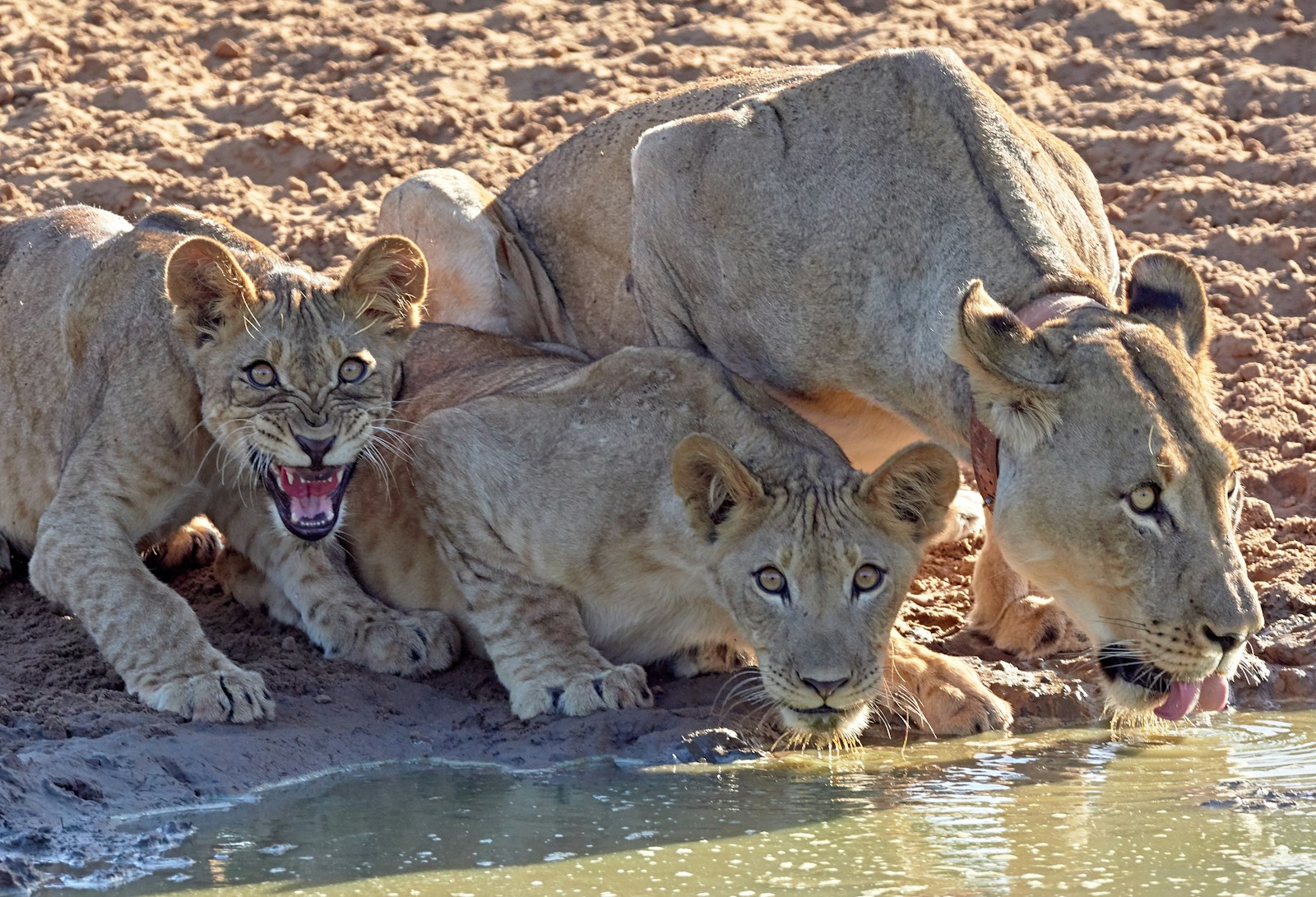
Predators frequently approach unfamiliar sights or scents out of curiosity rather than hunting interest. Investigative behavior helps animals gather information without committing to action. A cautious approach with relaxed posture and intermittent pauses usually signals assessment. Predatory intent involves focused movement, direct paths, and sustained attention. Misinterpreting curiosity as threat creates unnecessary fear. Many predators retreat once identification occurs. Observing ear position, pace, and hesitation clarifies intent. Understanding curiosity explains why animals sometimes approach briefly, then disengage calmly, choosing avoidance after learning no opportunity or risk justifies further interaction nearby.
Interpreting Retreat As Weakness
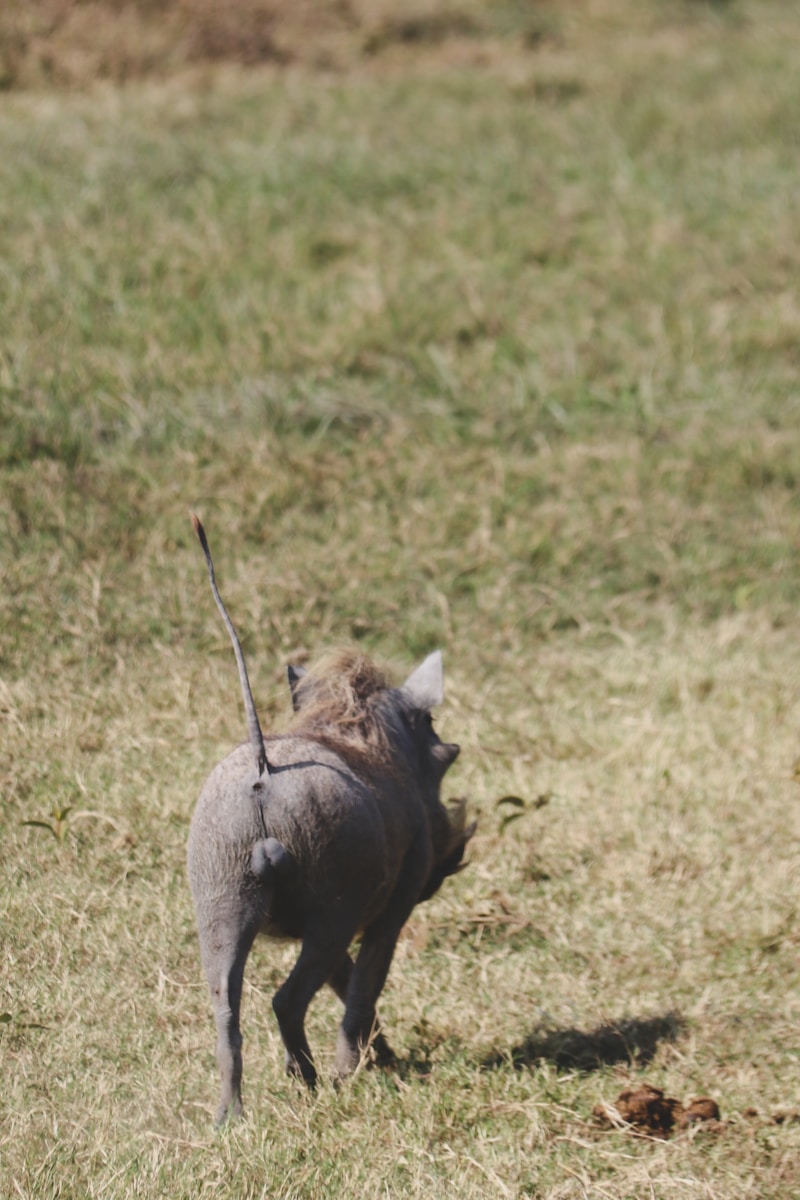
A predator retreating is not acting out of fear or defeat, but making a calculated decision. Many predators avoid unnecessary injury, choosing distance over confrontation. A controlled retreat with maintained awareness reflects caution and experience. Misreading withdrawal as weakness misunderstands survival priorities. Predators frequently disengage when situations feel unpredictable or risky. Recognizing retreat as strategy explains why animals often leave without escalation. This understanding discourages pursuit and reinforces respect for wildlife decision making. Interpreting retreat correctly supports safer outcomes by acknowledging the animal’s intent to avoid conflict rather than invite challenge.
Assuming Group Presence Means Danger

Seeing multiple predators together can feel alarming, yet group presence often reflects social structure or routine movement. Many species travel in family units, temporary alliances, or seasonal groupings related to feeding. Calm spacing, consistent pace, and relaxed posture usually indicate normal behavior. Coordinated aggression looks different and includes focused direction and tightened movement. Misinterpreting group travel exaggerates threat based on numbers alone. Observing interactions, spacing, and responsiveness within the group clarifies intent. Understanding social behavior explains why predator groups frequently pass through areas without confrontation, choosing efficiency and safety over unnecessary conflict during routine landscape crossings.
Misreading Defensive Displays
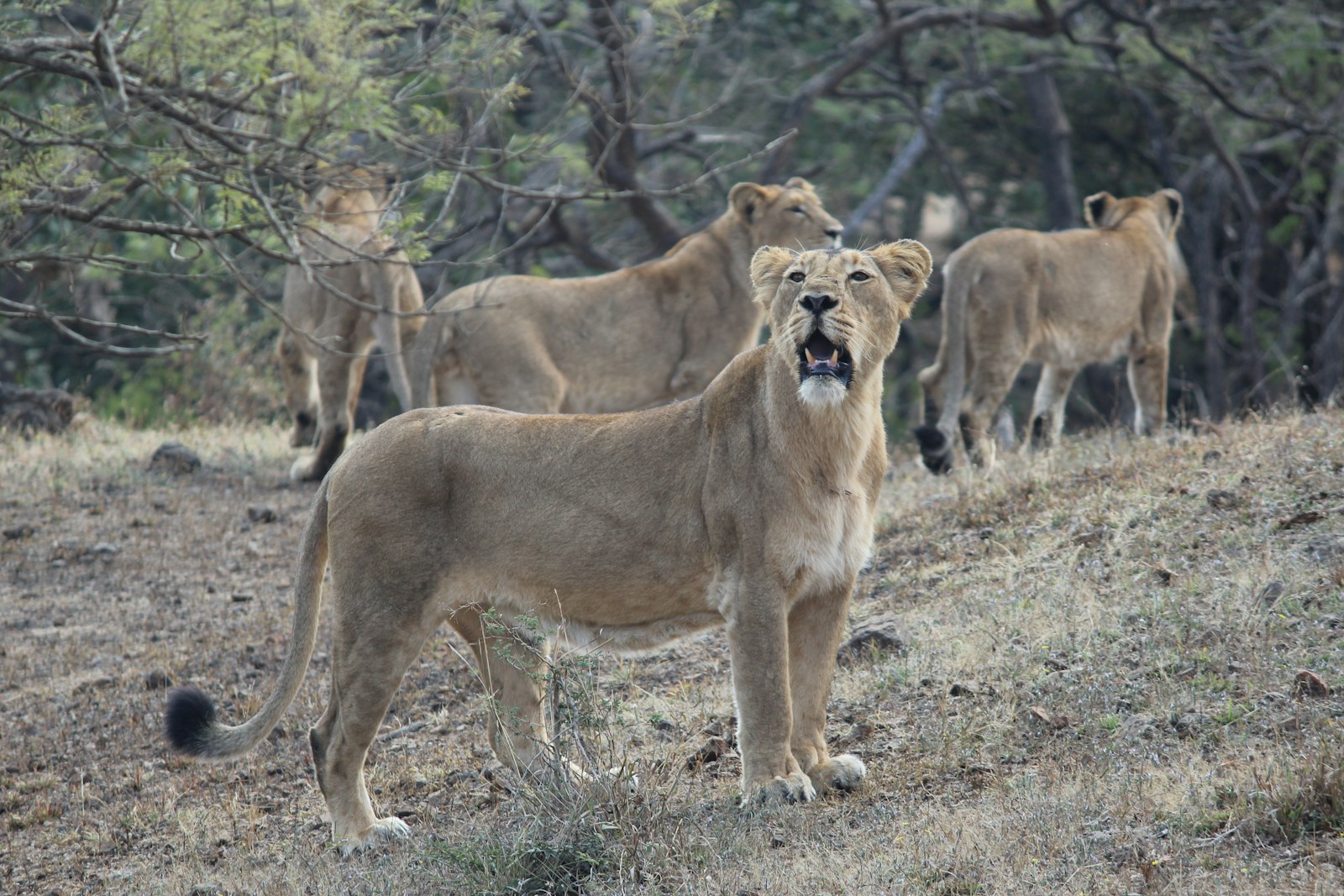
Defensive displays often appear aggressive, yet they usually aim to create space rather than initiate attack. Raised fur, spread wings, or exaggerated posture make animals appear larger to discourage approach. These signals communicate discomfort and a desire for distance. True aggression involves forward movement and commitment. Misreading displays as attack ignores their protective purpose. Once space increases, predators often calm quickly. Recognizing defensive behavior helps prevent escalation. Understanding why animals display rather than strike encourages measured responses and safer outcomes during unexpected encounters in shared natural environments where misunderstanding commonly heightens fear unnecessarily among observers.
Confusing Territorial Marking With Aggression
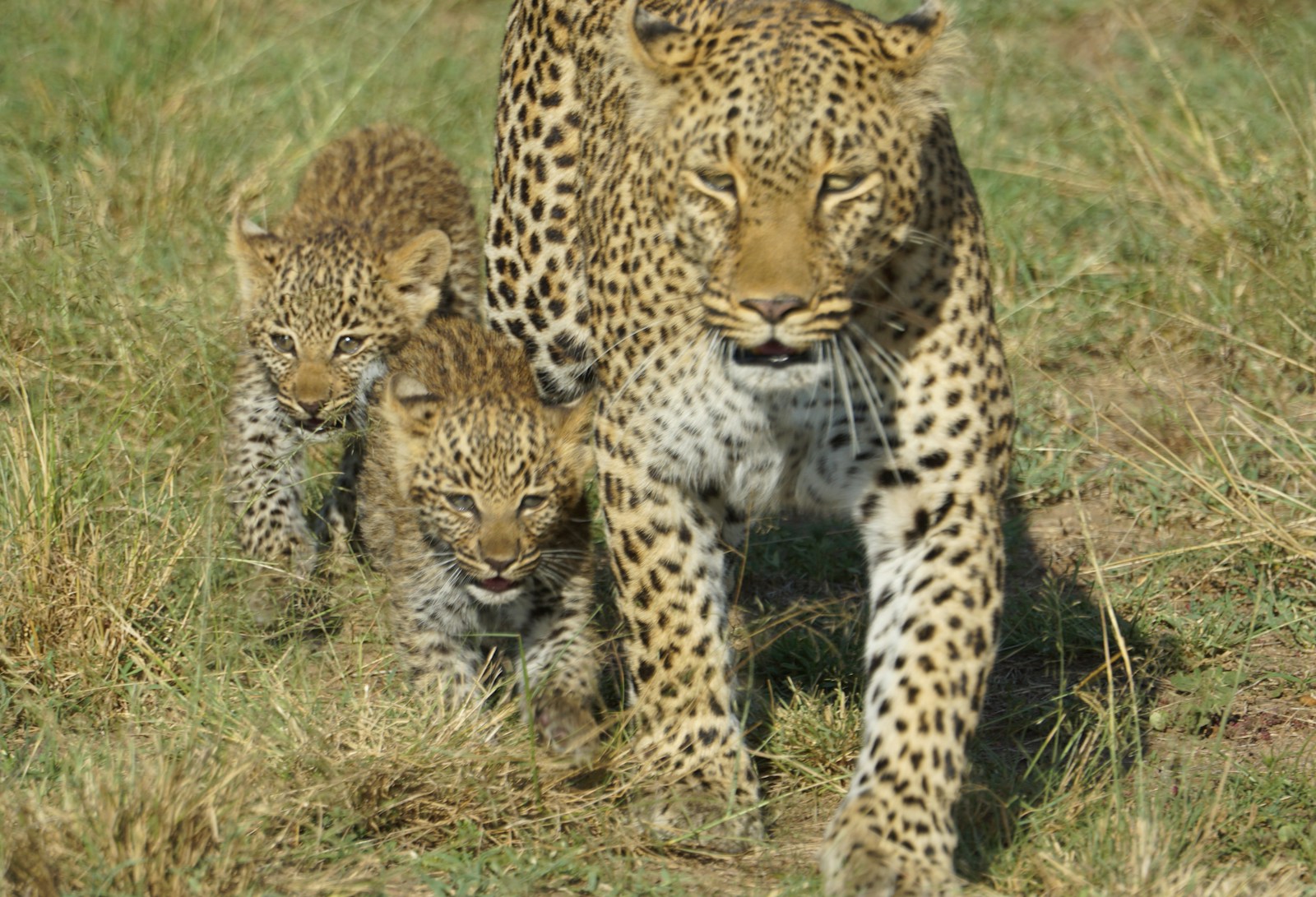
Territorial marking is frequently mistaken for aggression, though it primarily communicates presence and boundaries. Scratching trees, scent spraying, or vocal claims signal occupancy to other animals. These actions reduce conflict by preventing surprise encounters. Humans are rarely the intended audience. Misinterpreting marking behavior as hostility fuels unnecessary alarm. Territorial signals usually occur without direct engagement or pursuit. Recognizing marking explains why predators avoid areas claimed by others. Understanding spatial communication highlights how predators manage coexistence and reduce confrontation across overlapping ranges and travel corridors used seasonally for feeding, breeding, and movement across varied landscapes regionally.
Interpreting Feeding Behavior As Threat
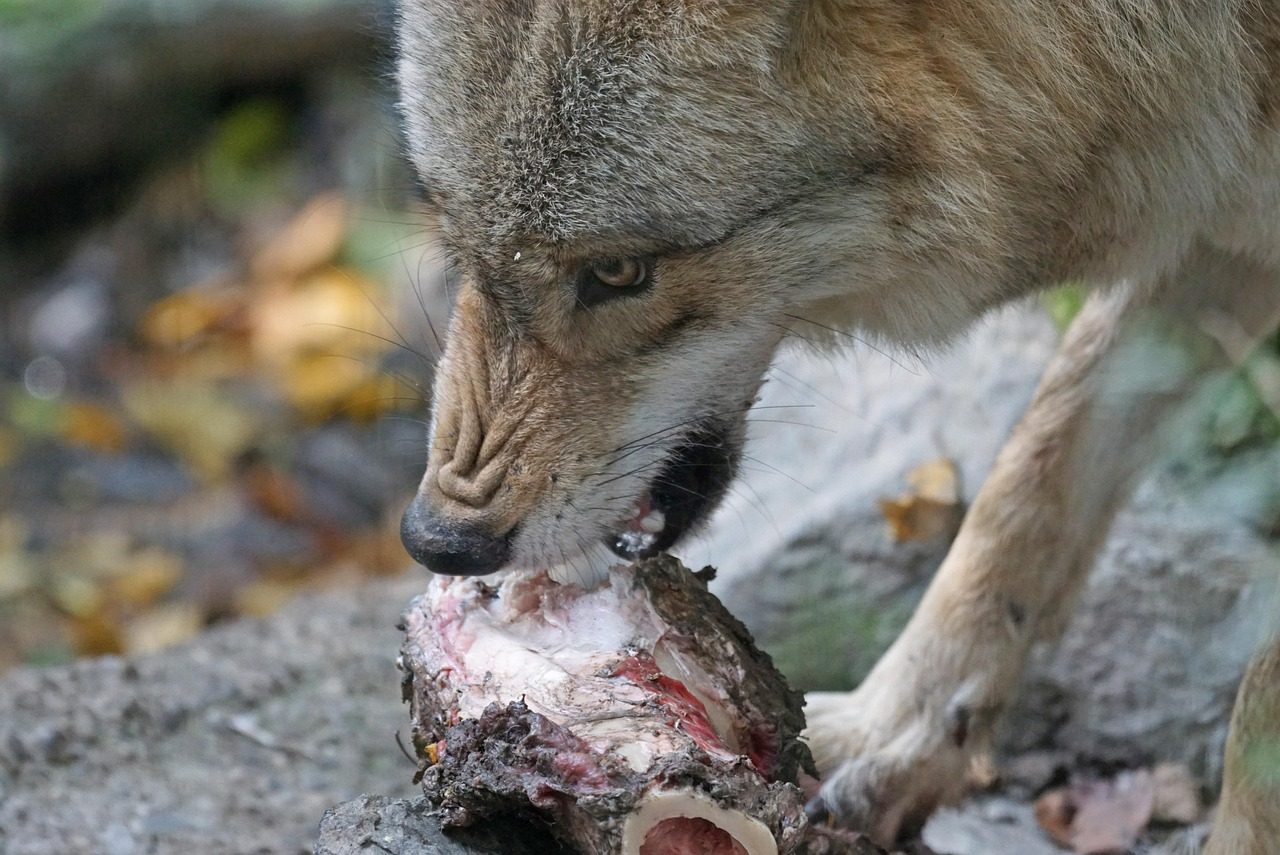
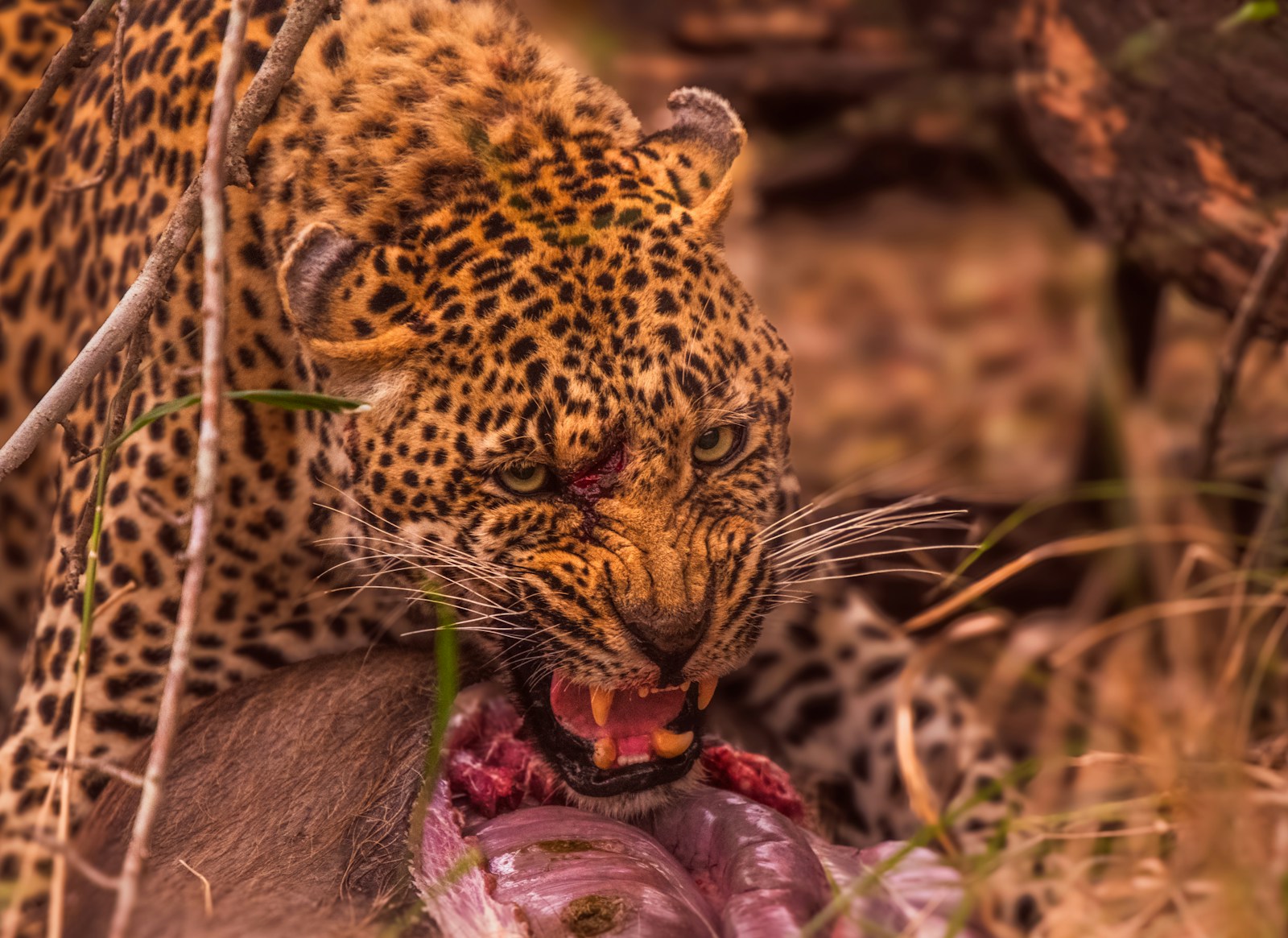
A predator feeding nearby often appears dangerous, yet feeding behavior usually signals focus on food rather than confrontation. Most predators avoid conflict while eating because injury risks outweigh benefits. A relaxed feeding posture, steady chewing, and minimal head lifting indicate low concern. Threat behavior appears when feeding stops and attention locks onto surroundings. Misreading feeding as aggression exaggerates danger unnecessarily. Understanding this distinction explains why predators often ignore nearby movement while eating. Observing posture, reaction speed, and focus provides clarity. Recognizing feeding behavior encourages distance and patience without panic during accidental proximity in wild settings.
Mistaking Night Activity For Increased Aggression
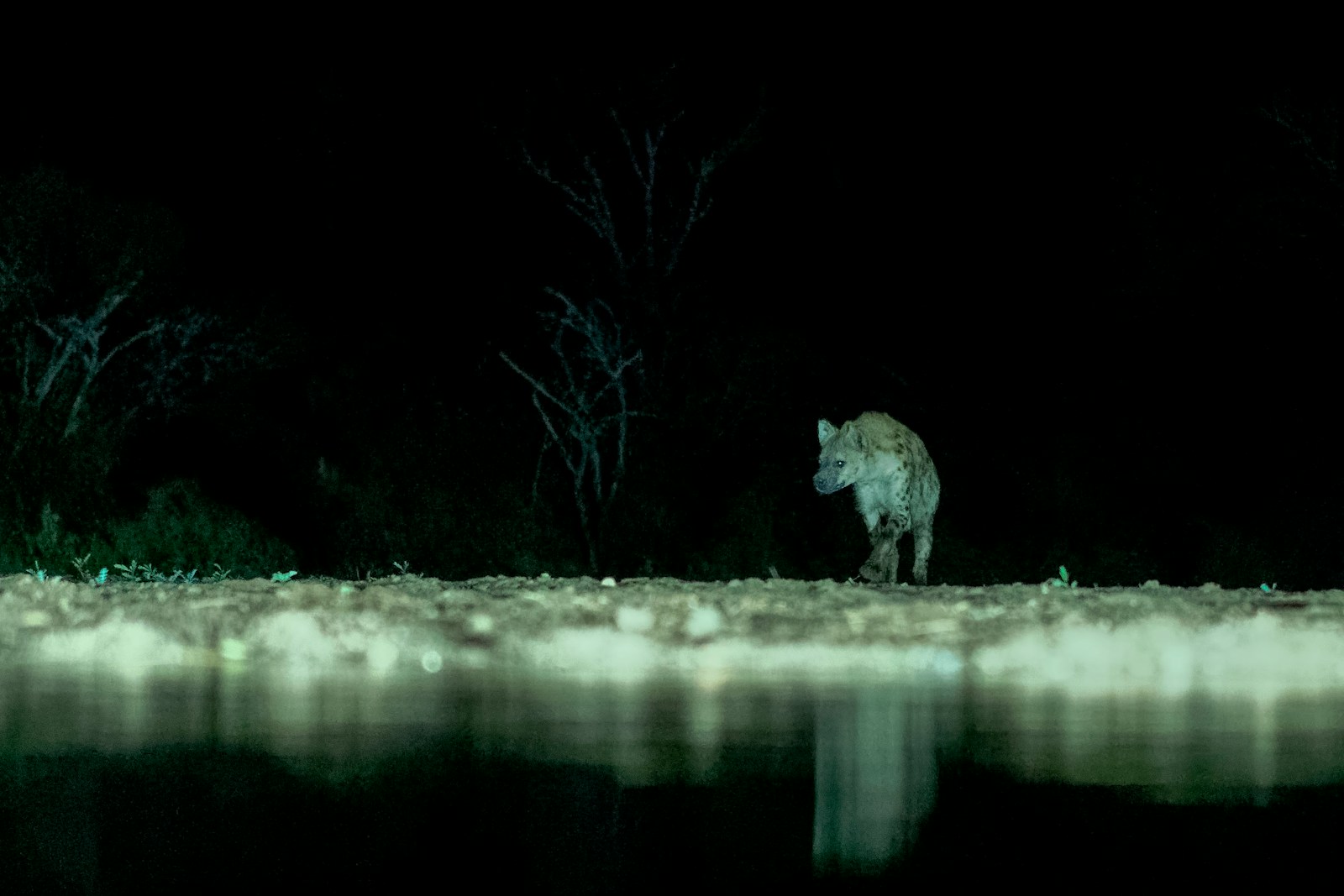
Predators active at night are often misjudged as more aggressive, though nighttime movement reflects natural activity cycles. Many species are nocturnal or crepuscular, hunting and traveling when temperatures cool and prey moves. Darkness heightens human fear without altering animal intent. Misinterpreting nighttime presence exaggerates risk. Calm movement, steady pacing, and routine behavior remain consistent regardless of light. Understanding circadian patterns explains why encounters feel more frequent after dark. Recognizing normal nighttime behavior reduces fear driven by visibility limitations rather than actual threat, supporting safer interpretation of encounters occurring during evening or early morning hours.
Misreading Play Behavior
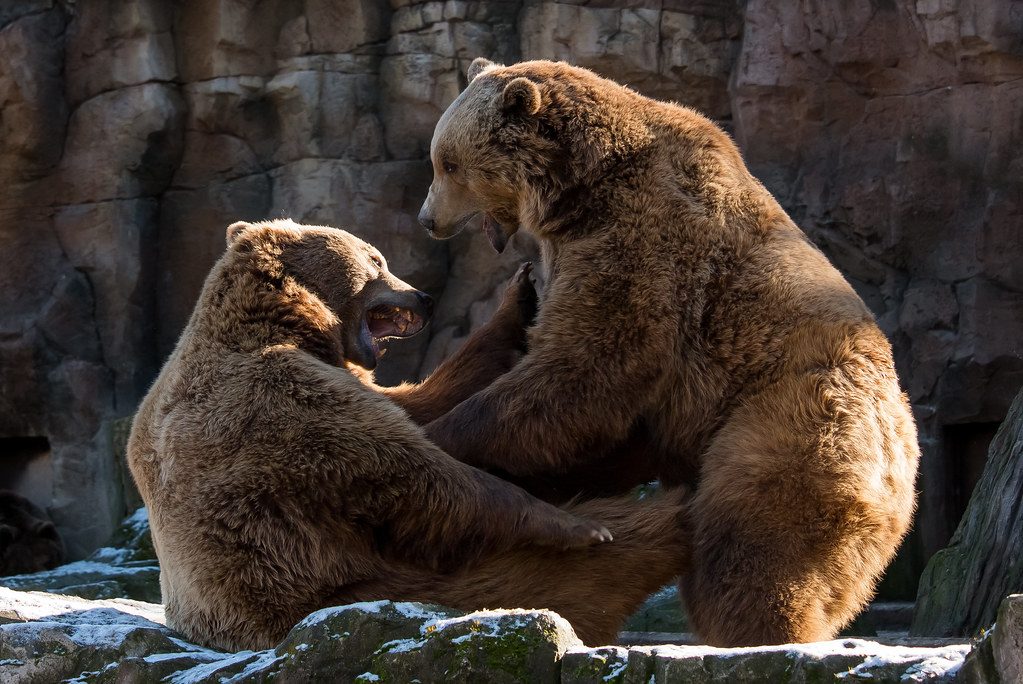
Play behavior in young predators often resembles aggression but serves developmental purposes. Chasing, pouncing, and mock fighting help build coordination and social skills. Play includes loose posture, role switching, and frequent pauses. True aggression lacks restraint and flexibility. Misinterpreting play as threat ignores age and context. Juvenile predators often approach out of curiosity rather than dominance. Recognizing playful behavior explains why young animals sometimes linger without intent to harm. Understanding play cues prevents overreaction and supports accurate interpretation of harmless interactions meant for learning rather than territorial or predatory confrontation.
Assuming Silence Means Stalking
A quiet predator is often assumed to be stalking, yet silence frequently reflects self protection rather than pursuit. Many predators move quietly to avoid alerting prey or competitors while traveling normally. Stalking behavior combines silence with focused direction, lowered posture, and deliberate approach. Silence alone lacks intent. Misinterpreting quiet movement exaggerates threat and fuels fear. Observing head position, body tension, and travel path offers clearer meaning. Understanding this distinction explains why predators often pass nearby unnoticed, remaining quiet without showing interest in engagement, attack, or continued observation once distance feels safe within familiar landscapes shaped by routine movement.
Confusing Injury Avoidance With Fear
Predators frequently hesitate or change direction to avoid injury, not because of fear. Even dominant animals prioritize survival over confrontation. A pause, detour, or cautious step often reflects calculated risk assessment. Injury can mean starvation or death in the wild. Misreading hesitation as weakness misunderstands natural decision making. Observing terrain, distance, and available escape routes provides context. Understanding injury avoidance explains sudden stops or route changes during encounters. Recognizing this behavior encourages patience and respect, reducing misinterpretation when predators choose caution instead of advancing toward unpredictable situations or perceived challenges that threaten long term survival outcomes.
Misinterpreting Scent Investigation
Predators rely heavily on scent to understand surroundings, making sniffing a frequent behavior. Lifting noses, circling, or smelling ground reflects information gathering rather than aggression. A relaxed posture during scent investigation signals curiosity. Aggression follows confirmation, not inquiry. Misreading scent checking as threat creates unnecessary fear. Observing body softness, ear movement, and pacing clarifies intent. Understanding scent use explains pauses and directional changes during encounters. Recognizing this behavior supports calm responses, allowing space and time while predators assess unfamiliar presence without committing to confrontation or pursuit within shared environments shaped by instinct and survival needs.
Assuming Size Equals Aggression
Large predators are often assumed to be more aggressive, yet size alone does not determine behavior. Many large predators avoid conflict because injury poses serious survival risks. Smaller predators may react defensively more quickly due to vulnerability. Judging danger by appearance oversimplifies complex decision making shaped by experience, hunger, and context. Calm posture, movement direction, and attention focus offer better insight than body mass. Understanding this distinction reduces fear driven by scale rather than behavior. Accurate interpretation helps explain why large predators frequently disengage quietly, choosing avoidance over confrontation when situations feel uncertain or unnecessary.
Mistaking Defensive Charging
A short charge by a predator often aims to create distance rather than cause harm. Defensive charges typically stop abruptly once space increases. Predators use this behavior to warn and discourage approach without committing to attack. True aggression involves continued forward motion and pursuit. Misreading defensive charging as full attack intensifies panic and poor reactions. Recognizing intent requires observing whether the animal disengages quickly. Understanding this behavior explains why many encounters end without contact. Proper interpretation supports calm retreat, reduces escalation, and respects the predator’s attempt to protect itself rather than initiate conflict.
Confusing Observation With Targeting
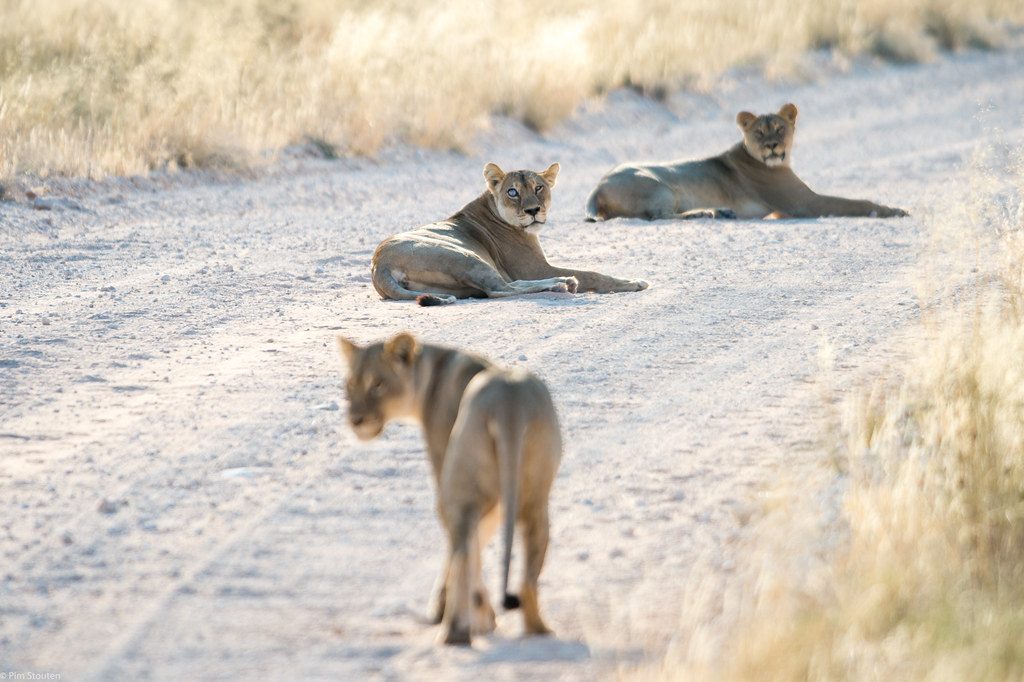
Predators often watch unfamiliar movement to understand it, not to hunt it. Observation helps animals assess threat level, distance, and behavior. Casual watching includes relaxed posture, intermittent attention, and lack of forward movement. Targeting involves sustained focus, alignment, and deliberate approach. Misinterpreting observation as targeting exaggerates danger. Recognizing the difference explains why predators may watch briefly, then leave. Understanding this behavior encourages calm responses and prevents unnecessary fear. Accurate interpretation highlights how predators gather information before deciding avoidance, rather than acting aggressively toward unfamiliar presence in shared environments.