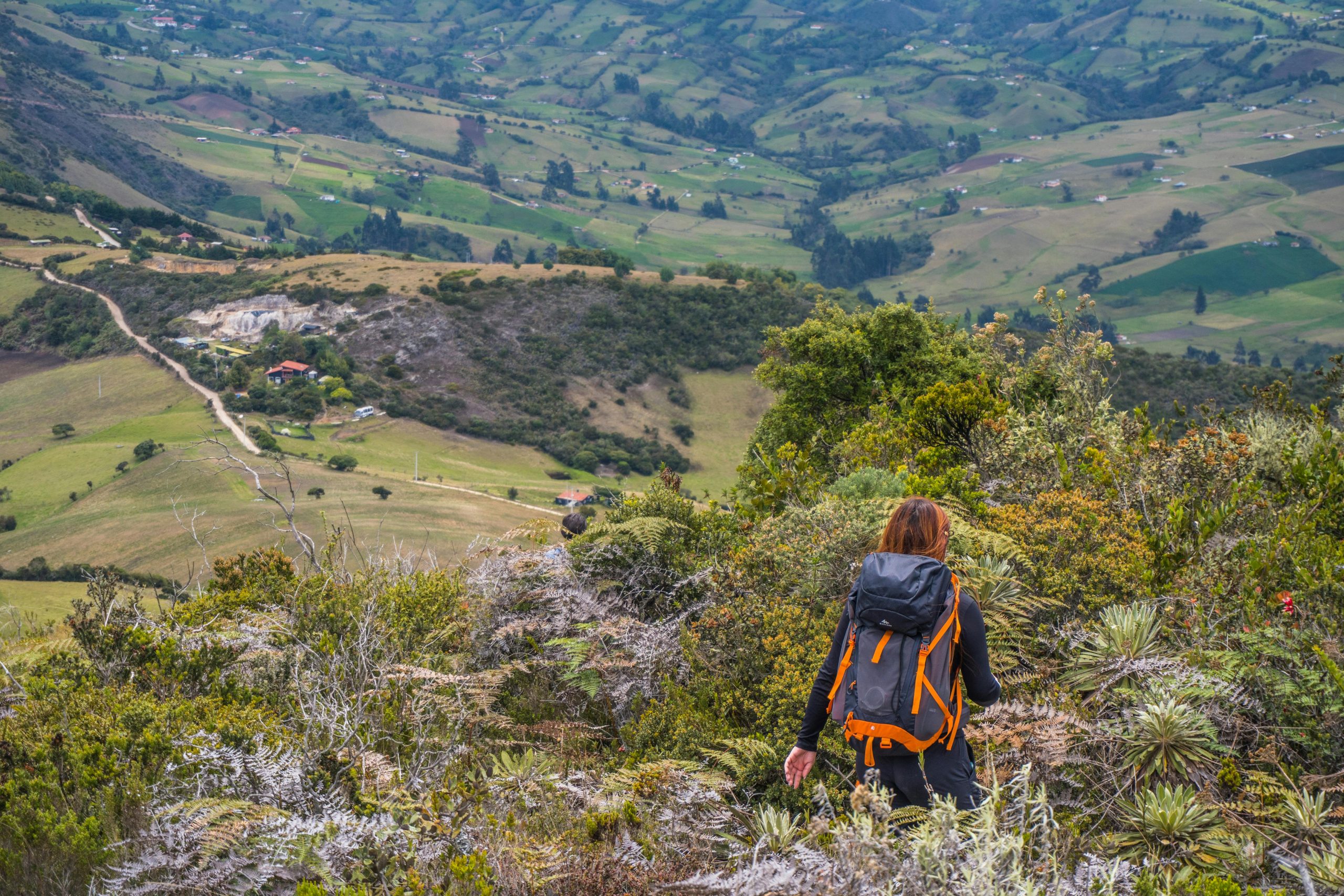
National parks protect landscapes, wildlife, and cultural history for future generations, which means many natural materials that seem harmless to take are actually protected by strict federal rules. These bans help preserve fragile ecosystems that can be damaged by missing stones, plants, or artifacts. Visitors often underestimate how quickly small removals add up when millions of people pass through each year. These restrictions ensure the land stays ecologically balanced, visually intact, and culturally meaningful for everyone who experiences it.
1. Rocks From Trails and Scenic Areas
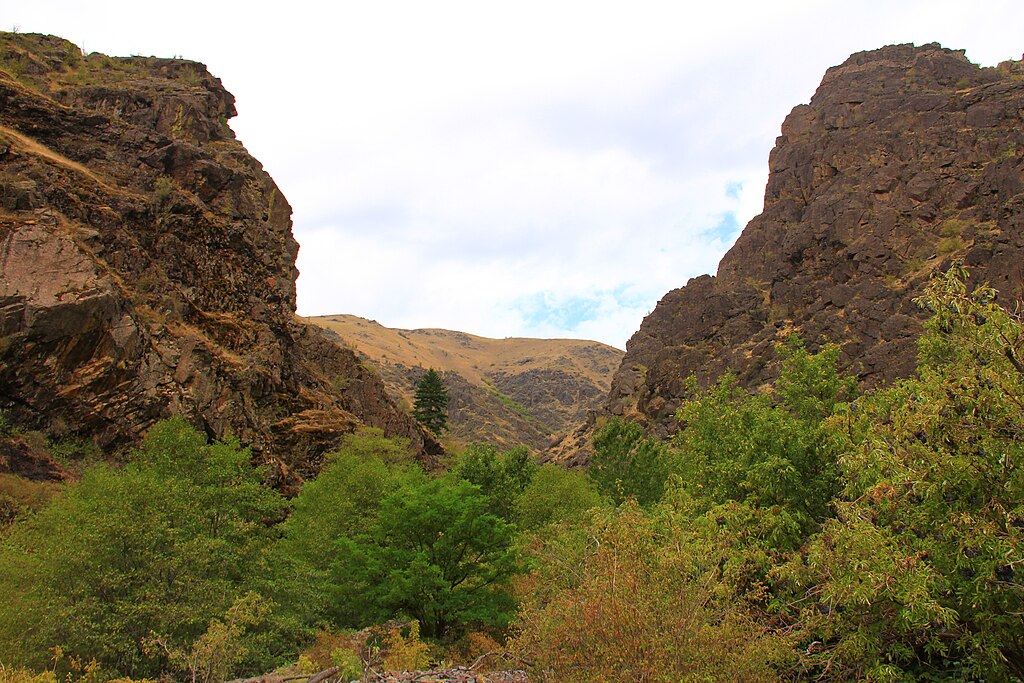
Rocks might look like simple souvenirs, yet removing them disrupts geologic features that took centuries to form. Even small stones help stabilize, which prevents erosion during storms. When visitors take them, slopes become unstable, and trails wear down quickly. Rangers consider rocks part of the park’s natural character and rely on them to maintain safe paths. Leaving every stone in place ensures landscapes continue to look authentic while protecting visitors who depend on a solid footing along rugged terrain.
2. Wildlife Antlers and Skeletal Remains
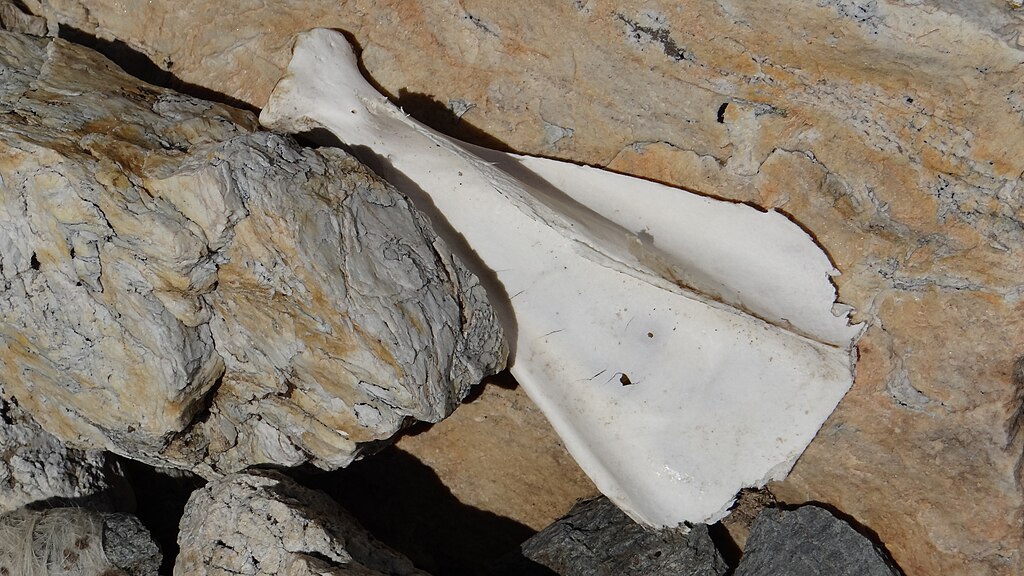
Antlers and bones may feel abandoned, but they play a crucial role in nutrient cycles that keep desert and forest ecosystems healthy. Rodents, insects, and microbes use them as mineral sources, especially in areas where calcium is scarce. Removing these natural materials disrupts wildlife populations that depend on them for survival. Rangers often find that over time, frequent collection dramatically reduces the availability of nutrients for local species. Keeping antlers and bones where they lie strengthens the ecological chain that supports everything nearby.
3. Living or Dead Plant Material
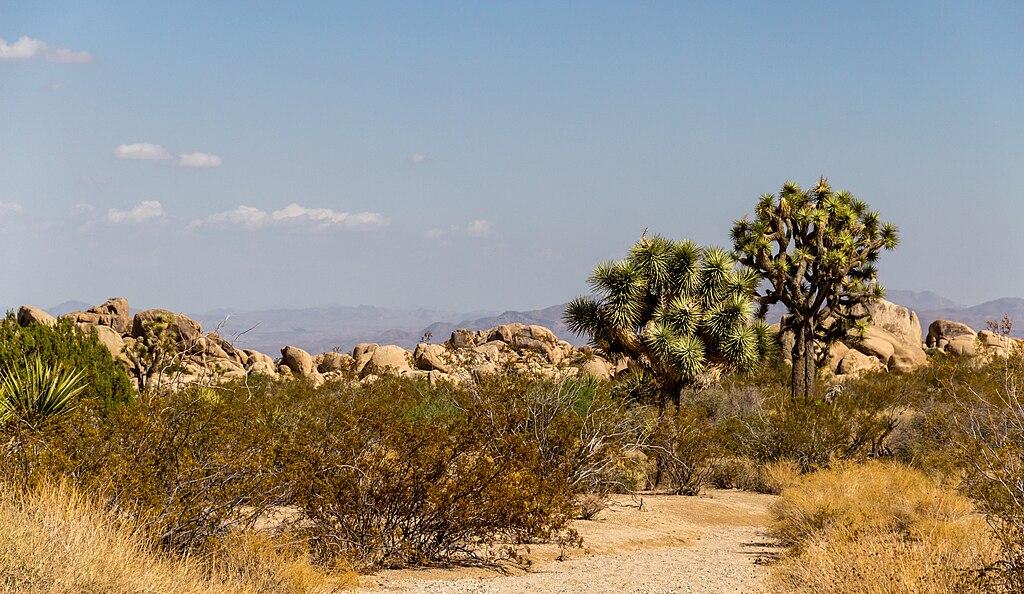
National parks prohibit gathering leaves, branches, or fallen wood because these materials help build healthy soil. Plants break down slowly, releasing nutrients needed for new growth and stabilizing moisture during dry seasons. Visitors often assume a few pieces will not matter, but large crowds create a cumulative effect that weakens the landscape. Removing vegetation also damages habitats used by insects and small creatures. Leaving all plant matter undisturbed ensures that the natural cycle continues without interruption from human interference.
4. Fossils and Petrified Remains
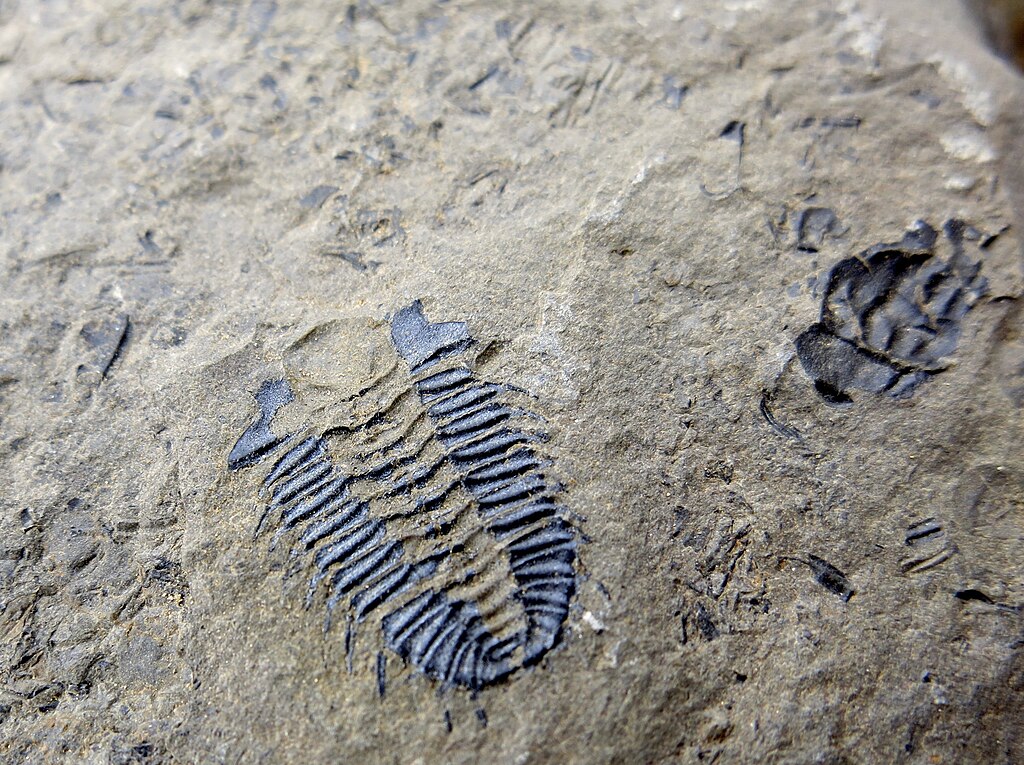
Fossils inside national parks are protected scientific resources that reveal ancient climates, species, and landscapes. Taking even a small piece removes evidence that could help researchers understand long-term environmental changes. Many fossils are fragile and easily damaged when handled by untrained visitors. Because they are irreplaceable, parks strictly enforce rules preventing their disturbance. Leaving these remains intact ensures that scientists can study them accurately and that visitors can continue appreciating the history embedded in old riverbeds and canyon walls.
5. Obsidian, Arrowhead, and Stone Tools
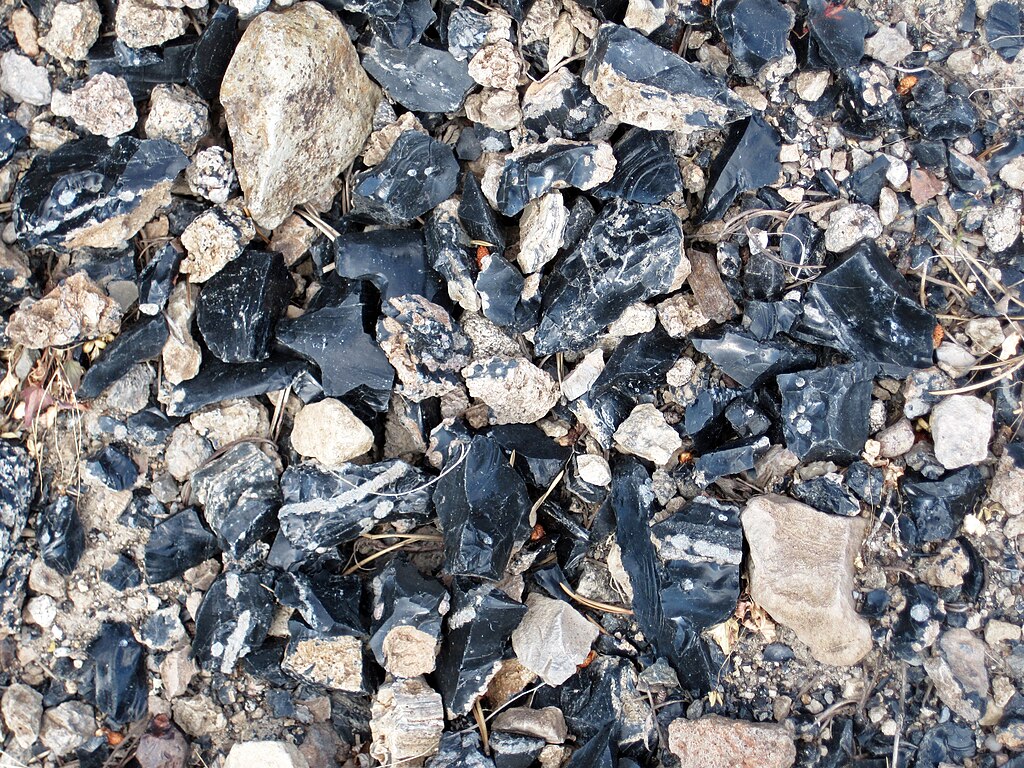
Artifacts such as obsidian flakes, pottery shards, and stone tools belong to the cultural history of Indigenous tribes who lived in these regions long before parks were established. Removing them erases stories about hunting grounds, traderoutes, and community life. Even a small artifact can help archaeologists build accurate timelines. Disturbing or pocketing one disrupts scientific work and disrespects tribal heritage. National parks treat all cultural materials as protected evidence of human history that must remain exactly where they were found.
6. Sand and Soil From Beaches or Dunes

Many visitors like collecting colorful sand, yet even small amounts removed from dunes create measurable impacts. Sand shifts constantly, and removing it accelerates erosion that reshapes shorelines faster than park scientists can manage. Soil also holds plant roots that stabilize sensitive terrain. When visitors take sand or dirt, wind and water move aggressively into the empty spaces. Parks rely on strict bans to preserve these dynamic environments and ensure beaches maintain their natural beauty for future generations to enjoy.
7. Seashells and Coral Fragments
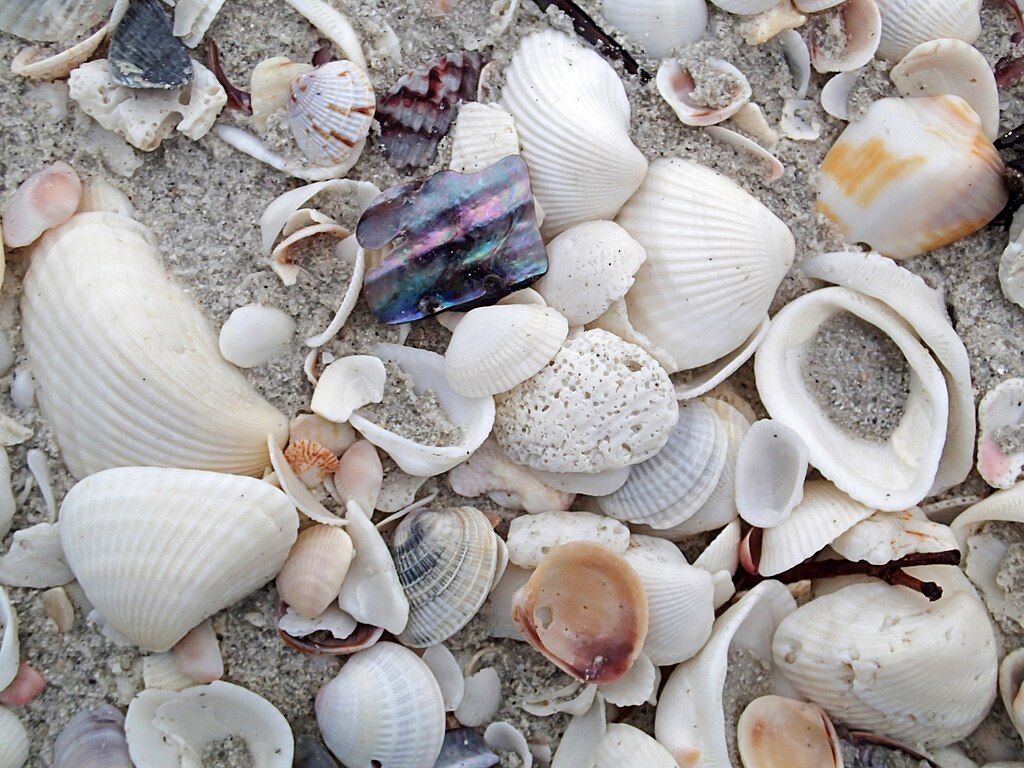
Seashells provide homes for hermit crabs, shelter for small marine creatures, and nutrients for coastal ecosystems as they break down. Coral fragments are especially important because they help stabilize beaches affected by strong waves. Collecting these natural materials reduces protection for shoreline wildlife and disrupts sand formation processes. Many shells also come from species that rely on quiet, nutrient-rich areas to reproduce. Leaving shells and coral undisturbed helps sensitive coastal zones remain healthy and visually vibrant throughout the year.
8. Driftwood From Shorelines and Lakes
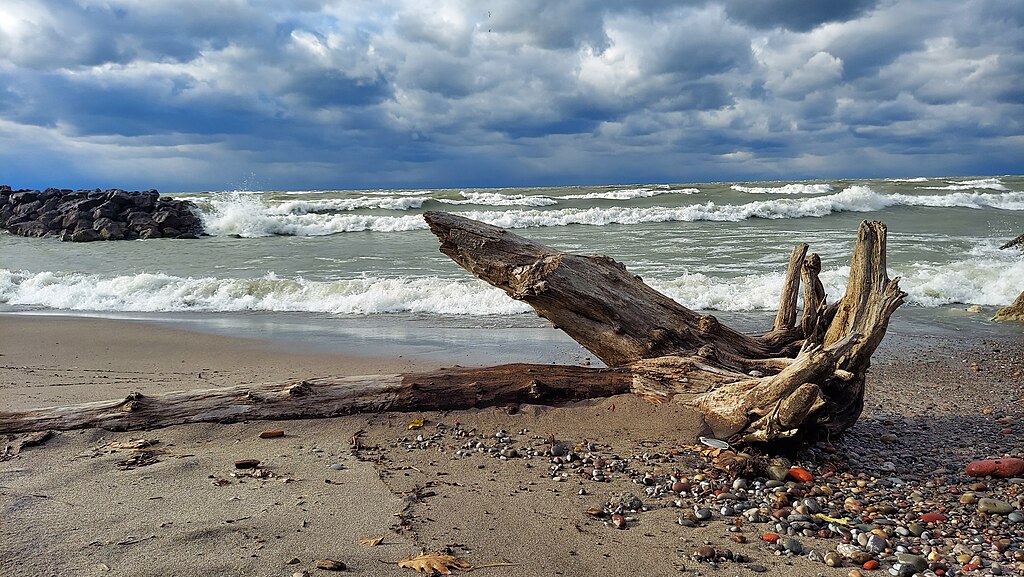
Although driftwood looks abandoned, it plays a major role in shaping healthy aquatic ecosystems. Logs slow wave action, create fish habitats, and protect eroding shorelines. Removing them forces lakes and rivers to lose natural barriers that help water flow safely. Driftwood also supports insects that feed birds and small mammals. Parks enforce strict rules because a few visitors collecting logs quickly turns into noticeable habitat loss when recreational pressure rises. Keeping driftwood in place preserves stable waterways and thriving wildlife populations.
9. Moss, Lichens, and Cryptobiotic Soil
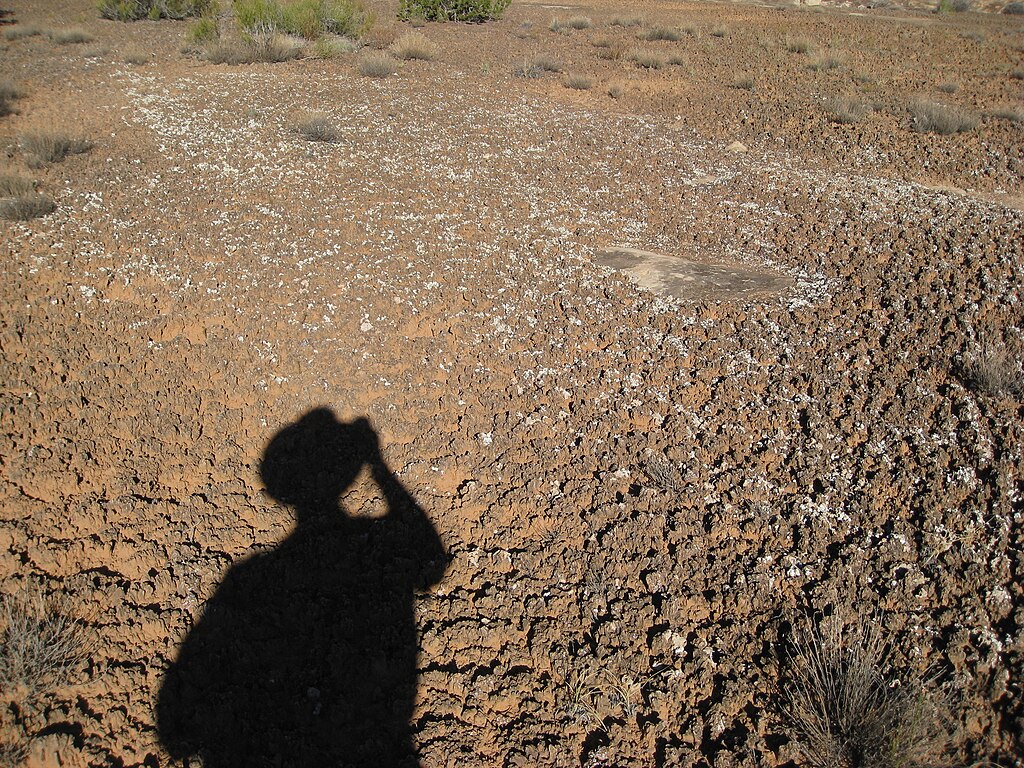
Moss and lichens grow extremely slowly, sometimes taking decades to form the soft mats seen on rocks and branches. Cryptobiotic soil, which looks like a dark crust, is even more fragile and essential for preventing desert erosion. Walking on it or collecting pieces destroys entire colonies that may never fully regenerate. These organisms anchor fragile landscapes and help new plants grow after storms. National parks guard them carefully because preserving these delicate layers ensures long-term ecological resilience across harsh desert and alpine terrain.
10. Freshwater Stones and River Pebbles
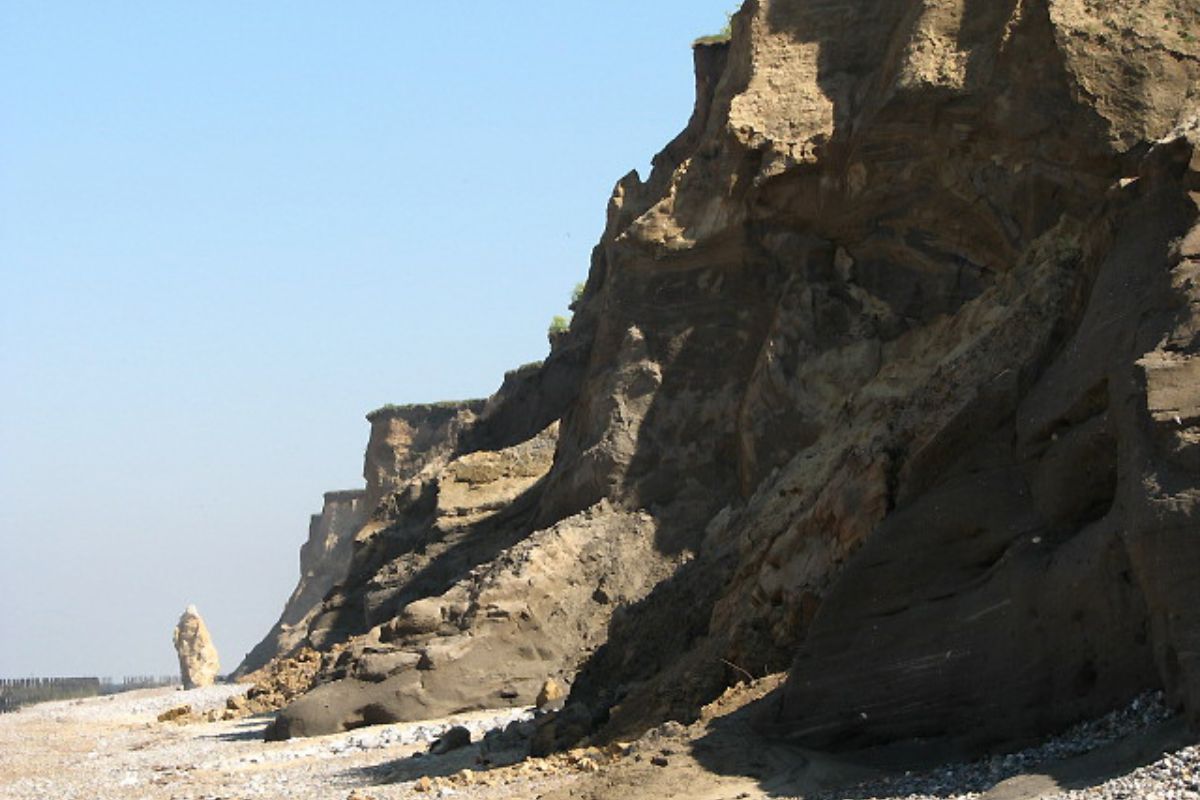
River stones shape waterways and influence how streams carve through valleys. Removing them disrupts natural flow patterns that protect fish larvae, amphibians, and aquatic insects. Many stones serve as shelter during seasonal floods, giving wildlife a safe place to hide. When visitors take pebbles as keepsakes, rivers lose their ability to self-regulate. Parks maintain strict no-collection policies to prevent erosion and maintain stable habitats. Leaving stones where they belong ensures waterways remain healthy for future generations and native species alike.
11. Feathers From Protected Birds
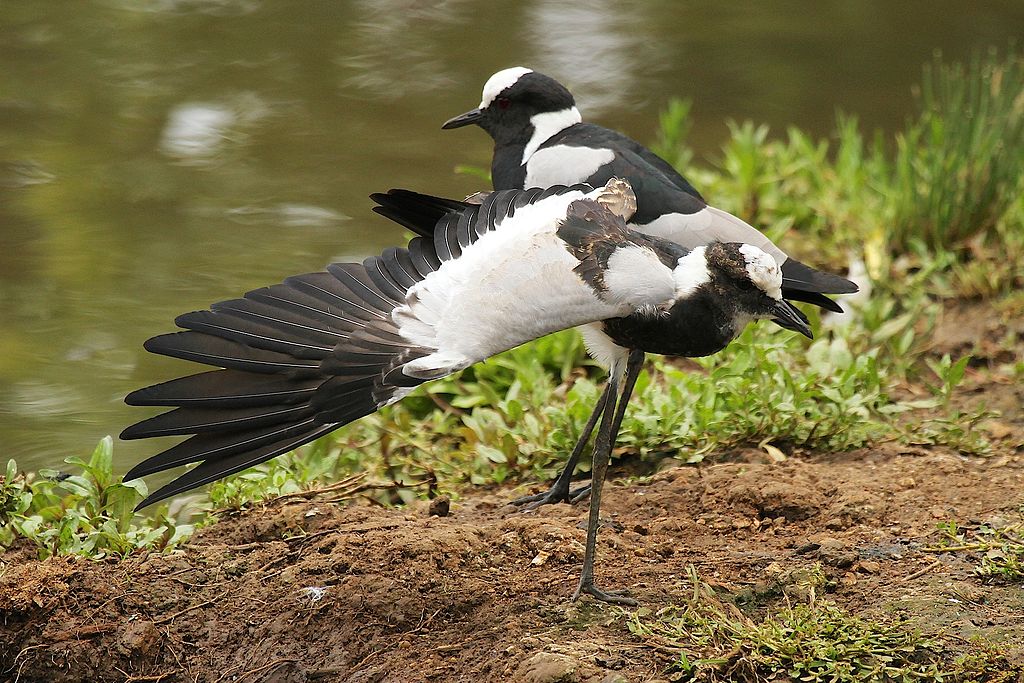
Even naturally shed feathers from protected bird species cannot be collected because they fall under federal wildlife regulations. These feathers help researchers study migration, nesting health, and species movement across landscapes. Leaving them in place prevents confusion between natural molt and illegal collection. Birds also use scattered feathers to insulate nests or line resting areas during colder months. National parks emphasize that feathers are part of active ecological cycles and must remain exactly where nature places them for ongoing environmental stability.
12. Pine Cones and Seed Pods
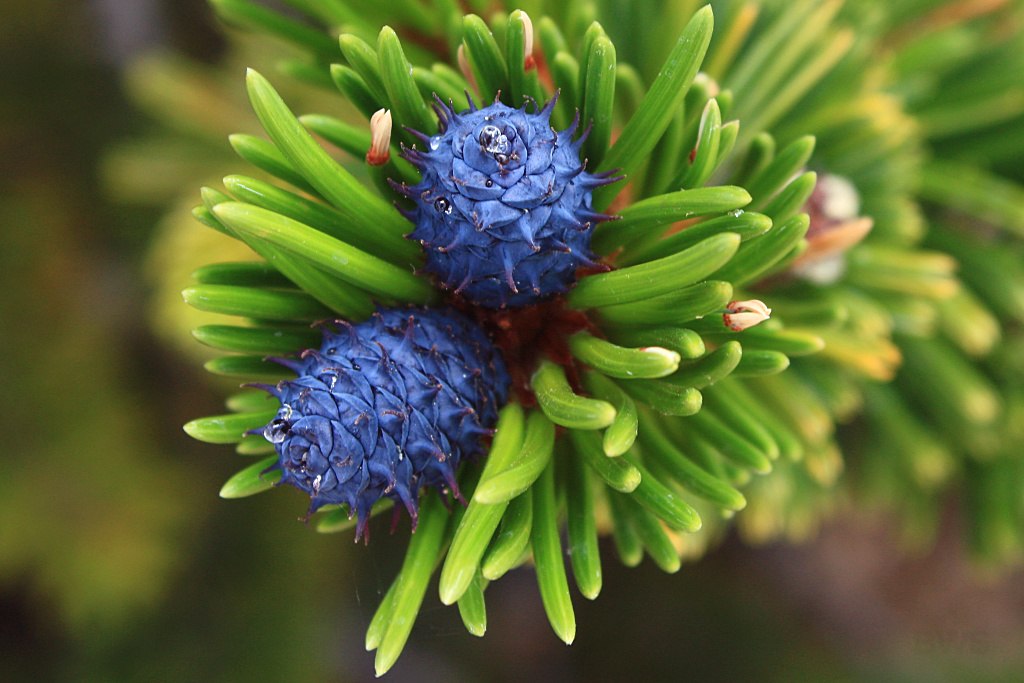
Pine cones and seed pods contain valuable nutrients and reproductive material for countless plant species. Removing them reduces the forest’s natural ability to regenerate after seasonal shifts or wildfire events. Wildlife depend on seeds for food during lean periods and often stash them for winter survival. Visitors might assume a cone is harmless to take, yet widespread collection disrupts entire animal communities. Parks enforce restrictions to ensure forests continue to reseed naturally, maintaining healthy tree populations and stable ecosystems for decades ahead.
13. Wildflowers and Blooming Plants
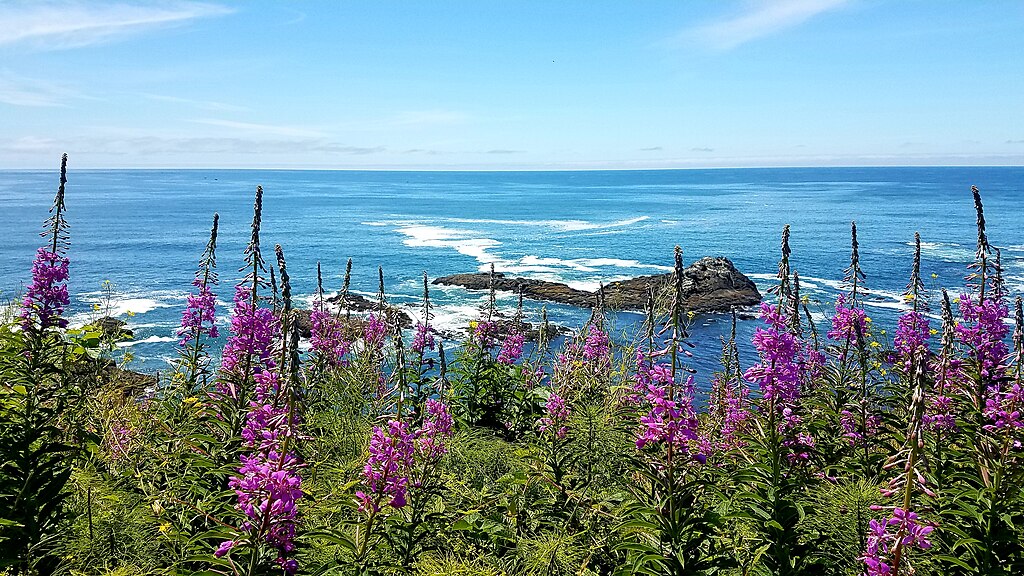
Harvesting wildflowers is strictly prohibited because even a single picked flower removes pollen needed for bees and other pollinators. Many blossoms provide essential nectar during short blooming windows, and removing them weakens these seasonal cycles. Repeated collection by visitors slowly reduces plant populations that parks are working hard to protect. Leaving every bloom untouched supports biodiversity and helps maintain colorful landscapes. Parks rely on these rules to ensure flowering meadows remain vibrant, ecologically stable, and visually inspiring for all who visit.
14. Berries, Nuts, and Edible Plants
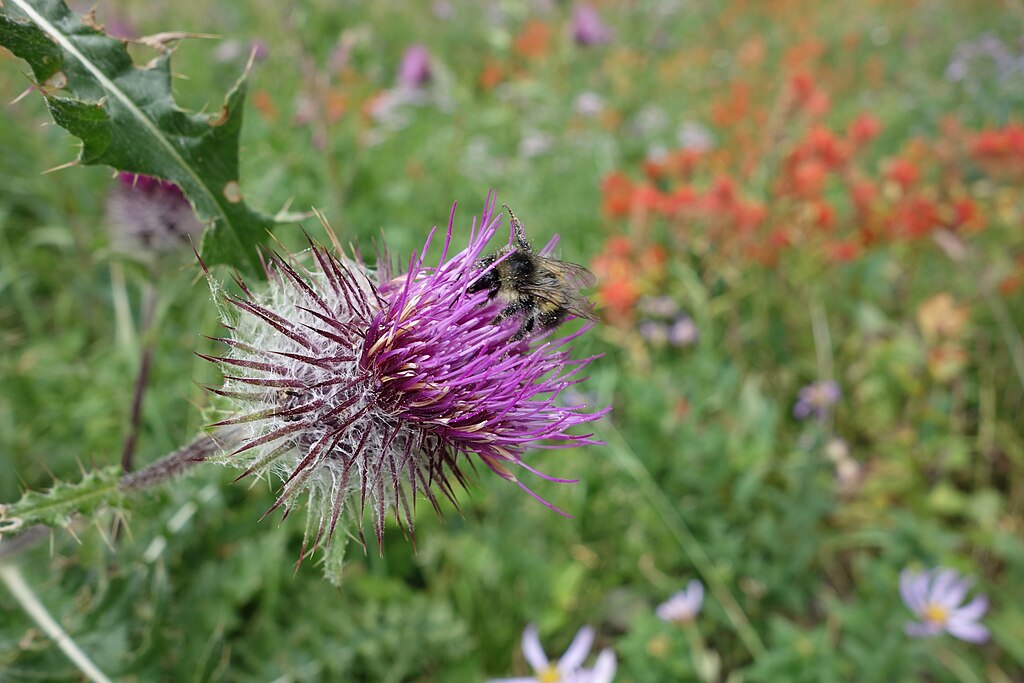
Although many plants appear edible or tempting to sample, national parks prohibit collecting berries and nuts because wildlife rely on them for survival. Bears, birds, and small mammals use these foods to build energy reserves during harsh seasons. Removing even a modest amount forces animals to spend more energy searching for nutrition. Parks encourage people to appreciate these foods visually rather than harvest them. Keeping natural foraging systems intact ensures wildlife remains healthy and ecosystems stay in balance through seasonal changes.
15. Clay, Mineral Crystals, and Geologic Specimens
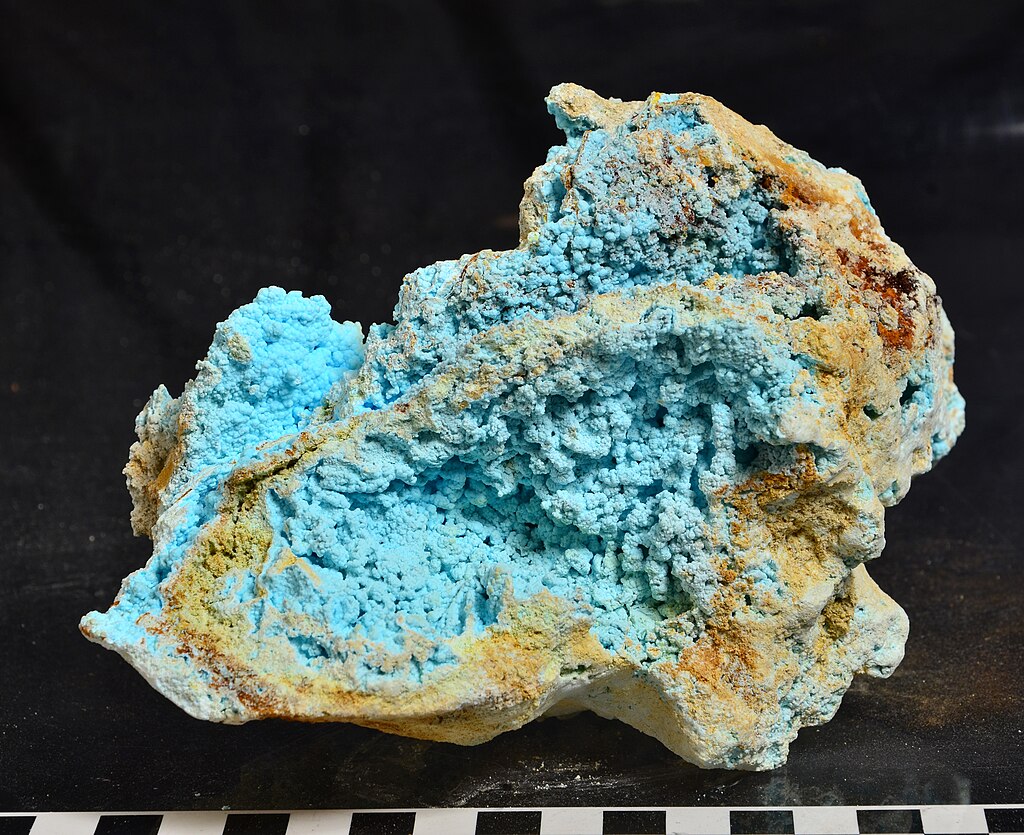
Crystals and minerals attract visitors, yet collecting them removes important pieces of geologic history that scientists use to understand erosion, volcanic activity, and soil chemistry. Some minerals grow in delicate formations easily damaged when pried loose. Clay deposits also influence water movement through terrain, and removing them alters drainage patterns. Parks enforce strict bans to preserve these landscapes in their original form. Leaving minerals untouched ensures hikers experience authentic geology while helping researchers study natural processes that shape the land.
16. Historical Timber or Abandoned Cabin Wood
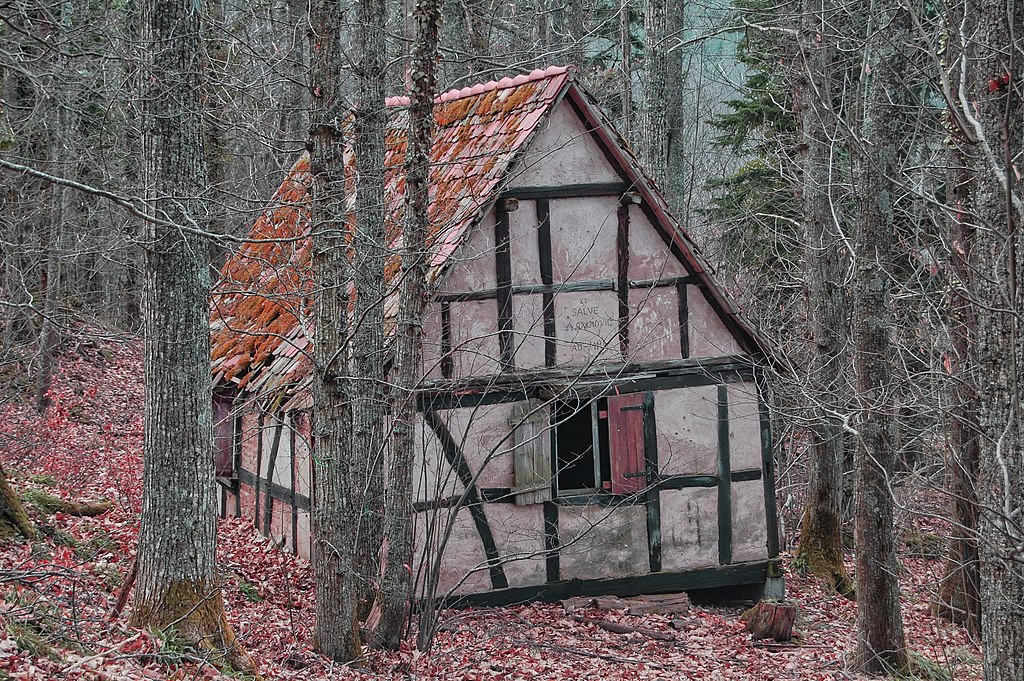
Old beams and weathered logs from historic structures may look like collectible décor, yet they are protected artifacts that tell the story of early settlers, rangers, and Indigenous communities. Removing them erases evidence of past lives and prevents historians from interpreting how people built homes or managed resources. These materials also deteriorate naturally in ways that inform preservation work. National parks treat all historical wood as cultural property that must remain in place to respect previous generations and preserve national heritage.
17. Mud, Clay, and Material From Hot Springs
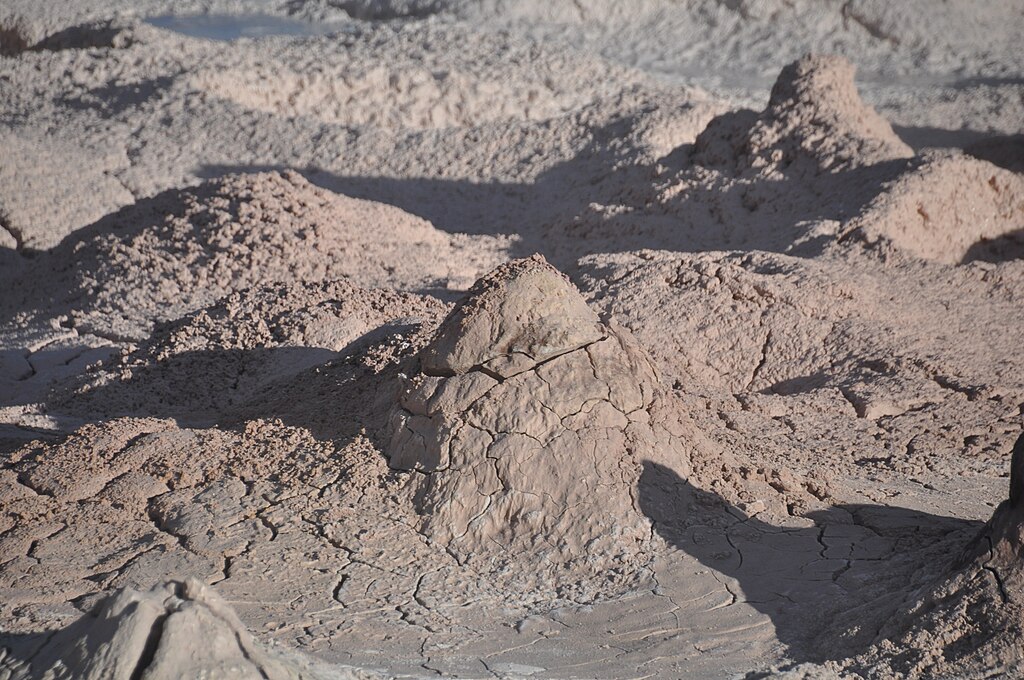
Hot spring environments contain unique organisms and minerals that thrive in extreme temperatures. Removing mud or clay disrupts these delicate ecosystems and can damage bacterial mats that support rare microbial communities. These organisms help scientists understand early Earth conditions and modern climate resilience. Collecting material also destabilizes spring edges, making them unsafe for visitors. National parks protect every part of these geothermal areas so they remain stable, scientifically valuable, and visually pristine for future visitors.
18. Abandoned Nests and Natural Wildlife Shelters
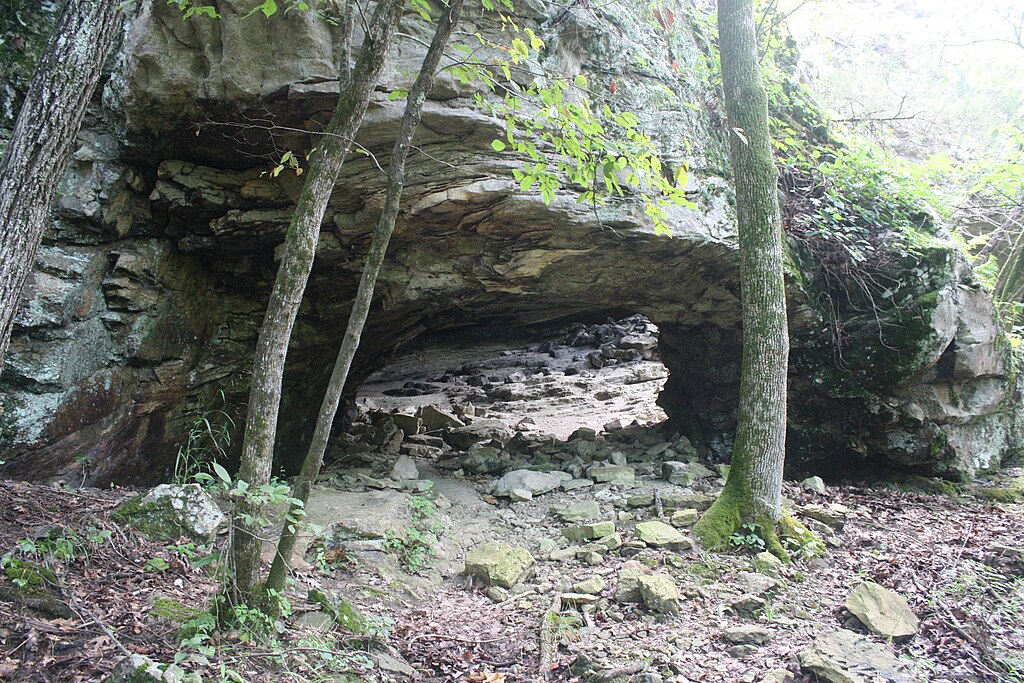
Abandoned nests, dens, and shelters often appear unused, yet many animals return to them during harsh weather or nesting seasons. Removing or disturbing them eliminates safe resting spaces that wildlife depend on. These structures also help researchers track population health and movement across park regions. Taking them disrupts valuable scientific information. National parks strictly prohibit any removal to ensure animals have secure homes and ecosystems remain dynamic. Leaving all natural shelters untouched protects wildlife and helps maintain ecological balance year after year.