Many modern rifle accessories promise improved accuracy, comfort, and convenience, yet not every hunter embraces these additions. Some outdoorsmen prefer traditional setups built on simplicity and familiarity, while others remain skeptical of gadgets that add weight, require batteries, or complicate maintenance. As technology advances, manufacturers produce accessories designed to enhance precision, stabilize shooting positions, and streamline field adjustments, but opinions remain divided on how much gear is truly necessary. Debates often center on reliability, durability, and whether certain add-ons create more problems than they solve in rugged conditions. Exploring the accessories that spark the most disagreement reveals how personal preference, hunting style, and environmental challenges shape the choices hunters make when assembling their trusted setups for the field.
High-Magnification Scopes
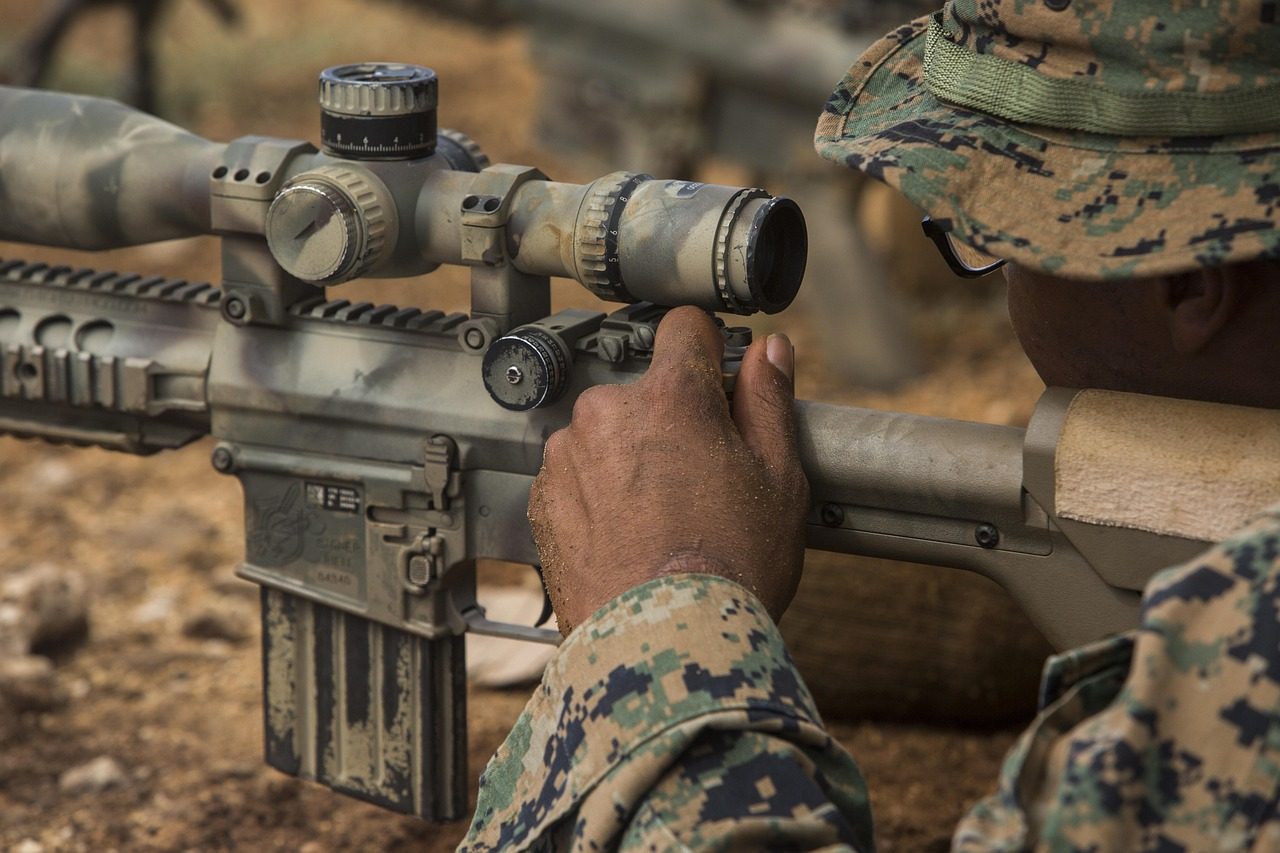
High-magnification scopes offer impressive long-distance visibility, but many hunters avoid them because high zoom levels restrict the field of view and increase difficulty tracking moving targets. These scopes also add weight and often require precise adjustments that feel cumbersome during fast-paced hunts. In dense woods or uneven terrain, excessive magnification becomes more distracting than helpful, making traditional mid-range scopes a preferred option. Some hunters argue that high-powered optics encourage shots taken beyond ethical distances, creating unnecessary risks. While long-range shooters appreciate the clarity, others feel that high magnification complicates otherwise straightforward equipment setups meant for reliable, practical field use, especially when environmental conditions shift unpredictably throughout an extended hunt.
Adjustable Bipods
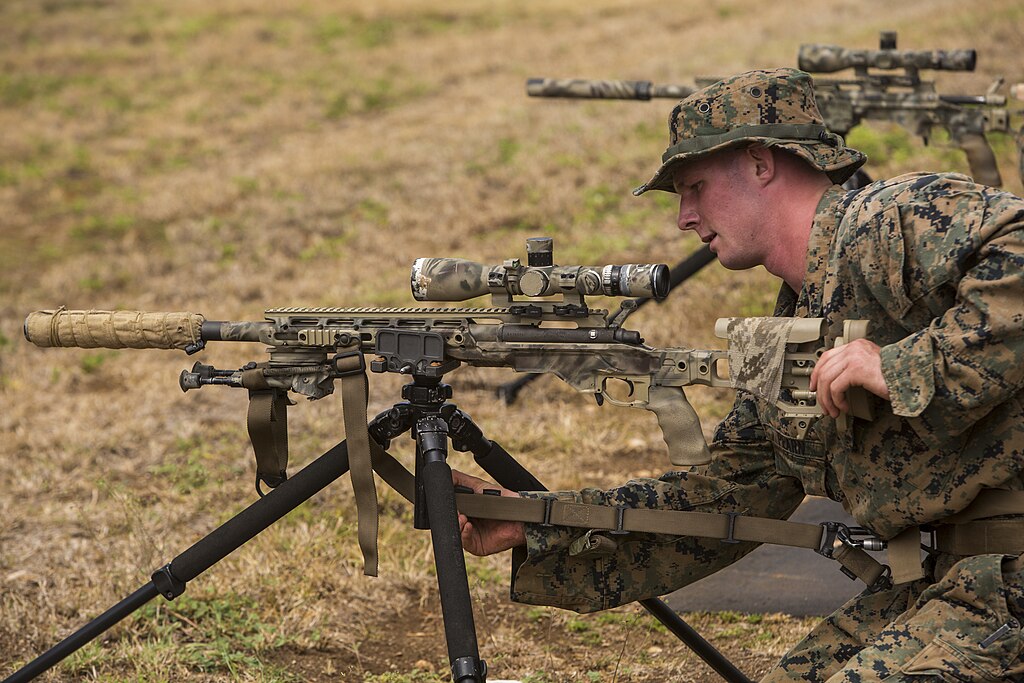
Adjustable bipods provide stability in open fields, yet they remain unpopular among hunters who value mobility and quick repositioning. Bipods add extra weight to the rifle’s front end and may snag on brush or branches during stalks. Some hunters worry that relying on artificial support reduces natural shooting skills built through practice. Others find that bipods create noise when folded or adjusted, potentially alerting nearby game unexpectedly. Although bipods can improve accuracy from prone positions, many hunters prefer shooting sticks or improvised rests that offer flexibility without permanently attaching hardware to their rifles, particularly when covering rough terrain requiring frequent movement.
Oversized Muzzle Brakes

Oversized muzzle brakes reduce recoil significantly, but they also dramatically increase noise and blast pressure for everyone nearby. Some hunters dislike how the side-vented design kicks dust and debris into the air, especially when shooting from prone positions. The added weight and bulk at the rifle’s front end can feel awkward during long hikes or elevation changes. While muzzle brakes improve comfort for shooters sensitive to recoil, critics feel the trade-offs outweigh the benefits in typical hunting scenarios. For many, a well-fitted recoil pad or a lower-recoiling cartridge offers a more practical and considerate solution, especially when hunting alongside partners in confined environments.
Large Tactical Slings
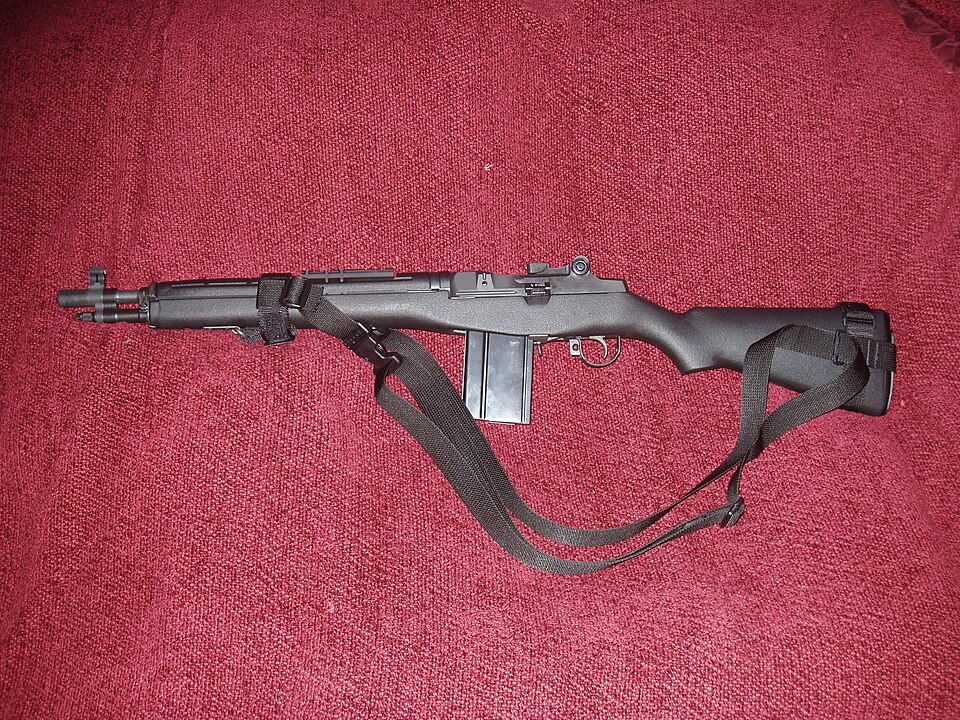
Large tactical slings provide multiple carry positions and quick adjustments, yet some hunters find them unnecessarily complicated. Their bulky straps and buckles can tangle in backpacks, jackets, or tree stands, slowing movement at inconvenient moments. Traditional two-point slings remain popular because they are lightweight, simple, and easy to adjust without extra features. Tactical slings often appeal to shooters in tactical training environments, but in the hunting world, minimalism often wins. Many hunters prefer gear that stays quiet, streamlined, and unobtrusive, especially when navigating thick brush or narrow trails requiring smooth, uninterrupted movement.
Picatinny Rail Systems
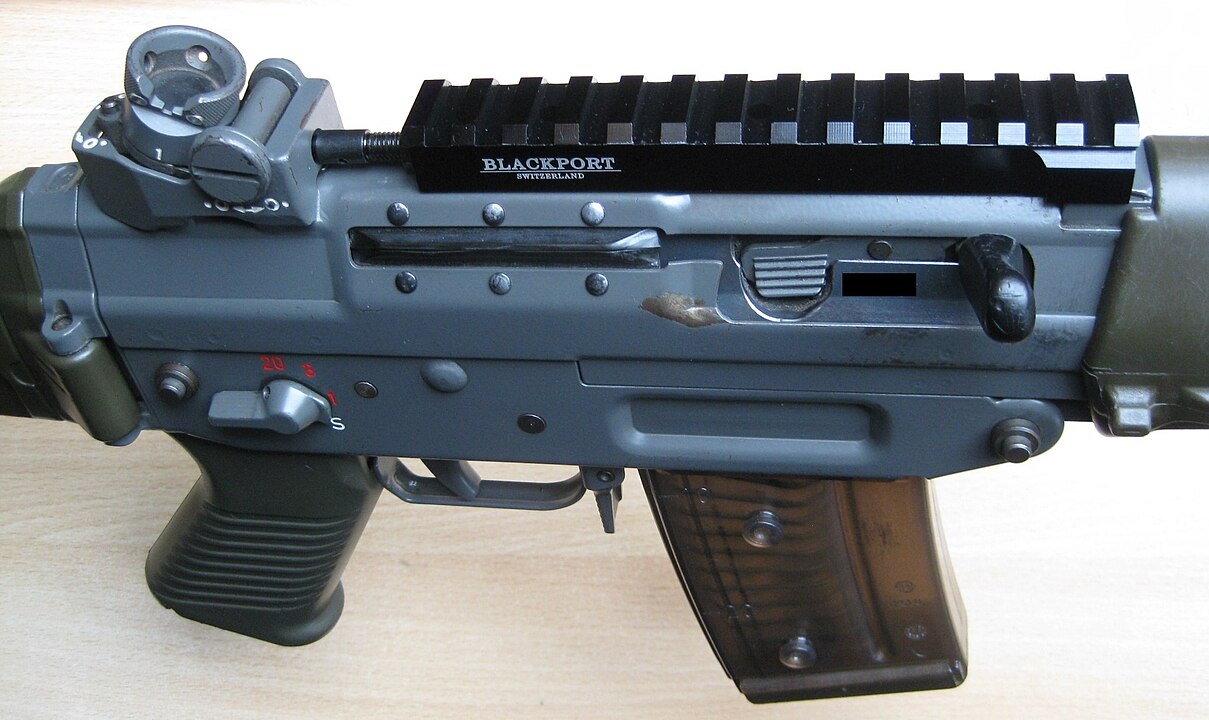
Picatinny rail systems offer extensive customization, but some hunters argue they encourage over-accessorizing and add unnecessary weight to rifles that should remain balanced and light. Rails create a more tactical aesthetic that doesn’t appeal to traditionalists who prefer clean wooden stocks and minimal hardware. In cold conditions, exposed metal rails become uncomfortable to handle without gloves. While rails allow mounting of lights, lasers, bipods, and optics, many of these add-ons serve little purpose during typical hunts. A simple drilled-and-tapped setup often feels more practical for hunters seeking dependable performance rather than modularity, especially when prioritizing firearm balance and ease of carry.
Throw-Lever Scope Adjusters
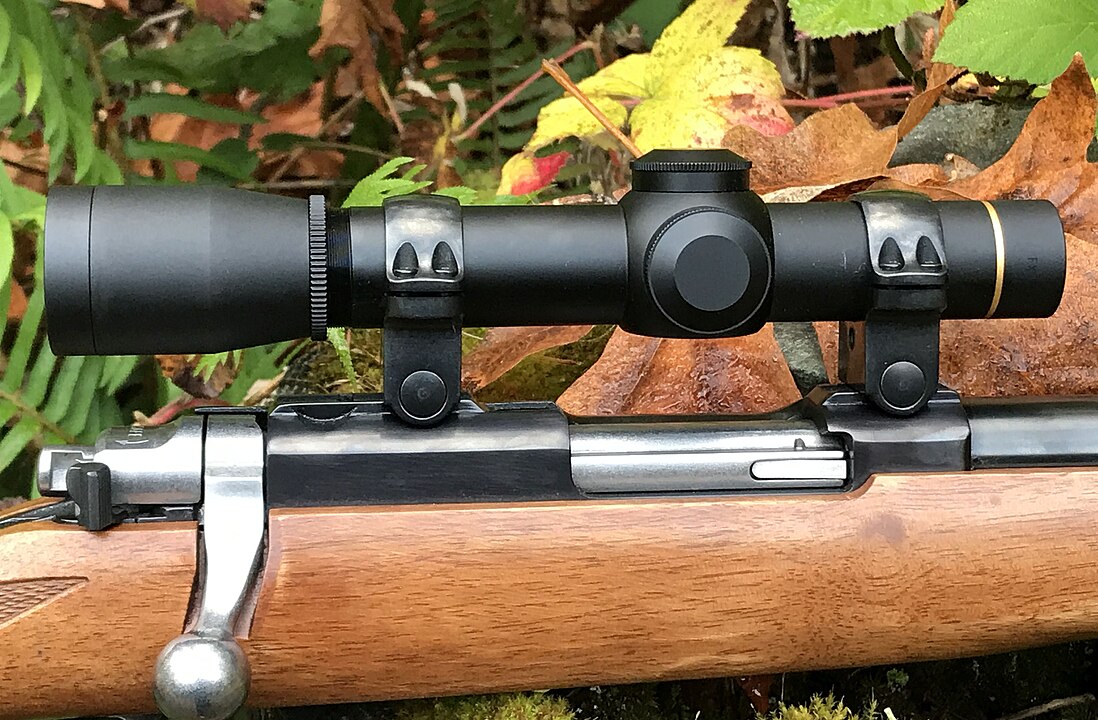
Throw-lever scope adjusters allow rapid magnification changes, yet some hunters find them intrusive and prone to snagging on clothing or brush. The protruding lever alters the scope’s profile and can feel uncomfortable to carry against the body. For hunters who typically keep their magnification fixed during a hunt, the lever becomes unnecessary hardware that complicates an otherwise simple optic. While competitive shooters value the speed advantage, many hunters prefer low-profile adjustment rings that maintain a slim, streamlined silhouette in the field. This preference reflects a desire for simplicity that avoids unexpected disruptions during challenging shooting situations.
Rifle-Mounted Rangefinders
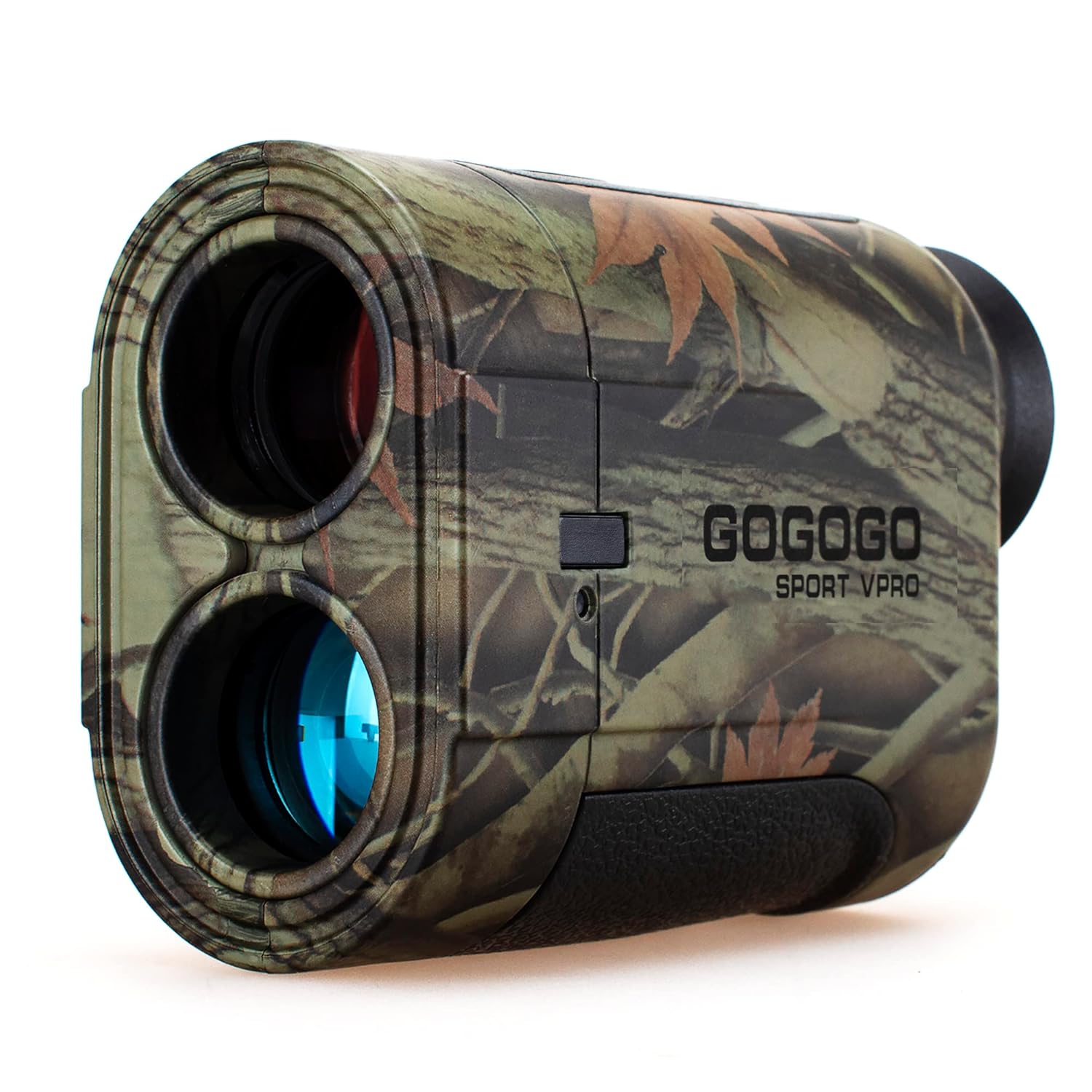
Rifle-mounted rangefinders offer precision for long-distance shooting, but many hunters reject them because they add weight, rely on batteries, and shift the rifle’s balance. Some argue that using handheld rangefinders or natural field estimation skills provides adequate accuracy without attaching sensitive electronics to the firearm. Others feel that rifle-mounted systems blur the line between traditional hunting and high-tech marksmanship. In wet or cold environments, electronics can fog or malfunction, creating reliability concerns. Although the technology continues to advance, many hunters remain cautious about introducing complex attachments into rugged field conditions, especially when simpler tools accomplish necessary tasks with greater consistency and reliability.
Thermal Imaging Scopes
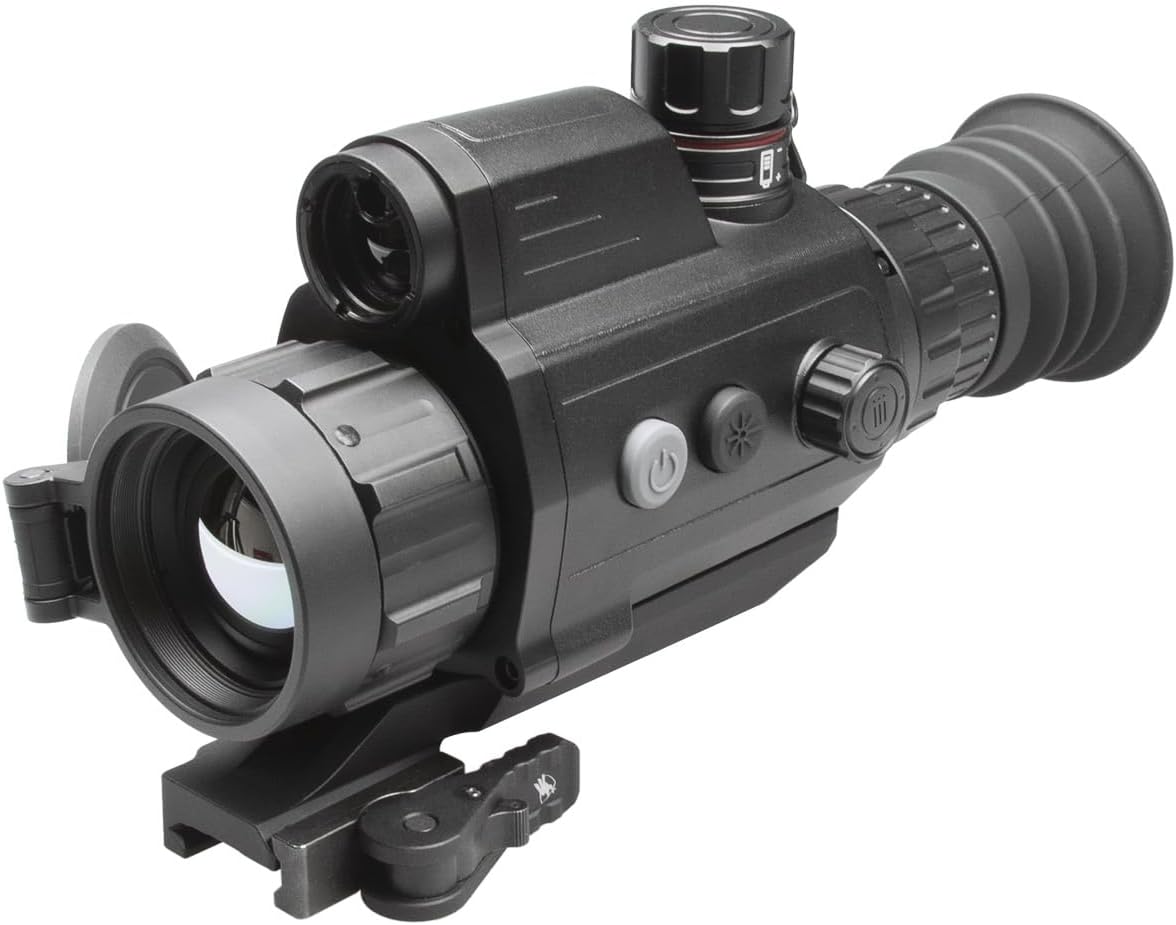
Thermal imaging scopes provide impressive visibility in low light, yet many hunters avoid them due to high cost, added weight, and reliance on rechargeable power. Some argue that thermal optics reduce the traditional challenge of spotting and tracking game, making hunts feel too technologically assisted. Legal restrictions in certain states further limit their usefulness for big-game hunting. Thermal imaging also struggles to differentiate details at long ranges, leading to potential misidentification. For hunters who value simplicity and fairness, traditional optics remain the preferred choice for ethical, skill-based hunting in varied terrain and unpredictable seasonal conditions across broad landscapes.
Oversized Shooting Bags
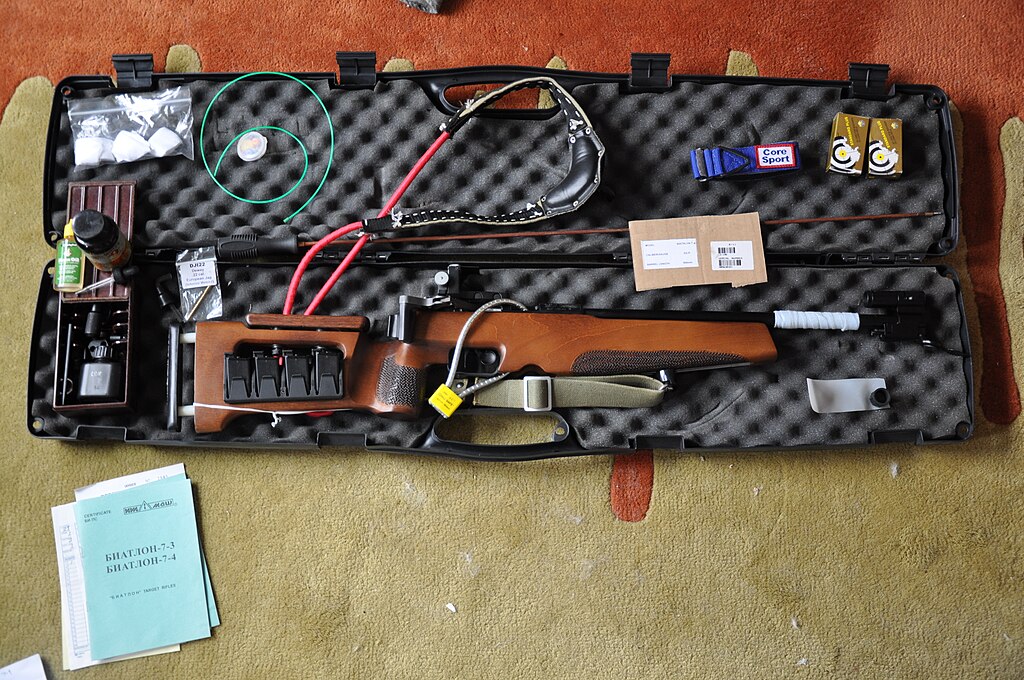
Oversized shooting bags stabilize rifles for long-distance shots, but they can be bulky and inconvenient to carry on foot. Hunters who rely on mobility often reject them in favor of lighter improvised rests such as backpacks or tree limbs. Large bags also take up valuable room in daypacks and add weight during steep climbs. While precision shooters appreciate the stability these bags offer, hunters argue they slow transitions between shooting positions in unpredictable field environments. For many, the trade-off between stability and portability remains too steep to justify bringing such heavy gear regularly.
Electronic Ear Protection
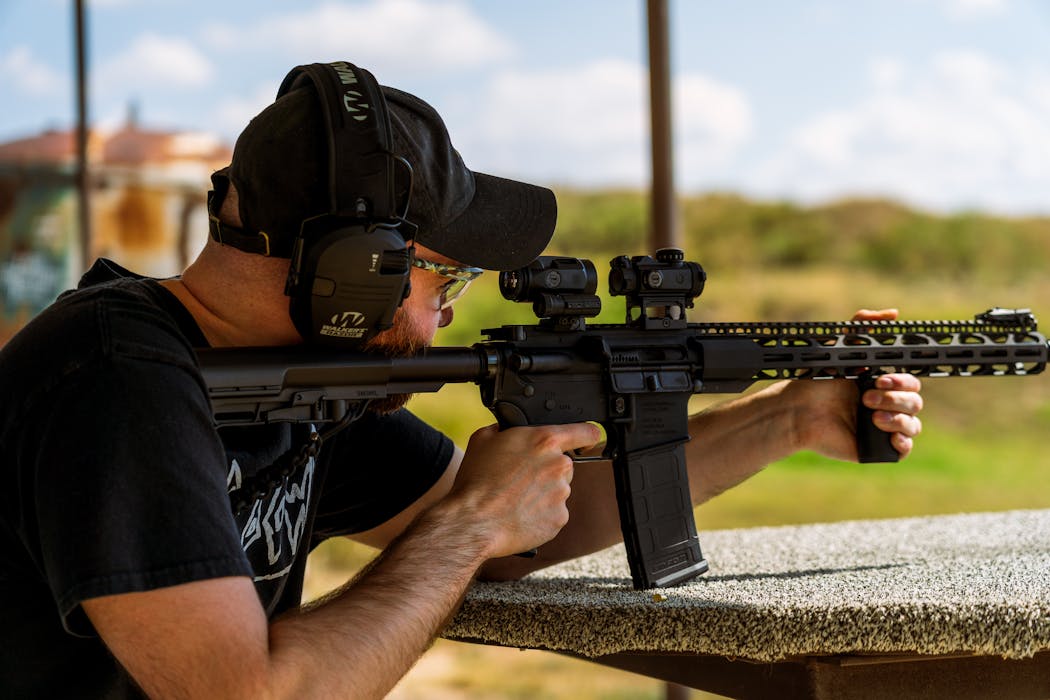
Electronic ear protection amplifies quiet sounds while blocking loud ones, but some hunters dislike the artificial audio quality. Battery dependence becomes a concern during multi-day trips, especially in cold weather that rapidly drains power. Bulky earmuffs interfere with cheek weld and hat placement, making them uncomfortable for extended wear. Traditional foam earplugs remain a popular alternative because they are lightweight and reliable. Although electronic muffs offer advantages at a range, many hunters prefer simpler options during long, quiet hours in the field, choosing comfort and dependability over sophisticated electronic enhancements.
Extended Magazines
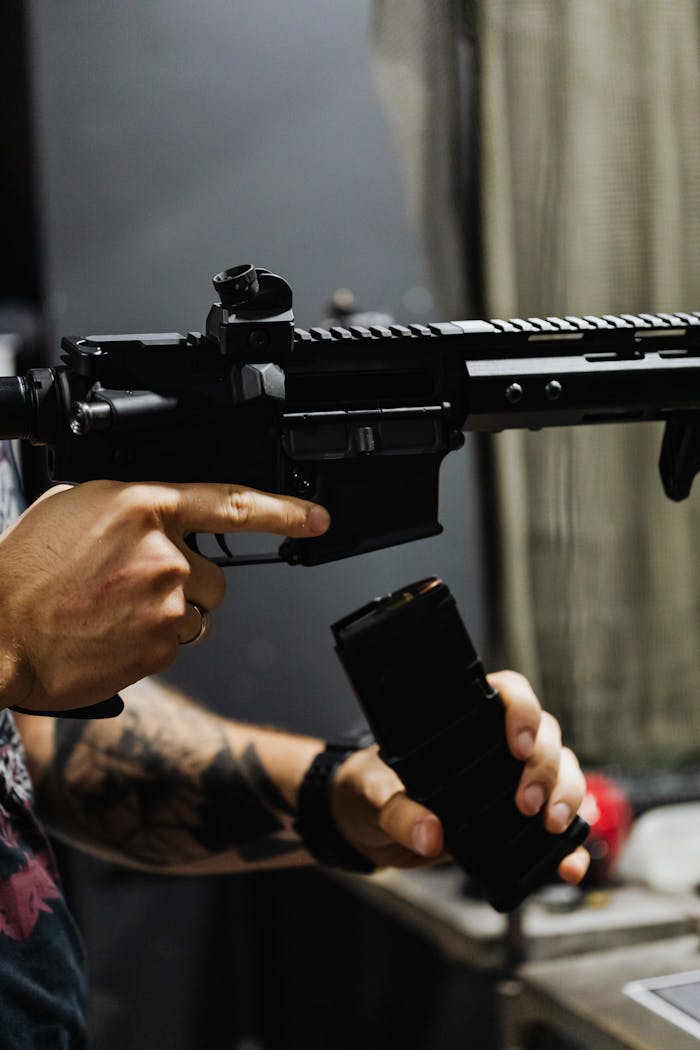
Extended magazines increase ammunition capacity, yet hunters rarely need more than a few rounds for ethical shots. Larger magazines add bulk, change the rifle’s balance, and complicate shooting from prone or supported positions. Some states restrict magazine capacity for hunting, reducing their practicality even further. Many hunters see extended magazines as tactical accessories better suited for competition or defense rather than traditional hunts. Lightweight flush-fit magazines remain the favored choice for quiet, controlled movements through varied terrain, ensuring smoother handling and more predictable performance during real-world hunting conditions.
Angled Foregrips
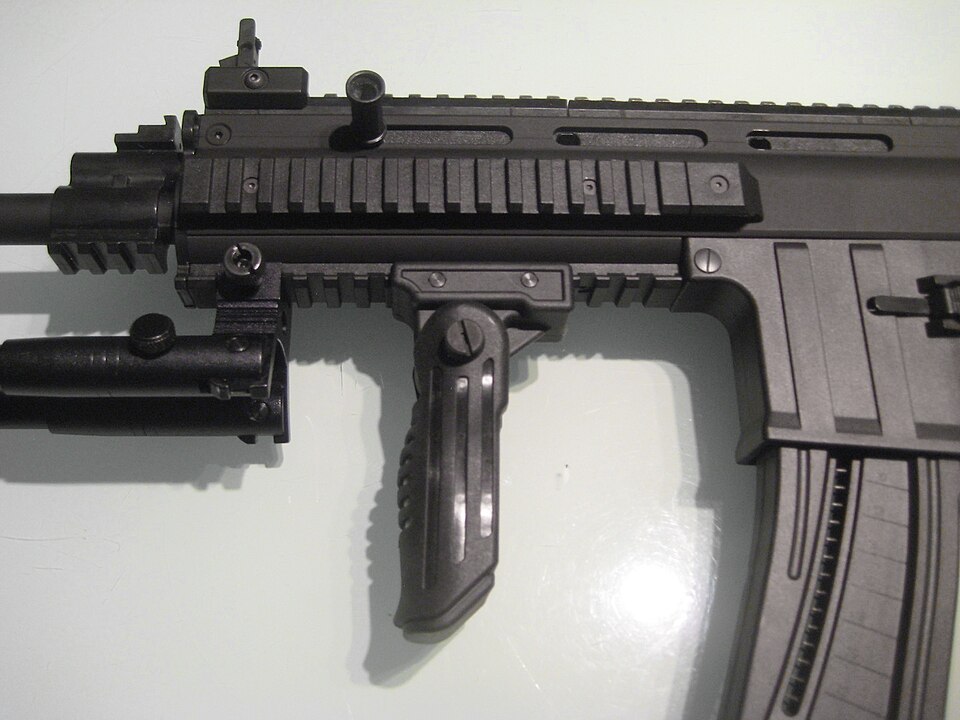
Angled foregrips offer ergonomic control for rapid-fire shooting, but their value in hunting scenarios remains limited. These grips add weight and alter the rifle’s natural feel, especially for shooters accustomed to smooth forends. The angular design catches on branches and clothing, slowing movement when quick stalking is required. Many hunters prefer traditional stock grips that allow instinctive, comfortable handling. While angled foregrips shine in dynamic shooting sports, they often feel out of place during slow, deliberate hunts in wooded terrain, where quiet movement and simplicity take priority over tactical ergonomics.
Strap-On Cheek Risers
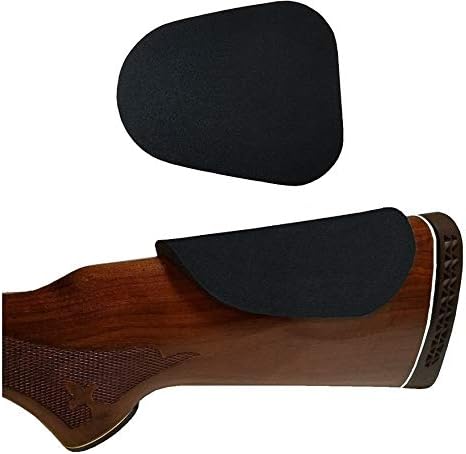
Strap-on cheek risers improve eye alignment with scopes, but they can loosen over time and shift during hikes. Some hunters dislike the added bulk on the stock, especially when wearing layered clothing or using slings. Velcro straps can collect debris or create noise that risks alerting the game. While risers serve a purpose for specific setups, many hunters prefer fixed stock combs or adjustable stocks that eliminate movement. Simplicity and stability often outweigh modular comfort in unforgiving field conditions, especially when a secure cheek weld is essential for accurate, confident shooting performance across varying terrain.
Digital Wind Meters
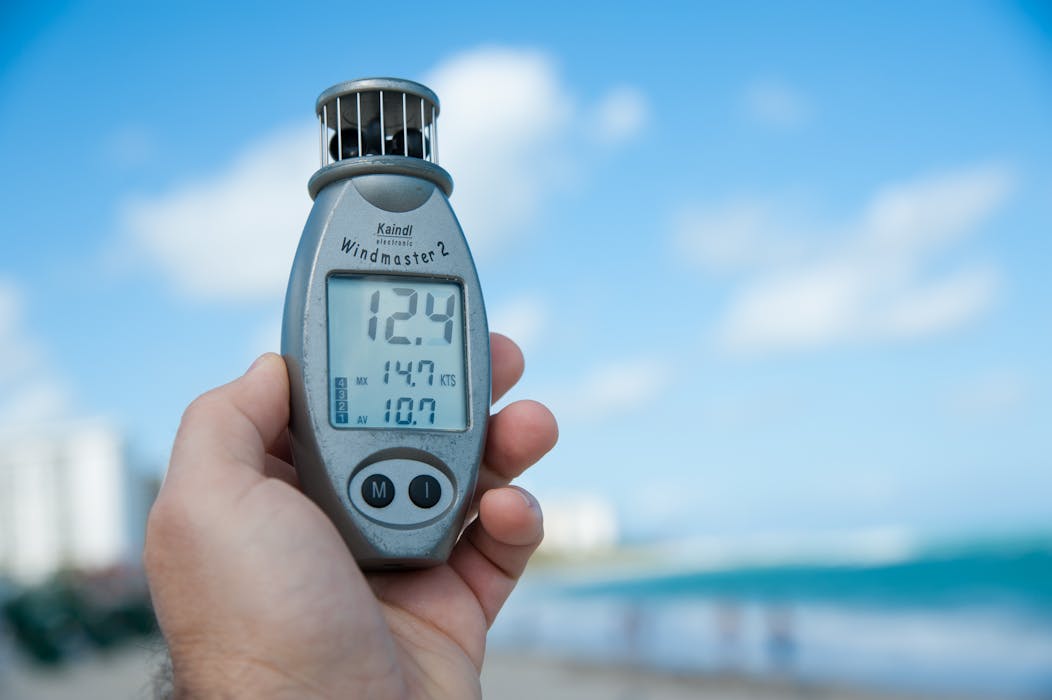
Digital wind meters provide precise wind speed data, but many hunters view them as unnecessary gadgets better suited for long-range competition. Wind meters require batteries, add pack weight, and interrupt the natural flow of judging conditions visually. Some hunters argue that field experience teaches wind-reading skills more effectively than electronics. In fast-moving hunts where animals appear suddenly, there is rarely time to consult a device. For most traditional hunting distances, natural observation remains sufficient, making digital meters feel excessive and impractical for typical outdoor excursions.
Quick-Detach Mounts
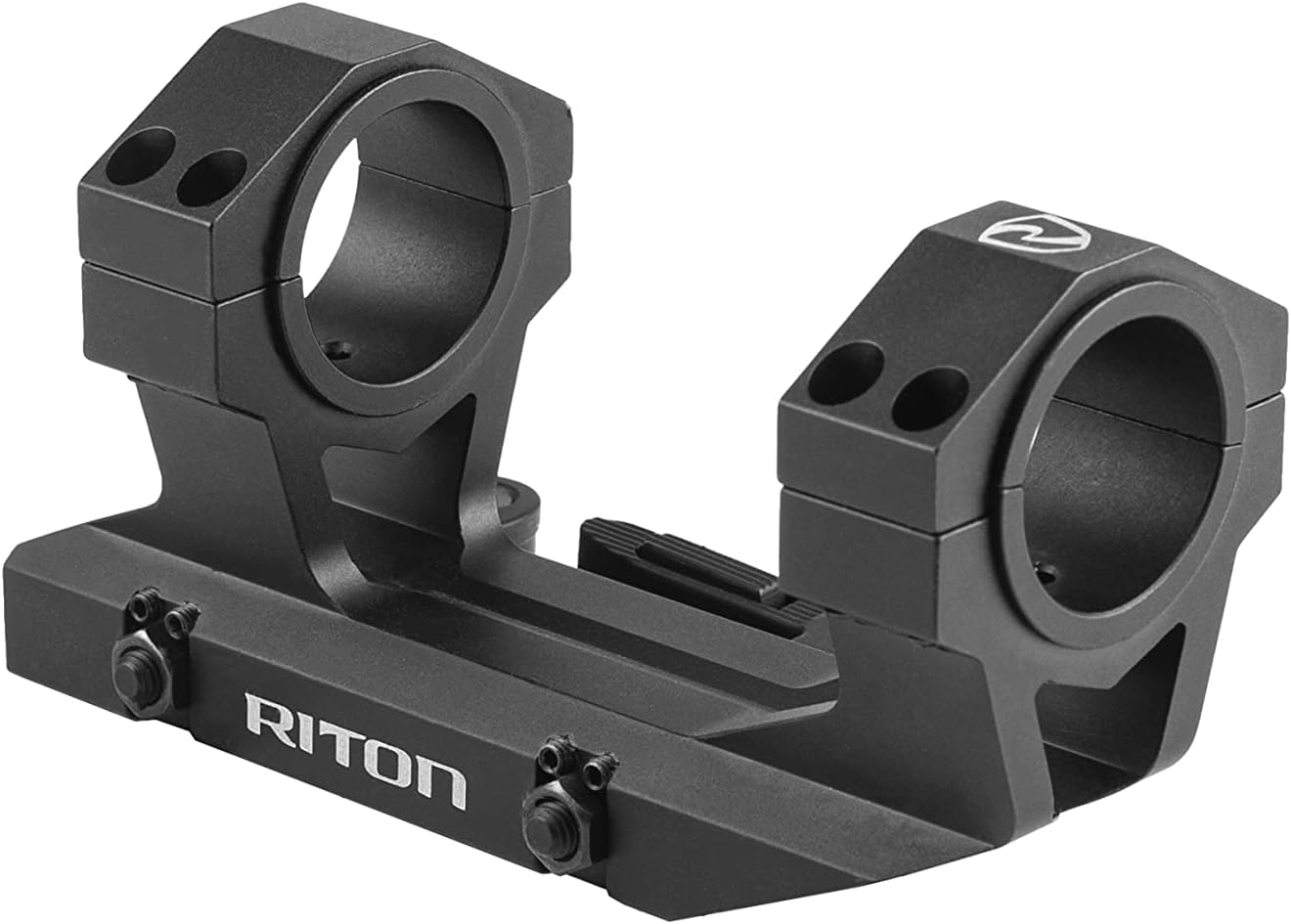
Quick-detach mounts allow optics to be removed rapidly, but some hunters distrust the return-to-zero reliability of these systems. Mechanical tolerances vary, and even minor inconsistencies can affect accuracy at a distance. The release levers can snag on foliage or gear, creating unwanted noise. Permanent mounts offer a sense of confidence that the rifle remains perfectly zeroed under all conditions. Although QD systems appeal to shooters who swap optics frequently, many hunters prefer long-term stability and simplicity over rapid interchangeability, particularly when challenging environments demand consistent, repeatable performance.
Rifle Lights
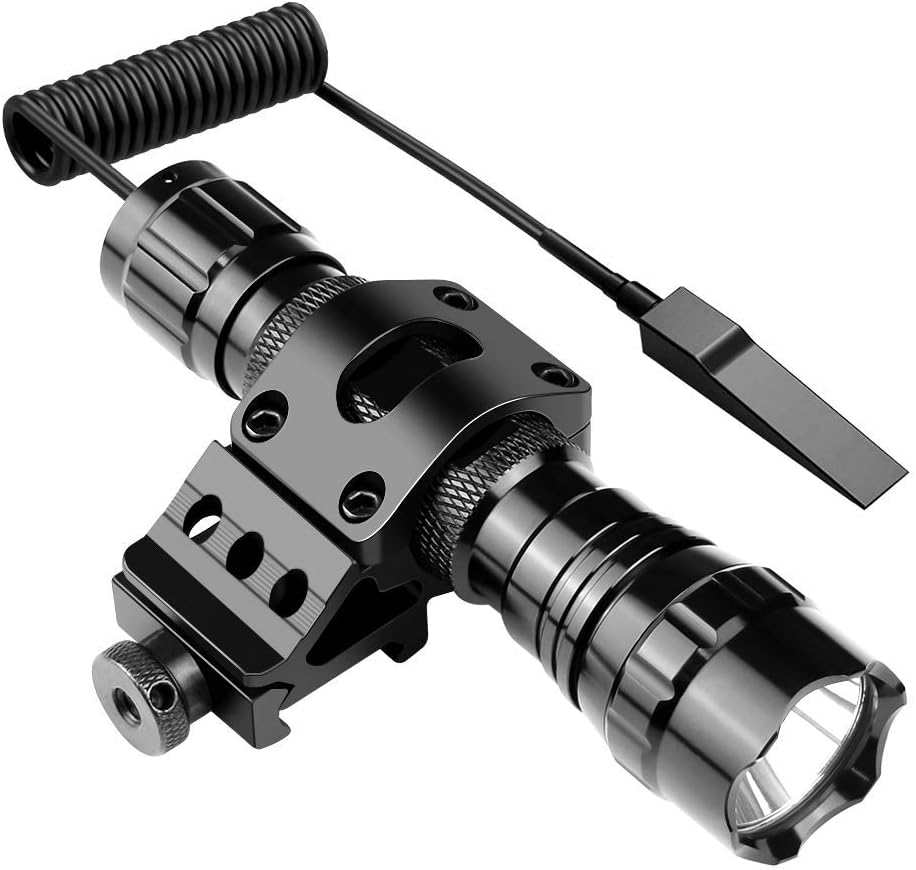
Rifle-mounted lights assist in low-visibility situations but raise ethical and legal concerns for hunting. Many states restrict artificial illumination for big-game pursuits, limiting the accessory’s usefulness. Lights also add weight and reflect off vegetation, compromising stealth. Hunters who pursue game during legal daylight hours find little benefit in carrying extra hardware. While useful for nighttime predator control in approved settings, rifle lights rarely align with traditional hunting methods designed to prioritize fair chase, responsible practices, and minimal disturbance in natural habitats.
Integrated Ammo Carriers
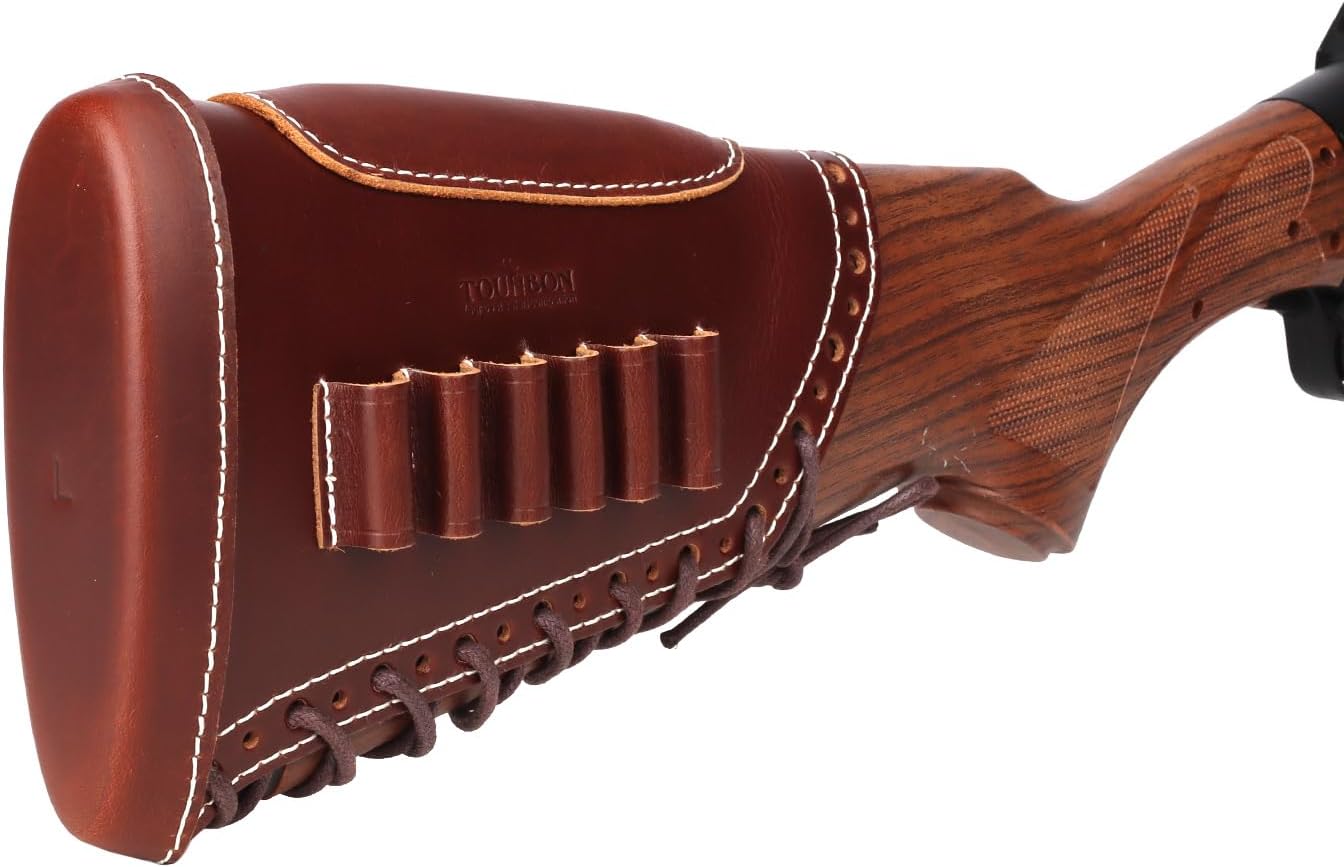
Integrated ammo carriers attached to rifle stocks keep cartridges close at hand, yet some hunters dislike the added weight and bulk. Carriers may shift or rattle, creating noise at critical moments. Extra cartridges stored on the rifle can snag on clothing or vegetation, interrupting movement through dense cover. Many hunters prefer keeping ammunition in quiet, secure pockets where it stays protected from dirt and weather. Although practical for some shooting styles, onboard carriers remain optional for those who prioritize a streamlined rifle profile and dependable handling characteristics in rugged conditions.
Recoil-Reducing Buttstock Systems
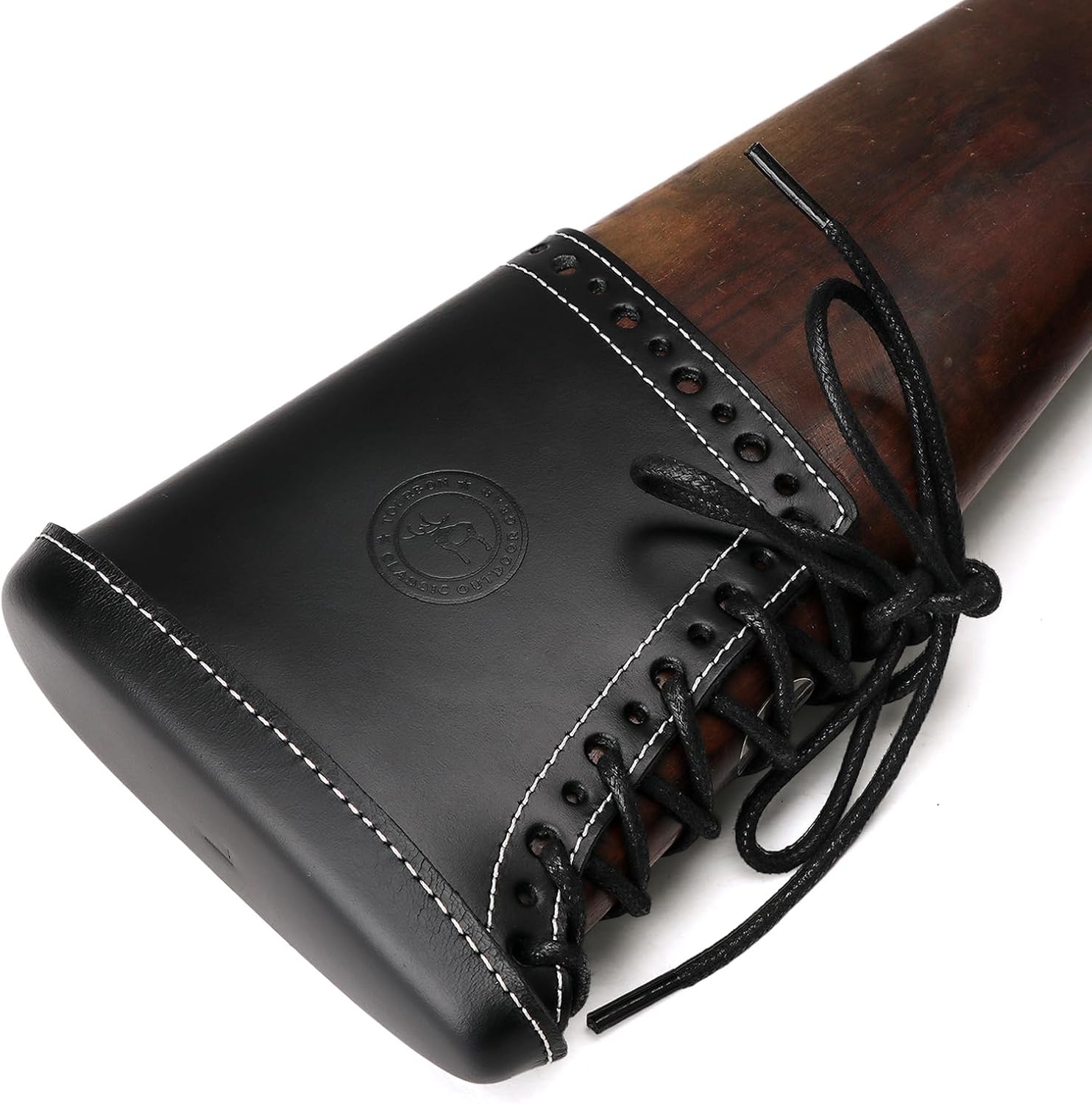
Recoil-reducing buttstock systems use springs or shock absorbers to soften felt recoil, but some hunters find them unnecessary and overly mechanical. These stocks add weight, introduce moving parts, and change the rifle’s balance. Traditional wooden or synthetic stocks offer better durability in cold or wet environments. Many hunters prefer developing proper shooting form rather than relying on engineered recoil solutions. While helpful for recoil-sensitive shooters, the complexity and cost deter those who value rugged simplicity in harsh field conditions and trust predictable performance over mechanical assistance.