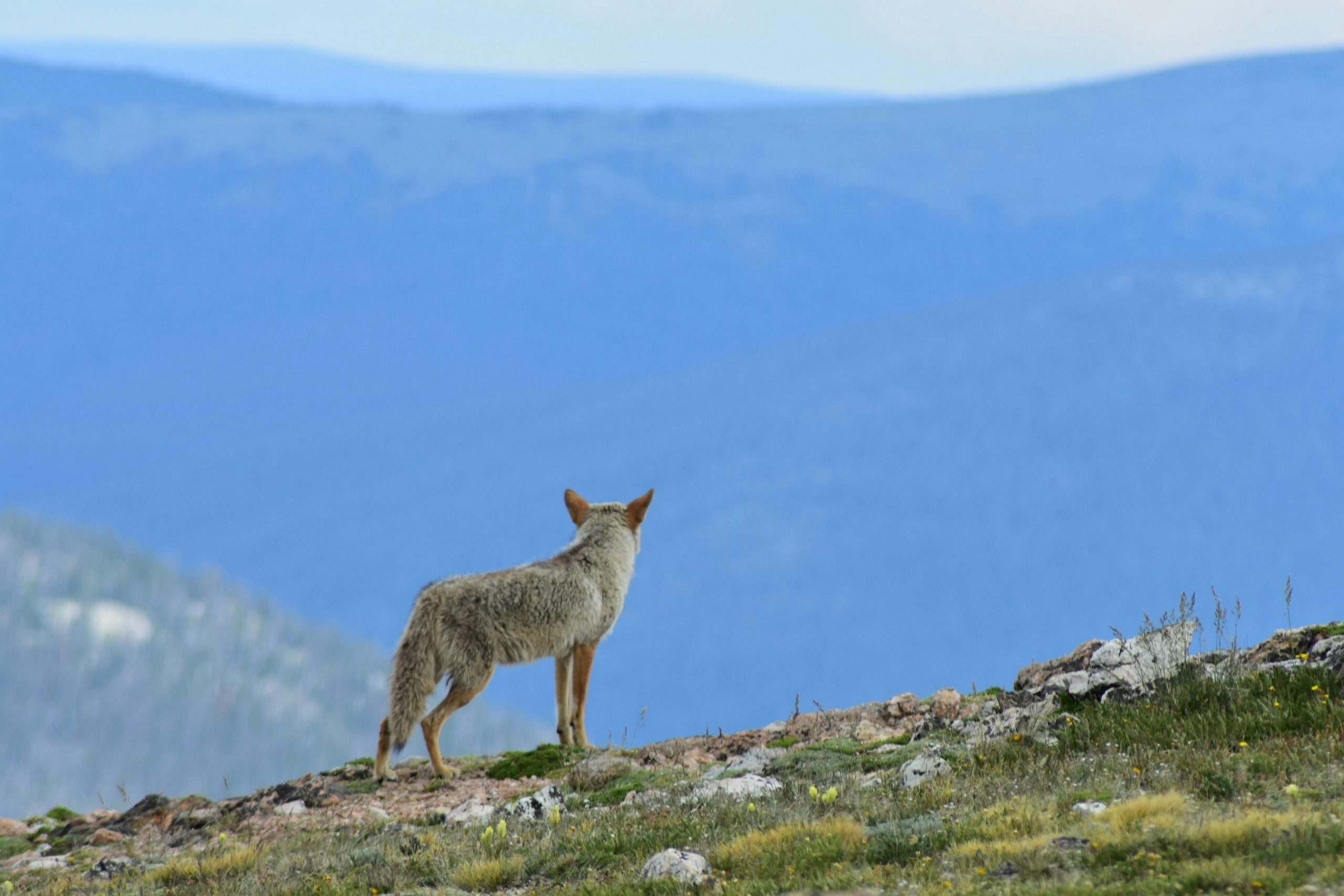
Coyote hunting in open terrain looks simple from a distance, but wide visibility, limited cover, and sharp-eyed animals amplify every beginner mistake. Open country coyotes rely on wind, terrain features, and long sightlines to survive, which means rushed setups, poor movement, and sloppy calling are quickly exposed. New hunters often assume more visibility equals easier shots, yet the opposite is usually true. Small errors in wind management, camouflage, sound control, and timing can end a stand before it begins. Understanding these common mistakes helps hunters slow down, plan smarter setups, and hunt with intention instead of hope. By learning how coyotes interpret open landscapes, beginners can avoid wasted stands, missed opportunities, and unnecessary pressure on local populations while building skills that translate to consistent success.
1. Ignoring wind direction entirely
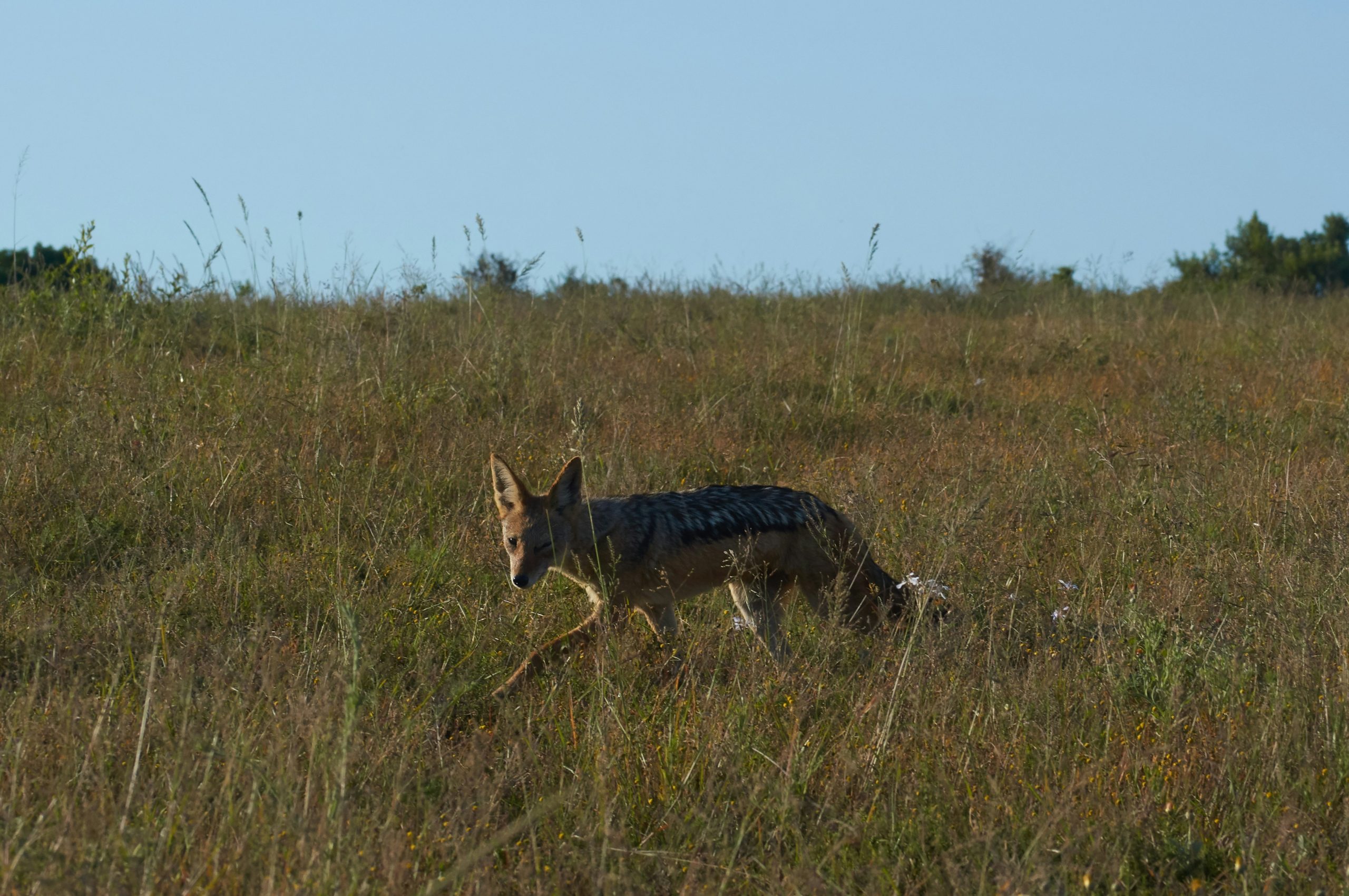
One of the most common beginner mistakes in open terrain is failing to respect wind direction. Coyotes almost always try to approach from downwind, using their nose long before their eyes. In open country, swirling wind or careless positioning can carry human scent hundreds of yards across a flat. Beginners often focus on visibility and shooting lanes while forgetting that scent control matters more than concealment. Even perfect camouflage means nothing if your scent cone crosses the approach route. Smart setups place the caller and shooter where the downwind side is controlled, blocked, or watched closely, turning a weakness into a predictable approach path.
2. Setting up in overly exposed locations
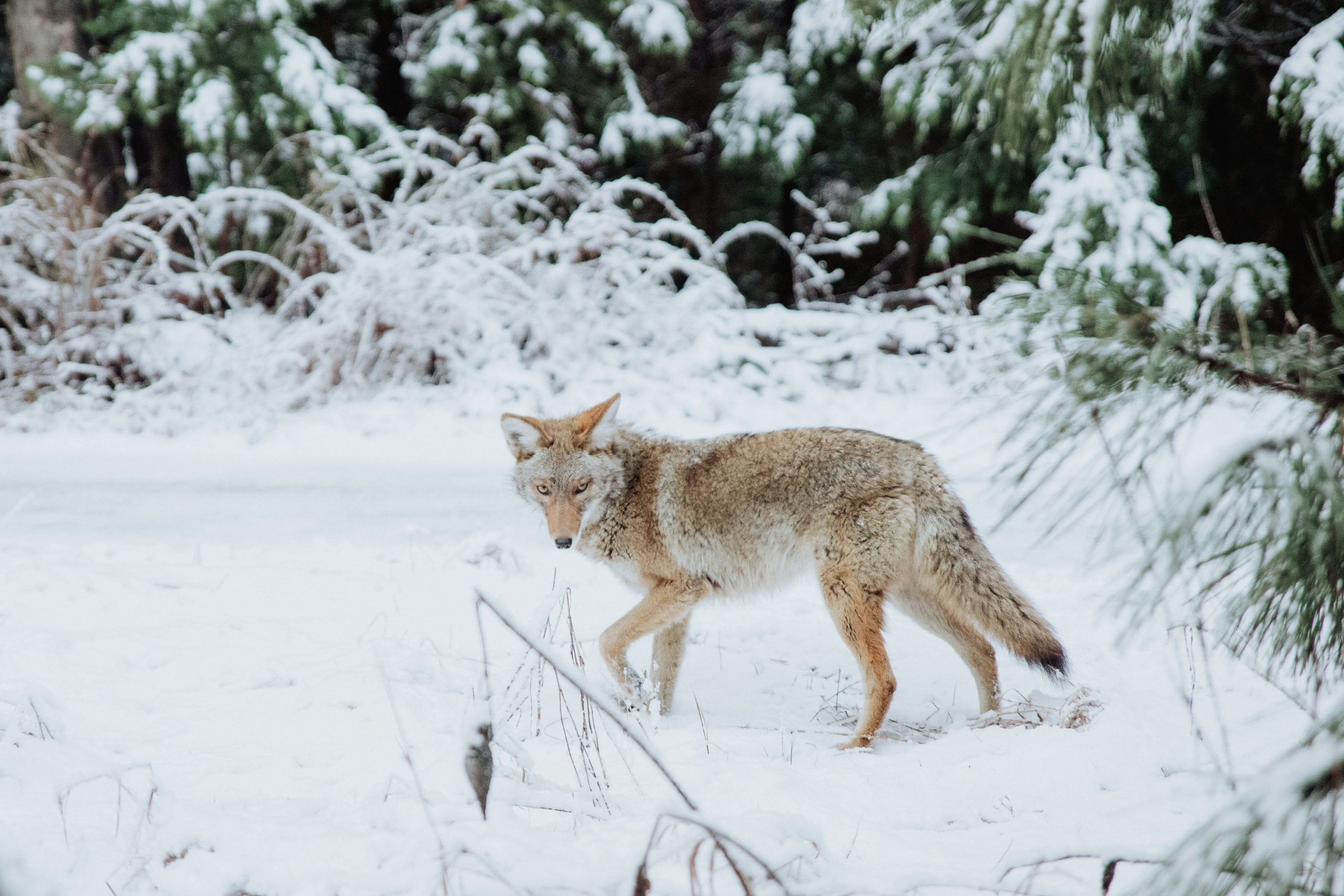
Open terrain tempts beginners to sit on high ground or skylined ridges for better views. Unfortunately, coyotes notice silhouettes instantly. Sitting fully exposed against the horizon makes even motionless hunters stand out. Coyotes often stop at long range, study the area, and retreat without being seen. Effective setups use subtle terrain features like shallow draws, fence lines, grass breaks, or low rises to break the human outline. You do not need heavy cover, but you do need background contrast. Using the land to hide your shape increases the chance a coyote commits instead of stalling out beyond rifle range.
3. Moving too much during the stand
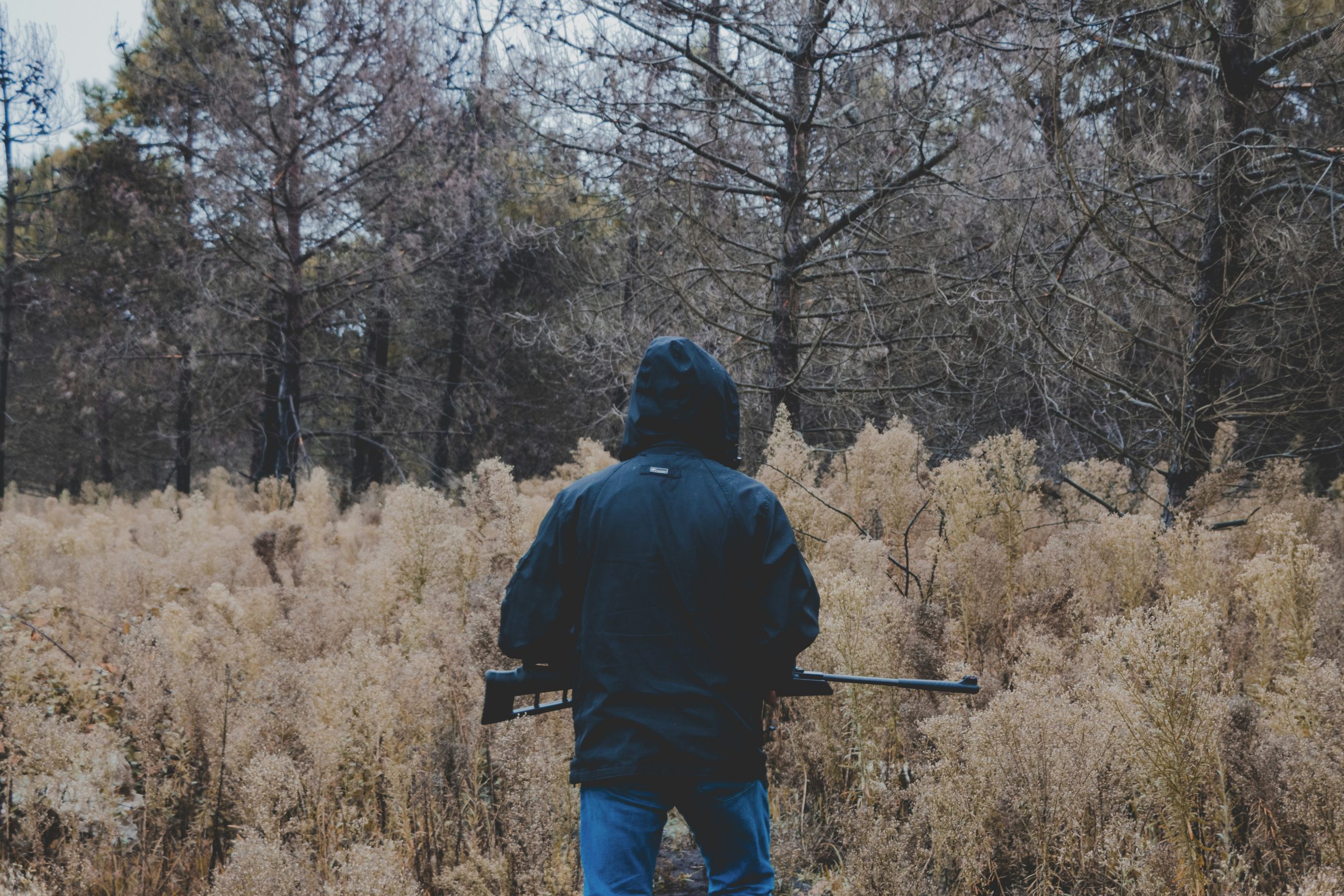
In open terrain, movement is magnified. Beginners often shift positions, adjust rifles, or scan constantly, unaware that coyotes can spot slight motion from extreme distances. Coyotes expect danger in open country and key in on unnatural movement quickly. Successful hunters limit motion to slow, deliberate movements only when necessary. Binoculars should be used sparingly, and rifles should already be positioned for likely shooting lanes. The less you move, the more comfortable approaching coyotes feel. Stillness communicates safety in open landscapes where any movement signals potential threat.
4. Calling too loudly too soon
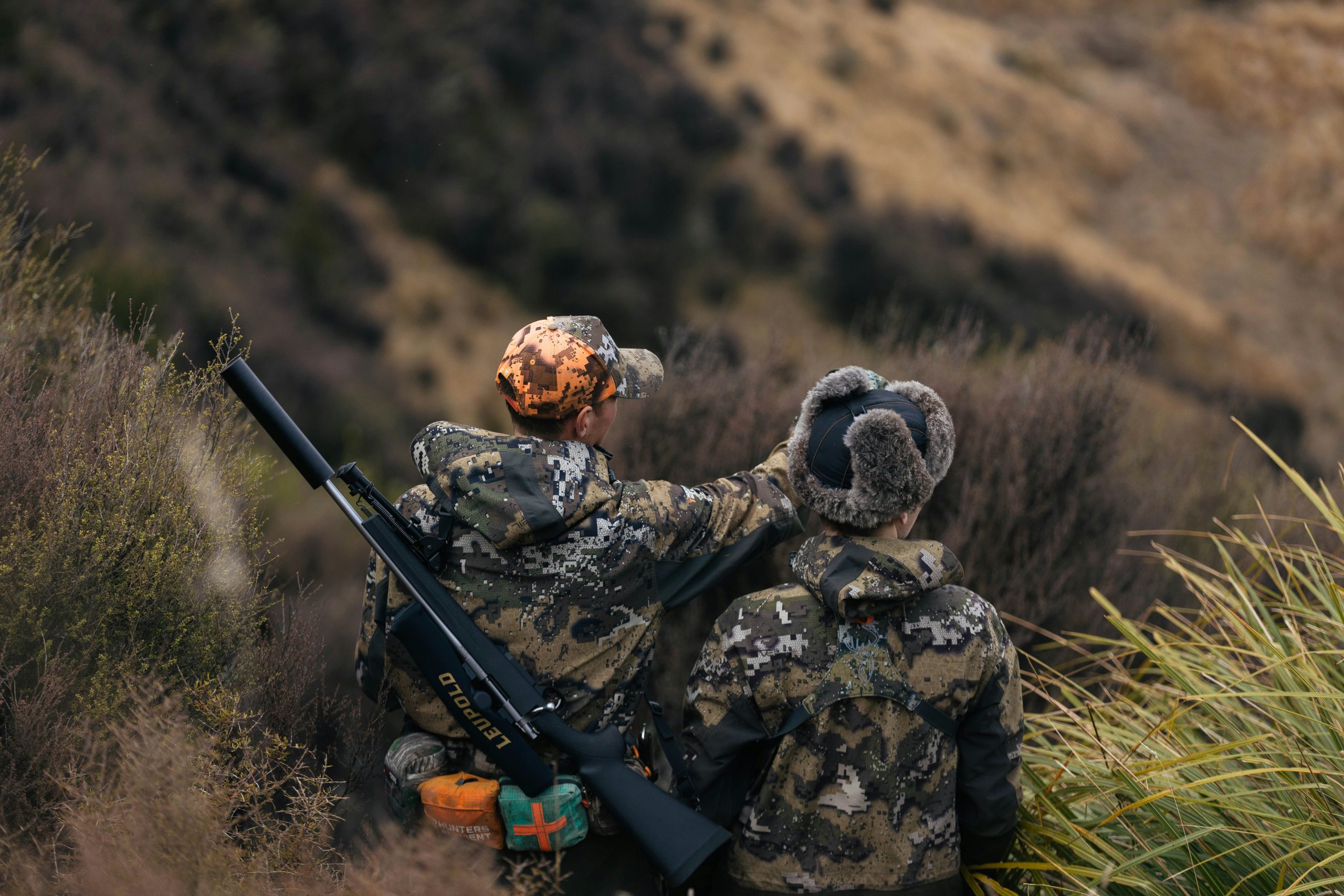
Many beginners start a stand by blasting loud distress calls, assuming sound must travel far in open country. While sound does carry, excessive volume can alarm nearby coyotes or signal something unnatural. Coyotes close to the stand may spook instantly, while distant ones may hang out of sight. Starting with lower volume mimics natural prey behaviour and allows close coyotes to respond without suspicion. Volume can be increased gradually if nothing appears. Controlled calling keeps coyotes curious rather than cautious, which is critical when there is little terrain to hide their approach.
5. Overcalling without pauses
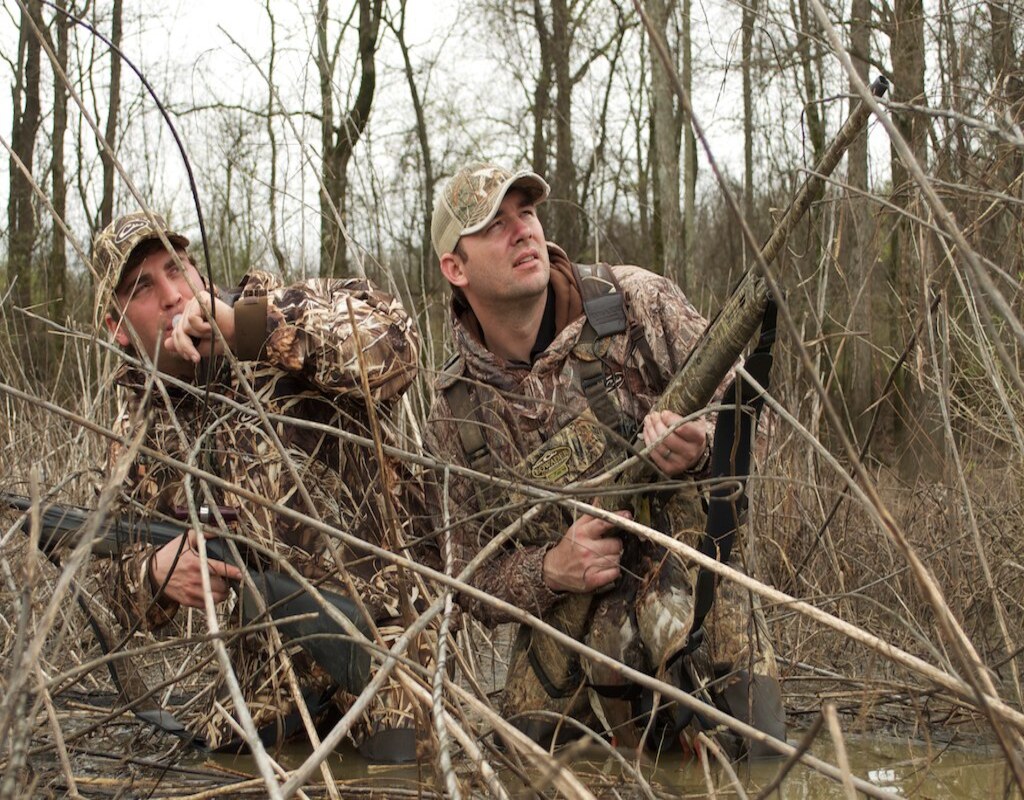
Continuous calling is another mistake that reduces success in open terrain. Real prey animals do not scream nonstop without pause. Beginners often fill silence with sound, thinking constant noise keeps attention. In reality, pauses allow coyotes to move, assess, and commit. Silence also helps hunters hear approaching animals. In open country, coyotes may take longer routes using subtle cover. Giving them time reduces pressure and keeps the scenario believable. Structured calling sequences with realistic pauses increase realism and prevent coyotes from pinpointing the hunter too quickly.
6. Failing to watch the downwind side
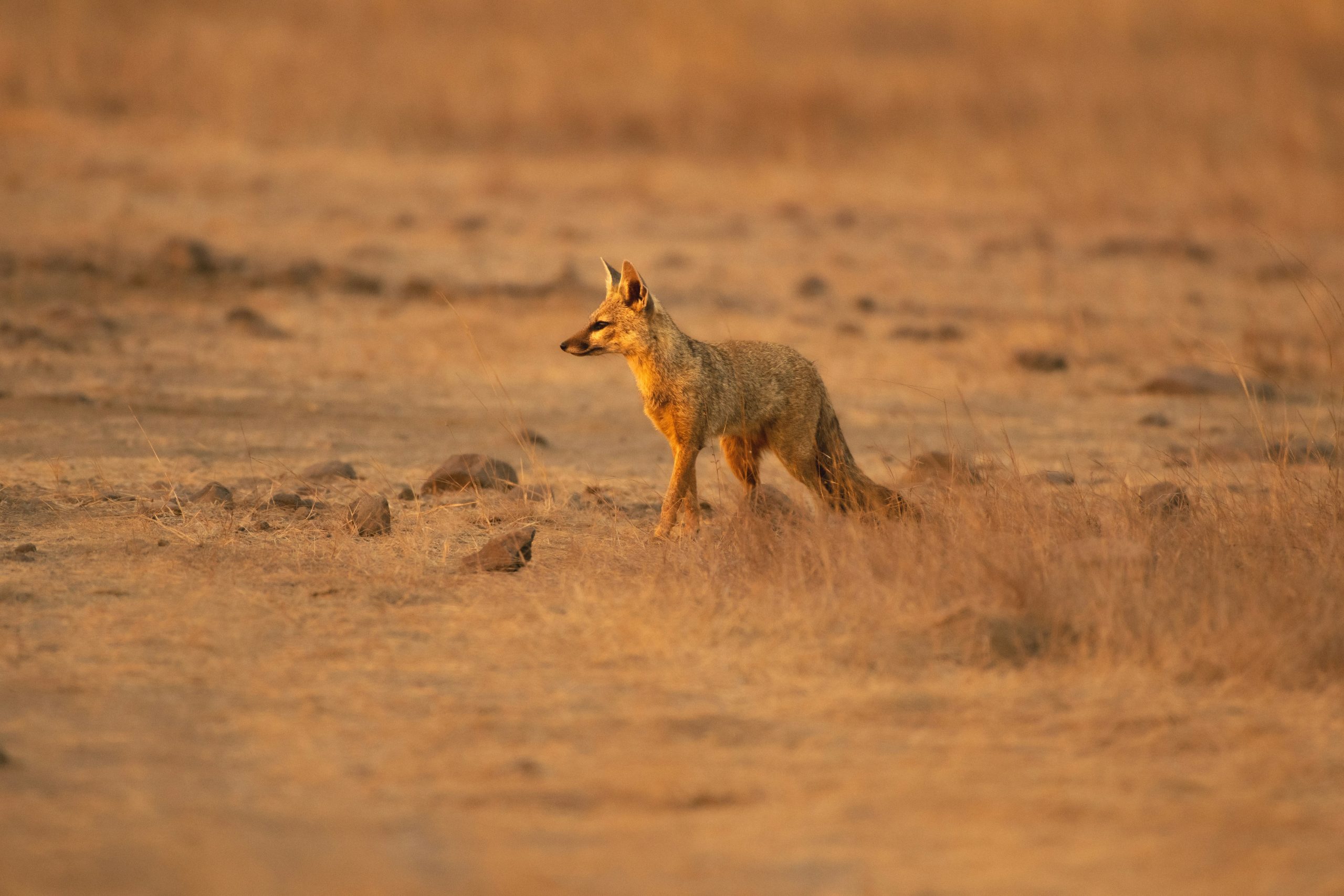
Even when beginners understand wind direction, they often fail to actively monitor the downwind approach. Coyotes frequently circle wide, staying just outside expected shooting lanes. In open terrain, this movement can happen far out and go unnoticed. Many stands fail because the hunter is focused straight ahead while a coyote slips in from the side or rear. Positioning a shooter or decoy to cover the downwind side dramatically improves odds. Expecting the downwind approach and planning for it separates successful hunters from frustrated beginners.
7. Using the wrong camouflage patterns
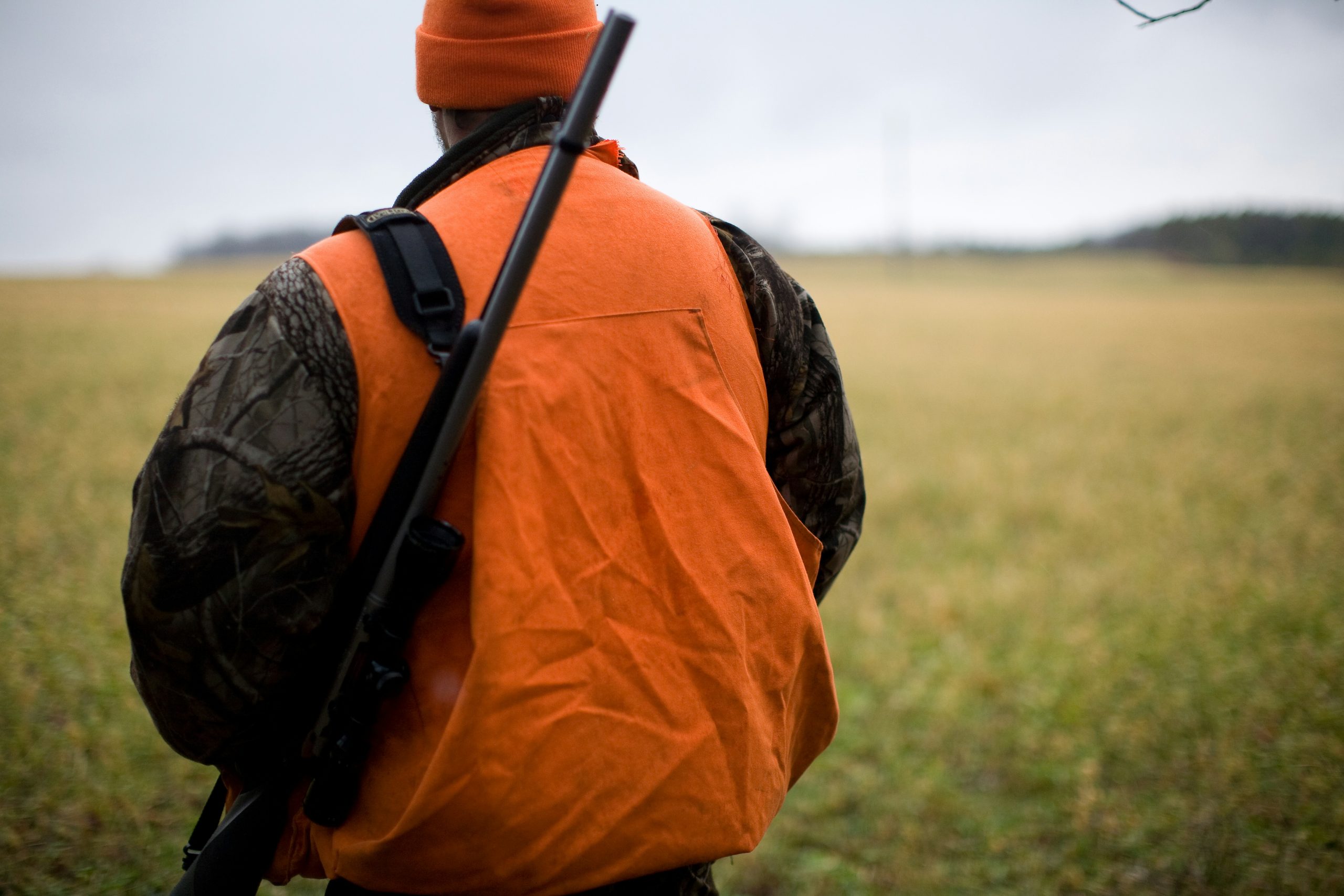
Camouflage choice matters more in open terrain than beginners expect. Dark forest patterns or high-contrast designs can stand out against grassland or desert backgrounds. Coyotes see shape and contrast before detail. Effective camouflage matches the dominant colour and texture of the terrain, blending into grass, sage, dirt, or snow. Neutral tones often work better than complex patterns. Equally important is covering exposed skin and reducing shine from gear. Proper camouflage helps break up the human outline and prevents coyotes from identifying danger at long range.
8. Sitting with the sun at your back incorrectly
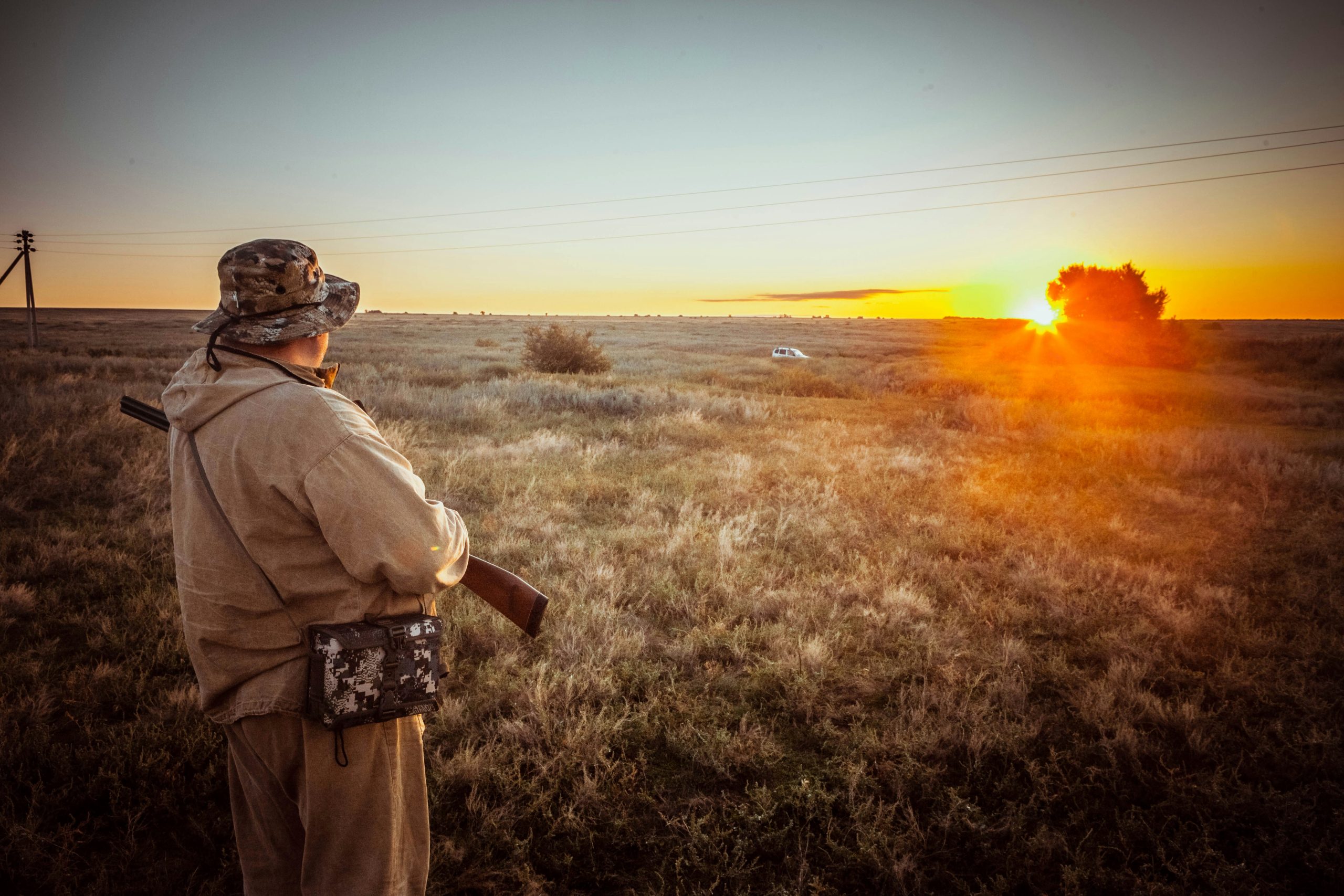
Sun position influences both visibility and concealment. Beginners often place the sun at their back without considering how it affects shadows and glare. While having the sun behind you can illuminate approaching coyotes, it can also cast long shadows that reveal your position. In open terrain, shadows are easy to spot. Smart setups consider sun angle throughout the stand, minimising sharp shadows and glare on optics. Using the sun intelligently improves visibility without giving away position, especially during early morning or late afternoon hunts.
9. Poor range estimation in open country
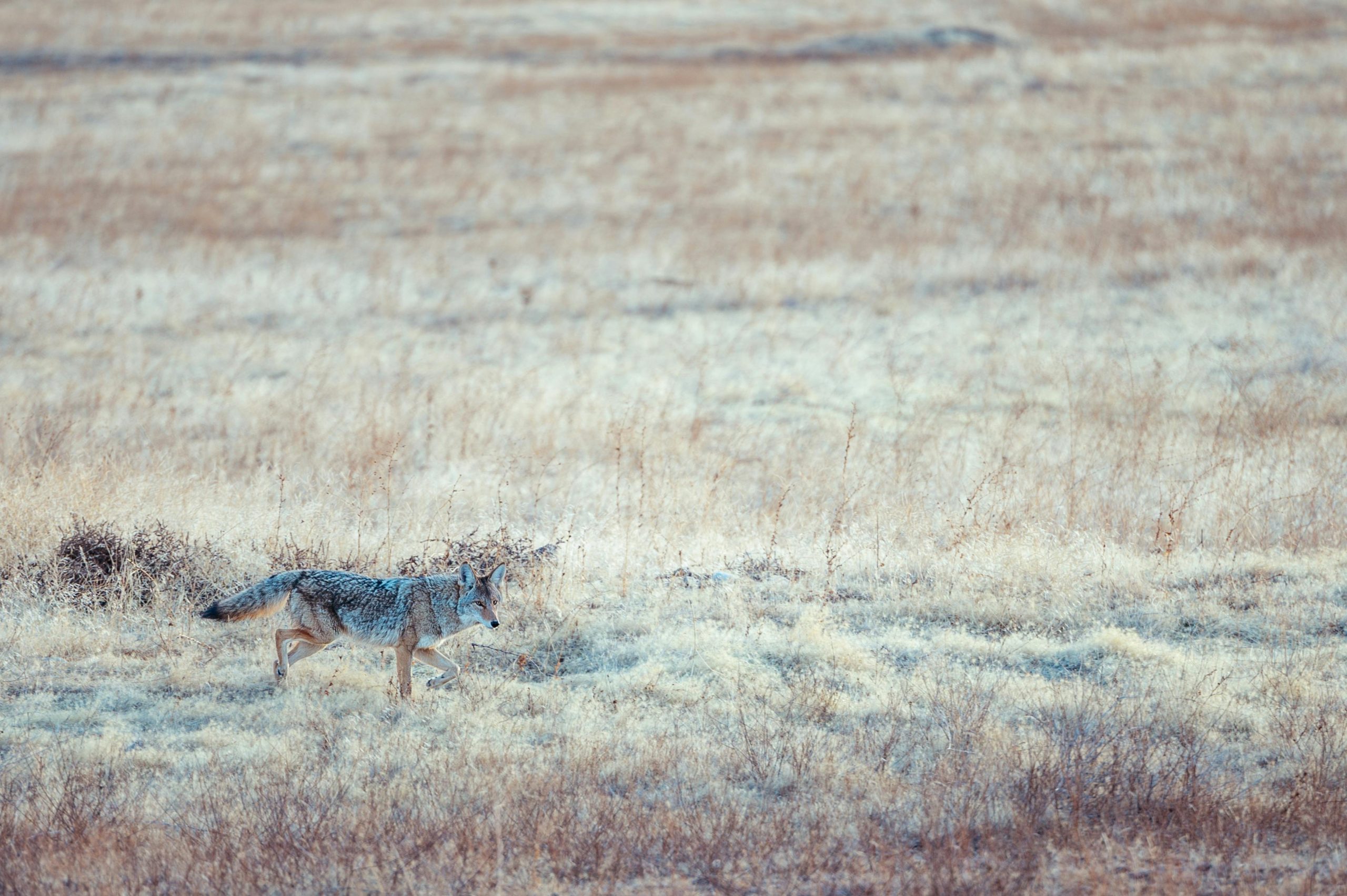
Open terrain distorts distance perception, causing beginners to misjudge range badly. Coyotes that appear close may be much farther away, leading to rushed shots or missed opportunities. Many beginners shoot without ranging landmarks beforehand. Successful hunters pre-range fence posts, bushes, or terrain features so they know distances instantly when a coyote appears. Understanding true range improves shot selection and prevents wounding animals. Open country demands precise distance awareness, especially for longer rifle shots.
10. Taking shots too quickly
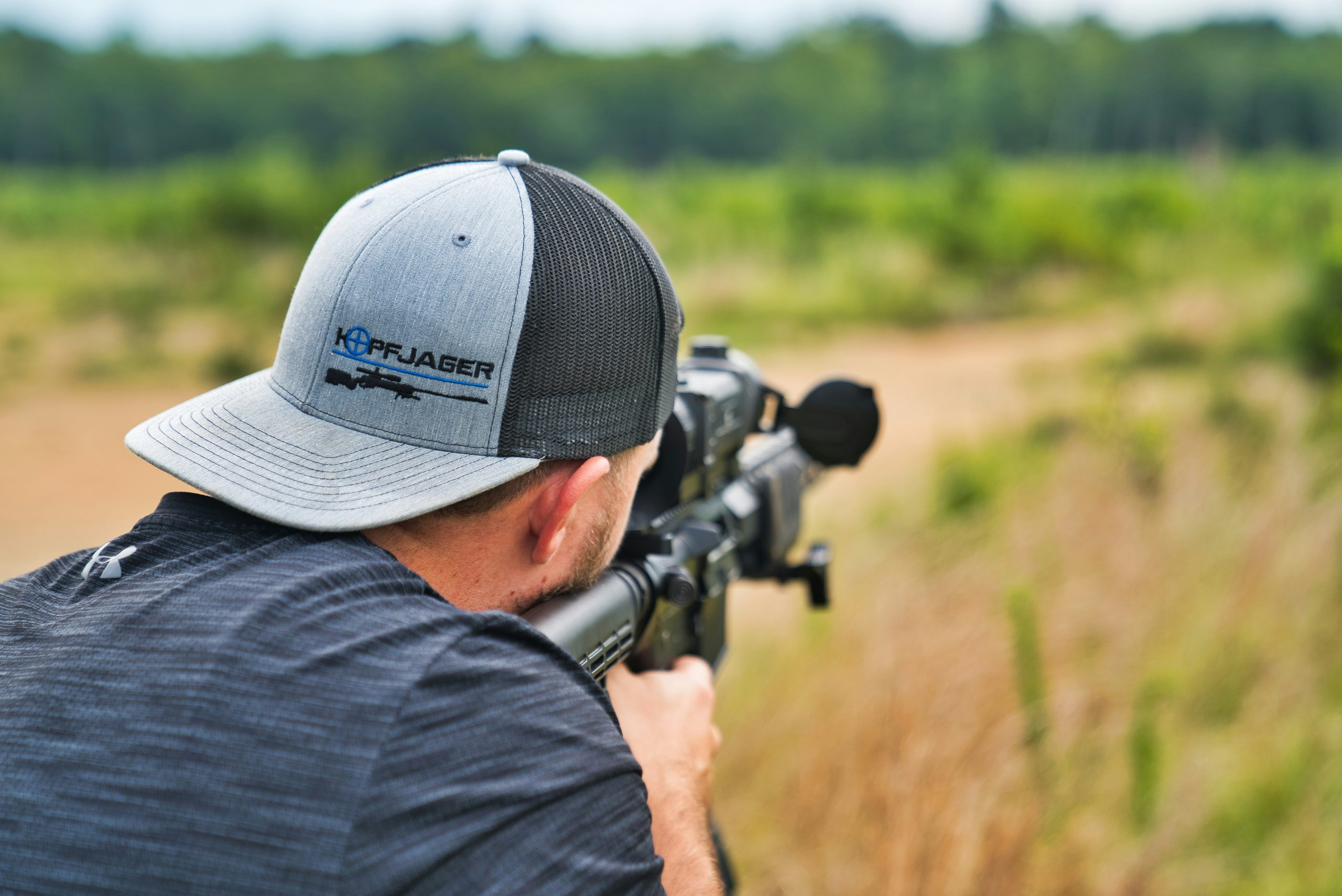
The excitement of seeing a coyote in open terrain often causes beginners to shoot too fast. Coyotes may pause briefly to assess the situation, offering a better shot seconds later. Rushed shots lead to poor placement or clean misses. Experienced hunters wait for a clear, ethical shot with solid body alignment. Patience increases success and reduces lost animals. Open terrain often provides time; using it wisely separates disciplined hunters from those who act on impulse.
11. Not using decoys effectively
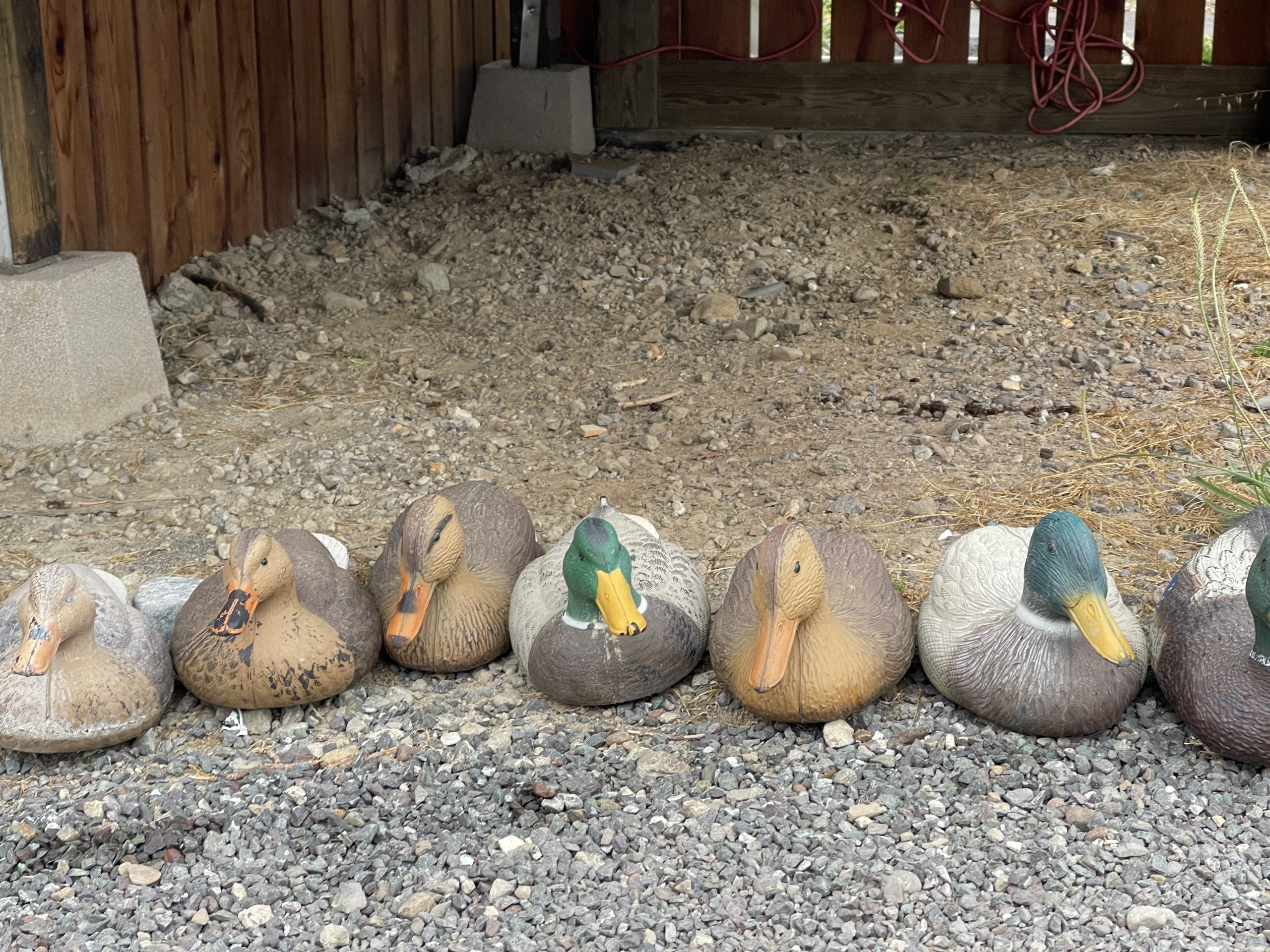
Decoys can be powerful tools in open terrain, yet beginners often misuse or ignore them. Poor placement draws attention to the hunter instead of away. Decoys should be placed at a distance that focuses a coyote’s attention where you want it, ideally within a controlled shooting lane. Movement should be subtle and realistic. When used correctly, decoys help hold a coyote’s focus and reduce the chance of it spotting the hunter. Used incorrectly, they can alert coyotes to unnatural activity.
12. Choosing poor stand locations
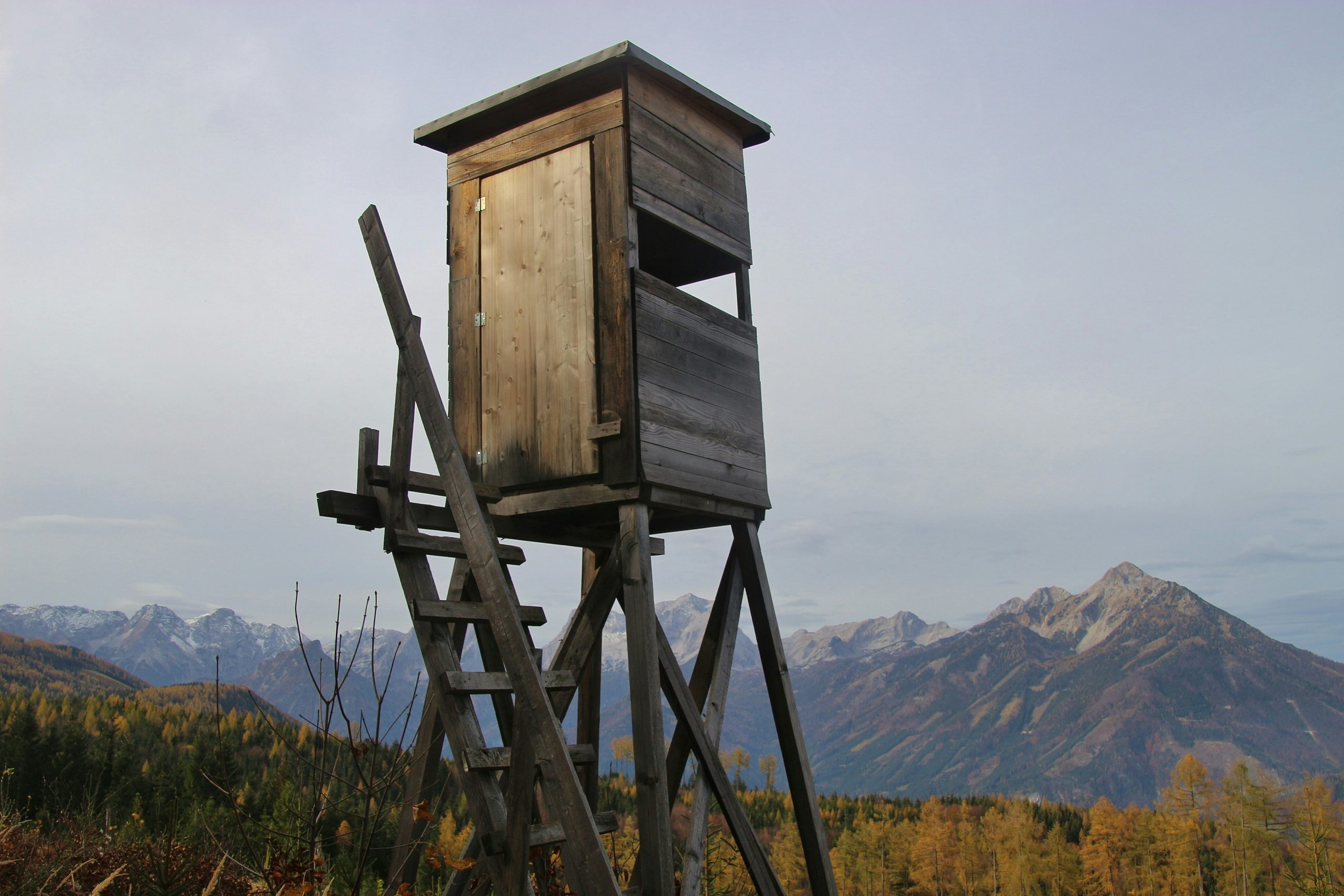
Beginners often pick stands based on convenience rather than coyote behaviour. Open terrain coyotes travel edges, transitions, and subtle features rather than crossing wide open flats randomly. Setting up without considering travel routes reduces encounters. Smart stand placement considers terrain funnels, prey availability, and wind. Even slight elevation changes or vegetation lines can guide movement. Choosing locations based on how coyotes naturally travel greatly increases the chance of calling one into view.
13. Staying on stands too long
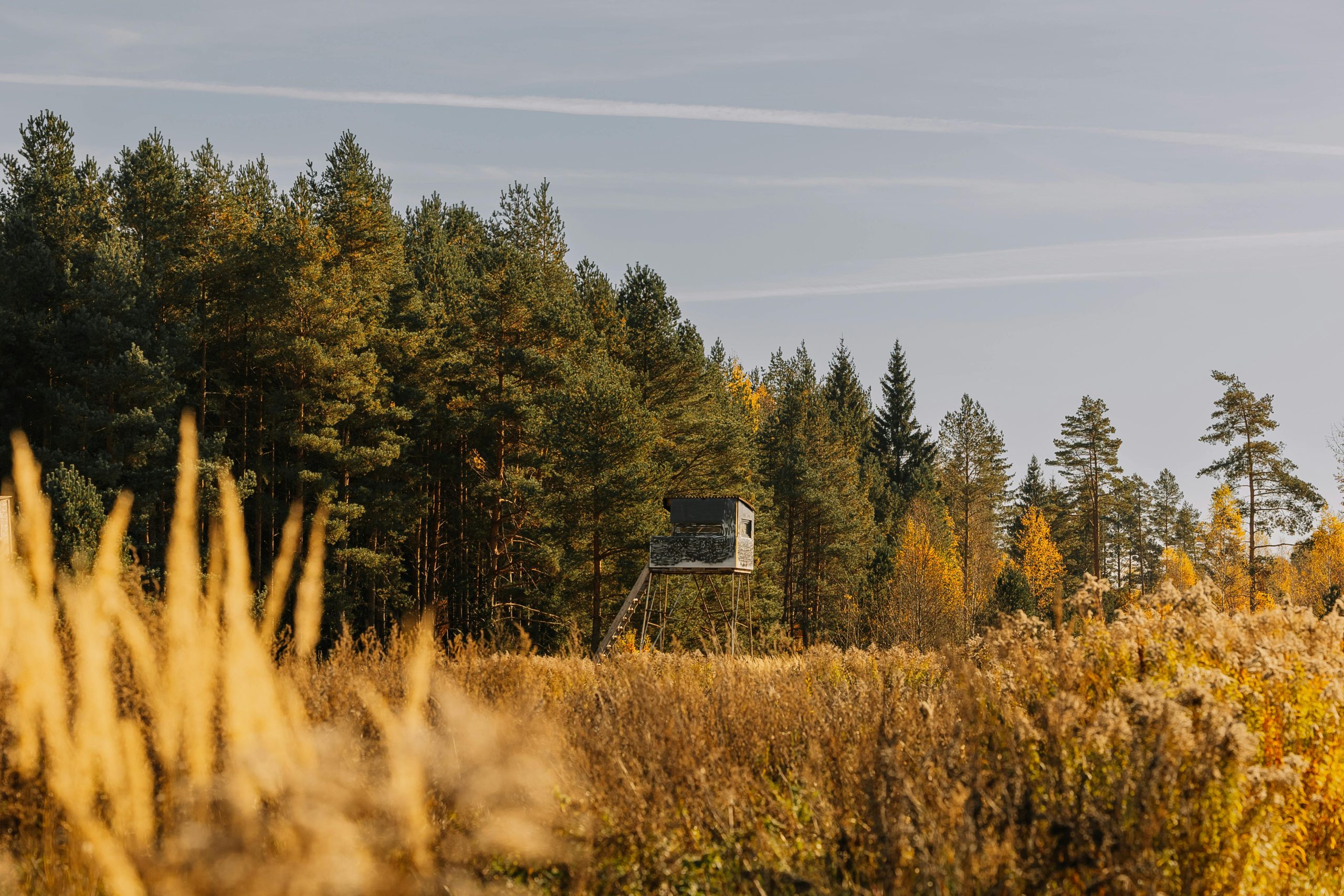
Long stands are another beginner error. In open terrain, coyotes often respond quickly or not at all. Sitting too long wastes time and increases the chance of being detected by animals moving at a distance. Most productive stands in open country last a focused, disciplined duration. If nothing responds within that window, moving to a new location is usually more effective. Efficient stand timing allows hunters to cover more ground and reduce pressure on each area.
14. Making noise during setup and exit
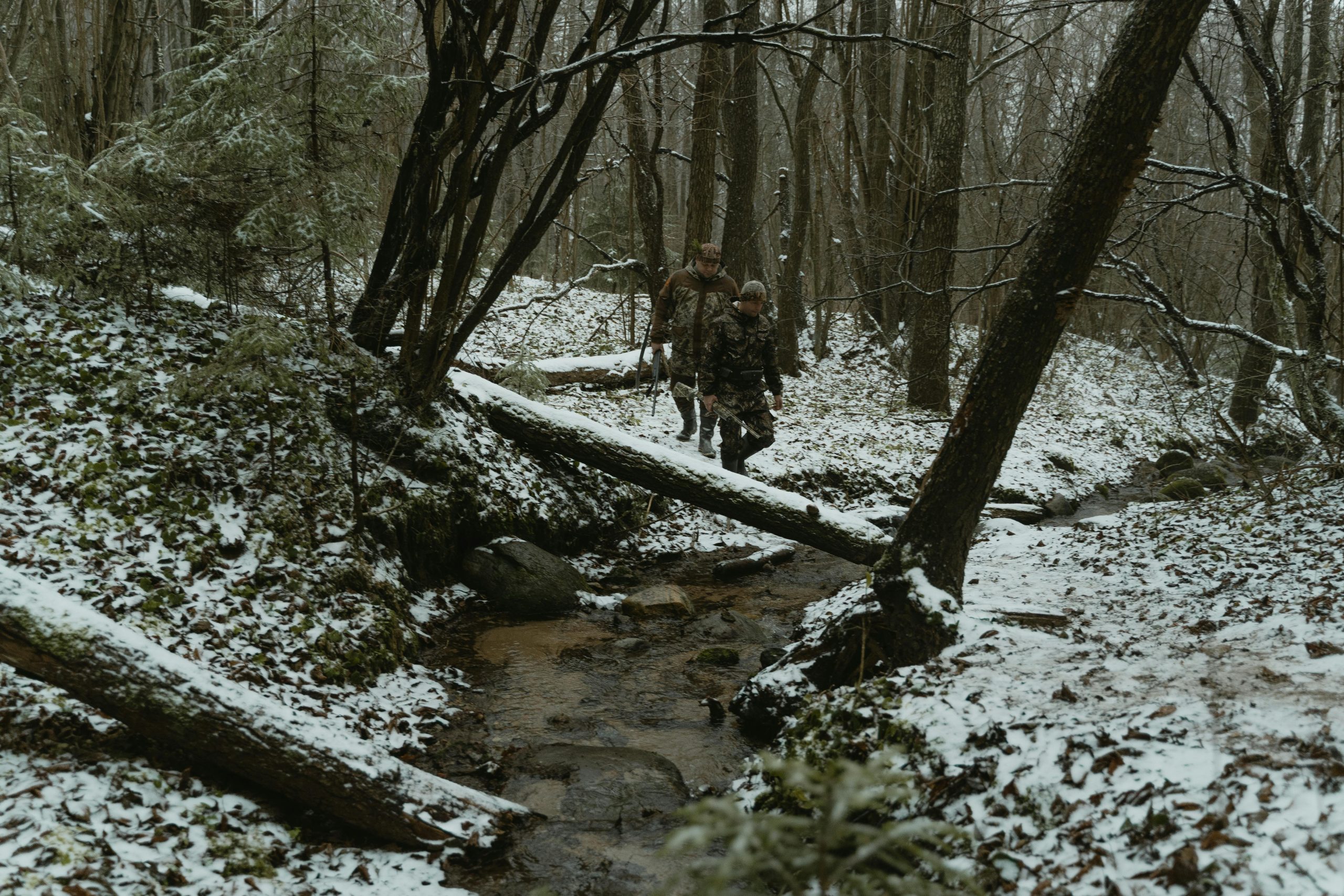
Noise travels far in open terrain. Beginners often slam doors, talk, or handle gear loudly while setting up or leaving a stand. Coyotes may hear these sounds from long distances and avoid the area entirely. Quiet entry and exit are essential. Soft steps, controlled gear handling, and minimal talking preserve the element of surprise. Treating every movement as potentially audible helps prevent educating coyotes before the hunt even begins.
15. Overusing the same calls repeatedly
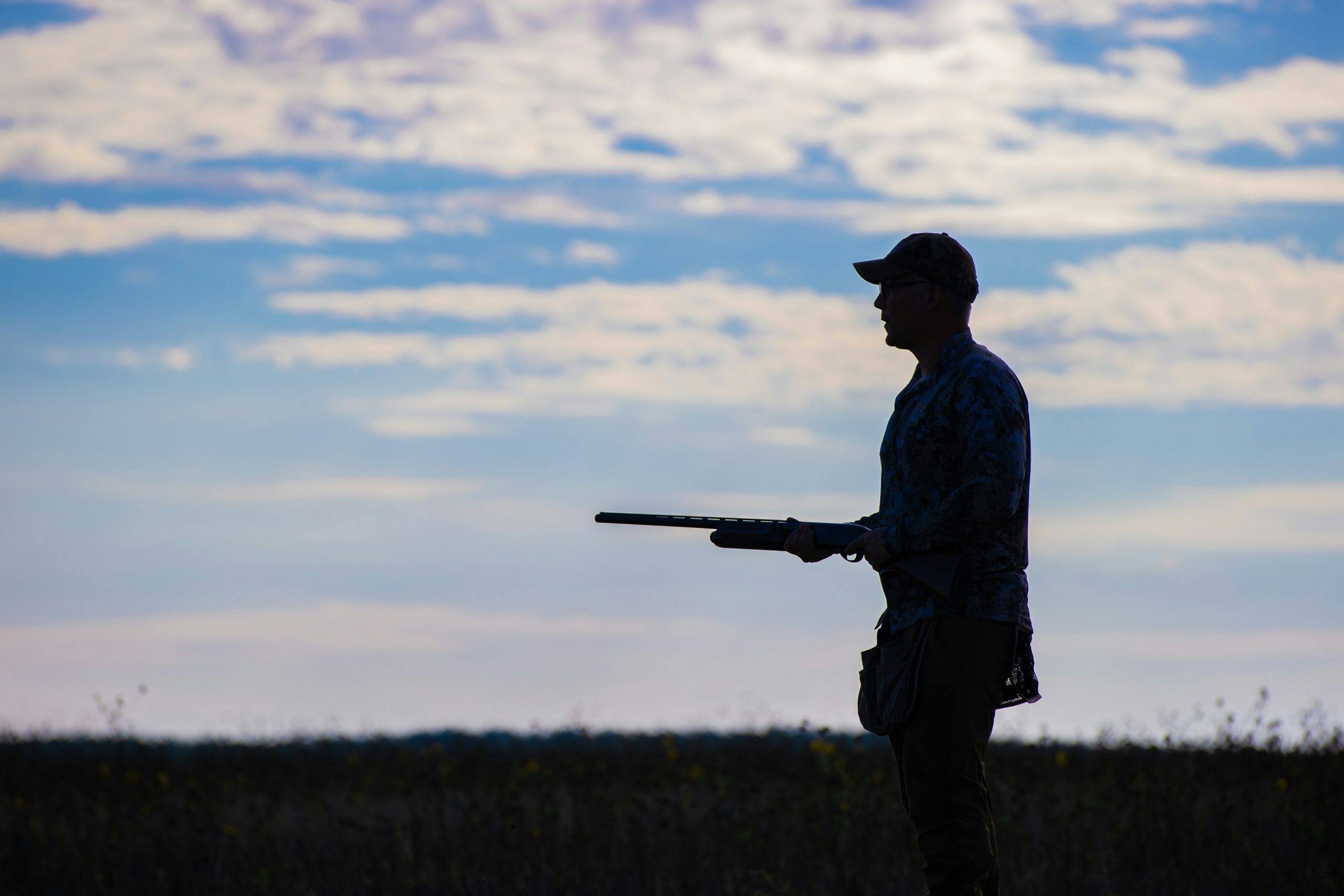
Coyotes in open terrain are often exposed to hunting pressure and familiar sounds. Beginners frequently rely on a single call and repeat it stand after stand. This repetition can make coyotes wary or unresponsive. Mixing call types, prey sounds, and vocalisations adds realism. Variety prevents coyotes from associating one sound with danger. Adapting calling strategies keeps setups fresh and improves response rates over time.
16. Ignoring weather conditions
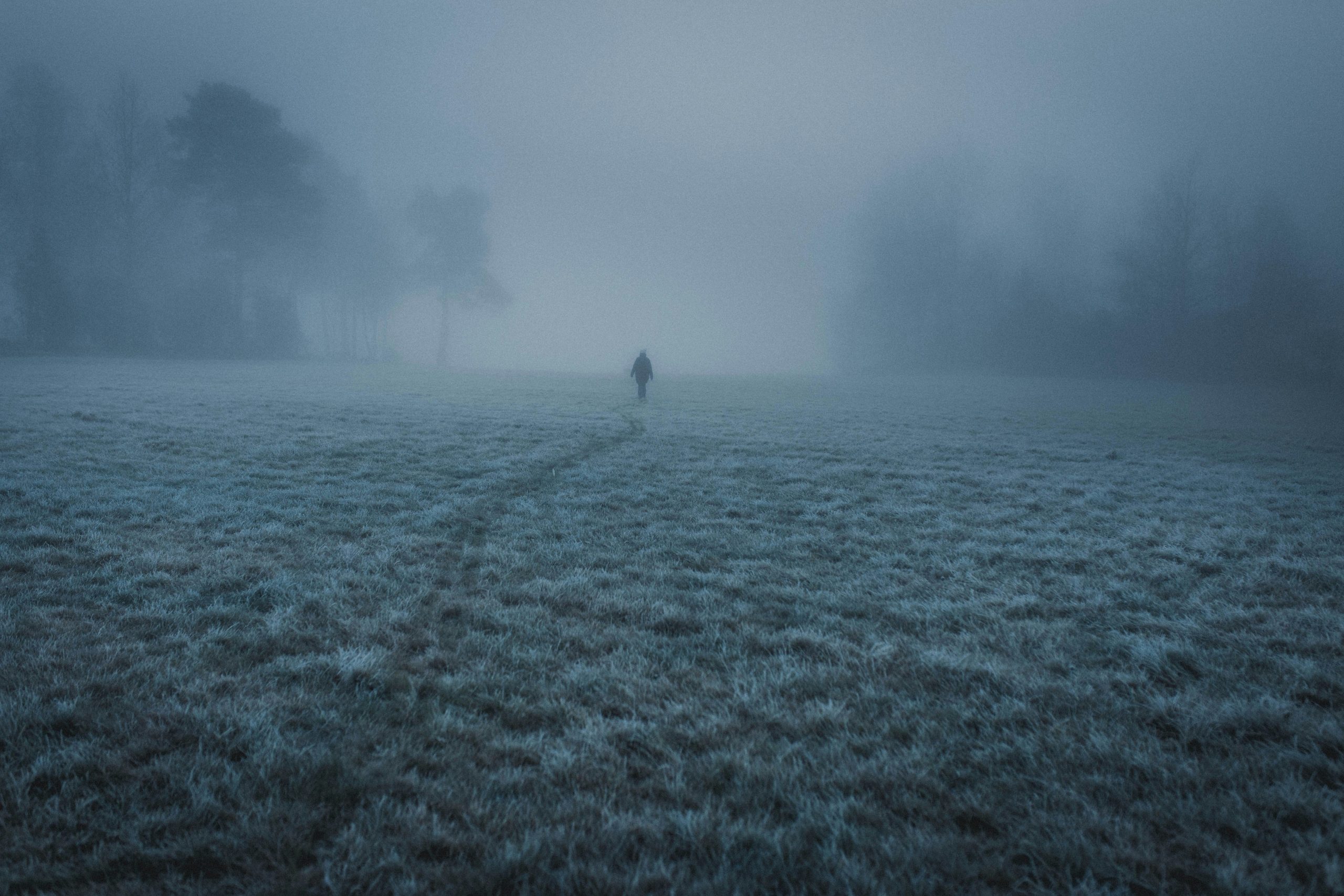
Weather affects coyote behaviour more than many beginners realise. Wind speed, temperature, barometric pressure, and cloud cover influence movement and response. Hunting open terrain without adjusting for weather reduces success. High winds may limit hearing, while extreme cold can increase daytime movement. Understanding how weather changes behaviour allows hunters to plan better stands and timing. Ignoring these factors leads to inconsistent results and unnecessary frustration.
17. Failing to plan safe shooting backstops

Open terrain often lacks obvious backstops, making safety planning critical. Beginners sometimes focus only on the target and forget what lies beyond. A missed shot can travel a long distance. Responsible hunters always identify safe backstops and shooting angles before calling. This planning protects property, livestock, and other hunters. Safety awareness is a fundamental skill that must never be overlooked, regardless of experience level.
18. Expecting quick success without patience
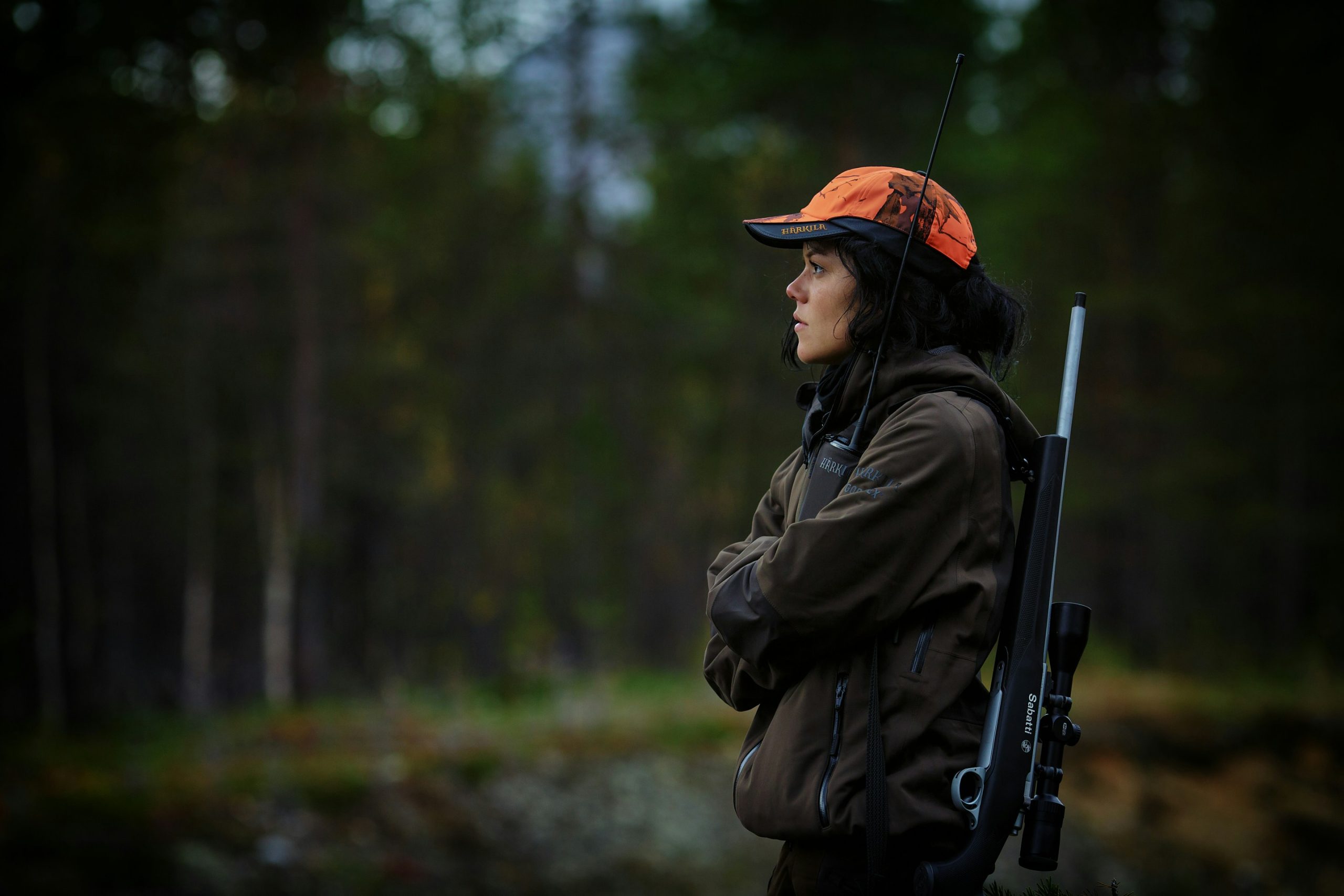
Perhaps the biggest beginner mistake is expecting immediate success in open terrain. Coyote hunting requires patience, observation, and adaptation. Early failures are part of the learning curve. Hunters who rush, get discouraged, or constantly change tactics without understanding why rarely improve. Taking time to studybehaviourr refine setups, and learn from each stand builds long-term success. Open terrain rewards thoughtful, patient hunters who respect both the animal and the process.