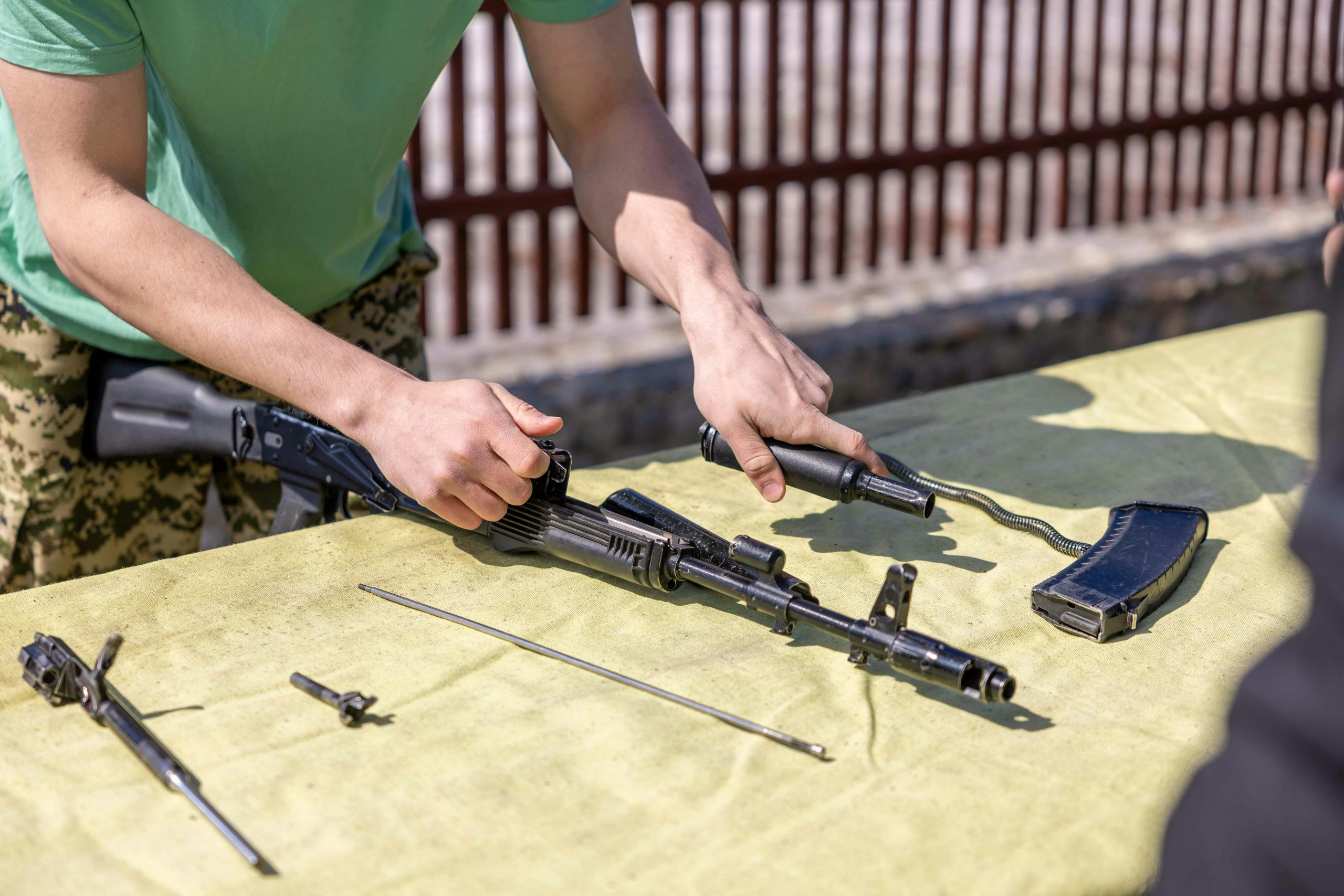
Maintaining a rifle properly ensures safety, accuracy, and longevity, yet many shooters unknowingly damage their firearms while cleaning. Mistakes often result from excessive force, wrong tools, or overlooking components. Understanding these errors prevents costly repairs, maintains performance, and extends life. This guide details 18 common cleaning mistakes, offering practical insights and advice to keep rifles in peak condition, safeguard their mechanisms, and ensure every shot is reliable and safe for years of use.
1. Using Excessive Solvent
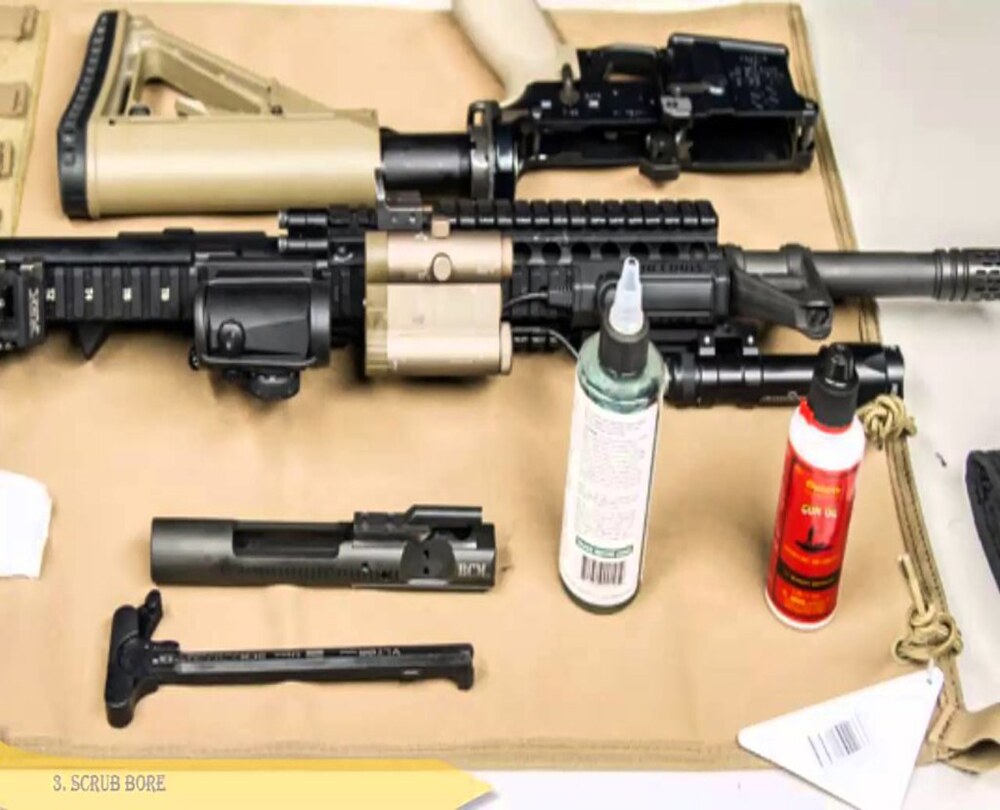
Overusing solvent can seep into the stock, damage finishes, and soften adhesives, leaving sticky residues that attract dirt and corrosion. Excess often penetrates small mechanisms, causing gumming and reduced function. Using only the necessary amount on affected areas preserves the finish, protects adhesives, and keeps internal parts clean. Controlled application ensures effective cleaning while preventing unintended chemical exposure that could compromise the rifle’s integrity, accuracy, and operational lifespan.
2. Ignoring Barrel Cleaning Frequency
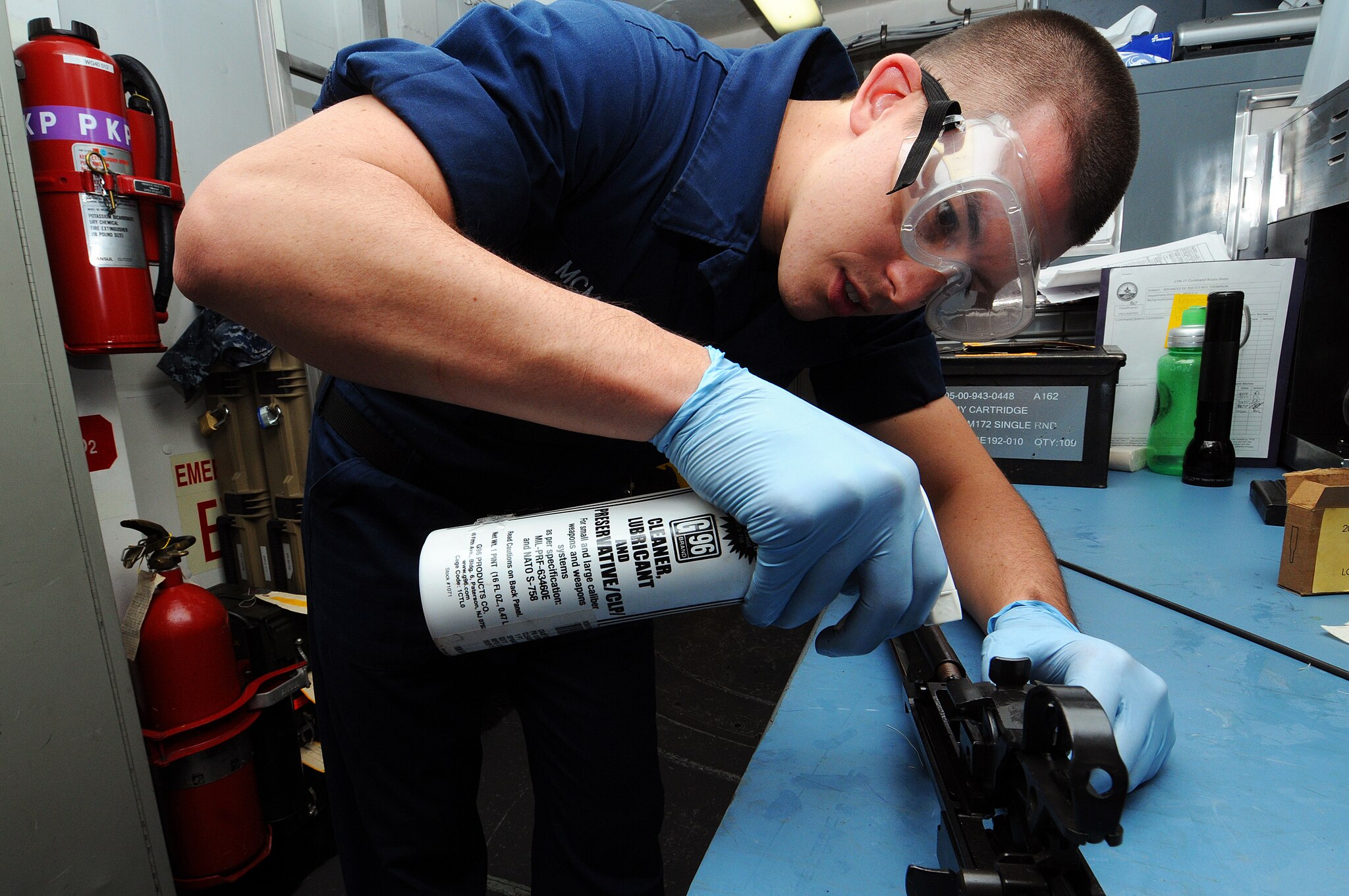
Skipping barrel maintenance allows carbon, copper, and powder residues to build up, affecting accuracy and increasing friction. Long-term neglect can create pitting inside the bore, shortening barrel life. Regular cleaning, particularly after firing corrosive ammunition, preserves performance. Establishing a disciplined routine ensures consistent precision, prevents wear, and protects against rust or fouling accumulation. A well-maintained bore directly supports reliability, safety, and long-term shooting enjoyment.
3. Using the Wrong Bore Brush
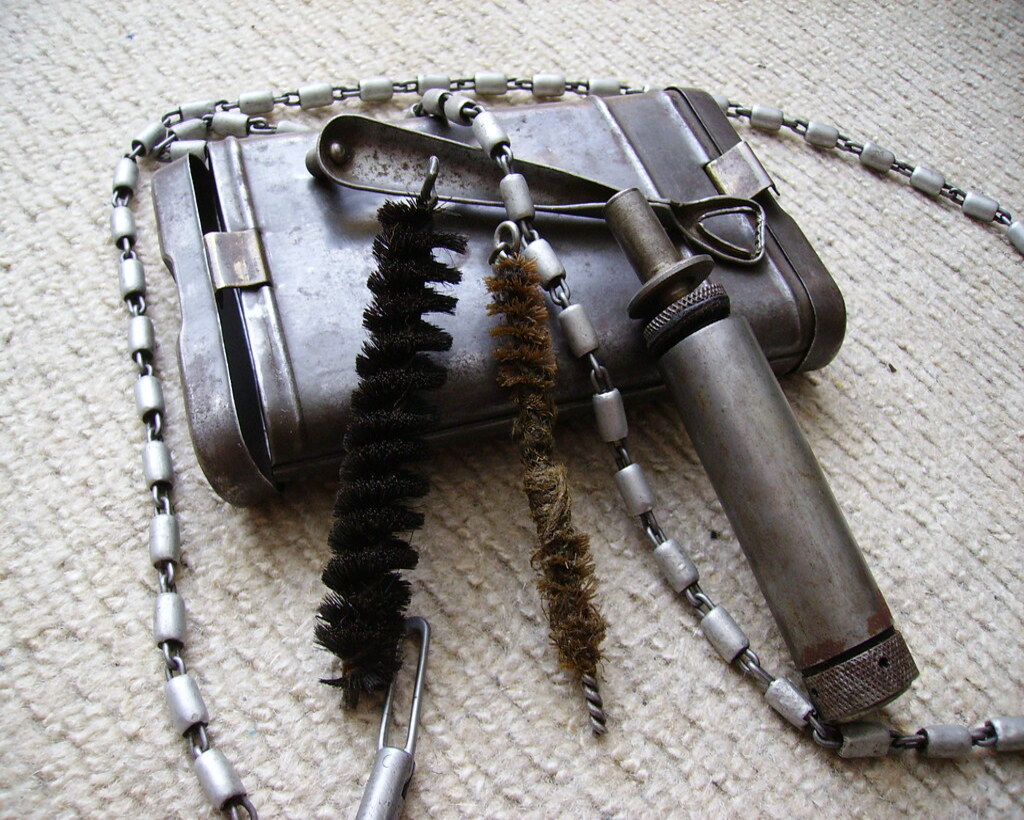
Using an incorrect bore brush, whether in size or material, risks scratching the barrel and damaging rifling. Brass or bronze brushes are common, but overly stiff or oversized brushes cause erosion, while soft brushes may fail to remove fouling. Matching the brush type and diameter to the rifle ensures efficient cleaning without harming surfaces. Proper brush selection protects accuracy, preserves barrel integrity, and maintains smooth projectile passage, balancing effectiveness with careful maintenance to prolong barrel life and performance.
4. Over-Oiling Moving Parts
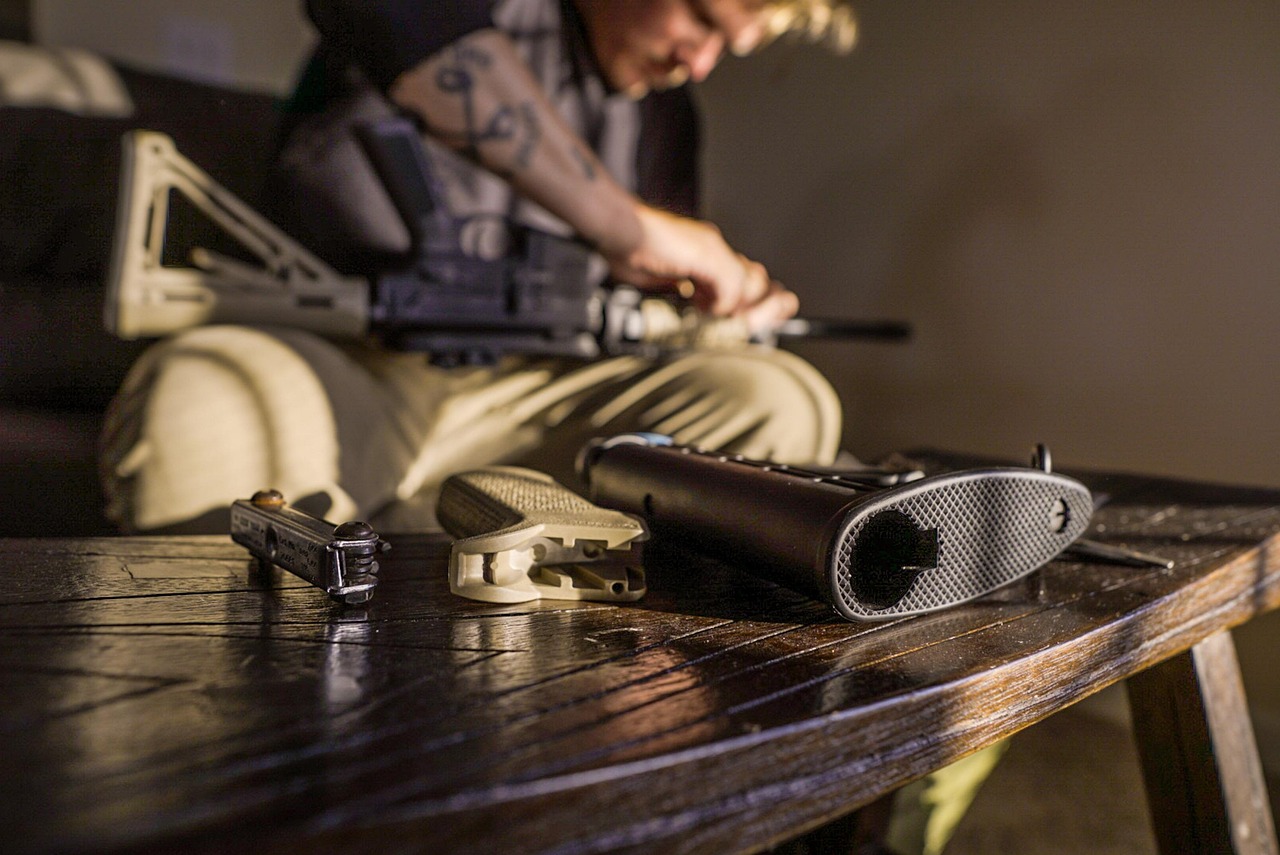
Applying too much oil attracts dust, dirt, and powder residue, forming gritty deposits that hinder function. Excess lubricant may seep into sensitive areas, leading to corrosion or sticky operation. Using minimal, precise amounts keeps mechanisms smooth while preventing accumulation. Proper lubrication protects against friction without compromising cleanliness. Controlled oiling ensures that moving parts operate reliably, extending the rifle’s lifespan, reducing maintenance issues, and preserving the firearm’s overall safety and performance.
5. Using Steel Wool on Metal Surfaces
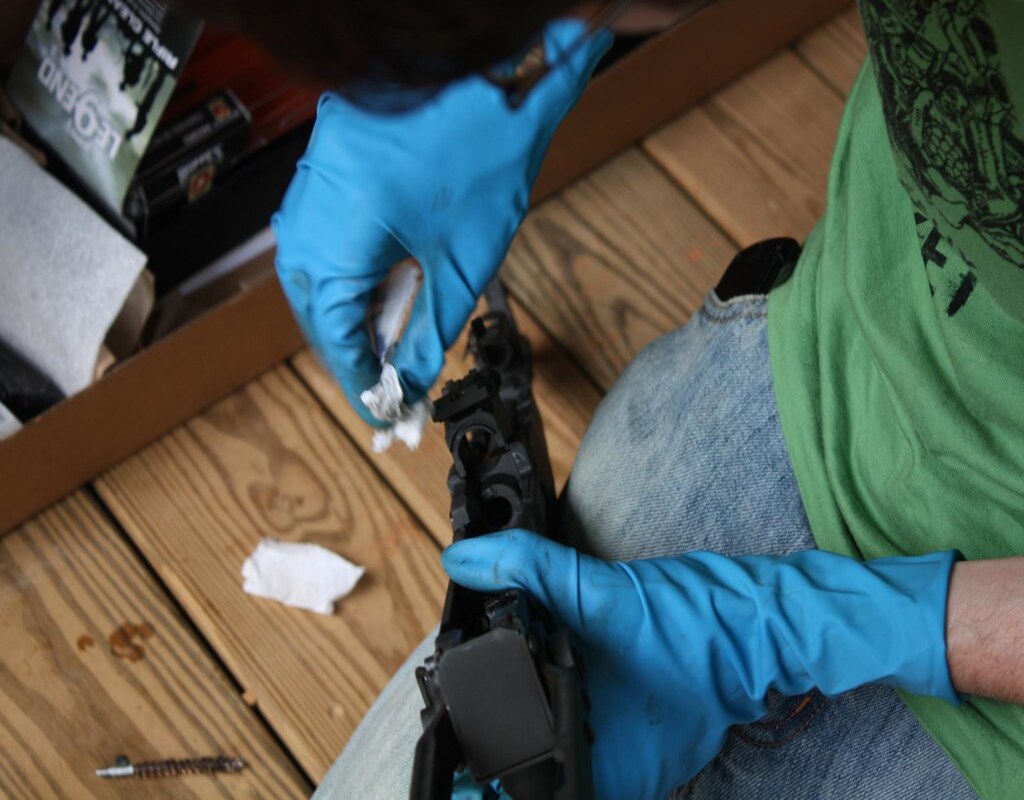
Steel wool is abrasive and can scratch finishes, remove bluing, and leave rust-prone fragments. Many shooters use it for tough grime, unaware of the lasting damage. Alternatives like nylon pads, bronze brushes, or specialised cloths clean surfaces effectively without harming appearance or corrosion resistance. Choosing appropriate tools preserves metal aesthetics, maintains protective coatings, and prevents long-term deterioration. Safe cleaning materials balance grime removal with protection, ensuring rifles remain functional and visually intact over years of use.
6. Neglecting the Stock
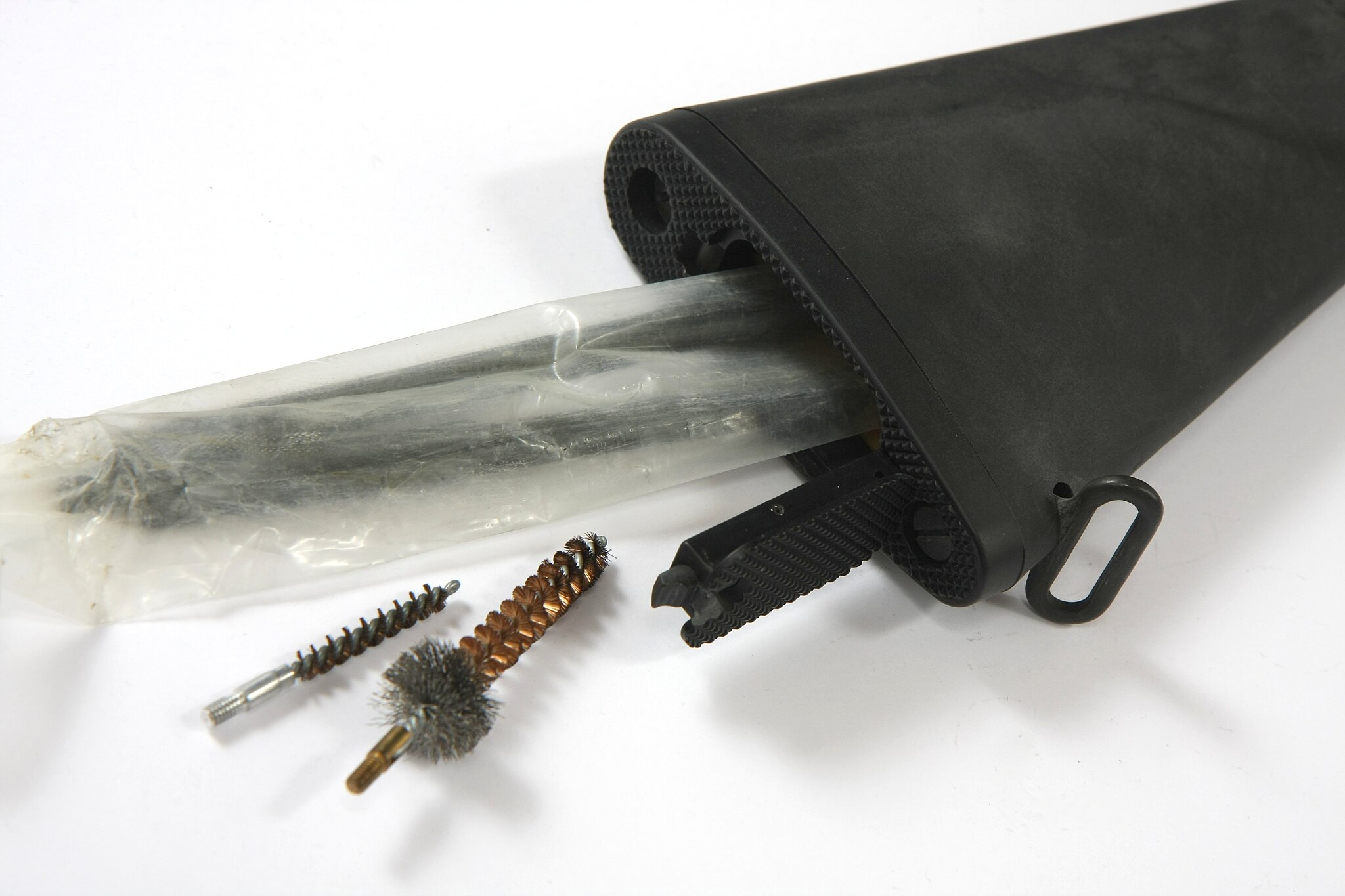
Ignoring the stock allows moisture, oil, or dirt to penetrate wood, causing warping, cracking, or staining. Metal-focused cleaning is insufficient; wooden or synthetic stocks require attention. Applying stock-safe oils, waxes, or synthetic cleaners preserves structure and appearance. Regular maintenance keeps the stock stable, prevents long-term damage, and maintains aesthetic appeal. Caring for the stock ensures reliable handling, structural integrity, and overall firearm longevity while supporting consistent performance under all conditions.
7. Improper Disassembly
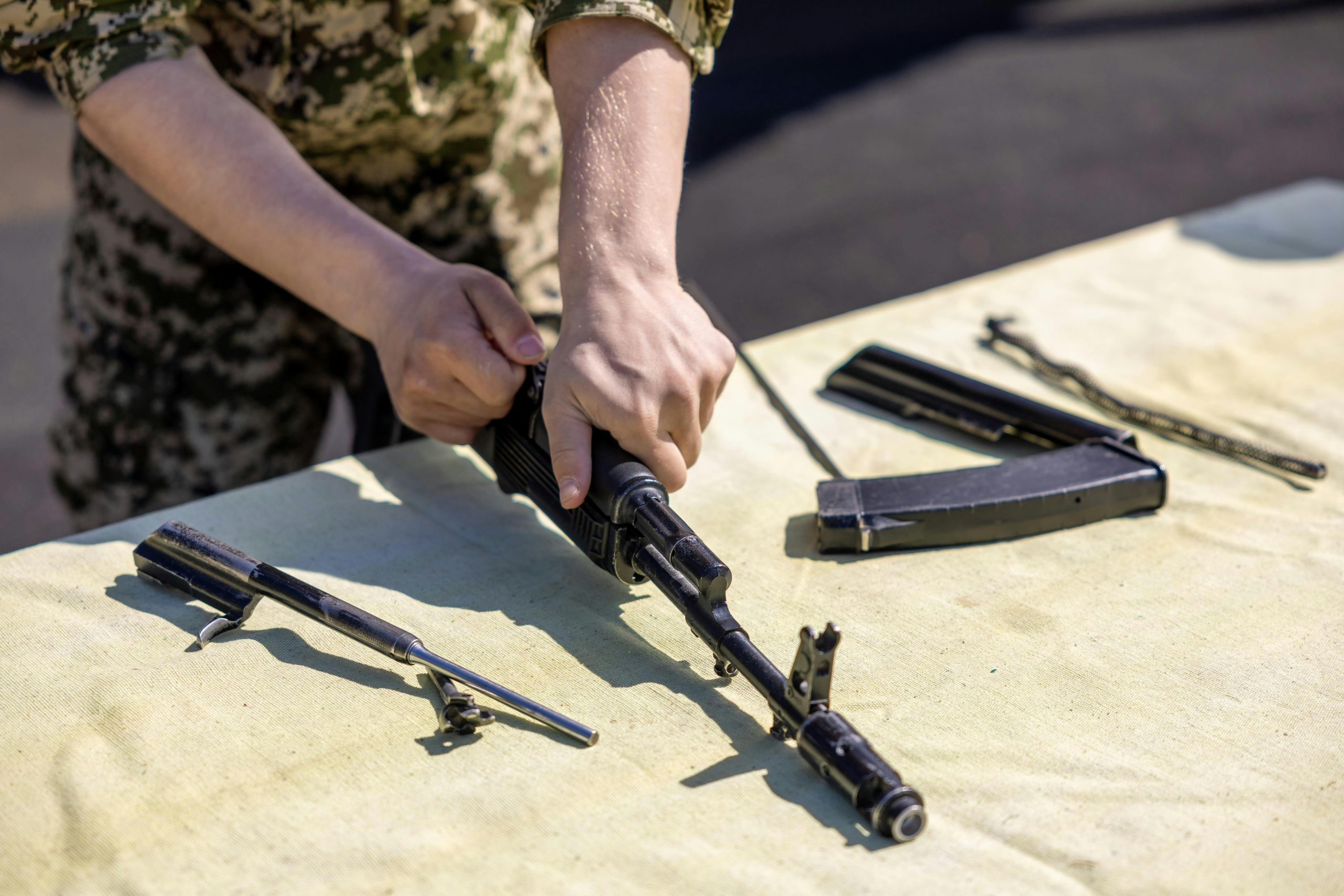
Disassembling without guidance risks broken pins, bent springs, or lost components, potentially voiding warranties. Overzealous or uninformed handling creates reassembly challenges, affecting safety and function. Using manufacturer instructions, proper tools, and careful labelling reduces errors. Knowledgeable disassembly protects both the rifle and the shooter. Correct handling during maintenance ensures components remain intact, mechanisms operate reliably, and cleaning enhances performance rather than introducing preventable damage or operational issues.
8. Cleaning Without Proper Ventilation
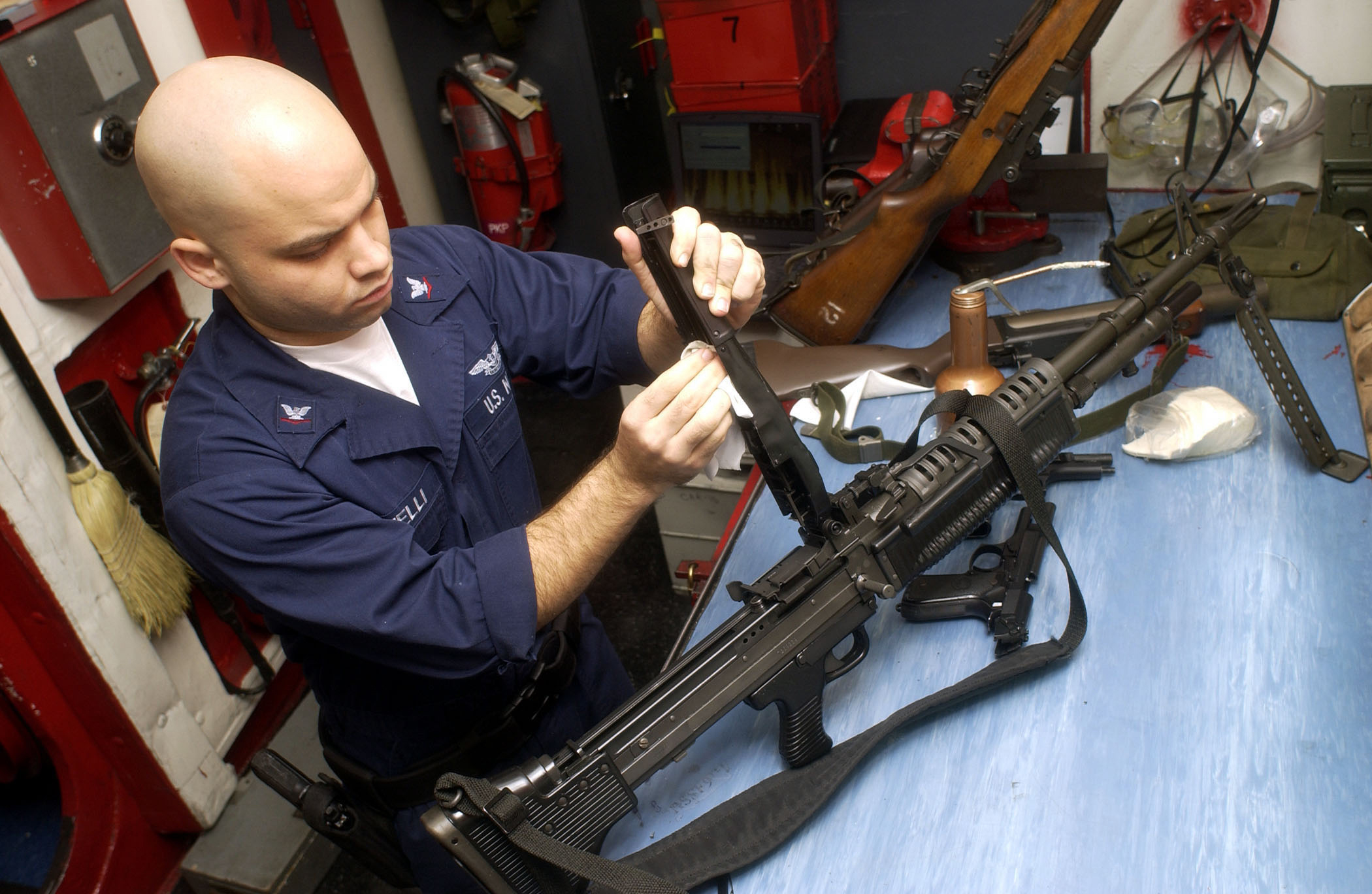
Solvents and oils release fumes that can be hazardous if inhaled, particularly in enclosed spaces. Poor ventilation increases exposure and fire risk. Performing cleaning in well-ventilated areas reduces inhalation hazards and prevents accidents. Safety measures, including open windows, fans, or outdoor spaces, protect both the shooter and the firearm. Prioritising airflow ensures chemicals are safely dispersed, maintaining a healthy environment while allowing thorough maintenance without compromising user safety or rifle integrity.
9. Using Old or Contaminated Cloths

Reusing dirty cloths redeposits grime, lint, or chemicals onto critical surfaces, creating scratches or residues. Microabrasive particles may damage finishes. Using fresh, lint-free cloths ensures effective cleaning and polishing. Dedicated cleaning materials prevent contamination, maintain surface integrity, and avoid cross-contamination. Proper cloth choice enhances efficiency, protects metal and wood, and supports consistent maintenance, ensuring rifles remain functional, safe, and visually well-preserved during each cleaning session.
10. Over-Scrubbing the Bore
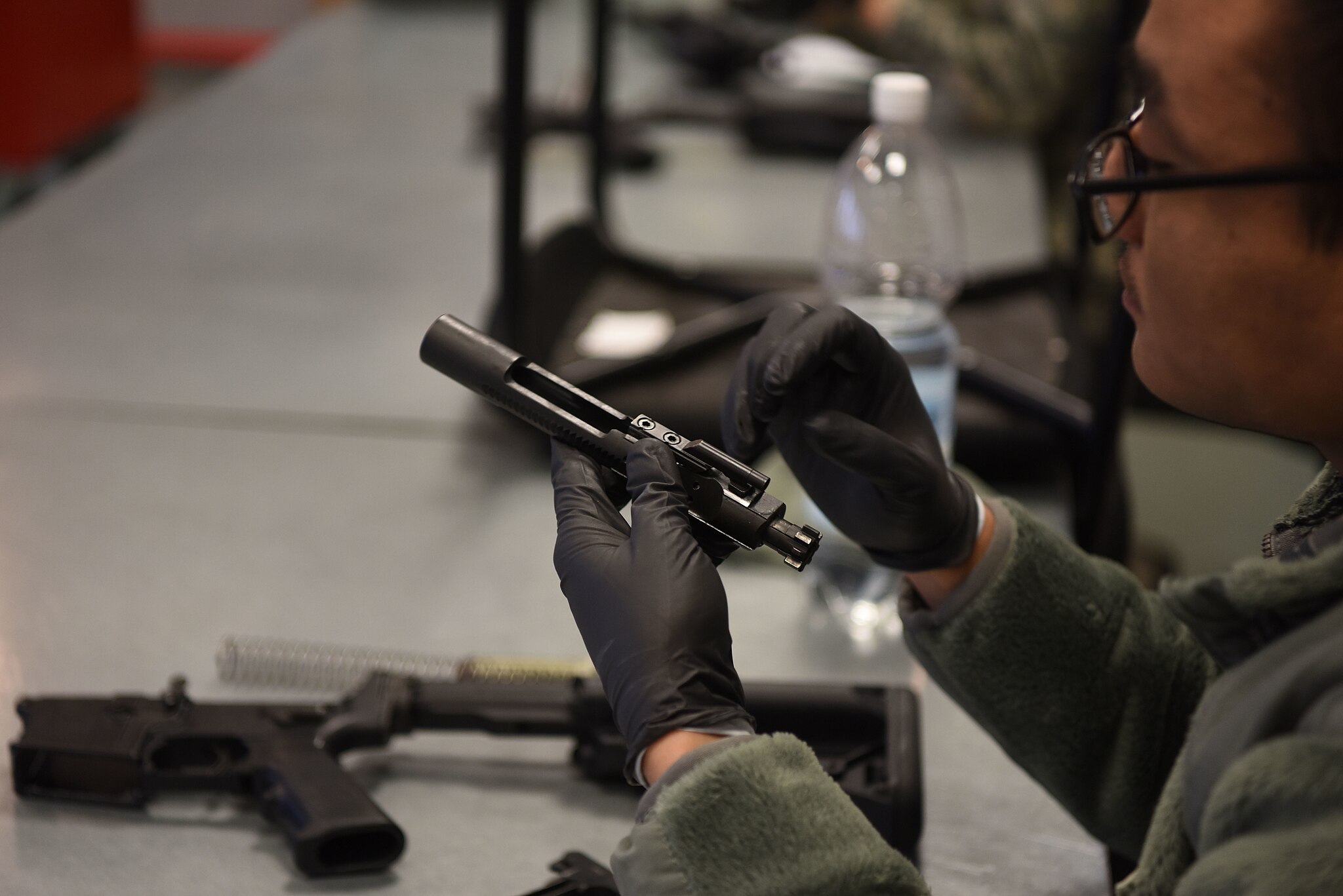
Aggressive scrubbing erodes rifling and can create uneven wear, negatively affecting accuracy. Excessive pressure may remove more metal than intended, shortening barrel life. Gentle, consistent strokes with proper brushes and patches remove fouling safely. Methodical cleaning balances bore preservation with thorough residue removal. Controlled technique maintains precision, prevents internal damage, and prolongs performance, keeping barrels in optimal condition without compromising accuracy or causing preventable wear from hasty or forceful cleaning efforts.
11. Ignoring Trigger Assembly Care
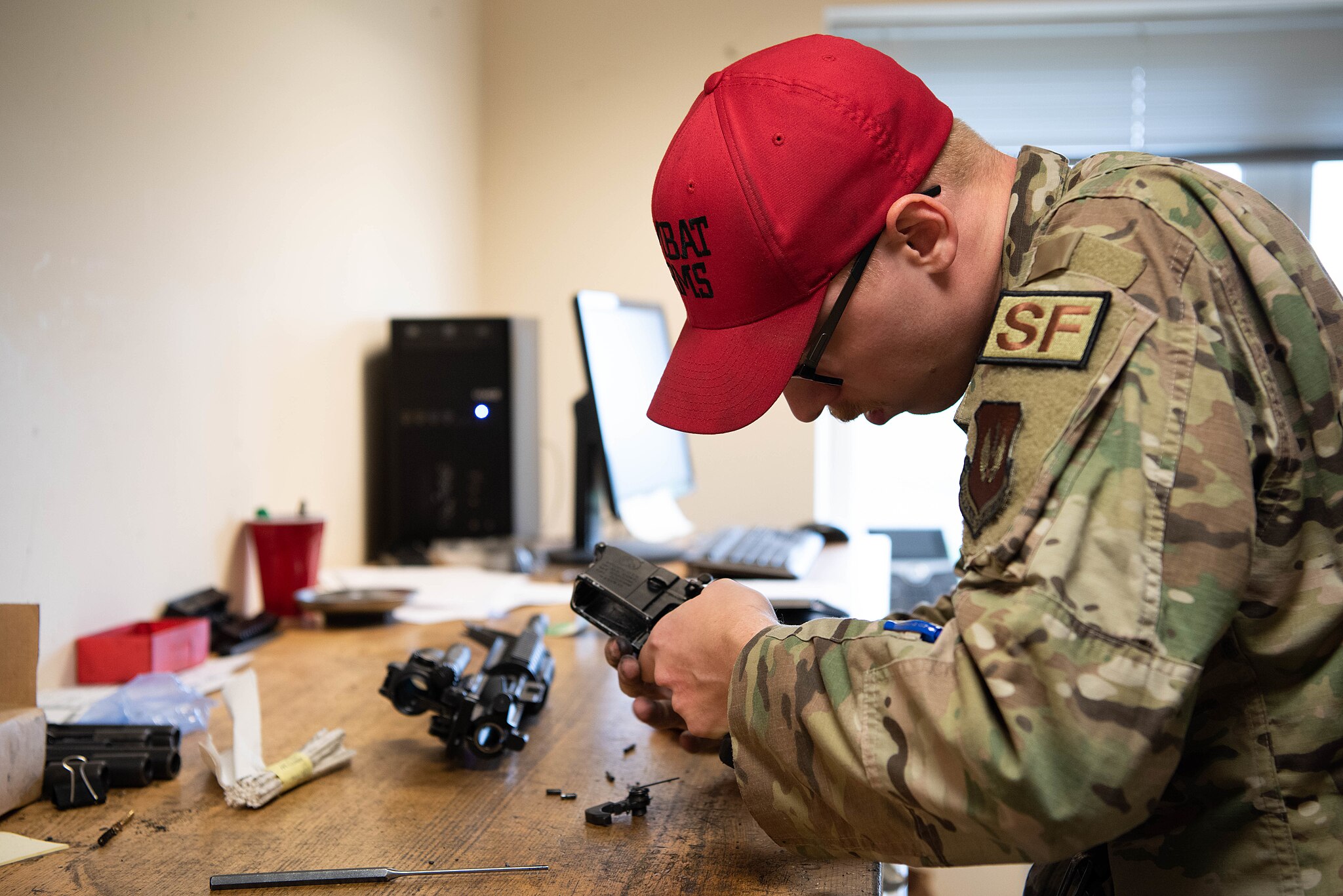
The trigger assembly contains delicate parts essential for safe operation. Excess solvent or rough handling can wash away lubrication, dislodge springs, or impair safety mechanisms. Targeted cleaning using precision tools preserves function and reliability. Awareness of sensitivity during maintenance prevents accidental damage, ensuring consistent trigger pull and safe operation. Proper attention to this area supports firearm performance, safety, and longevity, minimising the risk of malfunctions while maintaining precise control over the shooting experience.
12. Leaving Moisture on Surfaces
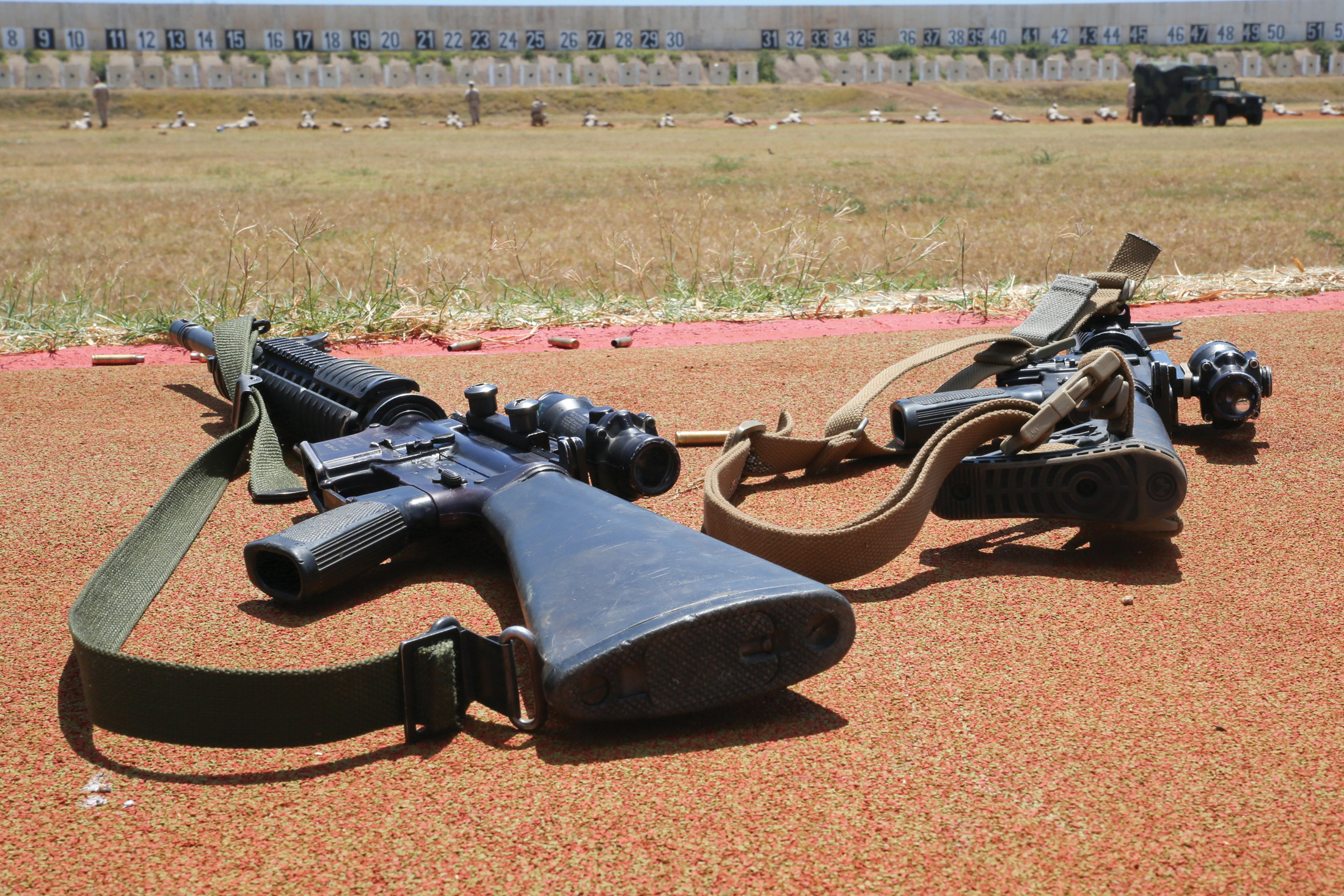
Residual moisture can quickly cause rust or corrosion on metal components. After cleaning, all surfaces should be dried completely with lint-free cloths or patches. Even small droplets in recesses can promote pitting. Applying a minimal protective oil layer prevents oxidation while preserving function. Thorough drying ensures rifles remain clean, operational, and aesthetically intact. Proper moisture management safeguards longevity, maintains reliability, and prevents long-term damage, supporting safe and effective shooting performance over time.
13. Using Harsh Chemicals
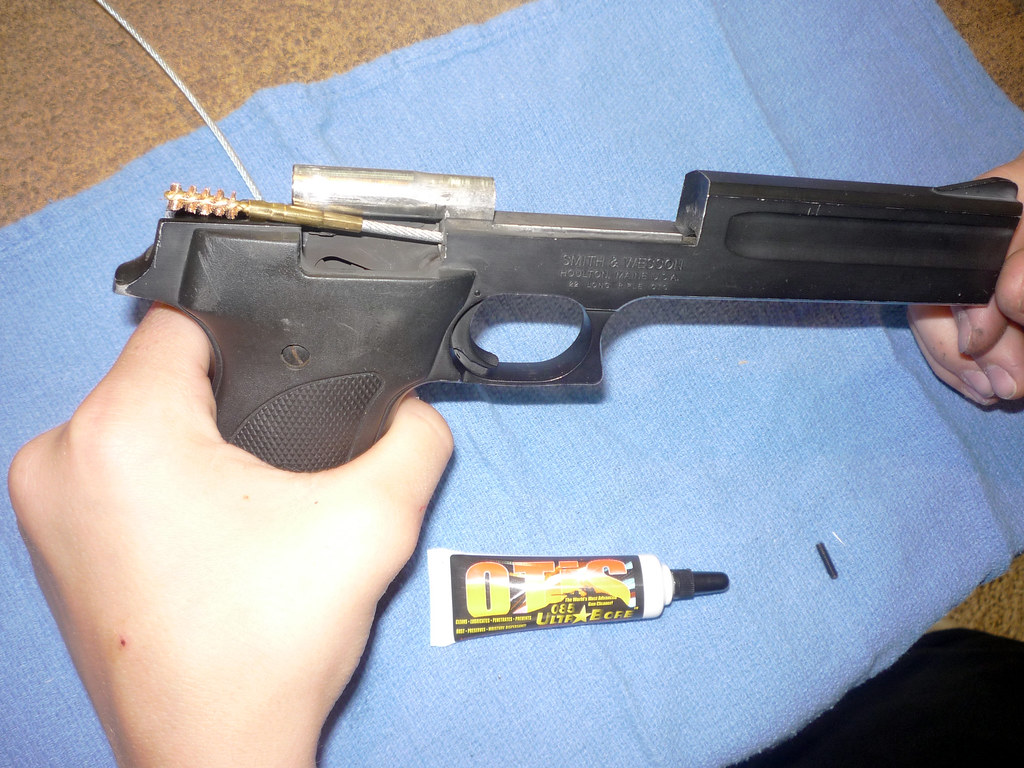
Industrial cleaners, acetone, or bleach-based products can strip finishes, degrade oils, or attack metal and stock components. These substances may weaken adhesives or create reactive residues that compromise cleaning. Firearm-specific solvents and mild solutions effectively remove fouling without harming surfaces. Choosing appropriate chemicals preserves protective coatings, prevents discolouration, and maintains mechanical integrity. Safe chemical selection balances cleanliness with long-term preservation, ensuring rifles remain operational, visually appealing, and protected from unintended damage.
14. Neglecting Magazine Maintenance
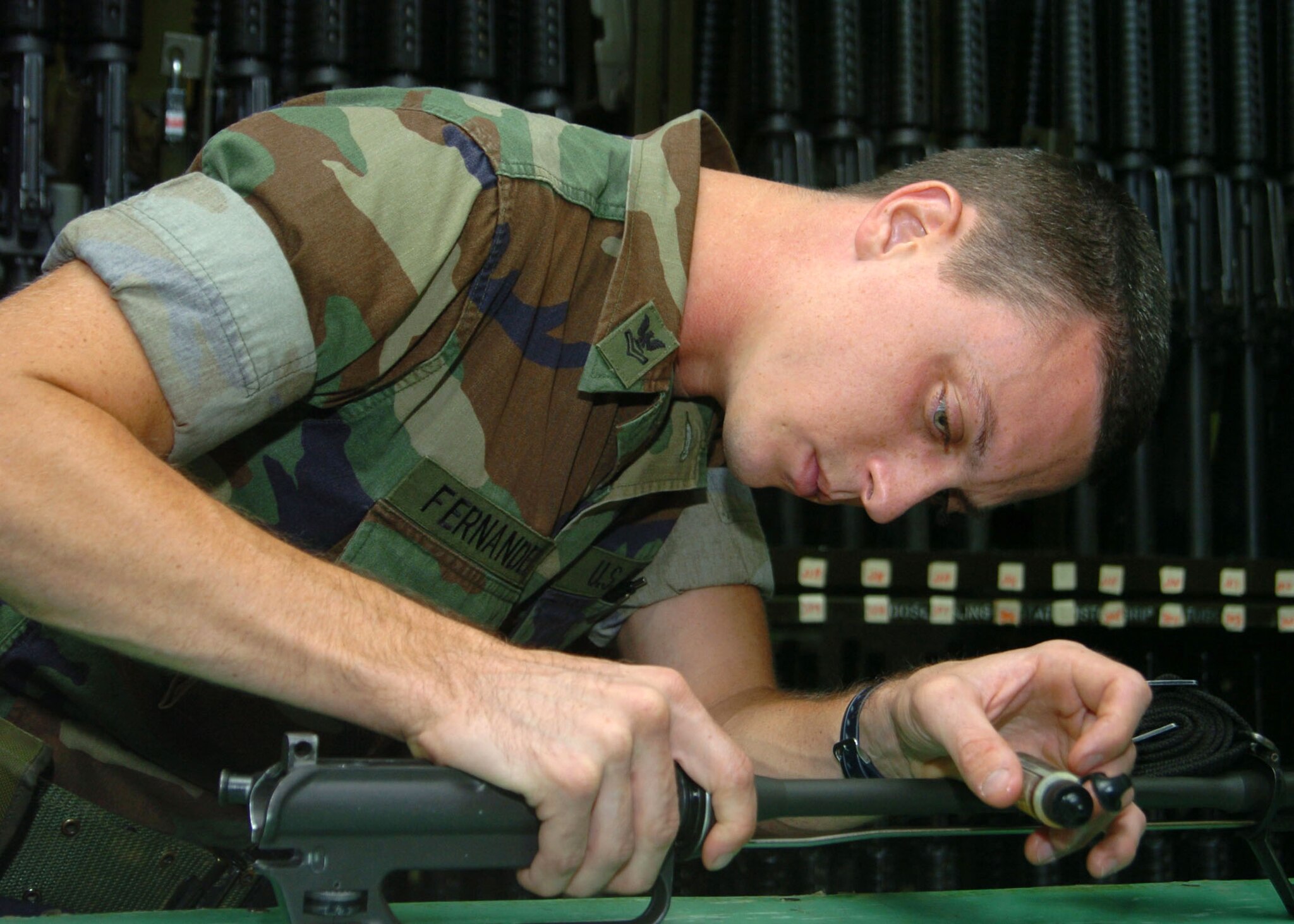
Dirt, powder residue, and corrosion in magazines cause feeding issues or operational failures. Ignoring them can compromise semi-automatic function and reliability. Disassembling and cleaning magazines with proper techniques preserves spring tension and follower movement. Regular attention ensures dependable ammunition feeding, reduces jams, and maintains consistent cycling. Maintaining magazines complements overall firearm care, contributing to operational reliability, safety, and performance, while preventing malfunctions that could affect both shooting efficiency and firearm longevity.
15. Relying Solely on Cleaning Kits
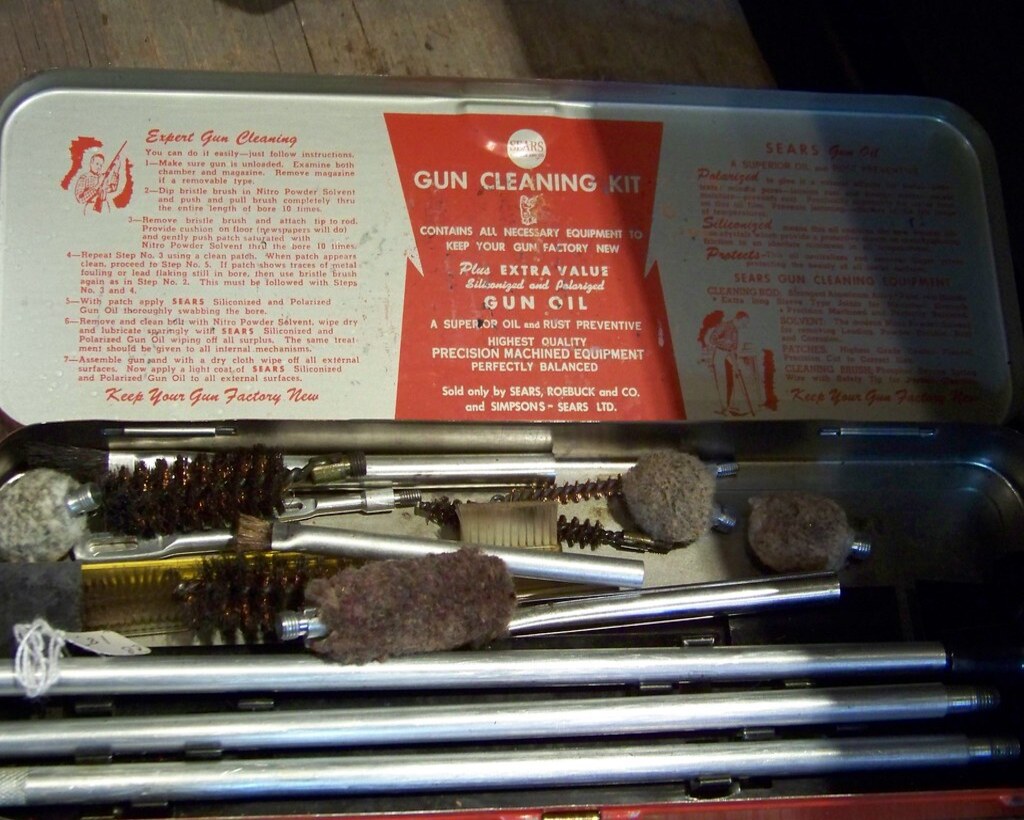
Standard kits may not reach critical areas like gas ports, small screws, or hidden channels. Assuming kits alone suffice risks leaving residues behind, compromising reliability. Supplemental tools, including picks, bore lights, and precision brushes, allow comprehensive cleaning. Understanding the rifle’s design ensures every component receives proper attention. Effective maintenance combines kit use with targeted tools, preserving function, enhancing accuracy, and preventing malfunctions that could result from incomplete cleaning or overlooked parts, maintaining firearm longevity and dependability.
16. Improper Storage After Cleaning

Storing rifles without proper lubrication, humidity control, or protection invites corrosion and damage. Oil residues attract dust, and environmental moisture may trigger rust even on cleaned surfaces. Using controlled storage environments, protective sleeves, or periodic inspections preserves finish and function. Proper post-cleaning storage ensures reliability and longevity, preventing deterioration. Attention to environmental factors complements routine maintenance, maintaining peak operational condition and protecting the rifle’s mechanical integrity for years of safe, consistent performance.
17. Skipping Inspection During Cleaning

Cleaning provides an opportunity to detect wear, cracks, loose screws, or other issues. Skipping inspection risks unnoticed damage, potentially leading to malfunctions or safety hazards. Observing components carefully allows early detection and timely repair. Integrating inspection into maintenance routines ensures both performance and safety. Consistent vigilance preserves firearm function, identifies small problems before they worsen, and supports long-term reliability, giving shooters confidence that their rifles remain safe, accurate, and fully operational.
18. Rushing the Cleaning Process
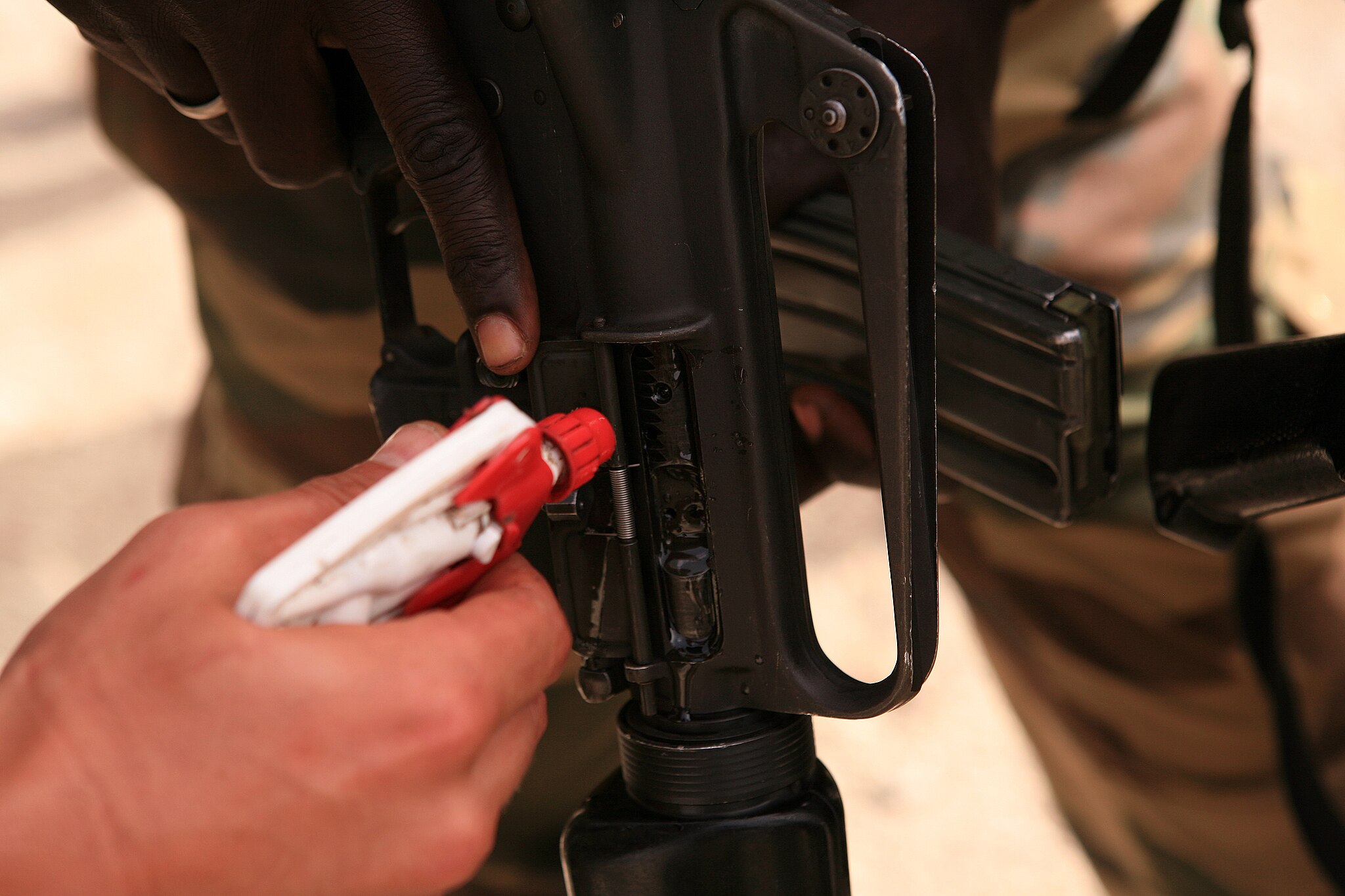
Hasty cleaning often leaves residues, misses lubrication points, and can damage delicate parts. Taking time to methodically clean, inspect, and oil ensures all components function correctly. Patience enhances reliability, reduces errors, and preserves accuracy. Careful, deliberate maintenance minimises long-term wear and prevents operational issues. Avoiding shortcuts maintains safety, performance, and structural integrity, ensuring that rifles remain effective, well-preserved, and dependable for years of shooting enjoyment without risking avoidable damage from rushed procedures.