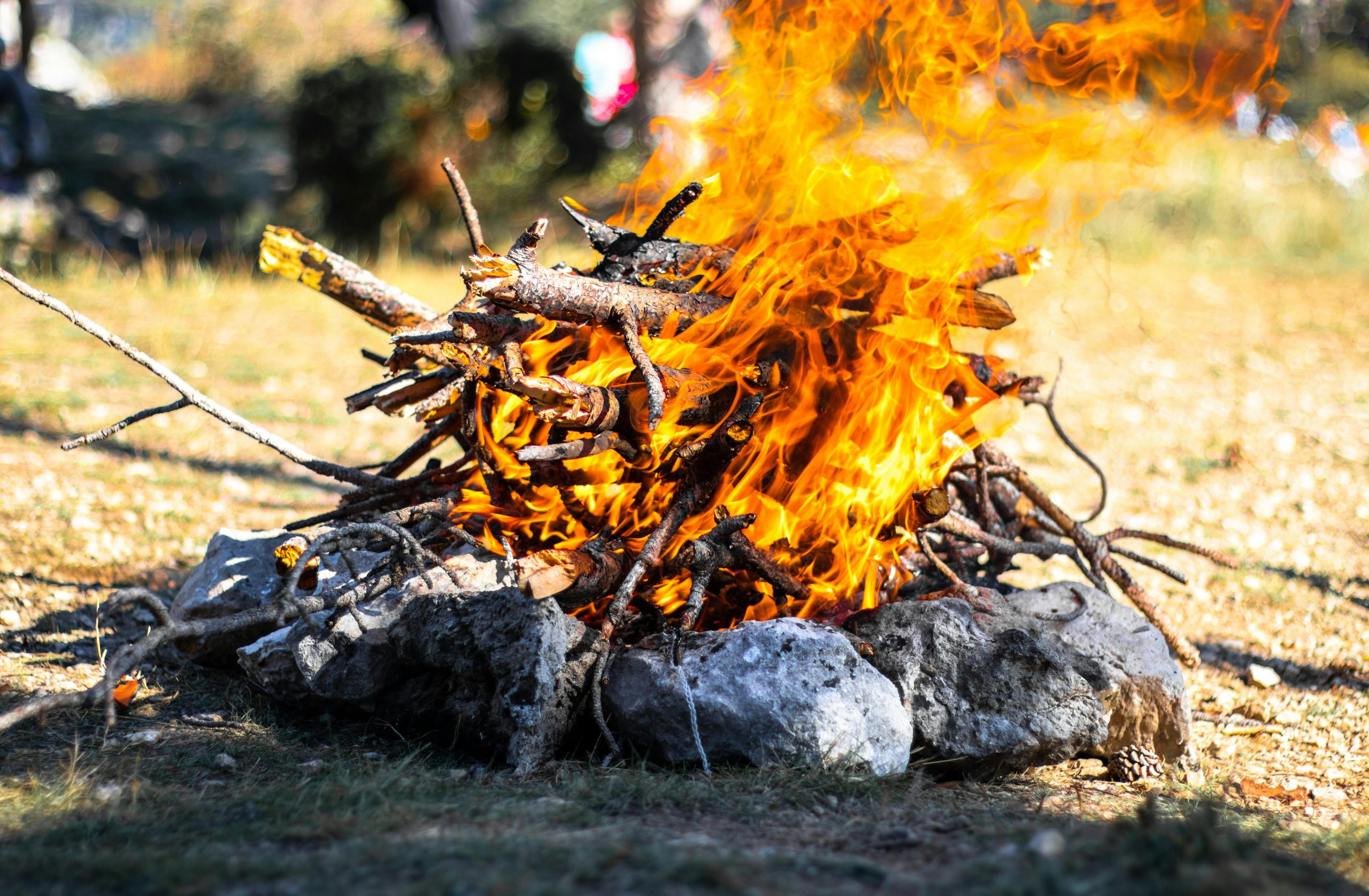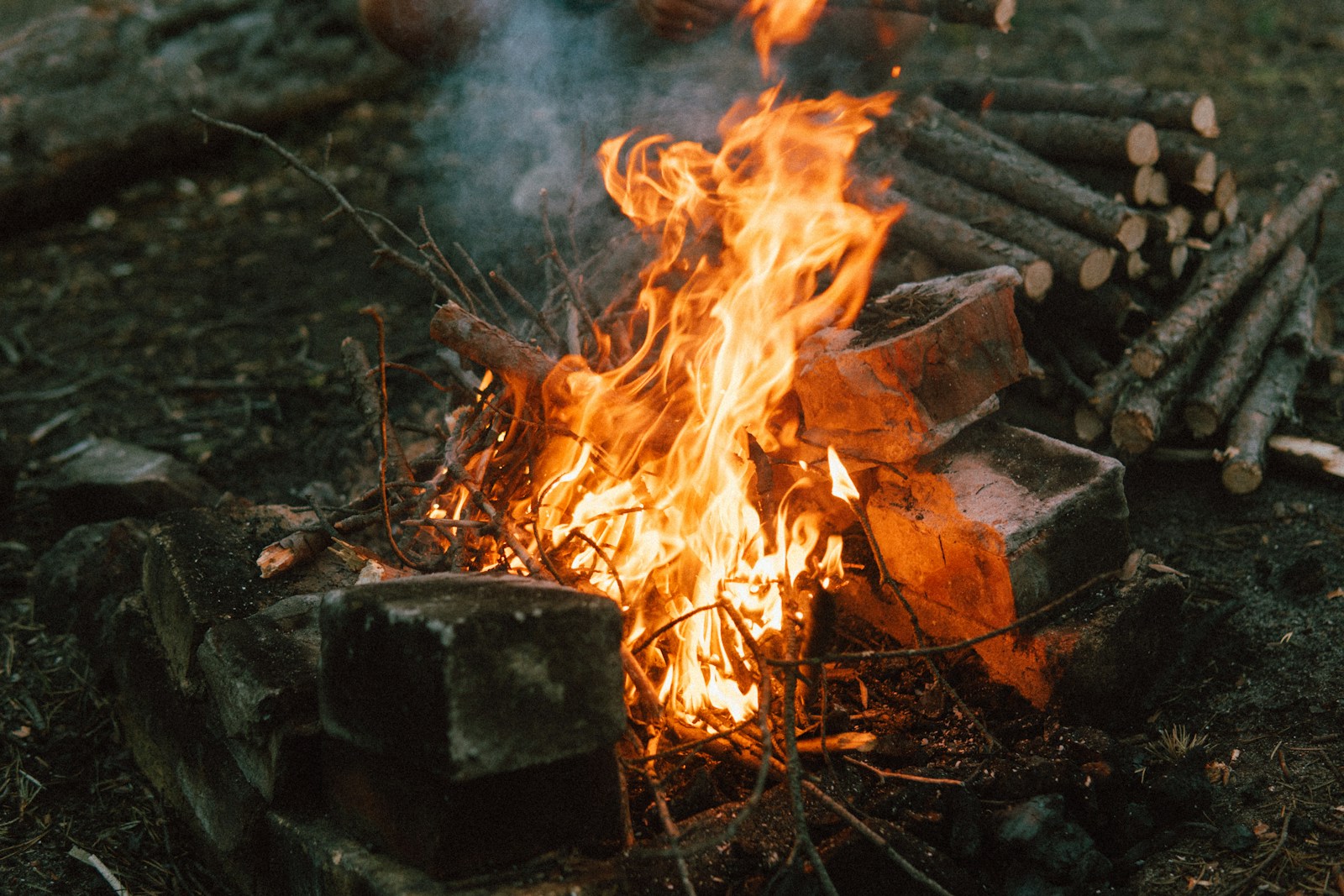
Fire building in humid environments challenges many assumptions passed down through bushcraft lore. Techniques that work well in dry or cold regions often fail where moisture saturates wood, soil, and air. In coastal forests, swamps, and rain heavy climates, humidity alters ignition, fuel quality, and airflow in ways that require different approaches. Relying on outdated myths can waste energy, resources, and daylight. Understanding why certain methods fail matters more than memorizing traditional rules. The following myths persist in outdoor culture but consistently break down in humid states, where moisture management, preparation, and realism matter more than romantic ideas about firecraft.
Myth One Dry Wood Is Easy To Find

Many assume dry wood exists naturally on forest floors, even after rain. In humid states, moisture penetrates fallen branches, leaf litter, and standing deadwood. High ambient humidity prevents thorough drying, even during clear weather. Wood that appears dry externally often contains internal moisture that prevents sustained ignition. Relying on surface appearance leads to frustration and wasted effort. Successful fire building in humidity requires splitting wood to access drier inner fibers and prioritizing protected sources. Assuming dry wood exists without processing remains one of the most common and misleading bushcraft myths in wet climates.
Myth Two Friction Fires Always Work
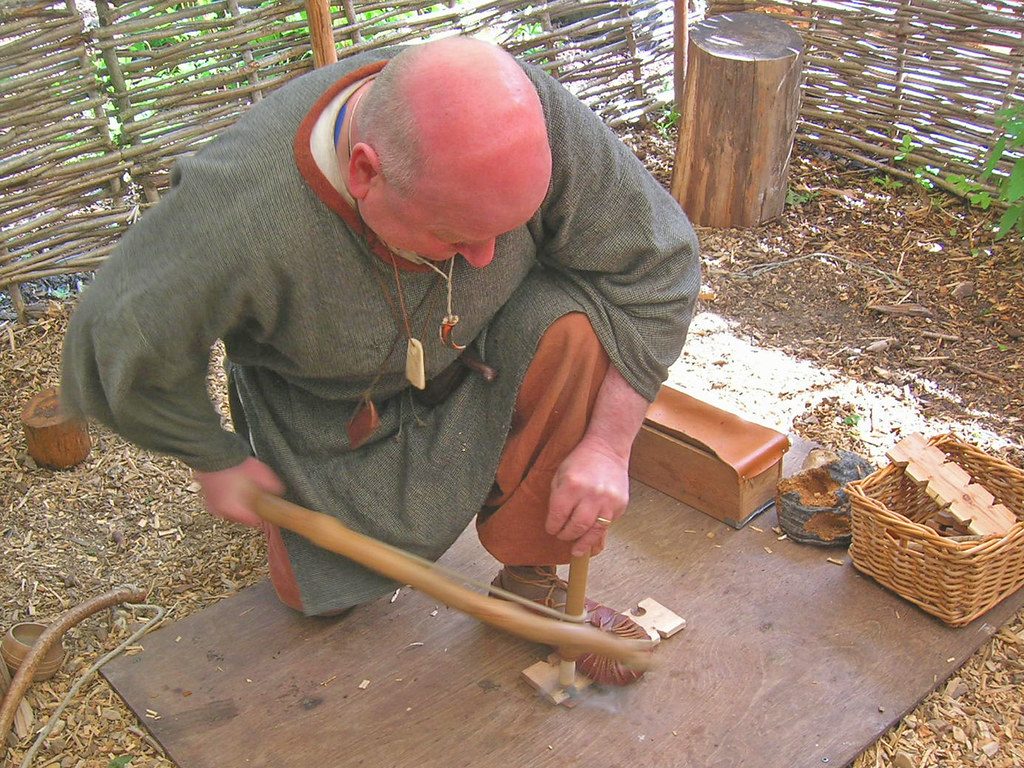
Friction fire techniques are often presented as universally reliable. In humid environments, moisture quickly absorbs into spindles, hearth boards, and hands. Sweat and damp air reduce friction efficiency and heat buildup. Even skilled practitioners struggle to produce embers when materials are not thoroughly dried beforehand. Natural materials rarely meet ideal conditions in wet states. Without pre dried components or extended preparation, friction fires fail repeatedly. This myth persists due to demonstrations in controlled conditions. In real humid forests, friction fire success becomes rare rather than dependable.
Myth Three Bark Always Makes Good Tinder
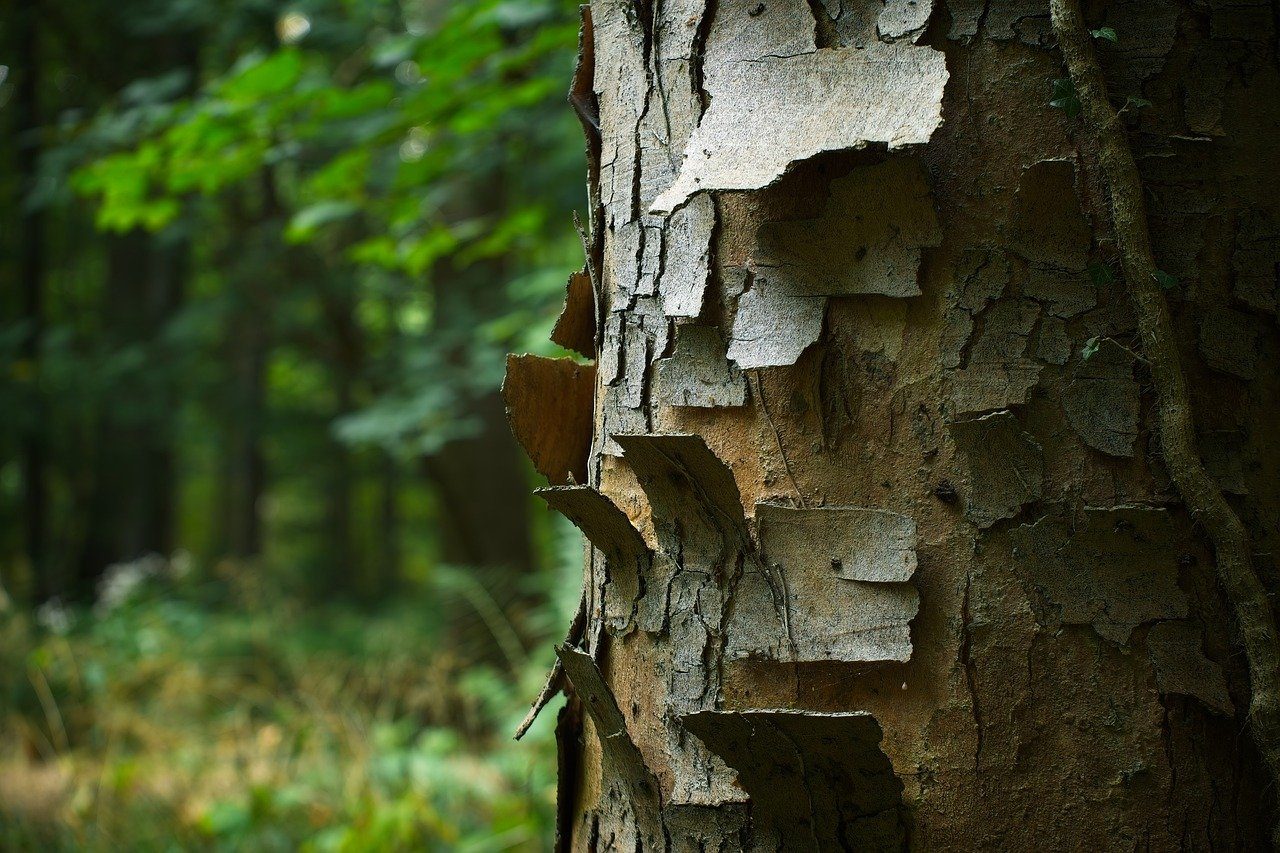
Tree bark is frequently promoted as a reliable tinder source. In humid states, bark absorbs moisture quickly and often contains resins diluted by water. Peeling bark from living trees may yield damp material that resists ignition. Fallen bark usually stays wet against soil or leaf litter. Even fibrous bark requires extensive processing to catch a spark. Assuming bark burns easily ignores environmental conditions. Effective tinder in humidity often comes from carried materials or carefully dried plant fibers. Bark alone rarely performs as advertised in wet climates. Moisture management matters more than tradition in consistently damp environments.
Myth Four Fire Can Be Built Anywhere
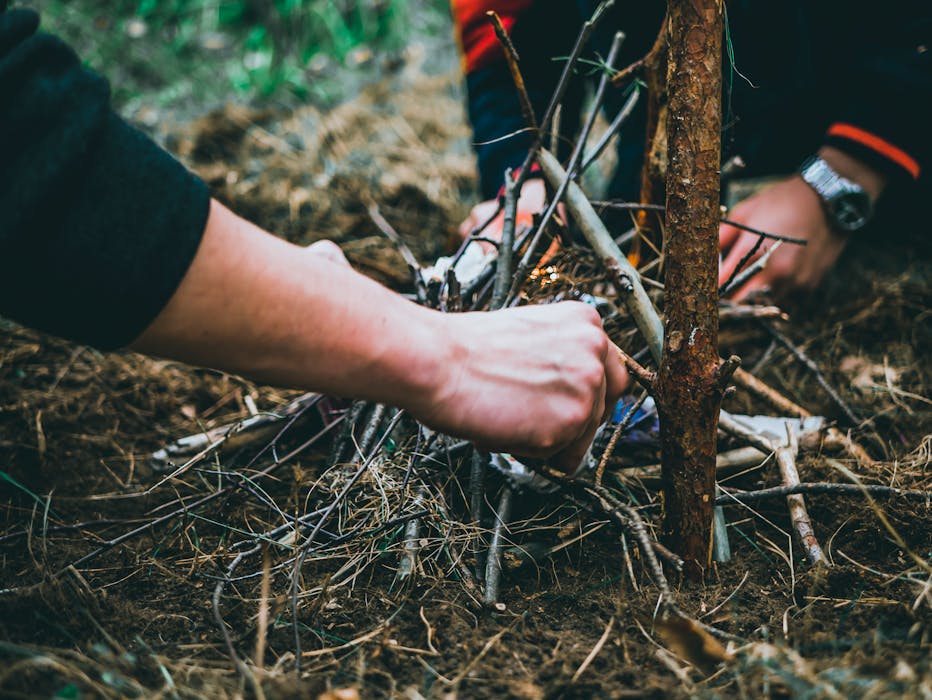
Some believe fire building simply requires effort, not location. In humid environments, ground moisture seeps upward, extinguishing early flames. Low lying areas trap damp air and restrict airflow. Building fires directly on soil or saturated ground causes heat loss and smothering. Proper site selection becomes critical. Elevated platforms or mineral soil bases perform far better. Assuming any clearing works overlooks how humidity affects airflow and heat retention. Location matters significantly more in wet regions than traditional bushcraft advice often suggests. Site choice determines whether fire succeeds or repeatedly fails.
Myth Five One Spark Is Enough
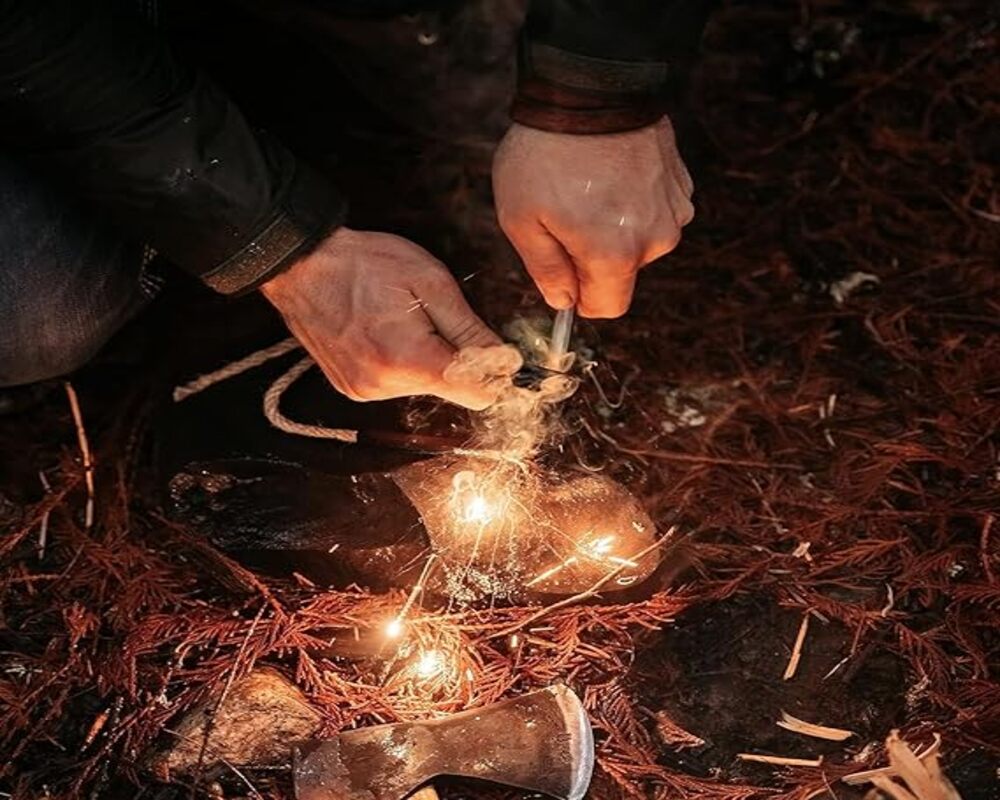
The idea that a single spark guarantees ignition ignores humidity effects. Moist tinder requires sustained heat to overcome absorbed water. Sparks dissipate quickly when fuel resists ignition. Even ferrocerium rods produce sparks that cool rapidly on damp surfaces. Multiple ignition attempts often fail without proper preparation. Building a fire in humidity demands layered tinder and prolonged flame contact. Expecting instant ignition leads to discouragement. In wet climates, sparks initiate processes, not results. Fire building becomes incremental rather than immediate. Patience replaces expectation when moisture dominates ignition conditions.
Myth Six Softwoods Burn Better In Wet Areas
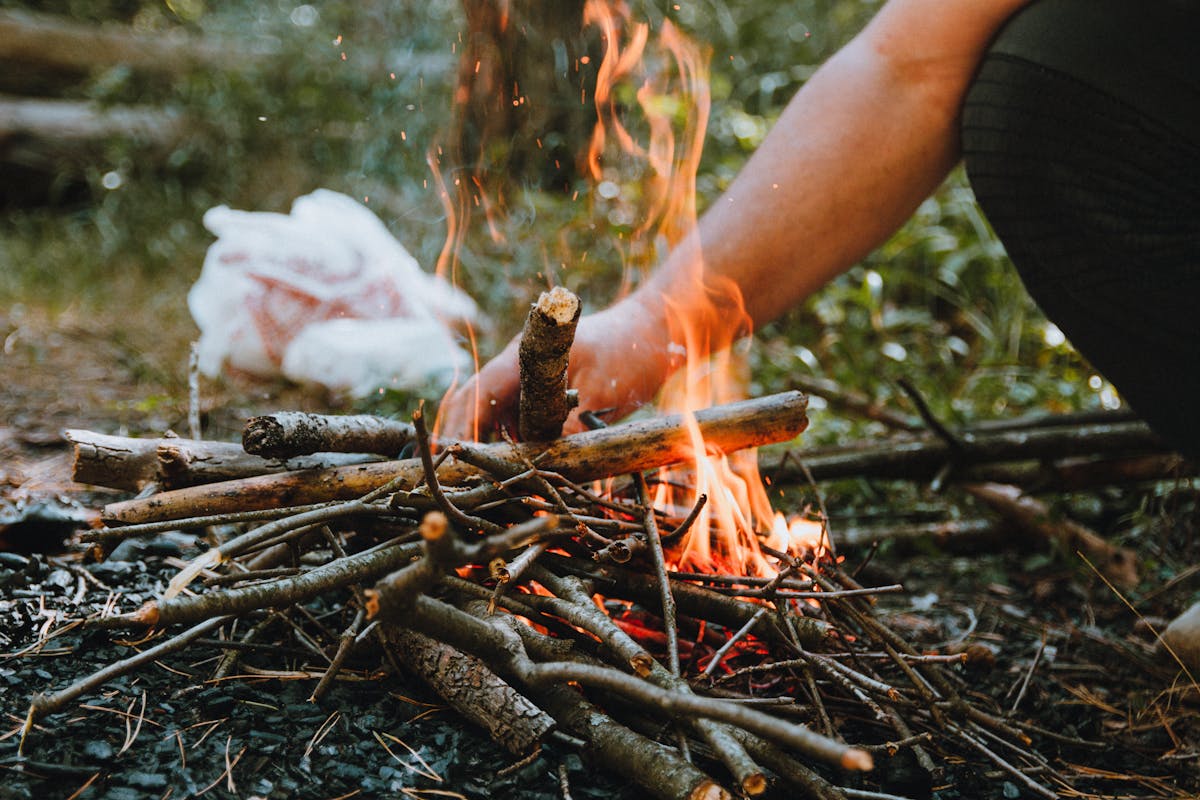
Softwoods are often recommended due to resin content. In humid states, resin concentration varies and moisture dilutes flammability. Pine branches soaked by rain fail to ignite easily despite resin presence. Wet needles smother flames rather than feed them. Softwoods still require processing and drying to perform well. Blind reliance on species choice ignores environmental saturation. Both hardwoods and softwoods require preparation in humidity. The myth oversimplifies combustion science and leads to misplaced confidence when conditions remain persistently damp. Preparation outweighs species selection in wet fire building.
Myth Seven Standing Dead Trees Are Dry
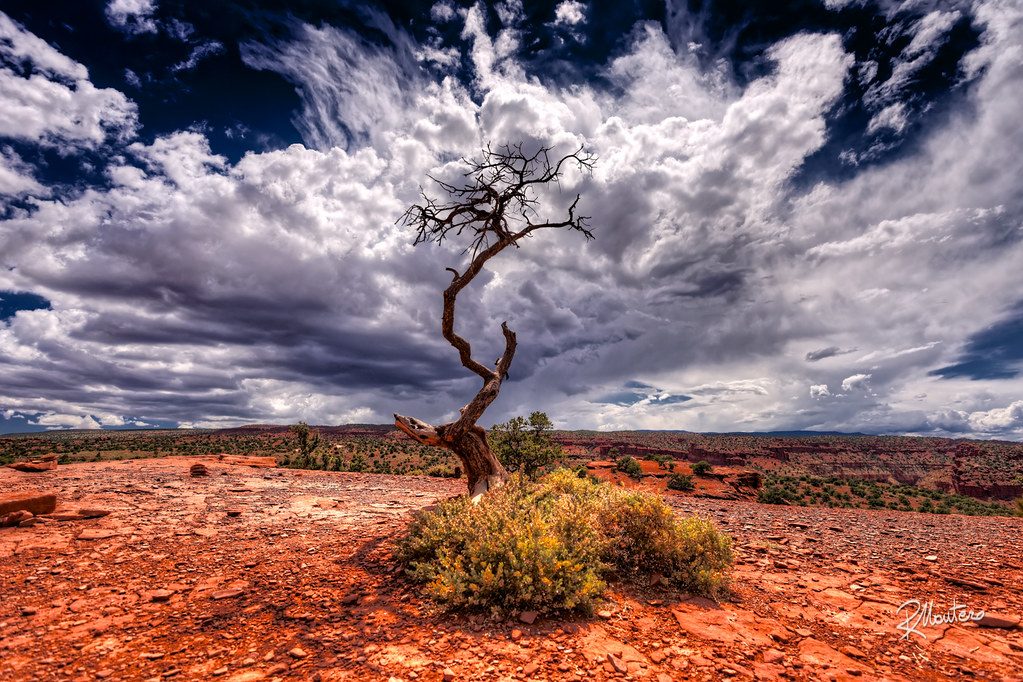
Standing deadwood appears elevated and exposed. In humid climates, standing trees absorb moisture from air and rainfall through cracked bark. Internal rot increases water retention rather than dryness. Many dead trees act like sponges during wet seasons. Harvesting such wood often produces smoky, weak fires. Splitting reveals damp interiors unsuitable for ignition. Assuming standing equals dry misleads many campers. Dryness depends on exposure, age, and structure, not posture. This myth fails repeatedly in rain dominated regions. Visual assessment alone cannot determine usable firewood reliably.
Myth Eight Bigger Fires Dry Themselves
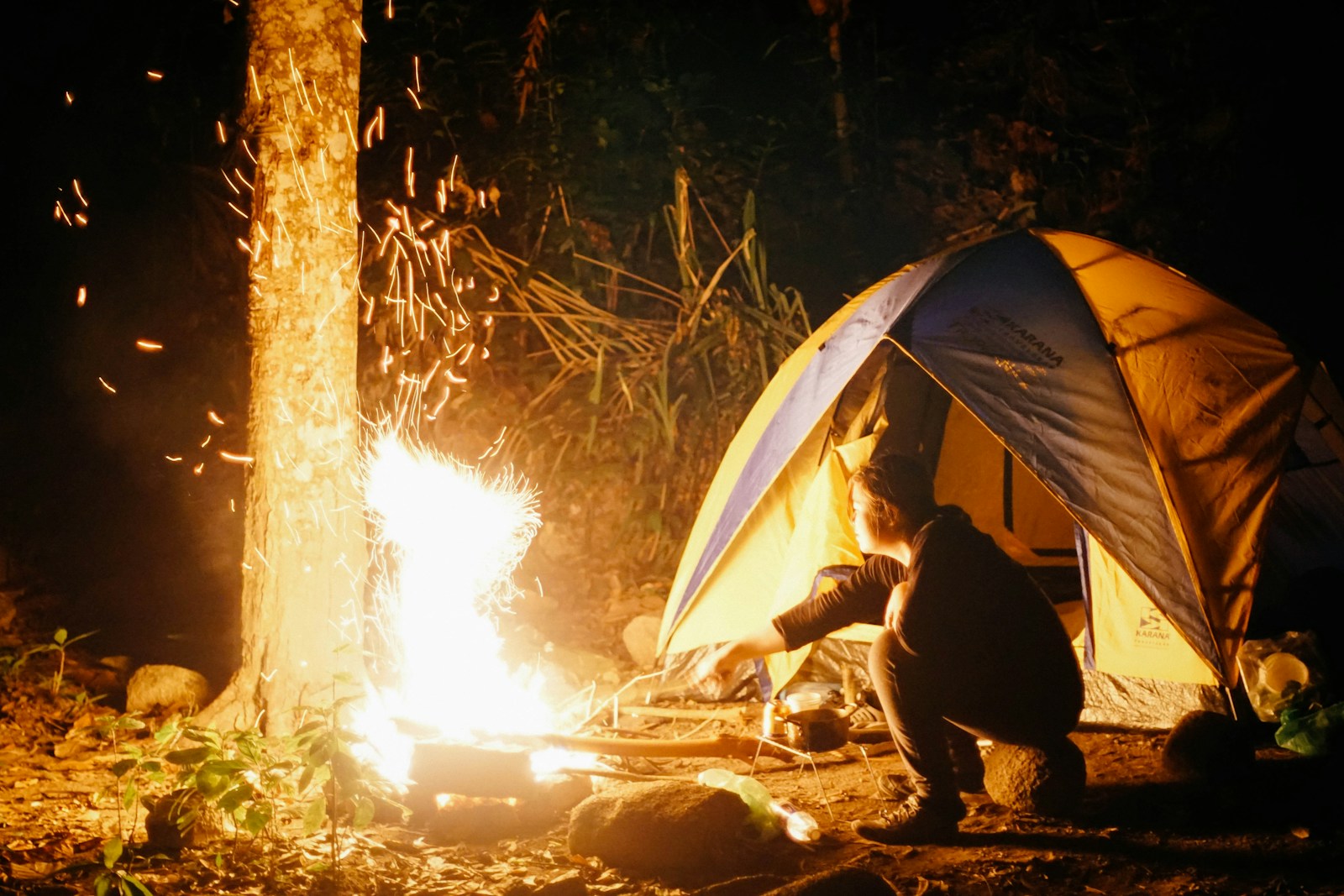
Some believe large fires overcome moisture through sheer heat. In humid states, starting large fires without stable ignition proves difficult. Excess fuel smothers early flames and increases smoke. Moisture prevents temperature from rising quickly enough to dry added wood. Fire growth must remain gradual. Controlled heat dries fuel progressively. Attempting size before stability leads to failure. Bigger fires require successful small fires first. This myth encourages impatience rather than effective sequencing. Successful fires scale up only after consistent heat develops.
Myth Nine Leaves Make Reliable Kindling
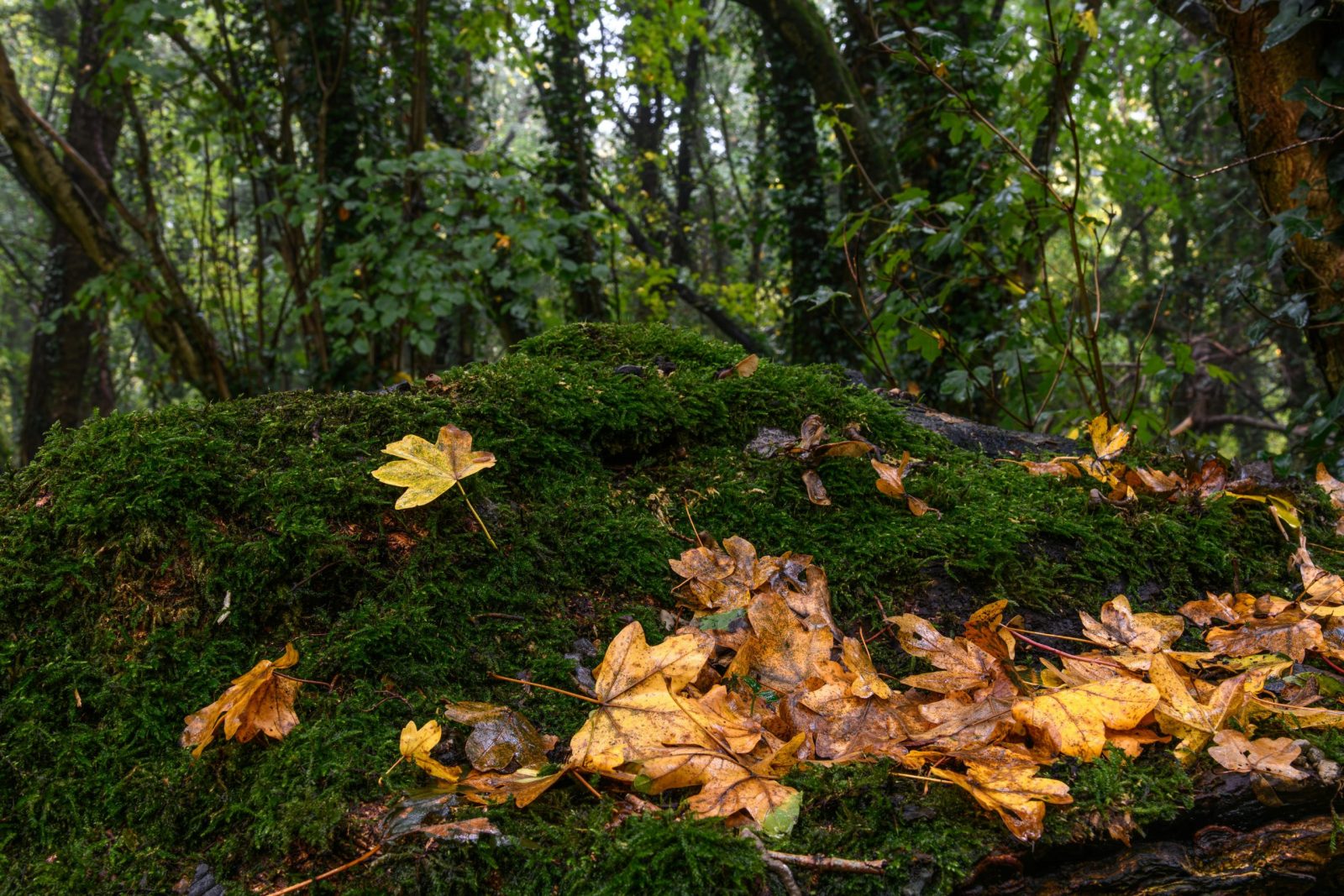
Dry leaves burn quickly in arid climates. In humid states, leaves retain moisture and compress easily, blocking airflow. Even when dry to touch, leaf litter absorbs humidity overnight. Burning leaves produce flashes rather than sustained heat. Relying on leaves wastes ignition sources. Leaves function better as insulation under platforms than as kindling. This myth persists despite repeated failure in wet forests. In damp environments, successful fires require materials that maintain airflow and resist moisture absorption over time. Choosing proper kindling improves ignition reliability under persistently humid conditions.
Myth Ten Fire Reflectors Matter Less
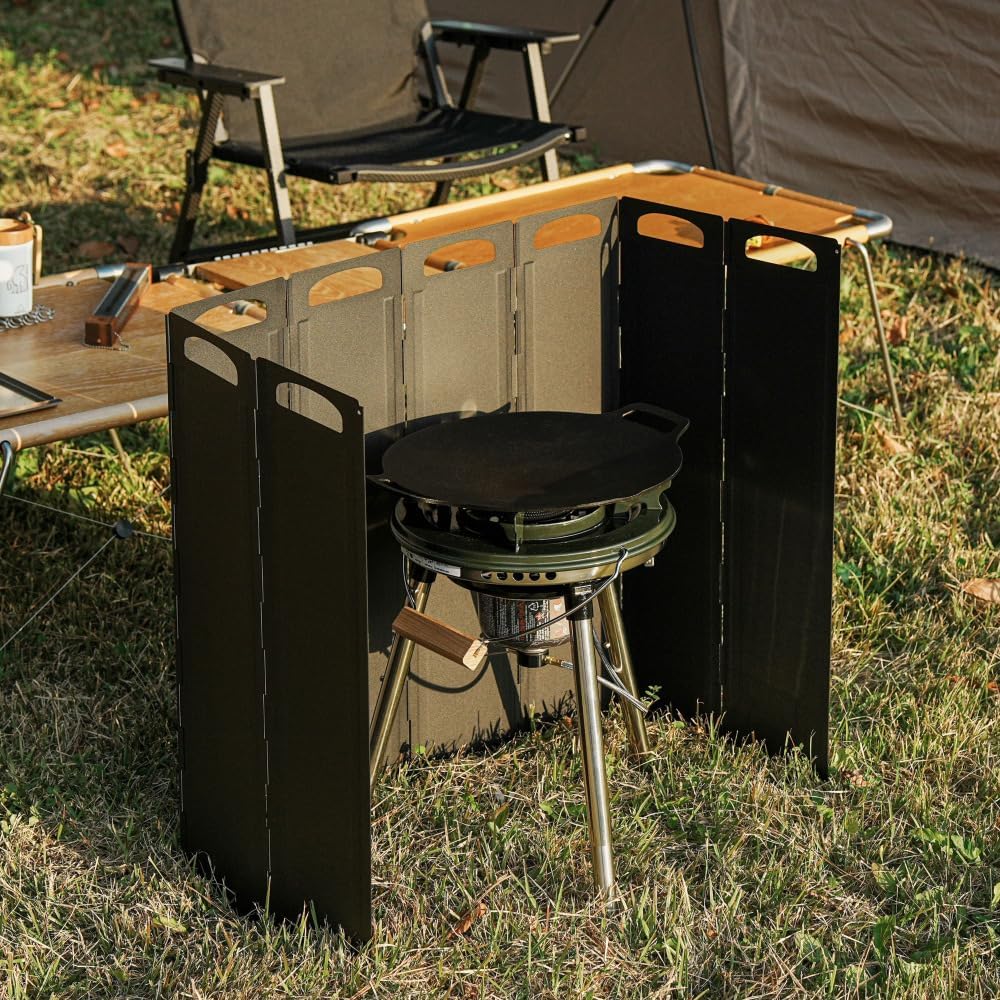
Fire reflectors are often treated as optional comforts. In humid climates, reflectors play a functional role by concentrating heat and protecting flames from damp air movement. Without reflectors, heat disperses rapidly and struggles to dry fuel. Wind mixed with humidity cools fires quickly. Reflectors improve efficiency and stability. Ignoring them increases fuel consumption and frustration. This myth undervalues fire structure in moisture heavy environments where heat retention determines success. Proper reflectors create consistent heat zones that support gradual fuel drying and sustained combustion.
Myth Eleven Any Knife Processing Works
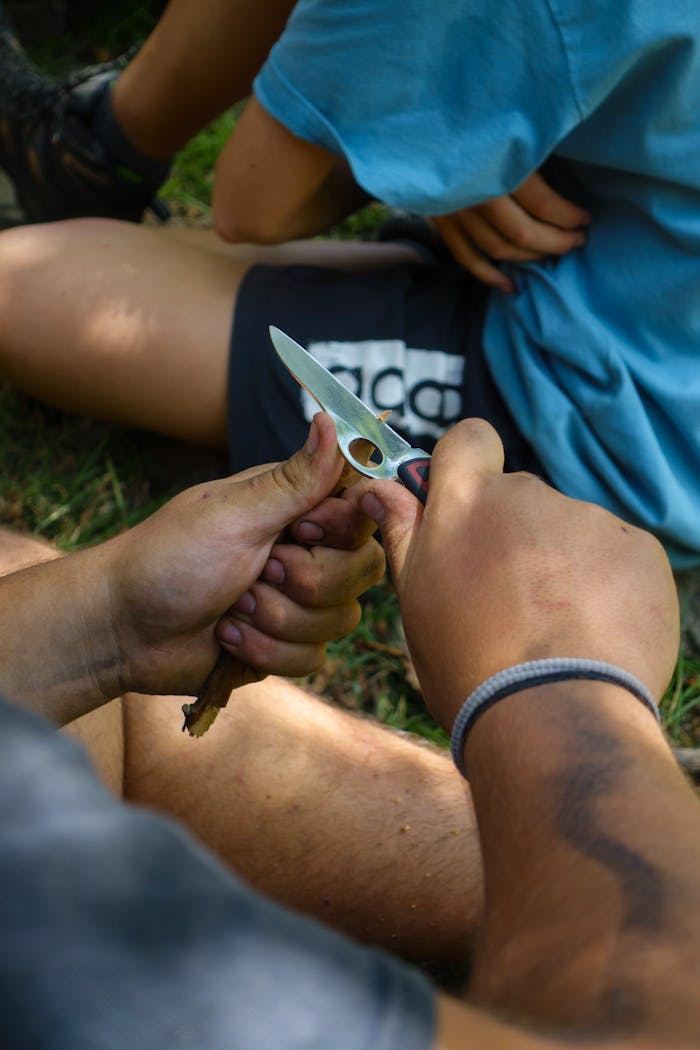
Processing wood casually works in dry climates. In humid states, careful splitting and feathering become essential. Chopping alone exposes wet surfaces rather than dry cores. Fine shavings increase surface area and ignition probability. Poor processing leaves moisture trapped. Assuming minimal effort suffices leads to repeated failure. Tool technique matters significantly more when humidity dominates. This myth overlooks how preparation compensates for environmental moisture. Effective processing reveals inner fibers that ignite more reliably despite persistent atmospheric dampness. Proper preparation directly determines whether damp wood sustains reliable combustion.
Myth Twelve Natural Fibers Ignite Easily
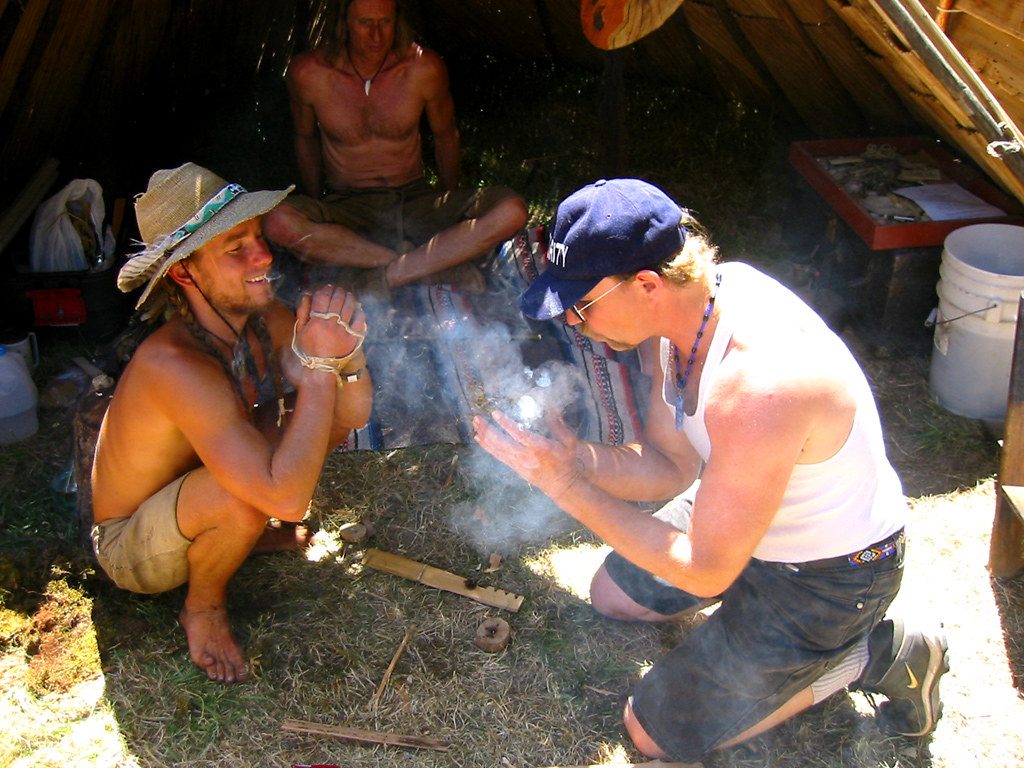
Grass, moss, and plant fibers are often cited as easy tinder. In humid environments, these materials absorb water rapidly. Even sun exposure rarely dries them fully. Moss often retains moisture internally long after appearing dry. Ignition becomes unreliable without extended drying. Natural fibers still work but require treatment and patience. Assuming immediate usability leads to disappointment. Humidity transforms these materials from assets into liabilities. Successful use depends on drying time, storage, and careful preparation before ignition attempts. Proper handling determines whether natural fibers support fire or repeatedly fail.
Myth Thirteen Fire Starters Are Cheating
Some bushcraft traditions discourage carried fire starters. In humid states, artificial tinder provides consistency where nature does not. Petroleum based starters, waxed fibers, and commercial tinder compensate for moisture saturation. Rejecting them on principle increases risk. Fire remains a safety tool, not a purity test. This myth elevates ideology over practicality. Experienced practitioners adapt rather than adhere rigidly. Carrying reliable starters improves safety margins during prolonged rain, high humidity, and limited dry fuel availability. Reliable ignition sources reduce stress and conserve energy during difficult conditions.
Myth Fourteen Smoke Means Progress
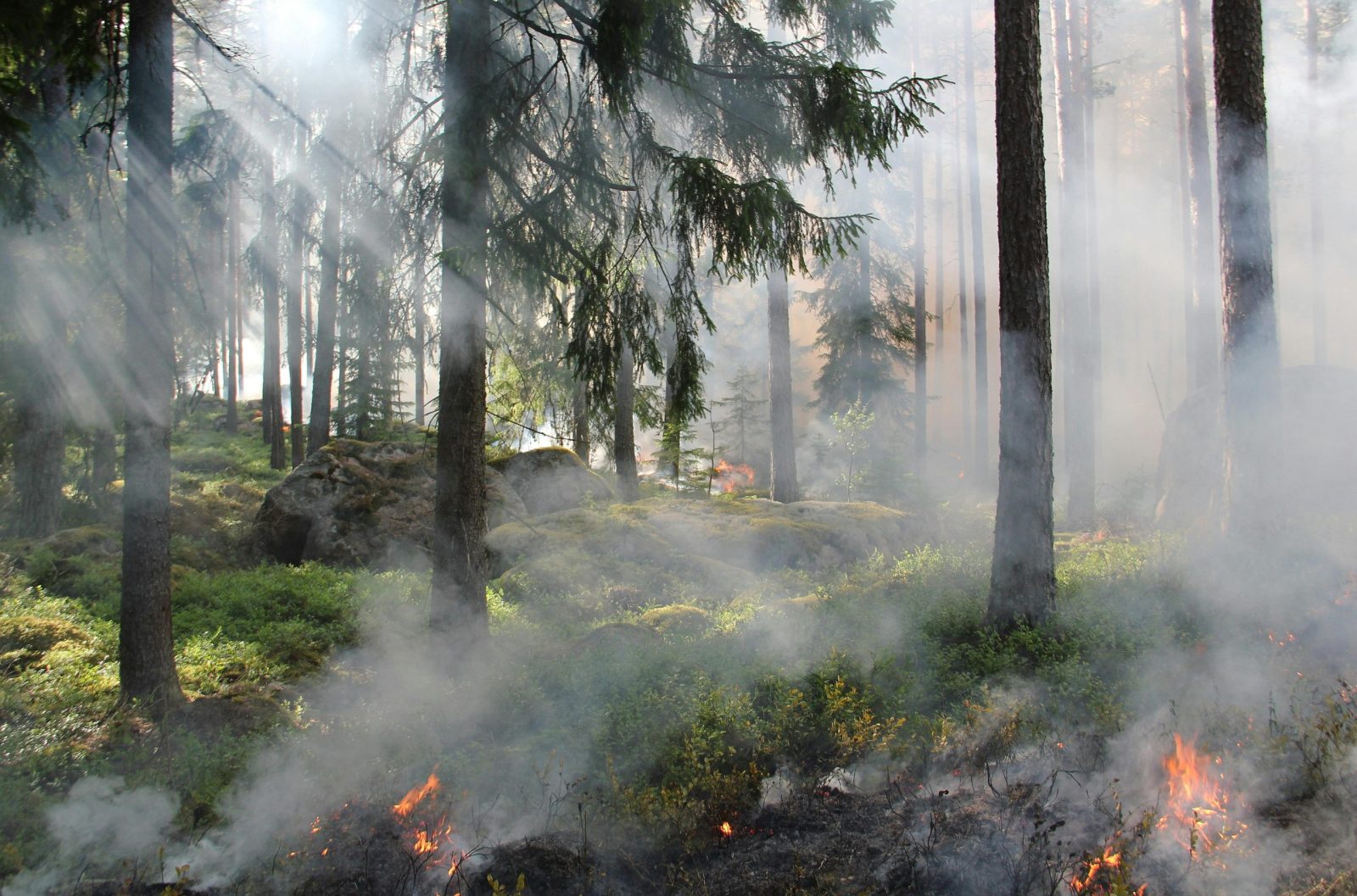
Smoke without flame often signals failure in humid conditions. Moisture evaporates before ignition occurs, producing misleading smoke. Many continue adding fuel, worsening the problem. Smoke indicates water burning off, not combustion. Recognizing this distinction matters. Effective fire building seeks flame stability, not smoke volume. This myth misinterprets early fire behavior and delays corrective action. Consistent flames indicate proper fuel preparation, airflow, and heat balance necessary for reliable fire growth. Clear ignition confirms moisture control and disciplined sequencing throughout fire.
Myth Fifteen Fire Bow Speed Solves Everything
Increasing speed during friction fire attempts seems logical. In humidity, faster movement increases sweat and moisture transfer. Heat dissipates into damp materials instead of forming embers. Control matters more than speed. Slow, consistent pressure works better when materials are marginal. This myth encourages exhaustion rather than efficiency. Humidity demands precision, not aggression. Successful friction fires rely on controlled technique, dry components, and patience rather than forceful motion that accelerates moisture buildup and energy loss during attempts. Measured pacing preserves energy and improves ember formation reliability.
Myth Sixteen Ground Fires Are Always Best
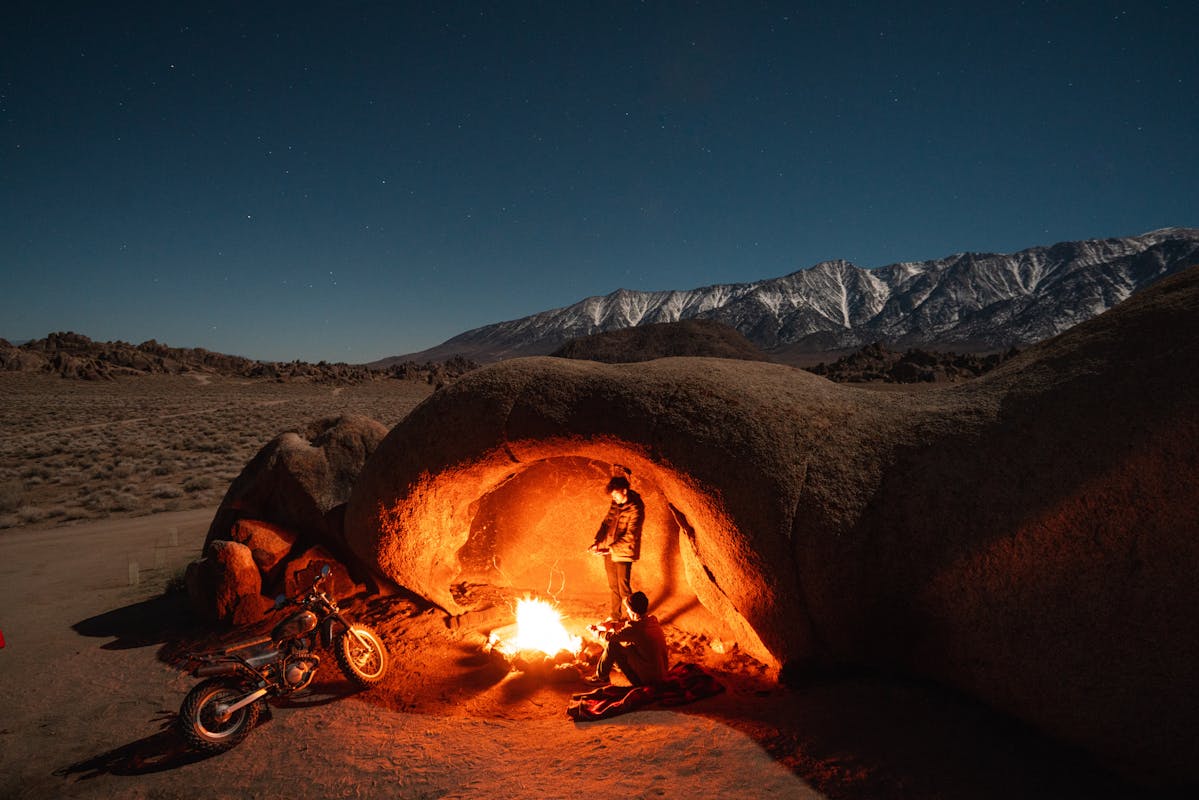
Ground fires dominate traditional advice. In humid states, ground moisture constantly undermines ignition. Raised fires improve airflow and insulation. Platforms reduce water contact and stabilize heat. Assuming ground fires remain optimal ignores environmental realities. Elevated structures often succeed where ground fires fail. This myth persists due to tradition rather than performance. Lifting fires off saturated soil preserves heat, improves combustion efficiency, and prevents moisture from wicking upward into fragile early flames. Elevated construction supports steadier ignition and sustained heat development.
Myth Seventeen Rain Means Fire Is Impossible
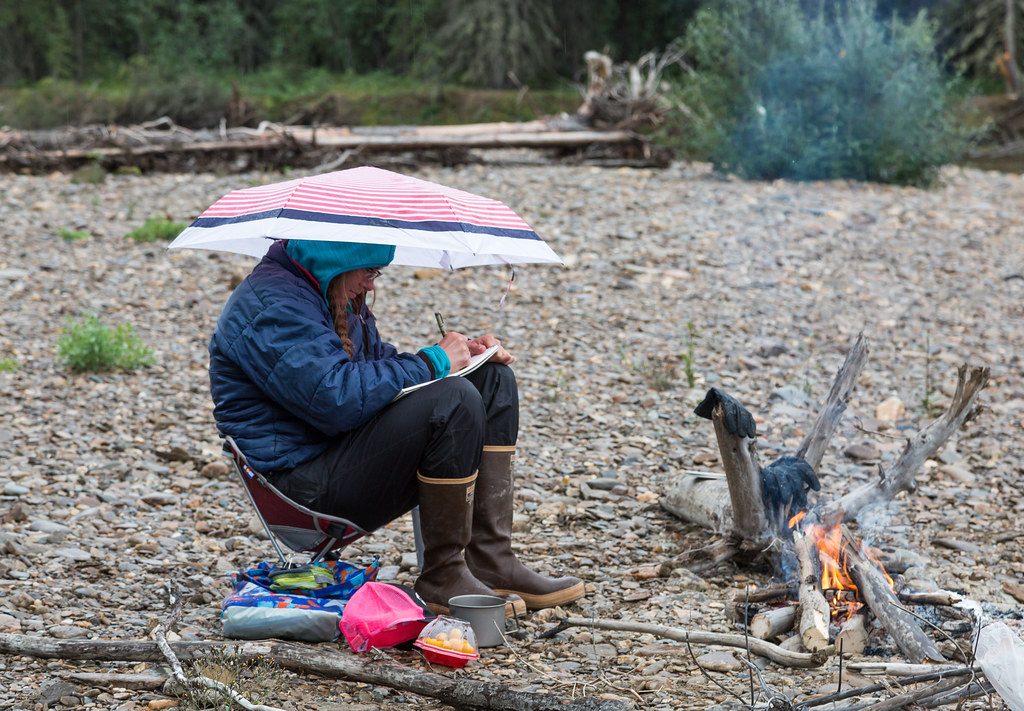
While rain complicates fire building, it does not eliminate possibility. With preparation, fires remain achievable during light to moderate rain. Sheltering ignition zones and using dry cores makes success possible. Believing rain ends all fire potential discourages problem solving. This myth underestimates adaptive techniques used successfully worldwide. Humidity changes methods, not outcomes of the fire building. Fire building during rain depends on protection, sequencing, and preparation rather than waiting for ideal weather conditions. Experienced practitioners plan ahead and manage moisture effectively.
Myth Eighteen One Method Fits All Regions
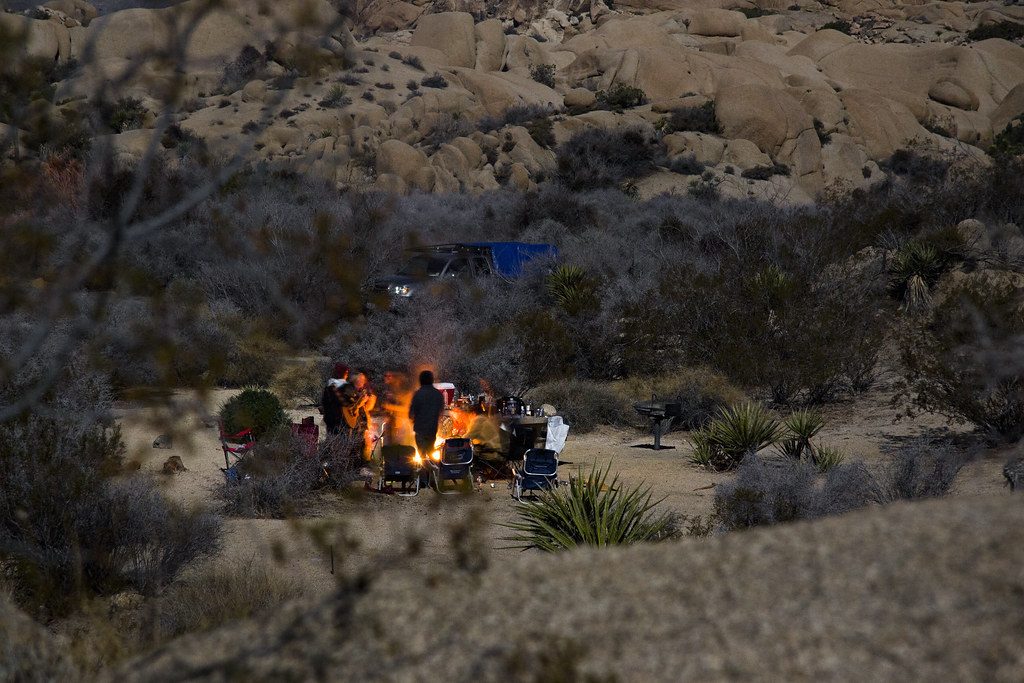
Bushcraft advice often claims universality. Humid states demand regional adaptation. Methods effective in deserts or mountains fail near coasts and swamps. Ignoring climate differences causes repeated frustration. Successful fire building reflects environment, not tradition alone. This myth oversimplifies survival skills. Adaptation remains the core principle of effective bushcraft. Regional conditions dictate fuel selection, structure, and technique, making flexibility more valuable than strict adherence to inherited methods. Local knowledge and environmental awareness consistently outperform rigid rules in challenging, moisture heavy landscapes.