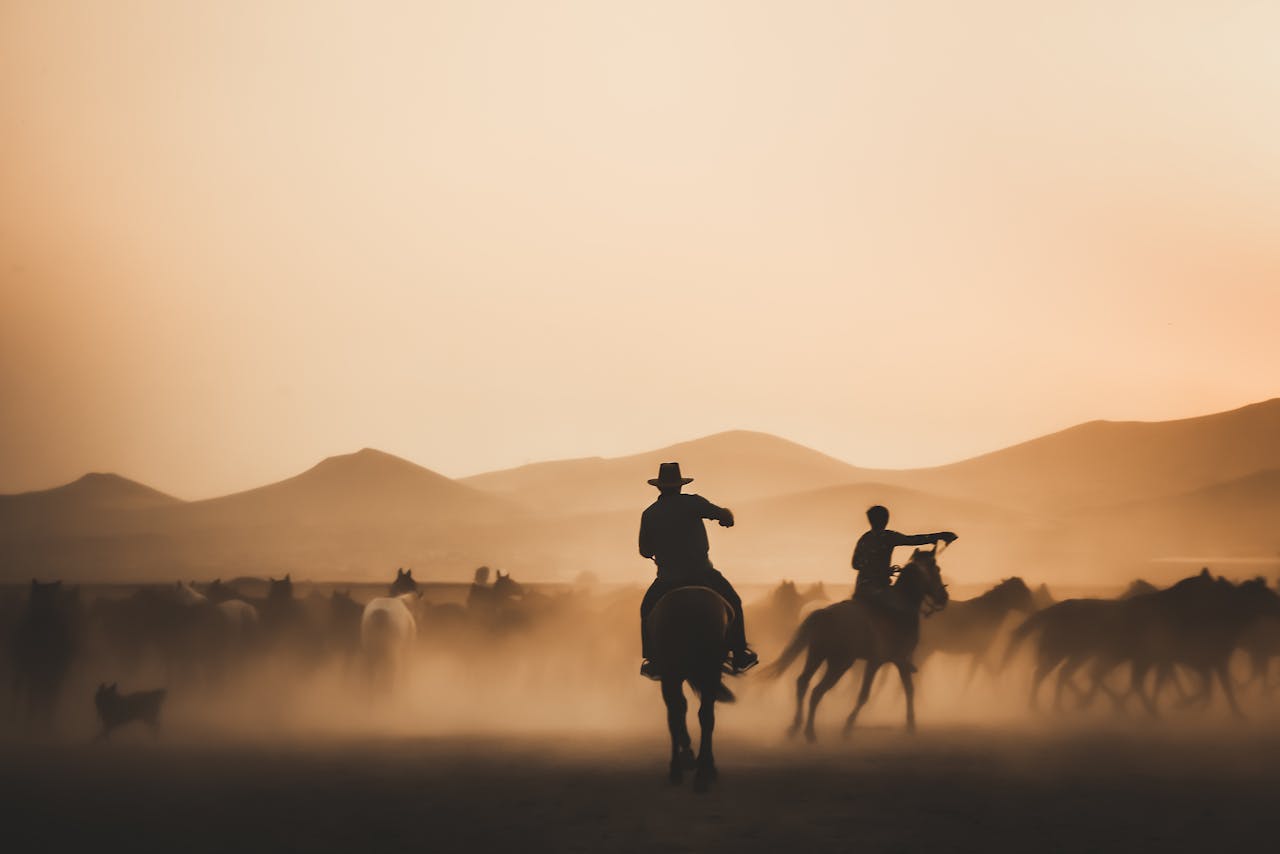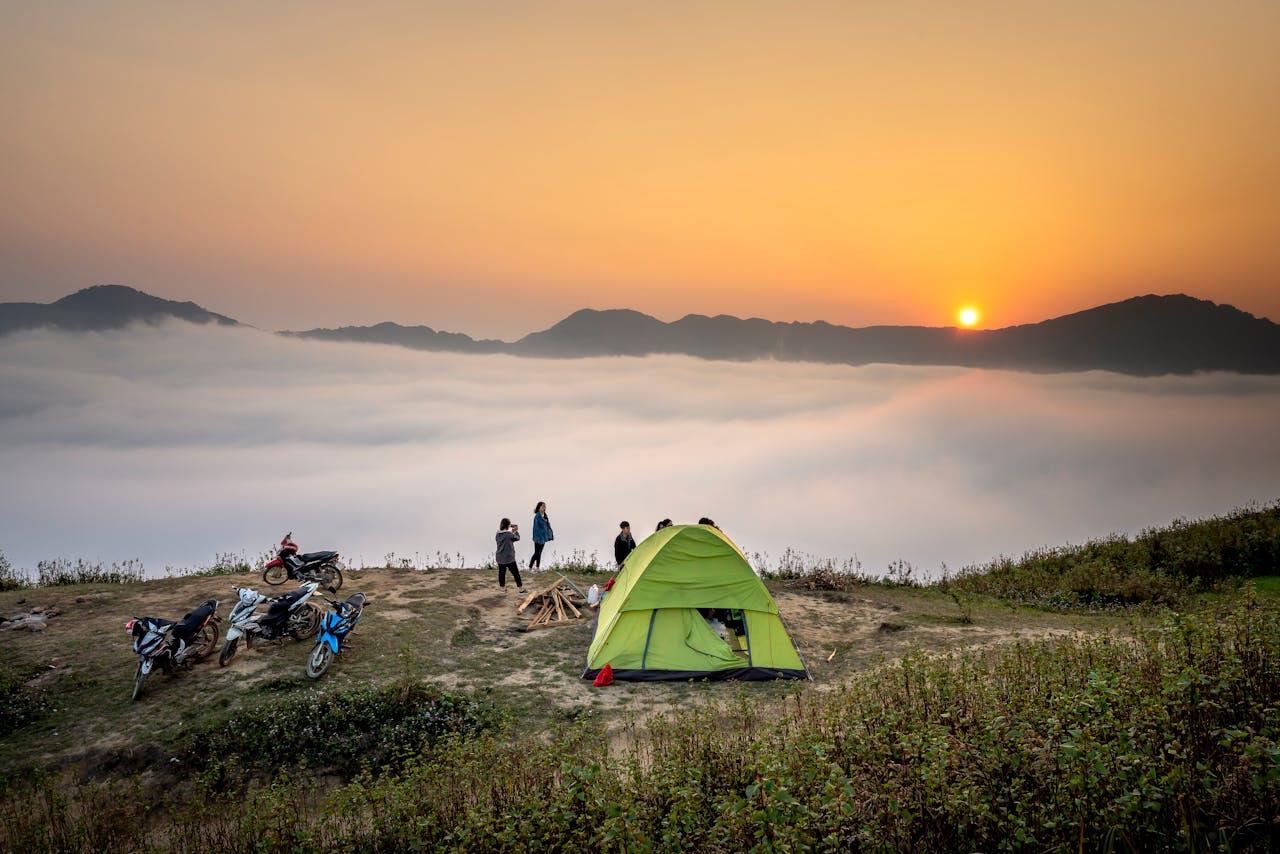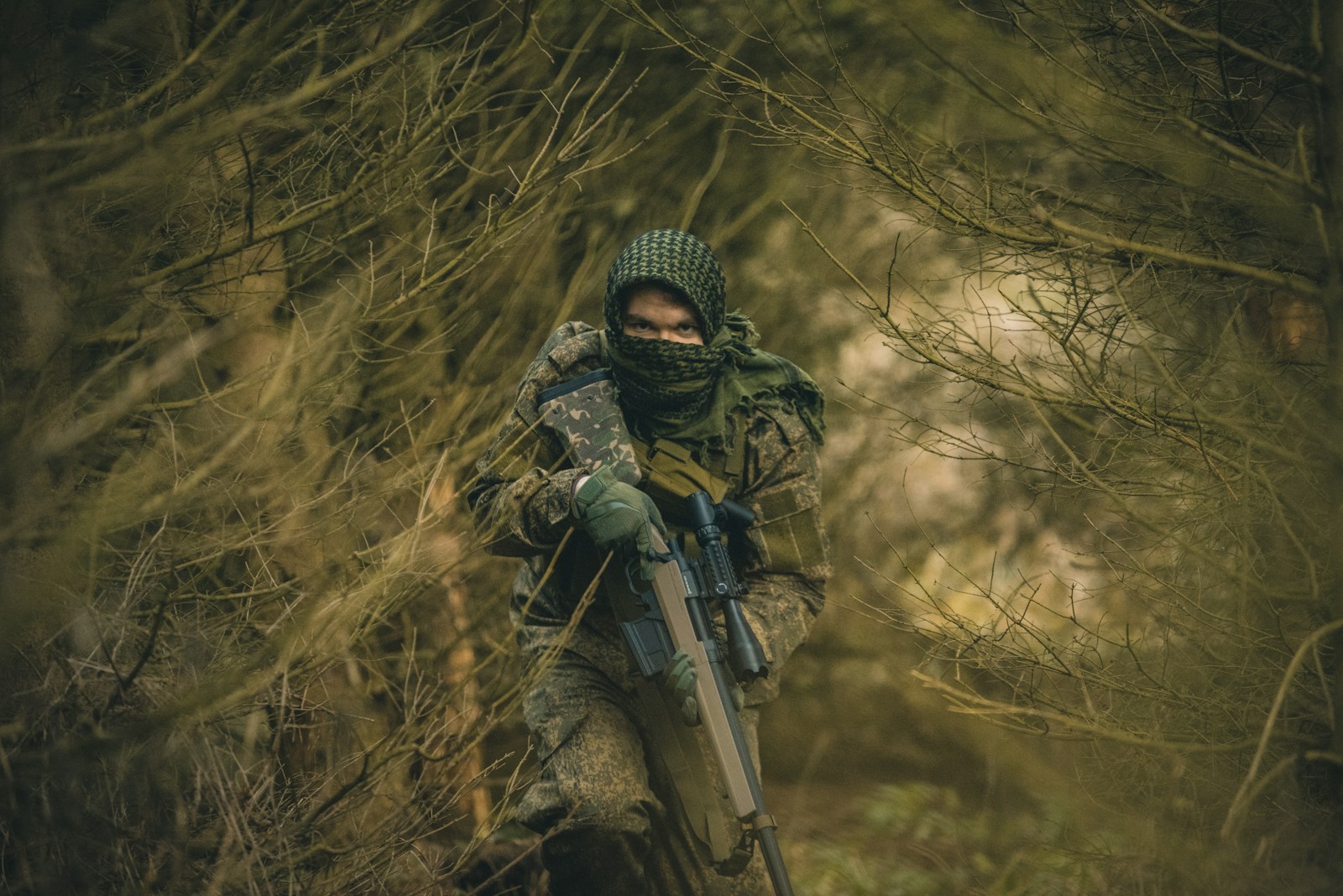
For much of human history, survival depended on skills that were passed down from generation to generation. These abilities were essential for securing food, shelter, and safety in a world without modern conveniences. Today, many of these once-common practices have faded into obscurity, replaced by technology and ready-made solutions. While they may no longer be part of daily life, they remain fascinating reminders of the resilience and ingenuity that defined our ancestors. Here are seventeen survival skills people once relied on but that are rarely known today.
Tracking Animals
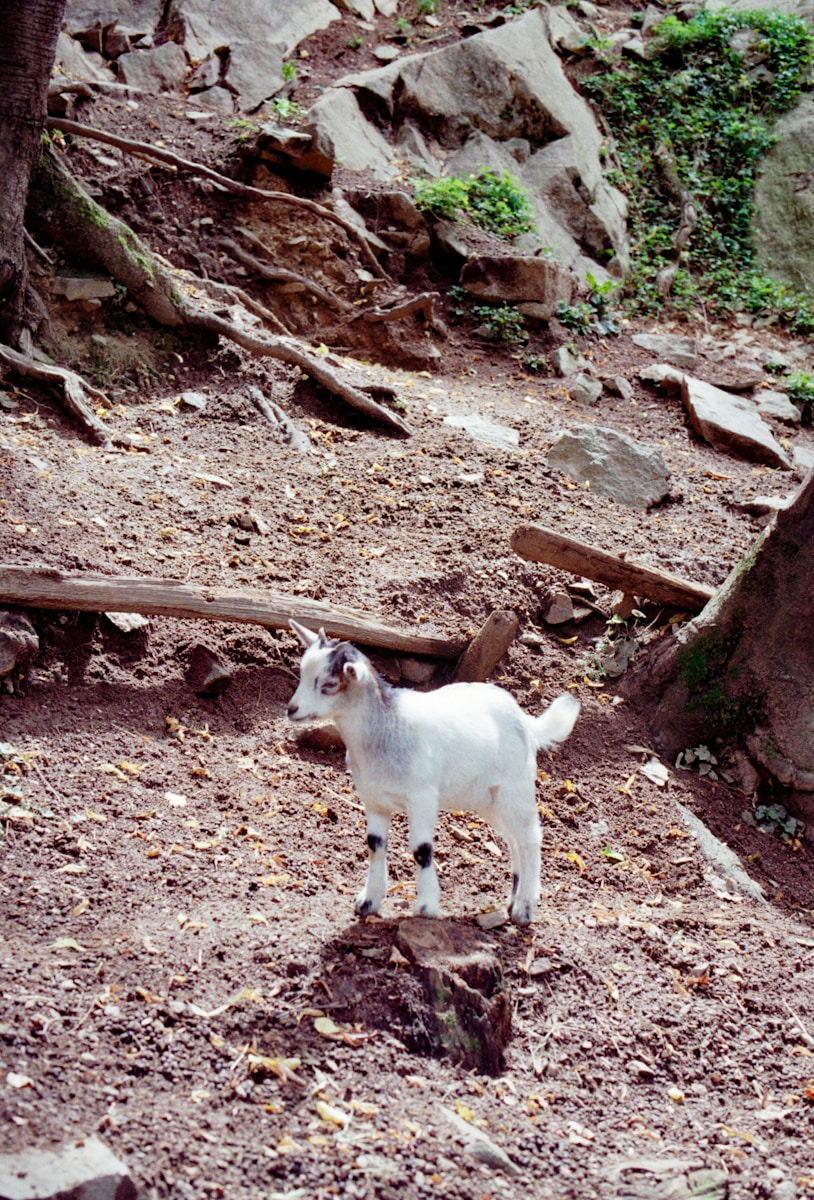
Before supermarkets, tracking was the difference between eating and going hungry. People learned to read footprints, broken twigs, and subtle signs in the environment. This skill provided critical information about where animals moved and how to approach them undetected.
Starting Fires Without Matches
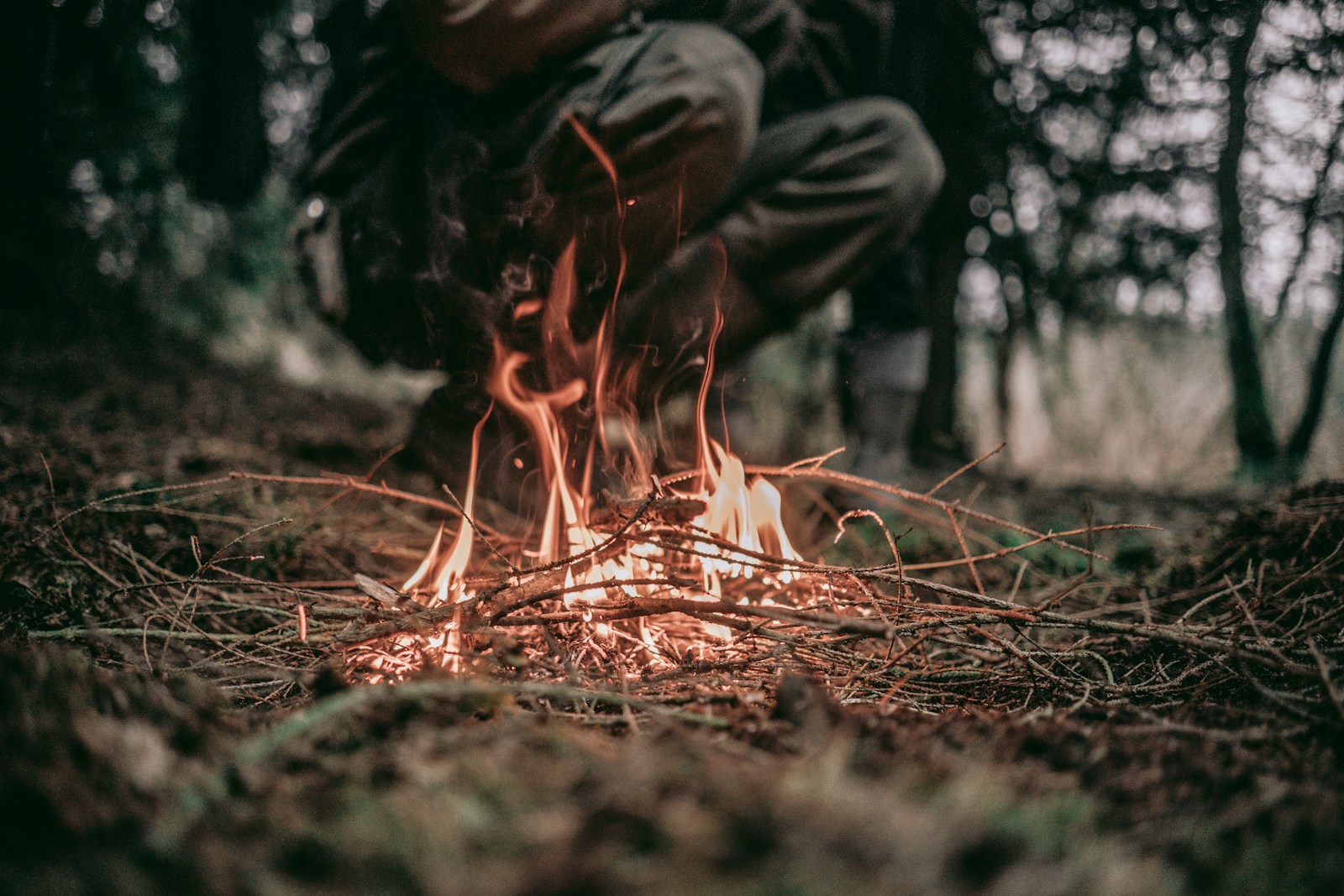
Fire meant warmth, cooking, and protection, yet matches and lighters did not always exist. Techniques like striking flint against steel or using a bow drill were once common. These methods required patience and practice, but they were lifelines in harsh conditions.
Foraging for Edible Plants
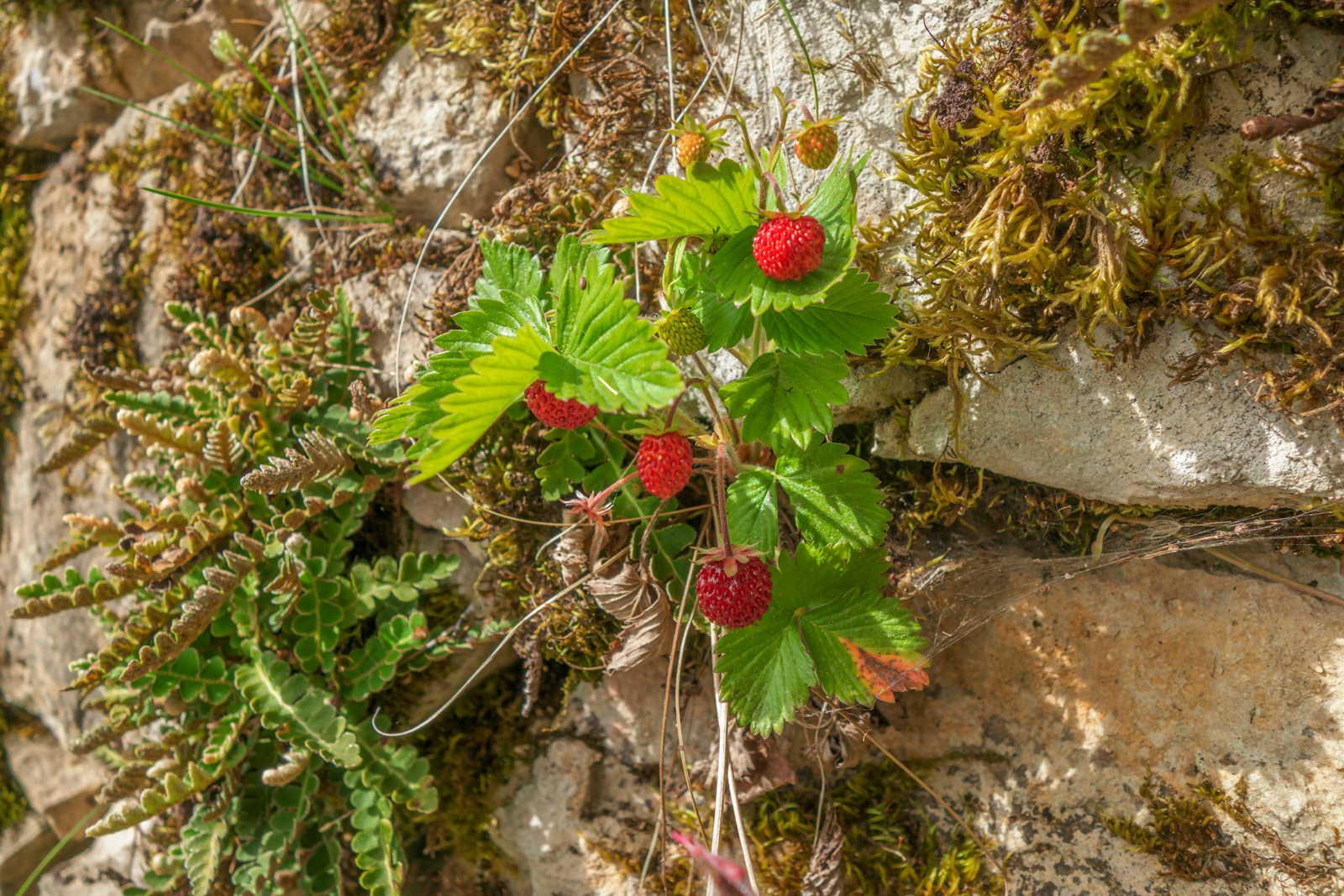
Knowledge of wild plants was essential for supplementing diets and avoiding starvation. People identified which berries, roots, and leaves were safe to eat and which were deadly. Today, few can distinguish food from poison in the wild without guidance.
Building Shelters from Natural Materials
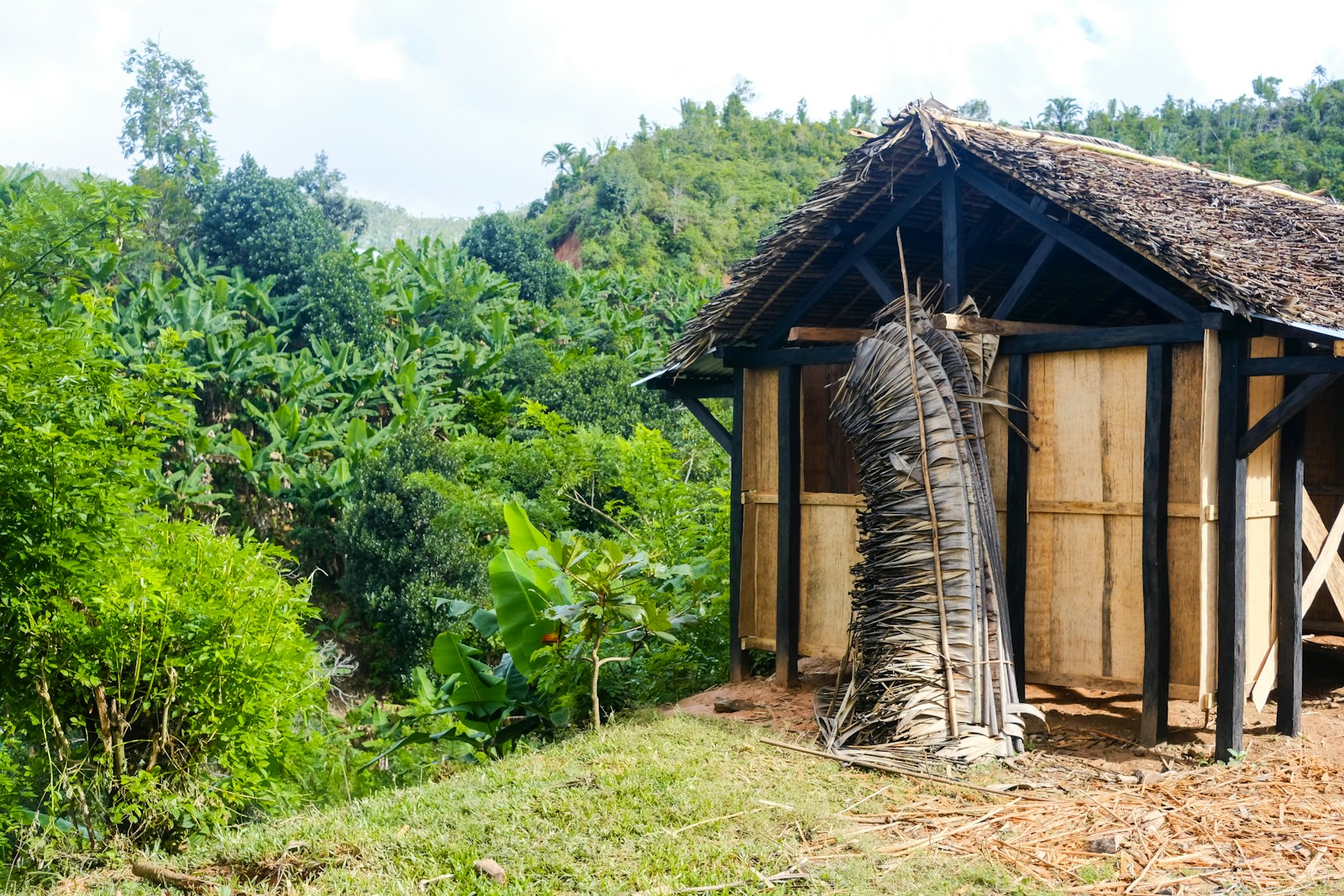
When night fell, early travelers and settlers could not rely on tents or cabins. They crafted shelters using branches, leaves, and earth, creating protection from wind and rain. This resourcefulness kept them alive in unpredictable environments.
Purifying Water Naturally
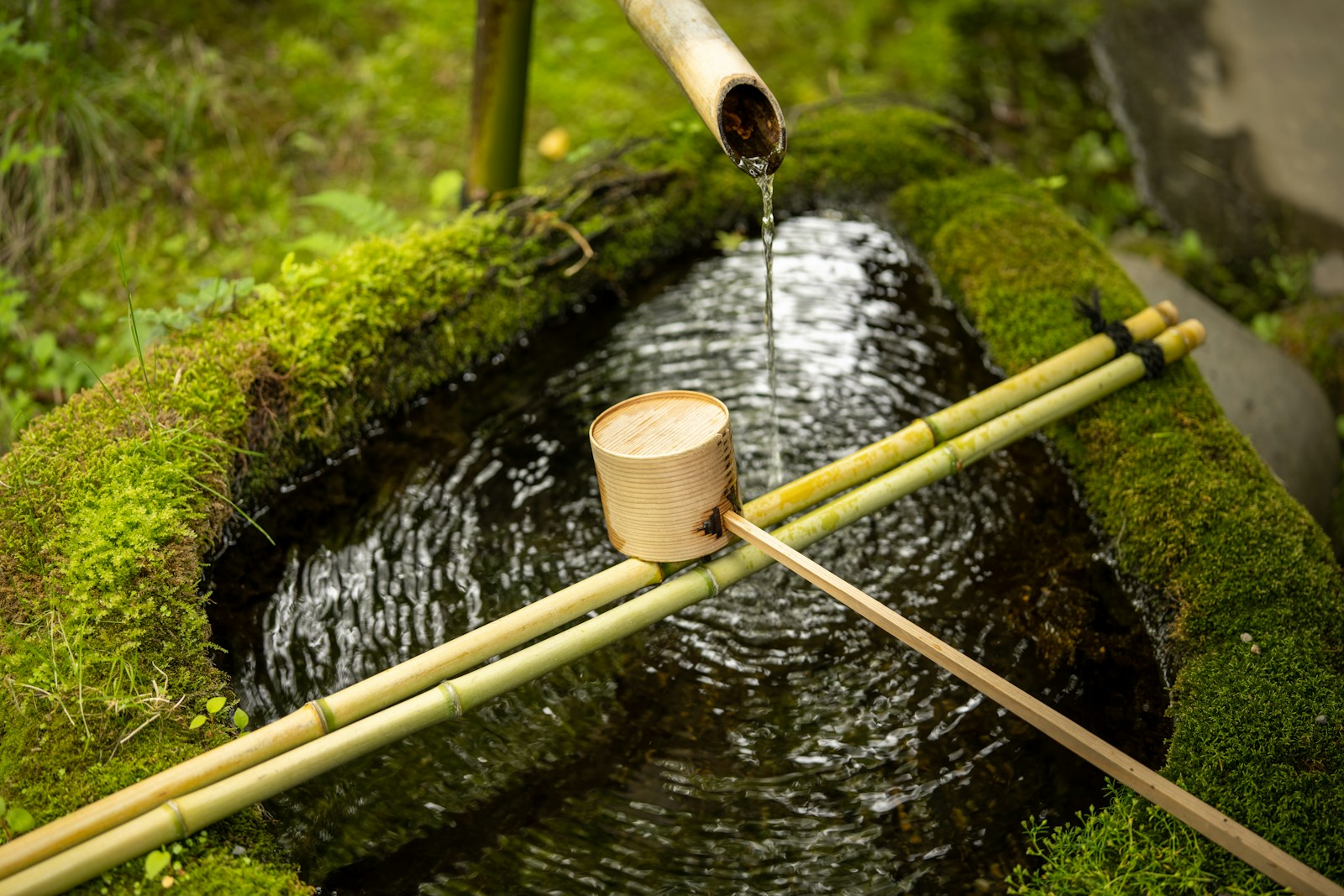
Finding water was not enough; ensuring it was safe was crucial. People learned to boil water, filter it through sand and charcoal, or use certain plants for purification. Without these methods, disease could spread quickly through communities.
Navigating by the Stars

Long before compasses or GPS, navigation relied on the night sky. Travelers studied constellations like the North Star to guide their paths. This knowledge allowed exploration and trade across vast distances without getting lost.
Trapping Small Game
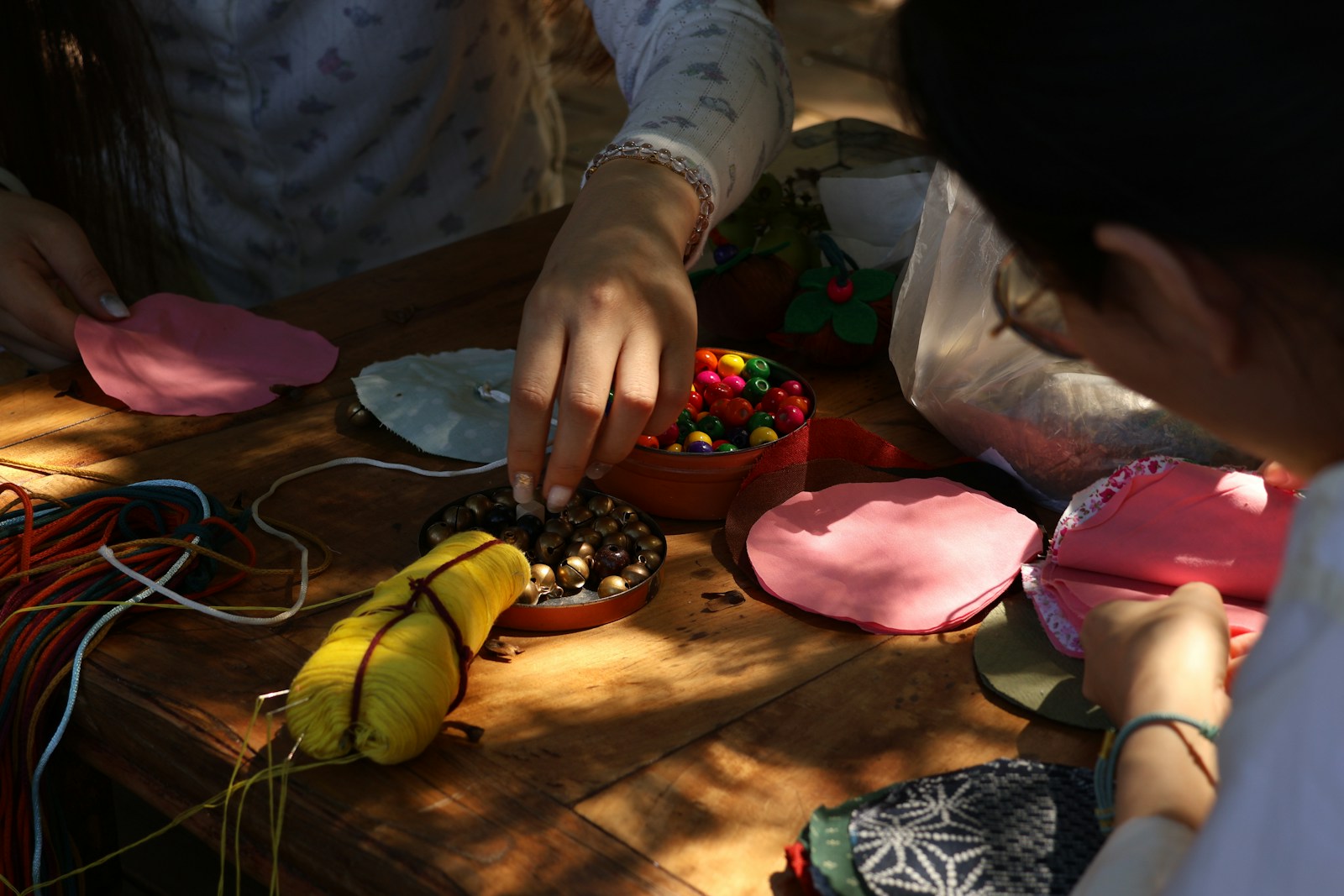
When large hunts were impractical, traps provided reliable food sources. Snares and deadfalls were simple to build yet effective. The ability to set and check traps quietly sustained many families through lean seasons.
Preserving Food Without Refrigeration

Before refrigerators, preserving food was an art. People smoked meat, dried fruits, or salted fish to ensure supplies lasted through winter. These techniques turned perishable goods into long-term staples.
Making Rope and Cordage
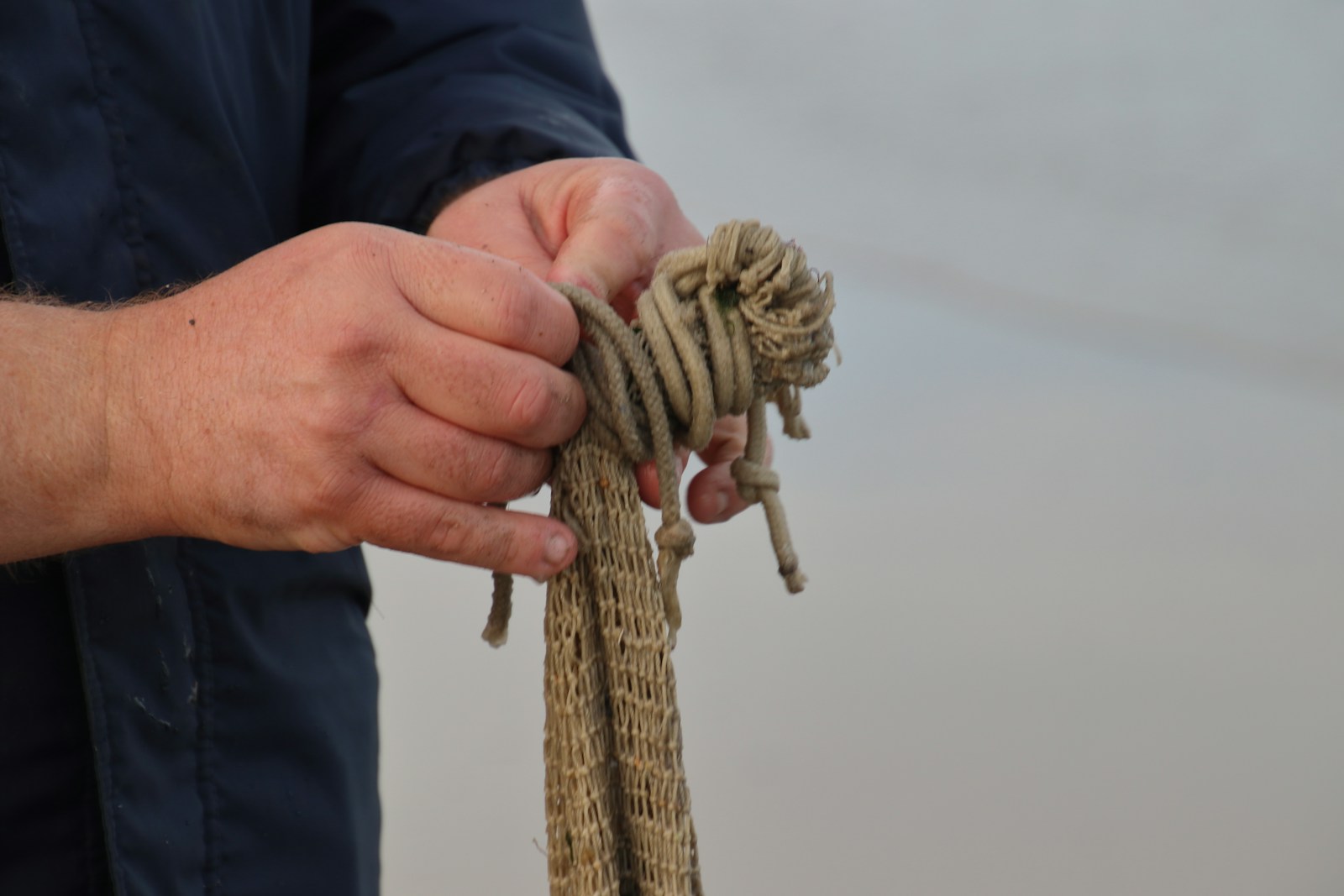
Cordage was indispensable for tying, building, and hunting. Fibers from plants like yucca or nettle were twisted into strong ropes. This skill was so vital that survival often depended on the ability to create durable bindings.
Identifying Weather Patterns
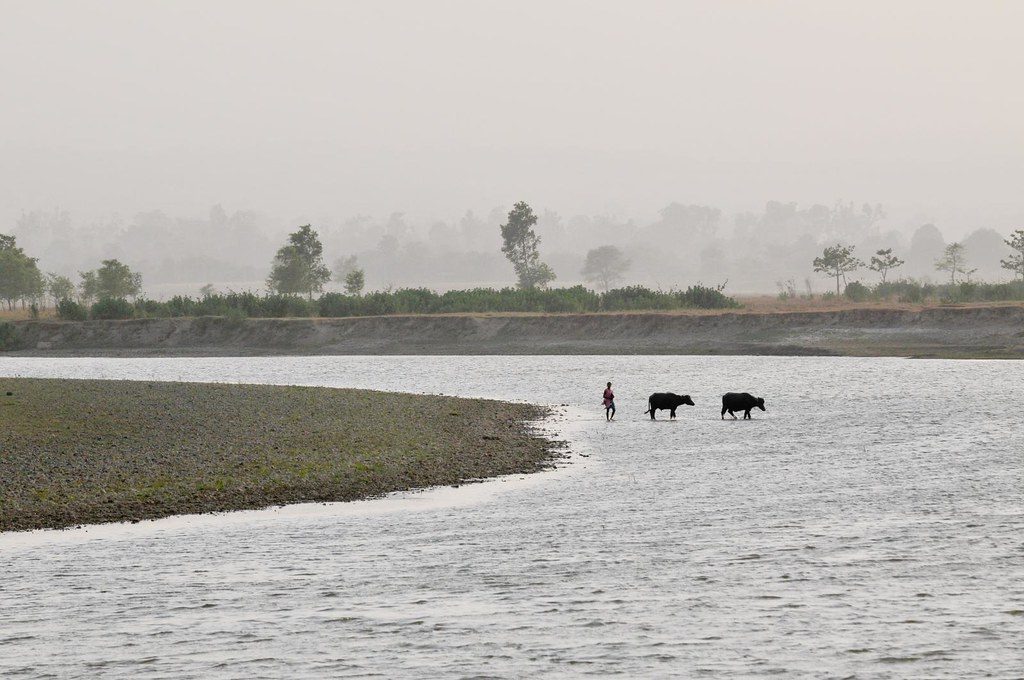
Survival often depended on predicting storms or cold fronts without modern forecasts. People read the sky, felt changes in wind, and observed animal behavior for clues. These observations guided planting, travel, and preparation for difficult conditions.
Hunting with Primitive Weapons
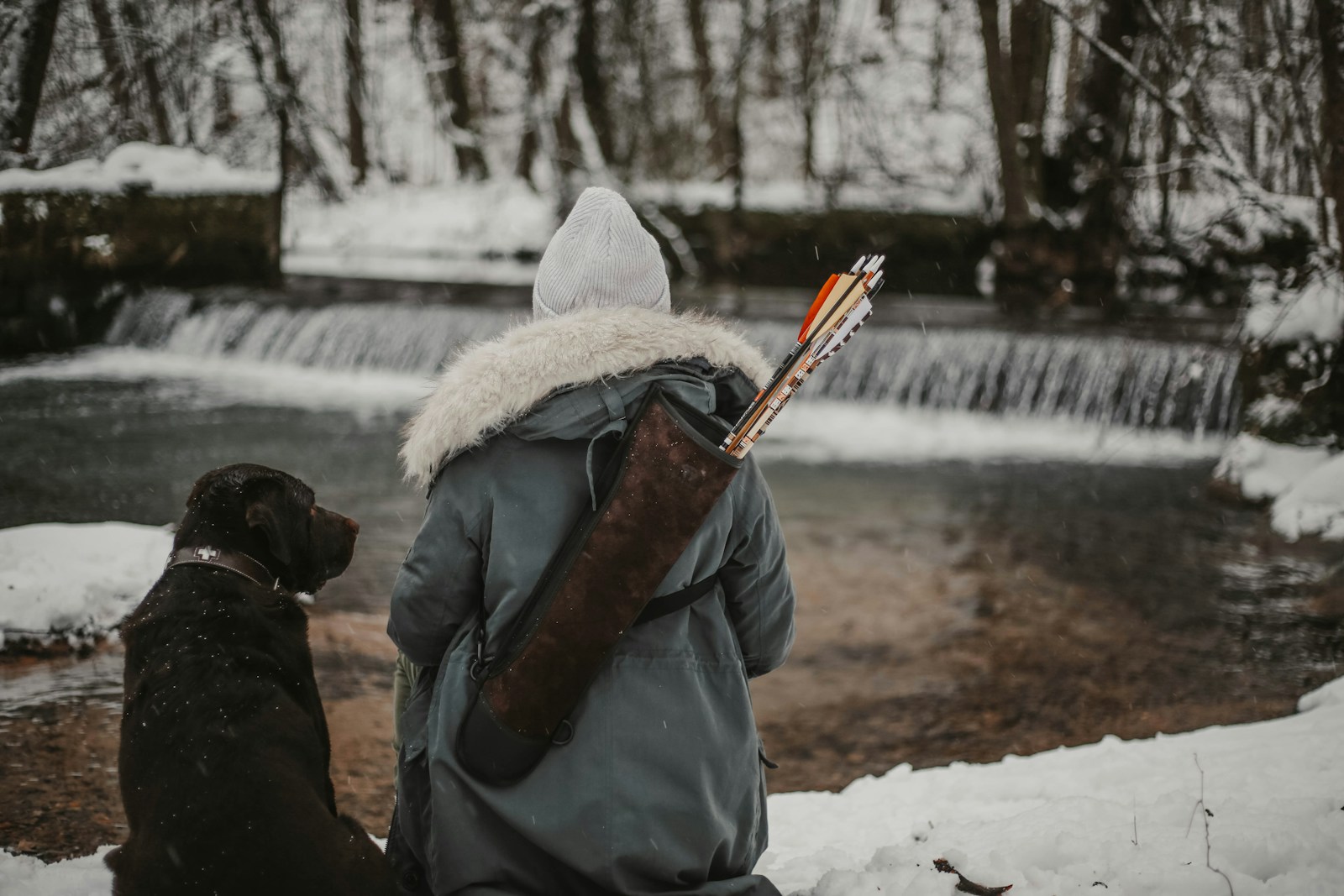
Before firearms, bows, spears, and slings were essential hunting tools. Crafting and mastering these weapons required both skill and patience. They provided food and protection, linking survival to craftsmanship and practice.
First Aid from Natural Remedies
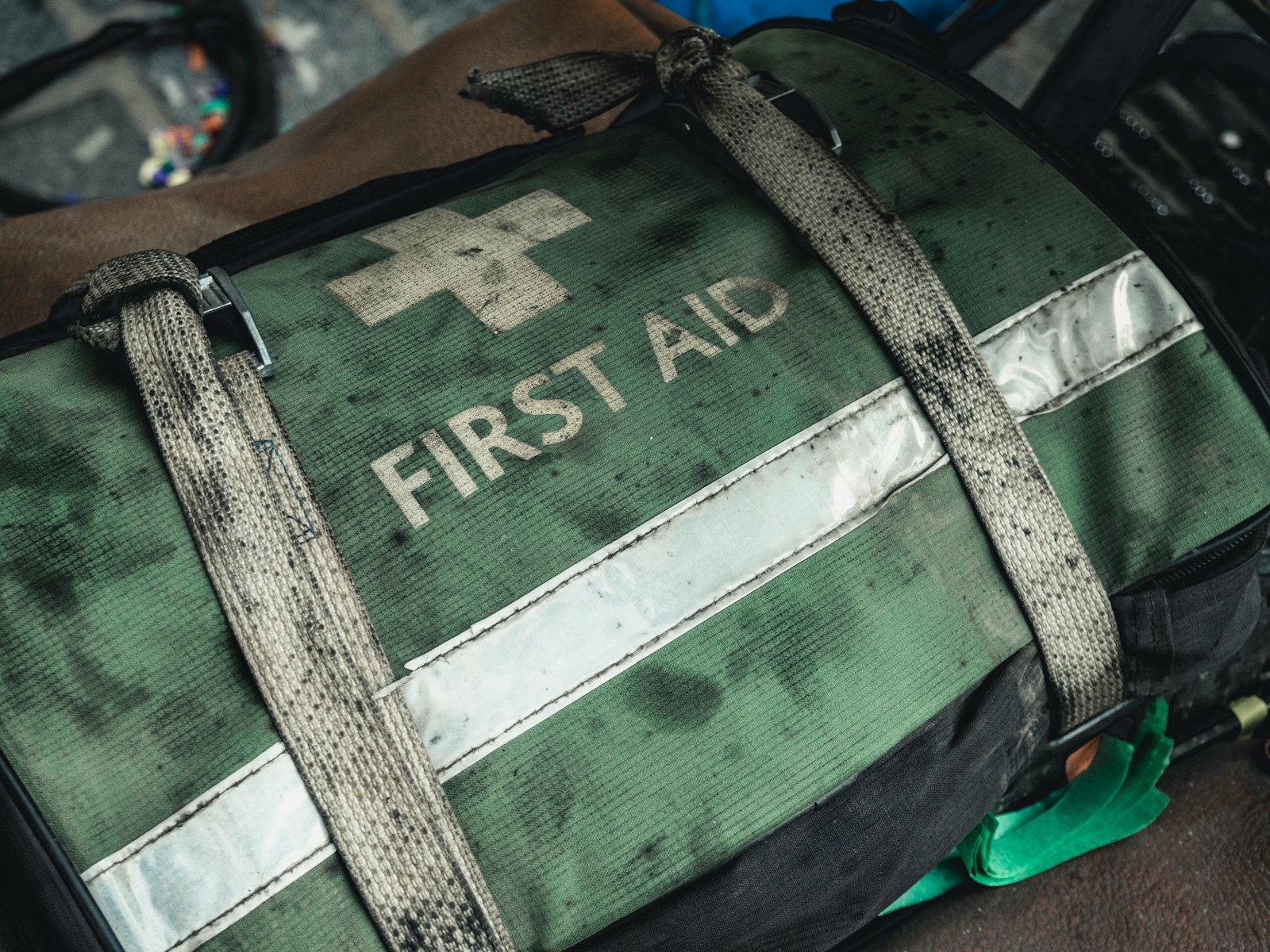
Injuries and illnesses were treated with plants and simple techniques. Herbs reduced pain, stopped bleeding, or fought infections. Knowledge of these remedies was vital in the absence of doctors or pharmacies.
Ice Harvesting and Storage
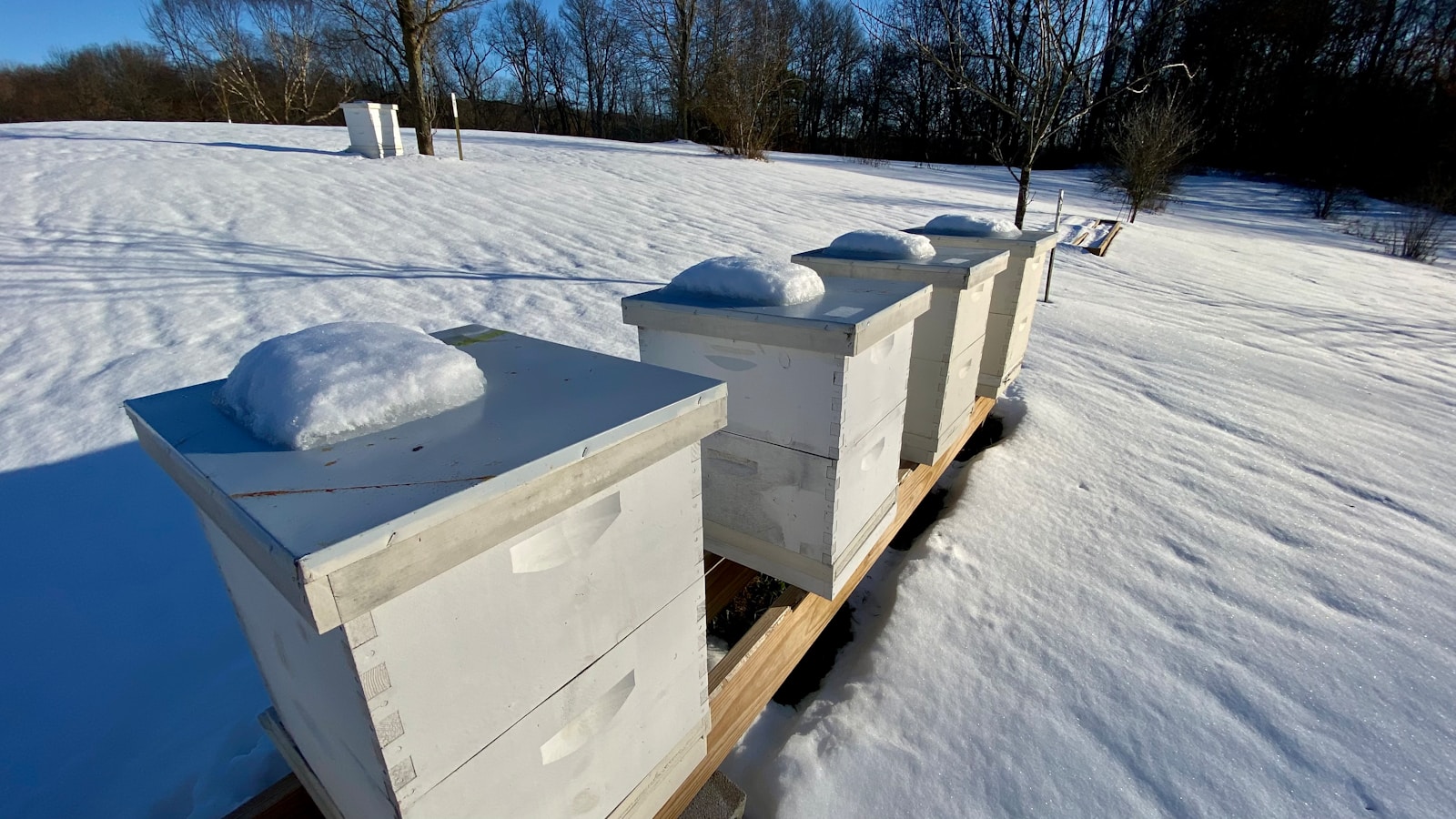
Before electricity, cold storage meant harvesting ice in winter and insulating it in cellars or icehouses. This allowed food preservation well into summer. It was backbreaking work that few today would recognize as a survival necessity.
Signaling for Help Without Technology
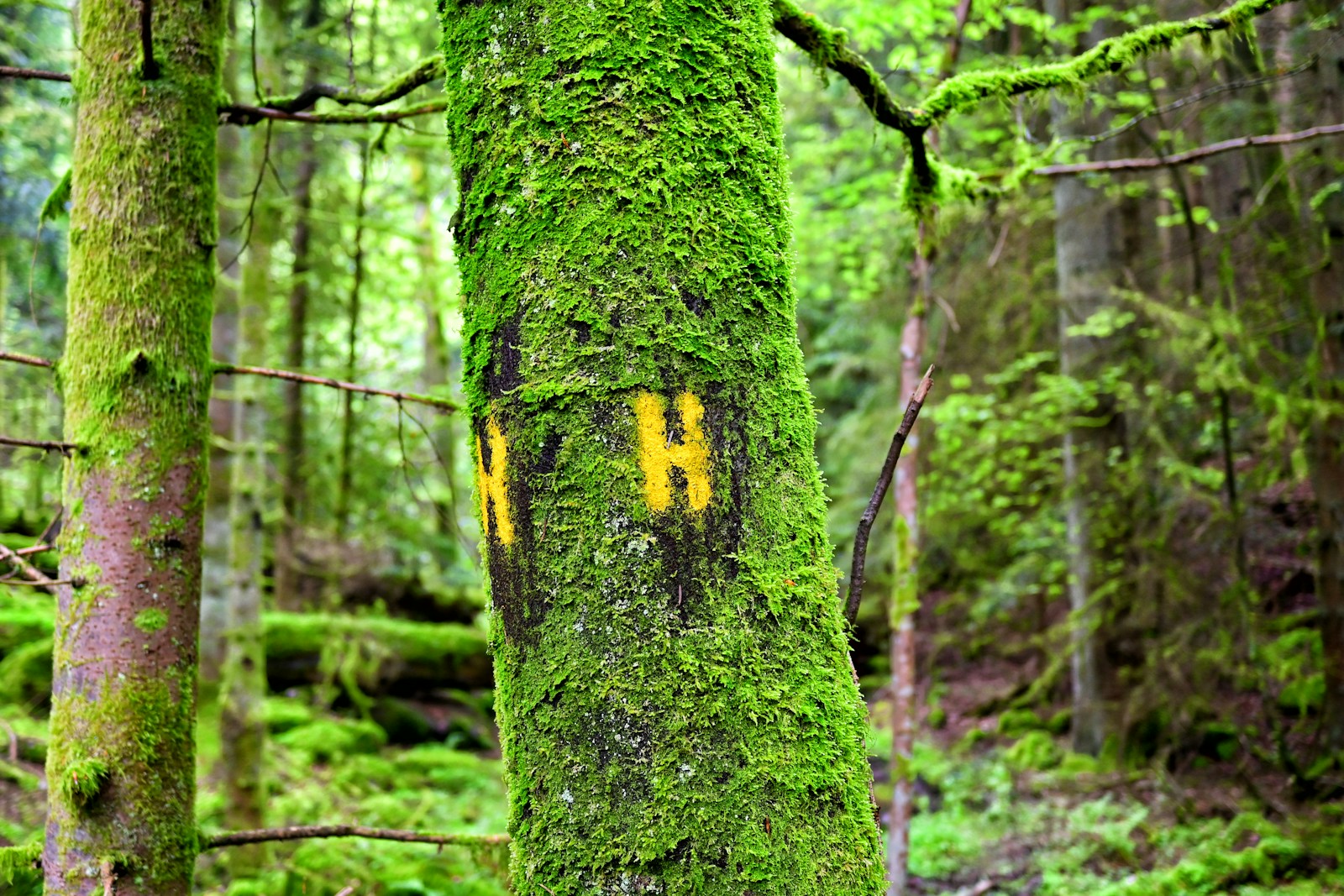
When stranded, people relied on smoke signals, mirrors, or ground markers to communicate. These methods increased visibility to rescuers across great distances. They required creativity and awareness of how signals appeared from afar.
Fishing Without Modern Gear
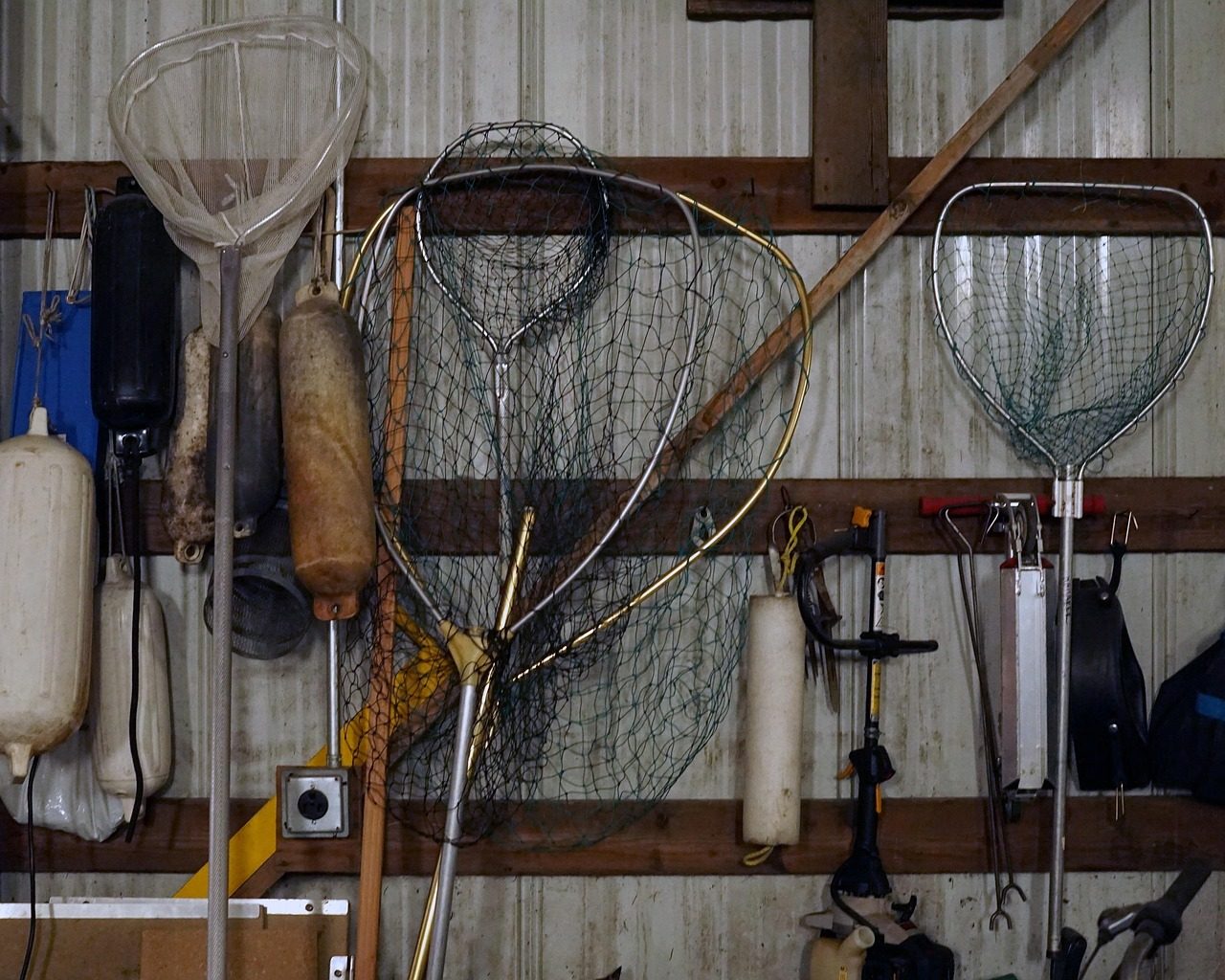
Fishing rods and reels are modern luxuries. Early survivalists crafted hooks from bone, spears from wood, or used woven nets to catch fish. These techniques kept rivers and lakes as reliable food sources.
Reading the Land for Navigation
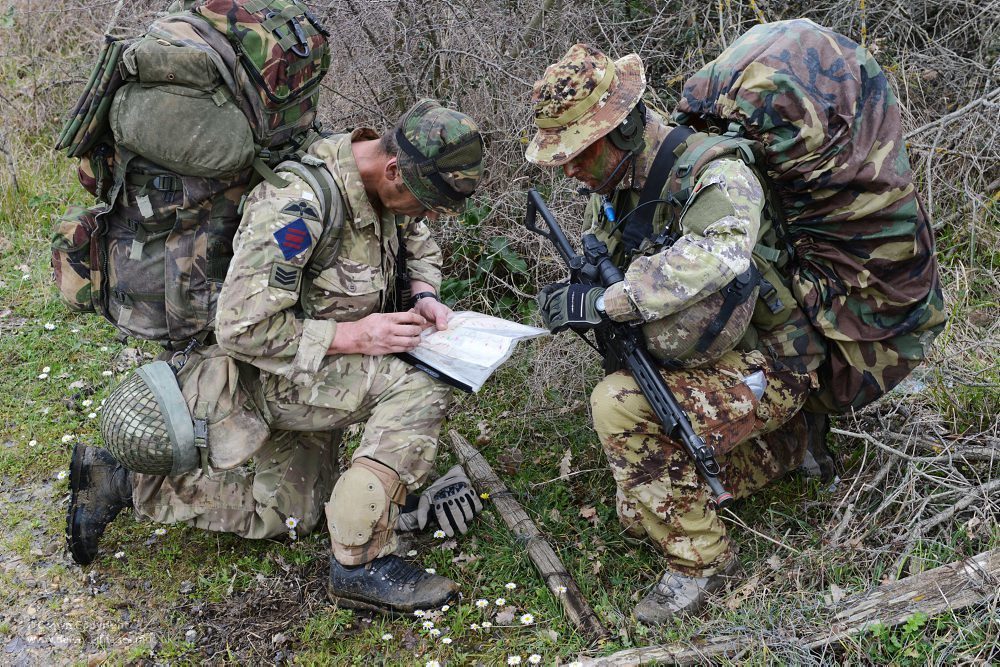
Paths were often unmarked, leaving travelers to rely on natural signs. Hills, rivers, and tree growth indicated direction, while landmarks became guides. This ability to “read” the land was as important as carrying a map.
Making Clothing from Raw Materials
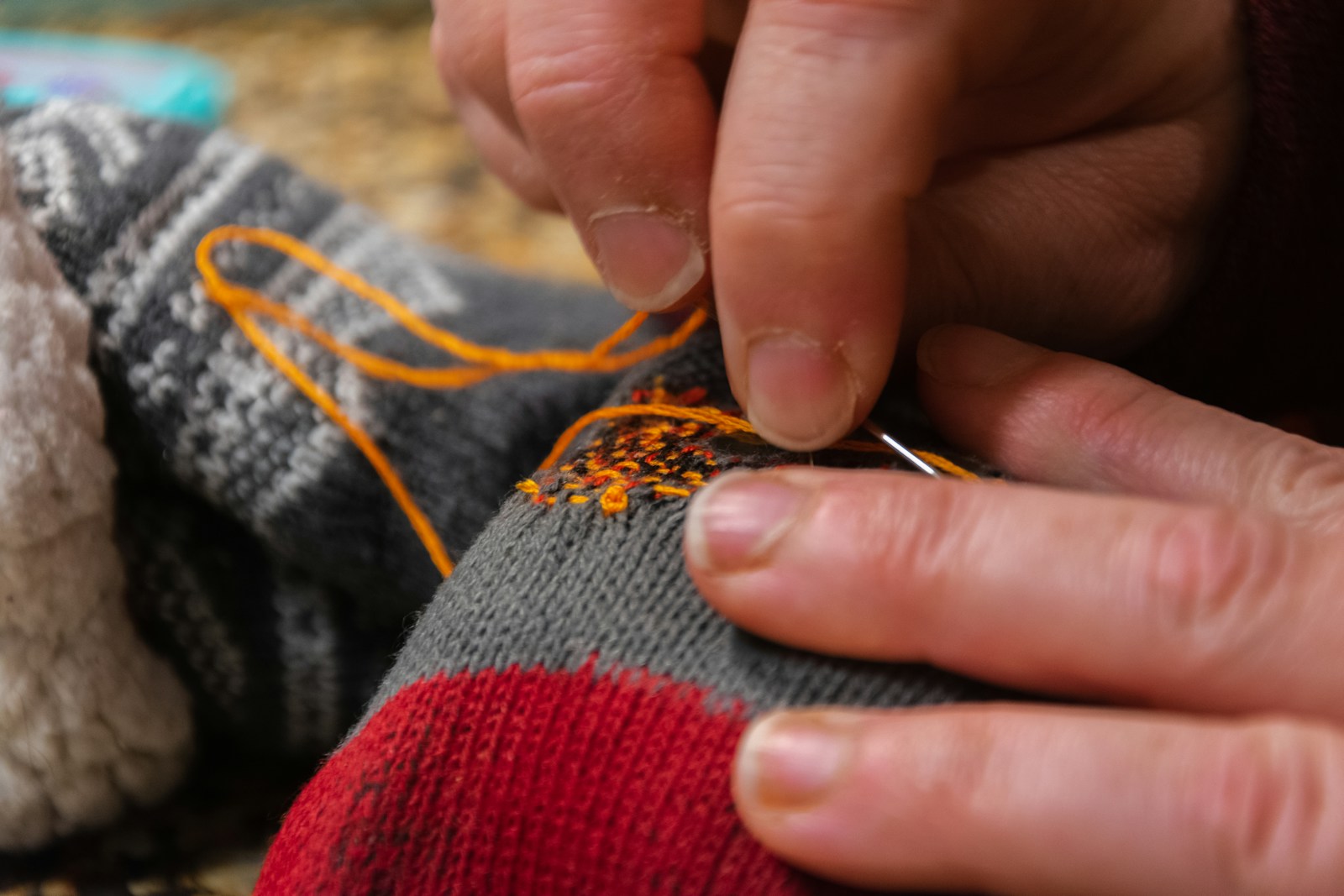
Survival required clothing that could withstand harsh conditions. Animal hides were tanned, fibers spun, and garments stitched by hand. This skill transformed raw resources into life-saving protection against the elements.