Camping in the 1970s carried a different rhythm compared to today’s lightweight, technology-driven adventures. Gear then was rugged, practical, and sometimes unnecessarily bulky, reflecting a time when outdoor exploration meant making do with what you had. Many items that seemed indispensable decades ago have since been replaced by lighter, safer, and more efficient versions. Yet, looking back at these essentials gives us a nostalgic glimpse into how campers embraced the wilderness with determination and simplicity.
1. Heavy Canvas Tents
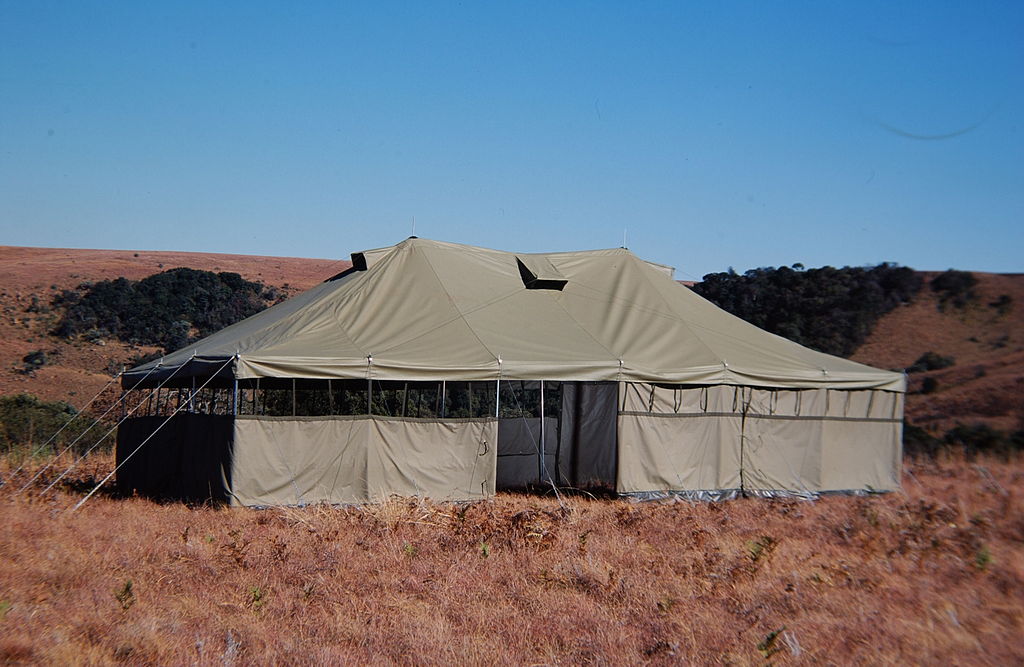
Canvas tents were a staple for campers in the seventies, built to withstand rough conditions but difficult to manage. These tents absorbed water easily, adding to their already heavy weight, and drying them after rain was a challenge. Metal poles and thick ropes made the setup slow and exhausting, often requiring two people to manage. Despite the struggle, they created a rugged outdoor atmosphere and were valued for their durability, even if they lacked the convenience of modern lightweight synthetic tents.
2. Wool Sleeping Bags
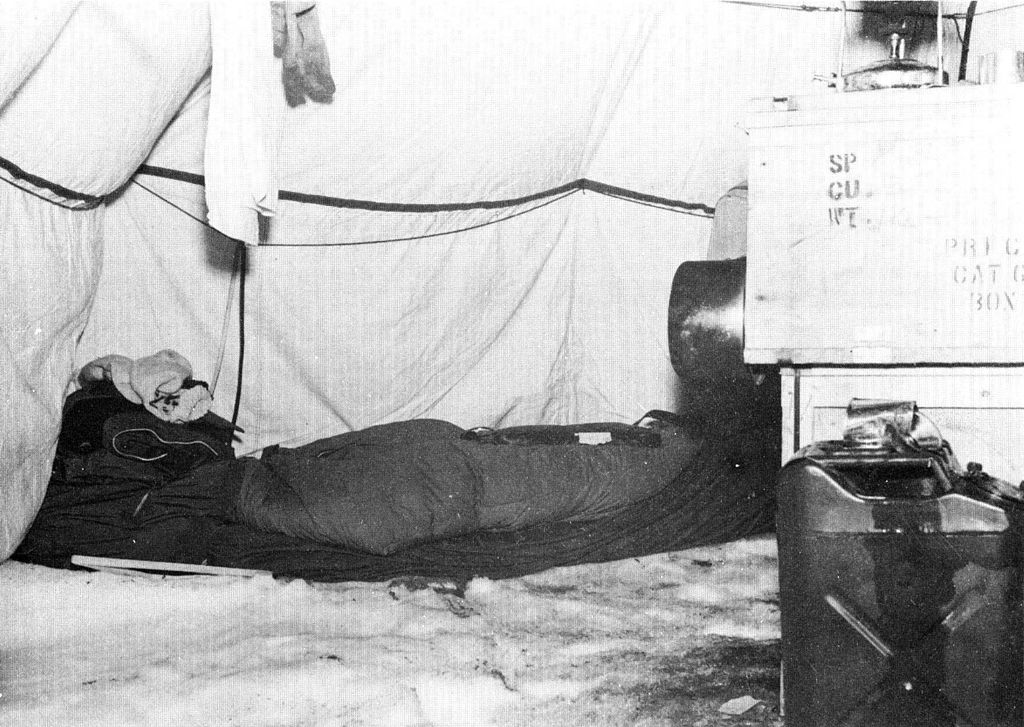
Wool sleeping bags were bulky, scratchy, and tough to transport, yet they were trusted for warmth during chilly nights. Unlike today’s synthetic sleeping bags, they did not compress well, taking up significant backpack space. If they became wet, they turned extremely heavy and almost impossible to dry quickly. Campers still appreciated their insulating ability, as wool naturally retained heat, but the bags offered little comfort compared to modern insulated and water-resistant options that have since replaced them.
3. Coleman White Gas Stoves
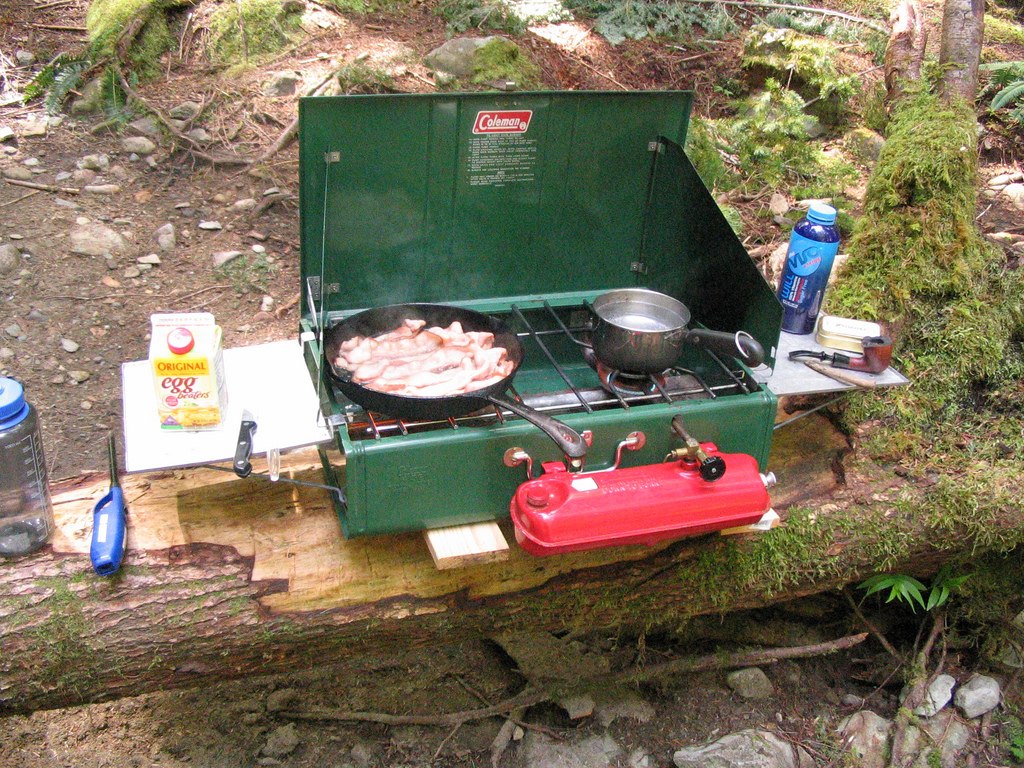
The Coleman white gas stove was a centerpiece of camping kitchens in the seventies. It was dependable for cooking meals, yet its weight and bulk made it less practical for backpacking trips. Refueling required caution, as spills or flare-ups could easily happen if handled carelessly. Despite these issues, families trusted it for its consistent performance, and it remained a classic piece of gear long before compact, lightweight propane stoves and portable cooking systems became the modern standard.
4. Hand Crank Radios
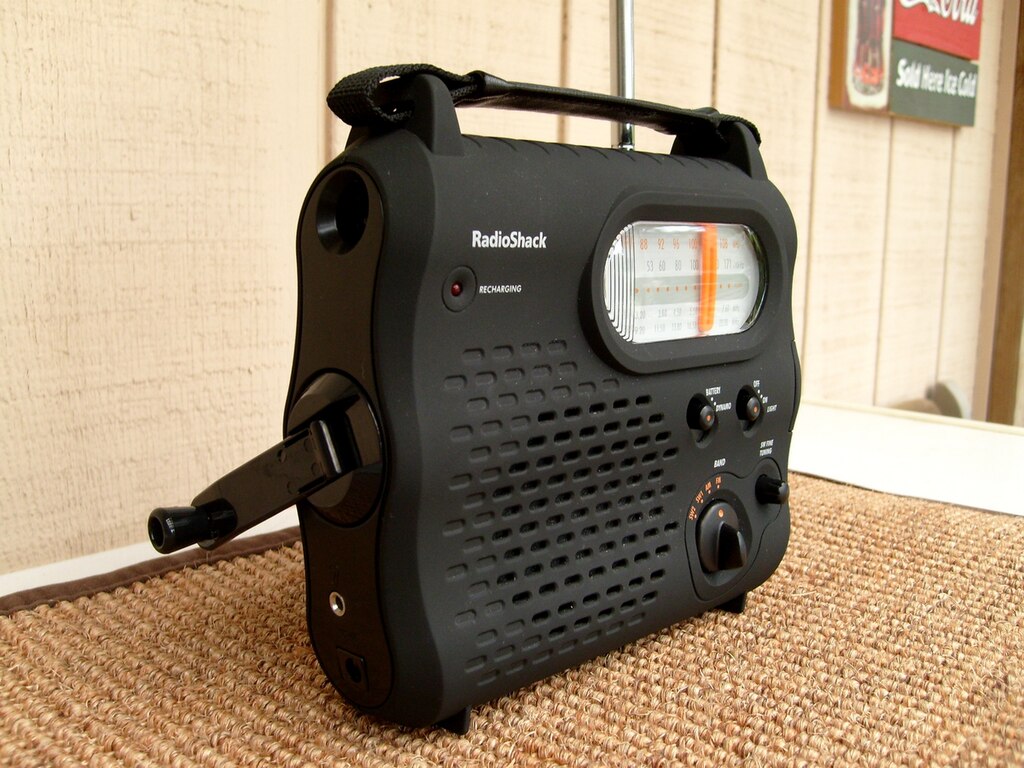
Hand-crank radios were essential for receiving weather updates and news while camping, long before cell phones existed. Campers relied on them for entertainment and safety, as they did not require batteries. They were bulky and mechanical, but the ability to tune into local stations added both practicality and charm. Cranking the handle became part of the routine, connecting campers to the outside world even deep in the wilderness.
5. Lanterns with Mantles

Gas-powered lanterns provided bright illumination for campsites, but they relied on fragile mantles that could easily tear during transport. Lighting them involved careful handling of fuel, and refills were often messy and dangerous. Their warm glow brought families together around the campsite, yet the constant need for extra mantles and fuel cans made them cumbersome. Modern LED lanterns have replaced them with safer, longer-lasting alternatives, but the memory of their soft light remains tied to the seventies camping scene.
6. Mess Kits with Metal Plates

Standard mess kits of the seventies were made of tin or aluminum, including plates, cups, and utensils stacked together in a clunky bundle. While durable, they were loud, rattling in backpacks, and heated unevenly when placed over flames. Cleaning them at campsites was inconvenient without proper soap or sponges. Modern non-stick cookware has made camp cooking far easier, but these simple metal kits reflected the straightforward practicality and resilience of the time, embodying the rough charm of outdoor living.
7. Wooden Mallets

Wooden mallets were often used to hammer tent stakes into the ground, as metal hammers were heavy or less common at campsites. They were simple, durable, and lightweight compared to steel alternatives, but required strength and technique to drive stakes effectively. Campers relied on them for setting up tents, shelters, or fire rings. These mallets became a symbol of hands-on, practical camping, emphasizing the self-sufficiency required for outdoor life in the seventies.
8. Wool Socks and Scarves

Natural wool accessories were essential for warmth and were often relied upon during cold nights and early mornings. While they insulated well, they became itchy, bulky, and unpleasant when wet, taking a long time to dry. Despite these drawbacks, they were trusted because alternatives were scarce, and they held up better than cotton. Modern campers prefer lightweight synthetic blends that regulate temperature and wick moisture, but in the seventies, wool was the ultimate outdoor standard for cold protection.
9. Cast Iron Skillets
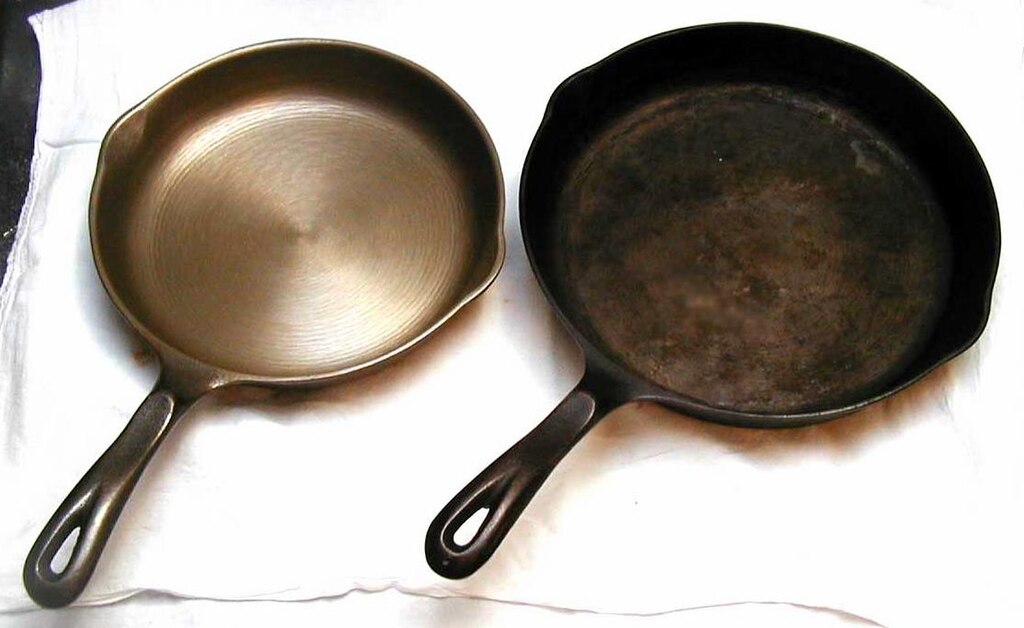
For many campers in the 1970s, no trip was complete without a cast-iron skillet packed in the gear. These heavy pans were prized for their ability to handle direct flames and uneven campfire heat while producing perfectly cooked meals. Families often used them to fry bacon and eggs in the morning or sear meats and vegetables at night, making them a versatile kitchen essential. Though their weight made them less convenient than today’s ultralight cookware, their durability and even heat distribution made them a trusted companion at nearly every campsite
10. Compass and Paper Maps
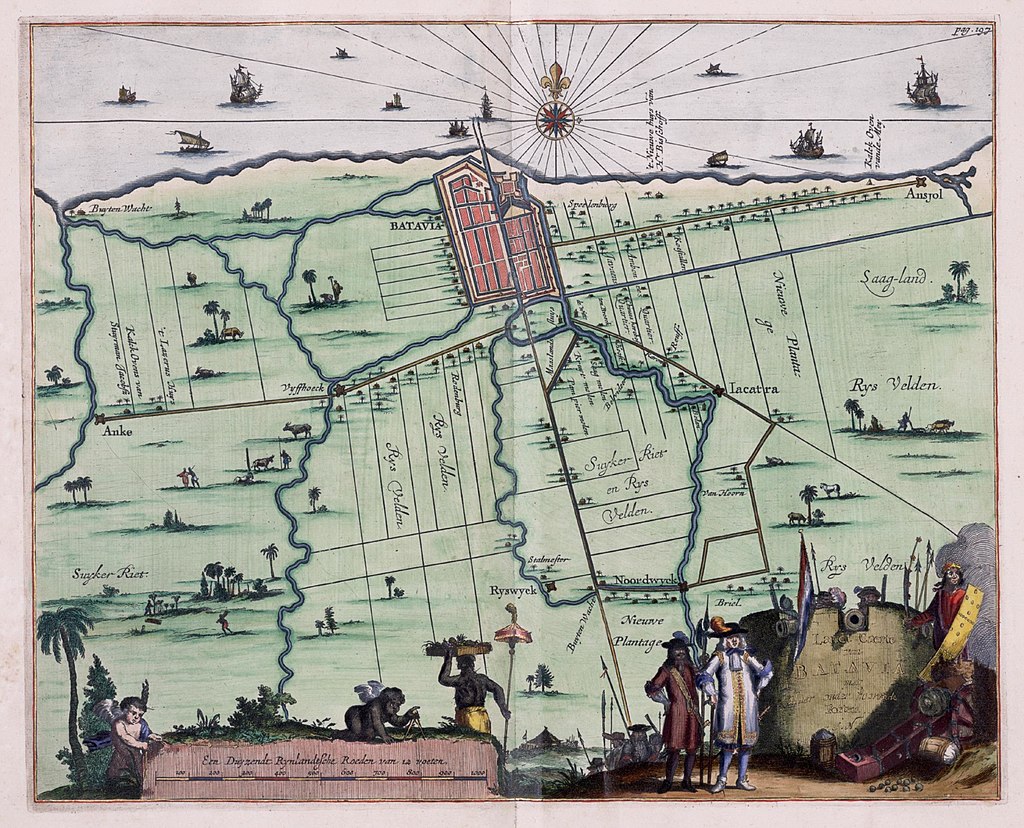
Navigating trails in the seventies required a strong sense of direction, as hikers depended on compasses and detailed topographic maps. Without digital aids, reading terrain and plotting courses manually was a skill that demanded patience. While this method was reliable, it required practice and constant awareness of surroundings. Today, GPS systems and mobile apps have made navigation simpler, but using paper maps built confidence, self-reliance, and a deep understanding of the landscape that technology cannot fully replace.
11. Folding Camp Shovels

Folding camp shovels were carried for digging fire pits, clearing rocks, or creating latrine areas. Though practical, their bulky metal design made them awkward to pack and heavy to transport. Their sharp edges often tore through bags if not carefully stored. Today’s lightweight plastic trowels and modern campsite infrastructure have rendered them unnecessary, yet in the seventies, they symbolized preparedness and practicality, reflecting a time when campers relied heavily on self-sufficiency in the wilderness.
12. Cotton Canvas Backpacks

Canvas backpacks were rugged and durable, but extremely uncomfortable when filled with heavy gear. Their shoulder straps lacked padding, and they absorbed water easily, leaving belongings damp after rain. The fabric also retained odors and dirt, making maintenance difficult. Compared to modern ergonomic, waterproof nylon packs, these bags were inefficient, but they were prized for their strength. For campers of the seventies, they were the standard choice, embodying the rugged outdoor spirit despite their shortcomings.
13. Flashlights with Incandescent Bulbs
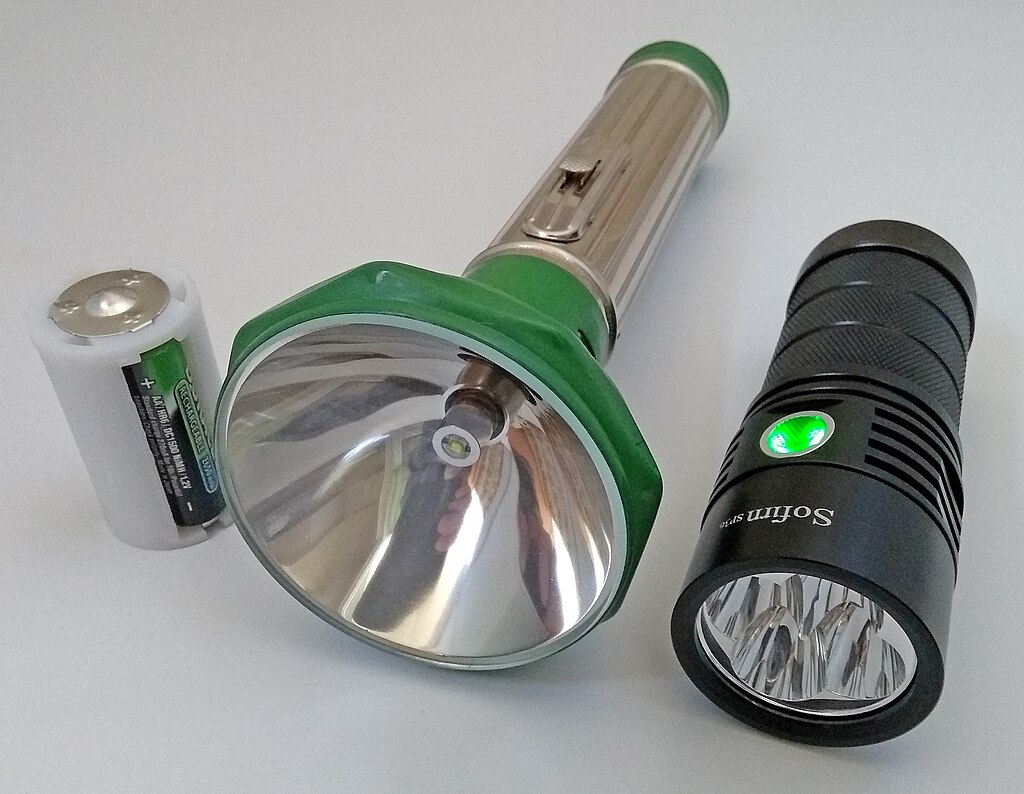
Before LED technology, incandescent flashlights lit the way on dark trails. These flashlights were heavy, consumed batteries quickly, and often dimmed when the batteries weakened. Dropping them could shatter the fragile filament bulb, leaving campers in total darkness. Despite their flaws, they were indispensable and symbolized preparedness for any adventure. Today’s lightweight, long-lasting LED flashlights have rendered them obsolete, but they remain a classic memory of seventies camping gear.
14. Fire Starters with Matches

Matches were the primary fire-starting tool, often carried in bulk to ensure reliability. They were fragile, easily ruined by dampness, and sometimes unreliable in windy conditions. Starting a fire required skill and patience, especially in poor weather. Modern waterproof lighters and fire-starting cubes now make the task far easier, but striking a match to light a campfire was once a universal part of camping life, teaching resilience and resourcefulness to campers of that era.
15. Folding Camp Chairs
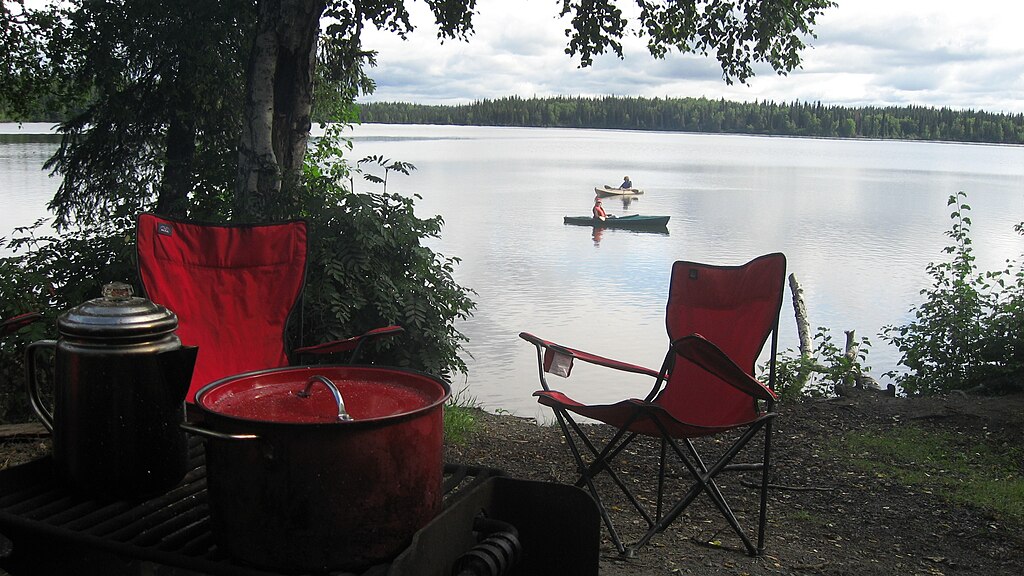
In the 1970s, folding camp chairs were a staple at campsites, offering a simple but practical way to relax around the fire. Unlike today’s ergonomic models with cup holders and adjustable backs, these chairs were usually made with lightweight aluminum frames and colorful striped fabric that folded flat for easy transport. They were not especially comfortable for long sitting, but their portability made them indispensable. Families often carried a set of these chairs to every camping trip, picnic, or roadside rest stop, making them a recognizable symbol of outdoor
16. Wool Blankets
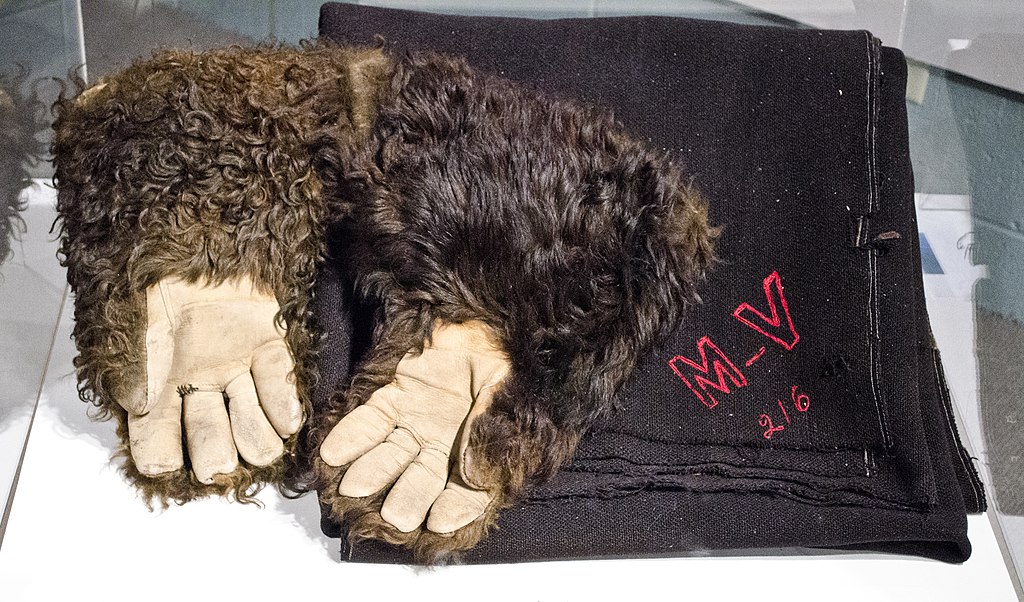
Wool blankets were multipurpose, often used for warmth at night, as ground covers, or as makeshift seating. They were heavy, itchy, and difficult to clean, especially when wet, but they remained practical due to their insulating properties. Unlike modern sleeping pads and liners, they offered little comfort, but they carried a sense of homeliness in the wilderness. For campers of the seventies, wool blankets were a dependable, if imperfect, companion.
17. Campfire Coffee Pots

For many campers, mornings began with a steaming pot of campfire coffee brewed in a percolator. These pots required attention to avoid bitter or burnt results and were heavy to carry compared to today’s lightweight coffee presses or instant options. Despite their inconvenience, they created a comforting ritual and filled campsites with a familiar aroma. The campfire coffee pot is remembered less as efficient gear and more as a treasured part of the seventies camping culture.