Firearm enthusiasts frequently discuss the 17 discontinued firearms collectors still regret missing from their personal armories. The secondary market drives prices skyward for these mechanical treasures that manufacturers stopped producing years ago. Many buyers hesitate when these models appear on shelves and then watch in horror as values triple overnight. Owning one of these rare pieces represents a tangible connection to a specific era of engineering history. This guide examines the legendary guns that slipped away from the average buyer before attaining their current status. It highlights the unique features that make them so desirable today.
HK P7
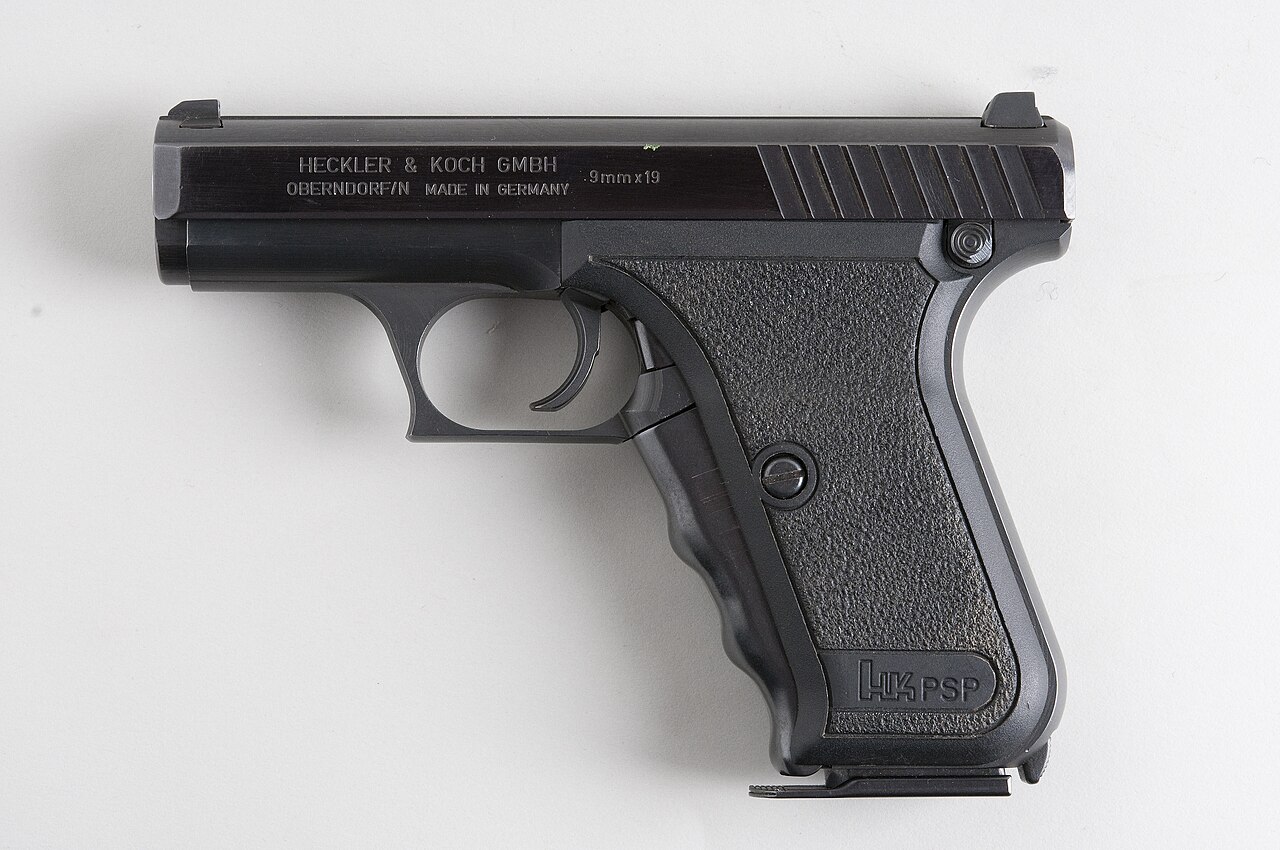
German engineers designed the HK P7 with a unique squeeze cocker mechanism that set it apart instantly. The pistol required the user to squeeze the front strap of the grip to cock the striker before firing. This distinct safety feature allowed for an incredibly fast and safe manual of arms during high-stress encounters. Police forces adopted it for its compact size and inherent mechanical accuracy, owing to the fixed-barrel design. Manufacturing costs eventually soared, which forced the company to cease production permanently. Collectors now pay thousands to acquire this marvel of police engineering.
Savage Model 99
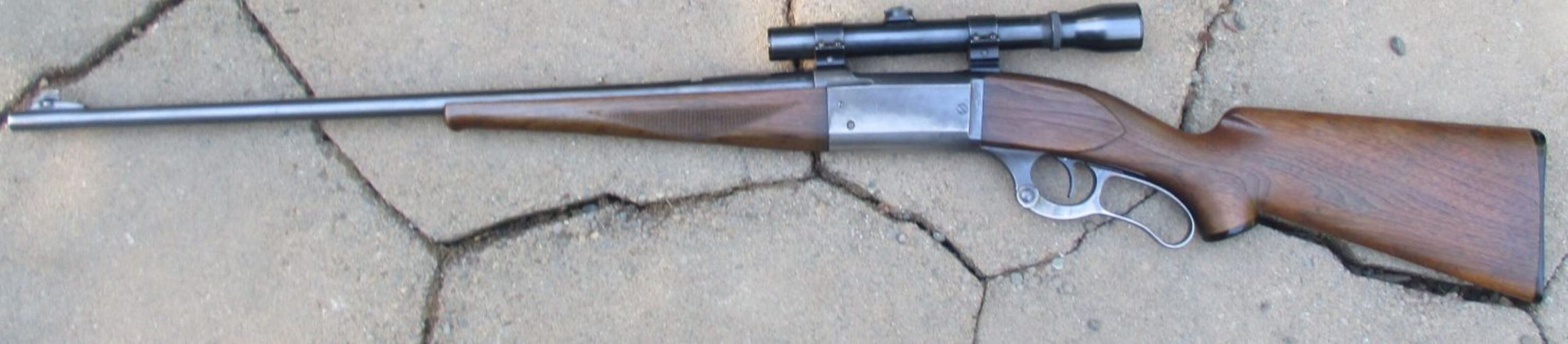
The Savage Model 99 revolutionized lever-action rifles by introducing a rotary magazine that allowed for the use of pointed bullets. Traditional lever guns used tubular magazines, which required flat-nose projectiles to prevent accidental detonation in the tube. This innovation enabled hunters to use aerodynamic ammunition, which significantly improved range and accuracy. Its hammerless design and sleek lines gave it a modern appearance that defied its late nineteenth-century origins. Hunters mourn the loss of this elegant rifle that combined aesthetic beauty with genuine ballistic advancement. It remains a prized heirloom in deer camps everywhere.
Franchi SPAS-12
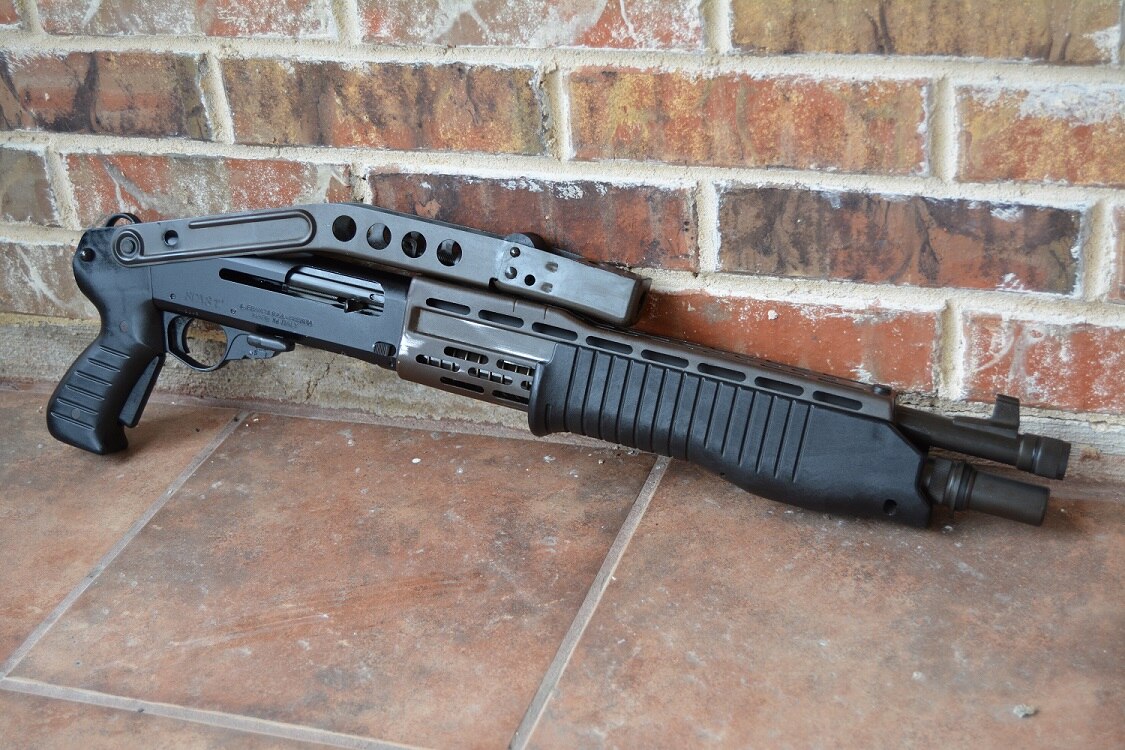
Hollywood movies immortalized the Franchi SPAS 12 as the ultimate symbol of tactical shotgun aggression and power. Its menacing appearance features a massive heat shield and a folding metal stock with a distinctive hook. The dual-mode operation allowed the user to switch between pump action and semi-automatic fire instantly. This versatility meant it could cycle low-power rounds manually or fire full-power buckshot rapidly. Complex controls and heavy weight eventually led to its discontinuation in the commercial market. It stands as a complicated but iconic piece of combat shotgun history that commands high prices.
Mateba Model 6 Unica
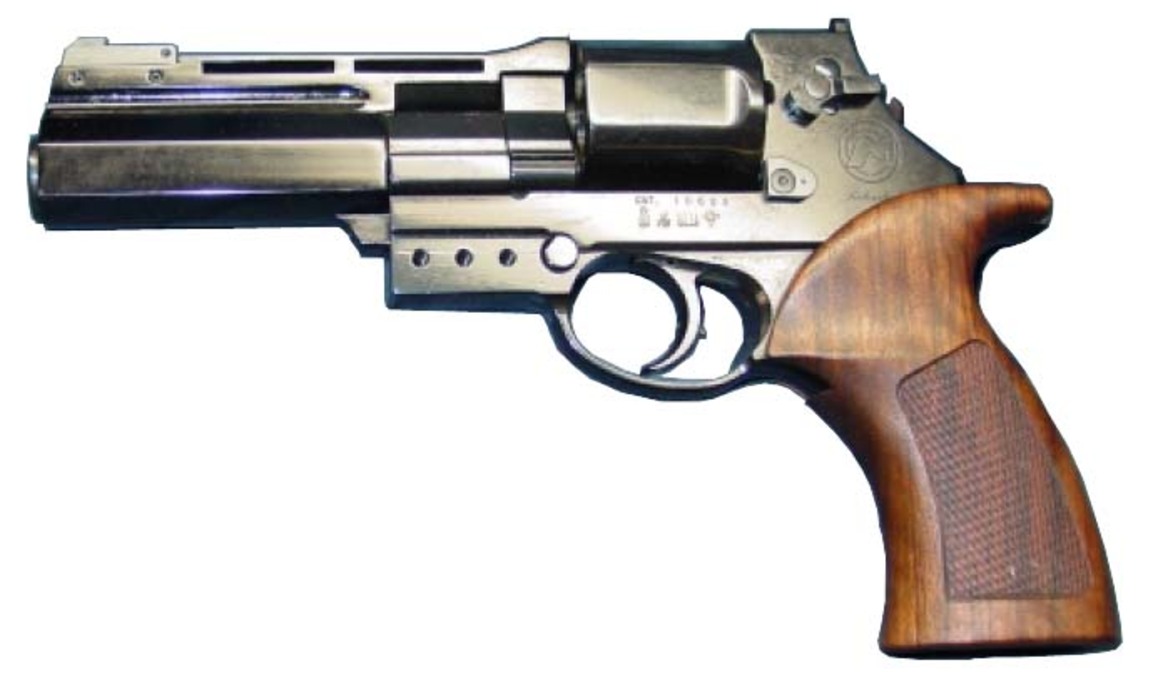
The Mateba Model 6 Unica looks like a prop from a science fiction film due to its bizarre firing mechanism. This auto-revolving handgun utilizes the recoil energy to rotate the cylinder and cock the hammer automatically. Firing from the bottom chamber rather than the top aligns the recoil directly with the arm of the shooter. This unique alignment drastically reduces muzzle flip and allows for rapid follow-up shots on target. Only a small number were imported before the company ceased operations entirely. It remains one of the most mechanically fascinating revolvers ever produced.
Bren Ten
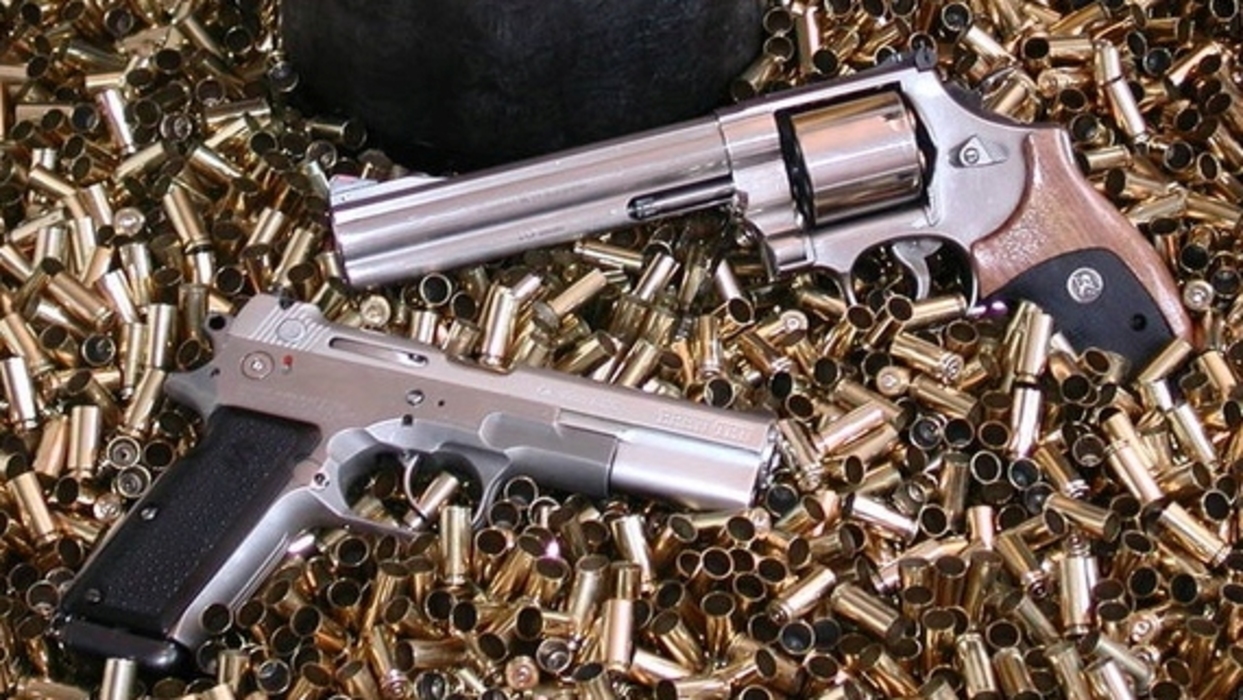
The Bren Ten gained legendary status as the sidearm of choice for Sonny Crockett on the show Miami Vice. It introduced the powerful ten millimeter auto cartridge to the world and promised superior stopping power. However, magazine supply issues and the eventual bankruptcy of the company doomed the project to failure early on. Owners struggled to find magazines to feed their expensive pistols, which rendered them useless for actual shooting. Despite these functional flaws, the cultural impact and rarity make it a holy grail for serious collectors. It represents the unfulfilled potential of a powerful idea.
Colt Woodsman
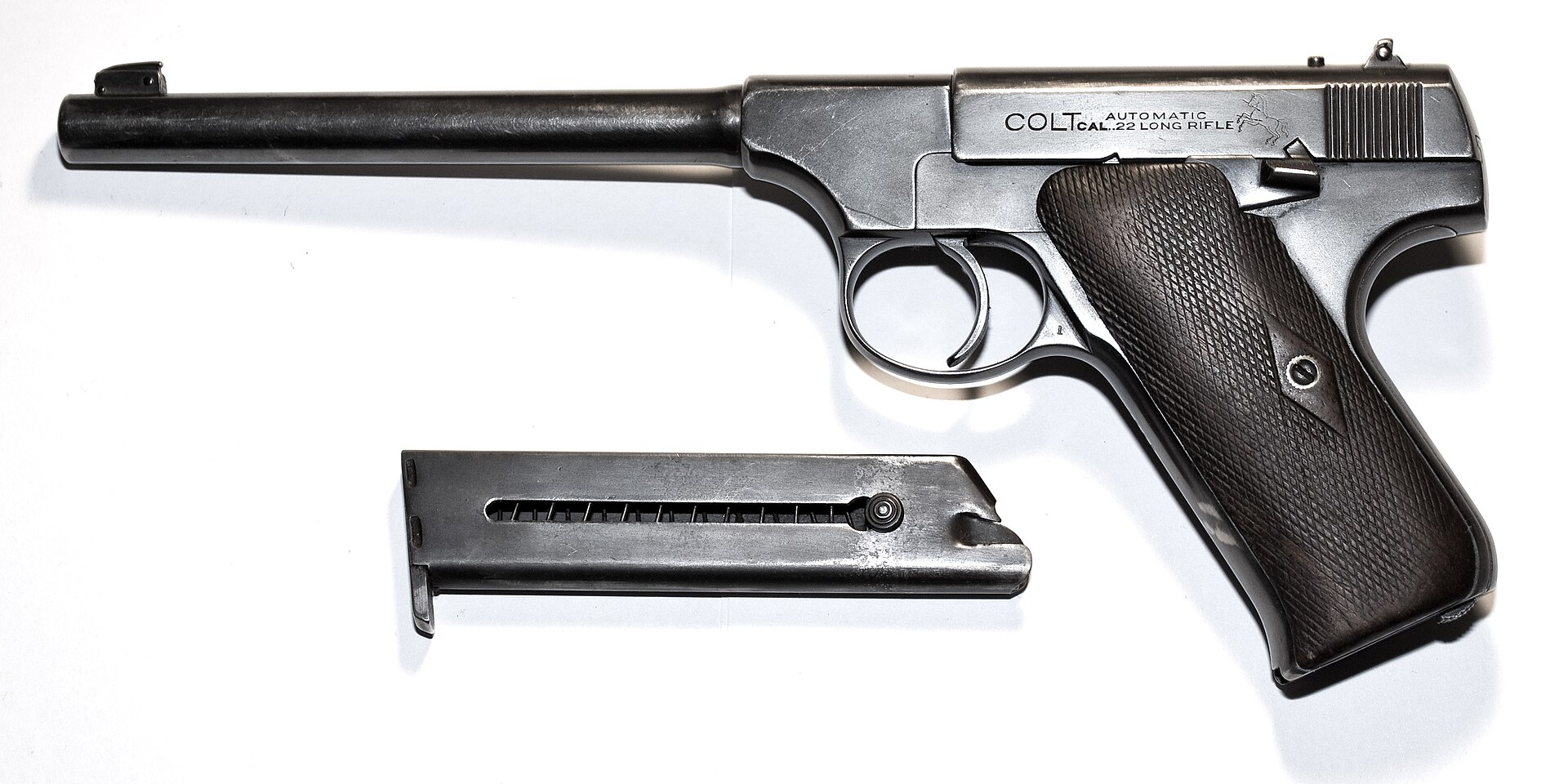
John Browning designed the Colt Woodsman to be the ultimate rimfire target pistol for outdoor enthusiasts and competitors. Its slender barrel and angled grip created a natural pointing ability that few other handguns could match. The craftsmanship involved in its production required hand fitting that became too expensive for modern manufacturing lines. Generations of shooters learned marksmanship skills using this precise and reliable semi-automatic pistol. Finding a pristine example today requires patience and a significant financial investment from the buyer. It defines the golden age of American rimfire pistol manufacturing quality.
Remington Nylon 66
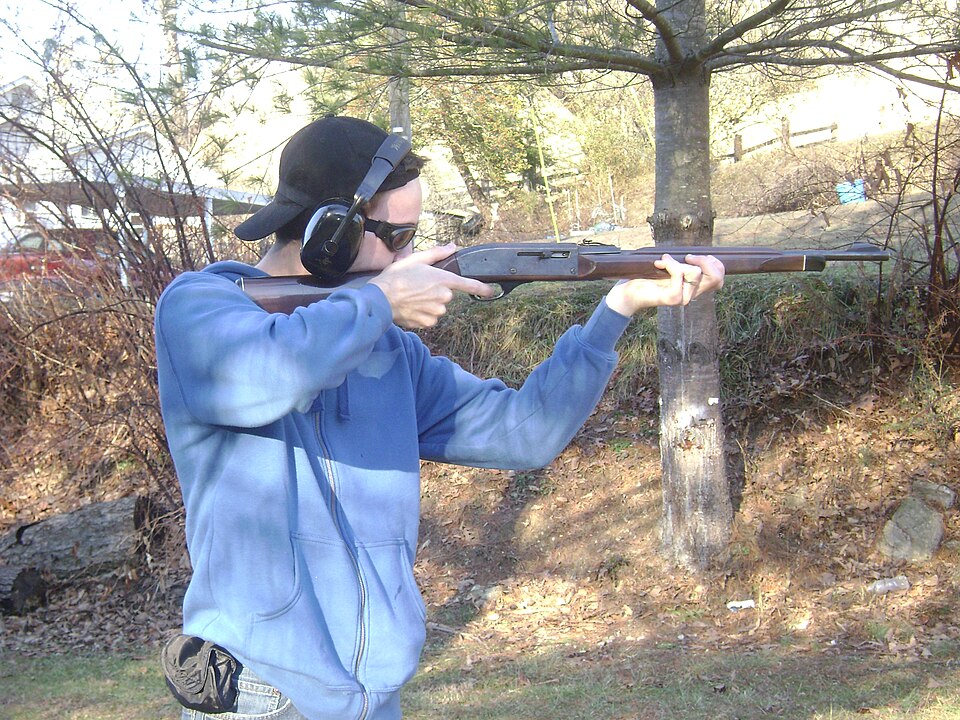
Remington shocked the traditional gun world by introducing the Nylon 66, which featured a stock made entirely of synthetic plastic. Critics initially scoffed at the material, but the rifle proved to be incredibly durable and reliable in harsh conditions. It required almost no lubrication and functioned flawlessly even when covered in dirt or sand. The lightweight construction made it an ideal companion for long treks through the woods in search of small game. Millions were sold before production costs and changing tastes ended its run. It demonstrated that synthetic materials belonged in firearm construction.
Ruger Deerfield Carbine
The Ruger Deerfield Carbine offered hunters a semi-automatic rifle chambered in the powerful forty four magnum cartridge. Its rotary magazine and gas-operated action made it a quick-handling brush gun for whitetail deer. The compact size allowed it to maneuver easily in thick vegetation where longer rifles would constantly snag. It provided a significant firepower upgrade over traditional lever actions while sharing ammunition with a sidearm. High production costs led to its eventual removal from the catalog despite a loyal following. It remains a highly sought-after tool for short-range hunting.
Marlin Camp Carbine
The Marlin Camp Carbine bridged the gap between a pistol and a rifle by using standard handgun magazines. It came chambered in nine millimeter or forty five caliber and shared magazines with popular Smith and Wesson or Colt pistols. This compatibility made it an excellent choice for home defense or survival situations where logistics mattered. The simple blowback action was rugged and easy to maintain for the average owner. It served as a practical utility rifle that offered affordable practice at the range. Enthusiasts regret not buying them when they were cheap and plentiful.
Winchester Model 71
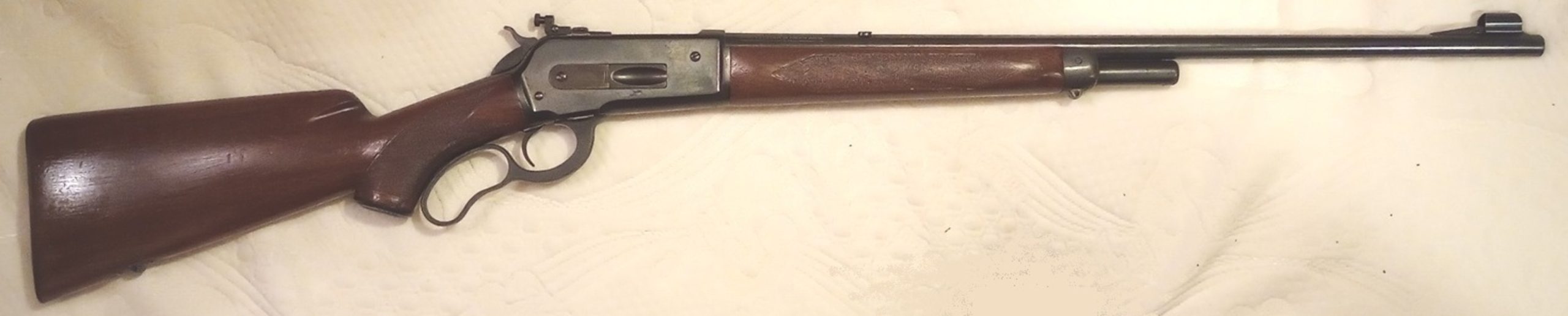
Winchester created the Model 71 to be the ultimate evolution of their big-bore lever-action rifle lineage. It was chambered exclusively in the potent .348 Winchester cartridge, which offered enough power for any North American game. The smooth action and distinct pistol grip stock made it a favorite among elk and bear hunters. It replaced the older Model 1886 but was eventually discontinued due to the rising cost of machining the complex receiver. Collectors prize it as one of the strongest and most beautiful lever actions ever made by the factory.
Whitney Wolverine
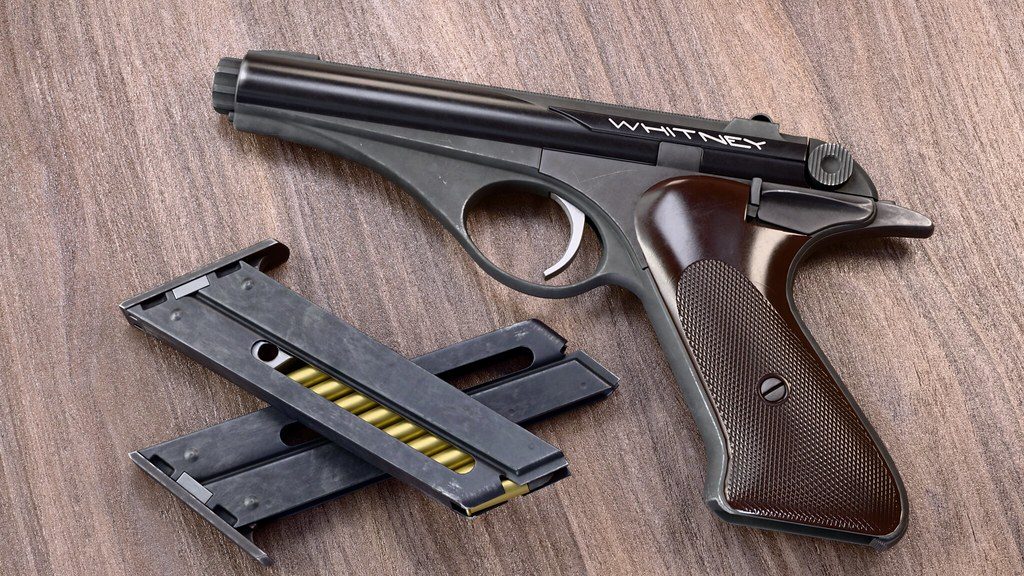
The Whitney Wolverine features a futuristic aluminum frame that looks like it belongs in a classic space opera. Its aerodynamic lines and lightweight construction were far ahead of their time during the nineteen fifties. The pistol utilized a unique cocking mechanism and offered excellent accuracy for a rimfire plinker. Legal battles and marketing struggles forced the company out of business before the design could achieve mass market success. Survivors are rare and command high prices from those who appreciate industrial design. It stands as a beautiful example of the atomic age aesthetic in firearms.
Daewoo K2
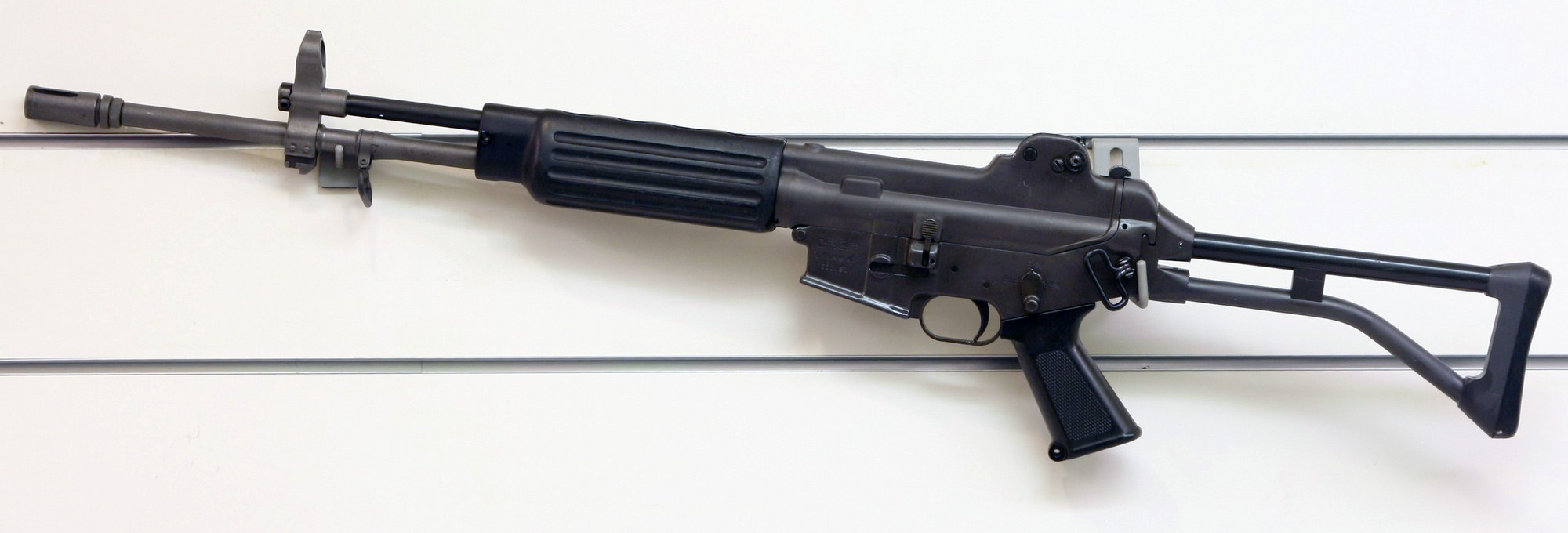
The Daewoo K2 combined the best features of the AK47 and the M16 into a reliable South Korean military rifle. It utilized a long-stroke gas piston system that kept the action clean while using standard AR15 magazines. Imports to the United States were halted due to federal legislation, which froze the supply permanently. Shooters who missed the chance to buy one now hunt for them on auction sites at inflated prices. It offered a unique alternative to the standard platforms available at the time. It remains a respected combat rifle among knowledgeable enthusiasts.
Smith & Wesson Model 547
Smith and Wesson engineered the Model 547 to fire rimless nine millimeter cartridges without the need for moon clips. The cylinder featured a complex extraction system that used small beryllium copper fingers to grab the casing rim. This innovation allowed police officers to carry a revolver that shared ammunition with their semi-automatic counterparts. The intricate machining required to build the extractor made the gun too expensive to produce long-term. It stands as a mechanical curiosity that solved a specific problem with brilliant engineering. Collectors value it for its uniqueness and rarity.
Valmet M76
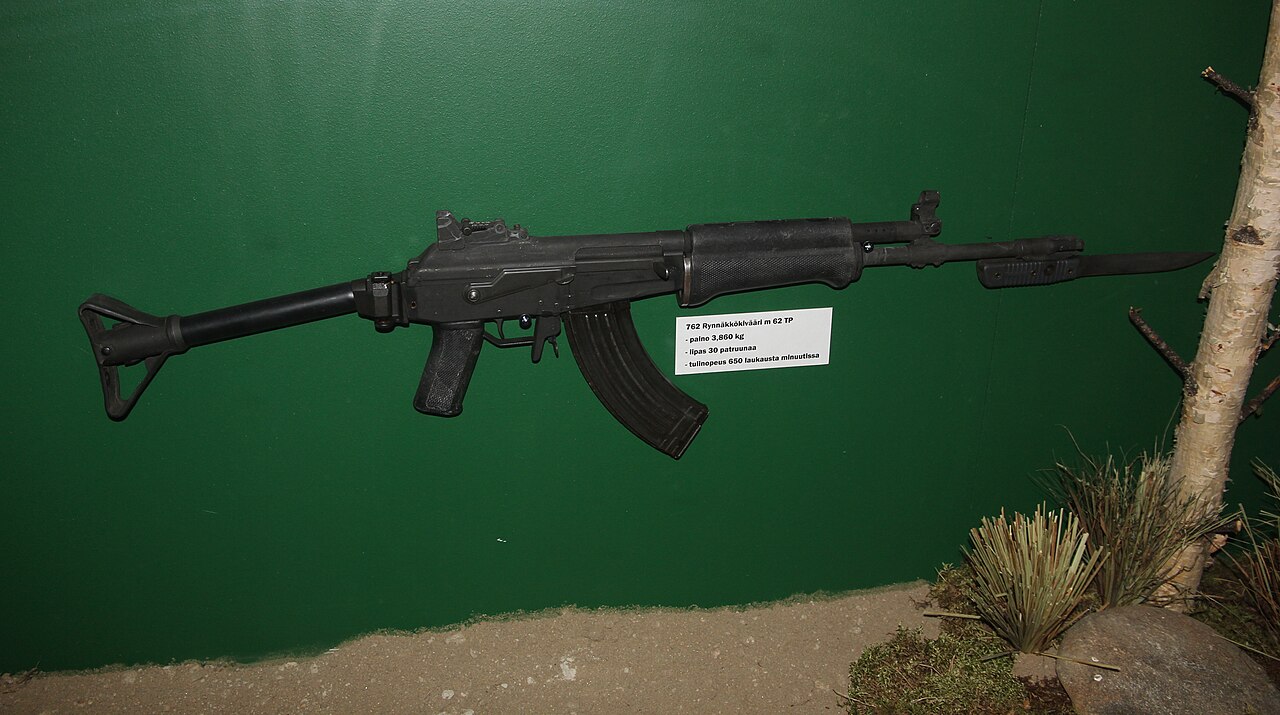
Finland produced the Valmet M76 as a refined and high-quality version of the Soviet Kalashnikov rifle platform. It featured superior sights and a milled receiver that improved accuracy significantly over the original Russian design. The rifle was available in multiple calibers, including the popular .223 Remington for the American commercial market. Import bans in the late eighties cut off the supply and turned these rifles into instant collectibles. Owners praise the smooth action and durability that defined Finnish small arms manufacturing. It is widely considered the finest AK variant ever imported.
AMT Hardballer
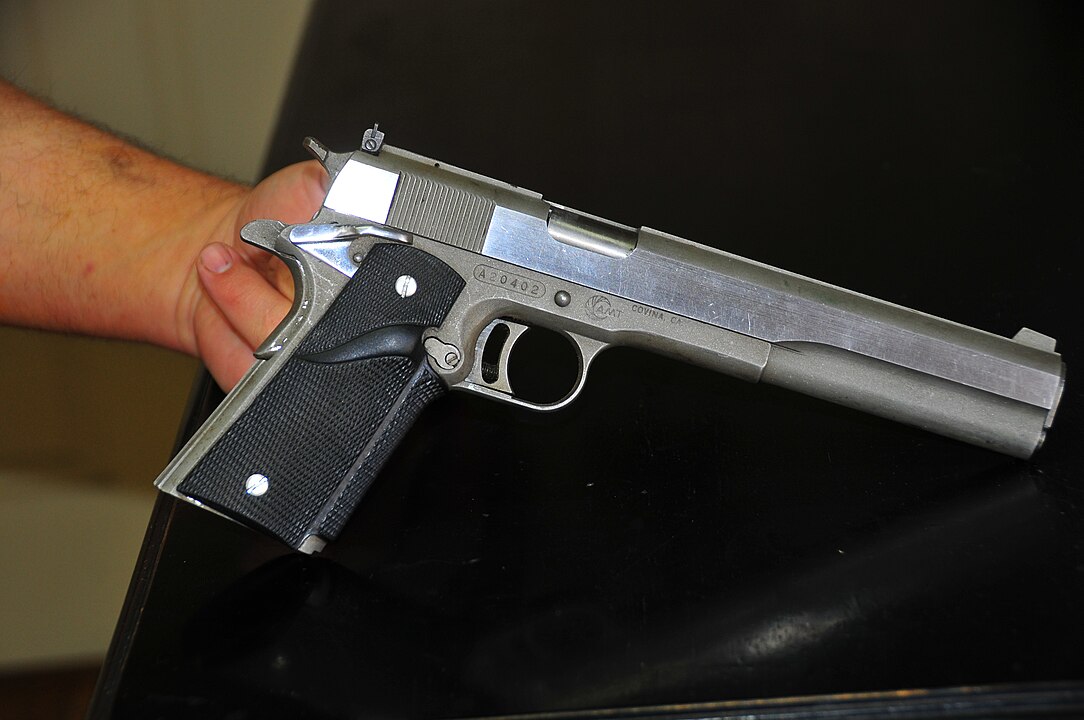
The AMT Hardballer became famous as the first stainless steel 1911 pistol available to the general shooting public. Its extended Longslide version gained iconic status after appearing in the hands of the Terminator in nineteen eighty-four. While the stainless construction was revolutionary, it initially suffered from galling issues between the slide and frame. Later production models fixed these problems, but the company eventually folded under financial pressure. It remains a symbol of eighties action movie culture and a bold step forward in material science. Collectors seek them out for their distinct silver appearance.
Remington Model 8
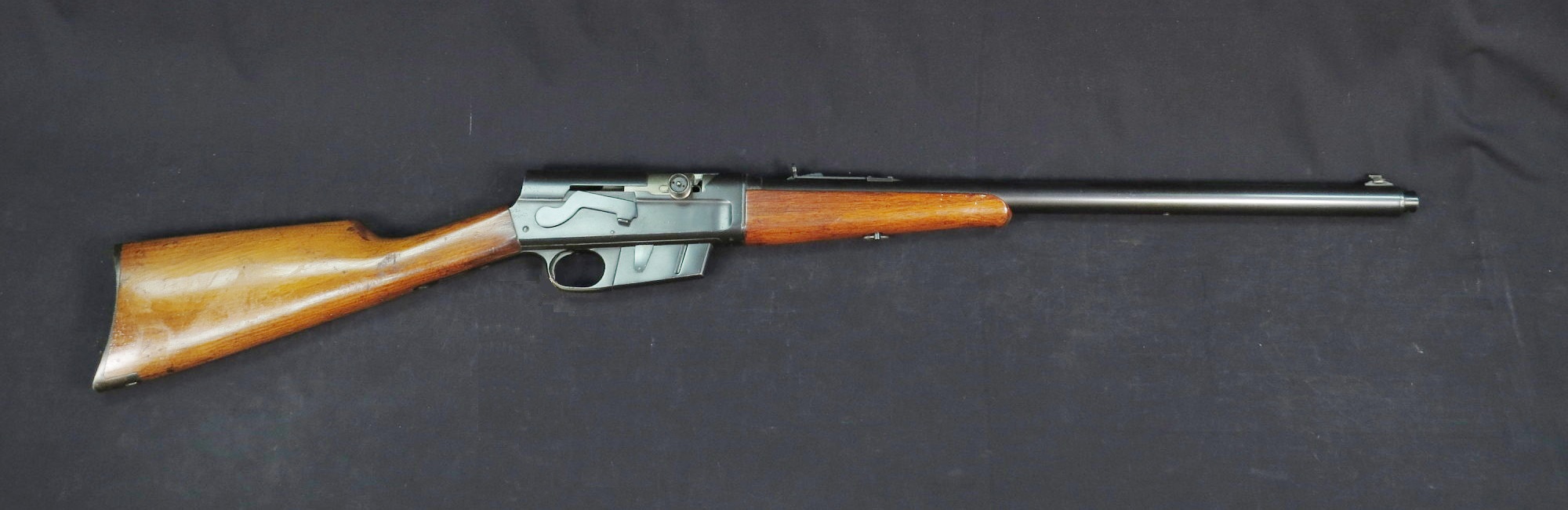
John Browning designed the Remington Model 8 as the first successful semi-automatic rifle for civilian hunters. It utilized a long recoil action where the barrel and bolt moved backward together to cycle the weapon. Law enforcement officers favored it for its ability to deliver rapid fire against motorized bandits during the depression era. The distinct humpback receiver and jacketed barrel give it a unique silhouette that is instantly recognizable. It proved that a semi-automatic could be reliable enough for dangerous game hunting. It represents the genius of Browning applied to sporting rifles.
PolyTech Legend
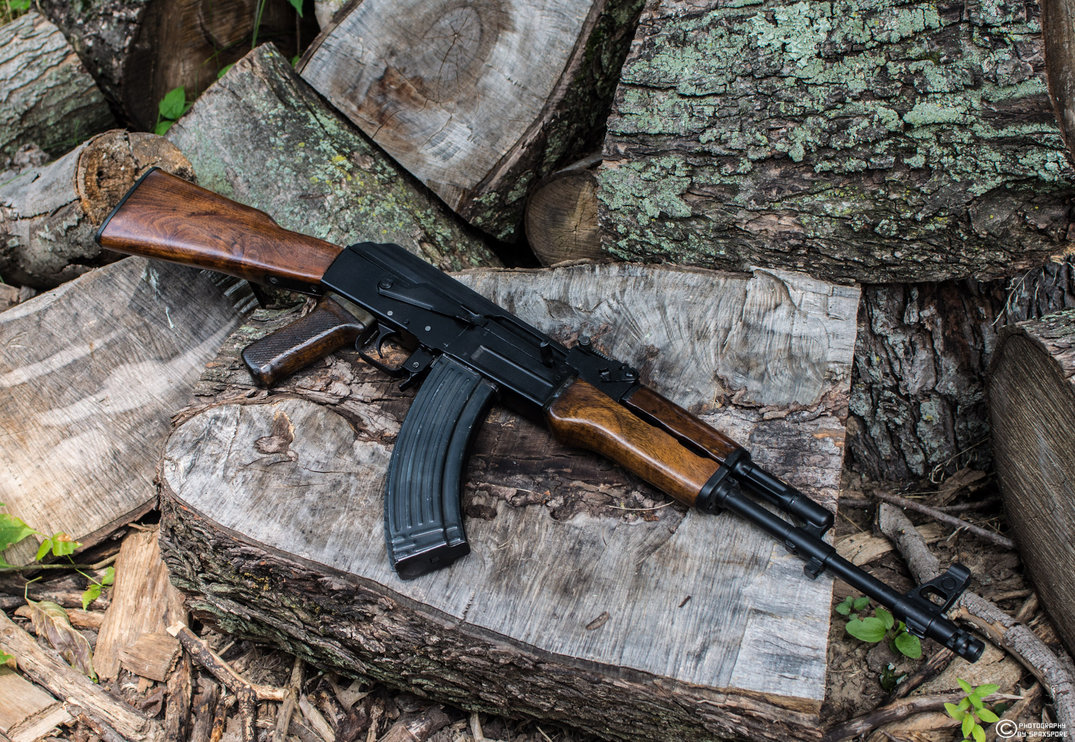
The PolyTech Legend is widely regarded as the highest quality AK47 ever imported into the United States from China. These rifles featured milled receivers and deep blued finishes that rivaled expensive sporting arms. They were built to strict military specifications and offered exceptional reliability compared to cheaper stamped versions. The nineteen eighty-nine import ban stopped their flow into the country and capped the total supply forever. Prices have skyrocketed as enthusiasts recognize the superior craftsmanship and historical significance. It is the gold standard for Kalashnikov collectors in the Western Hemisphere.