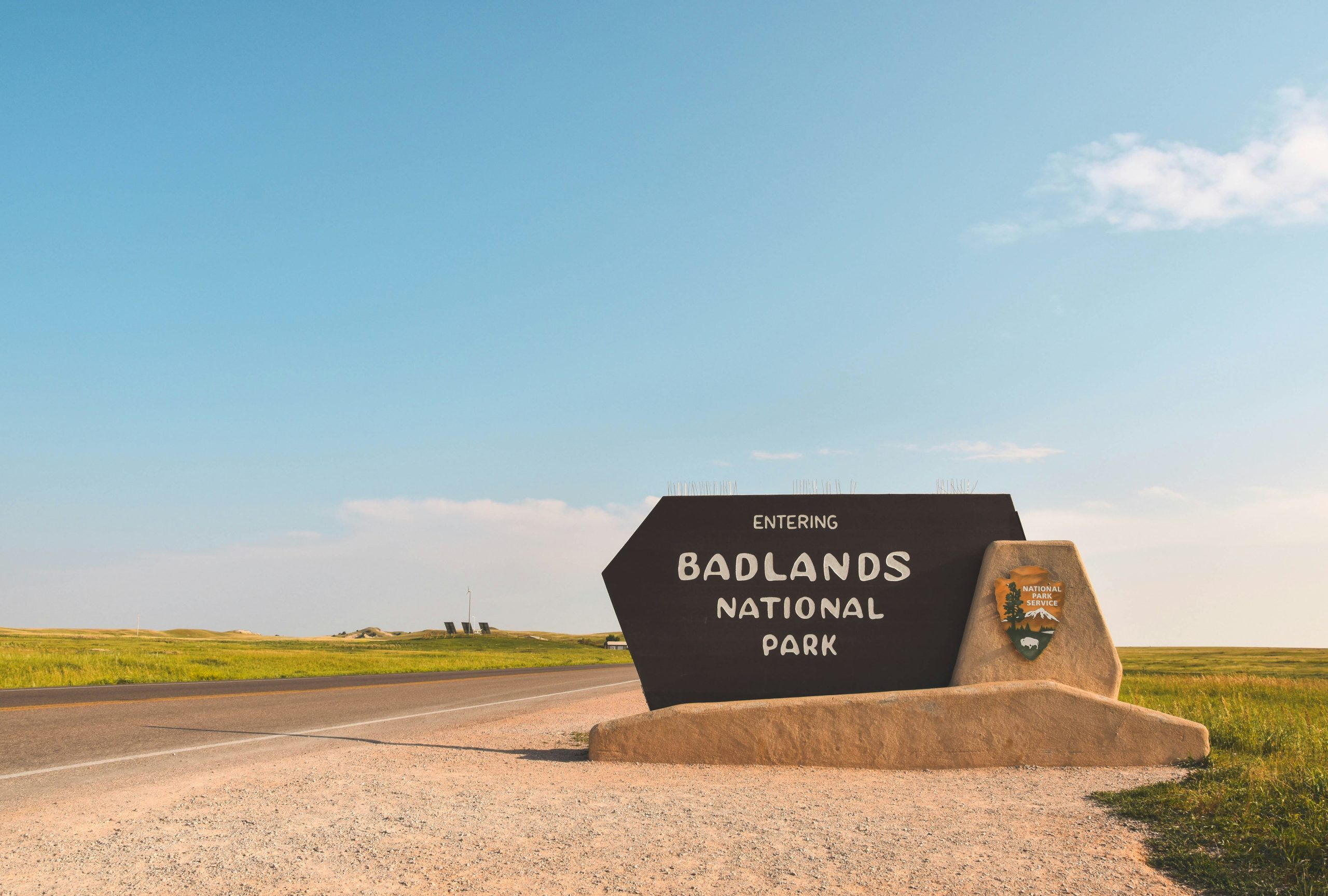
Badlands National Park offers one of the most visually striking landscapes in the United States, defined by jagged rock formations, layered sediment, and vast open prairie. Located in southwestern South Dakota, the park blends rugged geology with surprising biodiversity, creating experiences that feel both dramatic and intimate. Visitors can explore fossil beds, scenic drives, hiking trails, and wildlife habitat within a relatively compact area. Weather and light dramatically alter the scenery throughout the day, making each visit feel different. Whether you’re seeking outdoor adventure, photography opportunities, or quiet observation of nature, the Badlands reward patience and curiosity. Planning your time wisely ensures you experience both its iconic views and its lesser-known highlights.
1. Drive the Badlands Loop Road

The Badlands Loop Road is the most accessible way to experience the park’s dramatic scenery. This 31-mile paved route winds through layered cliffs, spires, and open prairie, offering frequent pullouts for photos and short walks. Each overlook provides a different perspective on erosion patterns and color variations shaped by changing light. Wildlife sightings, including bison and bighorn sheep, are common along the route. The drive is especially striking during early morning or late afternoon when shadows enhance the terrain’s depth. Even visitors with limited time can gain a comprehensive sense of the park’s scale and character from this scenic drive.
2. Hike the Notch Trail
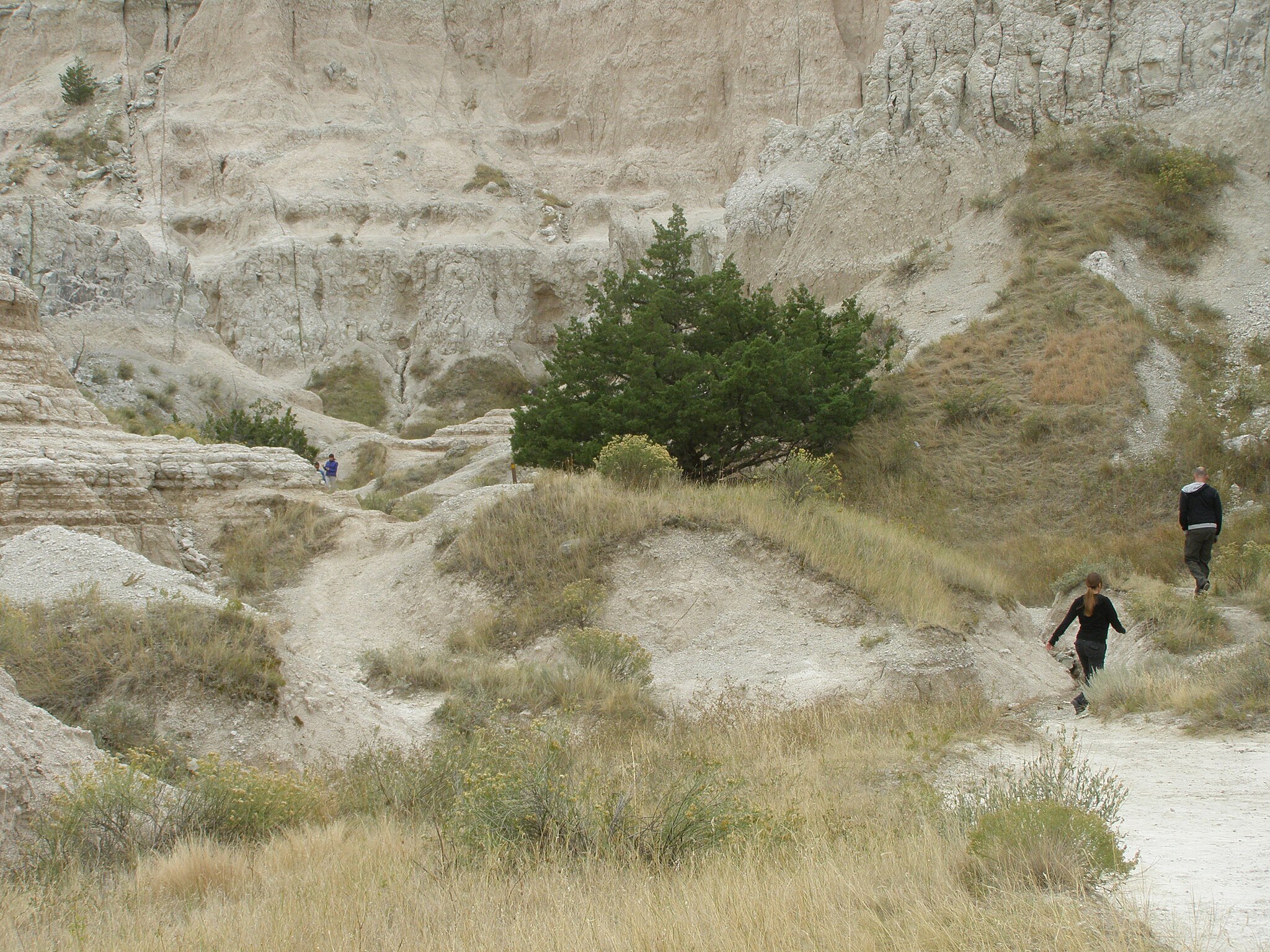
The Notch Trail is one of the park’s most popular hikes, combining moderate effort with rewarding views. The trail winds through a canyon before climbing a wooden ladder that leads to a narrow ledge overlooking the White River Valley. Hikers experience close-up views of Badlands formations while gaining elevation quickly. The final stretch requires careful footing, making sturdy shoes essential. This hike offers a sense of adventure without excessive distance, making it ideal for visitors seeking a memorable challenge. Early starts help avoid crowds and heat, especially during summer months when exposure can be intense.
3. Explore the Fossil Exhibit Trail
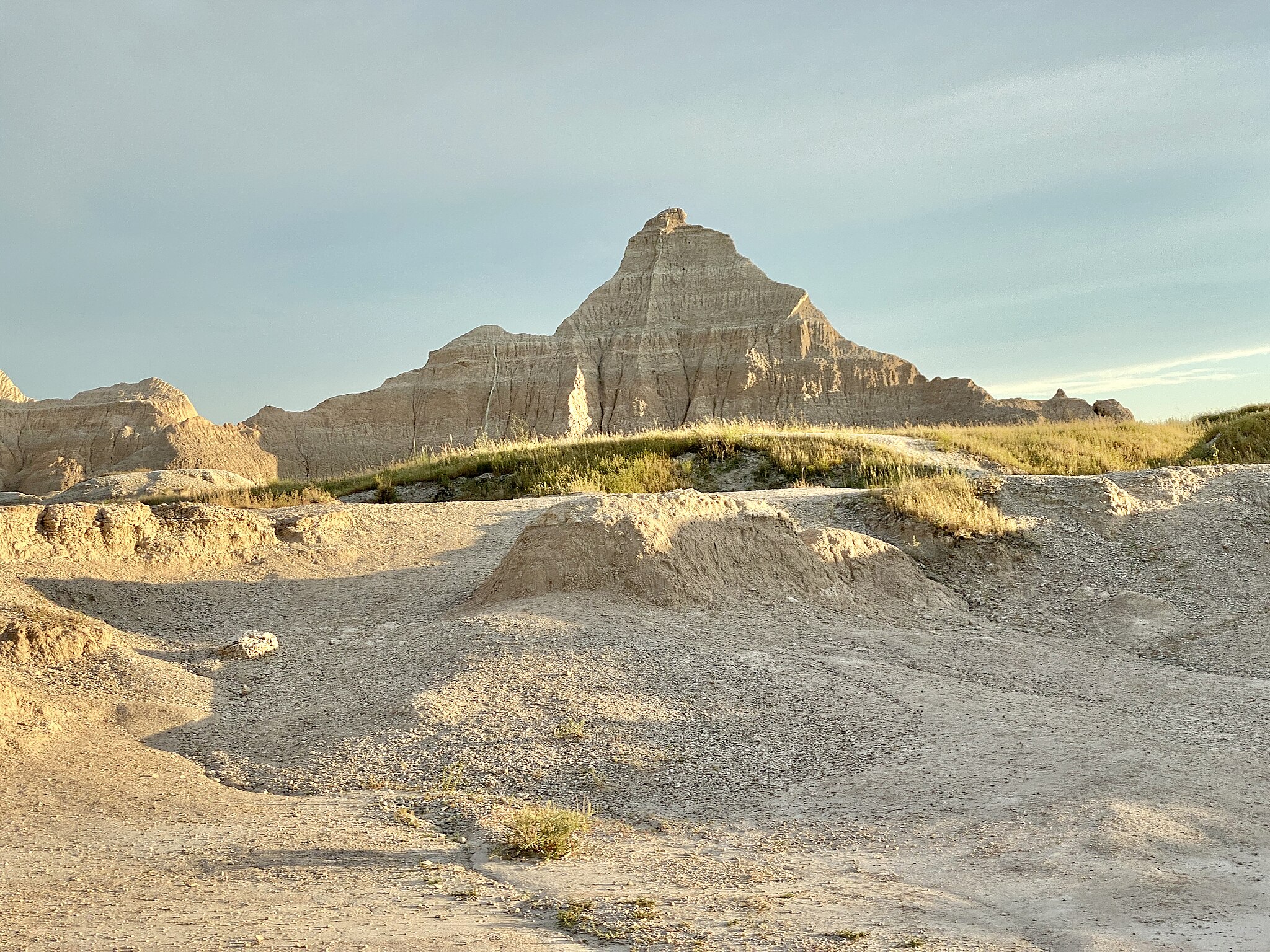
The Fossil Exhibit Trail provides an educational experience that highlights the park’s prehistoric significance. This short, accessible boardwalk features life-size fossil replicas and interpretive signs explaining ancient ecosystems. Millions of years ago, the area supported lush environments filled with mammals that are now extinct. The exhibit helps visitors visualize the dramatic changes that have occurred in the landscape over time. It’s an excellent stop for families, casual walkers, and anyone interested in geology or paleontology. The trail’s design allows visitors to learn without committing to a long hike, making it an ideal midday stop.
4. Watch Sunrise at Pinnacles Overlook
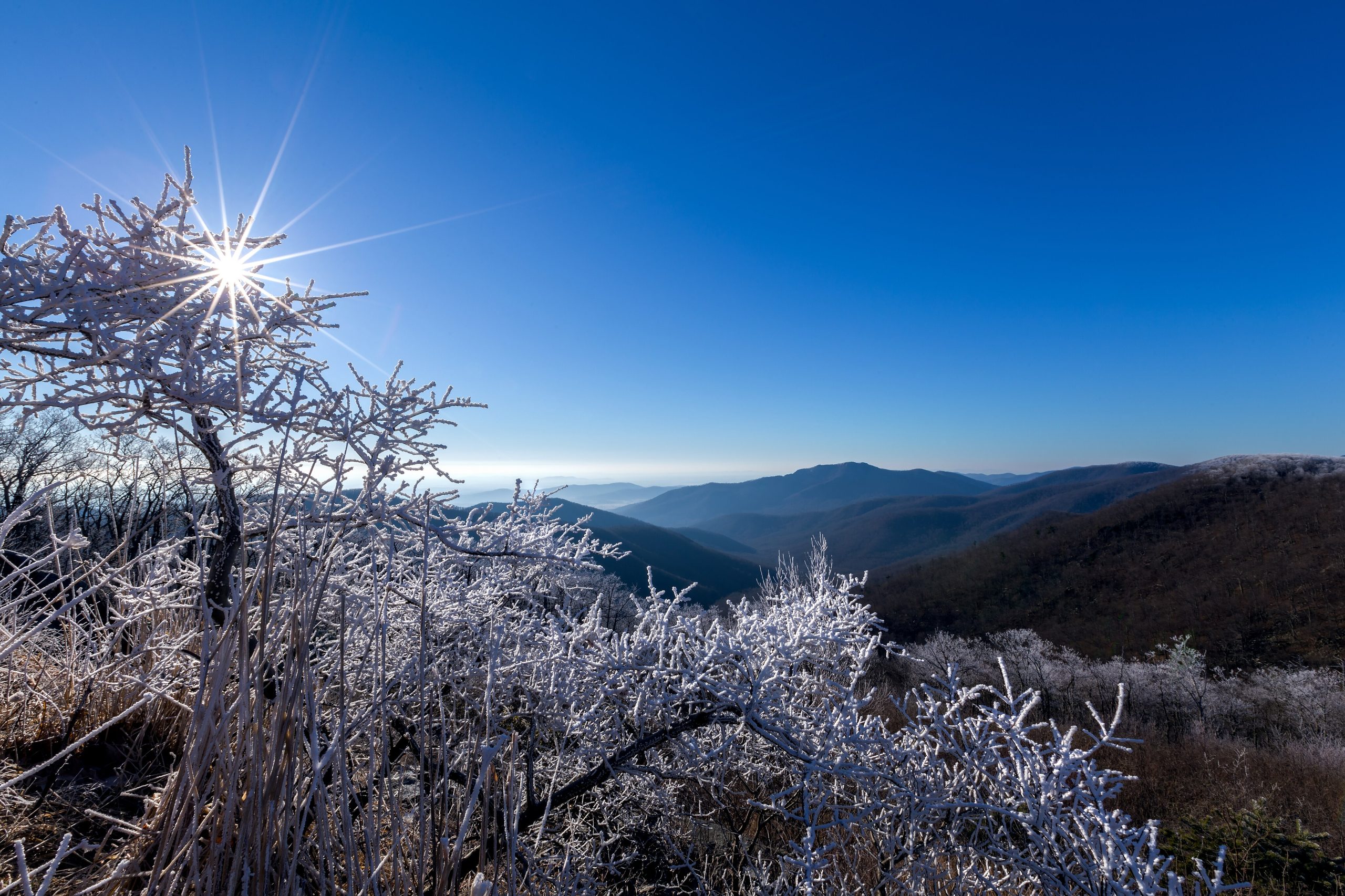
Pinnacles Overlook is one of the best places in the park to watch the sunrise. As the sun crests the horizon, light slowly reveals ridges, shadows, and subtle color shifts across the Badlands formations. The changing illumination creates a layered effect that photographers especially appreciate. Early mornings are quieter, cooler, and more serene, allowing for uninterrupted views. Wildlife movement is also more common during this time. Bringing warm layers is recommended, as temperatures can be chilly even in summer. Sunrise at Pinnacles offers a peaceful introduction to the park’s dramatic landscape.
5. Visit the Ben Reifel Visitor Center
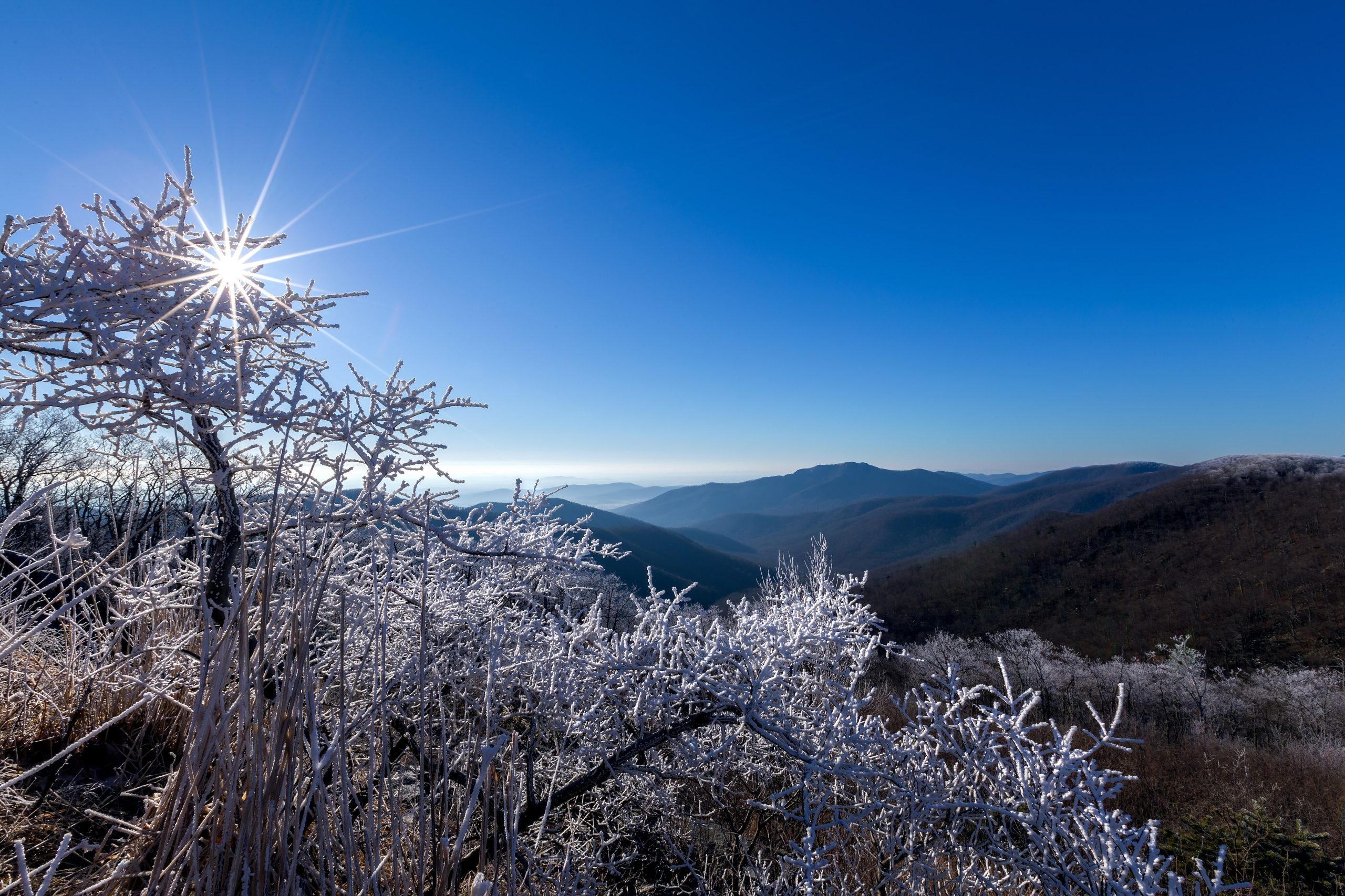
The Ben Reifel Visitor Center serves as the park’s main hub for orientation and education. Exhibits explain the park’s geology, wildlife, fossil discoveries, and human history. Rangers are available to answer questions, provide trail recommendations, and share current conditions. The center also features a bookstore with maps and educational materials. Spending time here helps visitors better understand what they’re seeing in the field. It’s an especially valuable stop for first-time visitors who want context before exploring. The visitor center provides a strong foundation for a more meaningful Badlands experience.
6. Hike the Door Trail
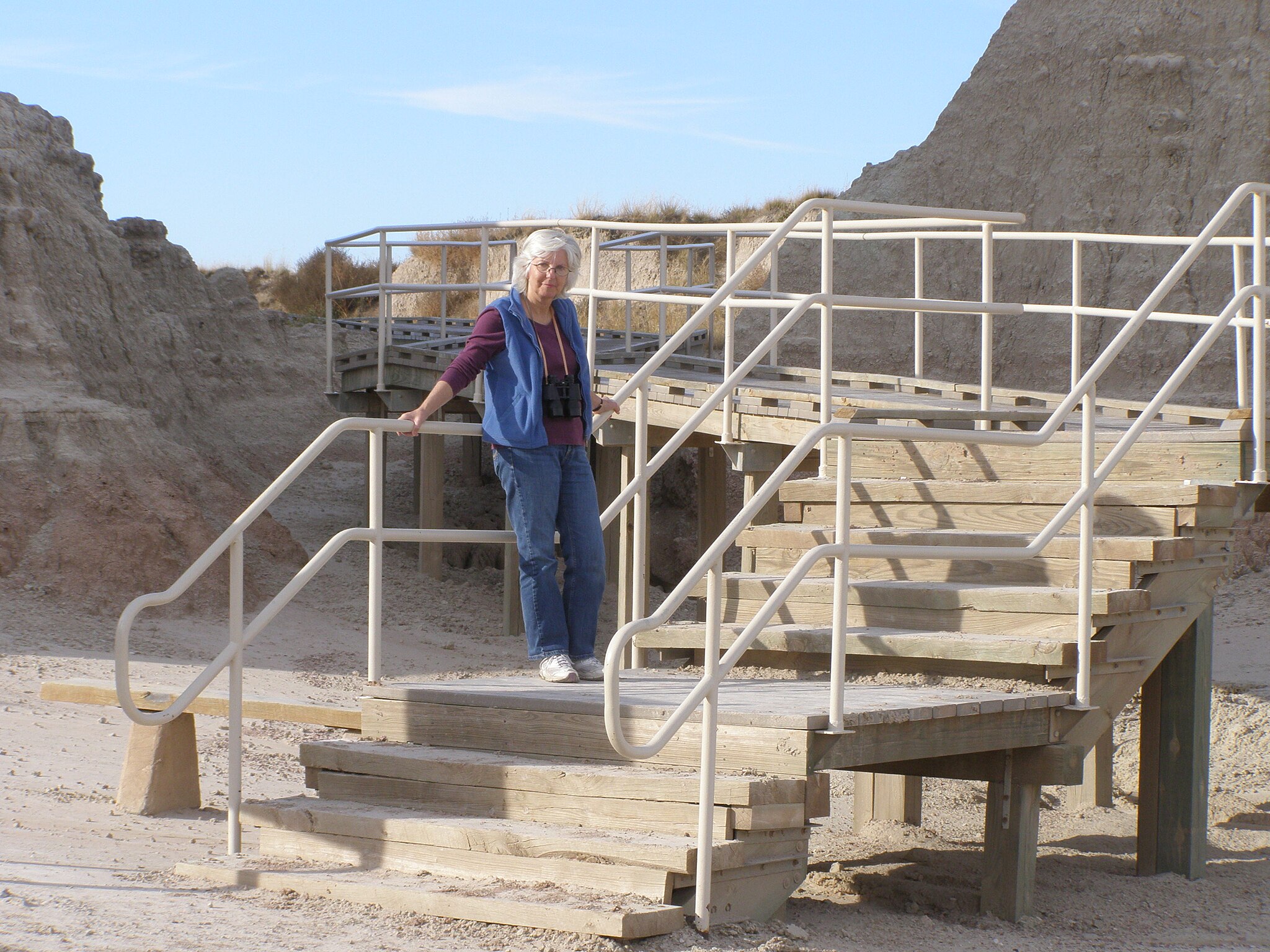
The Door Trail offers an immersive experience into the heart of the Badlands terrain. After a short boardwalk, the trail opens into an unmarked area where hikers can explore freely. Rock cairns guide visitors across open formations, encouraging observation and navigation skills. The lack of a defined path emphasizes the park’s raw, exposed landscape. This trail is excellent for experiencing the Badlands up close without committing to a long hike. Visitors should remain aware of weather conditions and carry water, as shade is minimal and terrain can become disorienting.
7. Spot Wildlife on the Prairie
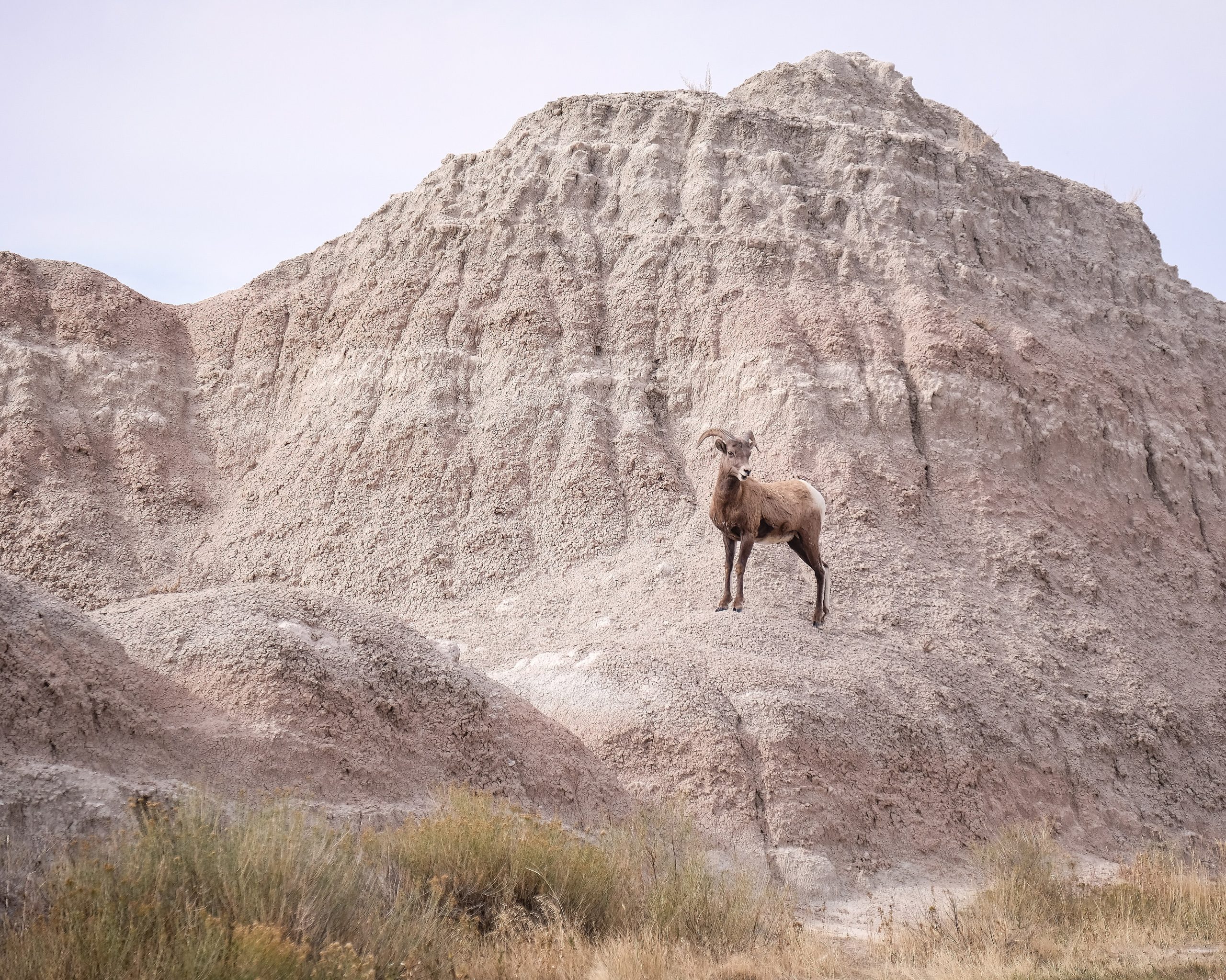
Badlands National Park supports a surprising variety of wildlife, particularly in its grassland areas. Bison herds, prairie dogs, pronghorn antelope, and bighorn sheep are commonly seen. Early morning and evening offer the best chances for sightings. Observing animals from a safe distance helps protect both visitors and wildlife. Pullouts along park roads allow for safe viewing without disrupting habitat. The contrast between rugged rock formations and open prairie highlights the park’s ecological diversity. Wildlife encounters add an unpredictable and memorable element to any visit.
8. Walk the Window Trail
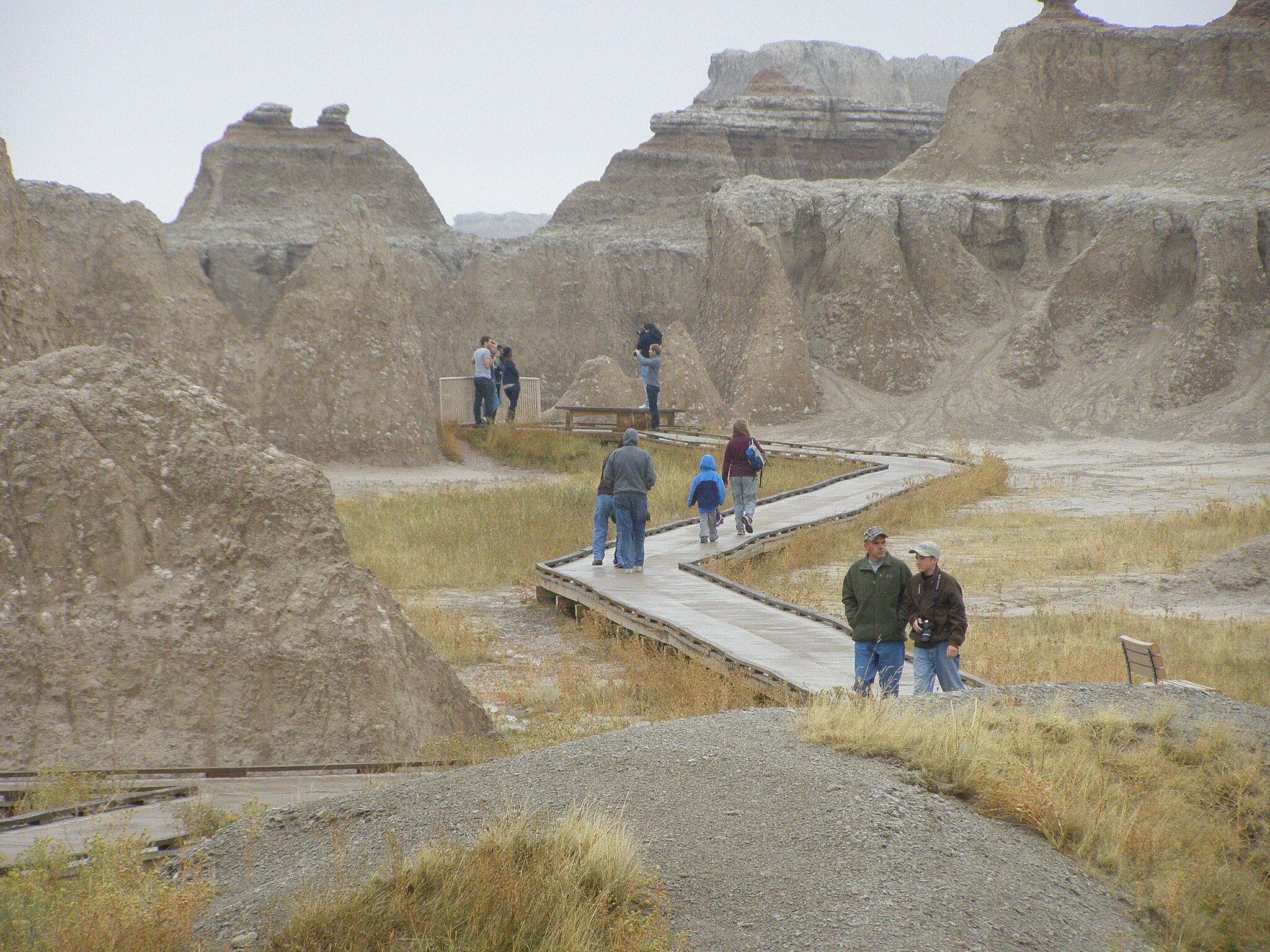
The Window Trail is a short, paved walk leading to a natural opening in the Badlands wall. This “window” frames views of eroded formations and distant plains beyond. The trail is accessible and suitable for visitors of all ages and mobility levels. Interpretive signs explain erosion processes that shaped the landscape. Because of its length, the trail is ideal for a quick stop between longer hikes or scenic drives. Despite its simplicity, the Window Trail offers one of the park’s most iconic and easily appreciated views.
9. Hike the Castle Trail
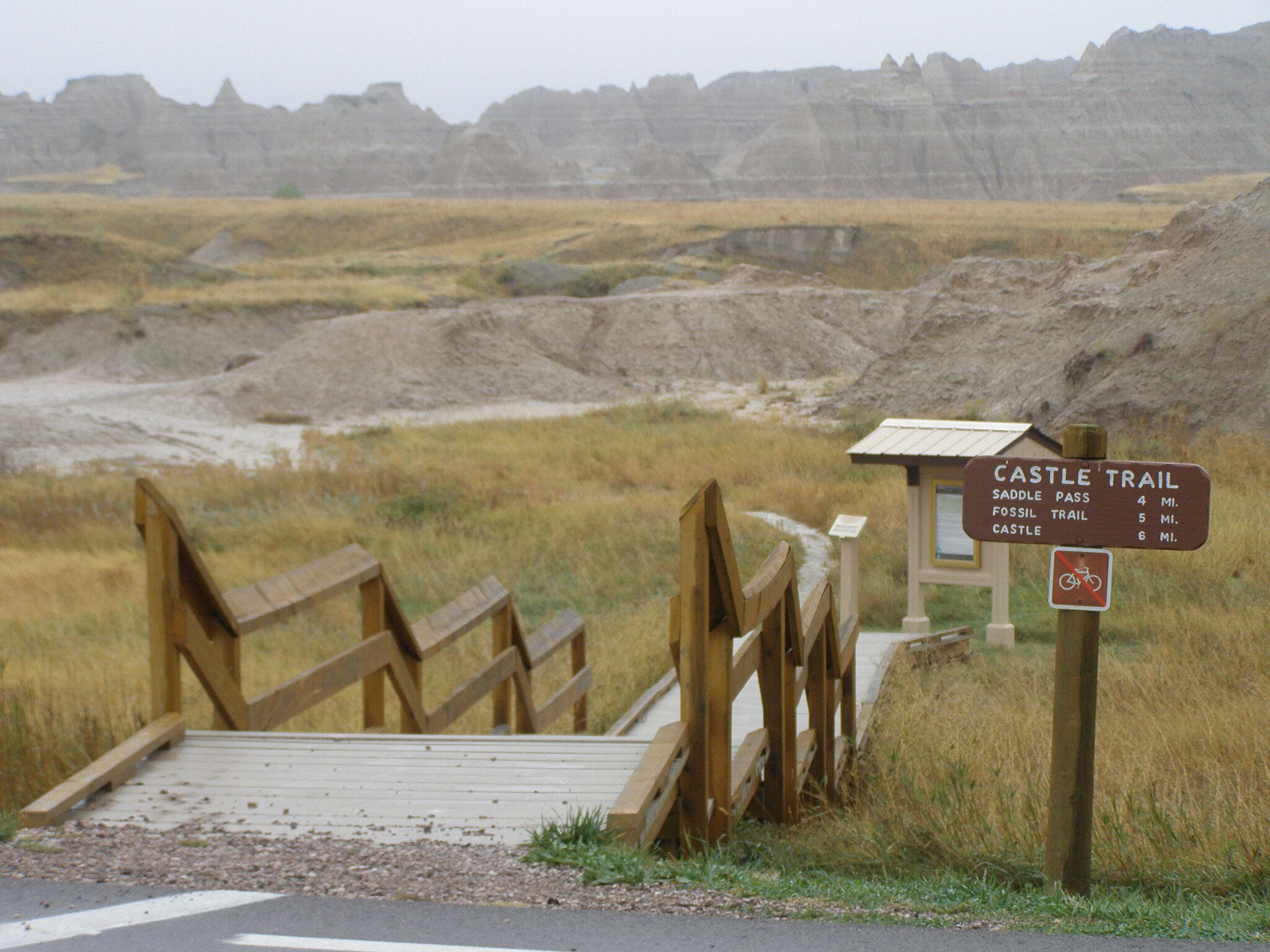
The Castle Trail is the park’s longest maintained trail, stretching across open Badlands terrain. Hikers experience vast views, layered formations, and a sense of solitude. The trail’s length allows visitors to fully immerse themselves in the park’s scale. While relatively flat, exposure to sun and wind makes preparation important. Many hikers choose to turn back at a comfortable distance rather than complete the entire route. The Castle Trail rewards those who take their time, offering changing perspectives and quiet moments far from road traffic.
10. Experience Night Sky Viewing
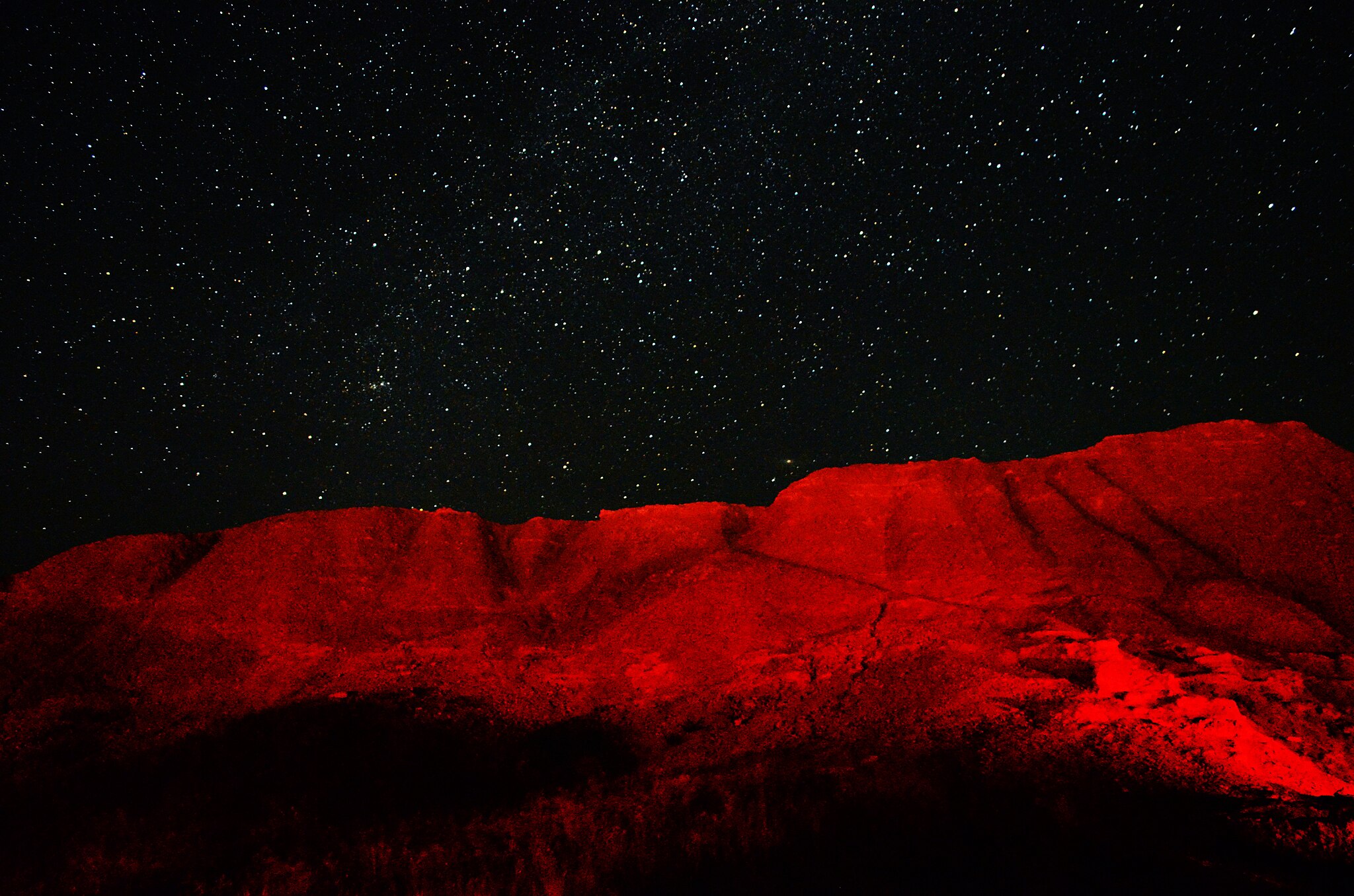
Badlands National Park offers exceptional stargazing opportunities due to minimal light pollution. On clear nights, the Milky Way becomes visible, stretching across the sky. Seasonal ranger-led astronomy programs provide guided viewing and educational talks. Even without programs, visitors can enjoy peaceful nighttime observation from campgrounds or pullouts. The contrast between dark skies and jagged silhouettes creates a memorable atmosphere. Bringing a blanket or chair enhances comfort. Night sky viewing reveals an entirely different side of the park, emphasizing its remoteness and natural quiet.
11. Visit Big Badlands Overlook
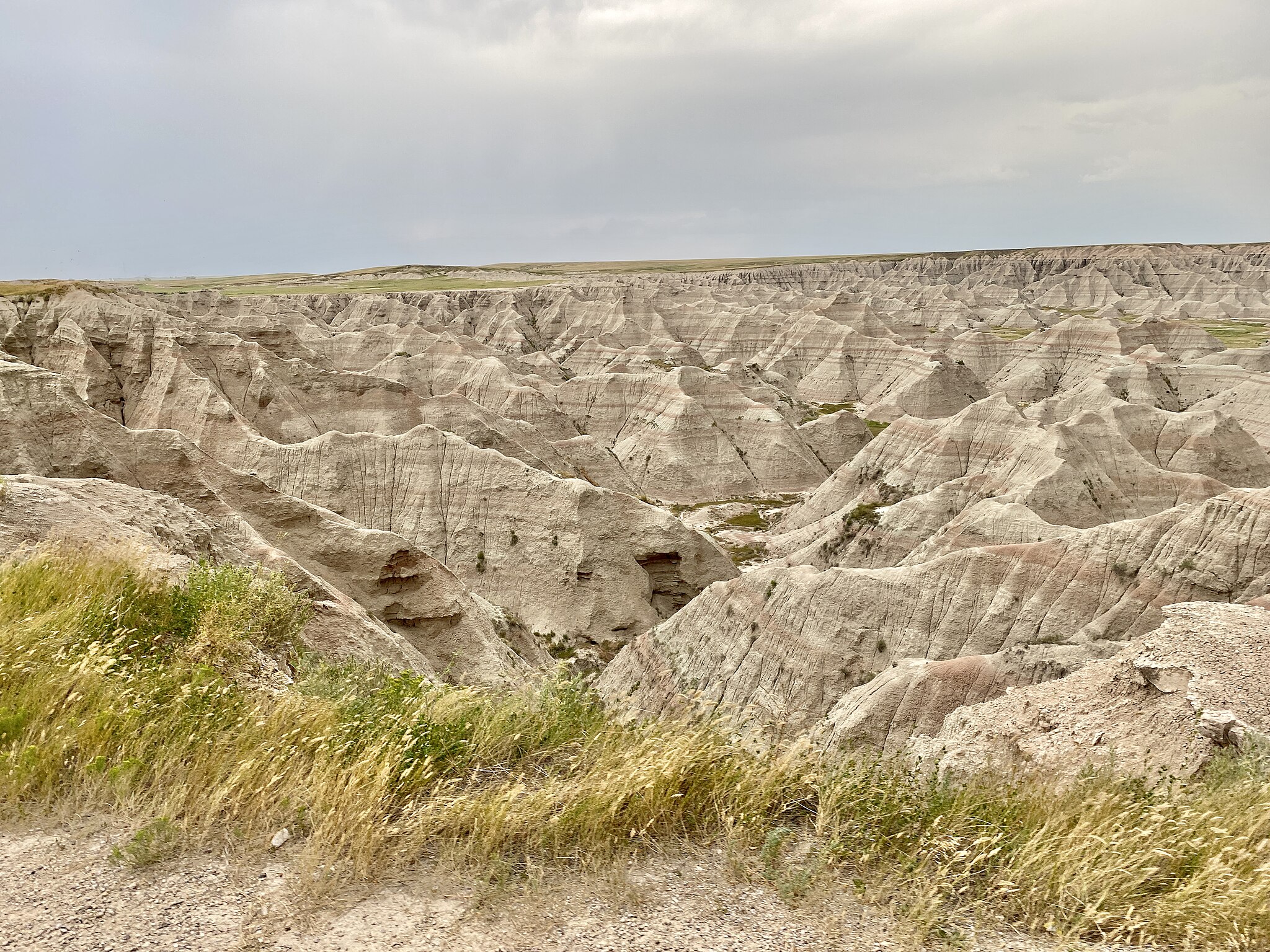
Big Badlands Overlook delivers one of the park’s most expansive views. From this vantage point, visitors can see miles of eroded formations, showcasing the park’s layered geology. The overlook is easily accessible and offers dramatic scenery without hiking. Sunrise and sunset both provide striking lighting conditions. Interpretive signs help explain how erosion shaped the landscape over millions of years. This overlook is often a highlight for first-time visitors, offering a powerful introduction to the park’s visual identity.
12. Attend a Ranger Program
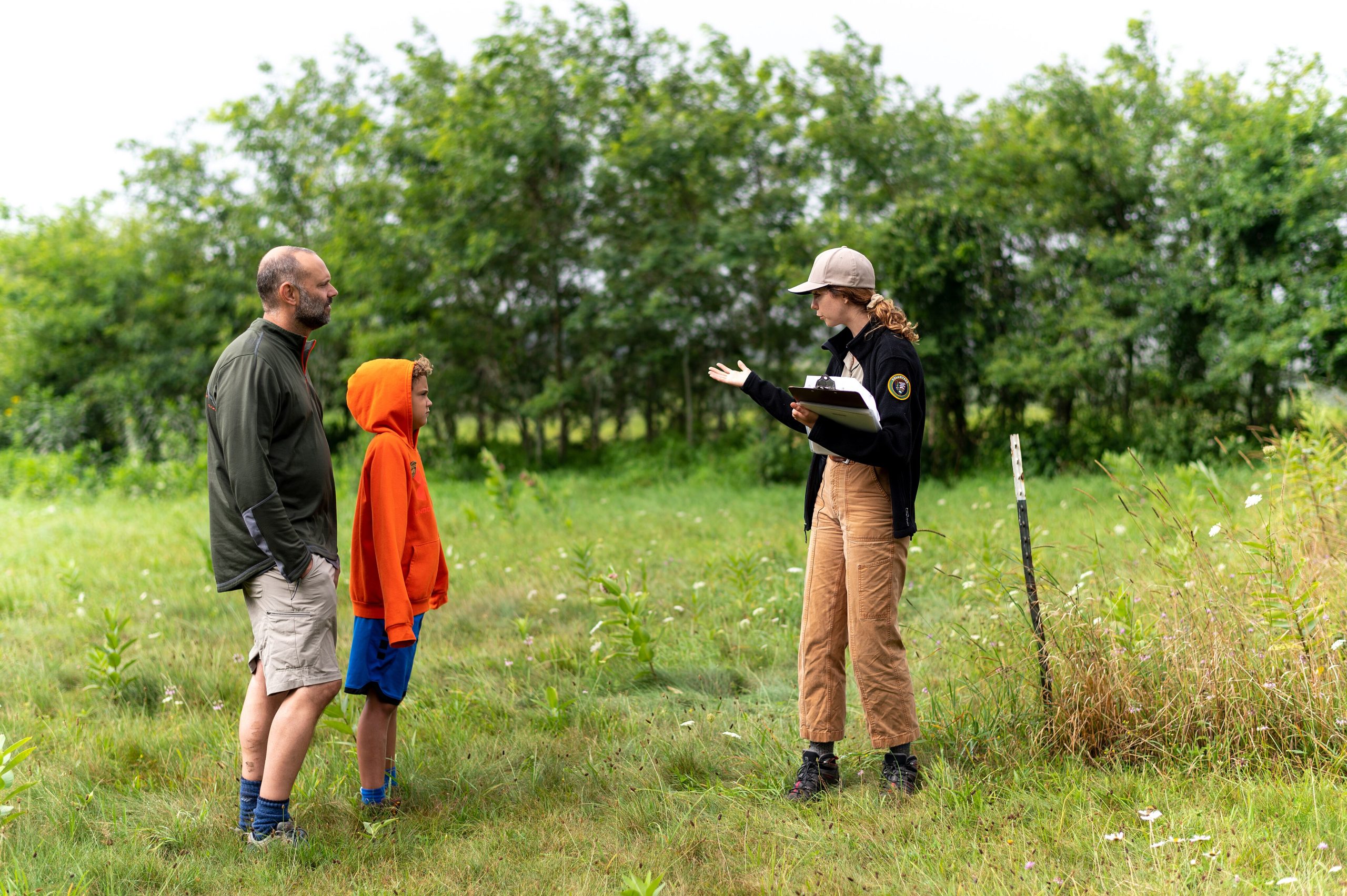
Ranger-led programs provide deeper insight into Badlands National Park. Topics include geology, wildlife behavior, fossil history, and cultural significance. Programs vary seasonally and may include guided walks or evening talks. Rangers share stories and observations that enhance understanding beyond what signs alone provide. These programs are suitable for all ages and experience levels. Attending one can change how visitors perceive the landscape, adding context and meaning. Checking schedules at the visitor center ensures you don’t miss these valuable learning opportunities.
13. Explore Sage Creek Rim Road
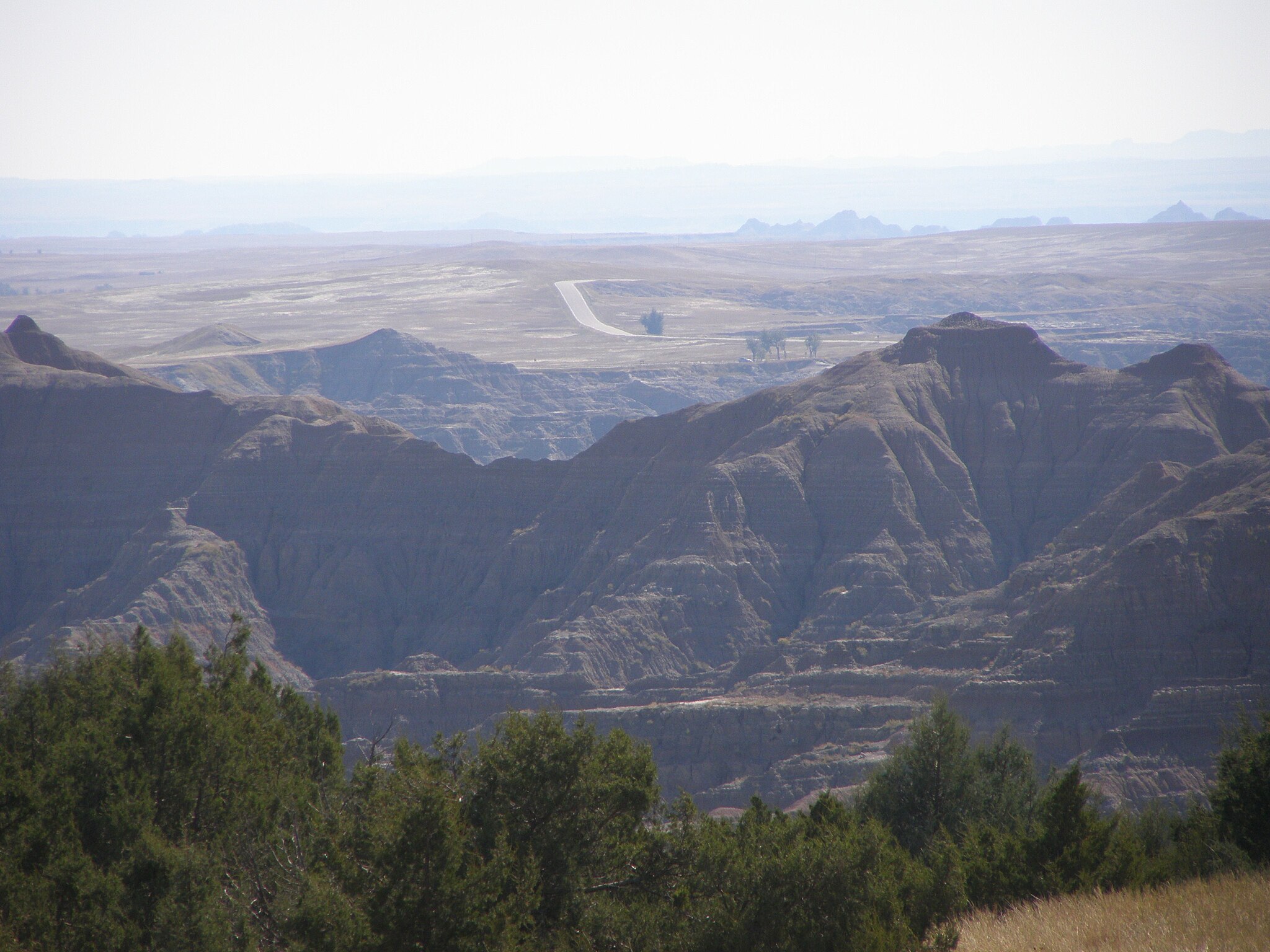
Sage Creek Rim Road offers a more rugged driving experience through less-visited areas of the park. The unpaved road follows the edge of the Badlands, providing wide-open views and frequent wildlife sightings. Bison and prairie dogs are commonly seen along this route. Road conditions vary, especially after rain, so checking current status is important. This drive appeals to visitors seeking solitude and a more remote feel. Sage Creek Rim Road highlights the park’s prairie side, contrasting sharply with its rocky interior.
14. Photograph Changing Light and Color
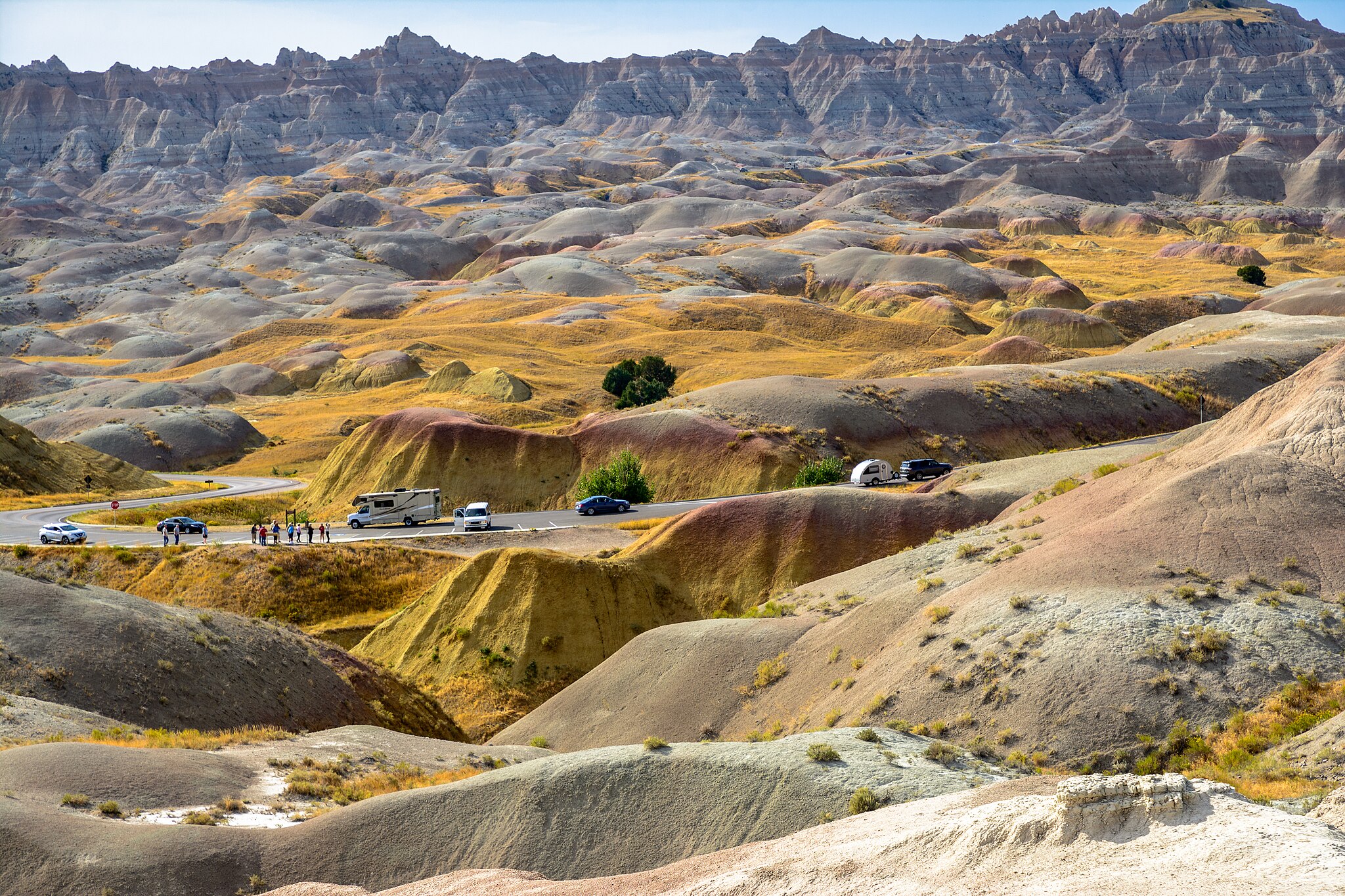
Photography is one of the most rewarding activities in the Badlands. The park’s colors shift dramatically throughout the day, from soft pastels at sunrise to deep shadows at sunset. Cloud cover and storms add texture and contrast to the landscape. Photographers benefit from patience, returning to the same locations under different conditions. Wide-angle lenses capture scale, while telephoto lenses isolate patterns. Even casual photographers find endless inspiration. The Badlands’ ever-changing light ensures no two images look the same.
15. Camp Under Open Skies
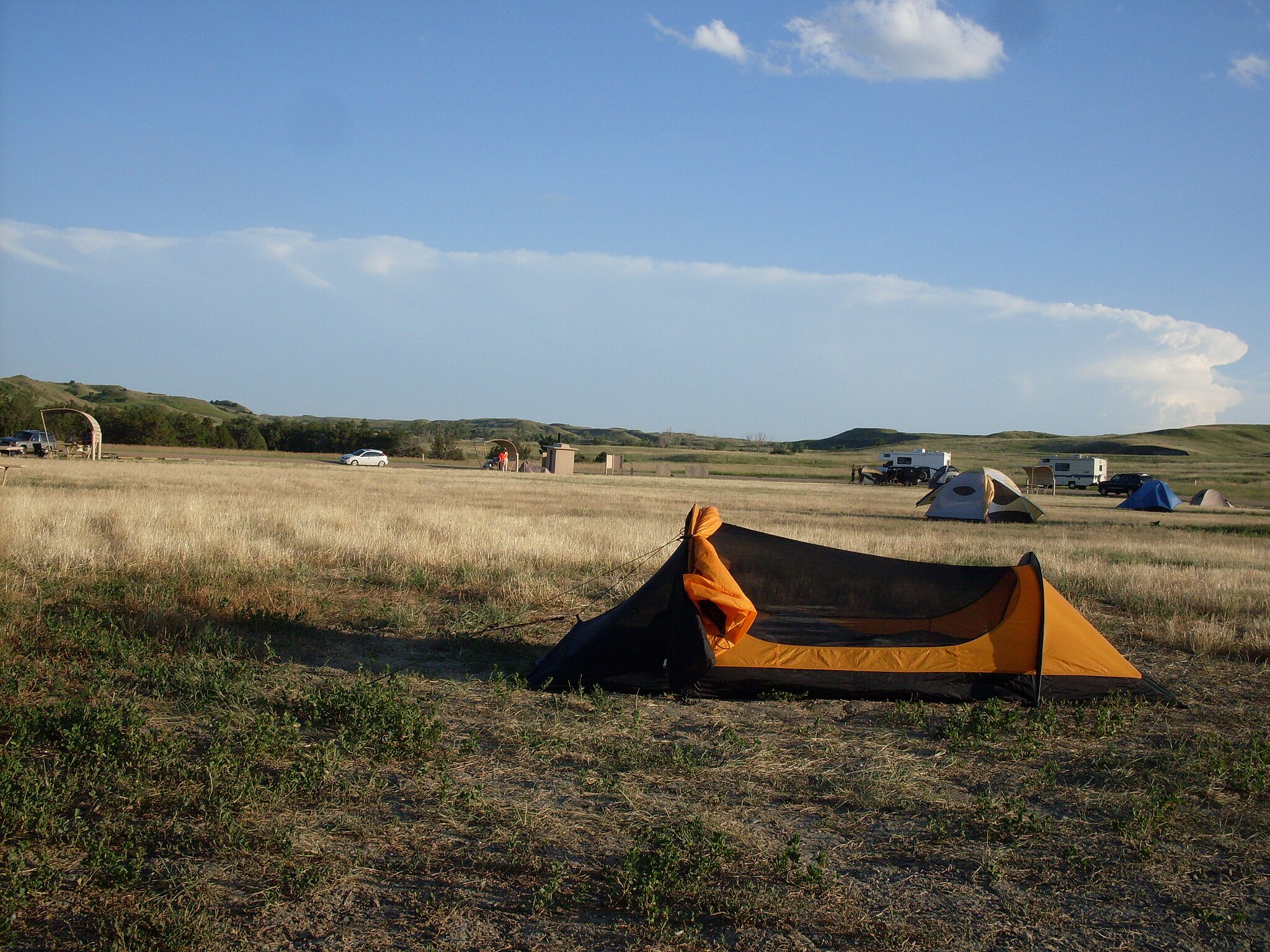
Camping in Badlands National Park allows visitors to experience the landscape beyond daylight hours. Campgrounds offer a range of settings, from developed sites to more primitive options. Nights are quiet, with open skies and distant wildlife sounds. Camping encourages slower exploration and early-morning starts. Weather awareness is important, as conditions can change quickly. Staying overnight deepens the connection to the park, offering moments of solitude and reflection rarely experienced during day trips alone.
16. Learn the Park’s Human History
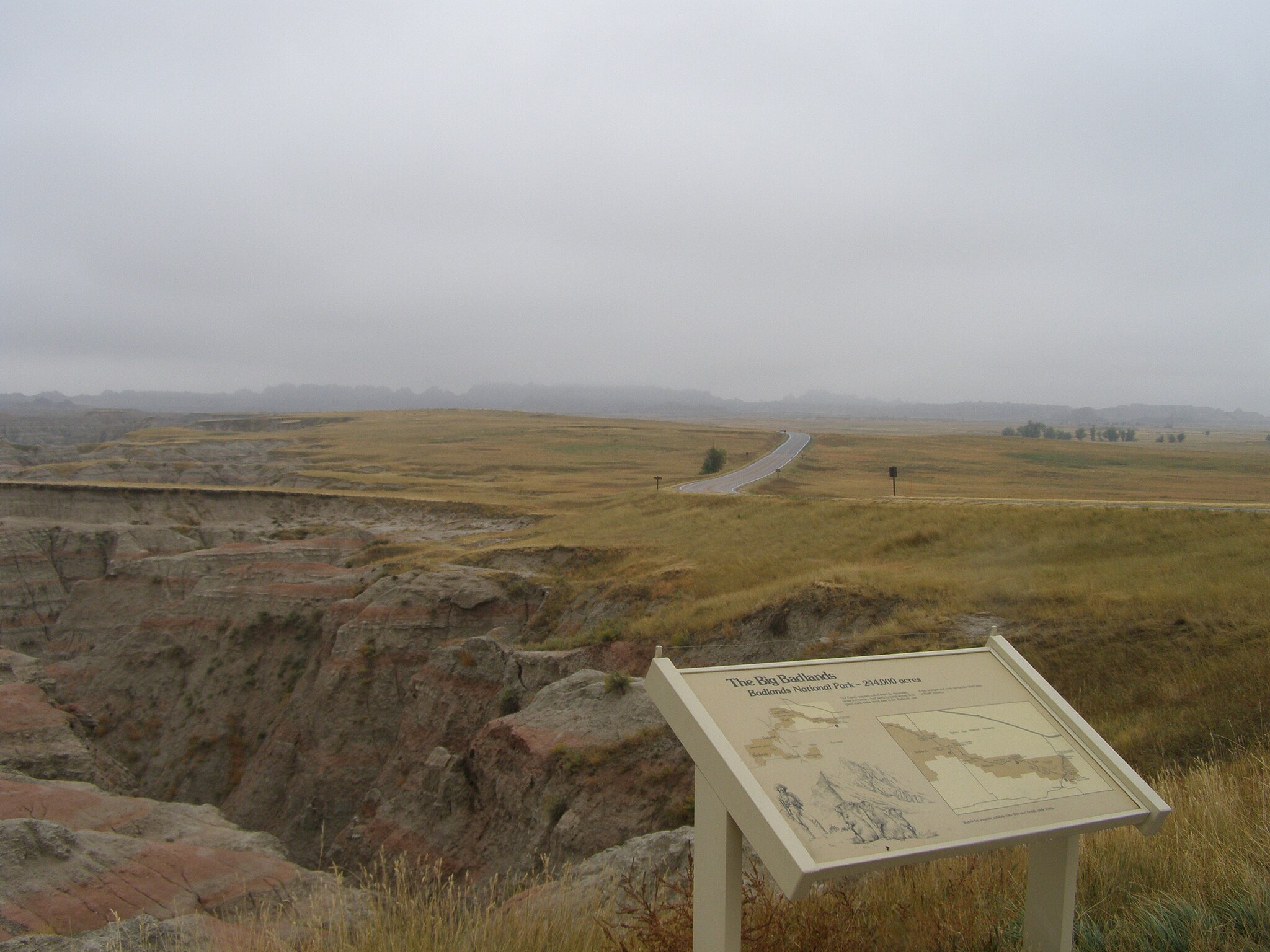
The Badlands hold deep cultural significance for Indigenous peoples, particularly the Lakota. Exhibits and interpretive signs share stories of human presence, displacement, and resilience. Understanding this history adds depth to the landscape’s beauty. Visitors gain a broader perspective on how people have interacted with this environment over centuries. Learning the human story encourages respect and mindfulness while exploring. This context transforms the park from a scenic destination into a place of layered meaning and ongoing cultural importance.