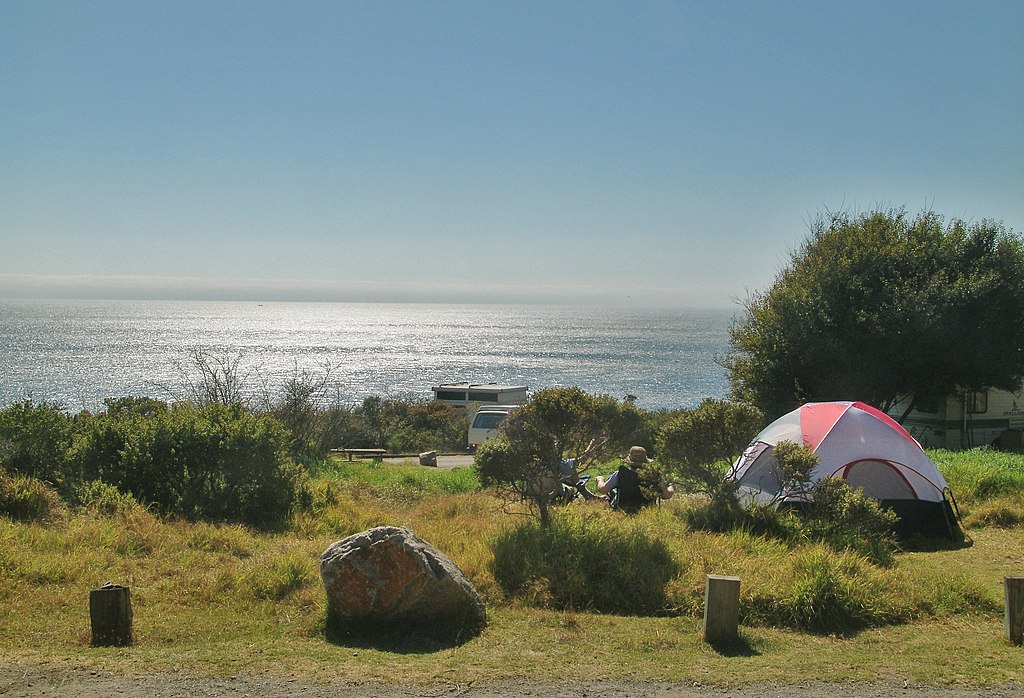
Wind exposes weaknesses in camping gear faster than rain or heat. A calm campsite can become challenging when gusts pick up unexpectedly overnight. Tents designed for mild conditions often struggle once wind pressure increases. Features that seem minor in stores suddenly determine comfort, safety, and sleep quality outdoors. From pole design to fabric tension, every detail matters. Campers who understand wind focused construction choose more reliable shelters. The following features highlight what truly helps when conditions turn blustery. Each one plays a specific role in stability, durability, and livability when campsites face sustained wind, sudden gusts, or exposed terrain during outdoor trips.
Low Profile Tent Shape
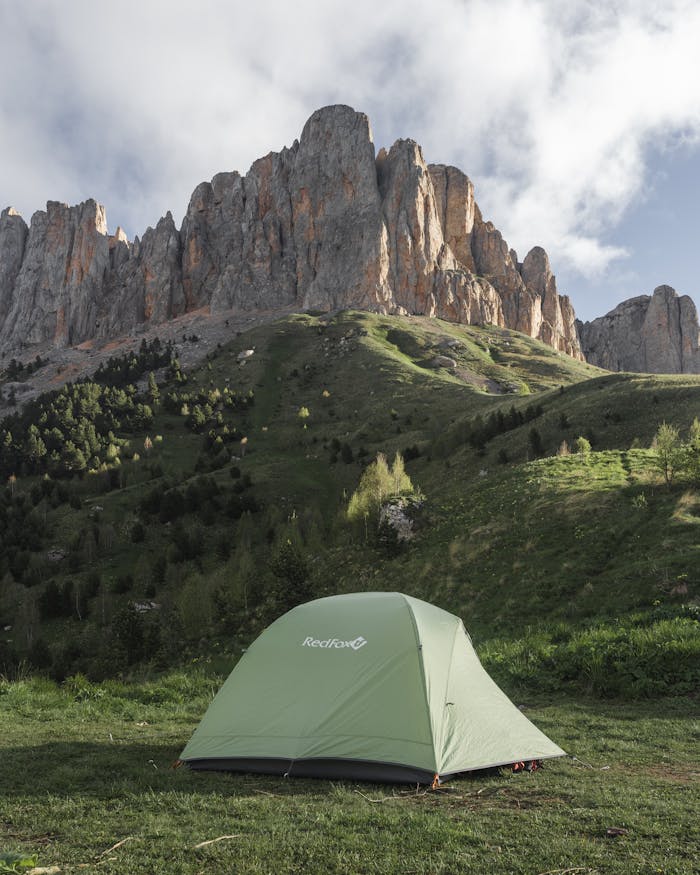
Low profile tent shapes reduce wind resistance significantly. Shorter peak heights limit surface area exposed to gusts. Wind flows over sloped sides instead of pushing flat walls. Dome and tunnel shapes perform better than tall cabin styles. Lower silhouettes maintain stability on ridgelines and open plains. Campers notice less fabric snapping overnight. Reduced sway improves sleep quality. Stakes hold more effectively when pressure stays distributed. Designers prioritize aerodynamic curves for this reason. In windy campsites, tents with lower profiles experience fewer structural stresses, helping poles, seams, and anchors last longer while keeping occupants more comfortable and secure during sustained or shifting wind conditions.
Strong Pole Architecture
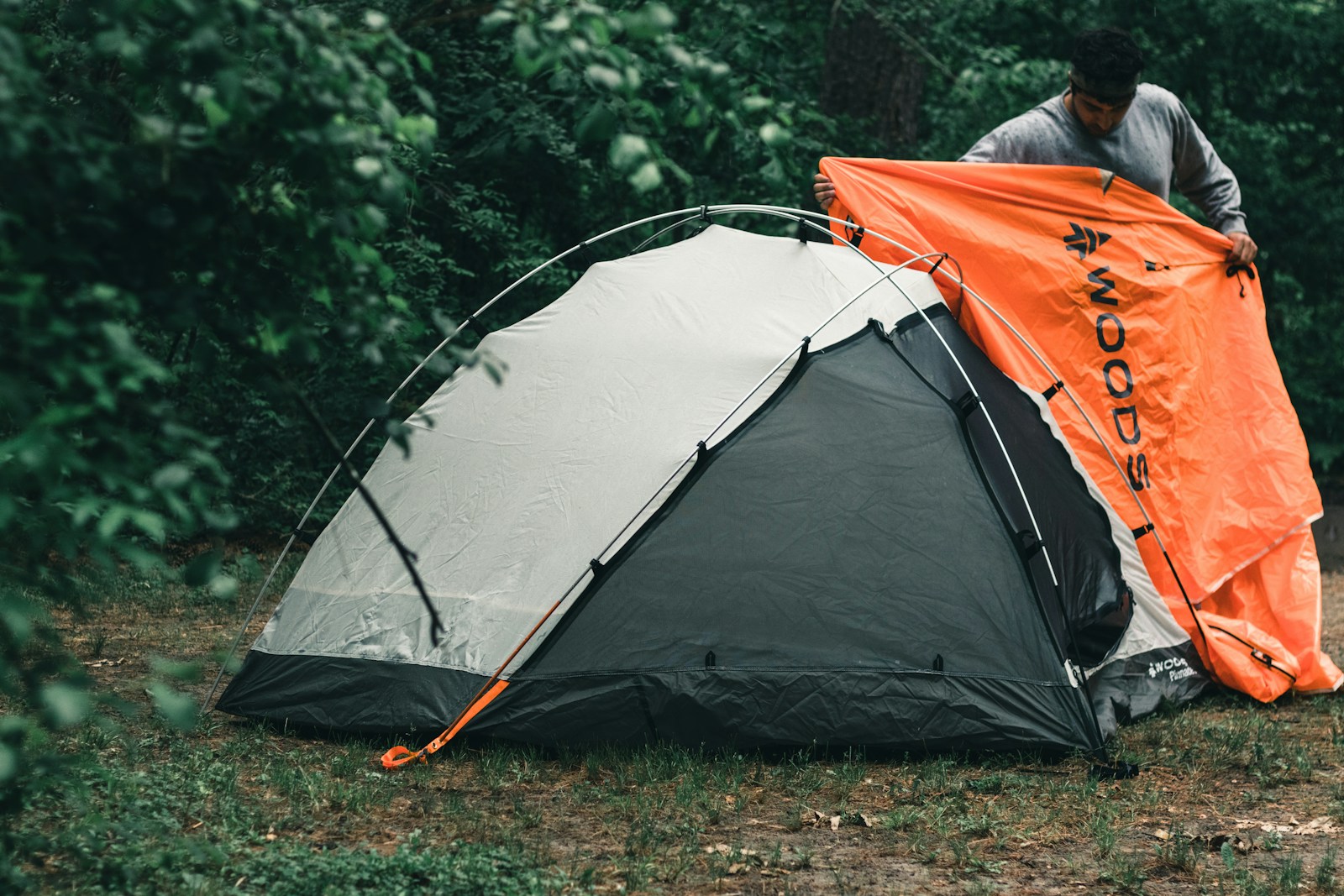
Pole architecture determines how a tent handles wind loads. Multiple intersecting poles distribute pressure evenly. Crossed designs prevent collapse from side gusts. Aluminum poles outperform fiberglass in strength and flexibility. Pre bent sections enhance structural integrity. Strong hubs reduce stress points. Well engineered pole geometry limits excessive flexing. Campers experience fewer sudden movements during gusts. Poles snapping often cause total failure. Reliable architecture maintains shape under pressure. In windy campsites, tents with reinforced pole systems resist deformation better, protect fabric tension, and recover quickly after gusts, reducing long term damage and improving overall shelter reliability.
Quality Guy Line System
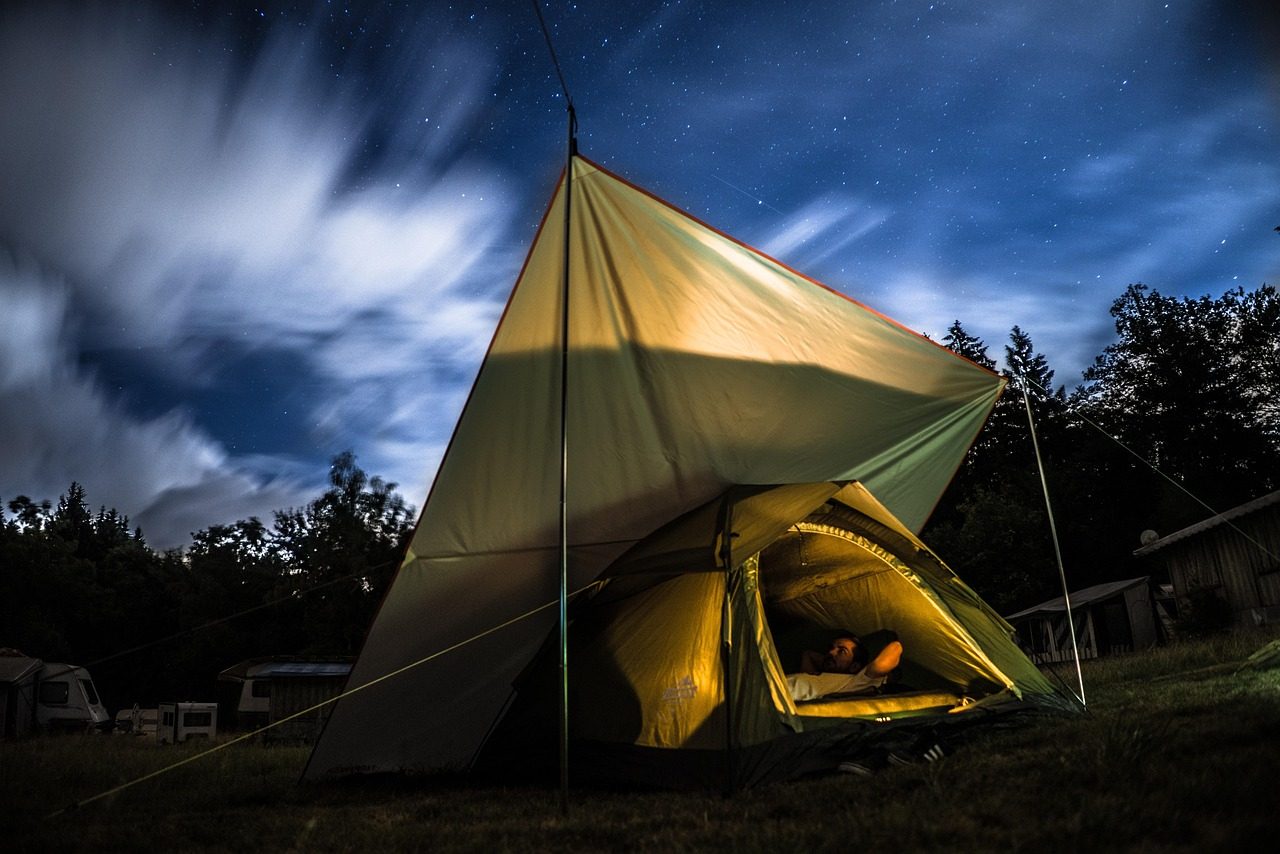
Guy lines provide critical stabilization in windy conditions. Multiple attachment points allow tension adjustments. Reflective cords improve nighttime visibility. Adjustable tensioners help respond to changing wind direction. Guy lines anchor fly and body together. Proper angles reduce fabric flapping. Strong cords resist stretching when wet. Campers who deploy full guy systems experience fewer disturbances. Inadequate lines leave tents vulnerable. Thoughtful guy placement increases overall rigidity. In windy campsites, tents equipped with well designed guy systems maintain shape, reduce noise, and transfer wind forces safely into the ground rather than stressing poles or seams excessively.
Durable Tent Stakes
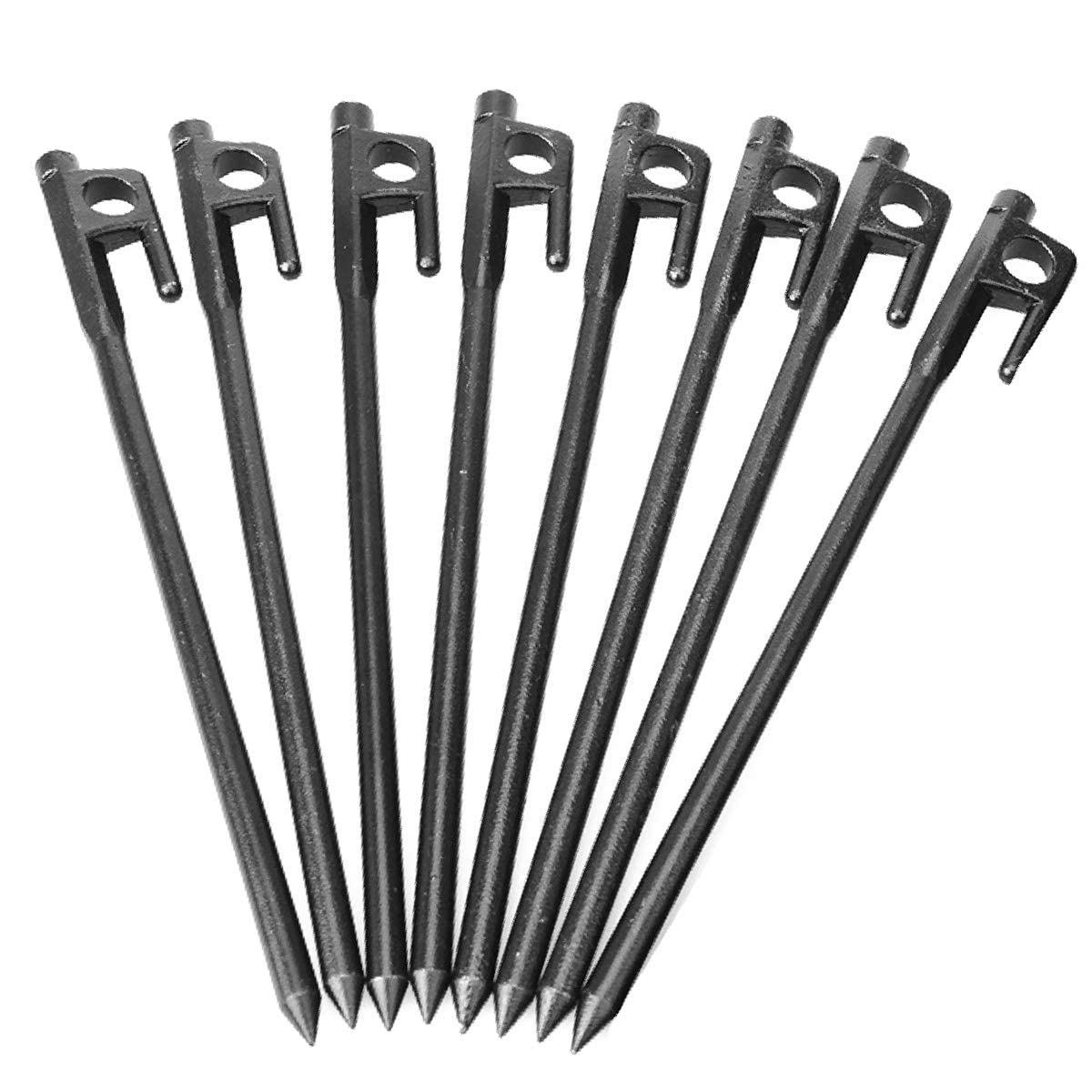
Tent stakes anchor stability in high wind. Thin wire stakes pull out easily. Y shaped or V shaped stakes hold better in loose soil. Longer stakes improve grip. Aluminum and steel resist bending under tension. Proper stakes prevent sudden failure during gusts. Campers often underestimate their importance. Sand, gravel, and alpine soil demand different designs. Reliable stakes complement guy lines effectively. In windy campsites, durable stakes keep shelters grounded, prevent shifting, and reduce strain on tent structure, ensuring the shelter remains secure even when wind direction or intensity changes unexpectedly overnight.
Full Coverage Rainfly
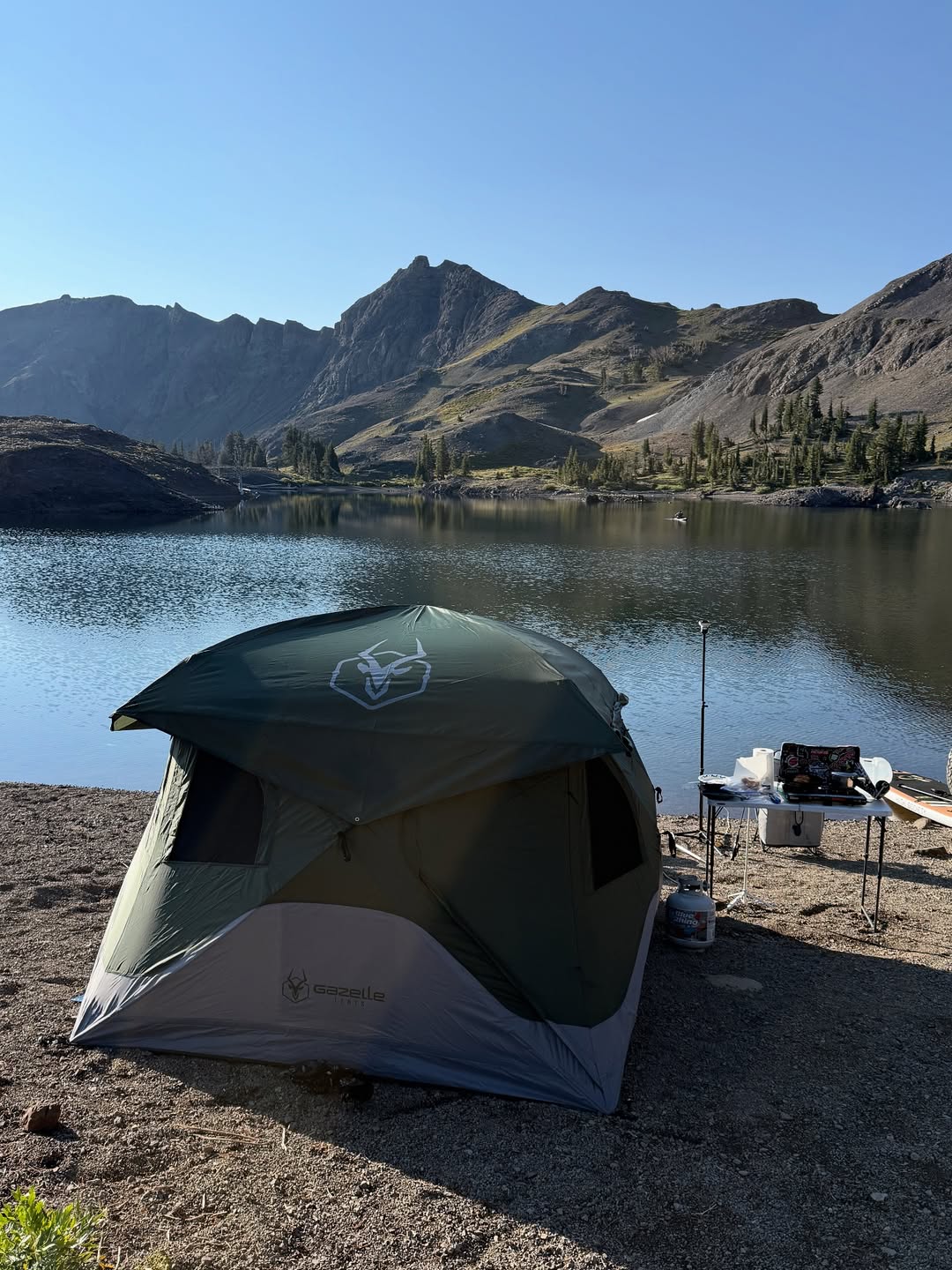
A full coverage rainfly improves wind performance significantly. Extended coverage shields inner walls from direct gusts. The fly creates a smoother outer surface. Partial flies allow wind intrusion underneath. Proper overlap reduces uplift. Full flies also protect mesh panels. Campers experience warmer interiors. Reduced airflow limits fabric vibration. Anchored fly edges stabilize the entire tent. In windy campsites, tents with full coverage rainflies manage airflow better, prevent drafts, and distribute pressure more evenly across the structure, improving comfort and protecting interior components from excessive stress caused by continuous wind exposure.
Taut Pitch Design
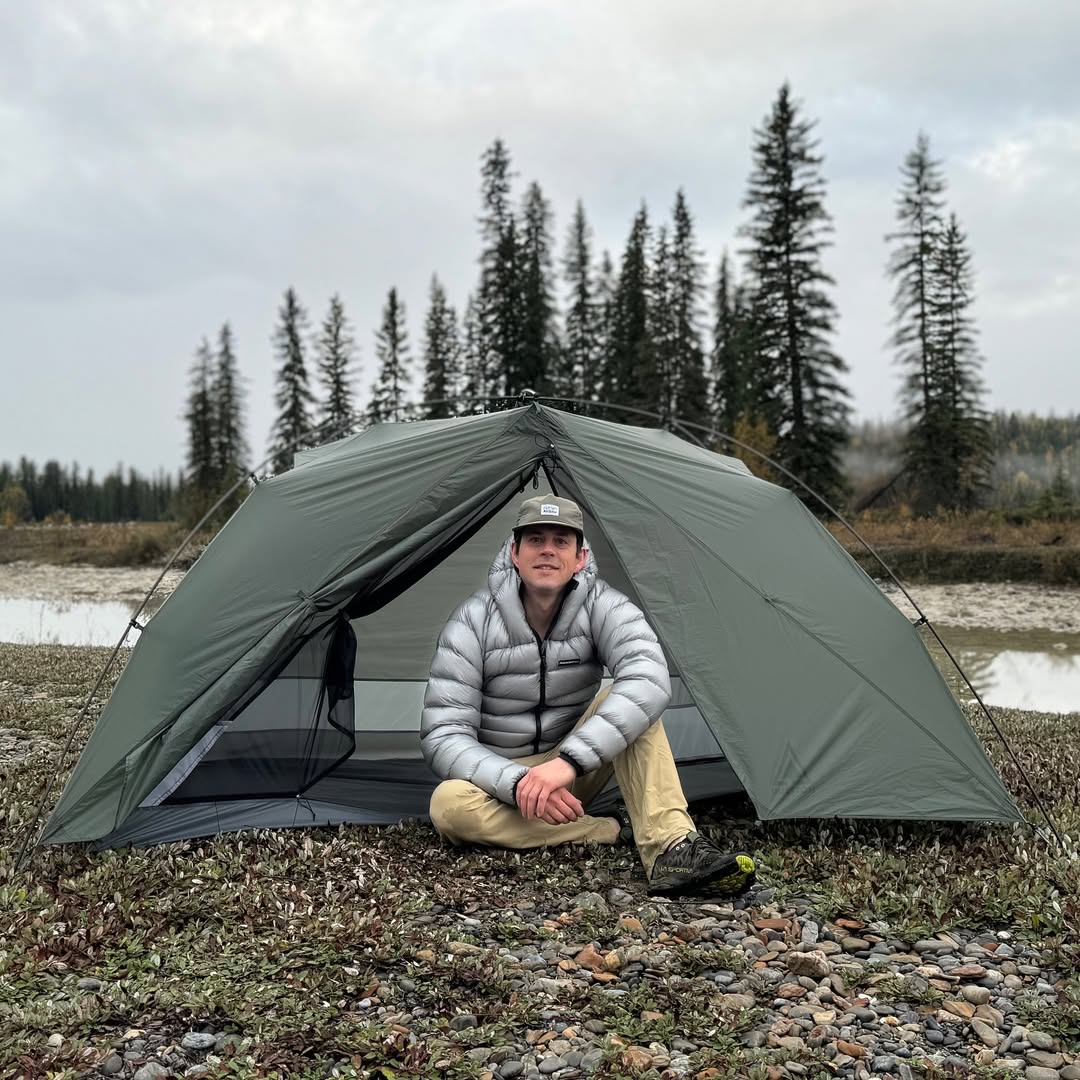
Taut pitch design minimizes fabric movement. Tight fabric resists flapping and noise. Pre shaped panels improve tension consistency. Adjustable corners allow fine tuning. Wrinkles create wind pockets that strain seams. Smooth surfaces shed gusts more effectively. Campers sleep better with reduced sound. Proper pitch protects waterproof coatings. Designers emphasize tension geometry. In windy campsites, tents that achieve taut pitches remain quieter, more stable, and less prone to fabric fatigue, ensuring the shelter maintains performance over multiple trips despite repeated exposure to strong or unpredictable wind patterns.
Reinforced Seams
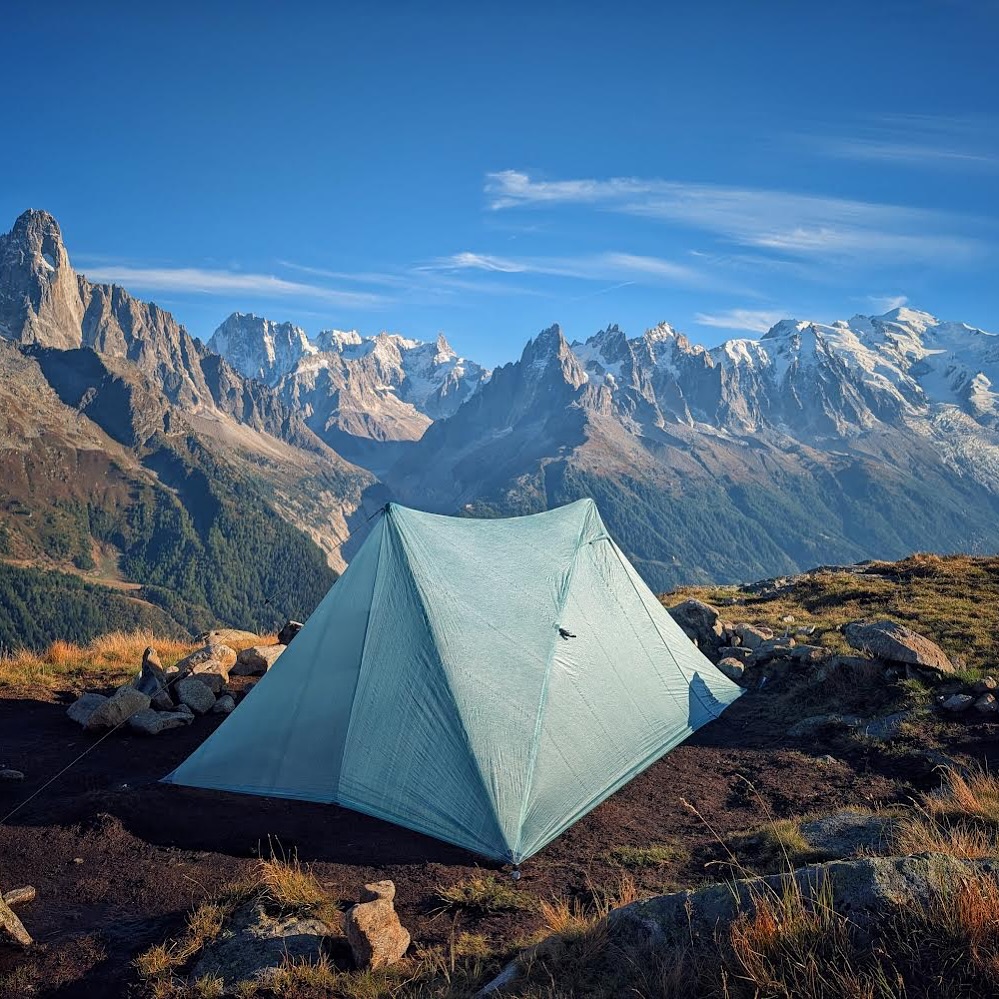
Reinforced seams withstand stress from constant movement. Wind concentrates force along stitch lines. Double stitching improves strength. Taped seams add durability. Bar tacks reinforce high stress zones. Weak seams fail first during storms. Campers often overlook seam construction. Quality stitching maintains waterproof integrity. Reinforced seams prevent progressive tearing. In windy campsites, tents with strong seam construction resist splitting, maintain shape, and extend lifespan by handling repeated tension without unraveling or leaking, ensuring reliability during prolonged exposure to gusty or turbulent conditions common in exposed terrain.
Ventilation Placement
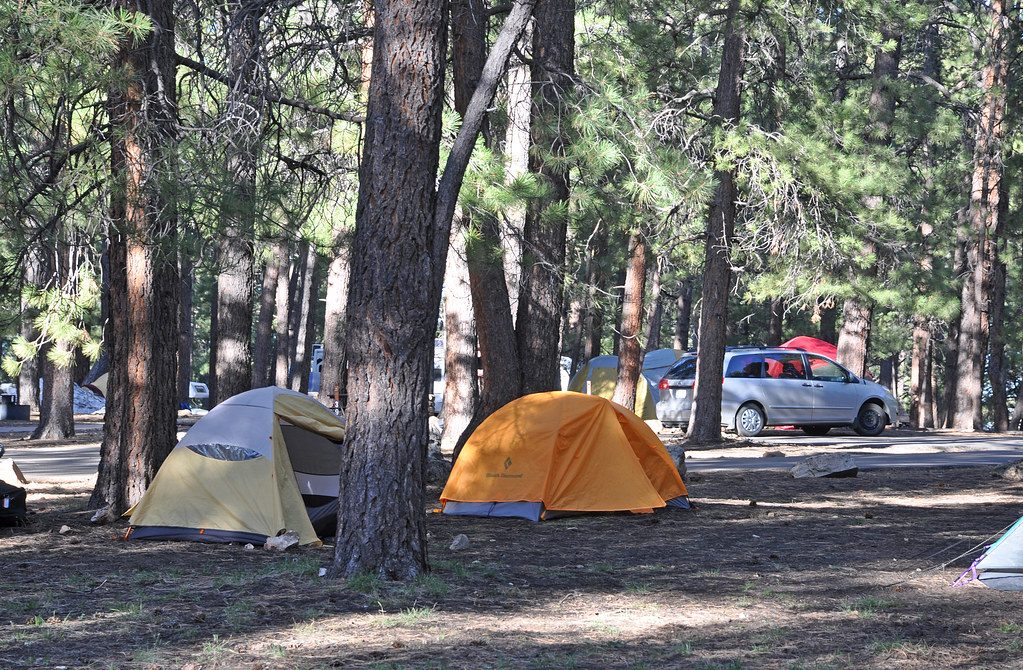
Ventilation placement affects wind management. High vents release pressure buildup. Covered vents prevent direct gust entry. Strategic positioning reduces condensation without drafts. Poor vent placement creates wind tunnels. Adjustable vents adapt to conditions. Campers balance airflow and warmth. Proper vent design stabilizes internal pressure. In windy campsites, tents with smart ventilation placement remain comfortable, reduce internal moisture, and avoid sudden fabric ballooning, allowing airflow control without sacrificing structural stability or exposing occupants to chilling winds during overnight weather shifts.
Fabric Strength And Coating

Fabric strength determines resistance to tearing. Ripstop weaves stop small damage from spreading. Higher denier fabrics handle stress better. Silicone coatings increase tear strength. PU coatings add waterproofing. Wind magnifies fabric weaknesses quickly. Lightweight fabrics trade durability for pack weight. Campers must choose balance carefully. Strong fabrics resist abrasion from flapping. In windy campsites, tents built with durable, well coated fabrics maintain integrity longer, reduce noise, and protect occupants by resisting punctures, stretching, and degradation caused by sustained wind pressure and environmental exposure.
Proper Tent Orientation
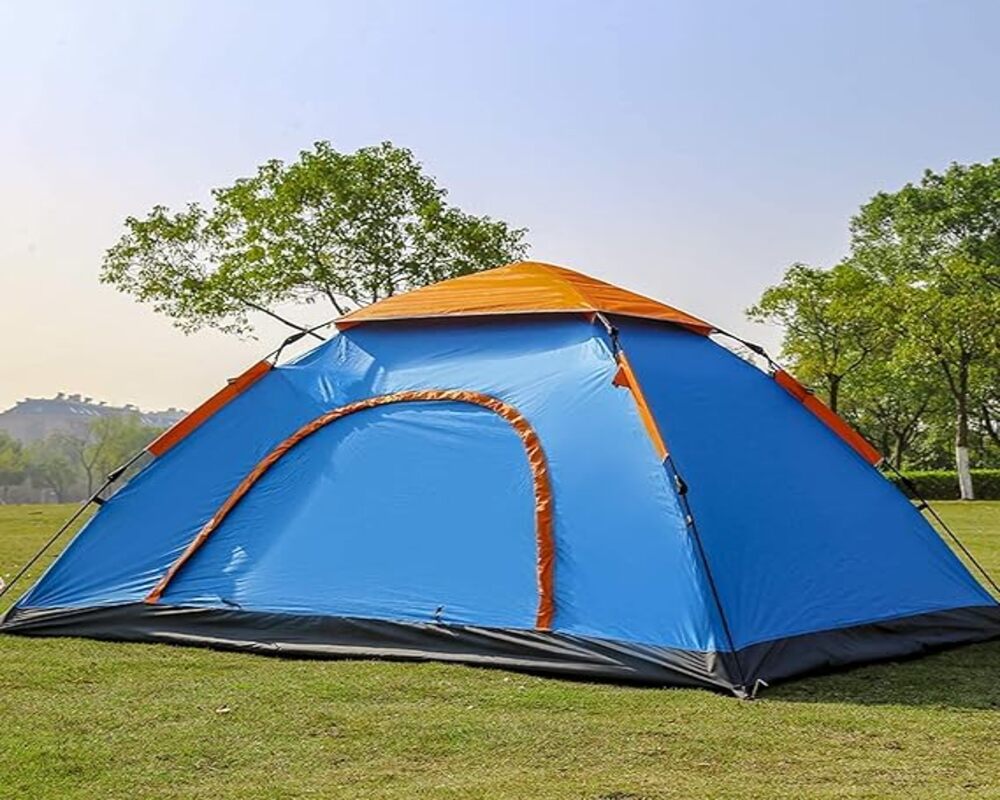
Proper orientation reduces wind impact significantly. Narrow ends should face prevailing wind. Doors positioned downwind reduce drafts. Orientation works with tent shape. Campers who ignore wind direction experience instability. Adjusting orientation improves performance instantly. Campsite selection matters too. Natural wind breaks help. In windy campsites, tents pitched thoughtfully with correct orientation face less stress, quieter interiors, and improved structural resilience, proving that setup choices play a major role alongside physical tent features when dealing with strong or shifting wind conditions outdoors.
Multiple Guy Out Points

Multiple guy out points increase adaptability. Additional anchors distribute wind load. Campers adjust tension as conditions change. Single anchor designs limit stability. Extra points support fly and body separately. Strategic guying reduces pole stress. Manufacturers include optional points often unused. In windy campsites, tents with numerous guy out options allow customization for terrain and wind direction, improving resistance to gusts, maintaining shape integrity, and preventing sudden collapses during unpredictable weather changes across open or elevated campsites. These added anchors provide flexibility during sudden wind shifts overnight.
Stable Vestibule Design
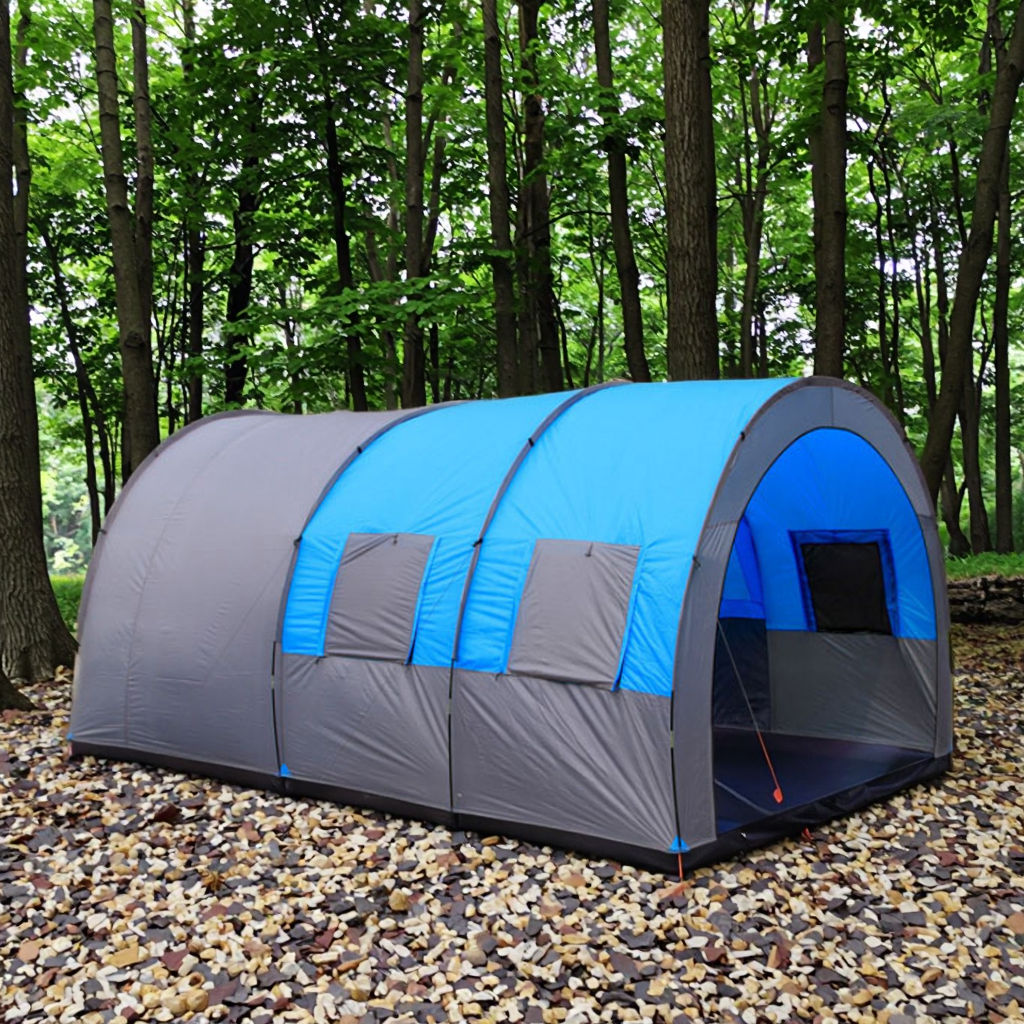
Vestibules catch wind if poorly designed. Sloped vestibules shed gusts better. Secure staking prevents flapping. Smaller vestibules perform better in high wind. Zipper placement affects airflow. Campers value protected gear storage. Stable vestibules prevent door strain. In windy campsites, tents with well designed vestibules avoid acting like sails, maintain quieter interiors, and protect entrances from damage, ensuring both gear storage and access remain functional despite constant pressure from strong winds throughout the night. Thoughtful vestibule design directly improves durability and nighttime comfort.
Inner Tent Attachment System
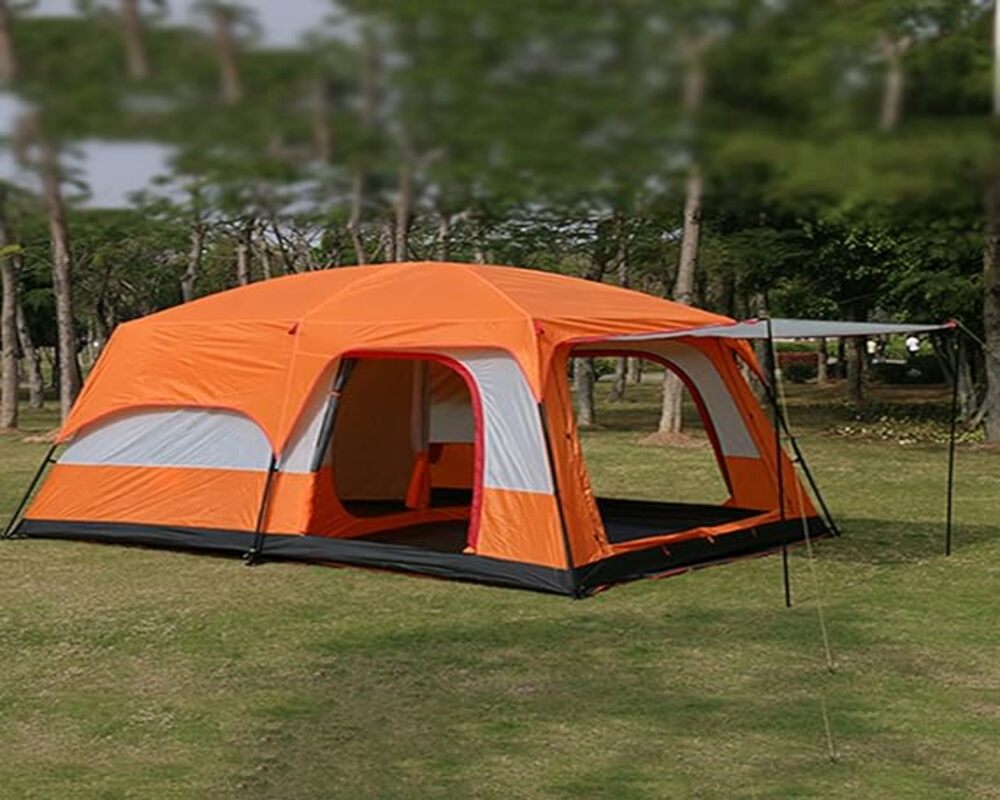
Inner tent attachments influence stability. Clips allow movement flexibility. Sleeves provide uniform tension. Hybrid systems combine benefits. Weak attachments transfer stress poorly. Secure connections prevent sagging. Campers feel less movement during gusts. Attachment quality affects long term durability. In windy campsites, tents with reliable inner attachment systems maintain shape, prevent fabric separation, and improve occupant comfort by ensuring the inner structure stays aligned and supported even when outer layers face constant wind pressure. Strong attachments reduce noise and prevent premature wear.
Groundsheet Integration
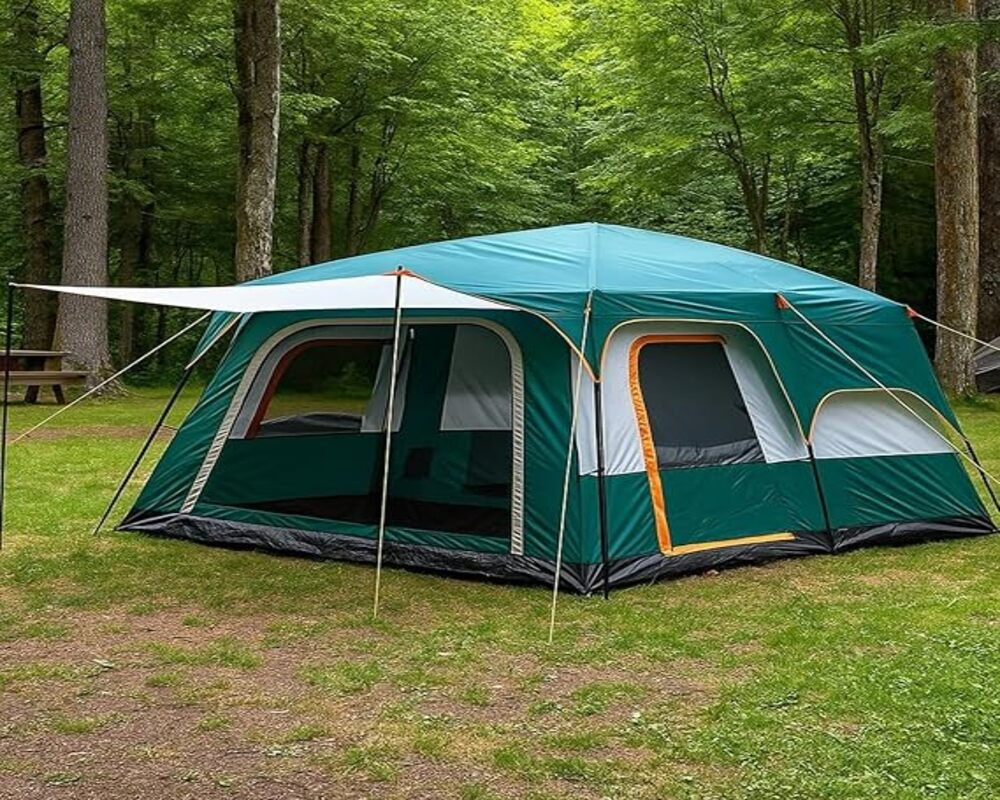
Groundsheet integration affects wind lift. Attached floors prevent drafts. Bathtub designs block airflow. Proper anchoring reduces uplift. Loose groundsheets allow air entry. Campers notice warmth differences. Integrated designs improve stability. In windy campsites, tents with well integrated groundsheets reduce internal air circulation, enhance insulation, and prevent sudden billowing, contributing to a calmer interior environment and protecting structural elements from unnecessary movement caused by wind sneaking beneath the shelter. These features also improve warmth retention during colder nights.
Weight Distribution

Weight distribution influences tent behavior in wind. Balanced designs resist tipping. Heavier lower sections improve stability. Concentrated weight lowers center of gravity. Ultralight tents require careful anchoring. Campers adjust packing accordingly. In windy campsites, tents with thoughtful weight distribution stay grounded more effectively, resist lateral movement, and reduce reliance on excessive guying, offering dependable performance without sacrificing portability when conditions become unpredictable or sustained gusts challenge lighter structures. Proper balance enhances confidence in exposed campsite locations.
Setup Simplicity

Setup simplicity matters when wind rises quickly because complex designs fail during rushed pitching, while color coded poles speed assembly, freestanding tents pitch faster, campers appreciate quick stabilization, and simpler setups reduce mistakes. In windy campsites, tents that pitch efficiently allow immediate anchoring, preventing early damage, improving safety, ensuring shelters achieve proper tension before gusts intensify, making ease of setup a critical yet often underestimated feature for reliable wind performance that becomes important during sudden storms or fading daylight conditions, helping prevent costly fabric or pole damage.