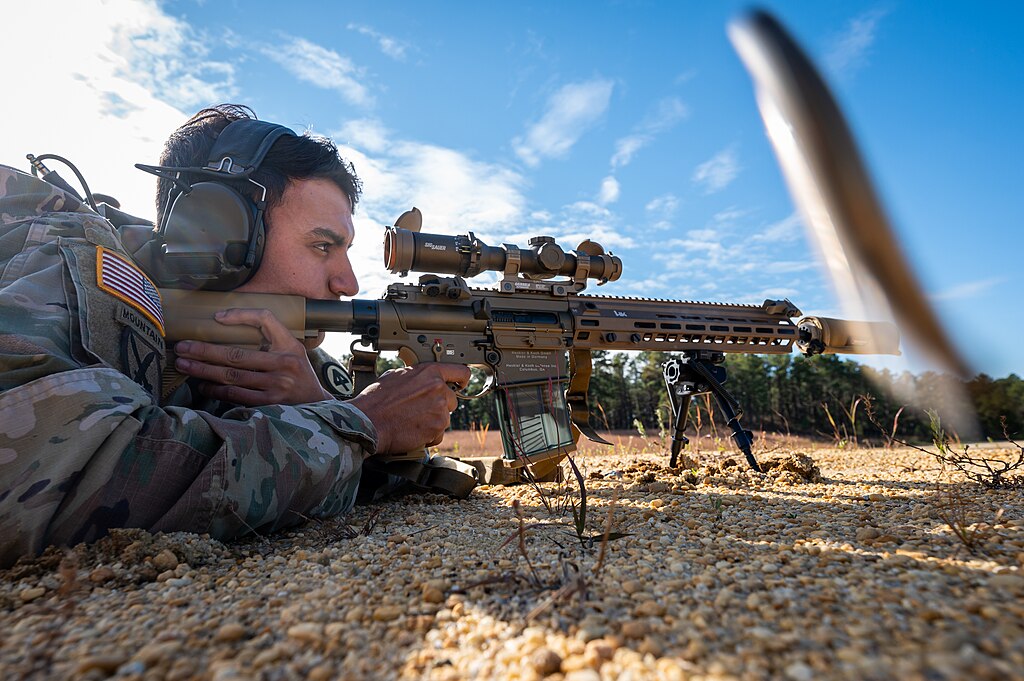
Rifle performance with suppressors depends far more on design characteristics than on brand names or trends. Action type, barrel length, operating system behavior, and overall balance all shape how efficiently sound and recoil are reduced. Rifles that handle suppressors well tend to feel calmer, more predictable, and easier to shoot for extended periods. Each section explains why a particular rifle type consistently pairs well with suppressors, what shooters typically notice in use, and how the design naturally supports quieter, smoother performance. The emphasis stays on understanding behavior and expectations, using clear American English and strictly picture-friendly concepts.
1. Bolt-Action Precision Rifles
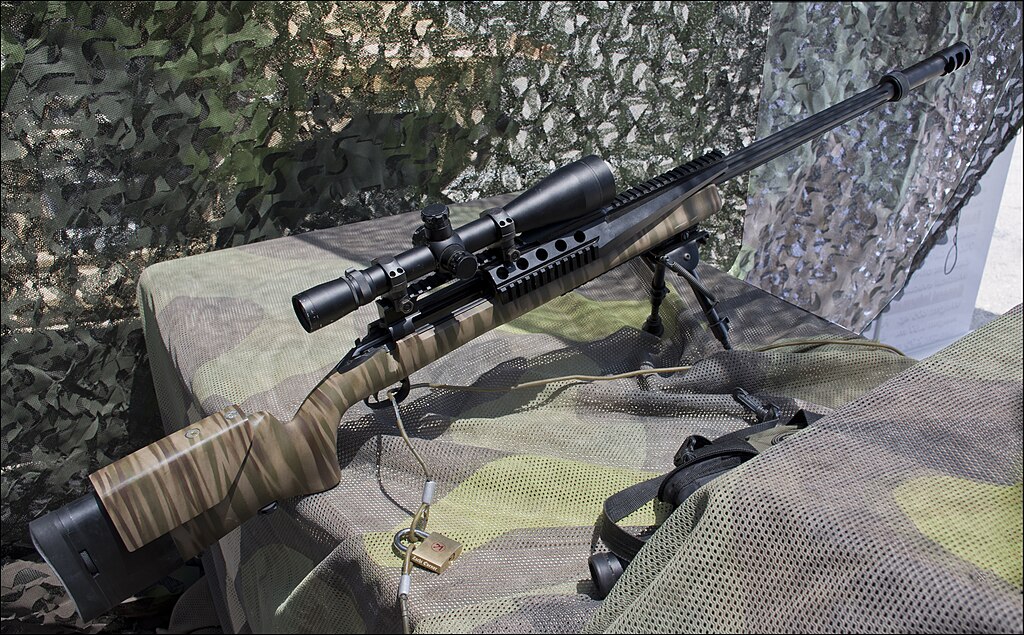
Bolt-action precision rifles are widely regarded as excellent suppressor hosts because their manual operation eliminates cycling noise during the shot. With the action locked until the shooter manually operates it, pressure stays contained longer, allowing the suppressor to reduce muzzle blast more effectively. Shooters often notice a softer report, minimal recoil movement, and excellent shot-to-shot consistency. These rifles also tend to feature rigid receivers and quality barrels, which help maintain accuracy with added muzzle weight. Because nothing moves during firing, the shooting experience feels controlled and deliberate. This calm behavior is why bolt-action precision rifles are often associated with refined suppressed performance across a wide range of shooting conditions.
2. Short-Barrel Bolt-Action Rifles
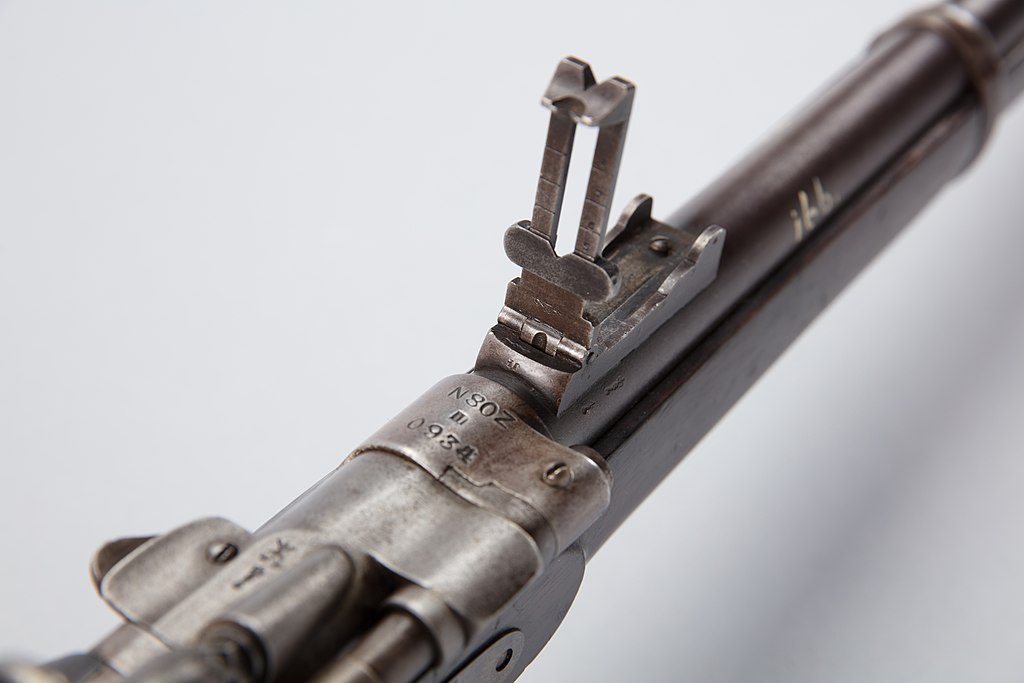
Short-barrel bolt-action rifles perform exceptionally well with suppressors because the added suppressor length restores balance without introducing excess noise. The reduced barrel length lowers muzzle pressure, which can improve how efficiently the suppressor works. Shooters often find these rifles easier to handle, especially in tighter environments, while still benefiting from excellent sound reduction. The bolt-action design keeps mechanical noise minimal, and the compact setup feels stable rather than front-heavy. This balance encourages steady shooting and reduces fatigue. The combination of simplicity, compactness, and efficient sound control makes short-barrel bolt-action rifles a strong choice for suppressed use.
3. Heavy-Barrel Precision Rifles
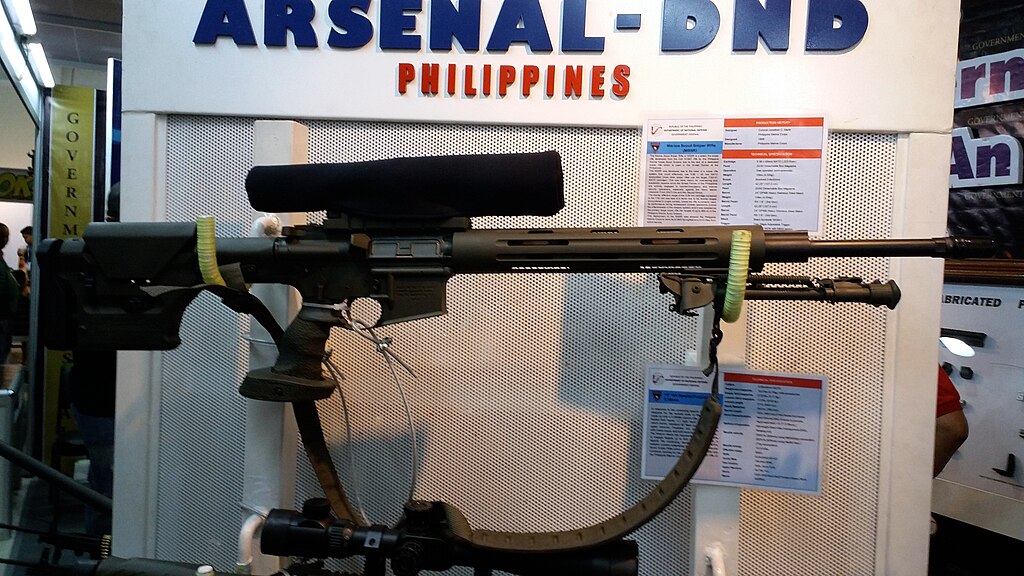
Rifles with heavy barrels naturally complement suppressors due to their mass and stiffness. The additional barrel weight absorbs vibration and helps counterbalance the suppressor, resulting in smoother handling. Shooters often experience reduced muzzle movement and a more settled sight picture after each shot. Heat buildup is also slower, which supports consistency during longer shooting sessions. When paired with a suppressor, heavy-barrel rifles tend to maintain accuracy and point of impact more reliably. This stable behavior is especially noticeable during slow, deliberate shooting. The combination of mass, rigidity, and balance explains why heavy-barrel rifles consistently perform well when suppressed.
4. Rifles Designed for Subsonic Ammunition
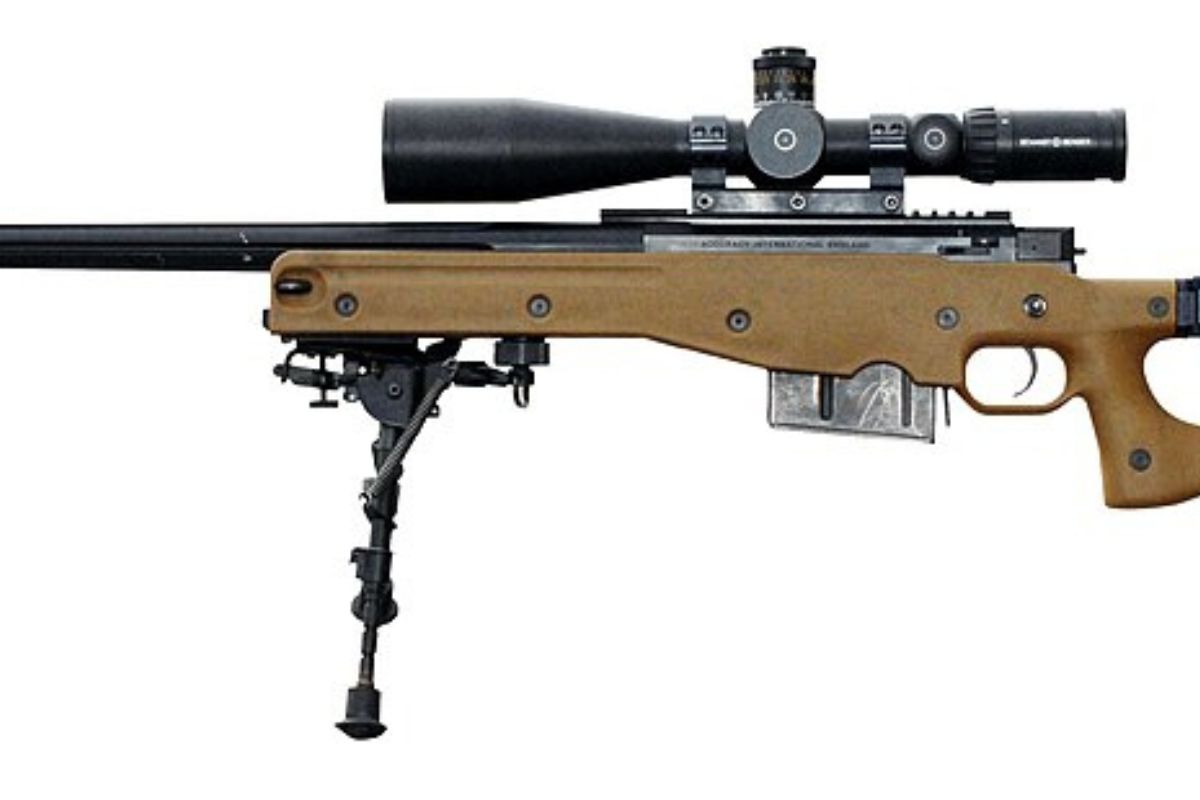
Rifles intended to stabilize heavier, slower projectiles tend to shine when used with suppressors. By keeping projectile speed below the sound barrier, the sharp crack is avoided, allowing the suppressor to do its job more effectively. Shooters often describe the sound as deeper and more controlled. These rifles usually emphasize barrel twist rates and construction that support subsonic stability. The overall shooting experience feels smooth and predictable. When rifle design and ammunition characteristics align naturally, suppressed performance improves without requiring complex adjustments or compromises in accuracy.
5. Semi-Automatic Rifles With Adjustable Gas Systems
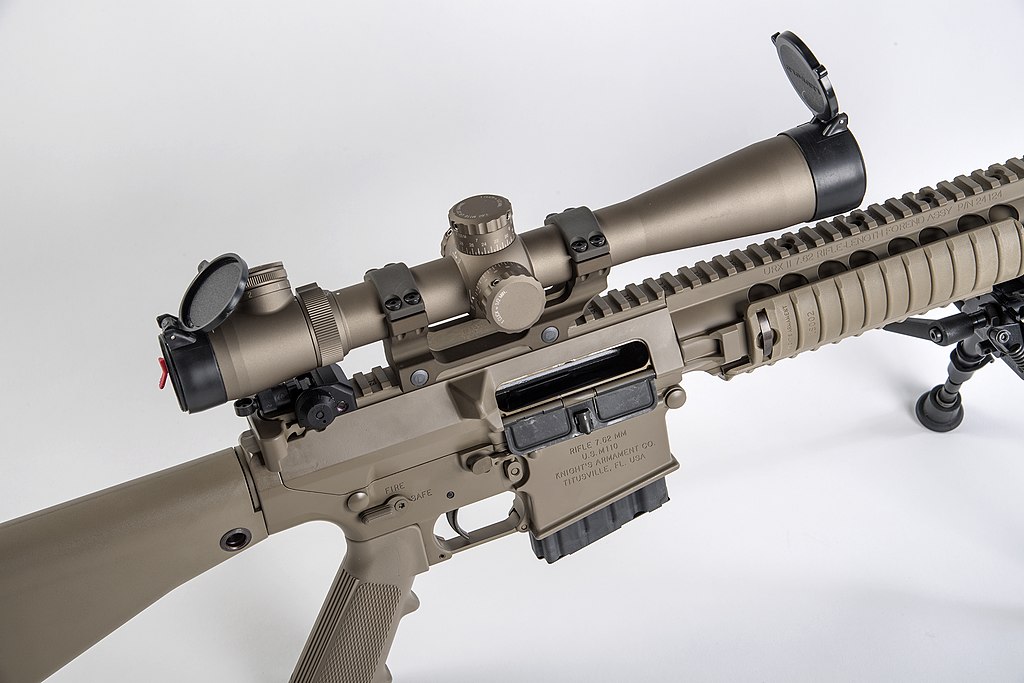
Semi-automatic rifles that incorporate adjustable gas systems often handle suppressors better because excess gas can be managed more effectively. When suppressors add back pressure, the ability to regulate gas flow helps maintain smooth operation. Shooters commonly notice reduced recoil impulse and improved comfort. While still producing some mechanical noise, these rifles can feel far more controlled than fixed-gas designs. The adaptability of adjustable gas systems allows the rifle to behave consistently across different conditions. This built-in flexibility explains why these rifles are frequently associated with successful suppressed performance.
6. Precision-Oriented Semi-Automatic Rifles
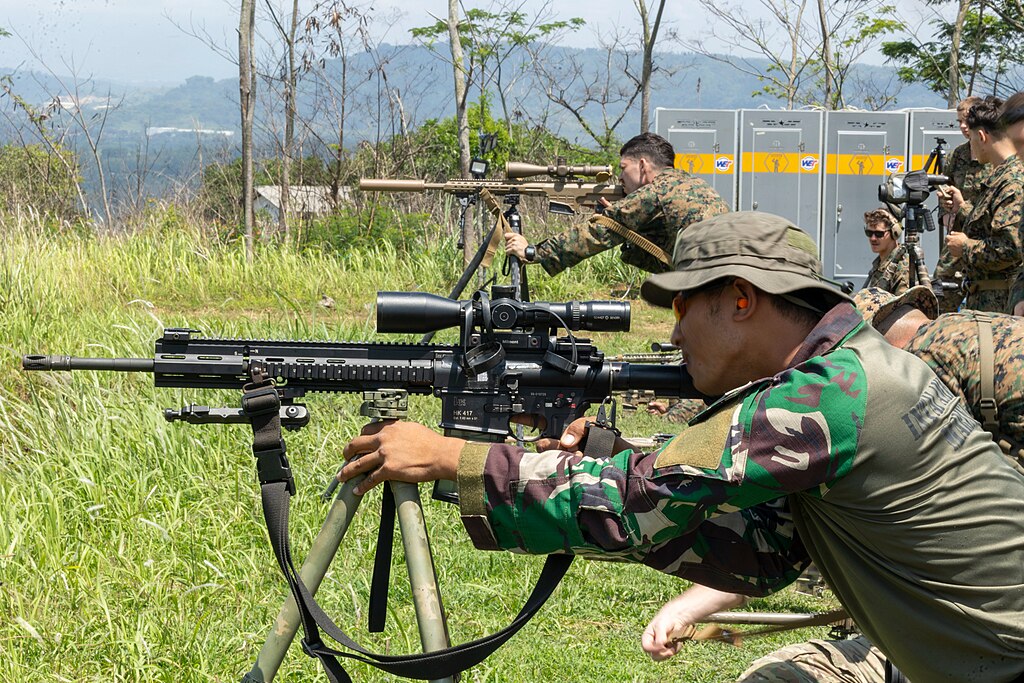
Semi-automatic rifles built with precision in mind often perform well with suppressors due to their heavier components and rigid construction. The added mass helps stabilize the rifle and dampen movement during firing. Suppressors further enhance this stability by reducing blast and recoil. Shooters often appreciate improved follow-through and the ability to observe impacts more clearly. While mechanical noise remains, the overall experience feels refined and controlled. These rifles demonstrate that semi-automatic platforms can still deliver satisfying suppressed performance when accuracy and stability are prioritized.
7. Rifles With Longer Gas Systems
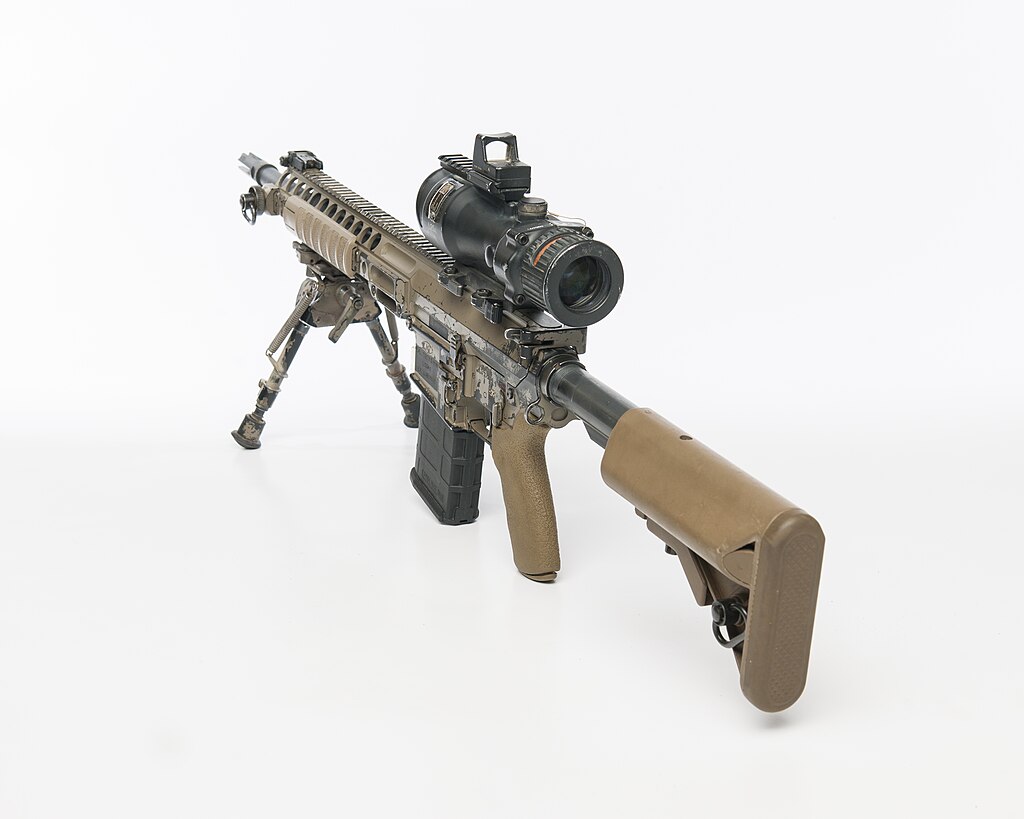
Rifles featuring longer gas systems tend to cycle more smoothly when suppressed. The extended gas path spreads pressure over a longer period, reducing abrupt movement. Shooters often describe the recoil impulse as softer and more manageable. This smoother cycling can also reduce wear and improve consistency over time. When paired with a suppressor, the rifle feels less abrupt and more predictable. The subtle influence of gas system length is often overlooked, but it plays a meaningful role in how comfortably a rifle handles suppressed firing.
8. Threaded Barrel Hunting Rifles
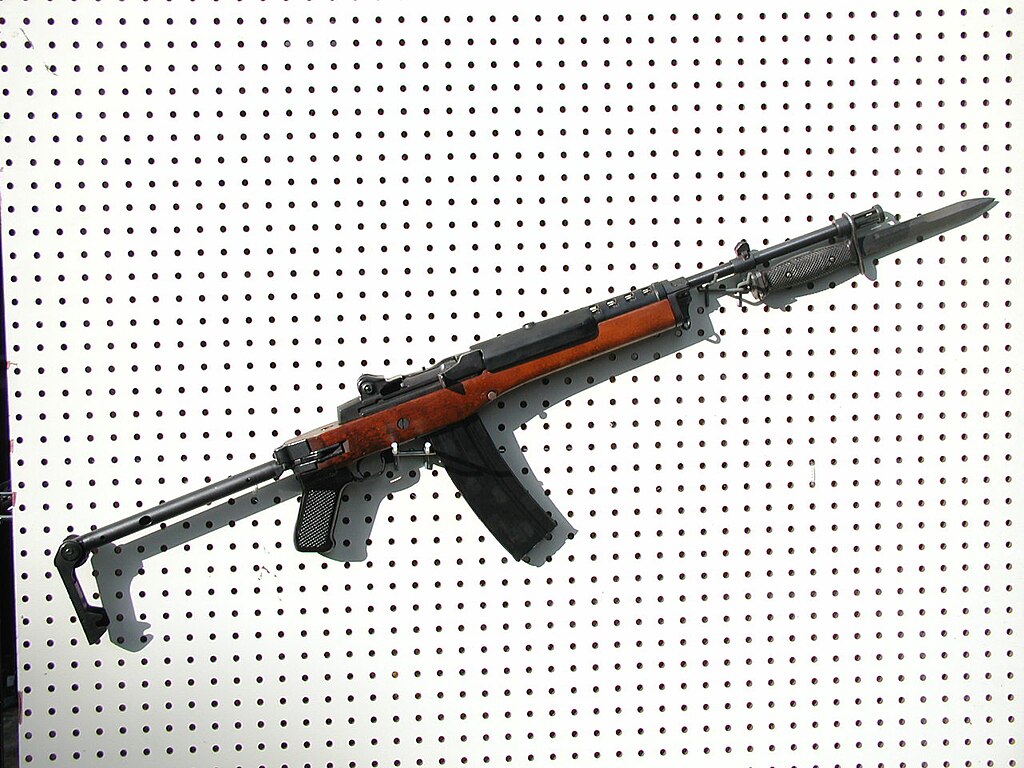
Hunting rifles with factory-threaded barrels adapt naturally to suppressor use. These rifles often maintain their traditional handling while gaining reduced recoil and muzzle blast. Shooters appreciate the quieter report and improved comfort during extended field use. The suppressor can also help maintain situational awareness by reducing harsh noise. Because these rifles are designed for practical accuracy and reliability, they tend to integrate suppressors without dramatic changes in behavior. This balance of tradition and modern performance makes threaded hunting rifles effective suppressed platforms.
9. Rifles With Simple Operating Systems
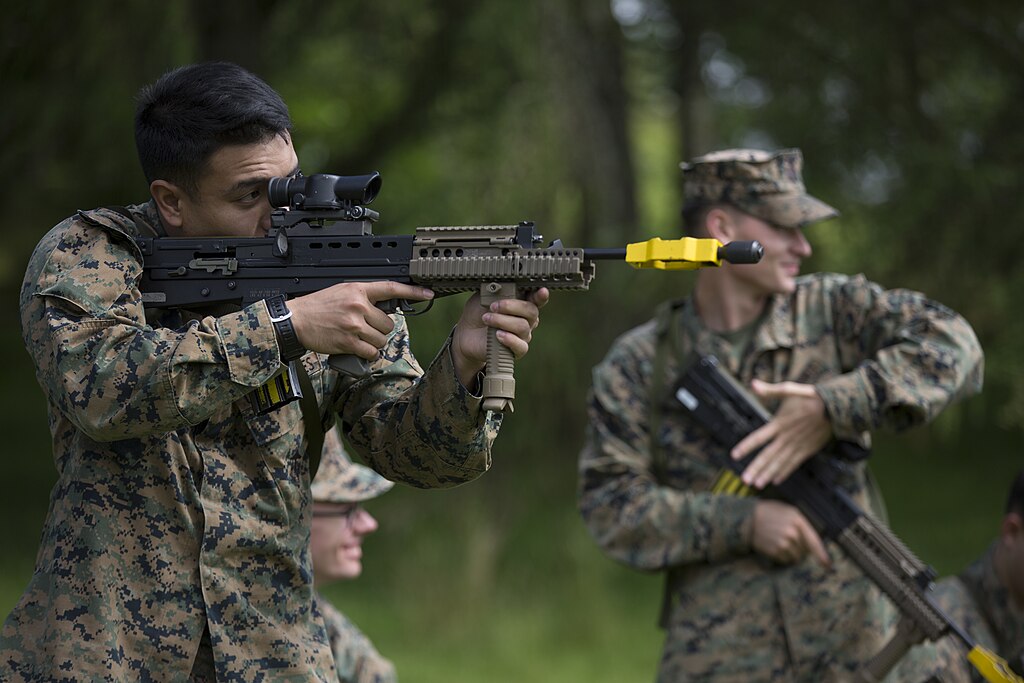
Rifles with straightforward operating systems often perform better with suppressors because fewer components are affected by added pressure. Simplicity reduces unexpected behavior and keeps the function predictable. Shooters often value rifles that maintain consistent performance without excessive tuning. Suppressors amplify small mechanical quirks, so designs with fewer variables tend to feel more reliable. This predictability enhances confidence and enjoyment. Simple operating systems prove that complexity is not required for effective suppressed shooting.
10. Rifles Optimized for Accuracy Over Speed
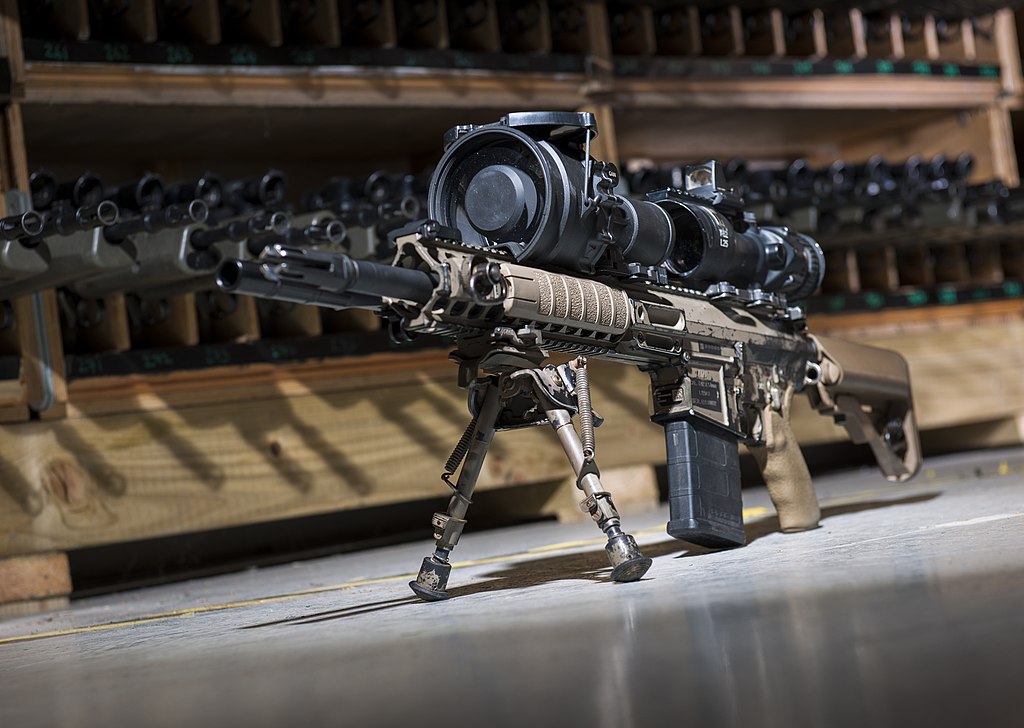
Rifles designed with accuracy as the primary goal often pair well with suppressors. Tight tolerances, quality barrels, and solid construction benefit from reduced recoil and blast. Suppressors enhance the shooter’s ability to stay on target and observe results. These rifles reward deliberate shooting and controlled pacing. Rather than emphasizing rapid fire, they focus on consistency and feedback. Suppressed shooting highlights these strengths, making accuracy-oriented rifles especially satisfying to use.
11. Compact Rifles With Balanced Weight
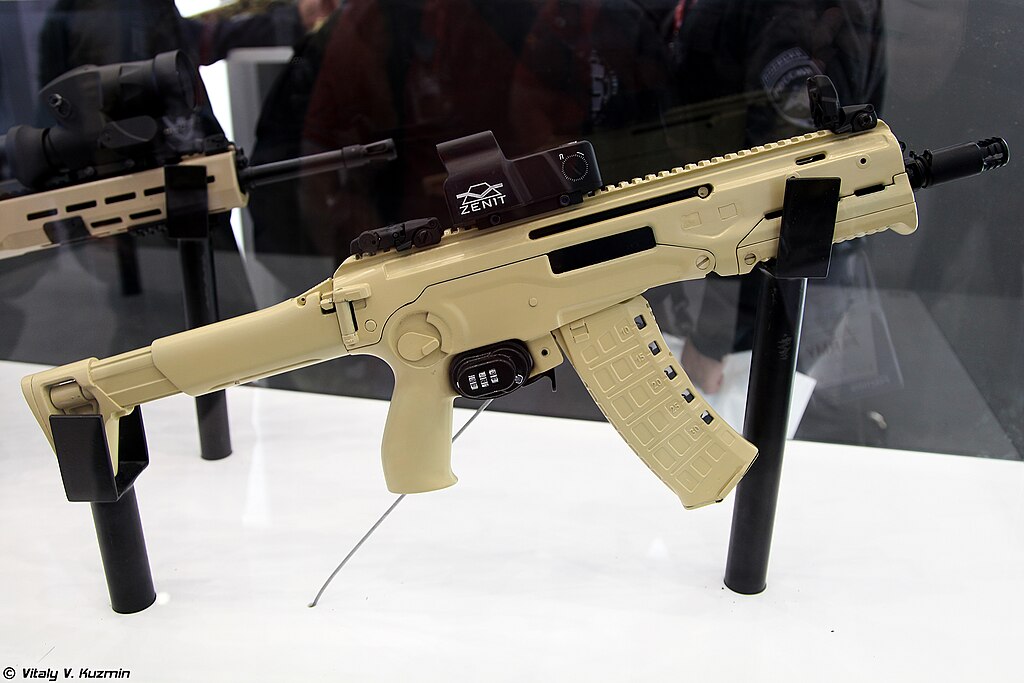
Compact rifles that maintain good balance handle suppressors more comfortably than overly lightweight designs. Proper weight distribution reduces front heaviness and shooter fatigue. When a suppressor is attached, a balanced rifle feels natural and responsive. Shooters often find these rifles easier to control during longer sessions. Balance influences comfort as much as sound reduction, and compact rifles designed with this in mind tend to excel when suppressed.
12. Rifles With Rigid Mounting Interfaces
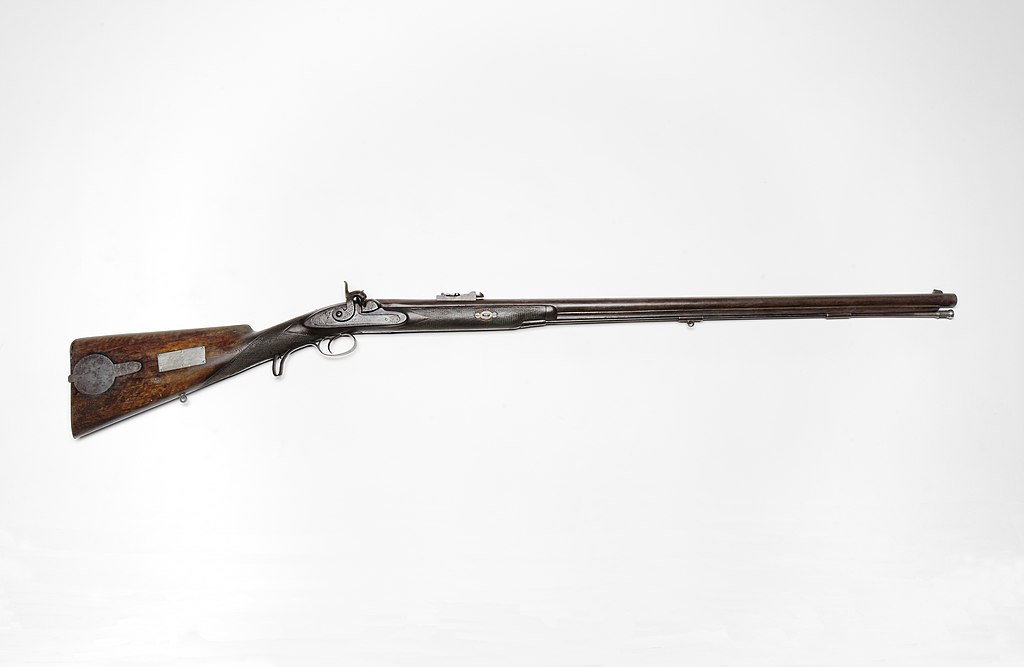
A rigid and well-aligned barrel interface supports consistent suppressor performance. Rifles with solid threading and stable barrels minimize alignment concerns and accuracy shifts. Shooters value systems that feel repeatable and dependable. Structural rigidity ensures the suppressor remains properly aligned shot after shot. This reliability contributes to confidence and consistent results. While often unnoticed, mounting integrity plays a crucial role in suppressed shooting success.
13. Rifles Chambered for Suppressor-Friendly Cartridges
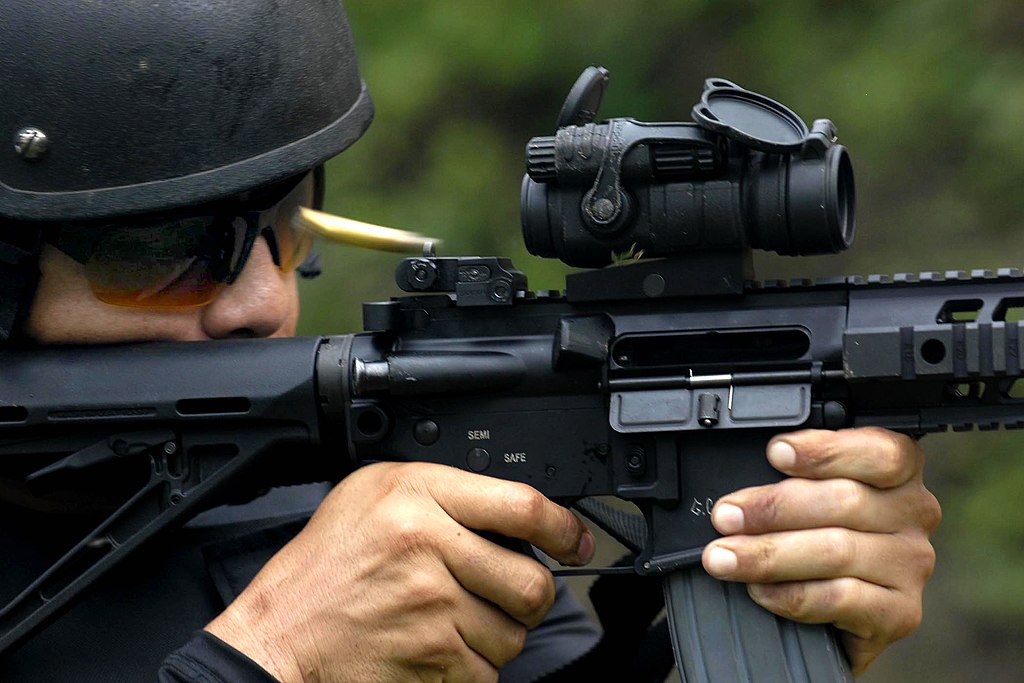
Certain cartridge characteristics naturally complement suppressors, including moderate pressures and heavier bullets. Rifles chambered for these cartridges often feel smoother and quieter when suppressed. Shooters notice reduced blast and a more controlled sound profile. The relationship between cartridge behavior and suppressor efficiency becomes clear during use. When rifle and cartridge characteristics align, the suppressor can operate closer to its full potential.
14. Rifles With Ergonomic Controls
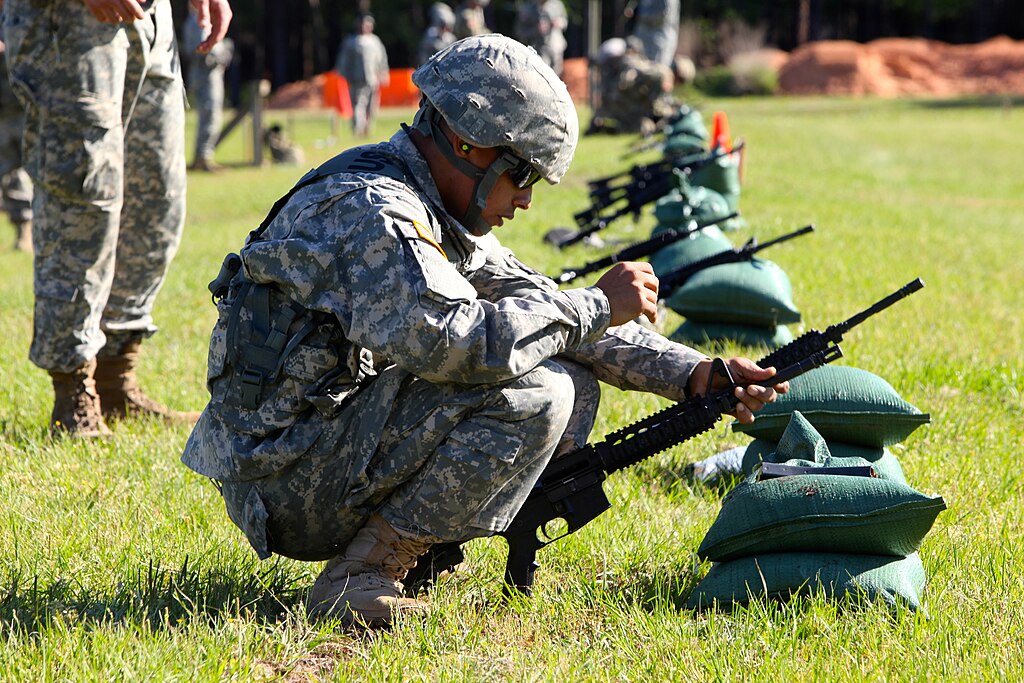
Ergonomics matter more during suppressed shooting because sessions often last longer. Rifles with comfortable grips, intuitive controls, and supportive stock designs feel easier to manage. Reduced recoil and noise amplify the benefits of good ergonomics. Shooters remain relaxed and consistent over time. A well-designed interface encourages better shooting habits and enhances the overall experience when using a suppressor.
15. Rifles Known for Reliability Under Added Pressure
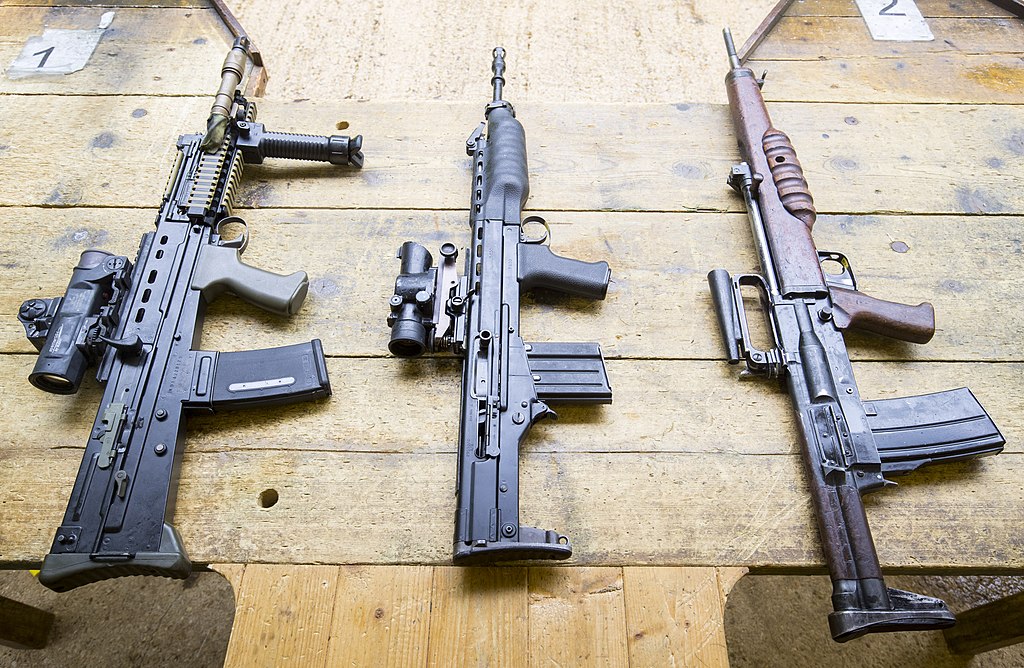
Suppressors increase internal pressure, and rifles known for reliability under varied conditions adapt more easily. Shooters appreciate platforms that continue functioning smoothly without unpredictable behavior. Consistency builds trust in the system. Reliable rifles allow shooters to focus on fundamentals rather than troubleshooting. This dependable performance becomes especially important when suppressors are used regularly.
16. Purpose-Built Suppressed Rifle Platforms
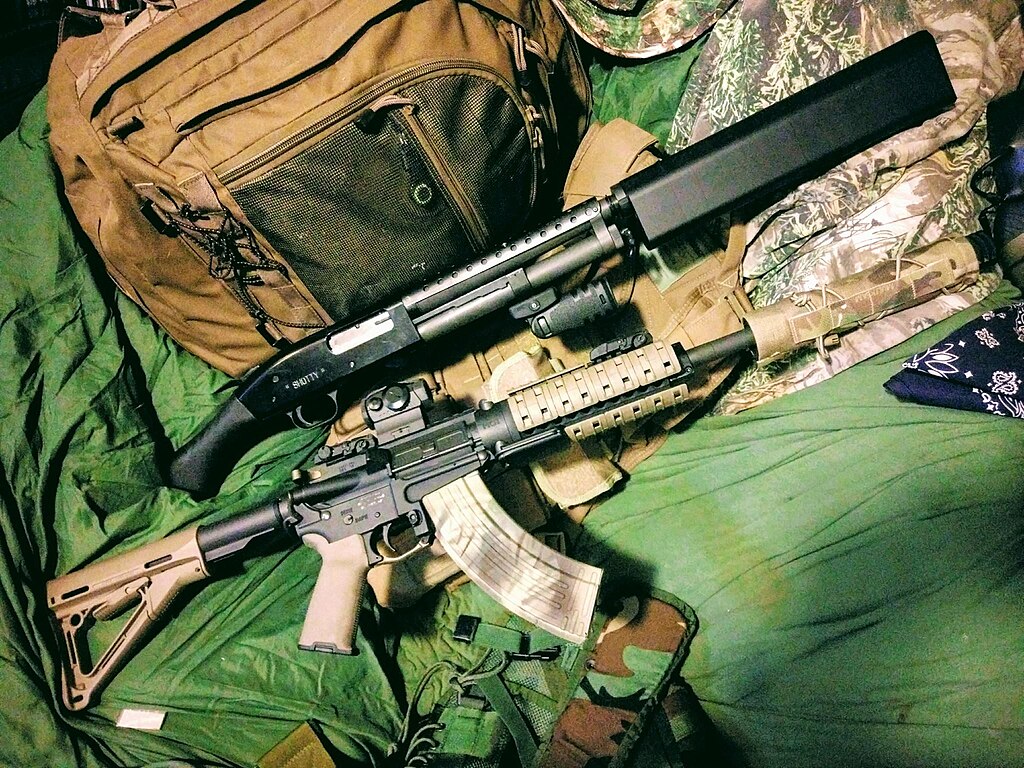
Some rifles are designed from the outset to work with suppressors. These platforms integrate barrel length, operating behavior, and balance into a cohesive system. Shooters often describe the experience as seamless and refined. Every component supports controlled sound, recoil, and handling. Purpose-built designs represent the most natural pairing of rifle and suppressor, delivering consistent and comfortable performance.