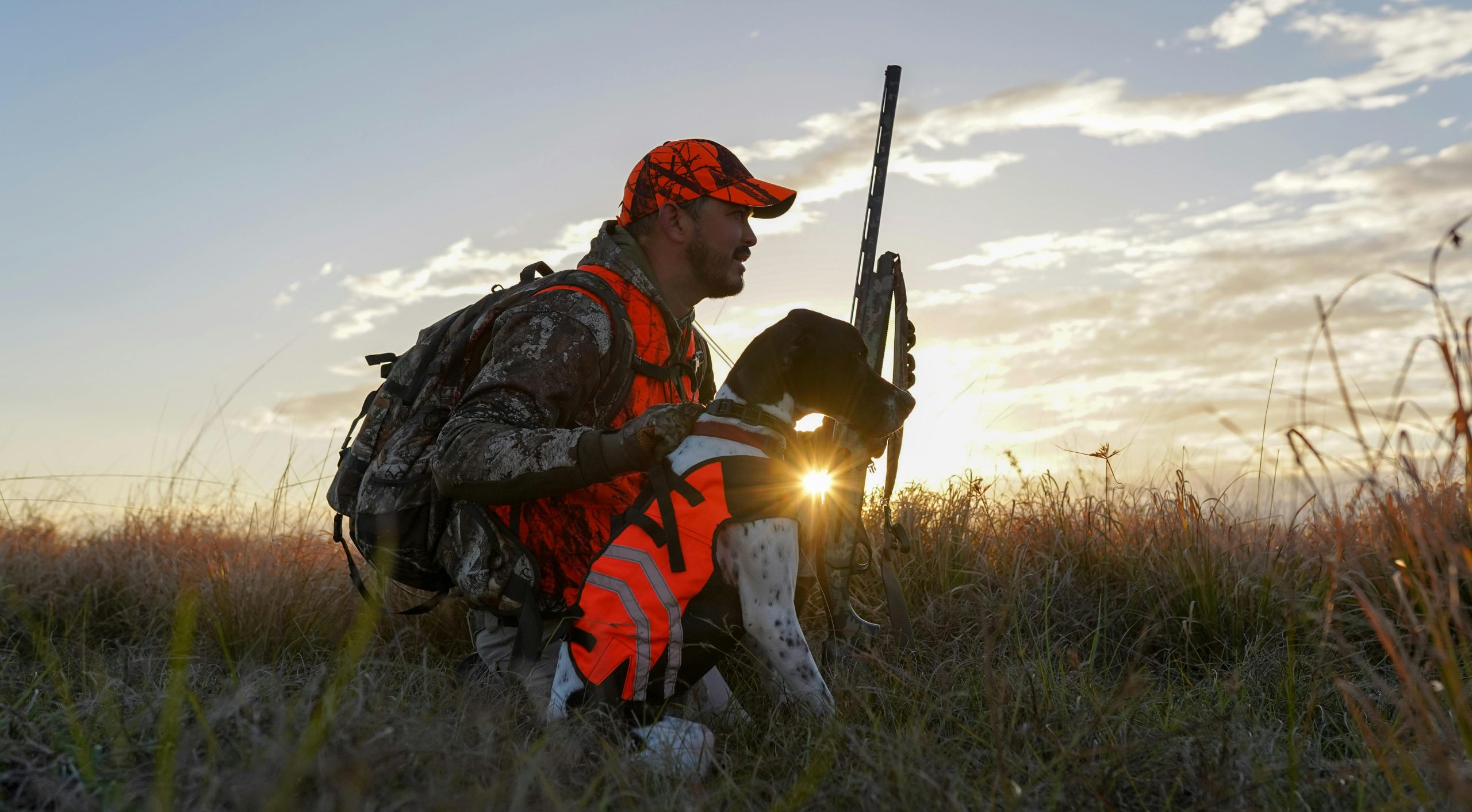
Hunters on public land often share tight trails, uneven terrain, and unpredictable encounters with other hikers, so rifle carry methods become a major point of discussion. Each carry style offers a different mix of comfort, speed, and safety, which leads to debates about which techniques are suitable in crowded areas. These sixteen methods highlight the constant balancing act between readiness, courtesy, and responsible firearm control when moving through environments shared with others.
1. Sling Over the Shoulder Carry
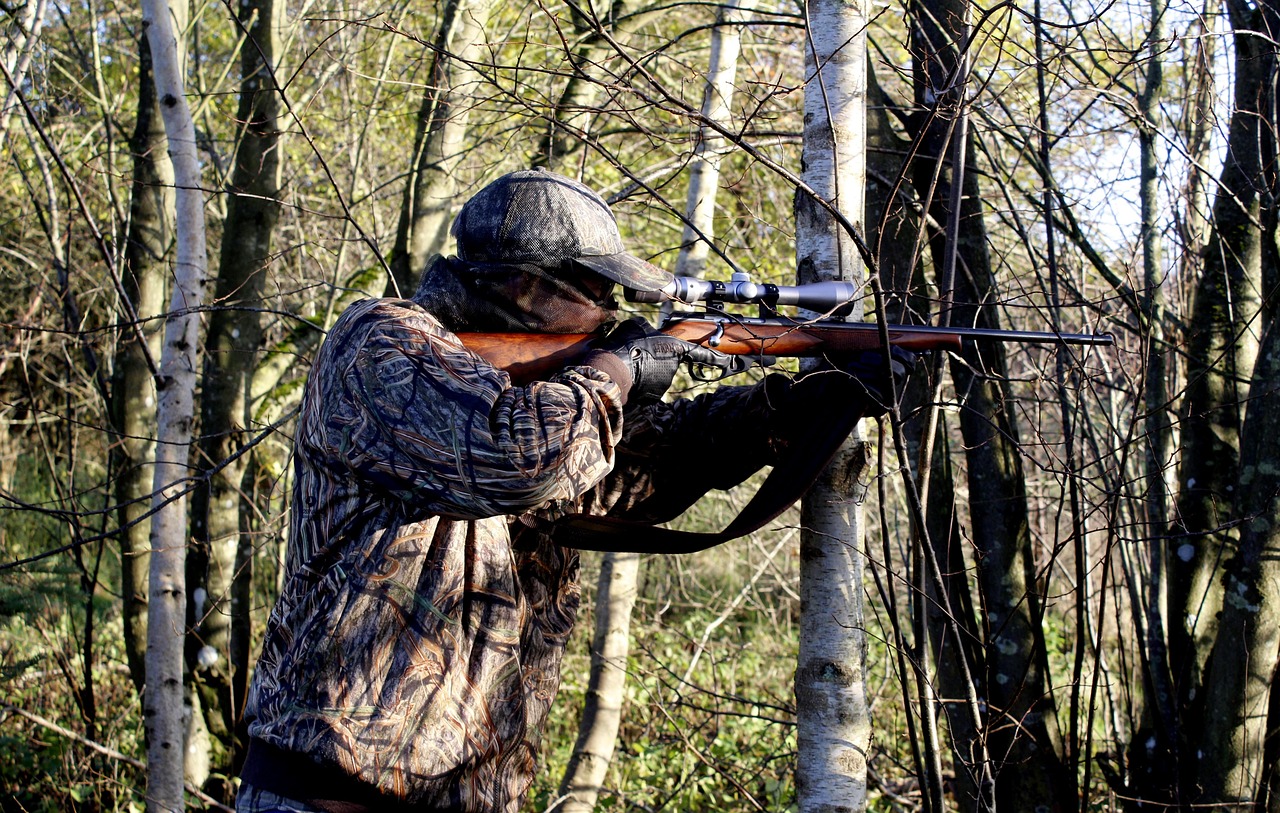
The over-the-shoulder carry is one of the most traditional methods, offering hands-free movement and a relaxed walking pace. Hunters like it for long hikes, yet critics say the muzzle can drift upward or backward in unpredictable ways when negotiating brush or stepping over logs. On public land, the main concern comes from passing other hikers or hunters, where the rifle may swivel loosely. Even with caution, this method demands constant awareness of where the barrel is pointing.
2. Cross Body Sling Carry
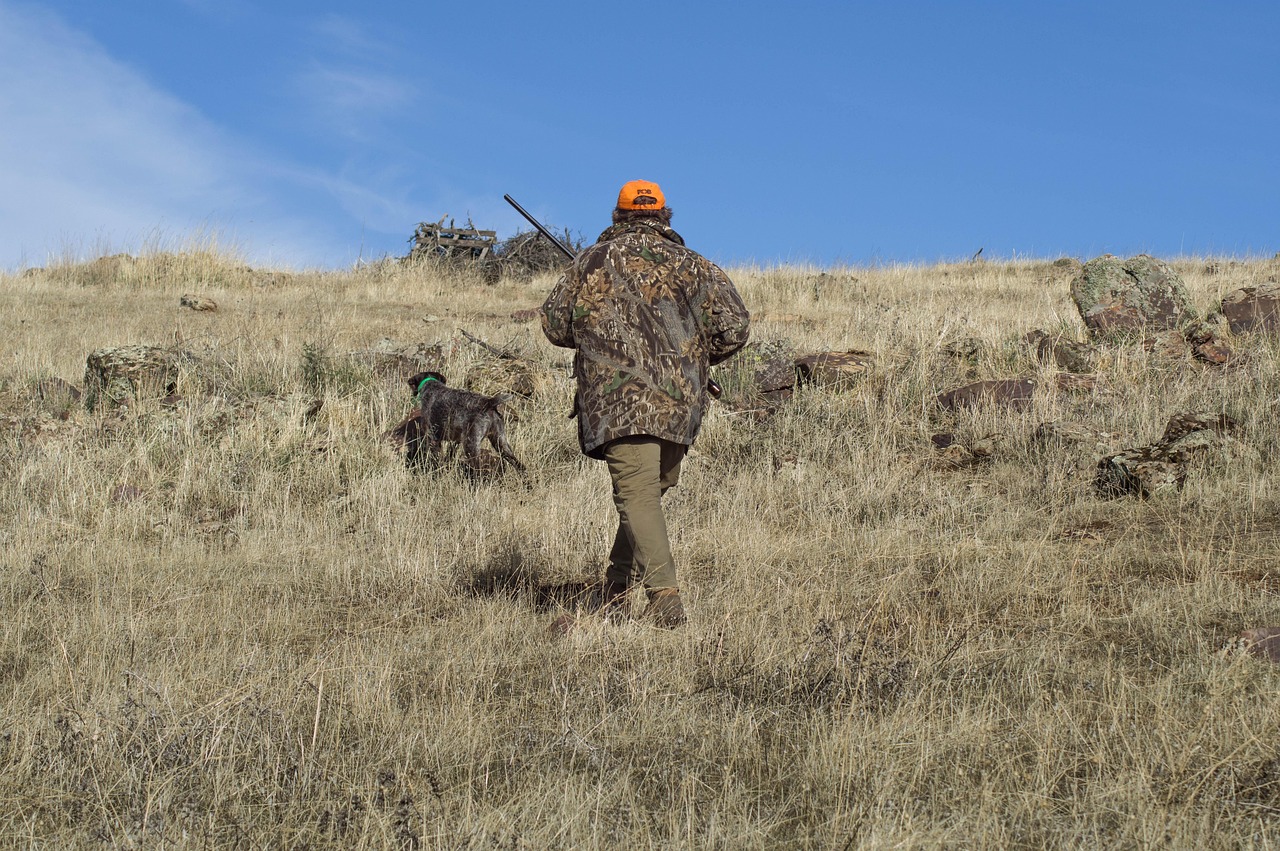
The cross-body sling carry brings the rifle tight against the chest or side, creating a stable and secure hold that resists swinging on steep hills. Supporters say it keeps the muzzle controlled and visible at all times, which is helpful when trails get crowded. Others argue the rifle sits too prominently across the front of the body and may feel intimidating to passing hikers. Still, many view it as one of the safest choices for controlled muzzle direction.
3. Short Ready Carry
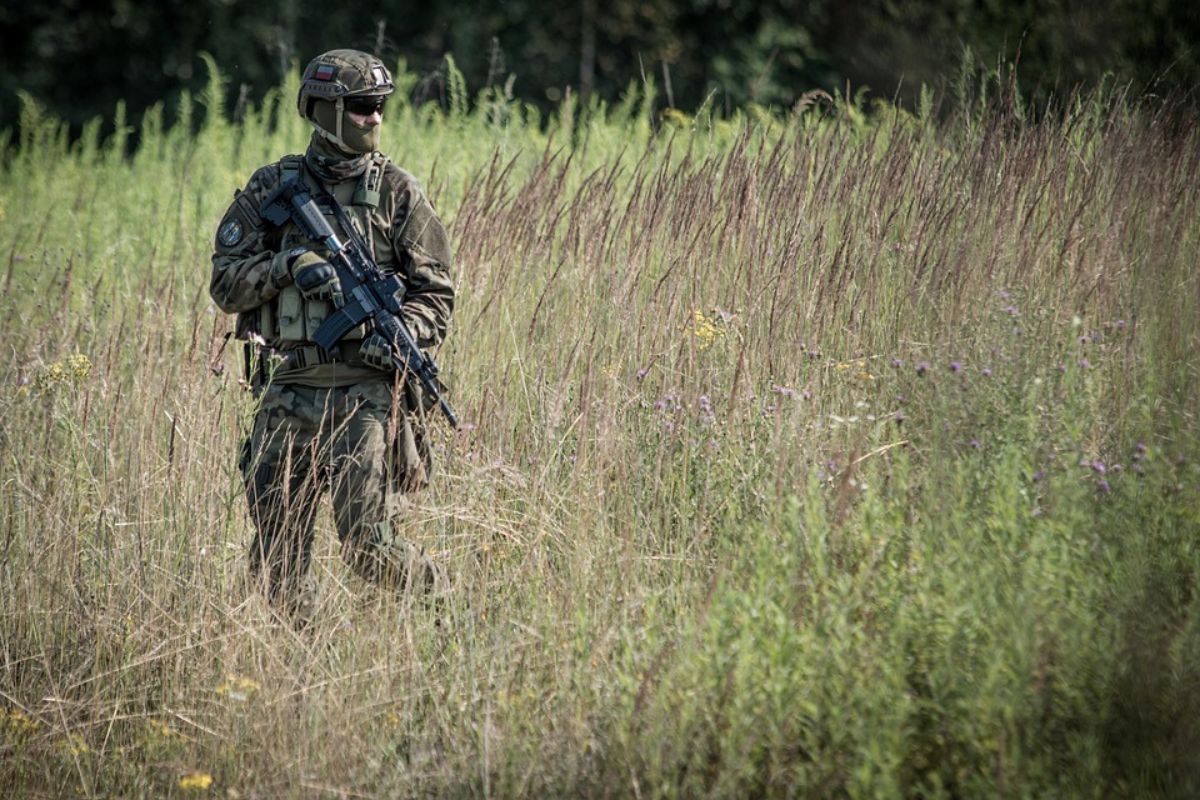
Short ready carry positions the rifle at the midline with both hands on the stock, allowing the hunter to react quickly to close-range encounters. While it provides great control of the muzzle, it can seem overly alert for shared spaces where people expect a relaxed posture. The arms can also become tired on long walks, increasing the risk of shifting grip or lowering discipline. This carry method is effective but often debated for appearing too aggressive on public trails.
4. Sling Across the Back Carry
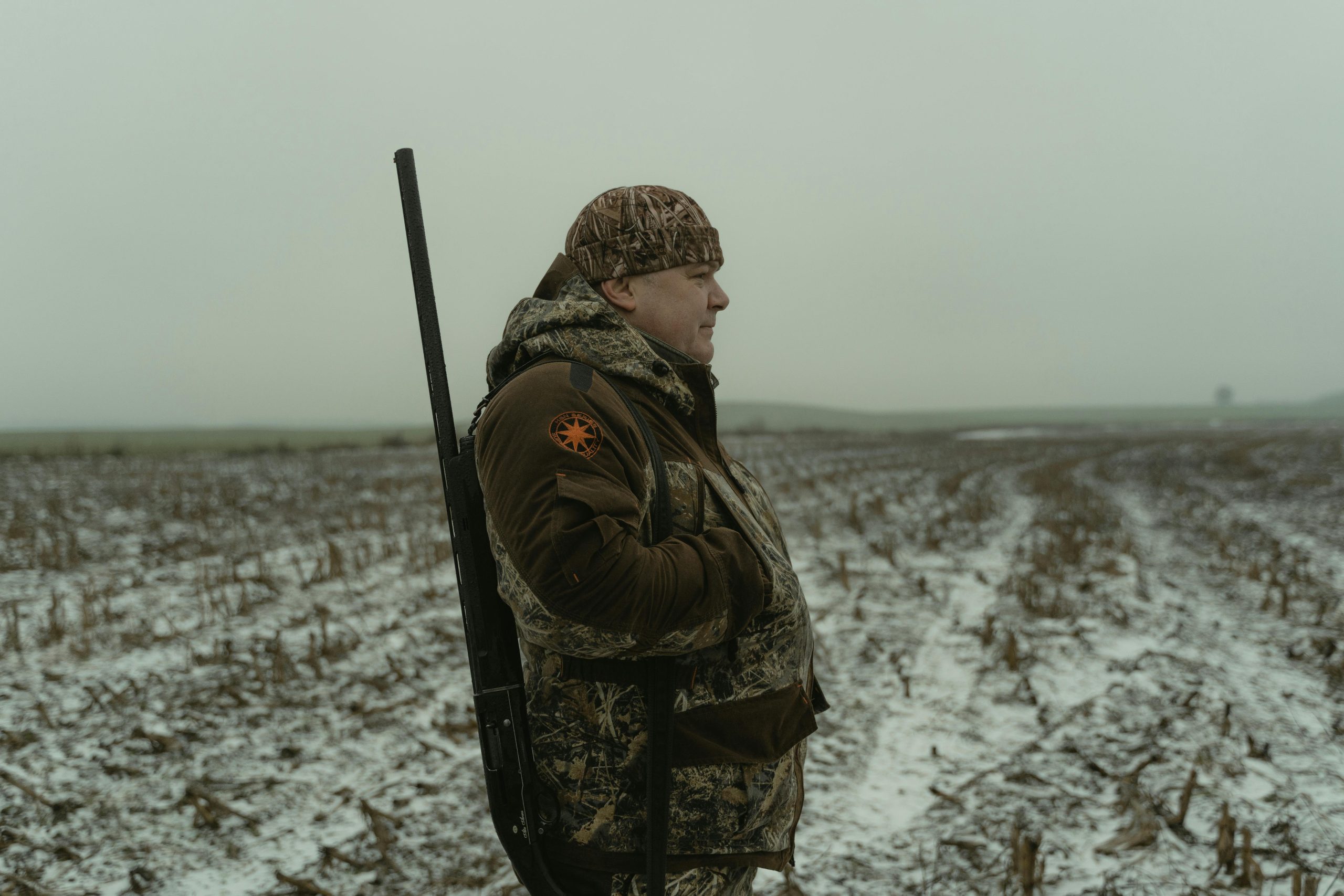
The across-the-back carry places the rifle diagonally with the muzzle pointing down or toward the ground, giving hunters full freedom to climb or use trekking poles. Although comfortable, this carry sometimes loses muzzle visibility, especially when the rifle is angled behind the shoulder. Other hunters may feel uneasy when passing from behind, unsure where the barrel is aimed. The method works well for long climbs but requires deliberate adjustments when approaching crowded trail sections.
5. Trail Carry
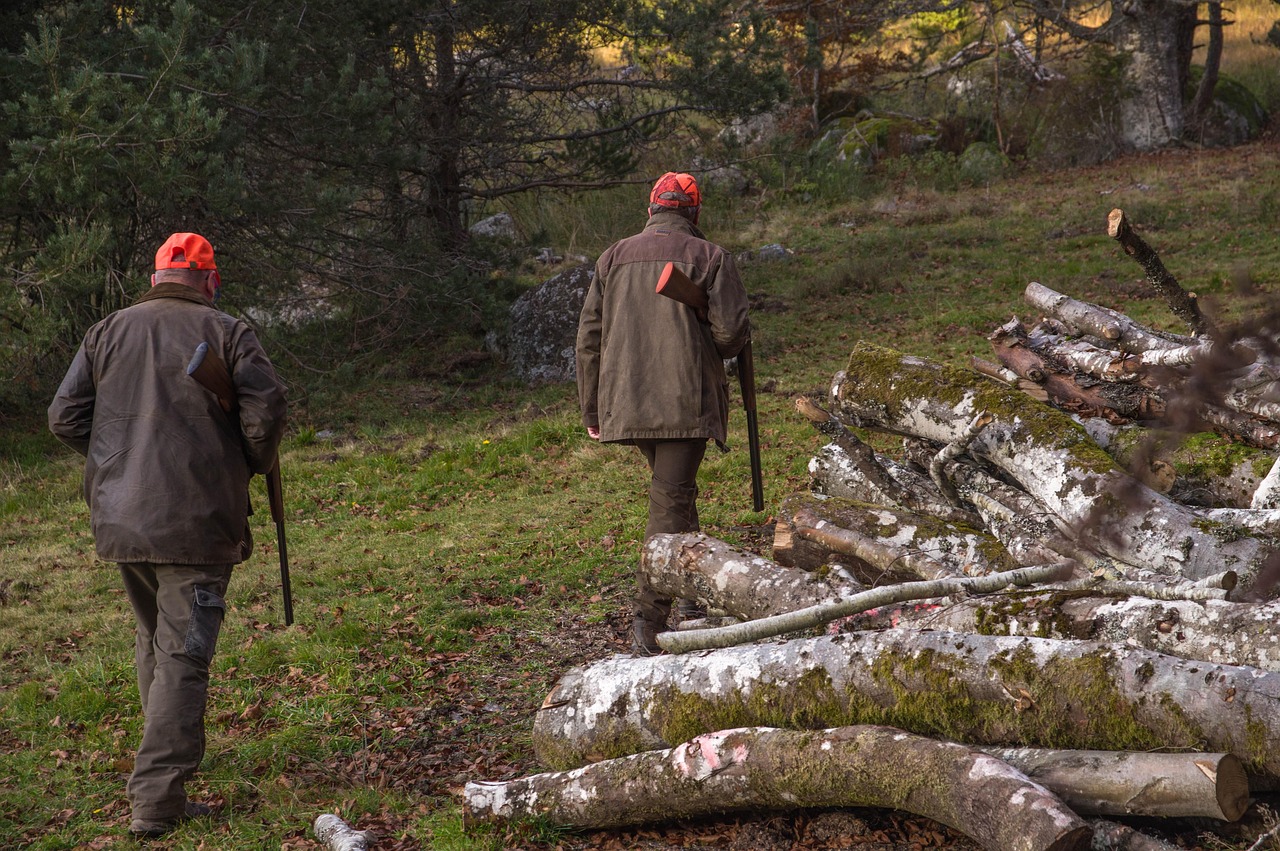
In the trail carry, the rifle rests loosely in one hand with the muzzle angled forward, offering quick transitions from walking to a shooting stance. Many hunters enjoy its simplicity, yet on narrow public paths, the forward-facing muzzle can cause alarm for anyone walking ahead. Brushy areas can also cause the barrel to snag, creating sudden jerking movements. Supporters say the freedom of the grip improves handling, but critics insist it demands more caution than casual users often apply.
6. Cradle Carry
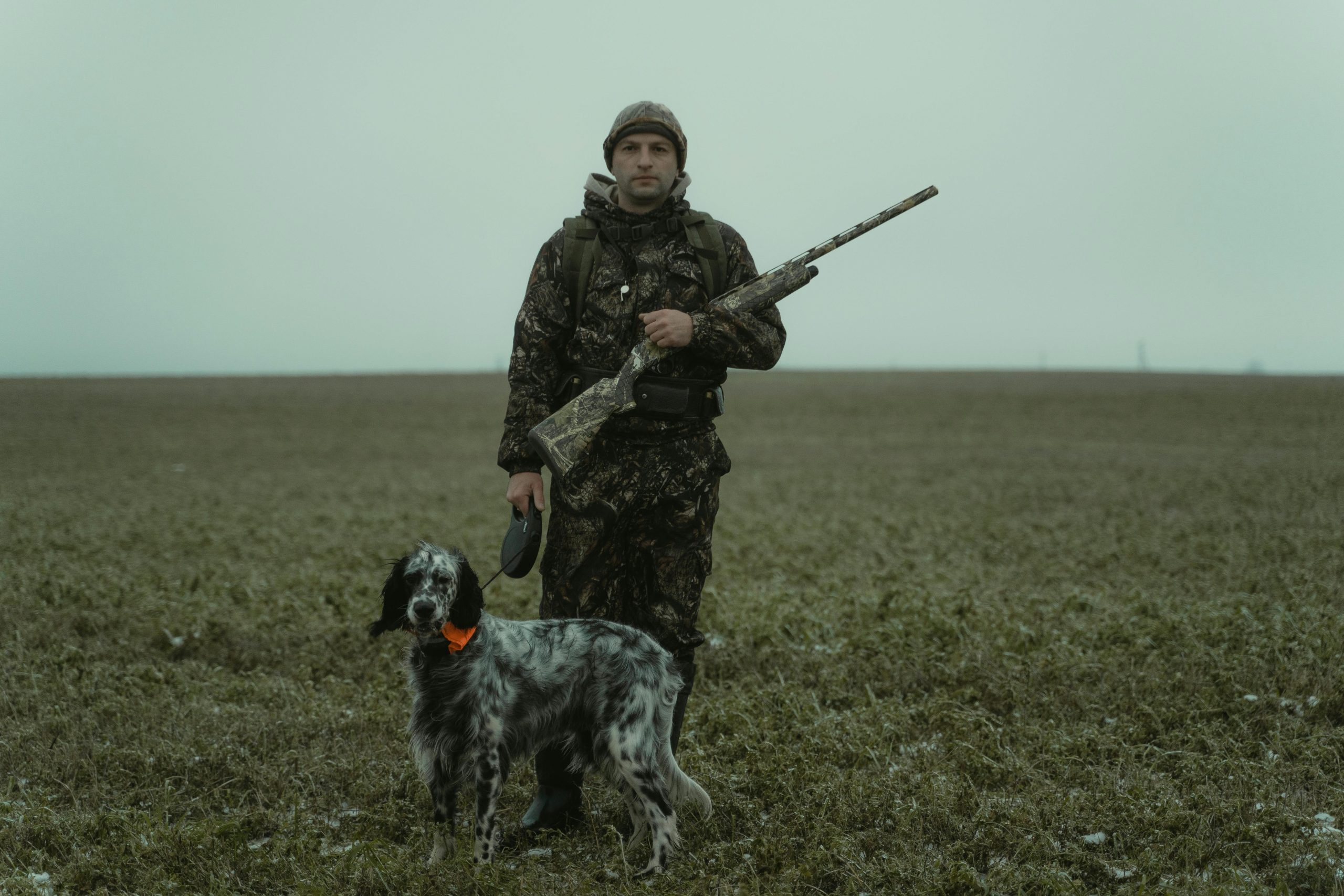
Cradle carry positions the rifle in the crook of the elbow, distributing weight comfortably while allowing relaxed movement. On open terrain, it is considered very safe, but in crowded spaces, the sideways muzzle angle can unintentionally sweep companions when turning or adjusting body position. Hunters appreciate how effortless the method feels during long hours, yet it still requires thoughtful posture when passing anyone. With awareness, it remains comfortable, though not ideal for tight public trails.
7. Two-Handed Ready Carry
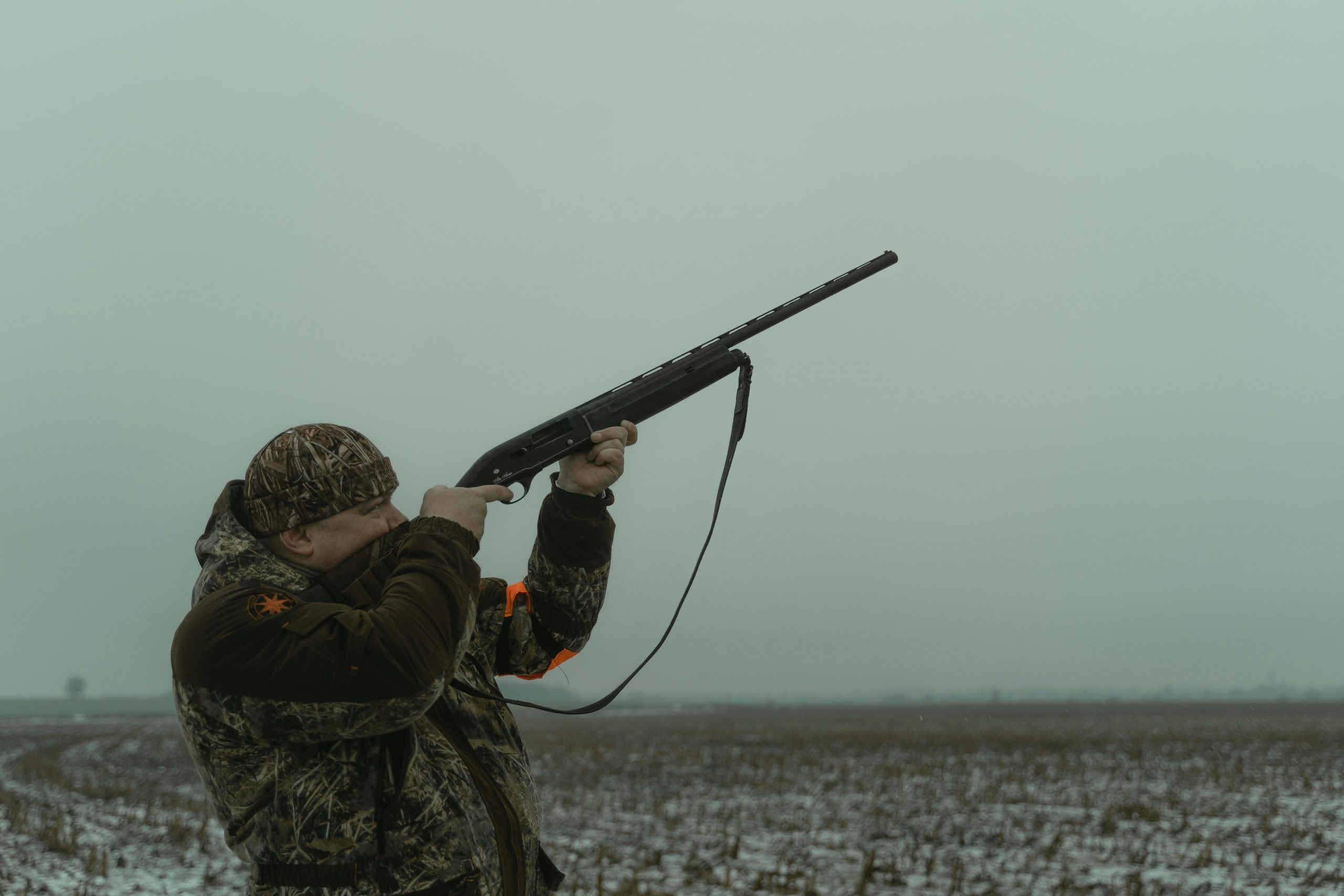
Two-handed ready carry keeps the rifle centered with steady forward control, providing strong muzzle discipline and instant readiness. Many hunters trust it on steep ground where slips are possible, because the rifle stays firmly in both hands. Some critics feel this posture gives a tactical impression, which can make non-hunters uneasy on shared paths. Despite that, the method ranks high for safety because the shooter maintains full awareness of the barrel’s direction at all times.
8. One-Handed Muzzle-Down Carry
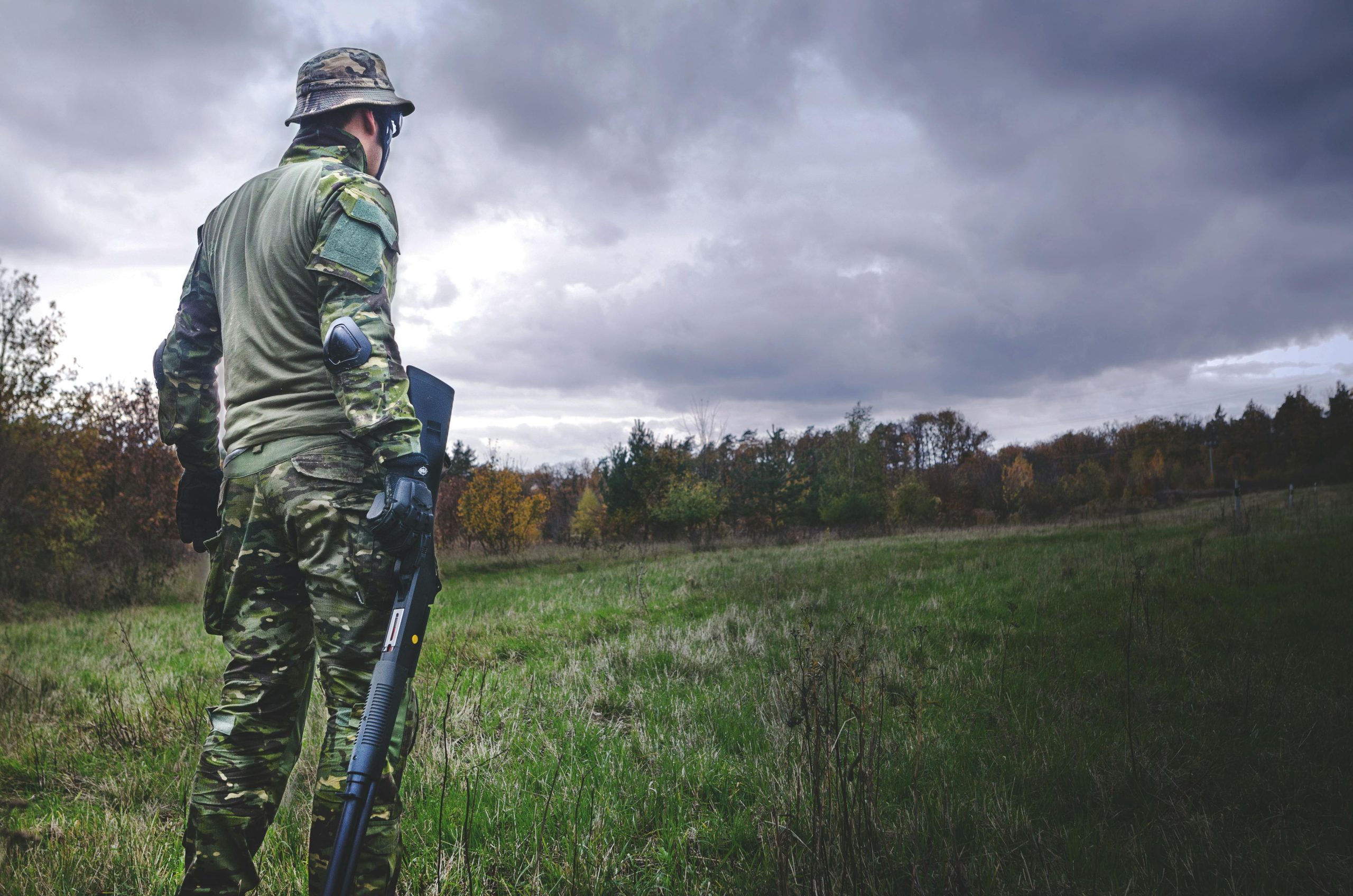
This method angles the muzzle firmly toward the ground while the hunter supports the rifle by the grip or center balance point. It minimizes the chance of sweeping other people, but it can become tiring on long hikes. Critics note that the downward barrel may strike rocks or roots if the hunter misjudges ground clearance. Still, many prefer this carry in public settings because the muzzle direction is predictable, visible, and generally viewed as nonthreatening by nearby hikers.
9. One-Handed Muzzle Up Carry
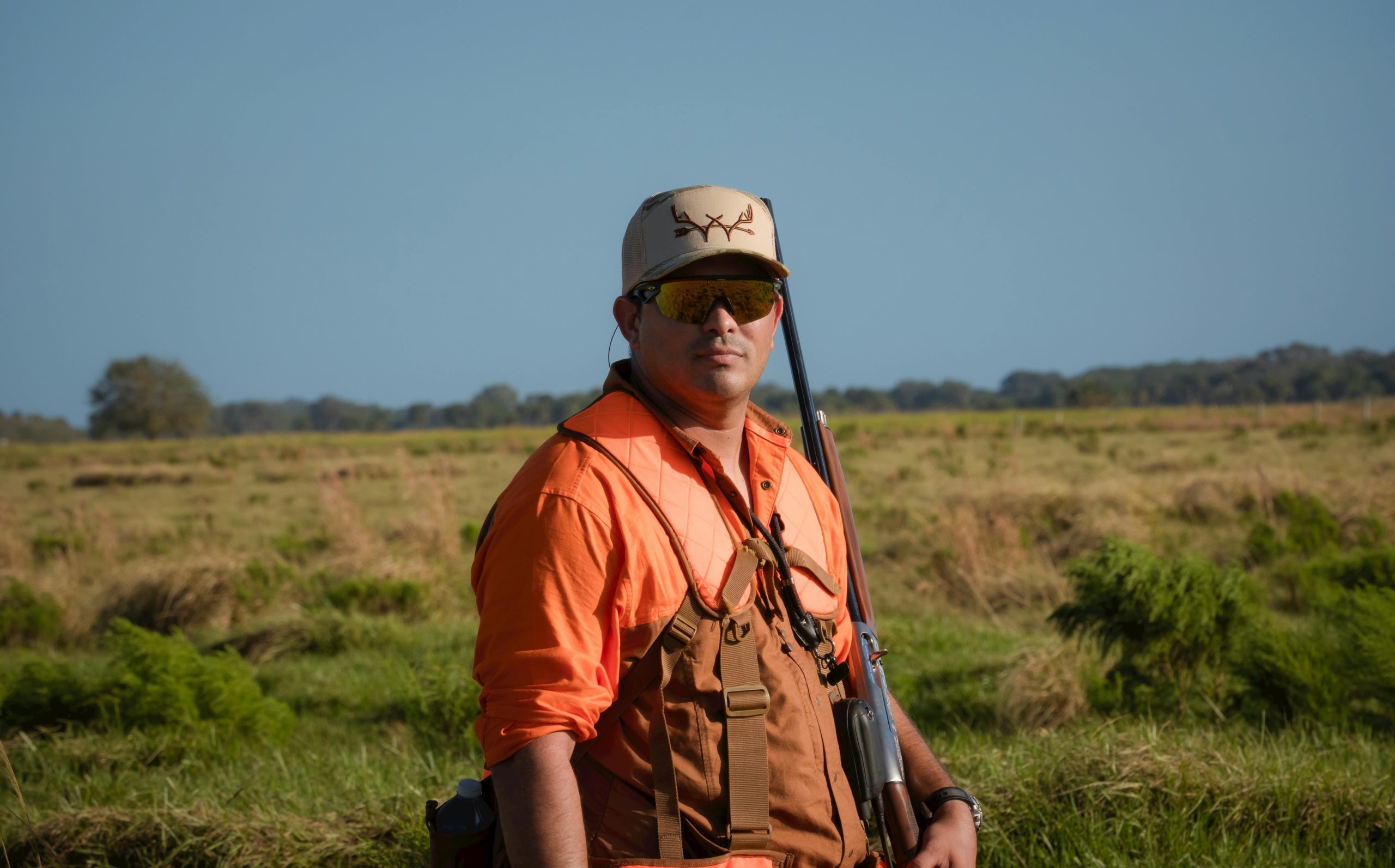
Muzzle-up carry is sometimes seen as relaxed and traditional, yet it often becomes controversial on crowded trails because the barrel points skyward, where it may pass behind others. Branches or low overhangs can push the rifle off-center or cause awkward adjustments. Supporters argue that it keeps the rifle clean and stable, but critics feel uneasy when following behind someone carrying it this way. Although comfortable, it requires careful spacing when hiking in public areas.
10. African Carry
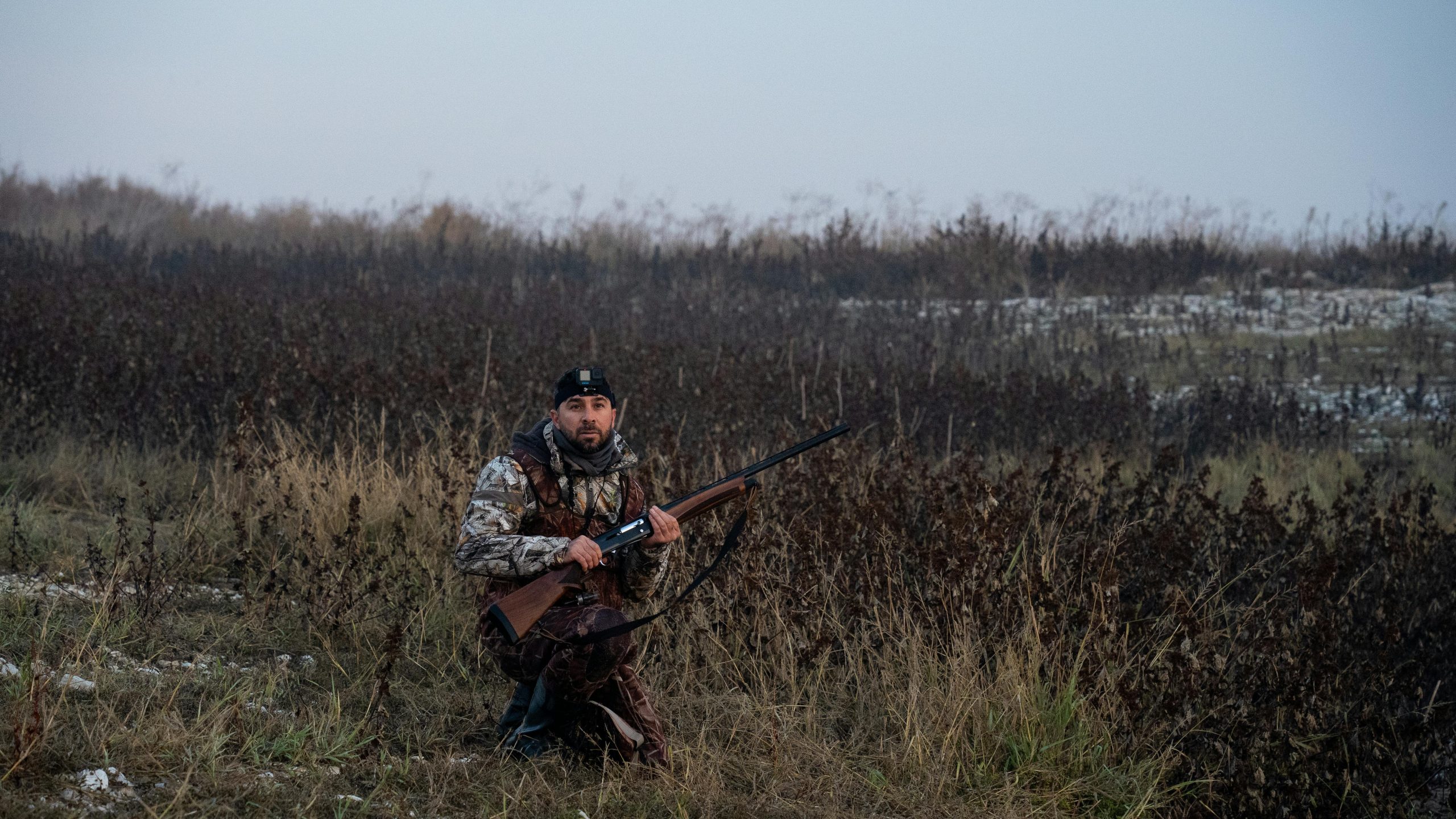
The African carry, with the rifle slung over one shoulder and the muzzle pointing forward and downward, offers excellent control during long tracking hunts. On public land, however, some hikers dislike seeing a rifle aimed forward even if angled safely. The method keeps the rifle accessible and steady, but it can look assertive when meeting others on narrow trails. Hunters who prefer this style must be very deliberate about muzzle placement and about how it appears in shared environments.
11. European Carry
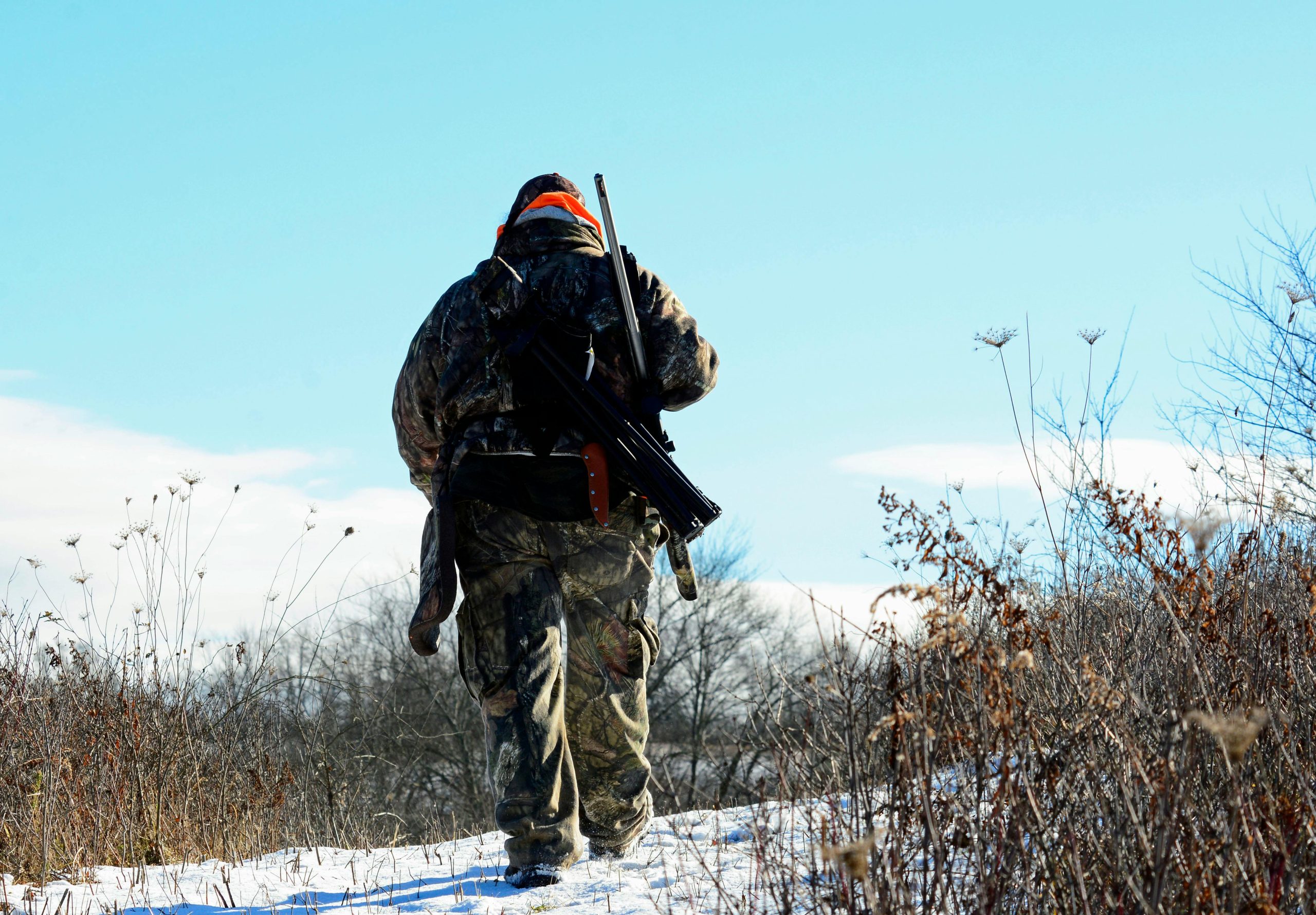
European carry positions the rifle on the opposite shoulder with the muzzle pointing forward and down, balancing the weight evenly. It is practical for long walks and reduces arm fatigue. Still, the forward placement can raise discomfort for hikers approaching from the front, who may perceive the barrel as too direct even though it is angled safely. The method’s comfort is widely praised, but in public areas, it requires extra courtesy when interacting with anyone on the trail.
12. High Port Carry
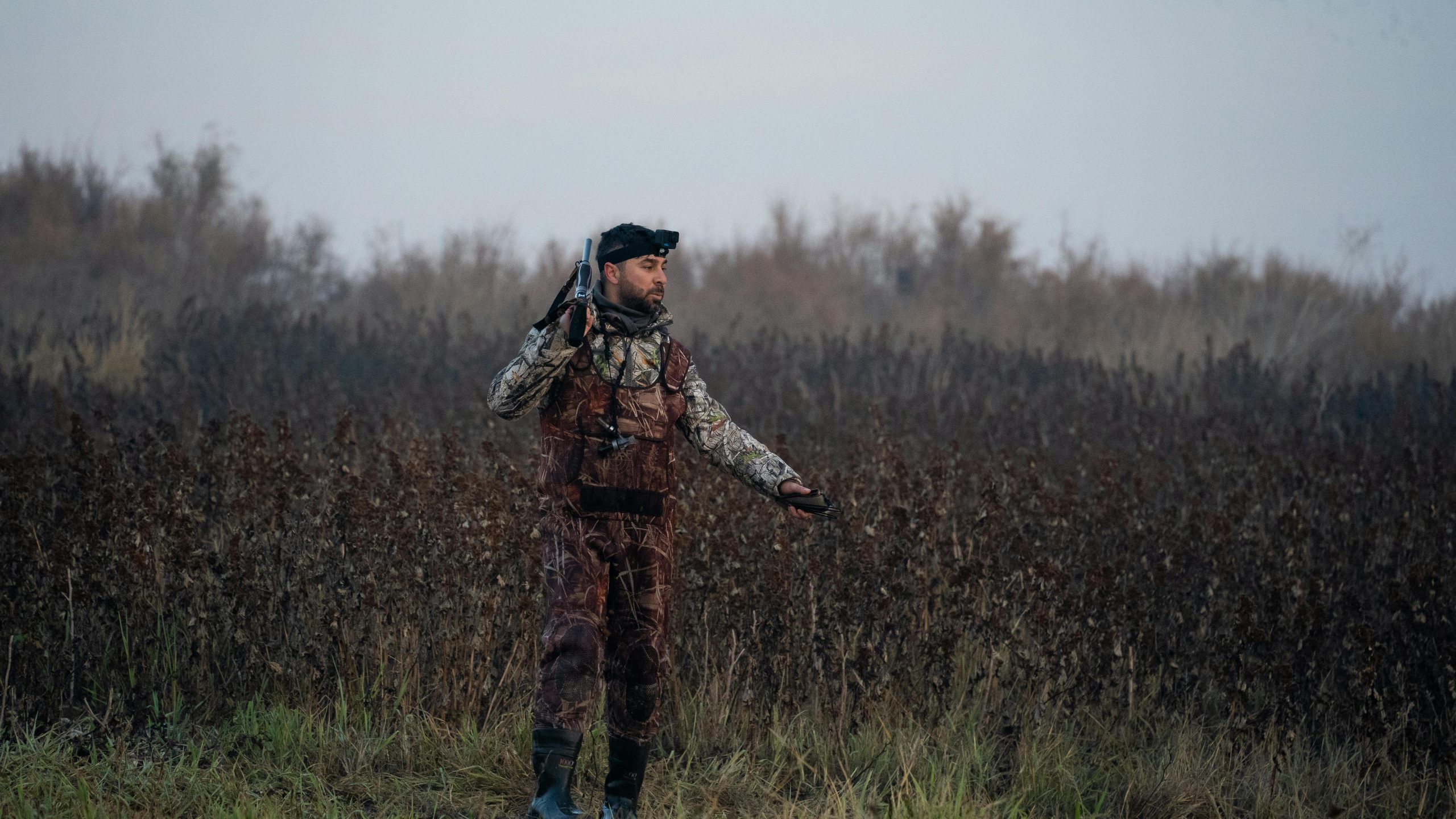
High port carry lifts the rifle above the shoulder line with the muzzle angled up and slightly forward, creating clear visibility in thick brush. While useful for quick transitions, it can be controversial around crowds because the barrel climbs into the sightline of people nearby. The high position can also become tiring and unstable in windy conditions. It provides strong readiness, but demands heightened awareness to prevent accidental muzzle sweep when entering shared spaces.
13. Low Ready Carry
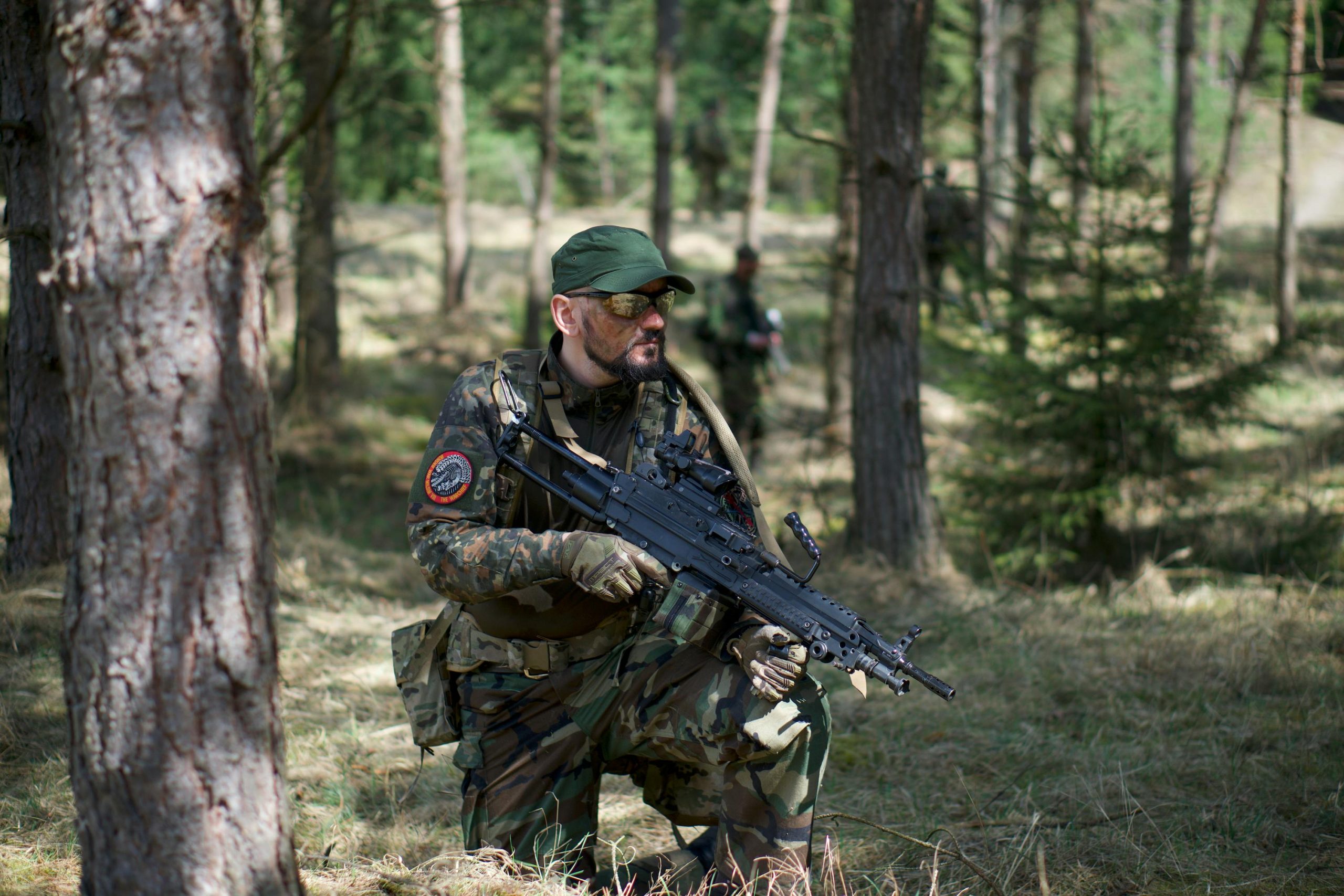
Low-ready carry keeps the rifle angled down while both hands maintain steady control, offering quick engagement without appearing overly intense. Hunters appreciate that the muzzle stays visible and generally pointed away from others. Some argue it still looks too prepared for areas where non-hunters are common. It can also become tiring when covering long distances. Even with these drawbacks, the method is considered safe when hunters keep a neutral stance and steady downward aim.
14. Chest-Mounted Rifle Harness
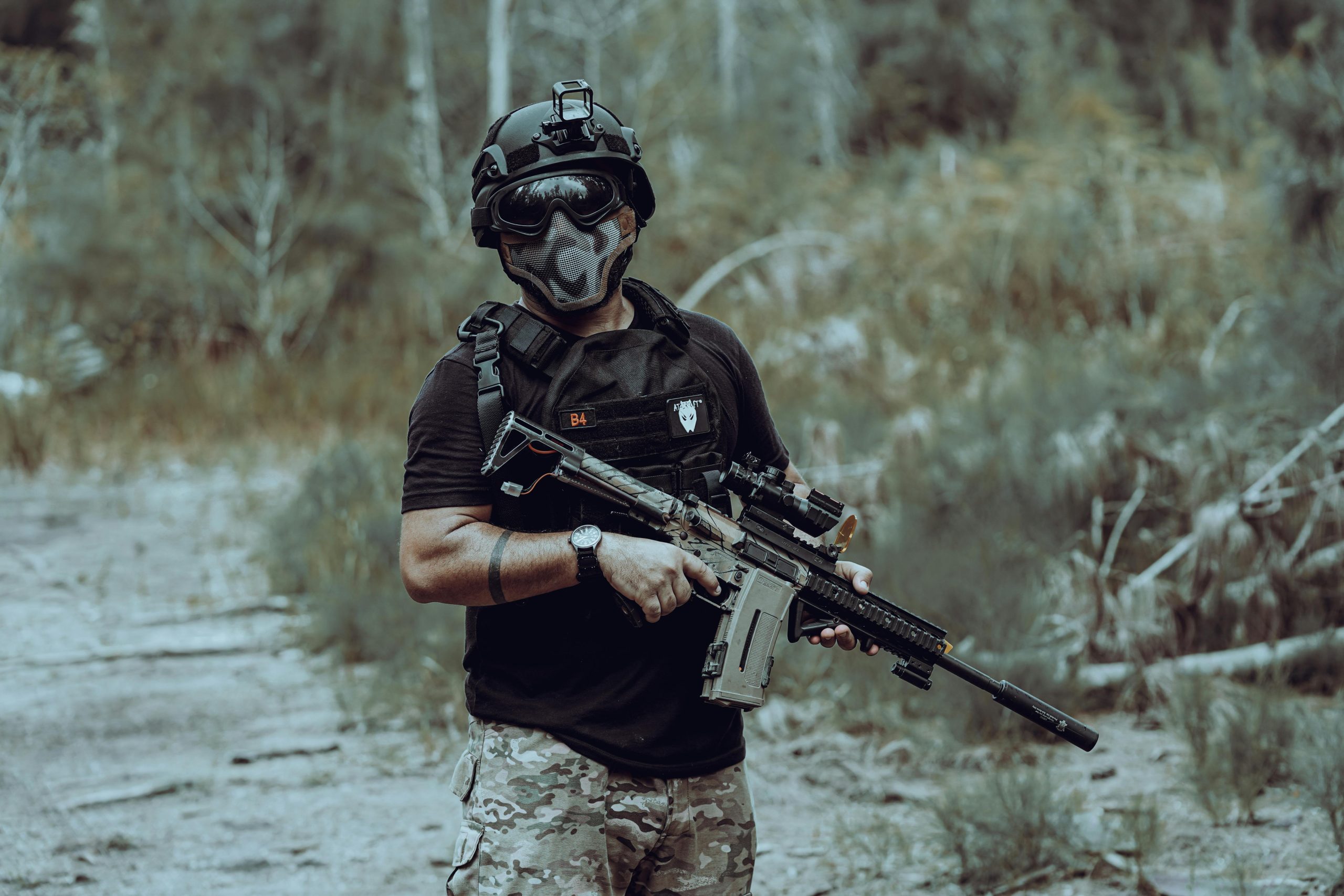
A chest-mounted harness secures the rifle tightly across the front of the body, making it stable on rough terrain and ideal for climbing steep ridges. Critics say it presents the firearm too prominently, which may unsettle hikers. Supporters counter that the muzzle direction remains controlled and predictable at all times. This setup excels in rugged environments where slip risks are high, though hunters should be mindful of how close others are when adjusting the harness or bending forward.
15. Pack-Mounted Rifle Carry
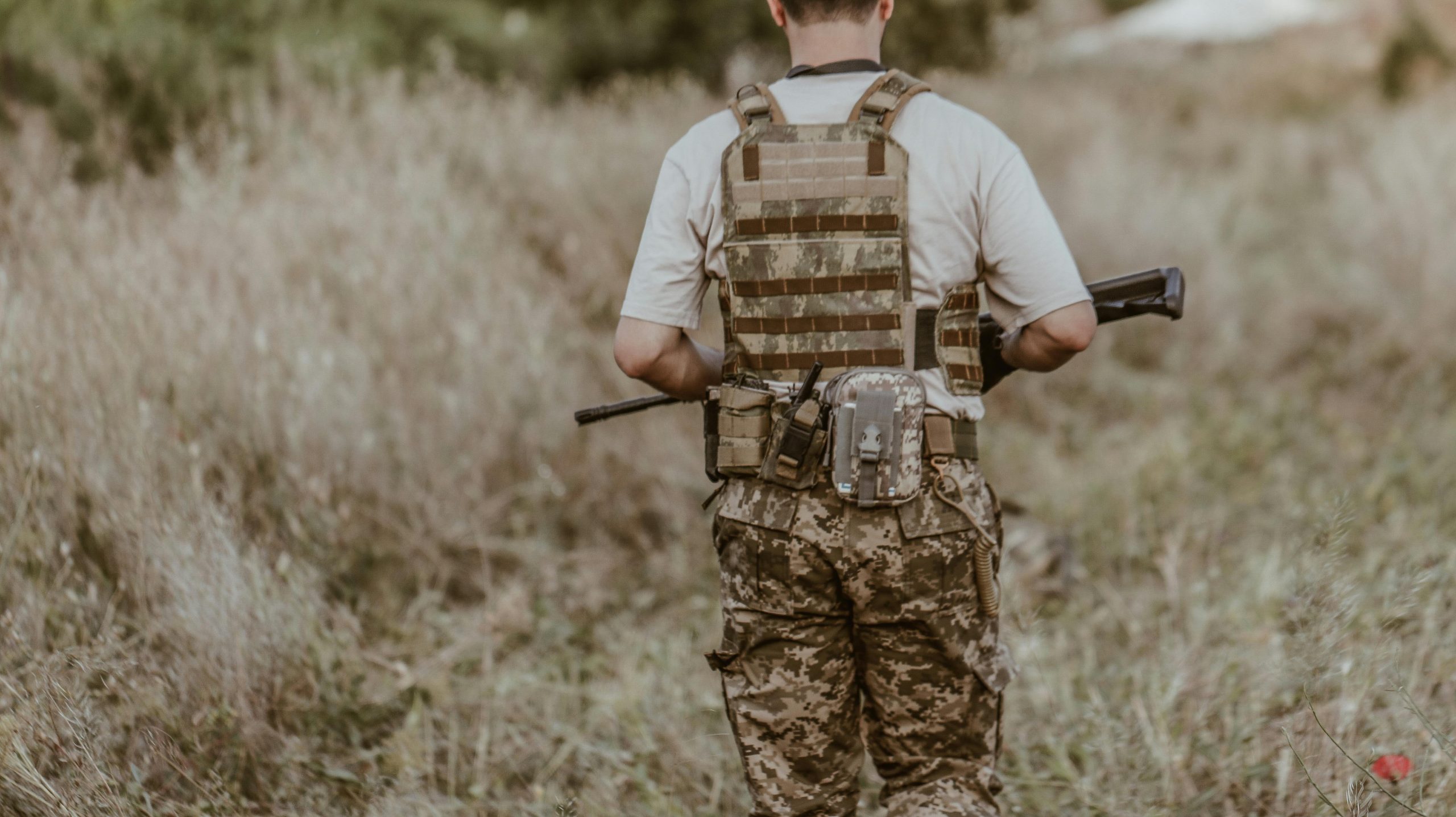
Mounting the rifle to a backpack keeps both hands free and reduces fatigue during long hikes. It is popular for backcountry travel, but public land hunters debate it because access to the rifle becomes slow and awkward. The muzzle direction also shifts depending on the pack design, sometimes pointing up or sideways when bending. Although the method improves comfort, hunters must check their gear frequently to ensure the barrel stays stable, visible, and safely angled during movement.
16. Biathlon Carry
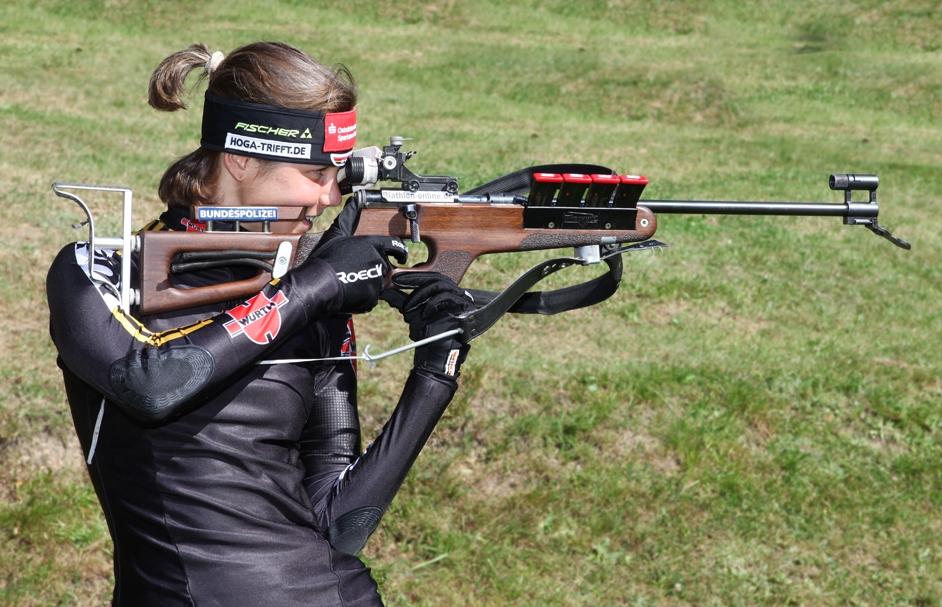
Biathlon carry uses a dual strap harness that positions the rifle flat across the upper back, evenly distributing weight. It is great for covering long distances, yet some hunters dislike how the muzzle can angle behind them, where visibility is limited. The method is extremely comfortable and secure, but passing people from the rear may feel uneasy about the barrel orientation. With careful posture and frequent checks, it offers efficiency while still demanding strong awareness in shared spaces.