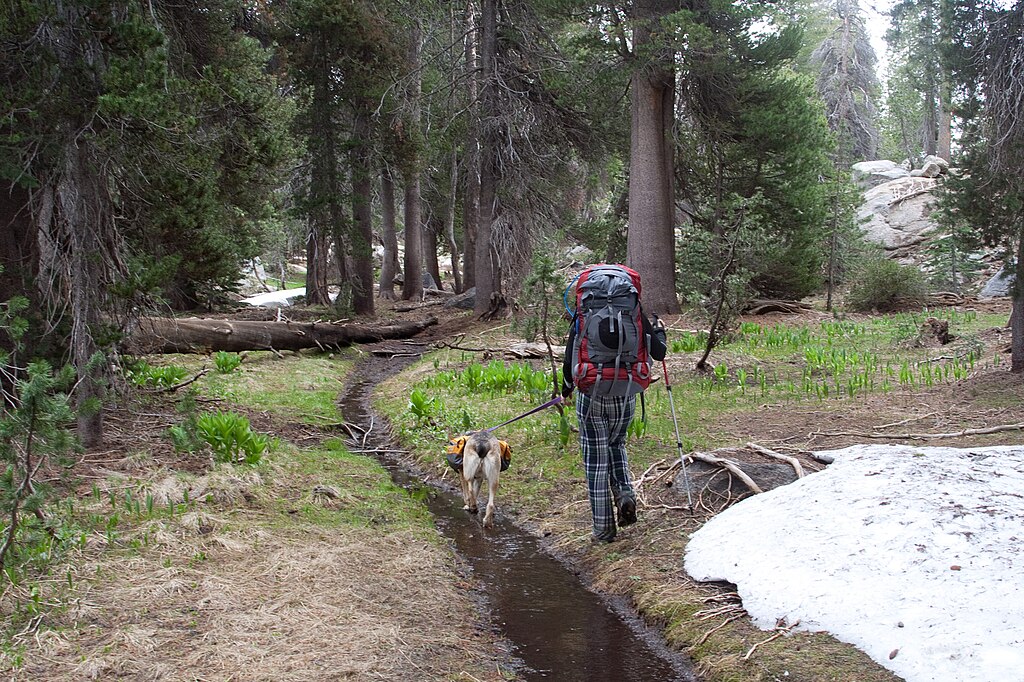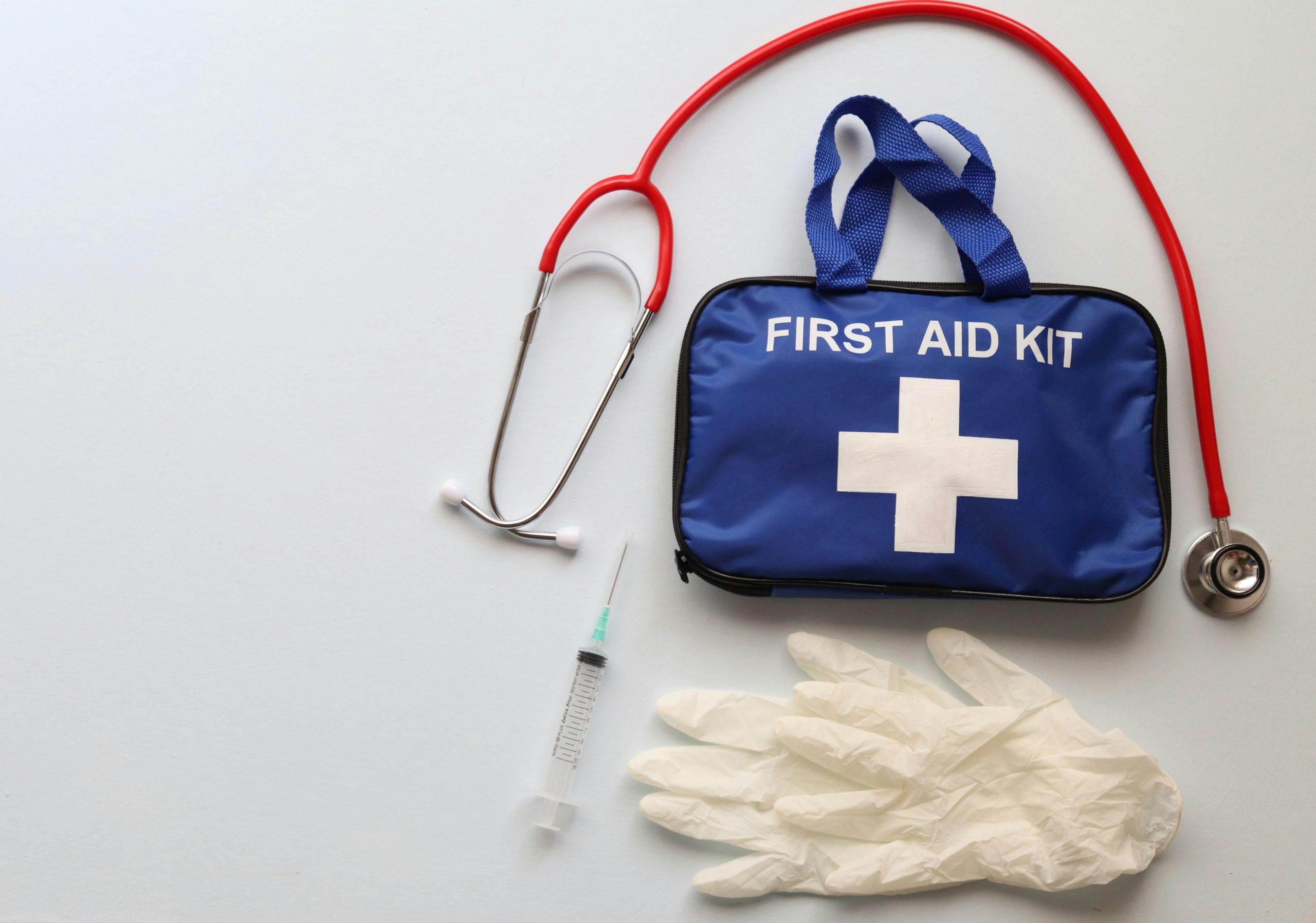
A real emergency kit should do more than treat minor scrapes. Wilderness first responders rely on gear that works in unpredictable conditions when help is hours away. Their recommendations focus on durability, versatility, and the ability to stabilize someone long enough for evacuation. Many outdoor travelers carry kits that look complete but lack the items that actually save lives. By choosing gear trusted by professionals, you improve your odds of managing injuries, preventing complications, and staying calm during stressful moments. These sixteen items form the backbone of a reliable emergency kit.
1. Pressure Bandage
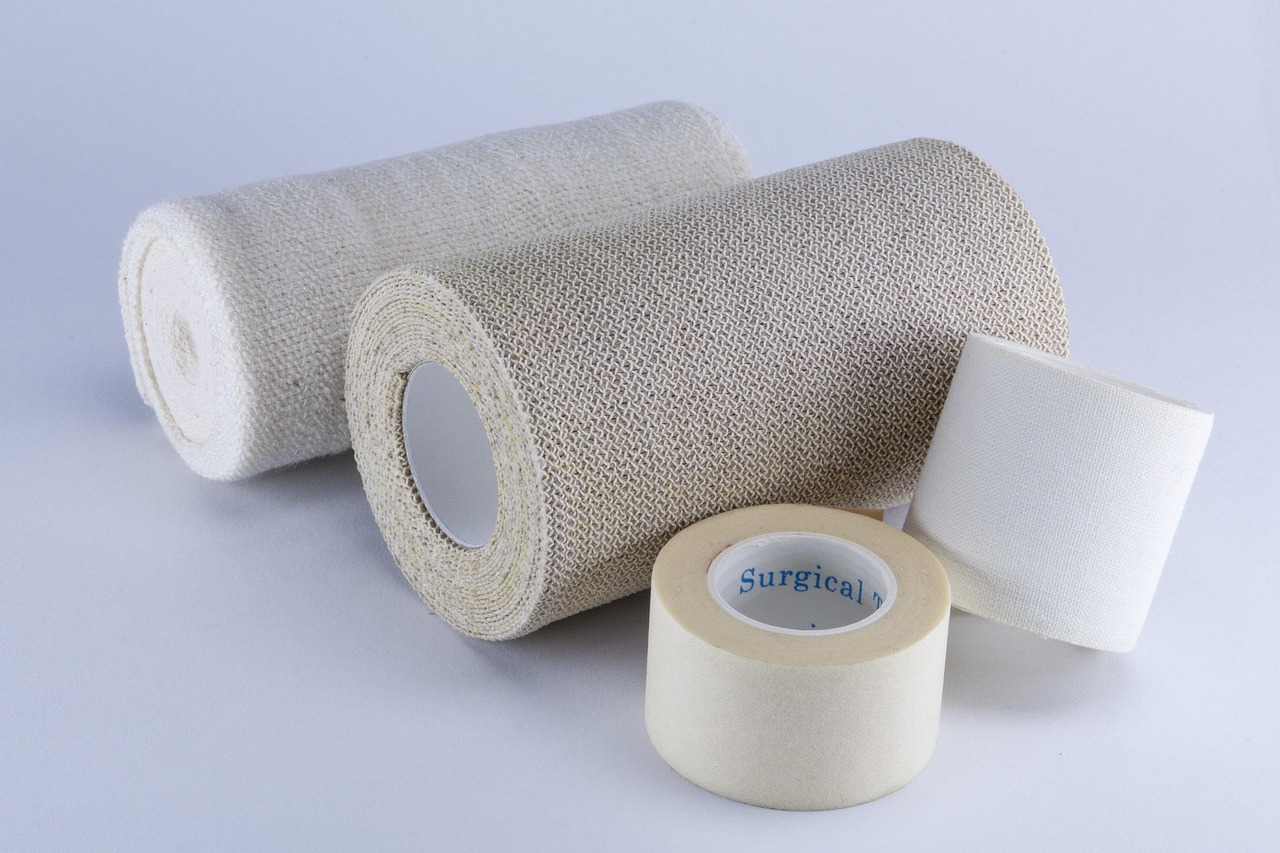
A pressure bandage is essential for controlling heavy bleeding when direct pressure alone is not enough. Wilderness first responders value it because it applies strong, even compression that stays secure while you move. It works on large wounds, deep cuts, and injuries where blood loss can become life-threatening in minutes. Many people underestimate how quickly bleeding escalates in remote areas. A quality pressure bandage allows you to stabilize the situation, slow blood flow, and buy critical time until evacuation or further medical care becomes available.
2. Elastic Wrap
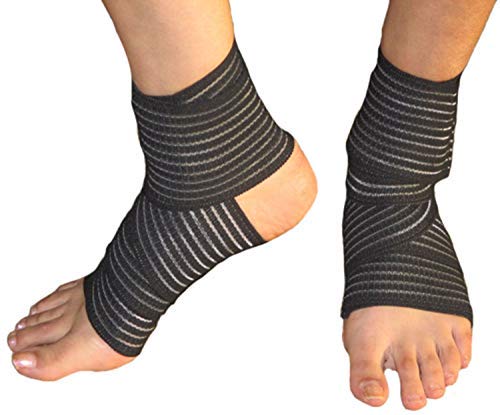
An elastic wrap is a multi-use tool that supports injured joints, secures splints, and helps reduce swelling. Responders use it to reinforce pressure dressings, protect sprains, and create stability around damaged tissue. Its flexibility allows it to adapt to almost any situation without taking up much space in your pack. Whether you are dealing with a knee twist, an ankle roll, or a wrist strain, an elastic wrap keeps the area secure and reduces movement. This makes it easier to travel safely until you get proper treatment.
3. Irrigation Syringe
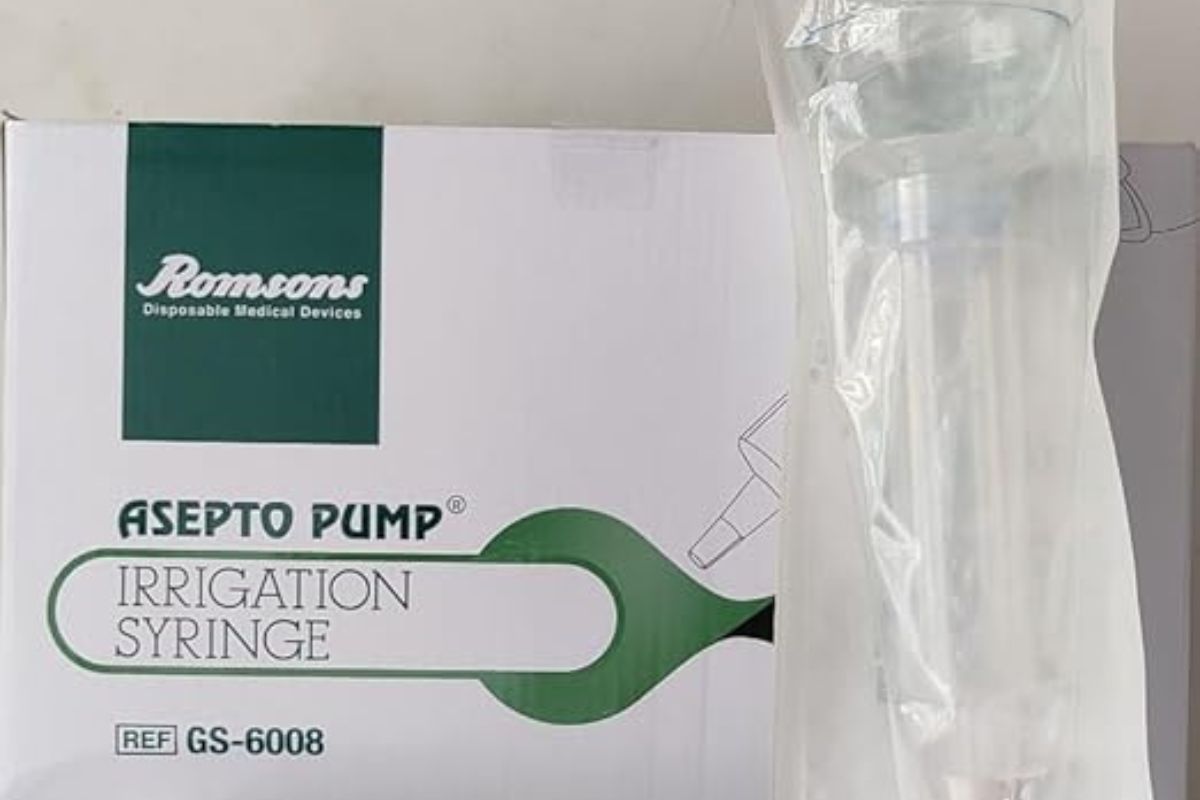
Cleaning wounds is one of the most important steps in preventing infection during backcountry emergencies. An irrigation syringe delivers a strong, controlled water flow that removes dirt and debris far better than pouring water by hand. Wilderness first responders treat wound cleaning as a top priority because infections develop quickly in outdoor settings. The syringe is lightweight, simple, and highly effective. With it, you can flush cuts, punctures, and abrasions before bandaging them. Proper irrigation reduces long-term complications and helps wounds heal more cleanly.
4. Nitrile Gloves
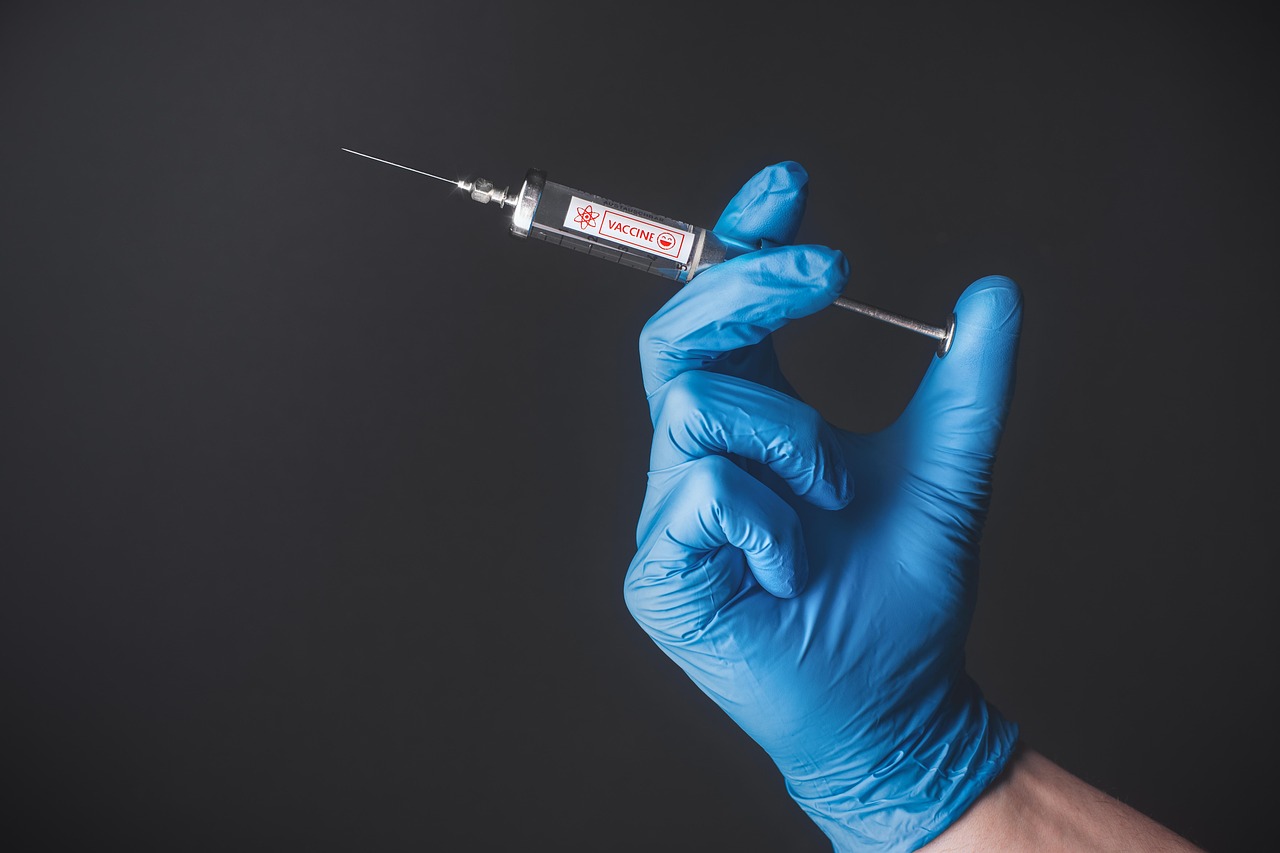
Nitrile gloves protect you and the injured person by creating a barrier against blood, bodily fluids, and contaminants. First responders never work without them because emergencies often involve messy conditions where hygiene is limited. Gloves also help prevent dirt from entering wounds while you apply dressings or perform basic care. They pack small and weigh almost nothing, yet they make a huge difference in safety. Having several pairs ensures you can handle multiple injuries or assist multiple people without risking cross-contamination.
5. Trauma Shears
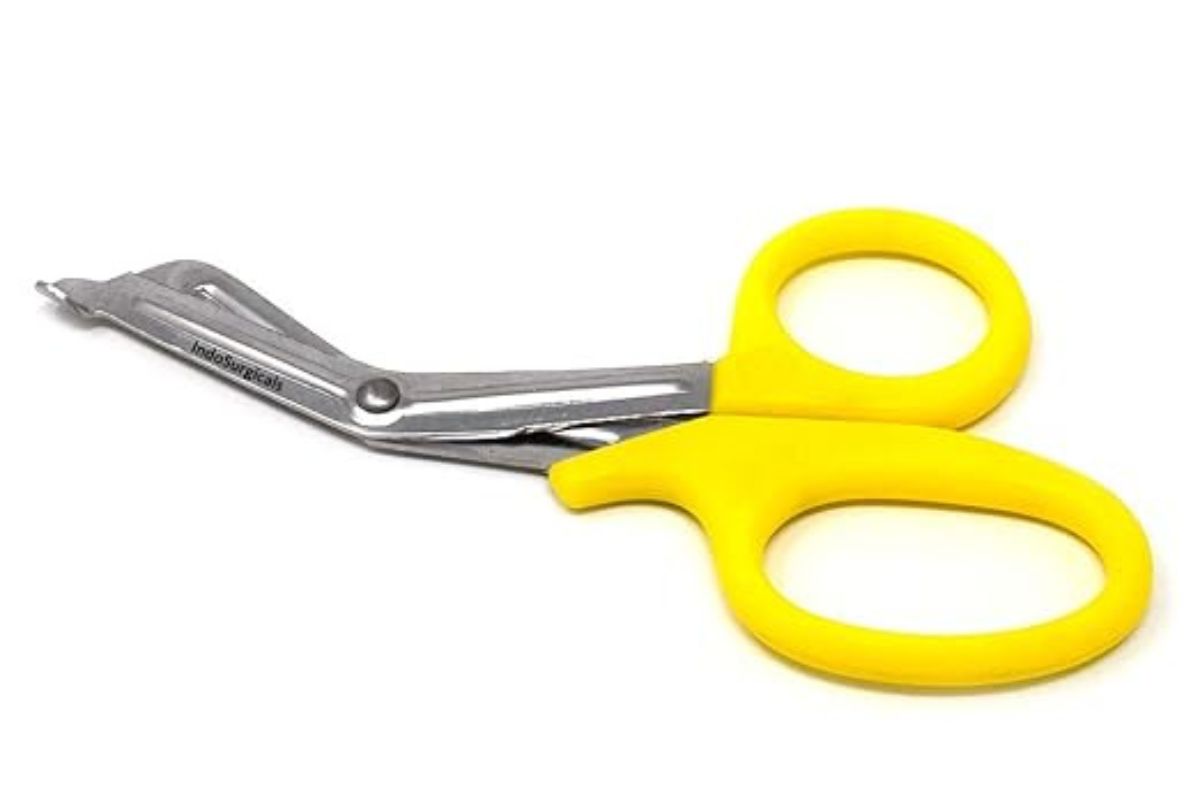
Trauma shears are designed to cut through clothing, webbing, and tough fabric quickly so you can access injuries without causing further harm. In emergencies, removing clothing is often the only way to fully evaluate wounds. Ordinary scissors struggle with heavy layers, but trauma shears slice through them efficiently. Their blunt tip prevents accidental cuts while working close to the skin. Wilderness first responders rely on them to expose injuries fast, avoid unnecessary pain, and keep treatment moving when every moment counts.
6. Antiseptic Wipes

Antiseptic wipes allow you to clean skin before applying bandages, reducing the chance of infection and helping dressings adhere properly. They are valuable when water is limited or when conditions are too cold for thorough washing. Wilderness first responders use them to prepare wound edges, disinfect hands after glove removal, and clean surfaces before taping. Their convenience and reliability make them a vital part of any emergency kit. A small supply goes a long way in protecting against complications and supporting healthy wound recovery.
7. Adhesive Tape
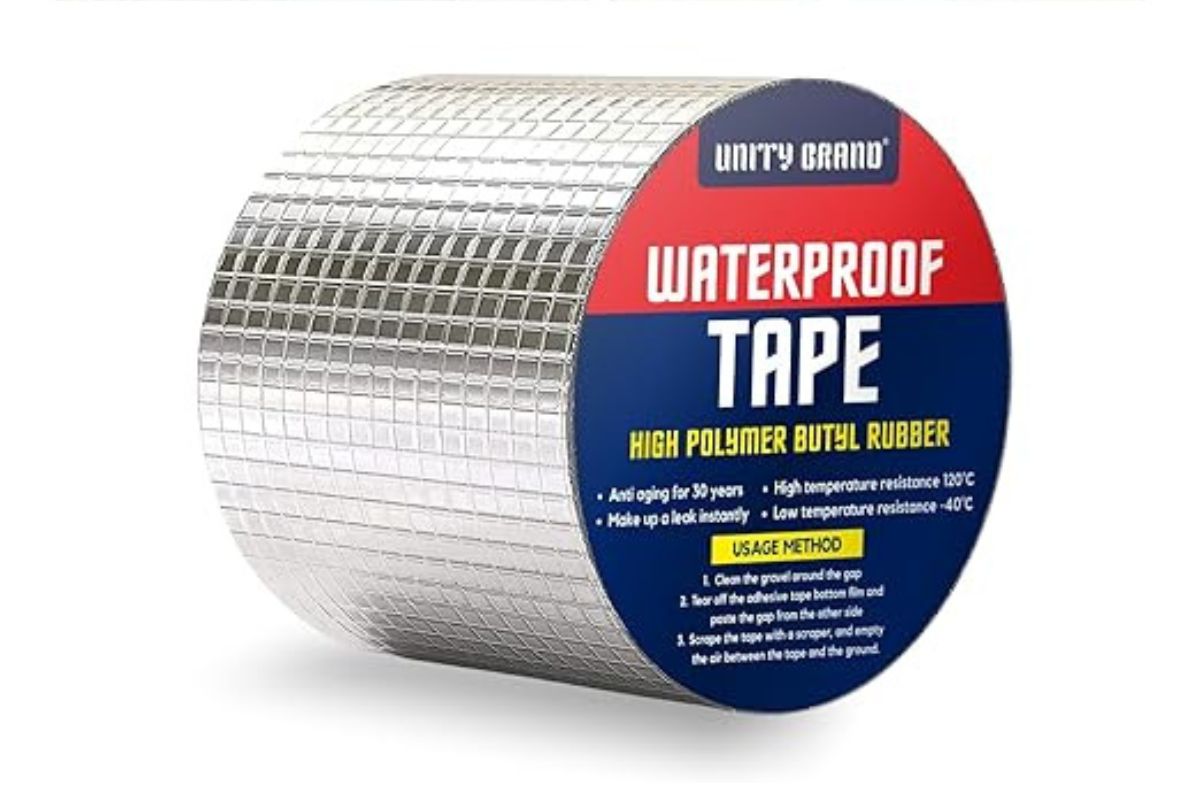
Adhesive tape is one of the most adaptable items in a wilderness medical kit. It secures bandages, reinforces splints, creates blister protection, and repairs gear in a pinch. First responders appreciate how it sticks to skin even in challenging outdoor conditions. Tape allows you to customize dressings, stabilize injuries, and make quick adjustments as swelling changes. Its strength and versatility make it possible to improvise solutions when other tools are not available. Carrying a reliable roll ensures you are prepared for nearly any scenario.
8. Sterile Gauze
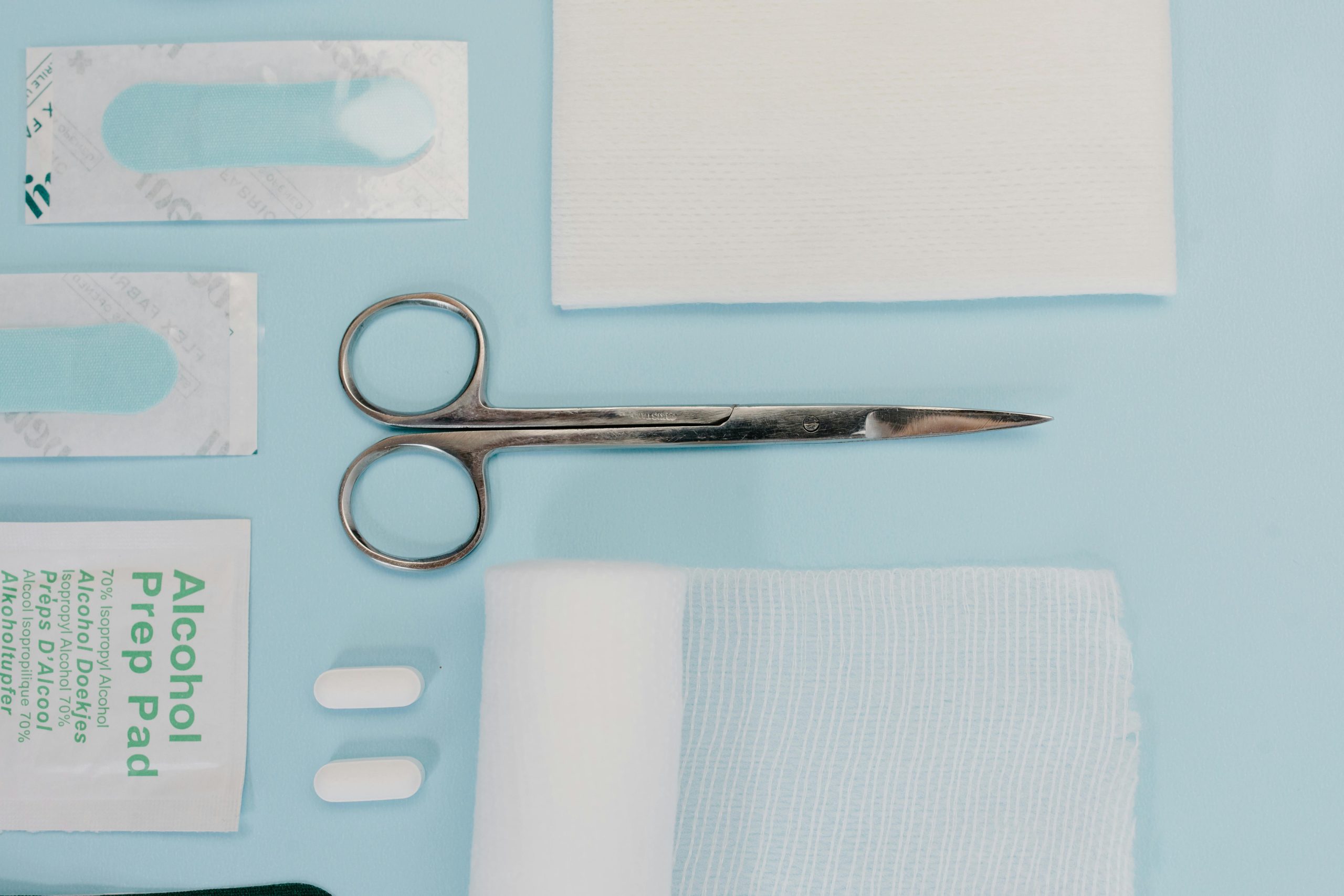
Sterile gauze pads absorb blood, cover wounds, and provide a clean barrier that protects injuries from dirt. Wilderness first responders depend on gauze for everything from soaking up heavy bleeding to layering under pressure bandages. Because gauze is soft and breathable, it works well on sensitive or irregular surfaces. It also reduces friction and helps wounds stay clean while you travel. Having multiple sizes allows you to treat a wide range of injuries effectively, keeping your kit practical without adding unnecessary bulk.
9. SAM Splint
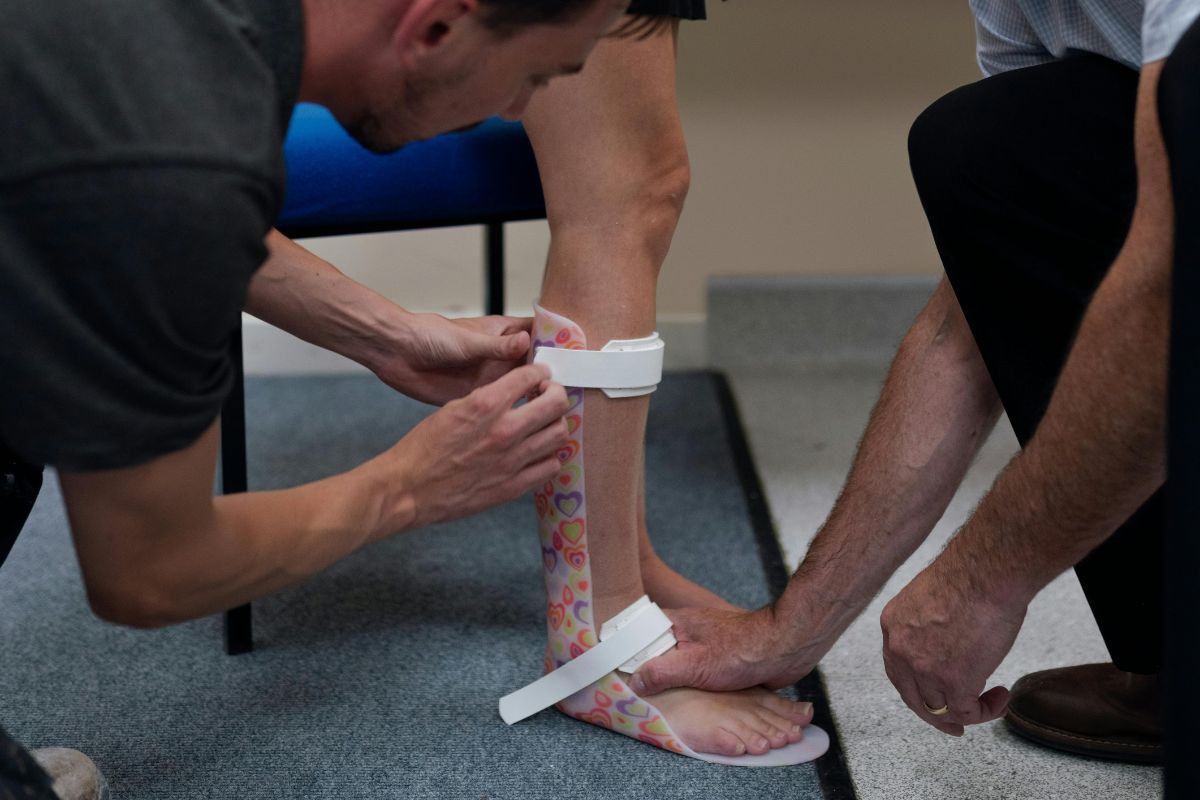
A SAM splint is a lightweight, moldable support tool that stabilizes fractures and sprains using simple shaping techniques. It bends easily yet becomes rigid when secured with an elastic wrap. This makes it useful for arms, legs, wrists, and ankles. Wilderness first responders favor it because it replaces heavier splinting materials and performs reliably in demanding environments. Its versatility allows you to create customized support that reduces pain and prevents further injury until you reach medical help. It is one of the most efficient tools for backcountry stabilization.
10. Emergency Blanket
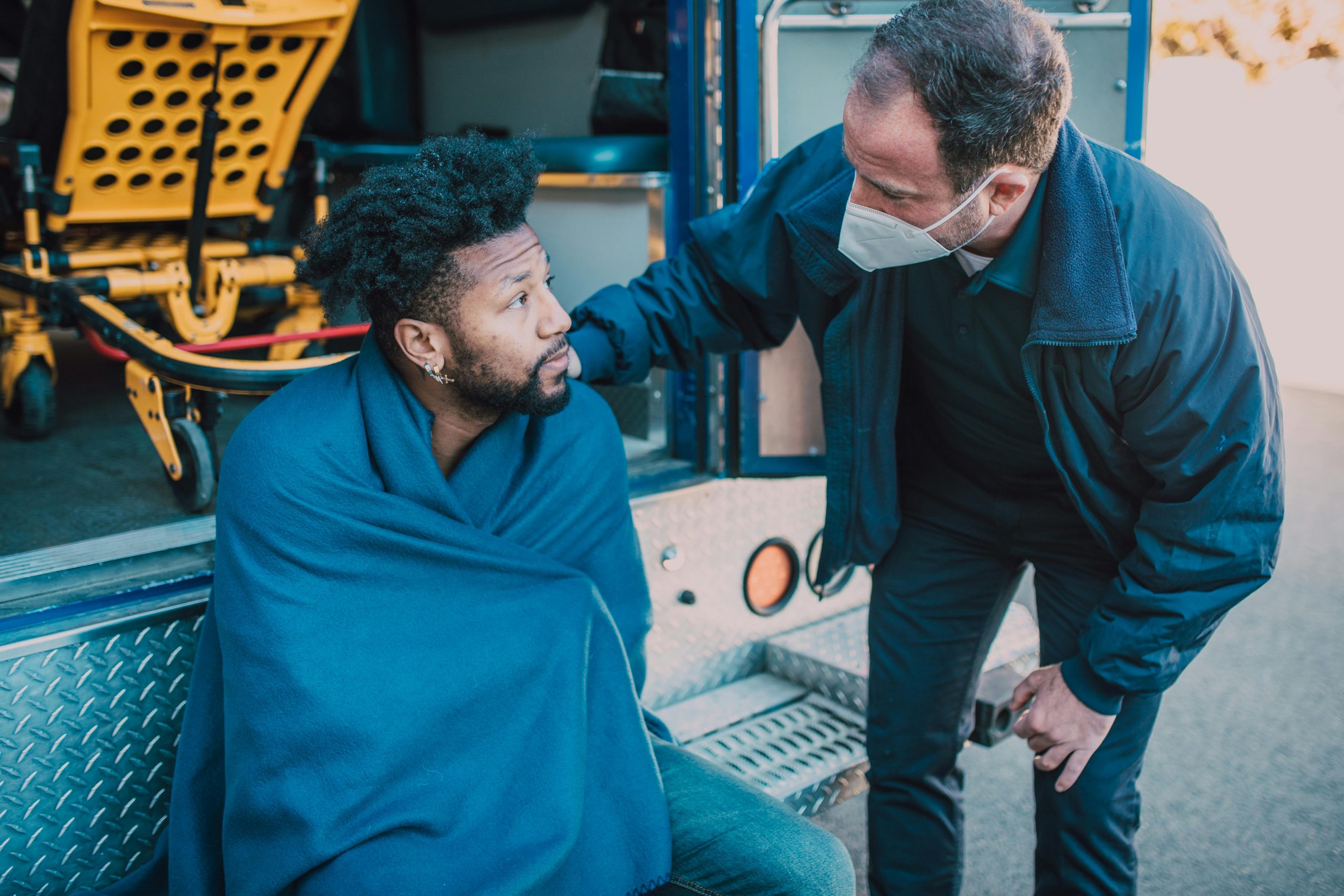
An emergency blanket reflects body heat and protects against wind, rain, and cold ground. Even mild hypothermia can develop quickly outdoors, especially after injuries. First responders consider the blanket essential for preserving body temperature during treatment and evacuation. Its compact size makes it easy to pack, yet it offers powerful thermal support. Whether used as a wrap, ground barrier, or improvised shelter layer, an emergency blanket helps keep the injured person warm and reduces the risk of shock and heat loss.
11. Pain Relief Medication
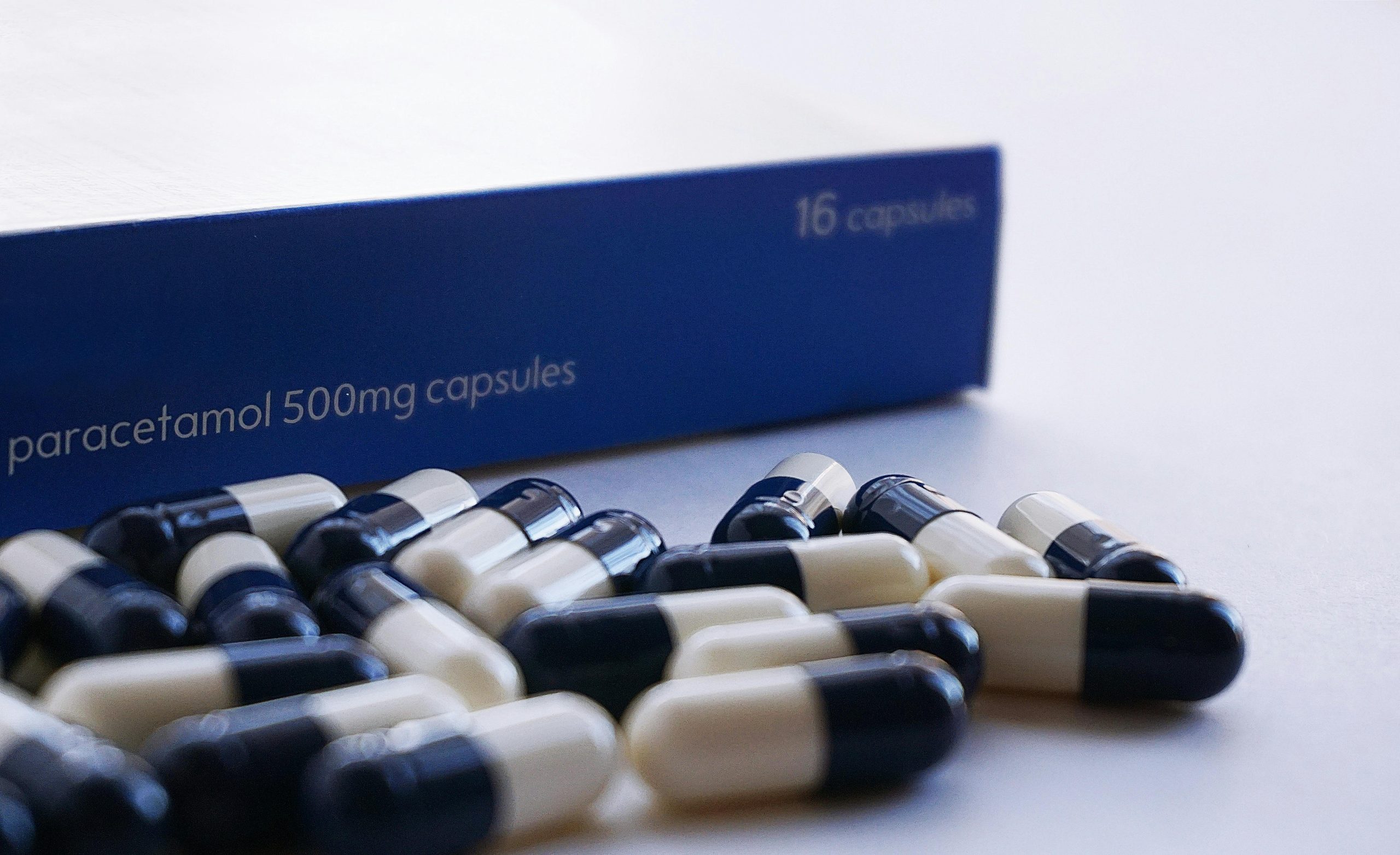
Over-the-counter pain relief medication can make a major difference in mobility and comfort during long evacuations. Wilderness first responders often recommend carrying a mix of options that help reduce inflammation, soreness, and general pain. Managing discomfort helps keep the injured person calm and allows for steadier movement if self-evacuation is necessary. These medications are lightweight, easy to pack, and highly effective when used responsibly. Including them in your kit ensures you are ready for both minor injuries and more serious conditions.
12. Antihistamines
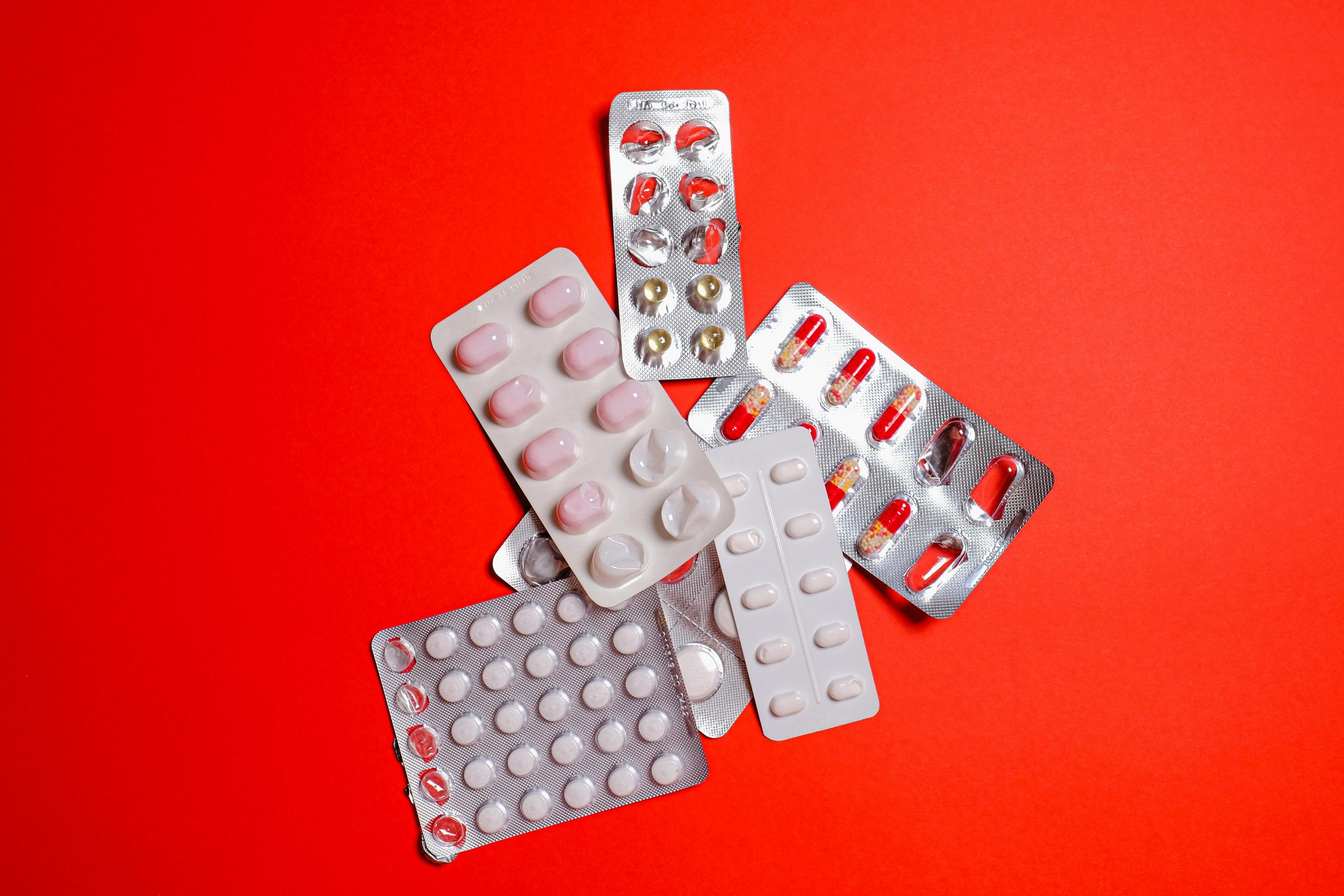
Antihistamines help control allergic reactions, reduce swelling, and provide relief from insect bites or unexpected allergens. Wilderness first responders rely on them because allergic responses can escalate quickly and make breathing difficult in remote environments. Even mild reactions can cause significant discomfort that affects decision-making and mobility. Having antihistamines in your kit ensures you can respond early and manage symptoms before they become severe. Their small size and wide usefulness make them an important part of backcountry preparedness.
13. Tweezers

Tweezers allow you to remove splinters, thorns, ticks, and debris from wounds with precision. Wilderness first responders use them frequently because outdoor injuries often involve dirt, plant material, or insect attachment. Removing foreign objects properly helps reduce infection risk and prevents deeper tissue damage. High-quality tweezers grip well even in cold or wet conditions. They take almost no space in your kit yet play a critical role in basic wound care, especially during long or remote trips.
14. CPR Face Shield

A CPR face shield provides a safe barrier during rescue breathing, protecting both the rescuer and the patient from bodily fluid exposure. Wilderness first responders always include one because CPR situations in remote areas require calm, safe technique. The shield folds small and weighs very little, yet it makes responding to cardiac or breathing emergencies much safer. It also encourages people to act quickly, knowing they have some protection. Including a face shield ensures your kit is ready for life-threatening situations.
15. Multi Tool
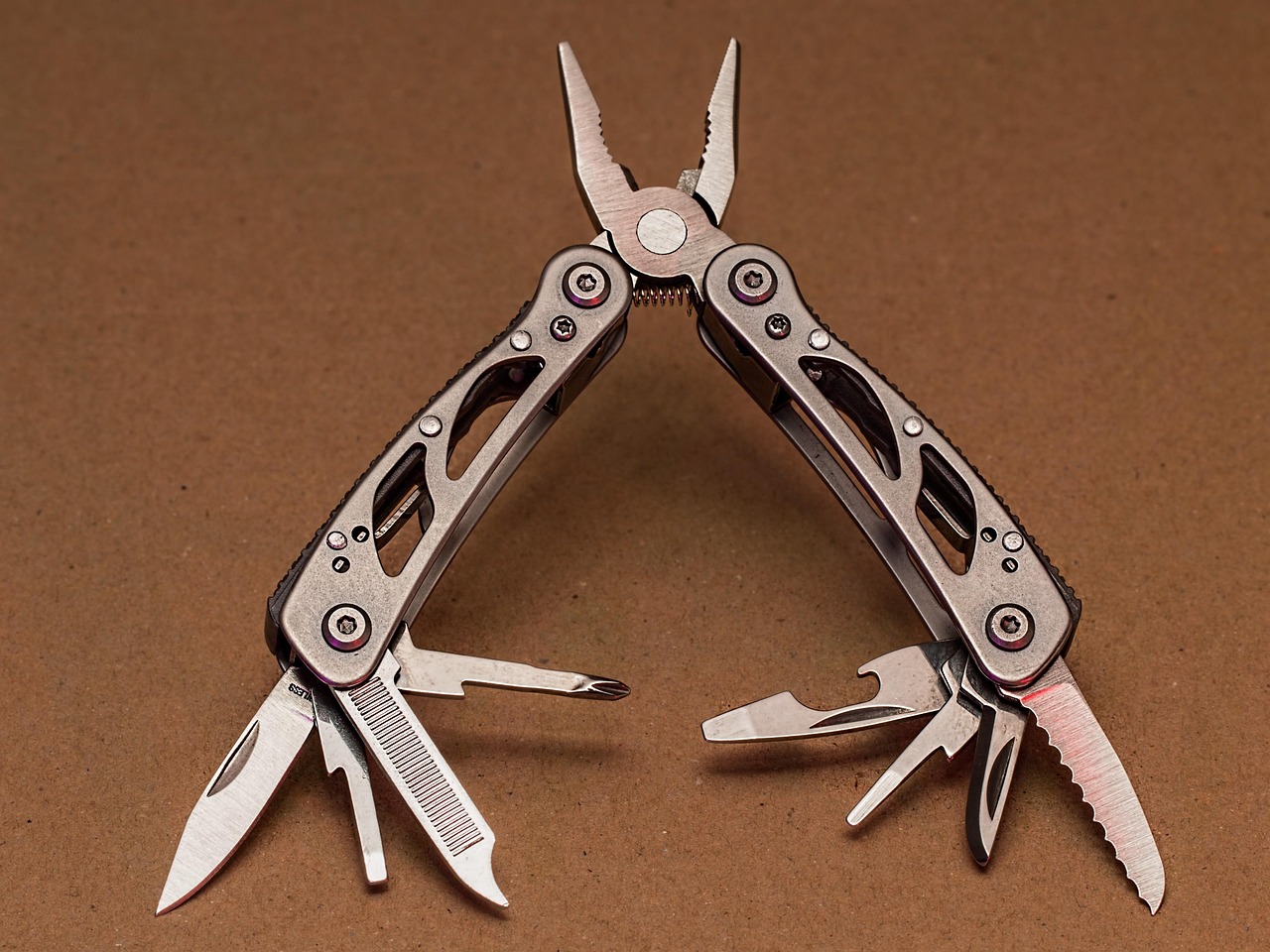
A multi-tool helps you cut, grip, tighten, and adjust gear during emergencies. Wilderness first responders value its ability to assist with splinting, shelter repairs, gear modifications, and many unexpected tasks. The knife, pliers, and small tools allow you to improvise solutions quickly without carrying separate items. A reliable multi-tool supports both medical care and general survival tasks, making it one of the most dependable pieces of equipment in any emergency kit. Its usefulness extends far beyond first aid alone.
16. Waterproof Bag for Medical Gear
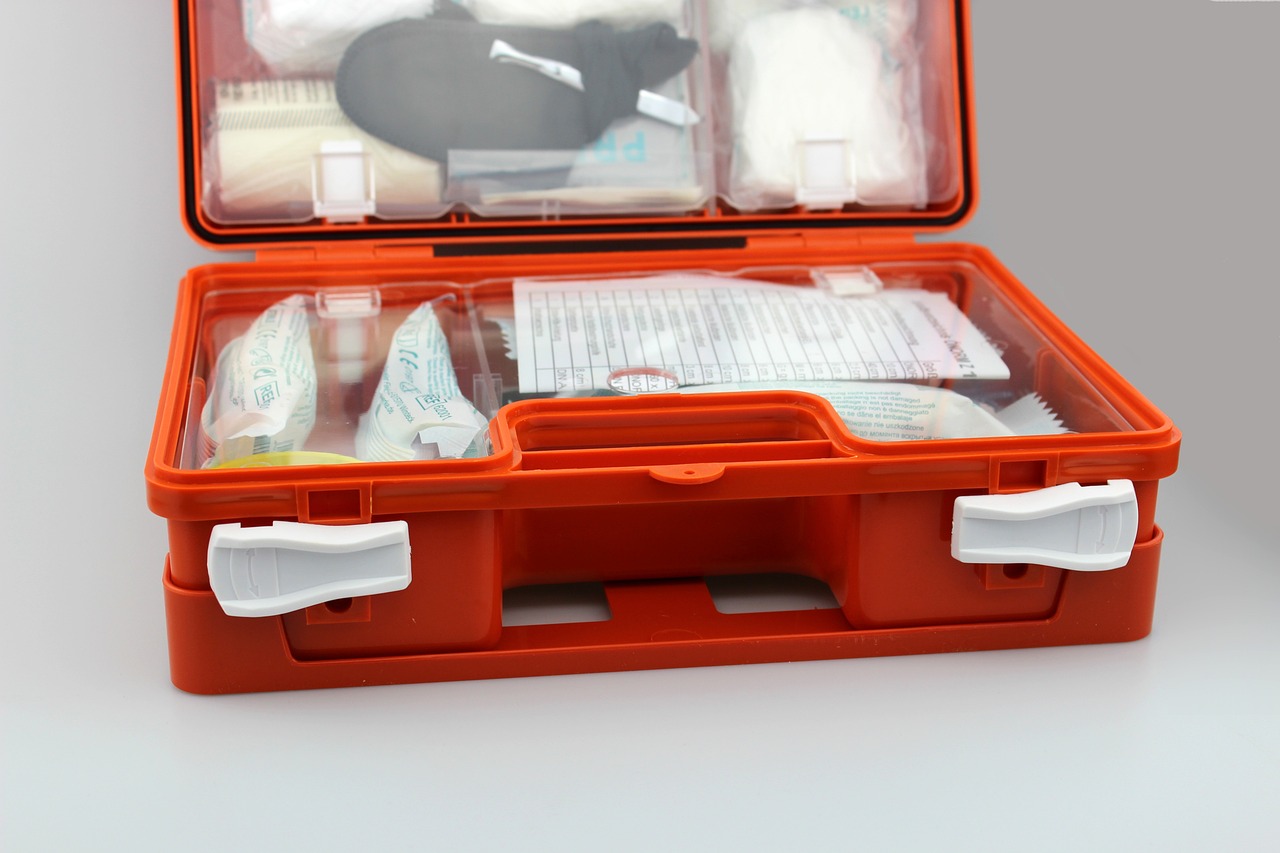
A waterproof bag protects your entire kit from rain, river crossings, and accidental spills. Responders treat it as essential because medical supplies become useless when soaked. Keeping items dry ensures bandages remain sterile, tape sticks properly, and medications stay intact. The bag also keeps your supplies organized so you can access them quickly under stress. Whether using a small dry sack or a sealed pouch, waterproof storage adds reliability to your kit and protects the investment you made in quality gear.