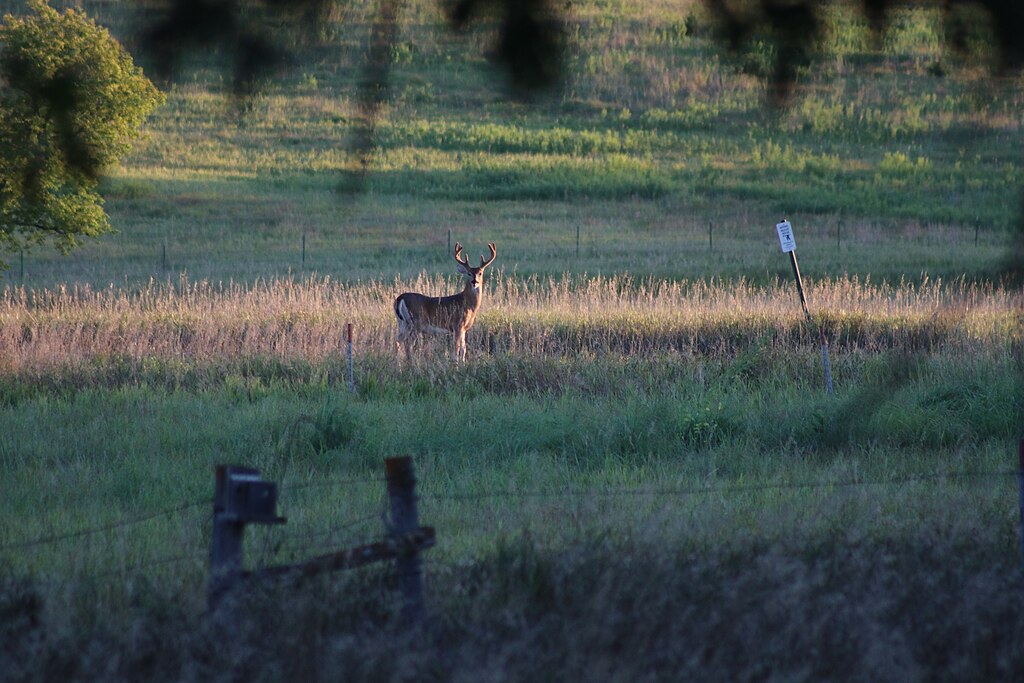
Mature bucks survive by being deliberate, cautious, and consistent. They do not leave behind careless signs like younger deer, and they rarely waste energy moving without purpose. Every track, rub, scrape, and bed tells part of a story shaped by experience and survival pressure. Hunters who learn to recognize these subtle clues can separate high-value locations from areas used only occasionally. The following sixteen clues focus on repeatable, reliable signs that point to a mature buck using an area regularly. Each section explains what to look for, why it matters, and how it differs from random deer activity, helping you read the landscape with confidence and accuracy.
1. Large, Deep Hoof Prints
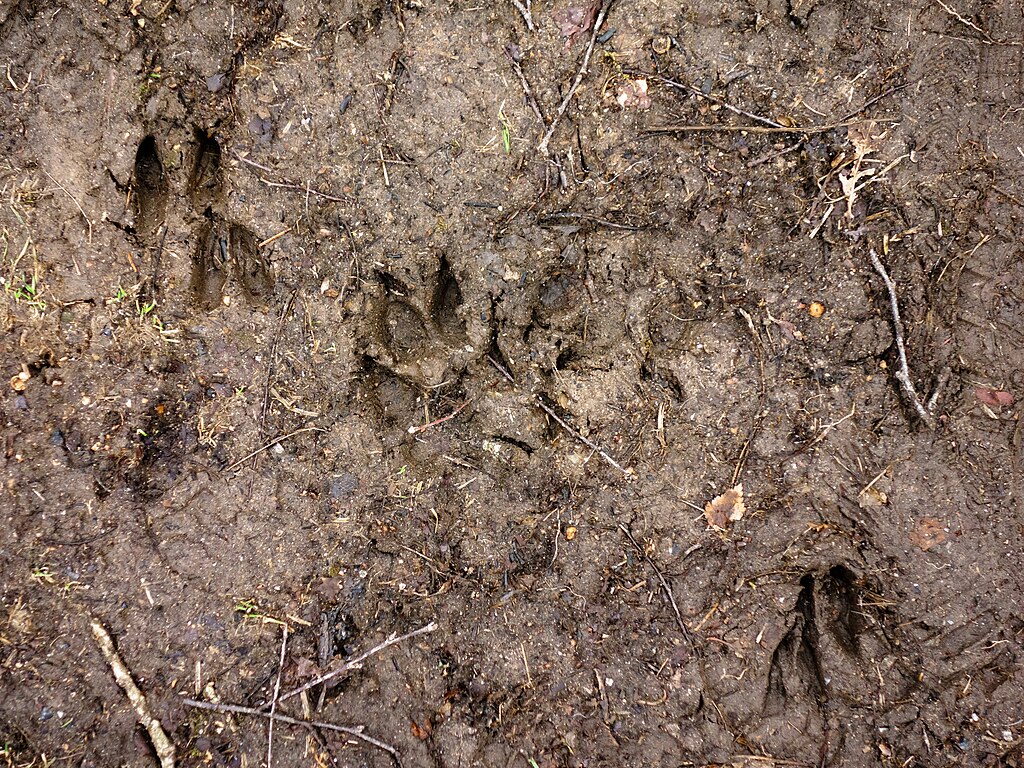
Mature bucks leave hoof prints that immediately feel heavier and more defined than those of other deer. The tracks are wider, deeper, and often show splayed toes, especially in soft soil or mud. Depth is a major indicator, as older bucks typically carry a significant amount of body weight. Stride length is usually longer, reflecting confidence and size. These tracks commonly appear along edges, side hills, or secure routes rather than open trails. When the same oversized tracks show up repeatedly in the same locations, it confirms routine use. Single tracks mean little, but consistent appearance signals a mature buck moving through the area with purpose.
2. Thick Rubs on Large Diameter Trees
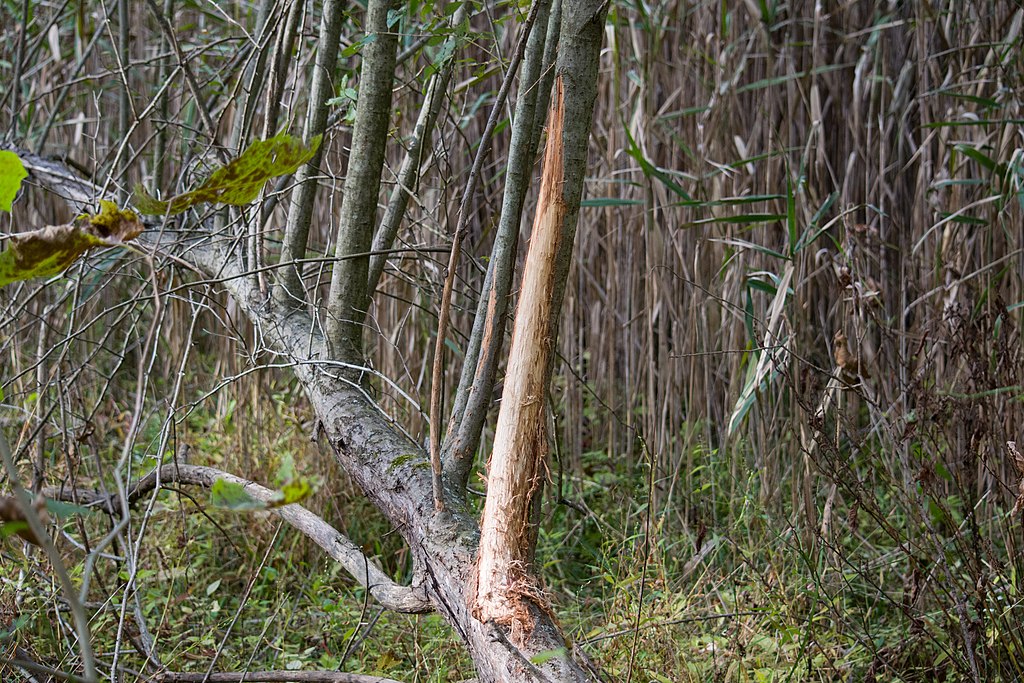
Rubs made by mature bucks tend to appear on larger trees that younger deer struggle to work. These trees may be as thick as a wrist or larger, demonstrating the strength and reach of the buck. The bark is often shredded deeply, and the exposed wood looks polished from repeated contact. Rub height is usually higher as well. Location matters just as much as size. Mature bucks place rubs along secure travel routes near cover. When thick rubs appear in lines or clusters and show repeated use, they strongly suggest a mature buck is marking territory and traveling through the area regularly.
3. High Rub Placement
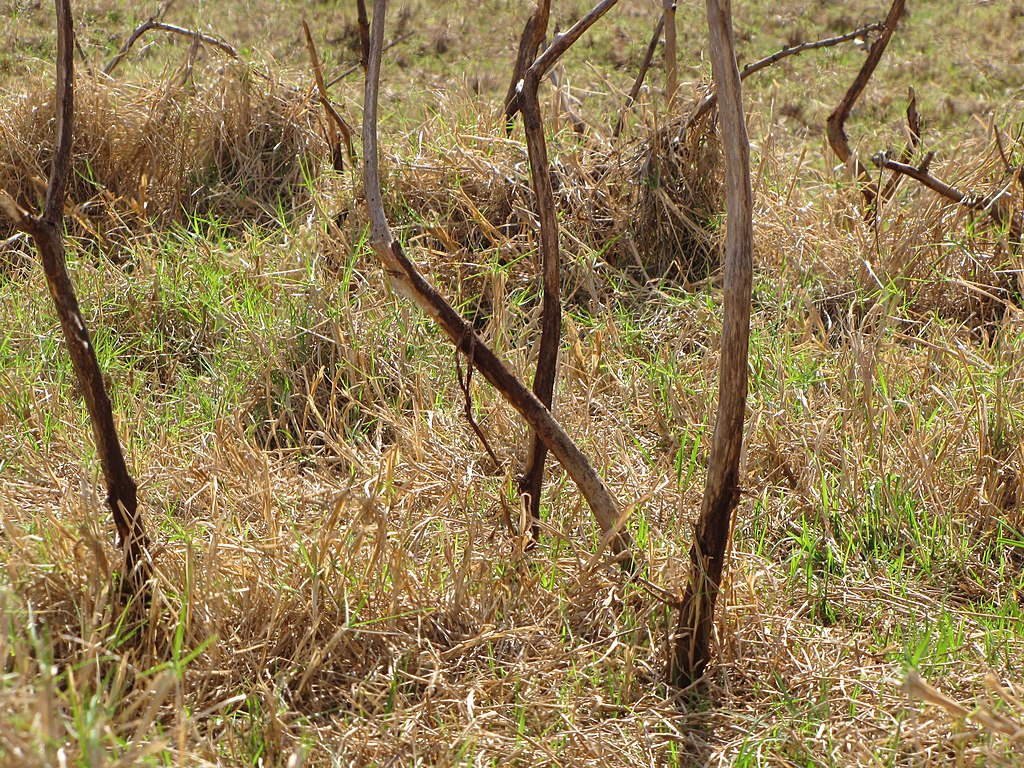
The vertical position of a rub can reveal valuable information. Mature bucks often rub higher on the trunk than younger deer can reach. The top of the rub may sit well above waist height, reflecting antler size and body height. These rubs often go unnoticed because hunters focus at eye level. High rubs show dominance and confidence and are frequently placed along travel corridors or near bedding cover. When multiple high rubs appear together, it is rarely a coincidence. This type of sign strongly indicates an older buck asserting presence and repeatedly using the area rather than passing through briefly.
4. Large, Well-Worn Scrapes
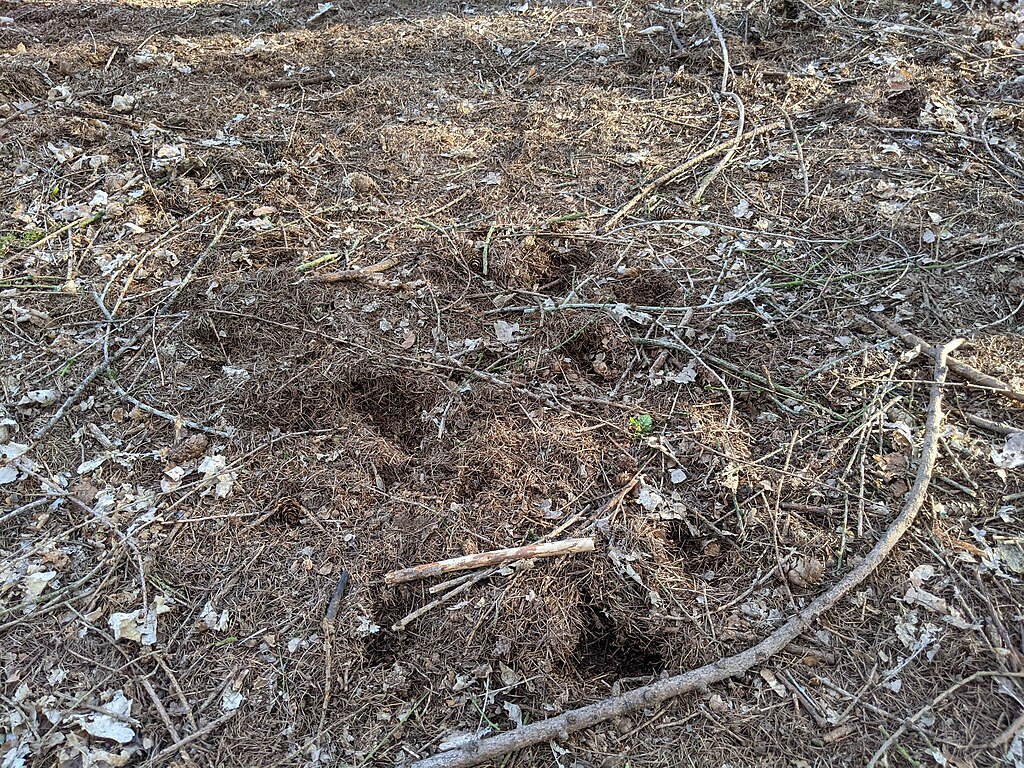
Scrapes maintained by mature bucks are typically larger and more deliberate. The ground is pawed deeply, leaving exposed dirt with few leaves remaining. The overhanging, lichen-covered branch often shows heavy chewing, twisting, and breakage. These scrapes are usually placed in secure locations rather than open areas. Mature bucks revisit them often, keeping them active over extended periods. Fresh tracks and droppings nearby confirm use. Unlike casual scrapes made once and abandoned, mature buck scrapes show consistency. When a scrape stays active week after week, it strongly suggests a buck is checking and using the area regularly.
5. Rub Lines That Follow Cover
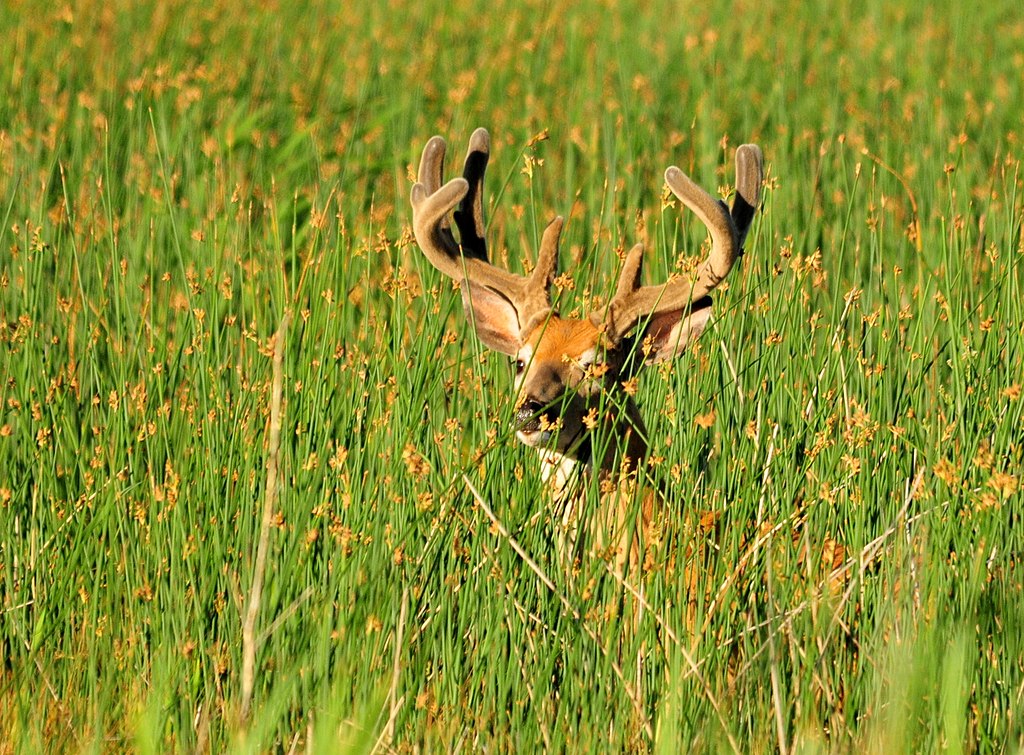
Mature bucks create rub lines that feel intentional rather than random. These lines often follow the edge of thick cover, terrain changes, or transition zones. The rubs are spaced in a way that reflects long, confident strides. Each rub appears placed with purpose, marking a preferred travel route. These lines often connect bedding areas to staging or feeding zones. When rub lines show up in the same locations year after year, it indicates a long-term pattern. Following these rubs often reveals how the buck moves through the area while minimizing exposure.
6. Strategic Bedding Locations
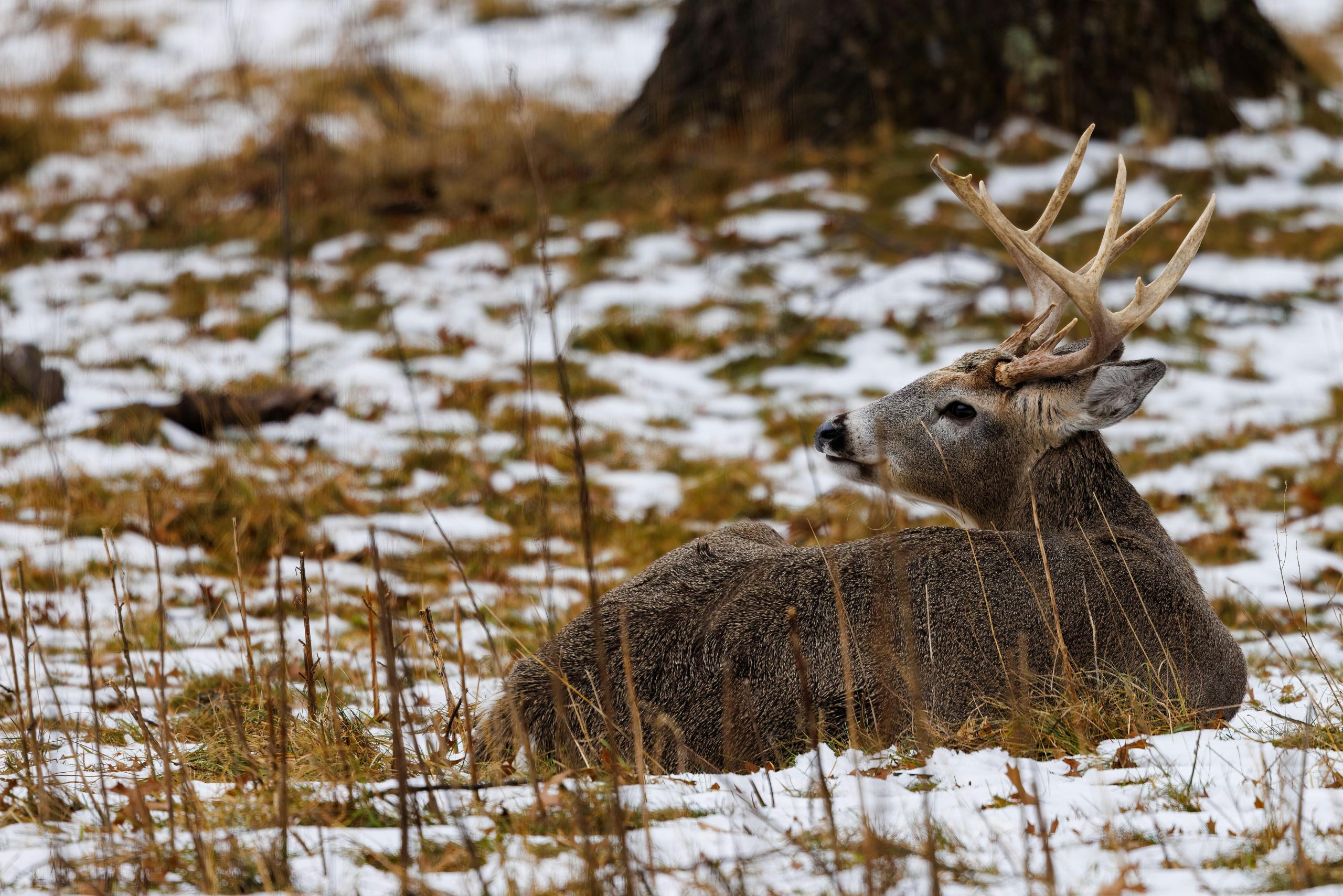
Beds used by mature bucks are chosen carefully. These beds often provide wind advantage, visual cover, or elevation. The depression is larger and more defined, showing body size. Escape routes are usually nearby, allowing quick exits if disturbed. Mature bucks often bed alone rather than in groups. Hair found in the bed may appear coarse and dark. Repeated use under similar wind conditions shows routine. When bedding areas consistently show large tracks and nearby rubs, it suggests the buck feels secure and considers the area part of his core range rather than a temporary stop.
7. Daylight Sign Near Cover
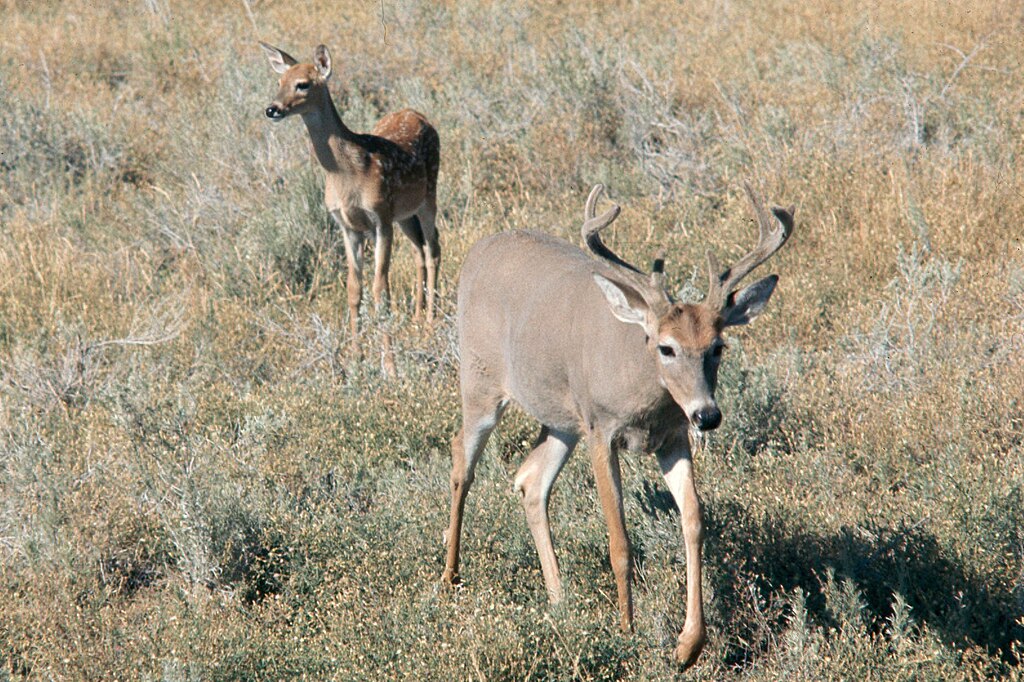
Daylight activity from a mature buck is rare and meaningful. Tracks, rubs, or scrapes created during shooting light and located near thick cover show confidence and familiarity. Mature bucks limit unnecessary exposure, so daylight sign usually means the area is close to bedding or staging zones. These signs are often subtle and easy to miss. Fresh tracks crossing trails or roads during the day provide strong evidence. When a daylight sign appears consistently, it indicates the buck is not just traveling through at night but actively using the area as part of its daily movement pattern.
8. Narrow, Controlled Travel Routes
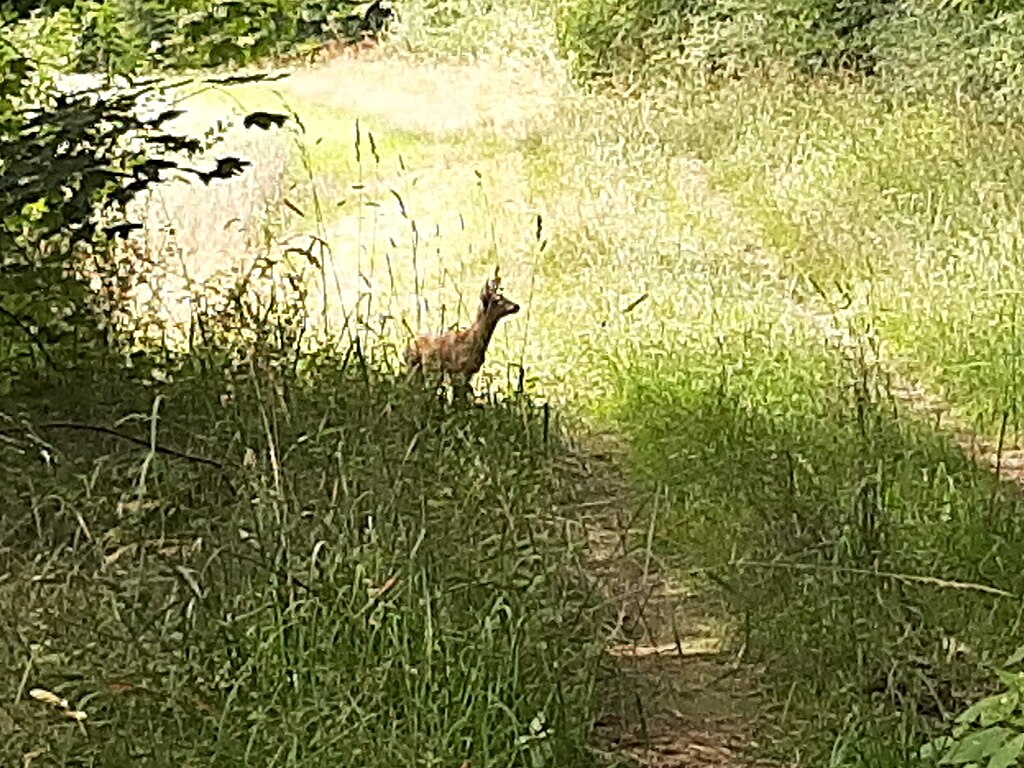
Mature bucks prefer travel routes that limit visibility and human detection. These paths are often narrow and run through thick cover, along ditch edges, or just inside timber lines. Unlike wide deer highways, these trails feel intentional and selective. The ground may show deep wear with large tracks but little random traffic. When the same narrow route shows repeated signs, it suggests routine use. These paths often connect bedding areas to feeding or staging locations. Learning to identify controlled routes helps pinpoint where mature bucks feel safest moving.
9. Low Human Pressure Areas
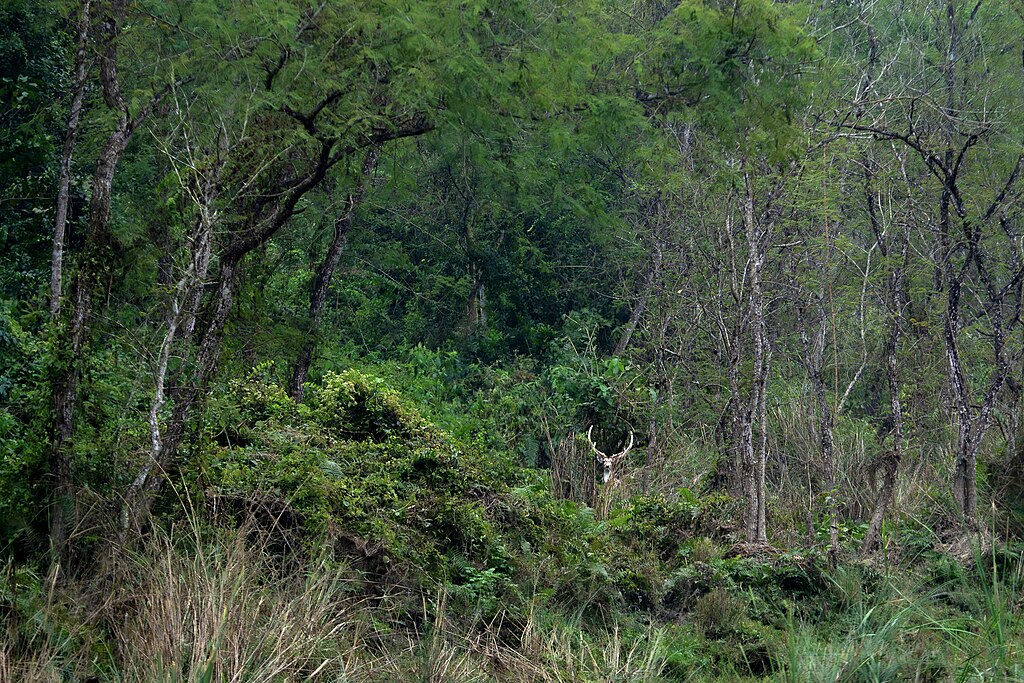
Mature bucks consistently select areas with minimal human disturbance. These locations may be difficult to access, uncomfortable to reach, or overlooked entirely. Thick cover, steep terrain, or wet ground often protects them. Signs in these areas remain undisturbed longer, with rubs and tracks staying visible. Mature bucks quickly abandon pressured zones. When the sa -trong sign appears deep in low-pressure areas, it often points to an older buck that has learned survival through avoidance. These secure spots are frequently central to a mature buck’s regular movement and bedding behavior.
10. Consistent Seasonal Use
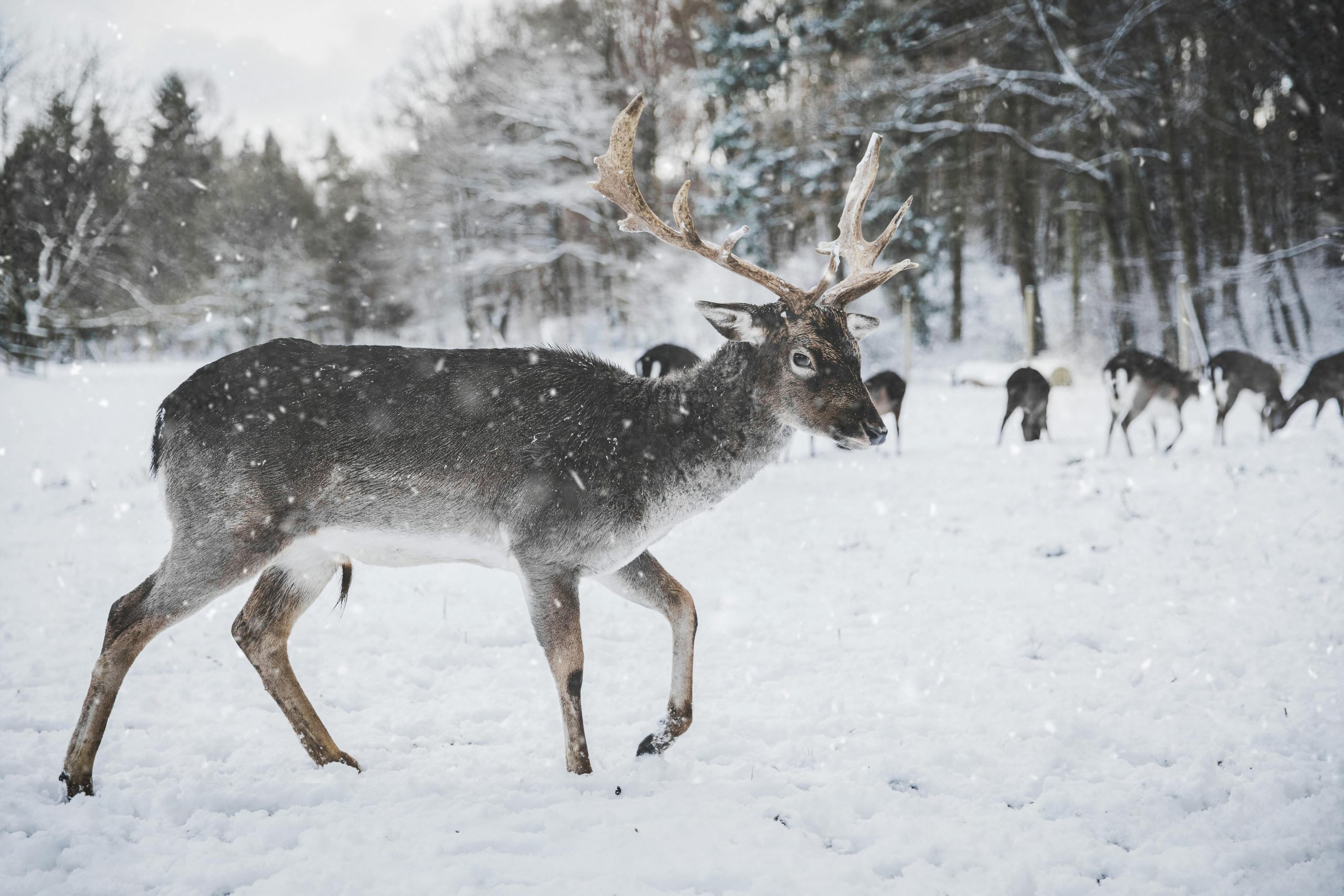
Mature bucks rely on memory and routine. They often return to the same areas during specific seasons each year. Rubs may appear in identical locations every fall, and trails remain visible long-term. Bedding areas are used under similar wind and weather conditions. This repeated behavior shows experience and confidence. When sign lines up year after year, it suggests a mature buck has established the area as part of his core range. Seasonal consistency allows hunters to predict movement more accurately by focusing on the right locations at the right time.
11. Large Droppings in Key Areas
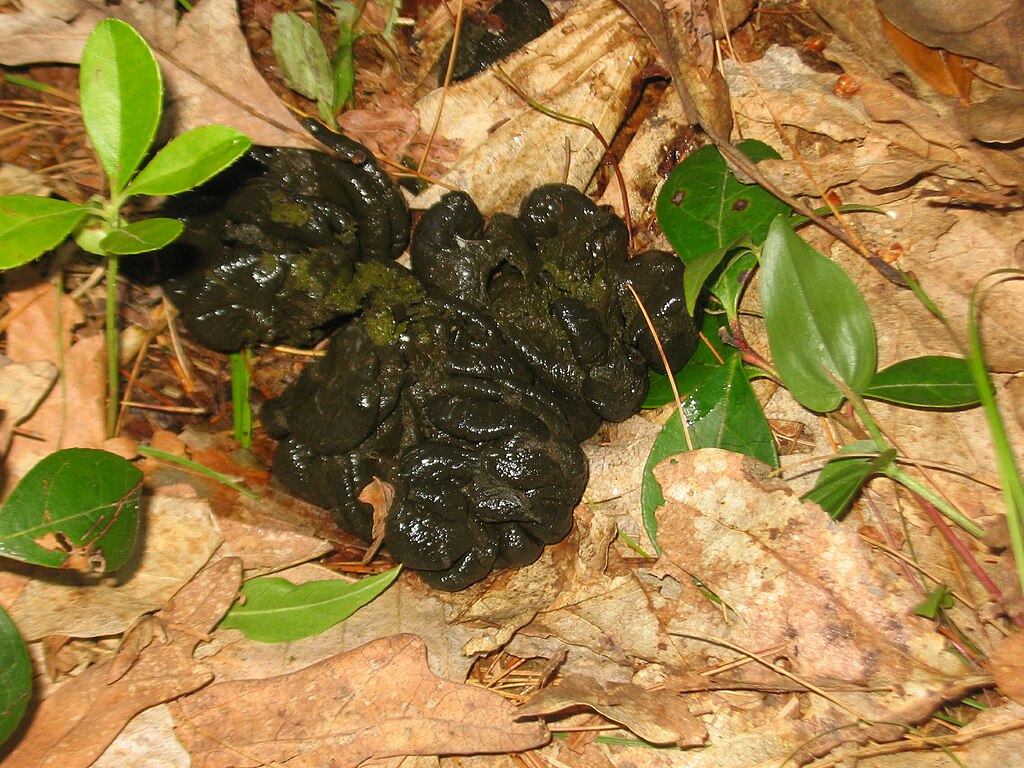
Droppings from mature bucks are often larger and more uniform than those of younger deer. Pellets may appear clumped together, especially during feeding periods. While droppings alone are not definitive, consistent large droppings in key locations add confidence. Placement matters greatly. Droppings near bedding areas, travel routes, or staging zones indicate frequent use. Mature bucks feed heavily and regularly, leaving behind sign that reflects size and routine. When large droppings appear repeatedly in the same spots, they help confirm the presence of a mature buck using the area consistently.
12. Concentrated Scent Marking
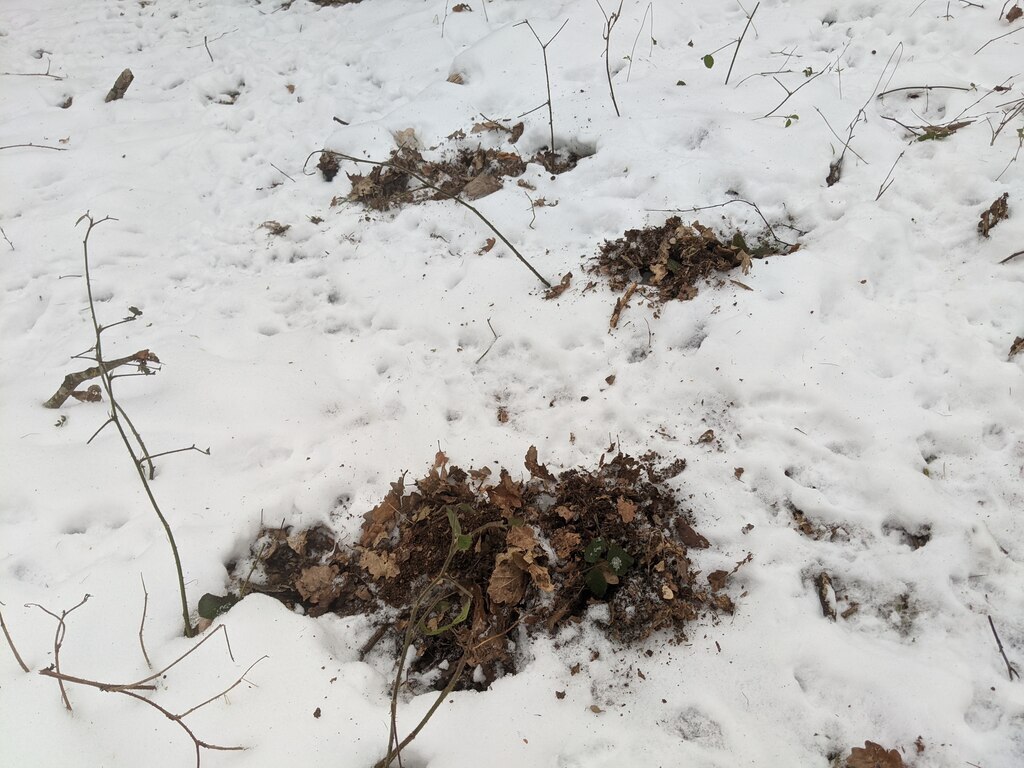
Mature bucks rely heavily on scent communication. Areas with multiple rubs, scrapes, and licking branches close together often serve as scent hubs. Licking branches may be broken, twisted, and darkened from repeated use. Urination and gland rubbing may also be present. These hubs are typically placed where the buck can monitor activity while staying hidden. When scent marking remains active over time, it suggests ownership and dominance. Younger bucks may visit briefly, but mature bucks maintain these areas, making them strong indicators of regular use.
13. Edge-Based Feeding Sign
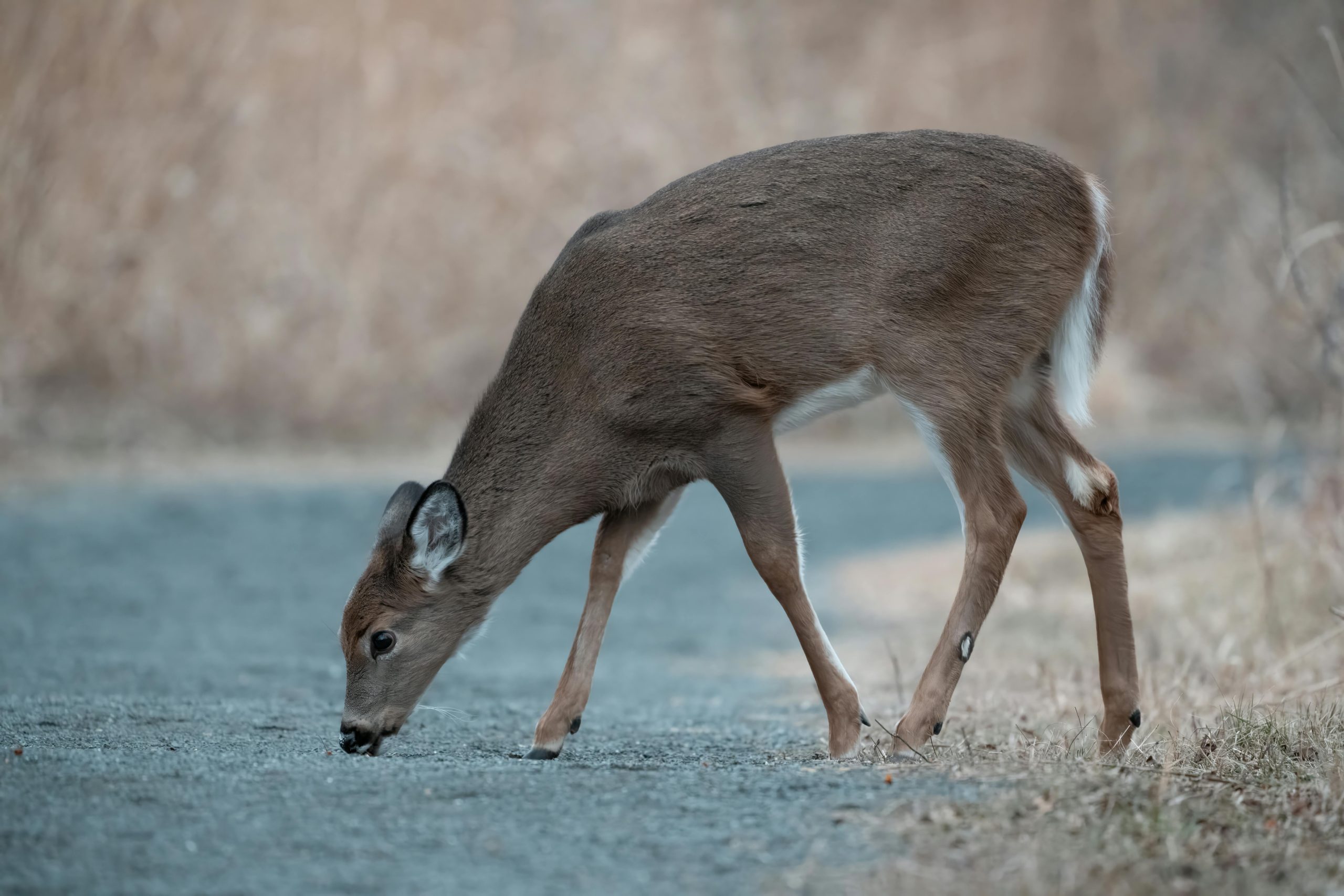
Mature bucks often feed along edges rather than entering open areas directly. Tracks, droppings, and light rubs may appear just inside the cover near food sources. This behavior reduces risk while still allowing access to nutrition. When an edge sign appears consistently and includes large tracks, it points to a buck using the area with intention. Mature bucks often wait until darkness to fully enter open fields. Repeated edge activity shows familiarity with timing and safety, indicating regular use rather than occasional feeding movement.
14. Wind Advantage Travel Patterns

Mature bucks plan movement around wind direction. Trails that allow them to scent check large areas while remaining hidden are common. These routes often appear on the leeward sides of ridges or along cover edges. Repeated large tracks along wind-favorable paths show strategic movement. When the same routes are used under similar wind conditions, it demonstrates calculated behavior. This consistency reflects experience and survival instinct. Wind-based travel patterns are a strong clue that a mature buck understands the area well and uses it intentionally.
15. Limited but Predictable Camera Sightings
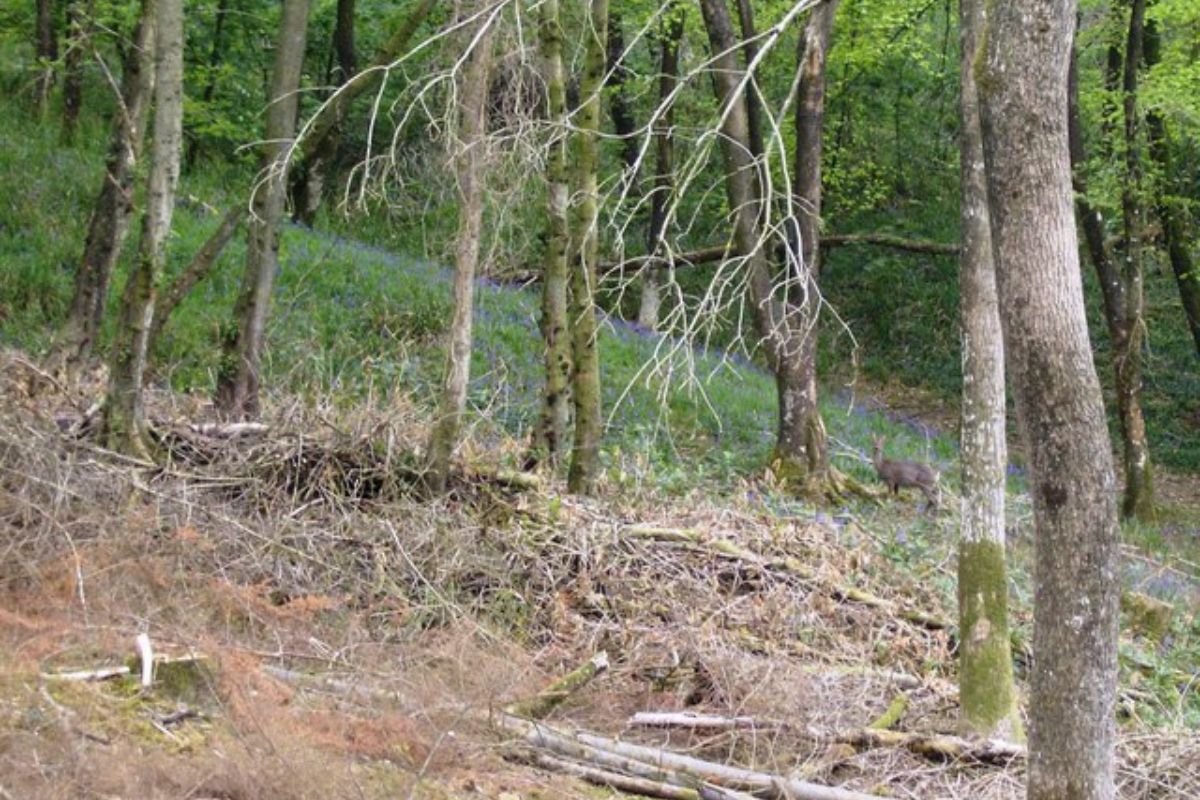
Mature bucks are cautious around trail cameras. Instead of frequent appearances, they often show up occasionally but predictably. Timing may align with specific wind directions or low-light periods. When the same large buck appears on camera over weeks or seasons, it confirms residency. Mature bucks rarely expose themselves unnecessarily. Fewer images do not mean absence. Consistent, controlled sightings usually indicate the buck is nearby and familiar with the area. Predictability matters more than frequency when identifying regular use.
16. Orderly, Purpose-Driven Sign

The overall pattern of the sign may be the strongest clue. Mature buck areas feel organized rather than chaotic. Rubs, tracks, beds, and trails align logically and serve clear purposes. There is movement without excess. Younger deer leave scattered, overlapping signs with no structure. Mature bucks move efficiently and deliberately. When everything fits together cleanly and consistently, it suggests experience and confidence. This orderly sign reflects a buck that knows the area well and uses it regularly as part of a carefully maintained routine.