Bushcraft often looks like a test of gear, knives, and clever equipment, but temperature quietly controls success or failure far more than tools ever will. Heat, cold, and sudden changes in weather affect how materials behave, how the body performs, and how long a person can safely work. Many bushcraft skills fail not because of poor technique, but because temperature conditions were misunderstood or ignored. Fire behaves differently in damp cold than in dry heat. Shelters that feel solid in mild weather can become dangerous when temperatures drop overnight. Food, water, and even simple movement depend heavily on thermal conditions. The following sixteen bushcraft skills show how temperature often matters more than tools, and why understanding it is essential for safe and effective outdoor living.
1. Fire Starting in Cold Conditions
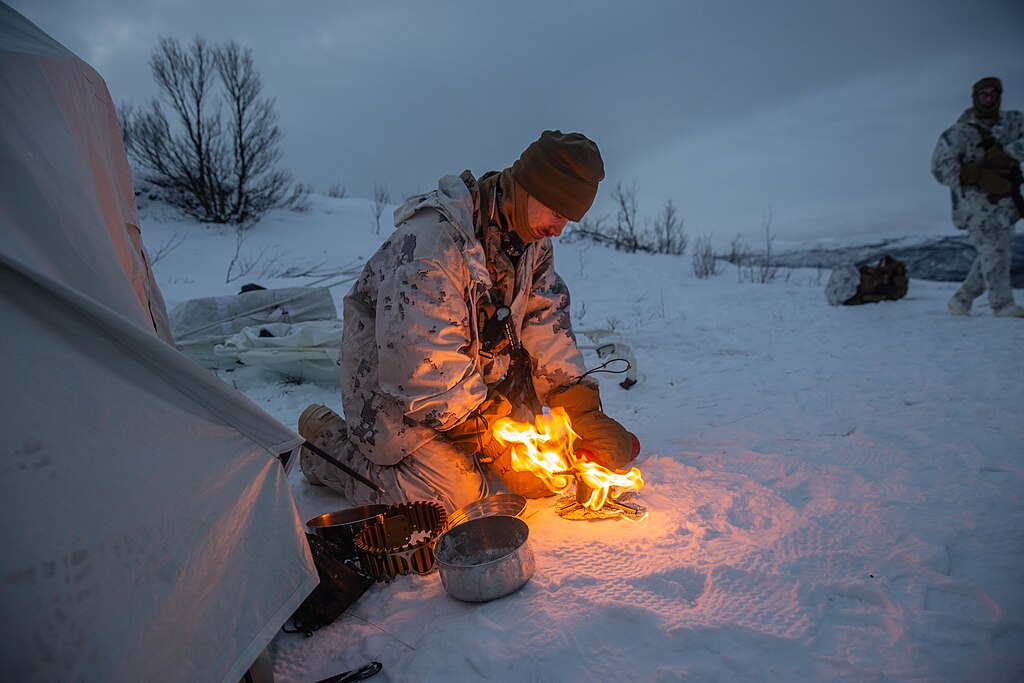
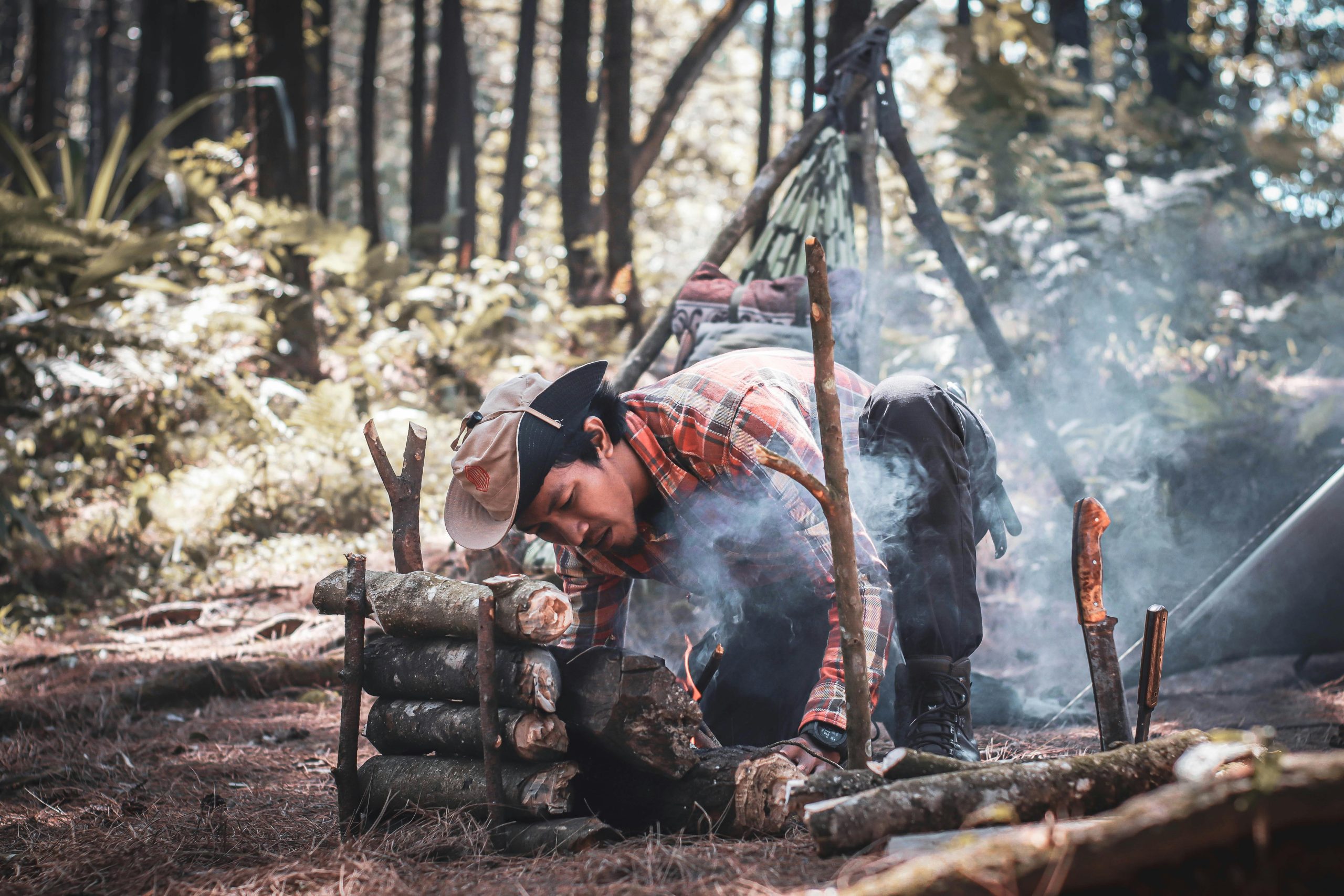
Starting a fire in cold weather depends far more on temperature than on the type of lighter or fire steel used. Cold reduces finger dexterity, slows reaction times, and weakens fine motor control, making simple actions harder. Moisture lingers longer in cold environments, even when materials appear dry, which prevents tinder from igniting easily. Body heat loss also reduces patience, causing rushed attempts that waste precious resources. Wood that burns well in warm weather may smolder uselessly in cold air. Success relies on managing heat retention, sheltering the fire from wind, and understanding how cold affects combustion, not just owning the right ignition tool.
2. Fire Management in Extreme Heat
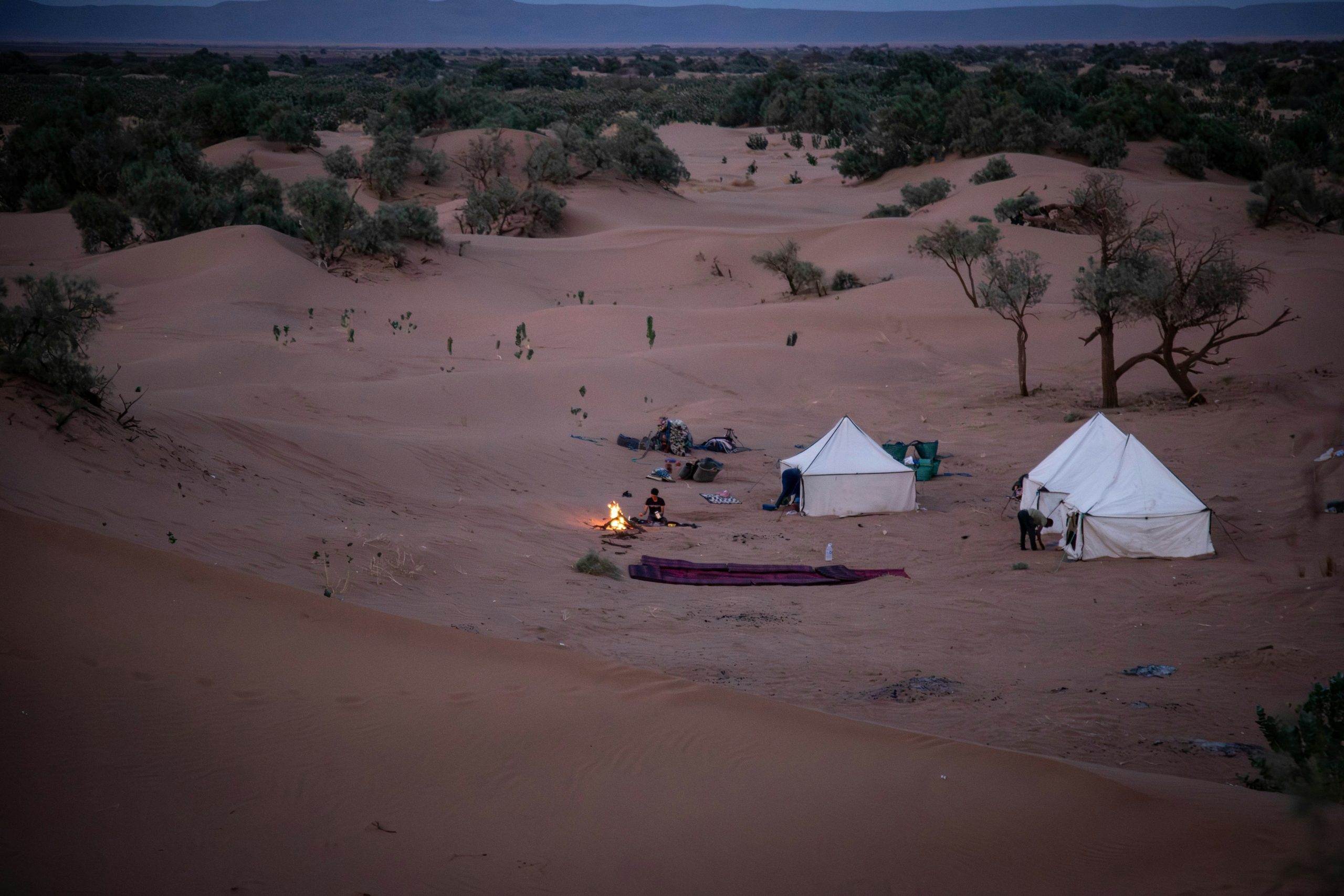
In hot environments, fire building becomes more about control than ignition. High temperatures dry fuel rapidly, causing fires to spread faster and burn hotter than expected. A poorly placed fire can quickly become dangerous, regardless of the tools used to build it. Heat exhaustion also reduces focus, leading to careless decisions. Cooking over fire in extreme heat requires managing airflow and fuel size to avoid overheating food and wasting energy. Even metal cookware becomes hazardous when ambient temperatures remain high. Understanding how heat amplifies fire behavior is essential. Tools cannot compensate for poor heat awareness when conditions push temperatures to unsafe levels.
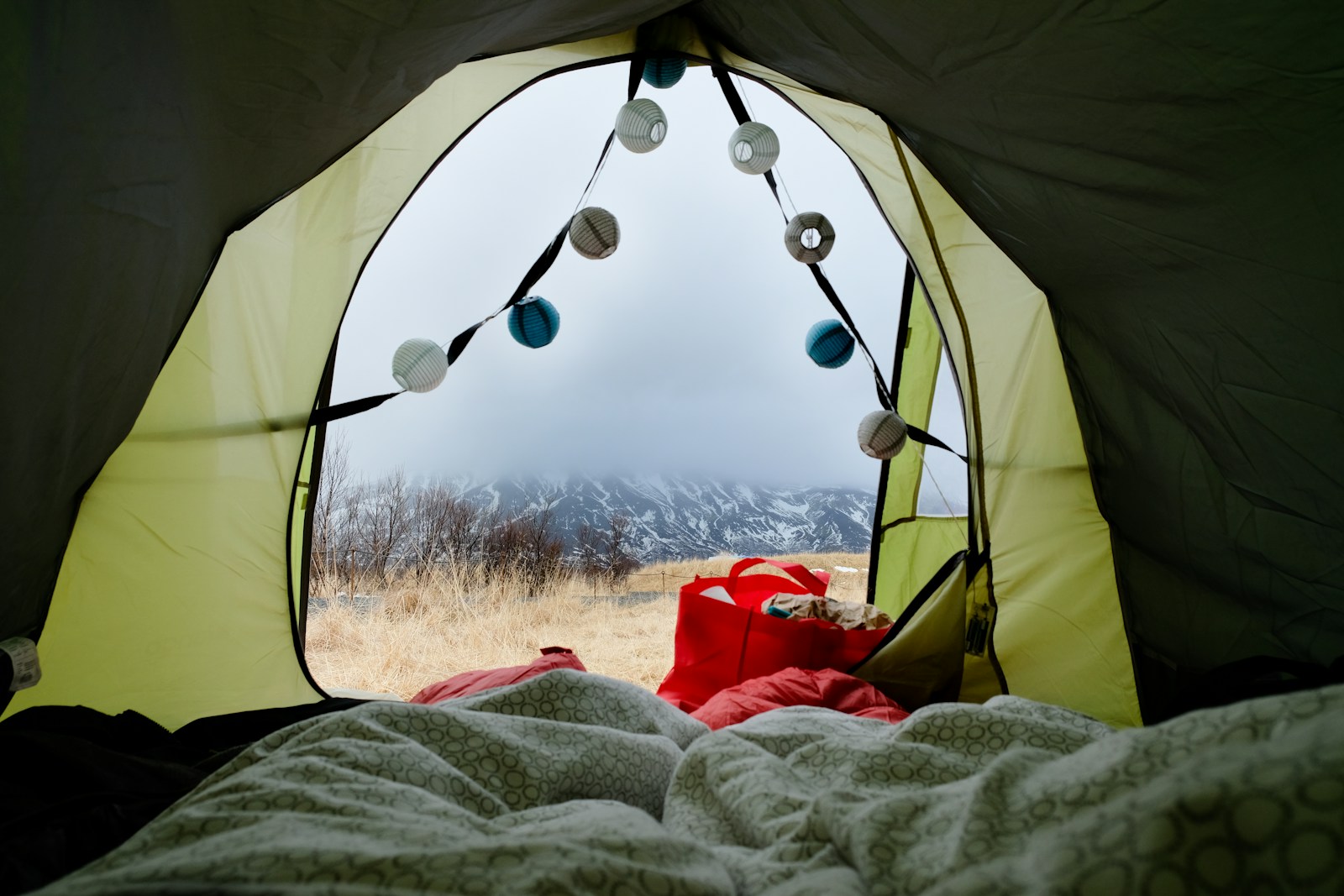
3. Shelter Building for Cold Nights
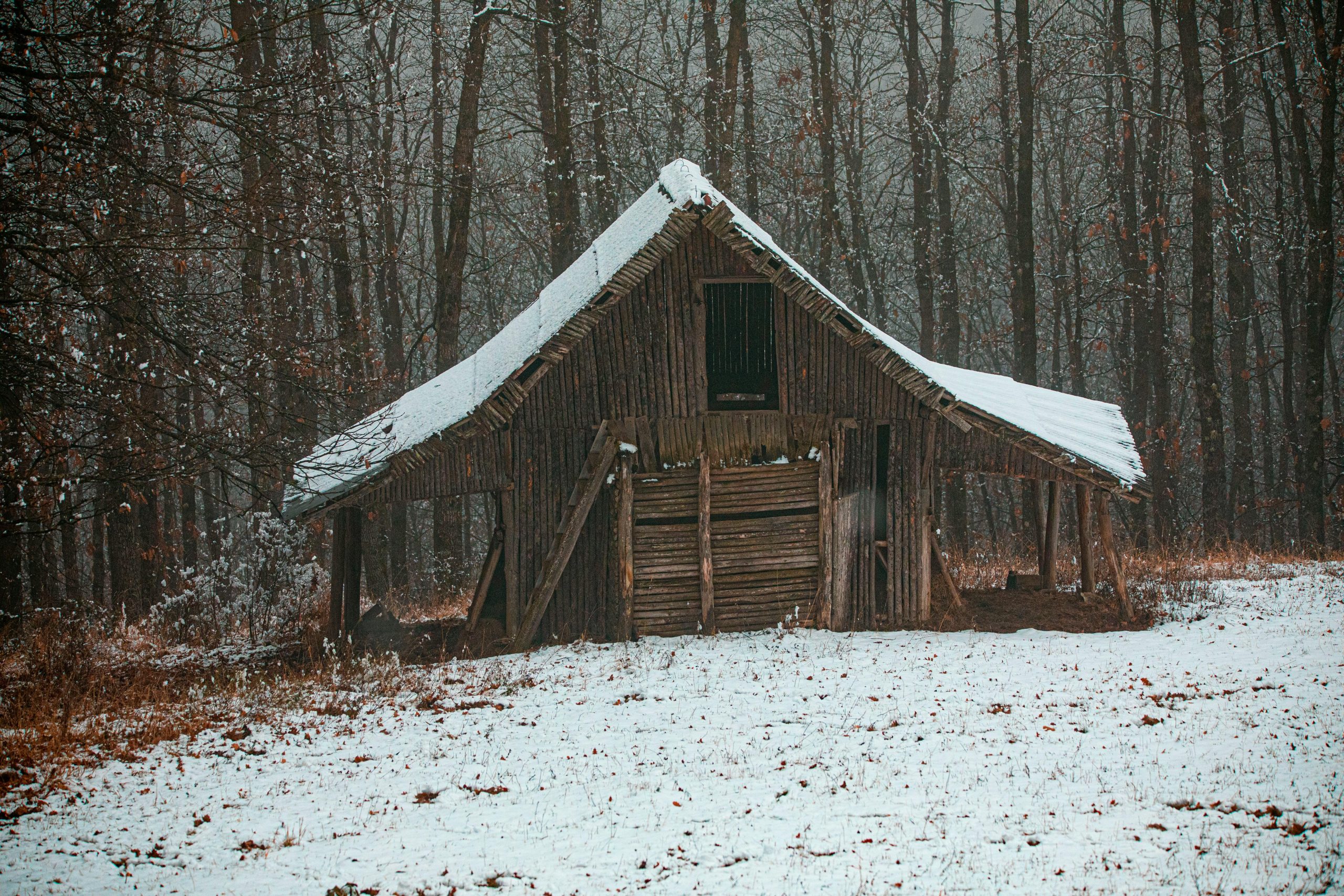
A shelter that works well in mild weather can fail when nighttime temperatures drop. Cold air settles, wind direction changes, and heat escapes rapidly through gaps that felt insignificant during the day. The skill lies in understanding insulation, airflow control, and heat retention rather than having cutting tools. Natural materials behave differently in cold, becoming brittle or losing insulating value when damp. Body heat must be conserved, not generated. Choosing location, wall thickness, and ground insulation matters more than structural perfection. Temperature determines whether a shelter keeps you alive, while tools only shape how fast it is built.
4. Shelter Ventilation in Hot Climates
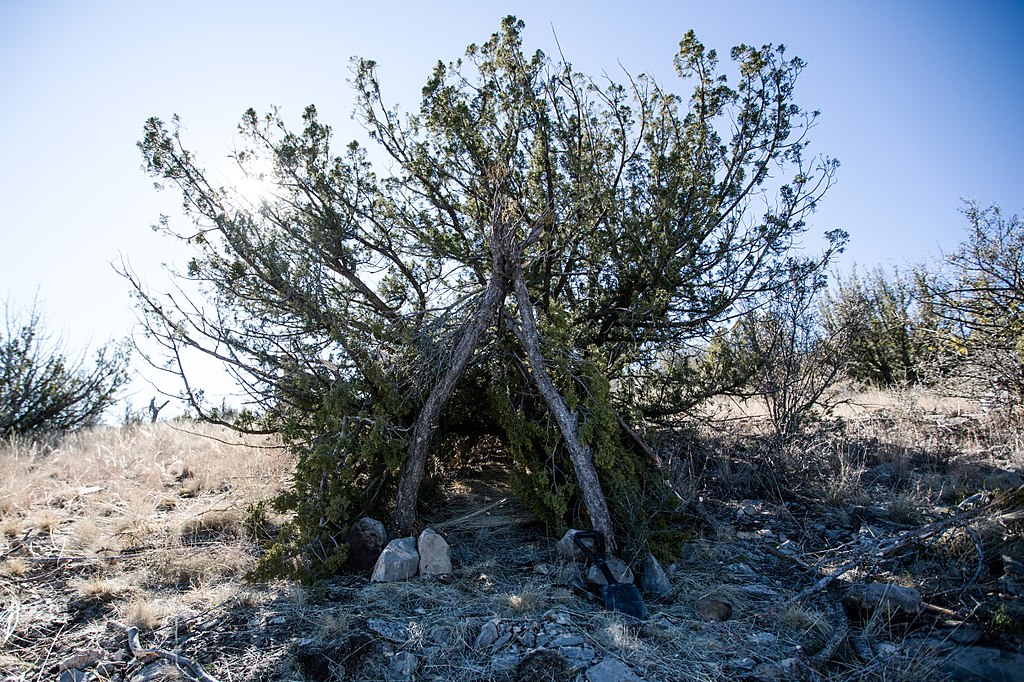
In hot environments, shelter success depends on managing airflow and shade rather than solid construction. High temperatures trap heat quickly, turning enclosed spaces into dangerous ovens. The skill involves orienting openings to catch breezes, elevating sleeping areas, and using reflective or breathable materials. Tools can help shape materials, but they cannot fix poor placement. Even a well-built shelter becomes unlivable if heat cannot escape. Understanding how sunlight moves and how heat radiates throughout the day prevents overheating. Temperature awareness guides shelter design far more effectively than precision cutting or complex construction techniques.
5. Water Storage and Freezing Risks
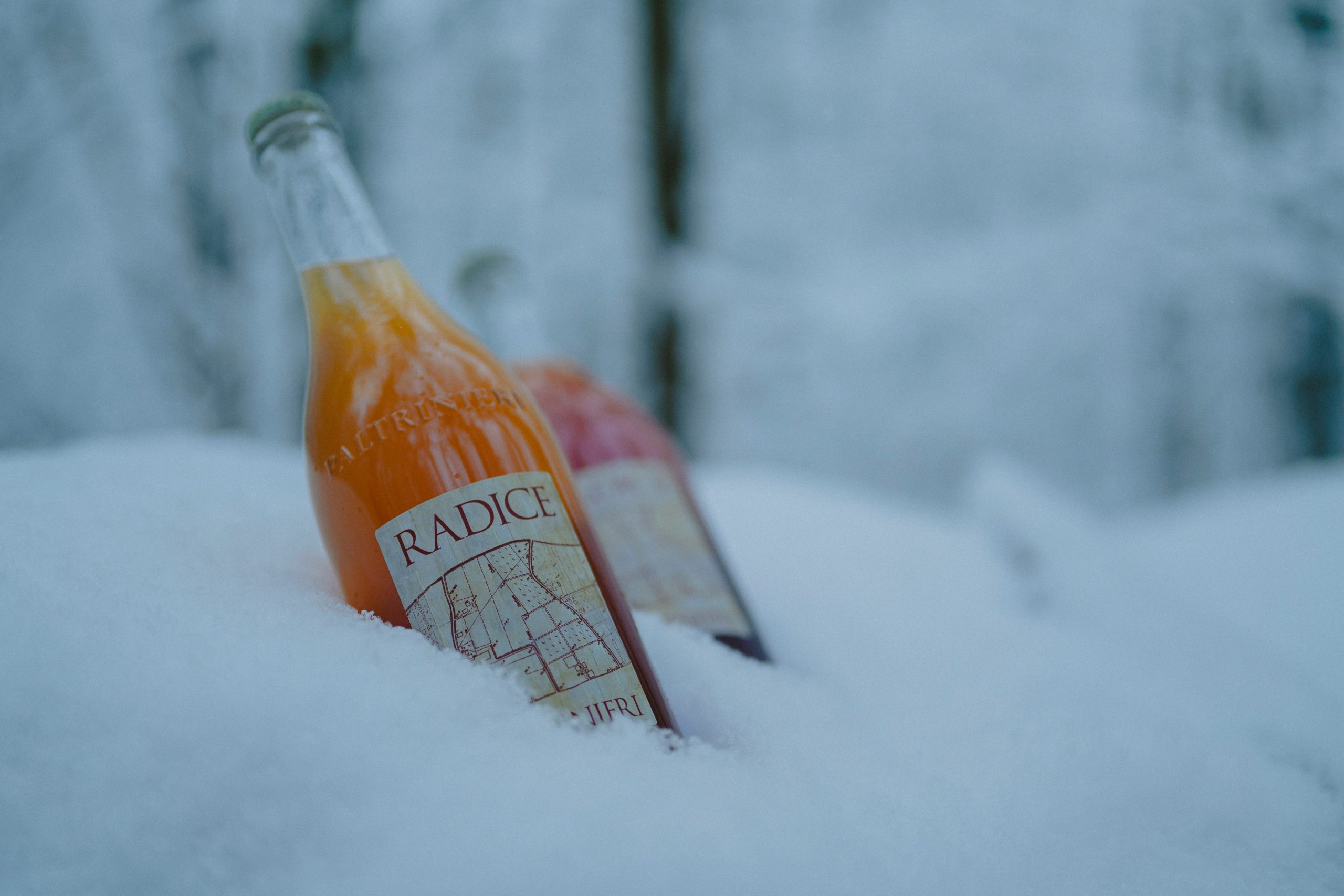
Water management in cold conditions depends heavily on temperature awareness. Containers freeze overnight, lids seal shut, and ice expansion can crack even durable bottles. Tools cannot prevent freezing once temperatures drop far enough. The skill involves insulating containers, using body heat, and selecting storage locations wisely. Melting ice consumes valuable fuel and time, increasing risk. In contrast, warm temperatures allow passive storage with minimal concern. Knowing when and how water freezes, and planning for it, determines hydration success. Tools only assist the process. Temperature understanding prevents dehydration when cold makes water deceptively inaccessible.
6. Water Cooling in Extreme Heat
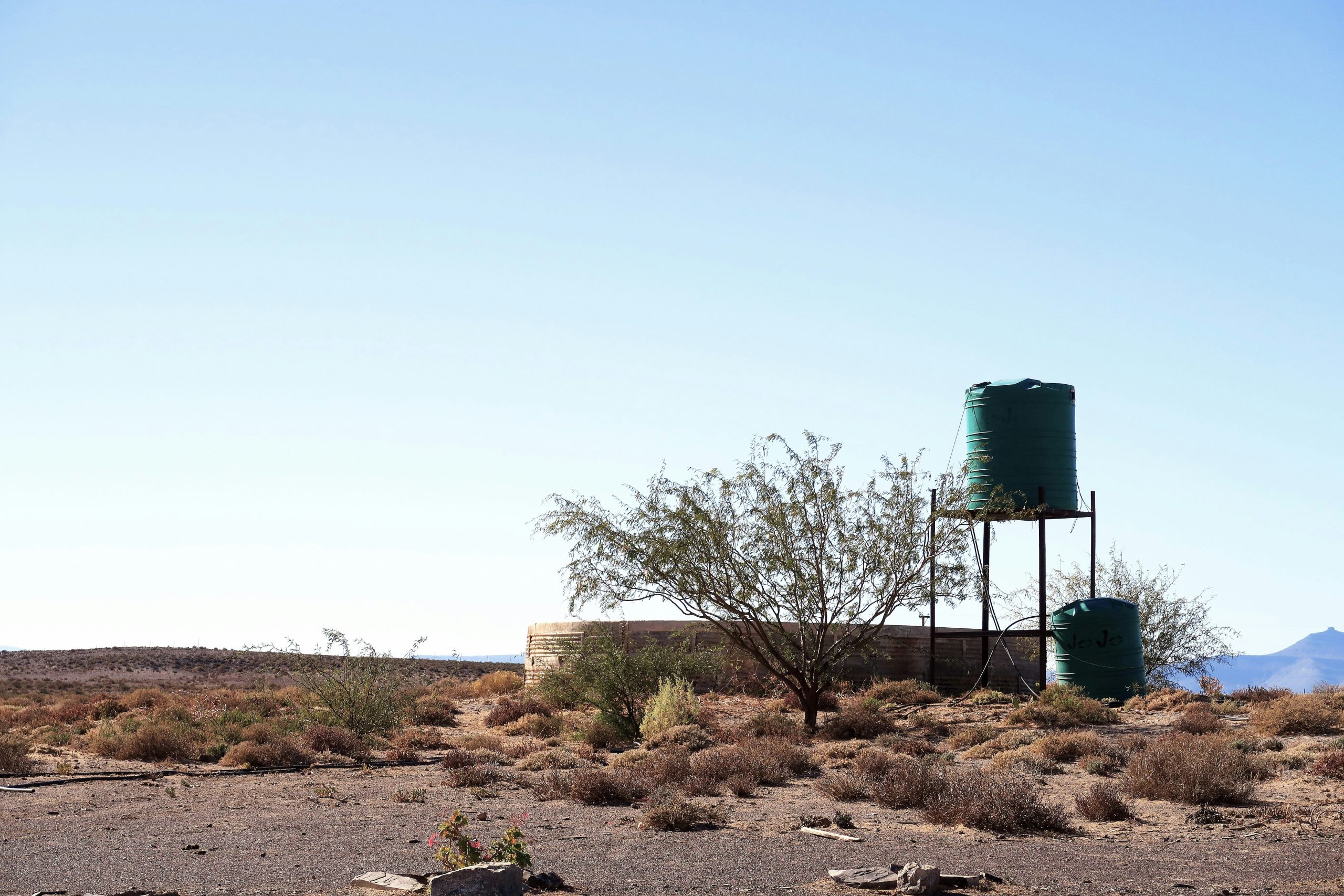
In hot climates, water safety depends on temperature management rather than purification tools alone. Heat encourages bacterial growth and causes stored water to warm quickly, making it unpleasant and less effective for cooling the body. The skill lies in keeping water shaded, buried, or evaporatively cooled. Even filtered water can become unsafe if left in direct heat for too long. Tools cannot reverse overheating once it occurs. Proper temperature control improves hydration efficiency and prevents heat illness. Understanding how heat affects water storage extends usability and comfort, making temperature awareness more valuable than advanced filtration gear.
7. Food Preservation in Cold Weather
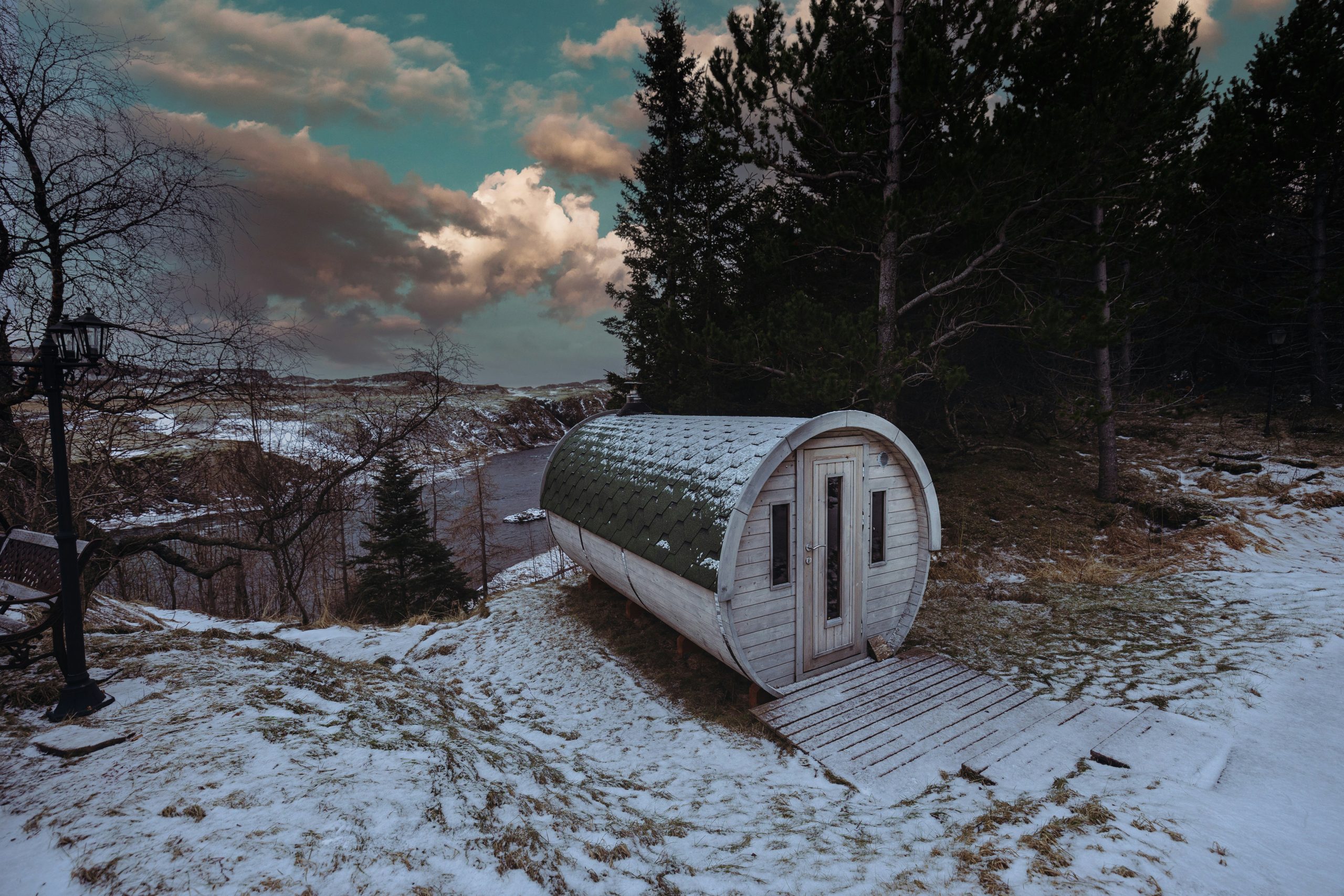
Cold temperatures can preserve food naturally, but only when understood correctly. Freezing may protect some items while ruining others by changing texture or causing containers to burst. Improper storage allows thawing during the day and refreezing at night, accelerating spoilage. Tools cannot fix temperature cycling once it starts. The skill involves placing food where temperatures remain stable, protected from animals and sunlight. Cold also affects digestion and calorie needs. Using temperature to your advantage reduces waste and energy loss. Food preservation success depends on thermal consistency, not on containers or cutting tools.
8. Food Safety in Hot Conditions

In warm environments, food spoils rapidly, regardless of preparation skill. Heat accelerates bacterial growth, making leftovers dangerous within hours. Tools may help prepare meals, but they cannot extend safe storage times. The skill lies in portion control, timing meals, and minimizing exposure to heat. Cooking methods must reduce risk rather than increase it. Grease, oils, and proteins become hazards when temperatures stay high. Understanding thermal limits prevents illness and energy loss. In hot bushcraft settings, temperature dictates what, when, and how you eat far more than the equipment you carry.
9. Hypothermia Prevention
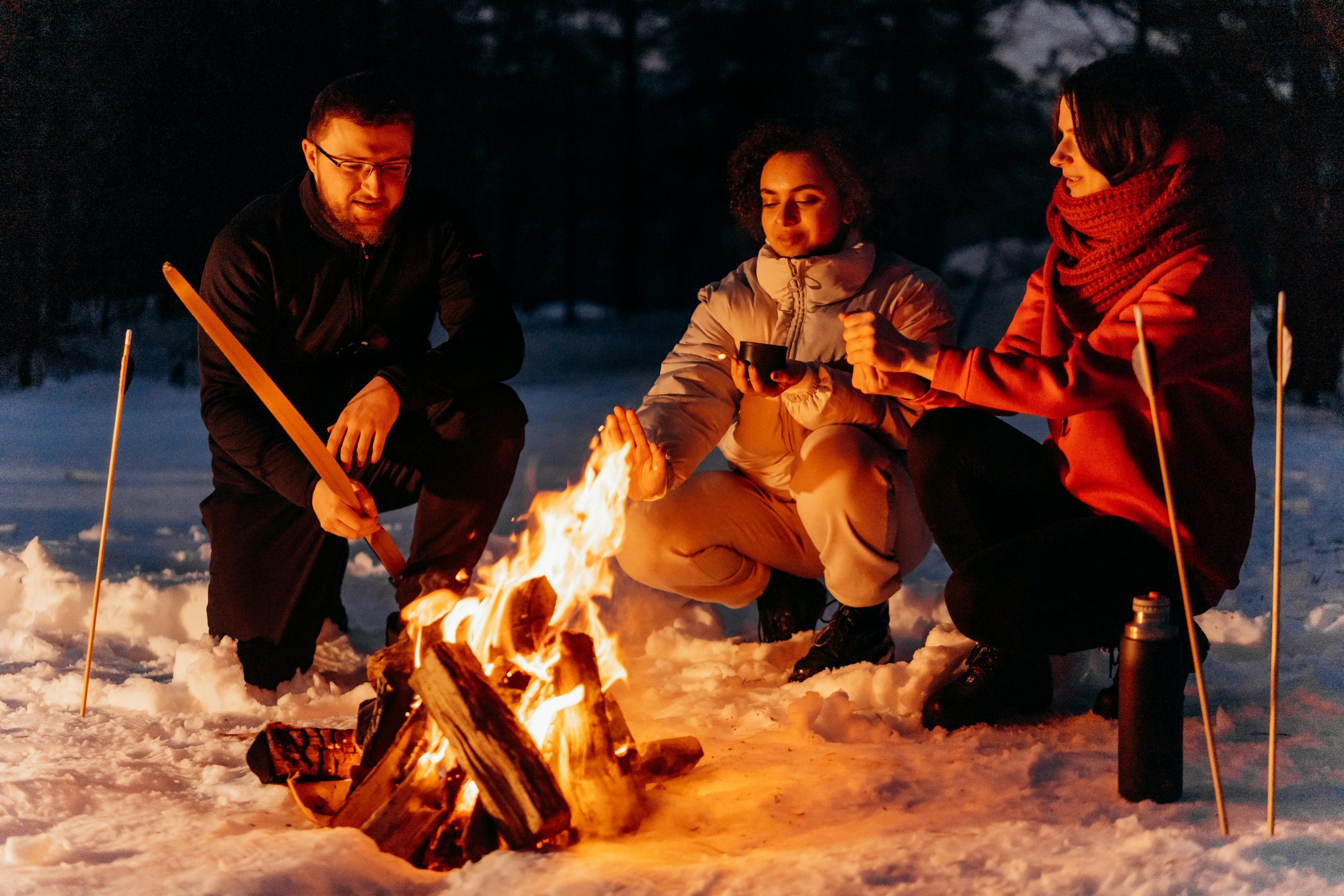
Preventing hypothermia is a temperature management skill, not a gear problem. Cold drains body heat faster than expected, especially when wet or inactive. Tools cannot compensate for poor layering, shelter placement, or calorie intake. The skill involves recognizing early symptoms, managing moisture, and conserving heat before shivering begins. Simple actions like sitting on cold ground can accelerate heat loss. Temperature awareness guides decisions about movement, rest, and exposure. Hypothermia prevention succeeds when thermal balance is maintained, not when more tools are added after heat loss has already started.
10. Heat Exhaustion Prevention
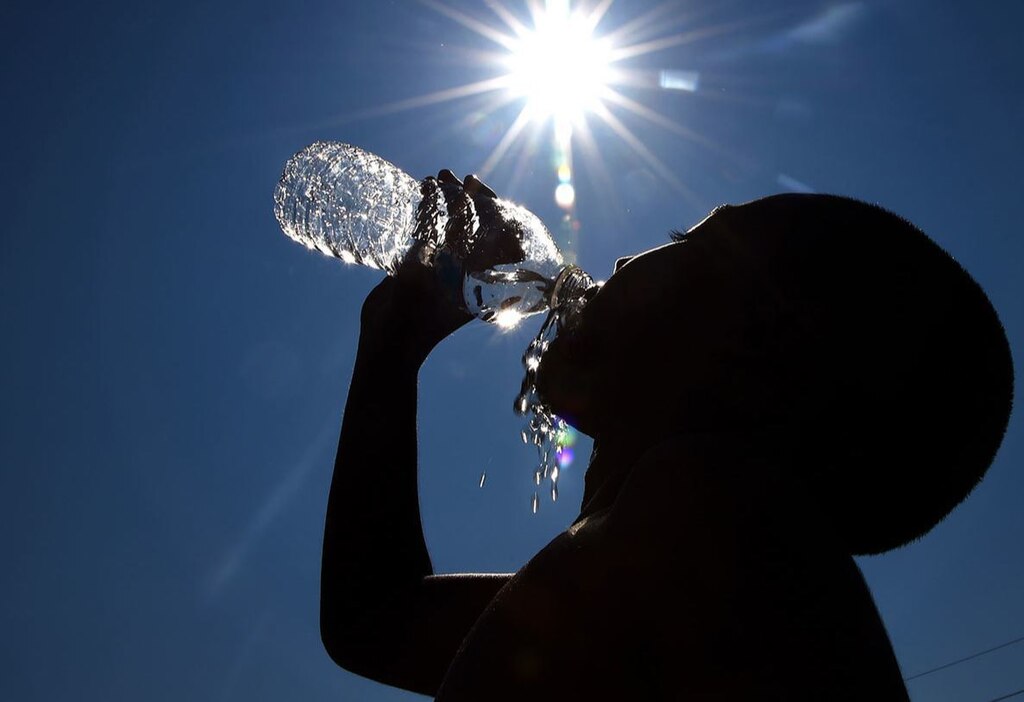
Heat exhaustion develops silently when temperature management fails. Tools do little once core temperature rises too high. The skill is recognizing warning signs early and adjusting pace, shade use, and hydration accordingly. Clothing choices, rest timing, and exposure control matter more than equipment. Even strong, experienced individuals can collapse when heat overwhelms the body. Understanding how temperature affects physical output allows smarter energy use. Preventing heat exhaustion depends on respecting thermal limits rather than pushing through discomfort with the false confidence that tools or toughness will solve the problem.
11. Tool Performance in Cold Weather
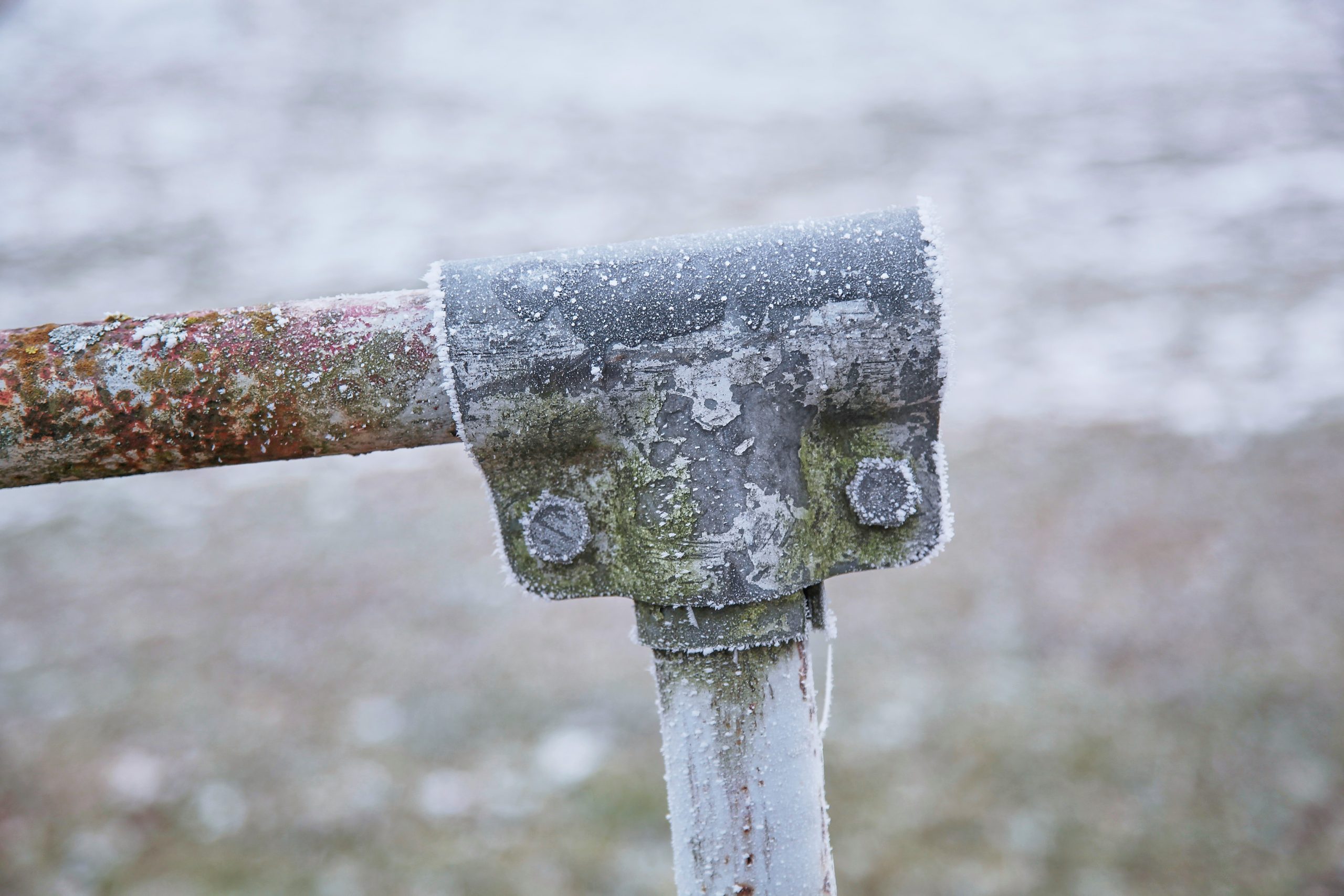
Cold temperatures change how tools behave. Metal becomes brittle, lubricants thicken, and handles lose grip. Cutting tools may chip, and moving parts may seize. The skill lies in adapting technique and expectations rather than relying on tool quality. Warming tools with body heat, reducing force, and adjusting angles prevent damage and injury. Tools that work perfectly in warm weather can fail completely in cold weather. Temperature awareness protects equipment and hands alike. Understanding thermal effects keeps tools functional, while ignorance leads to breakage that no spare gear can immediately fix.
12. Tool Safety in Extreme Heat
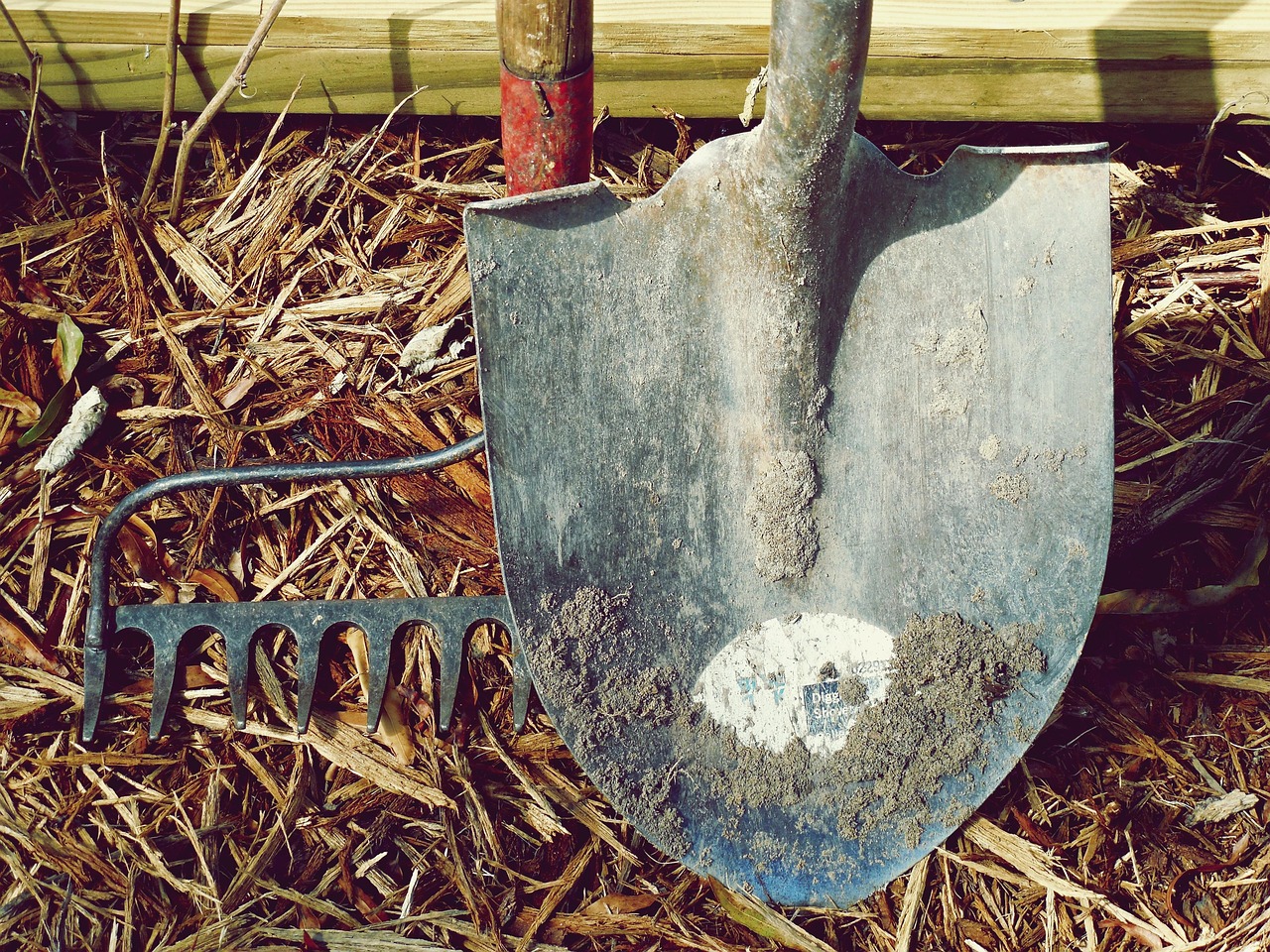
In hot conditions, tools heat rapidly and remain dangerous to handle. Metal surfaces can burn skin, and grips become slippery with sweat. The skill involves managing exposure, timing use, and allowing tools to cool. Heat also dulls focus, increasing accident risk. Tools left in direct sunlight may become unusable temporarily. Understanding how heat transfers through materials prevents injuries. Technique adjustments matter more than tool selection. Temperature dictates safe handling limits, reminding bushcrafters that even simple tools become hazards when environmental heat is ignored.
13. Clothing Layering for Cold
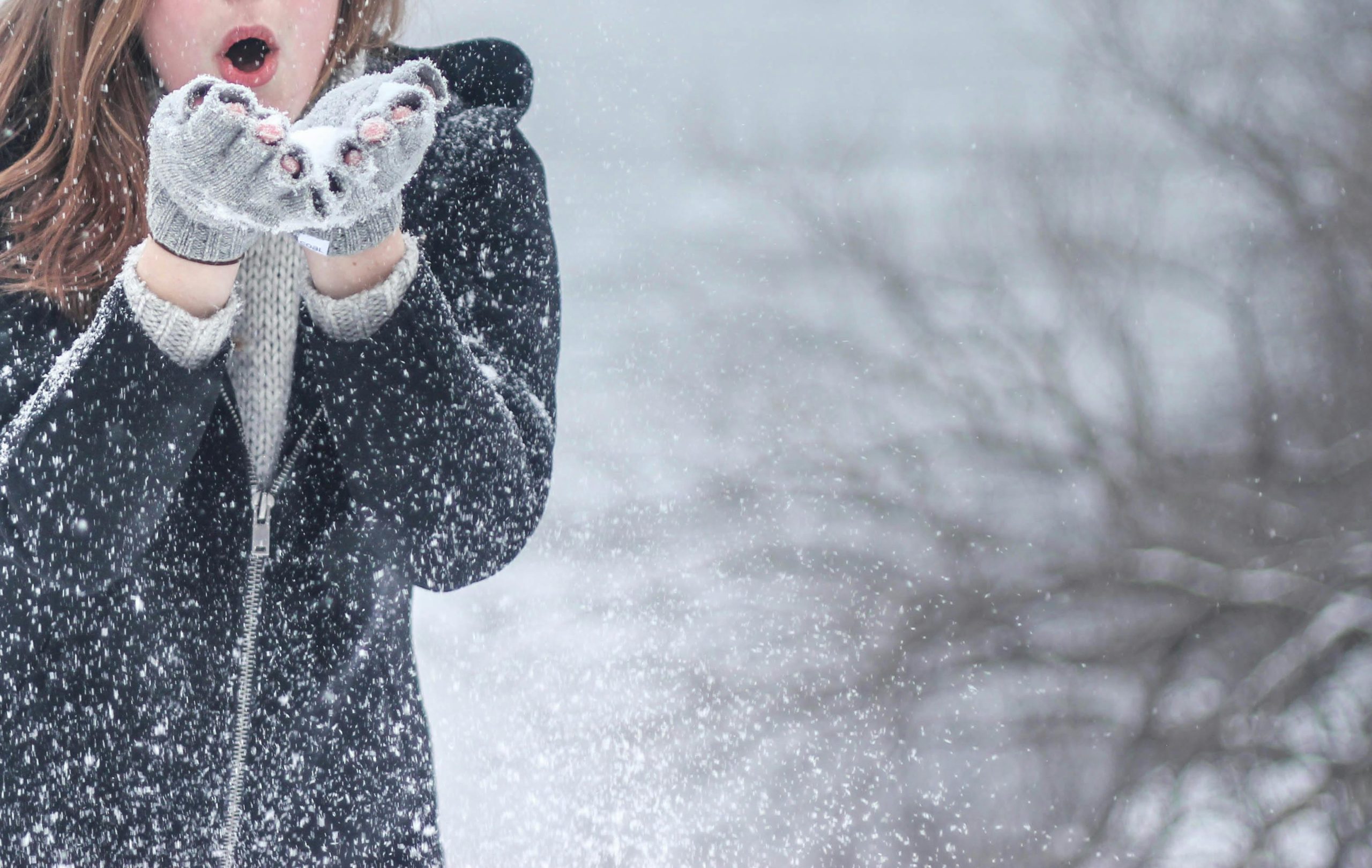
Layering is a temperature control skill, not a clothing collection. Wearing too much causes sweating, which leads to rapid heat loss once activity stops. Wearing too little accelerates chilling. The skill lies in adjusting layers dynamically based on effort and conditions. Tools cannot fix poor thermal regulation. Fabrics behave differently in cold weather, especially when wet. Understanding insulation, ventilation, and moisture management keeps body temperature stable. Successful cold-weather bushcraft depends on thermal balance. Clothing choices guided by temperature awareness outperform any single garment or accessory.
14. Clothing Choices for Hot Weather

In hot climates, clothing controls temperature more than shade tools or shelters. Poor fabric choices trap heat and restrict airflow, accelerating exhaustion. The skill involves selecting breathable materials, loose fits, and sun protection without overheating. Sweat evaporation becomes essential for cooling. Tools offer limited relief if clothing works against the body. Understanding how heat interacts with fabric color, thickness, and movement improves comfort and safety. Temperature-conscious clothing decisions allow longer, safer activity. In heat, what you wear matters far more than what you carry.
15. Sleeping System Setup
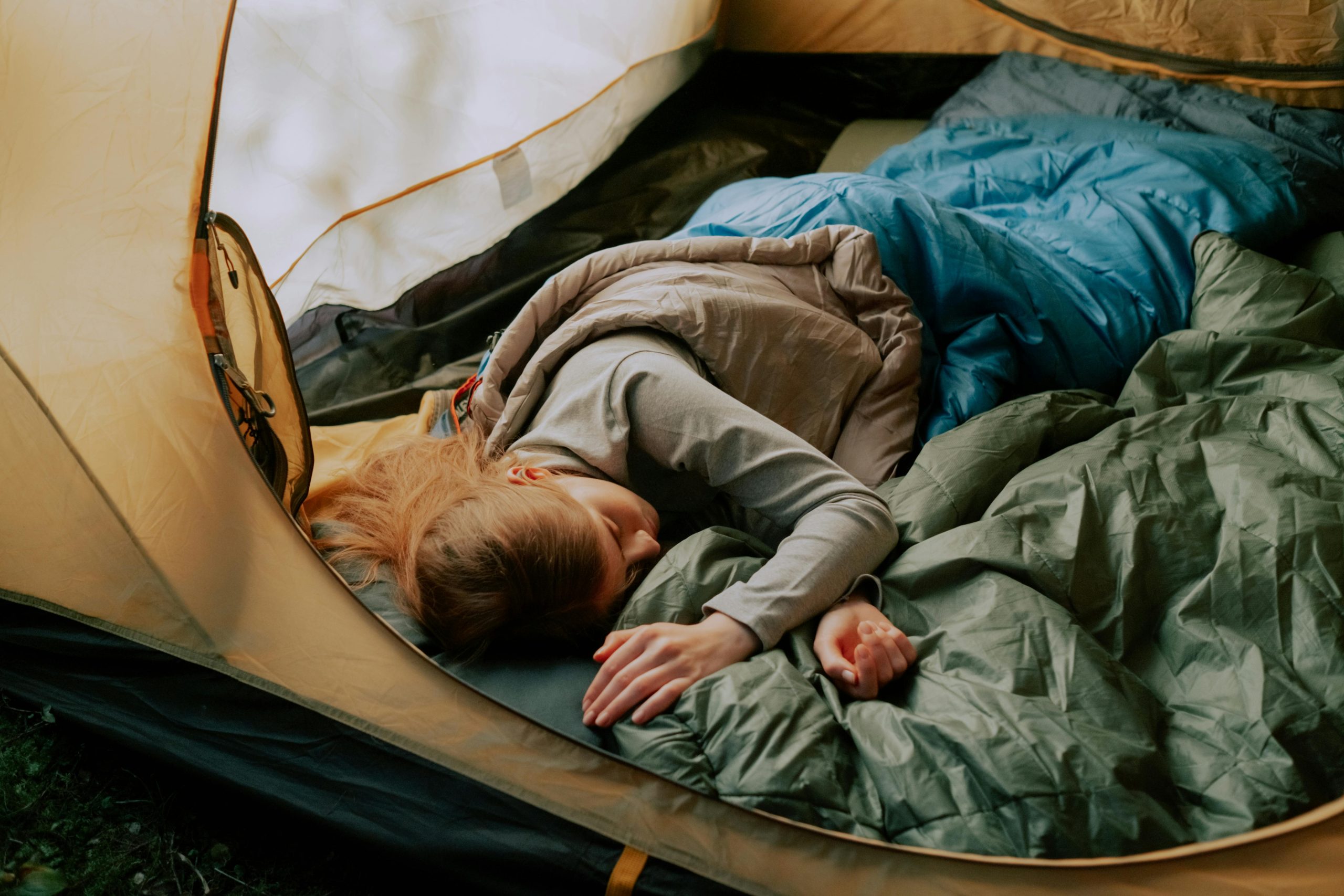
Sleep quality in bushcraft depends heavily on nighttime temperature. A setup that feels fine at dusk may fail when temperatures drop or remain high overnight. The skill involves predicting thermal changes and adjusting insulation, ventilation, and ground contact. Tools cannot restore lost sleep caused by cold or overheating. Body recovery suffers without proper temperature management. Understanding how heat escapes or builds during rest ensures safety and performance the next day. Sleeping systems succeed when thermal planning matches conditions, not when gear is used without temperature awareness.
16. Energy Management Across Temperature Changes
Managing energy is a temperature-driven skill. Cold increases calorie demands while heat reduces appetite and stamina. Tools cannot compensate for energy mismanagement caused by temperature stress. The skill lies in pacing work, timing effort, and matching food intake to thermal conditions. Ignoring temperature leads to fatigue, mistakes, and injury. Understanding how heat and cold affect metabolism allows smarter planning. Bushcraft success depends on working with temperature, not against it. Energy managed through thermal awareness sustains performance longer than any single tool ever could.