Exploring these 15 wild animals that hunt with military-level precision reveals the sheer tactical genius found across the natural world. These elite species utilize strategic coordination and advanced techniques to secure their survival against formidable odds every single day. Nature operates like a battlefield where only the most organized and efficient predators manage to thrive over long periods of time. From deep oceanic trenches to vast grassy plains, these hunters demonstrate an incredible level of discipline and focus during every mission. This guide examines the most impressive examples of predatory skill and biological engineering found in the wild.
Orca
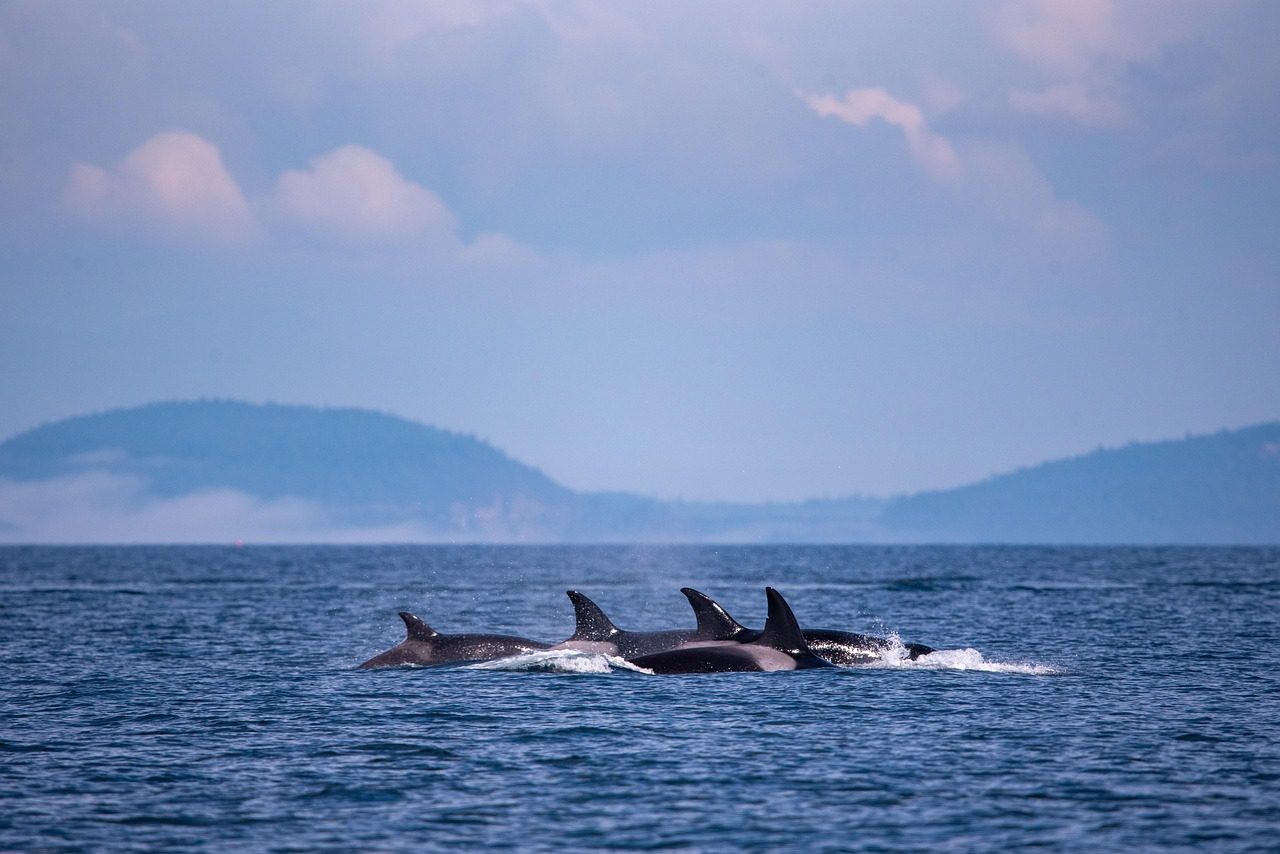
The orca stands as a supreme master of naval warfare within the vast oceans of the world. These highly intelligent mammals employ complex group maneuvers to overwhelm large prey like seals or massive whales with ease. Some pods create massive waves to wash seals off floating ice floes while others engage in coordinated high-speed pursuits. They utilize vocal communication to synchronize every movement during a chase to ensure no target escapes their reach. This level of planning and execution makes the orca one of the most successful and respected hunters inhabiting the deep blue sea for many long years.
Grey Wolf
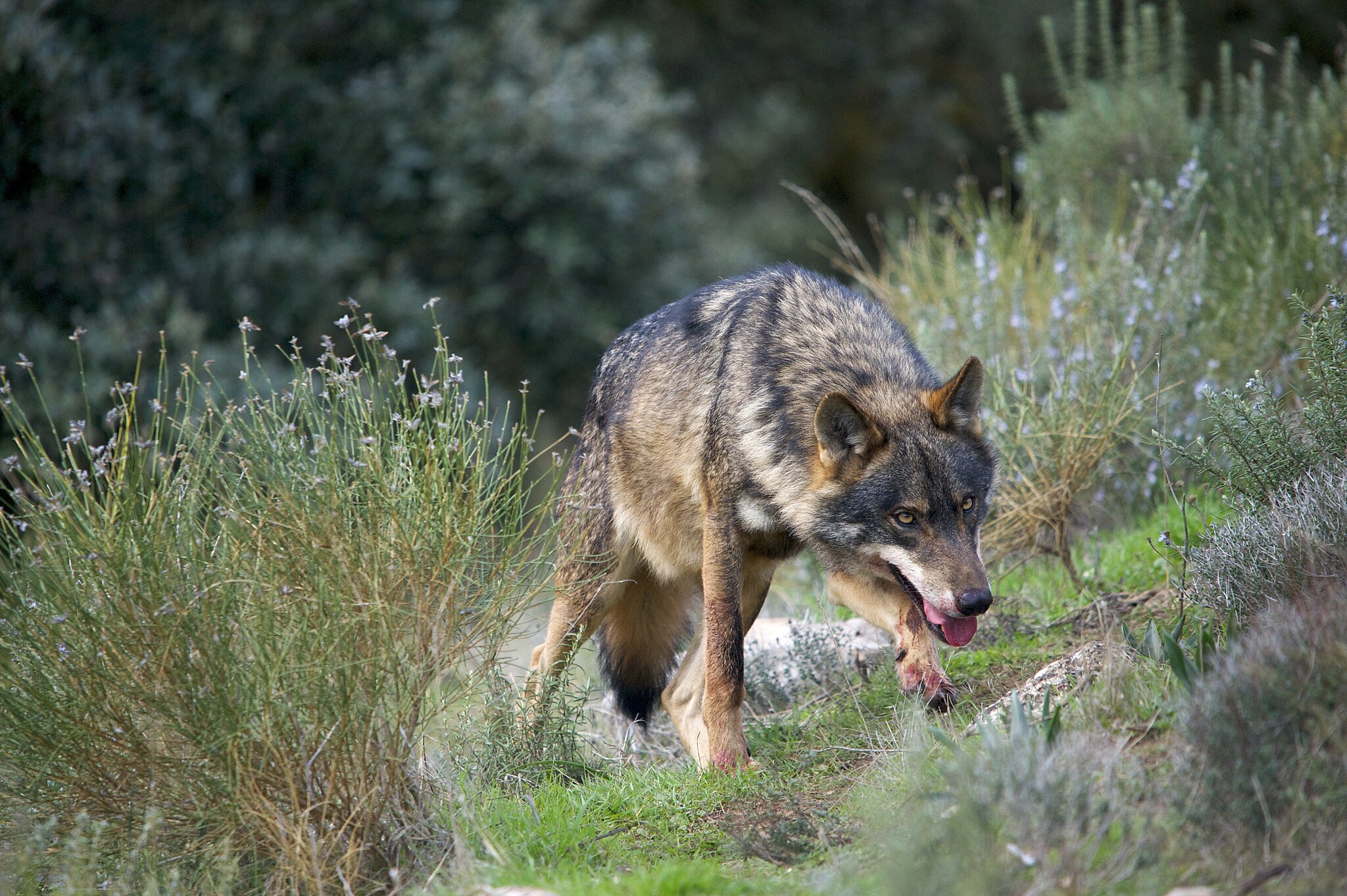
Grey wolves exemplify the power of tactical pack movements when pursuing large ungulates across rugged northern wilderness areas. These predators utilize a complex chain of command to execute flanking maneuvers that exhaust their prey over great distances. While some wolves drive the target toward hidden pack members, others wait in ambush to deliver the final strike. Their incredible stamina allows them to maintain a relentless pursuit until the target reaches a point of total physical exhaustion. This disciplined approach to hunting ensures that the entire pack receives the nourishment required to survive harsh winter conditions and thrive for many generations.
African Wild Dog
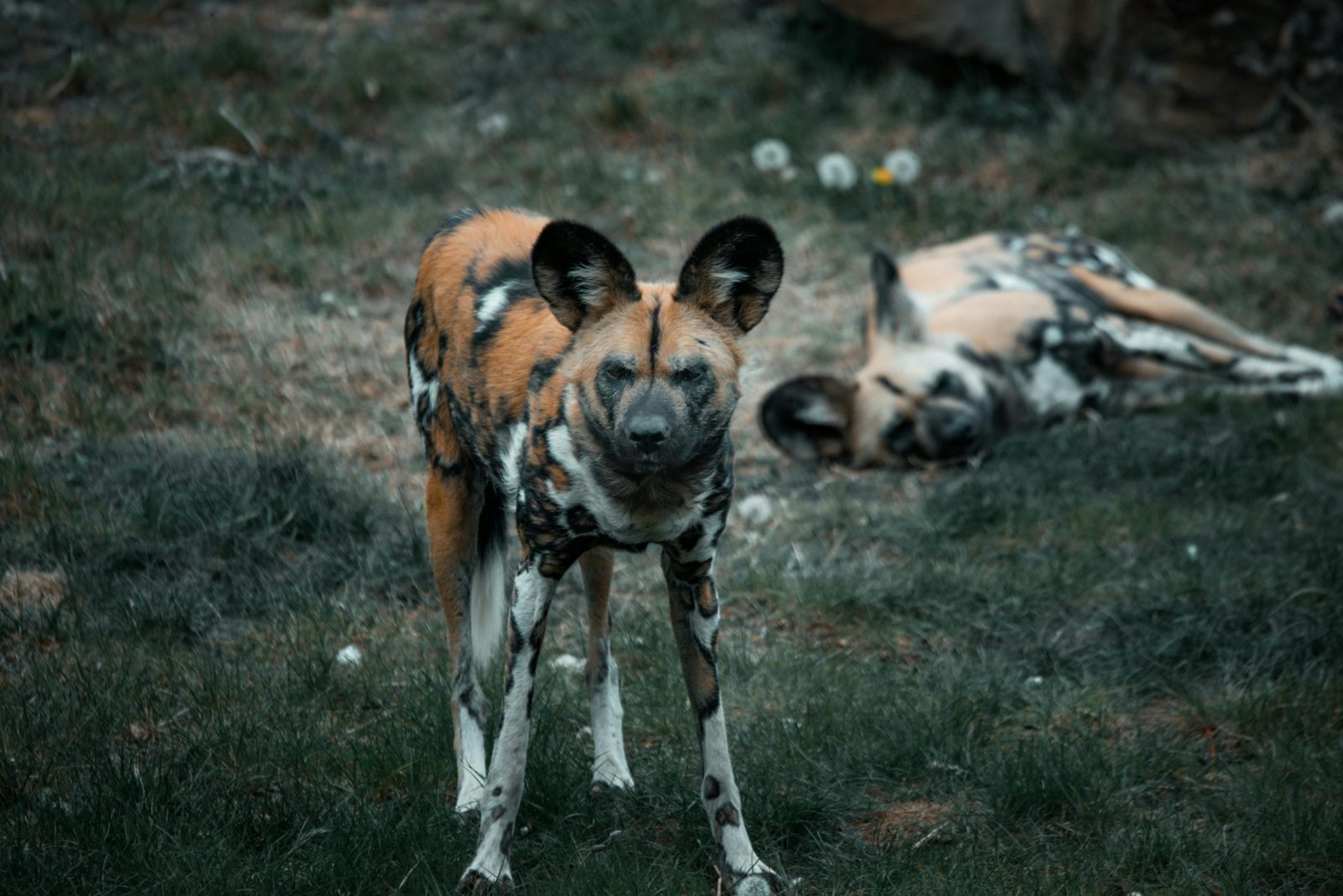
The African wild dog maintains one of the highest success rates in the natural world through exceptional endurance and coordination. These colorful hunters operate in tightly knit groups that communicate through high-pitched vocalizations during a high-speed chase. By taking turns leading the pack, they can maintain a rapid pace that eventually overwhelms even the fastest antelope. Every member of the group plays a specific role during the hunt to ensure the kill remains secure from larger scavengers. Their selfless teamwork and strategic positioning make them the elite special forces of the African savanna during the dry season every time.
Harris Hawk
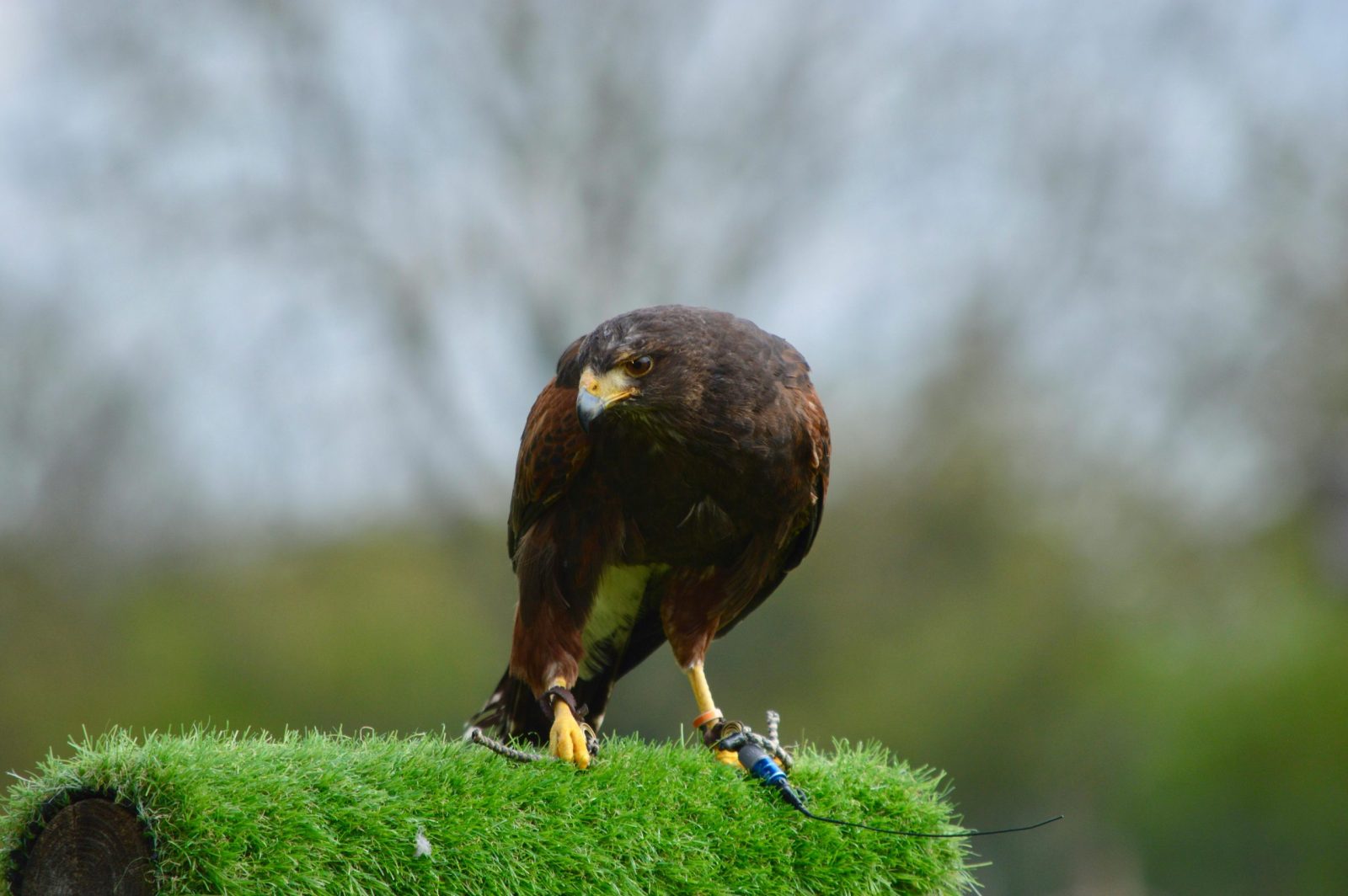
Harris hawks are unique among birds of prey because they hunt in social groups rather than as solitary individuals. These aerial specialists utilize a technique known as leapfrogging, where birds take turns diving at their quarry from different angles. This coordinated pressure prevents the target from finding any safe refuge within the dense desert scrub and cactus. While one hawk flushes the prey into the open, others remain high above to block every possible escape route. Their social structure and tactical flexibility allow them to capture much larger animals that a single bird could never hope to manage alone today.
Chimpanzee
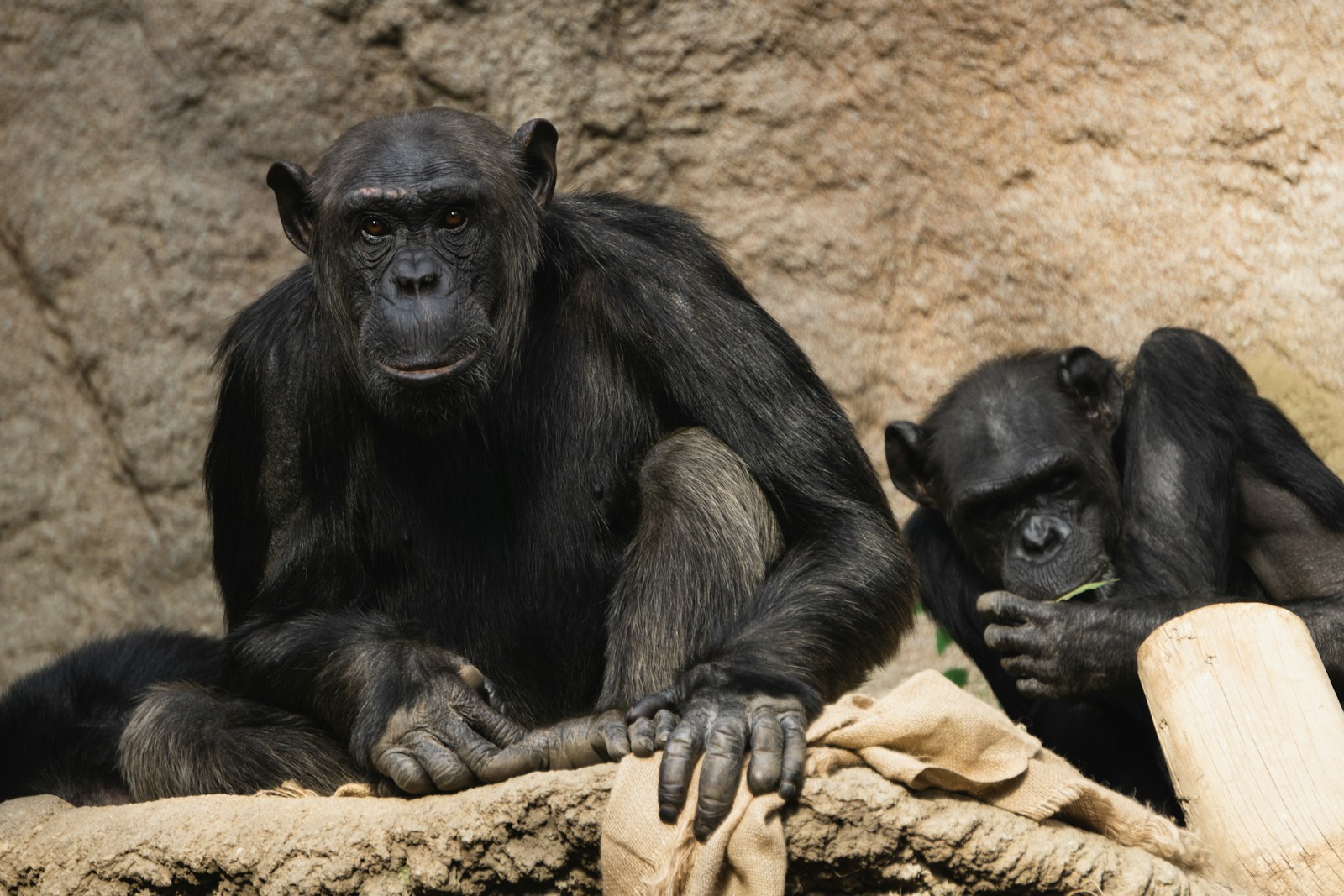
Chimpanzees demonstrate incredible cognitive ability by organizing sophisticated arboreal ambushes to capture smaller monkeys within the dense rainforest canopy. These primates assign specific roles like blockers and chasers to different members of the hunting party before the mission begins. By calculating the movement of their prey through the trees, they can effectively cut off every possible exit with surgical precision. This level of intentionality and cooperation suggests a deep understanding of tactical space and timing during a hunt. Their success depends heavily on the discipline of each individual following the established plan to secure a nutritious meal together every time.
Bottlenose Dolphin
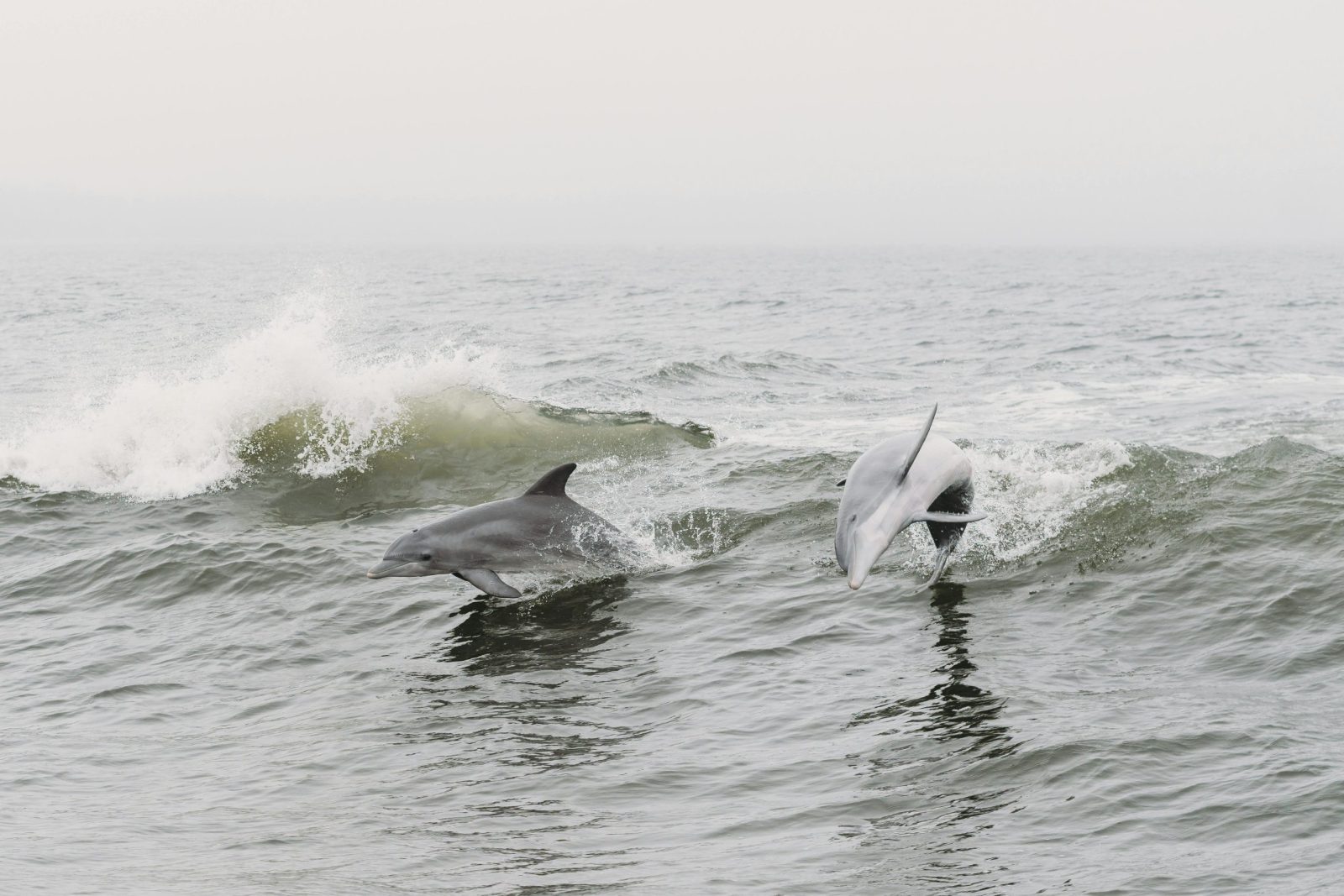
Bottlenose dolphins utilize an ingenious tactic known as mud ring feeding to capture fish in shallow coastal waters with ease. One dolphin swims in a tight circle while slapping its tail against the sandy bottom to create a thick cloud of sediment. This wall of mud acts like a solid barrier that traps schools of fish within a rapidly shrinking space. As the panicked fish leap over the mud ring to escape, the other dolphins wait in position to catch them mid-air. This coordinated maneuver showcases their ability to manipulate the physical environment to their distinct tactical advantage now.
Lion
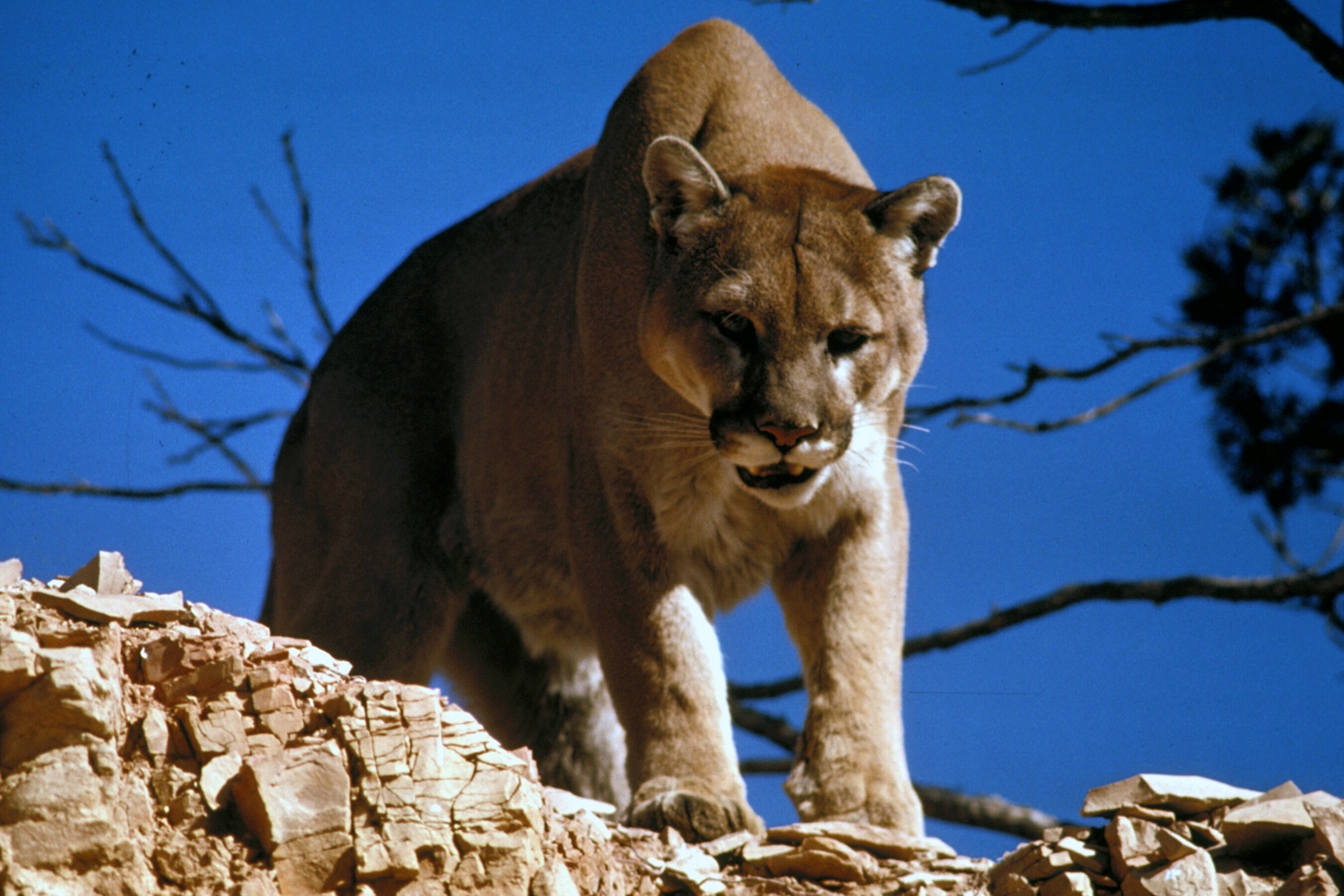
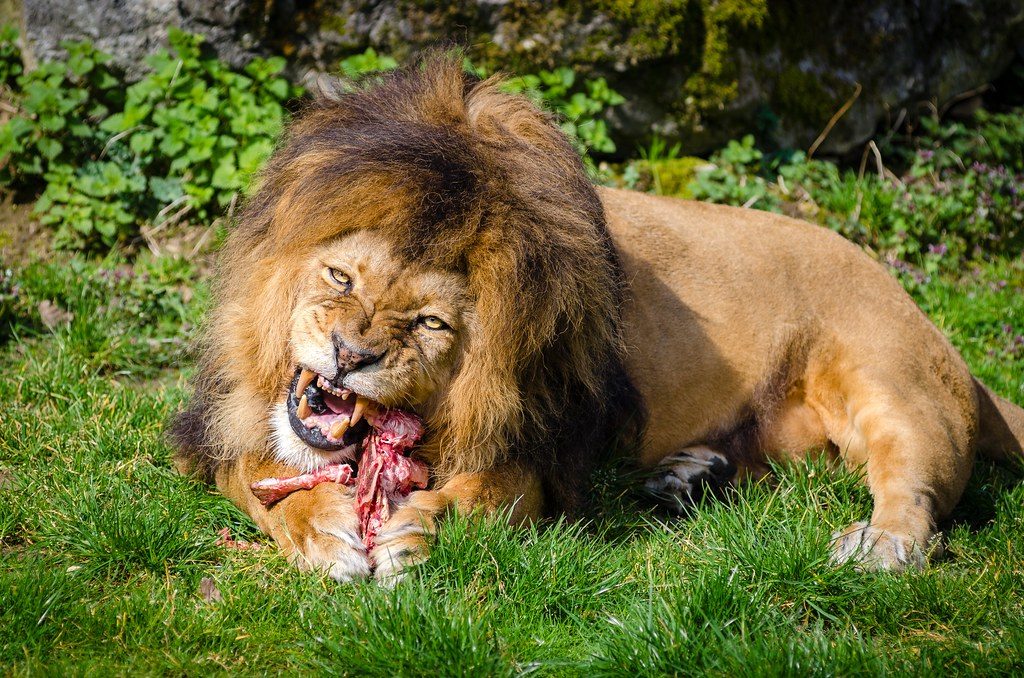
Lions rely on disciplined formation hunting to secure large mammalian prey across the wide African savanna during the dark night. Female members of the pride work in unison to encircle a herd while staying perfectly silent and hidden in the grass. Some lions act as beaters to drive the panicked animals toward a group of ambushers waiting in the optimal strike zone. Their success relies on precise spatial awareness and the ability to stay motionless until the exact moment to launch the final attack. This strategic division of labor ensures that the entire pride can feast on substantial and fresh.
Army Ant
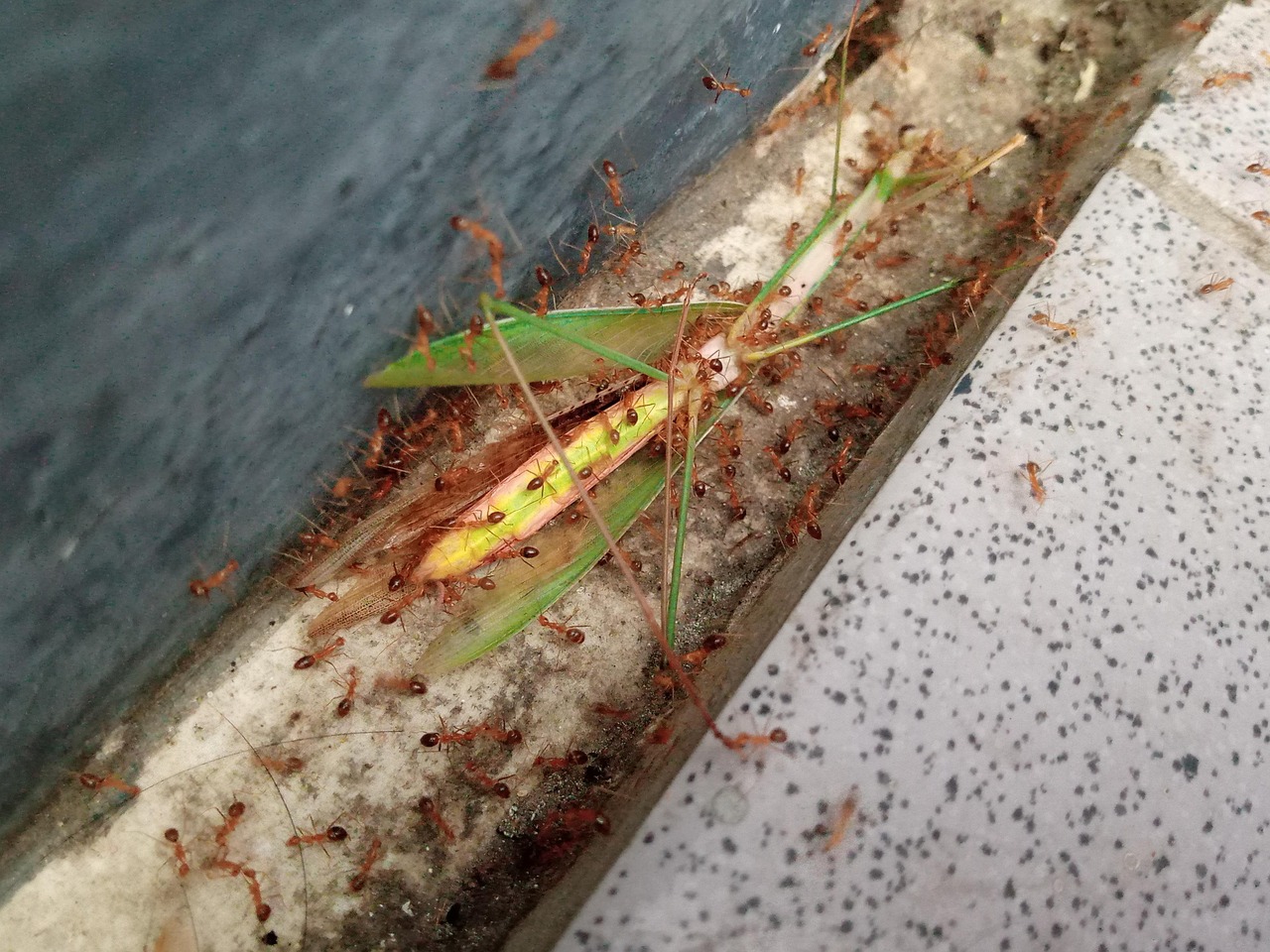
Army ants operate as a massive biological machine that moves through the forest floor with devastating efficiency and speed. These insects do not build permanent nests but rather maintain a constant state of forward movement during their nomadic phase. They utilize a complex pheromone system to coordinate millions of individuals into a focused swarm that overwhelms every living thing in its path. While the front lines flush out small animals, the secondary waves capture and process the bounty for the queen. This relentless and highly organized approach to foraging ensures the survival of the entire colony throughout the changing seasons.
Humpback Whale
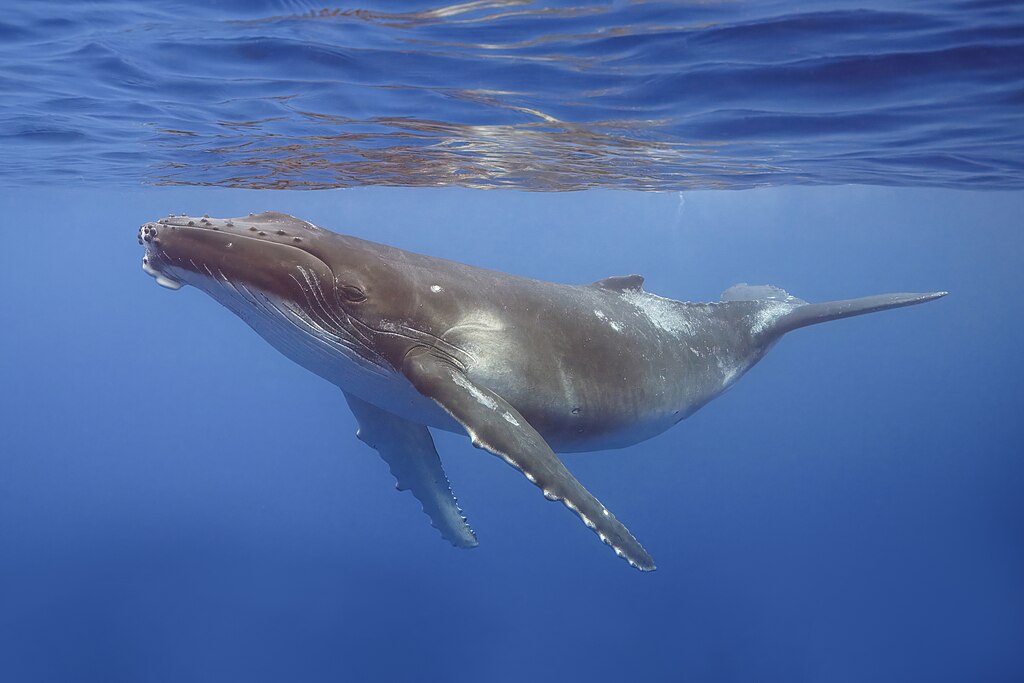
Humpback whales employ a sophisticated group technique called bubble net feeding to concentrate huge schools of krill and small fish. This process requires incredible timing and communication as whales swim in a synchronized upward spiral while blowing steady streams of bubbles. These bubbles create a shimmering circular wall that terrifies the prey and forces them toward the center of the trap. On a specific vocal cue, the whales surge through the concentrated bounty with their massive mouths wide open. This cooperative behavior demonstrates a high level of social intelligence and mechanical precision that few other marine species can match now.
Komodo Dragon
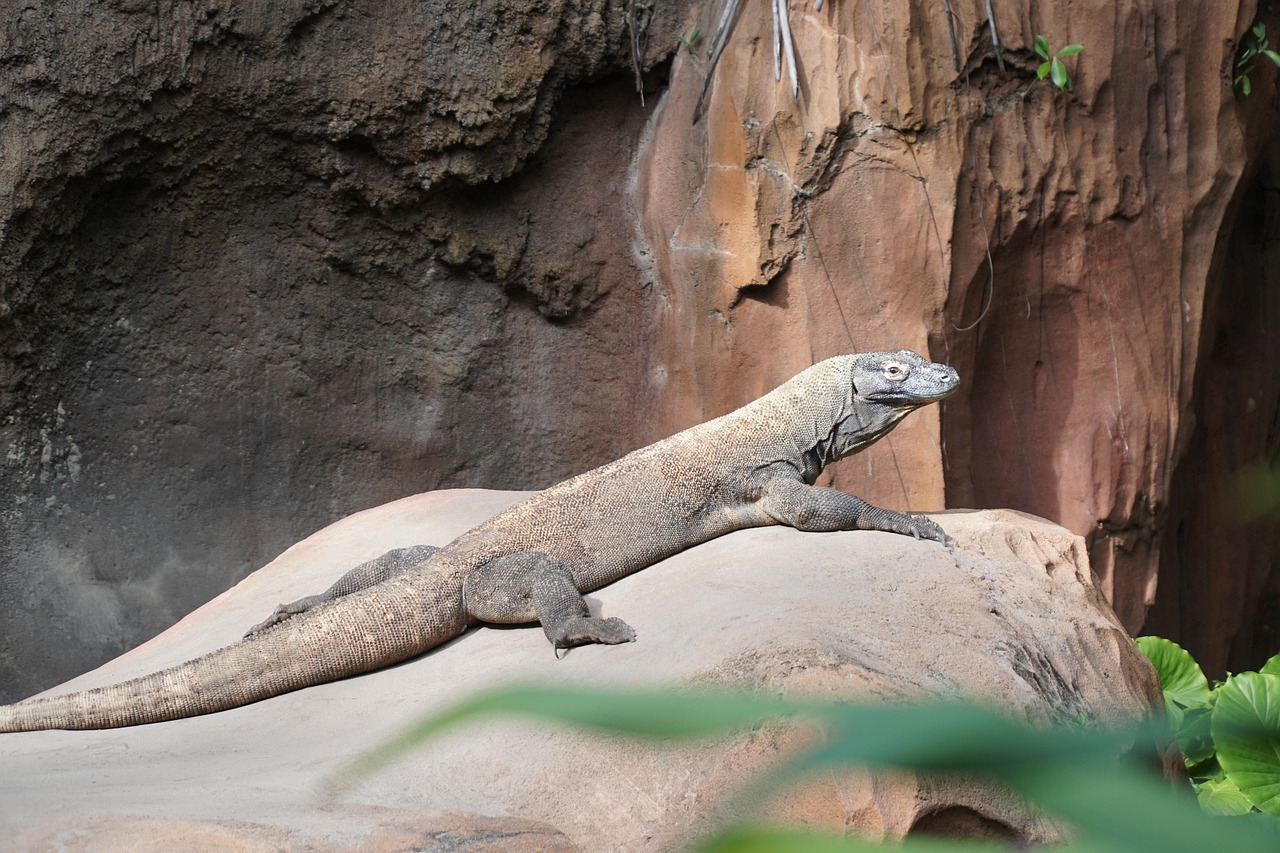
Komodo dragons are elite masters of stealth and biological warfare, inhabiting the rugged islands of the Indonesian archipelago today. These massive reptiles utilize a patient ambush strategy while hiding in dense vegetation along common game trails used by deer and pigs. When the target moves within striking distance, the dragon delivers a powerful bite that introduces lethal toxins and bacteria into the bloodstream. They then follow the fleeing animal with incredible patience until it eventually collapses from the effects of the initial strike. This calculating and cold approach to hunting showcases their role as the apex predators of their environment.
Great White Shark
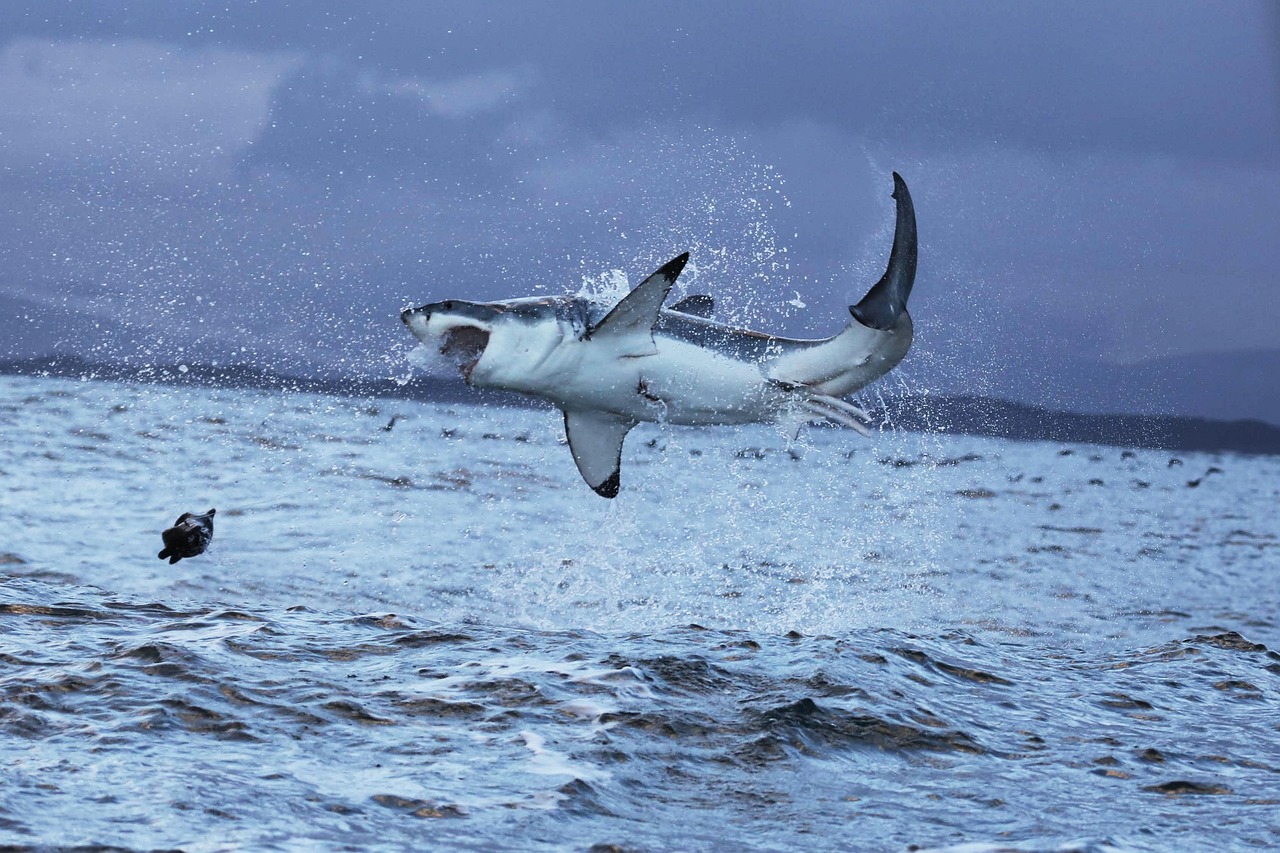
The great white shark utilizes high-speed vertical attacks to overwhelm unsuspecting seals near the ocean surface with terrifying force. These massive fish patrol deep waters beneath a colony and wait for the perfect silhouette to appear against the bright sunlight above. By accelerating at incredible speeds, they launch their entire bodies out of the water to incapacitate their target in a single explosive strike. This tactic relies on stealth and raw power to ensure the prey has no time to react or defend itself effectively. Their role as supreme ocean hunters remains undisputed due to their strategic and precision.
Archerfish
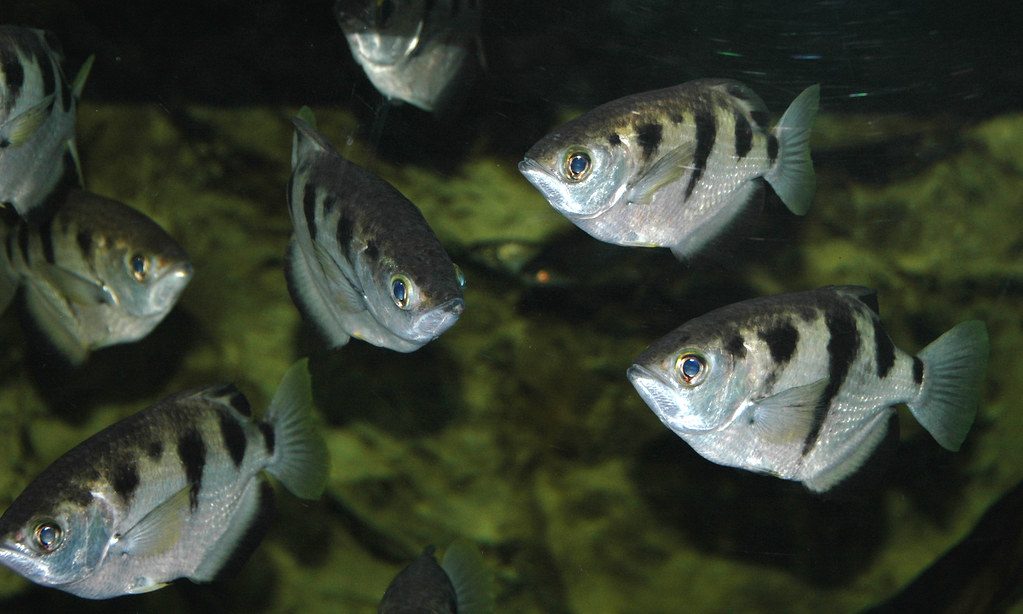
The archerfish demonstrates ballistic precision by firing high-pressure jets of water to knock unsuspecting insects off overhanging branches above. This small aquatic hunter must accurately calculate the light refraction across the water surface to hit a target several feet away with ease. By compressing its gill covers, it produces a powerful stream that acts like a physical projectile during every mission. This unique hunting method allows the fish to exploit food sources located far outside of its primary environment in the mangroves. Their incredible accuracy and focus showcase a specialized form of biological engineering that is truly unique now.
Trapdoor Spider
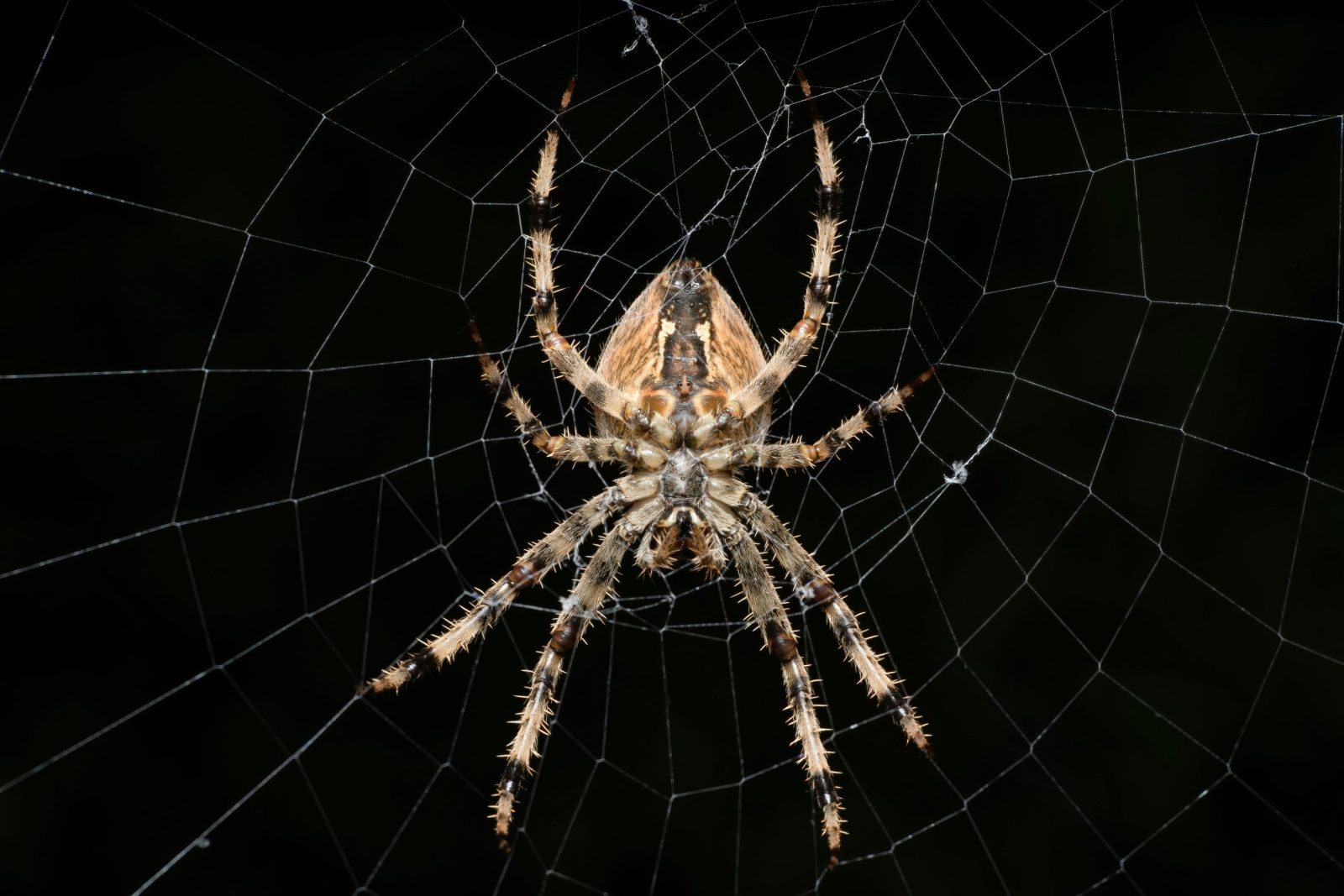
Trapdoor spiders utilize expert camouflage and sudden ambush techniques to capture prey passing near their hidden burrows during the dark night. These arachnids construct a perfectly concealed lid made of soil and silk that blends seamlessly with the surrounding forest floor. They wait just beneath the surface while feeling for the subtle vibrations of a passing insect to strike with incredible speed. When a target moves within range, the spider surges out to pull the victim into the darkness of its lair. This level of patience and structural engineering makes the trapdoor spider a master of defensive and offensive tactics.
Peregrine Falcon
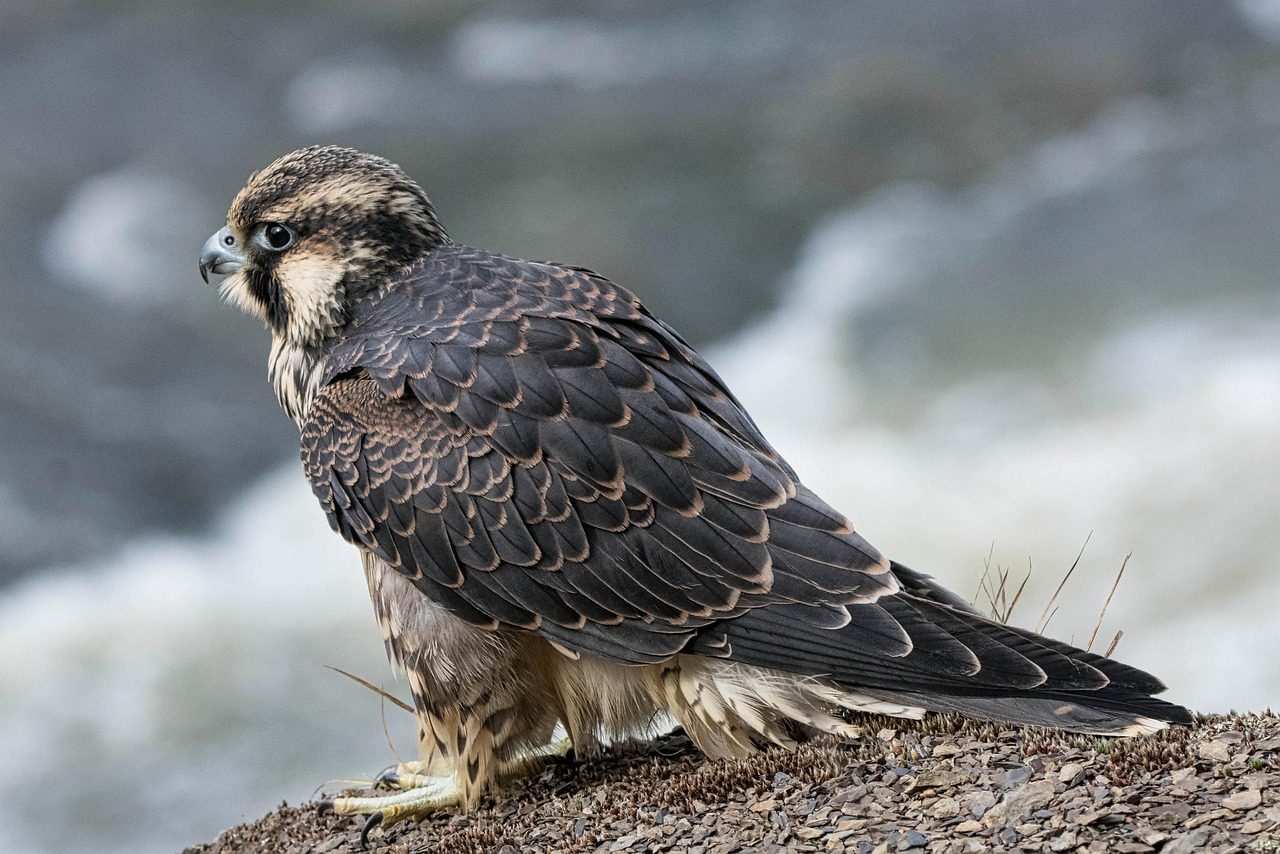
The peregrine falcon remains the fastest animal on the entire planet by utilizing a high altitude vertical dive known as a stoop. This aerial specialist climbs high into the sky and scans for avian prey flying far below with incredible visual clarity. By tucking its wings tight against its body, it can reach speeds exceeding two hundred miles per hour during a descent. The impact is often enough to incapacitate a target instantly before it even realizes a predator is nearby in the air. This level of ballistic precision and speed makes the falcon a truly elite aerial hunter today.
Praying Mantis
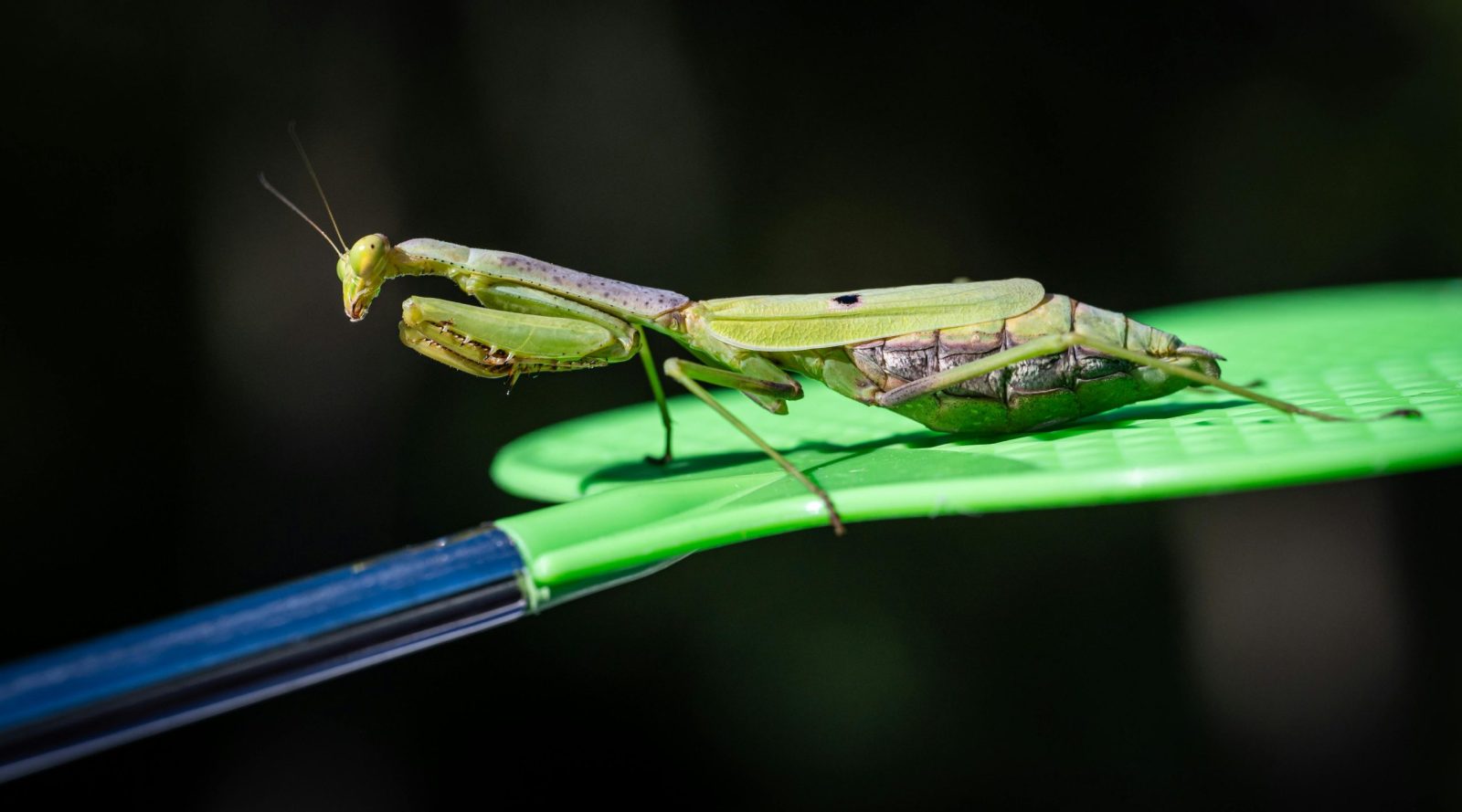
The praying mantis utilizes incredible stillness and lightning-fast reflexes to capture unsuspecting insects within the garden or forest undergrowth now. These masters of camouflage remain perfectly motionless for hours while blending in with the surrounding leaves and flower petals with ease. When a target moves within reach, the mantis strikes with its specialized forelegs in a fraction of a single second. Its compound eyes provide a wide field of vision that allows for the precise calculation of distance and timing during an attack. This calculating and patient approach to hunting makes the mantis a highly efficient and successful predator.