Whitetail deer hunting has long been one of the most accessible outdoor traditions in the United States. For generations, local hunters could buy an affordable license, hunt nearby public land, and bring home venison without spending much money. In recent years, however, the financial side of deer hunting has been shifting in many states. Rising license fees, costly permits, land lease prices, and increased demand from traveling hunters are making it harder for locals to hunt cheaply. Some states still offer reasonable resident licenses, but the overall cost of tags, equipment, and access continues to climb. In certain regions, even longtime residents are beginning to feel the pressure on their wallets. These states show how whitetail hunting is slowly becoming more expensive for everyday hunters who simply want to keep their tradition alive.
1. Texas
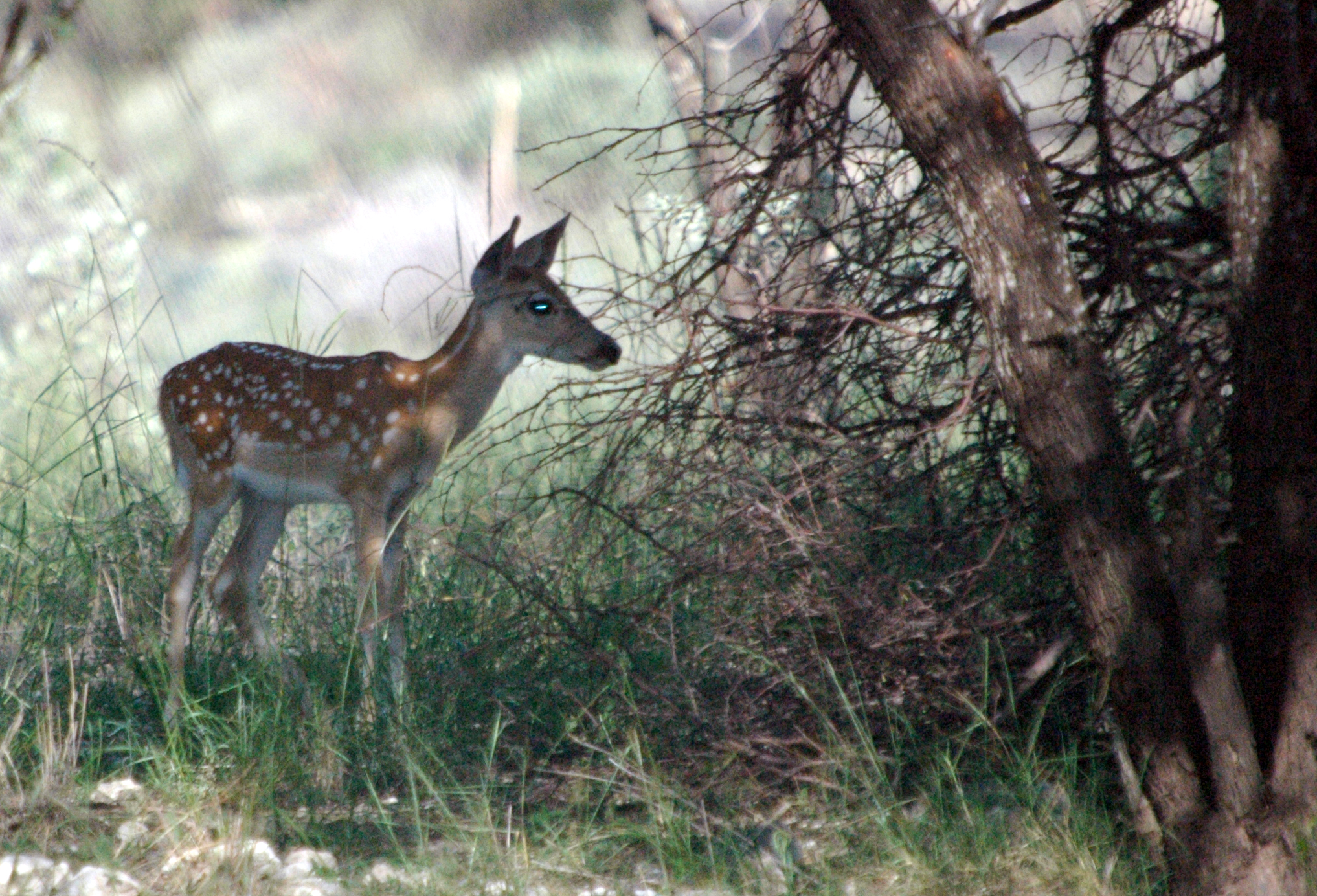
Texas has some of the best whitetail deer hunting in North America, but it has also become one of the most expensive places for local hunters to participate. While the basic resident hunting license itself is still relatively affordable, the real expense comes from access to land. Most hunting opportunities in Texas occur on private property because public hunting land is limited. Many landowners lease hunting rights, and those leases can cost hundreds or even thousands of dollars per season. As demand for trophy whitetail deer continues to grow, especially in regions like South Texas and the Hill Country, lease prices keep climbing. Some hunting clubs split costs among members, but even that option can still be expensive. For locals who once hunted family land or inexpensive leases, the financial barrier has become noticeably higher in recent years.
2. Iowa
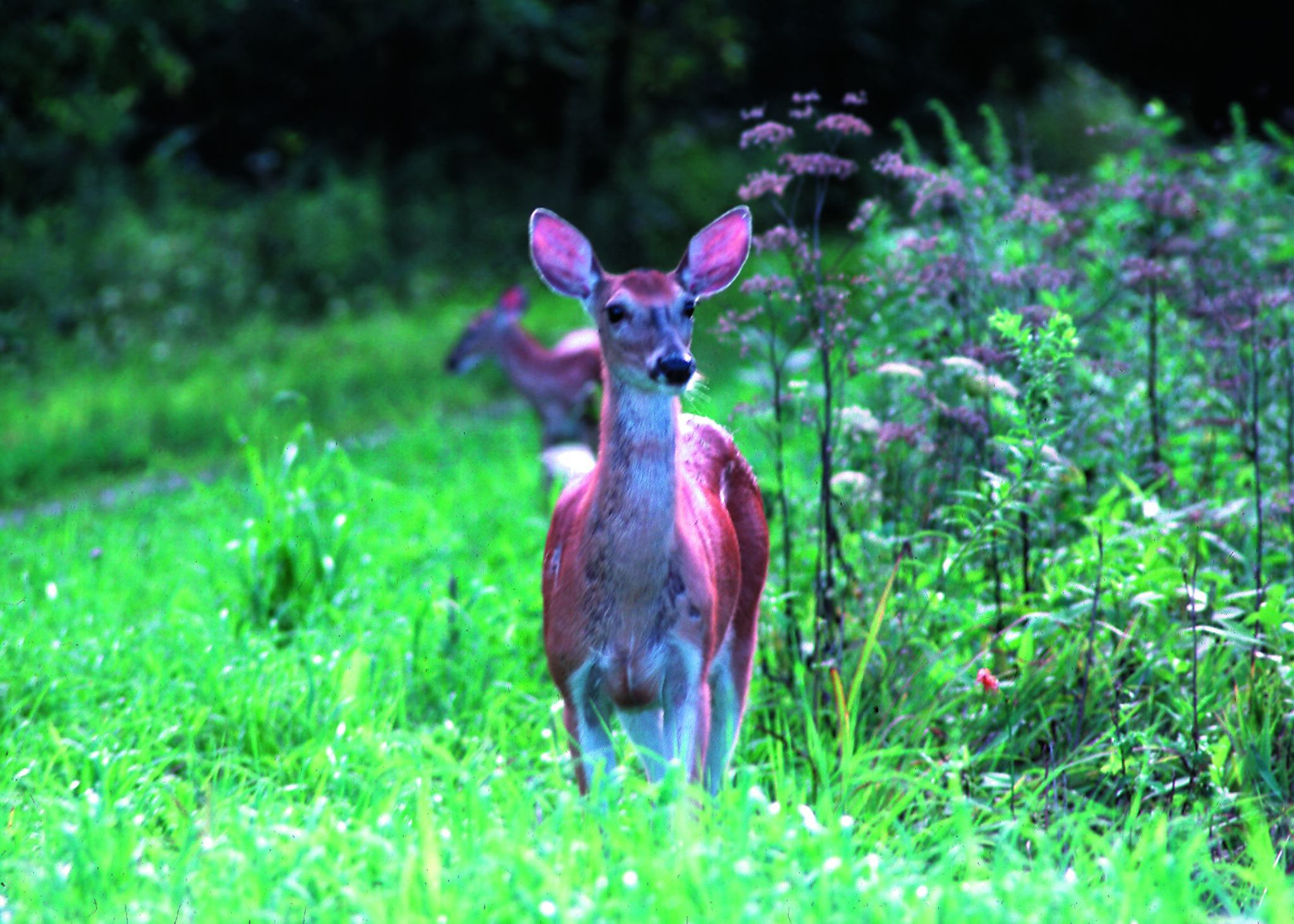
Iowa is widely considered one of the top whitetail hunting destinations in the United States. The state produces large deer and impressive trophy bucks every year. Because of that reputation, hunting access has become extremely competitive. Local hunters often find themselves competing with wealthy out-of-state hunters and outfitters who are willing to pay high prices for land access. Farmland that once allowed local permission hunting is increasingly leased for premium hunting opportunities. Although resident license fees remain manageable, the cost of finding a reliable place to hunt can be high. Some landowners now treat hunting leases as a major income source. This trend has made it harder for many lifelong Iowa residents to hunt the same land their families used for generations.
3. Kansas
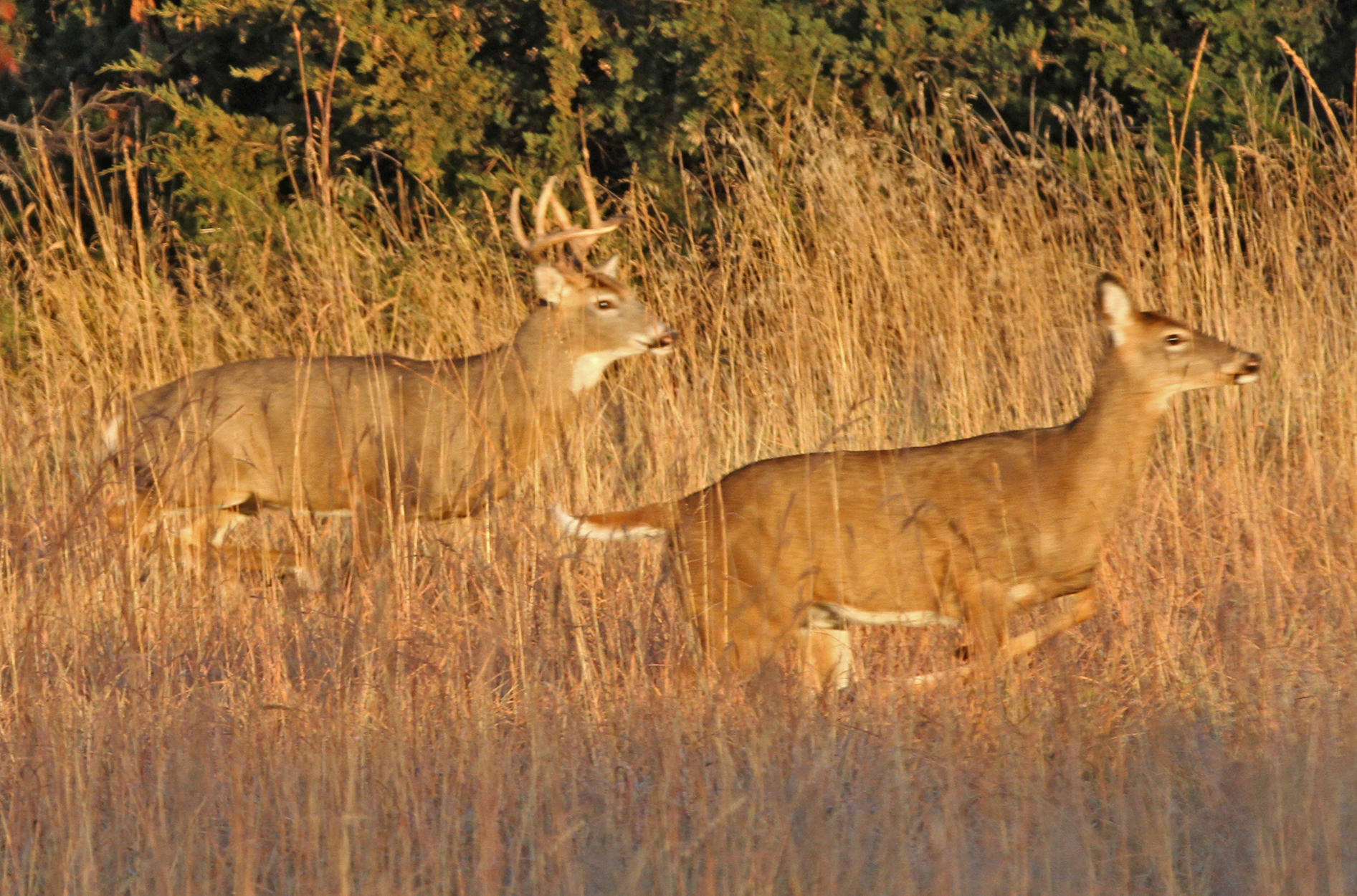
Kansas has gained national attention for producing large whitetail deer, particularly in agricultural areas where deer thrive on crops and natural cover. As the state’s reputation has grown, so has demand for hunting access. Many outfitters now operate across Kansas, catering to traveling hunters looking for trophy bucks. This increased demand has pushed up lease prices on private land. Resident hunters still pay moderate license costs, but securing quality land access can be expensive. In some counties, landowners now prioritize commercial hunting leases over local permission hunting. For many local hunters, finding affordable places to hunt has become one of the biggest challenges of the season.
4. Illinois
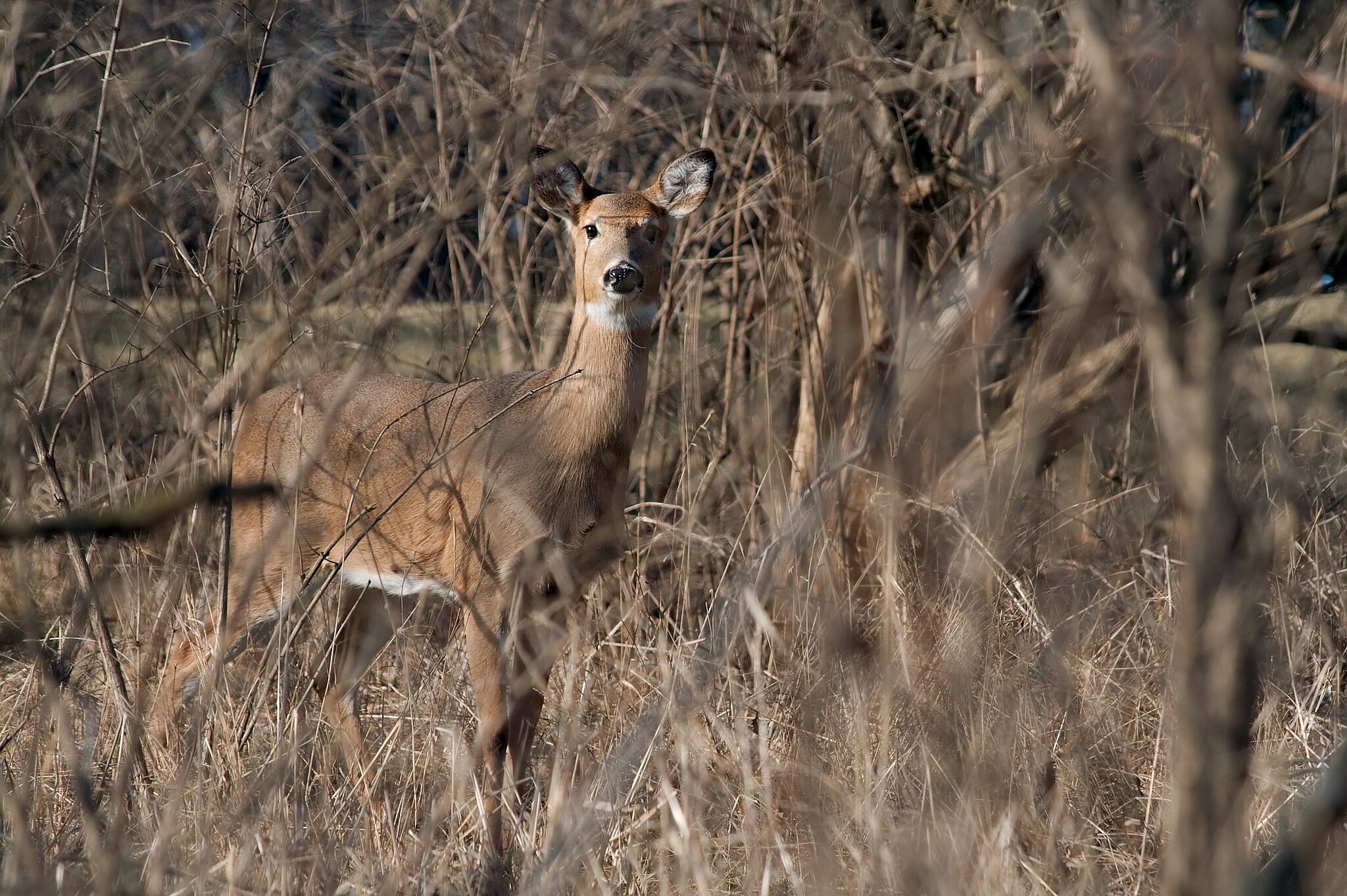
Illinois is another Midwestern state known for producing large, healthy whitetail deer. The fertile farmland and wooded river bottoms provide excellent habitat for deer to grow big racks. Because of this reputation, hunting land has become extremely valuable. Leasing farmland for deer hunting is now common across the state. In many rural areas, landowners receive strong offers from outfitters and traveling hunters who want exclusive access. While resident licenses are still fairly affordable, the rising cost of land access is the real financial hurdle. Local hunters who once relied on informal permission are now forced to pay lease fees or search for crowded public land areas.
5. Wisconsin
Wisconsin has one of the strongest deer hunting traditions in the country. The opening weekend of the firearm season is practically a statewide event. However, the growing popularity of the sport has created pressure on both land and costs. Resident deer licenses remain relatively affordable compared with some western states, but additional tags, permits, and travel costs can add up. Many hunters also pay for private land access or hunting club memberships. In regions with strong deer populations, hunting leases have steadily increased in price. For younger hunters or families trying to enter the sport, the overall cost of participating can feel much higher than it did decades ago.
6. Michigan
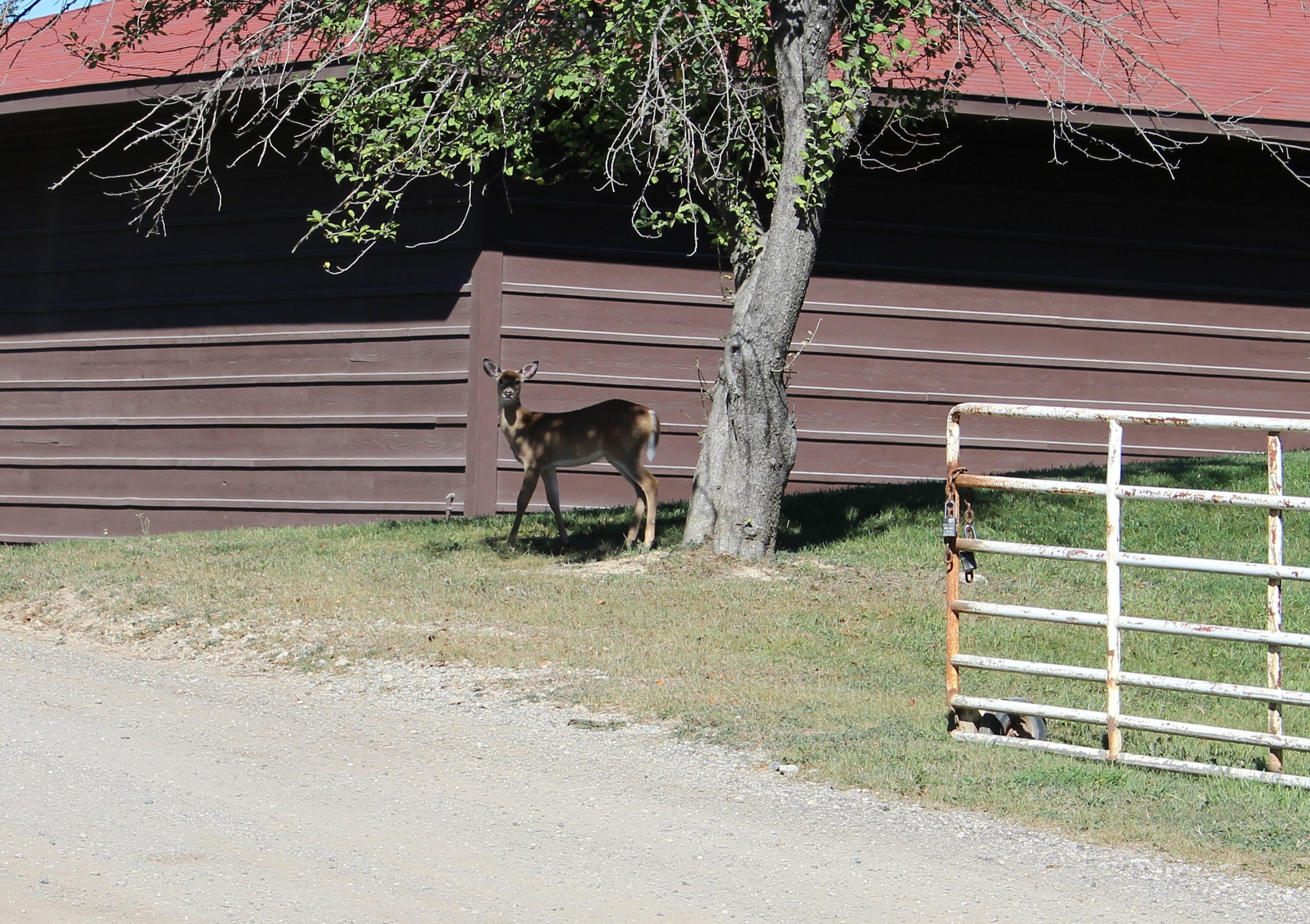
Michigan has millions of acres of public land and a strong deer hunting culture, but the cost of licenses and permits has gradually increased over time. Resident deer licenses are still considered affordable compared with many states, yet the total cost of hunting often includes more than just a tag. Hunters may purchase additional antlerless permits, specialty tags, and equipment upgrades. The state also continues to modernize its licensing system, including digital tagging programs and updated services for hunters. These improvements add convenience but can also contribute to the overall cost structure of the hunting system. For many Michigan hunters, deer season remains accessible, but it is not quite as inexpensive as it once was.
7. Pennsylvania
Pennsylvania has one of the largest populations of deer hunters in the United States. The state sells hundreds of thousands of licenses each year, which helps support wildlife conservation programs. Resident license costs remain relatively low compared with many other states, but additional tags and permits can increase the overall expense. Hunters often purchase antlerless deer permits for specific wildlife management units. In areas with strong deer populations, these permits can sell out quickly. Travel, gear, and land access also contribute to the growing cost of hunting. While Pennsylvania still offers good value for resident hunters, the total expense of a full hunting season has gradually increased.
8. Georgia
Georgia has a healthy whitetail deer population and long hunting seasons that attract both residents and visiting hunters. For locals, the basic hunting license is still fairly inexpensive. However, the rising cost of hunting leases has begun to change the landscape. Many hunters participate through hunting clubs that lease private land. Membership fees can vary widely depending on the quality of the land and the number of members sharing the property. As deer hunting continues to grow in popularity, the demand for good land has increased. This trend has gradually raised the financial barrier for many local hunters who once relied on free permission to hunt.
9. Alabama
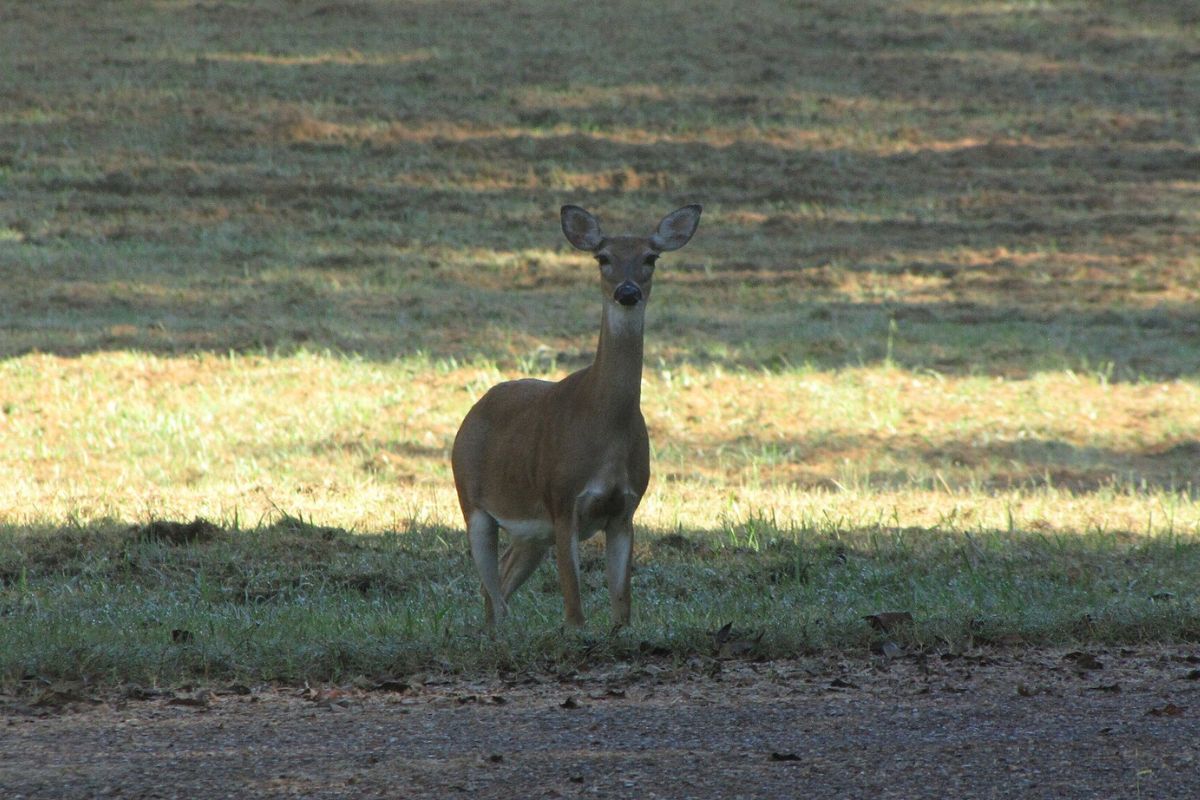
Alabama offers a long deer season and strong deer populations in many regions of the state. Resident hunting licenses are not extremely expensive, but the growing popularity of hunting clubs has changed the economics for locals. Many hunters join clubs that lease private land for the season. These clubs provide organized hunting opportunities, but membership fees can add up quickly. Some high-quality clubs charge hundreds of dollars per member each year. In areas with strong deer numbers, lease prices have continued to increase. For locals who want consistent hunting access, the total cost of joining a club has become one of the biggest expenses.
10. Oklahoma
Oklahoma is becoming increasingly popular with traveling hunters looking for quality whitetail opportunities. As demand increases, landowners have realized the financial value of leasing their property to hunters. This trend has gradually raised lease prices across many parts of the state. Resident hunting licenses remain affordable, but access to good hunting land is the real challenge. Many locals now compete with outfitters and out-of-state hunters who are willing to pay higher lease fees. This competition has slowly increased the cost of participating in the sport for residents.
11. Missouri
Missouri has long been known for excellent whitetail hunting and balanced deer management programs. Resident licenses are still considered reasonably priced, but hunting costs continue to rise in other ways. Private land leases have become more common, especially in regions with strong deer populations. Agricultural landowners sometimes lease hunting rights to supplement farm income. This practice has increased competition for hunting access. Local hunters who once relied on informal permission may now have to pay for land access or travel farther to find public land.
12. Colorado
Colorado is better known for elk and mule deer, but it also supports whitetail populations in certain regions. Hunting in the state can become expensive because of licensing structures and draw systems for big game. While some whitetail opportunities exist, many hunters apply for limited tags that require fees and applications. Western states tend to have higher average hunting license costs compared with other regions, which contributes to the rising price of hunting overall.
13. Minnesota
Minnesota offers strong whitetail populations and a deeply rooted deer hunting tradition. Resident licenses are relatively affordable, but the overall cost of hunting can still rise quickly. Hunters often purchase additional permits or tags depending on the region and season. Travel expenses, equipment upgrades, and land access fees can all add to the total cost. Some hunters also join private hunting camps or lease land to ensure consistent access to deer habitat. These combined expenses can make deer hunting more costly than many locals expect.
14. Ohio
Ohio has developed a reputation for producing large whitetail deer, which has increased interest from hunters across the country. As demand grows, land access becomes more competitive. Private land leases are increasingly common, particularly in counties known for trophy deer. While resident hunting licenses are still fairly affordable, securing a reliable place to hunt can involve extra costs. Some local hunters travel farther from home to find affordable public hunting areas, which adds transportation and time expenses to the season.
15. California
California stands out as one of the more expensive states for resident deer hunting licenses. Resident deer licenses can exceed one hundred dollars once tags and fees are included. These higher costs reflect the state’s wildlife management system and the complexity of its hunting zones. In addition to license fees, many hunters must participate in drawing systems to secure tags in certain areas. Equipment costs and travel across the large state can also increase the total expense of a hunting season. For residents who want to pursue whitetail deer regularly, the financial commitment can be noticeably higher than in many other states.