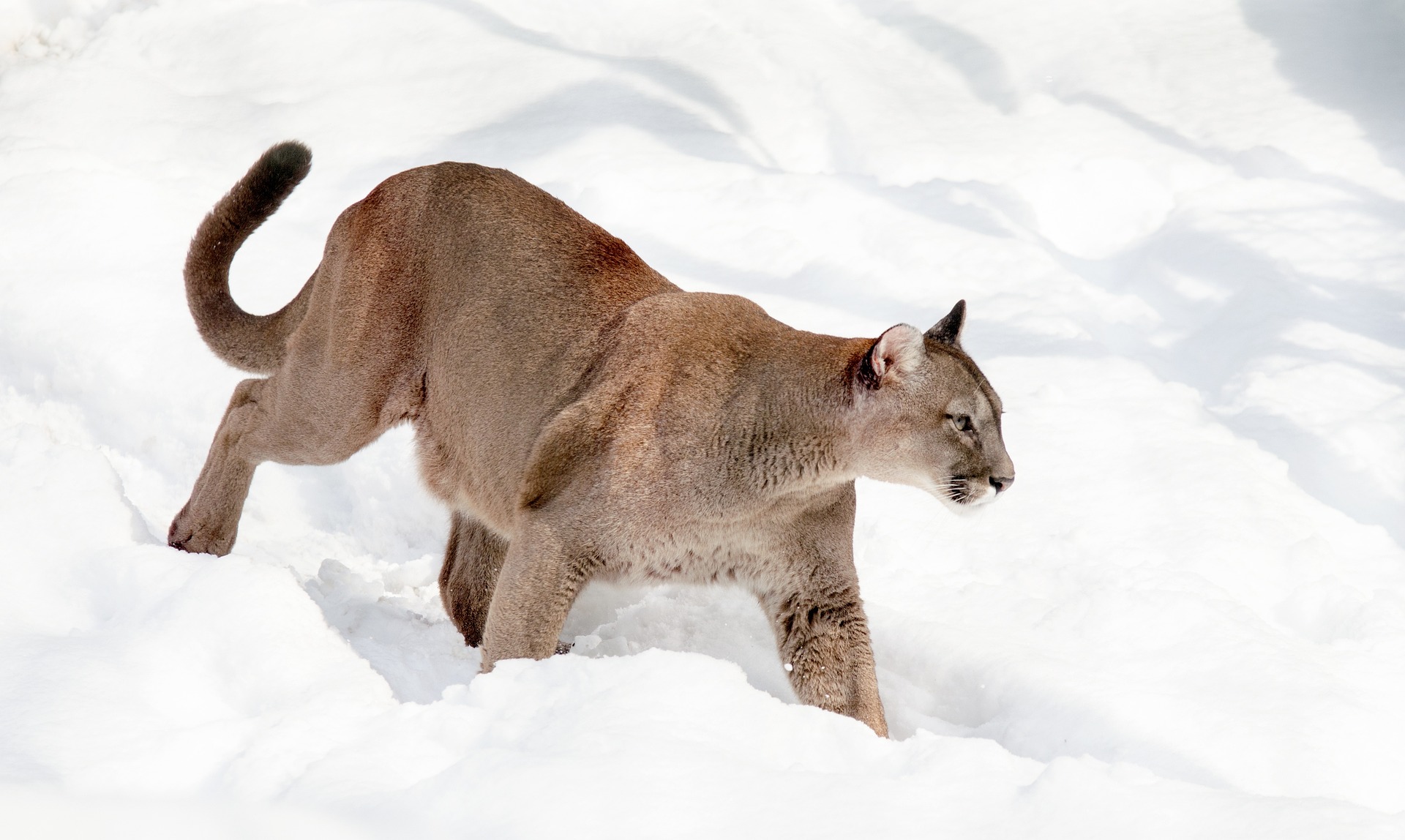
Mountain lions, widely known as cougars or pumas, remain among the most adaptable large predators in North America. Their range once stretched across nearly the entire continent, and although modern pressures have altered that distribution, viable populations still occupy significant portions of the United States. These cats prefer landscapes that combine cover, prey, and space, yet their ability to survive near expanding human development continues to surprise researchers. Most Americans rarely see a mountain lion, even in states where populations are well established. Their elusive nature, combined with careful wildlife management, often keeps them hidden from everyday view. Examining the states where mountain lions live offers insight into ecology, conservation, and the quiet persistence of one of the country’s most remarkable carnivores.
1. California
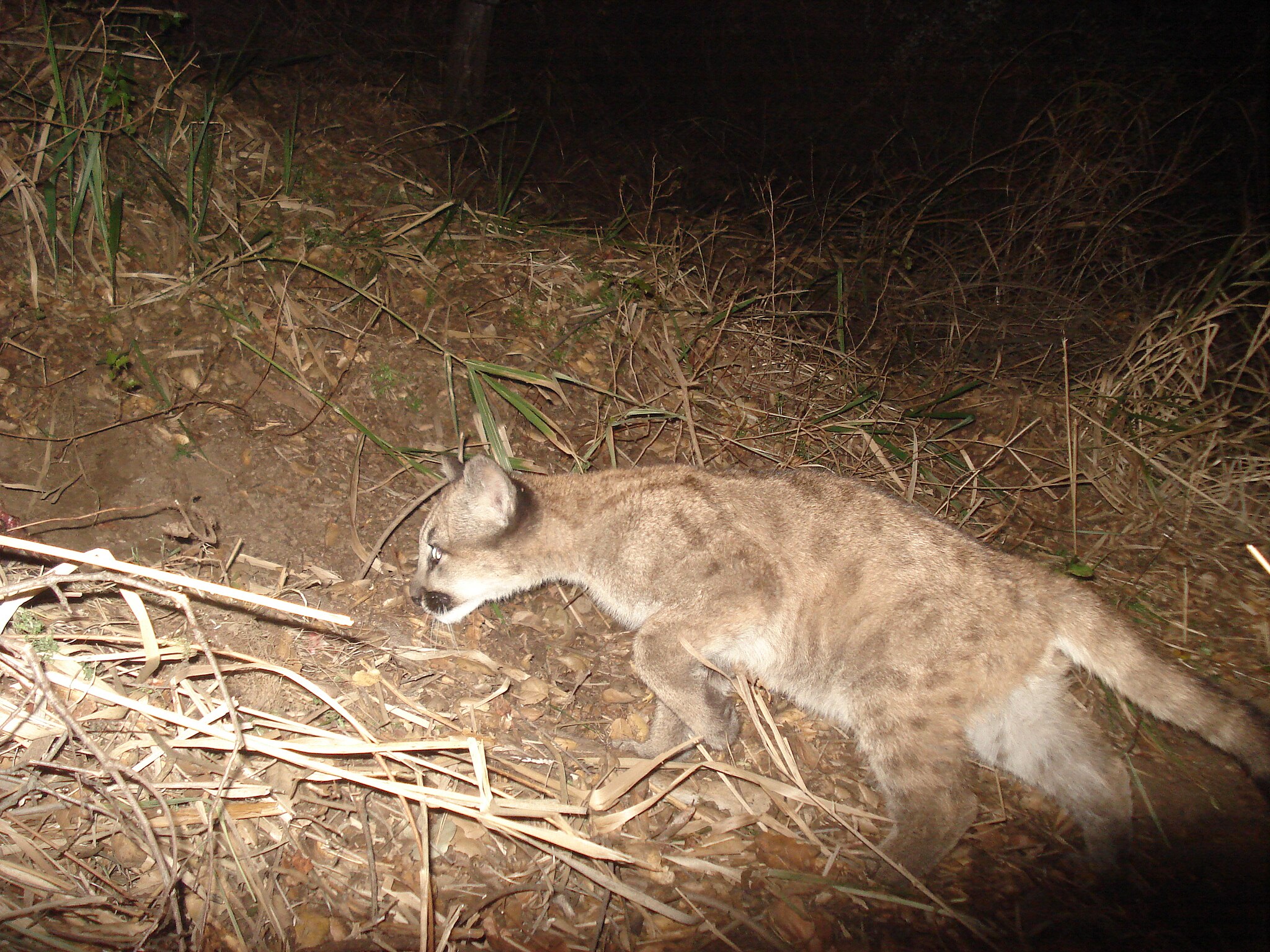
In California, mountain lions occupy an extraordinary range of habitats, from coastal mountains to dense forests and semi-arid foothills. The state’s abundant deer populations provide a dependable food source, supporting one of the most studied cougar populations in the nation. Research has revealed how lions navigate fragmented landscapes, sometimes crossing highways and skirting suburban edges in search of territory. Although sightings capture public attention, these animals typically avoid direct human interaction. Wildlife agencies emphasize coexistence strategies, including securing pets and understanding lion behavior. California’s experience highlights both the resilience of the species and the complexities of conserving large predators amid extensive urban growth and infrastructure expansion.
2. Colorado
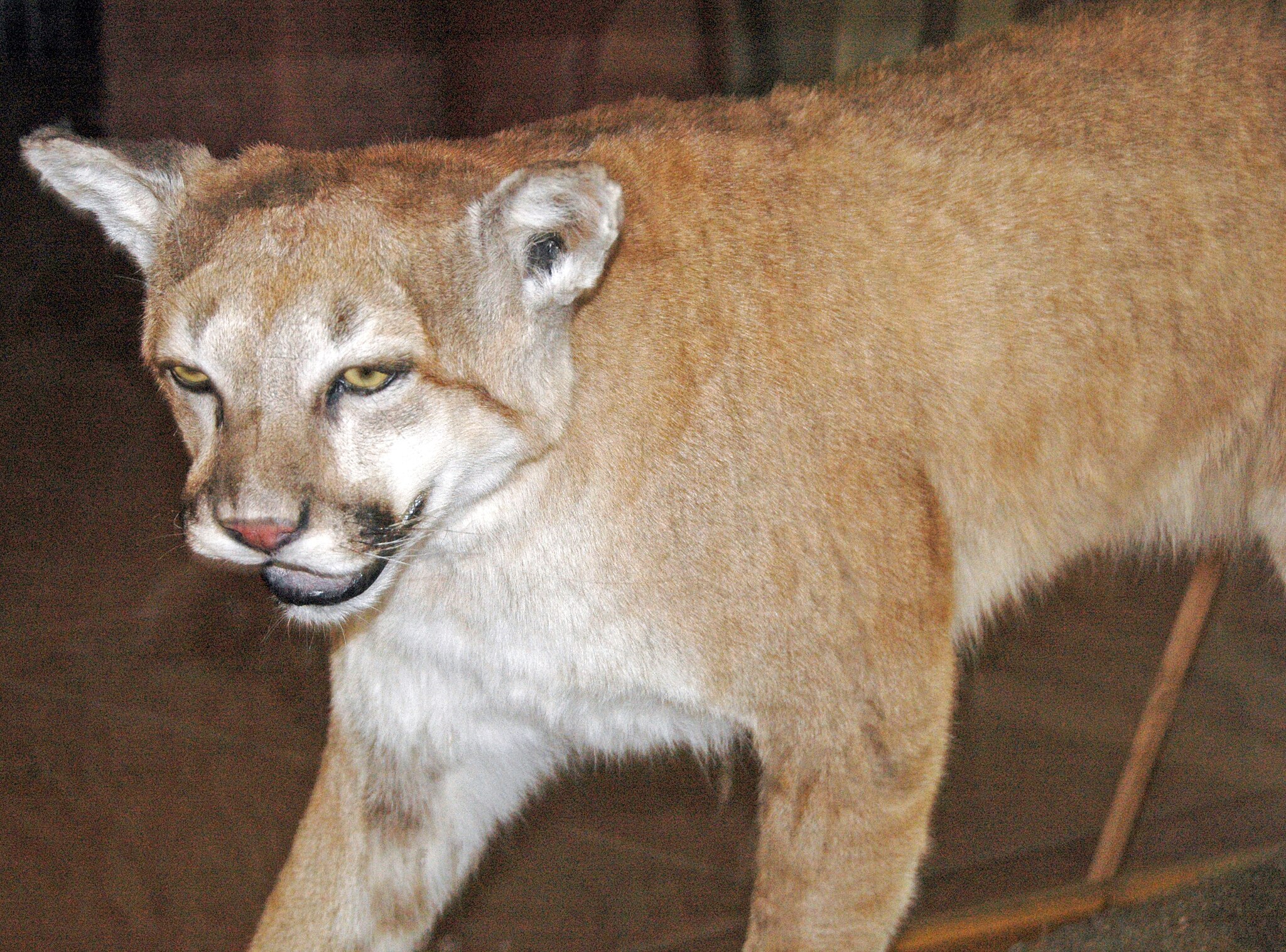
Colorado provides classic mountain lion terrain, characterized by rugged mountains, forested slopes, and open foothills. These varied environments offer concealment and access to prey, particularly mule deer, which strongly influence lion distribution. While encounters occasionally occur near residential developments, the animals generally remain elusive. Colorado’s wildlife management programs balance ecological stability with regulated hunting, reflecting long-standing debates over predator conservation. Harsh winters, shifting prey movement, and expanding recreation all shape lion behavior. The state’s geography supports wide-ranging territories, underscoring how landscape scale plays a critical role in sustaining healthy populations of large carnivores across dynamic and heavily visited natural areas.
3. Arizona
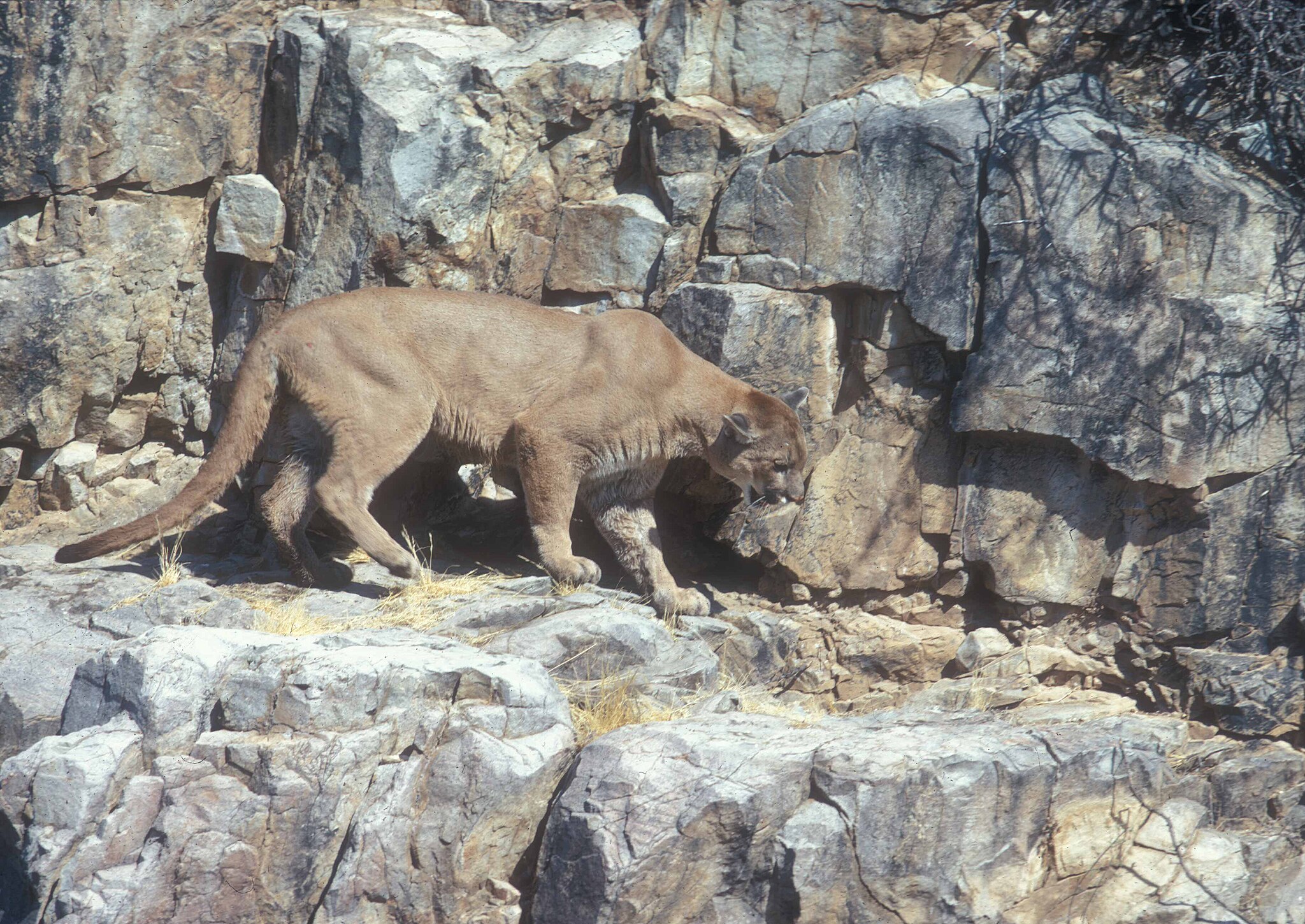
Despite its desert reputation, Arizona sustains a widespread mountain lion presence. These cats thrive in canyon systems, rocky uplands, and higher elevation forests where cover and prey converge. Adaptability allows them to endure extreme heat and sparse vegetation, demonstrating remarkable ecological flexibility. Deer and smaller mammals comprise important dietary components, shaping movement patterns across the state’s diverse terrain. Occasional sightings near communities generate curiosity but rarely indicate aggressive tendencies. Conservation efforts emphasize public awareness and habitat preservation. Arizona’s varied elevation zones create microclimates that enable lions to occupy landscapes ranging from arid deserts to cooler mountain regions, reflecting the species’ impressive environmental tolerance.
4. Utah
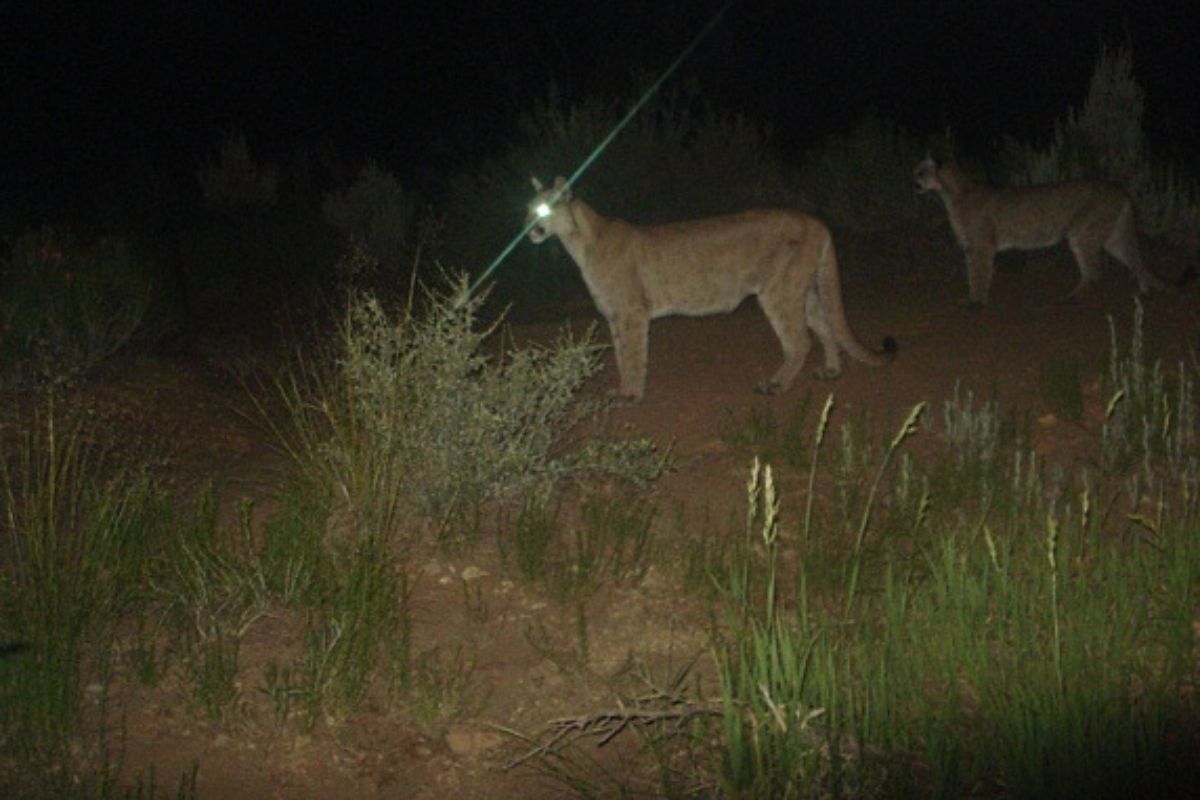
Mountain lions in Utah inhabit a dramatic mix of deserts, plateaus, and mountainous terrain. Vast open spaces and relatively low population density create favorable conditions for maintaining territories. Mule deer serve as the primary prey base, directly influencing lion distribution and seasonal movement. Sightings most often occur in rugged landscapes with abundant natural cover. Wildlife officials stress responsible outdoor practices, particularly for hikers and hunters sharing these environments. Utah’s terrain showcases how mountain lions exploit varied ecosystems while maintaining low visibility. The combination of isolation, prey availability, and careful management supports sustainable populations, reinforcing the species’ capacity to adapt across highly contrasting geographic features.
5. Nevada
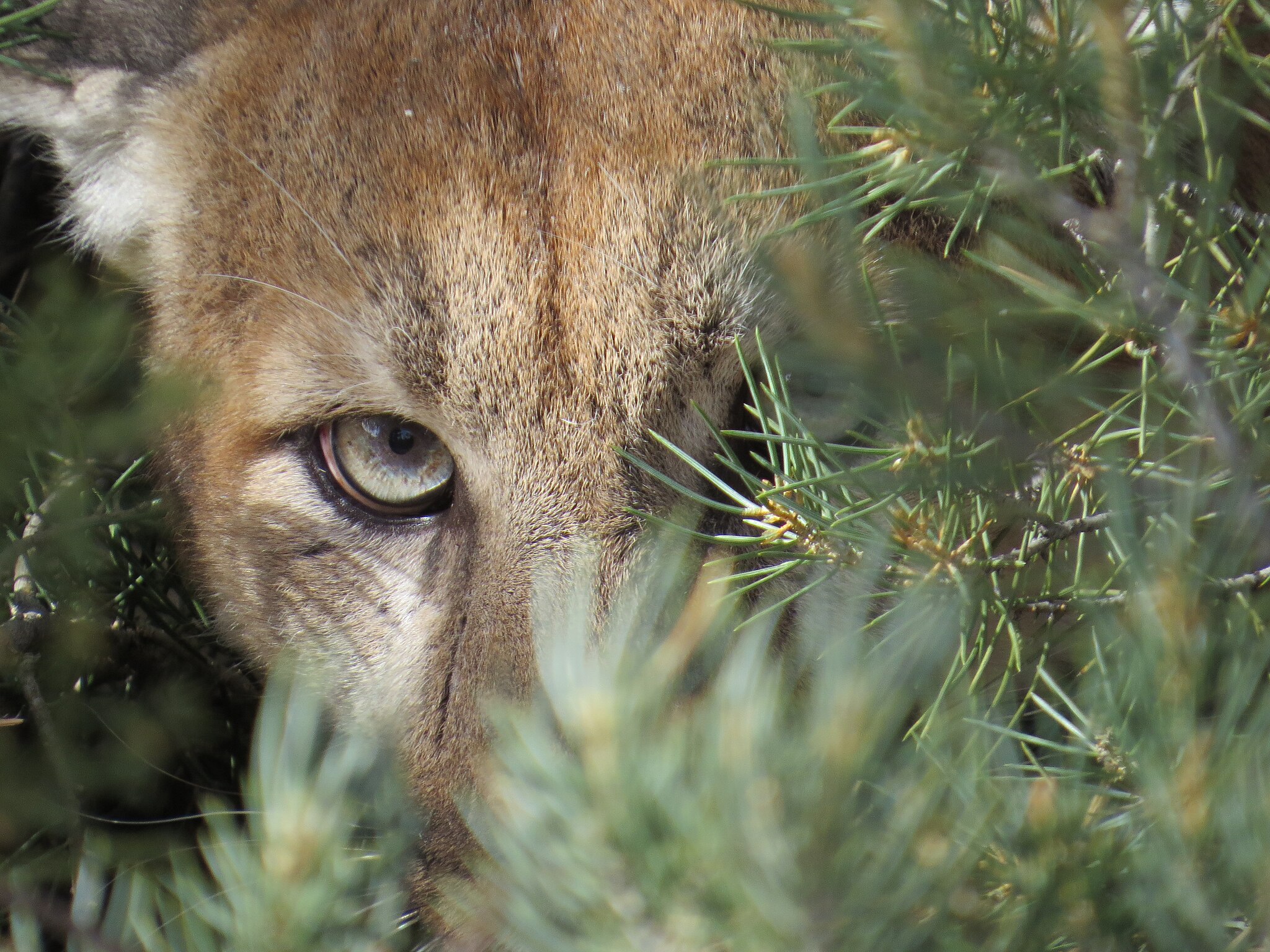
The expansive wildlands of Nevada offer mountain lions both opportunity and challenge. Although much of the state consists of arid basins, lions concentrate around mountain ranges where vegetation, water, and prey are more plentiful. Their presence often goes unnoticed due to low human density and the animals’ secretive habits. Wildlife managers monitor populations while addressing occasional livestock concerns. Large territories characterize Nevada’s lions, reflecting the dispersed nature of resources. The state illustrates how mobility and adaptability enable survival across seemingly inhospitable landscapes. Mountain lions here demonstrate an ability to navigate vast distances, using isolated pockets of suitable habitat to sustain stable, though rarely observed, populations.
6. Idaho

Forests and mountainous terrain make Idaho highly suitable for mountain lions. Dense vegetation provides concealment, while abundant deer and elk support predatory needs. The state’s extensive wilderness areas act as strongholds, allowing wide-ranging individuals to establish and defend territories. Human encounters remain relatively uncommon, largely due to Idaho’s low settlement density. Wildlife agencies conduct research and monitoring to understand population trends and ecological interactions. Seasonal prey movements influence lion behavior, particularly during winter months. Idaho exemplifies how remote, connected landscapes foster predator persistence. The region’s natural complexity underscores the importance of habitat continuity in maintaining healthy populations of large carnivores.
7. Montana
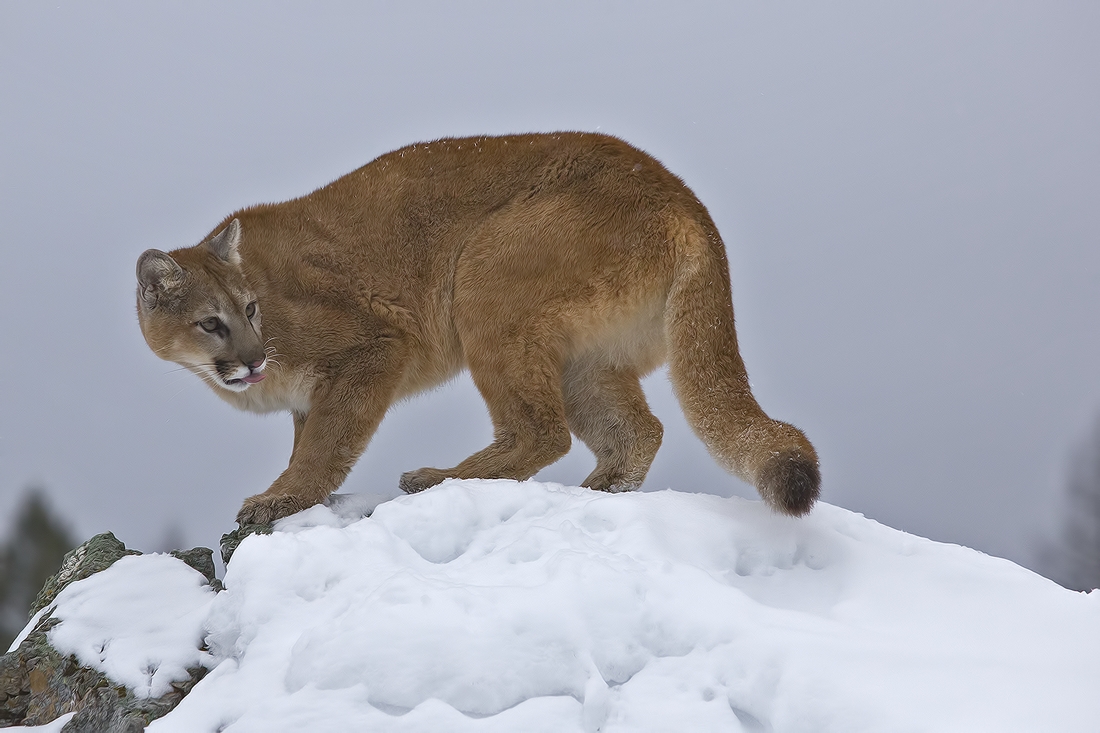
In Montana, mountain lions roam across forests, river valleys, and rugged mountain systems. The state’s vast geography and low population density create ideal conditions for sustaining large territories. Deer form the primary prey base, though lions occasionally target alternative species. Harsh winters introduce environmental pressures that affect survival and movement. Wildlife management integrates scientific data with regulated harvest policies. Despite widespread distribution, sightings remain rare, reflecting the species’ elusive behavior. Montana’s landscapes demonstrate how mountain lions thrive where cover, prey, and space align. Climatic extremes and ecological richness together shape predator dynamics, reinforcing the state’s role as a significant habitat for large carnivores.
8. Wyoming
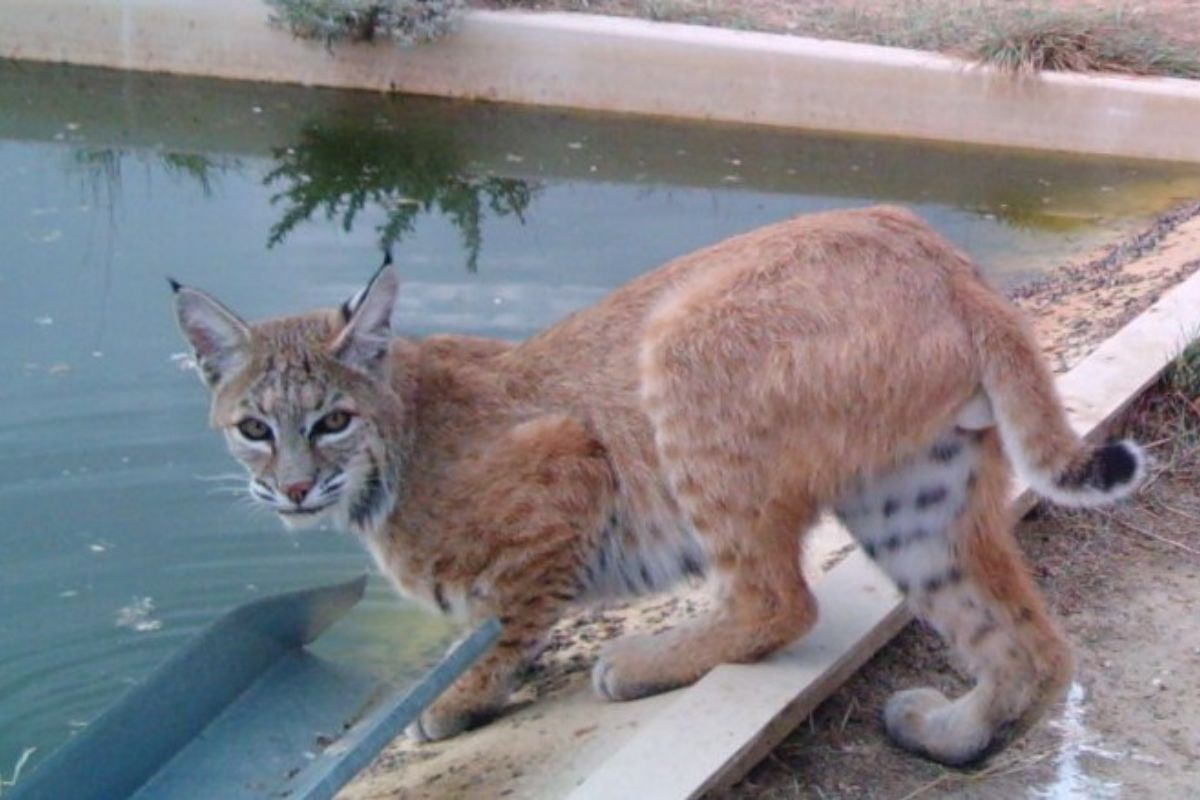
Mountain lions in Wyoming benefit from expansive wild areas and rugged terrain. The state’s mountain ranges, forests, and open rangelands provide diverse hunting grounds. Deer populations largely determine habitat use and seasonal movement. Lions display highly secretive behavior, minimizing visibility even in well-populated wildlife regions. Agencies emphasize monitoring and research to guide conservation decisions. Wyoming’s dramatic landscapes highlight the species’ climbing ability and territorial nature. Limited human density across much of the state supports ecological balance. Wyoming illustrates how large predators persist within environments shaped by both natural forces and carefully managed wildlife policies aimed at maintaining stable populations.
9. Washington

The varied ecosystems of Washington support mountain lions across western forests and eastern highlands. Dense woodlands offer concealment, while prey species remain abundant. Urban expansion occasionally brings lions closer to suburban areas, increasing public awareness. Wildlife authorities stress preventative measures and education rather than alarm. Climate diversity influences prey distribution and lion movement patterns. Research indicates stable but closely monitored populations. Washington highlights how mountain lions coexist alongside growing human populations. Habitat corridors and responsible land management remain central to sustaining this balance. The state’s experience reflects broader challenges of preserving predator habitats amid development and recreational pressures.
10. Oregon
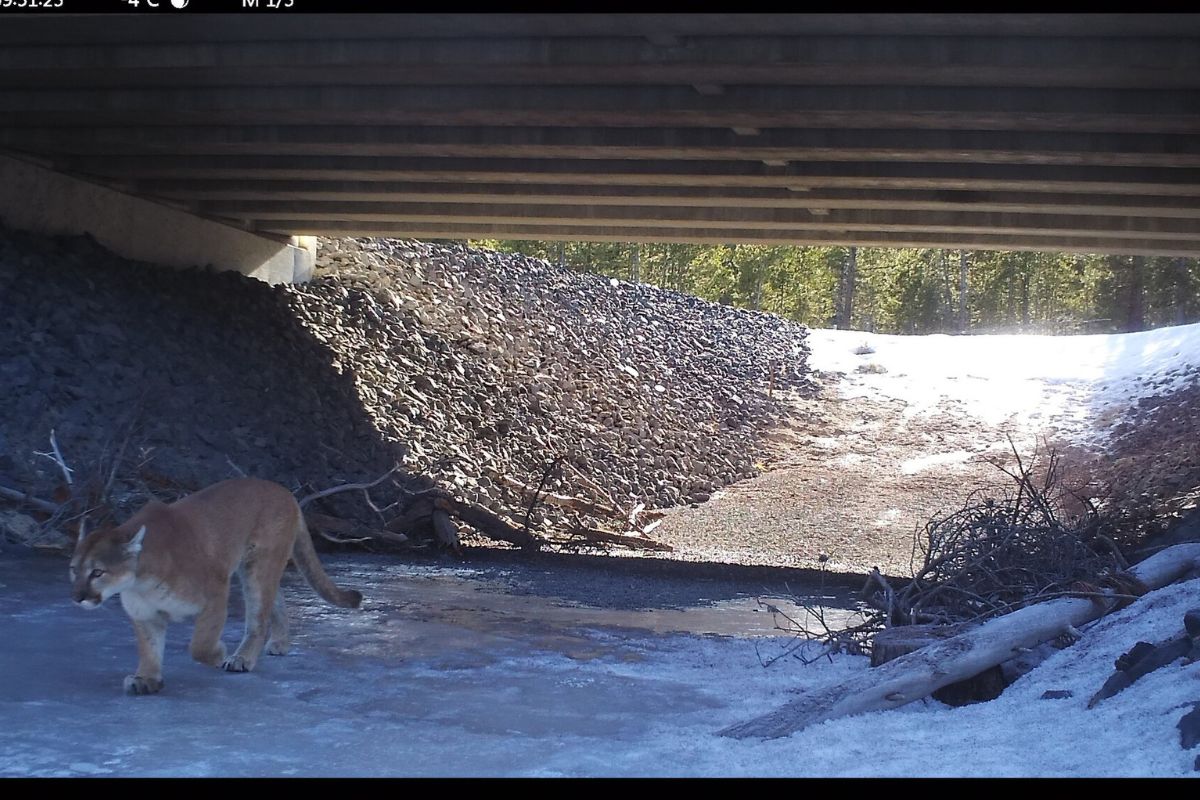
Mountain lions inhabit forests, mountains, and remote high desert regions in Oregon. Black-tailed deer and mule deer provide essential prey, shaping distribution across the state’s varied terrain. Sightings spark interest yet rarely signal immediate danger. Wildlife management emphasizes ecological roles and population stability. Extensive wilderness areas offer refuge, while habitat connectivity supports genetic diversity. Oregon demonstrates how large predators remain integral to ecosystems where natural landscapes dominate large tracts of land. Human activity continues to reshape certain regions, but lions adapt through mobility and avoidance. Oregon’s landscapes illustrate the enduring relationship between predator survival and environmental preservation.
11. Texas

Though less commonly associated with mountain lions, Texas hosts populations primarily in western and southwestern regions. Desert mountains and rugged brushlands provide suitable cover. Distribution appears more scattered compared with Western strongholds. Limited monitoring complicates precise estimates, fueling ongoing discussion about numbers and range. Lions typically avoid human presence, contributing to their low visibility. Occasional sightings generate debate and curiosity. Texas highlights how land use patterns, habitat fragmentation, and prey availability influence predator persistence. Even within a state known for vast open spaces, ecological factors strongly shape where sustainable mountain lion populations can endure.
12. Florida
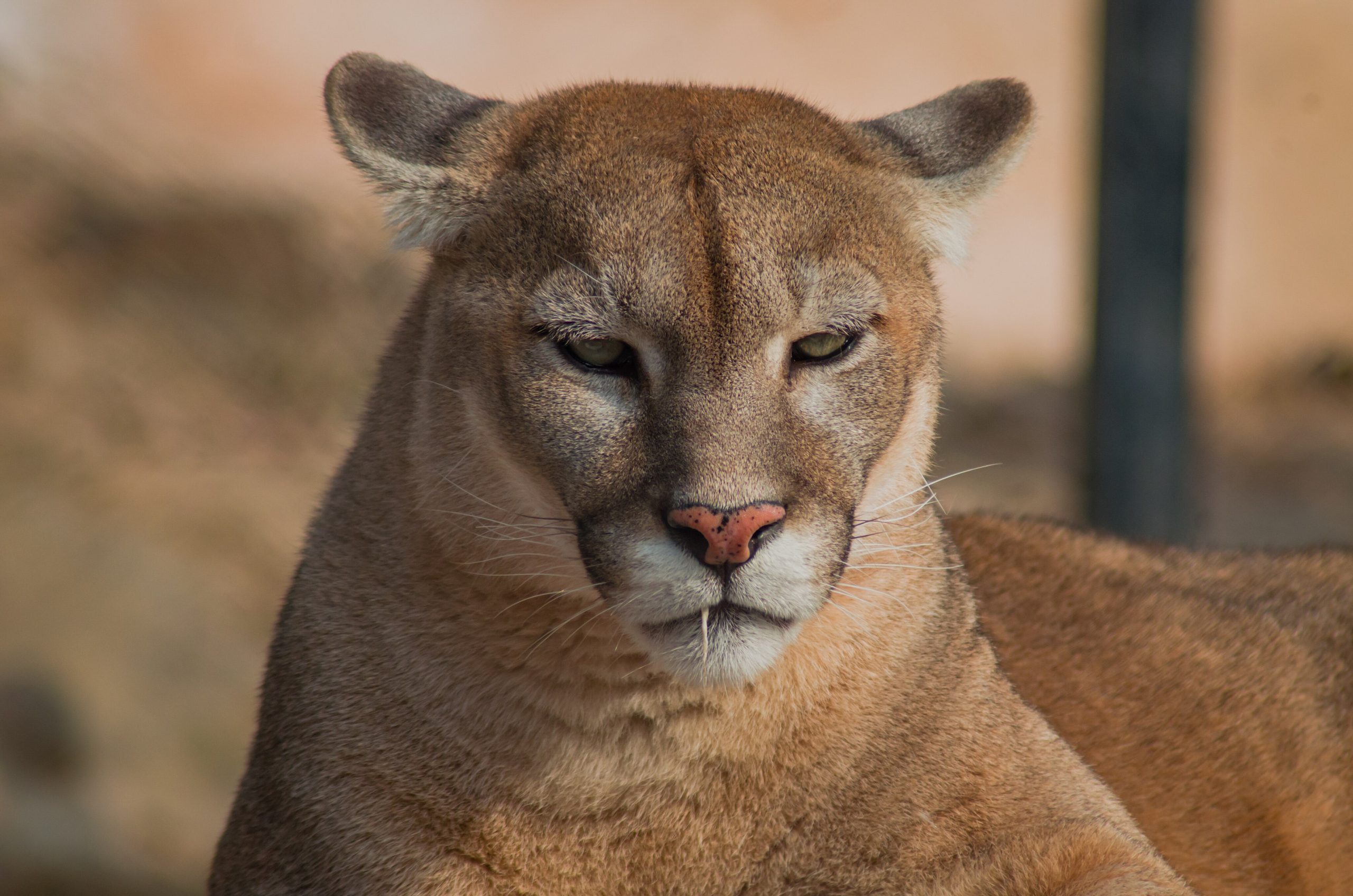
In Florida, the Florida panther represents a rare and geographically restricted mountain lion subspecies. Confined largely to southern habitats, these cats face significant conservation challenges. Urbanization, roadways, and habitat loss threaten survival. Intensive recovery efforts, including genetic management, have aimed to stabilize numbers. Public awareness campaigns emphasize protection and coexistence. Florida’s panther population underscores how isolation magnifies vulnerability. Conservation strategies here differ markedly from those in western states. Florida illustrates the delicate balance required to preserve small predator populations amid rapid development and environmental pressures unique to heavily populated coastal regions.
13. New Mexico
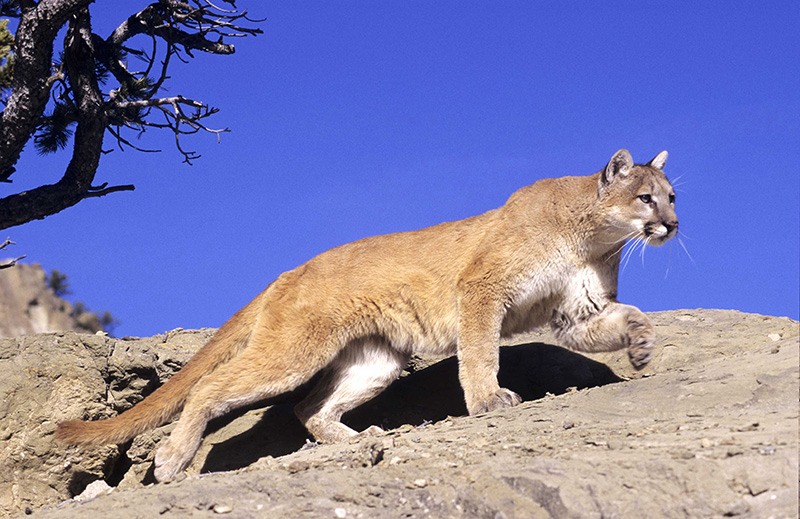
Mountain lions in New Mexico occupy deserts, forests, and mountain ranges, reflecting remarkable adaptability. Prey availability and rugged terrain sustain widespread distribution. Lions remain elusive, minimizing encounters with humans. Wildlife officials promote coexistence education and habitat conservation. Elevation diversity creates dynamic ecosystems that support predator mobility and survival. Seasonal variations influence prey movement and lion behavior. New Mexico exemplifies the species’ resilience across contrasting climates. The state’s landscapes reveal how mountain lions exploit varied environments while maintaining secretive habits. Conservation priorities emphasize maintaining ecological balance across regions shaped by both natural forces and expanding human activity.
14. South Dakota
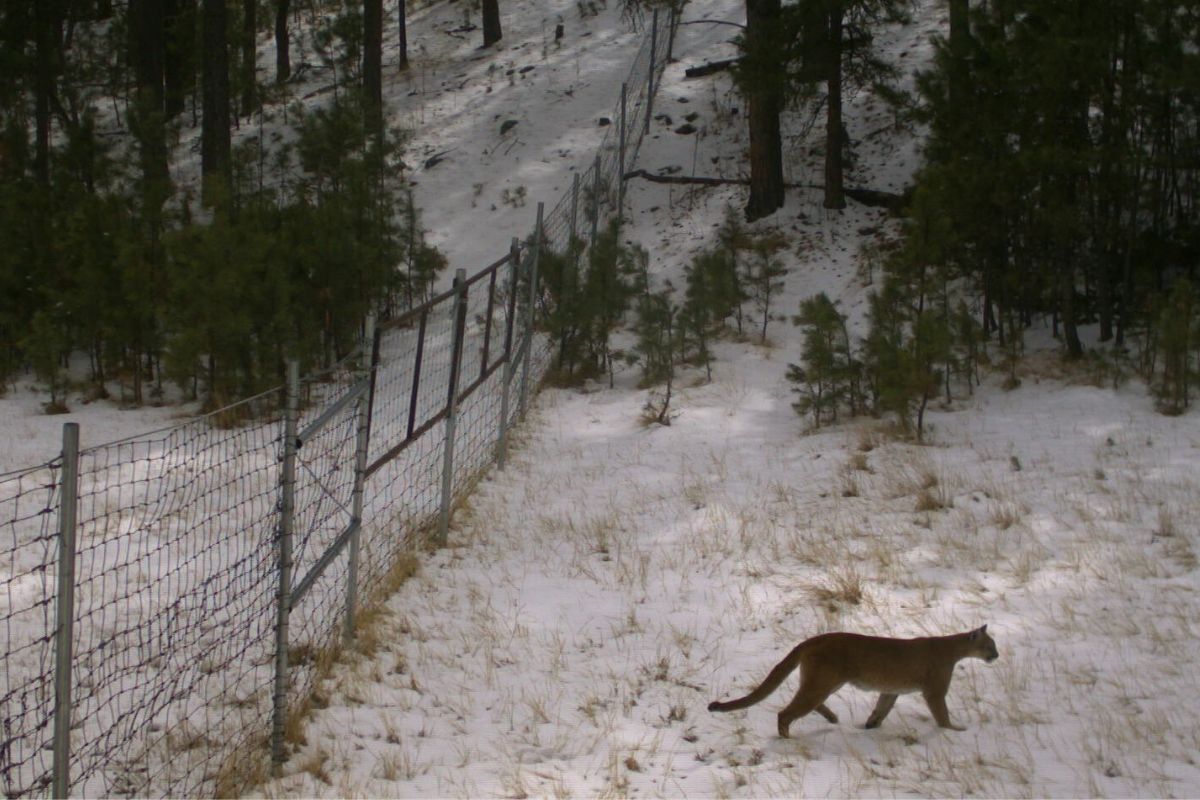
In South Dakota, mountain lions primarily inhabit the Black Hills region, where forested terrain and prey species create suitable habitat. Confirmed populations remain relatively limited but ecologically significant. Sightings attract considerable public interest, reflecting the novelty of large predators in the area. Wildlife management focuses on monitoring expansion and maintaining balance. South Dakota represents part of the eastern margin of consistent mountain lion presence. Habitat quality and prey density strongly influence persistence. The state illustrates how lions gradually recolonize favorable landscapes, emphasizing the importance of connected habitats and informed management practices.
15. Nebraska
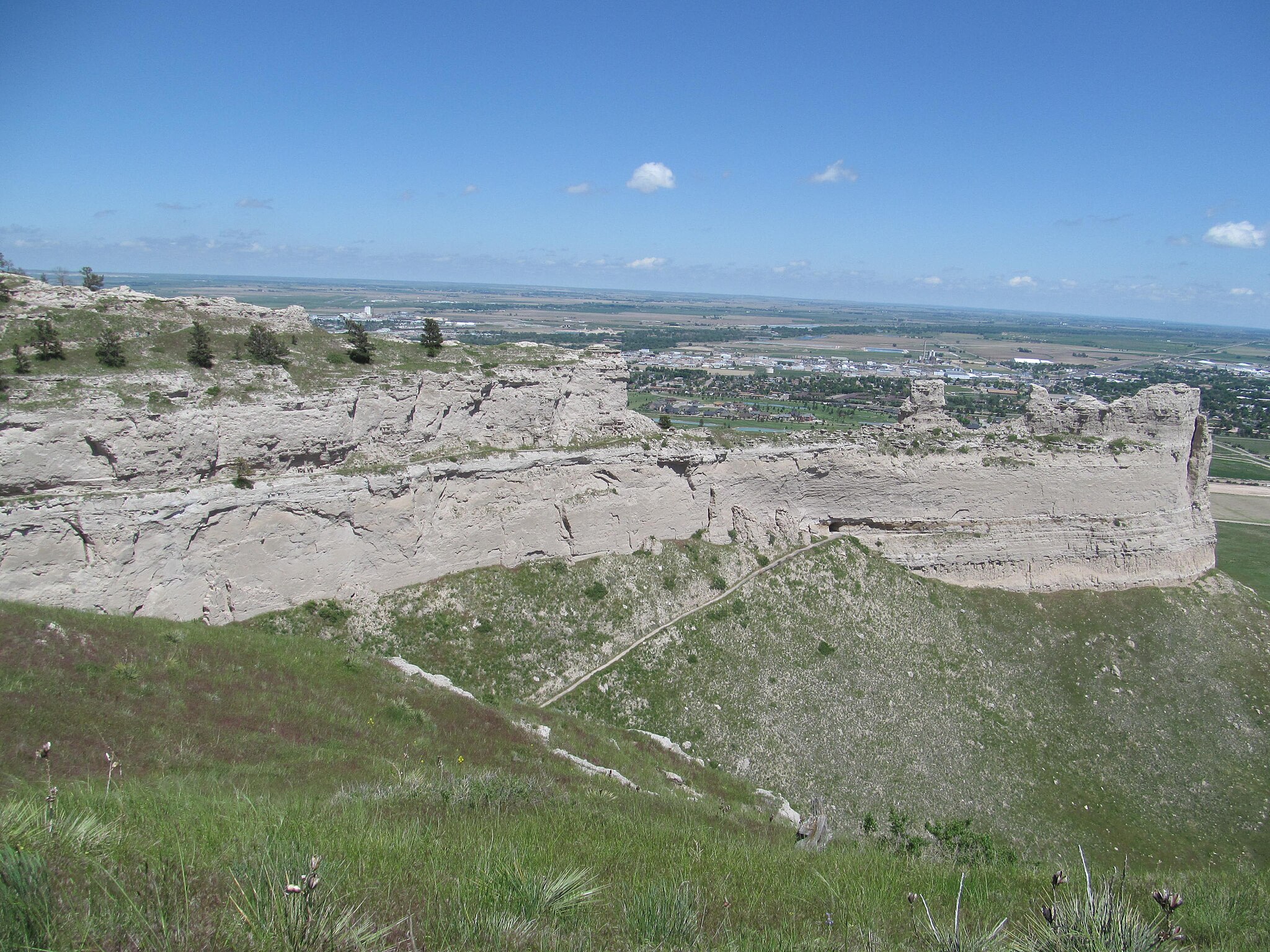
Unexpected to many observers, Nebraska has documented a small but established breeding mountain lion population. Regions such as Pine Ridge provide viable cover and prey. Dispersing individuals contribute to occasional reports beyond core areas. Conservation discussions continue as agencies assess ecological impacts and public perception. Nebraska demonstrates the species’ capacity for gradual range shifts and adaptation. Habitat pockets, though limited, can sustain predators when conditions align. The state’s experience highlights how mountain lions persist even in landscapes dominated by agriculture, provided sufficient refuge and prey exist.