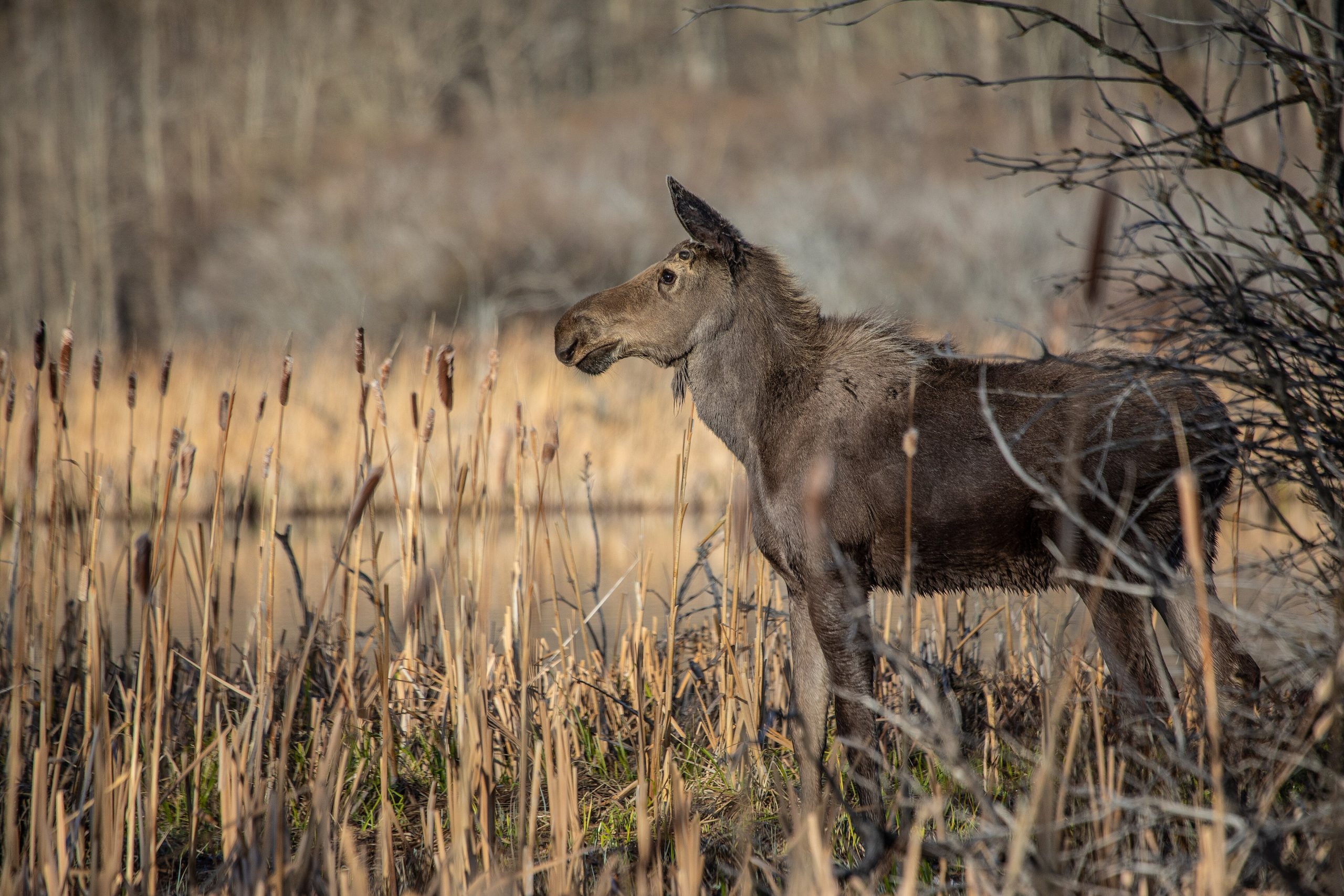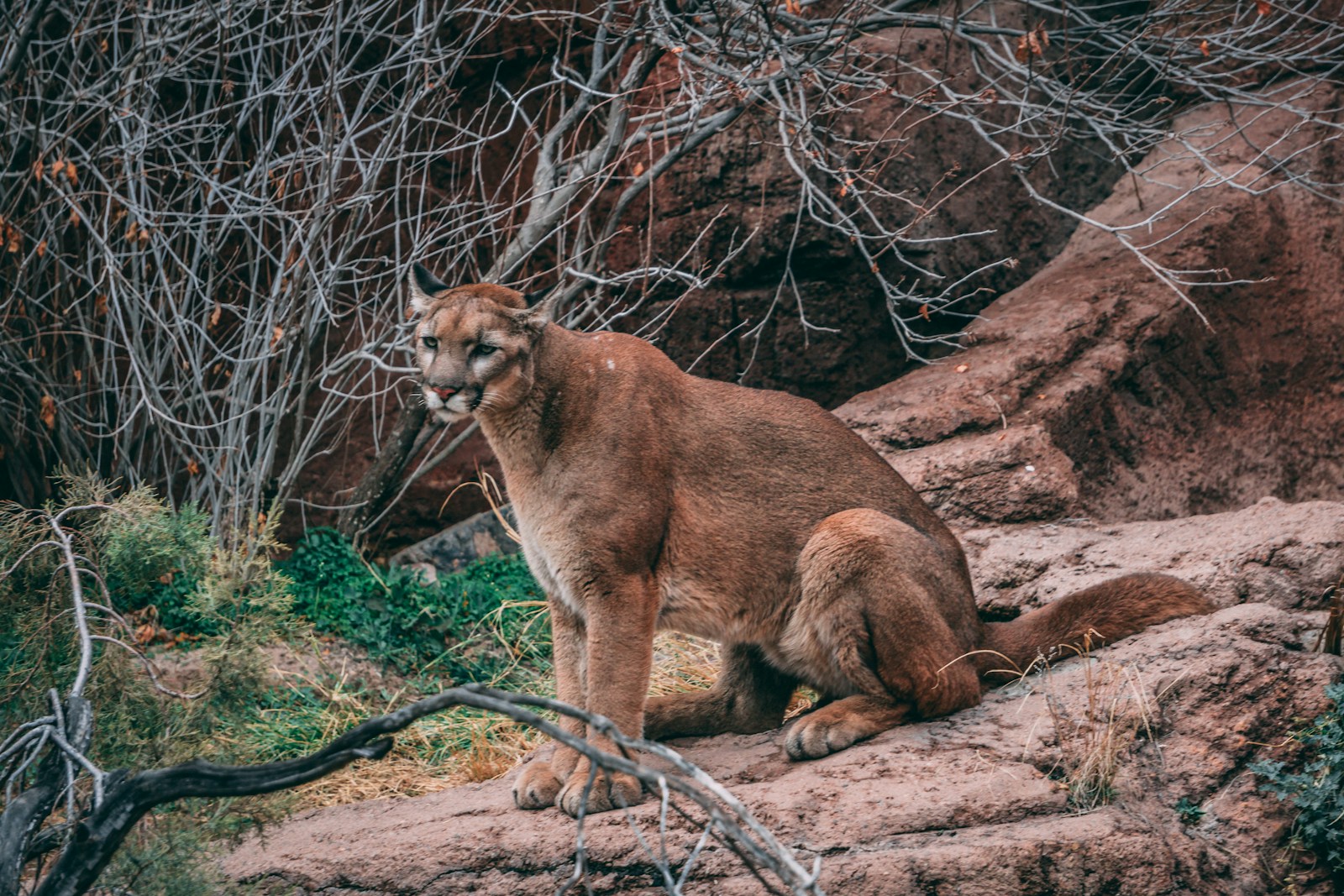
Recent reports indicate that mountain lion sightings are getting harder to ignore across specific regions of the United States. Homeowners with security cameras frequently capture footage of these elusive predators prowling through driveways and suburban backyards at night. Wildlife experts suggest that expanding human development and shifting deer populations are drawing these large cats closer to populated communities. Residents in affected areas must remain vigilant as interactions between humans and cougars become increasingly common. This list highlights the specific states where encounters are rising, and big cats are reclaiming their territory.
California
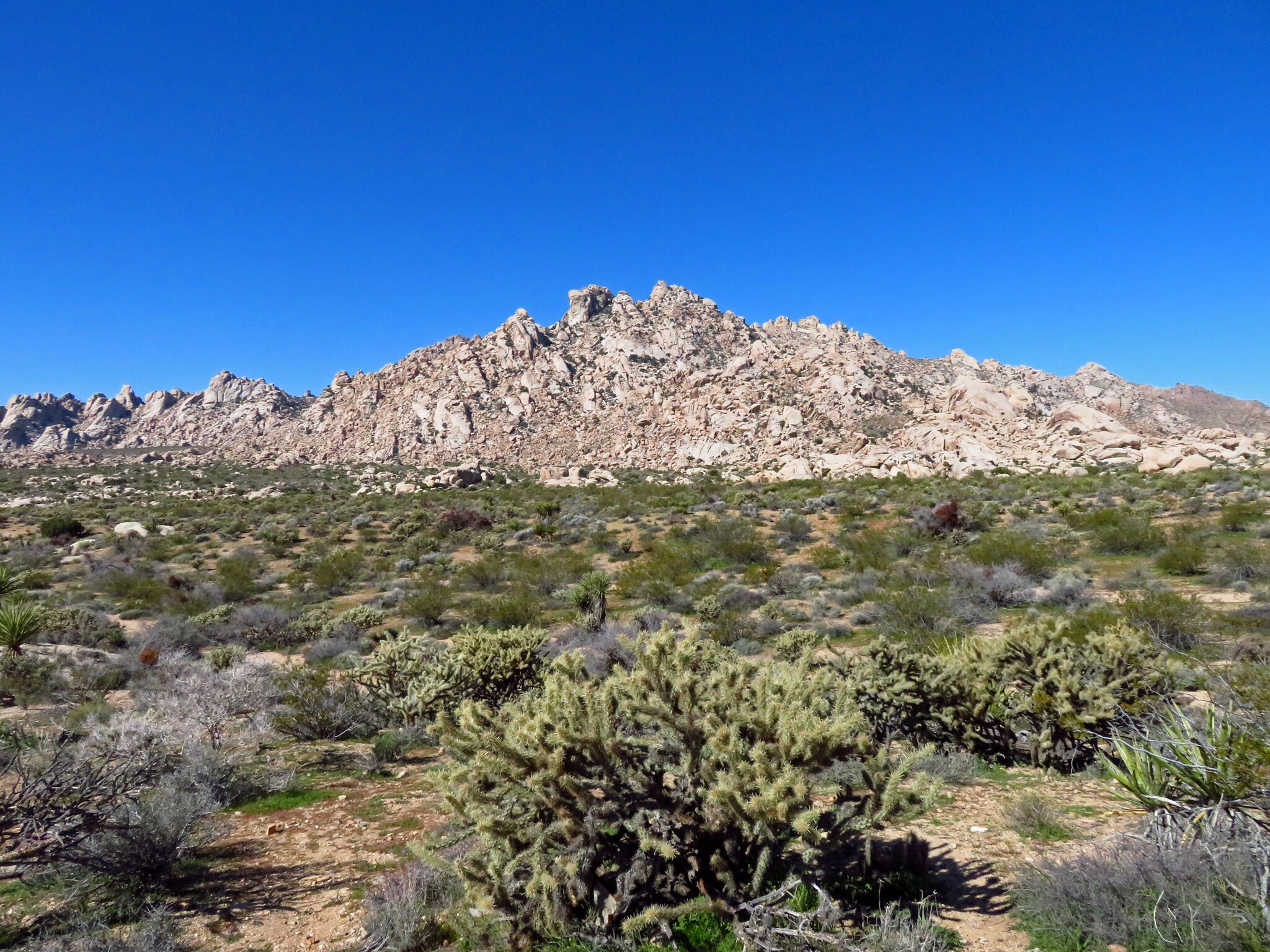
California residents frequently report mountain lion activity in the foothills and canyons that border major metropolitan areas. Security cameras in Los Angeles and San Francisco suburbs often capture footage of these large predators patrolling neighborhoods after dark. State officials estimate that thousands of cougars inhabit the diverse landscapes ranging from coastal forests to arid deserts. Human encroachment into historic wildlife corridors has forced these animals to navigate through densely populated zones to find mates. Hikers and joggers are urged to exercise extreme caution on trails at dawn and dusk, when the cats are most active.
Colorado
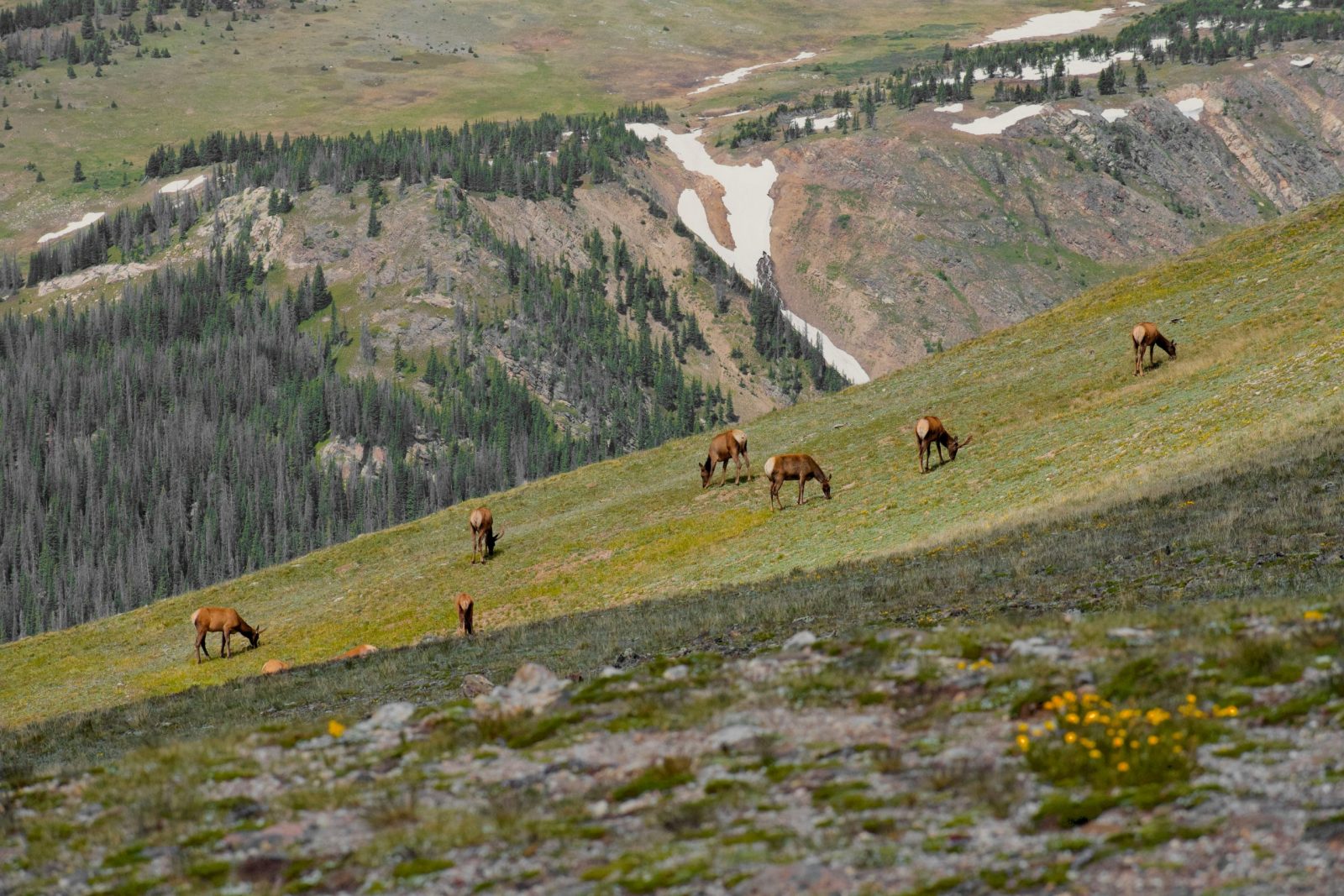
Colorado parks and open spaces have seen a rise in conflicts as outdoor enthusiasts flock to the Rocky Mountains. Sightings are becoming frequent near Boulder and Denver, where the urban interface meets rugged wilderness terrain. Biologists note that the healthy mule deer population within city limits attracts hungry lions looking for an easy meal. Recent incidents involving aggressive behavior have prompted officials to issue strict warnings to pet owners in the area. The state remains a stronghold for the species, but the proximity to human activity creates dangerous situations that require constant management.
Washington
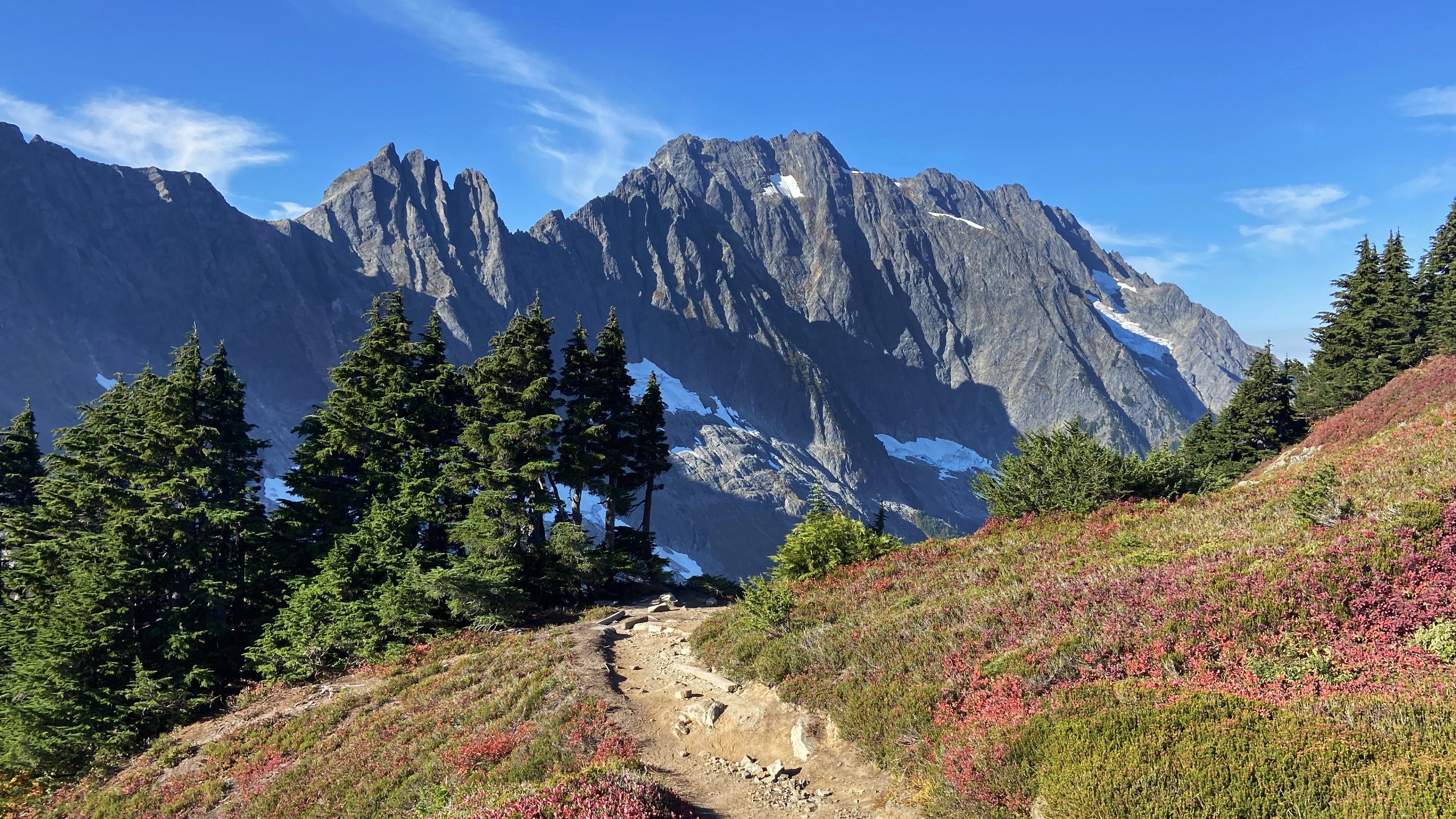
Washington state officials recently issued warnings after cougars were spotted in residential areas of Whatcom County during daylight hours. Residents have reported uncomfortable encounters where the animals refused to retreat even when confronted by humans. The dense forests of the Pacific Northwest provide ideal cover for these stealthy hunters to move undetected near homes. An increase in verified reports suggests that the animals are becoming habituated to human presence in certain suburban neighborhoods. Wildlife agents emphasize that secure garbage storage and keeping pets indoors are essential steps to prevent attracting these predators to the front door.
Oregon

Oregon is home to a robust mountain lion population that some estimates place at more than six thousand individuals. This high density leads to frequent sightings in rural communities and increasingly in the outskirts of larger towns. Ranchers and farmers often report livestock depredation as competition for territory drives young males into new areas. The lush vegetation of the Cascade Range supports a thriving ecosystem where predators and prey coexist closely. State wildlife managers face the difficult challenge of balancing conservation efforts with public safety concerns as the human footprint expands into wild lands.
Idaho
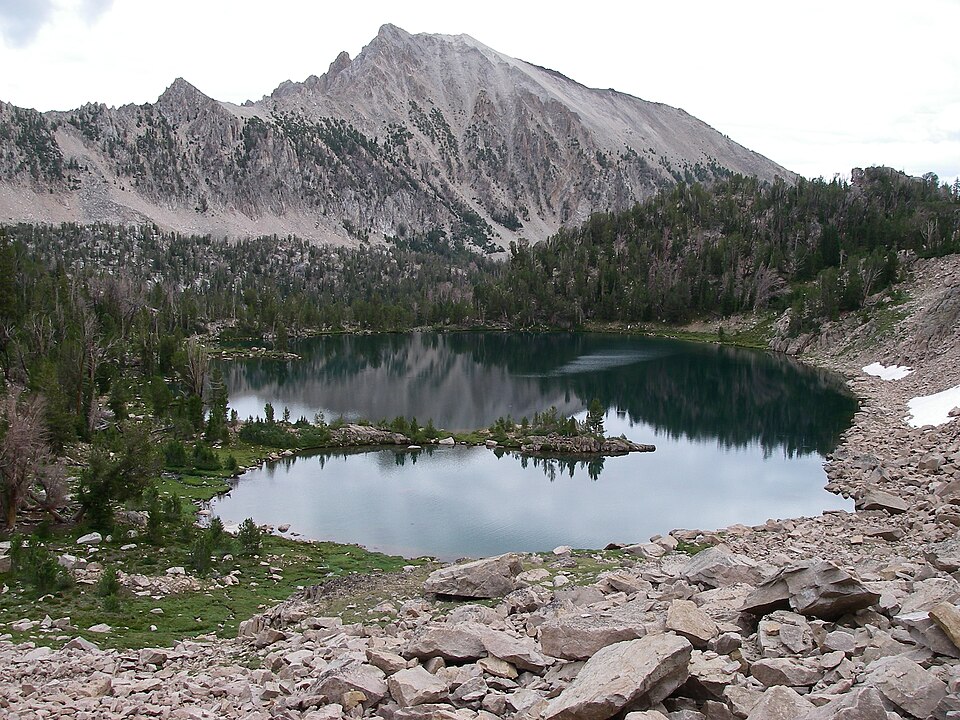
Idaho residents in towns like Lewiston have experienced unnerving sightings of mountain lions venturing deep into city limits. Police and game wardens often respond to calls about big cats resting in trees or prowling near schools. The rugged topography of the state allows these agile climbers to access urban environments with surprising ease. Winter weather often pushes deer herds down from the high country, and the predators naturally follow their food source. Authorities prioritize public safety and are sometimes forced to euthanize animals that show a lack of fear toward humans or aggressive tendencies.
Montana
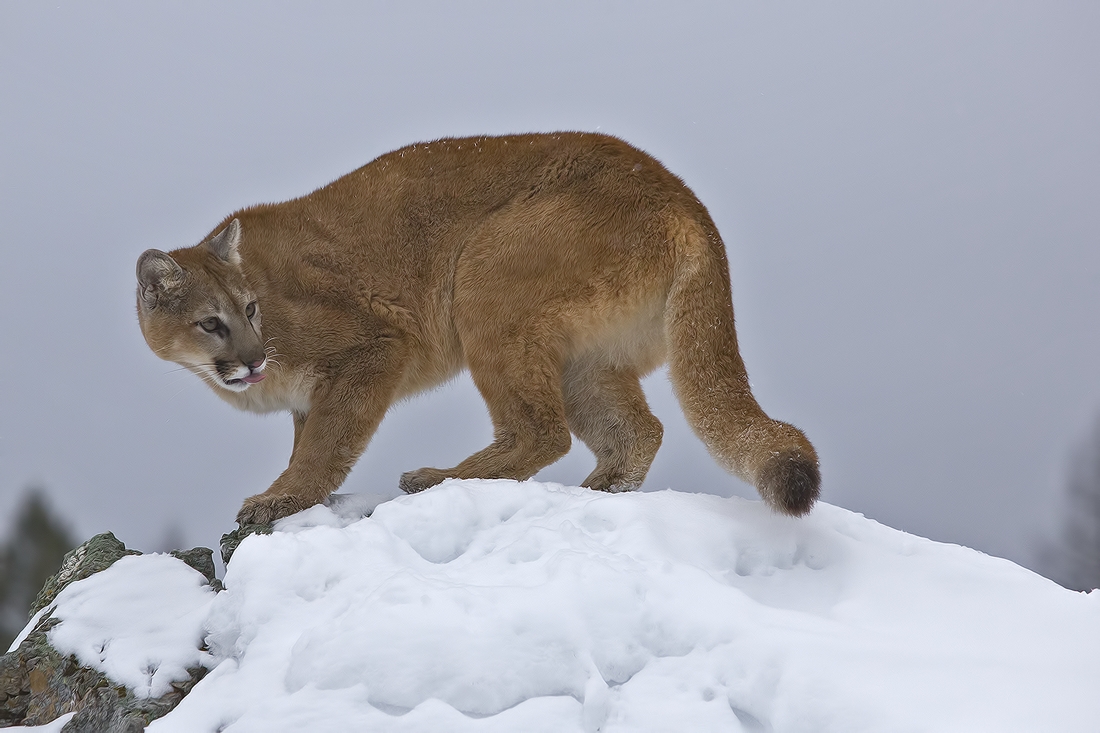
Montana boasts a thriving mountain lion population that has reclaimed much of its historic range across the state. Hunters and outdoor recreationists frequently encounter tracks and signs of these powerful carnivores in the backcountry. The vast wilderness areas provide ample habitat, but the cats are also appearing on the fringes of expanding towns like Bozeman. Conservation success has led to healthy numbers, which inevitably results in more interactions with people. Residents are accustomed to living alongside wildlife, but the stealth of a mountain lion makes every sighting a memorable and potentially heart-pounding event.
Utah
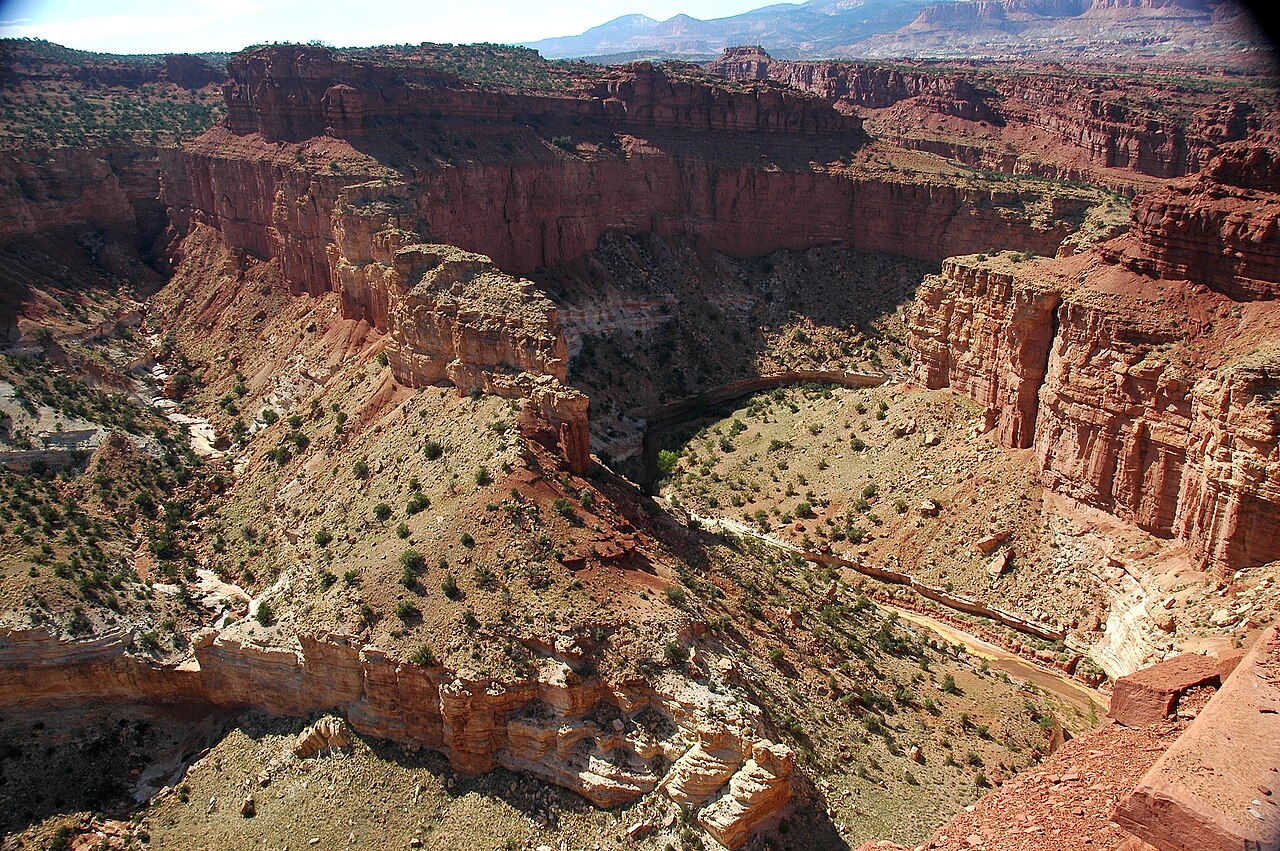
Utah homeowners living along the benches of the Wasatch Front regularly report mountain lion sightings near their properties. The unique geography places steep mountain slopes directly adjacent to sprawling suburban neighborhoods and city centers. Deer often use residential landscaping as a food source, which draws the predators right into backyards. Security footage of cougars drinking from swimming pools or resting on porches has become a staple of local news broadcasts. State officials maintain a comprehensive tracking program to monitor the movements of these animals near high-density human population centers.
Arizona
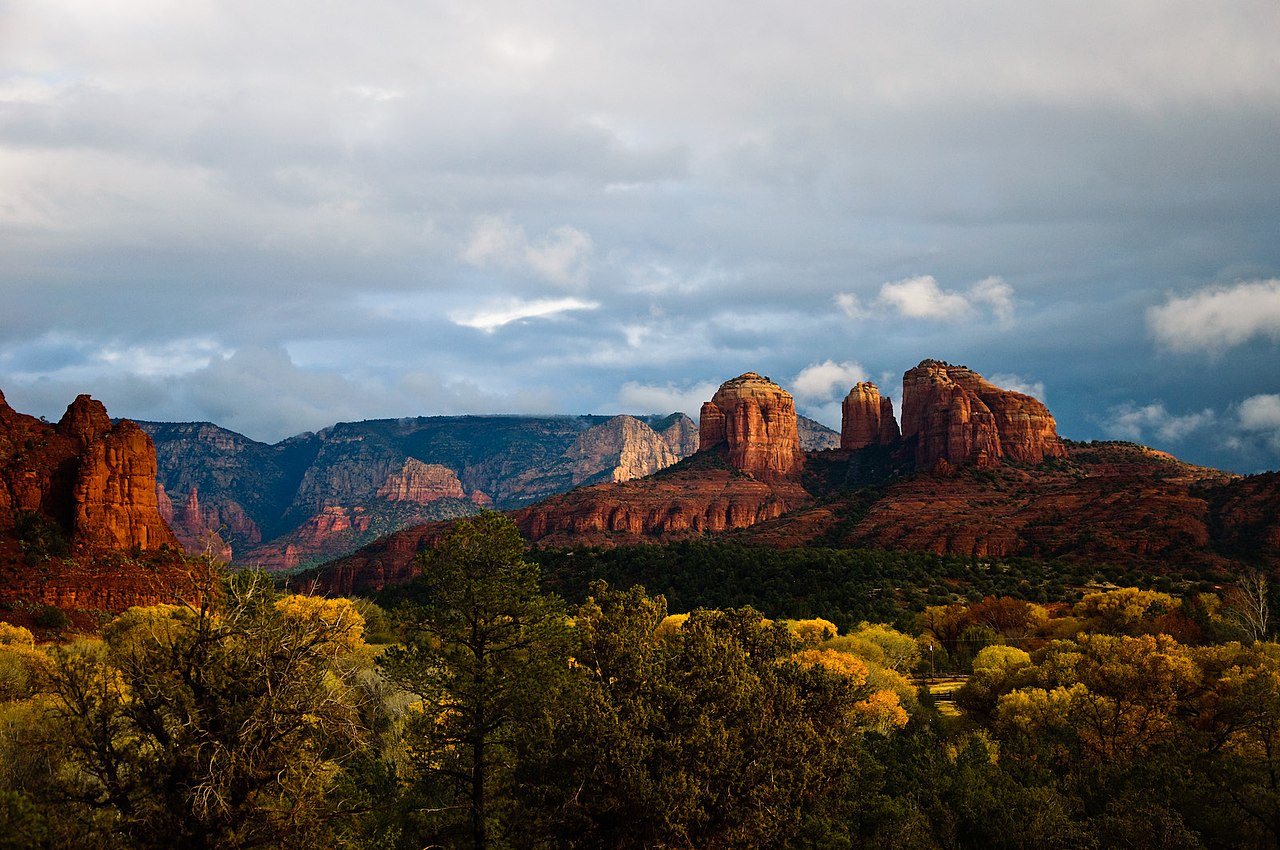
Arizona provides a diverse habitat for mountain lions ranging from the Sonoran Desert to the pine forests of Flagstaff. Sightings are common in the wildland urban interface, where golf courses and greenbelts attract thirsty wildlife. The drought conditions in the southwest can force predators to travel further in search of water sources. Residents in Tucson and Phoenix occasionally find these large cats seeking shade under patios or in carports during the heat. The adaptability of the species allows it to thrive in environments that would seem inhospitable to other large carnivores.
Nevada

Nevada wildlife biologists recently updated population models to reflect a higher number of mountain lions than previously estimated. The state is home to approximately three thousand of these cats, which roam the vast mountain ranges. Sightings are increasingly reported on the edges of Las Vegas and Reno as urban sprawl spreads outward. The predators navigate the arid landscape by moving between isolated water sources and deer herds. Hikers in the Great Basin National Park are advised to stay in groups to deter any curious animals. The elusive nature of the cat makes confirmed sightings rare but impactful.
Texas
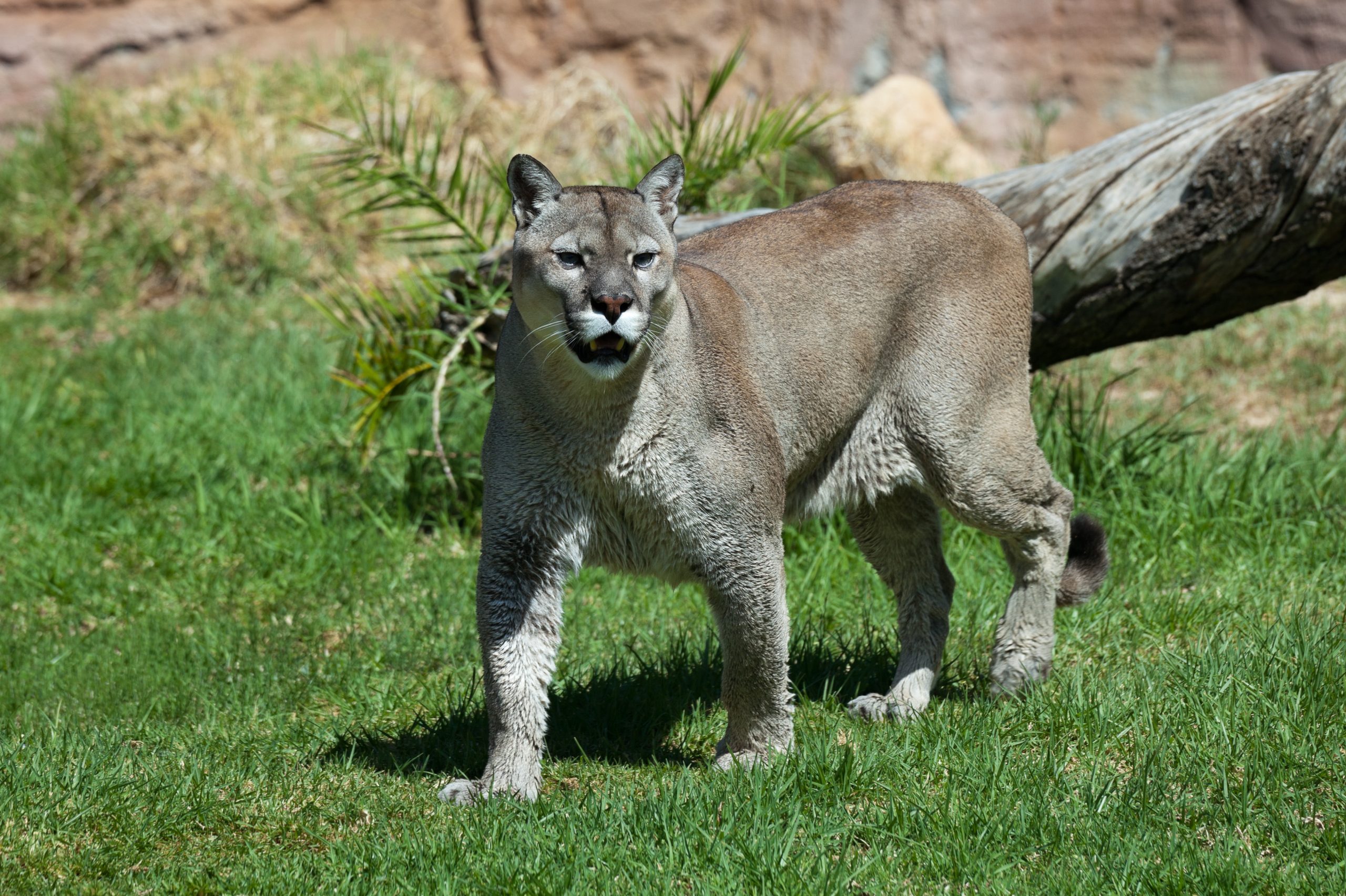
Texas is witnessing a notable expansion of mountain lion range as the animals move back into historic territories. Sightings have been documented in more than two hundred and fifty counties across the Lone Star State. Ranchers in West Texas have long dealt with these predators, but reports are now coming from the Hill Country and beyond. The vast private lands allow the population to grow relatively unchecked and spread into new regions. This resurgence is a testament to the resilience of the species but raises concerns for livestock owners.
Florida
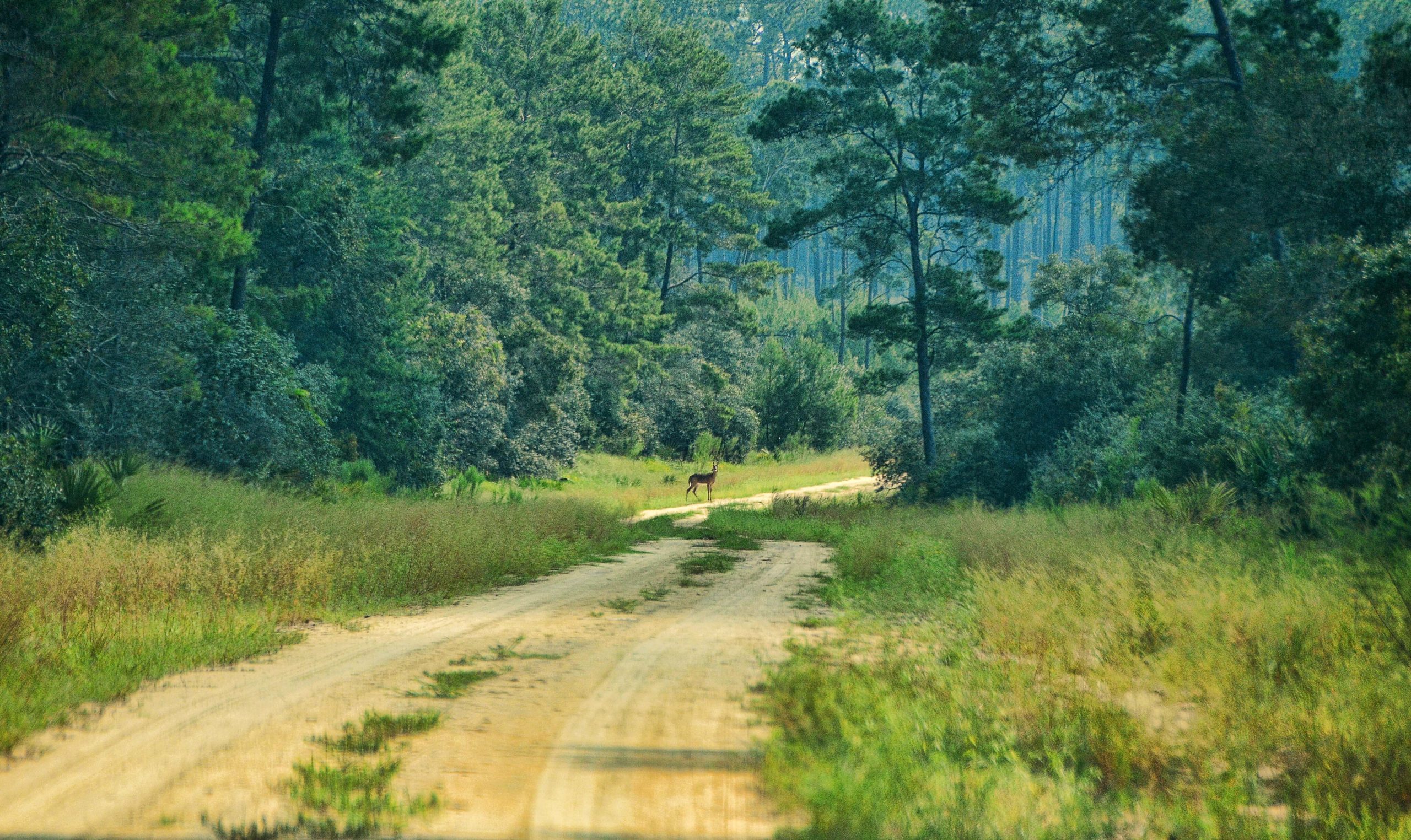
Florida panthers are a distinct subspecies of mountain lion that is making a remarkable comeback from near extinction. The population has grown to over two hundred adults, which has led to increased sightings in southwest Florida. Motorists often spot these endangered cats crossing roads in the Everglades and expanding into ranch lands to the north. Conservationists celebrate the recovery while working to mitigate conflicts with cattle operations and suburban developments. The presence of these rare animals is a point of pride for the state but requires careful management to ensure their continued survival.
Nebraska
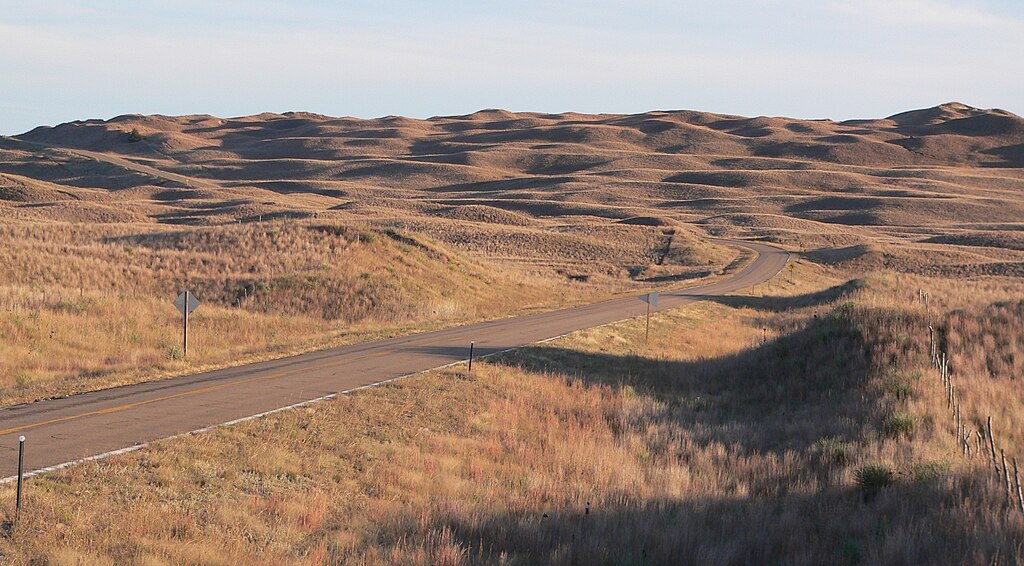
Nebraska has established a breeding population of mountain lions in the Pine Ridge region of the northwest. Game and Parks officials have confirmed the presence of kittens, which indicates that the animals are there to stay. Sightings have also occurred along the Niobrara River valley as young males disperse to find new territory. Hunters and trail cameras provide constant evidence that the species has successfully recolonized this part of the Great Plains. The return of the apex predator completes the ecosystem but forces locals to adapt to the reality of big cats.
South Dakota
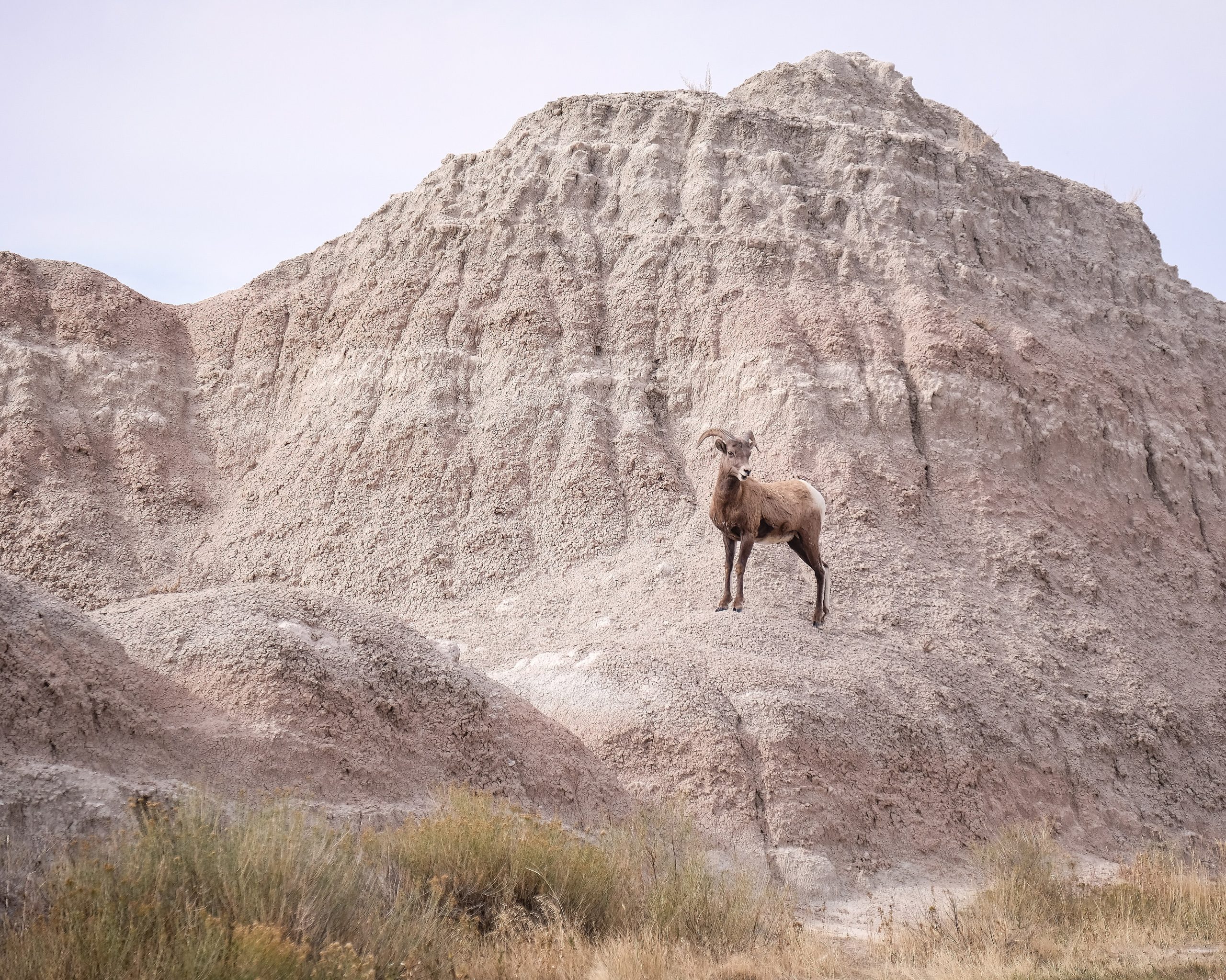
South Dakota is famous for the dense mountain lion population that inhabits the Black Hills region. This isolated island of forest habitat supports a significant number of cats that are frequently studied by researchers. Residents in Rapid City and surrounding towns are well aware of the potential for encounters in their own neighborhoods. The state implemented a hunting season to manage the numbers and reduce conflicts with humans and livestock. Despite these efforts, the sightings remain a regular occurrence for those who live and play in this unique geological formation.
North Dakota
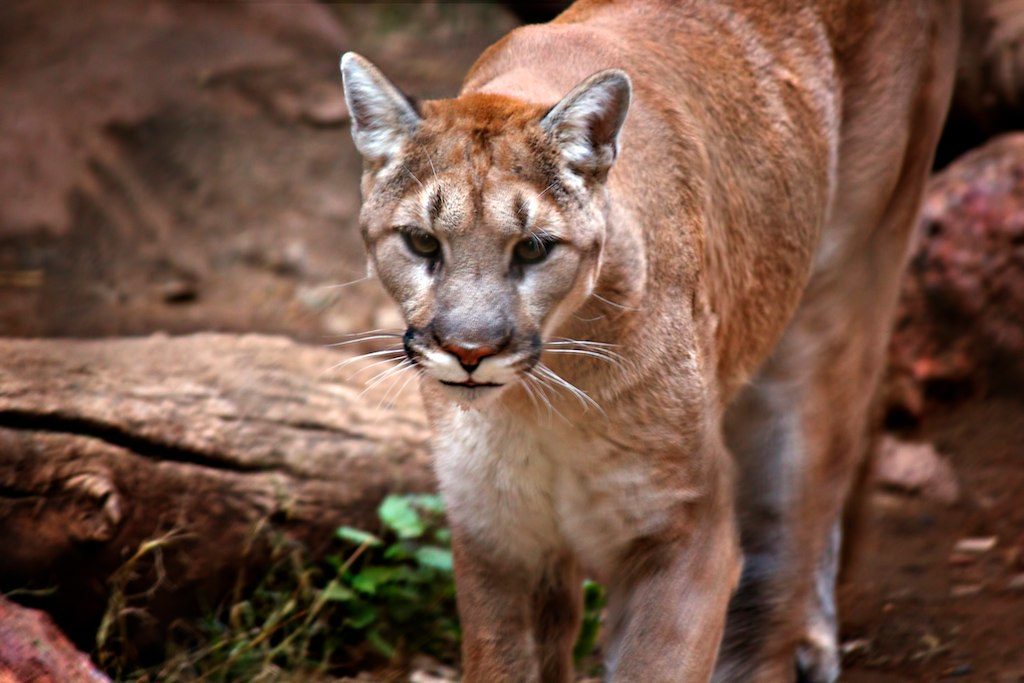
North Dakota has seen a quiet recolonization of mountain lions in the rugged Badlands of the western state. The difficult terrain provides perfect cover for the cats to hunt mule deer and bighorn sheep. Sightings outside of this core area are becoming more frequent as transient animals travel along river corridors. Farmers in the eastern plains occasionally report seeing large cats passing through shelterbelts and fields. The resilient nature of the predator allows it to survive in the harsh prairie winters. It is a wild element returning to the agricultural landscape.
Oklahoma
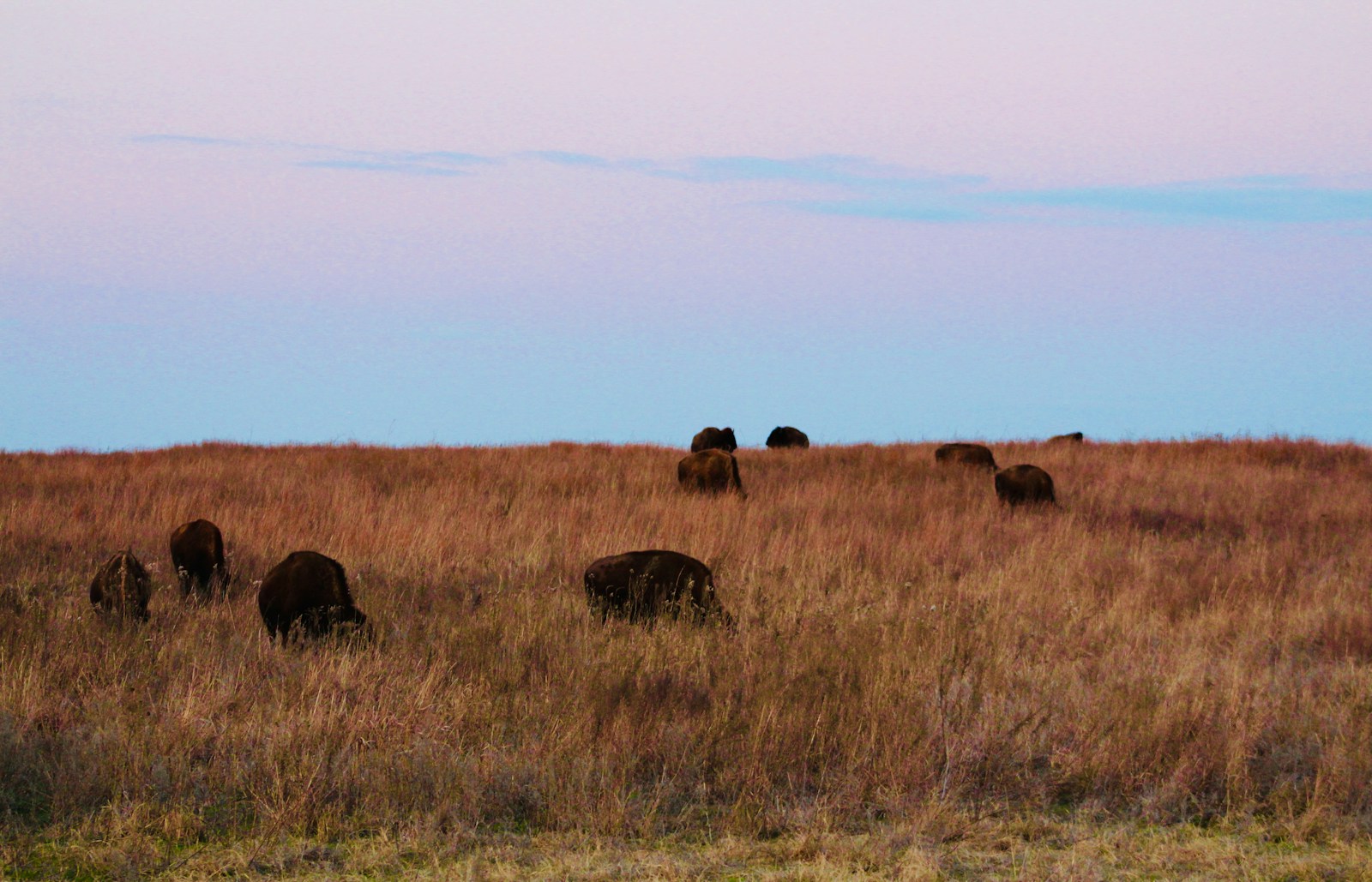
Oklahoma wildlife officials recently confirmed the presence of mountain lion kittens, which signals a major shift in the local population. For years, most sightings were attributed to transient males passing through from neighboring western states. The discovery of a breeding female proves that the species is establishing a permanent foothold in the region. This development makes the sightings much harder to dismiss as random wandering individuals. Residents must now acknowledge that the state is becoming true mountain lion country once again. It marks a significant milestone in range expansion.