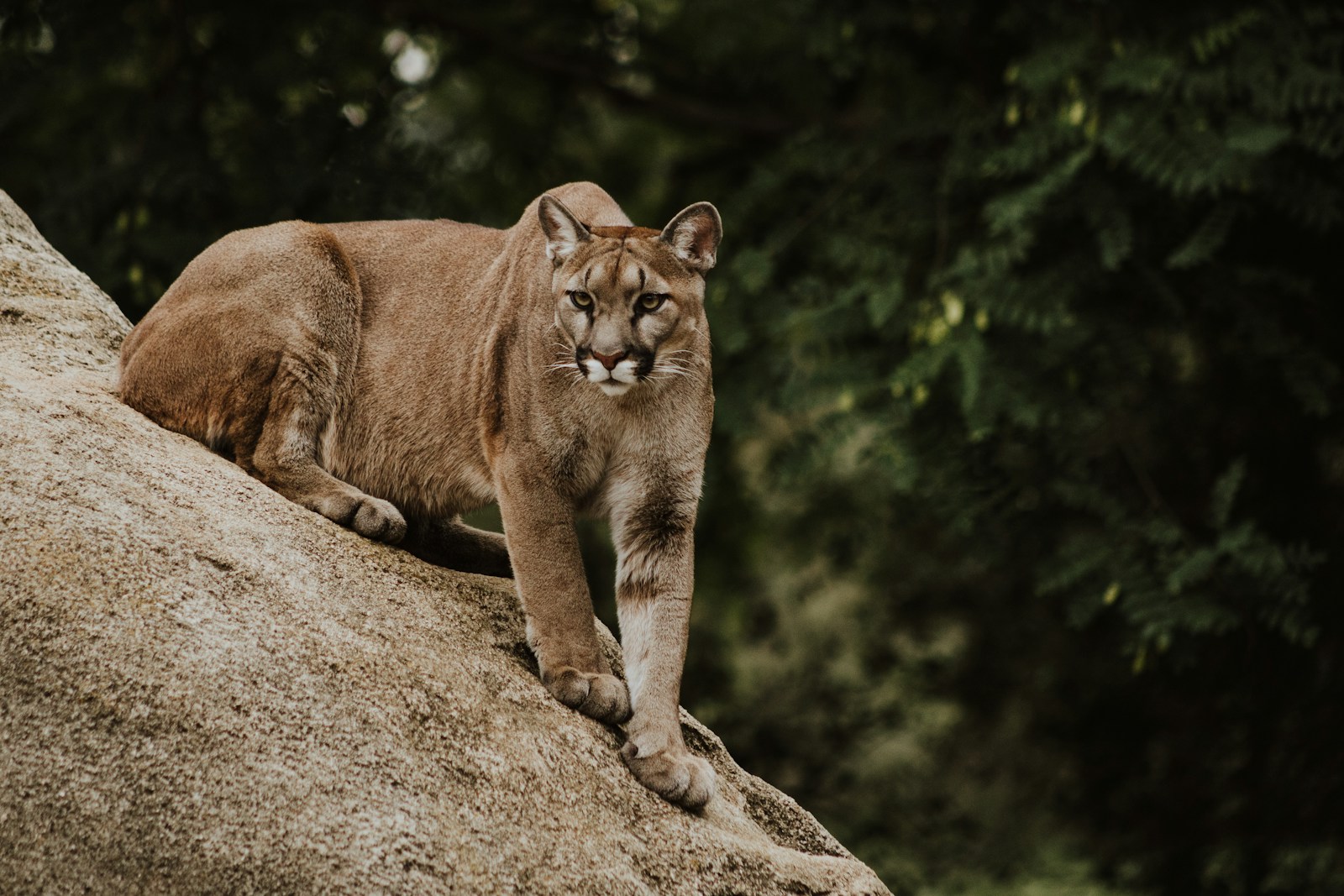
There are US states where mountain lion encounters are rising near trailheads as these powerful predators expand their territories into popular recreational areas this year. While many hikers believe these elusive cats remain deep in the wilderness recent data indicates they are increasingly appearing near busy parking lots and popular mountain paths. This trend highlights the growing intersection between human outdoor activities and the natural hunting grounds of these majestic felines across the modern American landscape. Understanding where these interactions occur is essential for public safety and the continued conservation of the species in our changing world today.
California
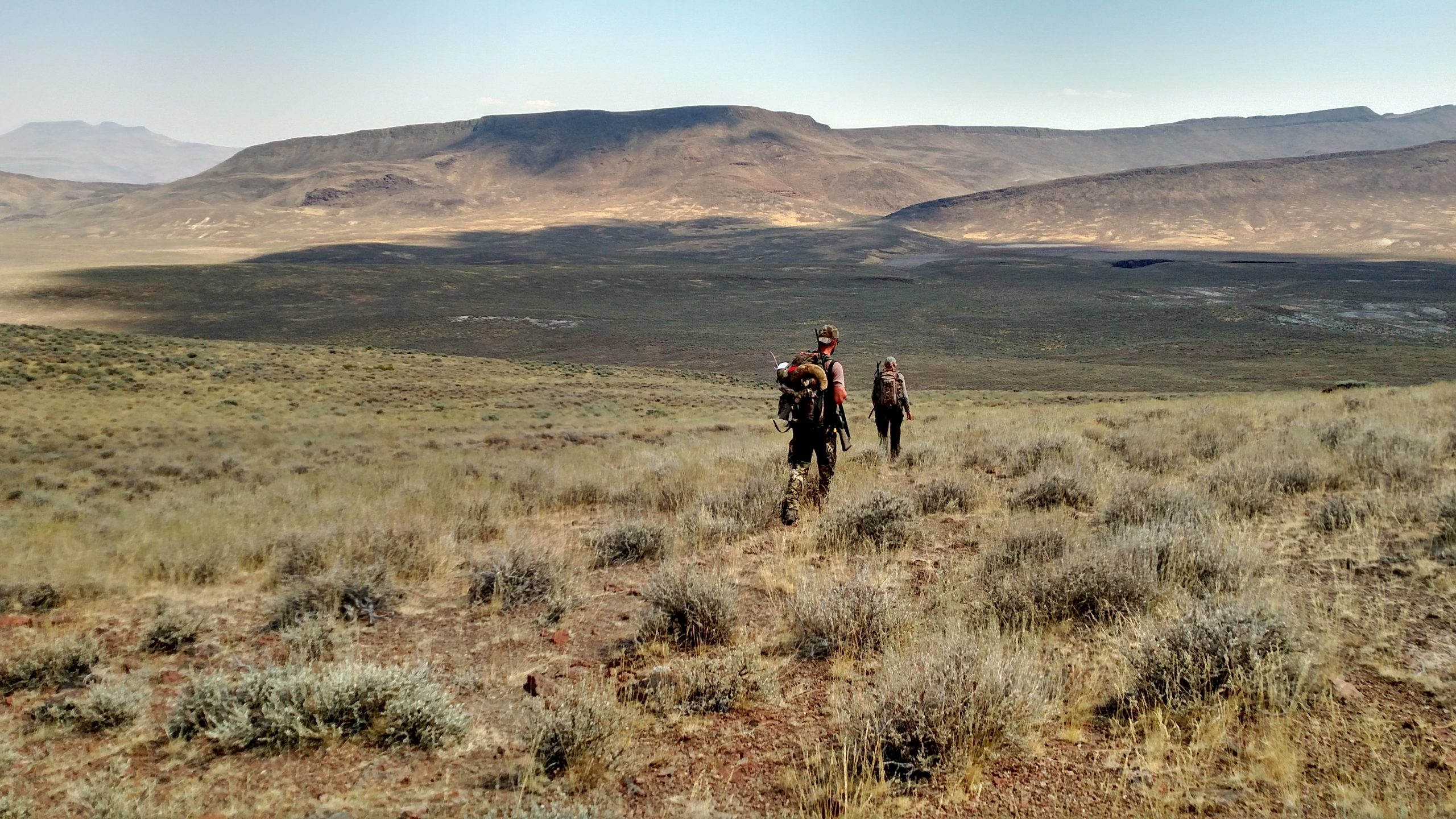
California continues to see a significant increase in mountain lion sightings near busy trailheads located within the Santa Monica and Santa Cruz mountains. These reclusive cats often utilize the same narrow pathways as hikers to navigate through fragmented habitats and find abundant prey like mule deer. State wildlife officials have installed informative signs to educate the public about proper behavior during an unexpected encounter with a large predator. While attacks remain extremely rare the frequency of sightings indicates that these cats are becoming more comfortable in areas with high human activity. Staying alert is vital for every outdoor enthusiast.
Colorado
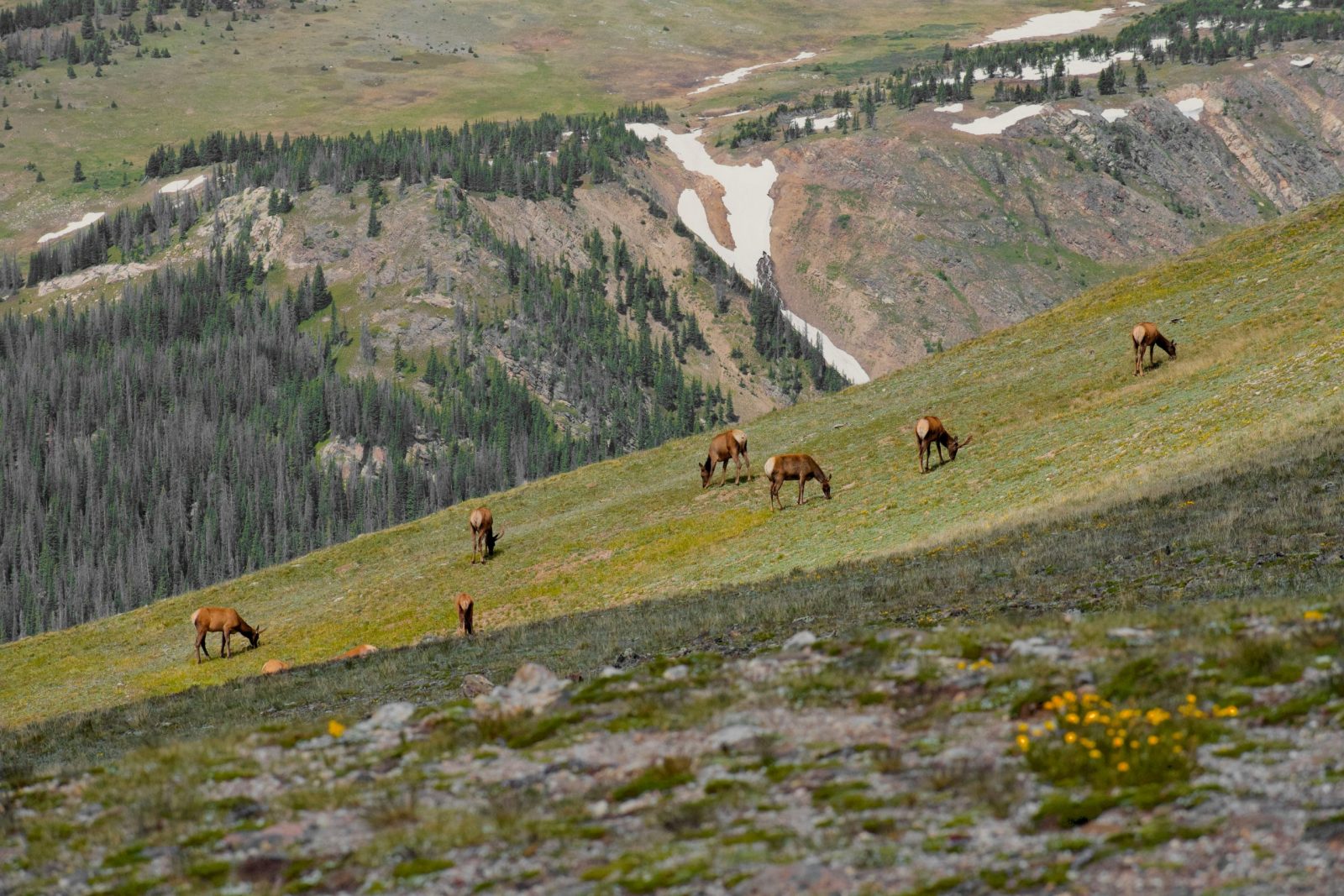
Colorado currently hosts a robust population of mountain lions that frequently wander near trailheads in the Front Range and the high Rockies. Rapid residential development near open spaces has pushed these animals closer to popular hiking destinations where people and pets often gather during the day. Wildlife biologists monitor several collared individuals that move through suburban interfaces while avoiding direct contact with humans whenever it is possible. Recent trail camera footage confirms that these predators are active during the twilight hours when many hikers are just beginning or ending their treks. Respecting their space ensures a safe experience for all.
Washington
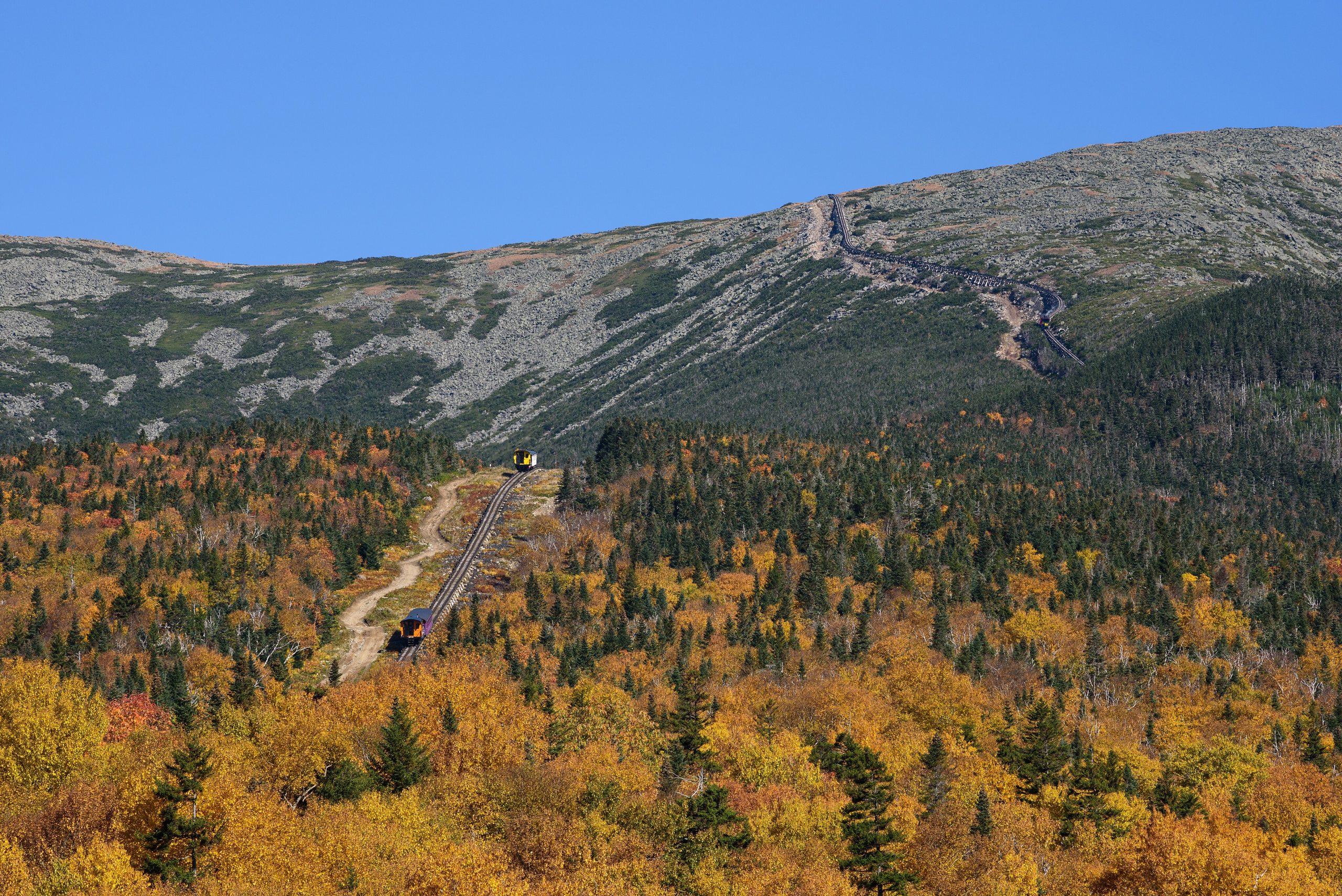
Washington provides a massive amount of suitable habitat for mountain lions which are increasingly appearing near trailheads across the Cascades and Olympic Peninsula. These large cats thrive in the dense evergreen forests where they hunt deer and other native mammal species with incredible stealth and precision. Wildlife officials estimate that thousands of lions roam the state while successfully avoiding most interactions with the large human population living nearby. Conservation groups work to protect the vital corridors that allow these solitary hunters to travel between different mountain ranges safely. The rugged terrain ensures these predators have space.
Oregon
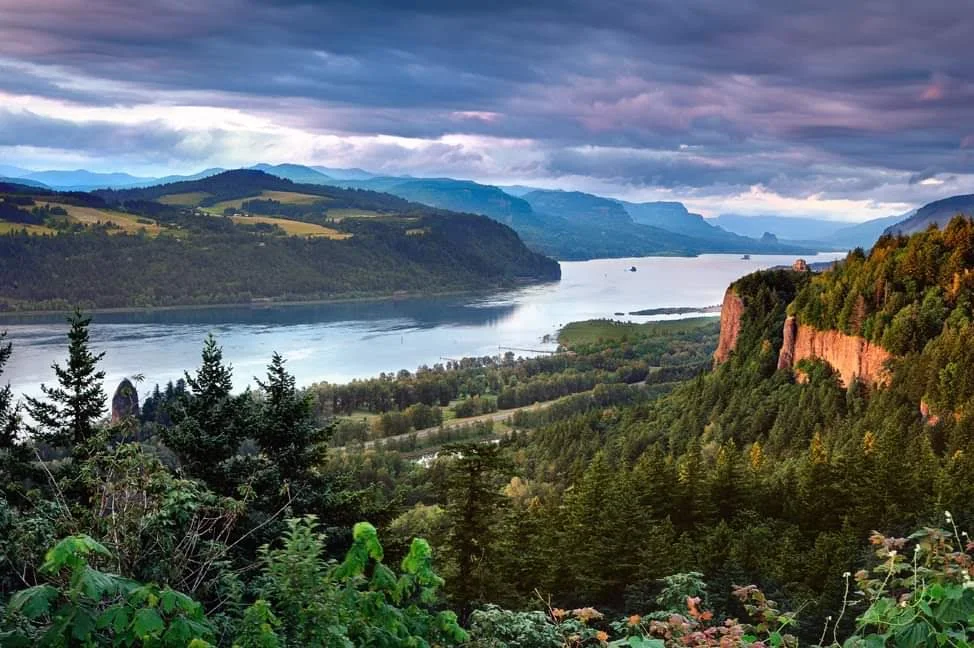
Oregon has documented a steady rise in mountain lion encounters near trailheads located in the Columbia River Gorge and the Cascade Range. These majestic animals often use the lush vegetation and rocky outcrops for cover while monitoring the movements of their primary prey species throughout the day. Hikers in these regions are encouraged to travel in groups and make plenty of noise to avoid surprising a resting cat in the brush. State management plans focus on balancing the needs of the growing human population with the essential habitat requirements of these apex predators. Awareness is the key to safety.
Arizona
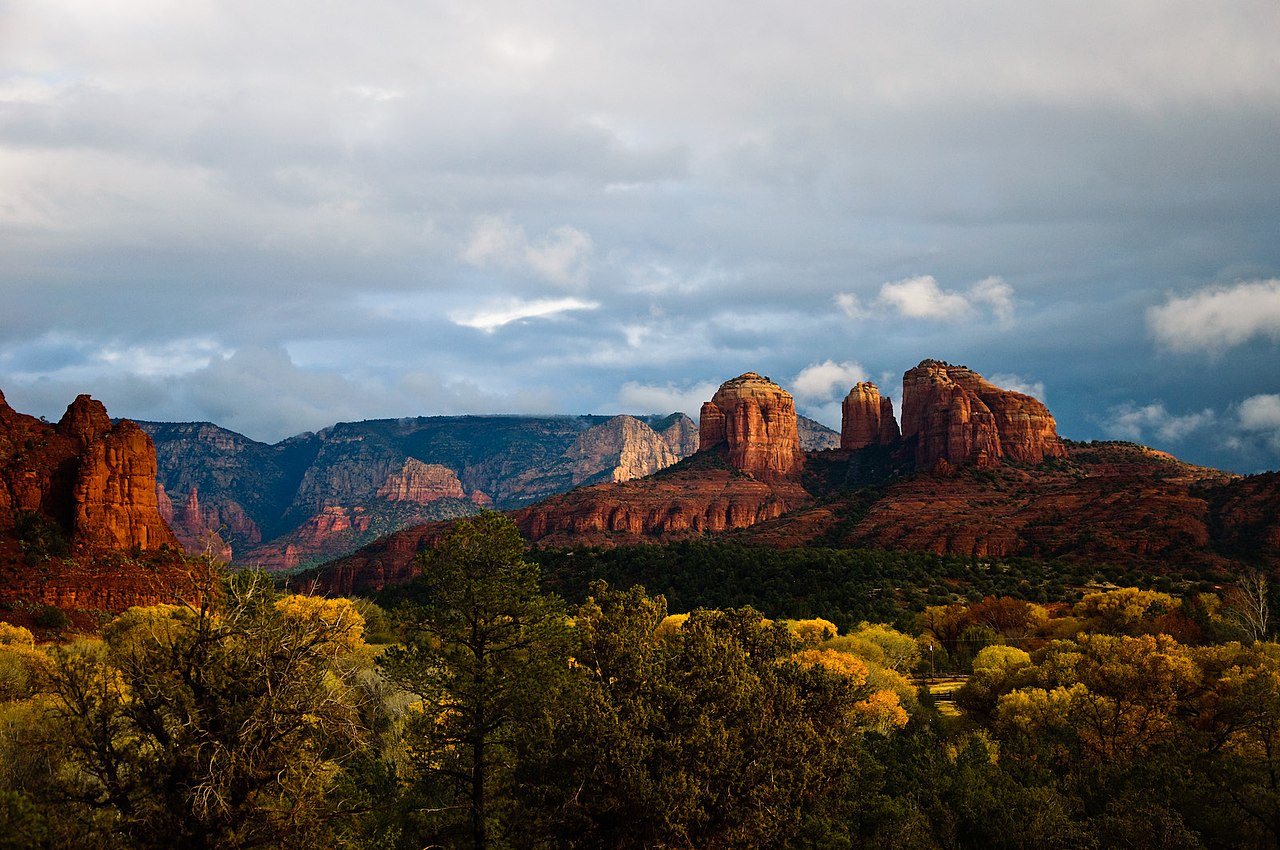
Arizona features a unique desert landscape where mountain lions frequently appear near trailheads in the Superstition Mountains and the Grand Canyon region. These adaptable felines utilize the rugged canyons and dry washes to move through the environment without being detected by casual observers or travelers. Recent reports suggest that some cats are drawn to the water sources located near popular camping sites and trail junctions during the hot summer months. Wildlife managers emphasize the importance of securing food and trash to prevent attracting smaller animals that serve as prey for the lions. Coexistence requires constant and careful vigilance.
Utah
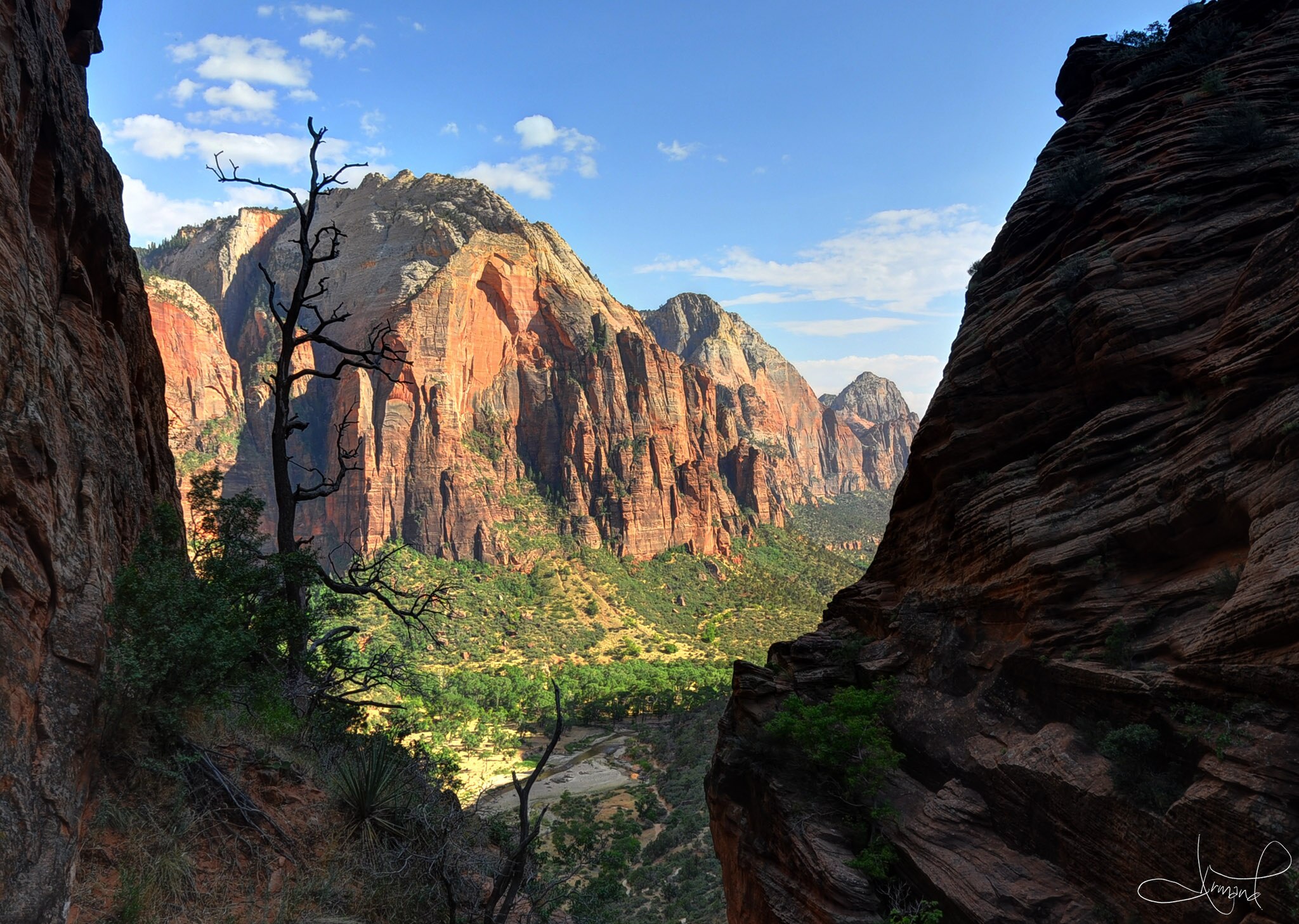
Utah is home to a healthy population of mountain lions that often inhabit the red rock canyons and high alpine forests near trailheads. These elusive predators are a constant presence in the landscape although they generally prefer to remain hidden from the view of hikers and mountain bikers. Recent sightings near the Wasatch Front highlight the proximity of these animals to the major metropolitan areas where thousands of people recreate every single day. State wildlife experts provide guidance on how to react during an encounter to ensure that both humans and lions can share the land safely.
Montana
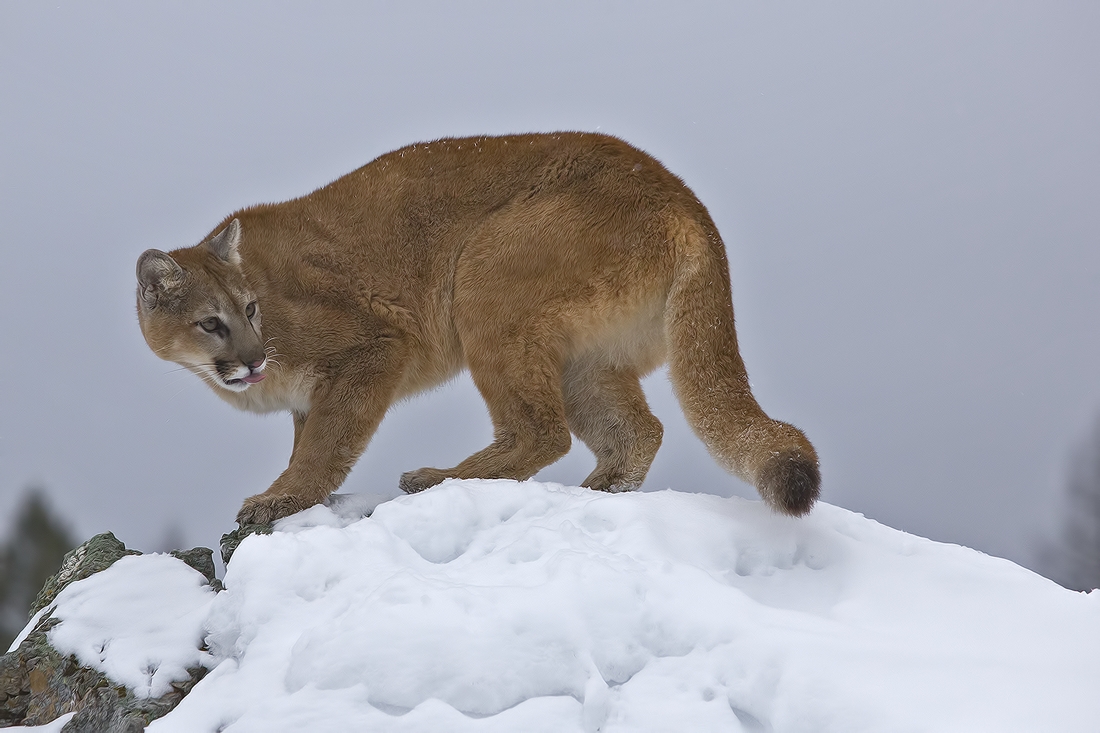
Montana provides some of the most remote and untouched habitat for mountain lions which still occasionally appear near trailheads in the Bitterroot Valley. These powerful cats are essential for maintaining the health of the local ecosystem by controlling the populations of deer and elk across the state. While they usually avoid human contact the increased number of people moving into rural areas has led to more frequent sightings in recent years. Wildlife officials remind hikers to carry bear spray which is also effective as a deterrent against an aggressive mountain lion during an encounter. Respecting the wild remains a priority.
Wyoming
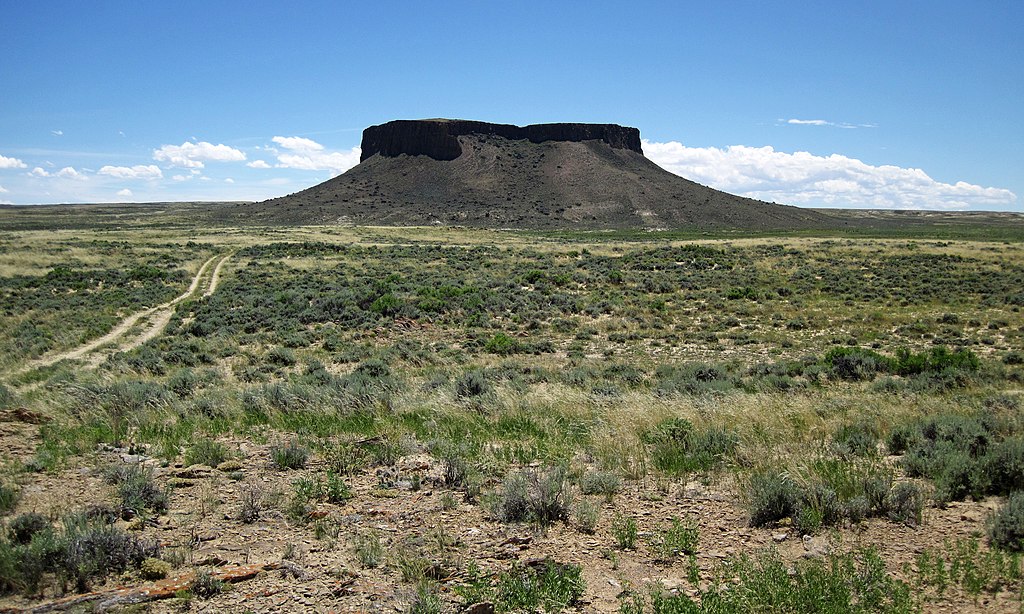
Wyoming supports a stable population of mountain lions that roam the rugged mountains and open prairies near the iconic Yellowstone National Park. These secretive animals are often documented by trail cameras positioned near popular hiking routes and wildlife corridors used for seasonal migrations. While encounters remain infrequent the presence of these cats is a reminder of the wild nature that still exists in the American West today. State management focuses on preserving large tracts of unfragmented habitat to ensure that the lions have enough space to thrive far away from human interference and busy developments.
Idaho
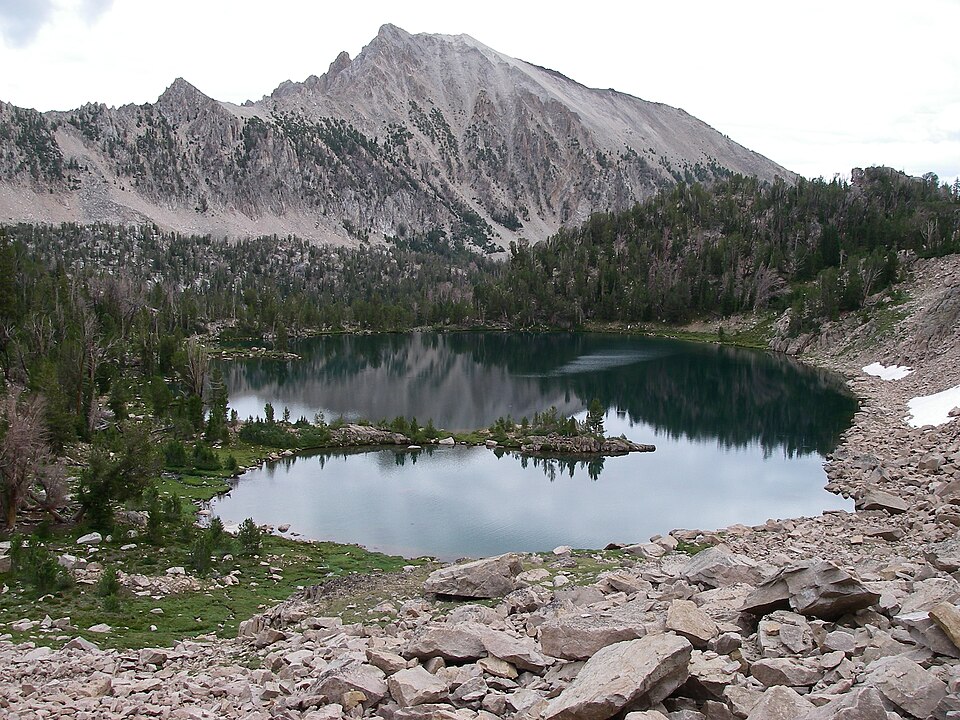
Idaho has witnessed a notable increase in mountain lion activity near trailheads located in the Sawtooth National Forest and the Boise foothills. These predators utilize the steep terrain and dense brush to stay concealed while hunting for their next meal during the early morning hours. Recent reports of lions appearing in suburban backyards have prompted wildlife officials to issue safety warnings for residents and outdoor enthusiasts in the area. Understanding the seasonal movements of these animals helps people avoid potential conflicts while enjoying the many recreational opportunities found within the state. Staying informed is essential.
Nevada
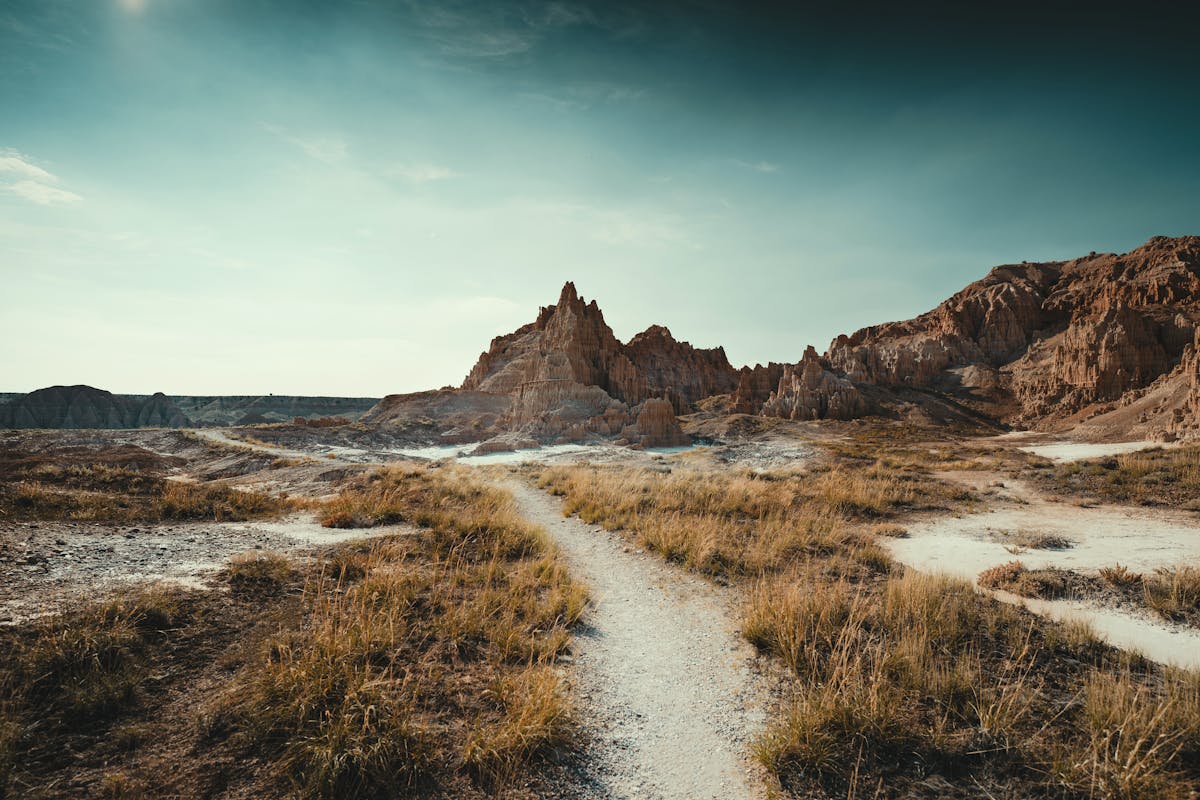
Nevada features vast areas of mountain habitat where lions frequently reside near trailheads in the Sierra Nevada and the Great Basin ranges. These adaptable cats are capable of surviving in harsh desert environments where water and prey can be difficult to find during the dry season. Hikers are encouraged to stay on established trails and avoid wandering into thick vegetation where a lion might be resting or protecting its young. The state manages the population through regulated hunting and conservation programs designed to maintain a healthy balance within the ecosystem. The wild spirit of Nevada continues.
New Mexico
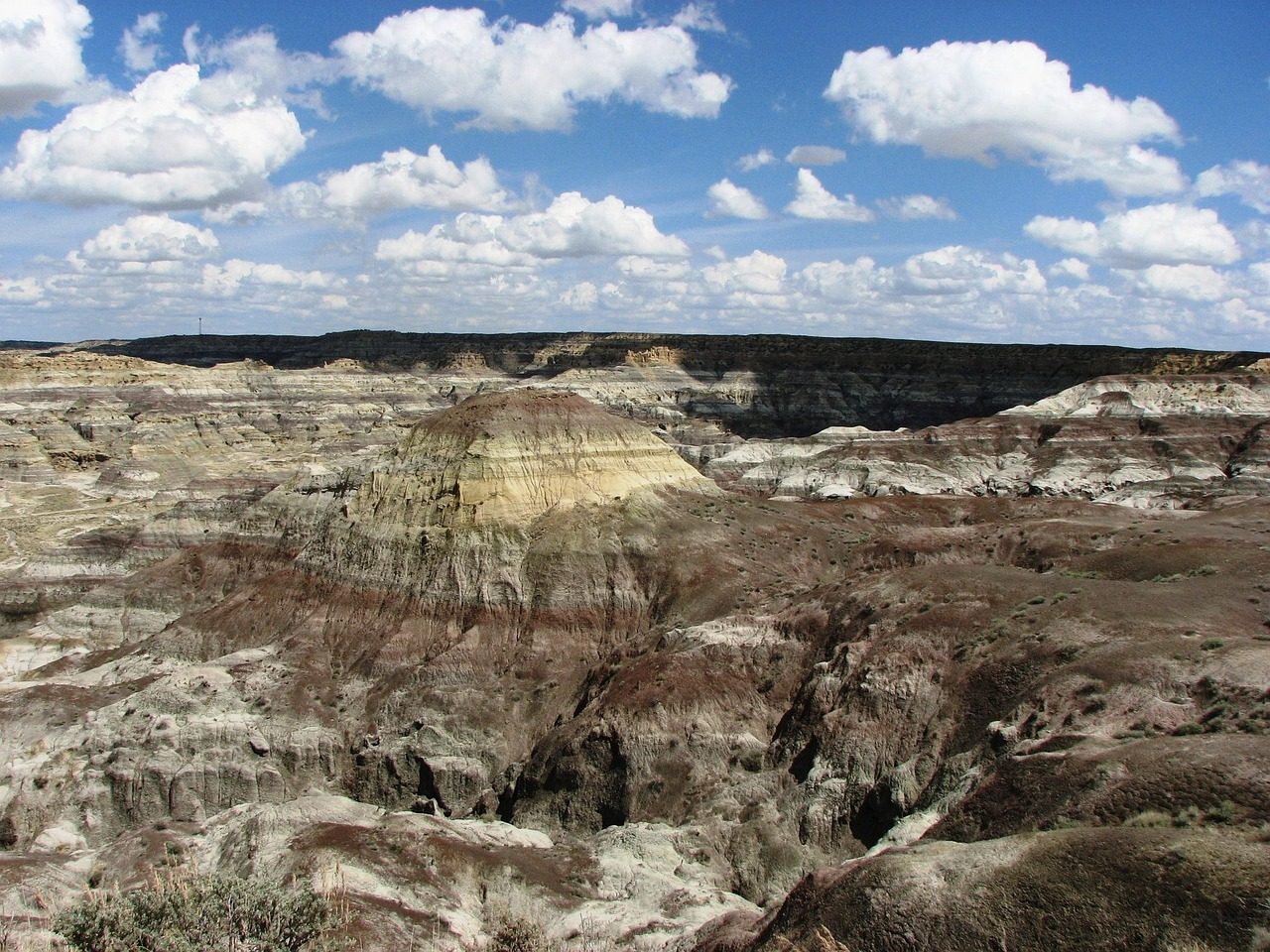
New Mexico provides a diverse environment for mountain lions which are often seen near trailheads in the Gila Wilderness and the Sangre de Cristo Mountains. These majestic predators move through the varied elevations with ease while following the migrations of deer and elk across the rugged landscape. Local wildlife experts emphasize the importance of keeping pets on a leash to prevent them from attracting the attention of a curious or hungry cat. Understanding the behavior of these animals allows for a safer and more respectful experience for everyone who chooses to explore the beautiful desert and mountain trails.
South Dakota
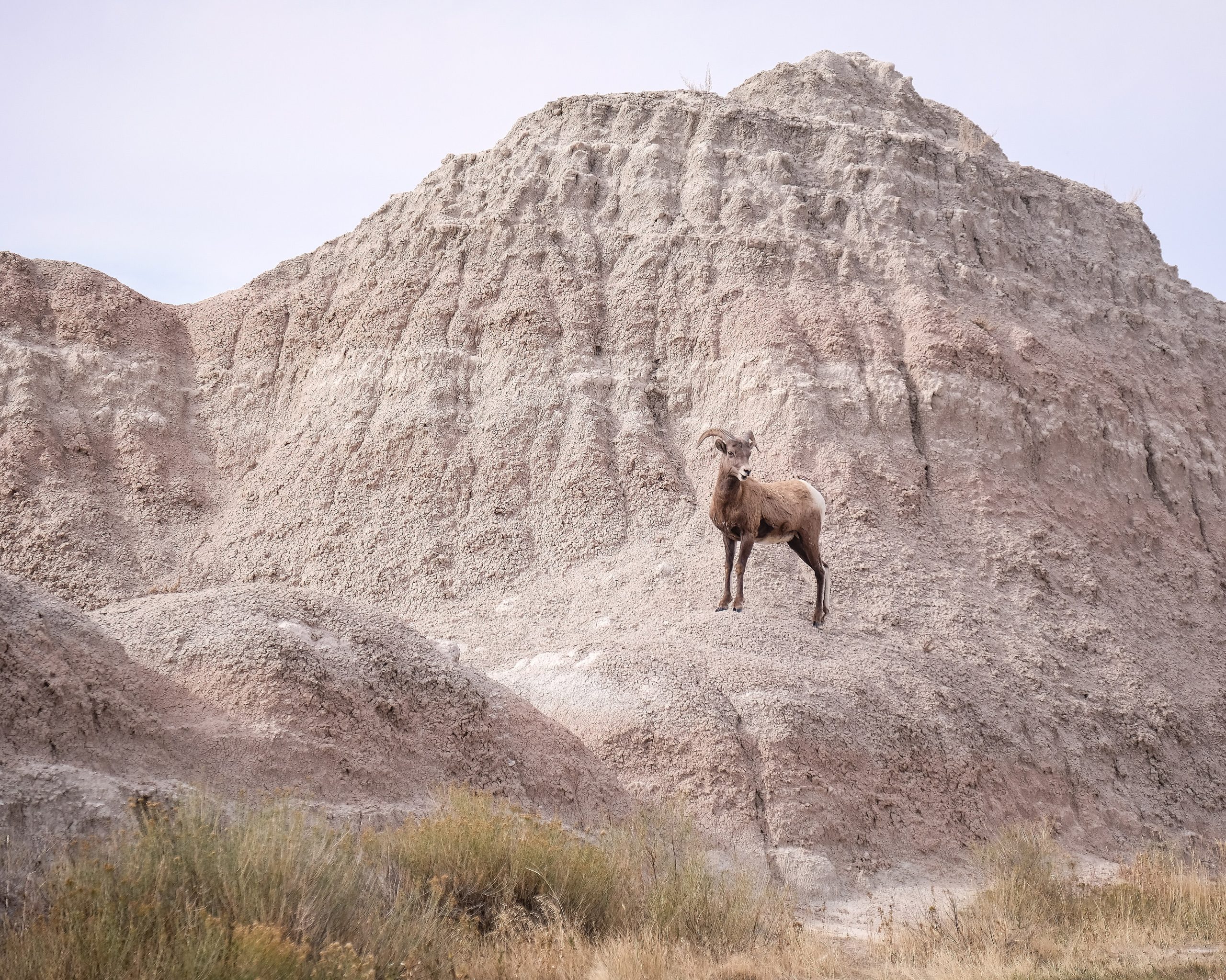
South Dakota holds a robust population of mountain lions primarily within the scenic Black Hills region where they often appear near trailheads. This isolated island of mountain habitat provides an ideal mix of rocky outcrops and dense pine forests for the cats to thrive. The state manages the population through regulated hunting seasons that help balance the needs of the predators with local agricultural and safety concerns. Frequent sightings by hikers and trail camera footage confirm that the cats are a permanent and healthy part of the local ecosystem today. The Black Hills remain a wild place.
Nebraska
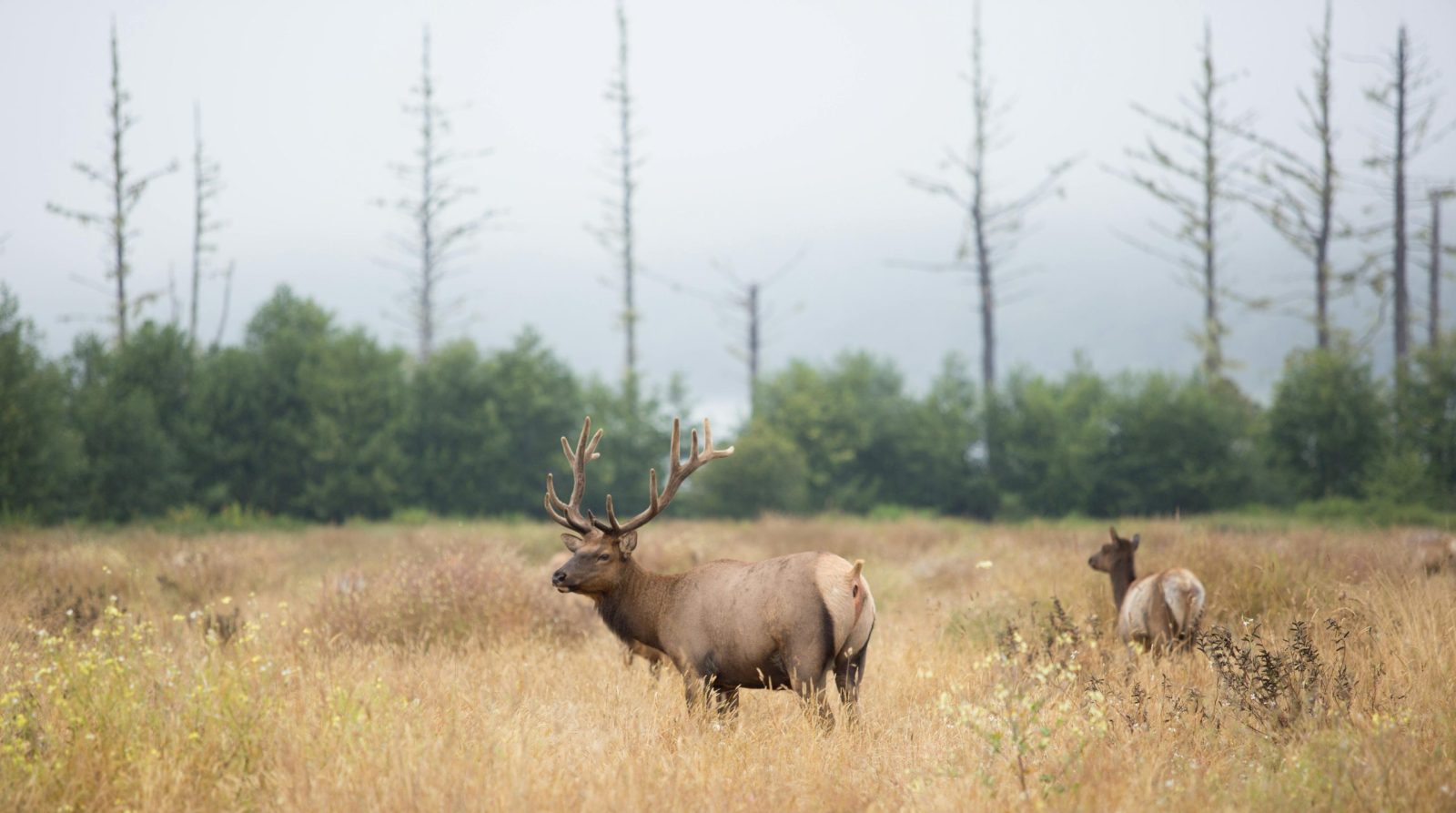
Nebraska has experienced a remarkable return of mountain lions to the Pine Ridge area where they are increasingly appearing near trailheads. This natural recolonization effort has led to a small but stable breeding population that wildlife officials monitor with great interest and care. The presence of these cats highlights the ability of the species to reclaim its historic range when suitable habitat and prey are available once again. While the total number of individuals remains low the return is a major success for regional biodiversity. Local residents have learned to coexist with these reclusive and powerful predators.
Texas
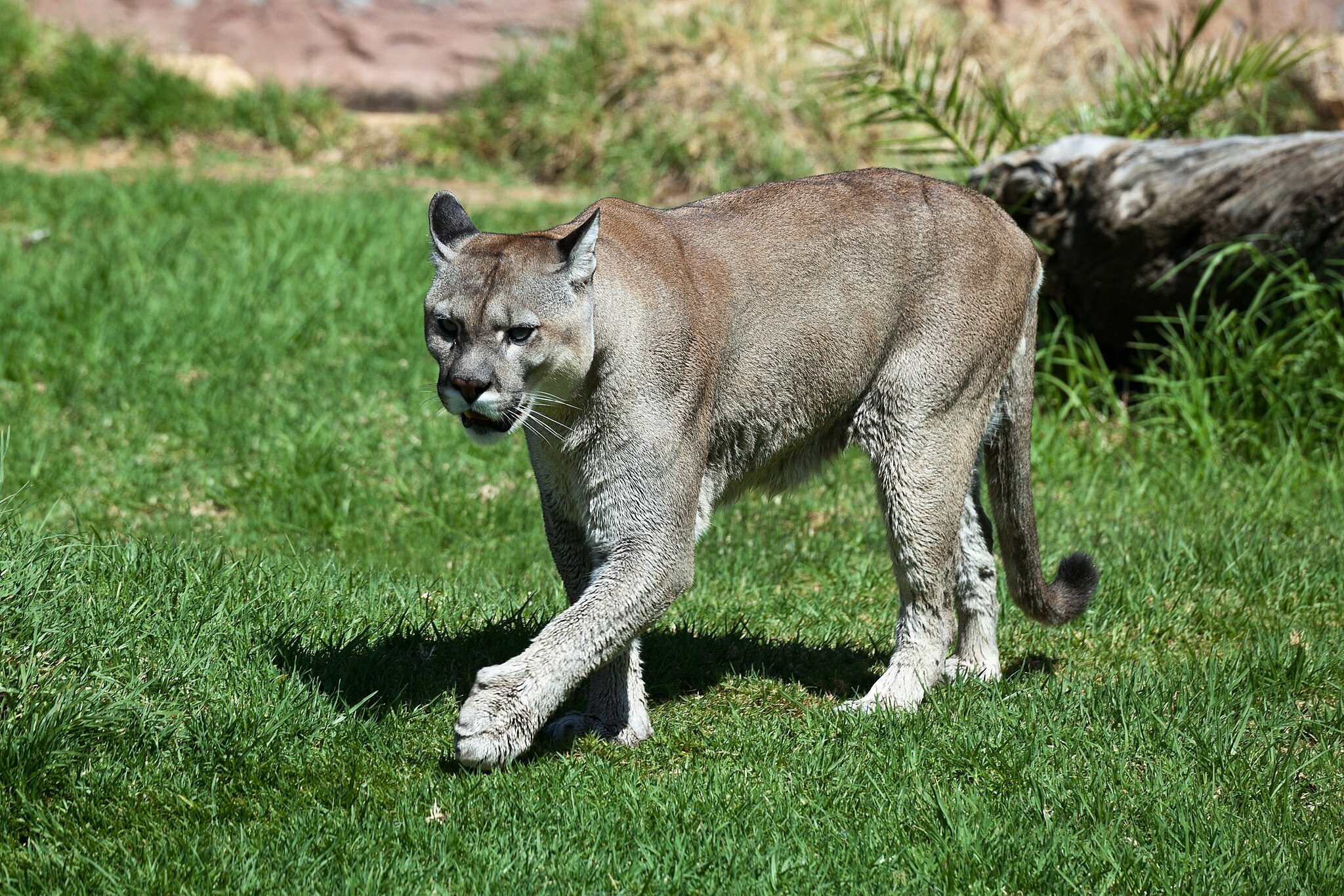
Texas supports a robust population of mountain lions primarily located in the remote and arid Trans Pecos region near trailheads. These adaptable cats thrive in the brushlands and rocky canyons where they hunt javelinas and various types of desert deer with great success. Unlike many other western states Texas classifies the mountain lion as a nongame species which allows for year round hunting without a specific limit. This status has led to ongoing discussions among conservationists regarding the need for more structured management plans to protect the long term health of the population. They remain a secretive presence.
Florida
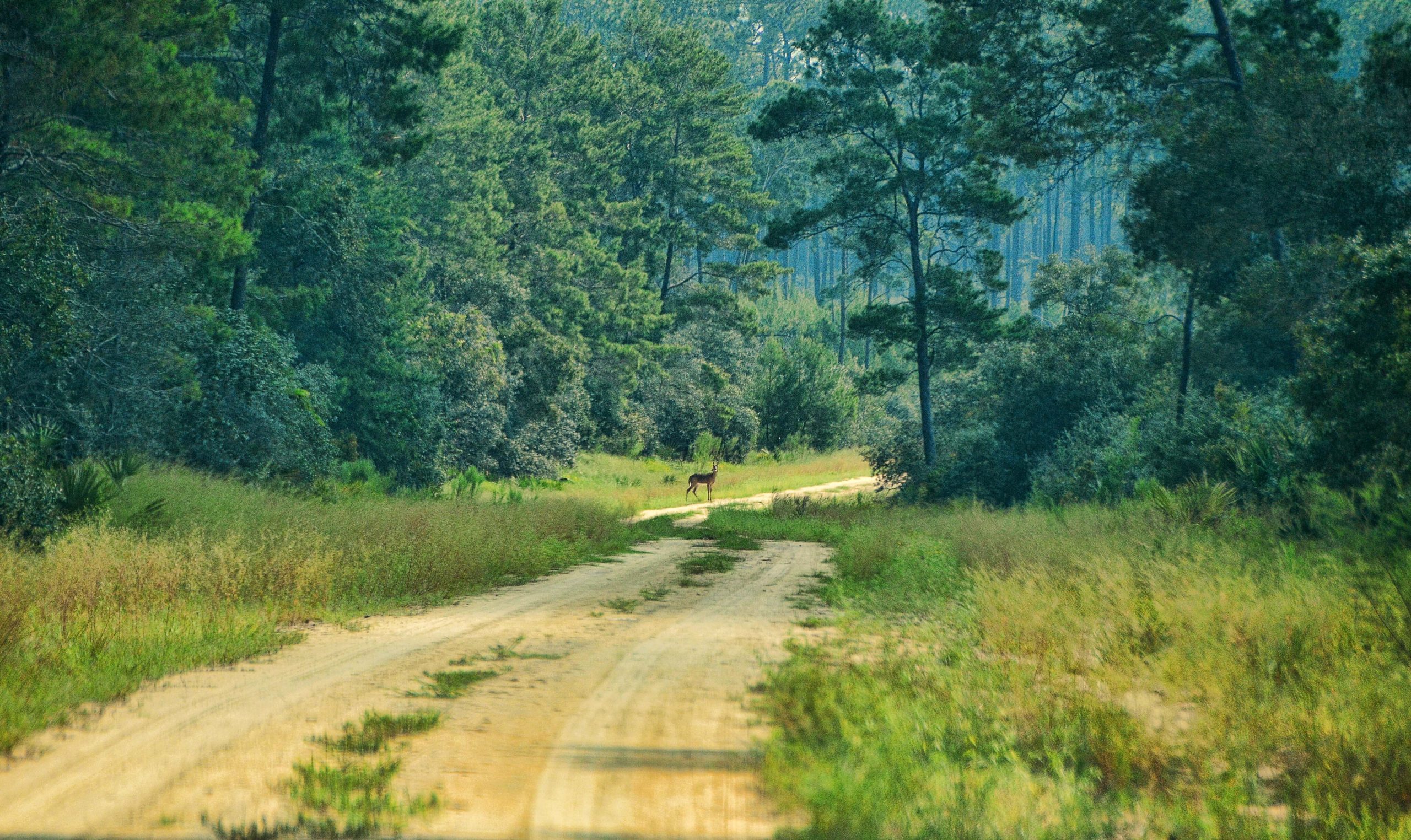
Florida is home to a unique and highly endangered subspecies of mountain lion known as the Florida panther found near specific trailheads. These cats represent the only confirmed breeding population of the species found east of the Mississippi River in modern times today. They primarily inhabit the cypress swamps and pine lands located in the southwestern tip of the peninsula near the Everglades National Park. Conservationists have worked tirelessly to increase their numbers through genetic restoration and the creation of protected wildlife corridors across dangerous roads. While the population remains relatively small every individual is critical for survival.