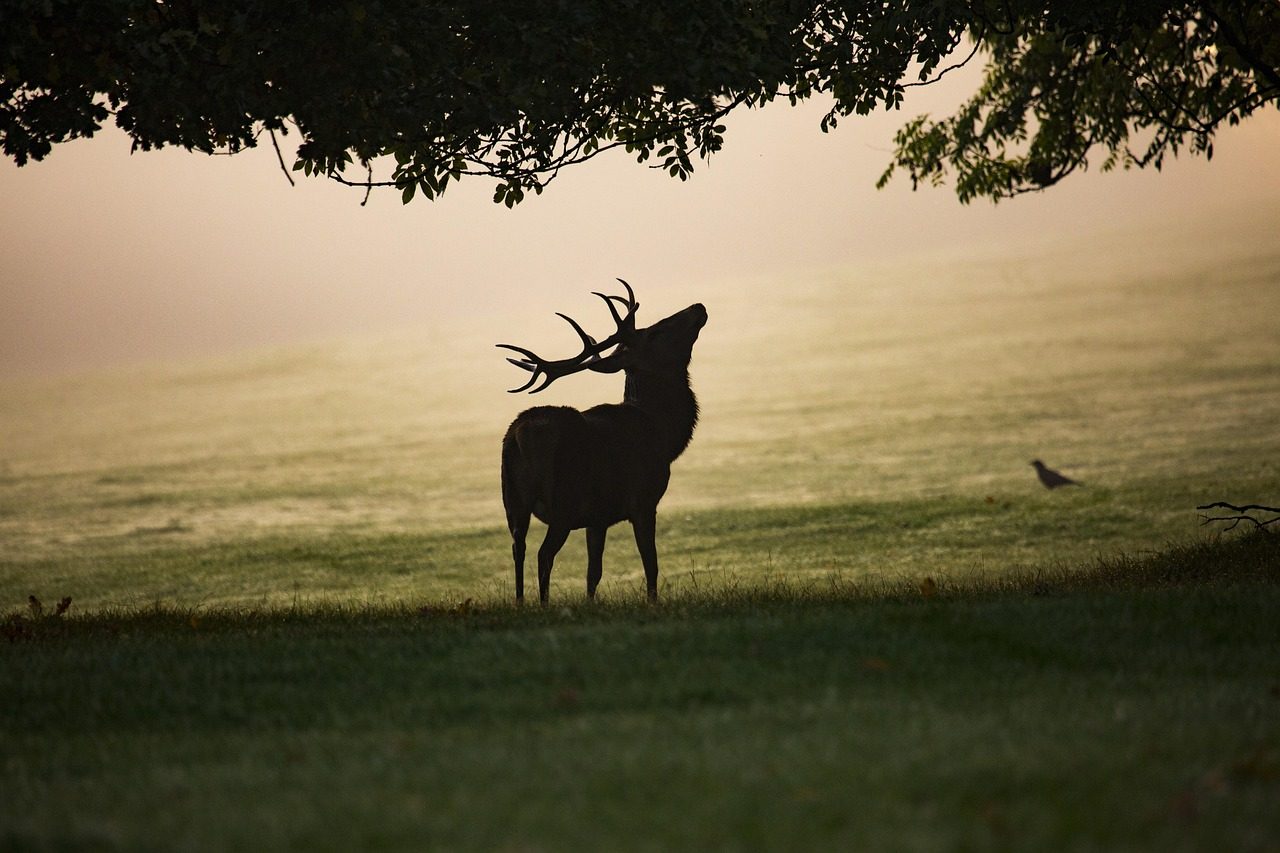
There are 15 US states where elk numbers are climbing outside the usual hotspots as these majestic animals expand their range across diverse landscapes today. While many people associate these large deer with the rugged Rocky Mountains, recent data confirms significant population growth in eastern and southern regions, too. Conservation efforts and successful reintroduction programs allow these impressive herds to reclaim their historical territories after nearly a century of total absence. This expansion provides new opportunities for wildlife enthusiasts to witness these magnificent creatures in unexpected places. This guide explores fifteen states where elk populations currently thrive now.
Pennsylvania
Pennsylvania stands as a premier example of successful elk restoration in the eastern United States after the species faced total local extinction. The herd primarily inhabits the rugged north central region, where managed grasslands and thick forests provide an ideal habitat for sustainable growth. State wildlife officials monitor the population closely to ensure the animals remain healthy and do not overwhelm the available resources in the area. Tourists flock to the town of Benezette to hear the haunting bugles of bulls during the autumn mating season each year. This thriving population serves as a model for other states seeking restoration.
Kentucky

Kentucky currently hosts the largest elk herd in the eastern half of the country, thanks to an aggressive reintroduction program started years ago. These animals thrive in the reclaimed coal mine lands of the southeastern counties, where vast open spaces allow for easy movement and grazing. The temperate climate and lack of major natural predators have contributed to a rapid increase in total numbers within the region. Local communities have embraced the presence of these majestic animals as a significant boost to the regional economy through wildlife tourism. Kentucky now provides a sustainable source for other states starting new herds.
Tennessee
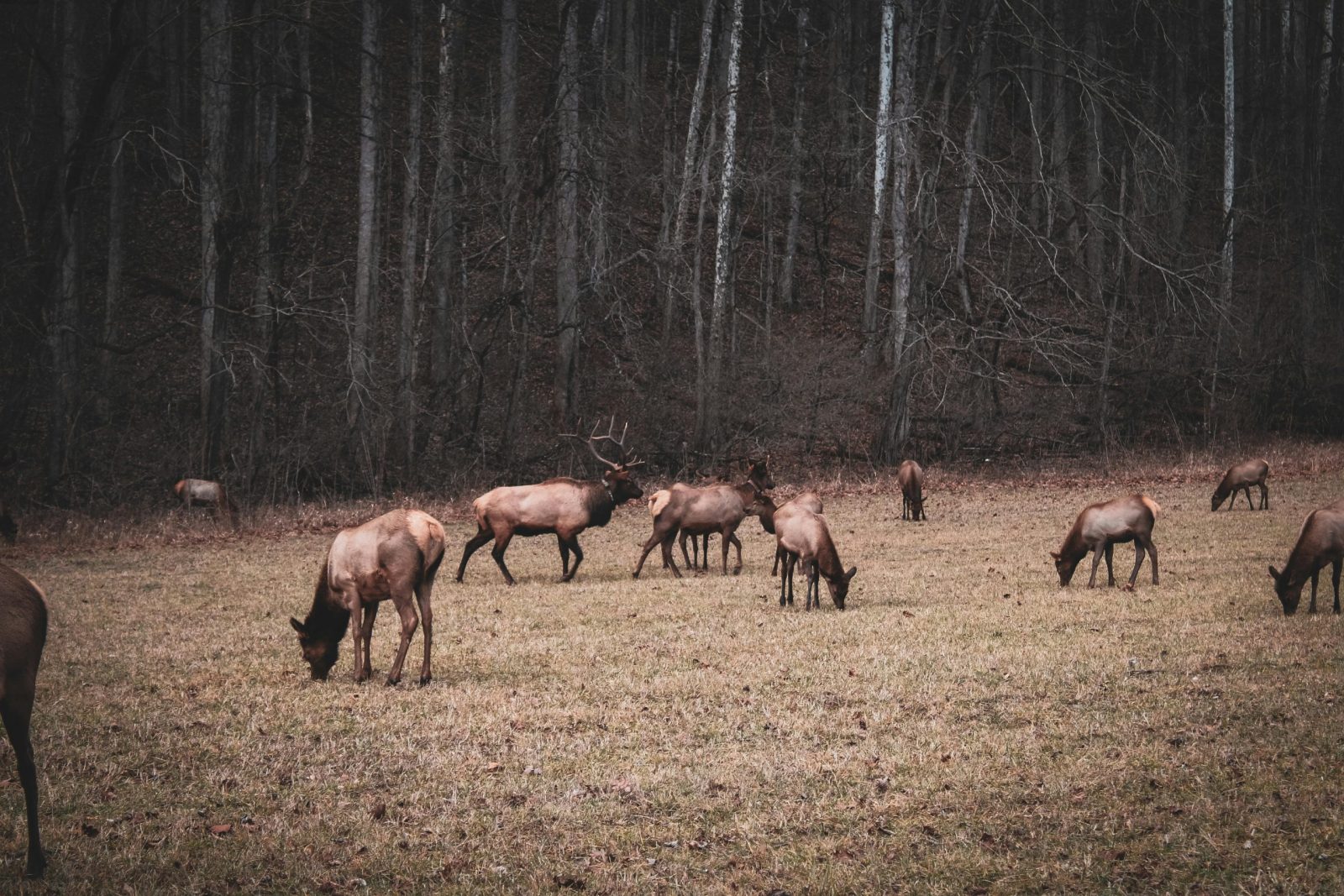
Tennessee began its journey toward restoring elk to the Great Smoky Mountains and surrounding areas with a small group of pioneer animals. Today, the population continues to expand into the northern Cumberland Plateau, where the terrain offers plenty of seclusion and high-quality forage. Wildlife researchers track the movements of individual animals to understand how they interact with the local ecosystem and human populations nearby. The success of this program demonstrates the resilience of the species when provided with suitable protected habitats and consistent management over several decades. Public viewing areas allow people to enjoy these animals safely today.
Arkansas
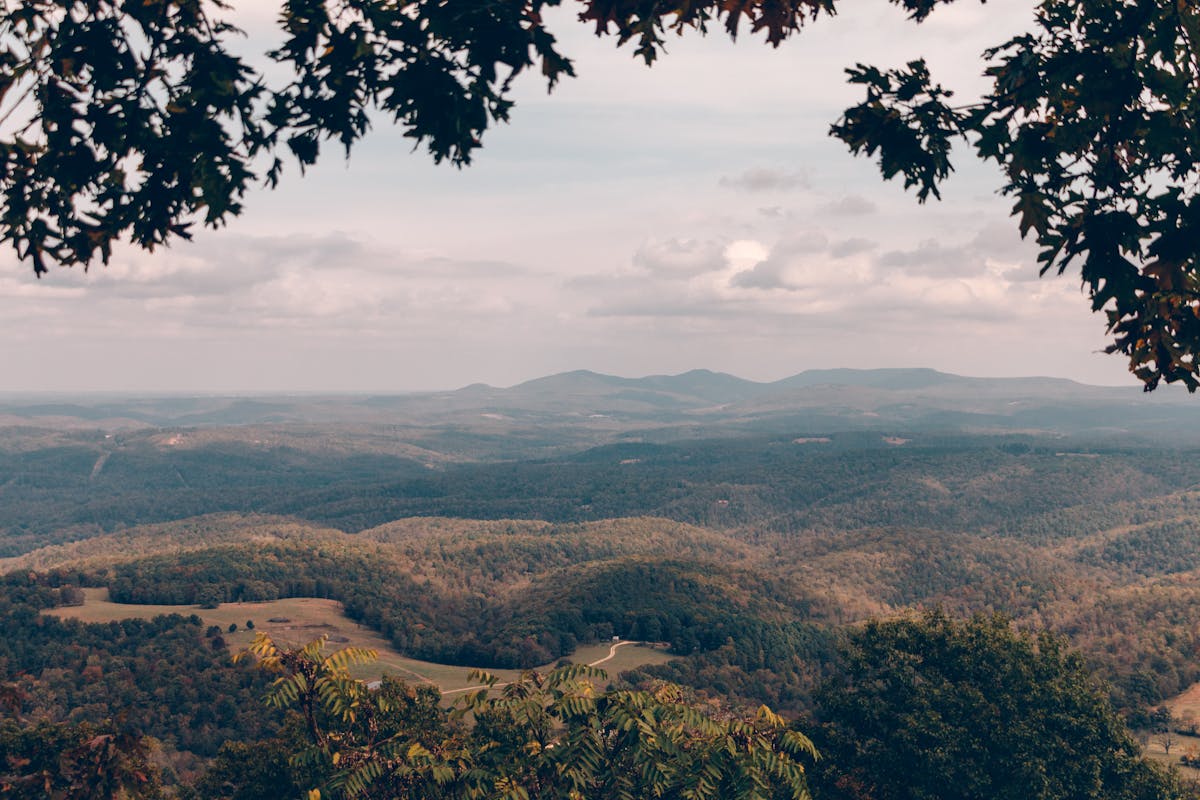
Arkansas managed to establish a healthy elk population along the Buffalo National River after a series of successful releases during the eighties. These herds primarily occupy the limestone bluffs and lush meadows where they find abundant food and water throughout the changing seasons. The state utilizes carefully regulated hunting seasons to maintain a balance between the elk population and the carrying capacity of the land. Visitors often spot these impressive animals grazing in the fields near Boxley Valley during the early morning or late evening hours. This population remains a point of pride for conservationists in the south.
Virginia
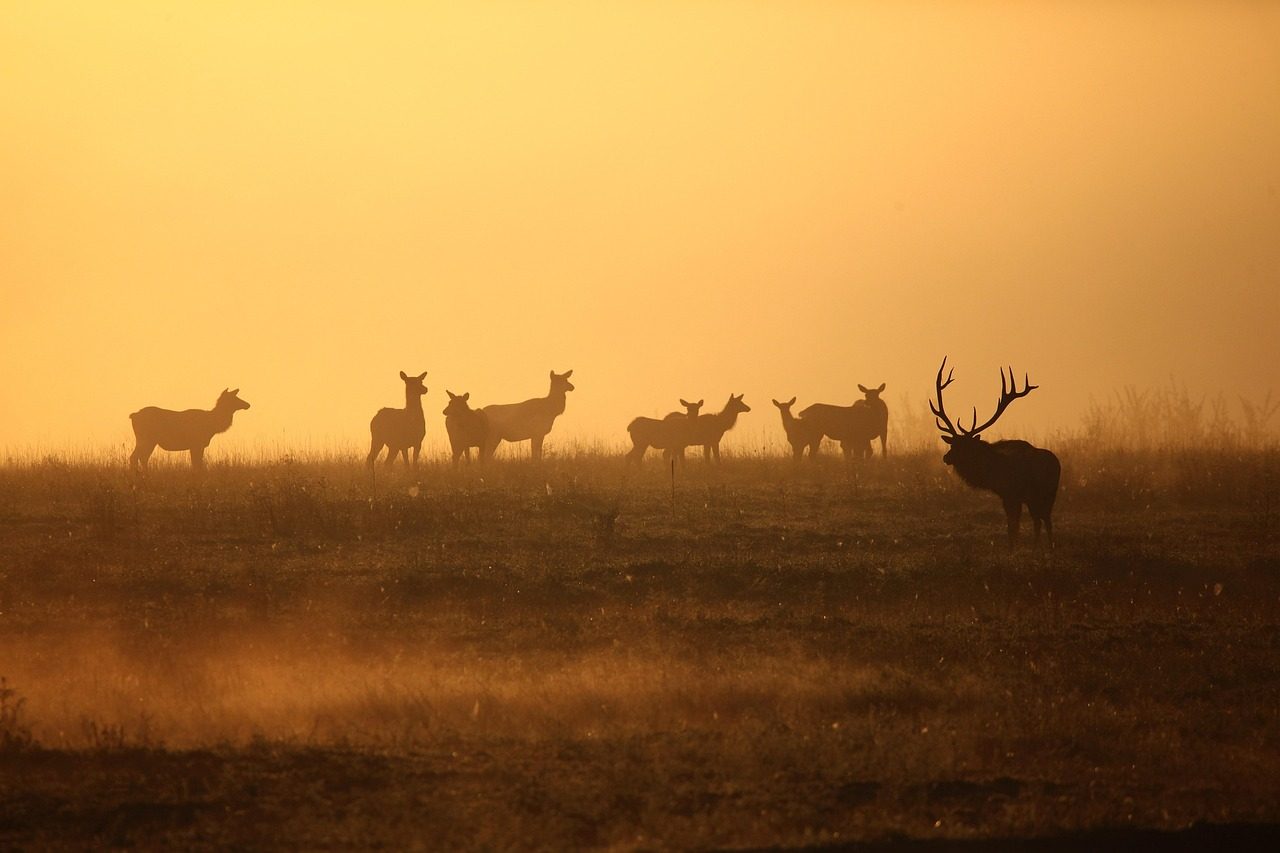
Virginia recently completed a major project to bring elk back to the southwestern portion of the state near the border with Kentucky. The newly established herd roams the rolling hills and reclaimed mines where they find the perfect mix of cover and open grass. Local residents and hunters have supported the effort, which has led to a steady increase in calf survival rates each year. The state now offers limited hunting opportunities as the population reaches established management goals for the region. This success story proves that careful planning and community involvement can lead to significant wildlife restoration outcomes.
West Virginia

West Virginia continues to see a rise in elk numbers as the state focuses on habitat improvements within the Tomblin Wildlife Management Area. These animals benefit from the active management of grasslands, which provides the high-protein forage needed for healthy growth and successful reproduction. The herd has slowly expanded its range into neighboring counties as the population becomes more established and comfortable in the terrain. Wildlife biologists use telemetry collars to gather vital data on habitat usage and migration patterns within the rugged Appalachian hills. This ongoing project aims to create a self-sustaining and permanent local population.
Missouri
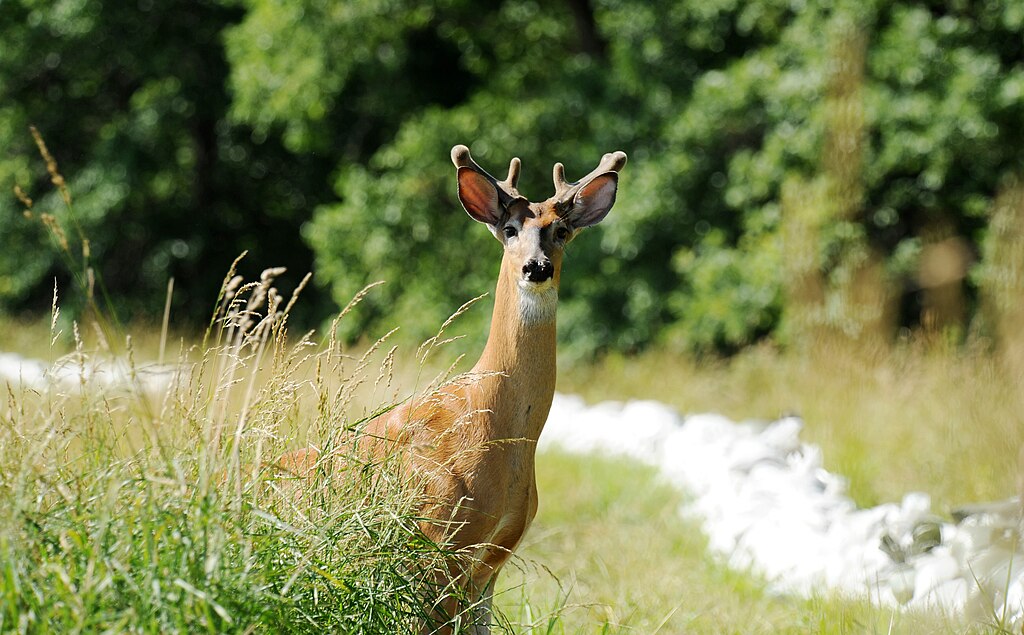
Missouri successfully reintroduced elk to the Peck Ranch Conservation Area, where the animals find a diverse landscape of oak forests and open glades. The population has grown steadily over the last decade, which allowed the state to open its first modern hunting season recently. Management focus remains on maintaining a healthy herd size while minimizing conflicts with local agricultural operations in the surrounding countryside. This restoration effort highlights the importance of using high-quality habitat to support the long term survival of a large ungulate species. Missouri elk represent a successful comeback for a native animal.
Wisconsin
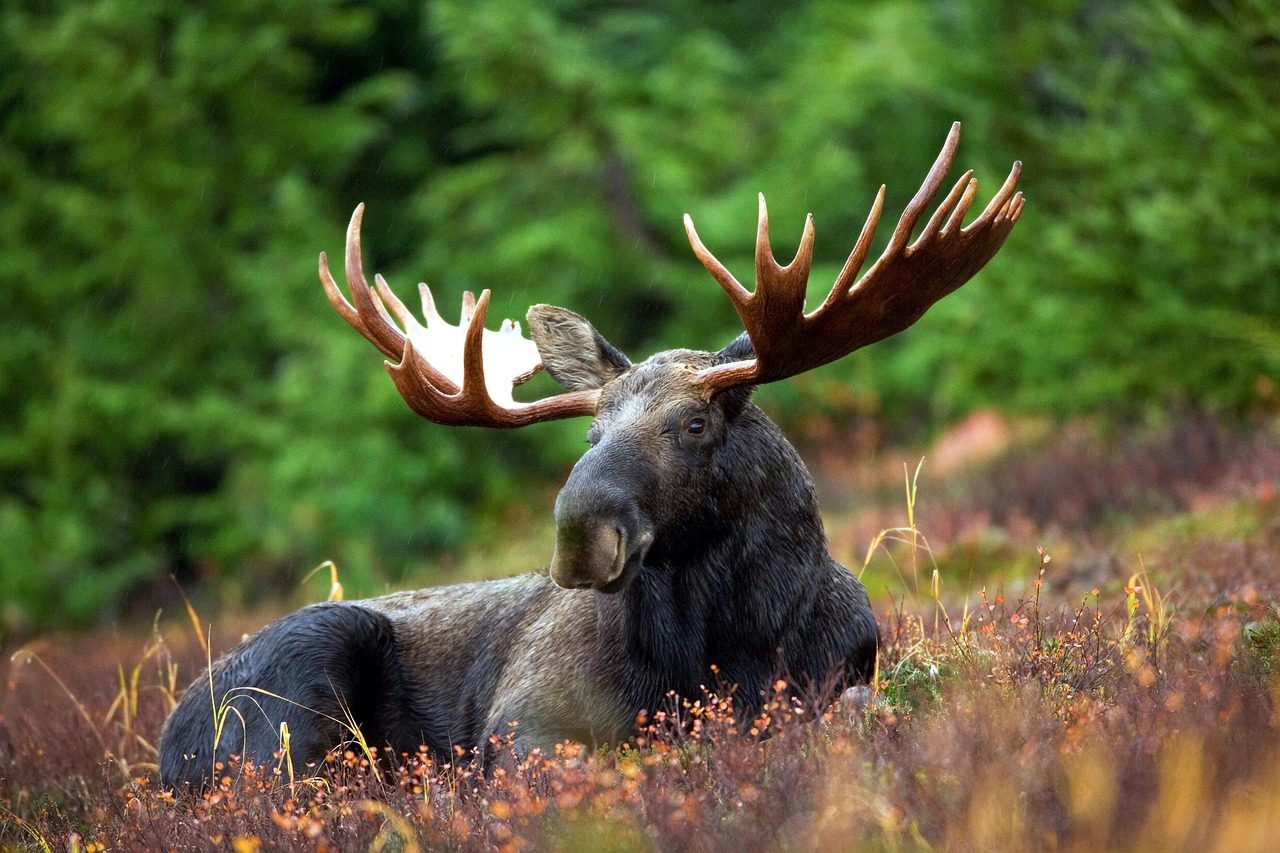
Wisconsin manages two distinct elk herds located in the northern and central parts of the state near Clam Lake and Black River Falls. These populations have faced challenges from winter weather and local predators, but continue to show positive growth trends overall today. The state works closely with tribal partners and local organizations to manage the herds and improve the quality of the forest habitat. Limited hunting permits are issued when the populations reach specific thresholds to ensure the long term health of the animals remains a top priority. Wisconsin elk provide a unique wildlife experience.
Minnesota
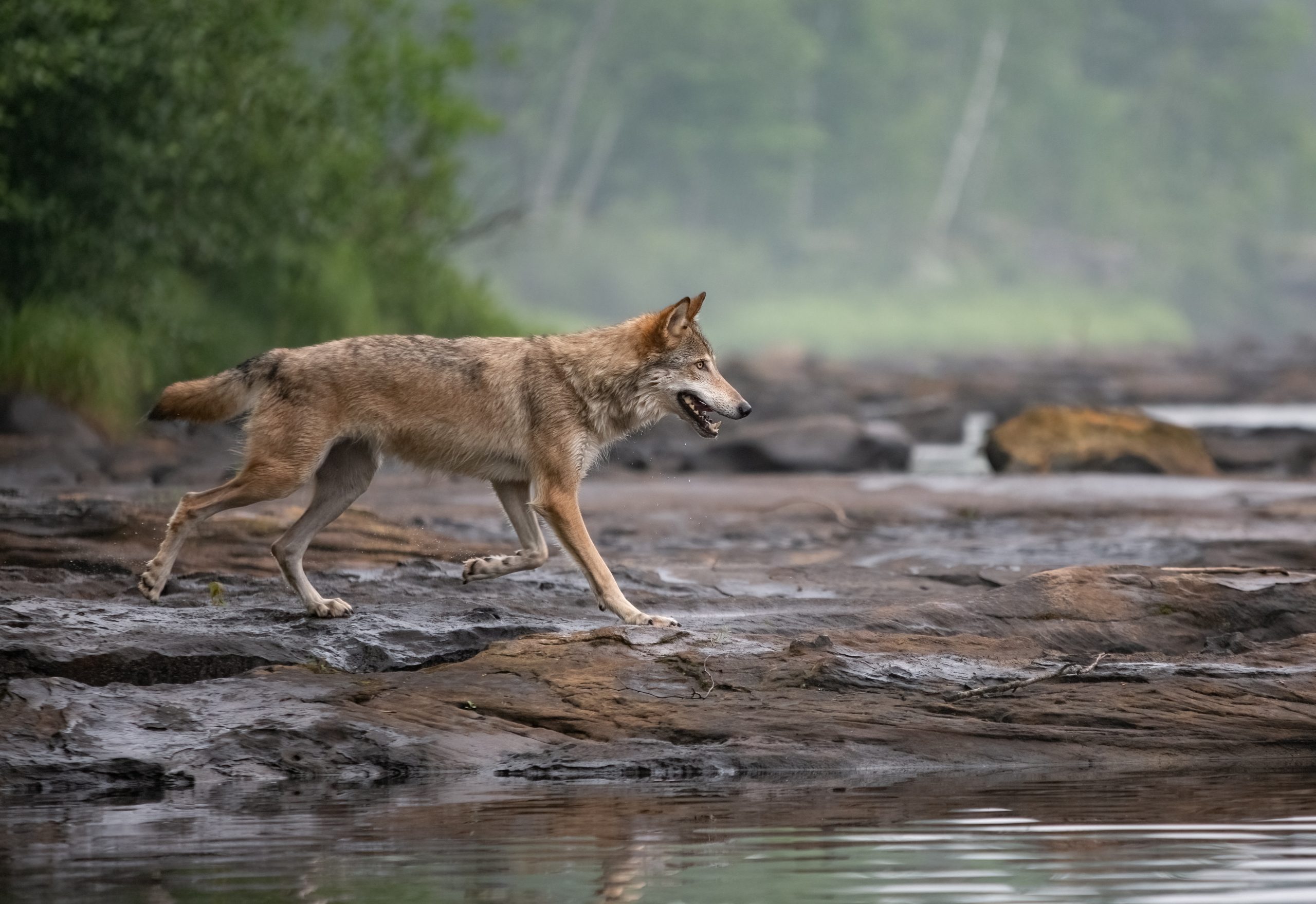
Minnesota maintains three small but growing elk herds in the northwestern corner of the state, where the prairie meets the forest. These animals frequently move back and forth across the border with Canada, which creates a truly international population for researchers to monitor closely. The state is exploring the possibility of expanding the current range to support more animals and reduce local agricultural damage in some areas. Current management strategies focus on balancing the needs of the elk with the interests of local landowners and farmers. Minnesota elk represent a vital piece of the original prairie ecosystem.
Michigan
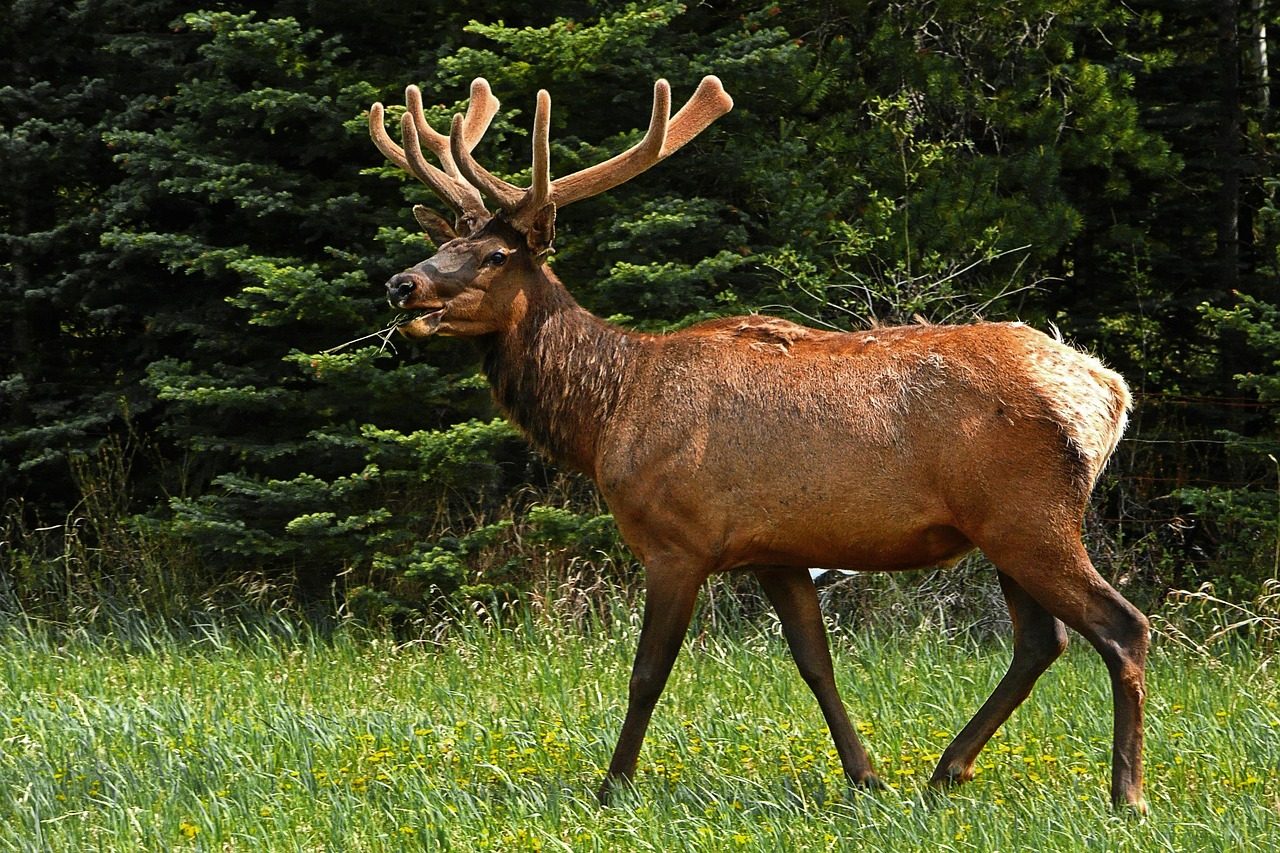
Michigan hosts a substantial elk herd in the northern Lower Peninsula, where the terrain consists of large state forest tracts and open meadows. This population has reached its target management goals, which allows for a highly sought-after annual hunting lottery for local residents. The animals are a major attraction for visitors who travel to the Pigeon River Country State Forest to see them. Successful management practices have ensured that the herd remains healthy and genetically diverse despite being isolated from other populations. Michigan continues to be a leader in eastern elk management strategies today.
North Carolina
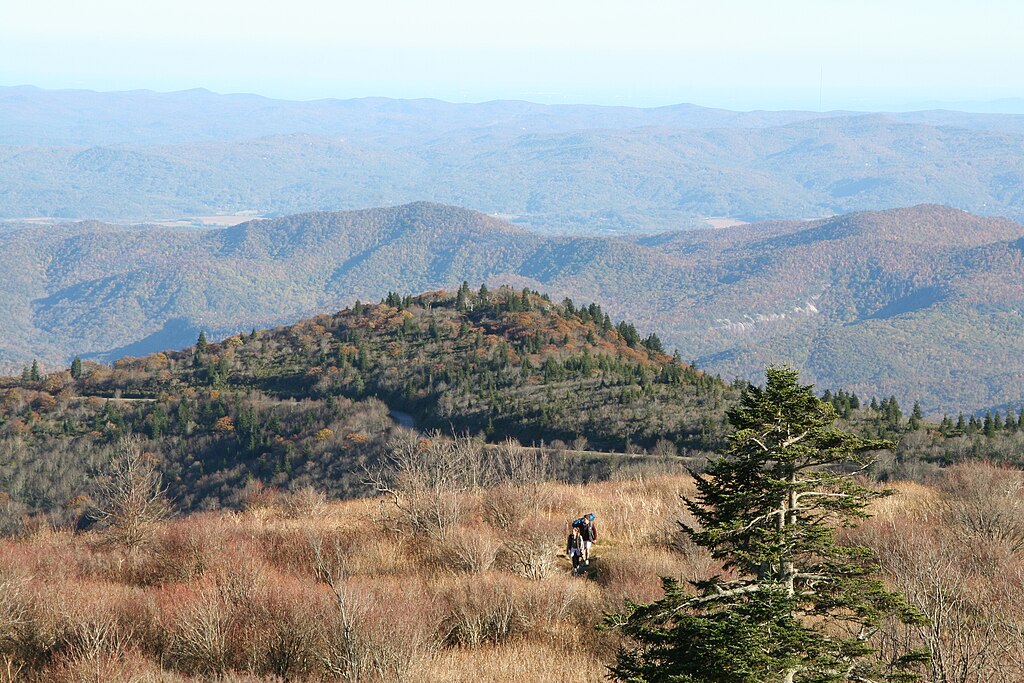
North Carolina saw the return of elk to the Great Smoky Mountains National Park through an experimental release program that exceeded all original expectations. The herd has since expanded its range onto private lands and state forests located outside the boundaries of the federal park. Wildlife officials work to mitigate conflicts between the growing elk population and local communities through proactive education and management efforts. The presence of these large animals has created a significant tourism draw for the western part of the state during the autumn months. North Carolina elk are thriving beautifully now.
Nebraska
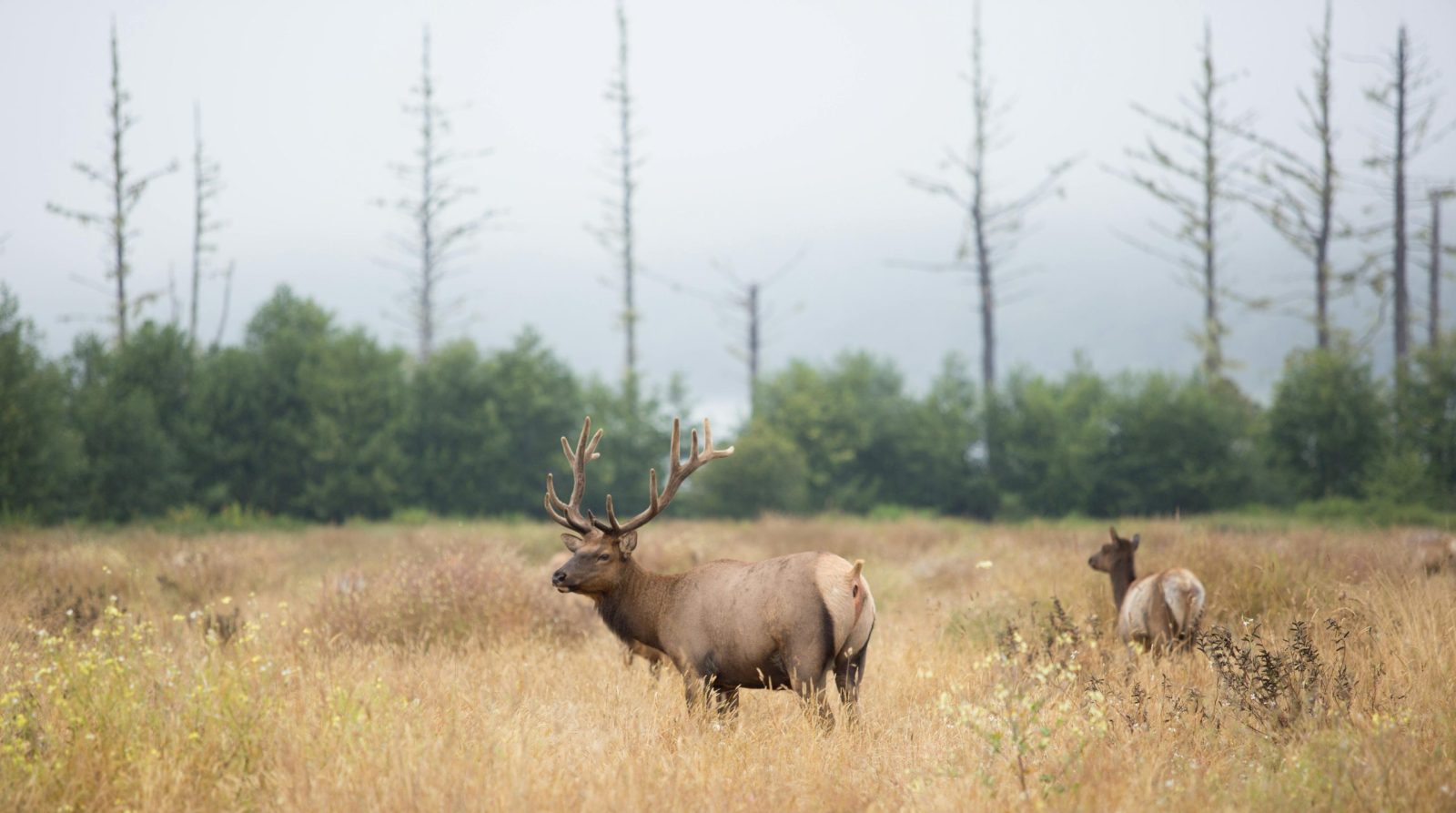
Nebraska has experienced a natural expansion of elk into the western and central parts of the state as animals move in from neighboring regions. These herds utilize the rugged canyons and river valleys where they find sufficient cover and food sources to support their growth. The state manages the population through several hunt units designed to keep the numbers at levels that are compatible with the local habitat. Nebraska elk represent a successful recolonization of their historic range across the Great Plains after many decades of total absence. The population continues to grow in several different areas.
South Dakota
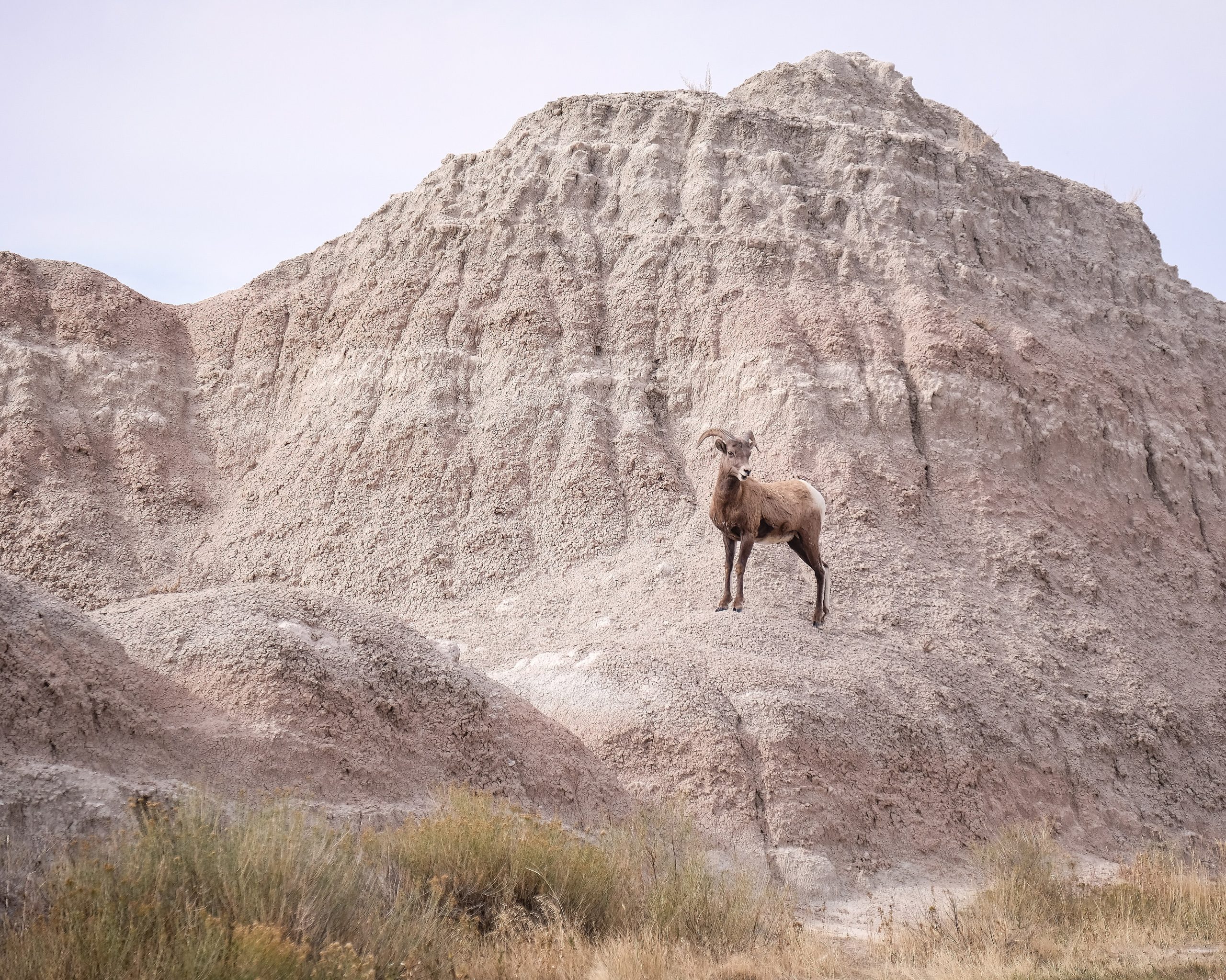
South Dakota supports a healthy and expanding elk population primarily located in the Black Hills and the prairie regions of the west. These animals find the mix of ponderosa pine forests and open grasslands to be an ideal environment for raising calves and surviving winters. The state uses a lottery system for hunting permits to manage the population while providing high-quality opportunities for local outdoor enthusiasts. The growth of the prairie herds represents a significant change in the distribution of the species across the state. South Dakota remains a premier destination for elk in the Midwest.
North Dakota
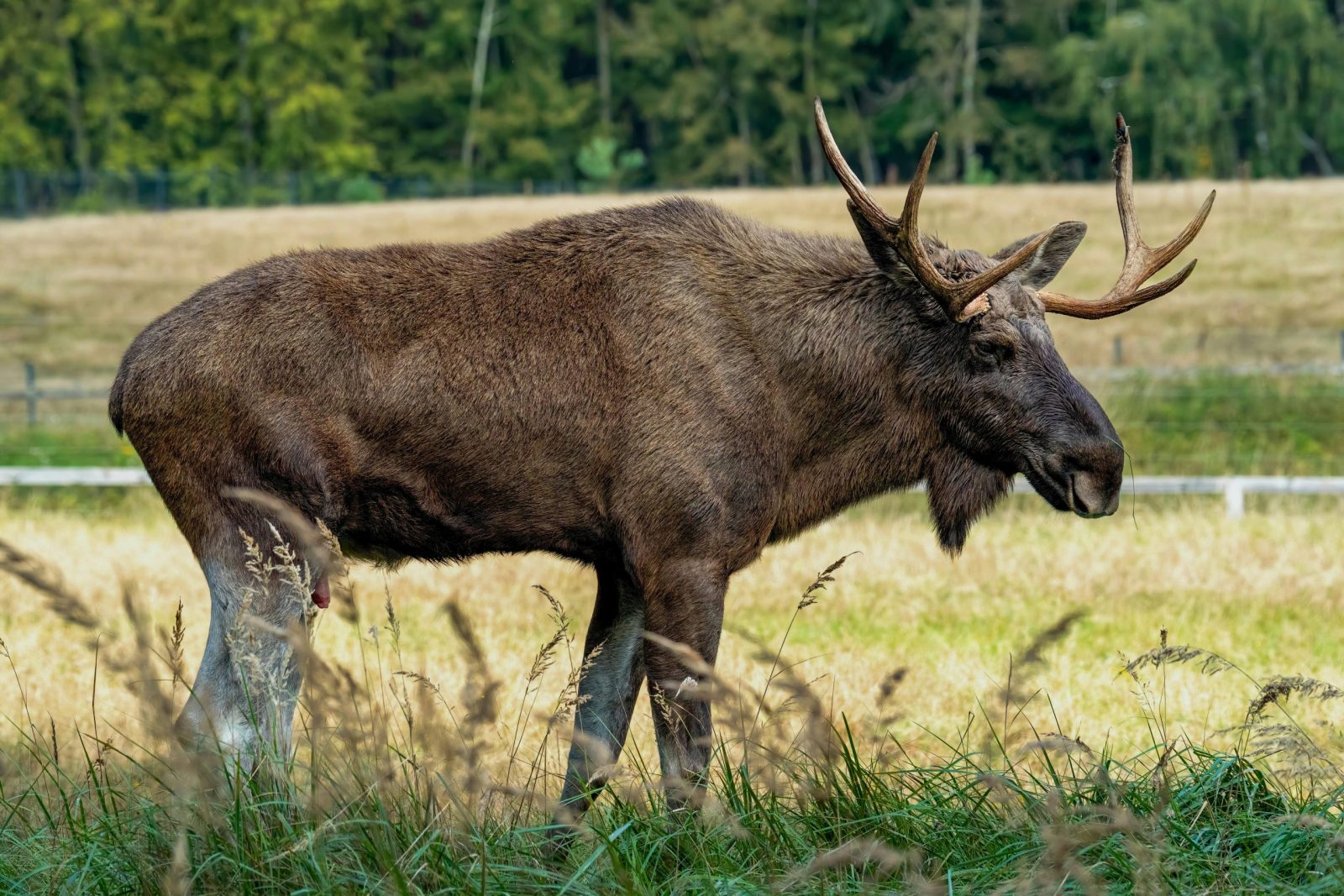
North Dakota manages several elk herds that inhabit the badlands and the forested hills in the eastern and western parts of the state. These populations have shown a steady increase in numbers, which has led to expanded hunting opportunities for residents in recent years. The state focuses on managing the elk to prevent damage to local crops while maintaining a healthy and viable wildlife population. The presence of elk in the rugged badlands offers a spectacular sight for those who venture into the remote corners of the state. North Dakota elk numbers are climbing steadily.
Kansas

Kansas maintains a small but stable elk herd at the Fort Riley military installation, where the protected landscape provides an ideal habitat for survival. The animals have occasionally wandered onto private lands, which prompted the state to establish specific management zones for the growing population. These elk represent a unique addition to the diverse wildlife found across the Flint Hills and the open prairies of the region. Limited hunting permits are available to help maintain the herd at a level that the local environment can support effectively. Kansas elk show that these animals can adapt well.