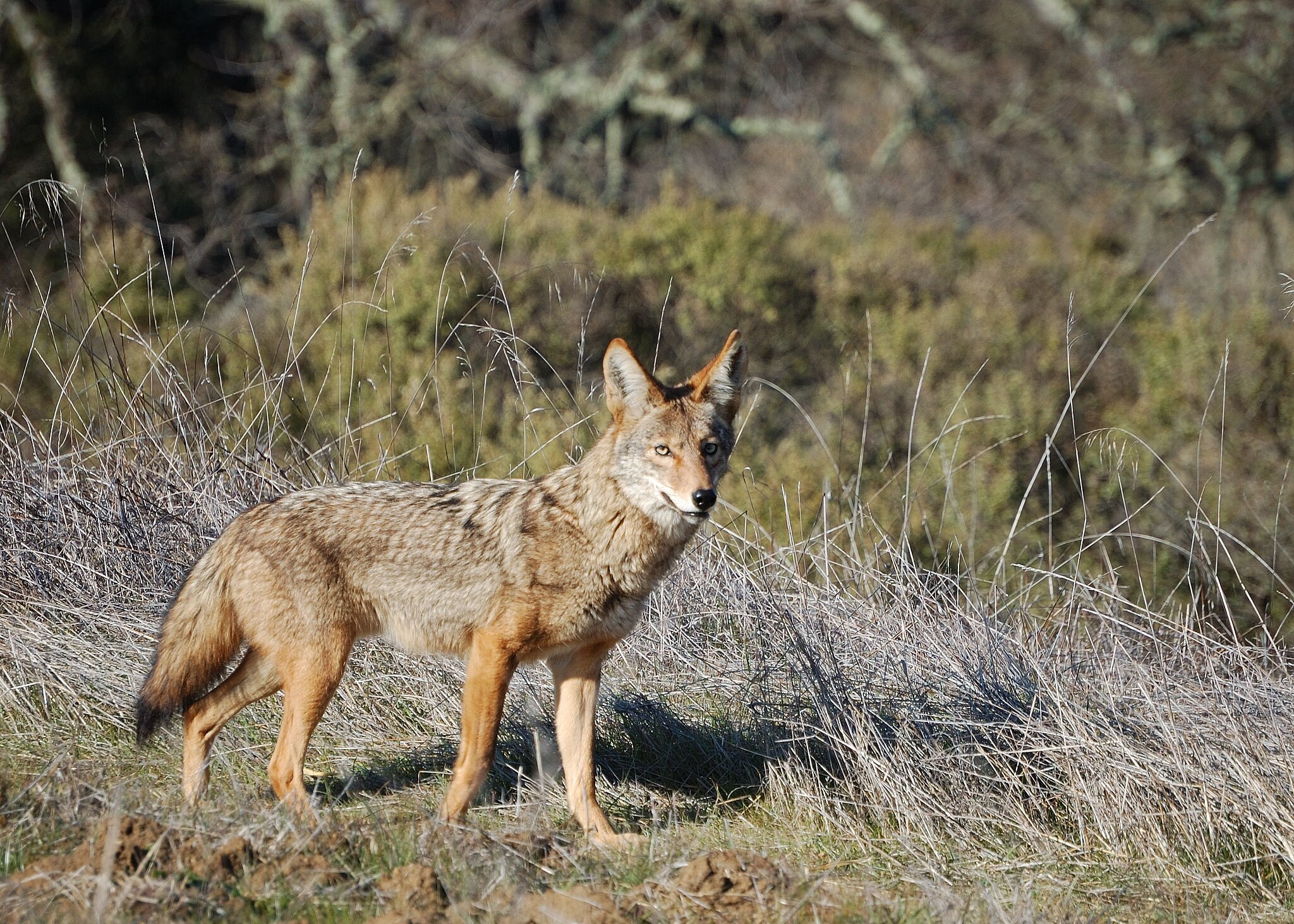
Coyotes have become one of the most widespread native carnivores in the United States. Once primarily a species of the central plains and western deserts, they have expanded across forests, mountains, grasslands, and even increasingly into urban and suburban areas. Population estimates vary by state based on habitat quality, prey availability, and wildlife management practices. These animals reproduce quickly and adapt to changing landscapes, which means their populations can grow even in areas where they were uncommon decades ago. The following states have some of the highest estimated coyote populations, illustrating both natural habitat suitability and the species’ extraordinary resilience.
1. Texas
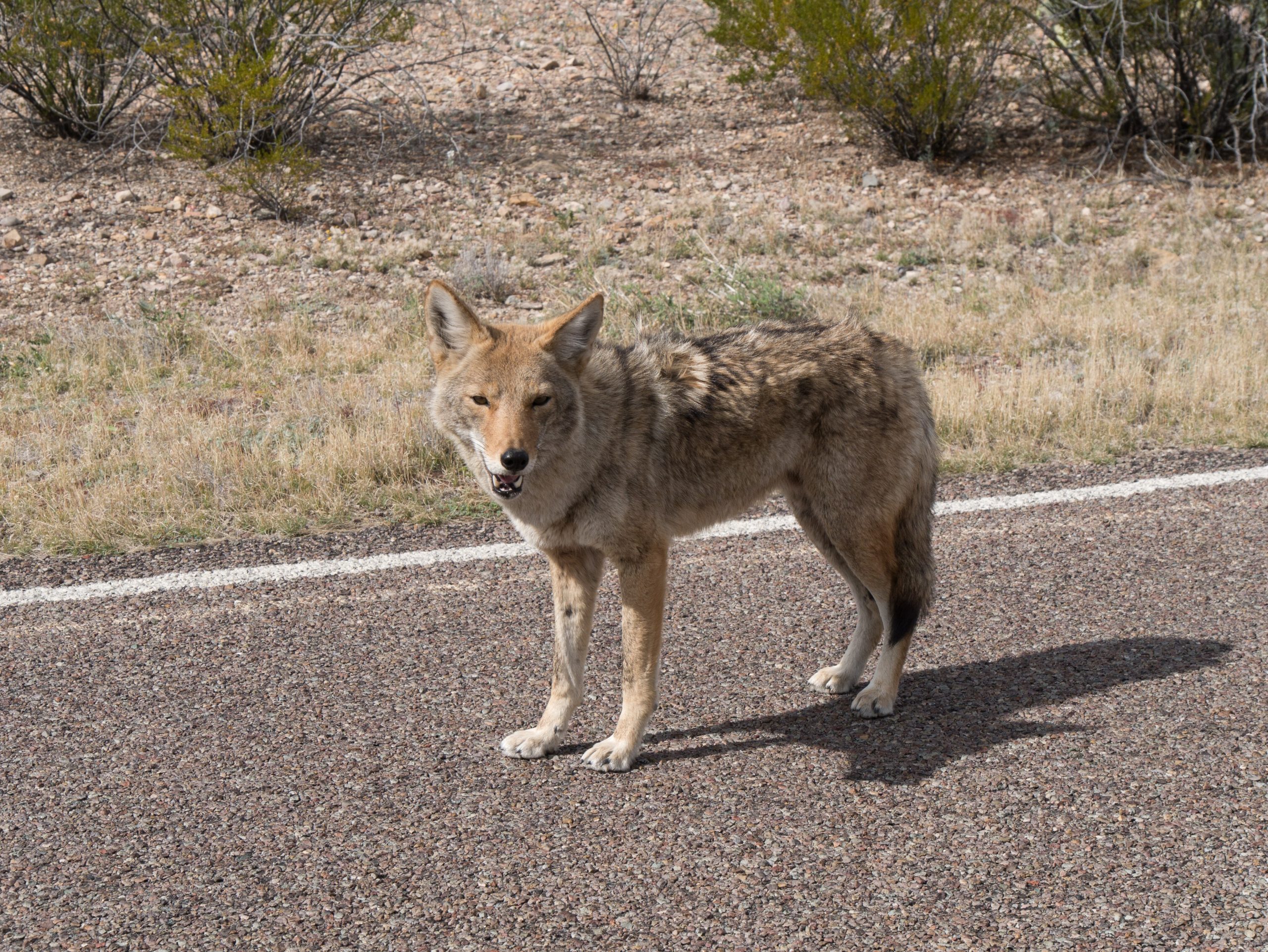
Texas boasts by far the largest estimated coyote population in the country, with around 859,510 individuals. This staggering number reflects the state’s vast size, diverse habitat types, and abundant prey resources. From arid deserts and open rangelands to wooded areas and agricultural fields, coyotes thrive across virtually every region of Texas. Their adaptability allows them to exploit food sources ranging from rodents and rabbits to livestock and urban refuse, making them common in rural and metropolitan areas alike. Coyotes in Texas are considered abundant, and wildlife officials report sightings statewide. This level of population demonstrates how resilient and versatile coyotes have become in modern ecosystems.
2. California
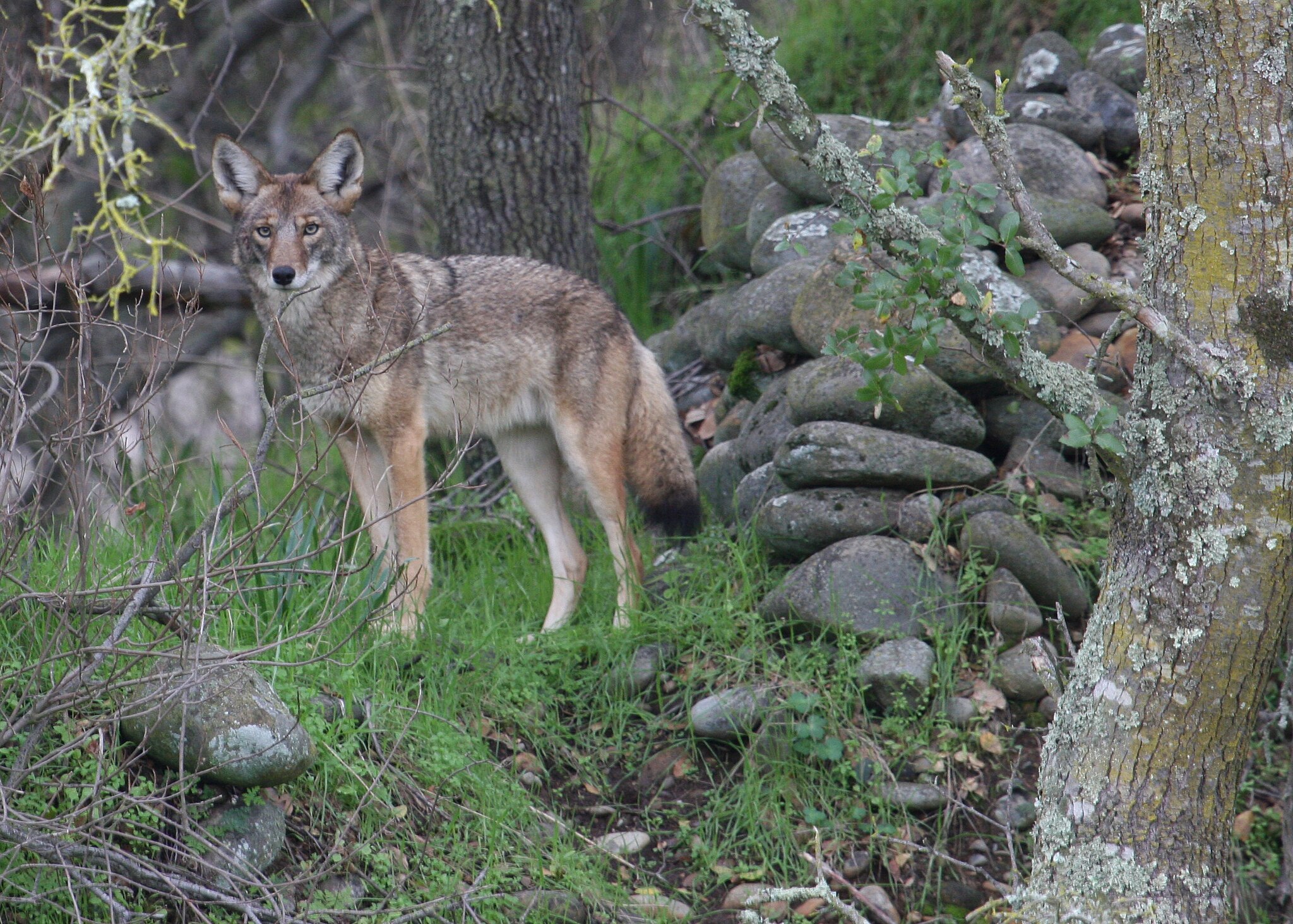
California supports an estimated 250,000 to 750,000 coyotes, reflecting how well the species adapts to a broad range of environments. The state’s mix of forests, deserts, mountains, grasslands, and even urban edges provides plentiful opportunities for food and shelter. Coyotes are often seen in parks, foothills, and sometimes right at the edge of cities. Despite heavy human activity, they exploit small mammals, fruits, and even human-related food sources, thriving in both wild and developed areas. Management efforts focus on coexistence strategies, especially where livestock or pets are at risk. California’s coyote population highlights how adaptable these animals are across varied terrain, even in highly populated regions.
3. Arizona
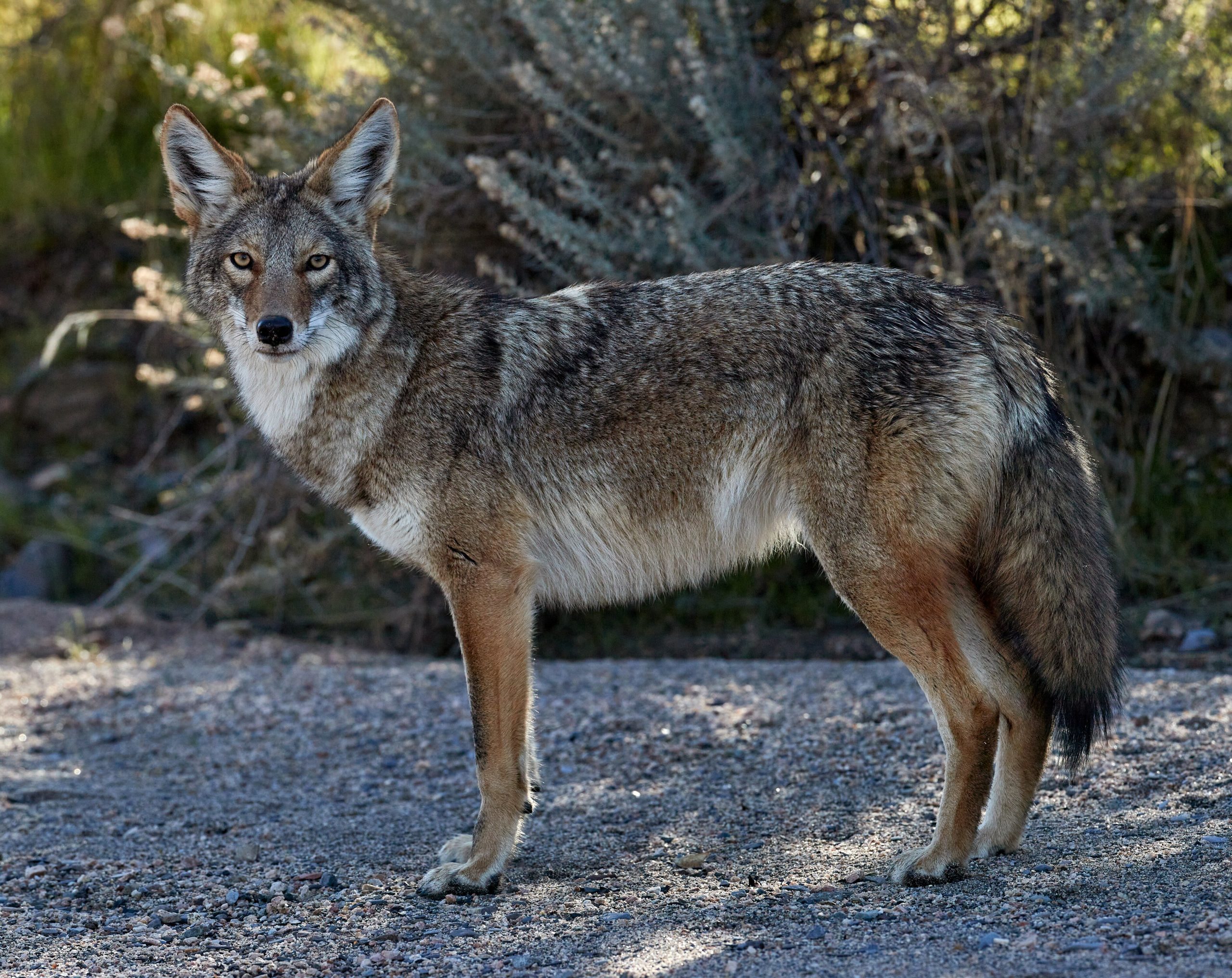
Arizona’s diverse wilderness, ranging from desert scrub to pine forests, supports around 200,000 coyotes. The state’s open spaces and abundant smaller prey species give these animals plenty of opportunities to establish territories. Coyotes in Arizona adapt quickly to rugged landscapes that offer mixed food sources and cover. Their presence is common from remote wilderness areas to agricultural edges. The arid environment also favors their natural hunting strategies, as coyotes can travel long distances in search of food without requiring dense forest cover. Arizona’s substantial coyote numbers illustrate how species can flourish in conditions once thought challenging, using flexibility to survive in varied and often harsh environments.
4. Kansas
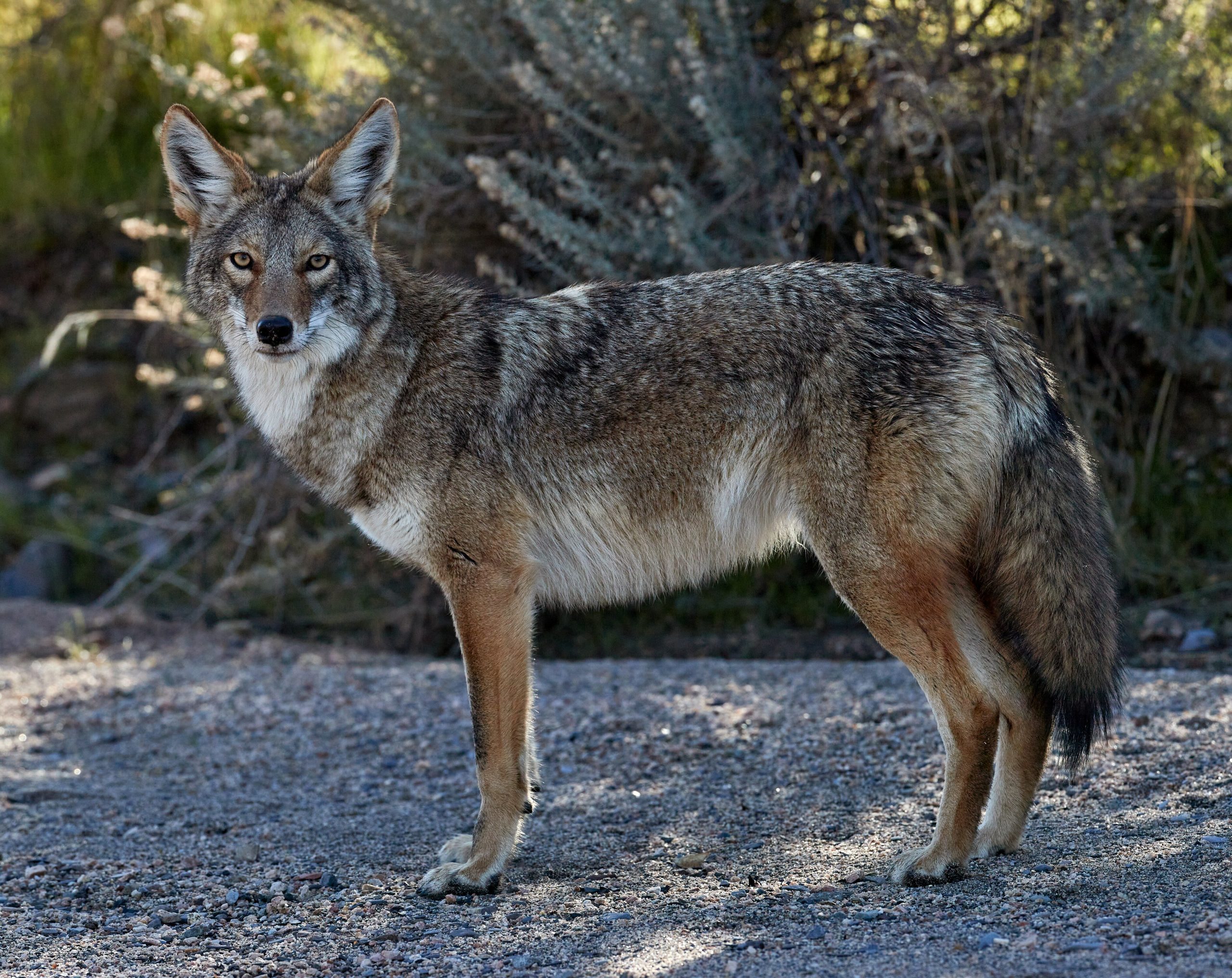
Kansas supports an estimated 150,000 to 300,000 coyotes, making it a major heartland stronghold for the species. The rolling prairies and agricultural landscapes of the Sunflower State provide abundant prey and open terrain that coyotes favor. In rural regions, they help control populations of rodents and other smaller animals, which makes them both valued and controversial. Their presence in Kansas is so widespread that sightings are common across farms, grasslands, and even near small towns. Coyotes utilize their speed, endurance, and adaptability to exploit diverse food sources, showing how well they prosper far from their original historical range.
5. New Mexico
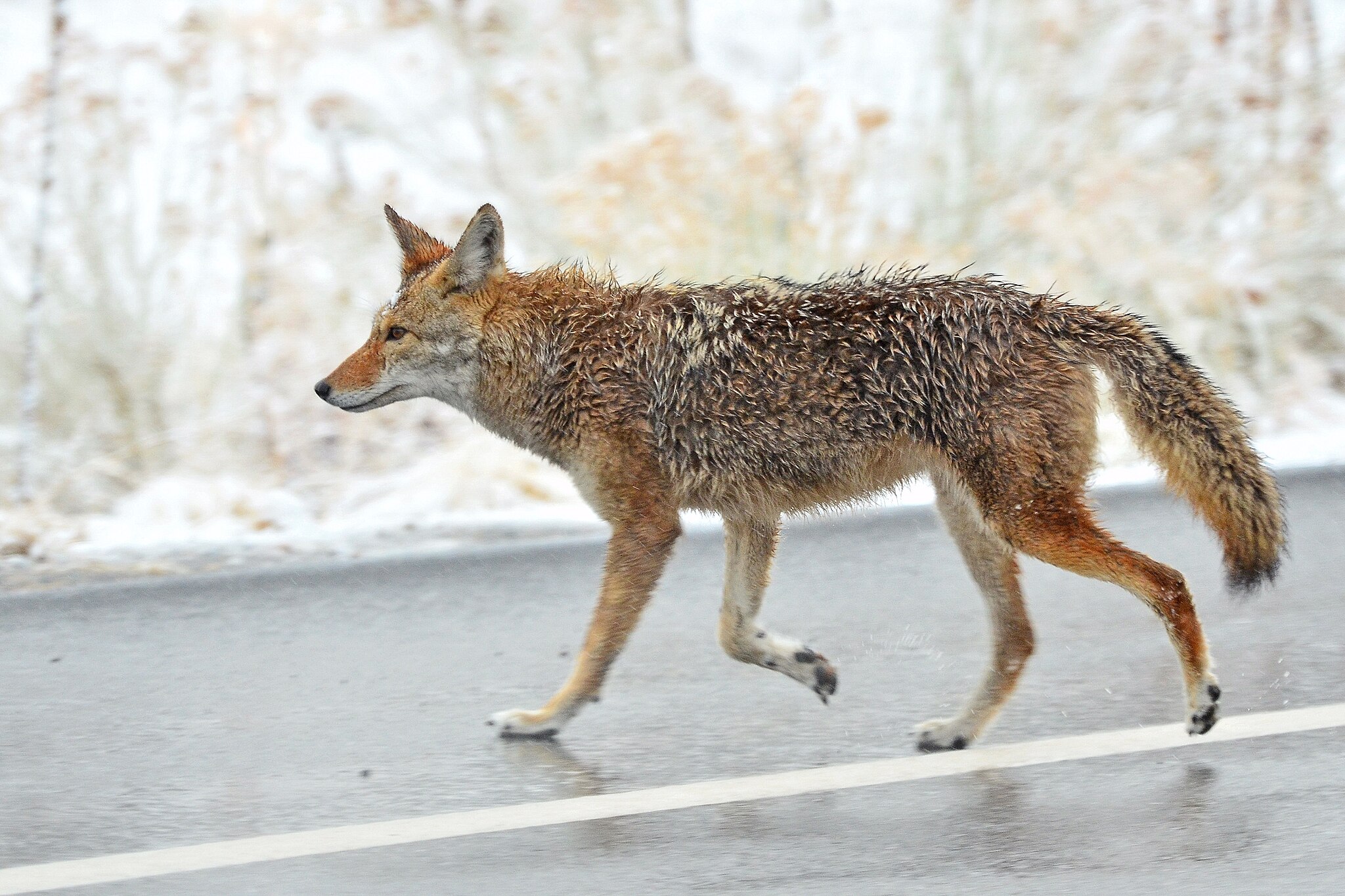
New Mexico’s population of around 125,000 coyotes reflects this species’ ability to take advantage of arid desert landscapes, mountains, and shrublands. The state’s varied topography provides multiple ecological niches for these adaptable canids. Coyotes here hunt small mammals, birds, reptiles, and even scavenge when necessary. Their numbers are buoyed by the broad availability of habitat and relatively minimal predator competition in many regions. Rural and remote areas allow multiple packs to establish stable territories, while agricultural regions provide additional prey opportunities. New Mexico’s coyote population underscores the species’ resilience even in the driest parts of the Southwest.
6. Arkansas
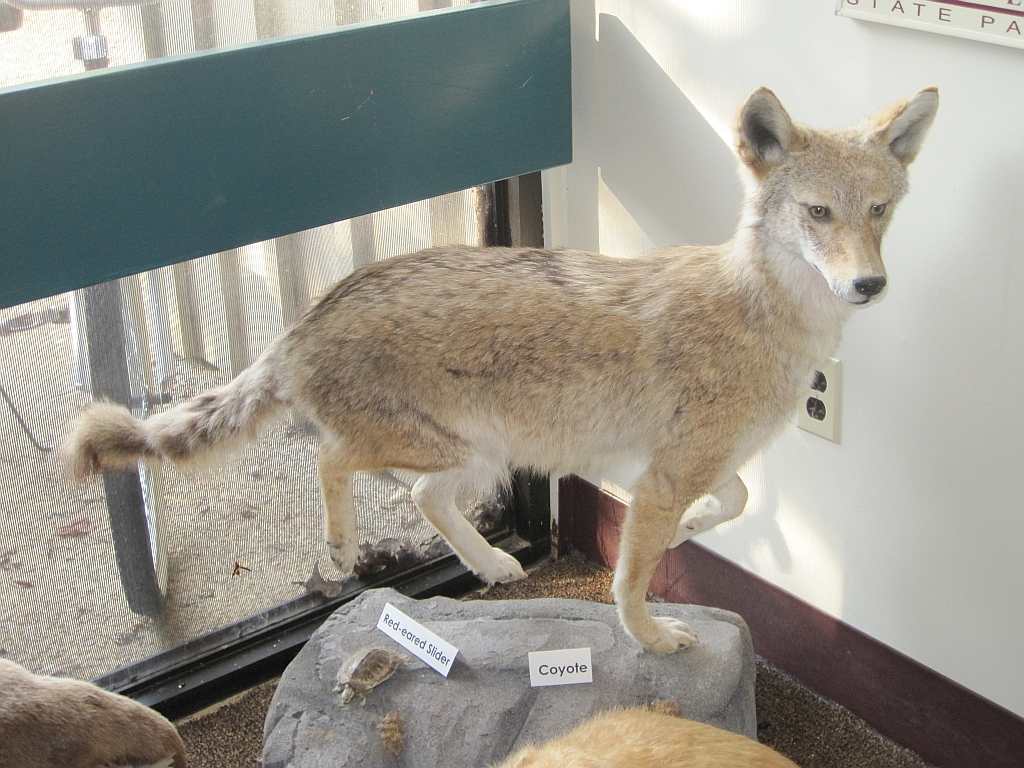
In Arkansas, estimates suggest 106,360 to 212,720 coyotes inhabit forested hills, wetlands, and farmland. The state’s mosaic of habitats offers good cover and varied diets for these animals. Coyotes here have expanded into regions once dominated by larger predators that are now absent, taking advantage of the ecological opportunities. Their presence is well documented in every county, and sightings are common both in rural countryside and at forest edges. Agriculture also supports healthy coyote numbers by providing prey species and shelter. Arkansas illustrates how coyote populations can flourish in mixed woodlands and agricultural states across the Southeast.
7. Pennsylvania
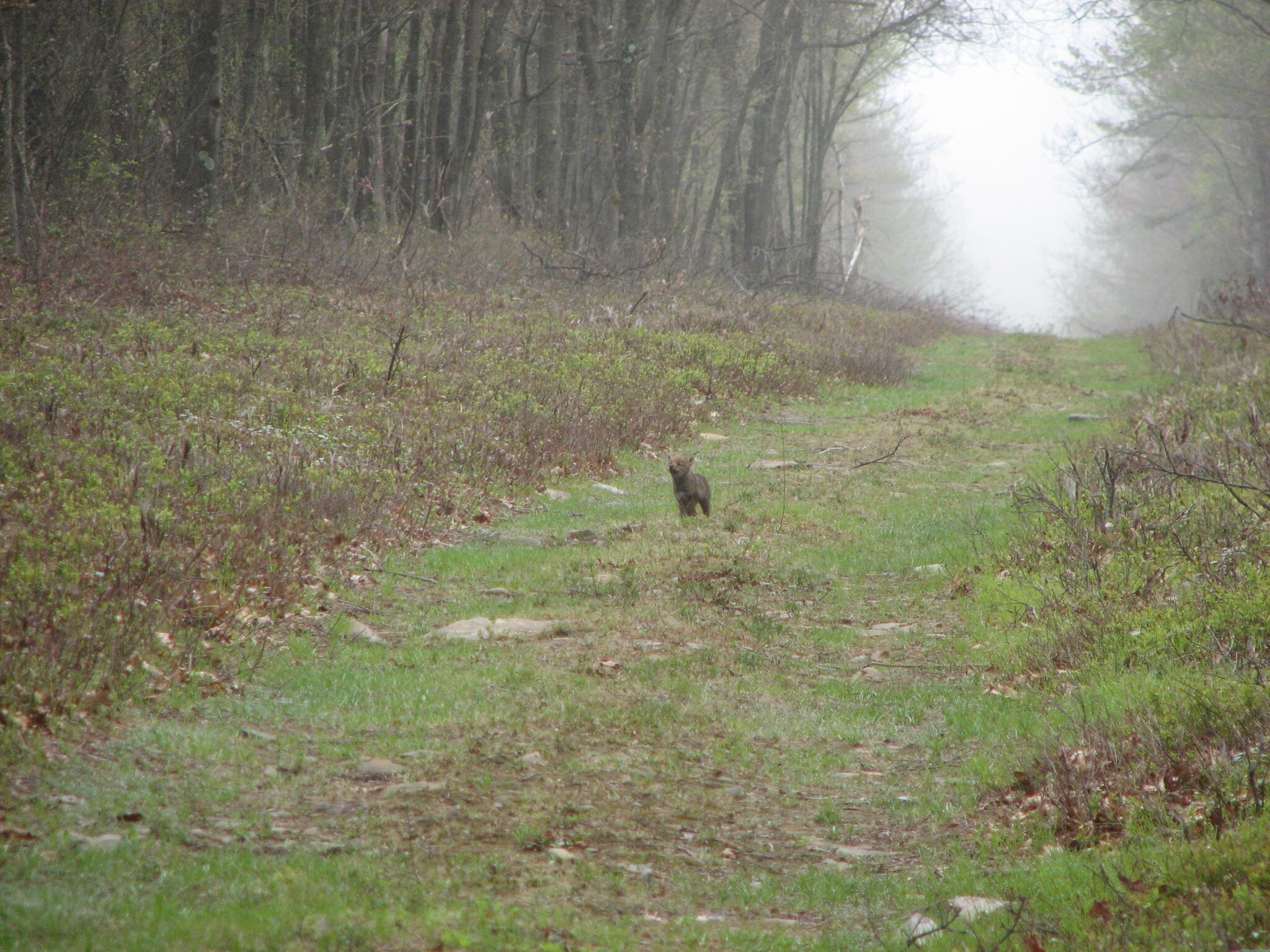
Pennsylvania’s estimated 100,000 coyotes show how far this species has expanded from its historical western range. Coyotes now inhabit forests, farms, and suburban fringes across the state. The Commonwealth’s mixed hardwood forests and fertile valleys supply abundant prey and cover. Their presence is common throughout, and wildlife officials note healthy populations in nearly every region. While urban sightings sometimes draw concern, coyotes remain primarily nocturnal and elusive around humans. Pennsylvania demonstrates that coyote adaptability extends well into the Northeast, with populations establishing themselves even in regions once considered unlikely for sustained growth.
8. Georgia
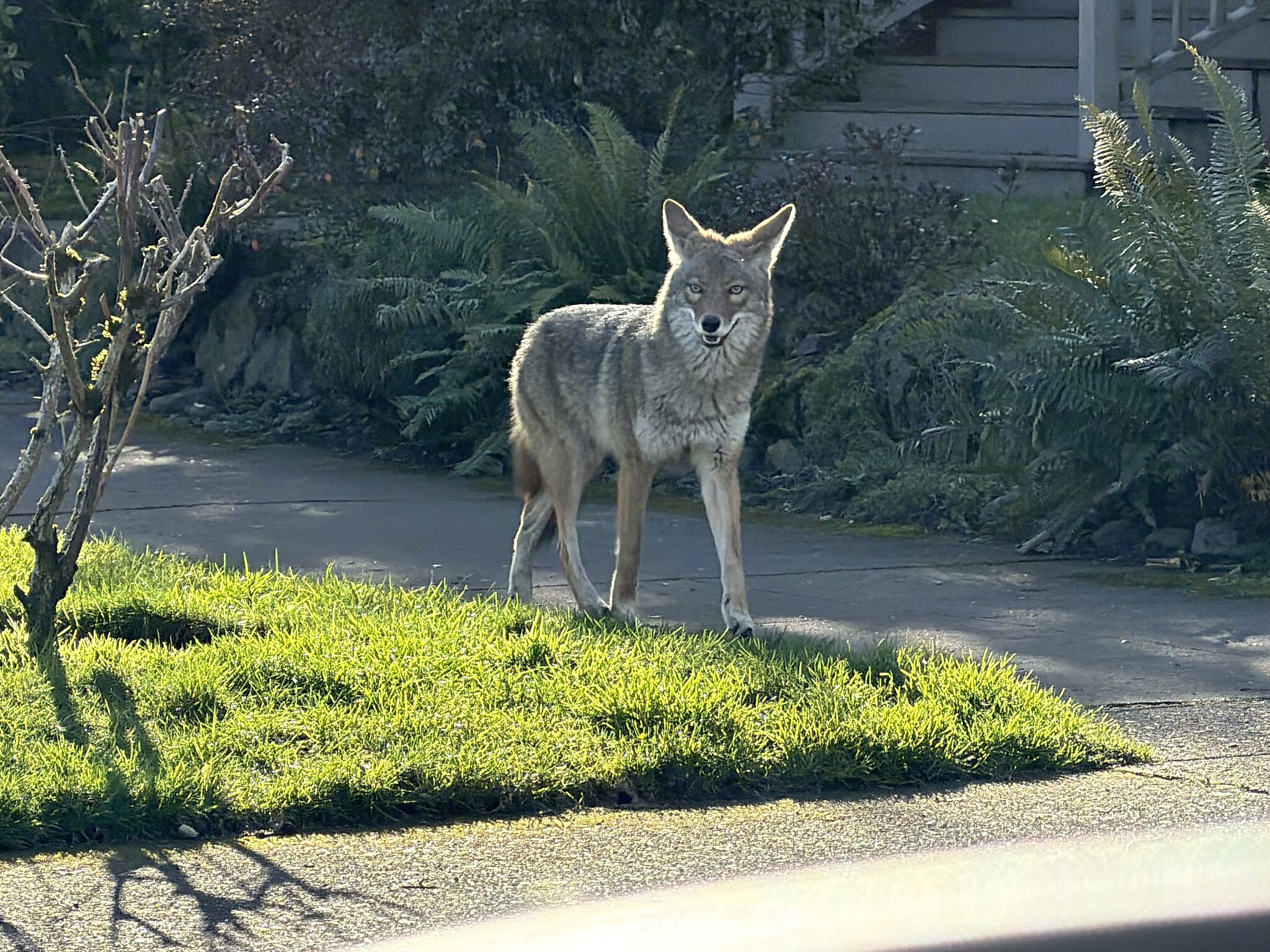
Georgia’s coyote population is estimated at 90,000, with these animals widely distributed across forests, farmland, and suburban areas. Coyotes have steadily expanded across the Southeast, adapting to warm climates and mixed habitats. Their ability to thrive in both wild and developed landscapes has led to sightings in rural counties and near urban centers alike. Although not as numerous as in western states, Georgia’s coyotes contribute to broader regional populations that reflect species resilience. Wildlife officials monitor populations and coexistence strategies where human-wildlife interactions occur, emphasizing awareness and education.
9. Wyoming
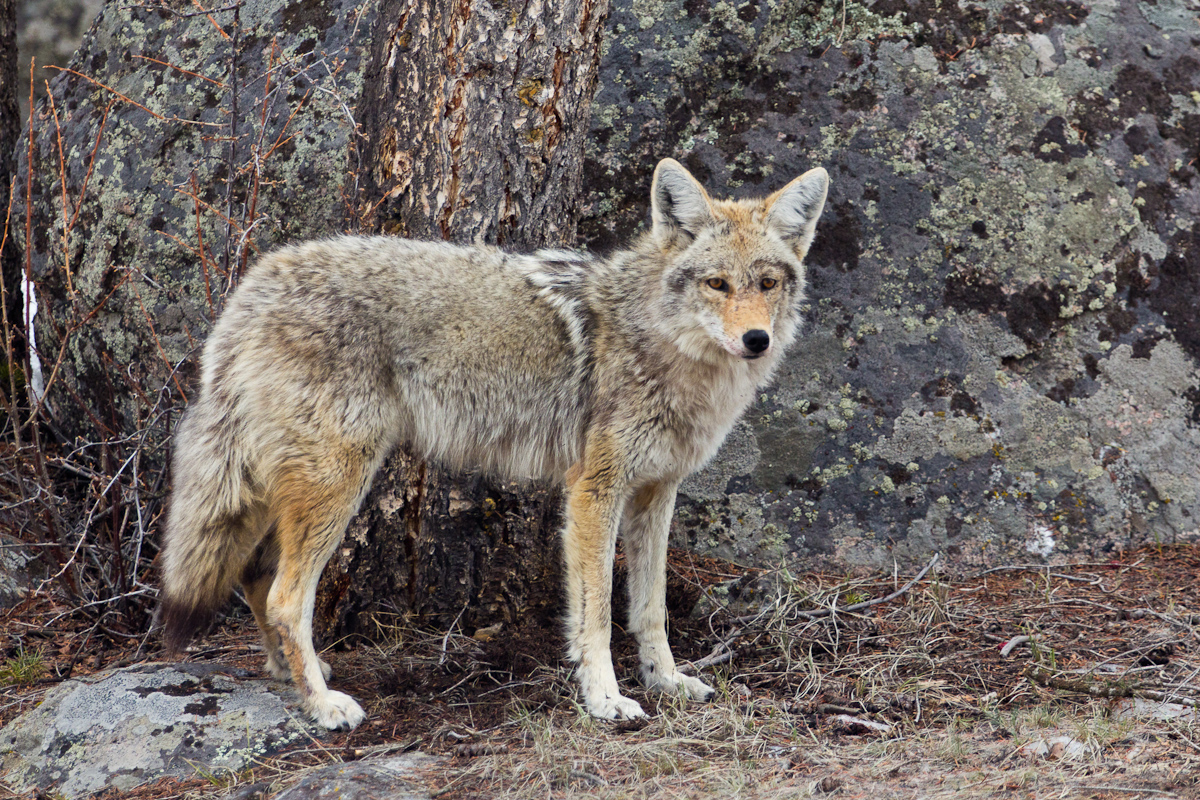
Wyoming’s vast open spaces, sagebrush plains, and mountain foothills support around 86,000 coyotes. The state’s expansive public lands offer ideal conditions for travel and hunting. Coyotes exploit these habitats efficiently, following prey like rodents, rabbits, and deer fawns. Harsh winters test survival, yet coyotes display remarkable adaptability and persistence. Their presence is common along roadsides, ranchlands, and remote valleys. Wyoming’s population offers insight into how coyotes thrive even in colder, less vegetated regions, showing their broad ecological flexibility and resilience across western landscapes.
10. Oregon
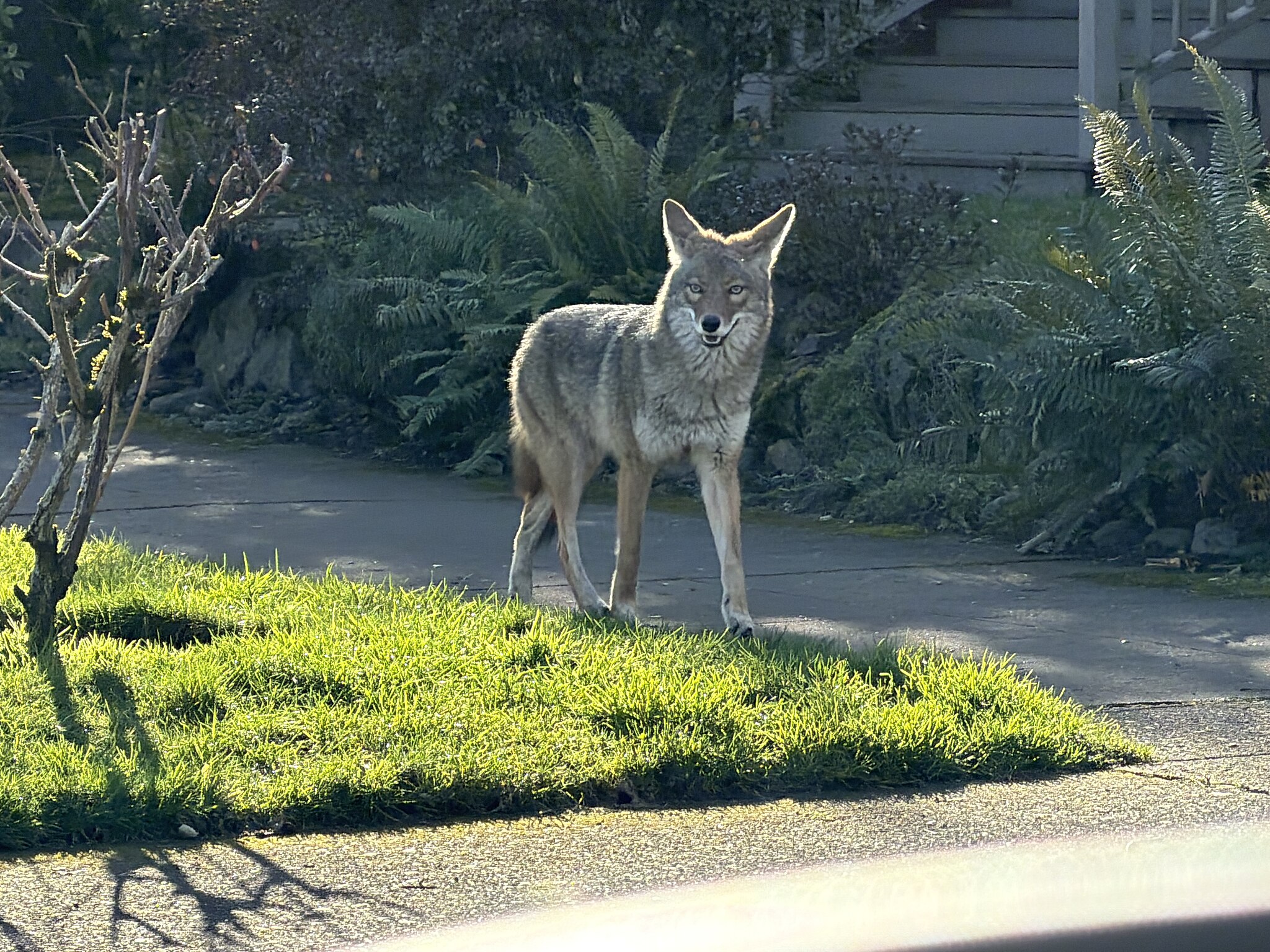
Oregon has an estimated 83,695 coyotes, flourishing across forests, valleys, and high desert landscapes. The state’s environmental diversity supports stable predator populations, with coyotes adaptable enough to navigate densely wooded regions and open terrain alike. Coyotes in Oregon balance hunting small mammals with scavenging opportunities. Human development does not prevent their presence; they often exploit edge habitats or transition zones between wilderness and agricultural land. The Pacific Northwest’s mix of ecosystems highlights how coyotes continue to succeed across varied climates and terrains.
11. Colorado
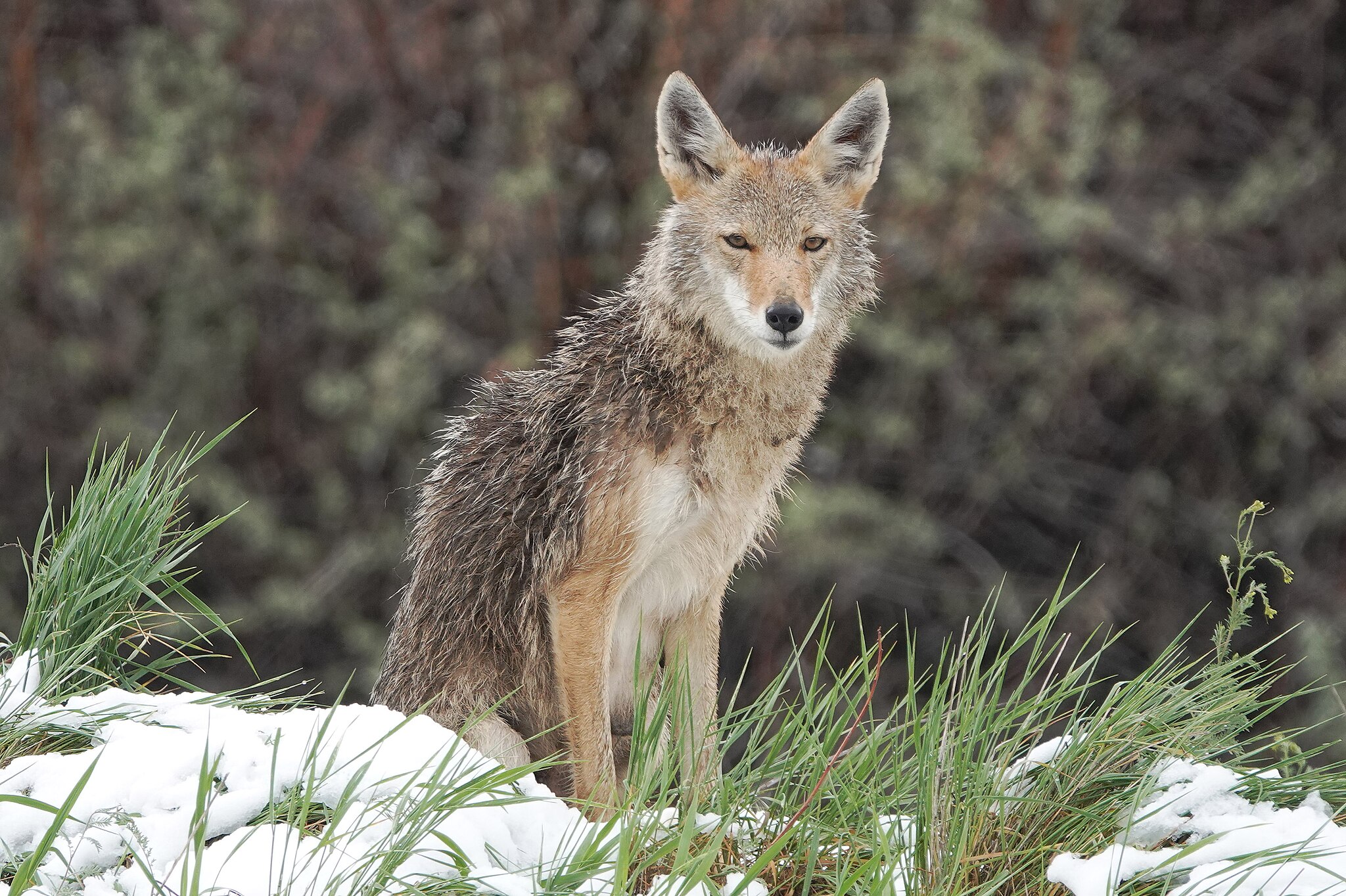
Colorado’s coyote estimate ranges between 78,252 and 89,050. The state’s blend of mountains, plateaus, grasslands, and river valleys creates diverse opportunities for this adaptable canid. Coyotes thrive in open plains and foothills while also venturing into forested areas. Their diets reflect availability, taking everything from rodents to small game or vegetation when needed. Coyotes in Colorado fill an important ecological niche, helping regulate smaller mammal populations. Their adaptability to altitude and rugged terrain underscores their remarkable success in diverse environments across the Rocky Mountain region.
12. South Dakota
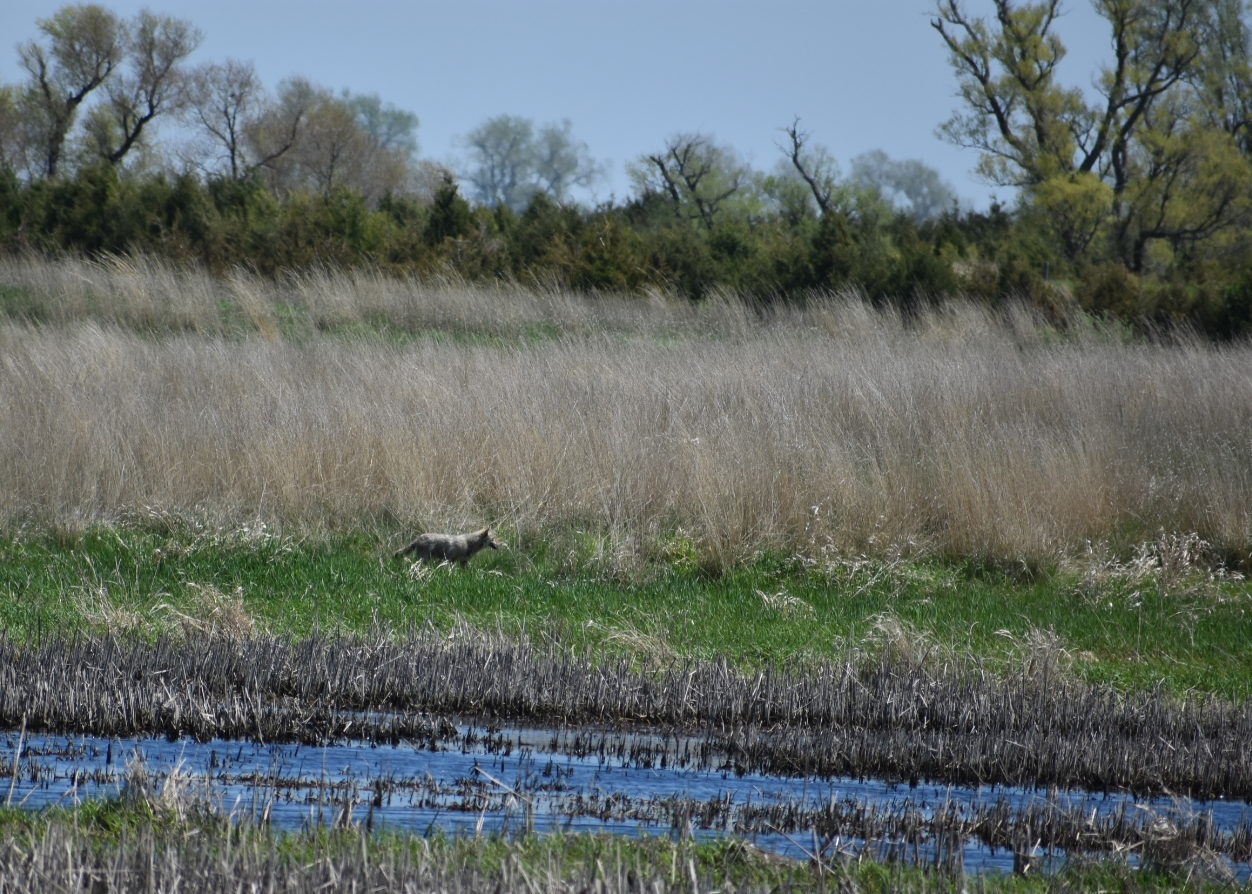
South Dakota is estimated to host around 70,000 coyotes. The state’s rolling plains, mixed grasslands, and farmland provide ideal habitat and abundant prey. Coyotes here navigate both expansive open fields and more wooded regions with equal ease. Harsh seasonal weather influences their movements and breeding success, yet their populations remain strong. As rural landscapes dominate the region, coyotes frequently cross livestock ranching areas, creating interaction dynamics with human activity and wildlife management considerations. South Dakota’s numbers reflect classic prairie ecosystems where coyotes historically flourished.
13. Nevada
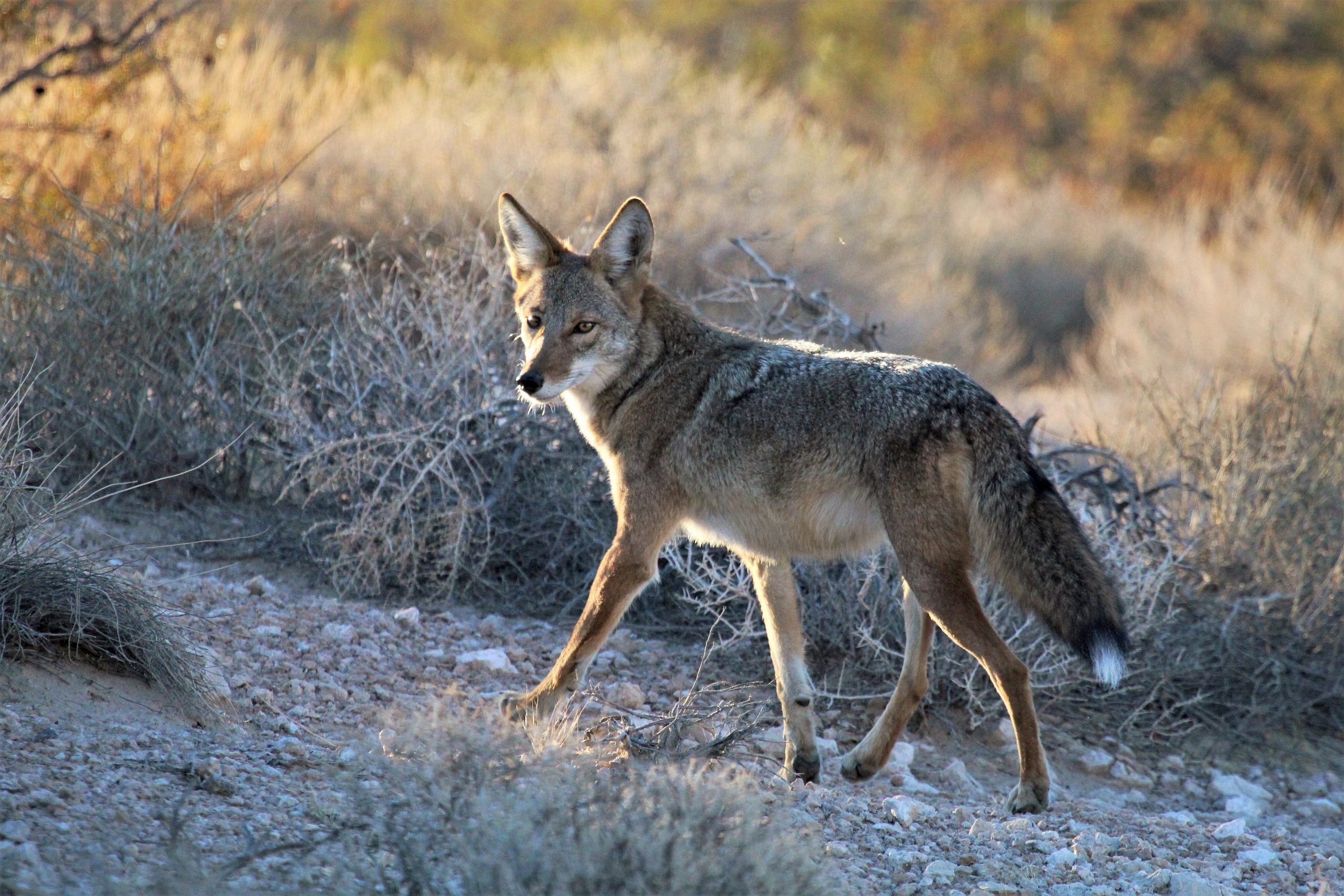
Nevada’s estimated coyote population falls around 55,000, with these adaptable animals spread across high desert terrain, mountain ranges, and basin edges. Coyotes here exploit scarce water sources and prey cleverly, showing resilience in environments that challenge many species. Their presence illustrates adaptability to arid conditions and their ability to make use of rugged, open landscapes where food sources may be spread thin. Nevada’s coyotes are a testament to how well they can thrive outside traditional forested habitats, relying on scavenging and opportunistic hunting strategies in challenging ecological conditions.
14. Alabama
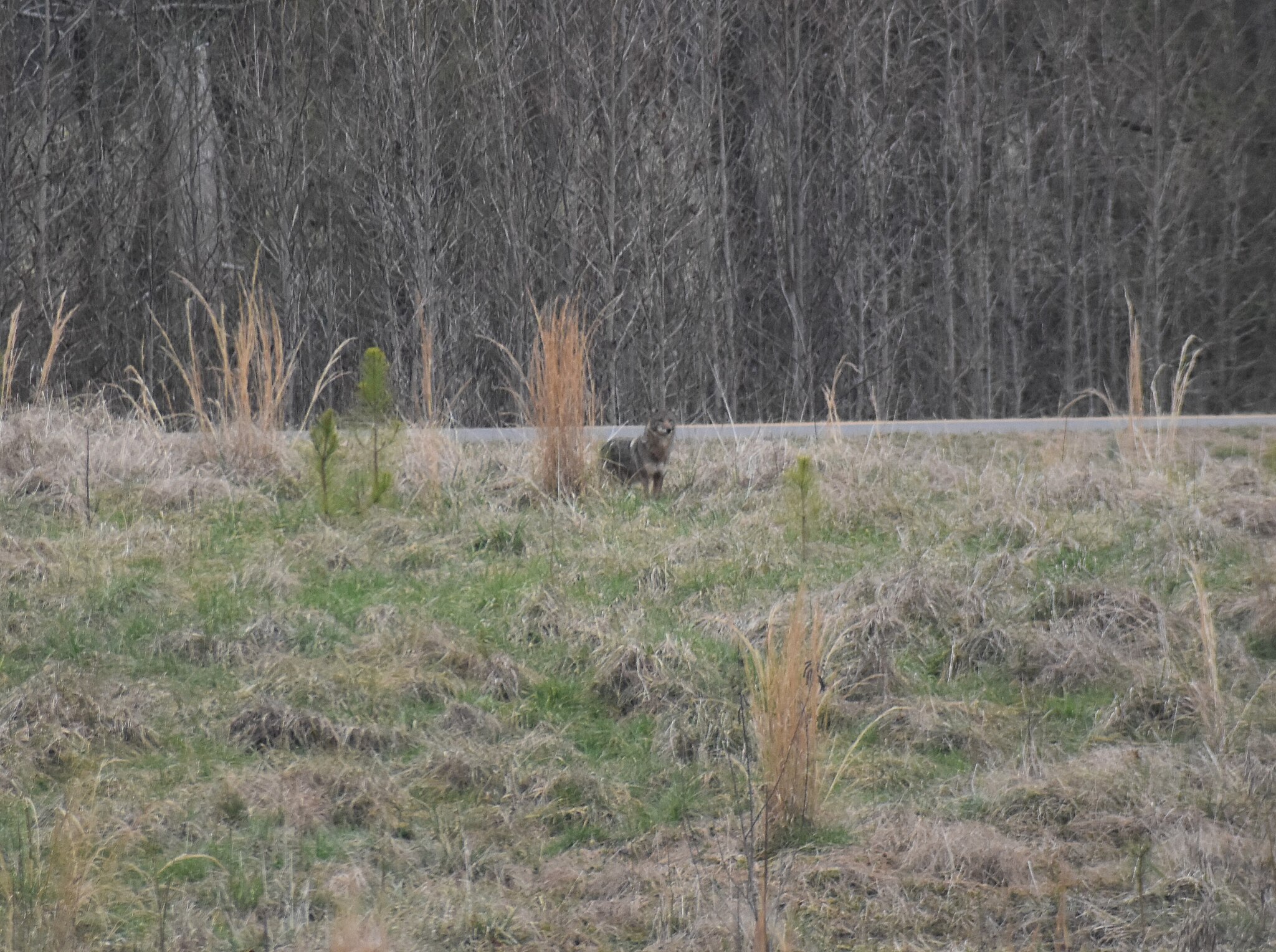
Alabama supports an estimated 52,400 coyotes, finding homes in forests, agricultural lands, and edge habitats. The state’s warm climate, dense woods, and mixed terrain provide food and shelter. Coyotes here often traverse rural regions and suburban peripheries. While their numbers are lower than in Western states, their presence is well established. Alabama’s coyote population reflects broader southeastern expansion as these animals continue moving eastward. Their resilience and adaptability to varied environments highlight their success across many landscapes previously considered marginal for large carnivores.
15. Florida
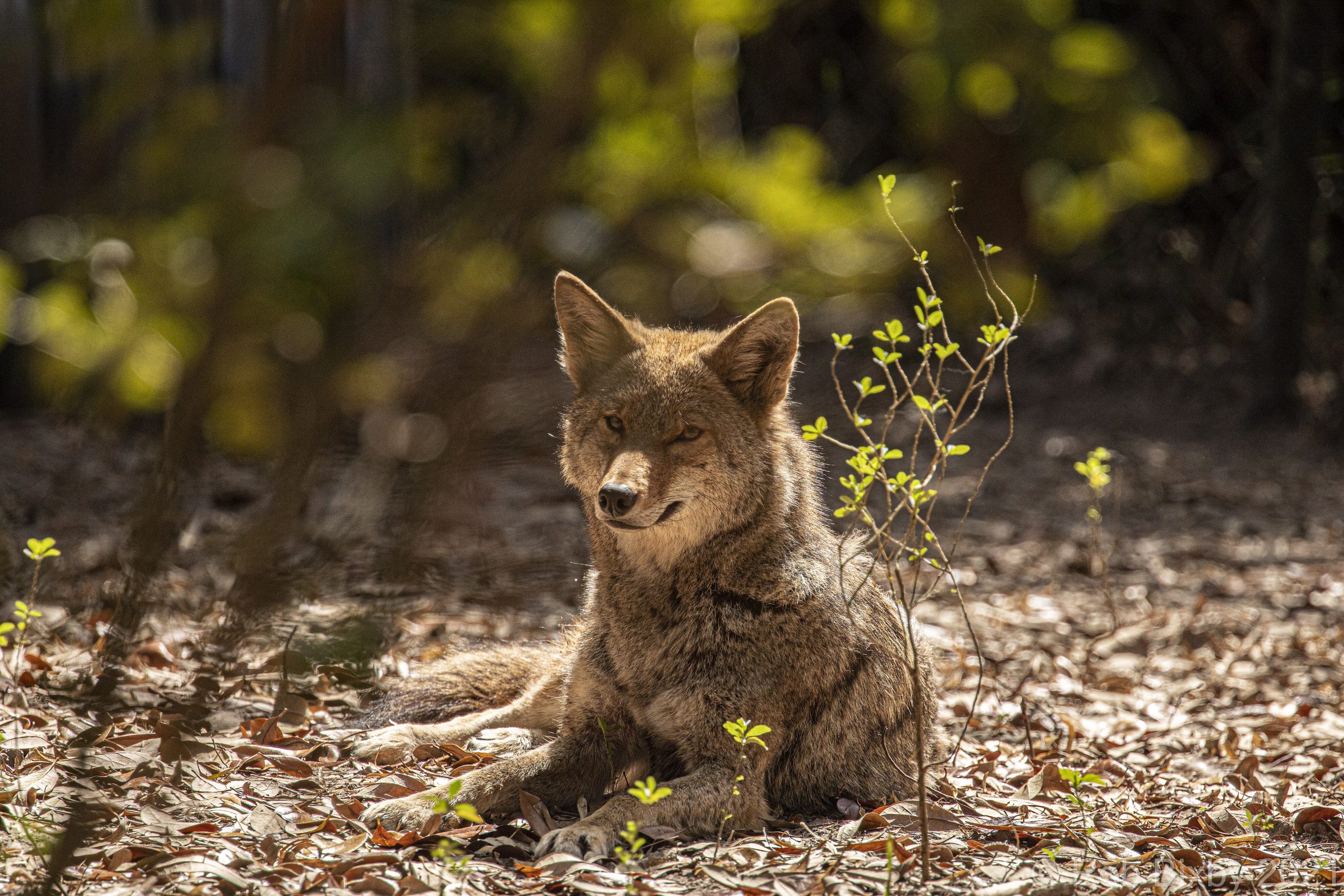
Florida’s coyote numbers are more difficult to quantify precisely, but estimates range up to around 70,000 based on available data. Coyotes have recolonized throughout much of the state and now inhabit varied environments from forests and wetlands to suburban neighborhoods. Their population in Florida has increased noticeably in recent years, with sightings rising significantly, indicating a strong and expanding coyote presence. This expansion highlights both the species’ adaptability and its ability to thrive in warm, humid climates alongside human development. Florida completes this list as an example of eastern range growth following historical expansion from the central U.S.