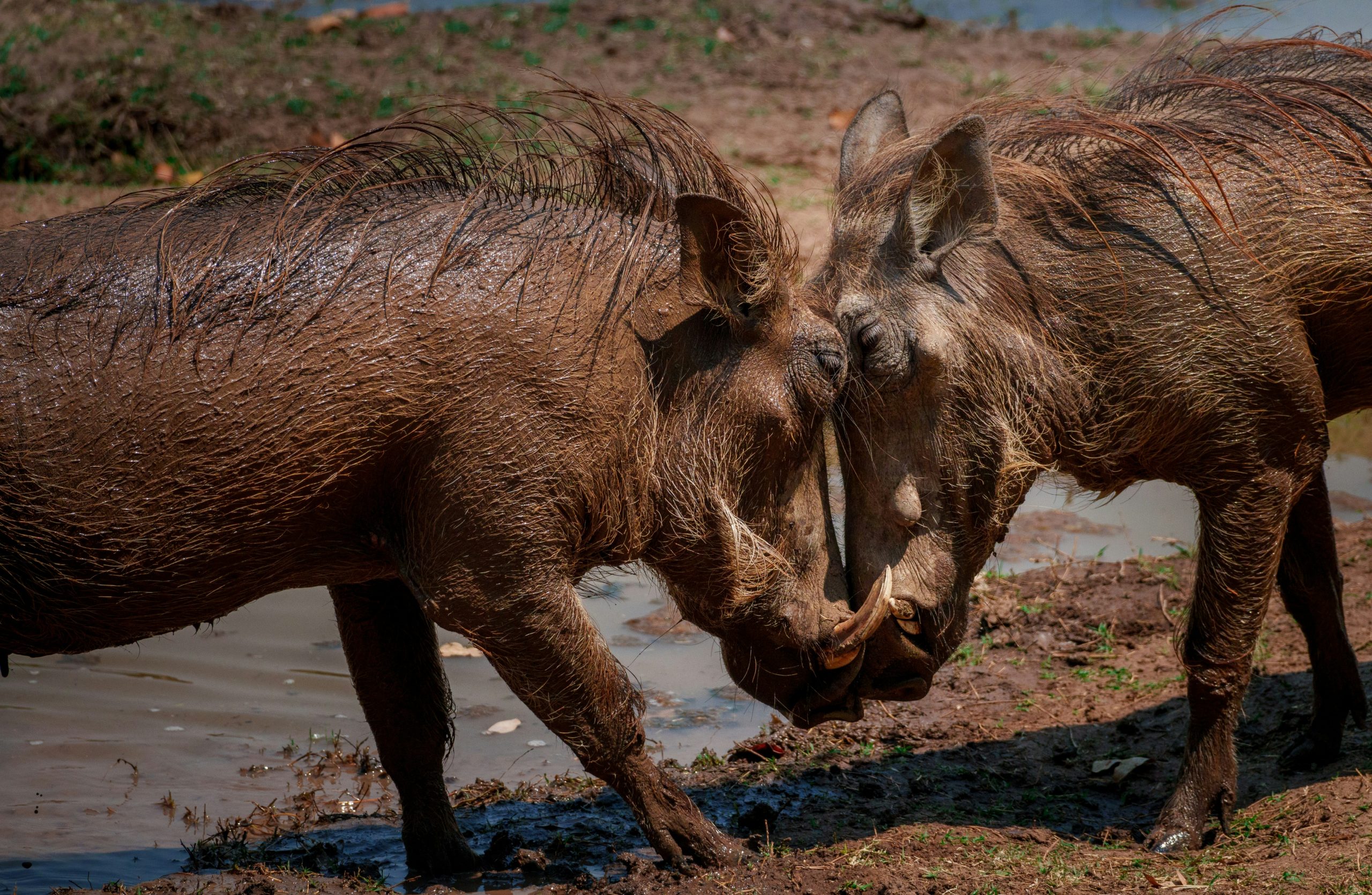
Wild hogs have quietly become one of the most destructive invasive species in the United States. Once limited to small regions, feral hog populations have expanded rapidly, fueled by high reproduction rates and an ability to adapt to nearly any environment. These animals cause extensive damage to crops, pastureland, forests, and waterways while also threatening native wildlife and spreading disease. Farmers face mounting financial losses, landowners struggle with torn-up ground and fencing, and state agencies are forced to divert resources toward control efforts. As hogs move closer to populated areas, vehicle collisions and safety concerns are rising. In the following states, the impact has reached a point where it can no longer be dismissed as a minor nuisance.
1. Texas
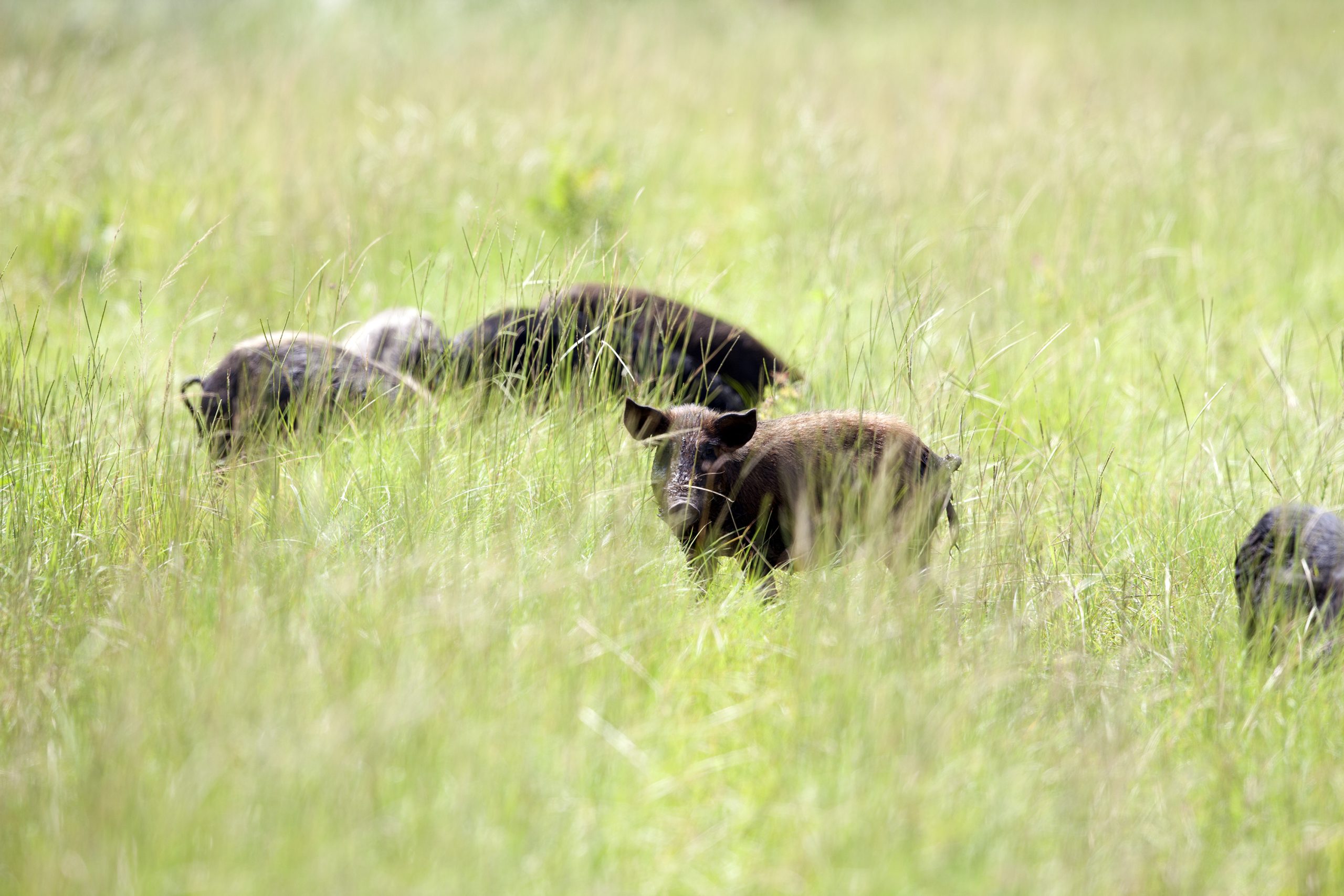
Texas experiences the most severe wild hog damage in the country, with impacts felt across agriculture, infrastructure, and ecosystems. Millions of feral hogs roam the state, destroying crops such as corn, sorghum, and wheat while tearing up pastureland used for livestock grazing. Their rooting behavior damages fences, irrigation systems, and roads, increasing maintenance costs for landowners. Water sources become contaminated, and erosion worsens along creeks and rivers. Despite aggressive control methods, including aerial hunting and year-round harvest, reproduction rates continue to outpace removal. For many Texas farmers and ranchers, wild hog damage is not seasonal or occasional, but a constant and costly reality that affects nearly every aspect of land management.
2. Florida
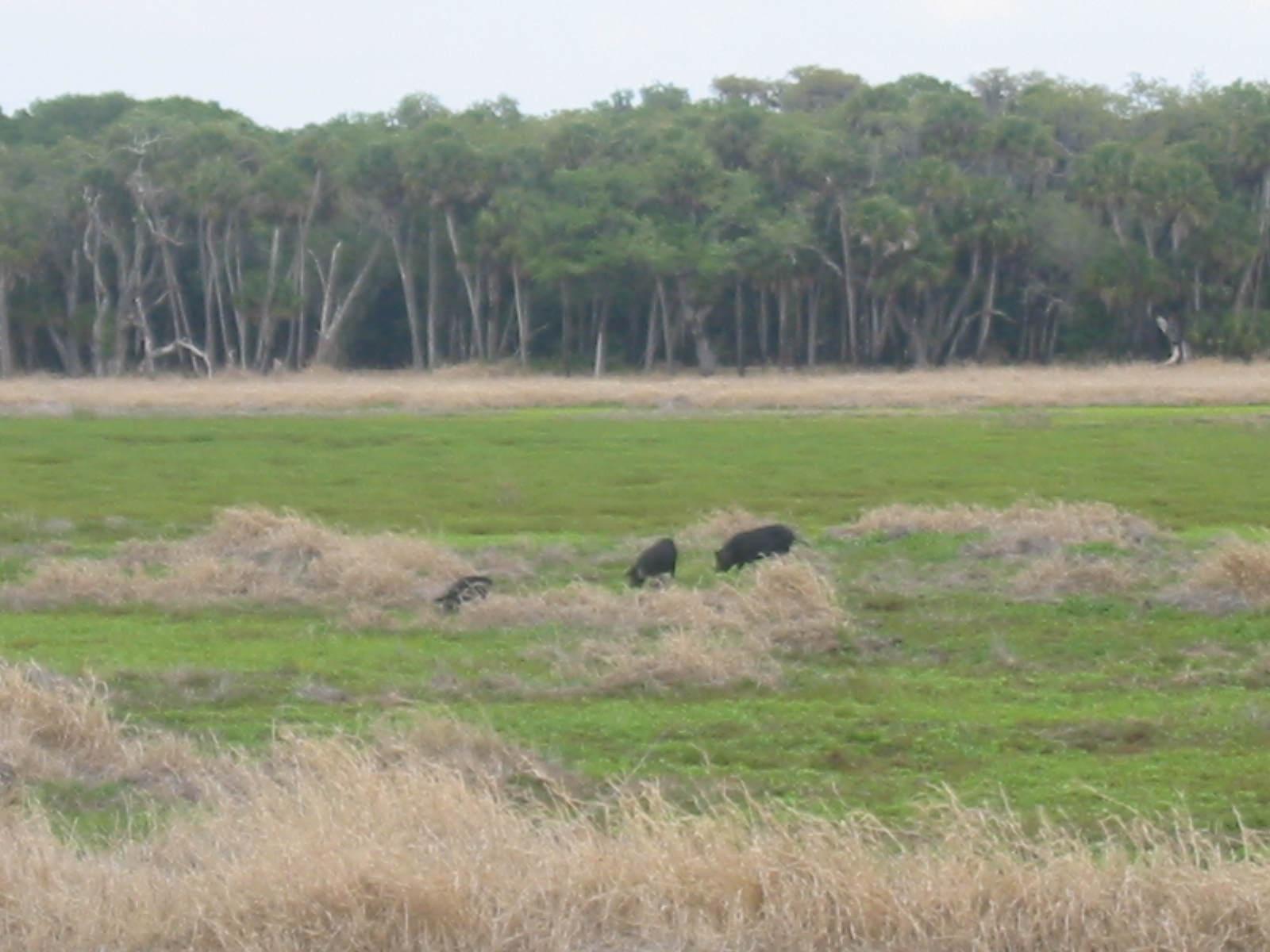
Florida’s climate and landscape create ideal conditions for wild hogs to flourish, making damage increasingly difficult to contain. Agricultural producers report heavy losses in crops such as sugarcane, peanuts, and vegetables, often after just a single night of hog activity. Wetlands and forests suffer as hogs uproot native plants, disrupt soil structure, and accelerate erosion. In coastal and low-lying regions, their digging alters water flow and worsens flooding risks. Suburban development has increased encounters near neighborhoods, leading to vehicle collisions and property damage. While hunting remains legal on private land, control efforts struggle to keep pace. In Florida, wild hog damage threatens both economic stability and fragile ecosystems.
3. Georgia
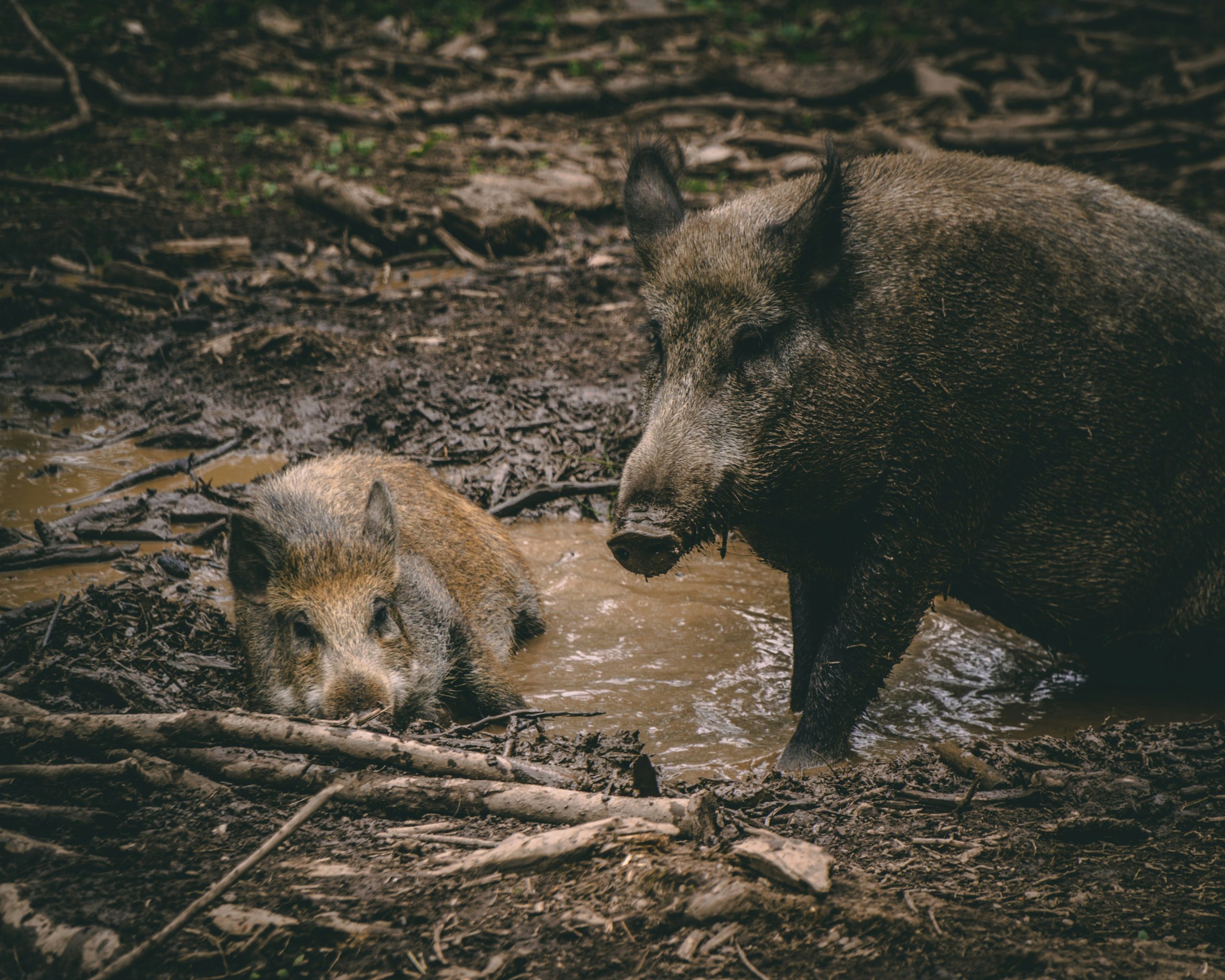
Georgia’s agricultural economy has become increasingly vulnerable to expanding wild hog populations. Farmers regularly report severe losses to peanut, corn, and soybean fields, where hogs root up large sections of crops overnight. Timber landowners also face damage, as hogs destroy young pine seedlings and disrupt soil needed for forest regeneration. Beyond agriculture, hogs prey on ground-nesting birds and compete with native wildlife for food. Control efforts are complicated by fragmented land ownership and inconsistent participation across property lines. As hogs spread into new counties, damage reports continue to rise. For many Georgia landowners, wild hogs represent one of the most persistent and financially draining challenges they face.
4. Alabama
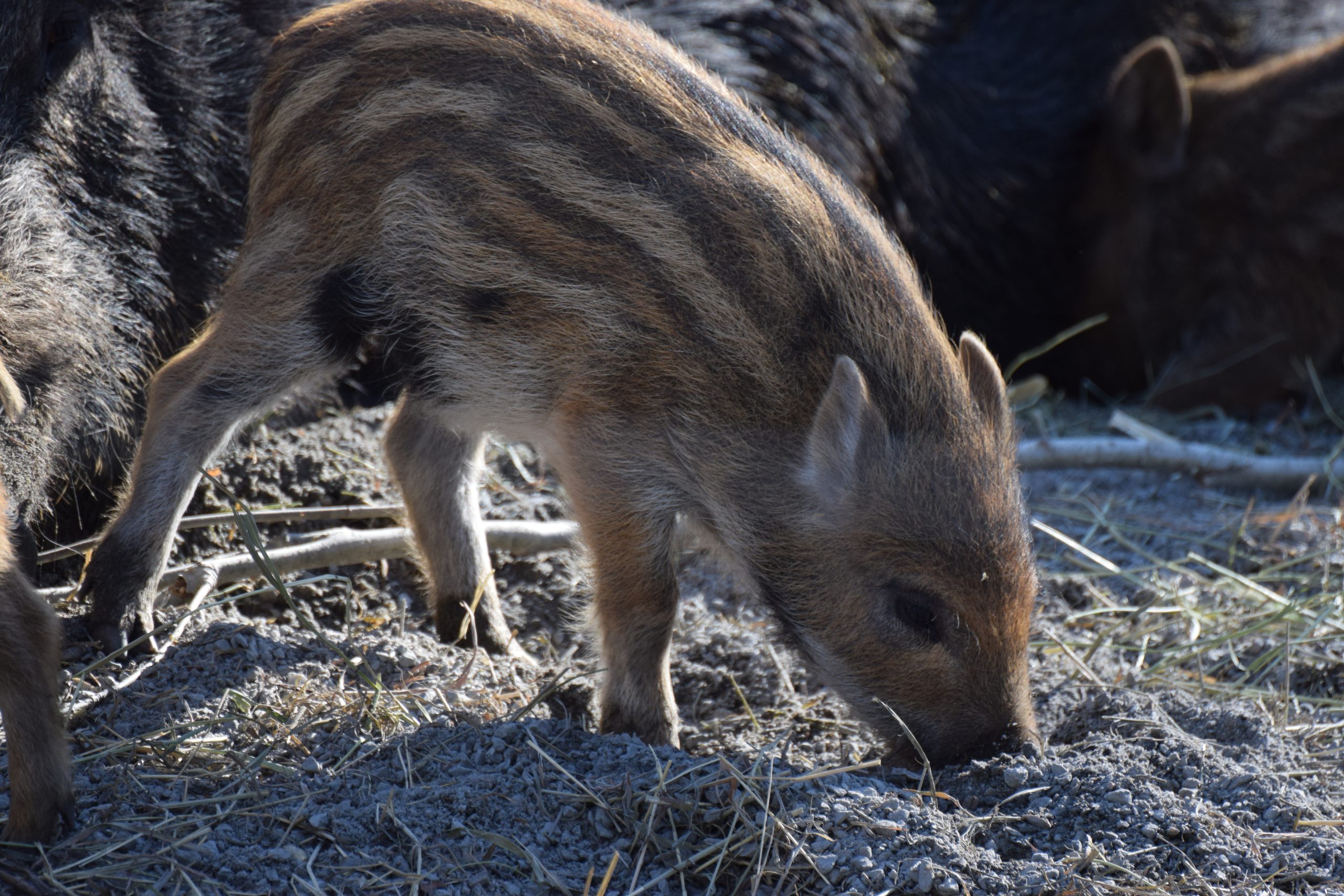
Alabama’s mix of farmland, forests, and river systems makes it especially susceptible to wild hog damage. Hogs tear up row crops and pastures while also damaging food plots intended for wildlife management. Their rooting destabilizes soil along waterways, contributing to erosion and degraded water quality. Livestock producers face additional concerns due to disease transmission risks. Despite liberal hunting regulations and trapping efforts, hog populations remain resilient and continue expanding into new areas. The animals’ nocturnal behavior makes damage difficult to prevent before it occurs. In Alabama, wild hogs have shifted from an occasional problem to a widespread issue that affects agriculture, conservation, and land use planning statewide.
5. South Carolina
Wild hog damage in South Carolina has intensified, particularly in agricultural and coastal regions. Farmers report increasing losses to corn, rice, and soybean crops, while hogs also destroy wetlands critical to native wildlife. Their rooting disrupts soil composition, reduce water retention, and increase runoff during heavy rains. Plantation-style land ownership complicates coordinated control, allowing hogs to move freely between properties. Rural roads see more hog-related vehicle accidents each year, adding to public safety concerns. Wildlife managers struggle to balance population control with limited resources. As economic losses grow and environmental damage spreads, wild hogs have become a statewide concern rather than a localized problem.
6. Louisiana
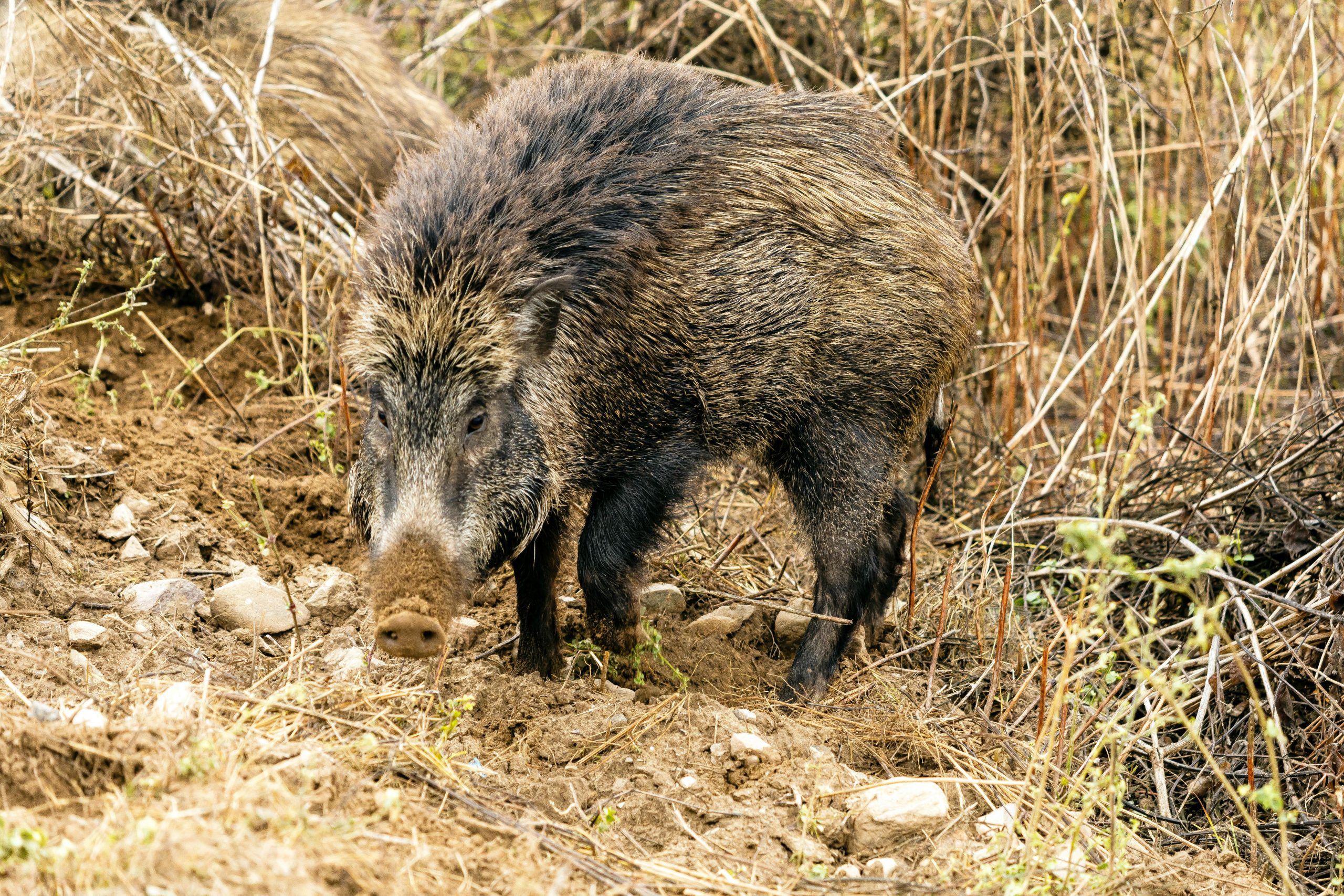
Louisiana’s swamps, marshes, and agricultural lands offer abundant cover and food for wild hogs, amplifying their destructive impact. Sugarcane and rice fields are frequent targets, with hogs destroying crops and damaging levees and irrigation systems. Wetland ecosystems suffer as hogs uproot vegetation that stabilizes soil, increasing erosion and water pollution. In flood-prone areas, their activity weakens natural barriers and infrastructure. Controlling hogs in swampy terrain presents major logistical challenges, limiting the effectiveness of removal efforts. For Louisiana landowners, wild hog damage is increasingly tied not only to economic loss but also to heightened environmental and flood-related risks.
7. Mississippi
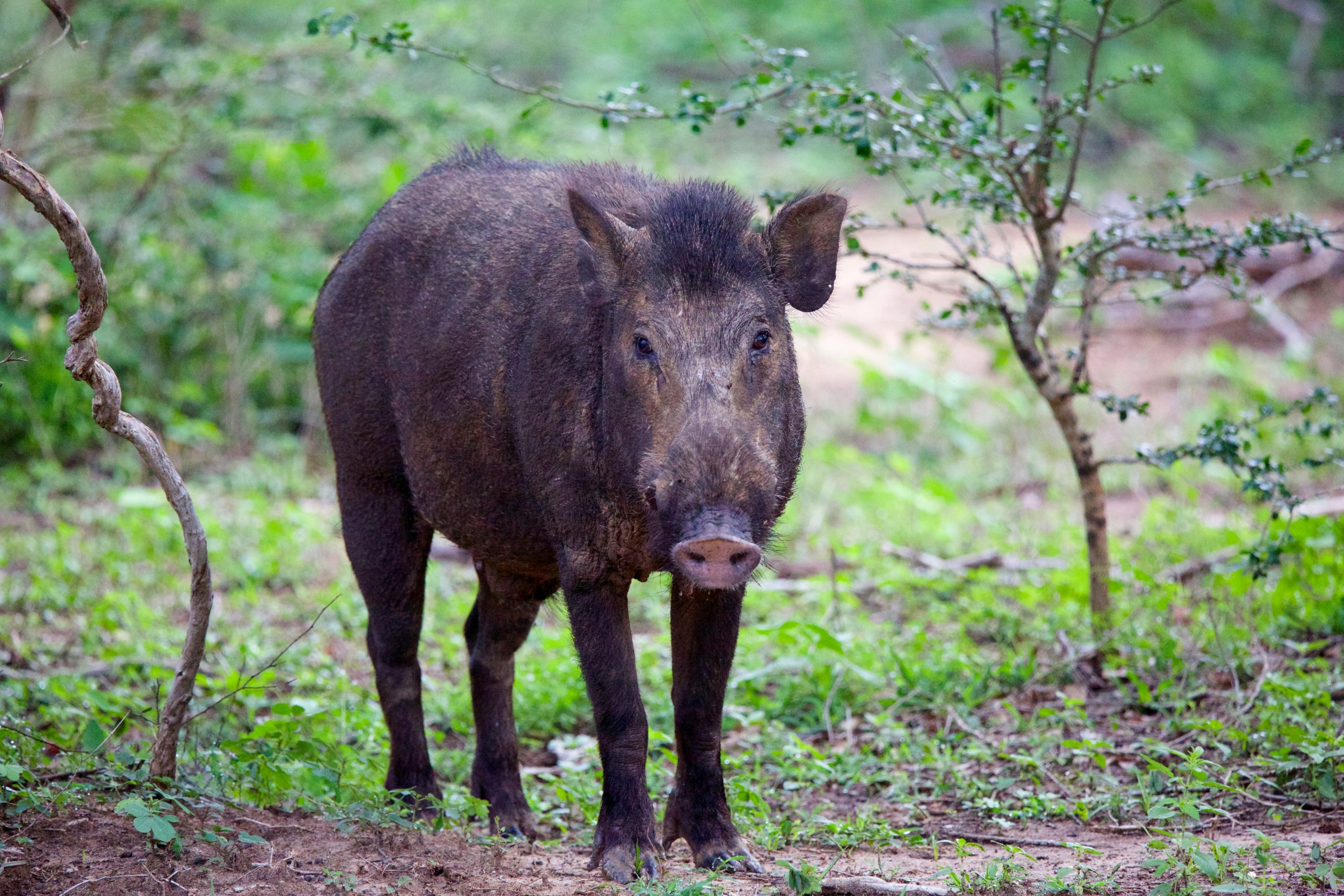
Mississippi has seen steady growth in wild hog populations, leading to widespread agricultural and ecological damage. Farmers report repeated losses to crops and pastureland as hogs move between wooded cover and open fields. Forest regeneration efforts are undermined when hogs uproot seedlings and disturb the soil. Wildlife managers note declines in ground-nesting species due to hog predation. Although year-round hunting is permitted, population control remains difficult due to rapid reproduction. The cumulative financial strain on agriculture continues to rise each year. In Mississippi, wild hog damage has become a long-term challenge that affects both private landowners and public wildlife resources.
8. Arkansas
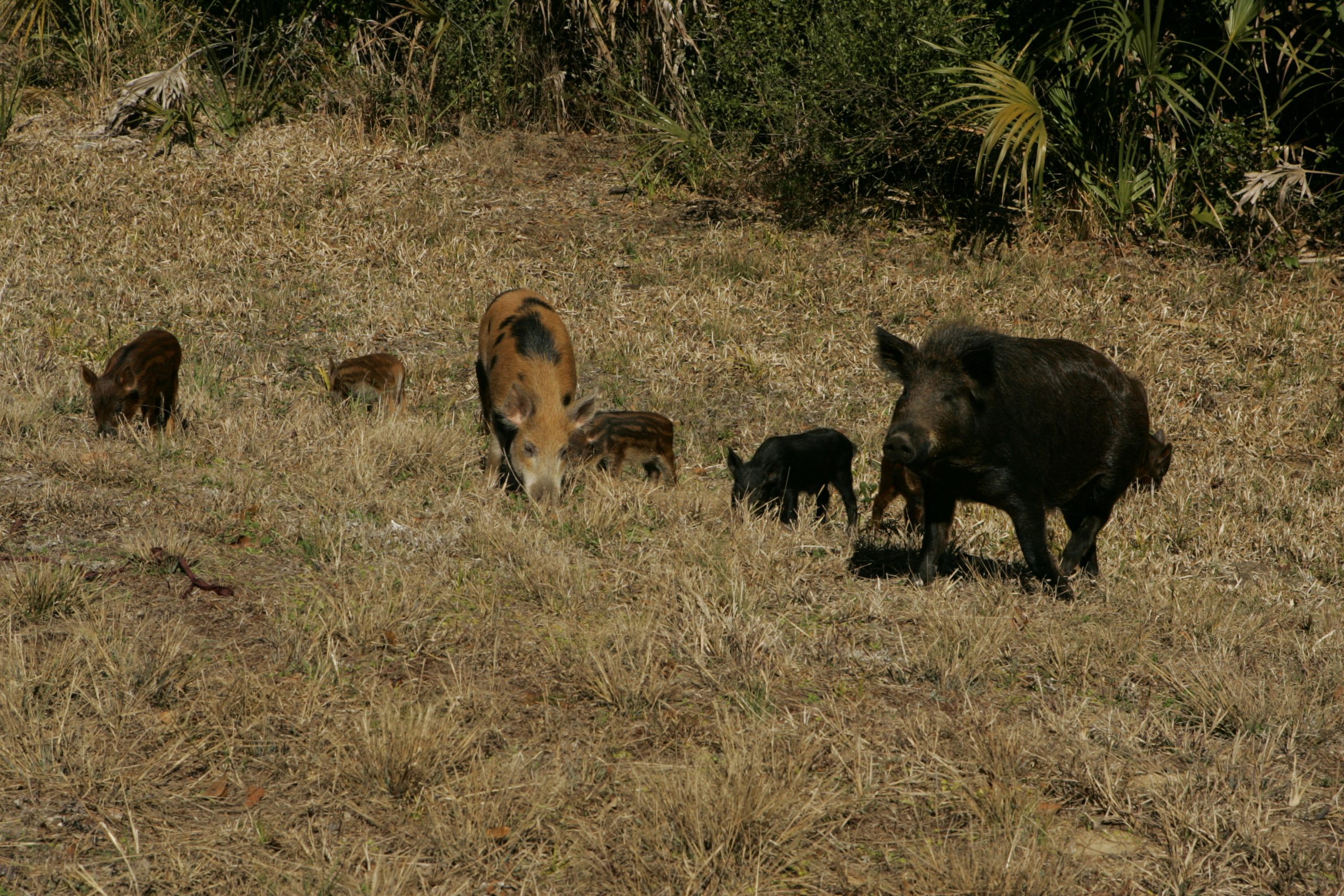
Arkansas farmers face growing challenges as wild hogs expand across agricultural regions. Rice fields, soybean farms, and pastureland suffer extensive rooting damage that often requires costly repairs. Hogs damage levees and irrigation systems, disrupting water management critical to crop production. Forested areas experience soil disturbance that affects native vegetation and wildlife habitat. Public land managers struggle to limit hog spread while maintaining access for recreation. As hogs establish themselves in new counties, the scope of damage widens. For many Arkansas landowners, wild hogs are no longer an isolated problem but a persistent threat to agricultural productivity and land stability.
9. Oklahoma
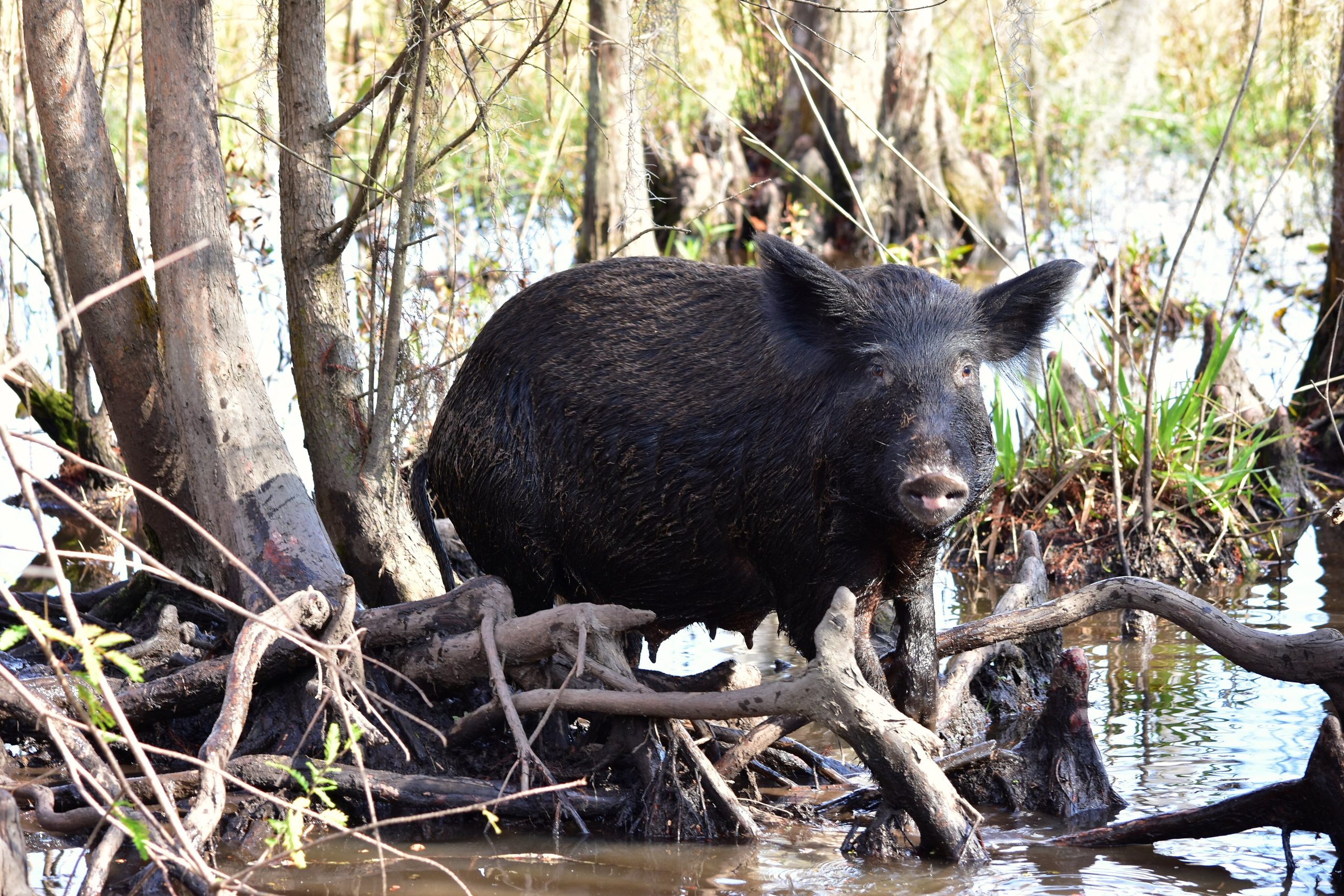
Wild hog damage in Oklahoma continues to escalate as populations spread across farmland and open range. Crops such as corn and wheat suffer heavy losses, while hogs also damage fencing and compete with livestock for resources. Water sources become contaminated, increasing risks to both animals and people. Control strategies vary widely between regions, reducing overall effectiveness. Landowners often face repeated damage despite consistent hunting pressure. As hogs adapt to control efforts, frustration continues to grow. In Oklahoma, wild hog damage now affects agriculture, infrastructure, and water quality, making it a multifaceted issue that requires long-term management rather than quick fixes.
10. Missouri
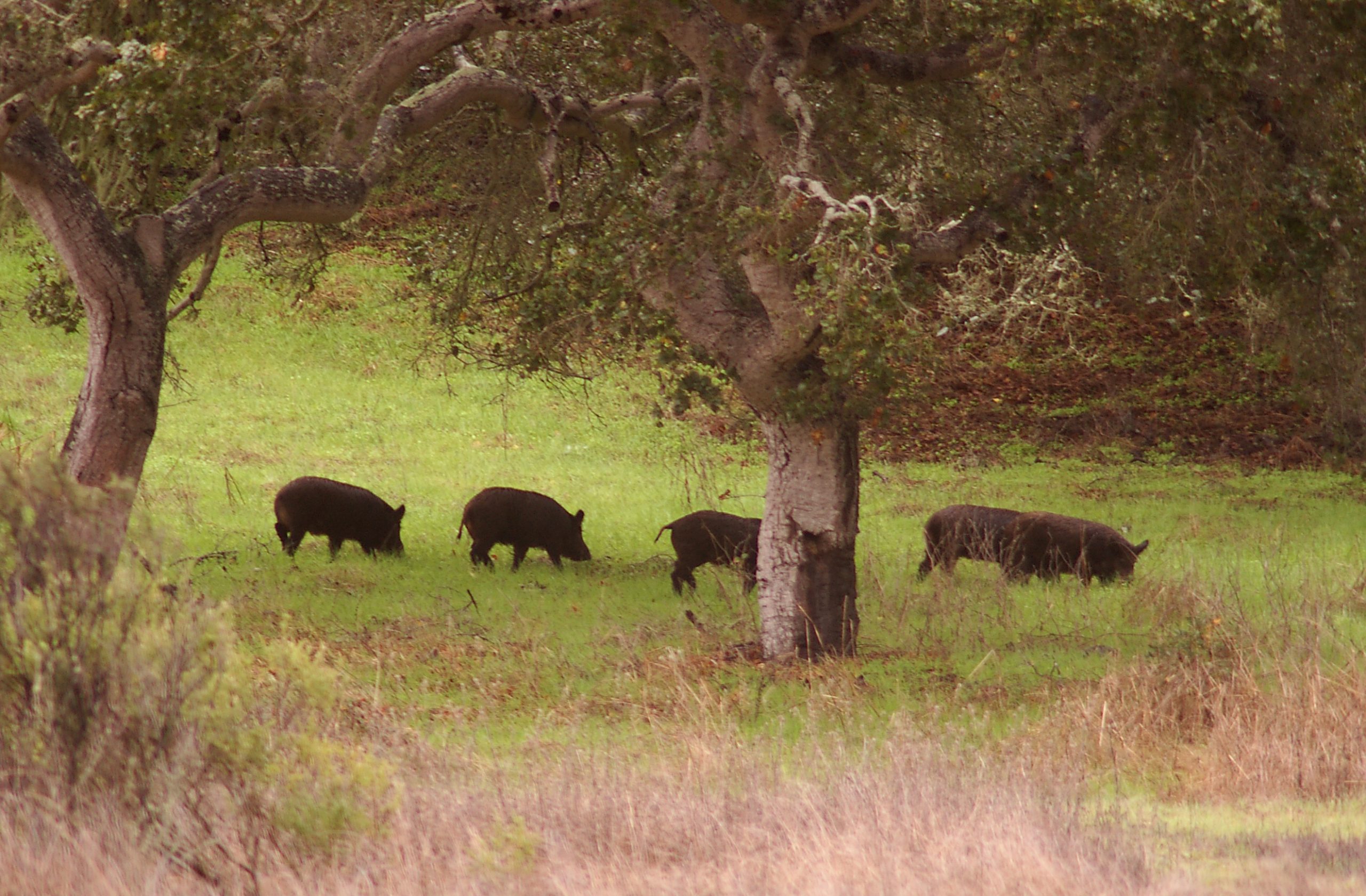
Missouri has experienced a noticeable increase in wild hog activity, particularly in forested and agricultural transition zones. Hogs damage crops, uproot native plants, and prey on wildlife nests, compounding ecological harm. State agencies invest heavily in eradication programs, yet hogs continue to spread into new areas. Public lands face temporary closures to limit hunting practices that unintentionally aid hog movement. Private landowners report recurring damage despite removal efforts. As costs increase and control remains difficult, wild hog damage has become highly visible. For Missouri residents, the problem is no longer abstract but increasingly present across the landscape.
11. Tennessee
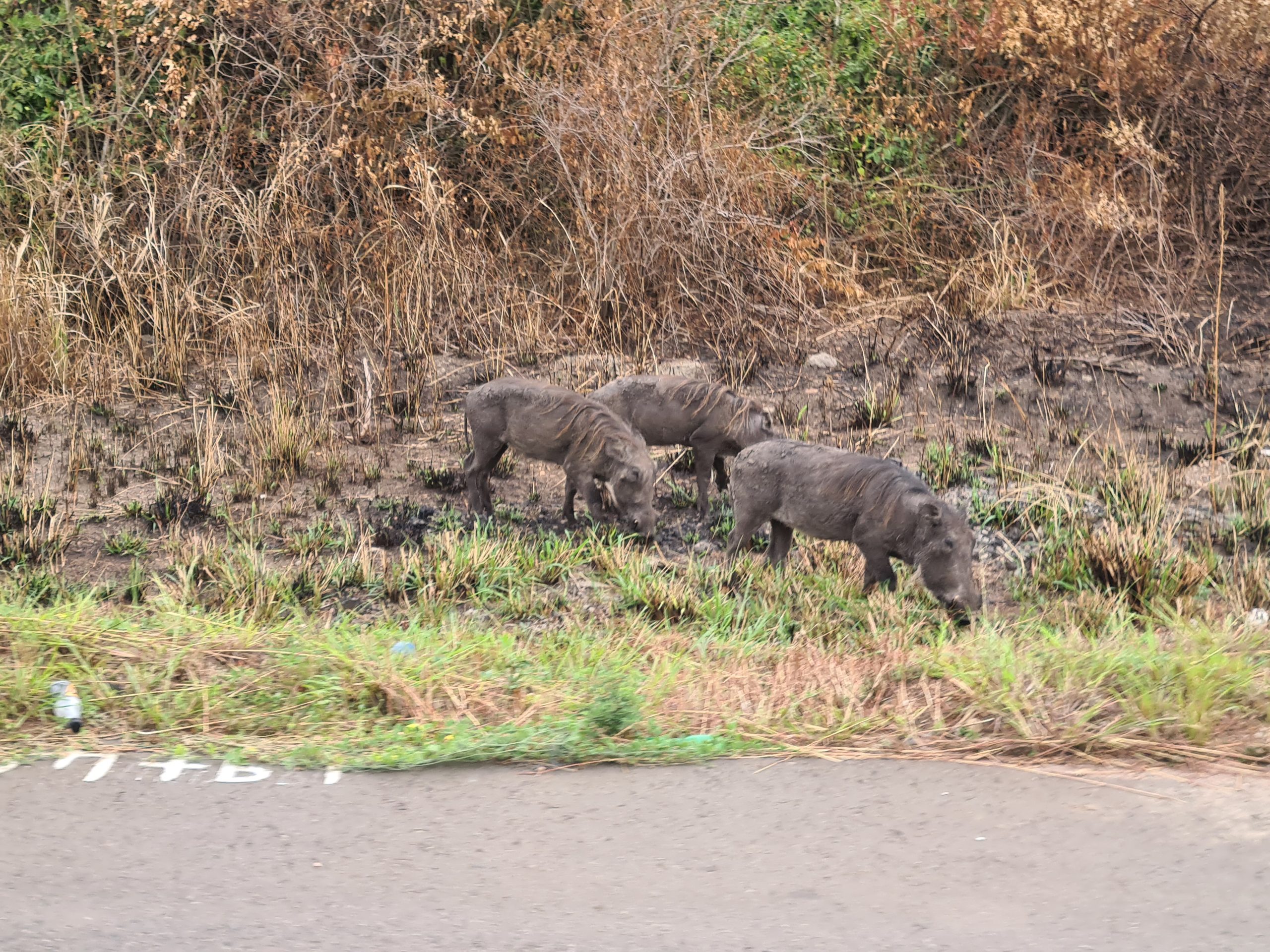
Tennessee’s mountainous terrain and dense forests provide cover for expanding wild hog populations. Agricultural valleys experience repeated crop damage, while forests suffer from soil disturbance and reduced plant regeneration. Hogs negatively impact water quality by disturbing stream banks and wetlands. Management efforts are complicated by rugged terrain and limited access in remote areas. Despite aggressive removal strategies, populations persist and spread. Landowners report rising costs associated with fencing repairs and land restoration. In Tennessee, wild hog damage continues to grow, affecting both agricultural communities and sensitive natural environments throughout the state.
12. North Carolina
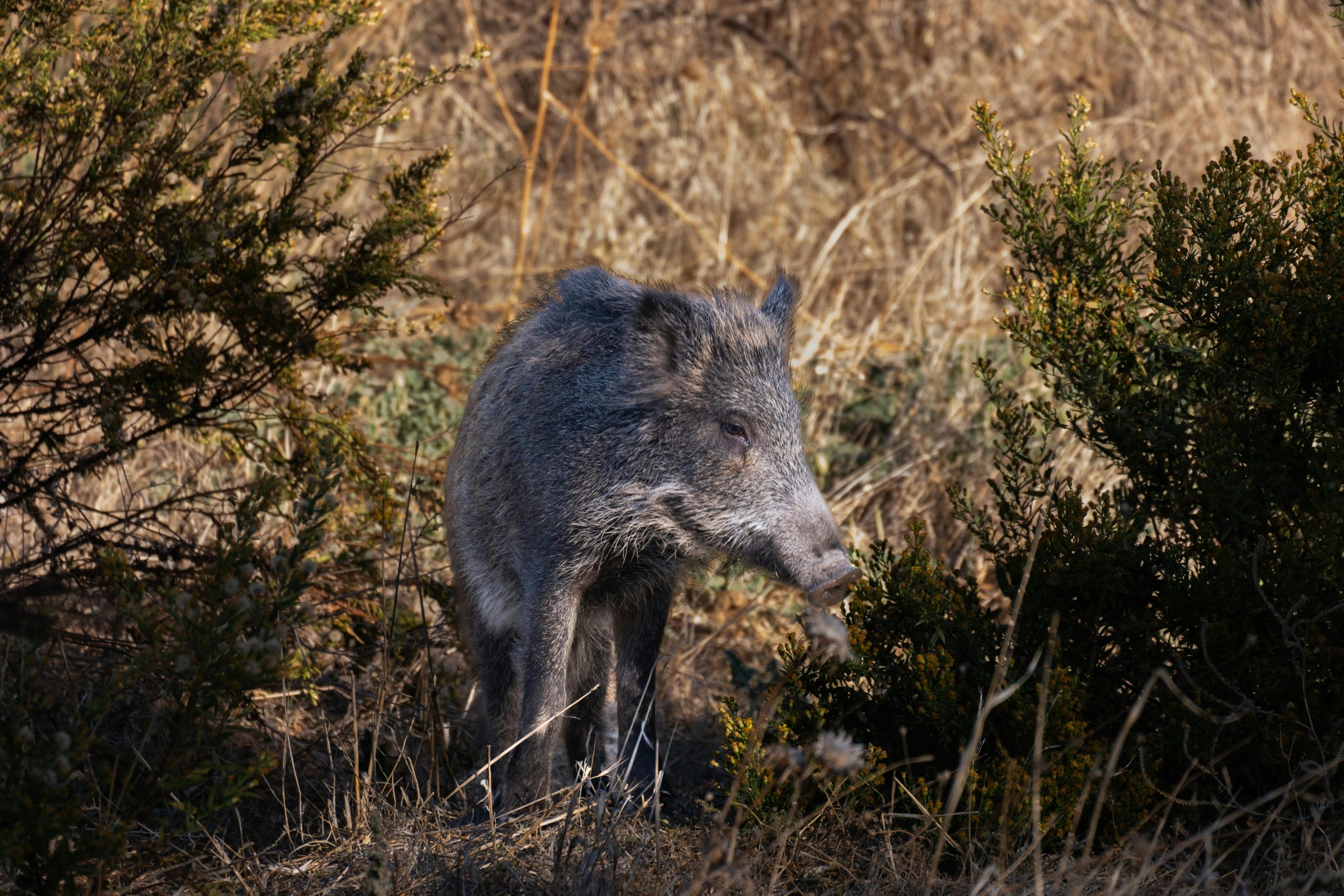
North Carolina faces increasing wild hog damage, particularly across its coastal plain and agricultural regions. Farmers report losses to corn, soybeans, and vegetable crops as hogs root up fields and damage irrigation systems. Wetland ecosystems suffer as hogs disturb soil and vegetation, threatening native species. Disease transmission remains a serious concern due to the proximity of domestic hog operations. Control programs struggle to contain expanding populations. As damage spreads geographically, the financial and environmental costs continue to rise. In North Carolina, wild hogs represent a growing challenge that impacts farming, conservation, and public health.
13. California
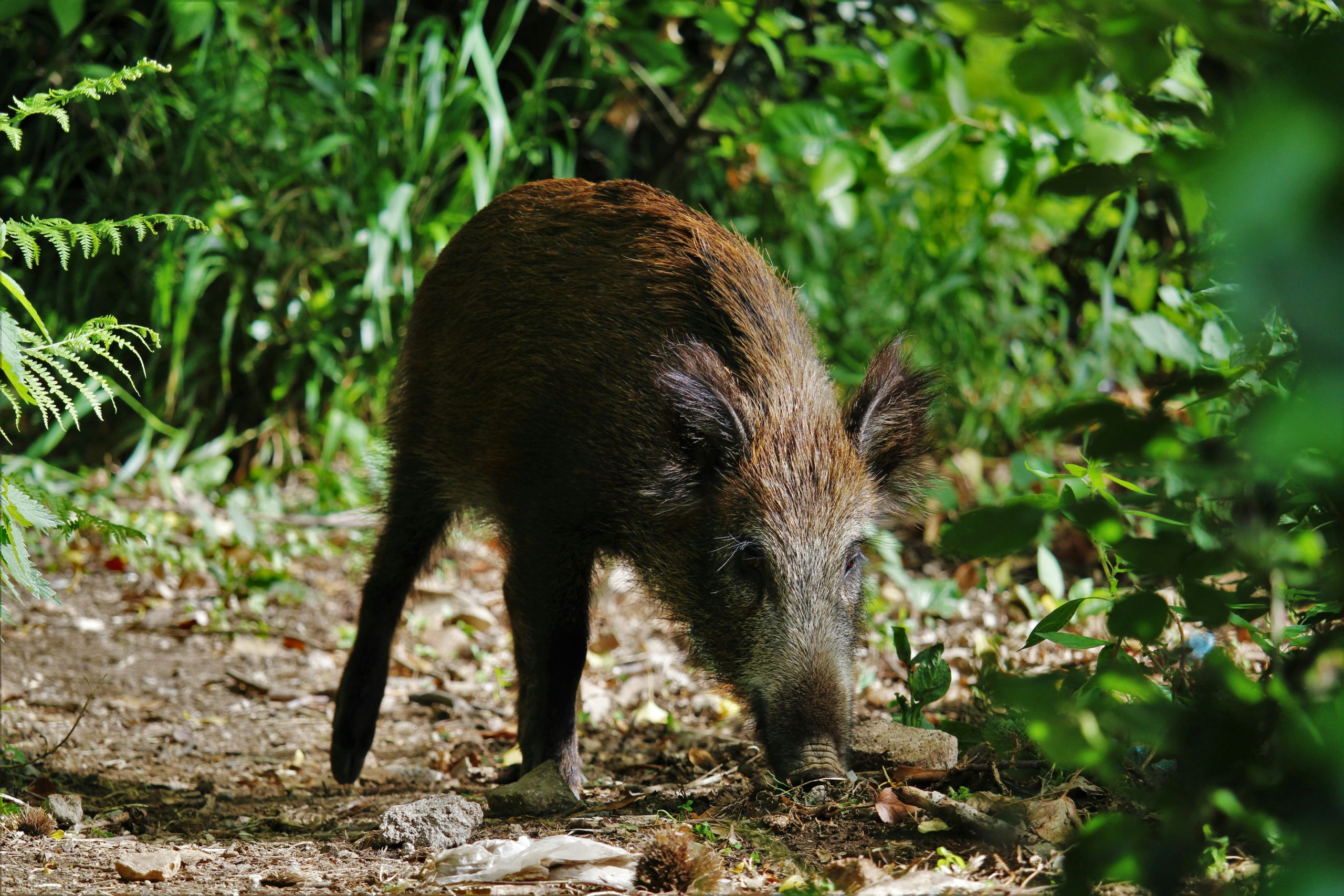
Wild hog damage in California affects agricultural valleys, rangeland, and protected ecosystems. Vineyards, orchards, and pastureland suffer from extensive rooting that disrupts soil structure and irrigation infrastructure. Hogs also threaten levees and water systems in flood-prone regions. In protected areas, they damage habitats critical to native plants and wildlife. Control efforts vary widely depending on land ownership and regional regulations. As hog populations continue to expand, damage costs rise steadily. In California, wild hogs pose a growing threat to both agricultural productivity and environmental preservation.
14. Arizona
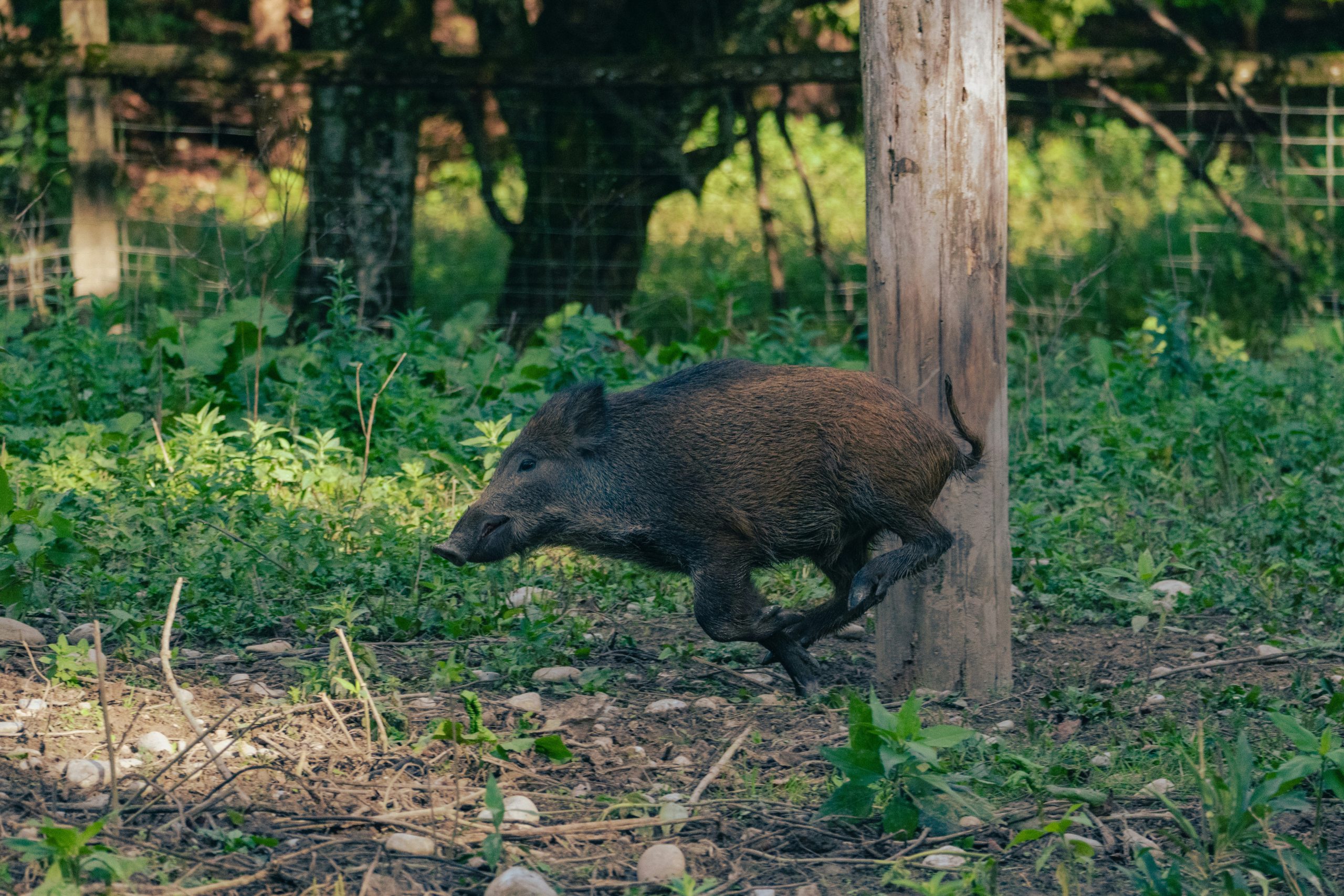
Arizona’s expanding wild hog populations increasingly impact desert and grassland ecosystems. Agricultural areas near water sources experience the most damage, as hogs concentrate around limited resources. Their rooting disrupts fragile soils and displaces native wildlife adapted to arid conditions. Water contamination poses additional risks to livestock and wildlife. Control efforts are challenging due to remote terrain and limited access. As populations grow, the ecological impact intensifies. In Arizona, wild hog damage highlights how invasive species can strain already vulnerable environments and water-dependent agricultural systems.
15. Hawaii
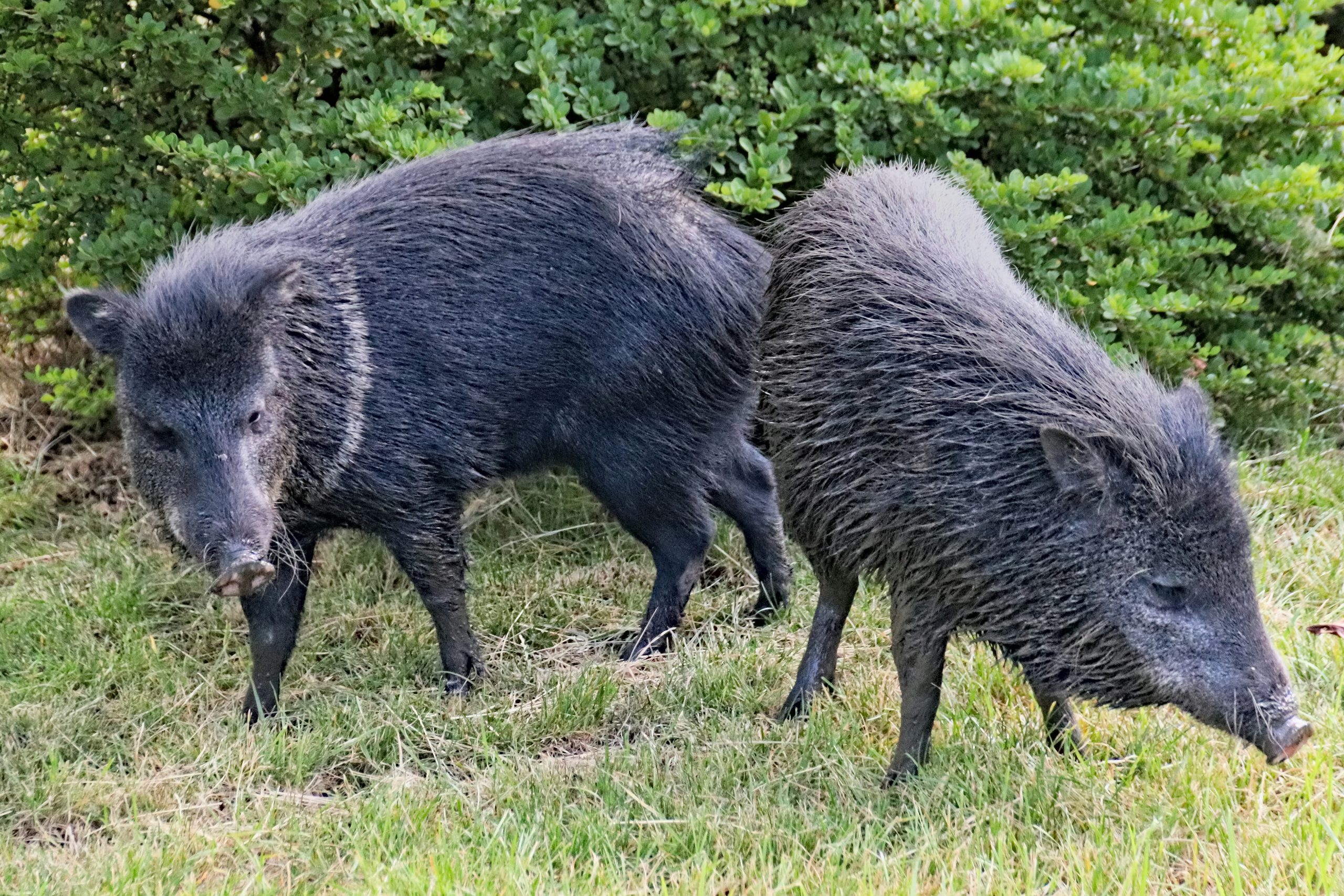
Hawaii faces some of the most severe ecological consequences from wild hog damage in the nation. Hogs destroy native plants, spread invasive species, and disrupt watersheds critical to freshwater supplies. Agricultural lands suffer repeated losses as hogs damage crops and fencing. The environmental impact extends beyond economics, threatening biodiversity found nowhere else on Earth. Control efforts are ongoing but difficult due to terrain and cultural considerations. In Hawaii, wild hog damage represents not just an agricultural problem, but a direct threat to ecological balance and long-term environmental sustainability.