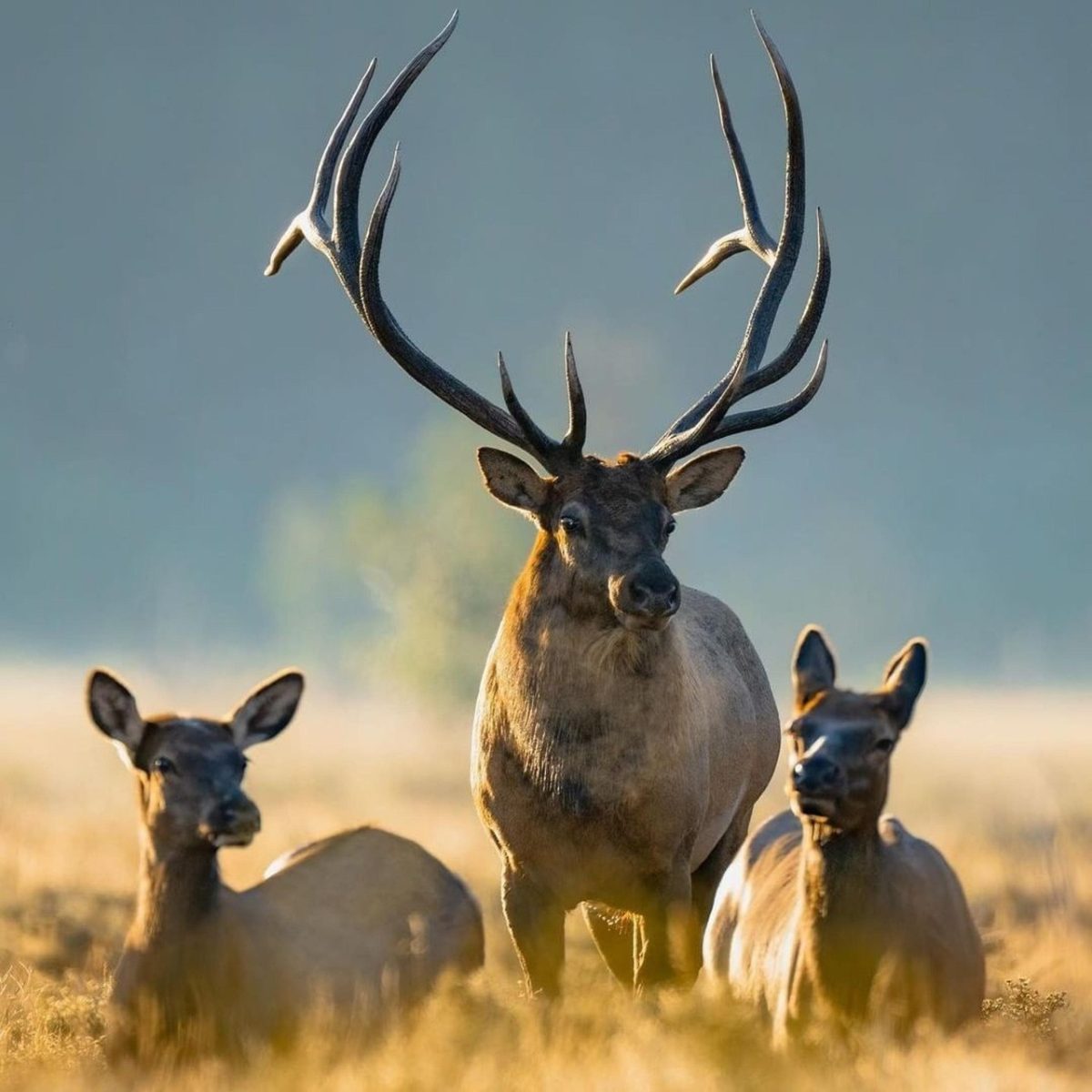
Wildlife conservation efforts have successfully restored magnificent animals across North America. Exploring the 15 states where elk populations are growing the most reveals incredible environmental triumphs. Finding these 15 states where elk populations are growing the most highlights how careful management protects natural habitats. State agencies employ dedicated biologists to monitor herd health and ensure sustainable growth. Relocation programs transport healthy animals to historically native regions with abundant food sources. This careful process allows large mammals to thrive away from human interference. Outdoor enthusiasts appreciate seeing these massive creatures roaming freely through dense forests and sweeping mountain valleys.
Kentucky
Kentucky boasts the largest wild elk herd east of the Mississippi River today. Wildlife officials began an ambitious restoration project during the late nineties by transporting animals from western states. These magnificent creatures adapted perfectly to reclaimed mining sites in the eastern mountains. Abundant grasslands provide incredible nutritional value throughout the year. The state carefully regulates hunting licenses to maintain a balanced and healthy population. Local communities benefit significantly from increased tourism as nature lovers travel miles to witness the annual rutting season. This successful initiative represents a landmark achievement in modern wildlife conservation history across America.
Tennessee
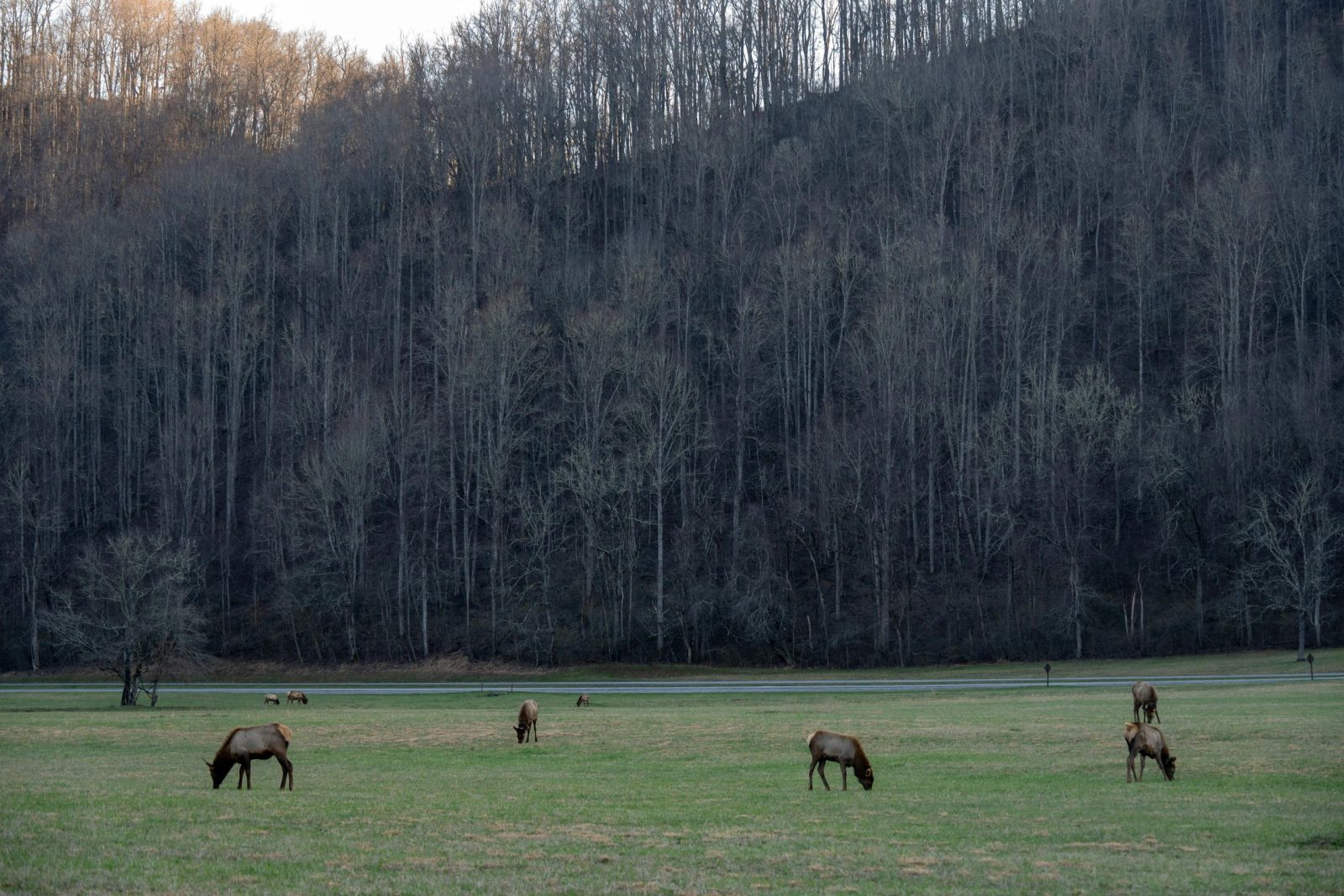
Tennessee welcomed magnificent elk back into the rugged Cumberland Mountains with incredible success. Biologists released the first herds over two decades ago to restore ecological balance across the region. Dense forests and open meadows offer prime habitats for these massive herbivores to flourish naturally. The state utilizes modern tracking collars to gather valuable data regarding migration patterns and survival rates. Conservation funding helps protect vital land corridors from commercial development projects. Visitors frequently gather at designated viewing towers to observe large bulls bugling beautifully during the autumn months. A dedicated wildlife management team ensures the safe, continuous population growth.
Pennsylvania
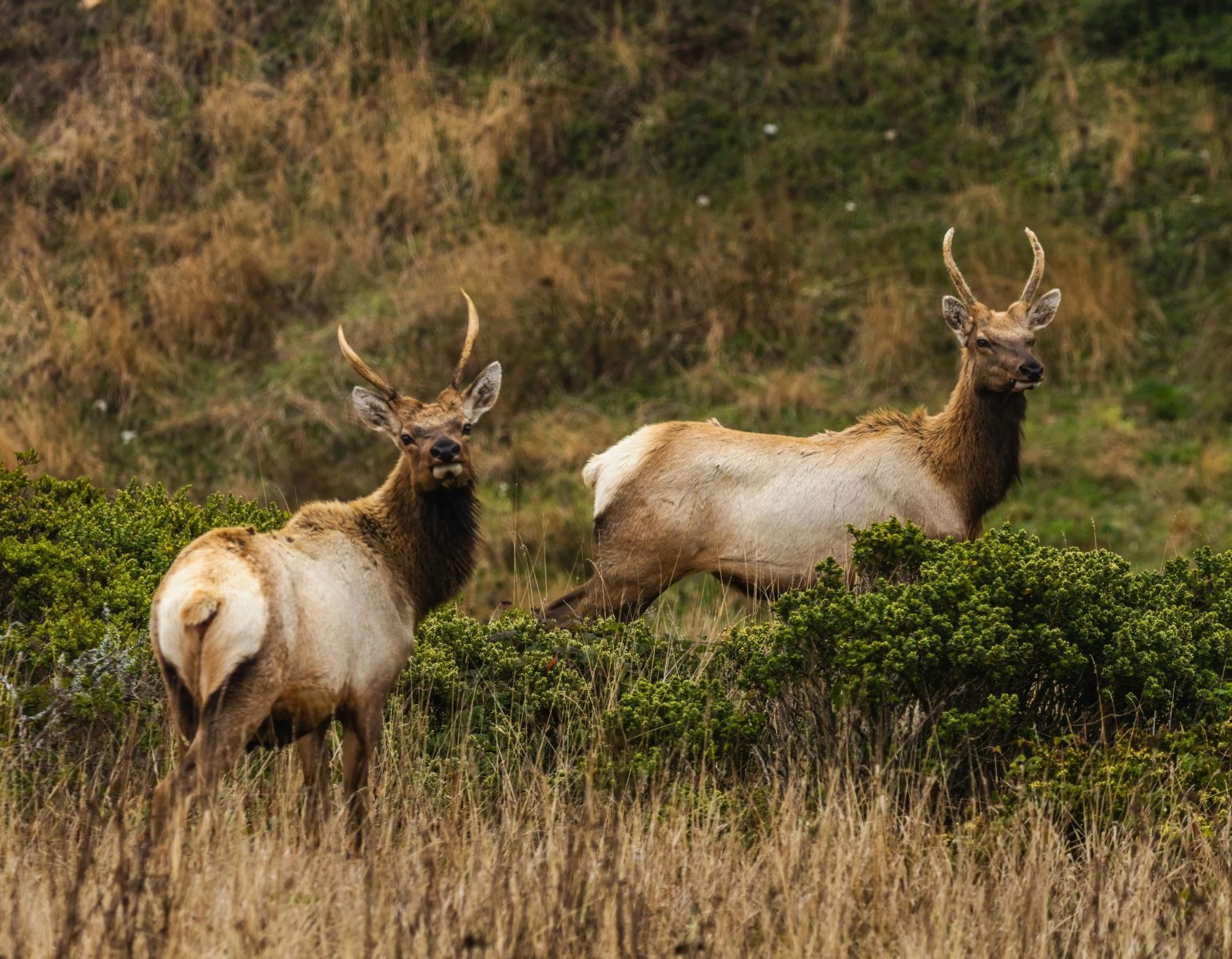
Pennsylvania maintains a thriving and historic elk herd hidden deeply within the scenic central mountains. State conservationists worked tirelessly over the past century to protect these animals from relentless illegal hunting. Modern habitat improvement projects create vast food plots filled with nutritious clover and natural grasses. Careful forest management techniques provide essential winter cover during severe snowstorms. Tens of thousands of tourists visit small rural towns specifically to photograph these majestic animals grazing peacefully. The state wildlife agency monitors calf survival carefully to guarantee the magnificent herd continues expanding steadily across the expansive public wilderness areas today.
Virginia
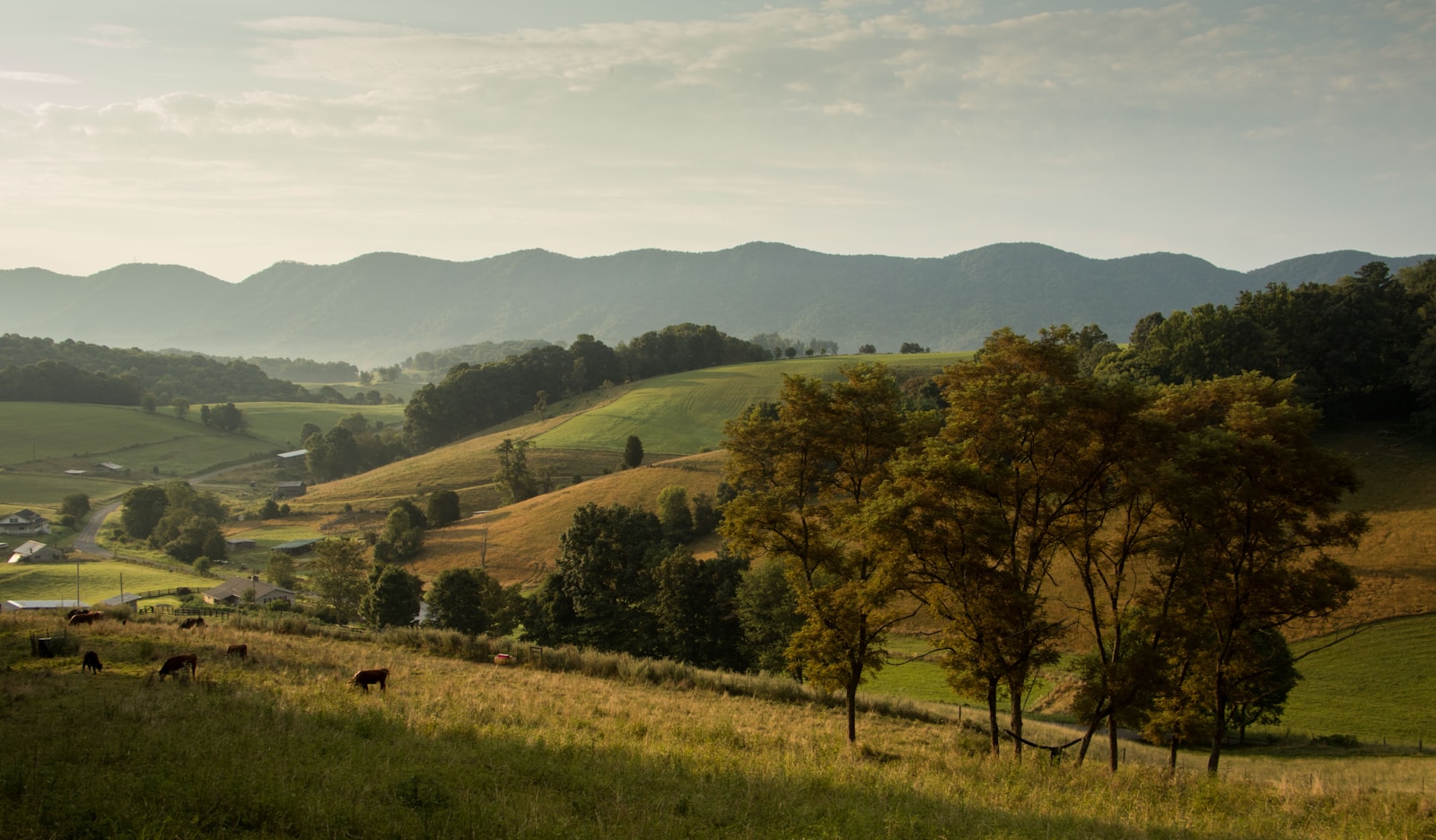
Virginia proudly oversees a rapidly expanding elk population tucked safely inside the beautiful Appalachian Mountains. Wildlife experts relocated numerous healthy individuals from neighboring states to establish a sustainable local herd originally. Generous private landowners partner with state officials to preserve essential grazing lands and minimize human conflicts. Strict protection laws strictly prohibit unregulated harvesting and promote natural reproduction cycles successfully. Local businesses near the designated restoration zone enjoy increased revenue from enthusiastic wildlife watchers arriving every single fall. The magnificent animals continue spreading slowly outward as their numbers increase significantly throughout the secluded mountainous landscape annually.
West Virginia
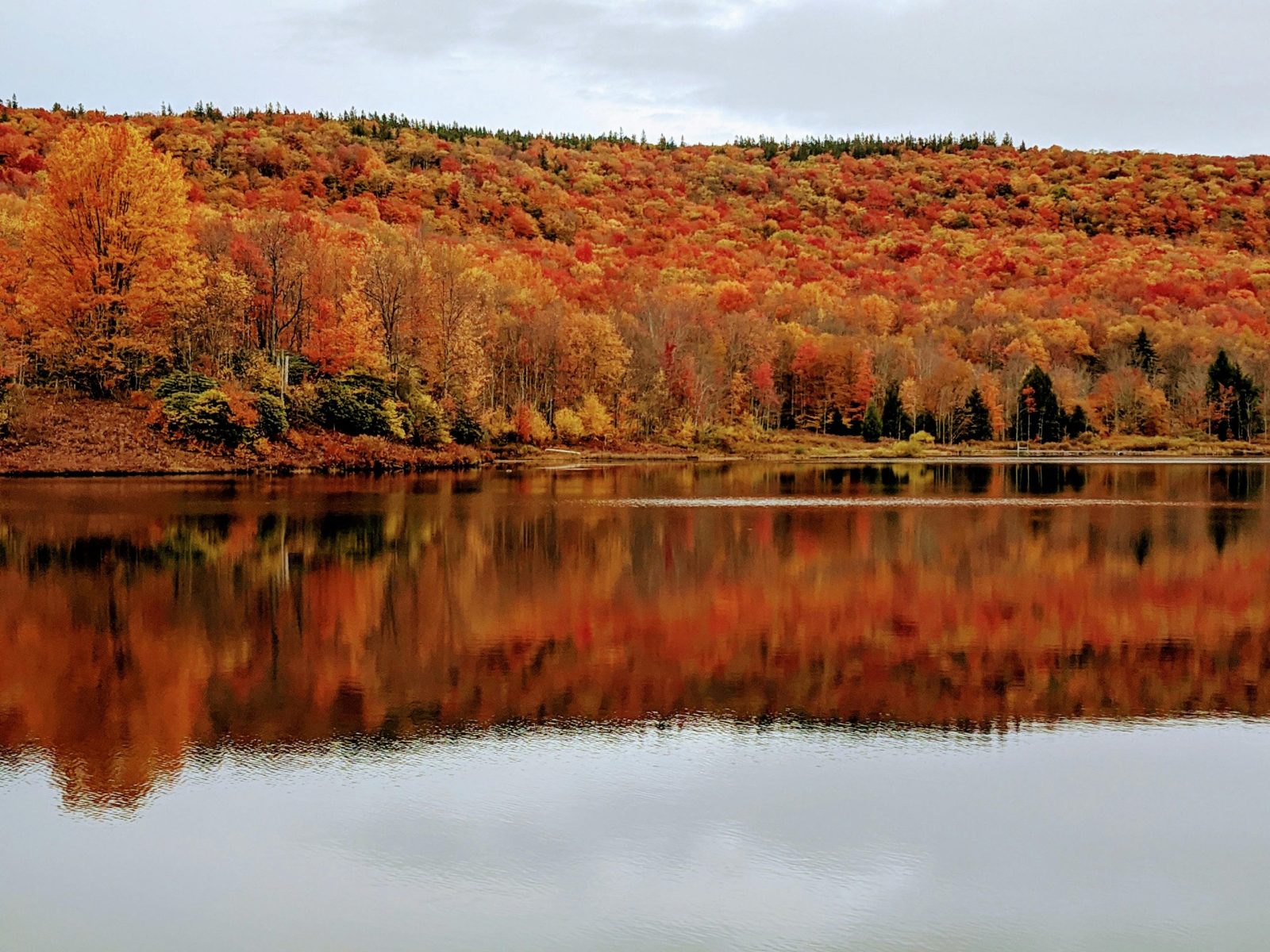
West Virginia recently introduced magnificent elk back into the rugged southern coalfields with enormous public support. Biologists selected massive reclaimed surface mines because they offer lush vegetation and extensive open spaces. Careful scientific monitoring confirms that the newly established herds are successfully reproducing and surviving harsh winter conditions. State agencies invest heavily in habitat management to ensure abundant food sources remain available indefinitely. The exciting return of these massive creatures creates fresh opportunities for spectacular outdoor photography and environmental education. This dedicated conservation effort successfully restores a crucial piece of the traditional Appalachian ecological system beautifully.
Wisconsin
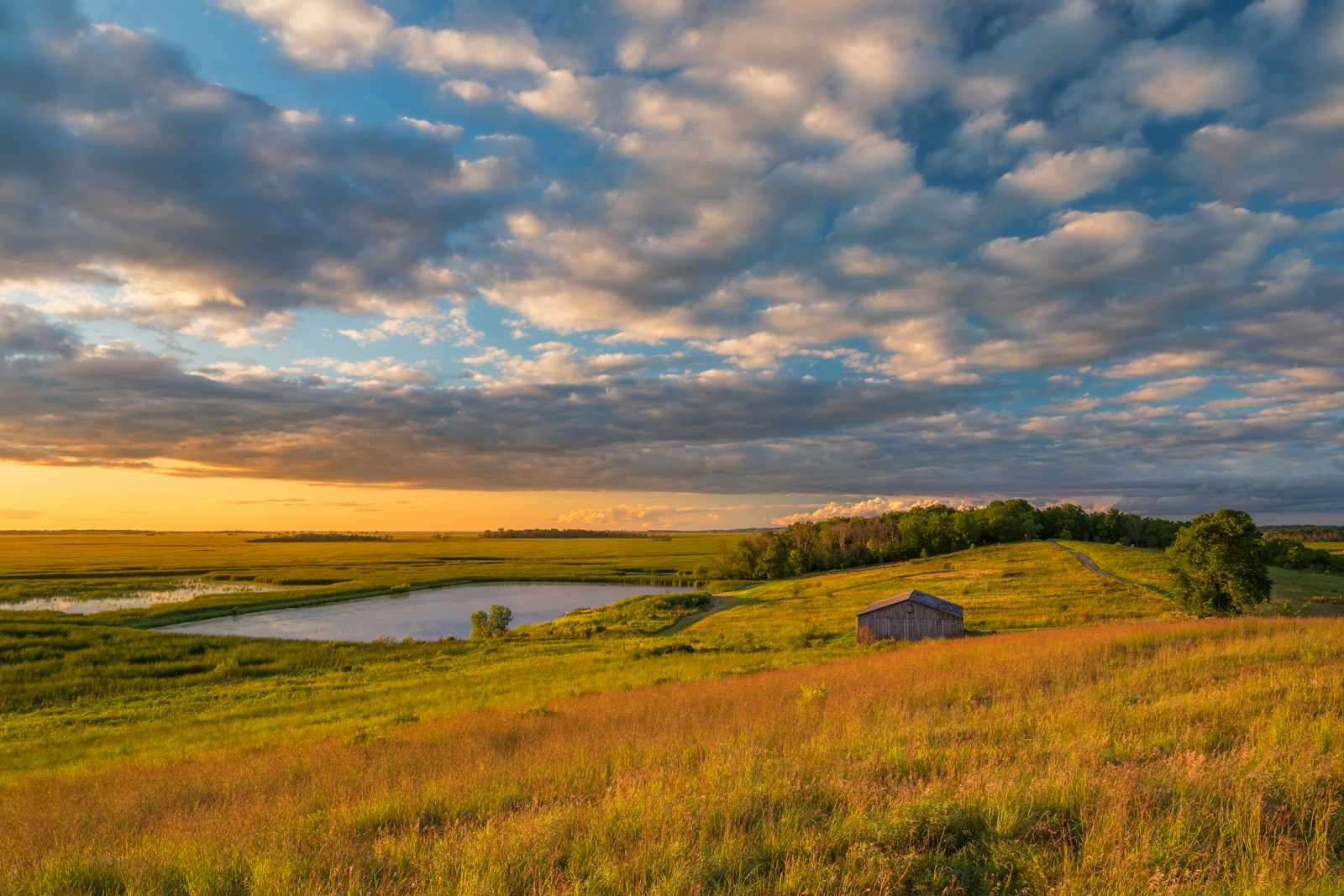
Wisconsin effectively rebuilt its historical elk population deep inside the dense northern timber forests. Wildlife professionals relocated animals from existing western herds to establish a robust genetic foundation originally. Local indigenous tribes play a crucial role in managing the shared natural resources responsibly. Extensive predator management plans help vulnerable young calves survive their fragile first few months safely. Radio telemetry provides researchers with fascinating details about daily movements across the vast public wilderness boundaries. The steady herd expansion allows limited sustainable hunting opportunities that fund continuous habitat improvement projects for multiple woodland species across the state.
Michigan
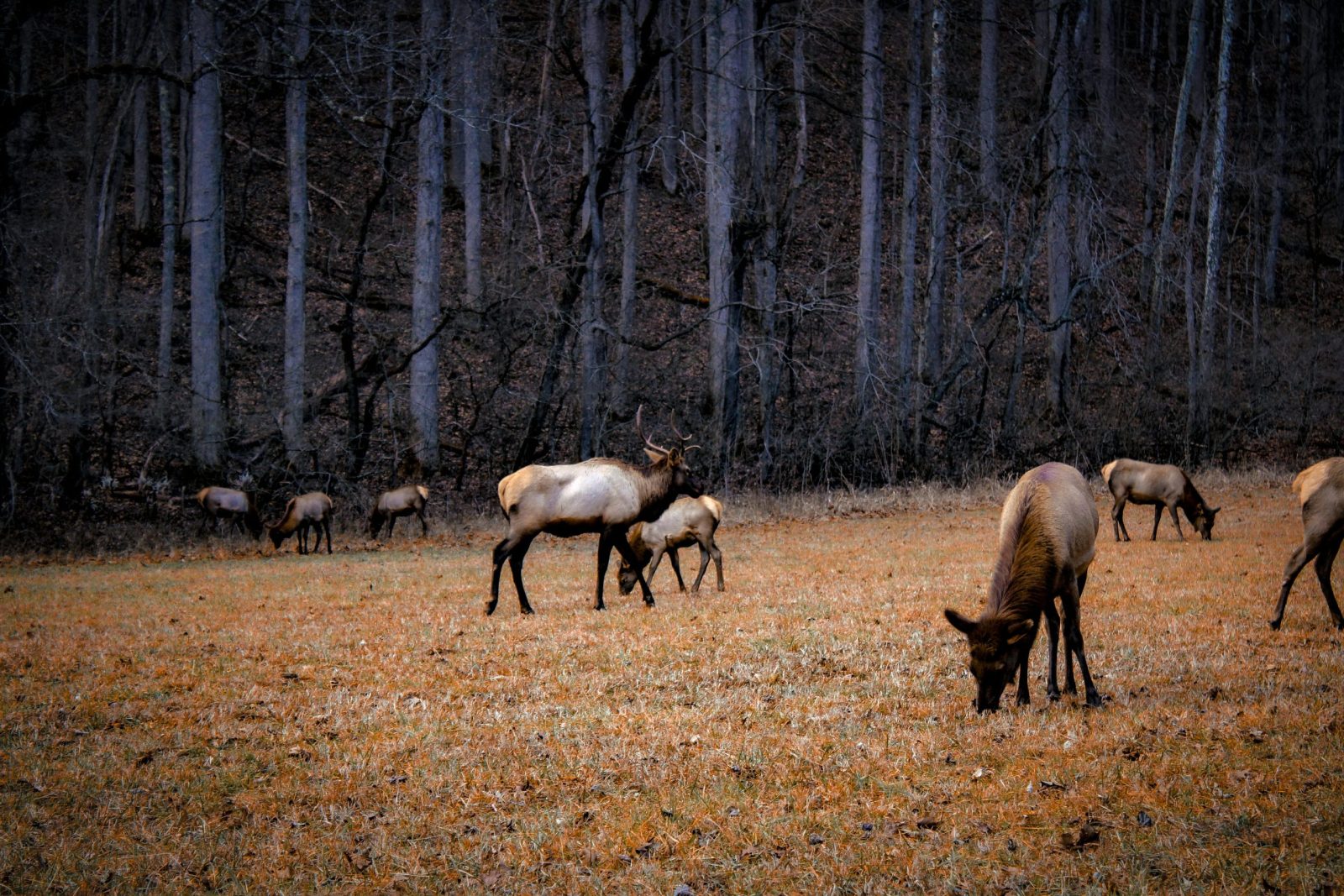
Michigan cherishes an extremely healthy elk herd wandering freely throughout the northern lower peninsula landscapes. State foresters intentionally clear specific woodland sections to promote the rapid growth of nutritious ground vegetation. This proactive agricultural approach provides massive animals with ample energy reserves before freezing winter temperatures arrive. Tourists flock to designated observation areas hoping to hear the iconic bugling sounds echoing through the pine trees. Strict enforcement against poaching preserves the magnificent local population incredibly well. The successful Michigan restoration model inspires neighboring regions to implement similar dedicated environmental programs for vulnerable native wildlife species today.
Missouri
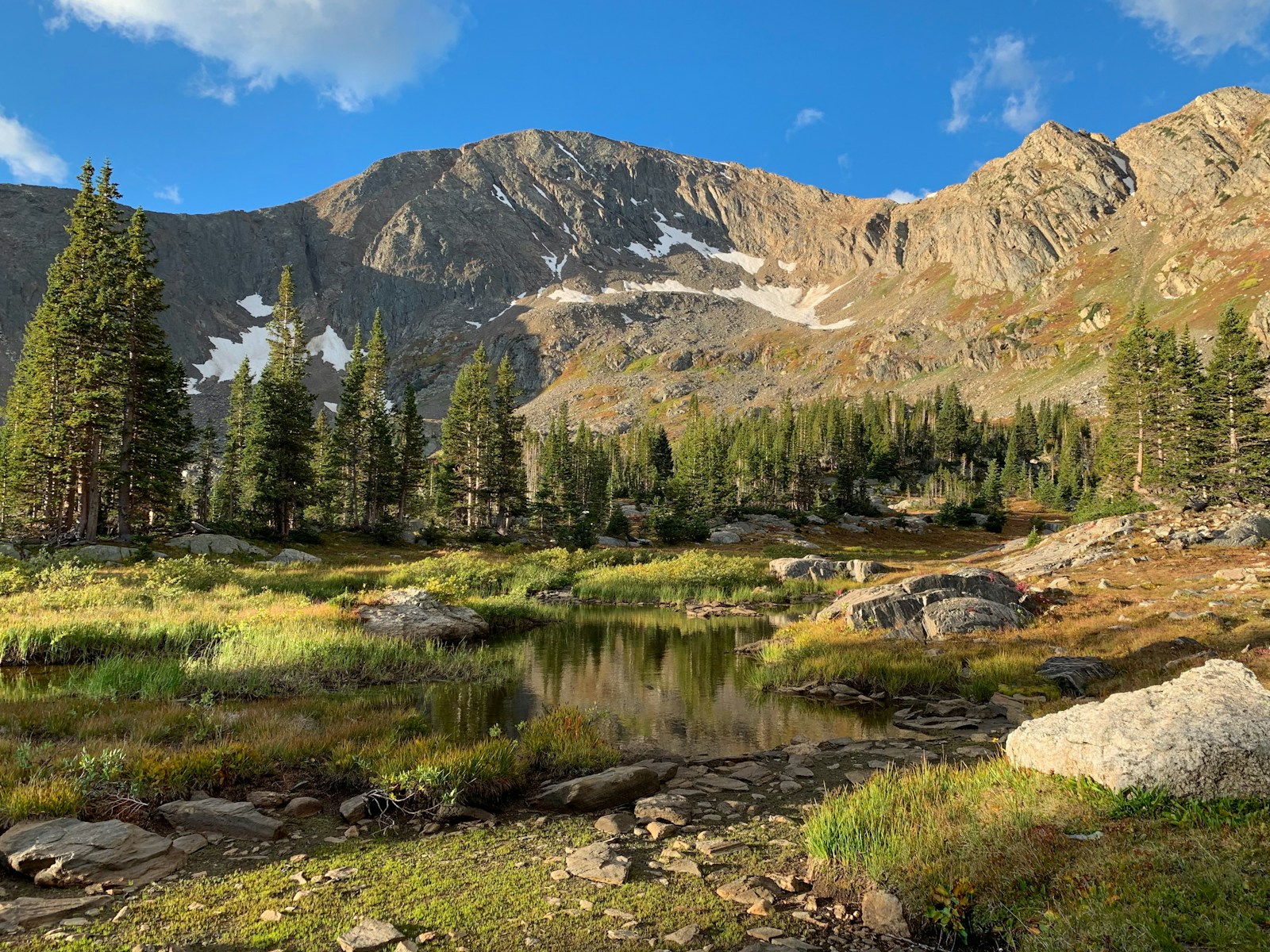
Missouri enthusiastically celebrated the triumphant return of wild elk to the stunning Ozark Mountains recently. Biologists selected remote public conservation lands that offer perfect combinations of thick brush and grassy clearings. Intensive health screenings ensure that completely disease-free animals establish strong genetic lineages locally. The dedicated wildlife department partners closely with enthusiastic citizen volunteers to maintain crucial habitat improvements regularly. Local towns enthusiastically embrace the remarkable tourism boost created by curious outdoor adventurers visiting the beautiful area. This thriving animal population clearly demonstrates precisely how cooperative land management yields beautifully sustainable environmental results constantly.
Arkansas
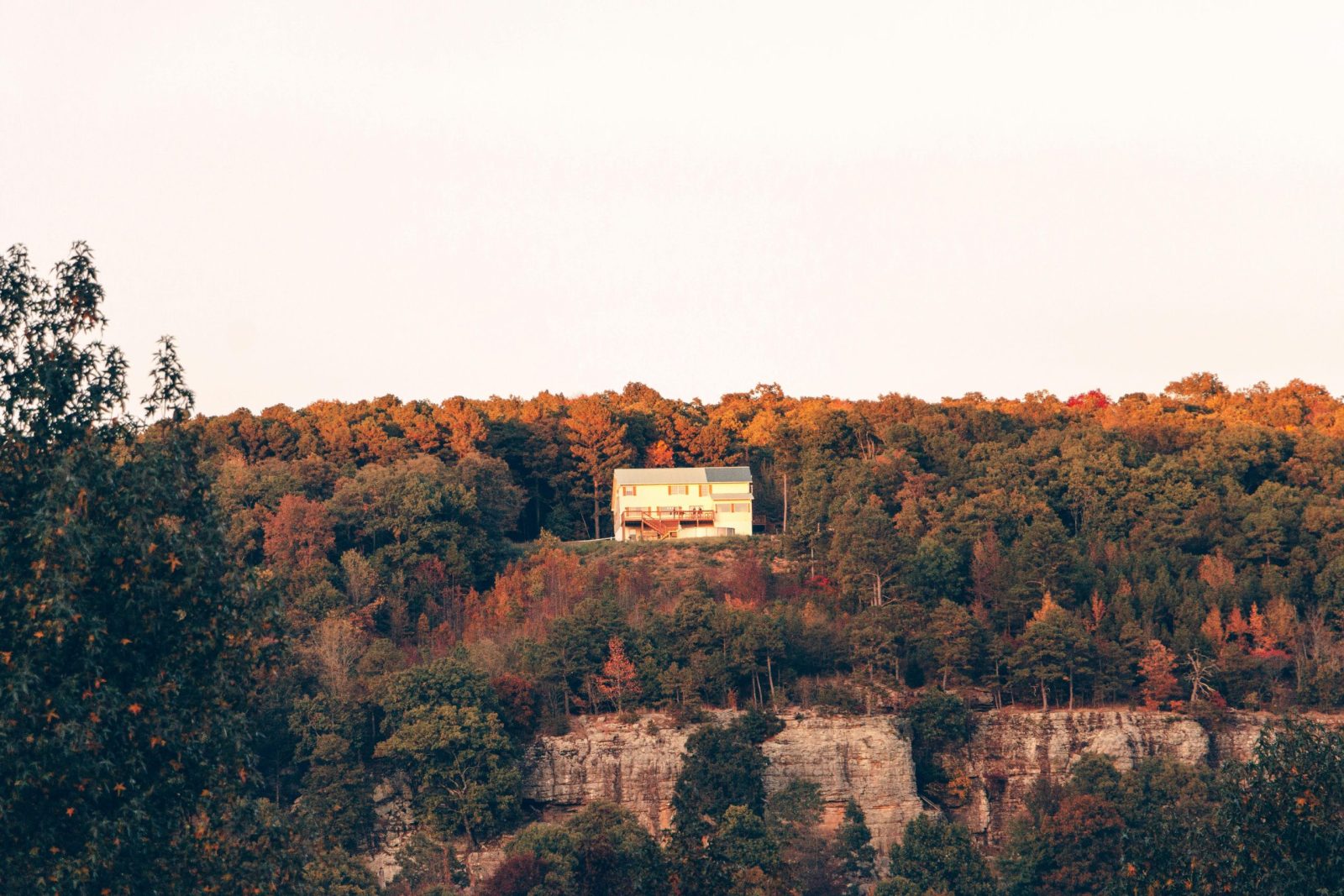
Arkansas successfully cultivated a resilient and growing elk population within the gorgeous Buffalo National River region. Careful negotiations with national park officials allowed wildlife experts to introduce healthy western herds along the peaceful riverbanks. The limestone bluffs and deep valleys provide excellent shelter against severe summer thunderstorms effortlessly. Dedicated rangers closely monitor herd dynamics to prevent dangerous overgrazing across the delicate local ecosystem. Exciting annual festivals celebrate these majestic creatures and educate eager visitors about important wilderness conservation principles. This flourishing herd provides a spectacular natural attraction for countless families exploring the gorgeous state parks today.
North Carolina
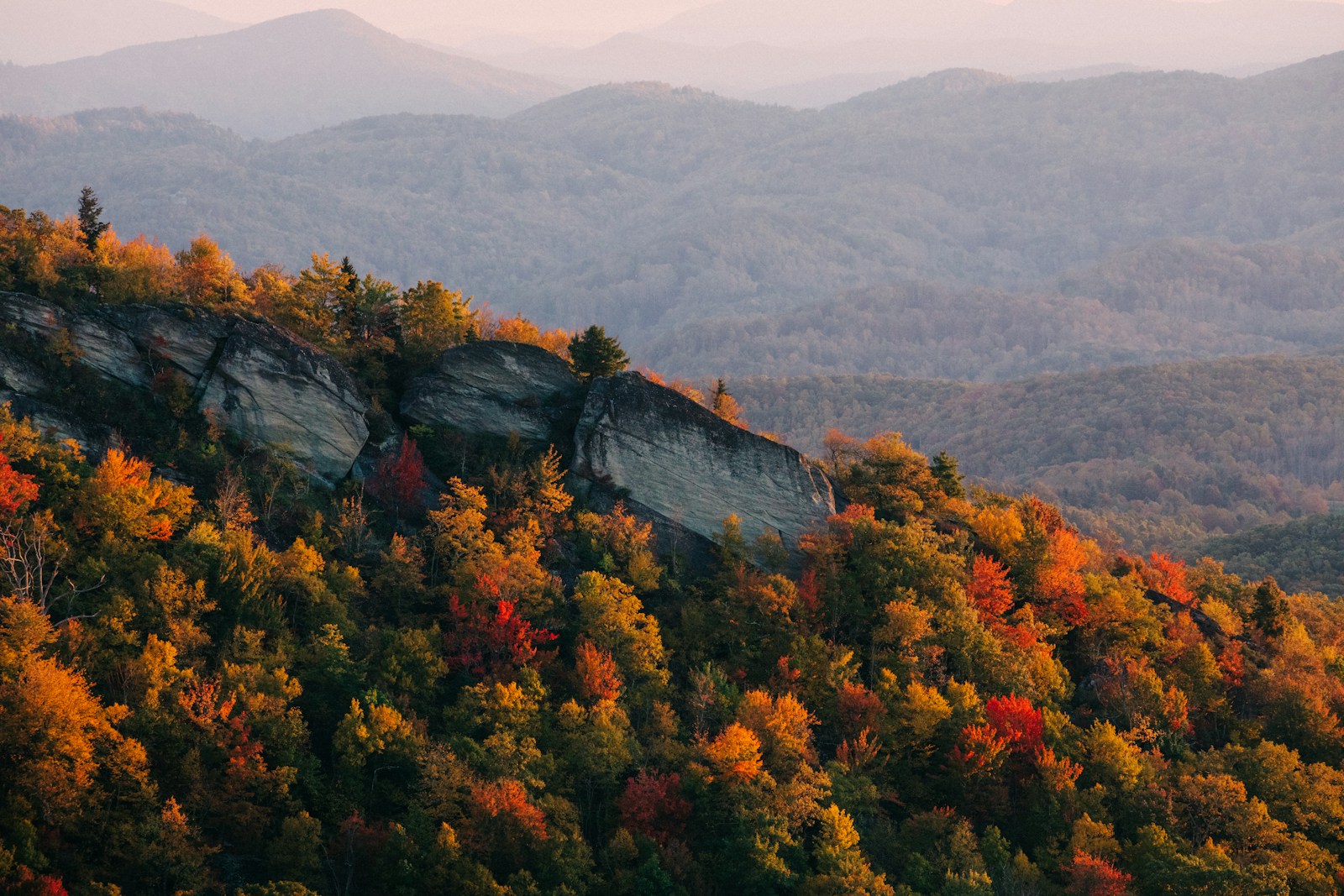
North Carolina supports an amazing elk population roaming freely inside the breathtaking Great Smoky Mountains. Federal wildlife managers initiated an experimental release program that quickly surpassed all initial biological expectations. The massive herbivores seamlessly integrated into the towering hardwood forests and lush green mountain pastures. Strategic fencing projects help keep curious animals away from busy highways and productive private agricultural farms. Photographers wait patiently near misty meadows every morning to capture stunning images of enormous bulls grazing peacefully. The incredible population growth highlights the profound resilience of native wildlife when given proper environmental protection continuously.
Colorado
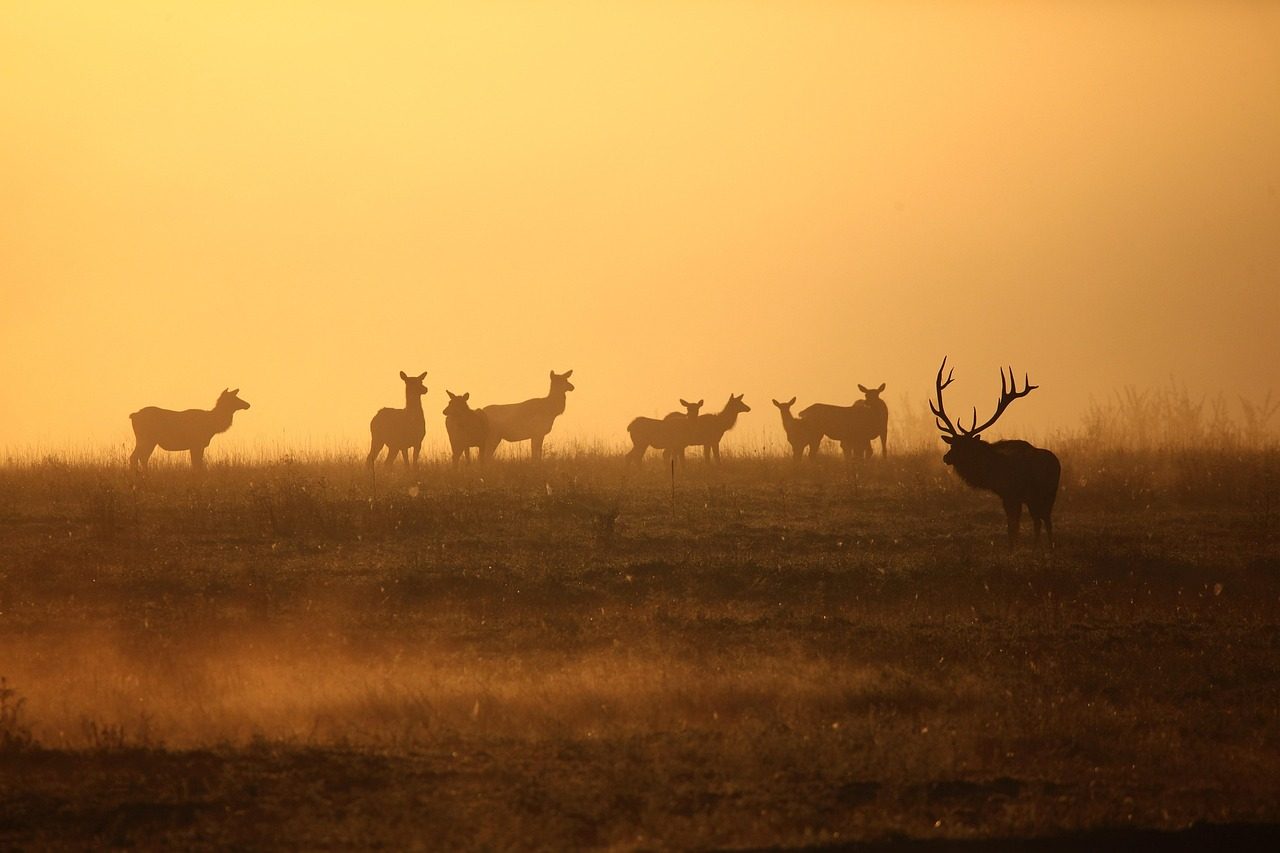
Colorado currently sustains the absolute largest elk population found anywhere throughout the entire North American continent. Biologists carefully manage these massive herds roaming across vast alpine tundras and thick pine forests. Highly regulated seasonal hunting generates essential funding utilized directly for critical habitat preservation efforts annually. Changing weather patterns occasionally force the resilient animals into lower valleys searching for abundant winter forage. Residents absolutely treasure the magical bugling choruses echoing brilliantly through stunning mountain passes every autumn. Excellent management strategies guarantee that these majestic mammals continue thriving within the gorgeous high-altitude environments beautifully.
Utah
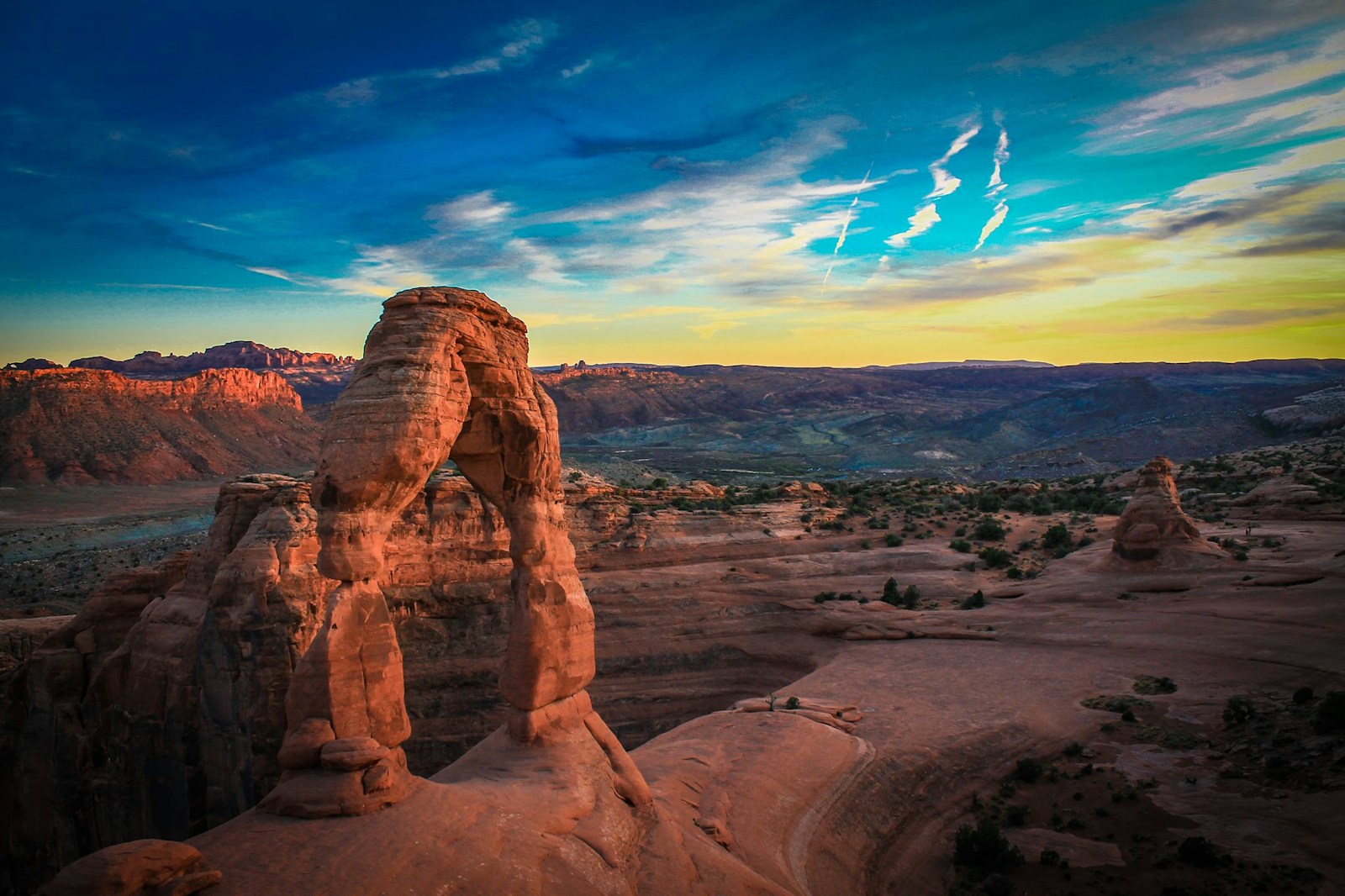
Utah effectively nurtures a remarkably robust and expanding elk population perfectly adapted to arid desert mountains. State conservationists prioritize aggressive brush-clearing projects that stimulate highly nutritious native grass growth continually. Careful water management systems provide reliable drinking sources during severely dry summer months. The massive animals frequently migrate across spectacular rocky canyons seeking shaded sanctuary from intense afternoon sunlight. Eager wildlife observers travel great distances to witness enormous bulls establishing dominance during the intense breeding season. A passionate commitment toward environmental stewardship maintains this magnificent western herd safely and completely successfully for future generations everywhere.
Nevada
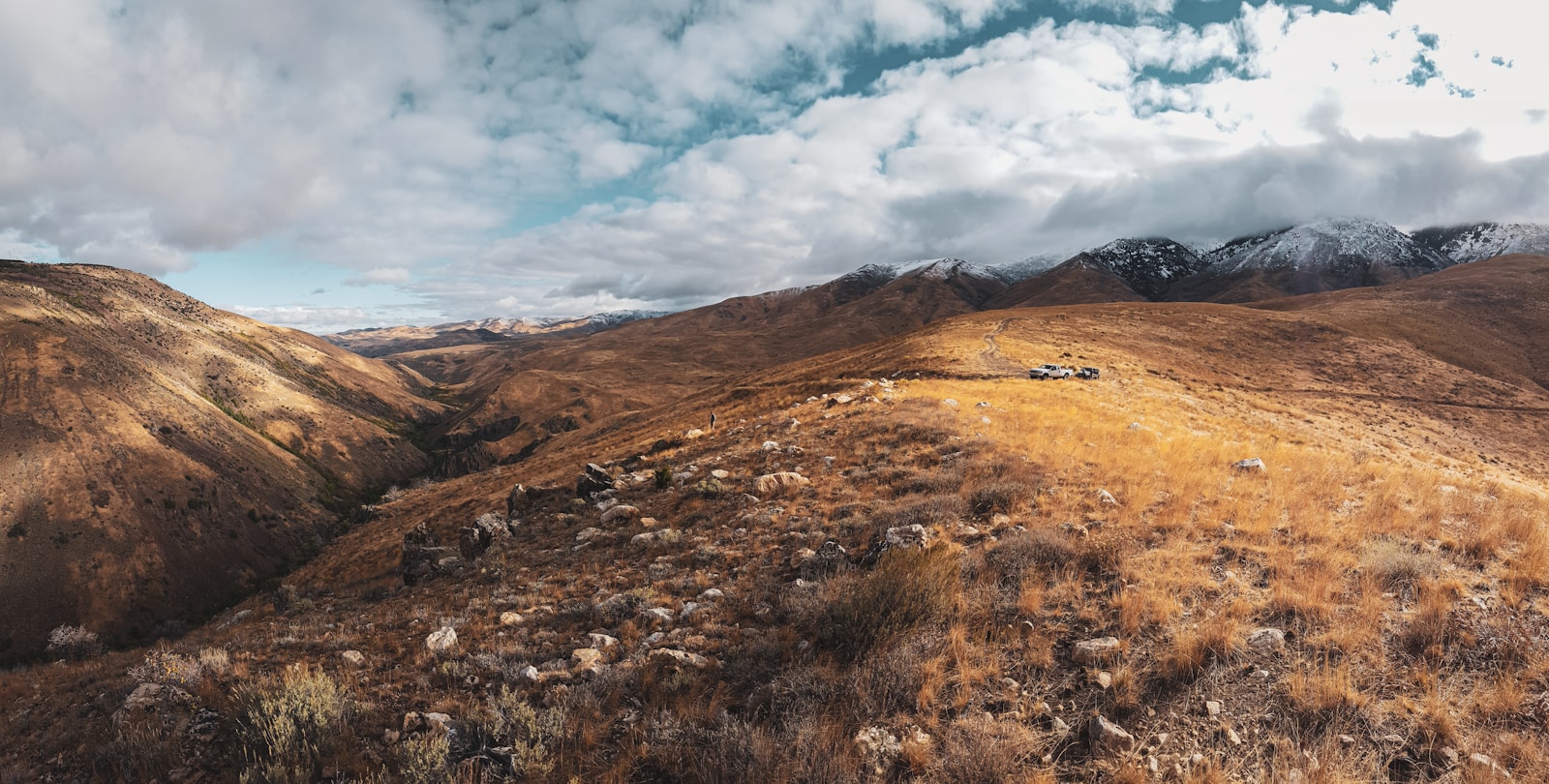
Nevada manages a surprisingly resilient and expanding elk population thriving beautifully across isolated mountain ranges. State biologists closely monitor isolated herds traversing incredibly rough and unforgiving desert landscapes daily. Strategic helicopter surveys accurately track population density to ensure healthy carrying capacities remain perfectly balanced. Collaborative efforts with local ranchers effectively resolve complicated grazing disputes surrounding scarce water resources. The majestic animals demonstrate incredible evolutionary adaptation while surviving harsh temperature extremes seamlessly. This thriving desert herd proves that dedicated wildlife conservation methods successfully conquer seemingly impossible geographic challenges perfectly without fail across modern western wilderness areas today.
Idaho
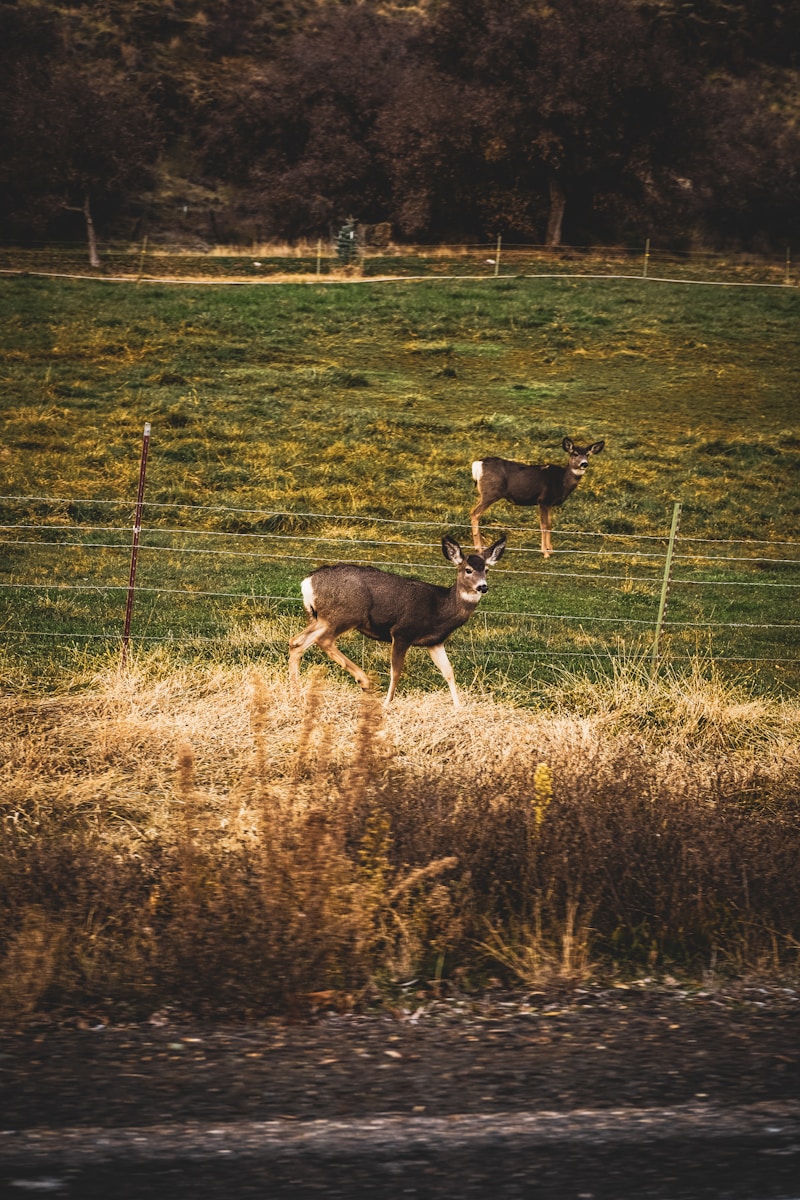
Idaho boasts a steadily increasing elk population roaming broadly across magnificent, pristine wilderness spaces. Abundant public lands provide extensive natural habitats where these large creatures wander completely undisturbed by modern development. Biologists monitor the delicate relationship between expanding predator numbers and vulnerable newborn calves constantly. Dedicated conservation groups frequently organize extensive volunteer projects to restore damaged winter feeding grounds safely. Incredible backcountry hunting adventures attract sportsmen seeking unforgettable wilderness experiences high above the stunning timberline. Thoughtful wildlife management successfully preserves this majestic animal presence deeply within the beautiful northern Rocky Mountains for generations to enjoy.
Oregon
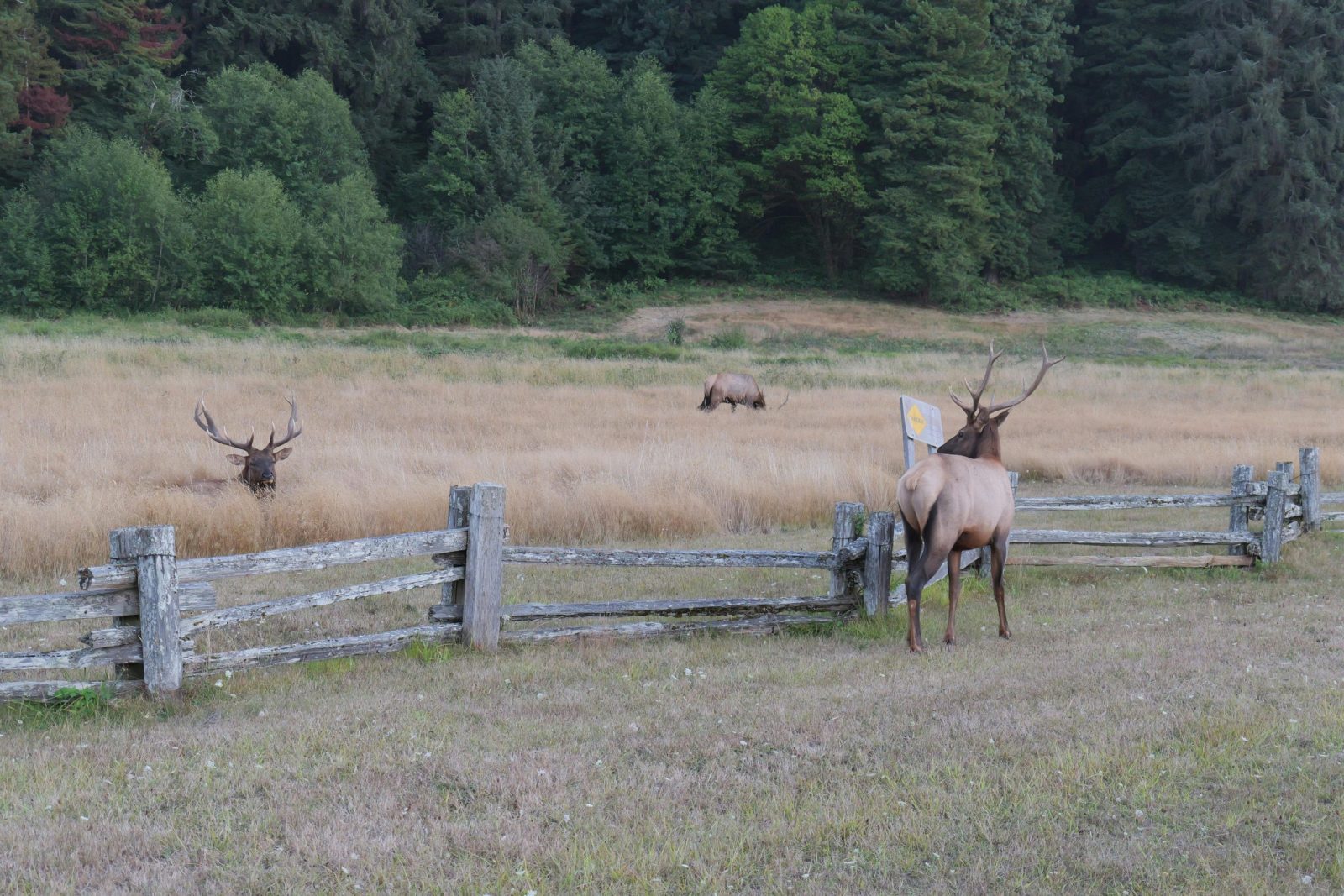
Oregon happily supports highly robust and naturally expanding elk populations across both coastal and inland mountain ranges. Wildlife managers successfully balance thriving herds against complex agricultural demands within fertile river valleys. Roosevelt elk dominate the western damp coastal rainforests, while Rocky Mountain subspecies roam the drier eastern slopes beautifully. Extensive habitat mapping helps identify crucial migration corridors requiring immediate environmental protection from expanding urban sprawl. Enthusiastic nature photographers capture spectacular foggy morning images featuring these incredible beasts wandering freely. The ongoing commitment to scientific conservation guarantees magnificent wildlife encounters remain possible throughout the beautiful state today.