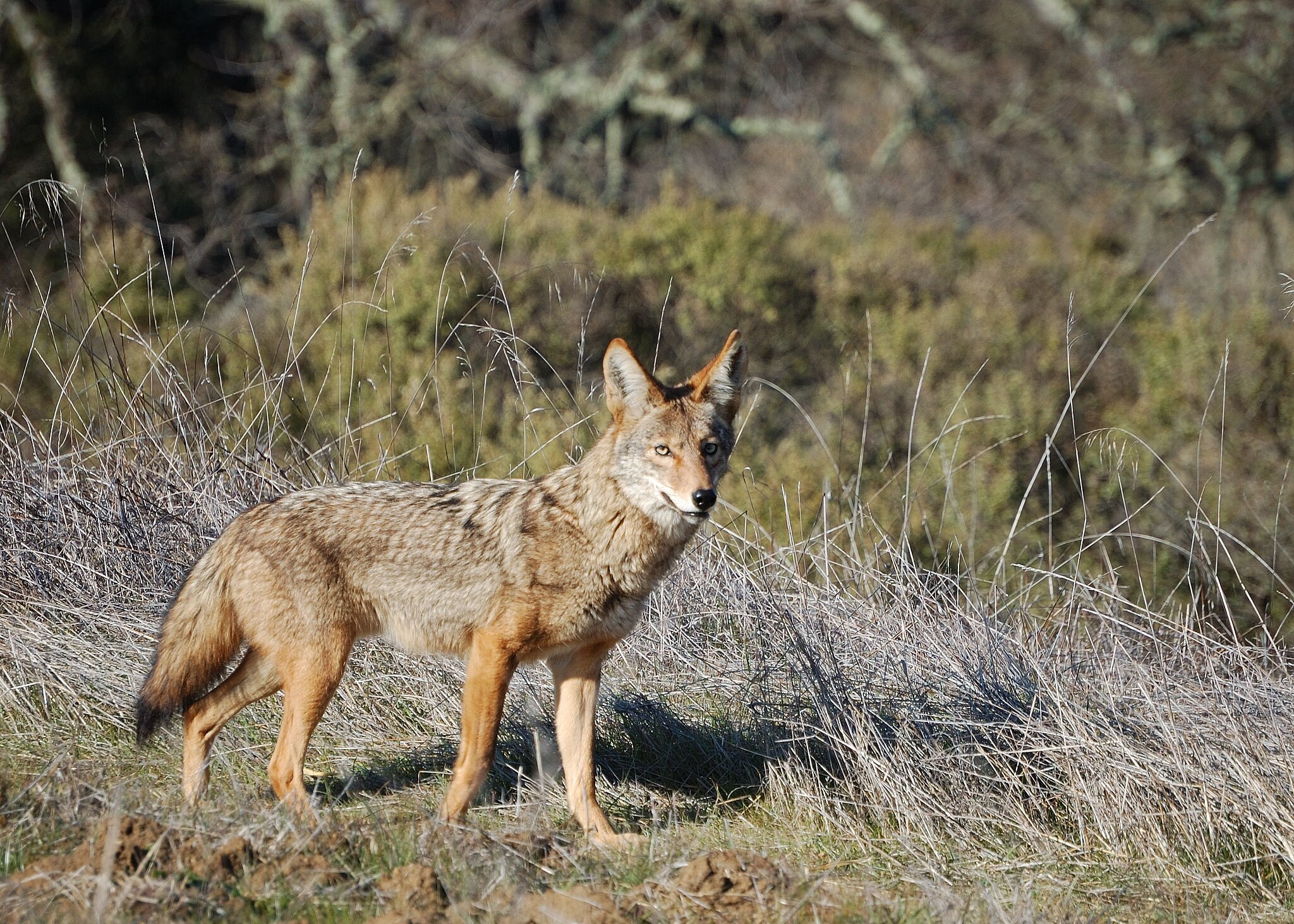
Forests are often portrayed as quiet, predictable landscapes shaped by seasonal rhythms and familiar wildlife patterns. In reality, experienced hunters understand that forests operate under complex systems shaped by behavior, ecology, and constant change. Many realities remain unspoken outside hunting circles, not out of secrecy, but because they contradict common assumptions. Subtle signs, invisible boundaries, and unexpected interactions shape every outing. These lesser-known truths influence safety, ethics, and outcomes far more than equipment or luck. Exploring these fifteen forest realities reveals how deeply layered woodland environments truly are and why surface-level understanding rarely reflects what actually happens beneath the canopy.
Animals Watch Humans More Than Expected
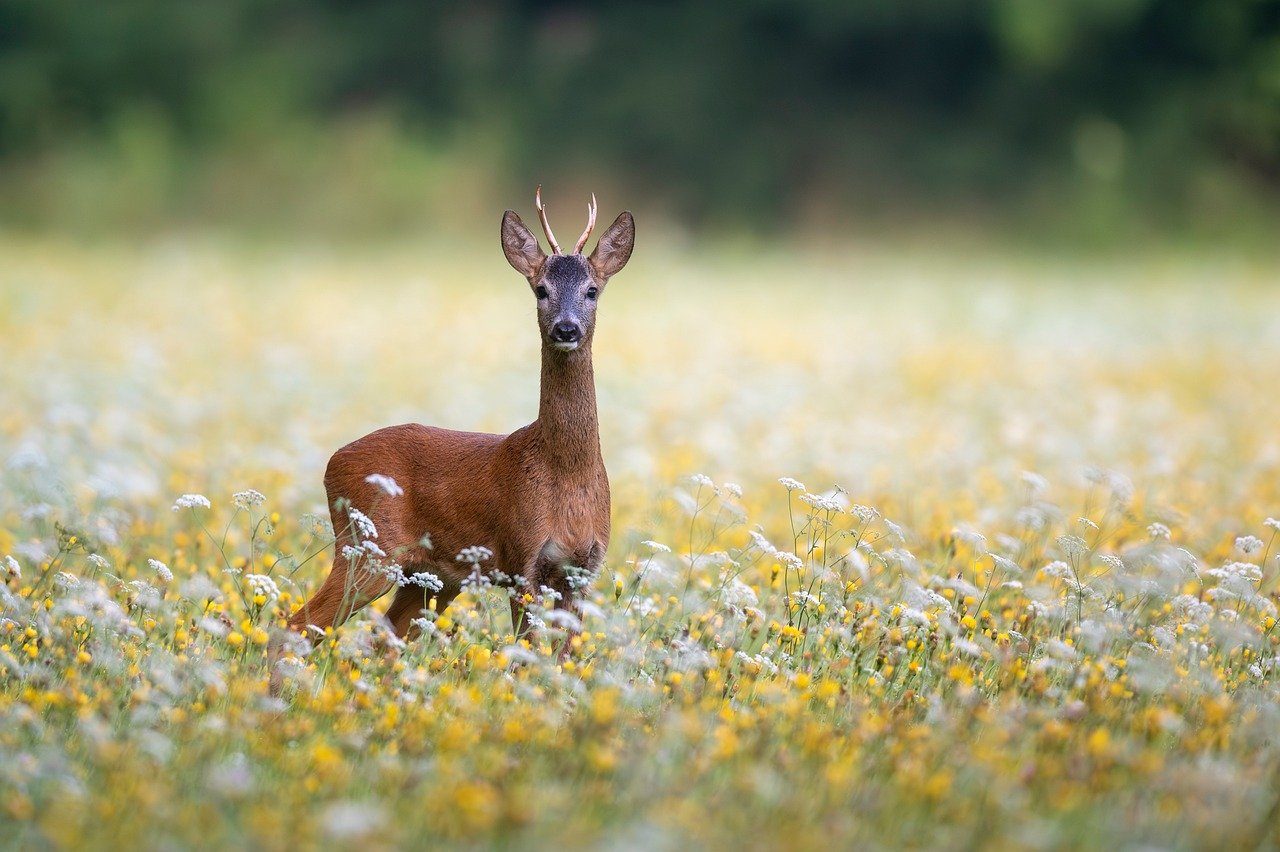
Wild animals observe human movement far more closely than most people realize. Deer, bears, and predators frequently pause movement to assess sound, scent, and body language before reacting. Studies using trail cameras confirm animals often remain nearby long after humans pass. This awareness allows wildlife to adjust patterns quickly without being seen. Hunters recognize that animals often track people silently from cover. This behavior explains sudden disappearances and altered activity. Forests are not empty when quiet. Wildlife remains present, evaluating risk continuously through sensory awareness refined over generations of survival.
The Forest Is Never Truly Silent
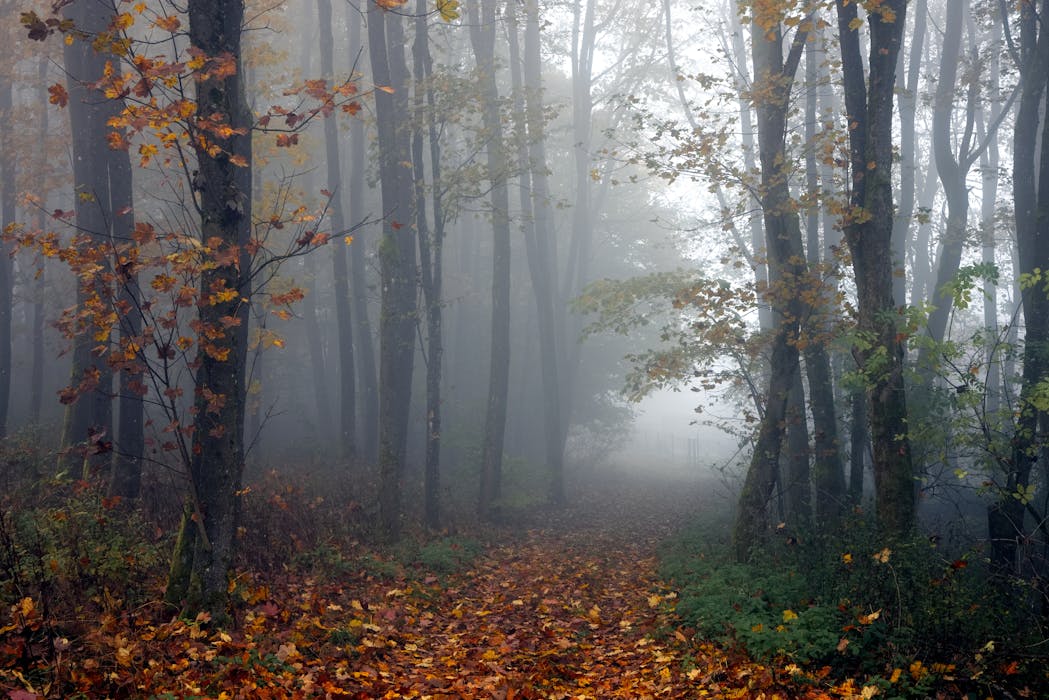
Complete silence in a forest often signals disruption rather than calm. Birds, insects, and small mammals usually create a constant background noise. When these sounds stop abruptly, experienced hunters recognize heightened alertness or predator movement nearby. Research shows prey species reduce vocalization when danger is detected. Silence becomes an environmental warning rather than peace. This shift often precedes visible activity changes. Understanding sound patterns helps interpret forest conditions accurately. Quiet moments frequently indicate unseen movement rather than the absence of life. Forest soundscapes function as living indicators of balance, tension, and behavioral response unfolding continuously.
Wind Direction Controls Everything
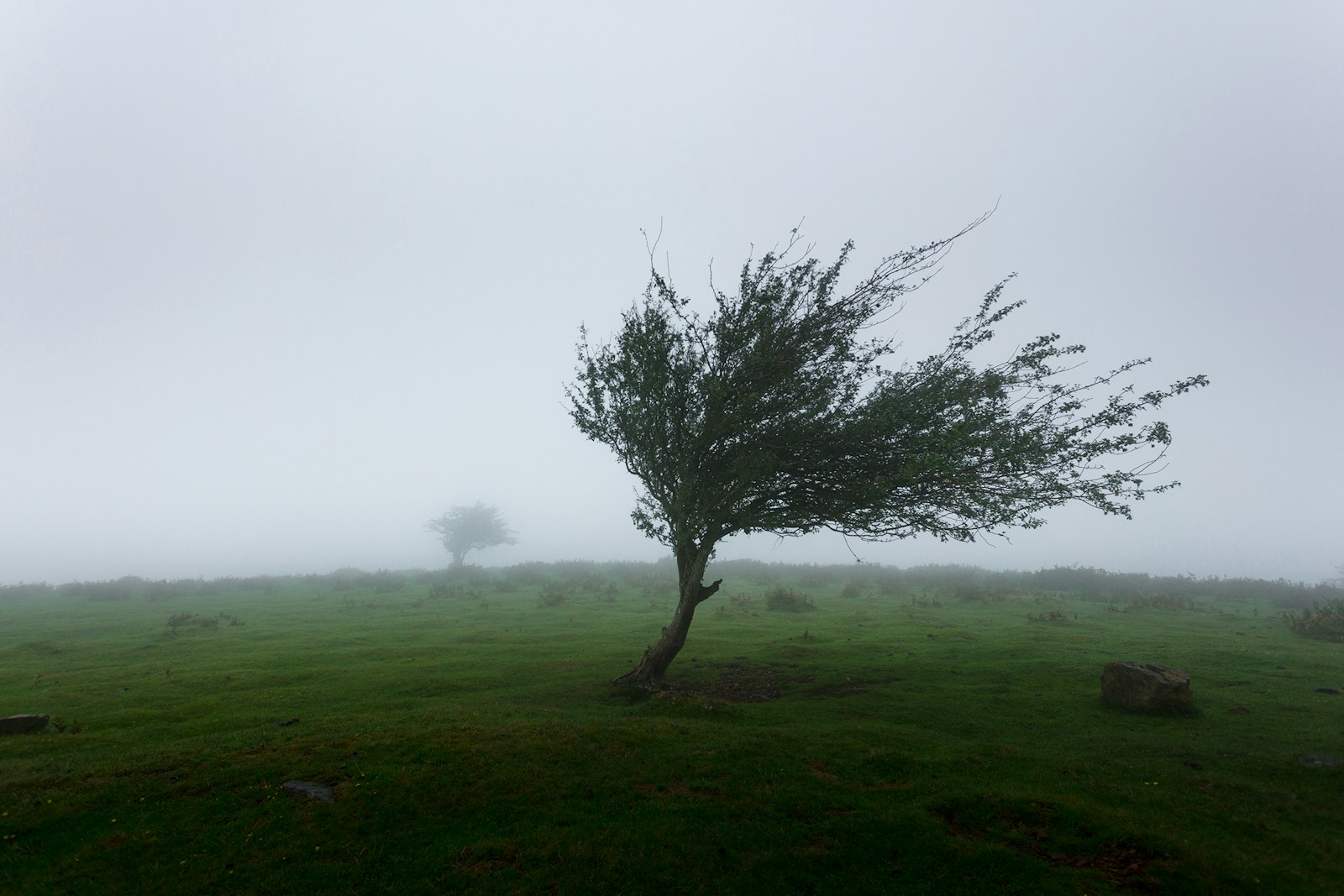
Wind direction governs scent travel and determines animal awareness long before visual contact occurs. Mammals rely heavily on smell, making wind a dominant factor in movement decisions. Hunters monitor wind constantly because a single shift can end an opportunity instantly. Scientific studies confirm that deer and predators alter routes based on scent detection zones. Wind also carries sound differently, masking or amplifying movement. Forest terrain further complicates airflow with ridges and valleys creating unpredictable currents. Understanding wind behavior reveals why animals vanish suddenly and why positioning matters more than proximity in wooded environments.
Trails Are Not Always Random
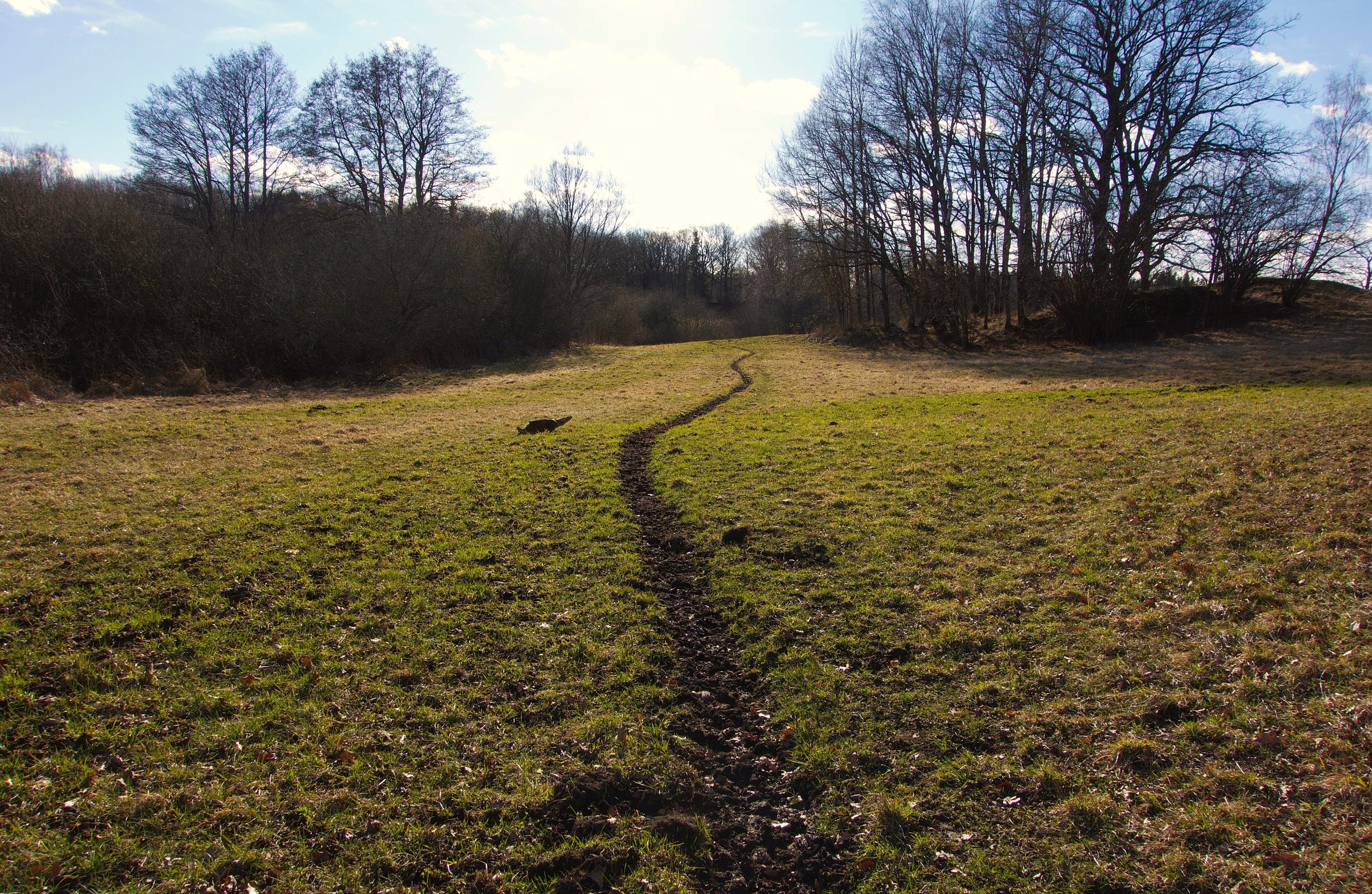
Animal trails often follow deliberate patterns shaped by terrain, feeding areas, and safety. Many routes appear random but actually connect bedding sites, water sources, and escape corridors. Hunters learn that animals reuse paths for efficiency and familiarity. Research shows repeated movement reinforces these traits over generations. Human hikers unknowingly follow many of the same routes, increasing shared encounters. Trail intersections often reveal heavy traffic areas. Recognizing patterned movement explains why wildlife sightings cluster in certain locations while nearby areas remain quiet despite similar appearances.
Forest Boundaries Are Invisible
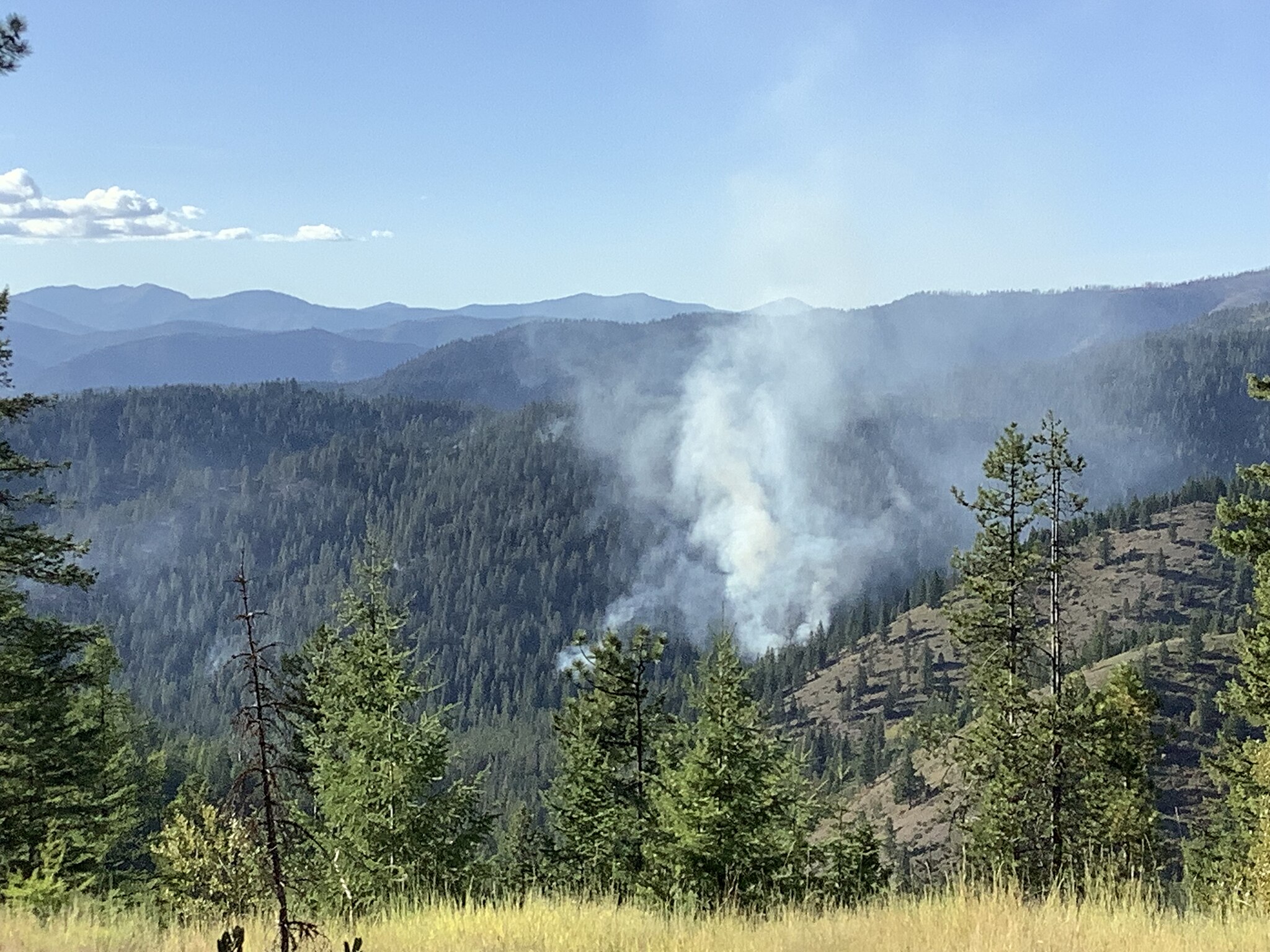
Forests contain invisible boundaries defined by territory, hierarchy, and resource availability. Predators defend ranges, while prey species maintain home zones shaped by food and cover. These boundaries do not align with maps or trails. Hunters notice abrupt changes in animal presence when crossing unseen lines. Wildlife research confirms that territorial behavior influences density and movement. Understanding these invisible borders explains why animals suddenly appear or disappear without environmental change. The forest functions as a mosaic of overlapping zones governed by instinct and competition rather than human-defined space.
Animals Recognize Human Patterns

Wildlife quickly learns predictable human behavior. Animals adjust feeding times, travel routes, and activity windows based on repeated exposure. Studies show deer in high-traffic areas become nocturnal, while remote populations remain active during daylight. Hunters observe that animals differentiate between casual hikers and purposeful movement. Clothing color, pace, and noise influence perception. This learning ability demonstrates behavioral intelligence rather than fear alone. Forest animals do not simply flee. They adapt strategically, using memory and observation to coexist while minimizing risk within shared environments.
Weather Changes Behavior Instantly
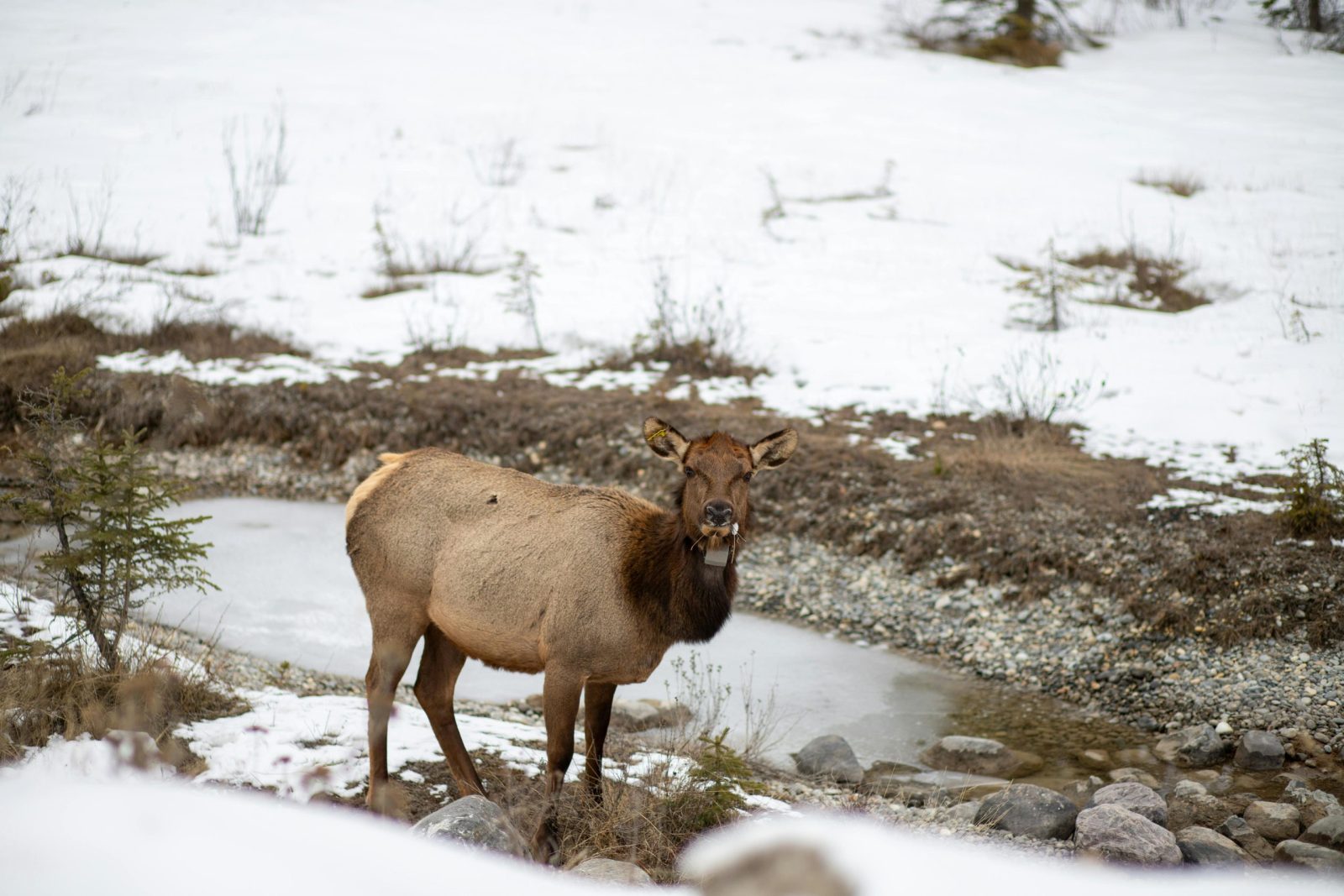
Weather shifts rapidly alter forest activity. Barometric pressure, temperature drops, and approaching storms influence movement patterns across species. Research shows animals feed more aggressively before storms and reduce exposure afterward. Hunters recognize that calm conditions may produce little activity, while subtle changes trigger movement. Rain alters scent travel and sound absorption, affecting awareness. Snow reveals tracks but also changes energy demands. Understanding weather responses explains unpredictable encounters. Forest behavior responds dynamically to atmospheric cues rather than static seasonal expectations.
Forest Floors Tell Detailed Stories
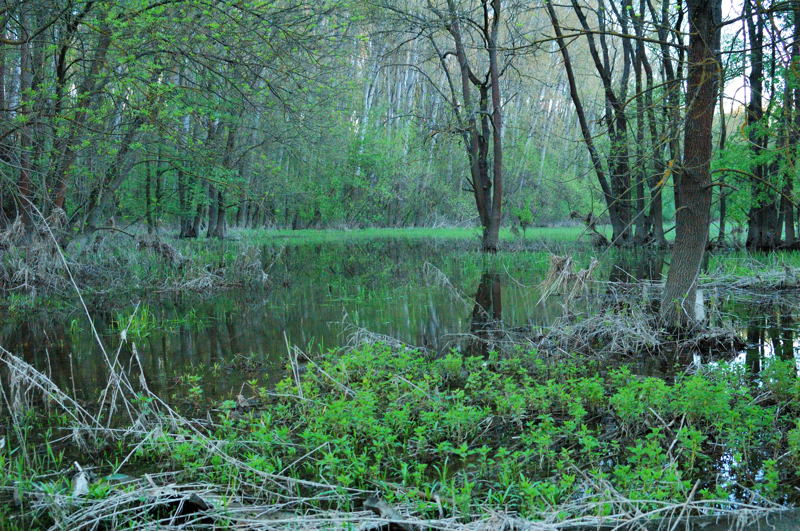
The forest floor records recent activity through tracks, broken vegetation, and disturbed soil. Hunters read these signs to reconstruct timelines and movement direction. Freshness, depth, and spacing reveal speed and size. Scientific tracking methods confirm the reliability of ground indicators. Many signs disappear quickly due to wind or moisture. Casual observers overlook these details entirely. The ground functions as a temporary record book documenting behavior invisible at eye level. Interpreting these clues requires practice but reveals constant movement occurring beyond direct observation.
Animals Rarely Travel Alone
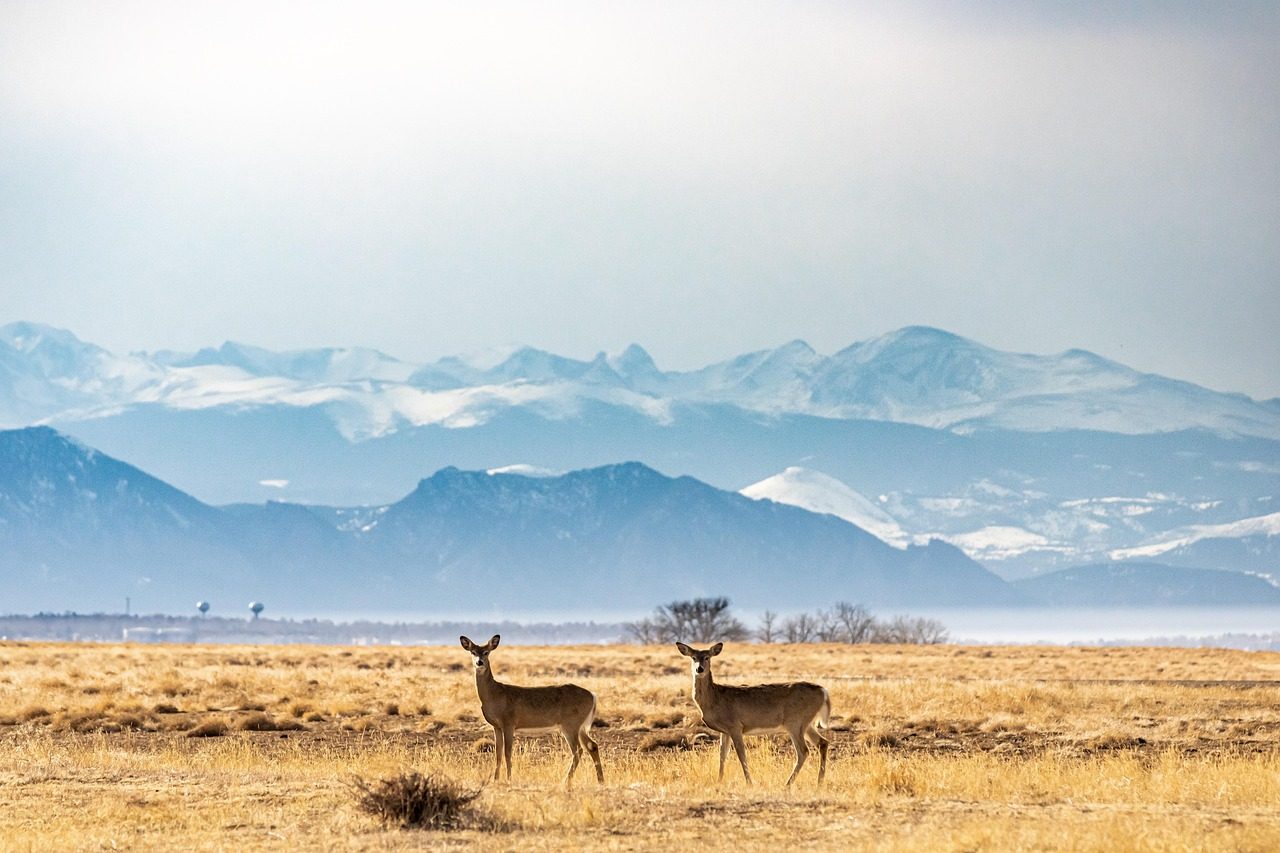
Even solitary species often move within overlapping networks. Predators may hunt individually but remain aware of others nearby. Prey animals communicate danger indirectly through behavioral changes. Research shows deer adjust their grouping based on risk levels. Hunters notice subtle cues like staggered movement or delayed reactions. These interactions create layered awareness across species. The forest operates as an interconnected system rather than isolated individuals. Recognizing this complexity explains why disturbances ripple outward, altering behavior well beyond the immediate area.
Human Scent Lingers Longer Than Expected
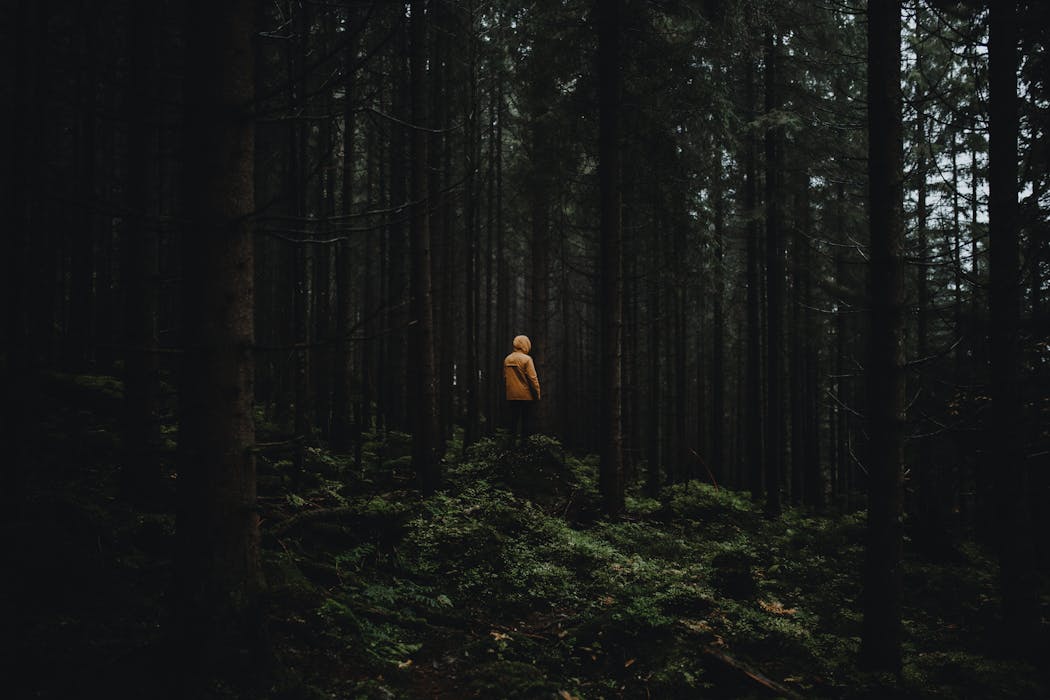
Human scent persists far longer than most assume. Clothing fibers, skin cells, and oils remain detectable for hours or days, depending on conditions. Scientific studies confirm that animals detect and avoid scent trails well after departure. Hunters understand that a brief presence can influence movement patterns long afterward. Wind, humidity, and temperature affect scent dispersion but rarely eliminate it quickly. This lingering presence explains empty sightings and altered routes. The forest retains memory through scent, shaping wildlife decisions invisibly.
Animals Use Terrain Strategically
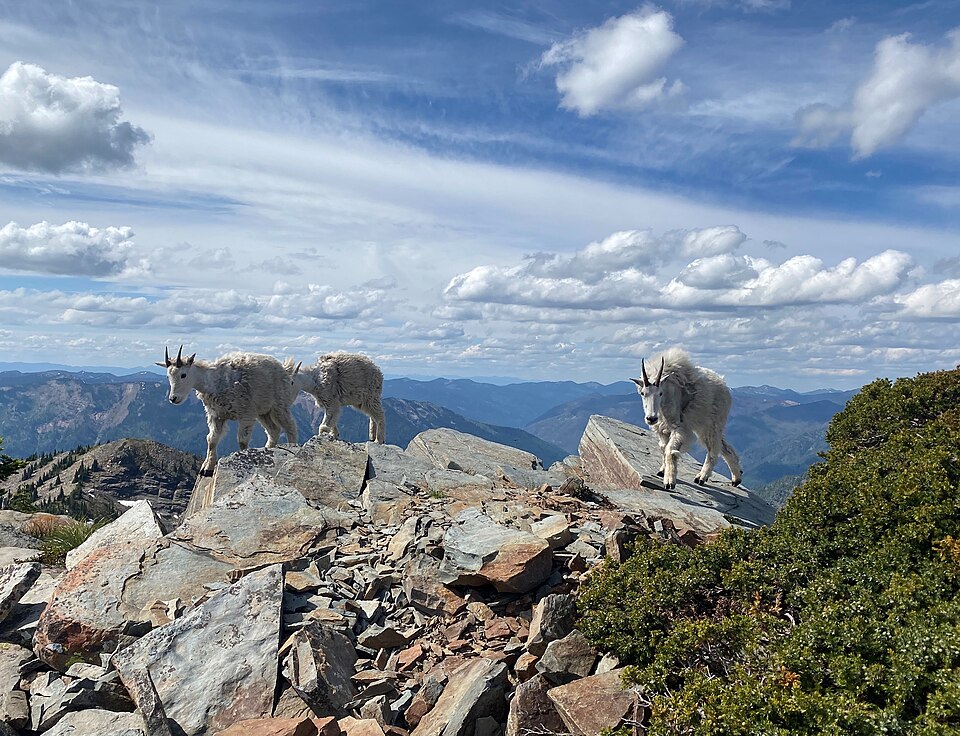
Wildlife uses terrain features deliberately for advantage. Ridges provide visibility, valleys offer shelter, and dense cover enables concealment. Research shows predators position themselves downwind and downhill when possible. Prey species favor escape routes with multiple exits. Hunters recognize how elevation and vegetation shape encounters. Animals rarely move randomly through difficult terrain. Each step balances safety and efficiency. Understanding terrain use explains why certain areas consistently produce activity while others remain deceptively quiet despite similar appearance.
The Forest Changes Hour By Hour
Forest conditions shift continuously throughout the day. Light angles, temperature gradients, and humidity levels alter visibility and scent movement. Animals respond to these micro changes rather than fixed schedules. Research shows peak activity windows vary daily. Hunters observe movement patterns changing within hours. Morning calm differs drastically from afternoon stillness. Even familiar locations behave differently throughout the day. Recognizing hourly change prevents rigid expectations. The forest operates on fluid timelines shaped by environmental cues rather than predictable routines.
Sound Travels Unpredictably
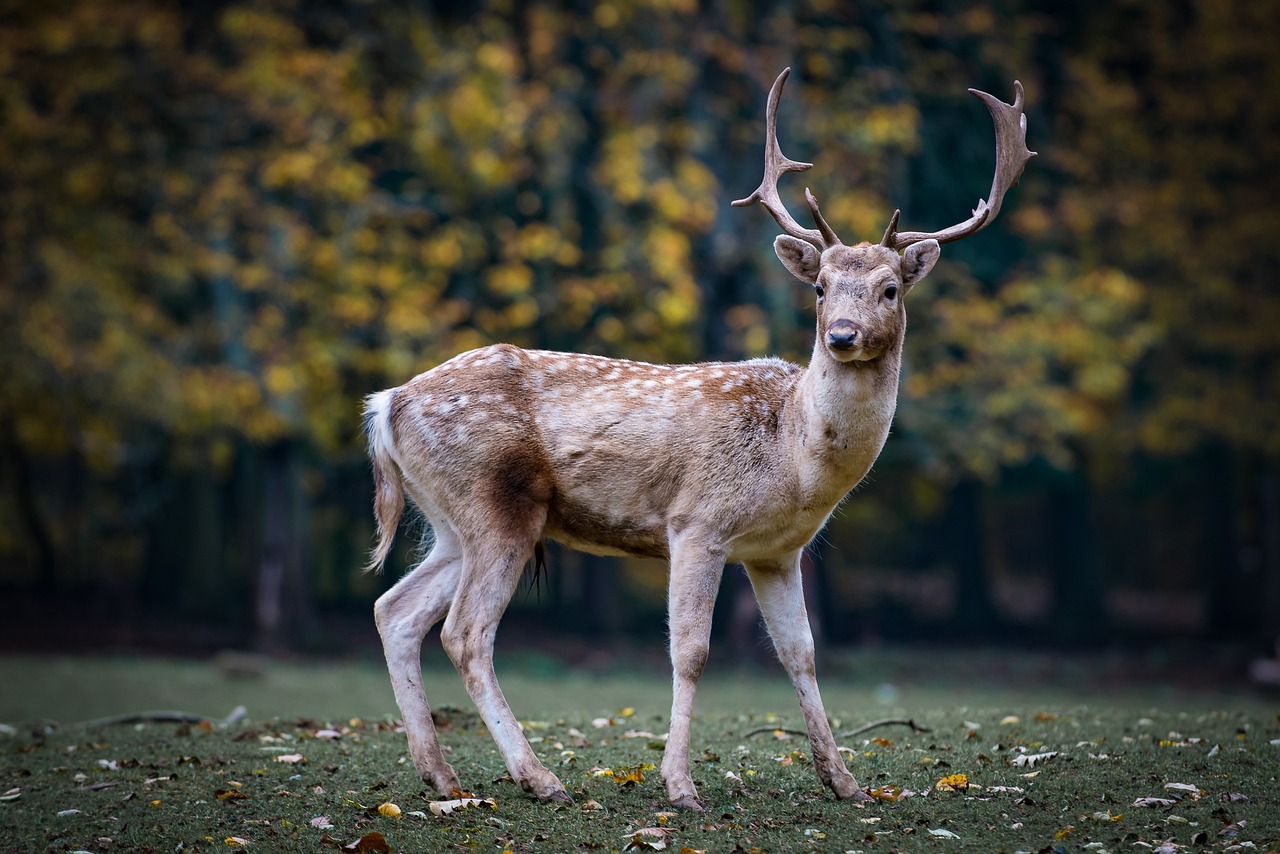
Sound behaves inconsistently in wooded terrain. Dense foliage absorbs noise, while open corridors amplify it unexpectedly. Wind and humidity further distort direction. Animals often detect sound sources more accurately than humans. Studies confirm that wildlife auditory sensitivity exceeds human perception. Hunters learn that quiet movement may still carry far. Sudden noise may appear distant when nearby. Understanding sound distortion explains surprising encounters. Forest acoustics create illusions that challenge perception and reinforce why awareness must extend beyond what seems audible.
Animals Sense More Than Sight
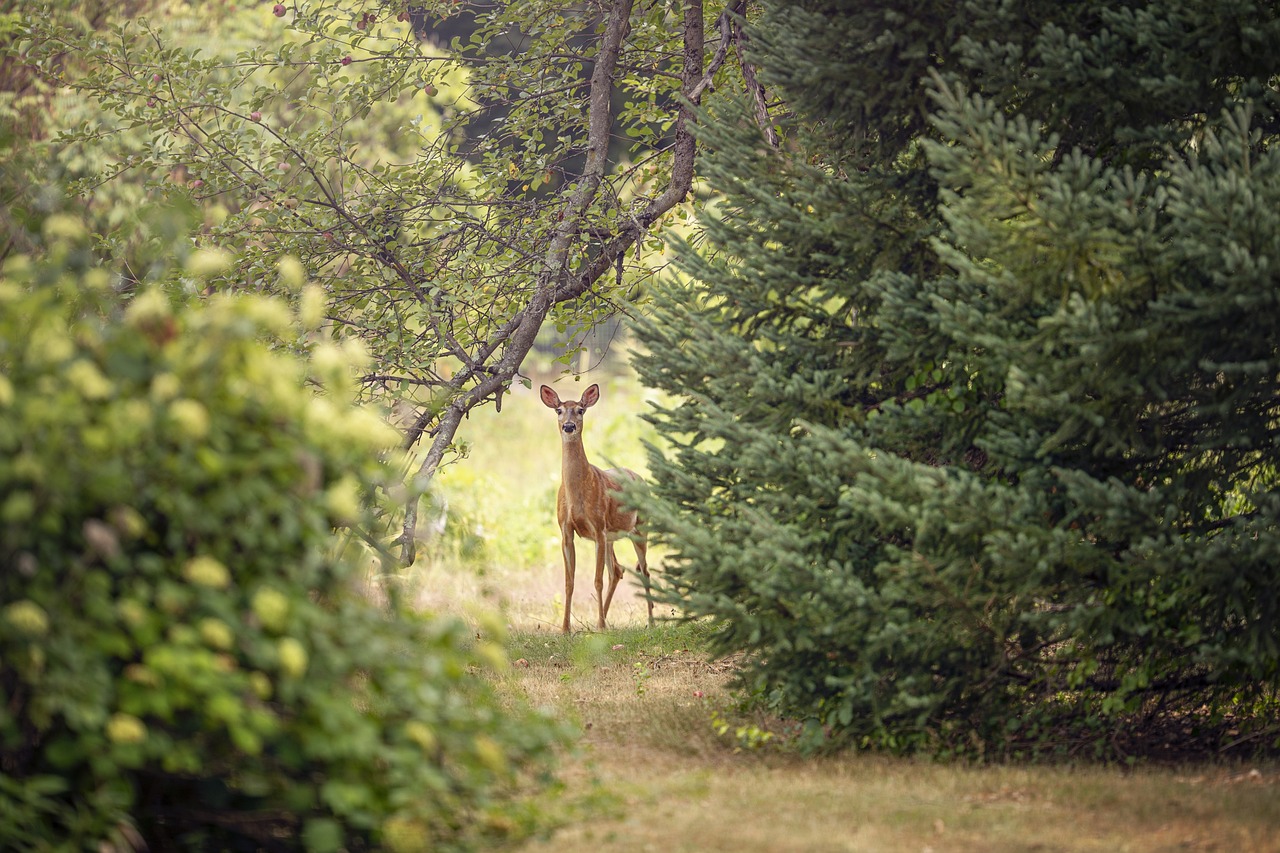
Vision plays a smaller role for many animals compared to smell and hearing. Research shows deer rely heavily on scent and motion detection. Predators use auditory cues to locate movement. Hunters understand that stillness matters more than camouflage patterns. Bright colors may go unnoticed without movement. This sensory difference explains close encounters without detection. Forest perception operates on multisensory input beyond human priorities. Recognizing these challenges, assumptions about visibility and reveals how animals navigate complex environments effectively.
The Forest Never Forgets Disturbance
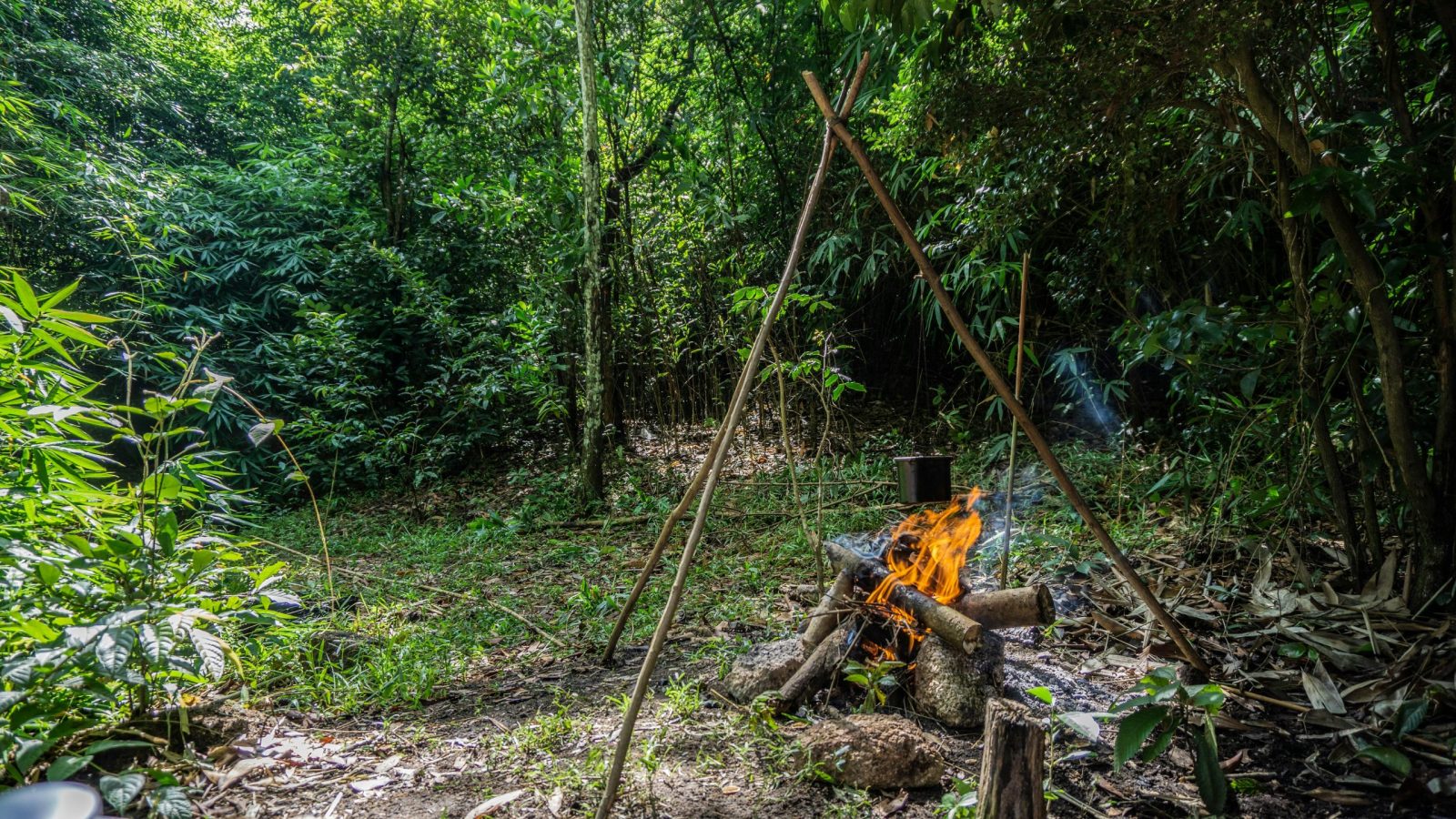
Disturbance leaves lasting effects on forest systems. Repeated human presence alters trails, vegetation, and animal routines. Studies show wildlife avoids areas with consistent disruption long after activity stops. Hunters notice seasonal changes tied to past pressure rather than current conditions. The forest responds cumulatively rather than instantly resetting. Memory exists through behavior patterns and environmental wear. Understanding this persistence explains long-term shifts and why certain locations lose activity over time despite appearing unchanged.