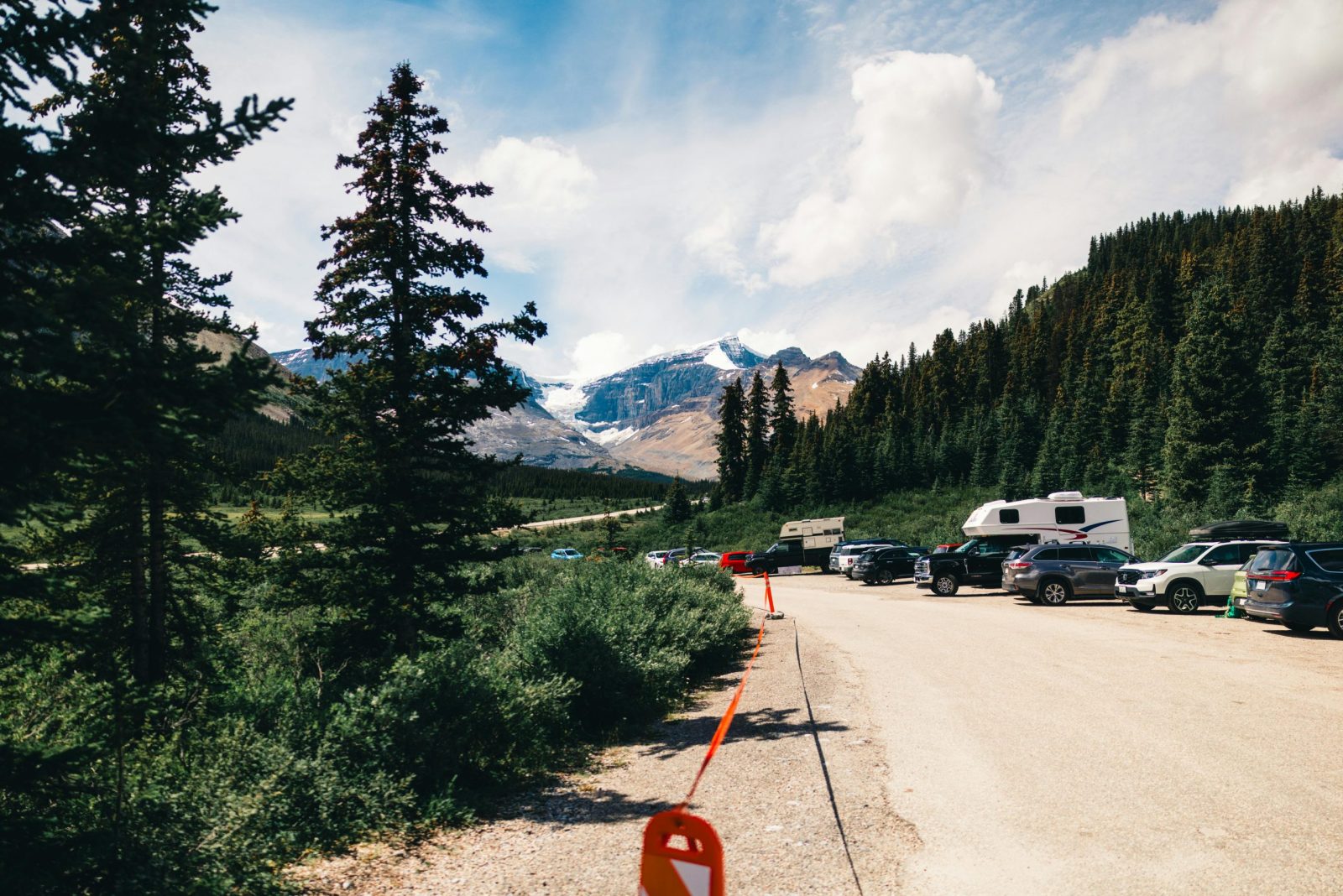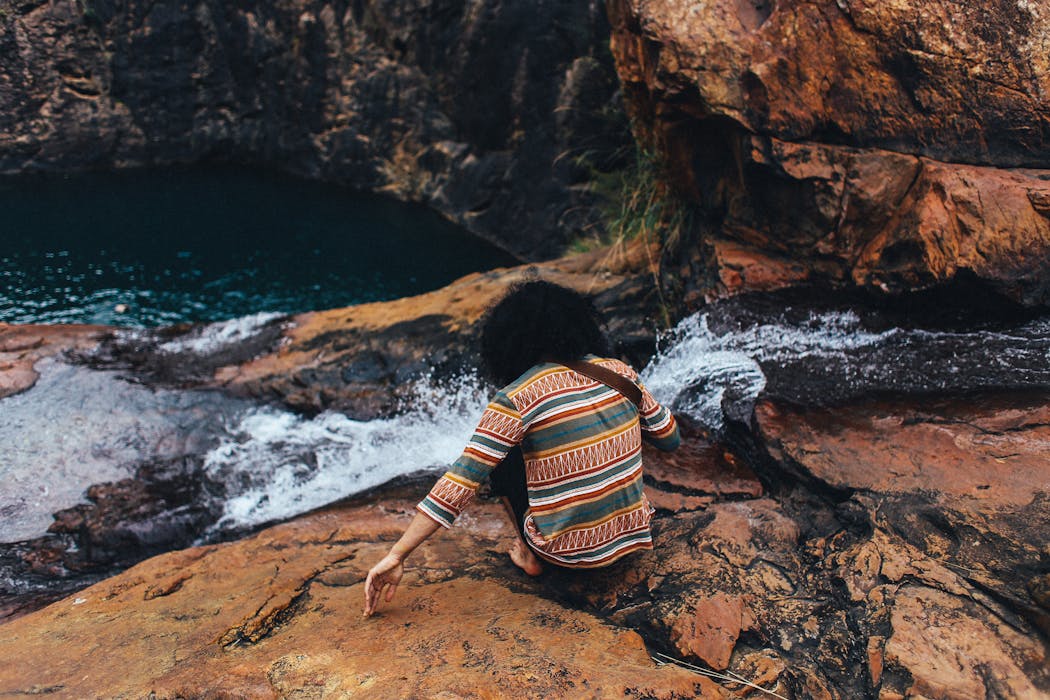
Natural water sources vary widely in clarity, mineral content, and contamination risk. Some sources, shaped by geology and slow natural filtration, typically contain fewer sediments than others. Clear appearance does not equal safety, yet historically certain sources required less mechanical filtering before boiling or treatment. Understanding where water travels and how it emerges helps explain why clarity differs. This article explores fifteen natural water sources known for lower particulate loads under normal conditions. Each source appears in documented outdoor, geographic, or hydrologic contexts, emphasizing observation, environmental awareness, and realistic expectations rather than assumptions about safety or purity in natural landscapes.
Protected Natural Springs
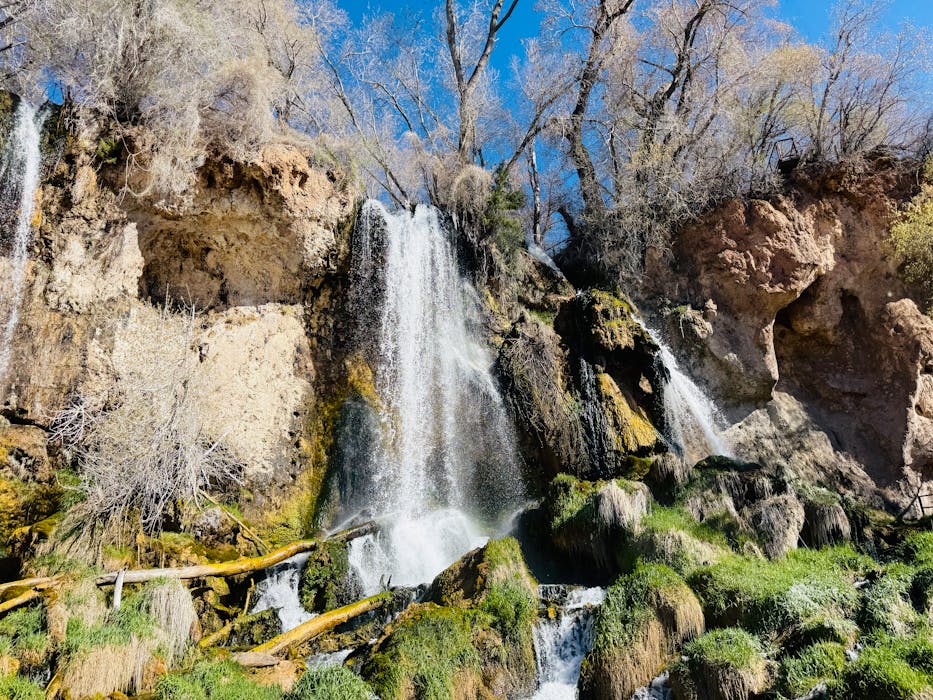
Protected natural springs emerge where groundwater reaches the surface after traveling through layers of soil and rock. This movement naturally removes many sediments. Springs located uphill from human activity often appear clear and consistent. Mineral content varies by geology, but turbidity remains low compared with surface water. Historically, communities relied on protected springs for drinking water before modern treatment. Despite clarity, microbial risks still exist. Minimal filtering typically removes debris, while additional treatment ensures safety. Springs remain valued for reliability and clarity when properly located, capped, and protected from surface runoff and animal access in stable environments.
Snowmelt From Fresh Snow
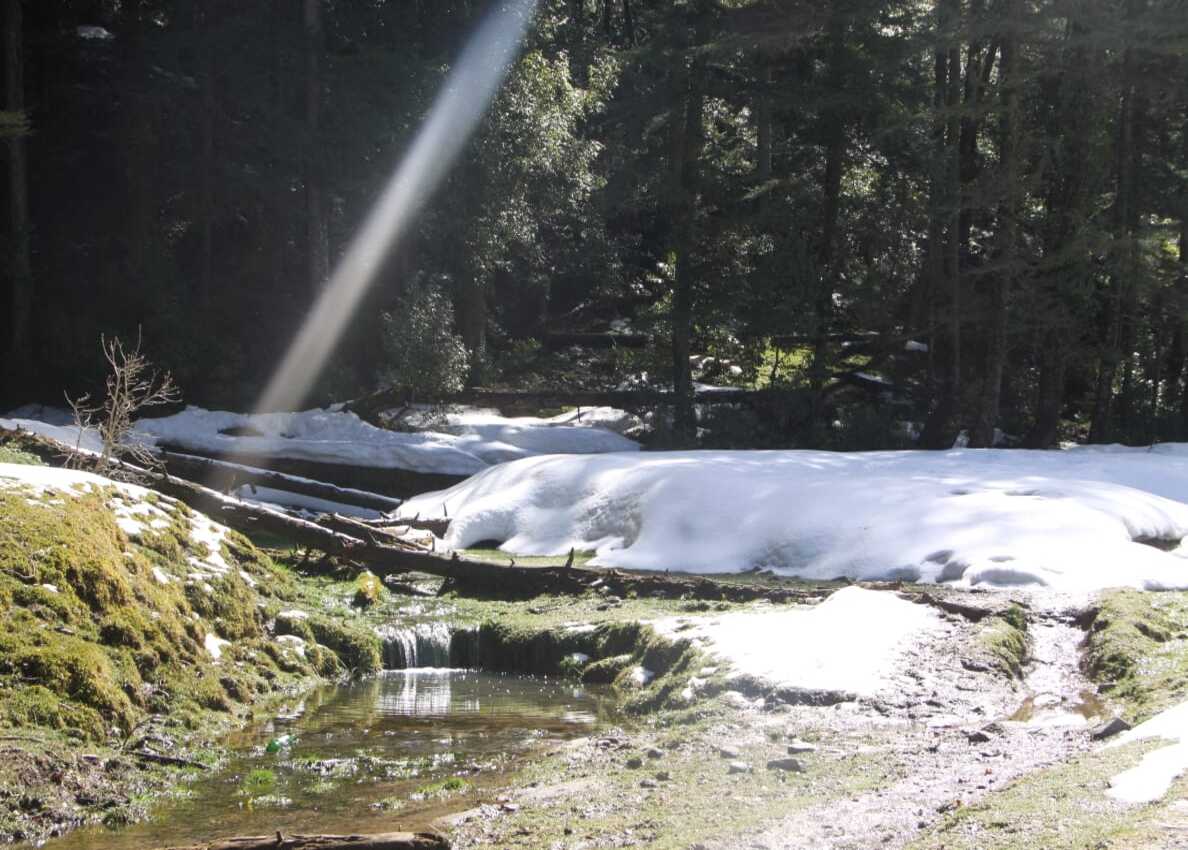
Fresh snowmelt forms when recently fallen snow melts before contacting soil. Atmospheric snow contains fewer particulates than surface runoff. In remote areas, melted fresh snow often appears clear. Historically, travelers used snowmelt when liquid water remained unavailable. Filtering removes airborne debris collected during snowfall. However, snow near roads or vegetation carries pollutants. Minimal filtering addresses visible particles, while treatment handles microbes. Snowmelt volume remains limited and seasonal. This source depends heavily on location and weather patterns, offering relatively low sediment water when collected carefully from clean, untouched snow layers away from contamination sources.
Rainwater Collected At First Fall
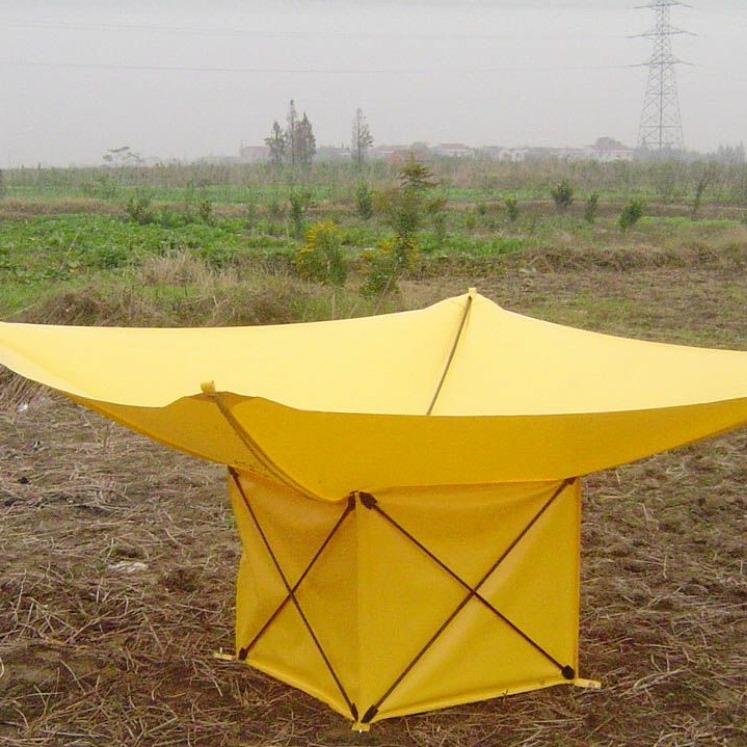
Rainwater collected at first fall can contain fewer sediments when captured cleanly. As precipitation forms through condensation, it initially remains free of ground particles. Historically, rainwater harvesting supported households in arid regions. Minimal filtering removes debris from collection surfaces. Atmospheric pollution affects quality, especially near cities. Rainwater clarity often remains high when collected away from industrial zones. Treatment remains necessary for pathogens. Roof materials influence safety, but natural rainfall itself carries low turbidity. This source provides relatively clear water when collected thoughtfully, stored properly, and supplemented with purification steps after basic filtration removes particulates.
Artesian Spring Water
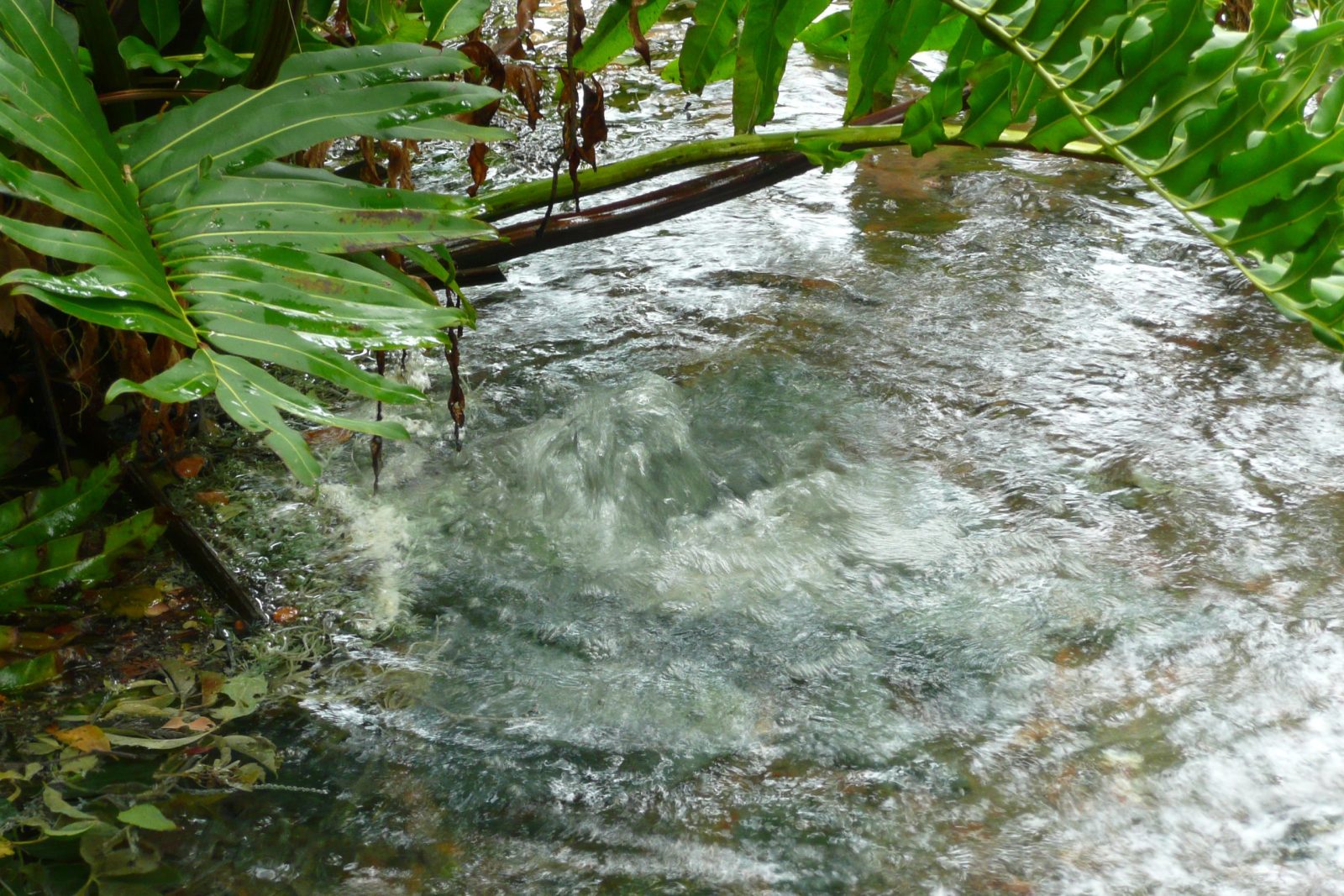
Artesian springs release groundwater under natural pressure from confined aquifers. Water travels through rock layers that filter sediment over time. These springs often flow steadily and appear clear. Historically, artesian sources supported settlements and agriculture. Minimal filtering typically removes occasional mineral grit. Despite clarity, dissolved minerals and microorganisms may remain. Artesian springs differ from shallow seeps due to depth and pressure. Location matters greatly. When protected from surface contamination, artesian water shows low turbidity and consistent flow, making it a historically reliable source requiring less physical filtration than many surface waters found in rivers or ponds.
Upper Mountain Streams
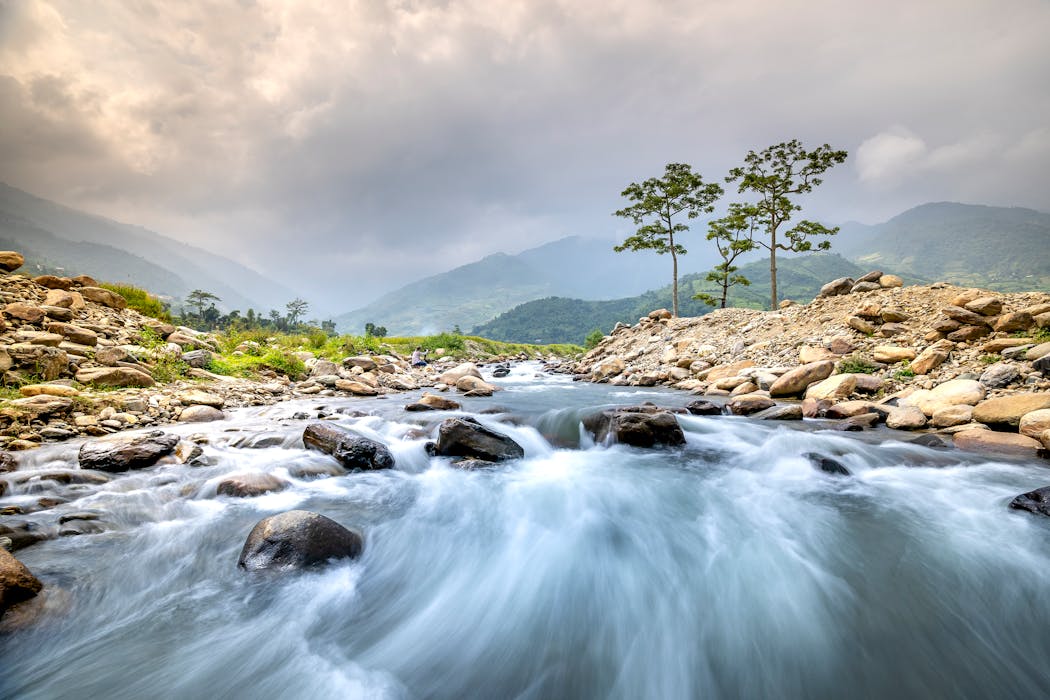
Upper mountain streams near their source often carry low sediment loads. Water moves quickly over rocky beds, limiting organic buildup. Limited upstream activity reduces contamination. Historically, alpine travelers favored these streams for clarity. Minimal filtering removes grit stirred by flow. Seasonal runoff can increase turbidity temporarily. Wildlife still introduces pathogens. These streams differ from lowland rivers due to gradient and geology. Clear appearance results from erosion resistant rock and sparse soil. When accessed upstream and away from camps, mountain streams often provide relatively clear water requiring minimal mechanical filtration before further treatment steps ensure safety.
Glacial Meltwater Channels
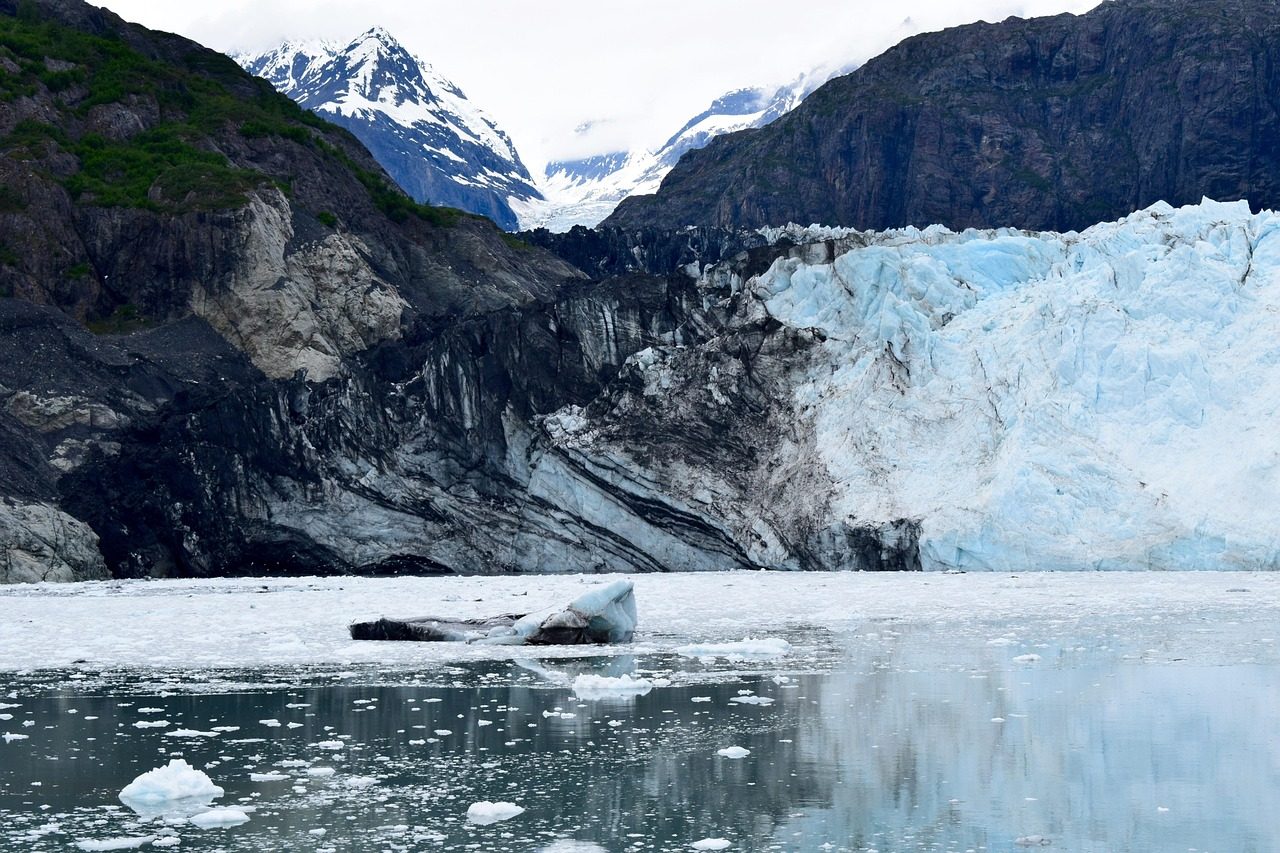
Glacial meltwater originates from compressed snow and ice. When emerging near the glacier face, water often appears cloudy due to rock flour. However, channels farther downstream sometimes clear as sediments settle. Historically, explorers accessed clearer sections for water. Minimal filtering removes fine silt once settling occurs. Mineral content remains high. These waters appear cold and oxygen rich. Location determines clarity. Meltwater flowing through gravel beds experiences natural filtration. When carefully selected, certain glacial channels provide lower particulate water than expected, though treatment remains necessary due to microbial risks introduced by wildlife and environmental exposure.
Limestone Karst Springs
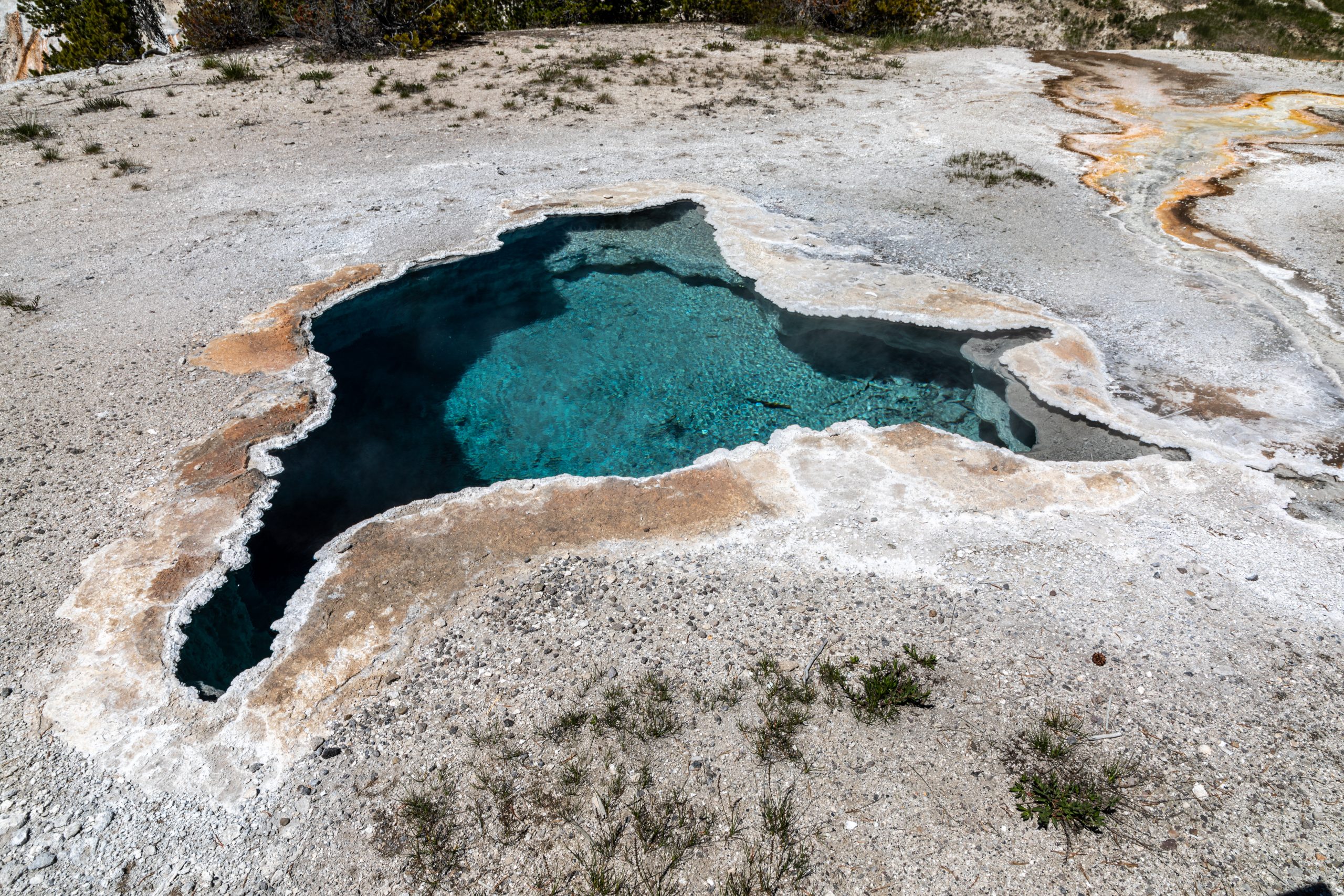
Limestone karst springs form where groundwater dissolves carbonate rock and emerges through fissures. The rock acts as a natural filter, reducing sediment. Water often appears clear with dissolved minerals. Historically, karst regions relied on these springs. Minimal filtering removes occasional debris. However, karst systems allow rapid water movement, increasing contamination risk from surface inputs. Clarity does not guarantee safety. Despite this, sediment loads remain low compared with surface runoff. When protected and monitored, limestone springs produce visually clean water that historically required less physical filtration before additional purification methods addressed biological concerns.
Seep Springs
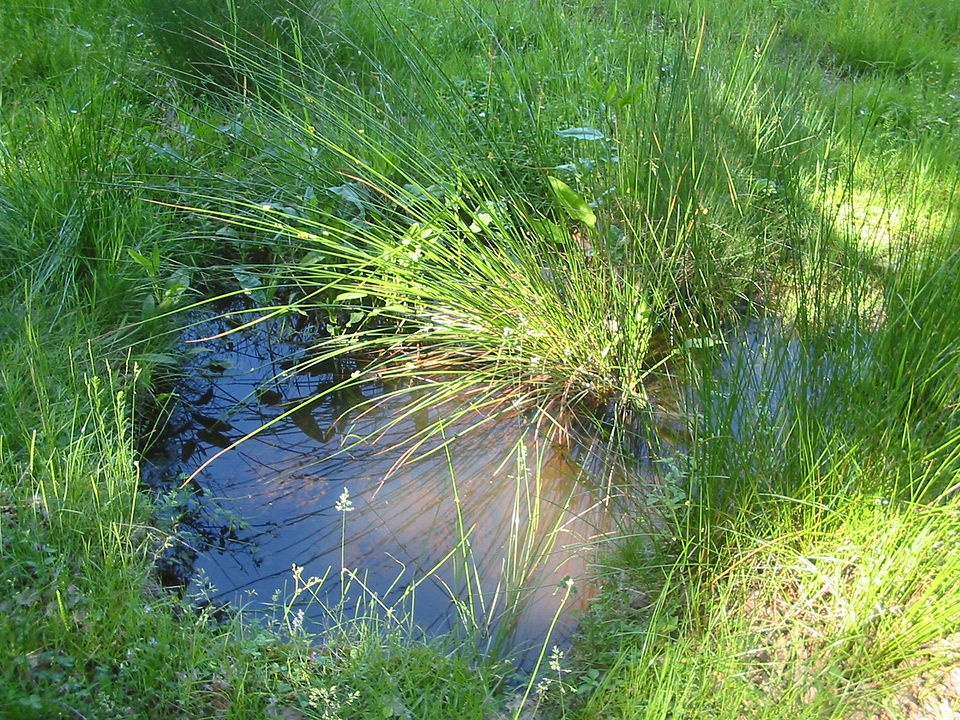
Seep springs release groundwater slowly through soil or rock faces. Slow movement allows sediment to settle naturally. These springs often produce small but steady flows. Historically, indigenous communities identified seeps as dependable sources. Minimal filtering removes organic debris. Flow rate limits use, and surface contamination remains possible. Compared with streams, seeps disturb less sediment. Location and protection determine quality. Seep springs demonstrate how slow groundwater movement reduces turbidity. While not abundant, they provide relatively clear water when accessed carefully, protected from animal traffic, and treated appropriately after basic filtration removes visible particles and debris.
Riverbank Filtration Zones
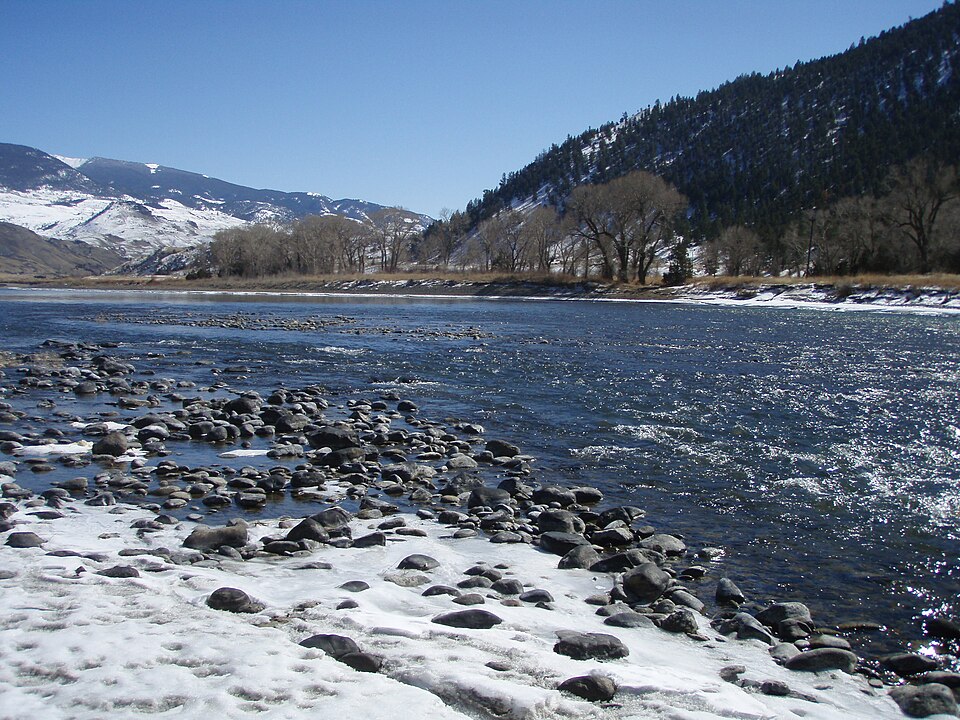
Riverbank filtration occurs when river water passes through sand and gravel near banks. This natural process reduces sediment and some contaminants. Wells near rivers often tap this filtered water. Historically, cities used riverbank filtration before modern plants. Minimal filtering removes remaining particles. Quality depends on river health and bank composition. Flooding alters effectiveness. This source differs from direct river water due to subsurface travel. Clarity improves significantly through sand layers. While not a surface source, riverbank filtered water illustrates natural sediment reduction, producing clearer water requiring less mechanical filtration prior to treatment for pathogens and dissolved pollutants.
Deep Groundwater Wells
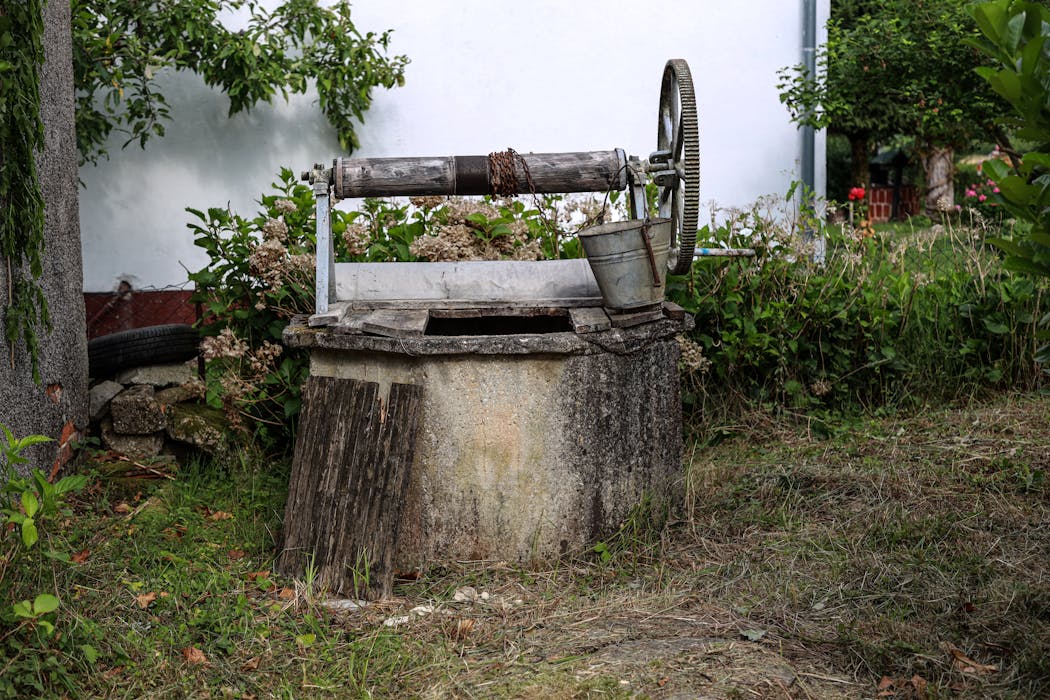
Deep groundwater wells access water stored beneath impermeable layers. Over time, soil and rock remove suspended particles. This water often appears clear and stable. Historically, deep wells supported communities during droughts. Minimal filtering removes mineral grit. Dissolved minerals vary widely. Microbial presence remains possible but reduced compared with surface water. Depth protects against runoff contamination. Well construction quality matters. This source demonstrates how time and geology reduce turbidity. While not immune to contamination, deep groundwater typically contains fewer particulates, making it visually clear and requiring less physical filtration than shallow sources before appropriate purification.
Cave Drip Water
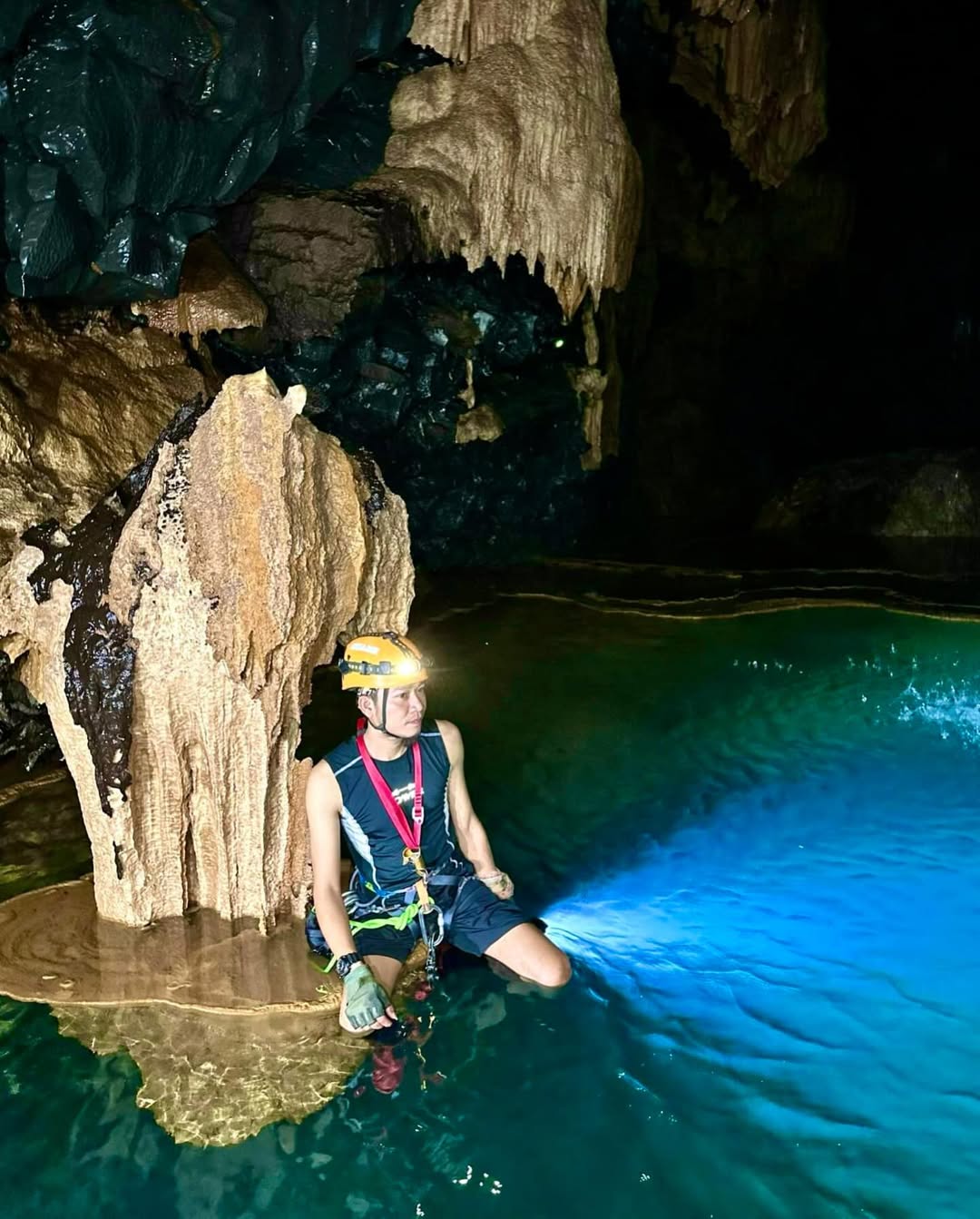
Cave drip water forms when groundwater percolates through rock ceilings. Sediments settle during slow movement. Drips often appear clear and mineral rich. Historically, cave explorers collected drip water during expeditions. Minimal filtering removes limestone particles. Contamination risk exists from surface inputs entering cave systems. Flow remains slow and predictable. This water illustrates natural filtration through thick rock layers. While quantity remains limited, clarity often surpasses surface sources. Cave drips provide an example of low sediment water shaped by gravity and geology, though treatment remains essential before consumption due to biological risks.
Fog Drip Collection
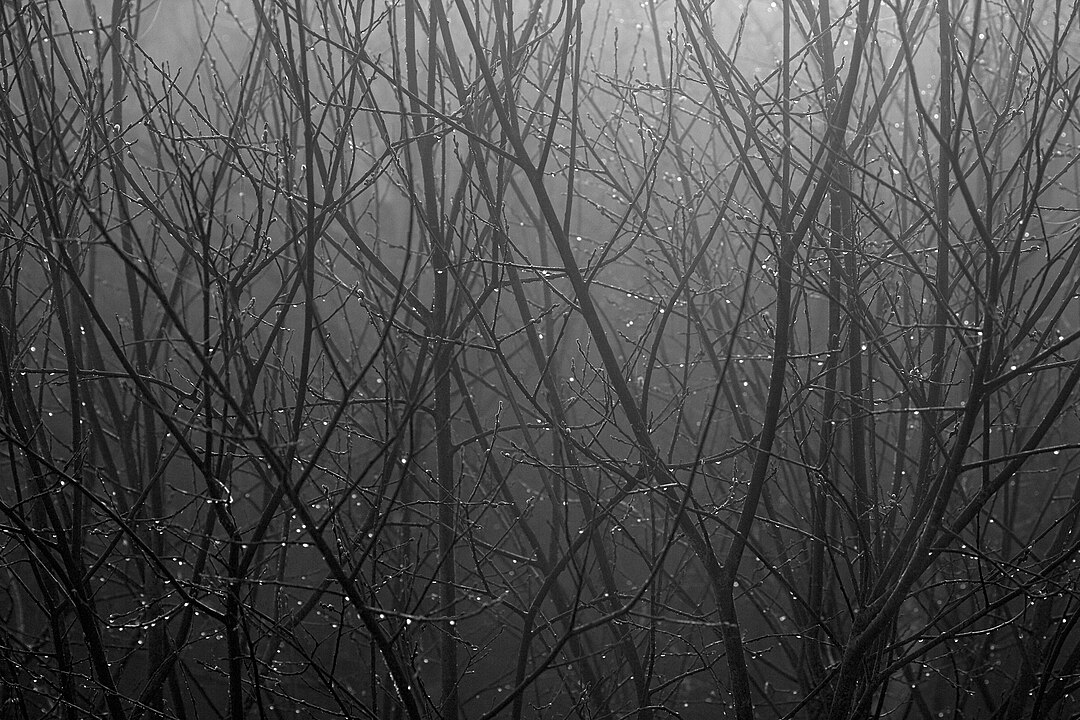
Fog drip forms when moisture condenses on vegetation and surfaces. Collected water often contains low sediment. Coastal and montane regions experience this phenomenon. Historically, some communities used fog collectors for water supply. Minimal filtering removes plant debris. Atmospheric pollution affects quality. Fog water appears clear but may contain dissolved contaminants. This source depends on climate and geography. Fog drip highlights atmospheric water capture with limited particulates. While not widespread, it demonstrates how condensation yields visually clean water requiring little physical filtration before further treatment ensures safety from microbes and airborne pollutants present in certain environments.
Ice Melt From Clean Ice
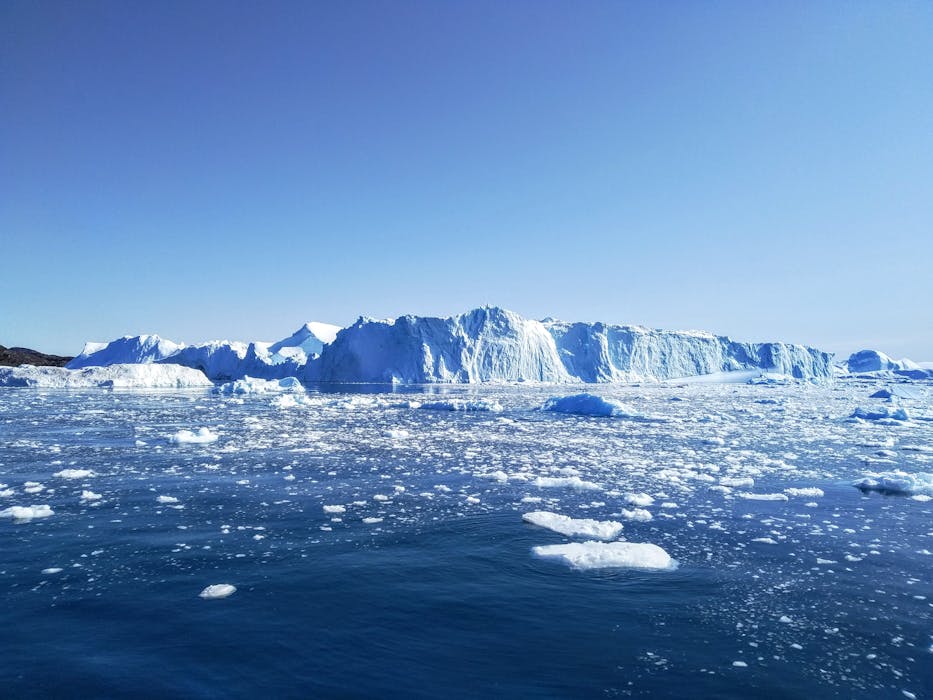
Ice formed from frozen freshwater contains fewer suspended particles once thawed. As ice forms, impurities often concentrate elsewhere. Historically, explorers melted clear ice for water. Minimal filtering removes debris from surfaces. Ice quality depends on source water cleanliness. Ice from polluted water retains contaminants. This source applies mainly to remote freshwater bodies. Clarity improves after melting and settling. Ice melt demonstrates phase change reducing turbidity. While not free from pathogens, melted clean ice often contains fewer particulates than liquid surface water, requiring less mechanical filtration before boiling or purification during cold weather travel.
Sand Filtered Desert Oases
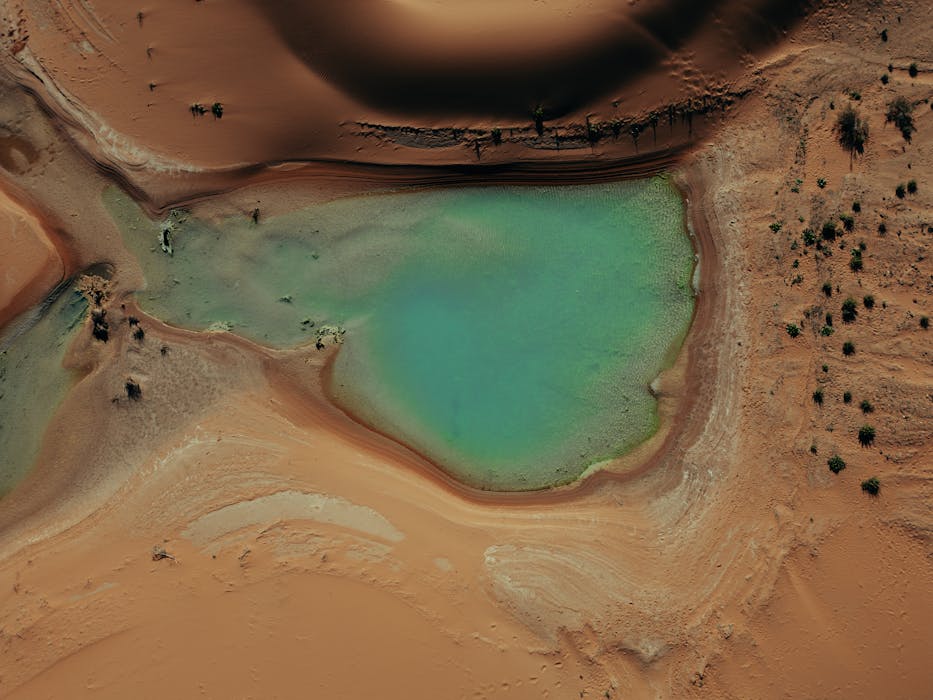
Desert oases form where groundwater reaches the surface through sand. Sand acts as a natural filter, reducing sediment. Water often appears clear despite harsh surroundings. Historically, oases supported trade routes and settlements. Minimal filtering removes fine grit. Salinity varies by region. Protection from animal contamination matters. Oases differ from open pools due to subsurface flow. This natural filtration highlights how sand improves clarity. While limited in distribution, desert oases provide relatively low sediment water compared with surface runoff, though treatment remains necessary to address biological and chemical risks in arid environments.
Tree Xylem Water
Tree xylem transports water upward through microscopic channels. When accessed experimentally, this water contains low particulates due to natural filtration. Historically, indigenous practices sometimes accessed plant moisture. This source remains limited and situational. Minimal filtering removes plant debris. Water quantity remains small. This technique demonstrates biological filtration rather than hydrologic sourcing. While not practical for routine use, xylem water illustrates how natural structures remove sediment effectively. It offers insight into low turbidity water sources, though safety and sustainability concerns limit application outside controlled or survival contexts where other sources remain unavailable.