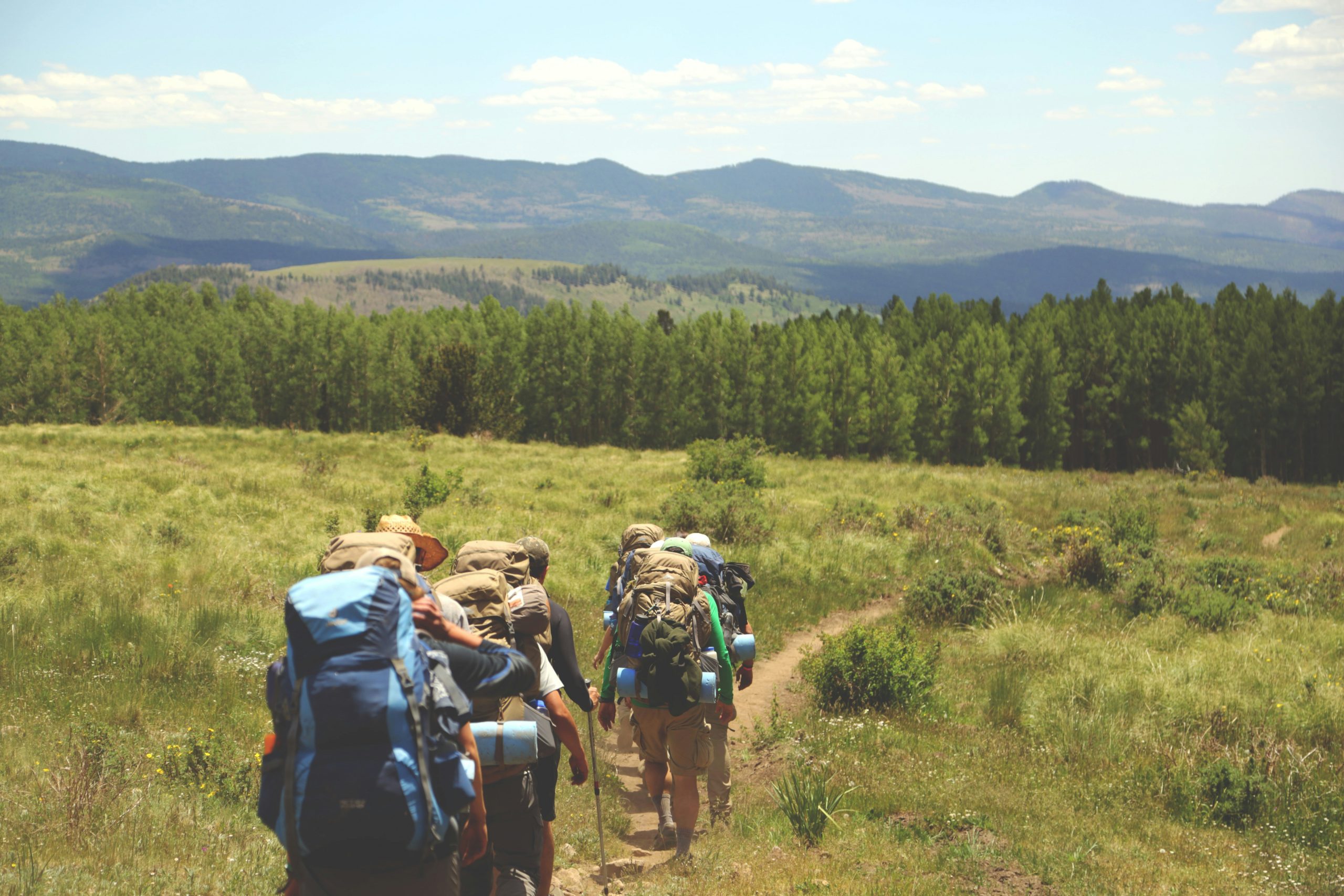
There is a meaningful difference between outdoor tricks that sound clever at a dinner table and ones that actually hold up when conditions deteriorate, and comfort disappears. The backcountry has a specific talent for exposing the gap between theoretical preparedness and practical capability, and that gap tends to reveal itself at exactly the moment when revealing it is most costly. What separates experienced wilderness travelers from novices is rarely equipment quality or physical fitness alone. It is accumulated practical knowledge, the kind built through real field time and honest mistakes rather than gear reviews and YouTube tutorials. The hacks collected here have been tested in genuine outdoor conditions, validated by wilderness medicine professionals, survival instructors, long-distance hikers, and search and rescue personnel who encounter the consequences of both good and poor outdoor decision-making on a regular basis. Each one addresses a specific, measurable problem with a specific, actionable solution that requires minimal equipment and delivers reliable results when the situation demands it. None of them is theoretical. All of them are worth knowing before you need them rather than after, because the outdoors has never once waited for anyone to be fully ready before presenting the next challenge.
1. Use a Plastic Bag as an Emergency Vapor Barrier Sock System
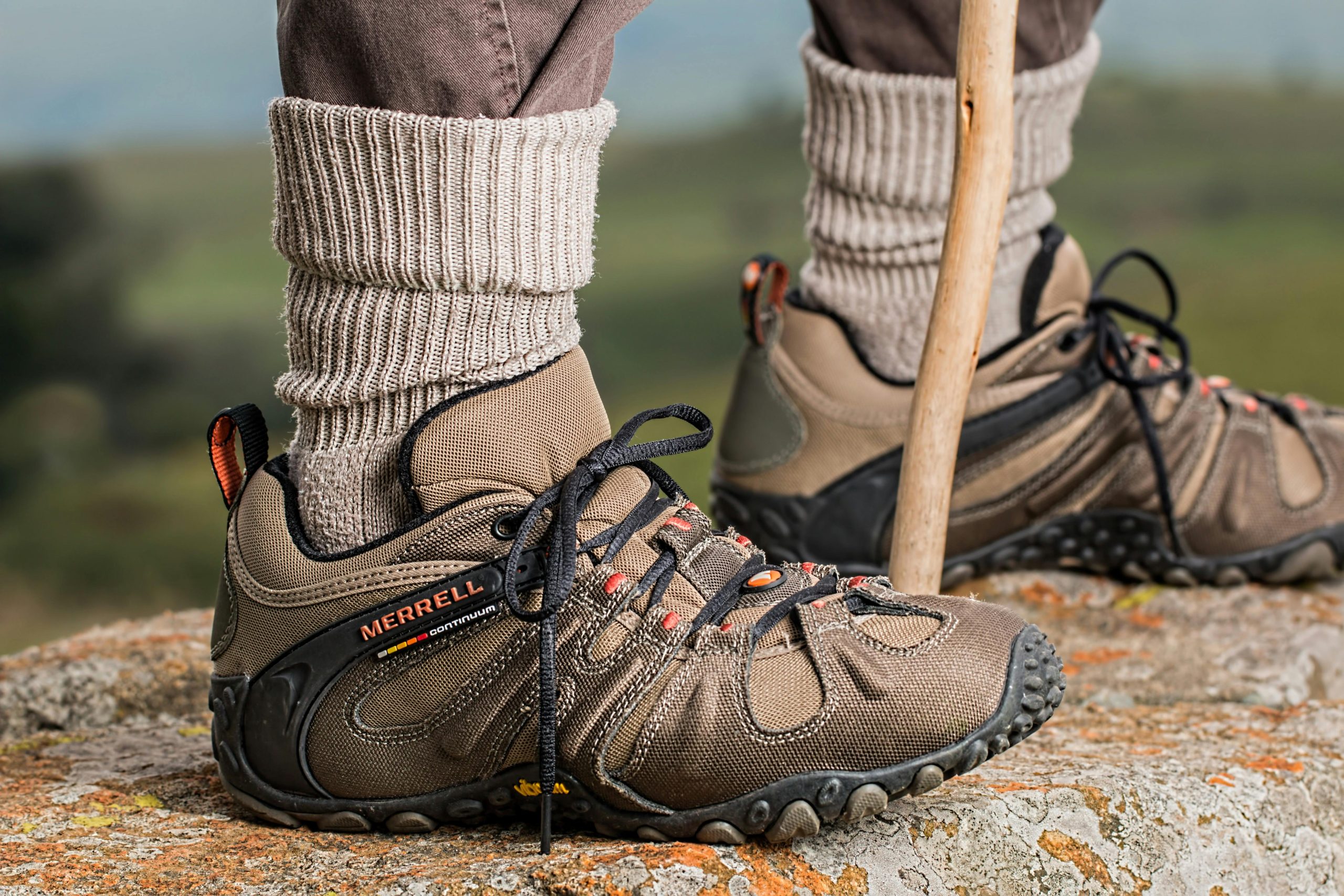
Foot warmth management in wet and cold conditions is one of the most consistently underestimated wilderness survival challenges, and one of the most accessible solutions costs nothing beyond a standard plastic bag. Placing a thin plastic bag between a moisture-wicking liner sock and a thicker insulating sock creates a vapor barrier that prevents perspiration from migrating outward into the insulating layer, keeping the insulating sock dry and functional for significantly longer periods than without the barrier. Military cold-weather research documents that dry insulation retains approximately 90 percent of its thermal value while wet insulation drops to as low as 10 percent of its rated performance. In temperatures below 25 degrees Fahrenheit, the difference between dry and wet insulating socks represents a genuine frostbite risk timeline measured in hours rather than days. The vapor barrier system works because feet produce roughly 250 milliliters of perspiration daily, all of which normally migrates into insulating layers. Redirecting that moisture back against the skin, where the body’s thermoregulation handles it naturally, keeps outer insulation dry and functional indefinitely. Thin bread bags, produce bags, or any clean lightweight plastic works effectively and adds under half an ounce to total carry weight.
2. Build a Dakota Fire Hole for Invisible and Efficient Cooking
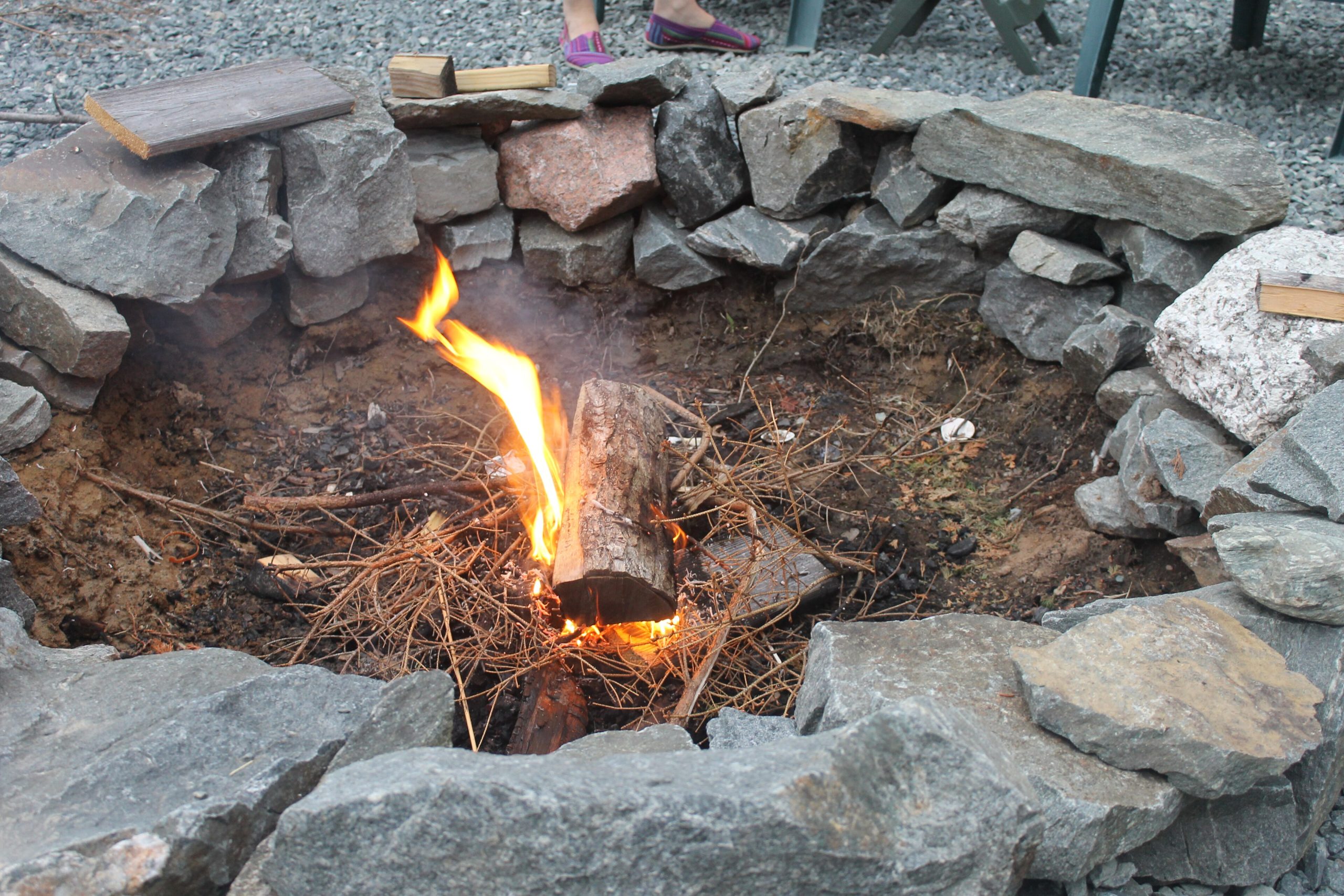
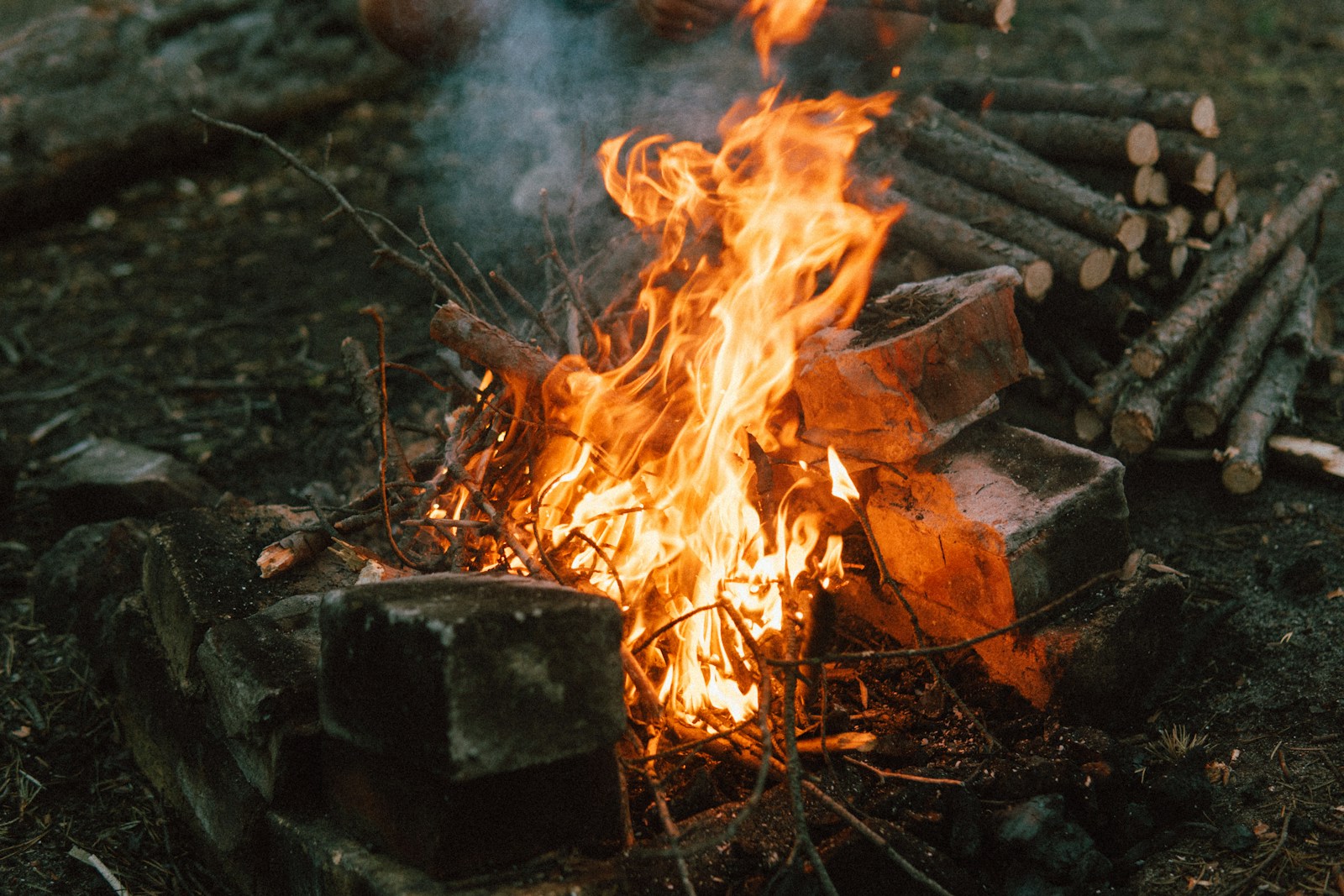
The Dakota fire hole is a subsurface fire-building technique developed by Plains tribes and later adopted by military survival training programs that produces a remarkably efficient, nearly smokeless fire using significantly less fuel than surface fires require. The construction involves digging two connected holes approximately 12 inches deep and 6 inches in diameter, positioned roughly 10 inches apart and angled to meet underground, with one hole serving as the combustion chamber and the other functioning as an air intake tunnel. The underground configuration creates a natural draft that feeds oxygen directly to the fire base, producing combustion temperatures roughly 30 to 40 percent higher than equivalent surface fires while consuming about 50 percent less fuel to achieve the same cooking heat output. The below-grade design also reduces visible flame signature to near zero from distances beyond 50 feet, which matters in both survival evasion scenarios and in areas where open fire regulations restrict surface burning. Coals concentrate heat directly upward toward cooking vessels rather than dissipating laterally as surface fires do. In wet conditions, the subsurface chamber provides meaningful weather protection that keeps the fire burning during light rain that would extinguish a surface fire of equivalent size without any additional shelter structure.
3. Navigate Using a Watch Face as a Compass
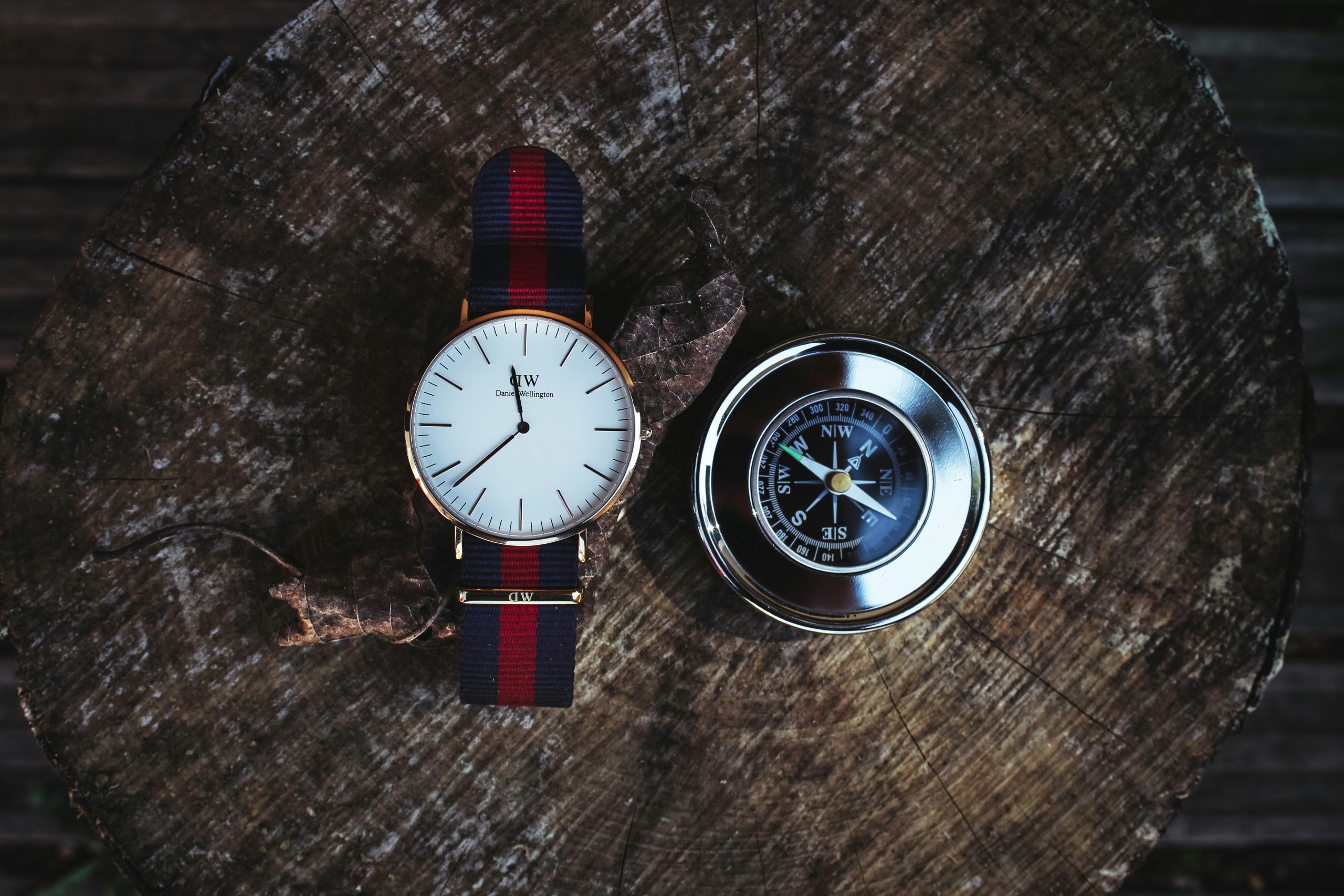
Analog watch navigation is a genuinely reliable directional technique that functions without batteries, satellite connections, or any equipment beyond a standard watch showing accurate local time, and it works with sufficient precision for wilderness navigation when a compass is unavailable. In the Northern Hemisphere, pointing the hour hand directly at the sun and bisecting the angle between the hour hand and the 12 o’clock position identifies true south with an accuracy of approximately plus or minus 15 degrees under clear conditions. At solar noon, when the sun sits highest in the sky, the sun is due south in the Northern Hemisphere and due north in the Southern Hemisphere, providing a zero-equipment check on watch-based navigation. The technique works best within 45 degrees of latitude,e where solar arc provides clear directional information and becomes less reliable approaching polar regions, whether the sun angle is low and diffuse. In the Southern Hemisphere, the method reverses: point the 12 toward the sun and bisect toward the hour hand to find north. Accuracy improves when daylight saving time adjustments are accounted for by using 1 o’clock rather than 12 as the reference point during summer time periods. Combined with basic terrain reading, this technique has successfully oriented lost hikers across documented wilderness rescue cases where electronic navigation had failed entirely.
4. Signal Rescuers Using a CD or Smartphone Screen
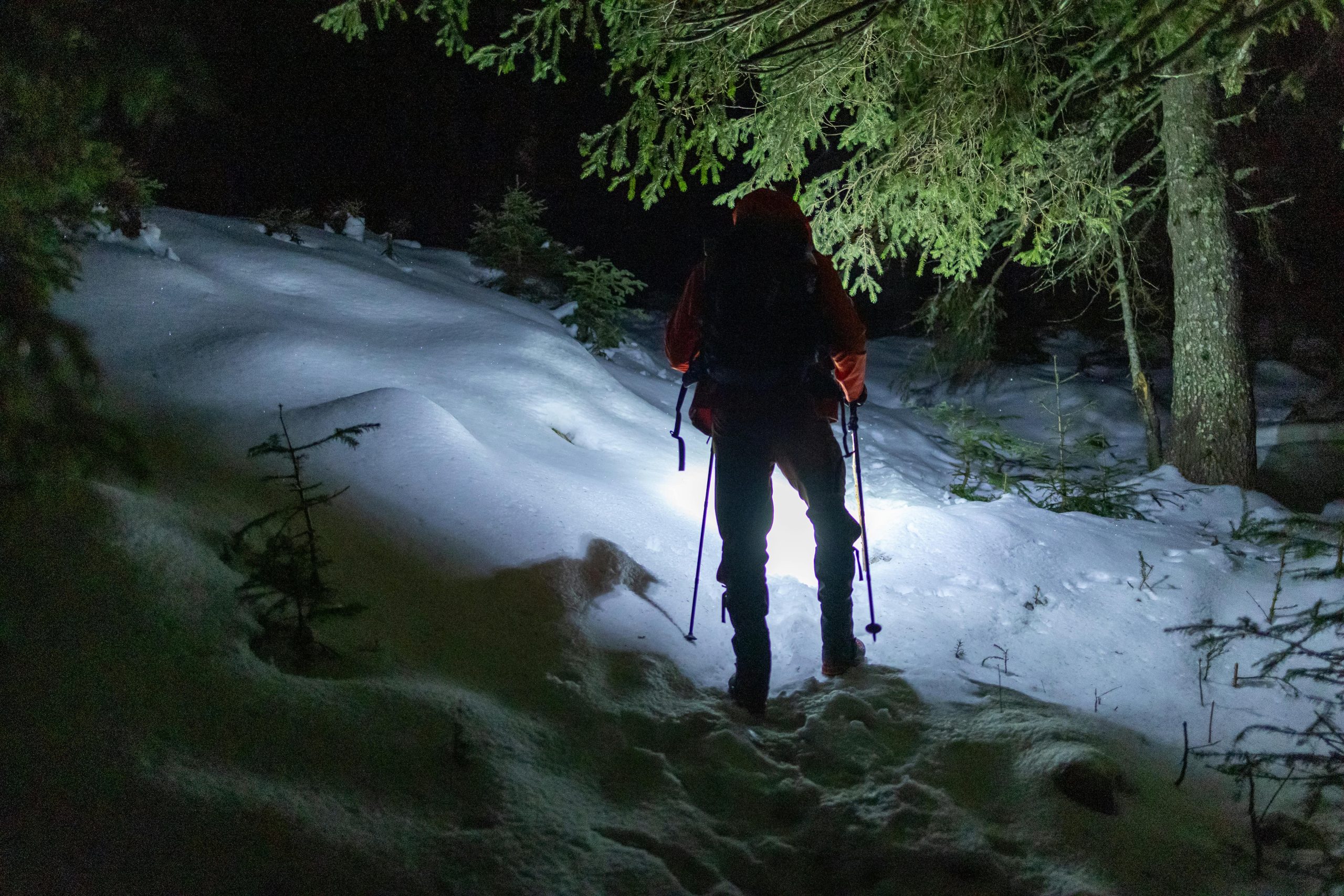
Improvised signaling mirrors represent one of the highest-visibility rescue aids available in wilderness emergencies, and the physics behind them make the effectiveness genuinely impressive rather than merely theoretical. A standard signal mirror produces a flash visible to aircraft at distances up to 10 miles under clear conditions, according to US Air Force survival training documentation, with reflective surfaces generating up to 7 million candlepower of directed light under bright sun. A CD or DVD, which most hikers carry incidentally on laptops or in vehicle consoles, produces comparable reflective output to a purpose-built signal mirror and weighs virtually nothing. A smartphone screen on maximum brightness, while less reflective than a mirror surface, produces a flash visible to trained observers at distances exceeding 3 miles in clear conditions. The technique involves holding the reflective surface close to the eye, extending the other hand toward the target aircraft or ground searcher, and tilting the reflective surface until the reflected sun spot crosses the extended fingers toward the target. Sweeping the reflection across the horizon in three-flash groups separated by short pauses is internationally recognized as a distress signal. Search and rescue organizations consistently rank improvised mirror signaling among the most effective and underutilized wilderness distress techniques available to unprepared survivors.
5. Use Duct Tape to Prevent and Treat Hot Spots Before Blisters Form
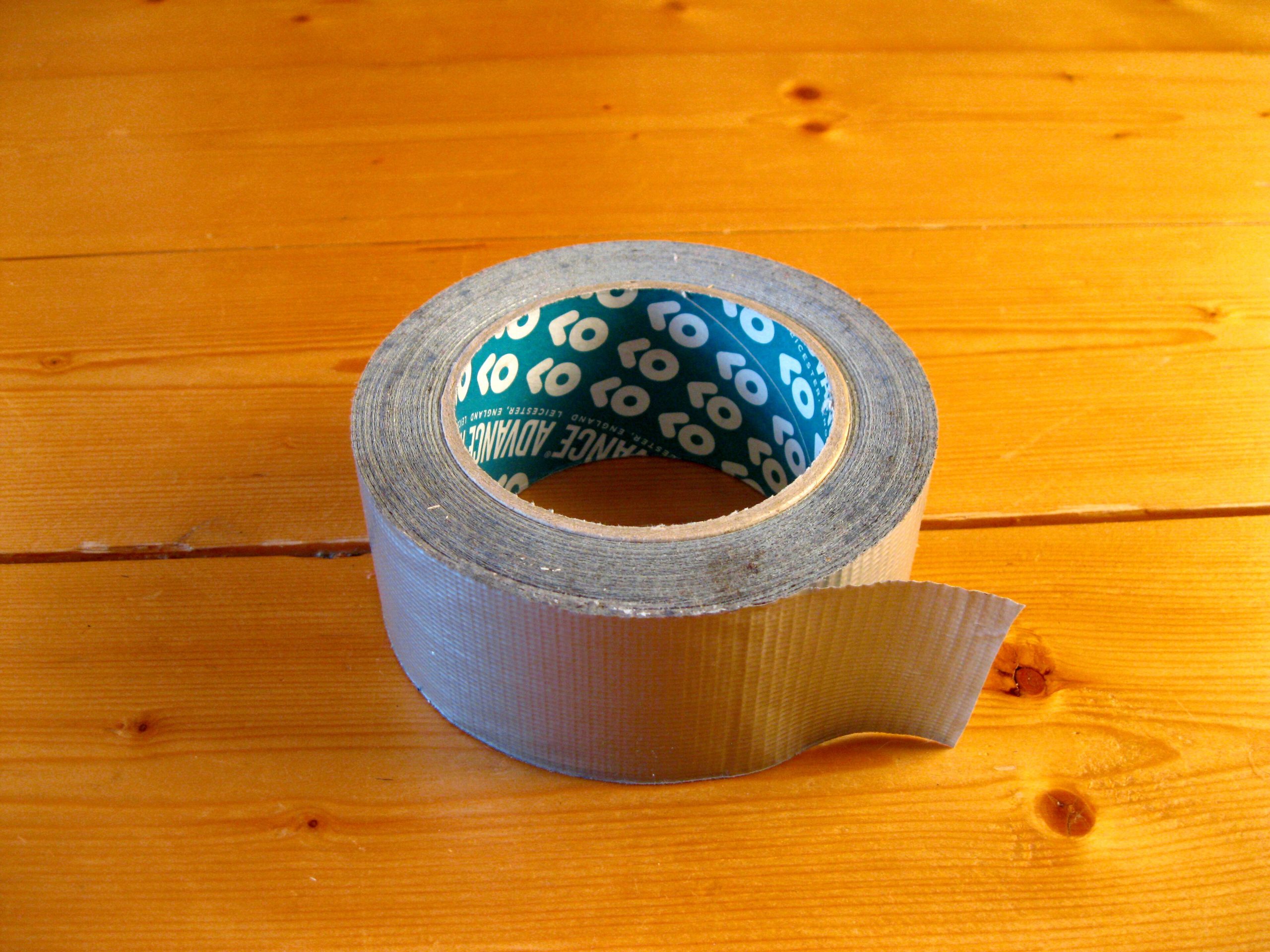
Duct tape’s role in blister prevention is one of the outdoor community’s most thoroughly validated field hacks, supported by both anecdotal evidence from thru-hikers and controlled clinical research. A study published in the journal Wilderness and Environmental Medicine examined blister prevention among military cadets during a demanding foot march and found that duct tape application to friction-prone areas reduced blister formation by approximately 40 percent compared to untreated control areas on the same subjects. The mechanism is friction reduction rather than cushioning. Duct tape’s smooth outer surface slides against boot material rather than allowing skin to shear, which is the primary mechanical cause of blister formation. Application works best on clean, dry skin before moisture accumulates, covering the entire friction zone with overlap onto surrounding skin to prevent edge lifting. A single strip weighs less than 2 grams, and a small roll of 10 feet weighs approximately 50 grams, making it one of the highest utility-to-weight additions possible to any kit. For active hot spots that have not yet fully blistered, immediate duct tape application over the area frequently prevents full blister development entirely when applied before the outer skin layer fully separates. Moleskin and purpose-built blister products cost significantly more and perform comparably in field conditions.
6. Purify Water Using Clear Plastic Bottles and Direct Sunlight
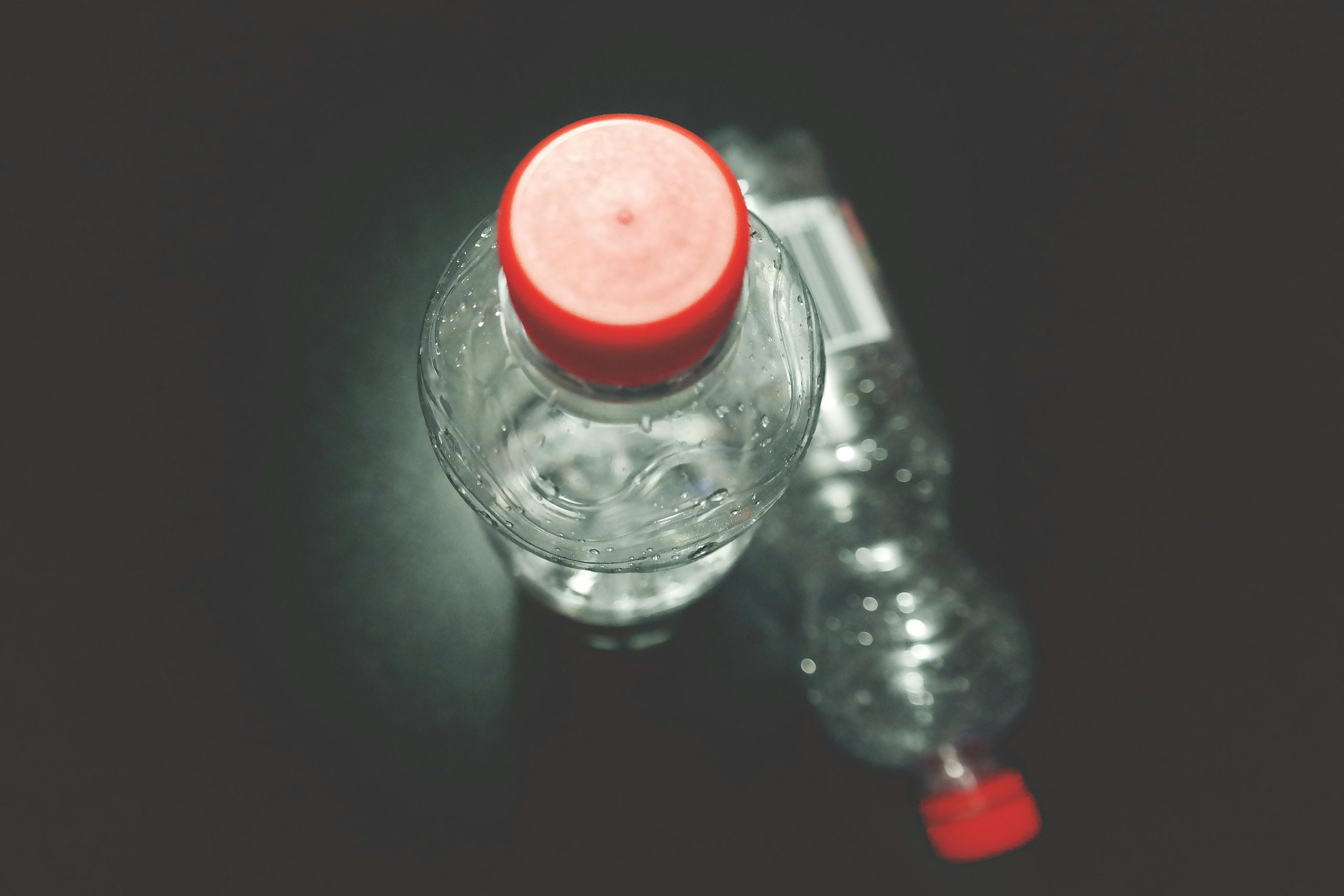
Solar water disinfection, documented under the acronym SODIS by the Swiss Federal Institute of Aquatic Science and Technology, is a WHO-recognized water treatment method that uses ultraviolet radiation from sunlight to inactivate pathogens in contaminated water without chemicals, fire, or filtration equipment. The process requires filling a clear PET plastic bottle with water of visible clarity, laying it horizontally on a reflective surface such as aluminum foil or a light-colored rock, and exposing it to direct sunlight for a minimum of 6 hours under full sun conditions or 2 full days under overcast skies. UV-A radiation at wavelengths between 320 and 400 nanometers inactivates Giardia, Cryptosporidium, E. coli, and most bacterial pathogens at the cell DNA level, preventing reproduction and rendering them non-infectious. Effectiveness requires water turbidity below 30 NTU, meaning visibly cloudy or silty water must be pre-filtered through cloth before SODIS treatment. Studies conducted across field applications show 99.9 percent pathogen reduction under optimal conditions. Bottles must be PET plastic, identifiable by the recycling symbol number 1 on the base, as other plastics do not transmit sufficient UV-A. A single 1-liter PET bottle weighing 28 grams represents a legitimate emergency water treatment system requiring zero consumable supplies.
7. Create an Emergency Shelter Using a Contractor-Grade Garbage Bag
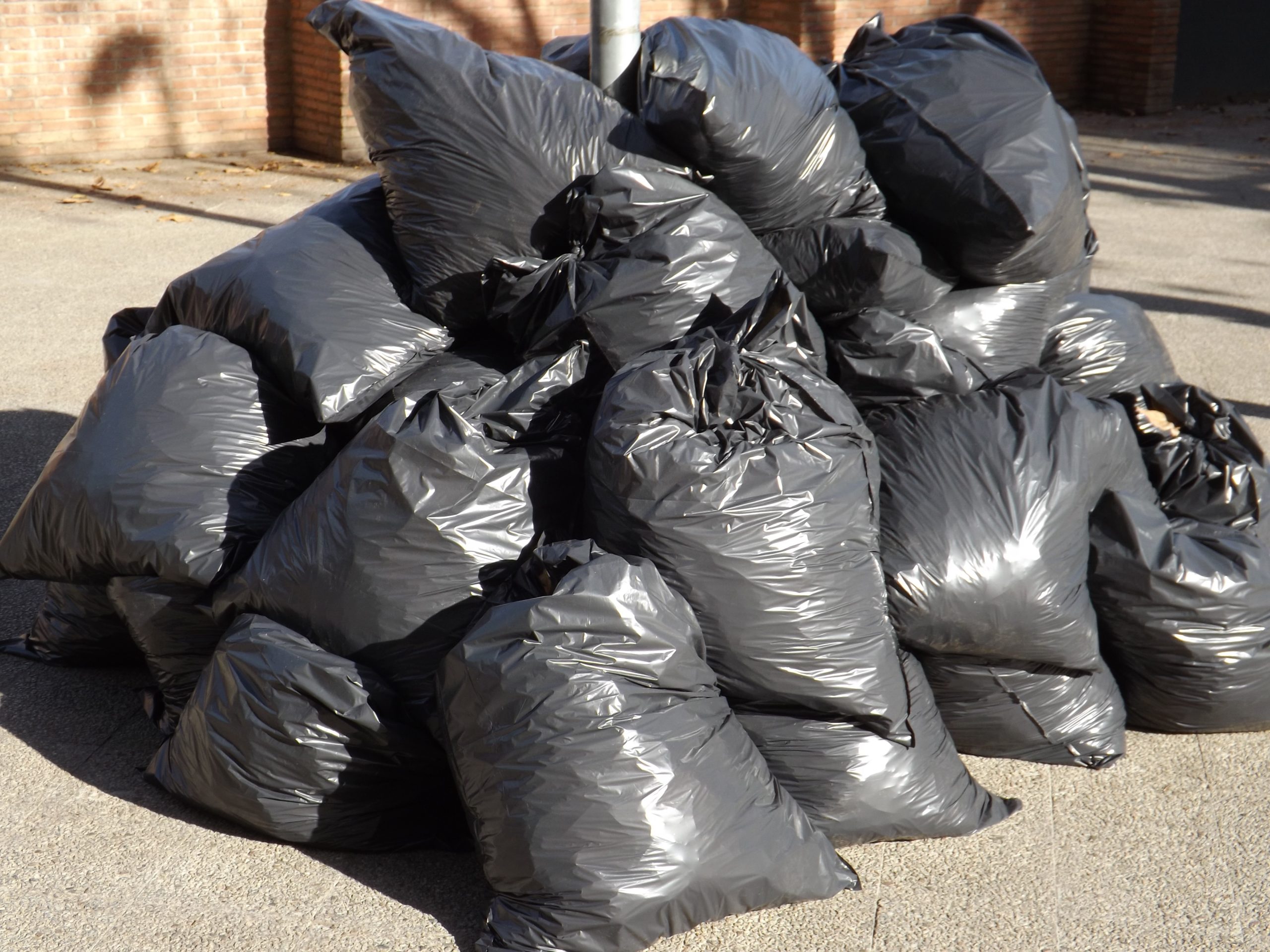
A single 55-gallon contractor-grade garbage bag weighing approximately 85 grams represents one of the most weight-efficient emergency shelter systems available for wilderness carry, providing meaningful thermal and moisture protection through several distinct configurations that most hikers never consider until conditions force the issue. As a basic bivy, cutting a hole for the face and climbing inside creates a body-length vapor and wind barrier that reduces convective heat loss by approximately 50 percent compared to an unprotected person in the same condition,s according to wilderness medicine thermal protection research. Filled with dry leaves, grass, or pine needles to a depth of 6 to 8 inches before entry, the insulated bivy configuration creates a sleeping system capable of providing meaningful warmth in temperatures down to approximately 40 degrees Fahrenheit above an uninsulated person’s comfortable survival threshold. As a debris collection funnel for emergency water gathering, the bag captures rain runoff from branches and vegetation that would otherwise be inaccessible. A pair of contractor bags weighing 170 grams total provides individual bivy capability for two people. Orange or yellow bags increase rescue visibility simultaneously with shelter provision. Standard kitchen bags provide partial but less reliable function due to a thinner construction that tears under field handling conditions.
8. Treat Hypothermia Priority Using the Afterdrop Principle
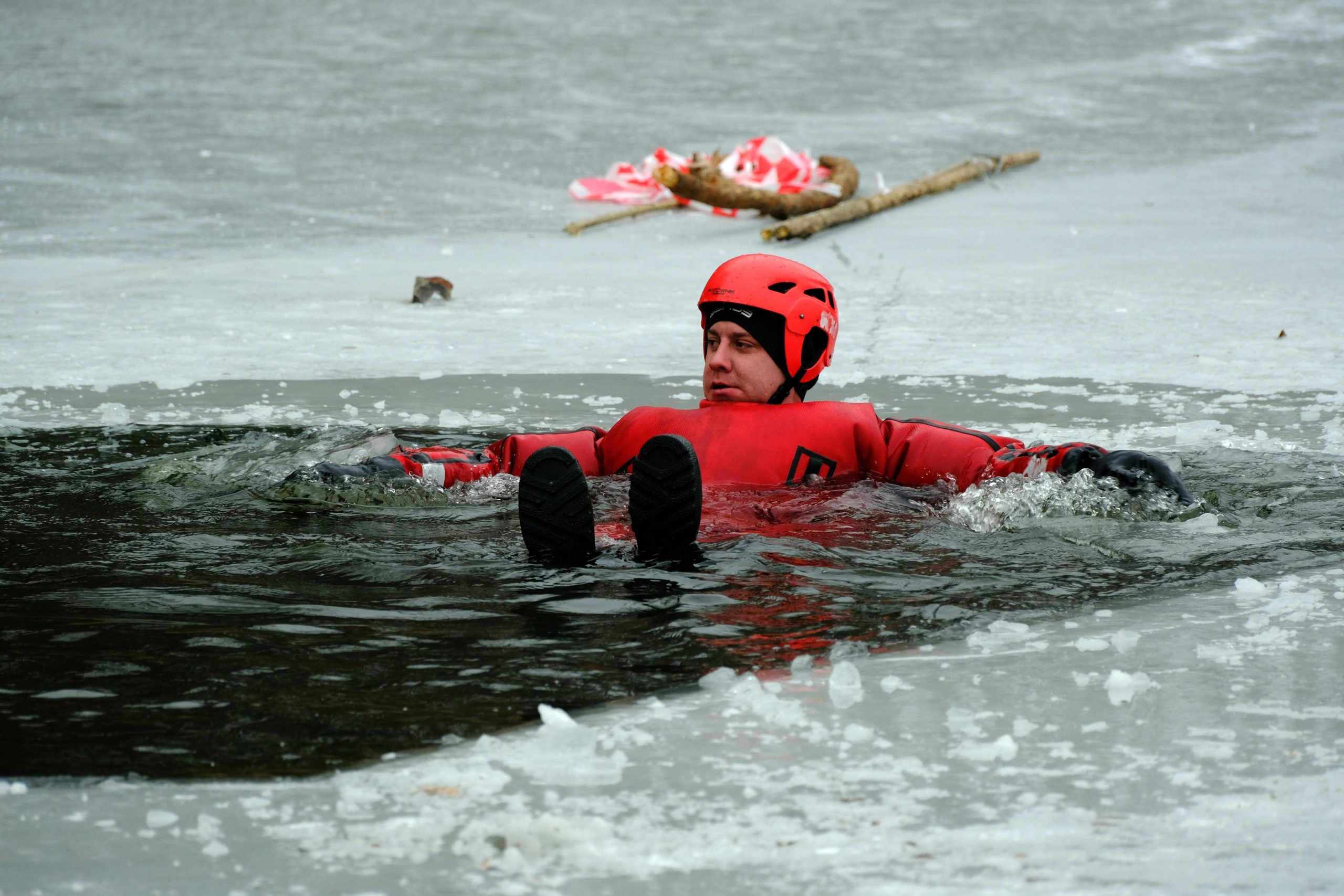
The physiological phenomenon known as afterdrop represents one of the most dangerous and counterintuitive aspects of hypothermia management, and understanding it correctly has a direct impact on survival outcomes in cold exposure emergencies. Afterdrop occurs when a hypothermic person begins rewarming, and cold blood pooled in the extremities is mobilized back toward the core, causing core temperature to continue dropping by 2 to 4 degrees Fahrenheit even after warming measures have been initiated. This is why hypothermic patients who appear to be stabilizing sometimes deteriorate suddenly after rescue, and why wilderness medicine protocols from organizations including the Wilderness Medical Society specifically instruct against vigorous limb rubbing or encouraging movement in hypothermic patients. Core rewarming through insulation, warm sweet fluids for alert patients, and body-to-body heat transfer within a shared sleeping bag are the field-appropriate responses. Placing chemical heat packs at the armpits, groin, and sides of the neck targets the high-flow vascular areas where heat transfer to the blood is most efficient. A patient who feels warm to the touch after initial rewarming measures may still be experiencing falling core temperature due to afterdrop, and monitoring for 30 to 45 minutes beyond apparent stabilization before concluding the emergency has resolved is standard wilderness medicine practice for good documented reason.
9. Find Direction at Night Using Cassiopeia When Ursa Major Is Obscured

Celestial navigation using Polaris, the North Star, is standard wilderness navigation instruction, but the technique most commonly taught depends on locating the Big Dipper within Ursa Major to find Polaris, which becomes impossible when cloud cover, tree canopy, or horizon obstruction blocks that portion of the northern sky. Cassiopeia, the W-shaped constellation sitting on the opposite side of Polaris from Ursa Major at approximately the same angular distance, provides an alternative Polaris location method that works when Ursa Major is inaccessible. Identifying the distinctive W or M shape of Cassiopeia and bisecting the central angle of the W points directly toward Polaris within approximately 5 degrees of arc, sufficient for reliable cardinal direction identification in wilderness navigation contexts. Cassiopeia is circumpolar at latitudes above 34 degrees North, meaning it remains visible above the horizon throughout the entire night across most of the continental United States, Canada, and Europe rather than dipping below the horizon as many constellations do. The two constellations rotate around Polaris on an approximately 23-hour cycle, ensuring that when one is obscured by terrain or partial cloud cover, the other is typically accessible from the same position. Adding this secondary technique to standard Polaris navigation eliminates the most common failure point in celestial direction finding at no additional equipment weight whatsoever.
10. Extend Fire-Starting Reliability Using Petroleum Jelly Cotton Balls
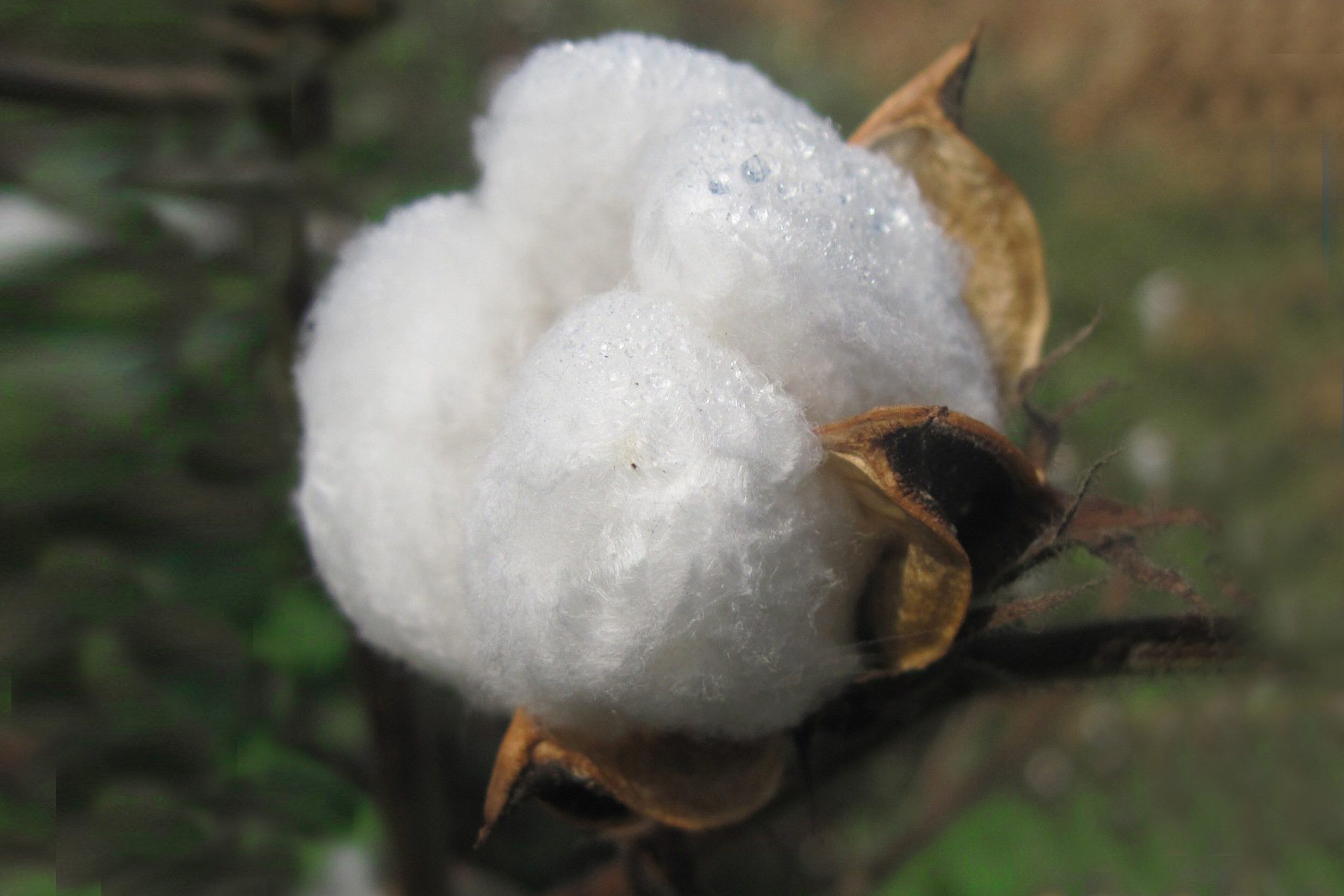
The petroleum jelly cotton ball is arguably the highest-performing fire-starting material available relative to its weight and cost, and it is genuinely underrepresented in mainstream outdoor education despite consistent top rankings in comparative tinder evaluations conducted by wilderness survival instructors. A standard cotton ball saturated with petroleum jelly weighs approximately 2 grams, costs fractions of a cent to produce, and burns for 3 to 5 minutes with a flame height of 3 to 4 inches under controlled test conditions, providing sufficient sustained heat to ignite damp or marginal tinder materials that standard fire starters cannot reliably catch. The petroleum jelly prevents moisture absorption into the cotton fibers, extending reliable ignition capability after submersion in water for periods exceeding 30 minutes when stored in a sealed container. A film canister, a small zip-lock bag, or a lip balm tube holds 10 to 15 prepared cotton balls weighing under 30 grams total. Ignition works reliably with a ferro rod, sparking wheel lighter, or even magnified sunlight when temperatures are sufficient. The burning temperature of the petroleum-cotton combination reaches approximately 400 degrees Celsius, compared to roughly 200 degrees for dry cotton alone, which is the specific difference that allows ignition of genuinely wet natural tinder that would otherwise require significantly longer flame exposure to catch and sustain combustion independently.
11. Identify Drinkable Water Sources Using Vegetation Patterns
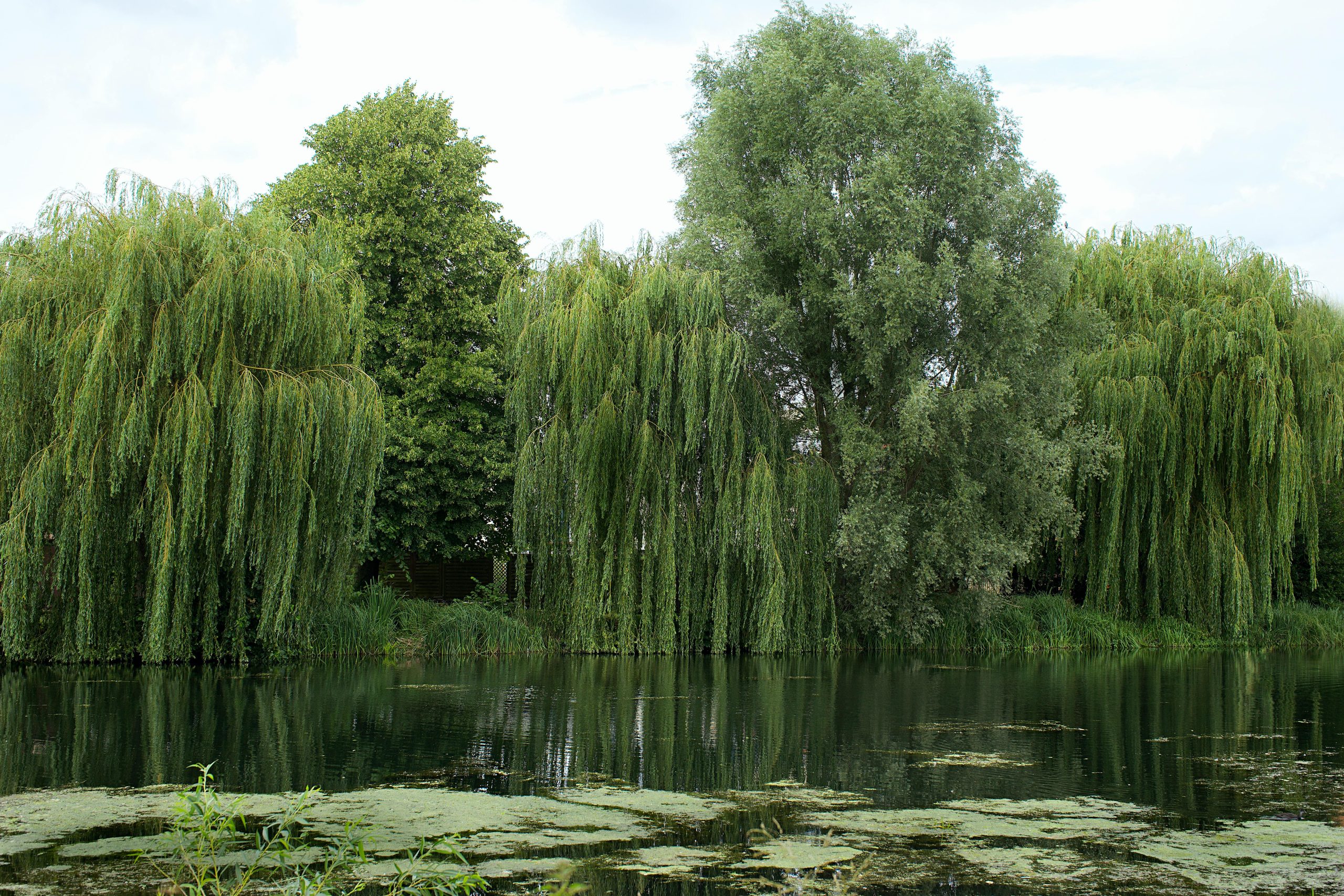
Reading landscape and vegetation as indicators of subsurface water presence is a navigation skill that reduces time spent searching for hydration sources in unfamiliar terrain and meaningfully improves survival outcomes in arid or semi-arid environments where surface water is scarce but not absent. Cottonwood, willow, and alder trees maintain root systems that access water tables within 10 to 20 feet of the surface and are reliable indicators of subsurface water in North American terrain across nearly all geographic regions where they appear. Cattails and rushes indicate standing or slow-moving surface water within direct visual range of their location virtually without exception. In desert terrain, converging dry drainage channels that show evidence of periodic water flow through smooth rock surfaces, vegetation concentration along channel edges, and the presence of bee activity between 10 AM and 2 PM indicate water sources within approximately 1 mile in 80 percent of documented cases, according to US Army survival manual field research. Digging into the outer bend of dry stream channels at depths of 12 to 24 inches reaches subsurface water in seasonal drainages more than 60 percent of the time during non-drought conditions. Animal trails converging from multiple directions toward a single destination almost universally lead to water sources within one mile of the convergence point in wilderness terrain across all geographic regions.
12. Improvise a Tourniquet Using a Stick and Triangular Bandage
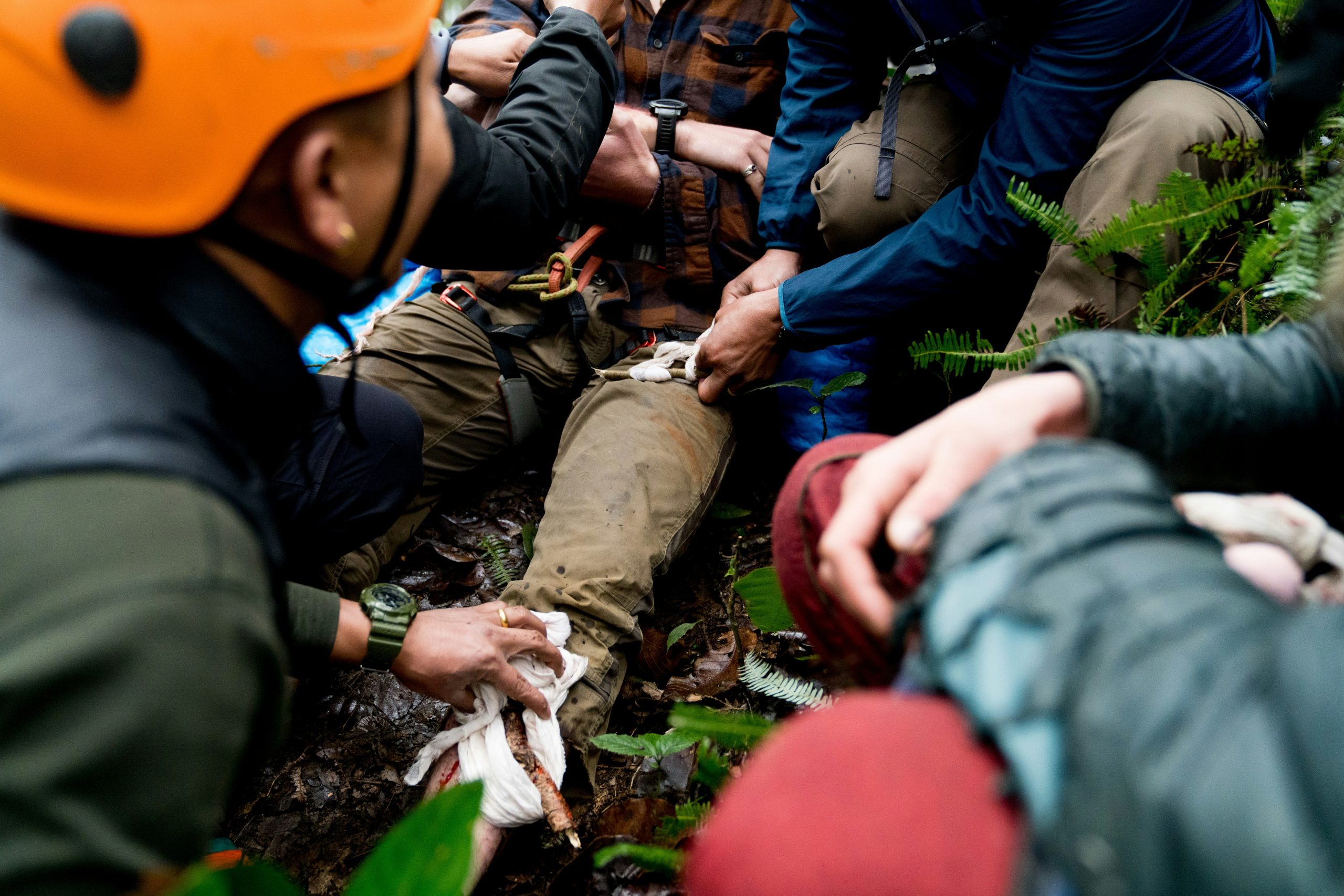
Improvised tourniquet construction is a skill that wilderness first aid organizations,s including the Wilderness Medical Society and NOLS Wilderness Medicine,ne consider essential for any outdoor traveler moving through terrain more than 30 minutes from emergency medical response. The materials required are a triangular bandage or equivalent strip of fabric at least 2 inches wide and 36 inches long, and a rigid stick, pen, or similar object 6 to 8 inches in length for use as a windlass. Application involves placing the bandage 2 to 3 inches above the wound on the affected limb, tying a half knot, placing the windlass stick on the half knot, completing a full knot over the stick, and rotating the stick until bleeding stops completely, which typically requires 3 to 5 full rotati,ons generating approximately 200 to 250 millimeters of mercury pressure against the limb. The windlass is then secured using the bandage tails wrapped around the limb. The time of application must be written directly on the patient’s skin or forehead using any available marker. Military combat casualty research has demonstrated that properly applied improvised tourniquets reduce extremity hemorrhage fatality rates by over 85 percent compared to direct pressure alone in cases of arterial bleeding from limb wounds. Practicing this technique before needing it reduces application time from over 3 minutes to under 90 seconds for most people.
13. Use Urine to Identify Dehydration Before Performance Drops
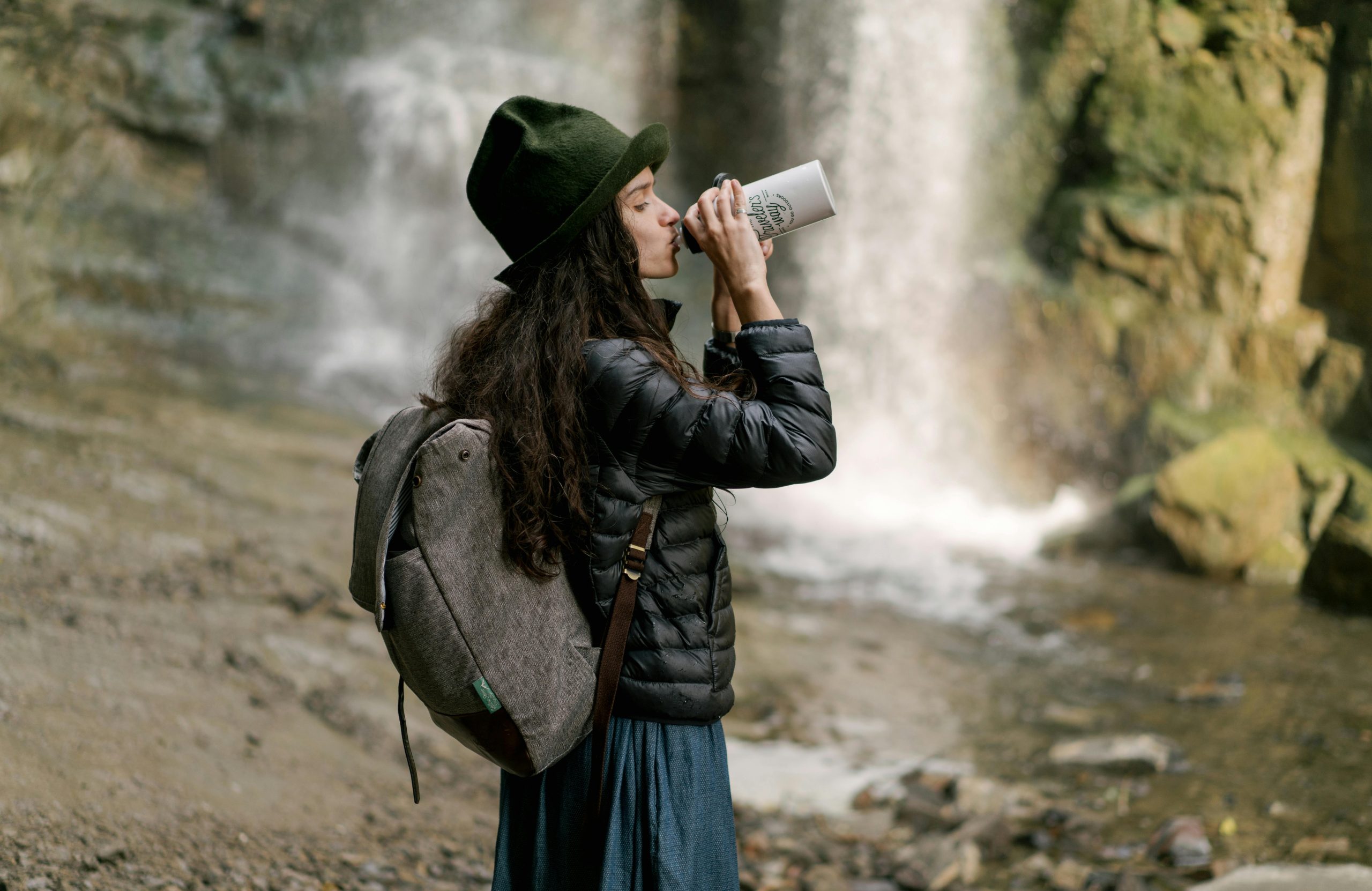
Monitoring urine color as a real-time hydration indicator is a physiologically sound and zero-equipment method for catching dehydration before cognitive and physical performance degradation begins, which research consistently shows occurs earlier than thirst sensation in most individuals. The US Army Research Institute of Environmental Medicine has documented that thirst as a hydration indicator consistently lags true physiological need by a deficit of approximately 1 to 2 percent of body weight, which corresponds to the threshold at which measurable cognitive impairment begins. Pale yellow urine indicates adequate hydration with plasma osmolality in the acceptable range of 280 to 295 milliosmoles per kilogram. Dark yellow urine indicates early dehydration at approximately 2 to 3 percent body weight deficit. Amber or brown urine indicates serious dehydration at a 4 percent or greater deficit requiring immediate and aggressive rehydration. Eliminating clear urine entirely is also problematic, indicating overhydration and electrolyte dilution that creates its own performance and safety risks. Using output frequency as a secondary indicator, with healthy hydration producing urination every 2 to 4 hours during physical activity, provides a behavioral check that complements color assessment. This system requires no equipment, no additional weight, and no training beyond memorizing a three-color scale that a 60-second field reference can establish permanently.
14. Create Emergency Cordage From Inner Bark of Specific Trees
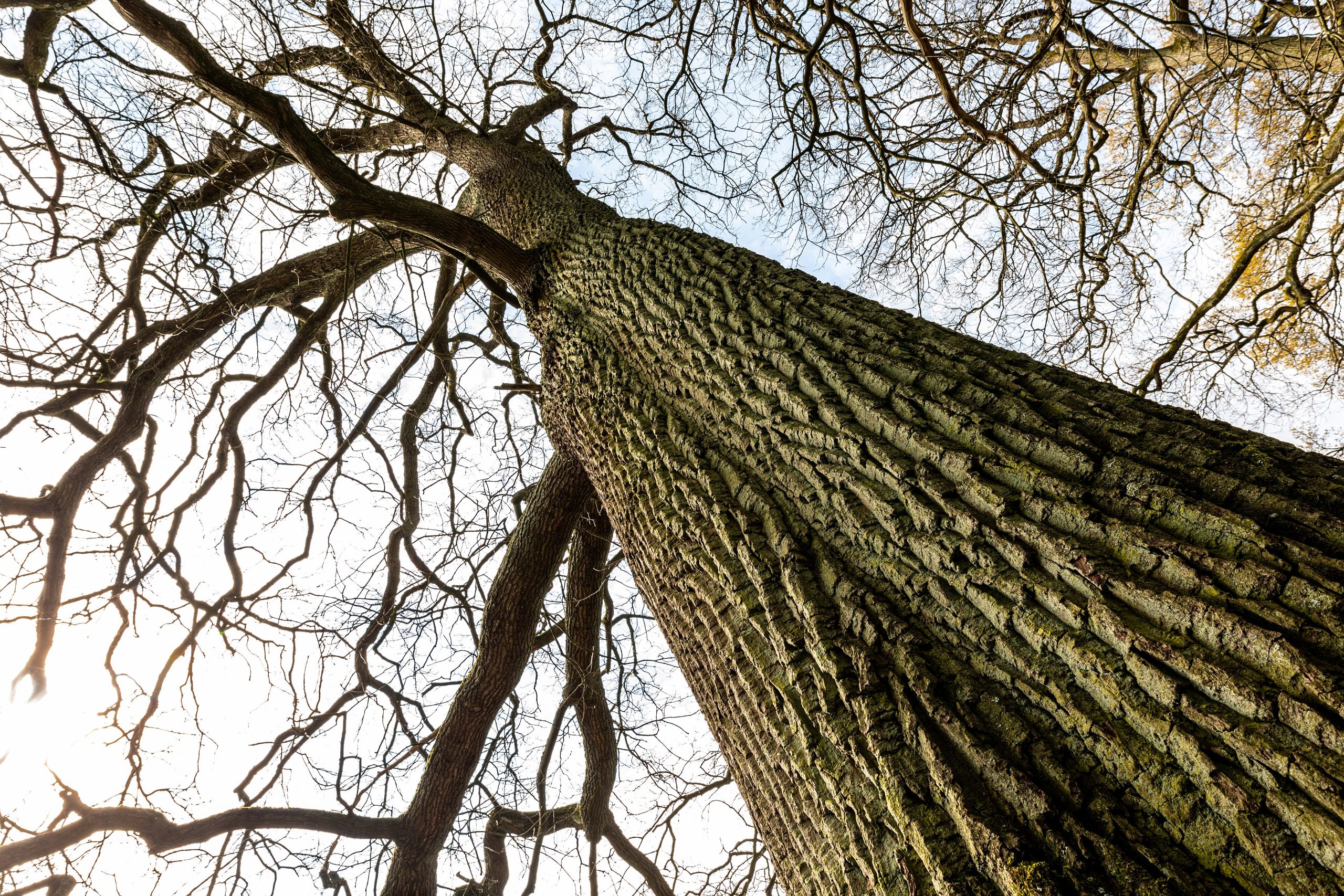
Natural cordage construction from inner tree bark is a primitive skills technique with direct survival applications in scenarios where manufactured cordage has been lost, consumed, or was never carried, and the tensile strength achievable from properly processed natural materials is substantially higher than most modern outdoor enthusiasts expect. Basswood, cedar, willow, and stinging nettle produce inner bark fibers that, when harvested from living or recently fallen trees, twisted into two-ply cordage using the reverse-wrap technique, achieve tensile strengths of 40 to 80 pounds per strand depending on fiber quality, preparation, and twist consistency. Reverse-wrap construction involves separating fiber into two equal bundles, twisting each bundle clockwise while wrapping both bundles counterclockwise around each other simultaneously, a motion that becomes intuitive within 10 to 15 minutes of practice. The resulting cordage handles lashing, snare construction, shelter tie-downs, and emergency gear repair at strengths fully adequate for these applications. Inner bark is accessed by cutting through outer bark and peeling the moist layer beneath, which separates cleanly from living trees in spring and early summer when sap flow is active. Drying and re-soaking bark before twisting improves fiber alignment and increases finished cordage strength by approximately 20 to 30 percent compared to immediate processing of freshly harvested material.
15. Manage Pain and Reduce Swelling Using Plantain Leaves
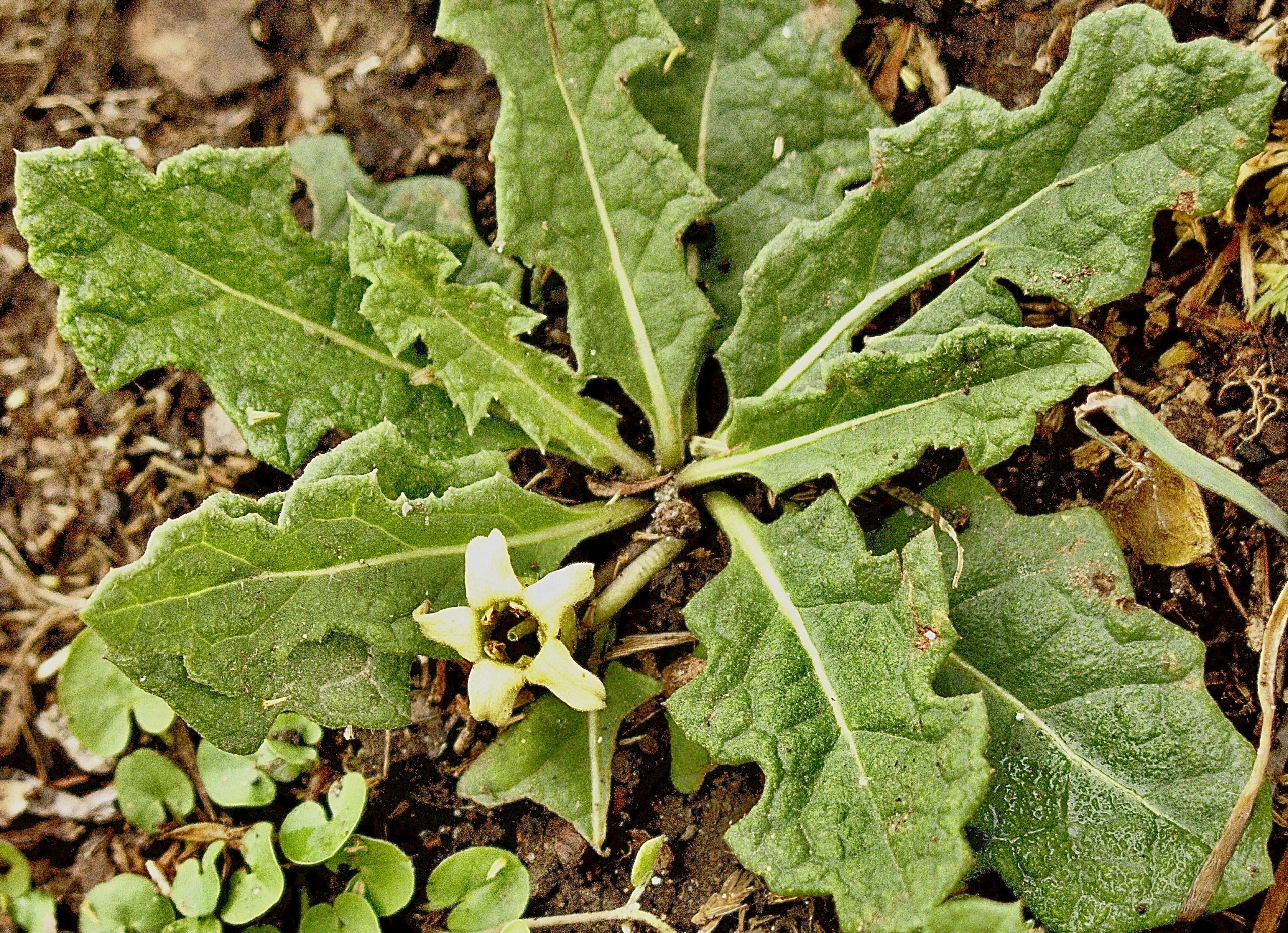
Plantago major, commonly known as broadleaf plantain, is among the most geographically widespread wild plants in North America and Europe, growing in disturbed soil, trail edges, campsites, and roadside margins at virtually every elevation below 8,000 feet where human activity has occurred. It is almost certainly within 100 feet of any established campsite on the continent, and its medicinal applications for wilderness first aid are supported by both traditional use documentation and modern phytochemical research. The leaves contain aucubin, a compound with documented anti-inflammatory properties, and allantoin, which promotes cell proliferation and tissue repair. Fresh leaves crushed or chewed to release plant juices and applied directly to insect stings, minor cuts, abrasions, and contact dermatitis typically reduce localized swelling and discomfort within 15 to 20 minutes of application in field observations documented by wilderness medicine practitioners. A poultice held in place with a bandana or tape can be refreshed every 30 to 45 minutes using fresh leaves as needed. The plant is identifiable by its broad oval leaves with parallel veins running from stem to tip, a distinctive pattern present in no toxic look-alikes in North American habitats. It is not a replacement for medical treatment of serious wounds, but provides genuine, accessible, and weight-free first aid capability that reduces suffering during the hours between injury and professional care.