National parks feel safe because they are protected, managed, and familiar. Millions visit them every year without incident. Yet many injuries and emergencies happen not from dramatic wildlife encounters, but from quiet hazards most visitors never hear about. These dangers blend into beautiful scenery and catch people off guard. Understanding them does not ruin the experience. It helps you enjoy these places with awareness and respect. The following risks exist in many popular parks and often surprise even experienced travelers.
1. Sudden Weather Whiplash
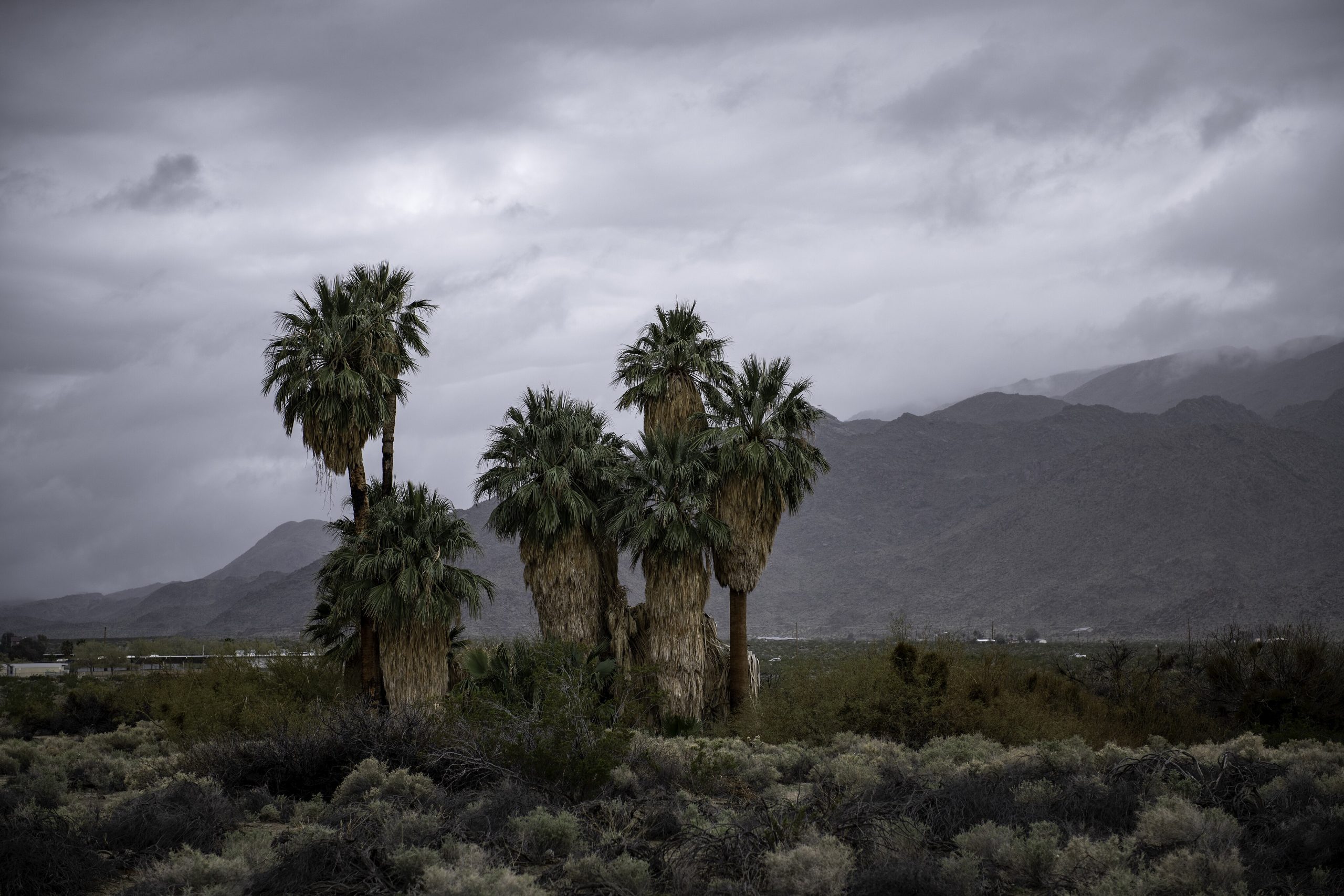
Many national parks create their own weather systems. Clear skies can turn into violent storms within minutes, especially in mountainous or desert regions. Lightning strikes, hail, flash floods, and temperature drops often occur without warning. Visitors wearing light clothing or carrying minimal gear get caught exposed on ridges or open trails. Weather apps may show calm conditions while storms build locally. These fast shifts cause hypothermia, dehydration, and navigation mistakes. Always carry layers, rain protection, and check the sky conditions frequently. Turning back early is often the safest choice.
2. Deceptively Dangerous Hot Springs
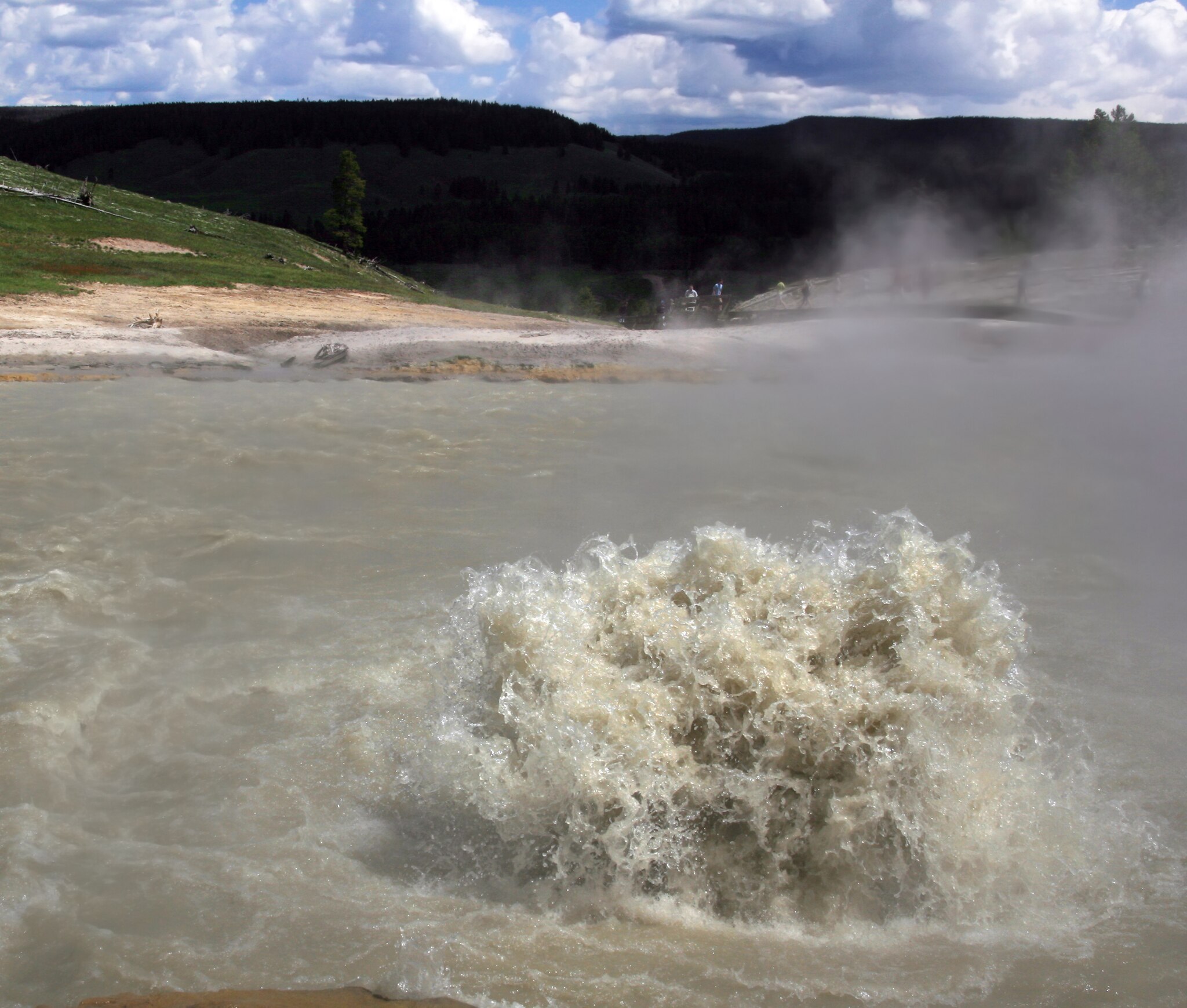
Some parks contain thermal areas that look calm and inviting. The water may appear shallow or harmless, but temperatures can exceed boiling levels just below the surface. Thin crusts form around pools and collapse without warning. Stepping off marked paths can lead to severe burns in seconds. Steam vents release gases that cause dizziness or breathing issues. These areas are constantly changing. Staying on boardwalks and respecting barriers is essential. Photographs are never worth risking permanent injury.
3. Thin Air at Moderate Elevations
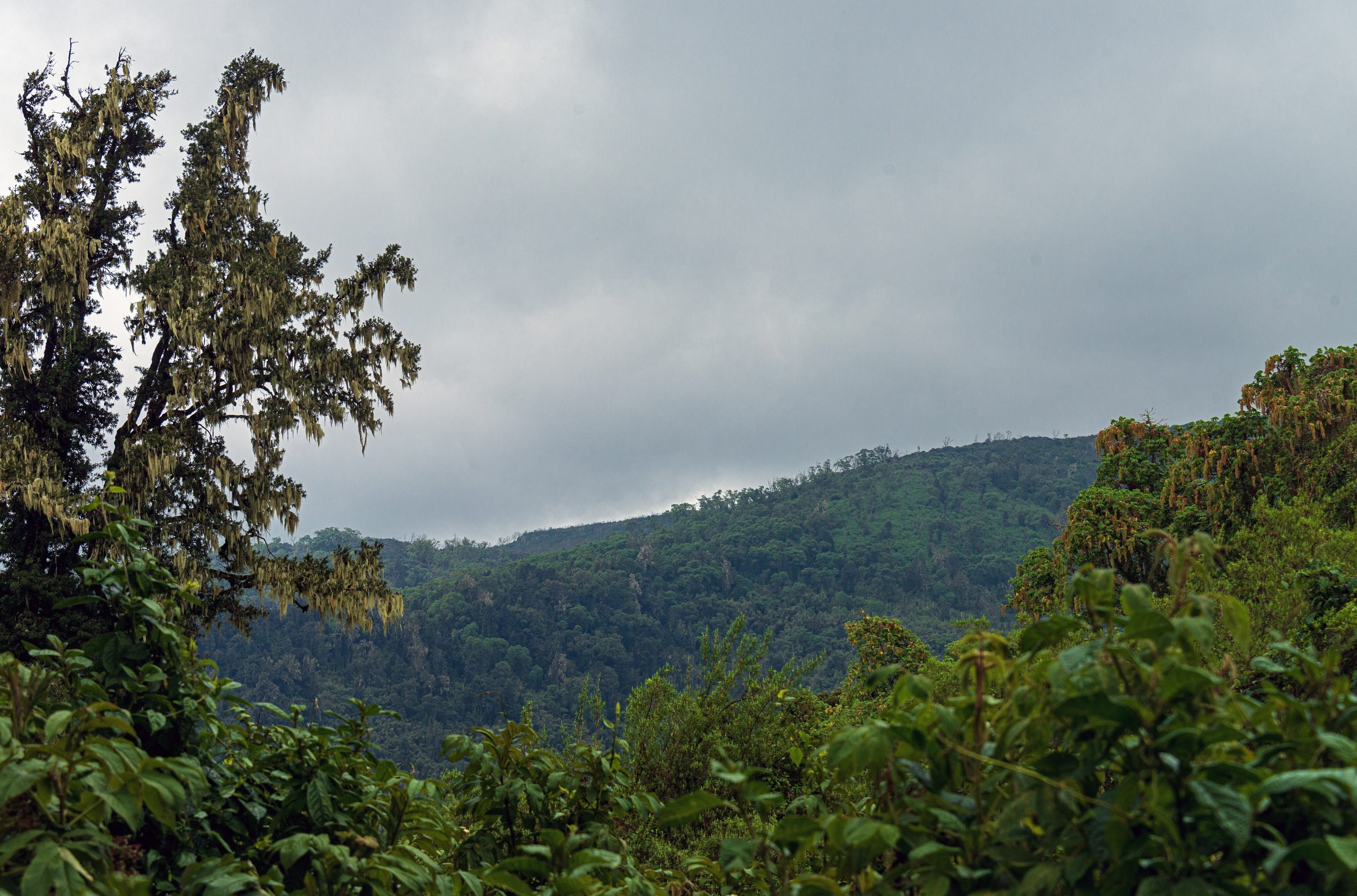
Altitude sickness is not limited to extreme peaks. Many popular parks sit high enough to affect visitors who arrive quickly from lower elevations. Headaches, nausea, dizziness, and confusion can appear within hours. These symptoms increase fall risk and poor decision-making. People often dismiss them as fatigue or dehydration. Ignoring early signs can lead to serious medical emergencies. Gradual acclimation, hydration, and pacing help prevent issues. Slowing down is one of the most effective safety tools at elevation.
4. Wildlife Habituation
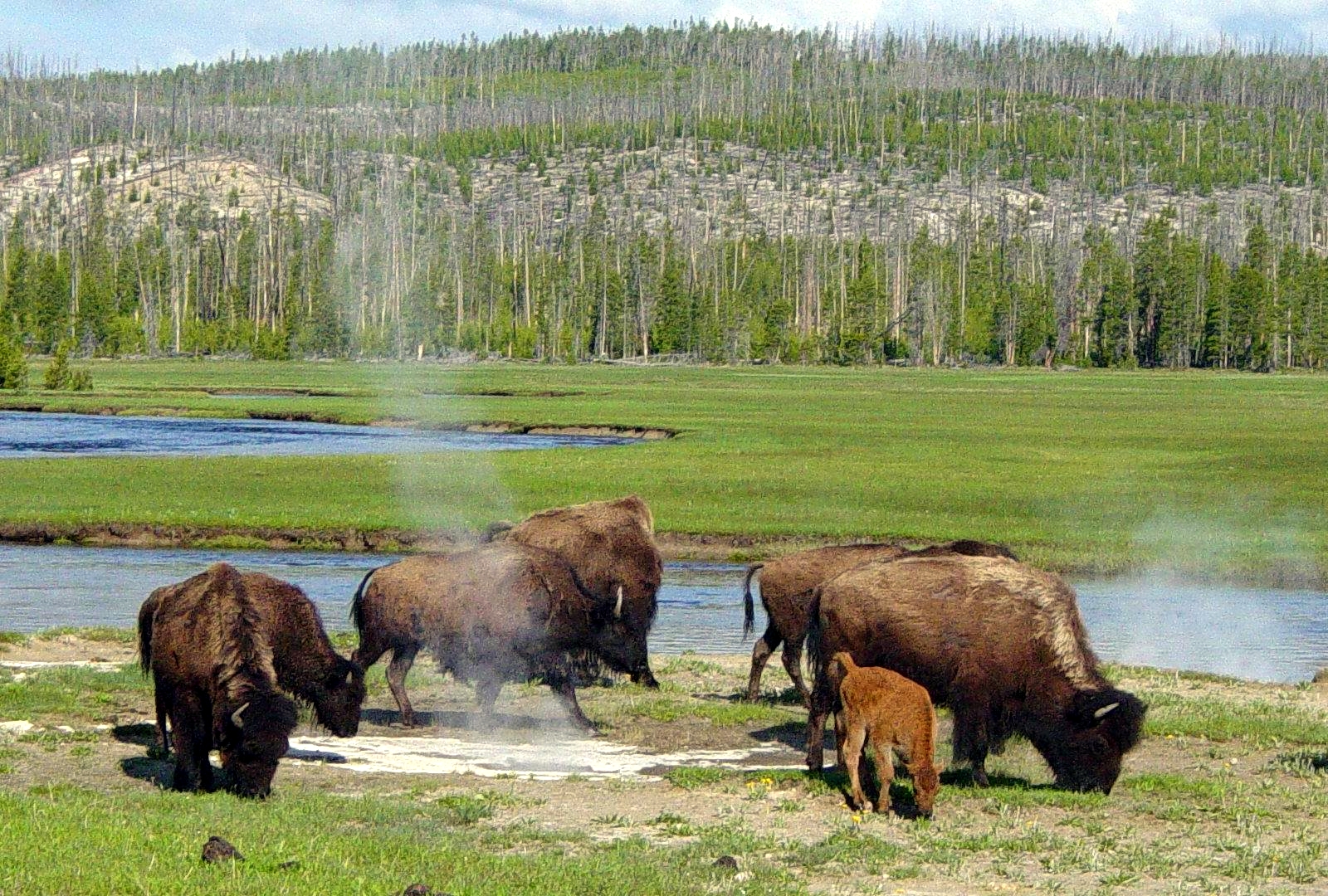
Animals in busy parks often lose their fear of humans. This makes them unpredictable. Deer, elk, bison, and even smaller animals may approach people closely. Visitors mistake calm behavior for friendliness. Sudden movements, food smells, or crowd pressure can trigger aggressive reactions. Injuries happen quickly when people get too close for photos. Habituated animals are also more likely to charge or bite. Maintaining distance protects both people and wildlife. Zoom lenses are safer than steps forward.
5. Flash Flood Zones
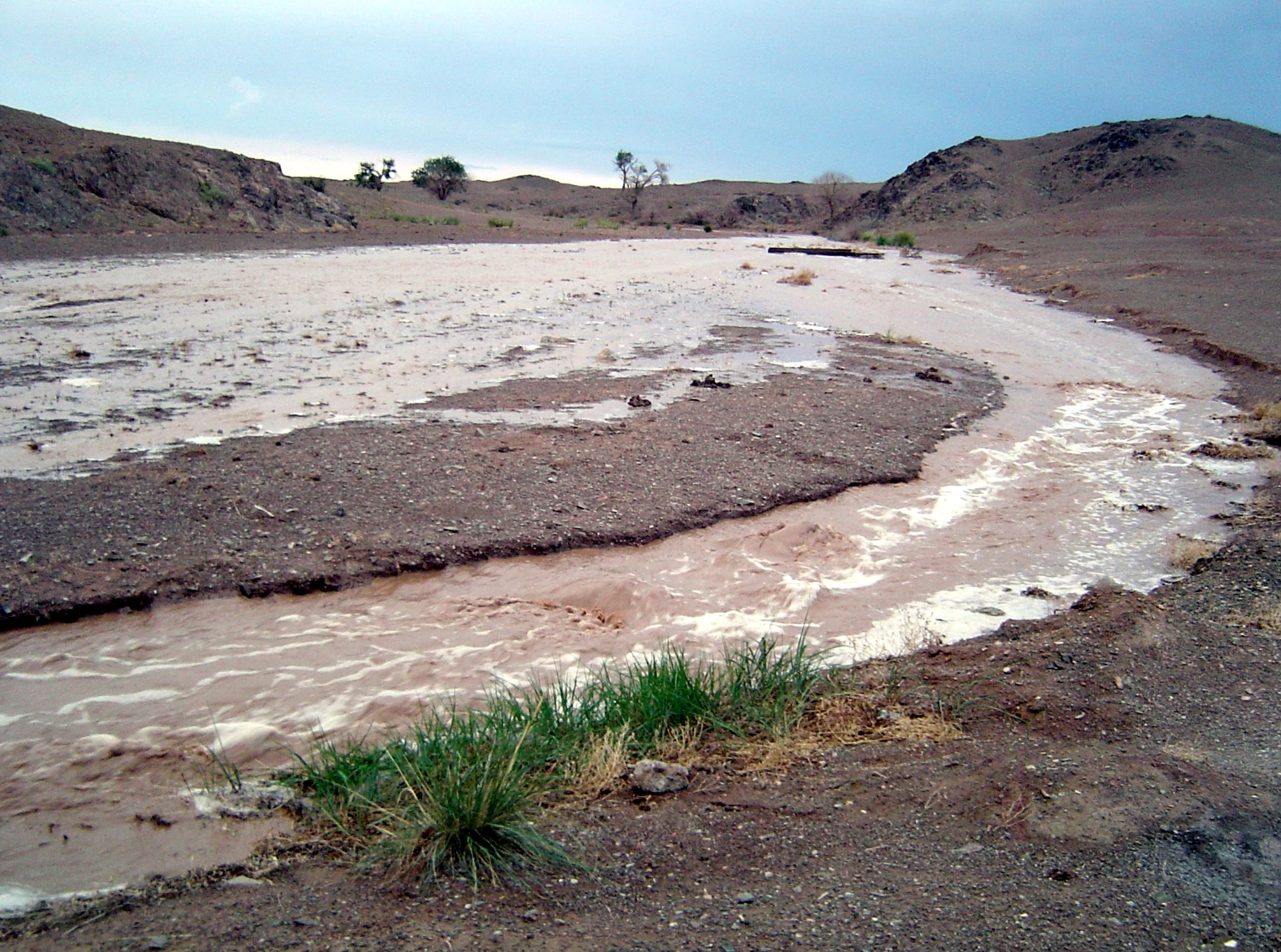
Dry washes and narrow canyons appear harmless during clear weather. Rain falling miles away can funnel into these areas rapidly. Water rises with incredible speed and force. Visitors hiking slot canyons or camping in low areas often underestimate this risk. Flash floods carry rocks, logs, and debris that trap escape routes. There may be no warning sounds until it is too late. Checking regional forecasts and avoiding narrow channels during unstable weather can save lives.
6. Unstable Cliff Edges
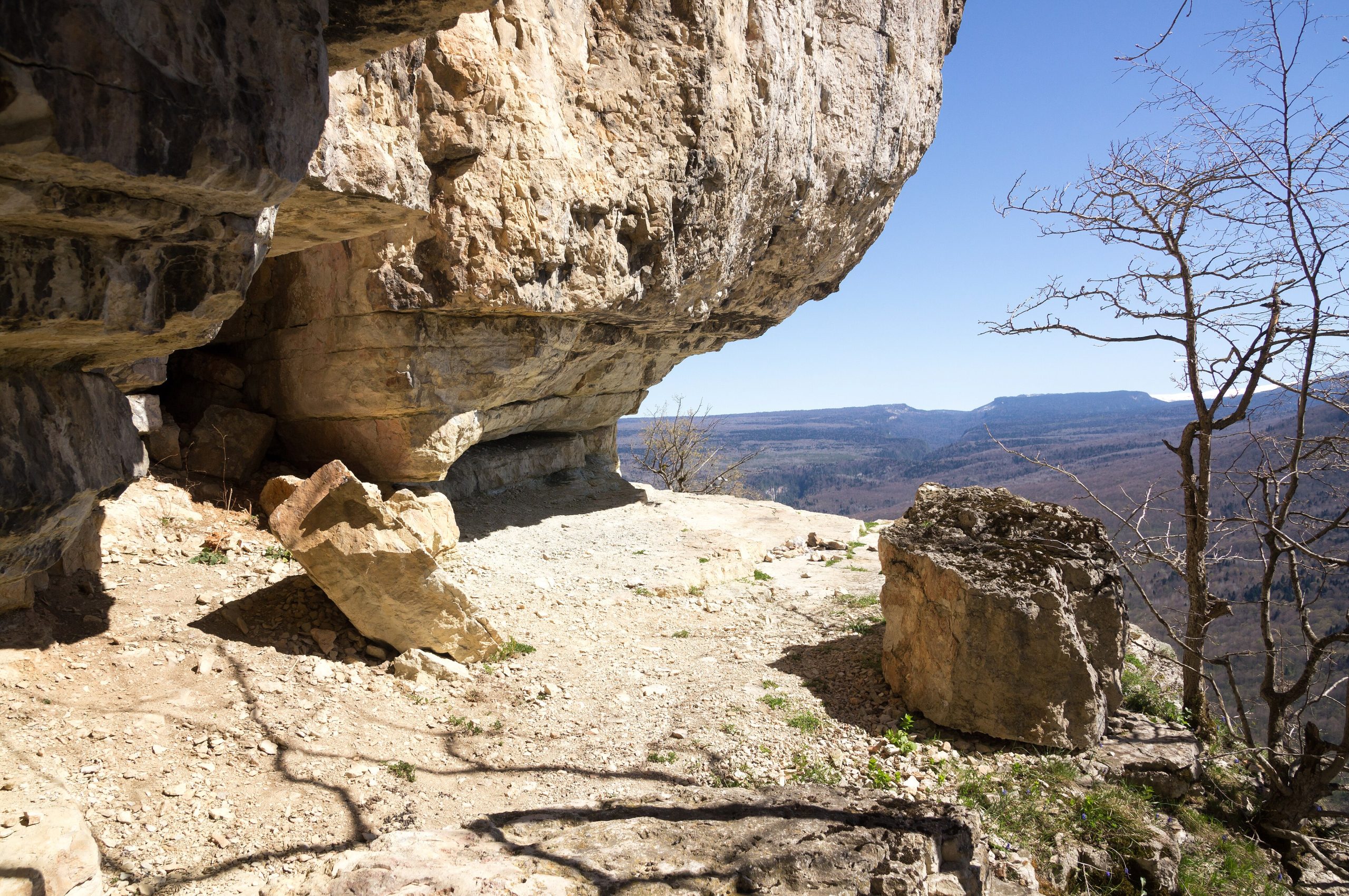
Many park viewpoints sit on eroding terrain. Soil, gravel, and rock edges shift gradually until they fail suddenly. People step closer for better views without realizing the ground is undercut. Strong winds add further risk. Falls from overlooks are often fatal. Railings do not exist everywhere. Staying well back from edges and avoiding loose ground reduces danger. Footing matters more than the view.
7. Toxic Algae in Water
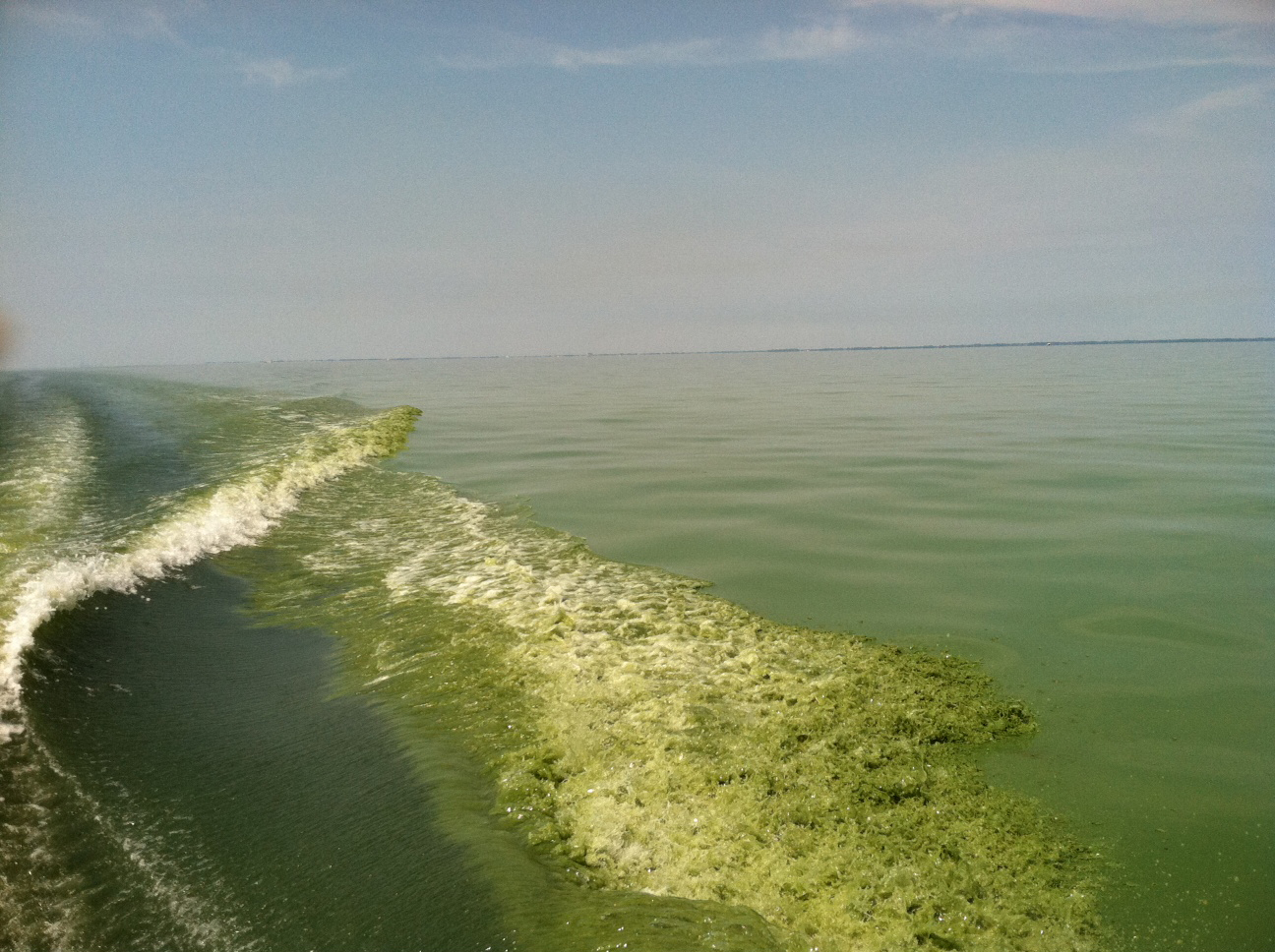
Some lakes and rivers develop harmful algal blooms during warm months. The water may look normal or slightly discolored. Toxins affect humans, pets, and wildlife. Swimming or drinking contaminated water can cause severe illness. Dogs are especially vulnerable after swimming or licking wet fur. These blooms can appear and disappear quickly. Heed posted warnings and avoid contact with water that smells foul or looks unusual. Carry treated water instead of relying on natural sources.
8. Navigation Confusion on Popular Trails
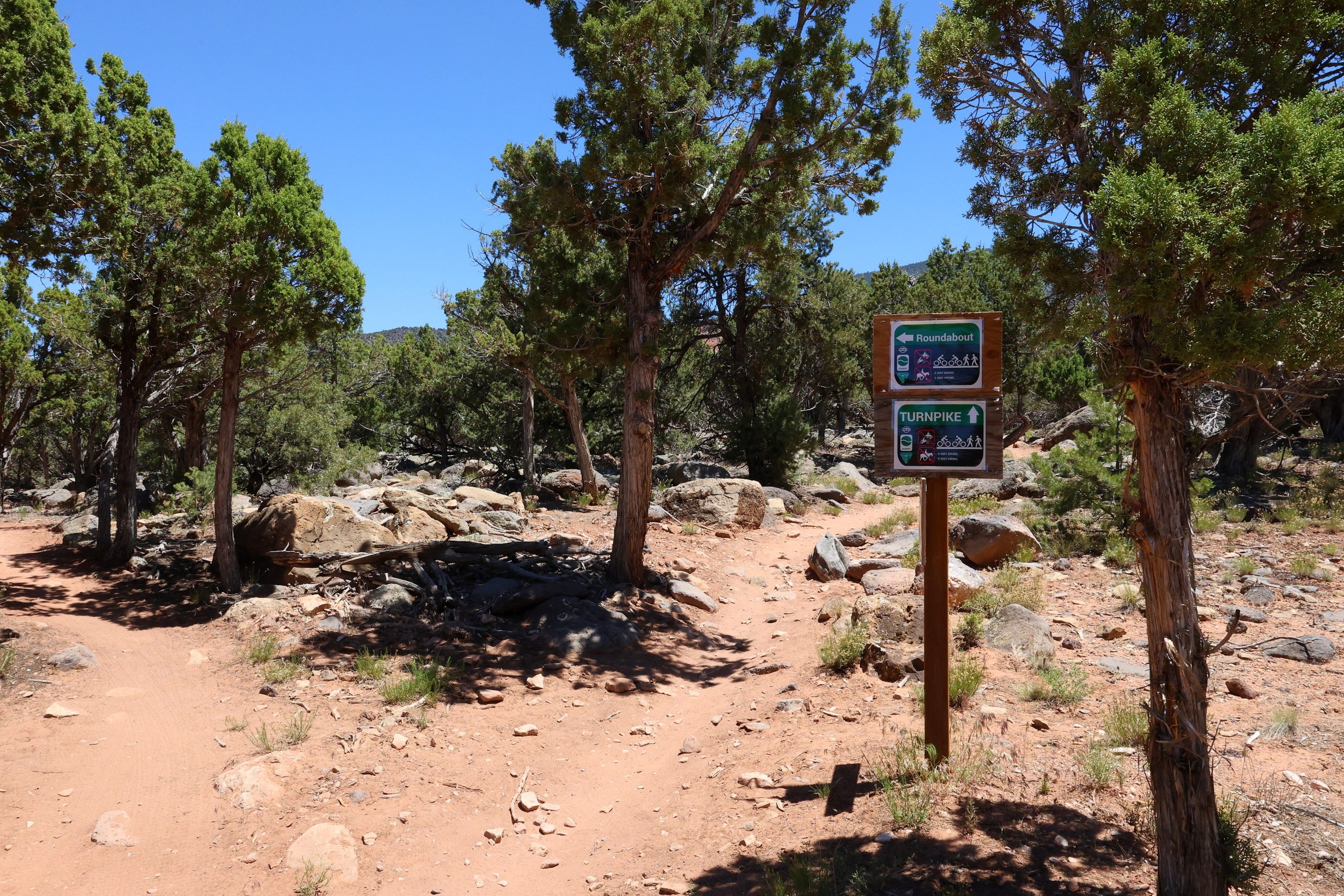
Well-traveled trails create a false sense of security. Snow, fallen trees, or erosion can erase trail markers. Social trails branch off and lead nowhere. Fog or forest density reduces visibility. People assume help is nearby and take risks they would not take elsewhere. Getting lost can happen surprisingly fast. Carrying a map, compass, or GPS and knowing how to use them prevents small mistakes from becoming emergencies.
9. Dehydration in Mild Temperatures
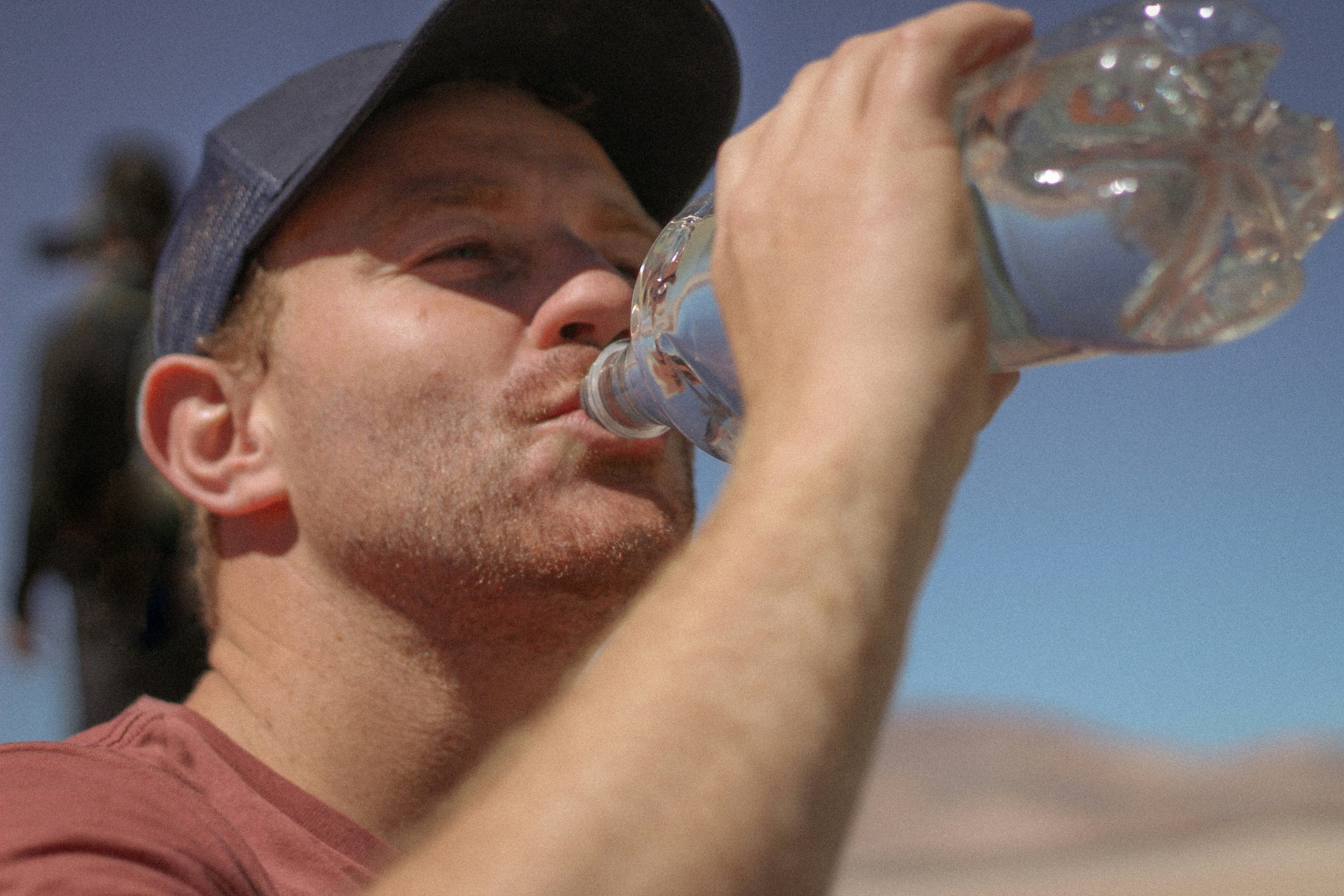
Cool or shaded environments trick visitors into drinking less water. Physical exertion still drains fluids rapidly. Dehydration reduces coordination and mental clarity. Many injuries happen when people feel fine until sudden weakness appears. Symptoms often show late. Carrying adequate water and drinking consistently is essential even when it does not feel hot. Waiting for thirst is too late.
10. Falling Trees and Branches
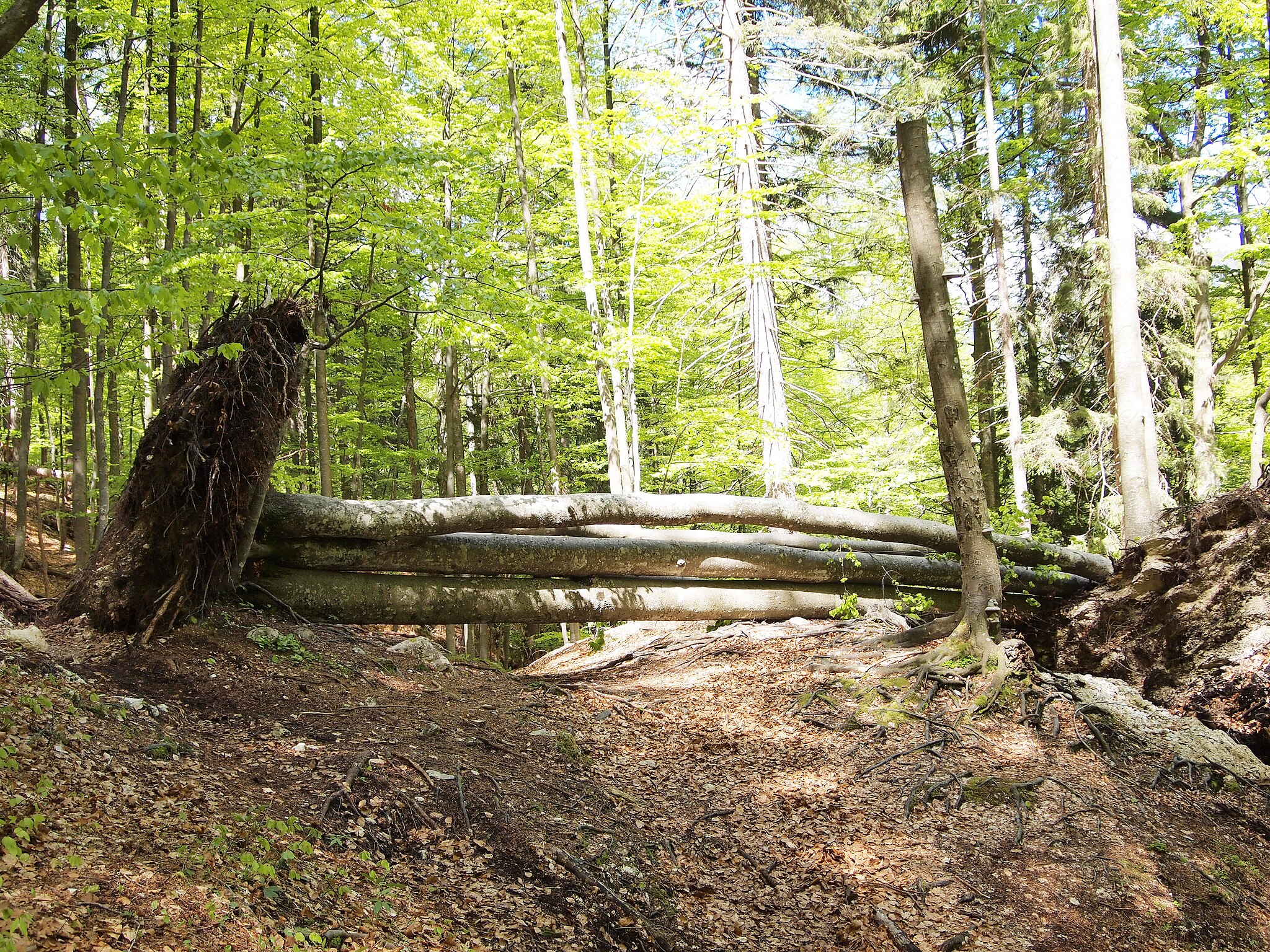
Dead or weakened trees are common in parks affected by drought, beetle damage, or fire. Large branches can fall without warning, especially during high winds. Campers often choose shaded spots beneath trees without checking stability. Falling limbs cause serious injuries every year. Avoid setting camps or resting beneath dead trees or cracked trunks. Look up before settling in one spot.
11. Slippery Rock Surfaces
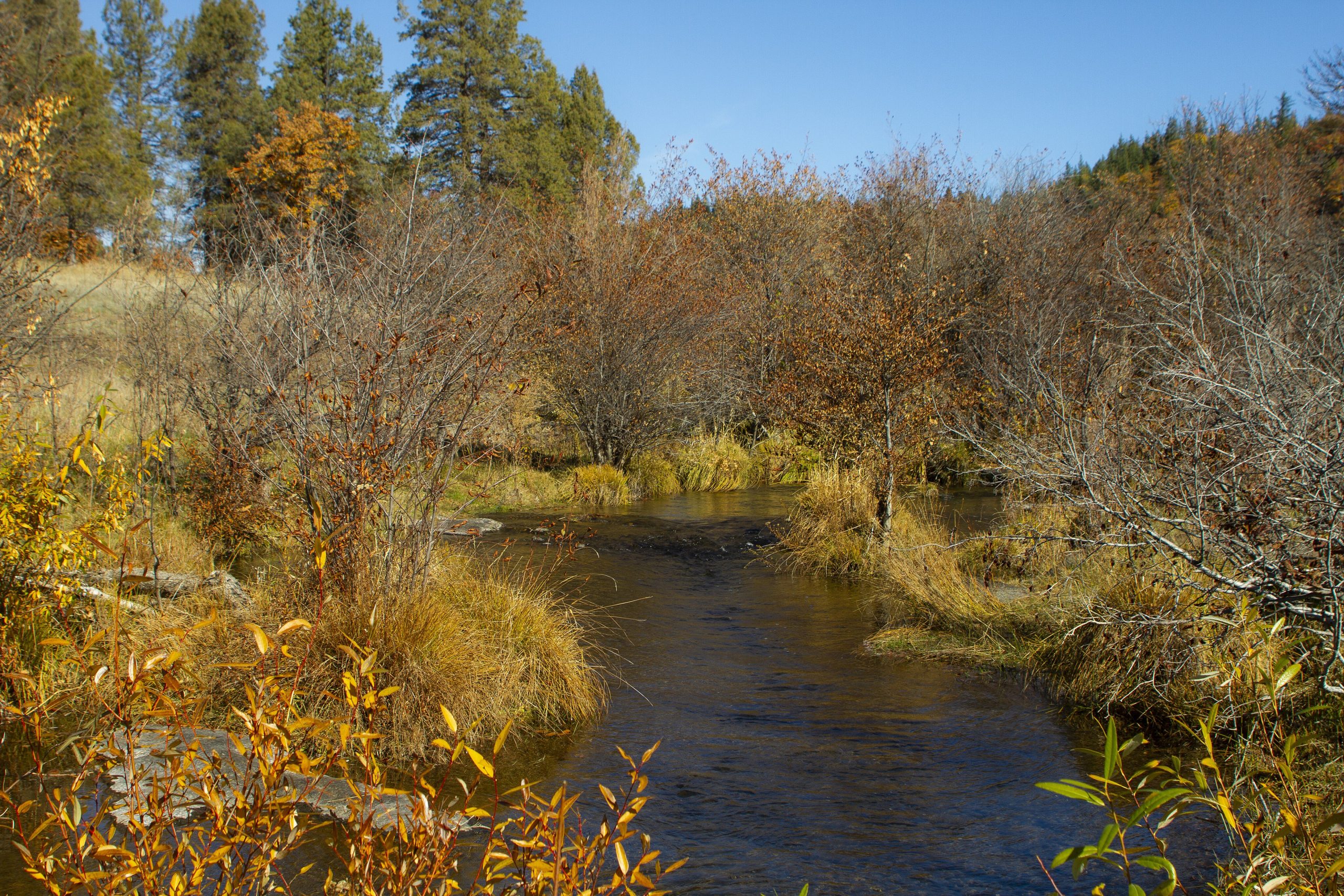
Polished stone near waterfalls and rivers becomes extremely slick. Algae and constant spray reduce traction. Many visitors slip while stepping off the trail for photos. Footwear without grip increases risk. Falls into water or onto rocks can be severe. Staying on designated paths and wearing proper shoes helps prevent injuries. Wet rock is more dangerous than it looks.
12. Delayed Emergency Response
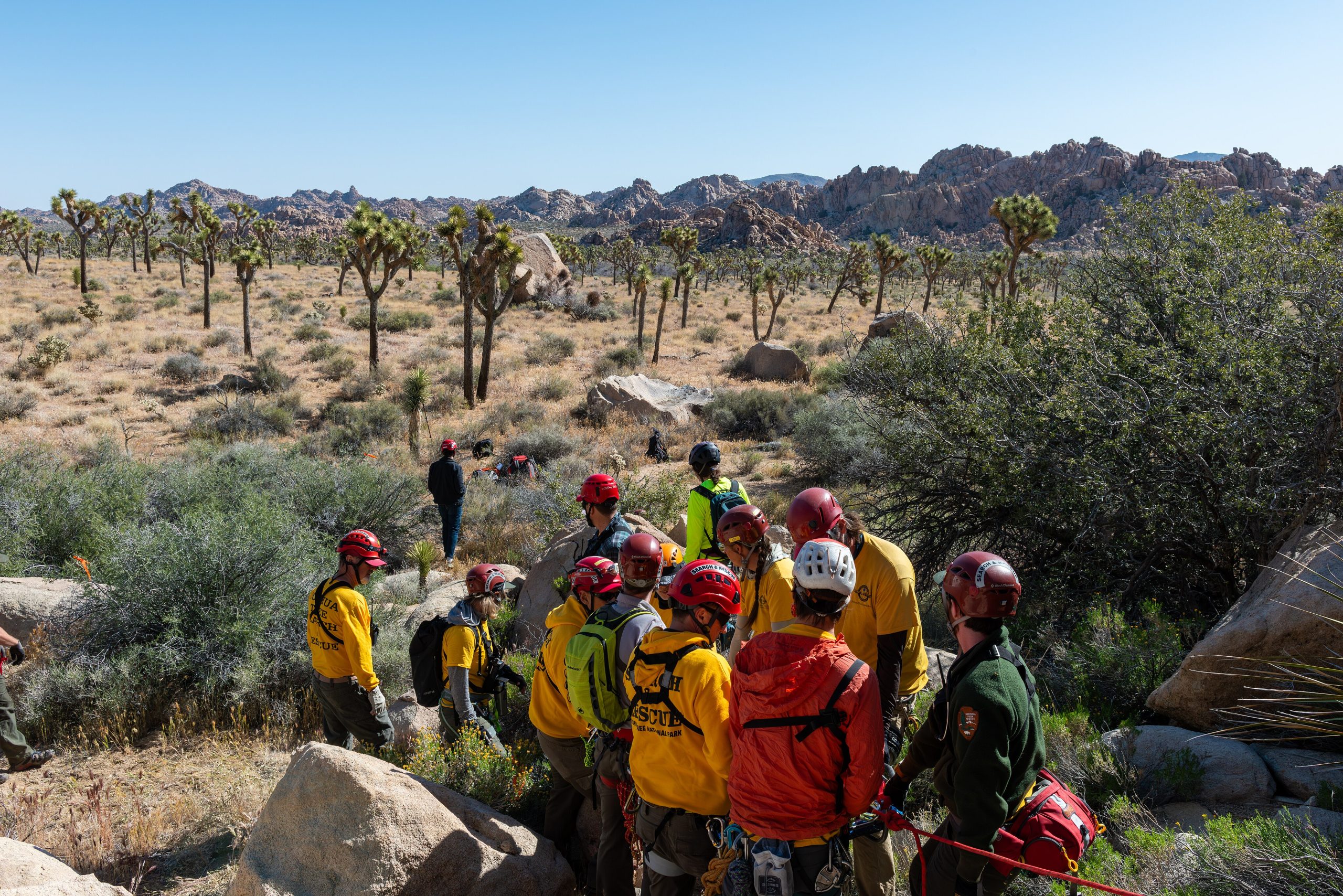
Remote park locations mean help takes time. Cell service is unreliable or nonexistent. Minor injuries can become serious while waiting for assistance. Visitors often assume rescue is immediate. Carrying first aid supplies and emergency communication devices improves outcomes. Self-reliance is critical in wilderness settings. Planning for delays keeps small problems manageable.
13. Sun Exposure at Higher Elevations
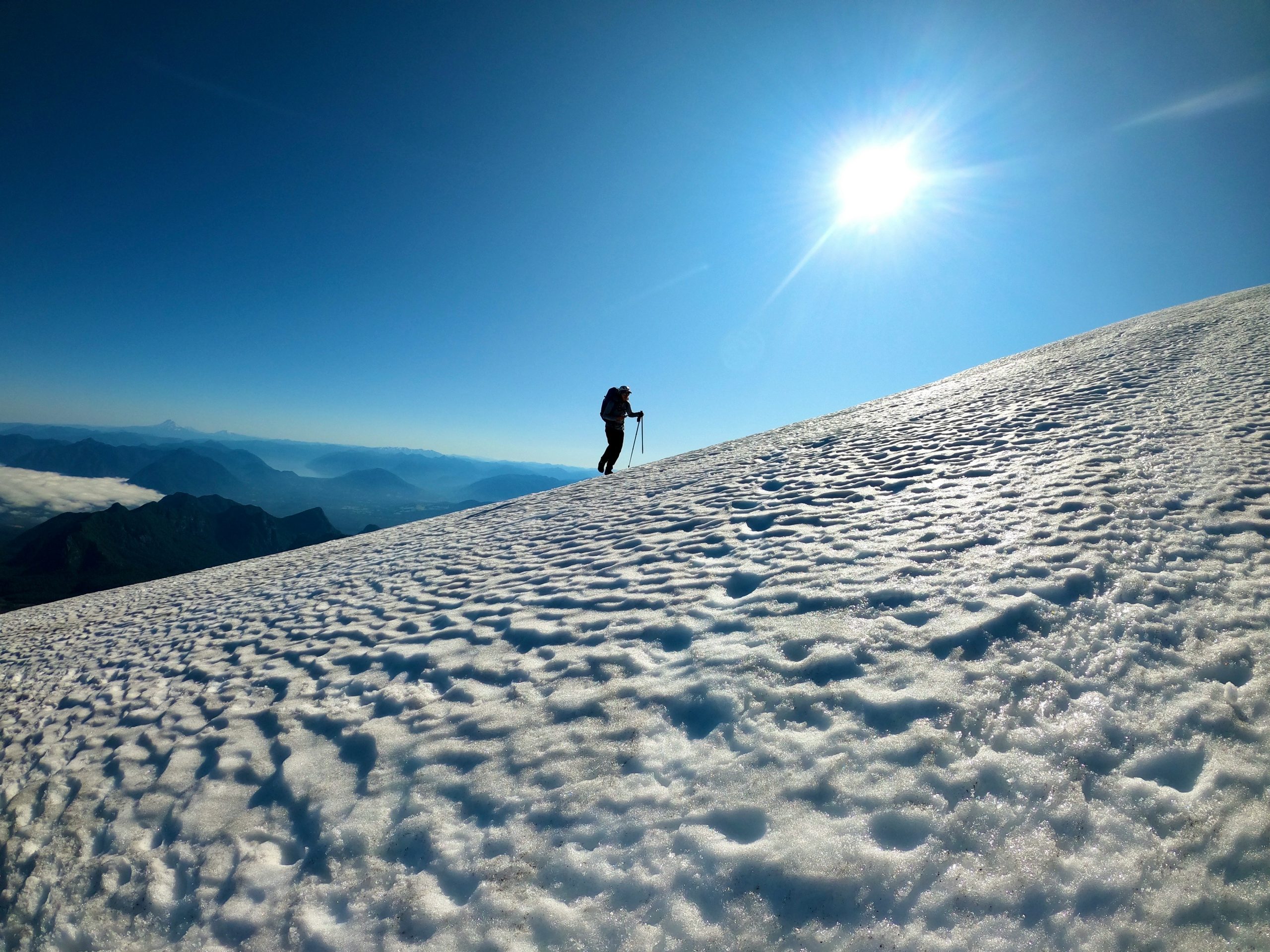
UV radiation increases with altitude, and reflective surfaces like snow or rock amplify exposure. Sunburn and heat stress occur even on cool days. Visitors underestimate the intensity and skip protection. Severe burns increase dehydration and fatigue. Wearing hats, sunscreen, and protective clothing reduces risk. Sun damage happens quietly and accumulates quickly.
14. Aggressive Ground Animals

Small animals cause big problems. Rodents, squirrels, and raccoons bite when fed or approached. They carry diseases and react defensively. People assume danger comes only from large animals. Leaving food unsecured attracts unwanted encounters. Keeping distance and securing food protects both visitors and wildlife.
15. Overconfidence From Familiarity
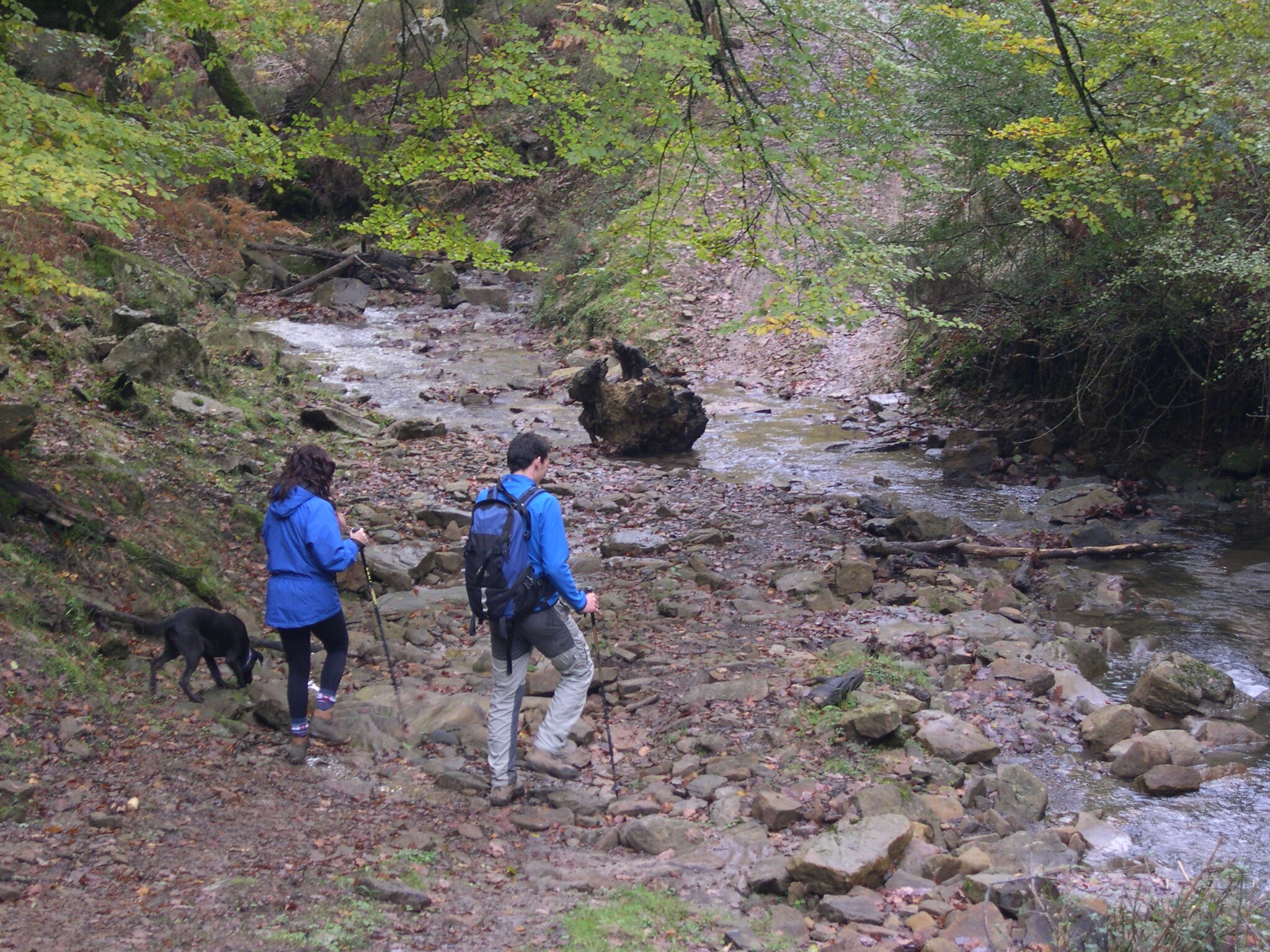
Repeat visitors often take greater risks because the environment feels known. Familiar trails, camps, and views reduce caution. Conditions change constantly. Weather, wildlife behavior, and terrain are never the same twice. Overconfidence leads to shortcuts and ignored warnings. Treating every visit as new keeps awareness high. Respect for the environment is the best safety habit.