The 1990s marked a defining era for handgun popularity, shaped by action films, law enforcement trends, and rapid firearm innovation. Polymer frames, higher capacity magazines, and modern aesthetics shifted consumer preferences dramatically. Certain models became cultural icons, frequently appearing in movies, television, and magazines. Others gained reputations through police adoption or competitive shooting. Enthusiasts discussed these pistols endlessly in gun shops and print catalogs. Demand reflected reliability, capacity, and style rather than nostalgia. The following handguns defined desire during that decade. Each model represents what shooters admired, trusted, and aspired to own during a period when handgun design entered a modern age.
Glock 17
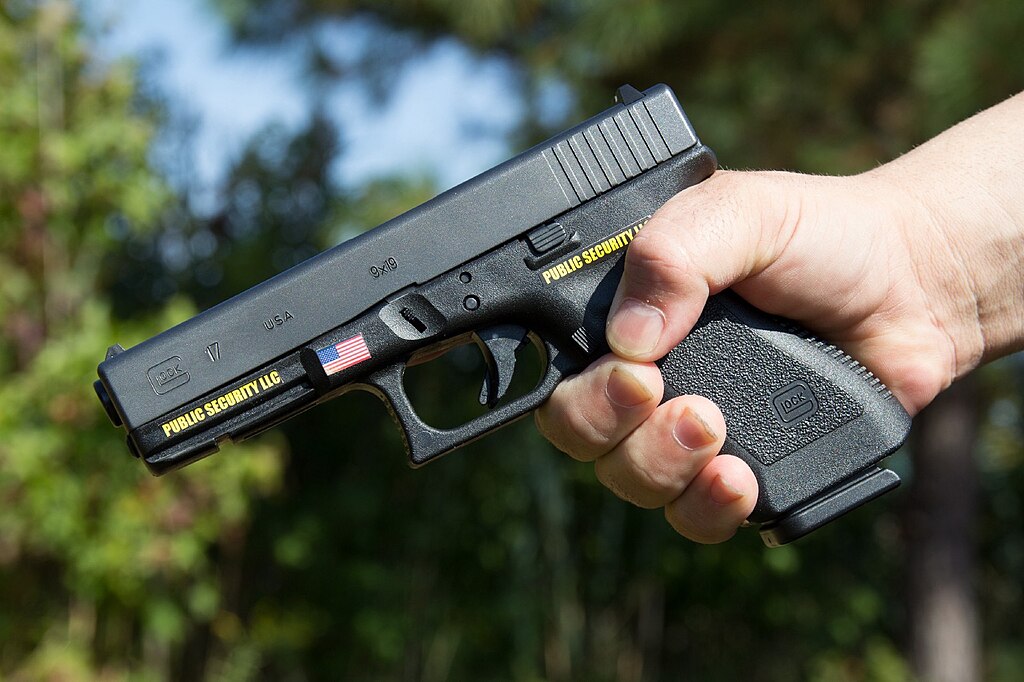
The Glock 17 defined the modern handgun during the 1990s. Its polymer frame challenged traditional expectations immediately. Law enforcement adoption fueled widespread interest. High capacity magazines appealed to civilian buyers. Reliability under harsh conditions built confidence quickly. The striker fired design simplified operation. Lightweight construction improved carry comfort. Media coverage amplified its reputation. Critics initially doubted durability, yet performance silenced concerns. Glock’s utilitarian look became iconic. By the mid 1990s, the Glock 17 symbolized innovation and dependability, making it one of the most sought after pistols of the era among professionals, enthusiasts, and first time buyers alike nationwide.
Beretta 92FS
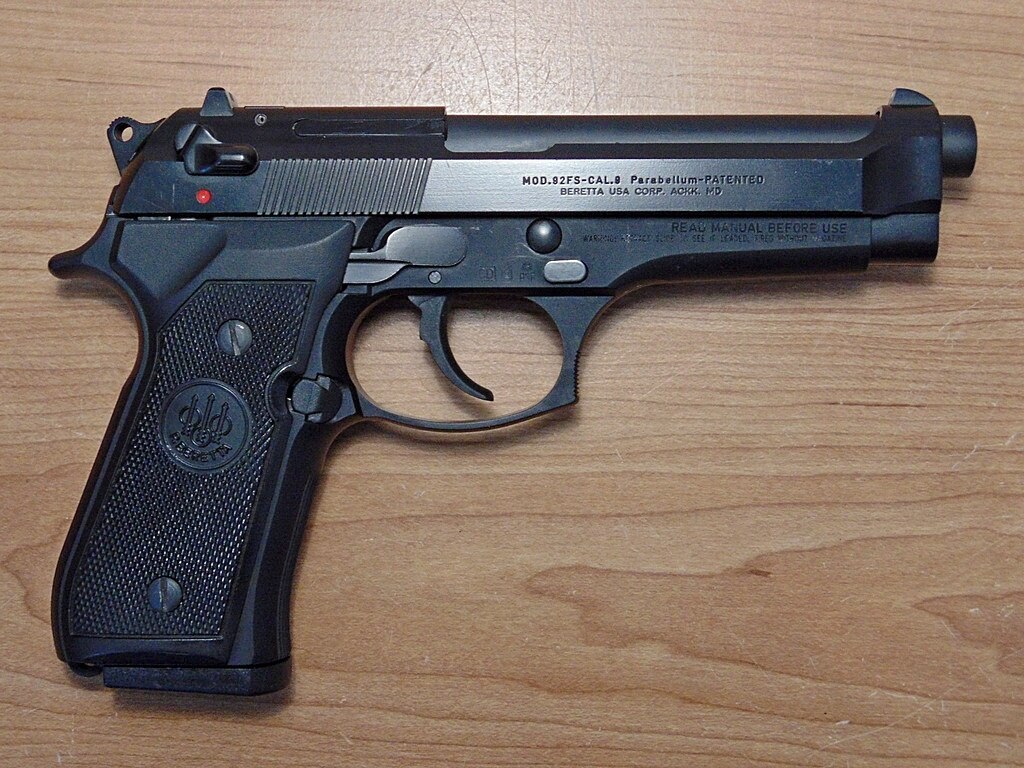
The Beretta 92FS gained immense popularity during the 1990s through military exposure. Adoption by the United States Armed Forces elevated its profile instantly. The pistol’s large frame and smooth recoil impressed shooters. Open slide design enhanced reliability. Double action operation appealed to traditionalists. High capacity magazines met growing demand. Stainless and black finishes added visual appeal. Movie appearances reinforced its image. Accuracy remained consistent. The 92FS represented confidence and authority. Throughout the decade, it became a symbol of service reliability, making it a highly desired handgun for collectors, range shooters, and fans of military style pistols.
SIG Sauer P226
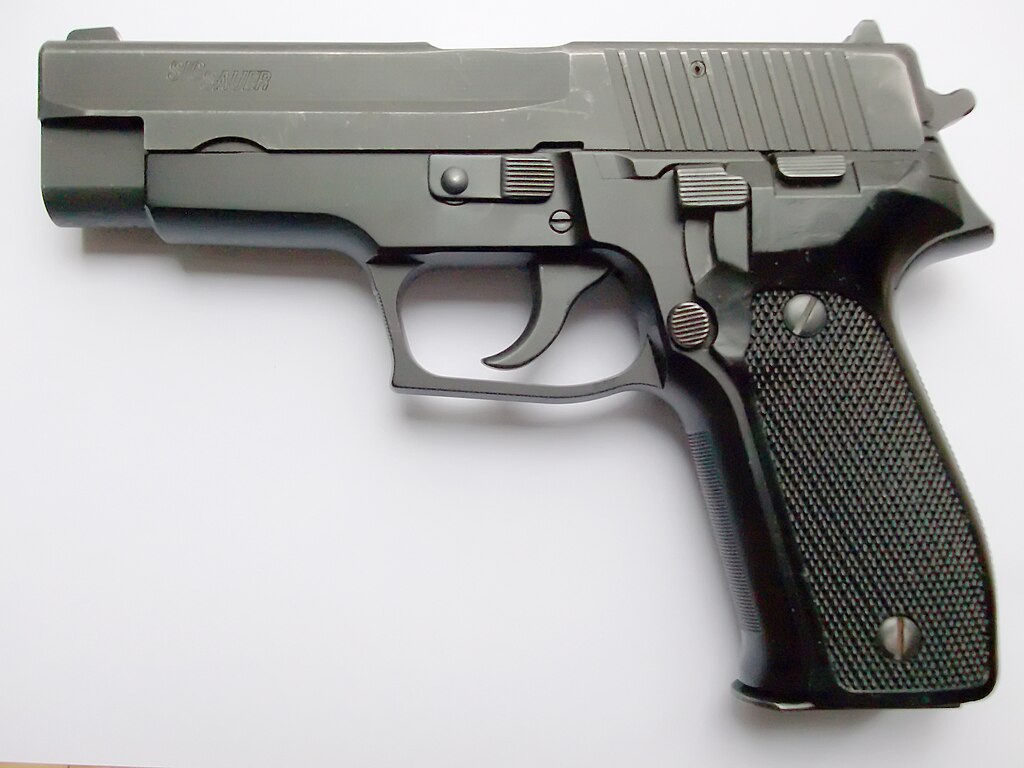
The SIG Sauer P226 earned respect through precision and durability. Its reputation grew among law enforcement agencies. Solid metal construction appealed to traditional shooters. Smooth double action triggers enhanced control. Reliability under pressure defined its appeal. The P226 balanced weight and accuracy well. Shooters valued its ergonomics. Magazine capacity met modern expectations. The pistol avoided flashy styling, focusing on performance. In the 1990s, the P226 became synonymous with professionalism. Ownership suggested serious intent. Its understated design and proven track record made it one of the most coveted handguns among enthusiasts seeking dependable performance during that era.
Colt 1911
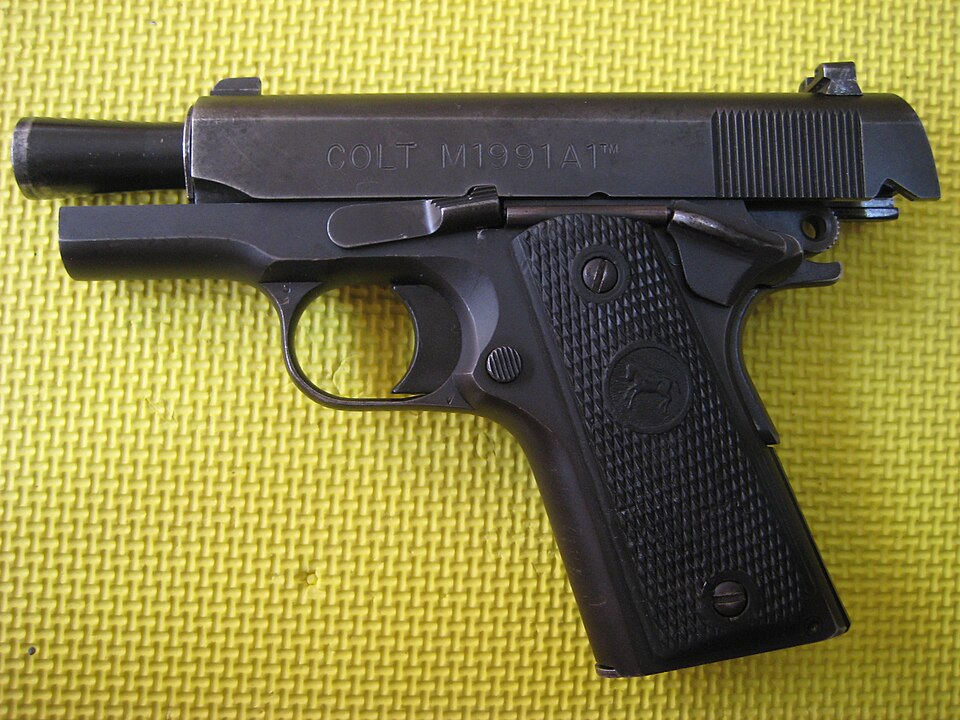
The Colt 1911 maintained strong desirability throughout the 1990s despite newer designs. Shooters admired its history and craftsmanship. Single action triggers offered exceptional control. The slim profile suited many hands. Customization culture expanded its appeal. Competitive shooting renewed interest. Stainless variants modernized the look. Enthusiasts valued its stopping power reputation. Magazines and accessories remained widely available. The 1911 bridged tradition and performance. During the 1990s, owning a Colt 1911 signaled appreciation for classic engineering, making it a constant presence in discussions despite rising competition from higher capacity pistols.
Smith And Wesson Model 5906
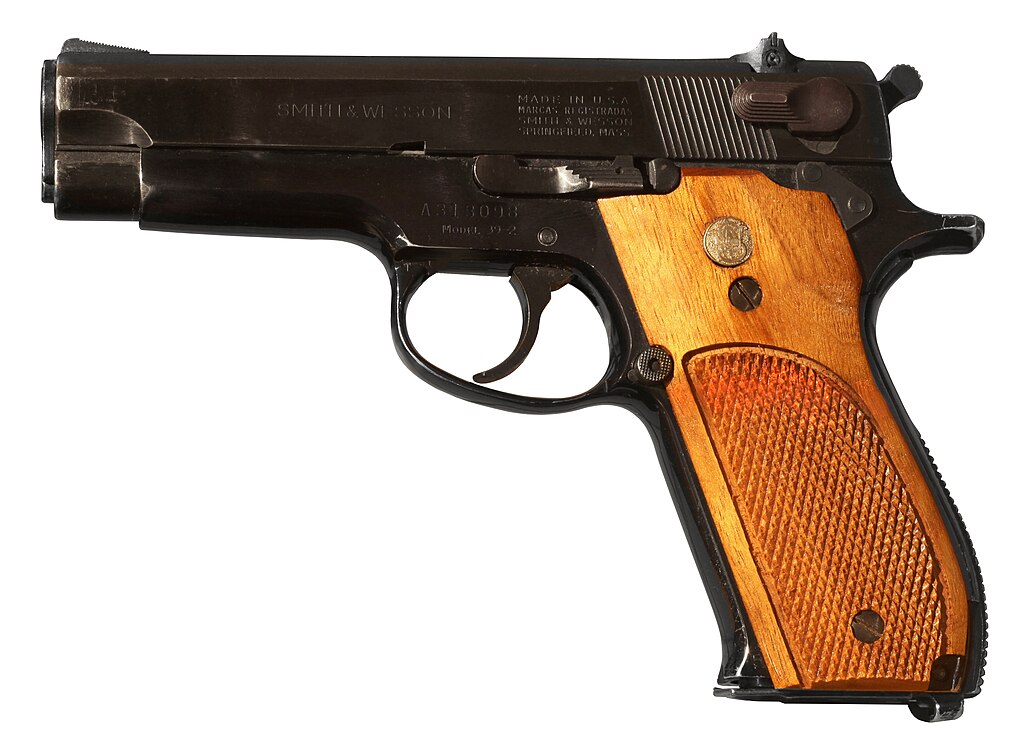
The Smith and Wesson Model 5906 represented American law enforcement reliability. Stainless steel construction conveyed durability. Police adoption increased visibility nationwide. Double action operation aligned with training standards. The pistol handled recoil smoothly. High capacity magazines met evolving demands. Its weight improved shooting stability. Traditional controls felt familiar. The 5906 appeared frequently in duty holsters. In the 1990s, it symbolized domestic manufacturing strength. Many shooters trusted its proven design. The model’s widespread service use and solid performance made it a highly desired handgun among civilians seeking professional grade reliability.
Heckler And Koch USP
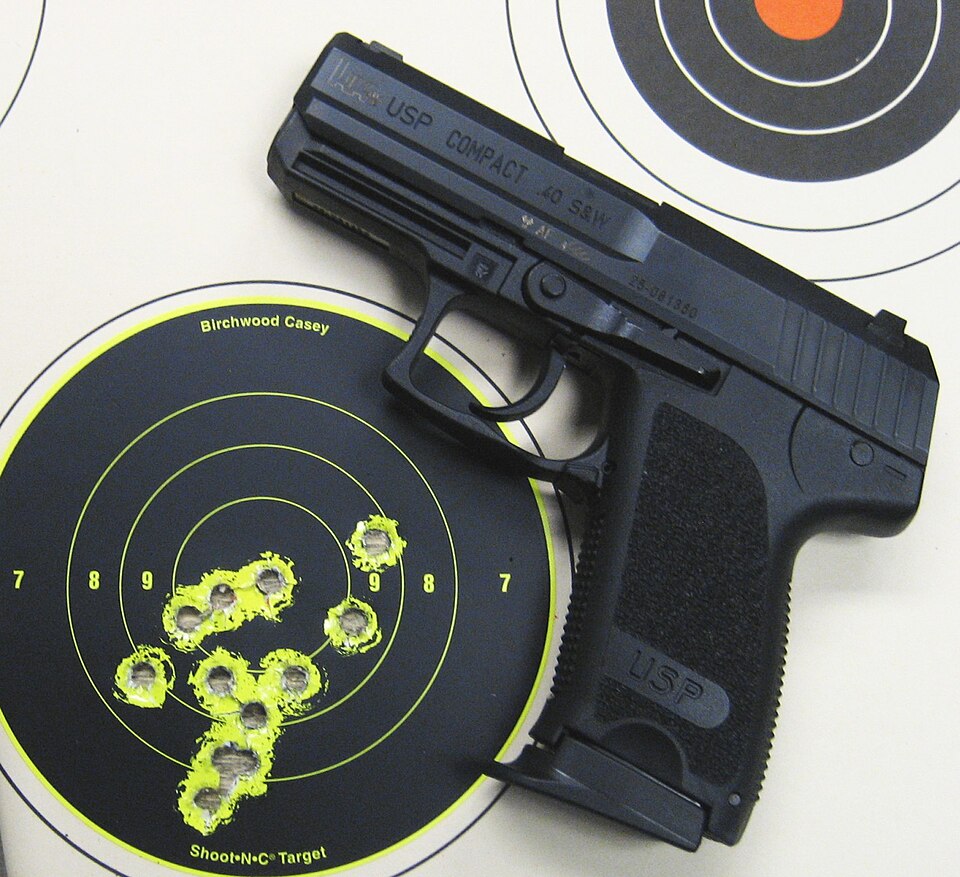
The Heckler and Koch USP introduced advanced engineering to the 1990s market. Polymer construction reduced weight without sacrificing strength. Recoil reduction systems improved shooting comfort. Multiple trigger variants appealed to diverse users. German manufacturing suggested precision. The USP gained popularity through law enforcement contracts. High capacity magazines matched modern expectations. Its robust appearance reinforced toughness. Shooters viewed it as cutting edge. During the decade, the USP represented innovation and durability. Enthusiasts drawn to advanced design and reliability placed it high on wish lists, cementing its reputation as a premium handgun of the era.
Ruger P89
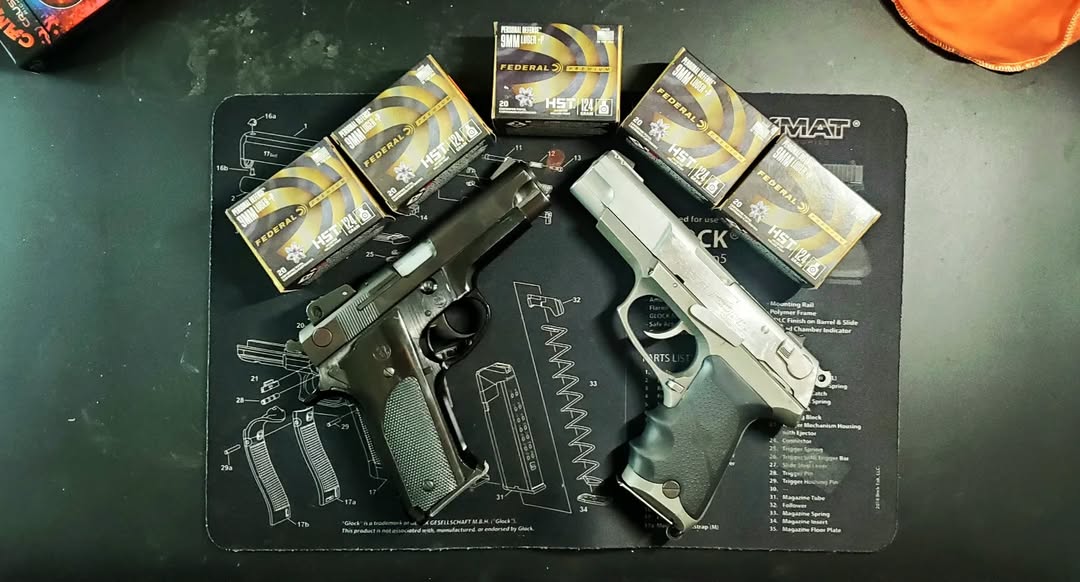
The Ruger P89 became known for rugged affordability during the 1990s. Its solid construction appealed to budget conscious buyers. Reliability remained consistent under heavy use. The pistol’s weight absorbed recoil effectively. High capacity magazines added value. Ruger’s reputation for durability enhanced trust. While aesthetics divided opinions, function prevailed. The P89 earned respect through performance rather than style. Many first time buyers favored it. During the decade, it represented practical ownership. The Ruger P89 gained popularity as a dependable workhorse, making it a common recommendation for shooters prioritizing function and value over refinement.
CZ 75
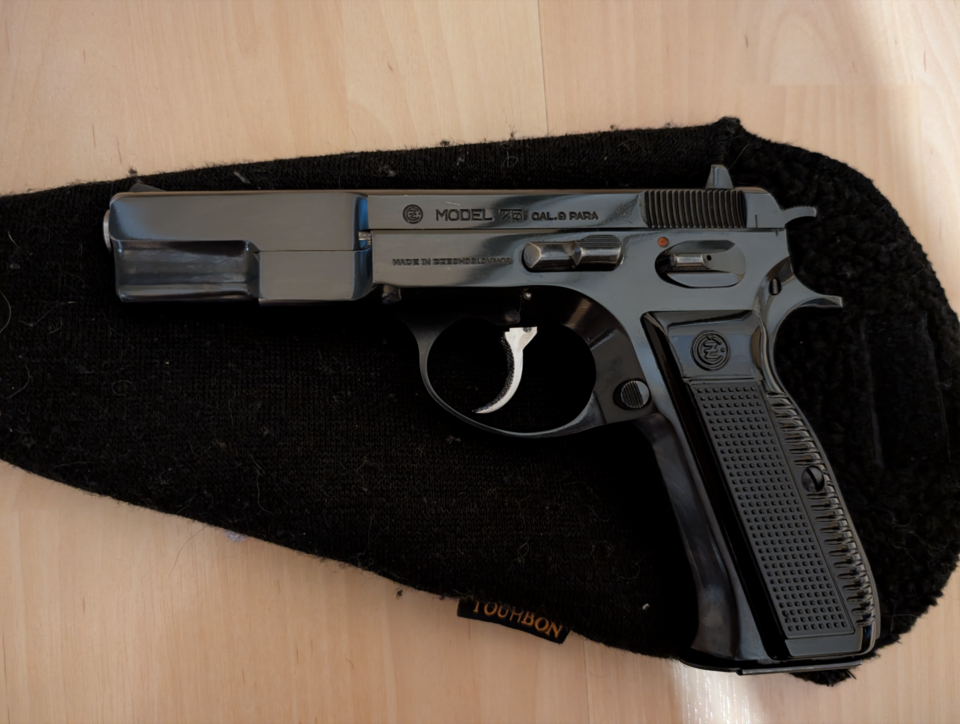
The CZ 75 attracted attention through exceptional ergonomics. Its all steel construction offered balance and control. The pistol’s grip angle fit naturally. Accuracy impressed competitive shooters. Double action capability expanded versatility. Magazine capacity met modern standards. Import availability increased during the 1990s. Enthusiasts praised its shootability. The design inspired many clones. The CZ 75 gained cult status quietly. Ownership suggested insider knowledge. During the decade, it became a favorite among shooters seeking comfort and precision, earning a devoted following that valued performance over mainstream branding or cinematic exposure.
Browning Hi Power
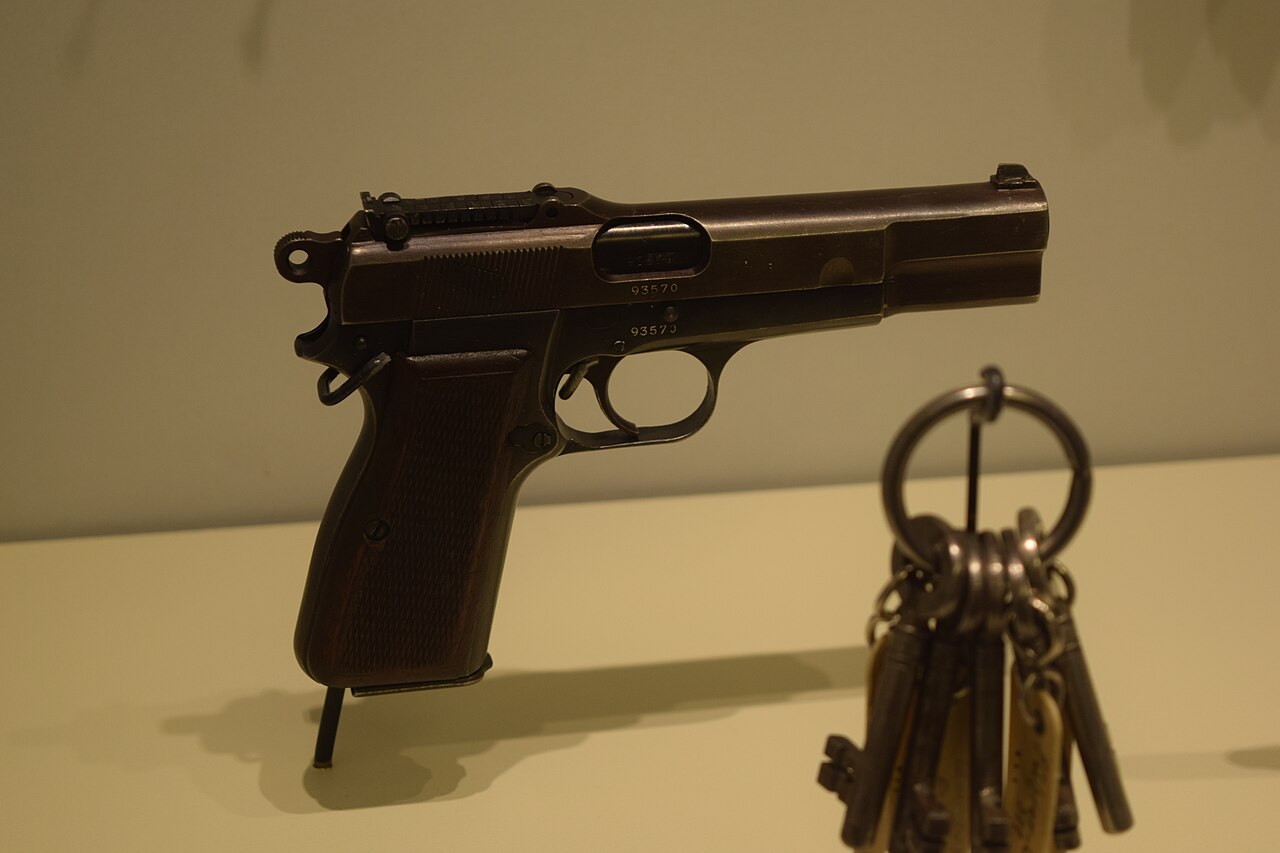
The Browning Hi Power remained desirable due to timeless design. Its double stack magazine influenced modern pistols. Single action operation appealed to skilled shooters. Slim ergonomics balanced capacity and comfort. Military history enhanced prestige. Accuracy remained strong. The Hi Power bridged old and new technology. During the 1990s, renewed interest followed surplus availability. Enthusiasts admired its craftsmanship. The pistol symbolized evolutionary handgun design. Ownership reflected appreciation for influential engineering. Despite newer competitors, the Browning Hi Power retained strong demand as shooters recognized its lasting impact and reliable performance during the decade.
Glock 19
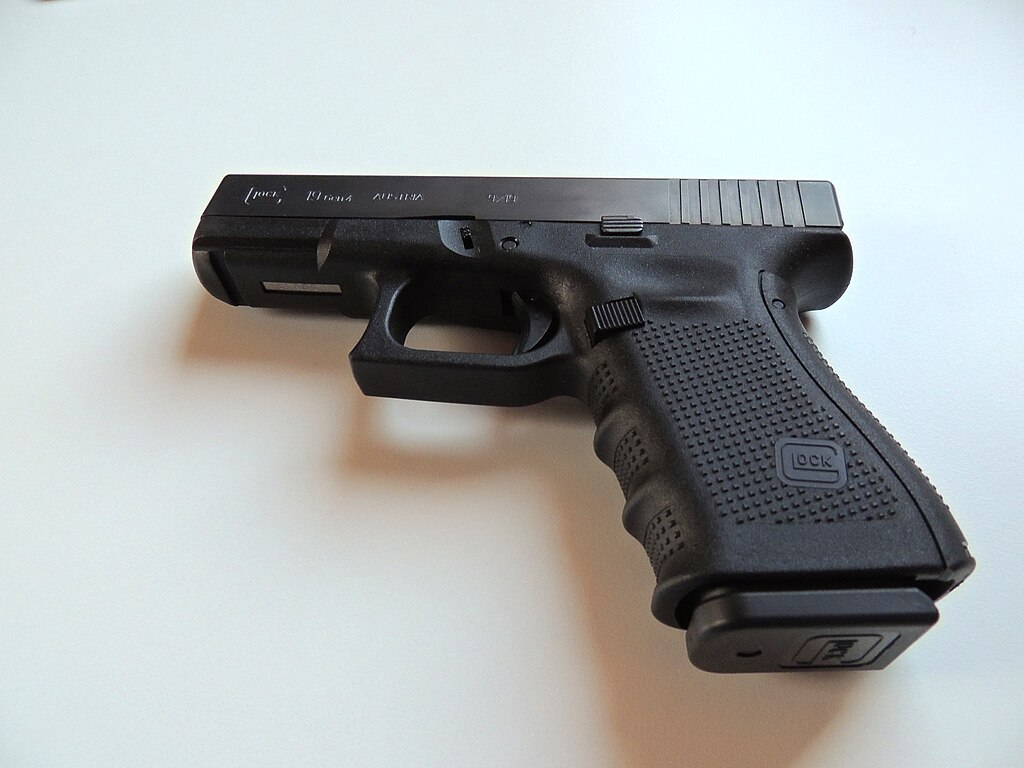
The Glock 19 offered a compact alternative without sacrificing capacity. Shooters valued its balance of size and performance. Polymer construction reduced weight. Reliability matched the full size Glock 17. Law enforcement adoption boosted credibility. Concealability improved appeal. The striker fired system simplified training. The Glock 19 gained popularity quickly. Media exposure reinforced demand. During the 1990s, it became a versatile favorite. Many considered it ideal for multiple roles. Its practicality and performance made it one of the most wanted handguns of the era among civilians and professionals alike.
Smith And Wesson Model 686
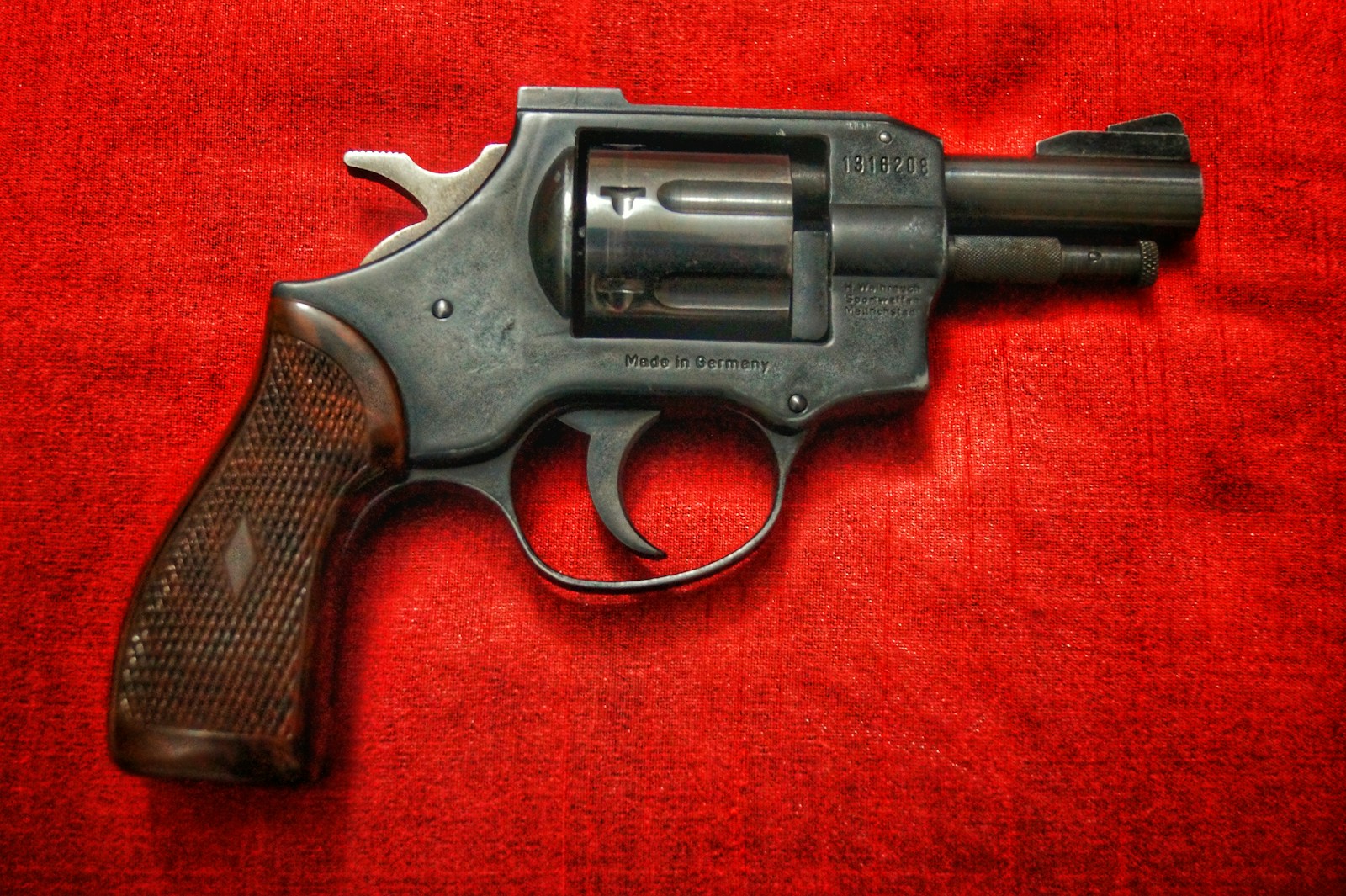
The Smith and Wesson Model 686 represented revolver excellence during the 1990s. Stainless steel construction conveyed strength. Magnum capability attracted power enthusiasts. Accuracy impressed range shooters. Adjustable sights enhanced precision. Law enforcement legacy sustained demand. The revolver balanced weight effectively. Reliability remained unquestioned. While semi autos surged, revolvers retained loyal followings. The 686 symbolized confidence and control. Ownership reflected appreciation for traditional craftsmanship. During the decade, it remained highly desired among shooters who valued mechanical reliability and powerful performance despite shifting trends toward high capacity pistols.
Desert Eagle
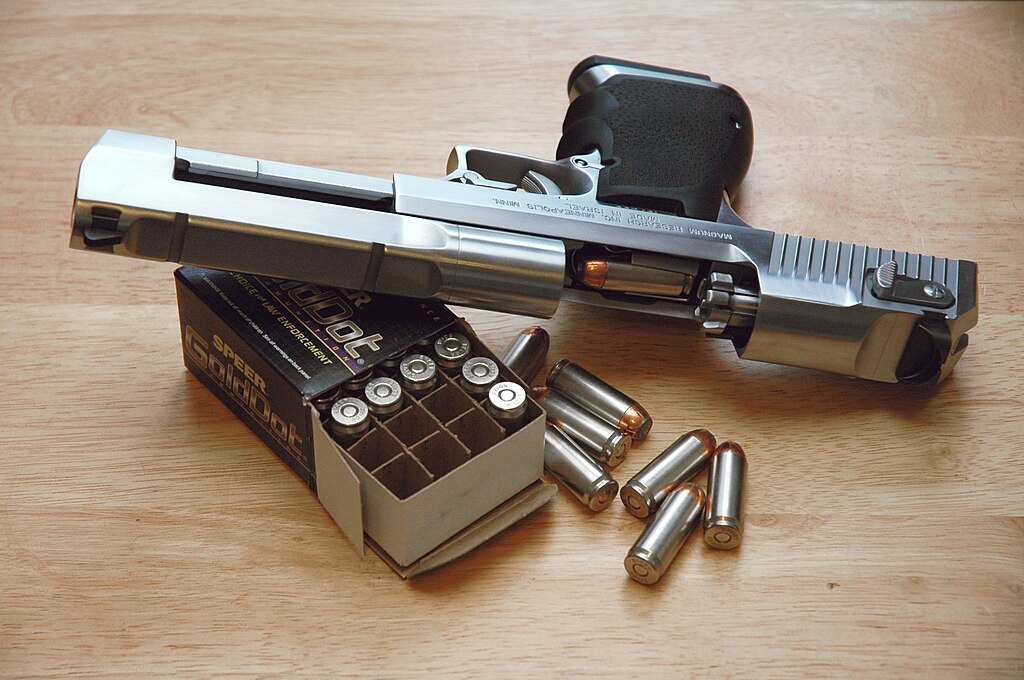
The Desert Eagle captured attention through sheer size and power. Its appearance in films elevated fame dramatically. Magnum calibers intrigued enthusiasts. The gas operated system felt unique. Weight reduced recoil surprisingly. The pistol prioritized spectacle over practicality. Shooters admired its bold design. Ownership carried novelty appeal. Range use became a statement. During the 1990s, the Desert Eagle symbolized excess. While impractical for daily use, demand remained strong due to cultural exposure. It became one of the most talked about handguns of the decade, driven largely by media influence and distinctive presence.
Walther P99
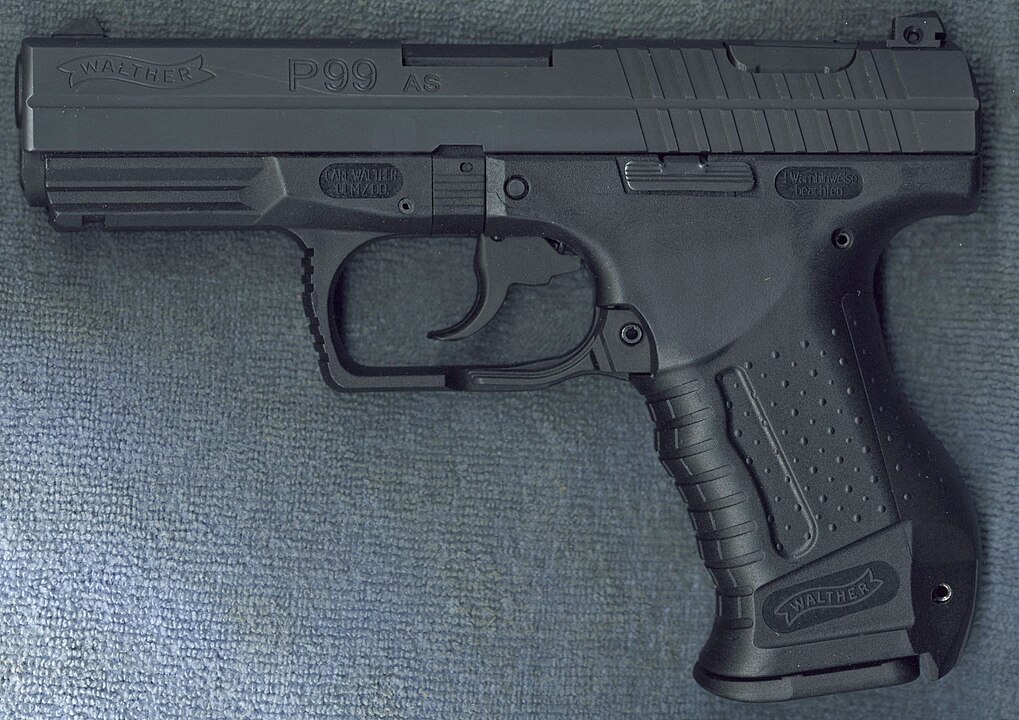
The Walther P99 introduced modern styling late in the 1990s. Ergonomic grip contours stood out. Interchangeable backstraps improved fit. Polymer construction reduced weight. Advanced trigger systems attracted interest. European design conveyed sophistication. The P99 gained recognition through media appearances. Shooters appreciated innovation. Its futuristic look differentiated it. Although newer, it quickly gained attention. The Walther P99 represented forward thinking handgun design. Enthusiasts drawn to ergonomics and modern aesthetics viewed it as a glimpse into the future of pistols entering the new millennium.
Taurus PT92
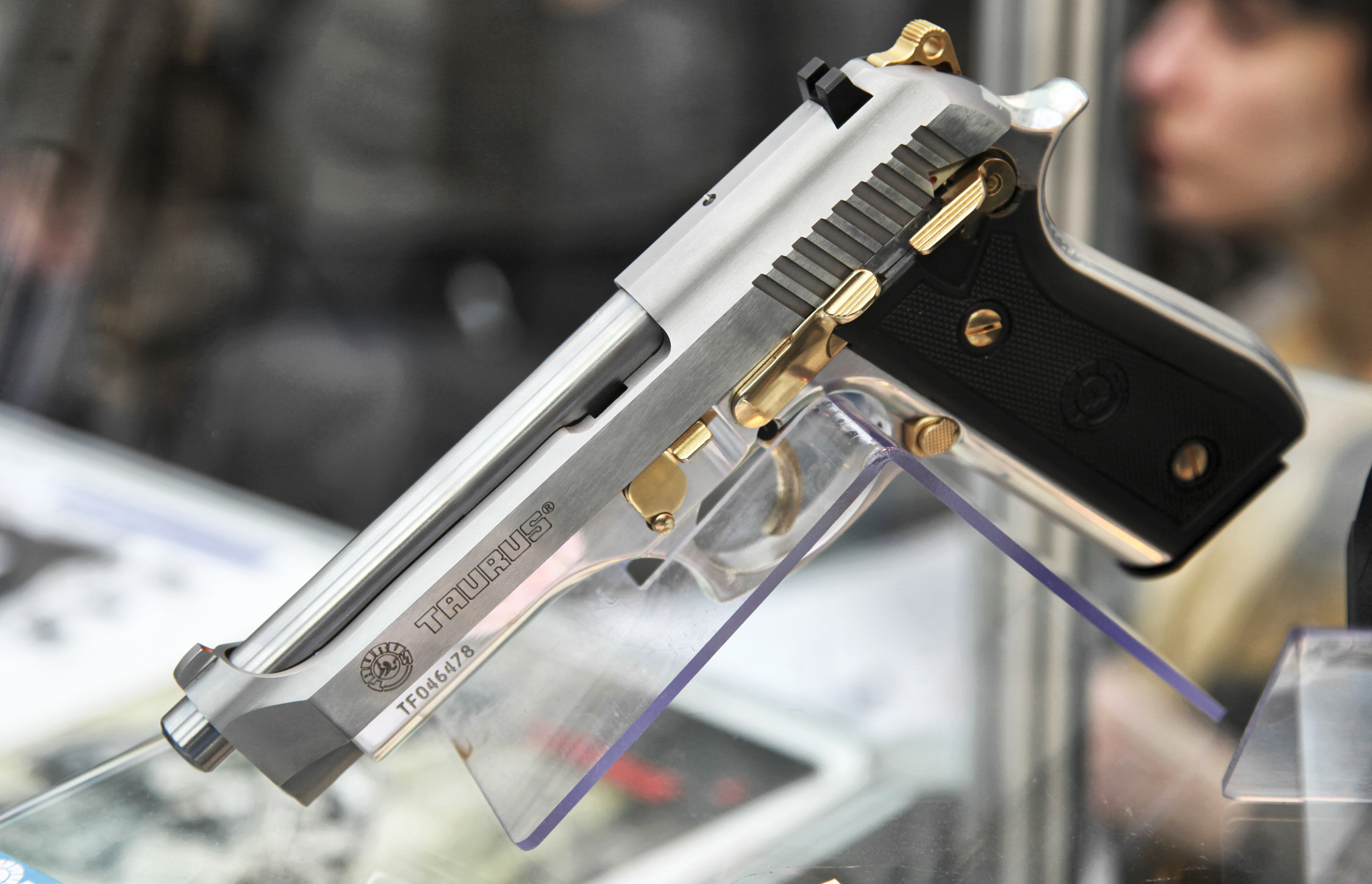
The Taurus PT92 offered an affordable alternative to the Beretta platform. Shared design lineage increased confidence. Brazilian manufacturing kept costs lower. Reliability proved consistent. High capacity magazines appealed widely. Controls felt familiar. Shooters valued value pricing. The PT92 gained popularity among budget buyers. Stainless variants added appeal. During the 1990s, it filled a niche effectively. Ownership offered performance without premium pricing. The Taurus PT92 became desirable for shooters seeking proven design characteristics while remaining accessible, contributing to its strong presence in the handgun market during the decade.
Kahr K9
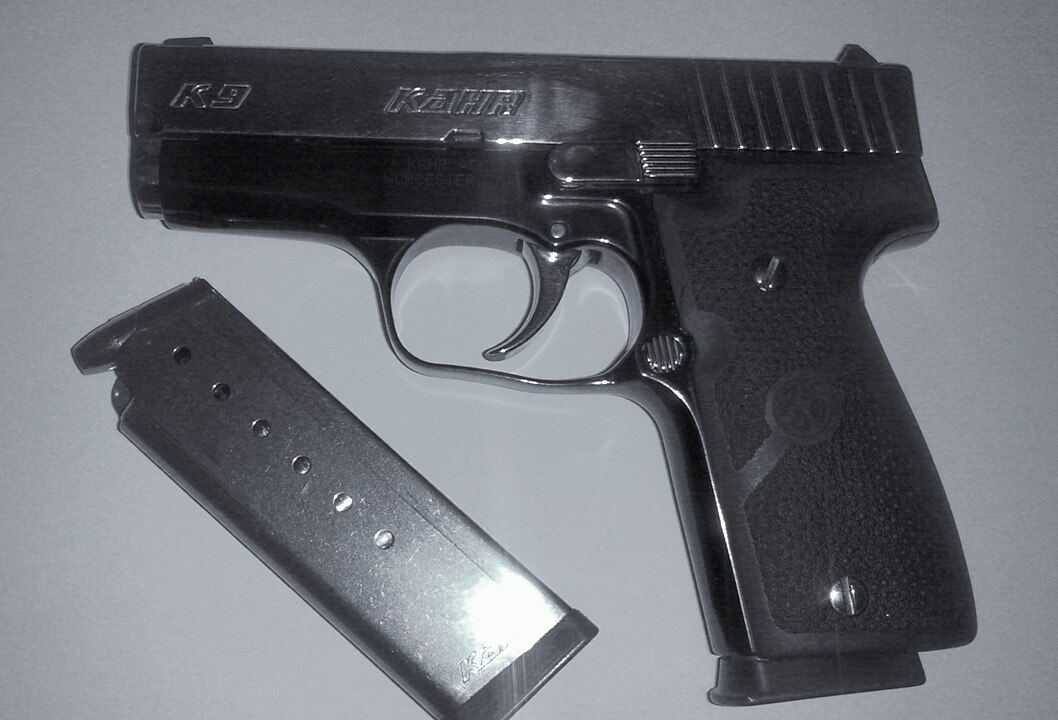
The Kahr K9 introduced slim concealed carry potential during the 1990s. Its stainless steel construction felt premium. Single stack magazines reduced width. Smooth trigger operation impressed users. Reliability earned respect. Compact dimensions suited daily carry. The design emphasized simplicity. Shooters appreciated precision machining. The K9 appealed to discreet carry enthusiasts. During the decade, it represented a shift toward compact defensive pistols. Ownership suggested forward thinking priorities. The Kahr K9 gained recognition as a refined, practical option at a time when concealed carry awareness and demand steadily increased nationwide.