Cold weather challenges rifles in ways many hunters underestimate. Freezing temperatures, snow, moisture, and reduced dexterity can change how equipment behaves in the field. Actions slow, optics fog, and ammunition responds differently when temperatures drop. These effects appear even with well-maintained rifles. Preparation, awareness, and habit adjustments matter as much as gear choice. Hunters who understand how cold alters performance reduce malfunctions and safety risks. The focus here stays on real problems encountered during winter hunts and the practical behaviors hunters rely on to maintain reliability, accuracy, and control when conditions become harsh, unpredictable, and physically demanding.
Thickened Lubricants
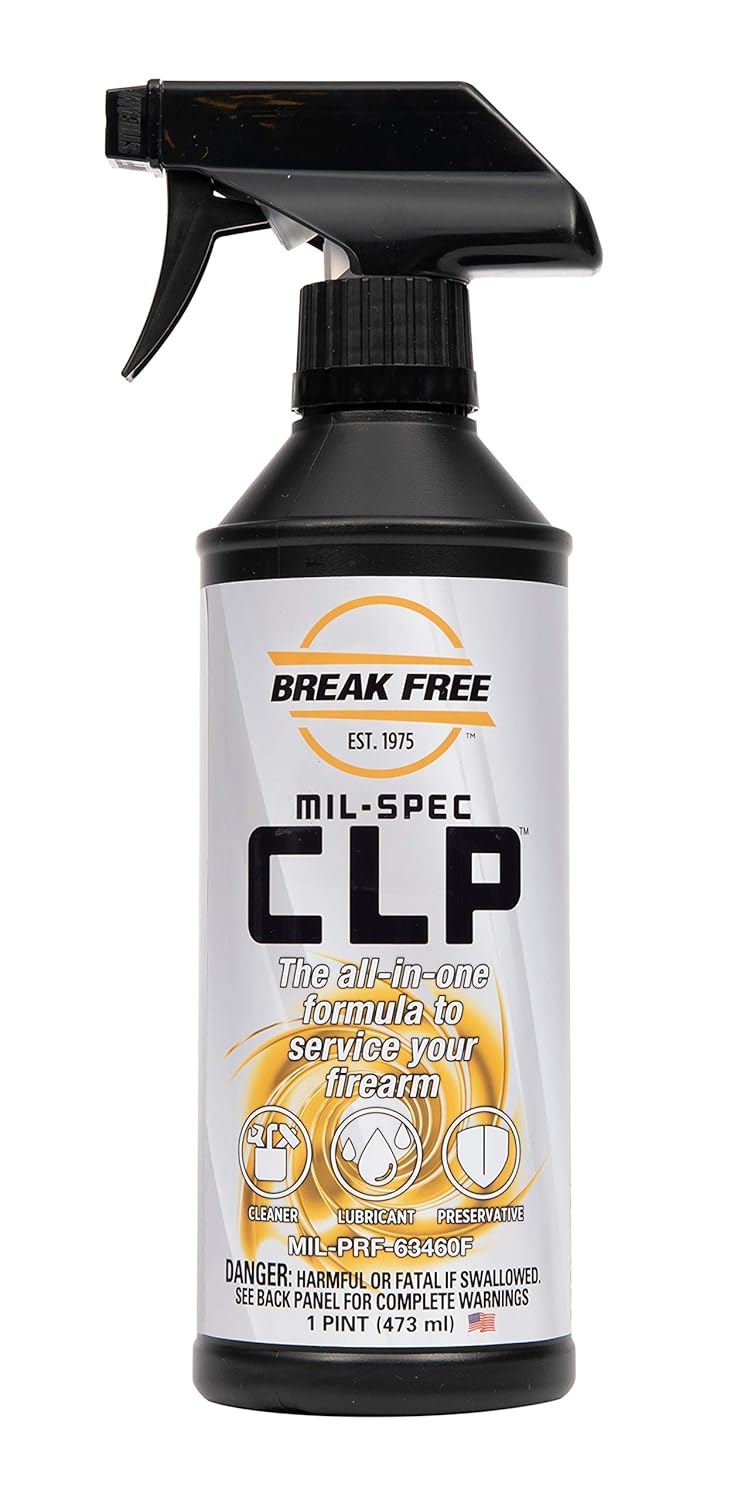
Cold temperatures cause many lubricants to thicken, slowing rifle actions and internal movement significantly. Bolt travel becomes sluggish, and cycling may feel stiff or uneven during operation. This resistance increases the risk of short stroking or delayed firing under pressure. Hunters avoid this problem by using cold-rated or minimal lubricants designed for freezing conditions. Excess oil gets removed before trips. Light application prevents buildup while still protecting metal surfaces. Some hunters run actions nearly dry in extreme cold weather. Regular function checks help identify issues early, ensuring smooth operation, reliable cycling, and consistent trigger response during critical moments in harsh winter field conditions.
Frozen Firing Pins
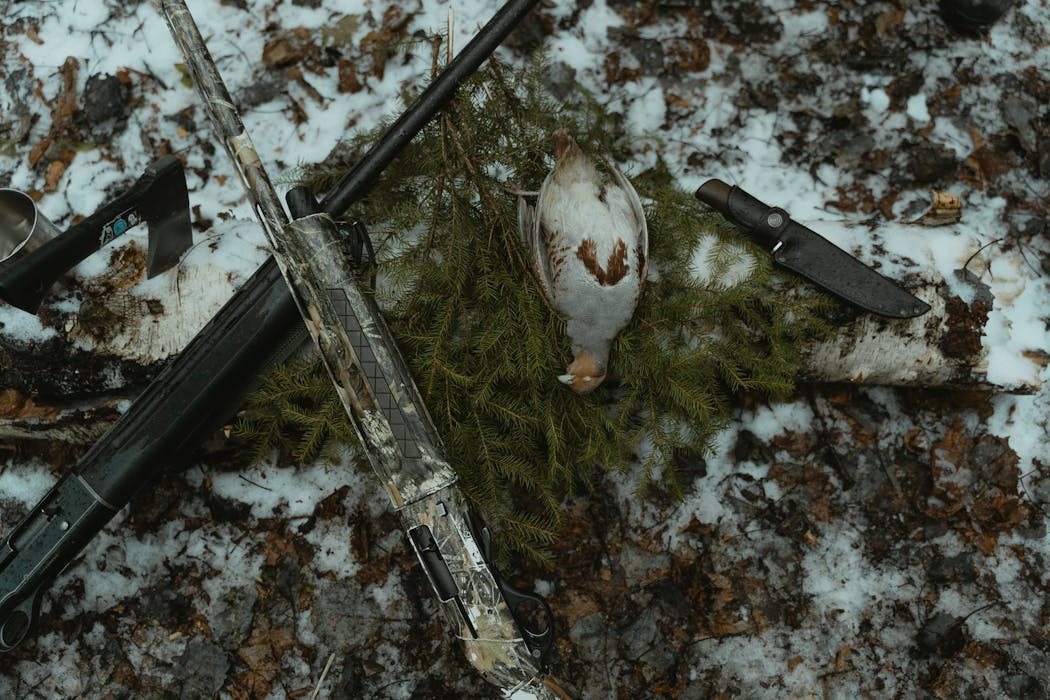
Moisture inside the bolt can freeze around firing pins, preventing proper ignition entirely. Condensation forms when rifles move between warm shelters and cold outdoor air repeatedly. Frozen pins may strike weakly or fail to move at all. Hunters reduce this risk by limiting temperature swings whenever possible. Rifles remain outside once cold. Bolts receive thorough drying before exposure. Regular disassembly allows moisture removal. Avoiding excessive lubrication also helps prevent freezing. Dry firing checks confirm function before hunts. These habits prevent misfires and delayed shots, ensuring firing pins move freely during prolonged exposure to freezing temperatures, snow, wind, and extended winter hunts.
Brittle Ammunition Performance
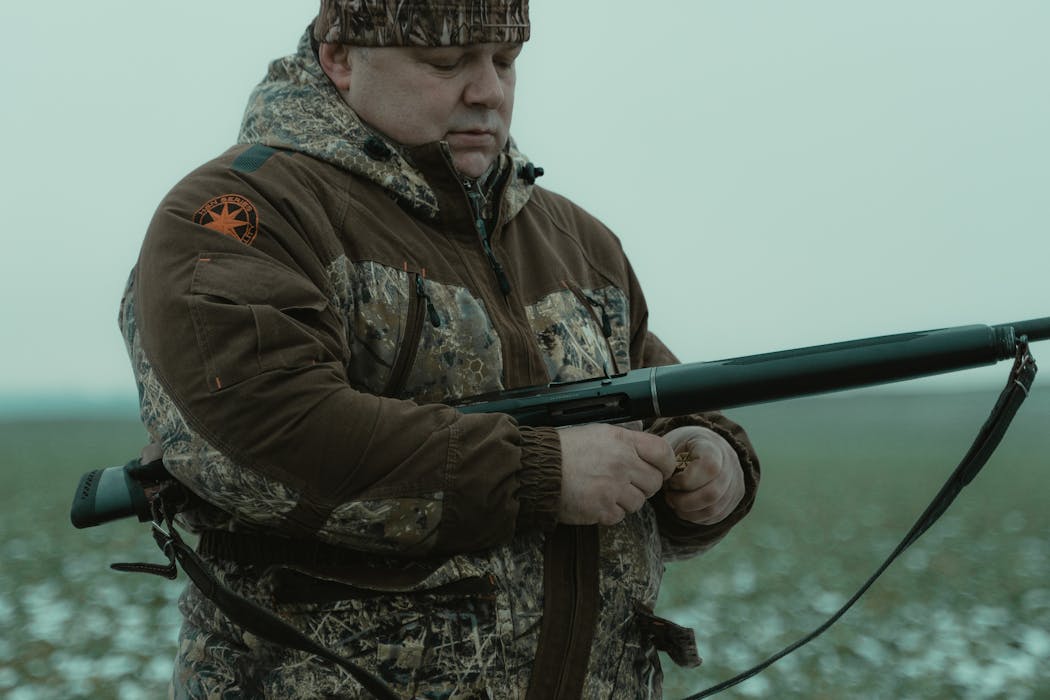
Cold temperatures affect ammunition consistency in noticeable and measurable ways. Powder burns slower, reducing velocity and shifting point of impact. Primers may ignite less reliably in extreme cold. Hunters account for this by testing loads during winter conditions. Zeroing rifles in cold weather improves accuracy expectations. Ammunition stays protected from moisture and deep cold before use. Some hunters keep cartridges close to body warmth until needed. Consistency matters more than speed. Understanding ballistic changes helps avoid missed shots. Proper storage and realistic expectations ensure ammunition performs predictably, even when freezing air and snow-covered terrain challenge ballistic stability during late-season hunts.
Fogged Optics
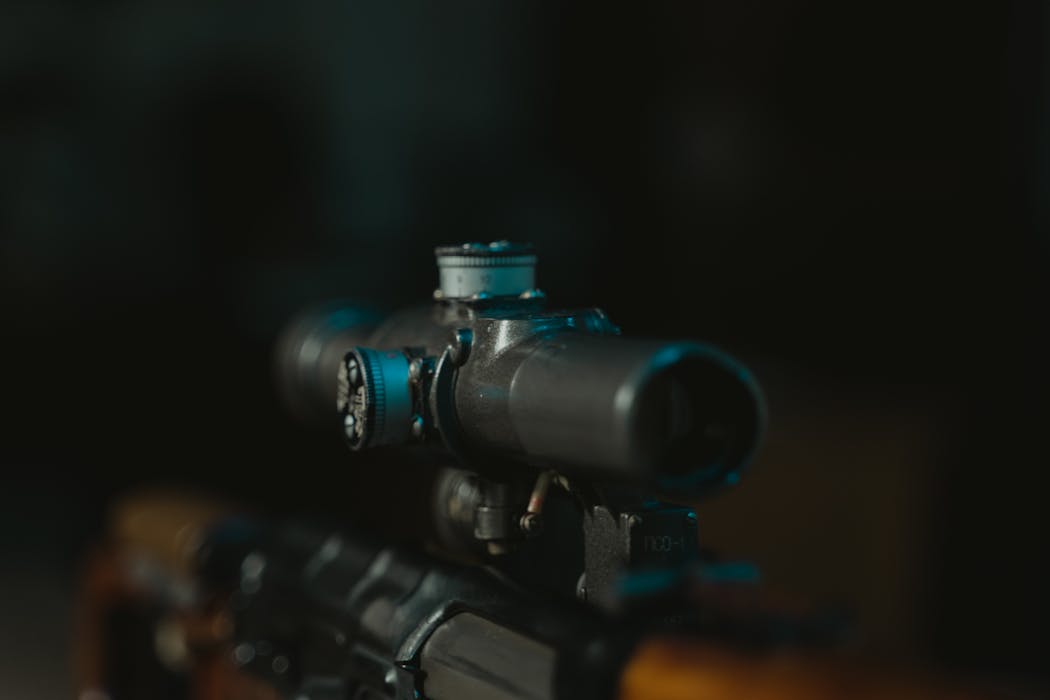
Cold weather frequently causes optics to fog internally or externally during use. Breath, humidity, and rapid temperature changes create condensation on lenses. Fog severely reduces visibility and slows target acquisition. Hunters avoid this by using quality scopes with sealed internals. Lens caps stay closed until needed. Anti-fog treatments help external lenses. Breathing away from optics reduces moisture buildup. Keeping rifles acclimated to outdoor temperatures minimizes condensation. Proper optic management ensures clear sight pictures. Preventing fog improves accuracy, safety, and confidence when quick shots matter in cold environments where visibility already suffers due to weather, low light, and blowing snow.
Stiff Triggers
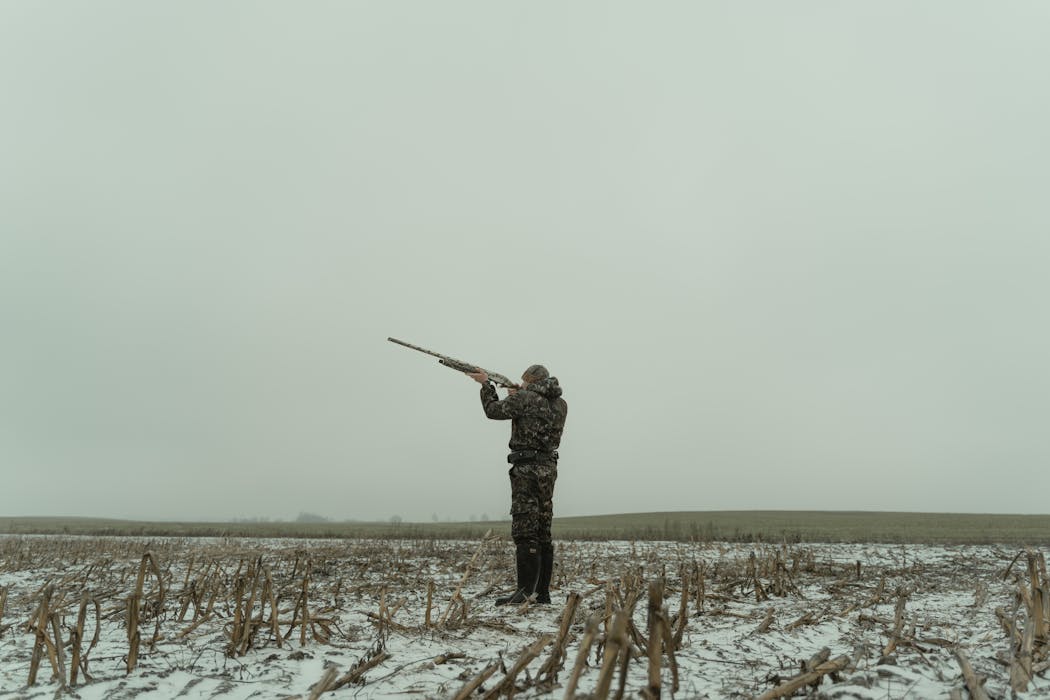
Cold can stiffen trigger mechanisms, altering pull weight and tactile feel noticeably. Thick lubricants or frozen debris cause resistance and inconsistency. This disrupts shot timing and accuracy. Hunters address the issue through careful cleaning and minimal lubrication practices. Triggers remain dry and free of excess oil. Regular inspection removes dirt, moisture, and residue. Gloves designed for shooting preserve feel without interference. Familiarity with trigger behavior in cold builds confidence. Maintaining clean, dry trigger assemblies ensures predictable performance. Consistent trigger response remains critical for accuracy and safety when cold weather amplifies small mechanical issues during controlled shot execution.
Frozen Magazines
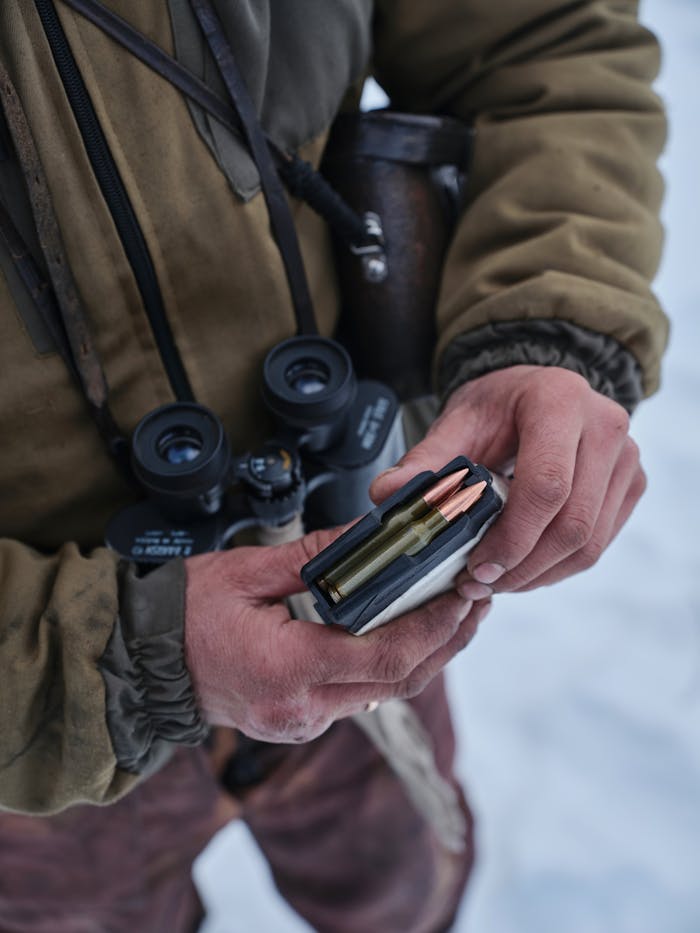
Magazines exposed to snow and moisture may freeze internally without warning. Springs lose flexibility, and followers begin sticking. This causes feeding failures or delayed chambering. Hunters avoid freezing by keeping magazines protected and dry. Snow gets brushed off frequently. Magazines stay inside packs or clothing when possible. Minimal lubrication prevents ice buildup inside bodies. Function checks confirm reliability before loading. Some hunters carry spare magazines as backups. Managing magazine exposure ensures reliable feeding. Preventing ice formation supports consistent chambering and avoids dangerous delays when quick follow-up shots become necessary in cold, demanding winter hunting environments.
Condensation Inside Actions
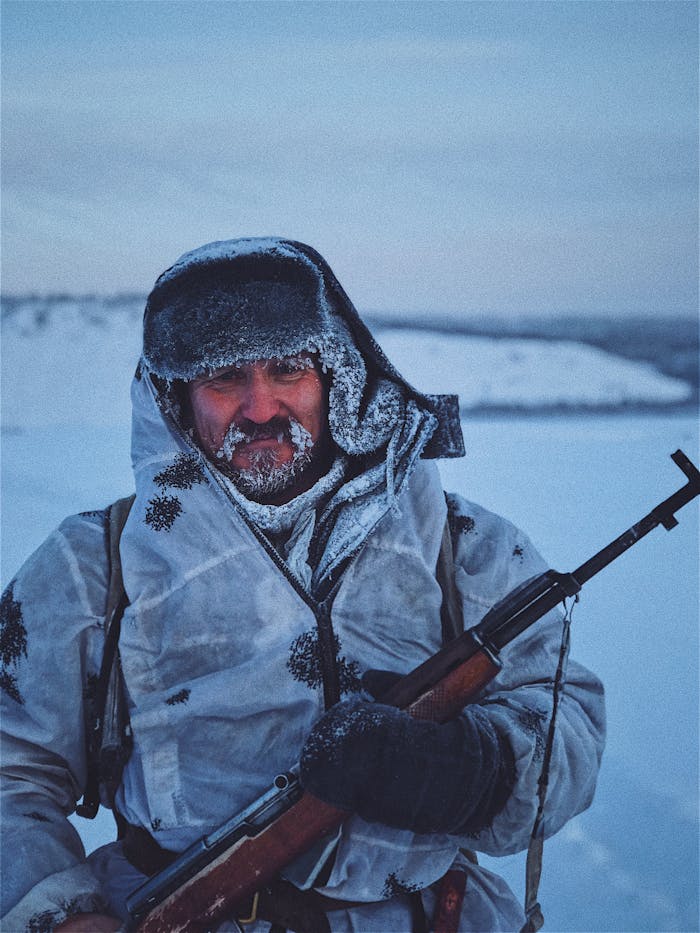
Moving rifles between warm interiors and cold outdoors creates condensation inside actions quickly. Moisture freezes rapidly, leading to malfunctions or lockups. Hunters reduce condensation by acclimating rifles gradually. Leaving firearms in cold vehicles or unheated spaces helps equalize temperatures. Actions get dried thoroughly before exposure. Protective covers limit snow entry. Routine checks catch moisture early. Managing condensation preserves function and prevents corrosion damage. Avoiding rapid temperature changes remains one of the most effective habits for maintaining rifle reliability in cold climates where moisture, snow, and freezing conditions frequently combine during long hunting days.
Reduced Battery Life
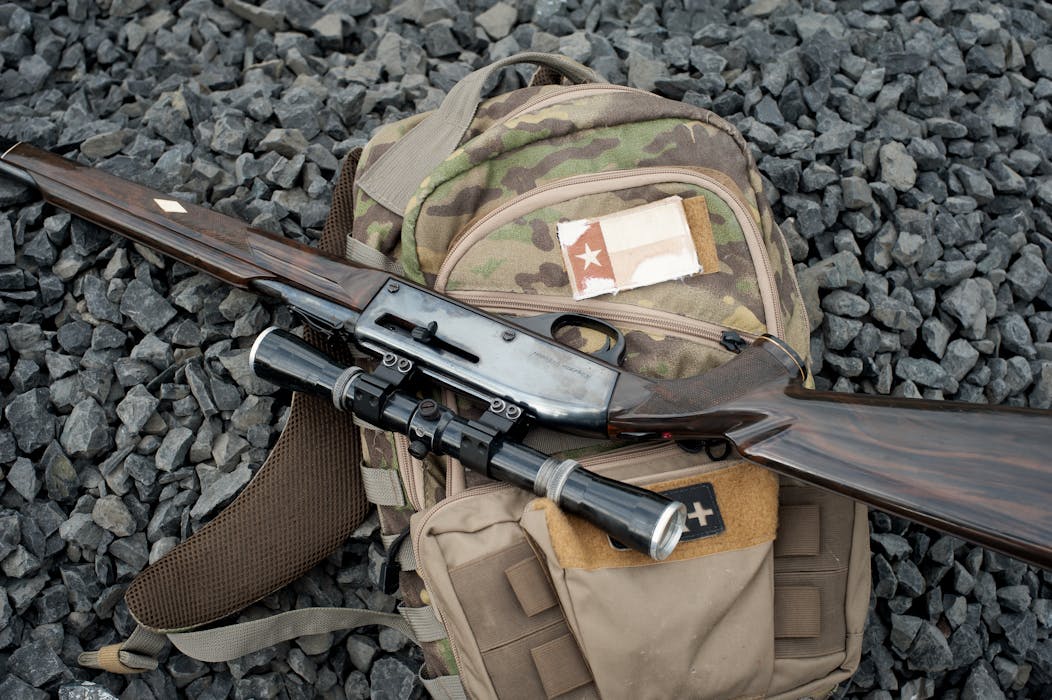
Electronic optics and accessories suffer reduced battery life in cold weather. Low temperatures drain power much faster than expected. Reticles dim unexpectedly, and rangefinders fail without warning. Hunters mitigate this by using fresh batteries and carrying spares. Batteries stay warm in pockets until needed. Devices get powered off when unused. Choosing cold-tolerant equipment helps reliability. Awareness prevents overreliance on electronics. Planning for battery loss ensures continued effectiveness. Managing electronics thoughtfully allows hunters to maintain visibility and ranging capability despite freezing conditions that quickly compromise battery-dependent gear during extended winter hunting trips.
Slower Bolt Operation
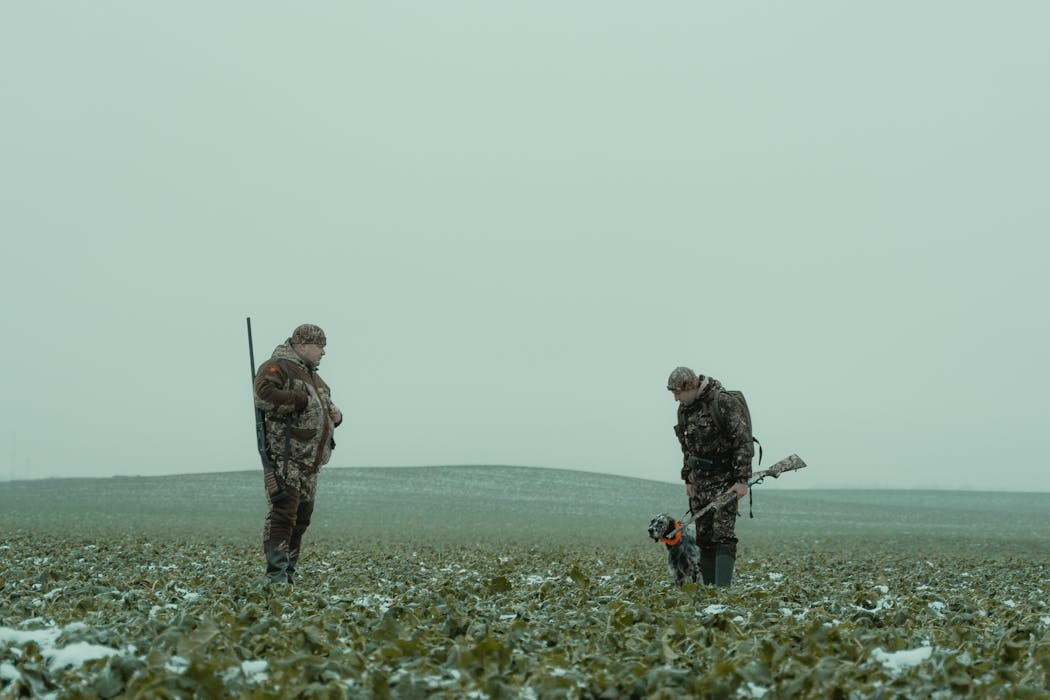
Cold thickens metal tolerances and remaining lubricants, slowing bolt operation noticeably. Cycling feels heavy and inconsistent in freezing temperatures. This affects follow-up shots and overall shooter confidence. Hunters maintain smooth operation through proper lubrication choices and frequent cleaning. Bolts stay dry and free of debris. Cycling practice in cold builds familiarity and muscle memory. Slow, deliberate operation prevents short strokes. Recognizing changes in mechanical feel matters. Maintaining bolt efficiency ensures reliable chambering and extraction, even when freezing temperatures challenge metal movement, equipment tolerances, and shooter dexterity during extended winter hunts.
Gloves Reducing Dexterity
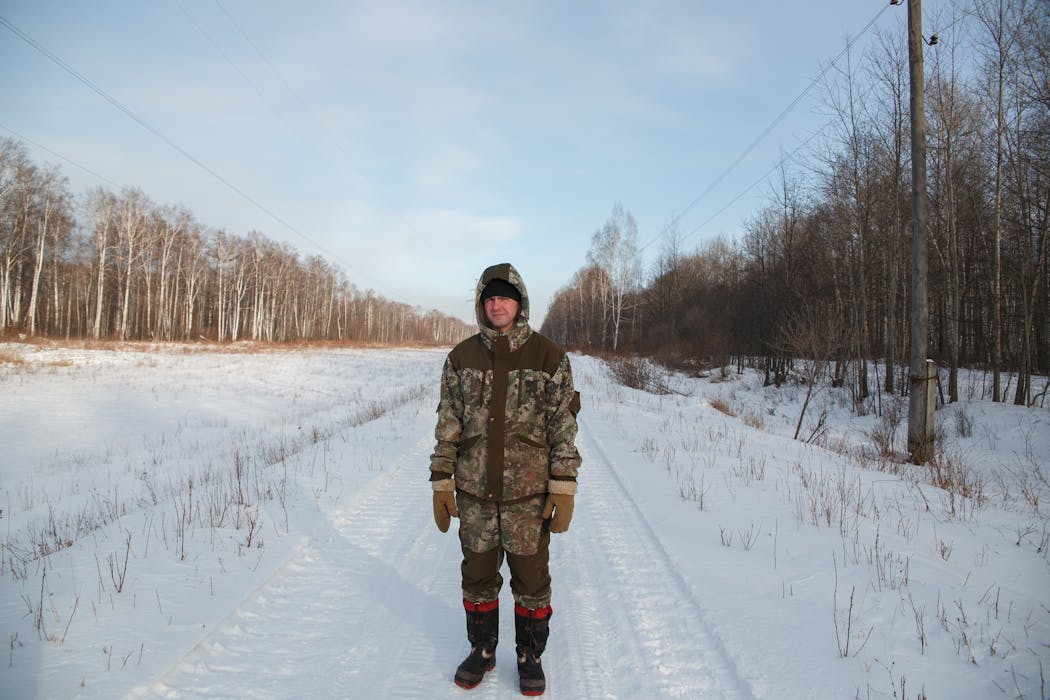
Cold requires gloves, but gloves reduce dexterity and tactile control significantly. Thick insulation limits trigger feel and manipulation. Hunters select gloves designed specifically for shooting with thinner trigger fingers. Layering systems allow glove removal briefly when safe. Practice improves adaptation and confidence. Controls get adjusted before hunts. Familiarity minimizes fumbling under stress. Managing dexterity ensures safety and accuracy. Proper glove choice balances warmth and control, allowing hunters to operate rifles effectively while protecting hands from cold exposure that otherwise compromises precision, reaction time, and safe handling during critical moments.
Snow Obstructing Barrels
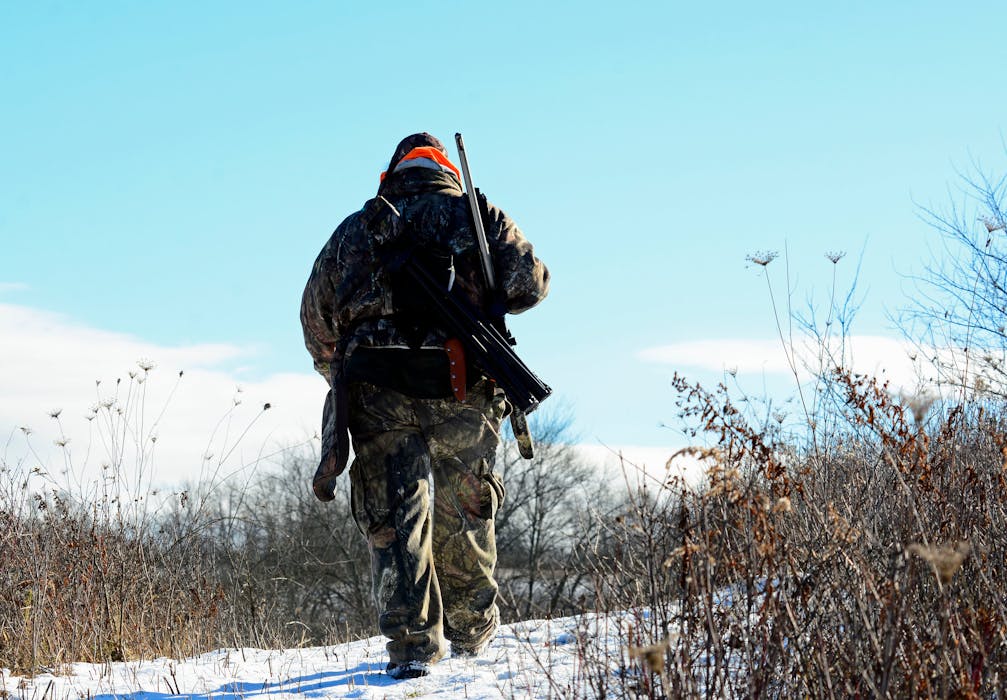
Snow entering the barrel creates dangerous obstructions that can cause catastrophic failure. Muzzle plugs or tape prevent entry effectively. Hunters check barrels regularly after falls, crawling, or storms. Clearing snow immediately avoids pressure hazards. Protective habits prevent serious damage. Awareness matters during deep snow travel. Keeping muzzles down reduces exposure. These simple practices protect rifles and shooters alike. Preventing barrel obstructions remains one of the most critical safety considerations when hunting in snowy environments where accidental contact with powdery or packed snow occurs frequently throughout long winter days.
Cold-Induced Accuracy Shifts
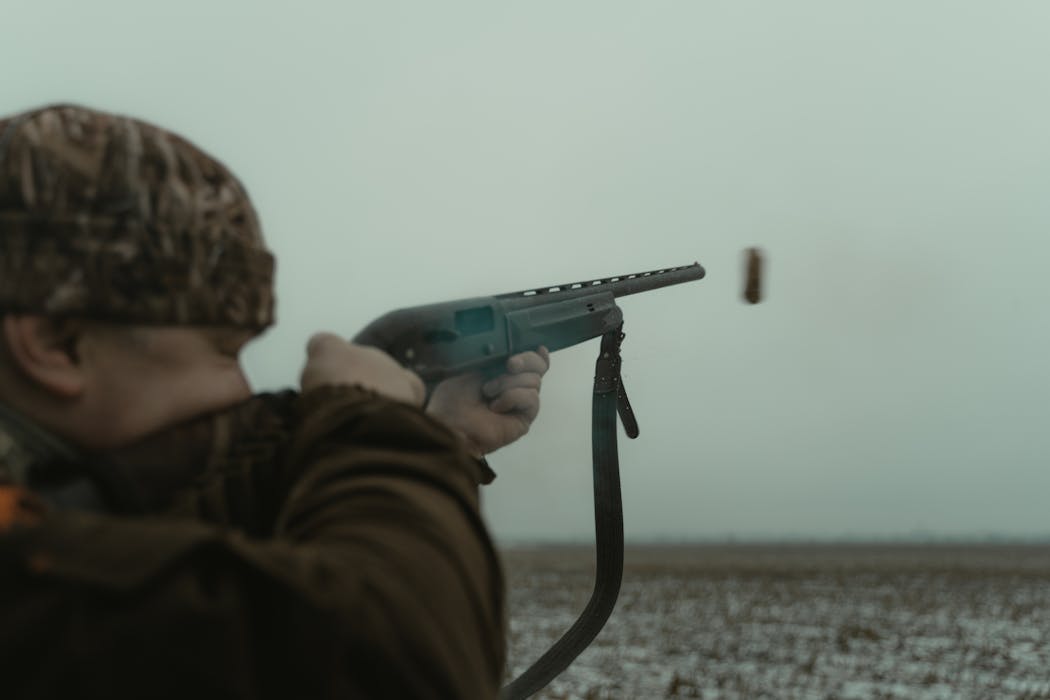
Cold alters barrel harmonics and ammunition behavior, shifting point of impact unexpectedly. Hunters address this by confirming zero in winter conditions. Recording cold-weather adjustments improves confidence. Consistent shooting positions reduce variables. Understanding expected shifts prevents missed opportunities. Cold-weather verification builds trust in equipment. Managing accuracy changes ensures ethical shots. Preparation replaces surprise, allowing hunters to adapt to environmental influences that subtly but meaningfully affect precision during freezing conditions, long distances, and variable terrain encountered during winter hunting seasons.
Ice In Safeties
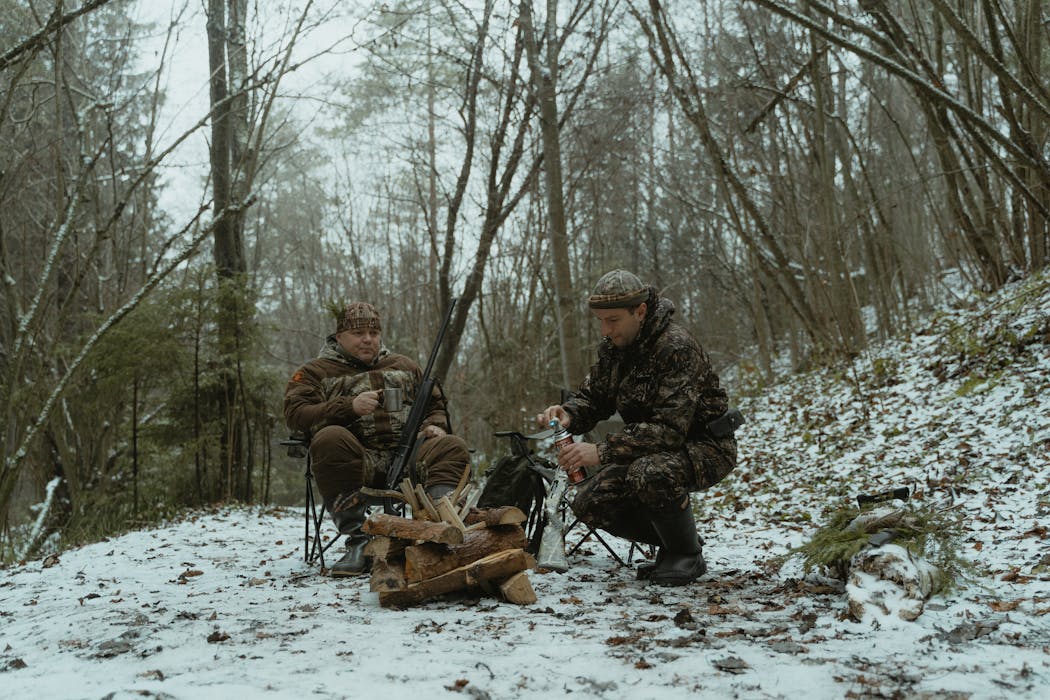
Moisture freezes inside safety mechanisms, causing stiffness or complete failure. Hunters keep safeties dry and minimally lubricated at all times. Regular movement prevents freezing during long exposure. Protective covers limit moisture entry from snow. Function checks confirm proper operation before hunts. Awareness avoids dangerous assumptions. Managing safety mechanisms ensures reliable engagement and disengagement. Preventing ice buildup supports safe handling, especially when gloves and cold reduce tactile feedback during high-stress moments in winter hunting scenarios involving movement, uneven footing, and sudden shot opportunities.
Stock Shrinkage
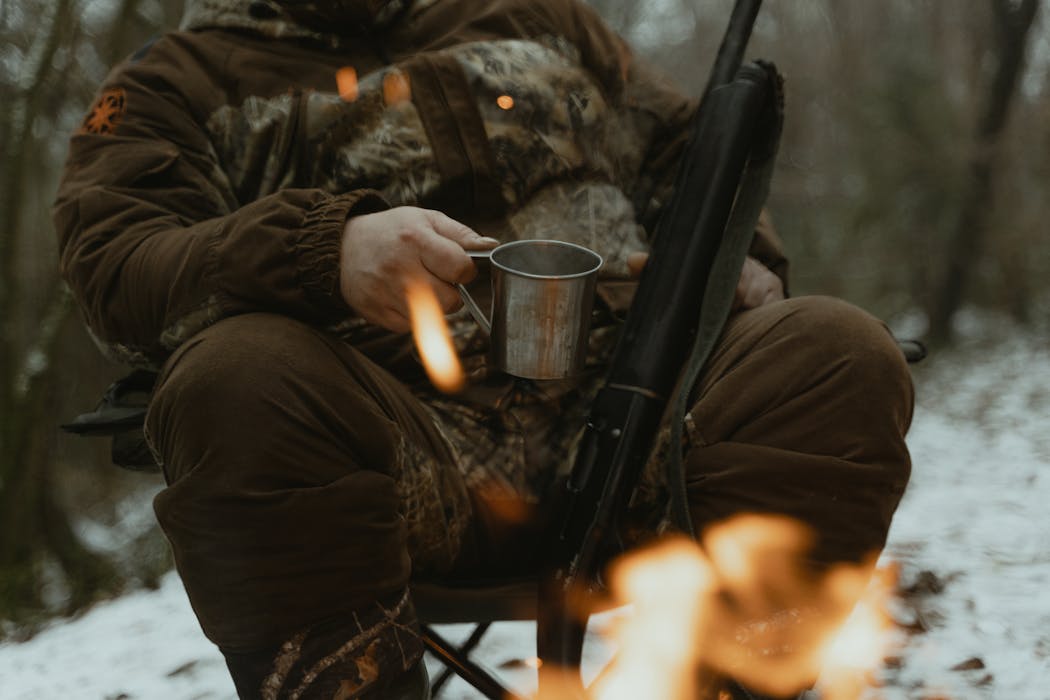
Extreme cold causes some stocks to contract slightly, affecting bedding and accuracy. Synthetic stocks resist changes better than traditional wood. Hunters monitor torque settings and check fit periodically. Consistent storage reduces material stress. Awareness prevents unexplained accuracy loss. Choosing weather-stable materials helps performance. Managing stock behavior preserves consistency. Addressing subtle structural changes ensures rifles maintain predictable performance even as cold temperatures affect materials differently during prolonged exposure, repeated temperature swings, and extended time outdoors in harsh winter environments.
Shooter Fatigue From Cold
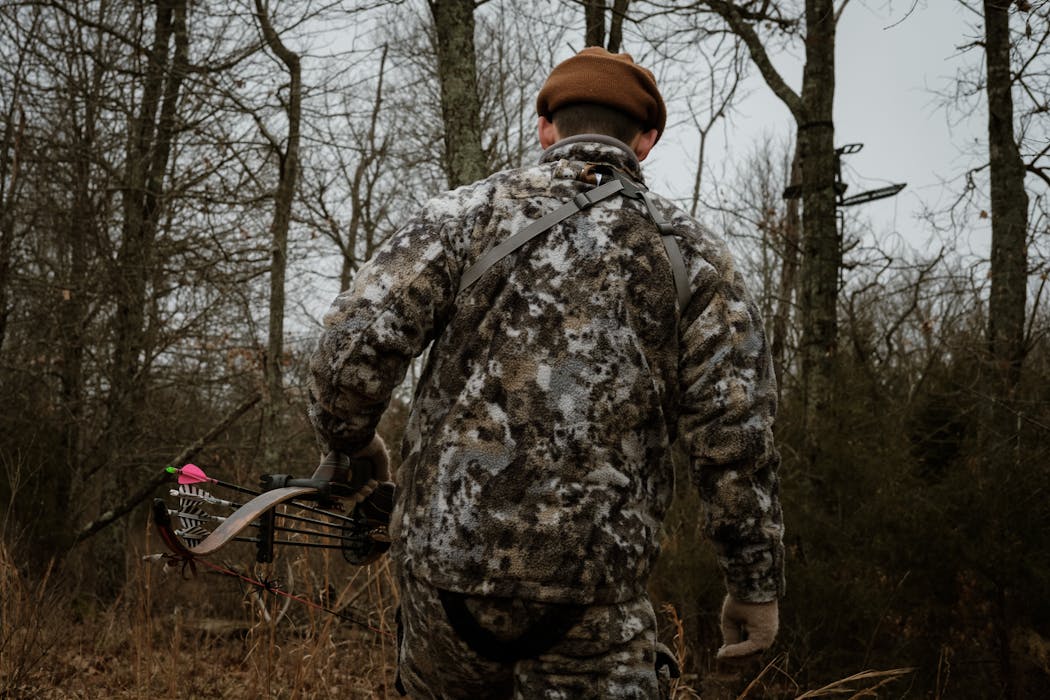
Cold drains energy and focus quickly, affecting physical and mental performance. Fatigue reduces judgment, grip strength, and shooting accuracy. Hunters dress appropriately, manage calories, and limit unnecessary exposure. Warm breaks restore function and alertness. Recognizing physical limits improves safety. Managing fatigue supports steady shooting and decision making. Cold awareness matters as much as equipment preparation. Maintaining body condition ensures hunters remain capable of safe, accurate rifle operation throughout extended cold-weather hunts where endurance, focus, and resilience determine overall success.