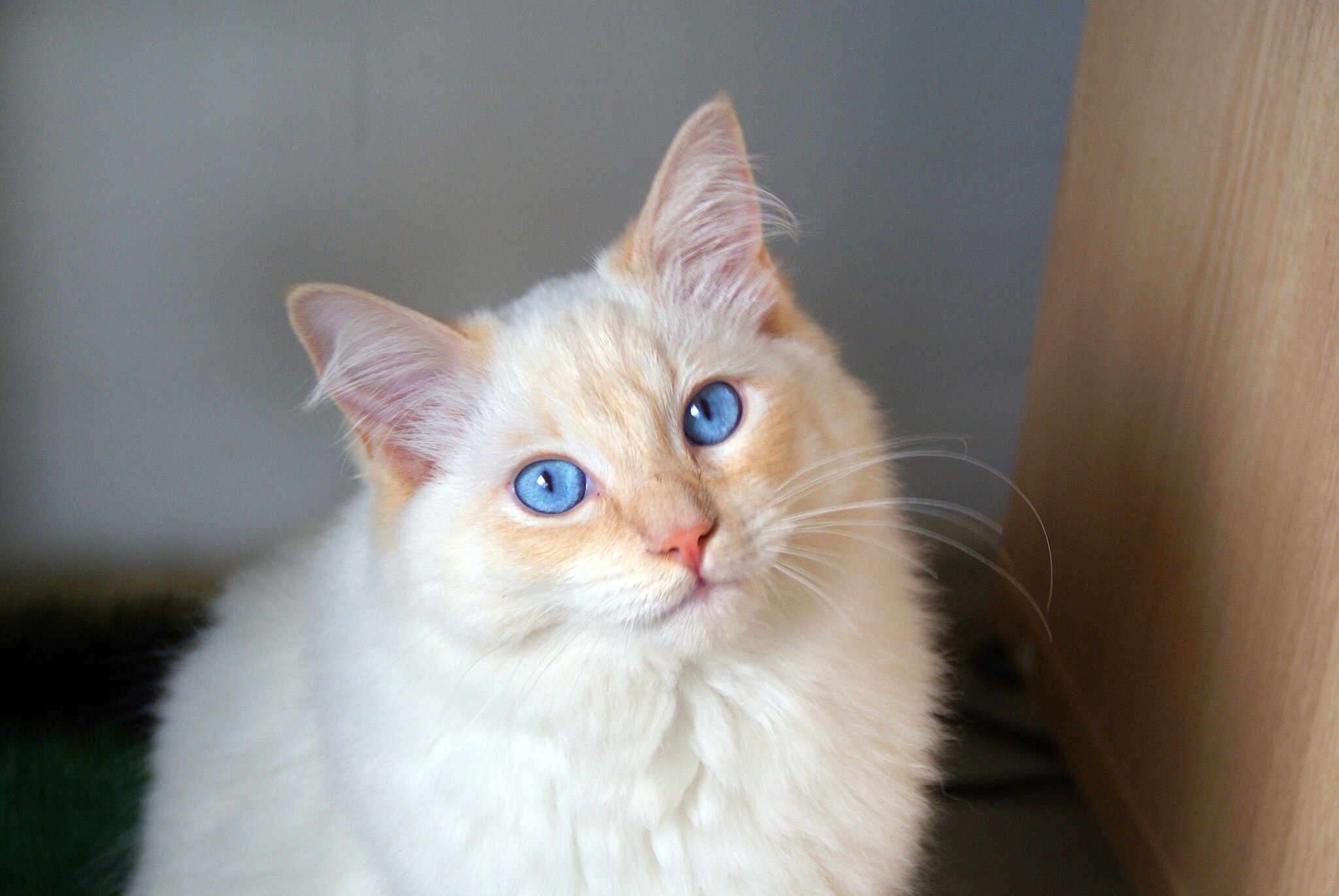
Longevity in cats is shaped by a quiet mix of genetics, lifestyle, and everyday care. While diet, indoor living, and regular veterinary visits play a huge role, some cat breeds consistently stand out for their ability to live well into their late teens and even twenties. Veterinary experts often point to slow maturation, balanced body structure, and lower rates of inherited disease as common threads among long-lived cats. These breeds tend to age gracefully, staying active, curious, and socially engaged far longer than most people expect. The list below explores fifteen cat breeds known for exceptional lifespan, explaining not just how long they live, but why. Each section highlights temperament, health tendencies, and living needs, offering a complete picture of what makes these cats quite champions of longevity.
1. Siamese
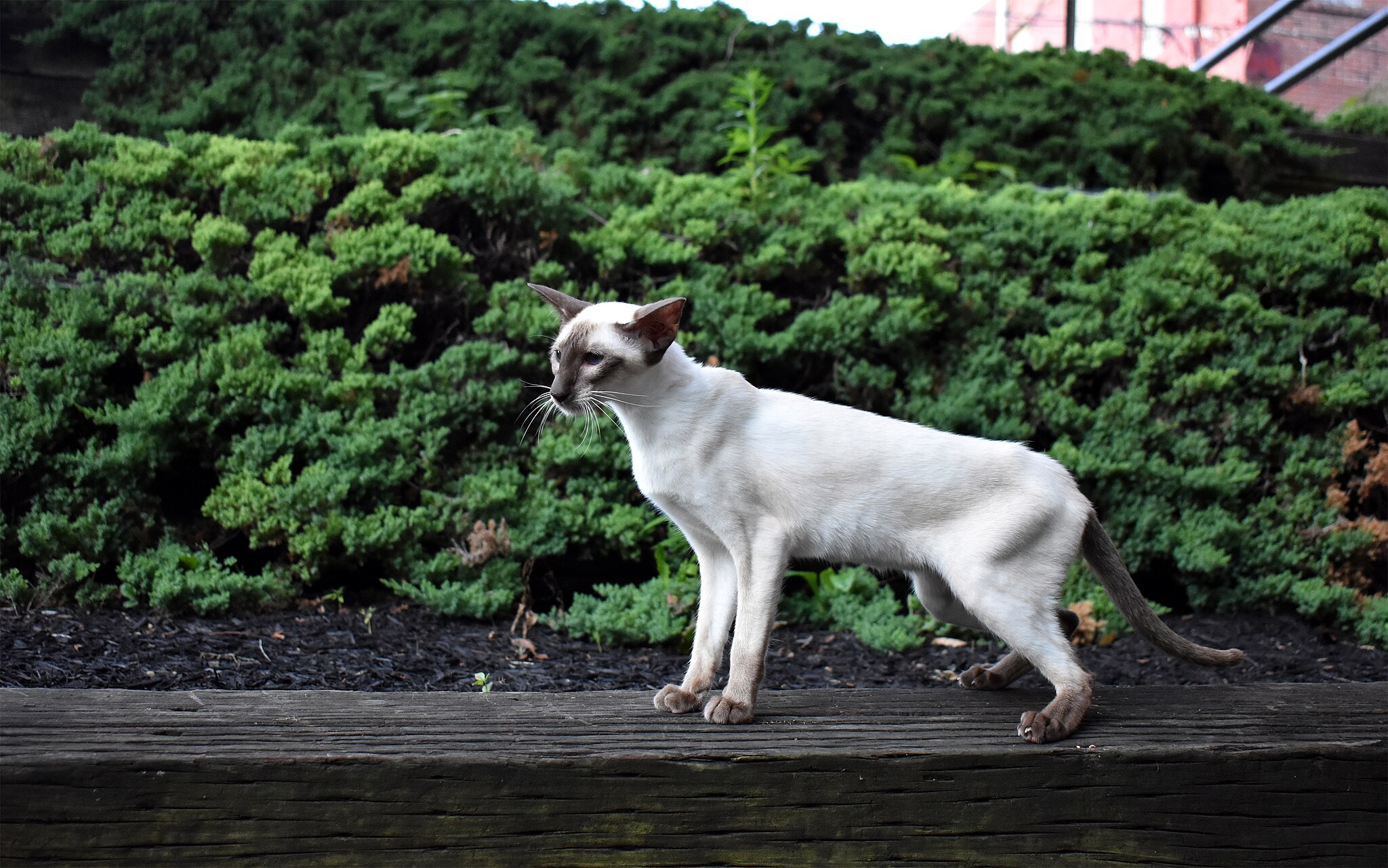
The Siamese cat is often considered the gold standard of feline longevity, with many individuals living between 15 and 20 years, and some even longer. Experts credit their long lifespan to a naturally lean build and strong genetic resilience when responsibly bred. Siamese cats are extremely social and mentally active, which helps slow age-related decline by keeping their minds engaged. They form deep bonds with people and often behave more like companions than pets, following owners from room to room. This constant interaction reduces stress and boredom, two hidden factors in feline health. While they can be prone to dental issues or respiratory sensitivity, early care makes a major difference. With a stable routine, indoor lifestyle, and regular checkups, Siamese cats often remain vocal, alert, and playful well into old age.
2. Burmese
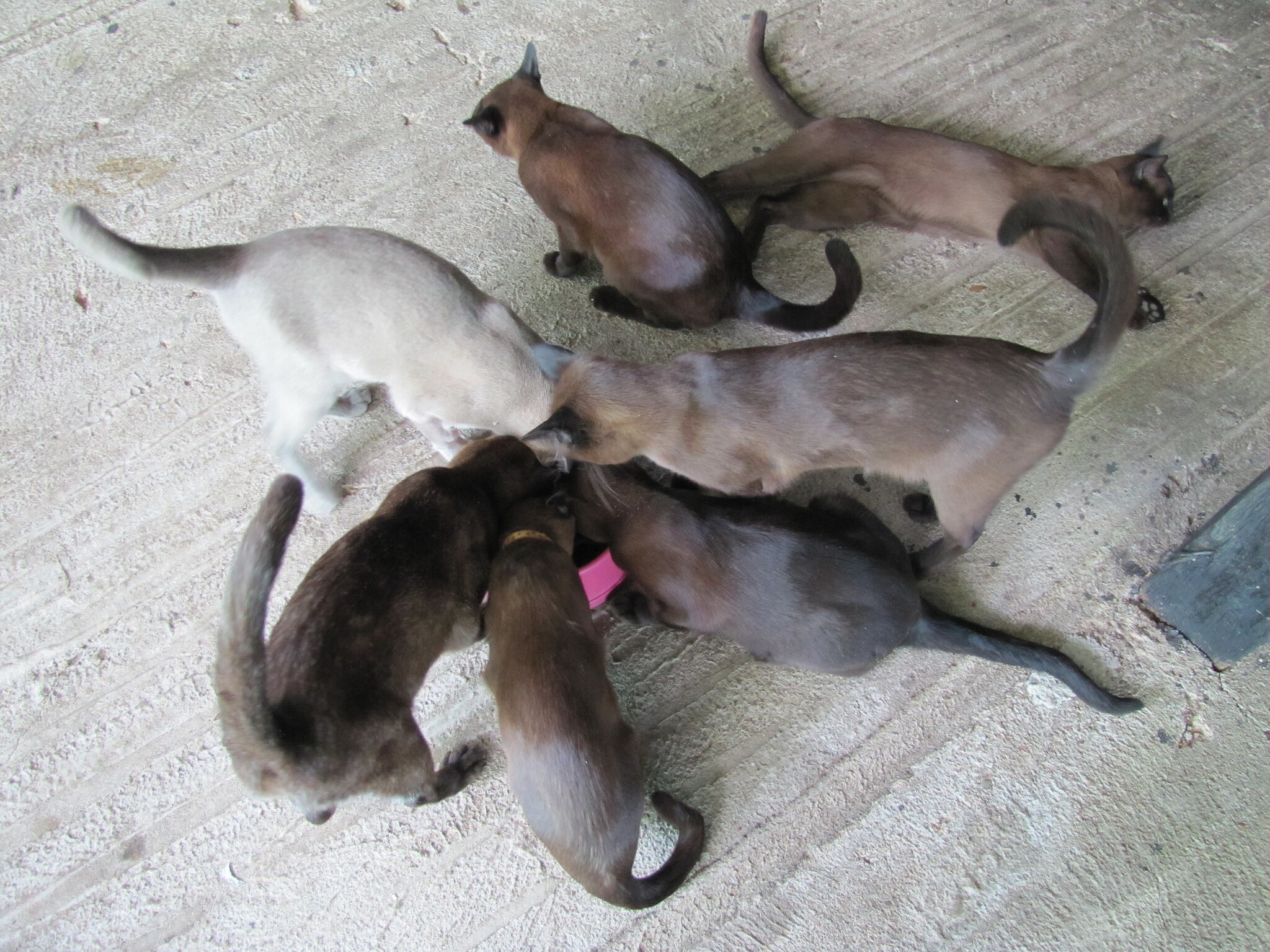
Burmese cats are compact, muscular, and surprisingly long-lived, commonly reaching 16 to 18 years. Their dense bone structure and strong immune systems contribute to their durability over time. Experts note that Burmese cats mature slowly and retain kitten-like energy for many years, which supports joint mobility and heart health. They thrive on human attention and do poorly when ignored, so they often live in emotionally enriched homes. This constant engagement reduces anxiety and destructive behaviors. Burmese cats generally have few inherited conditions, though responsible breeding is important to avoid diabetes risks. Their short coat is easy to maintain, lowering skin and grooming complications as they age. With balanced nutrition and regular play, Burmese cats age with remarkable steadiness and confidence.
3. Russian Blue
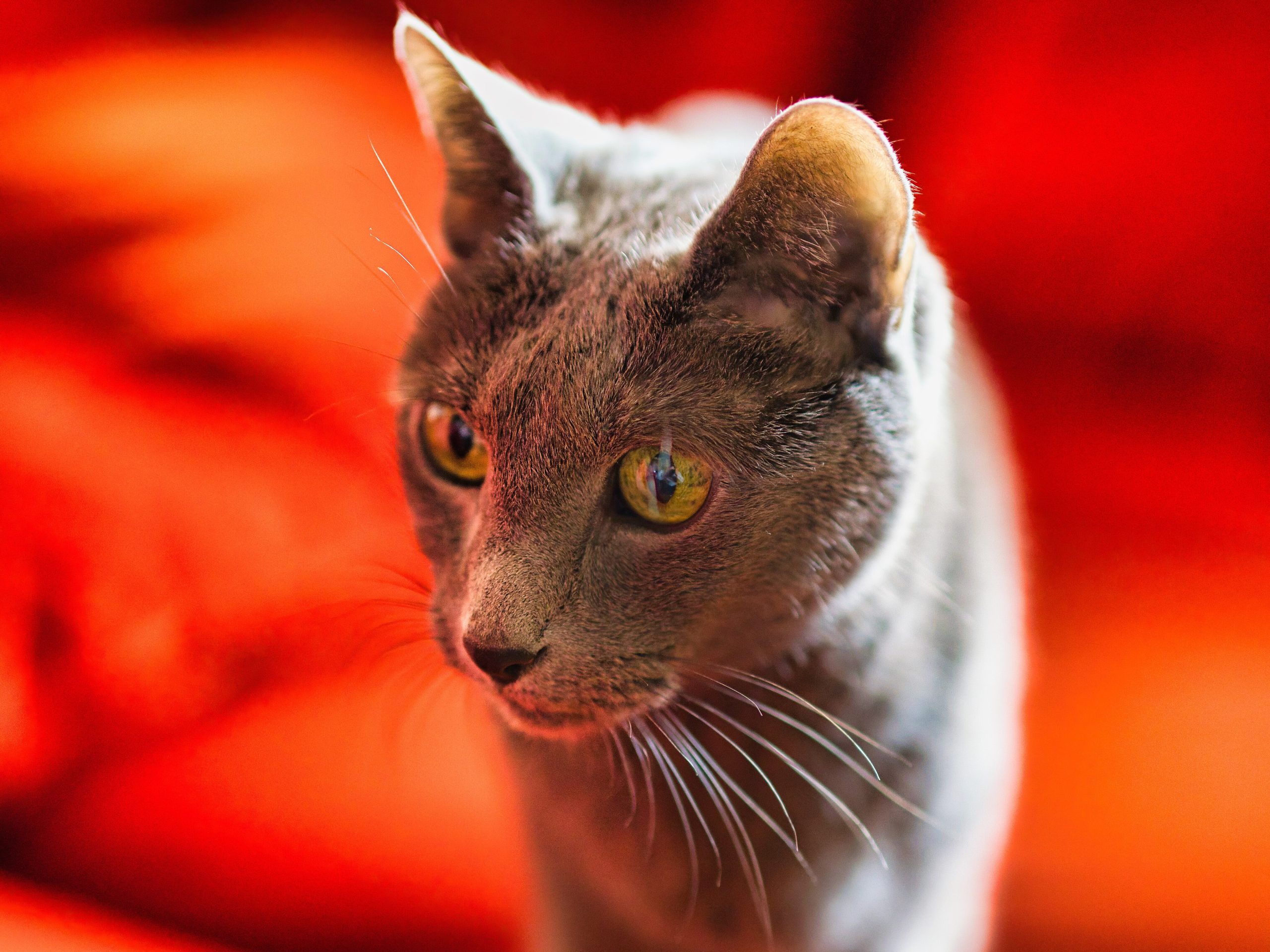
Russian Blues are known for both elegance and endurance, often living 15 to 20 years under proper care. Their thick double coat protects them from temperature stress, while their naturally reserved temperament keeps them from reckless behavior. Experts believe their longevity is linked to low genetic diversity issues and a slow metabolic rate. Russian Blues tend to self-regulate food intake better than many breeds, reducing obesity-related illness. They prefer predictable routines and quiet environments, which support stable blood pressure and reduced stress hormones. While they may appear shy with strangers, they form intense loyalty to their families. This emotional stability, combined with physical moderation, allows Russian Blues to age slowly and gracefully, often maintaining bright eyes and agility well into senior years.
4. Balinese
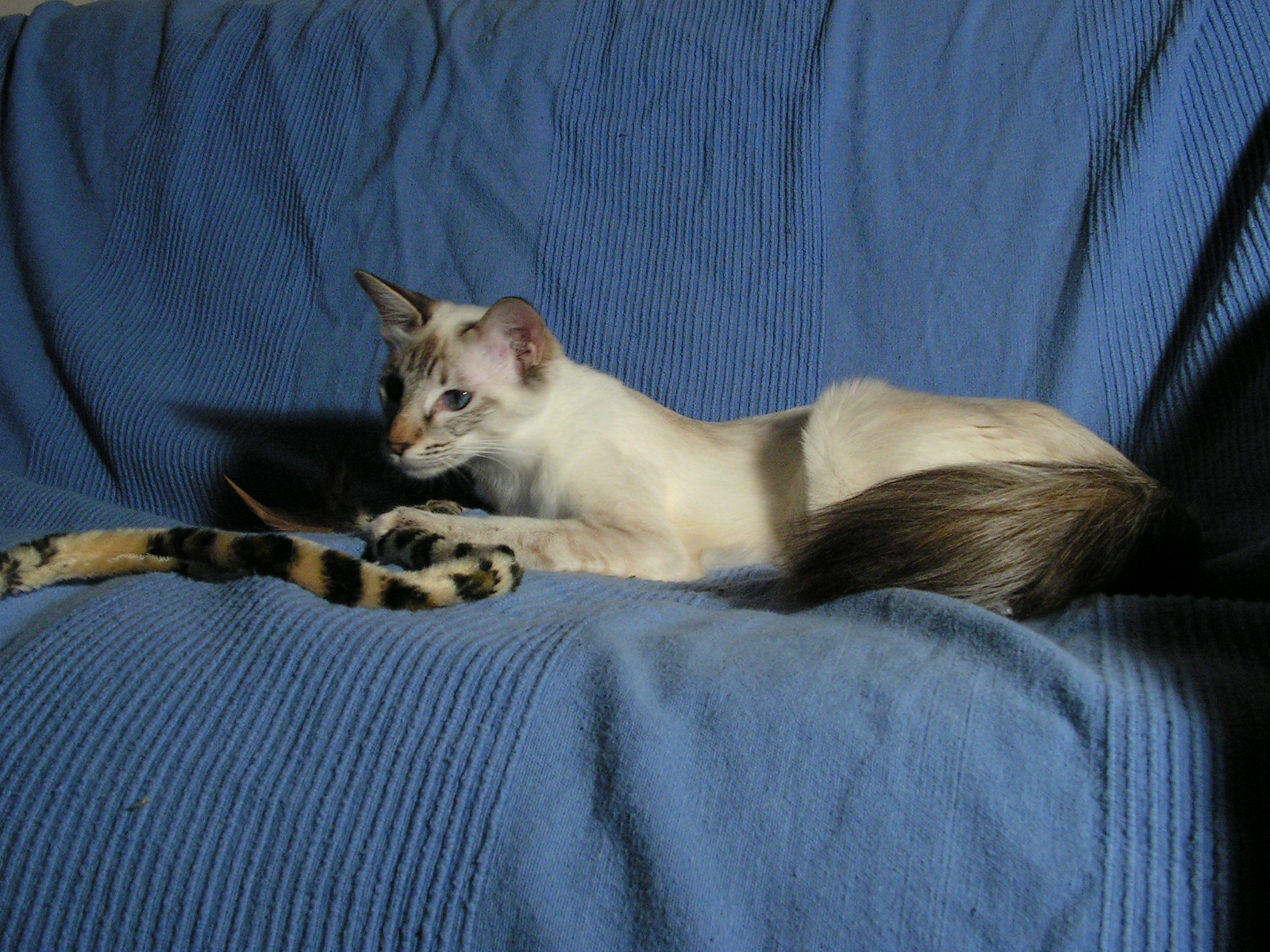
Often called the long-haired Siamese, the Balinese shares much of the Siamese’s genetic strength and longevity, frequently living 18 to 22 years. Despite their silky coat, they lack a dense undercoat, which reduces grooming-related skin problems. Experts highlight their athletic build and high intelligence as major longevity factors. Balinese cats stay physically active through climbing, jumping, and interactive play, which keeps muscles and joints healthy. Their strong social bonds encourage mental stimulation and emotional balance. While they can be vocal and demanding, this expressiveness often alerts owners early to discomfort or illness. With attentive care and a stimulating home, Balinese cats often maintain youthful energy far beyond what their age suggests.
5. American Shorthair
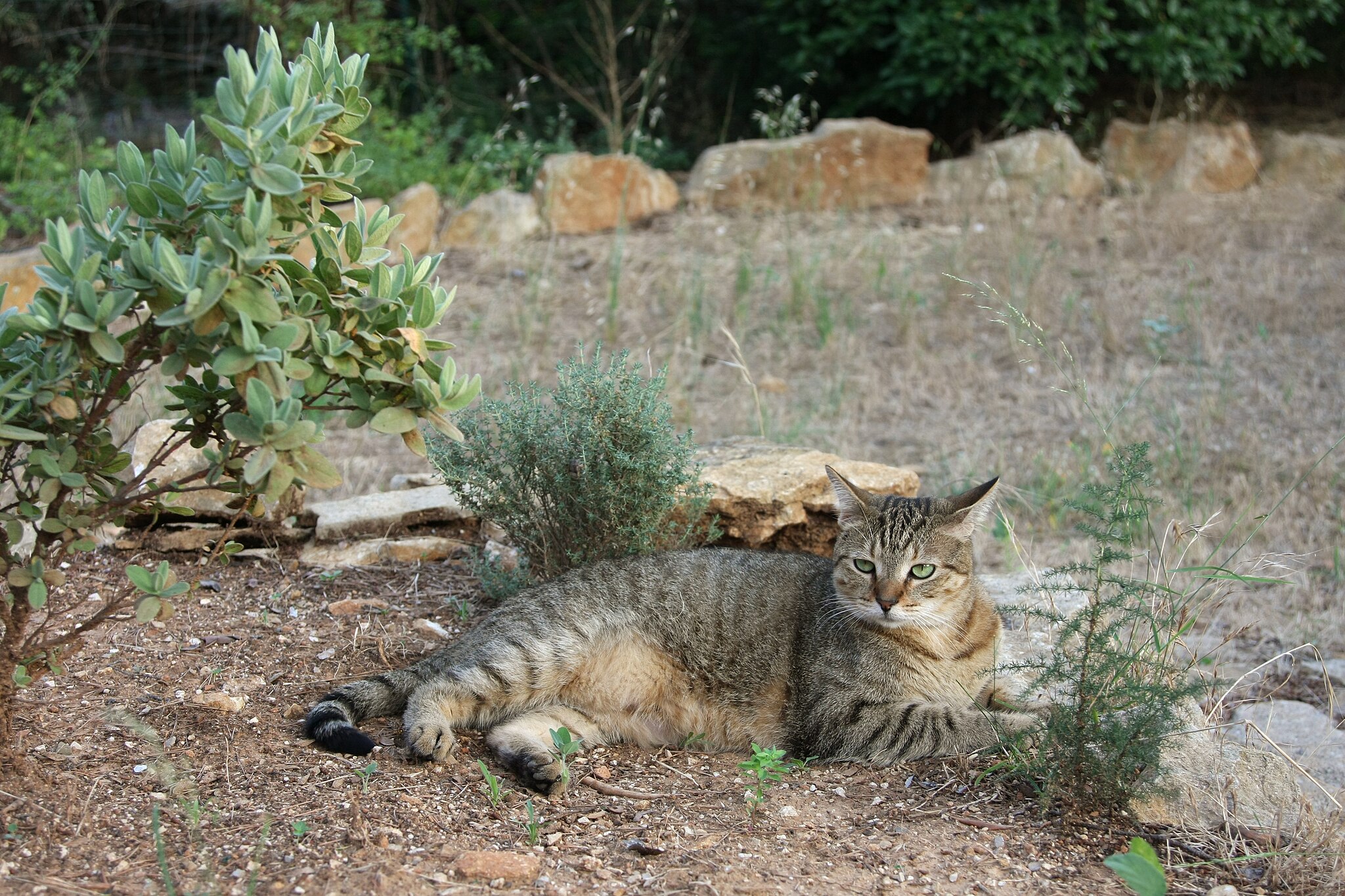
The American Shorthair is a classic example of balanced feline health, with a typical lifespan of 15 to 20 years. Developed through natural selection rather than extreme breeding, this cat has strong bones, a sturdy immune system, and excellent adaptability. Experts often describe the breed as low-maintenance yet highly resilient. American Shorthairs are moderate in activity, avoiding both lethargy and hyperactivity, which protects their joints and heart over time. They adjust well to families, singles, and quiet households alike, reducing stress-related health issues. Genetic disorders are relatively rare in this breed, especially when sourced responsibly. Their calm confidence and physical balance allow them to age steadily without sharp health declines.
6. Sphynx
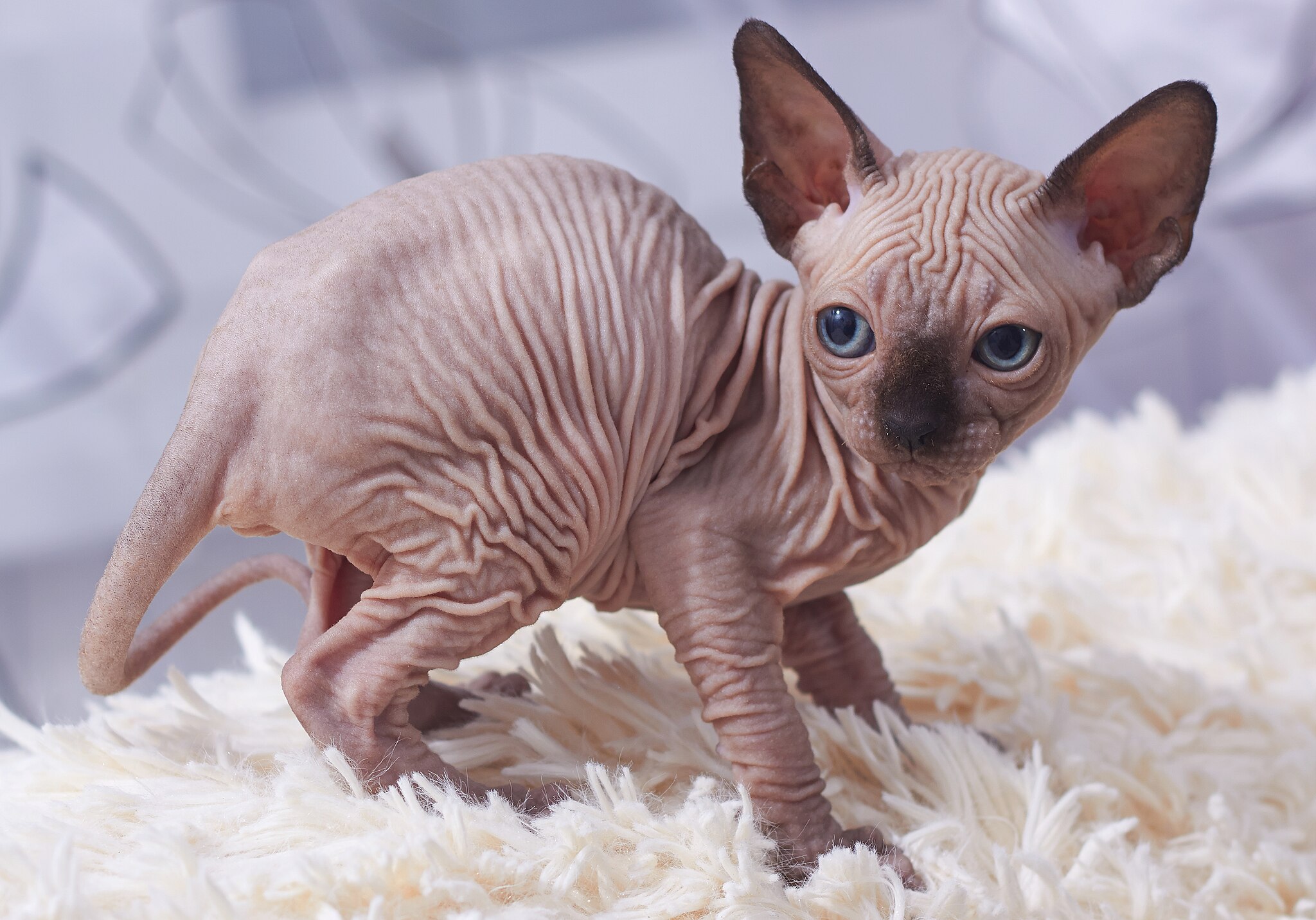
Despite their unusual appearance, Sphynx cats are surprisingly long-lived, often reaching 15 to 20 years. Experts attribute this to their strong metabolism and close human supervision. Because they lack fur, owners notice skin, weight, or behavioral changes quickly, leading to earlier medical intervention. Sphynx cats crave warmth and companionship, encouraging indoor living and constant interaction. Their playful, affectionate nature keeps them physically active well into adulthood. While they can be prone to heart conditions like hypertrophic cardiomyopathy, early screening significantly improves outcomes. Their need for routine skin care also results in frequent handling, which strengthens the human-animal bond and improves overall health monitoring throughout their lives.
7. Bombay
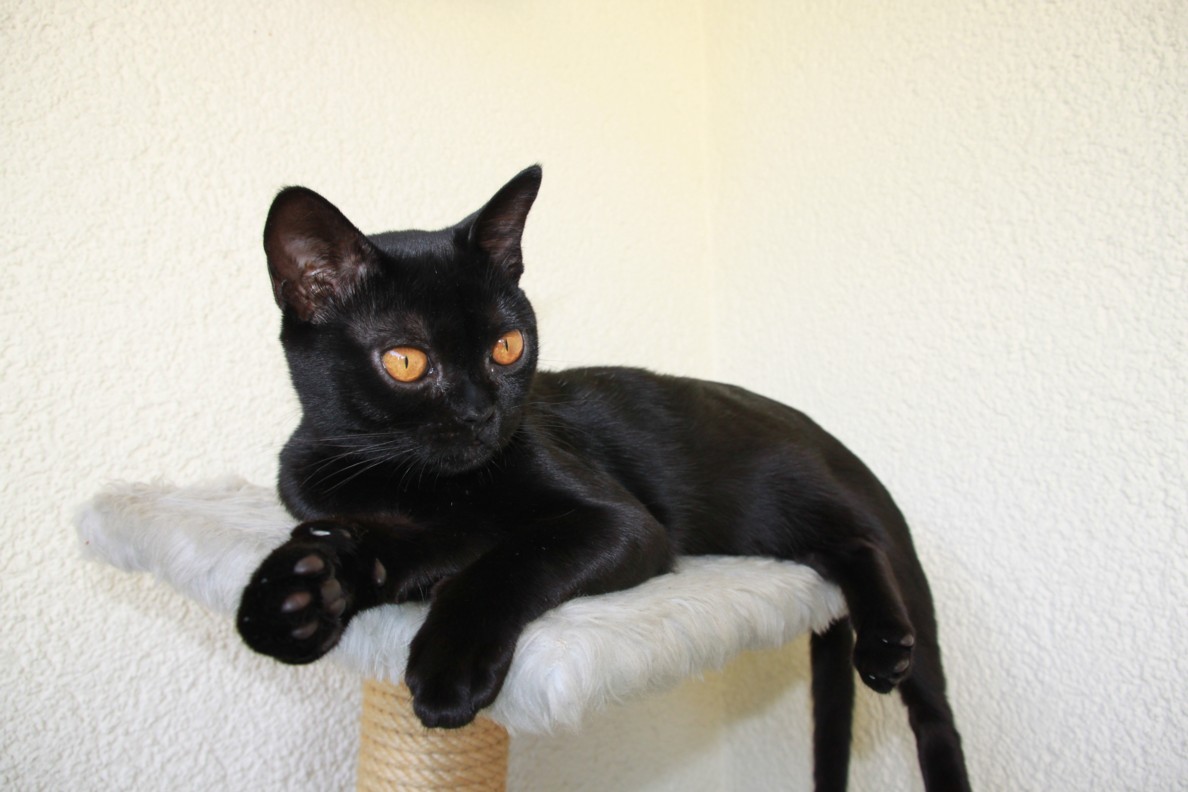
Bombay cats, with their sleek black coats and copper eyes, often live 15 to 18 years. Experts link their longevity to a strong genetic foundation derived from Burmese and American Shorthair lines. They are muscular yet flexible, allowing for efficient movement without excessive strain on joints. Bombays are highly people-oriented and tend to mirror household routines, which promotes emotional stability. They enjoy play but also appreciate rest, striking a healthy balance between activity and recovery. This breed typically has few inherited conditions, especially when bred carefully. Their short coat minimizes grooming issues, while their affectionate temperament ensures consistent care and observation, supporting a long and steady lifespan.
8. Oriental Shorthair
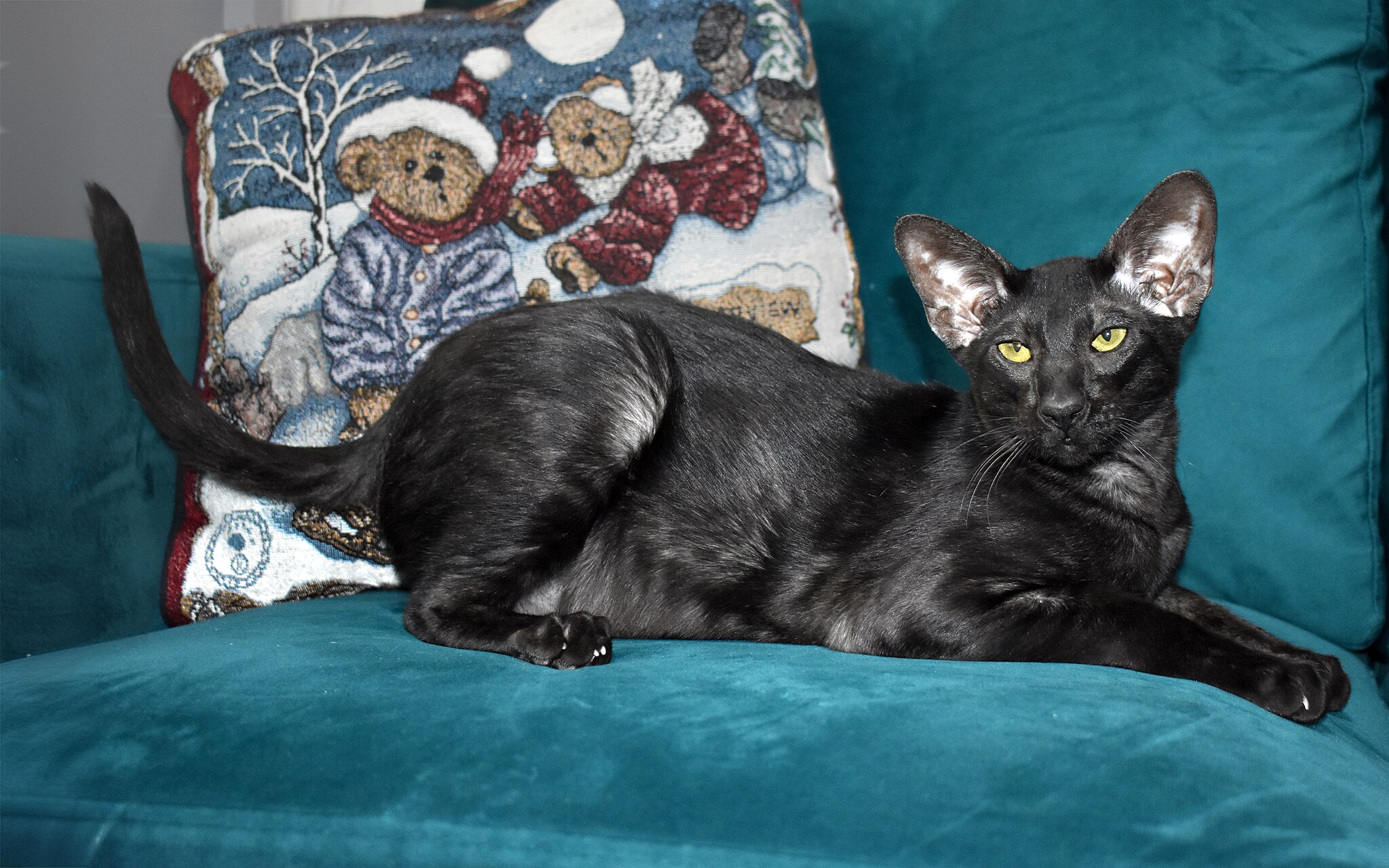
Oriental Shorthairs are closely related to Siamese cats and share their impressive lifespan, often reaching 18 to 20 years. Experts point to their slim build and high intelligence as key longevity factors. These cats stay active through constant exploration, climbing, and interactive games. Mental stimulation plays a huge role in slowing cognitive aging, and Oriental Shorthairs demand engagement daily. Their expressive nature makes it easier for owners to detect subtle health changes early. While they can be sensitive to cold and stress, stable indoor environments suit them well. With attentive care and companionship, Oriental Shorthairs remain alert, curious, and socially vibrant long into their senior years.
9. Manx
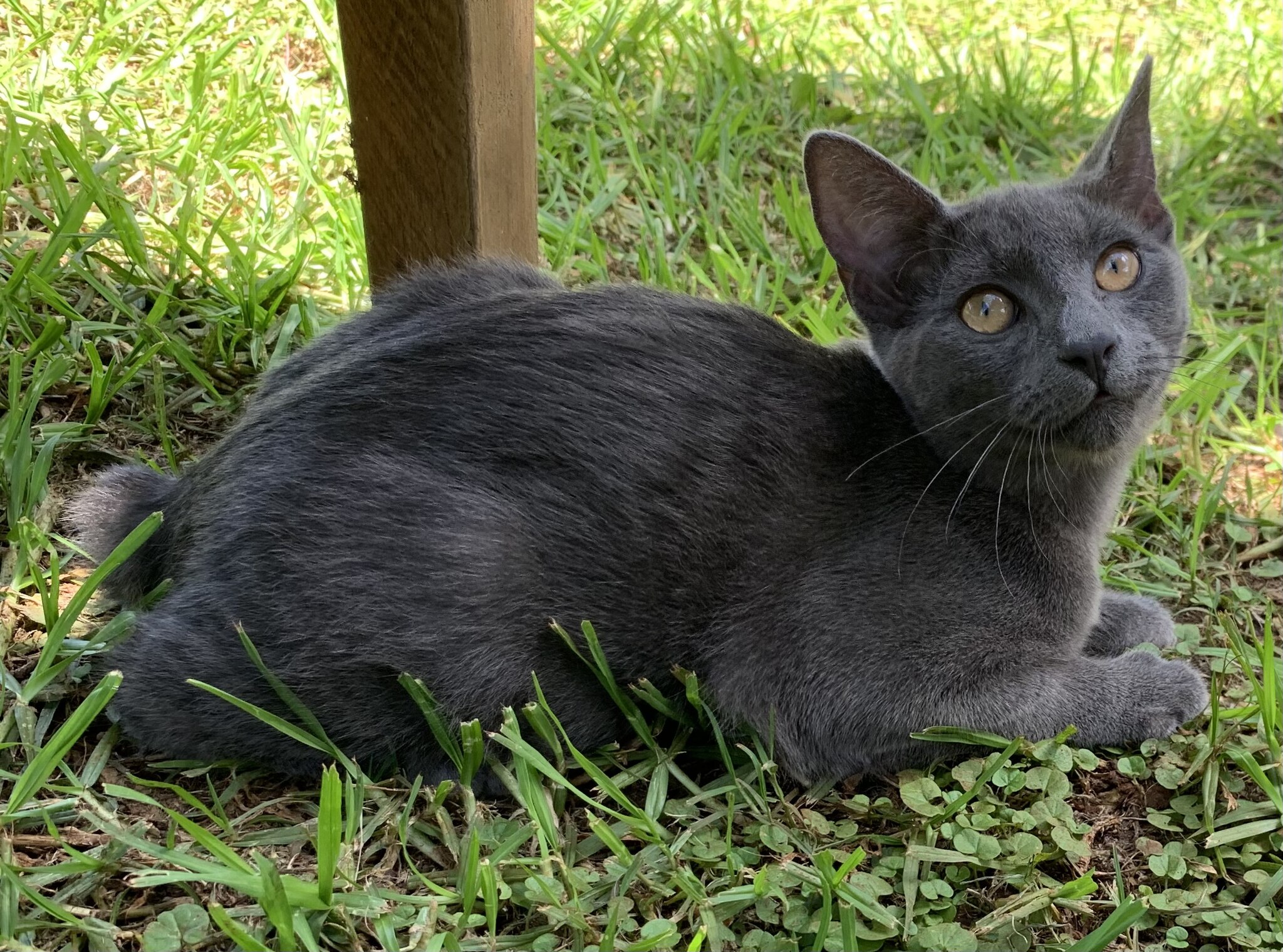
The Manx cat, known for its naturally short or absent tail, often lives between 15 and 18 years. Experts emphasize that responsible breeding is essential, as spinal health varies widely. When well-bred, Manx cats are powerful, agile, and surprisingly durable. Their strong hind legs encourage jumping and movement, supporting long-term muscle tone. Manx cats are intelligent and playful, often enjoying puzzle toys and interactive games that keep their minds sharp. They form close bonds with families and adapt well to indoor living. With careful monitoring of digestion and mobility, healthy Manx cats age with remarkable strength and confidence.
10. Egyptian Mau
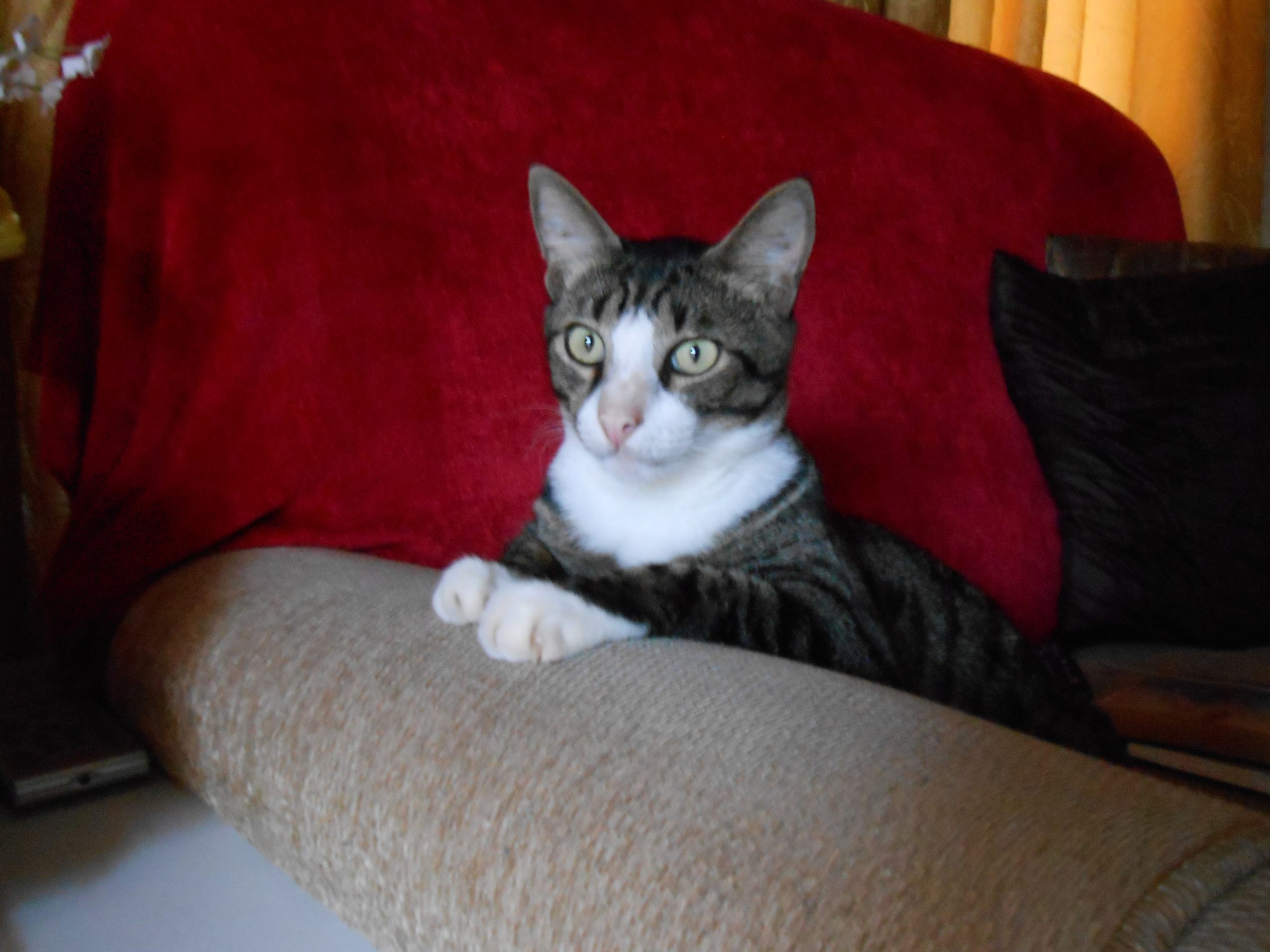
The Egyptian Mau is one of the oldest known cat breeds and one of the longest-lived, often reaching 18 to 20 years. Experts credit their naturally athletic frame and exceptional cardiovascular health. Maus are fast, agile, and highly alert, traits that help maintain muscle and organ function over time. Their spotted coat is low maintenance, reducing grooming stress as they age. Egyptian Maus are emotionally sensitive and form deep attachments, thriving in calm, predictable homes. While they can be cautious around strangers, their loyalty to family creates emotional security. This blend of physical excellence and emotional balance supports a notably long and healthy lifespan.
11. Ragdoll
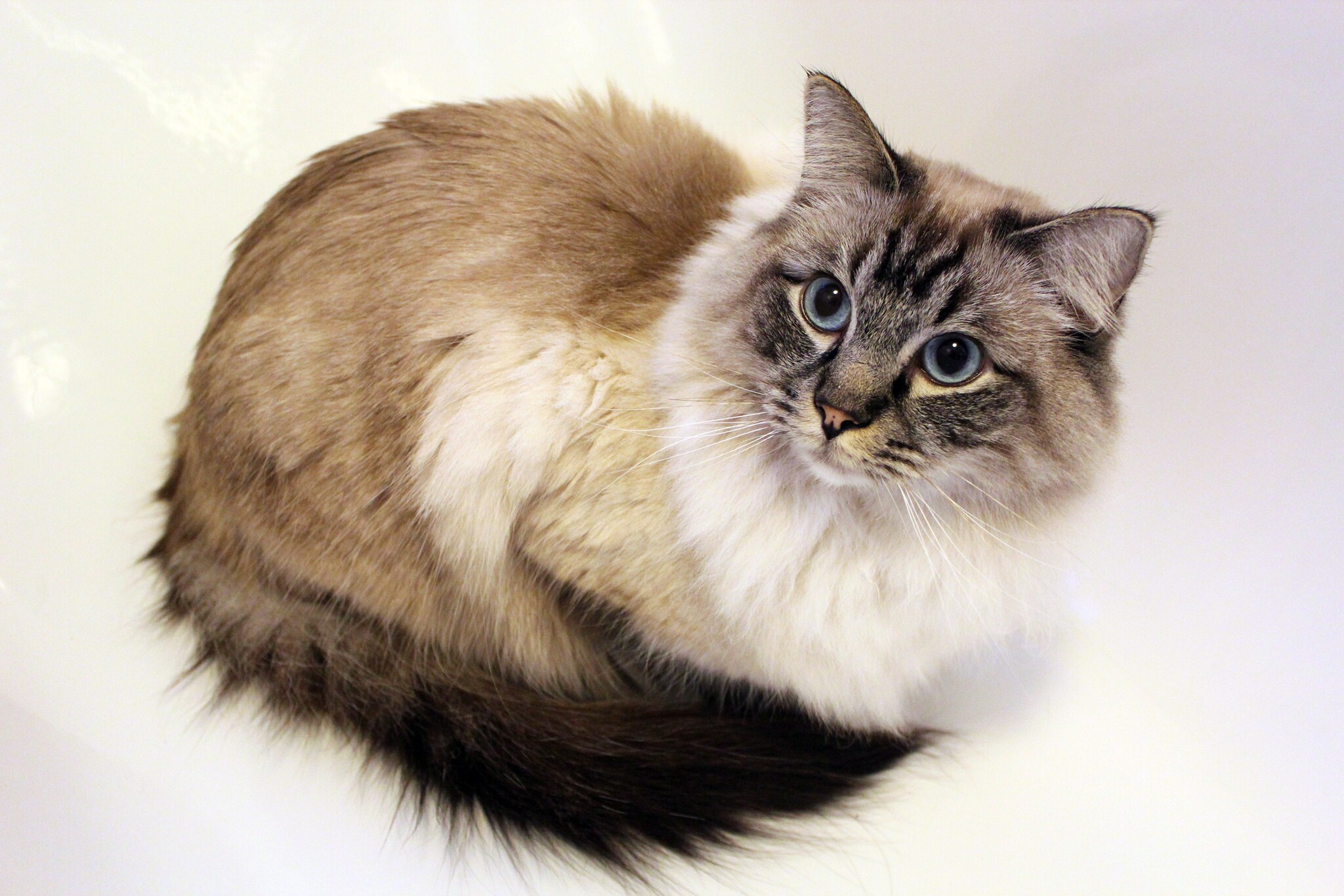
Ragdolls are gentle giants known for their relaxed temperament and lifespan of 15 to 20 years. Experts believe their low stress response plays a significant role in longevity. Ragdolls are less prone to anxiety and aggression, which helps regulate hormones linked to aging. Their large size matures slowly, reducing early strain on bones and joints. While they can be prone to certain heart conditions, routine screening greatly improves outcomes. Ragdolls thrive in indoor environments where they receive regular affection and consistent routines. Their calm nature encourages stable eating and sleeping habits, which support long-term metabolic health and graceful aging.
12. Havana Brown
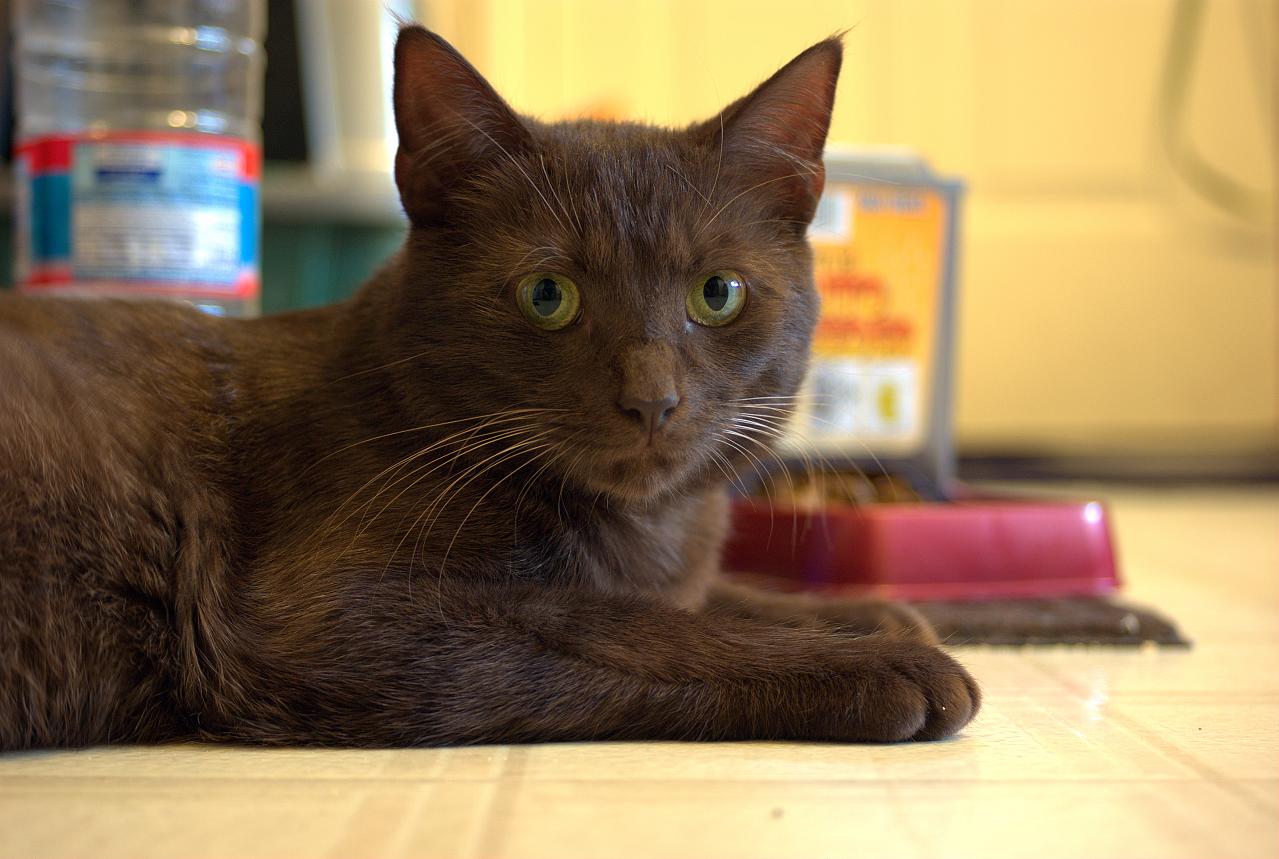
Havana Browns are rare but notably long-lived, often reaching 17 to 20 years. Experts highlight their balanced genetics and moderate energy levels as key advantages. These cats enjoy play and interaction without excessive risk-taking, which helps prevent injuries. Havana Browns are deeply people-oriented and prefer being involved in daily activities, increasing emotional well-being. Their short, glossy coat requires minimal grooming, reducing age-related skin issues. While generally healthy, they benefit from dental monitoring as they age. With strong social bonds and steady care, Havana Browns maintain vitality, curiosity, and warmth far into their later years.
13. Korat
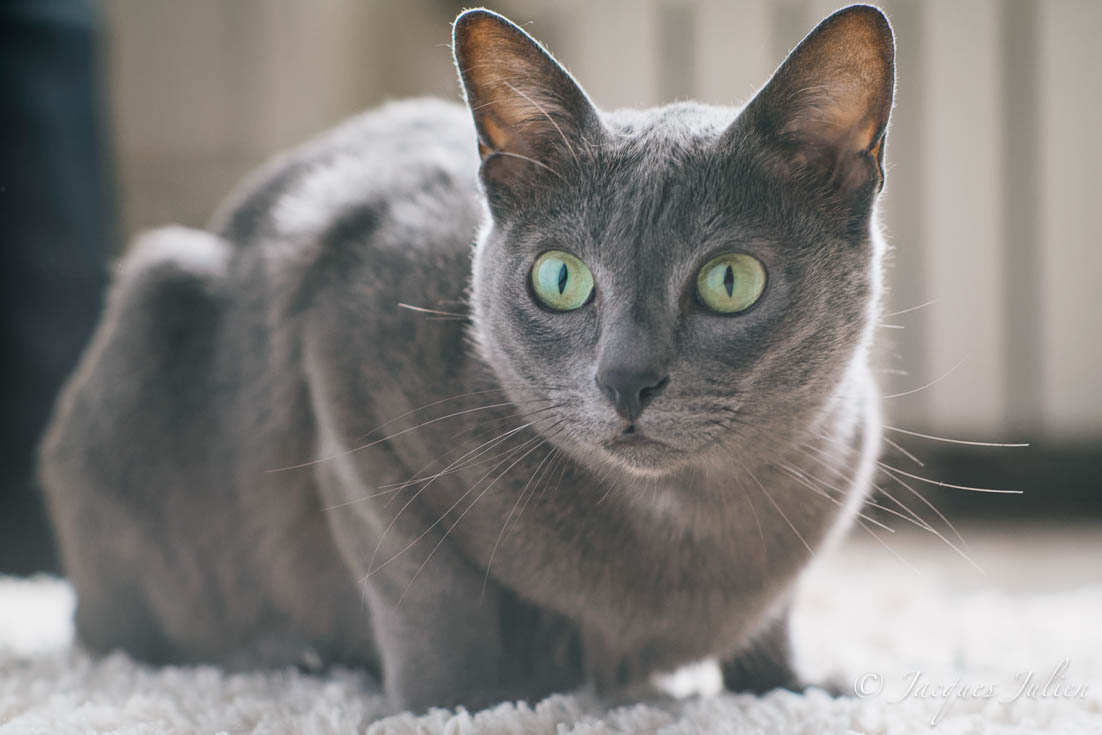
The Korat is a symbol of good fortune and long life in its native Thailand, often living 15 to 18 years. Experts associate their longevity with slow physical development and efficient metabolism. Korats are muscular without being bulky, allowing for smooth movement and joint preservation. They are highly intelligent and emotionally sensitive, preferring stable households with strong bonds. Korats do not tolerate neglect well, but attentive care keeps stress levels low. Their silver-blue coat is easy to maintain, and inherited conditions are relatively uncommon. With emotional security and routine veterinary care, Korats age with clarity and strength.
14. Turkish Angora
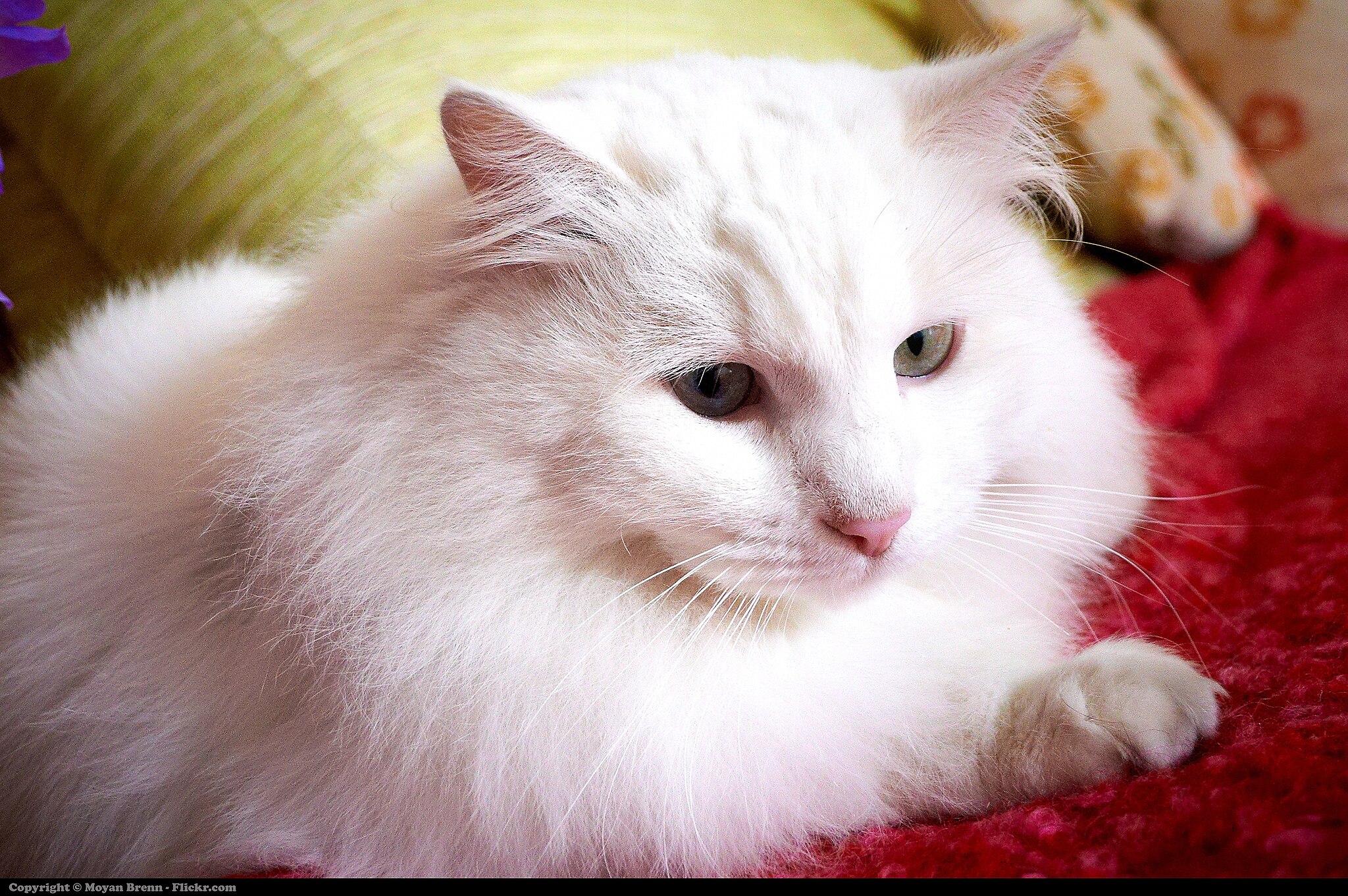
Turkish Angoras combine elegance with endurance, commonly living 15 to 20 years. Experts point to their naturally developed genetics and active lifestyle preferences. These cats are agile climbers and curious explorers, which supports cardiovascular health. Their long coat lacks heavy underfur, making grooming easier and reducing mat-related skin issues. Turkish Angoras are confident and adaptable, traits that help them cope with environmental changes without chronic stress. While generally healthy, hearing checks are important in white individuals. With stimulation, affection, and routine care, Turkish Angoras often remain lively and expressive well into old age.
15. Japanese Bobtail
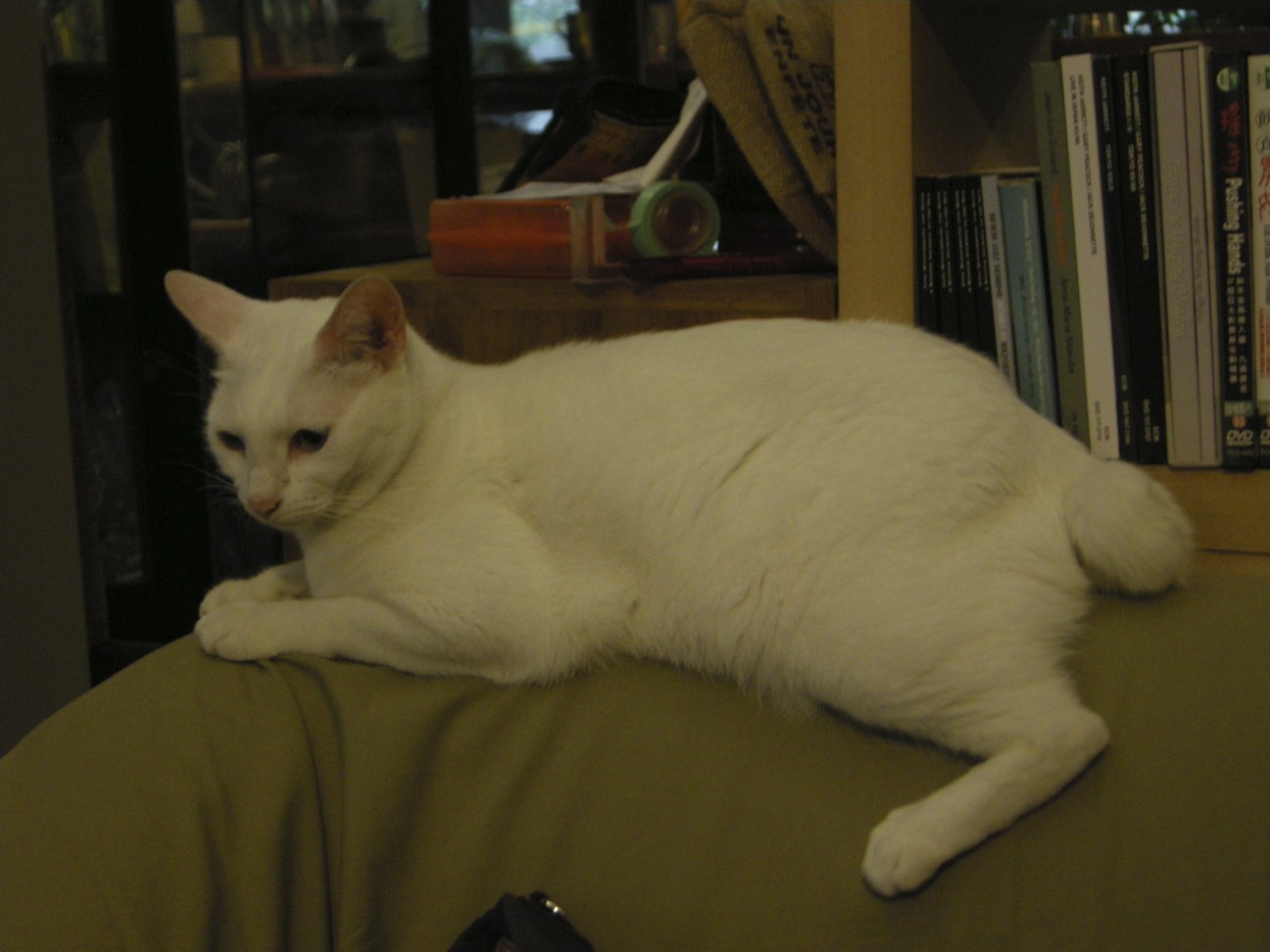
Japanese Bobtails are cheerful, social cats with a typical lifespan of 15 to 18 years. Experts note their efficient body structure and strong immune systems as key longevity factors. They are highly active but coordinated, reducing injury risk. Japanese Bobtails thrive in interactive homes where play and communication are part of daily life. Their vocal but gentle nature helps owners recognize health changes early. This breed has few serious inherited conditions and adapts well to indoor environments. Their playful spirit often lasts a lifetime, supporting both mental sharpness and physical health through the aging process.