Wild camping carries a special kind of freedom. There is something deeply satisfying about stepping away from crowded campsites and into the quiet rhythm of the forest. Yet that same freedom also demands preparation, awareness, and a few clever tricks that make the experience smoother and safer. Small adjustments can transform a challenging night outdoors into a comfortable, memorable adventure. From choosing the right spot to staying warm, organized, and dry, practical knowledge matters far more than expensive gear. The following camping hacks focus on simple, realistic techniques that seasoned outdoor enthusiasts quietly rely on. Each one is designed to be easy to apply, highly effective, and grounded in real wilderness experience.
1. Pick the Right Ground, Not Just the Right View
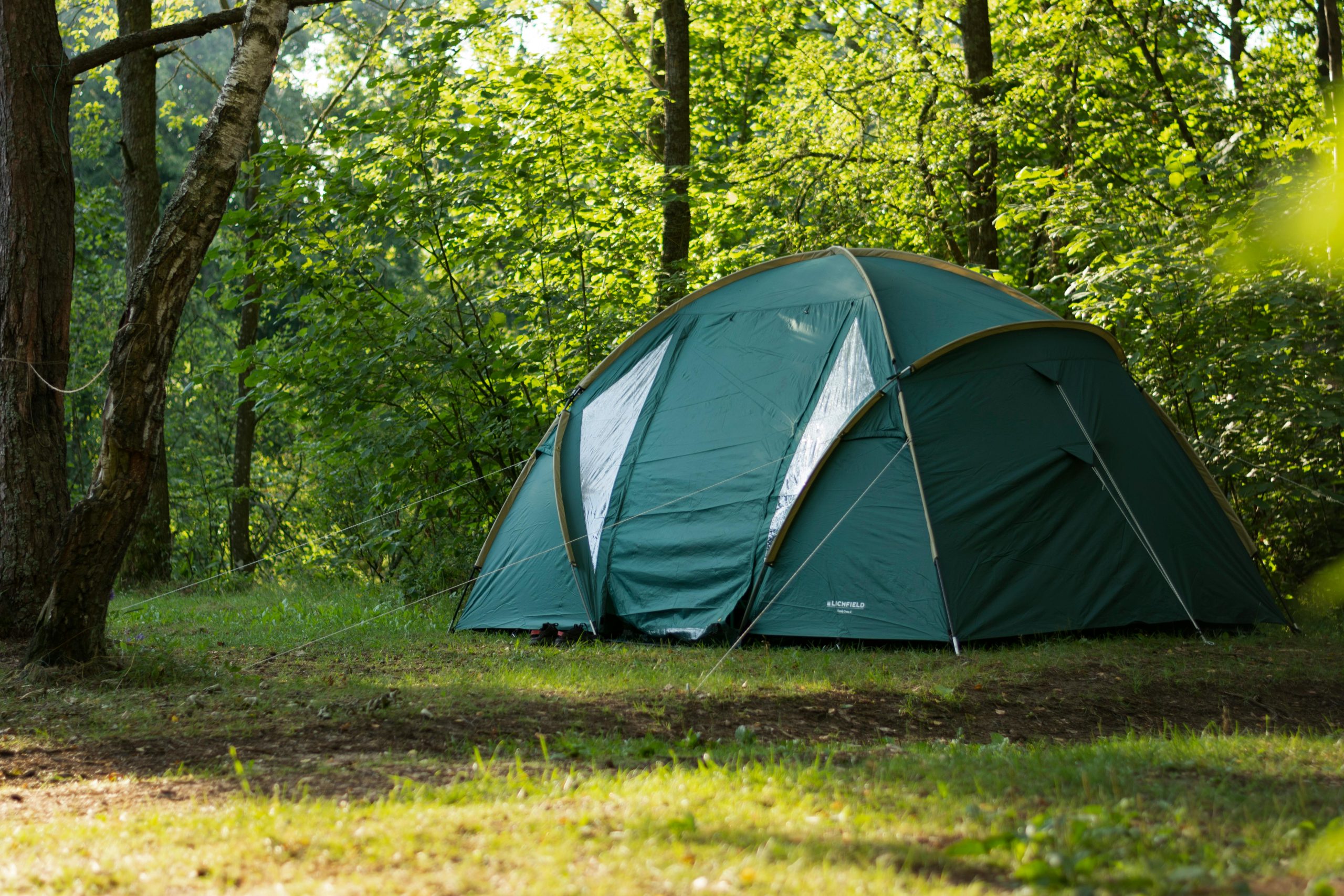
A visually stunning location may not always provide the best sleeping conditions. Uneven ground, hidden roots, and subtle slopes can turn a night’s rest into constant discomfort. Before setting up, walk around the area slowly and pay attention to how the surface feels underfoot. Look for naturally flat terrain with compact soil rather than soft, shifting earth. Avoid low points where rainwater might collect, even if skies appear clear. A slightly elevated patch often offers better drainage and airflow. Also consider wind direction and natural barriers like shrubs or rock formations. Comfort begins from the ground up, and a careful choice here prevents countless annoyances later.
2. Use Natural Windbreaks to Your Advantage
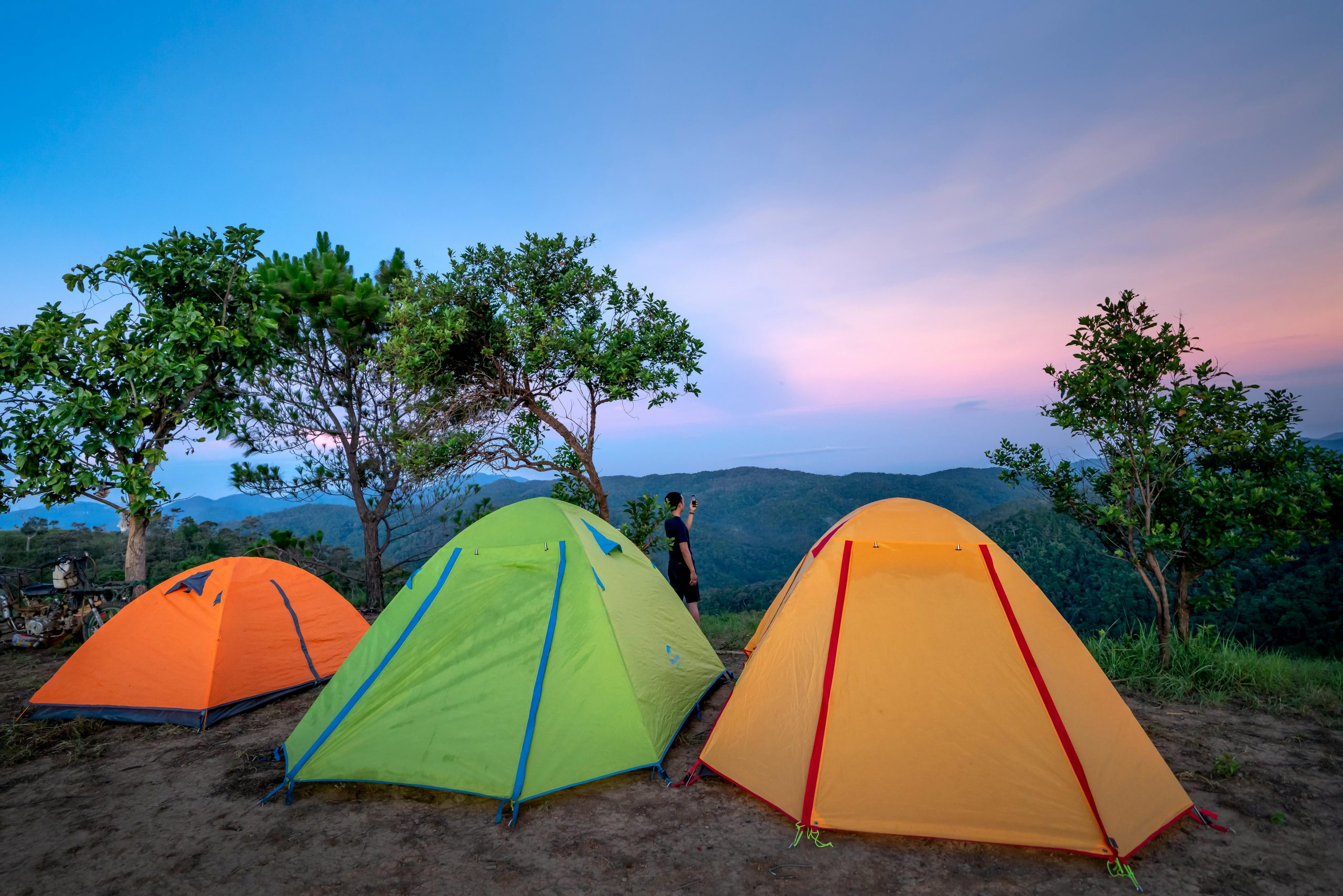
Wind can drastically lower perceived temperatures and disrupt sleep. Instead of relying entirely on equipment, observe the landscape for built-in protection. Tree lines, dense bushes, fallen logs, or gentle rises in terrain can shield your shelter from strong gusts. Positioning your tent or tarp behind such features reduces noise, heat loss, and structural strain. Even moderate breezes become manageable when blocked correctly. Pay attention to overhead hazards, ensuring branches are stable and unlikely to fall. Smart placement often matters more than tent quality. By letting the environment work for you, you conserve energy, stay warmer, and create a calmer, more restful campsite without additional effort.
3. Master the Tarp Before You Need It
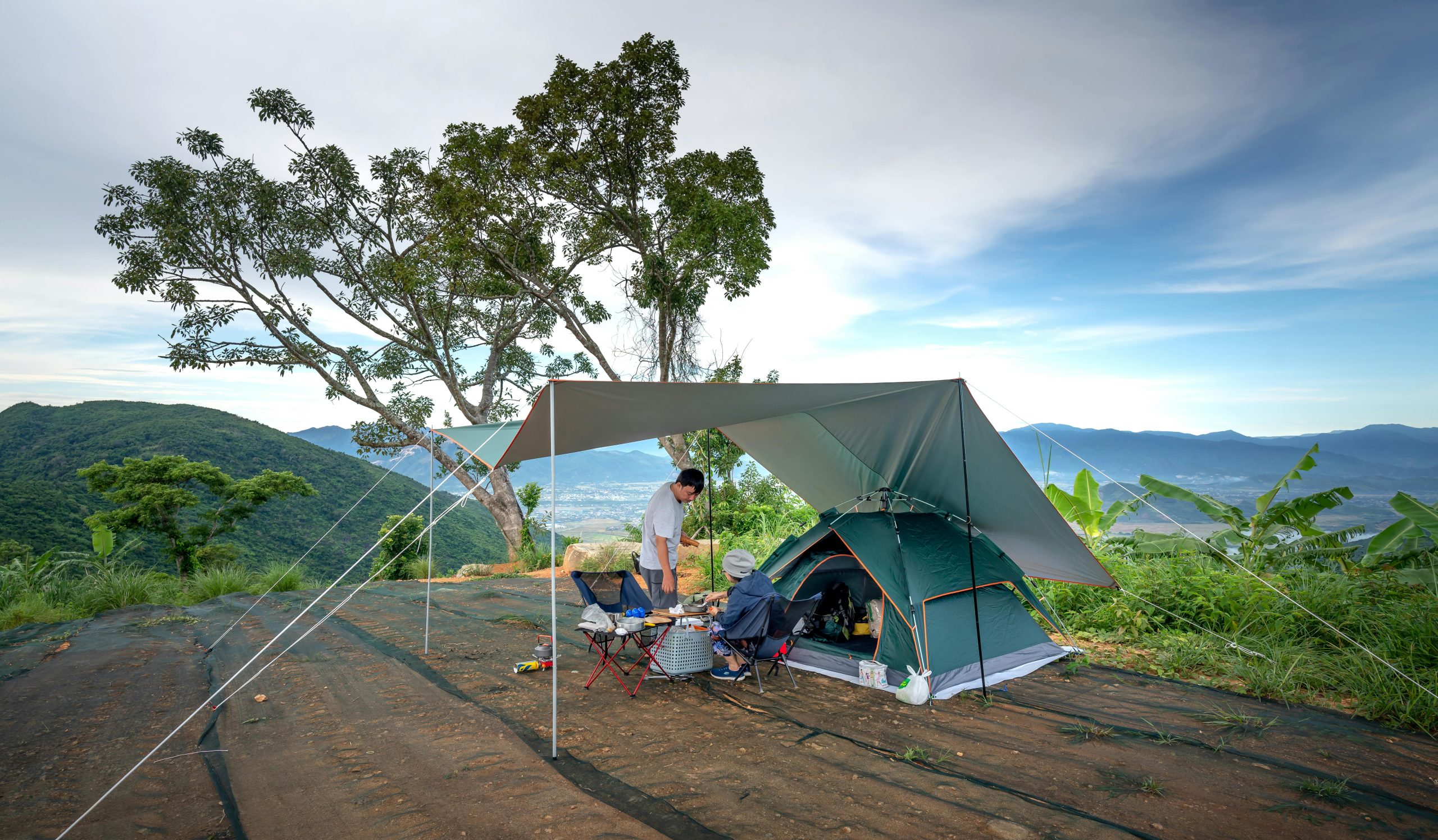
A tarp is among the most versatile items in wilderness camping, yet many campers underutilize it. Learning multiple pitching styles allows rapid adaptation to changing conditions. A low-angle setup provides excellent rain protection, while an open configuration improves ventilation in dry weather. Practice knots and tension adjustments before trips rather than improvising in poor light or rain. A well-placed tarp can function as a shelter, groundsheet, gear cover, or emergency wind barrier. Lightweight and compact, it offers exceptional value relative to its size. Confidence with tarp techniques significantly expands your survival and comfort options, especially when unpredictable weather alters your original plans.
4. Keep Essential Items Within Arm’s Reach
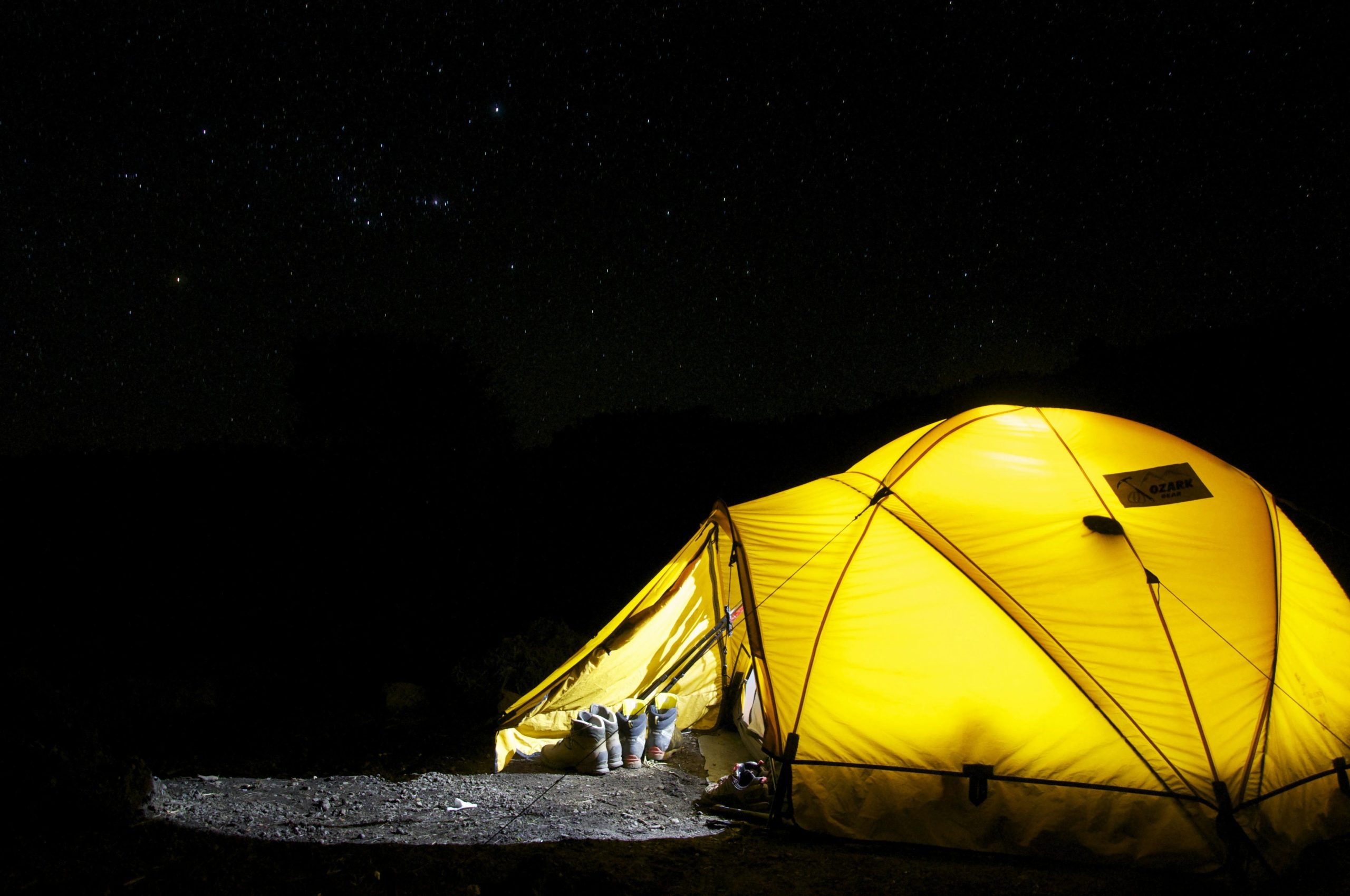
Nighttime disorientation is common outdoors, particularly in unfamiliar environments. Organize gear intentionally so critical items remain immediately accessible. Headlamp, water, footwear, and weather layers should be reachable without leaving your sleeping position. This simple habit prevents unnecessary fumbling and reduces exposure to cold or wet conditions. Darkness amplifies inconvenience, turning small searches into frustrating ordeals. Establishing a consistent layout inside your shelter builds muscle memory and efficiency. In emergencies or sudden weather changes, quick access becomes even more valuable. Thoughtful organization requires minimal effort yet greatly improves safety, convenience, and overall camping enjoyment throughout the entire trip.
5. Elevate Gear to Protect It from Moisture

Forest floors often retain moisture long after rainfall ends. Even seemingly dry ground can transfer dampness to equipment overnight. Elevate sensitive items by using rocks, branches, or improvised platforms. Hanging gear from tree limbs also improves airflow and keeps belongings clear of insects and small animals. Moisture damage compromises insulation, electronics, and clothing comfort. Prevention is far easier than drying items in wilderness conditions. This approach also promotes campsite cleanliness and visibility. Protecting gear from ground contact extends durability and preserves functionality. A few minutes spent arranging elevation methods can save significant discomfort and equipment issues during extended outdoor stays.
6. Pre-Warm Your Sleeping System Naturally
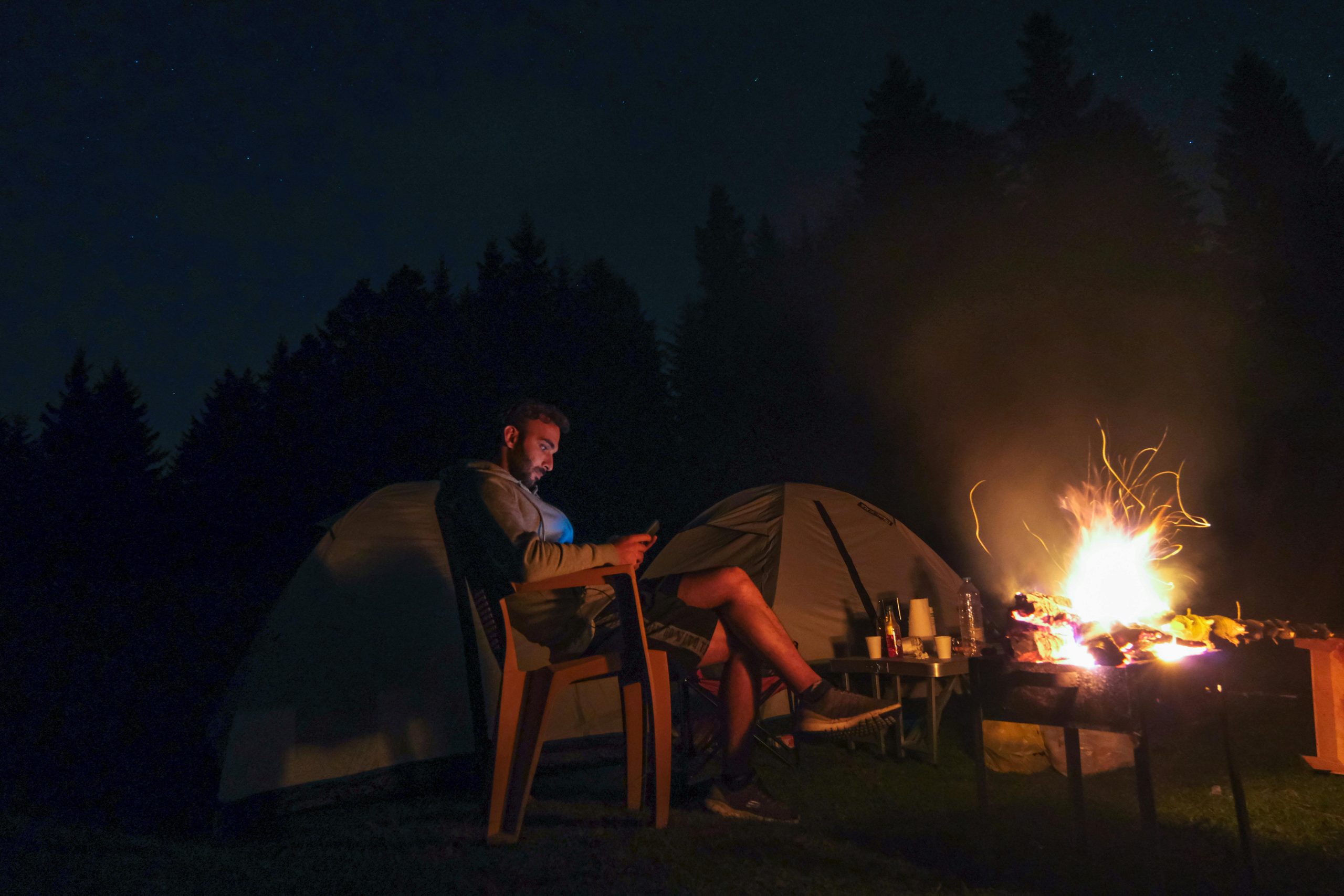
Cold sleeping conditions challenge even experienced campers. Instead of relying solely on heavy insulation, use body heat strategically. Light activity before bed, such as walking or gentle movement, raises core temperature. Avoid entering a sleeping bag while chilled, as warming becomes slower and less efficient. Store tomorrow’s clothing inside the bag to benefit from residual warmth. Hydration also supports thermal regulation. Simple behavioral adjustments often outperform additional gear. Warmth management involves timing, preparation, and awareness rather than bulk. By understanding heat retention principles, campers maintain comfort more effectively while carrying lighter loads and conserving valuable energy during colder wilderness nights.
7. Cook Away from the Sleeping Area
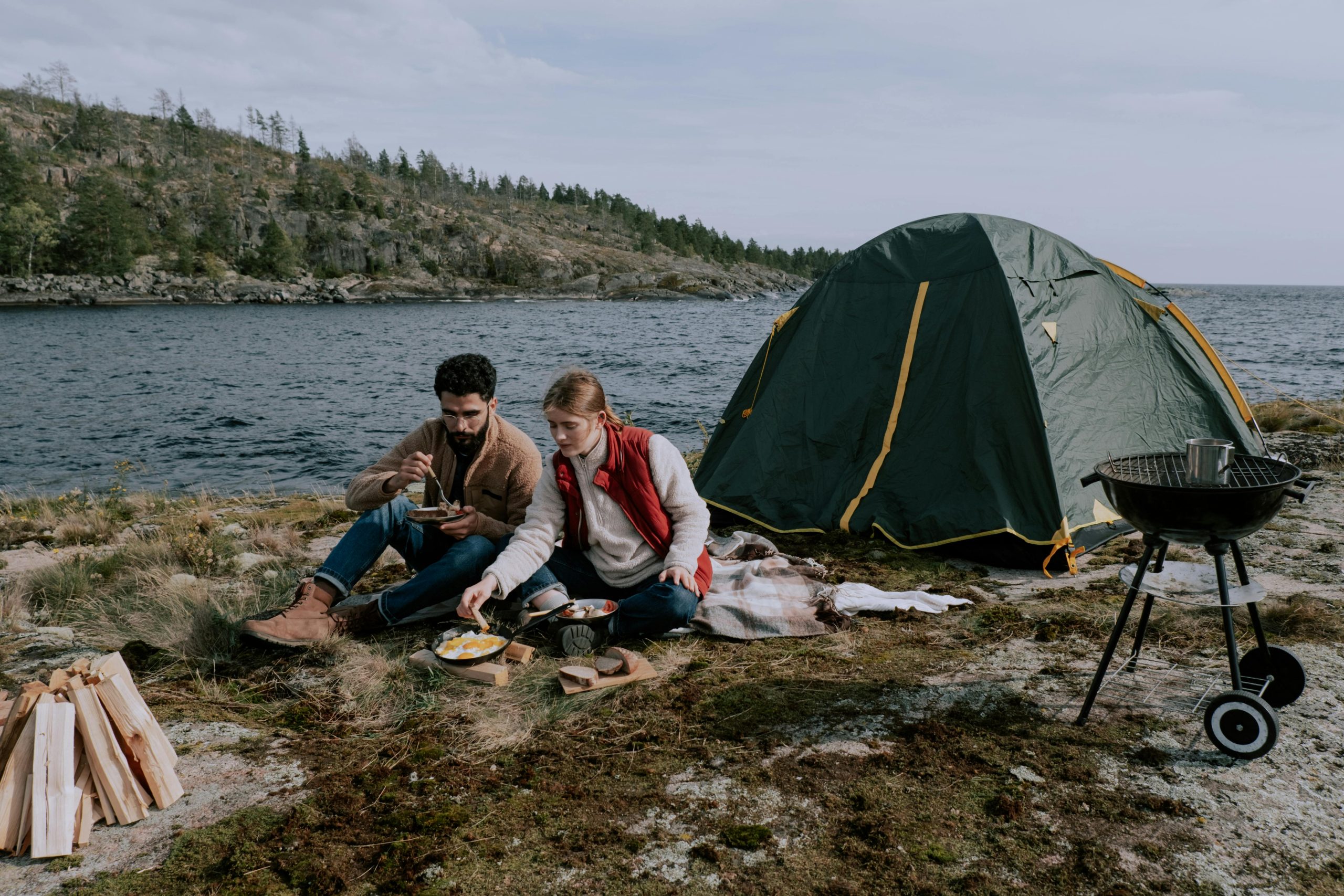
Separating cooking and sleeping zones enhances safety and comfort. Food preparation attracts wildlife, particularly in remote environments. Even small crumbs or lingering scents may invite curious animals. Establish a designated cooking spot at a reasonable distance from your shelter. Store food securely using odor-resistant containers or elevated hanging methods. This practice reduces disturbances and minimizes risk. It also maintains campsite cleanliness and improves sleep quality. Wildlife encounters become far less likely when clear boundaries exist. Consistent habits regarding food management protect both campers and animals. Responsible separation reflects practical outdoor wisdom developed through long experience in natural, unpredictable habitats.
8. Carry Redundant Fire Starting Methods

Fire provides warmth, light, and morale, yet ignition conditions vary widely. Moisture, wind, and material quality complicate reliability. Always carry multiple fire-starting tools, such as waterproof matches, a lighter, and a ferro rod. Store them separately to prevent simultaneous failure. Redundancy ensures adaptability when primary methods become ineffective. Preparedness avoids unnecessary stress and wasted time. Practice fire techniques before trips to develop efficiency and confidence. Fire management remains a foundational wilderness skill. Reliable ignition capability enhances safety and comfort significantly. A modest investment in backup options can determine whether challenging conditions remain manageable or escalate into preventable difficulties.
9. Learn to Identify Natural Insulation Sources

Temperature regulation benefits greatly from understanding natural resources. Pine needles, dry leaves, and grasses can supplement bedding insulation when used carefully. Creating a buffer layer beneath sleeping gear reduces heat loss through conduction. Ensure materials are dry and free of insects before use. This method proves particularly useful in colder climates or minimalist setups. Natural insulation adds comfort without additional weight. It also reinforces awareness of environmental characteristics. Resourcefulness defines effective wilderness camping. Recognizing and responsibly utilizing available materials enhances resilience and adaptability. Knowledge of such techniques often distinguishes seasoned campers from those reliant solely on equipment.
10. Protect Feet Relentlessly
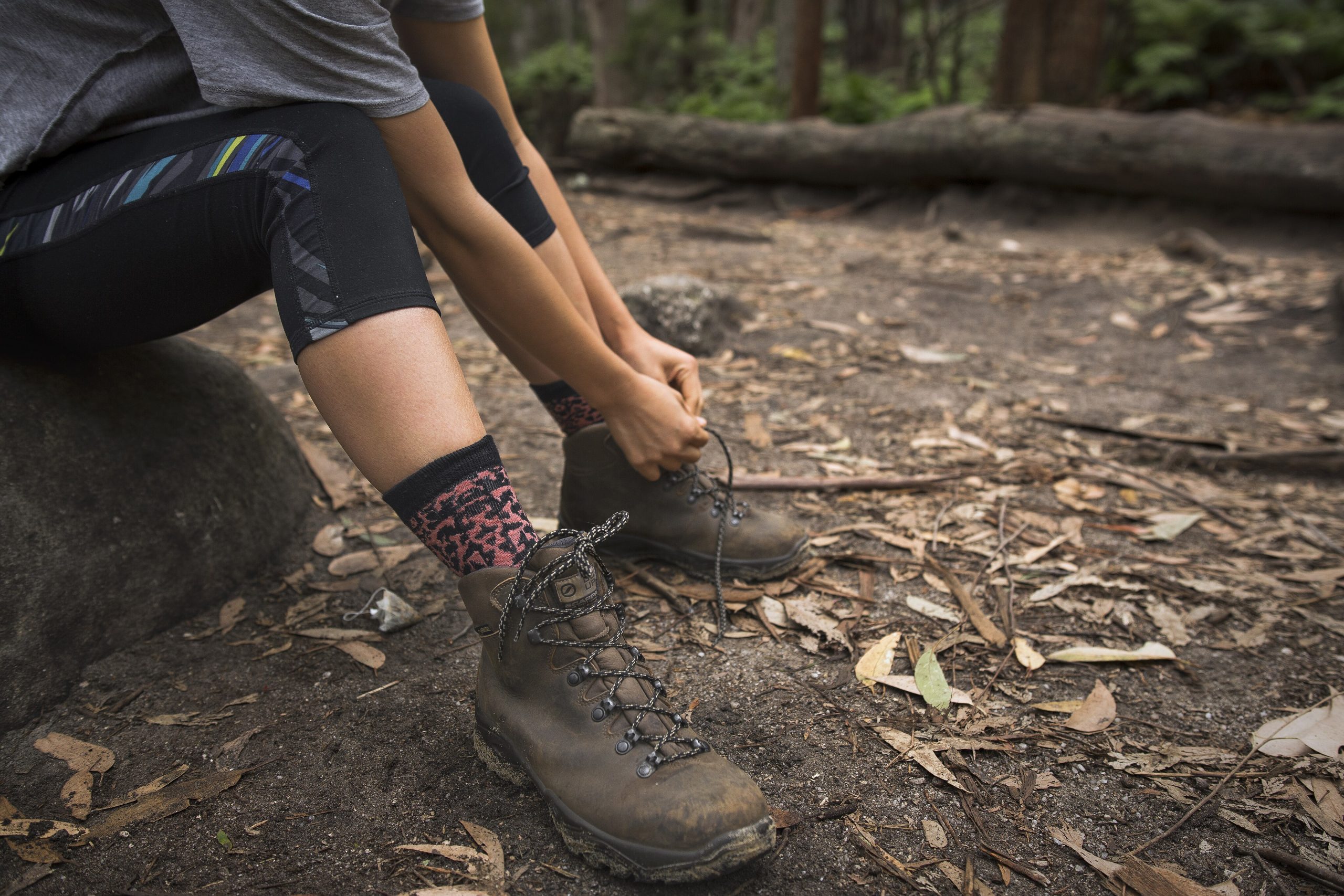
Foot discomfort quickly undermines outdoor experiences. Blisters, dampness, and minor injuries escalate rapidly in wilderness settings. Keep feet dry by changing socks regularly and airing footwear when possible. Address hotspots immediately rather than ignoring early irritation. Cleanliness and ventilation remain critical. Comfortable feet preserve mobility, safety, and morale. Simple preventative habits dramatically reduce complications. Foot care represents an often-overlooked priority. Long-term comfort depends on consistent attention to small details. By maintaining foot health diligently, campers sustain energy and confidence, enabling longer exploration and a more enjoyable time in natural environments where movement is essential.
11. Use Daylight for Critical Preparations
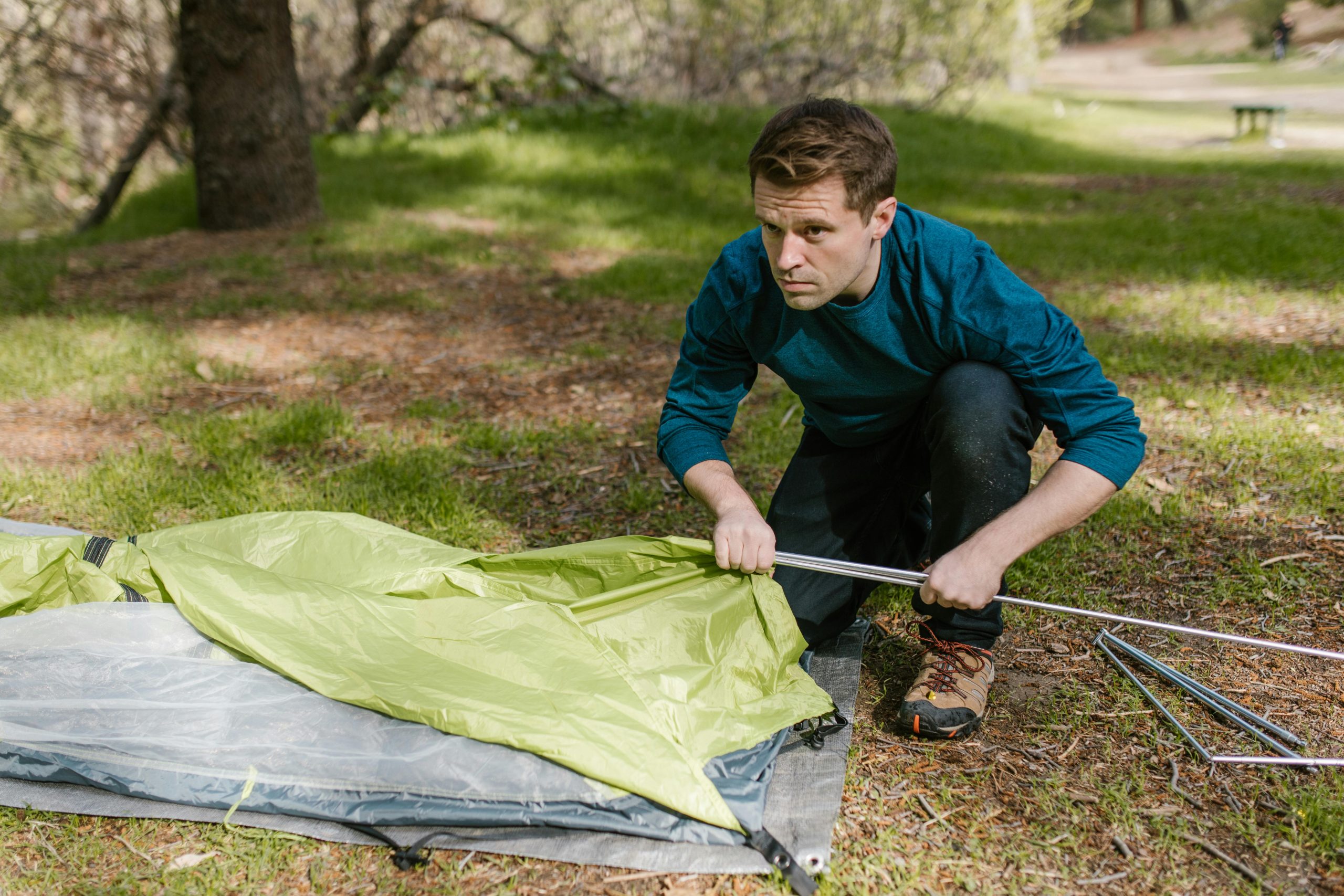
Natural light offers clarity, efficiency, and safety advantages. Complete essential tasks like shelter setup, firewood collection, and navigation planning before dusk. Darkness complicates even simple activities and increases error likelihood. Proactive preparation conserves energy and prevents stress. Evening hours then become available for rest rather than urgent problem-solving. This timing strategy aligns with practical outdoor rhythms. Anticipating needs reduces avoidable challenges. Wilderness camping rewards foresight more than improvisation. Effective daylight use enhances comfort, organization, and overall trip success. Small scheduling adjustments often yield significant improvements in campsite functionality and personal well-being.
12. Develop a Consistent Night Routine
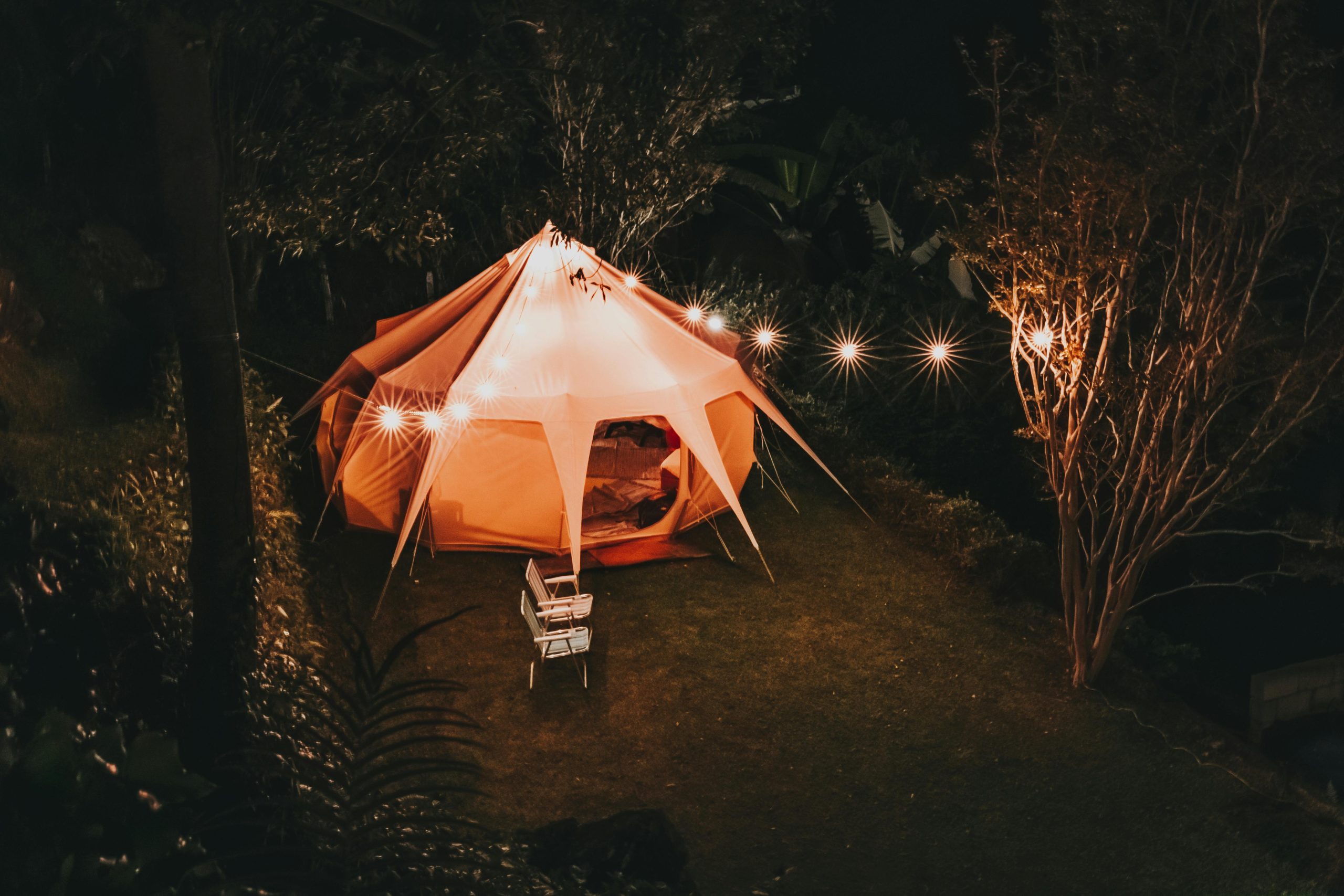
Predictability supports both comfort and safety outdoors. Establishing a familiar sequence of actions before sleep reduces forgotten tasks and mental fatigue. Secure gear, prepare lighting, hydrate, and check surroundings methodically. Routine builds efficiency and confidence. It also minimizes disruptions and anxiety. Wilderness environments amplify uncertainty, making structured habits particularly valuable. Repetition enhances awareness and preparedness. A thoughtful routine requires little effort yet prevents numerous inconveniences. Consistency transforms unfamiliar settings into manageable spaces. Experienced campers rely heavily on ritualized behaviors. Over time, these practices significantly improve relaxation, rest quality, and overall wilderness enjoyment.
13. Respect Noise Awareness and Sound Discipline
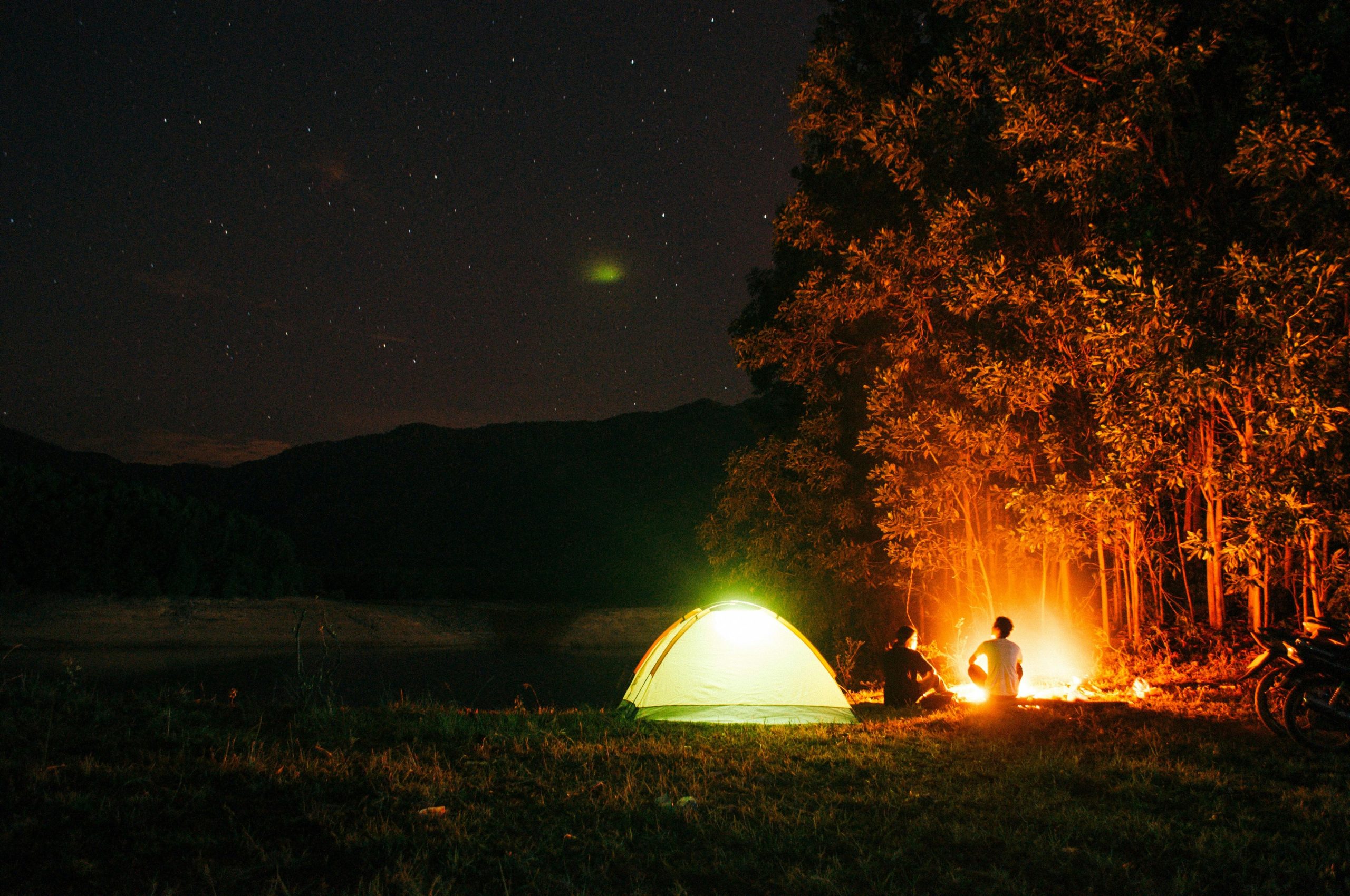
Forests carry sound differently than urban spaces. Loud conversations or abrupt noises disturb wildlife and other campers. Maintain moderate volume levels and listen attentively to natural cues. Sound awareness also improves situational understanding, revealing weather shifts or animal movement. Quiet environments enhance immersion and appreciation. Noise discipline reflects responsible outdoor conduct. It fosters harmony and minimizes conflict. Wilderness experiences deepen when campers embrace stillness. Subtle auditory details enrich perception. Practicing mindful communication and movement contributes to safety, respect, and enjoyment. Silence often becomes one of the most memorable aspects of wild camping adventures.
14. Leave No Trace as a Core Principle
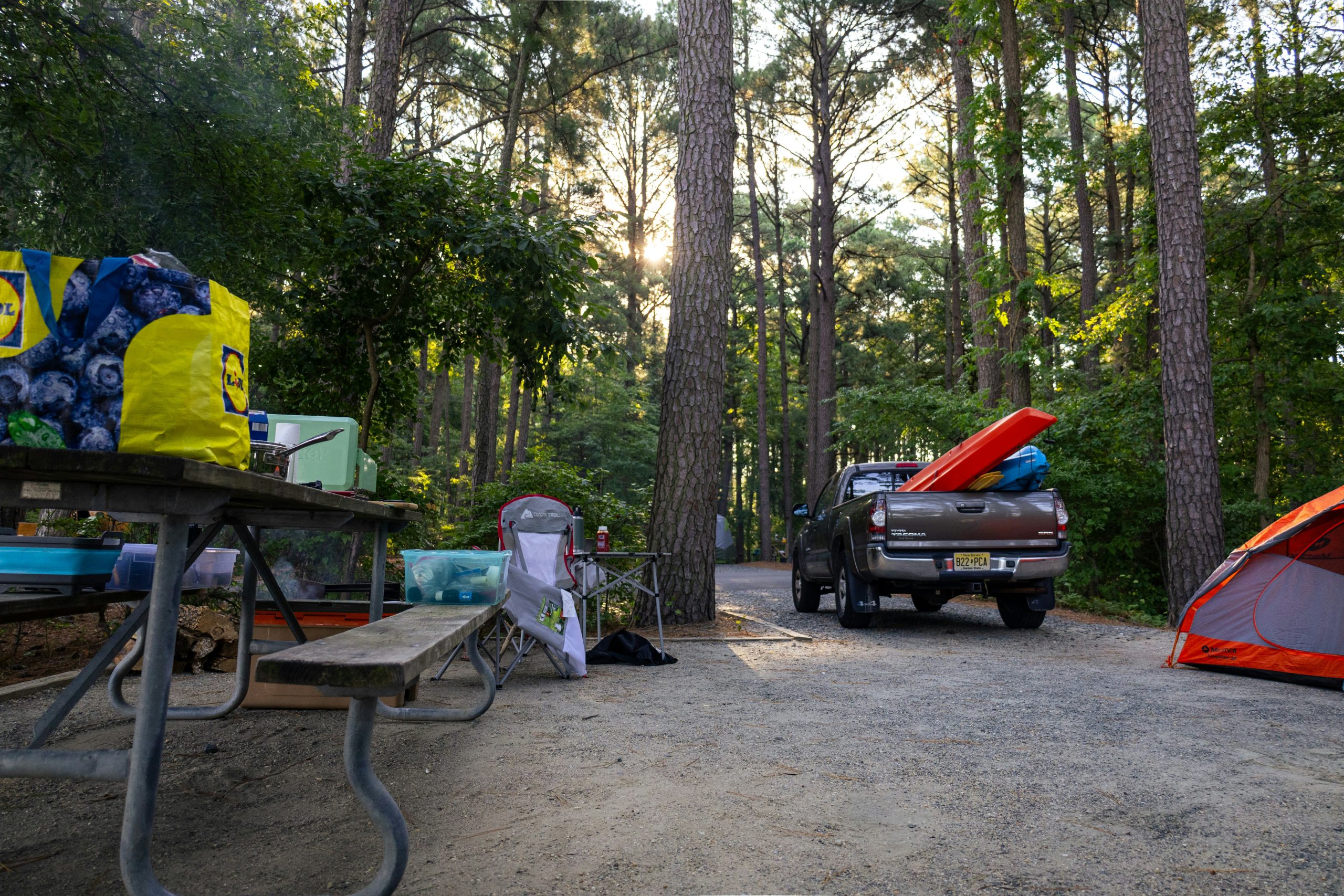
Sustainable wilderness enjoyment depends on minimizing impact. Pack out waste, avoid damaging vegetation, and respect natural features. Campsites should appear untouched upon departure. Ethical practices preserve environments for future visitors and wildlife. Responsible behavior aligns with long-term conservation goals. Awareness and discipline remain essential. Small actions collectively influence ecosystem health. Wild camping privileges come with stewardship responsibilities. Maintaining pristine landscapes benefits everyone. Respect for nature ensures continuity of outdoor experiences. Practicing low-impact habits reflects maturity, gratitude, and understanding. True wilderness appreciation extends beyond enjoyment, embracing protection and thoughtful coexistence with the natural world.