Choosing a campsite involves more than finding flat ground or a scenic view. Natural terrain shapes comfort, safety, and efficiency throughout a stay. Wind, water flow, elevation, and vegetation all influence how a camp performs overnight and across changing weather. Experienced campers read the land carefully before unpacking gear. Small terrain choices can mean warmer sleep, drier ground, and reduced environmental impact. Hills, trees, rock formations, and soil composition each offer advantages when used thoughtfully. Understanding these elements helps camps blend into their surroundings while improving protection, drainage, and stability. These fourteen terrain-based strategies highlight practical ways nature supports smarter camp setup.
Using Tree Cover For Wind Protection
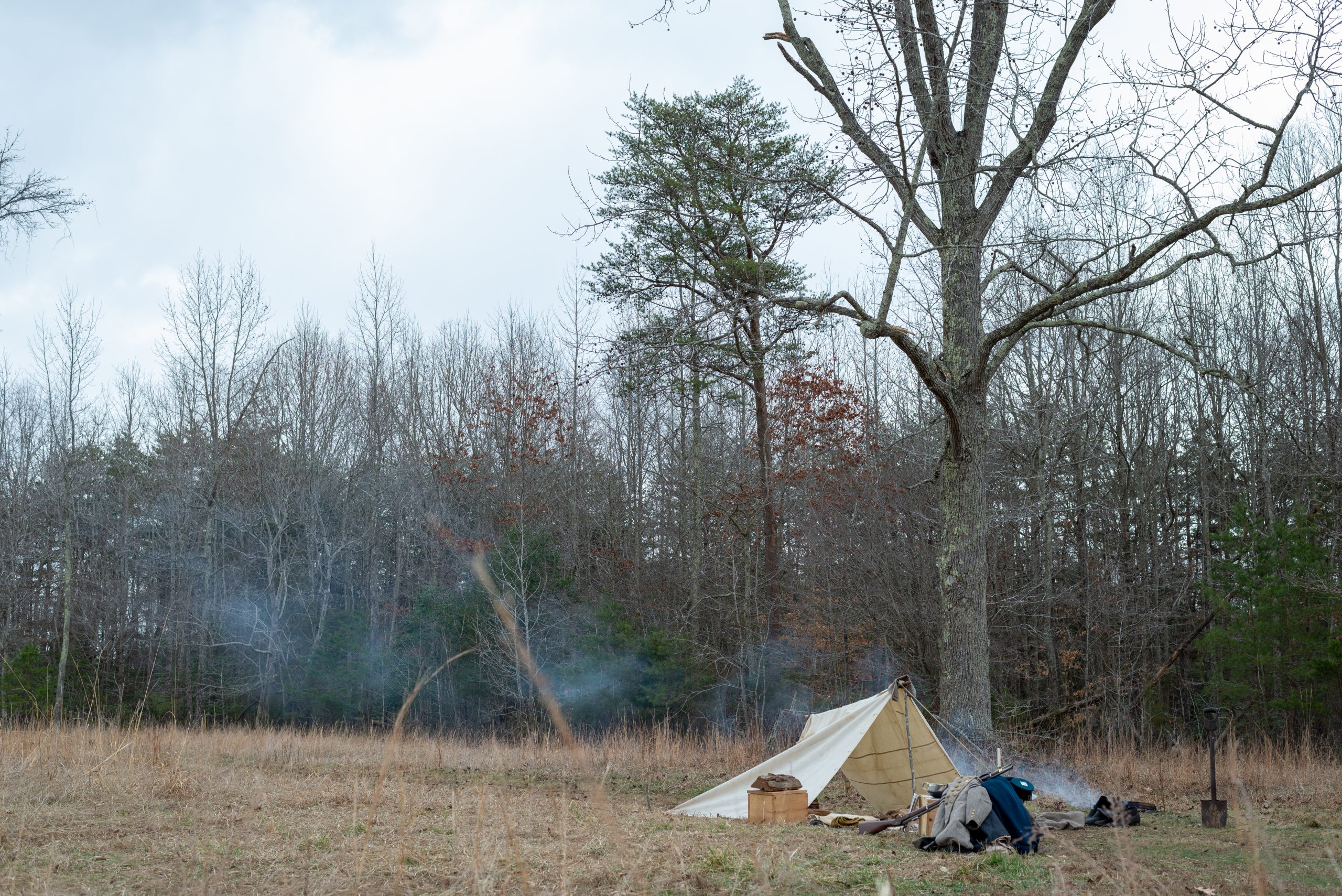
Tree cover provides natural windbreaks that reduce heat loss and noise around camp. Dense stands of trees slow airflow, making tents more stable during gusty conditions. Positioning the camp on the leeward side of trees shields sleeping areas from prevailing winds. Evergreens work especially well year-round due to consistent foliage. Tree cover also limits wind-driven rain. However, campers avoid dead branches that pose hazards. Healthy tree lines offer shelter without compromising safety. Using existing cover reduces reliance on artificial barriers and helps camps remain quieter, warmer, and more comfortable through shifting nighttime conditions common in exposed landscapes.
Camping On Slight Elevation
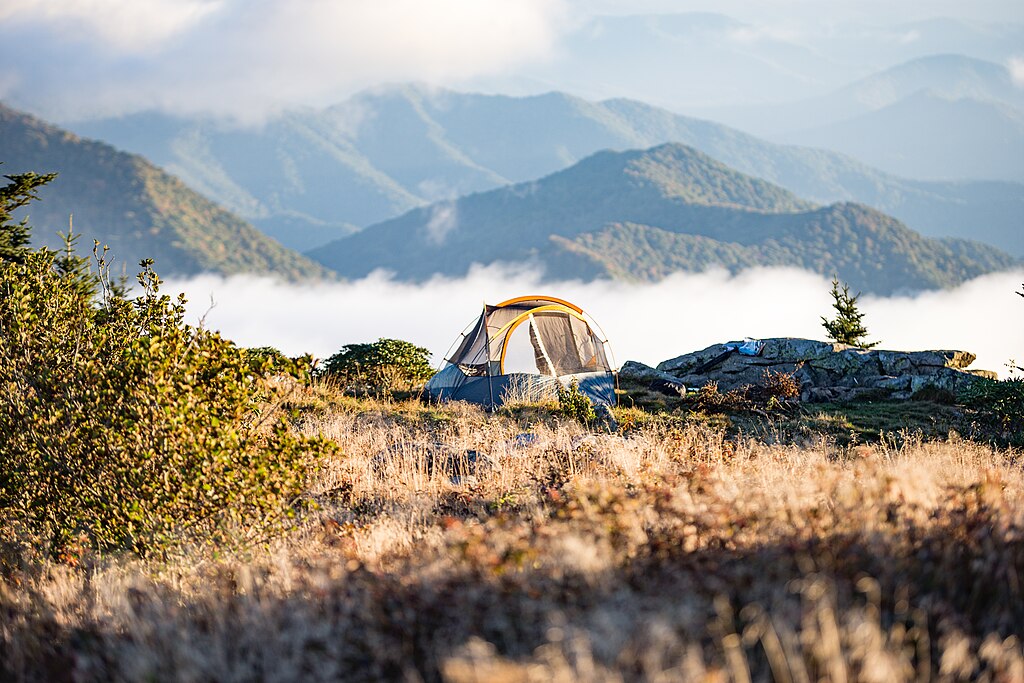
Slight elevation improves drainage and reduces moisture buildup beneath tents. Camps placed a few feet above the surrounding ground avoid pooling water during rain. Elevated spots also catch breezes that discourage insects without excessive wind exposure. Higher ground offers better visibility and airflow. Campers avoid ridge tops, which increase wind risk, and instead choose gentle rises. This balance keeps sleeping areas dry and comfortable. Elevation also helps cold air settle below the camp at night. Using subtle terrain changes enhances warmth, dryness, and overall comfort while respecting natural land contours and minimizing environmental disturbance.
Positioning Near Natural Windbreaks
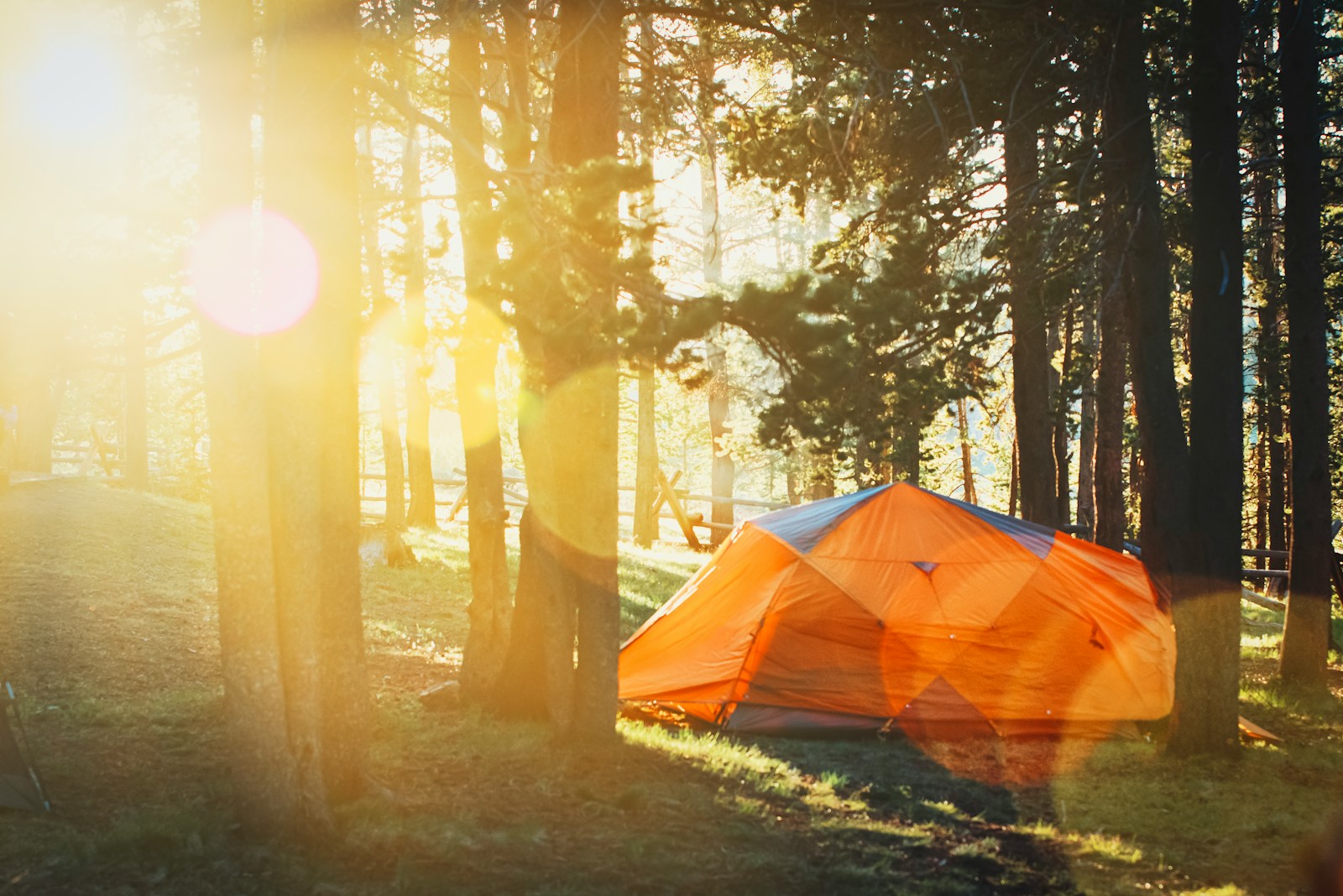
Rock outcrops, hillsides, and dense brush create effective natural windbreaks. These features reduce exposure without blocking airflow completely. Setting camp behind terrain features stabilizes tents and cooking areas. Windbreaks also improve fire efficiency by preventing flame disruption. Campers evaluate wind direction before choosing placement. Natural barriers outperform temporary screens and blend into the environment. Using terrain reduces setup time and gear dependency. Proper placement prevents smoke blowback and heat loss. Windbreaks formed by land shapes provide reliable shelter, especially in open environments where trees are sparse or weather conditions change rapidly overnight.
Using Slopes For Water Runoff
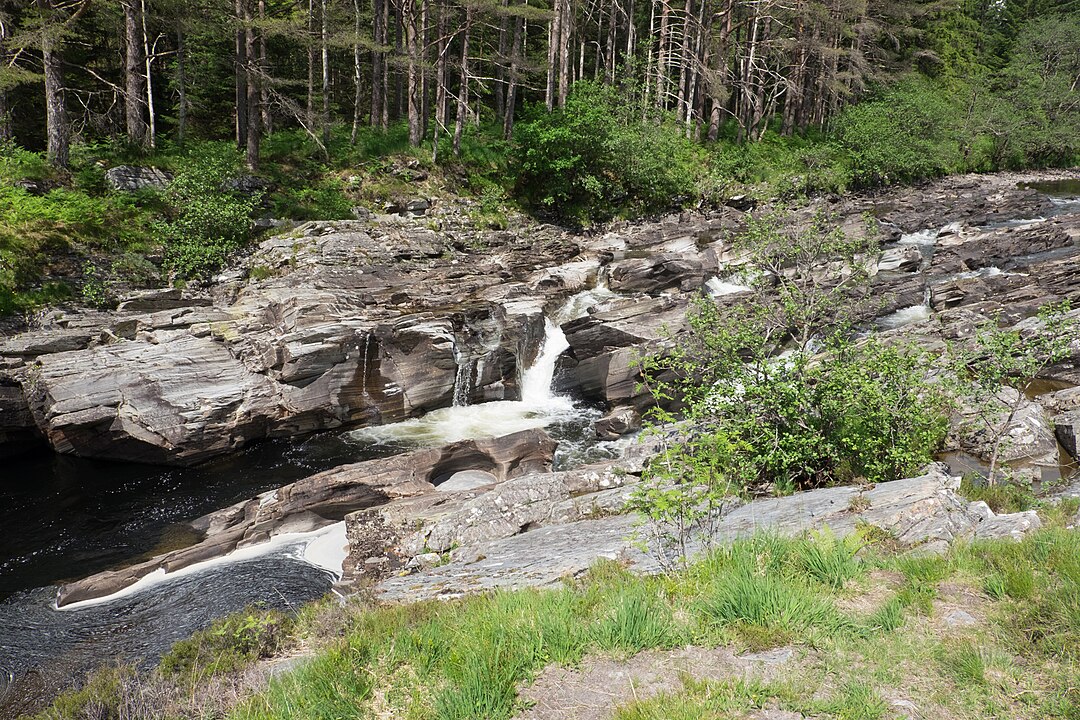
Gentle slopes direct rainwater away from camp when used correctly. Setting tents perpendicular to the slope flow prevents runoff from entering sleeping areas. Campers avoid depressions where water collects. Slight slopes help maintain dry ground during storms. Understanding water flow patterns prevents flooding. Slopes also reduce mud accumulation near entrances. Campers assess soil type to ensure stability. Avoiding steep inclines prevents sliding. Using slopes thoughtfully supports drainage without discomfort. This terrain awareness protects gear and sleeping conditions while reducing environmental impact by preventing erosion or unnecessary trenching practices discouraged in modern camping ethics.
Choosing Natural Clearings
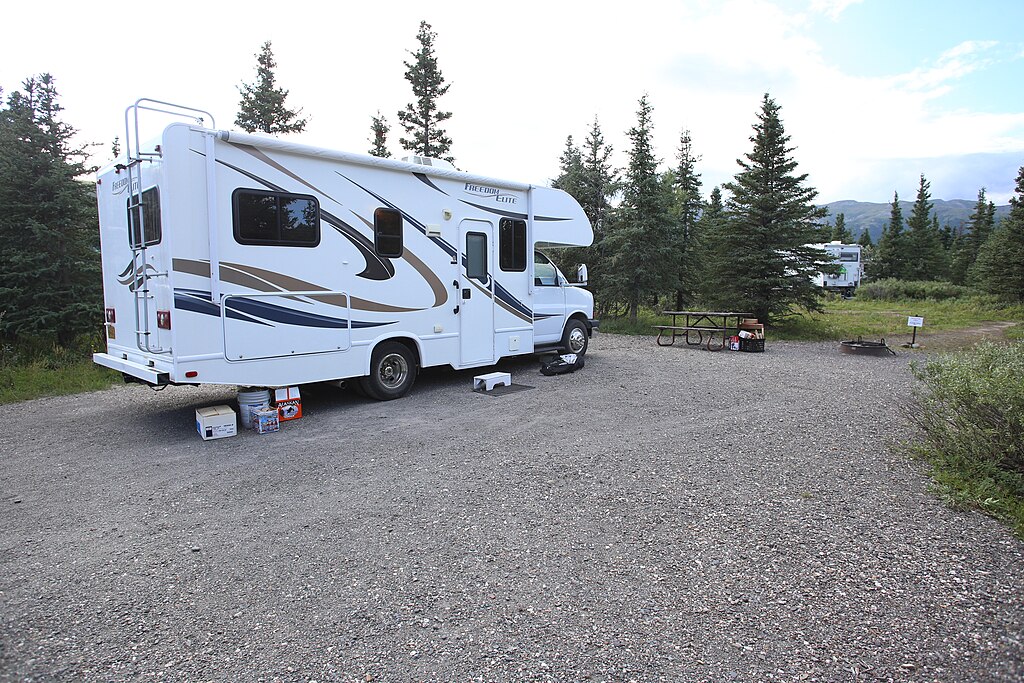
Natural clearings offer level ground with reduced vegetation disturbance. These areas often indicate stable soil and existing use. Clearings reduce the need to clear plants manually. They provide sunlight during cooler mornings and ease tent setup. Campers ensure clearings remain safe from falling debris. Using established clearings minimizes ecological impact. Open space improves airflow and visibility while maintaining proximity to cover. Clearings also simplify group camp organization. Selecting naturally open areas respects Leave No Trace principles while offering convenience, comfort, and reduced setup effort across various terrain types encountered in forests or alpine regions.
Using Rock Formations For Heat Retention
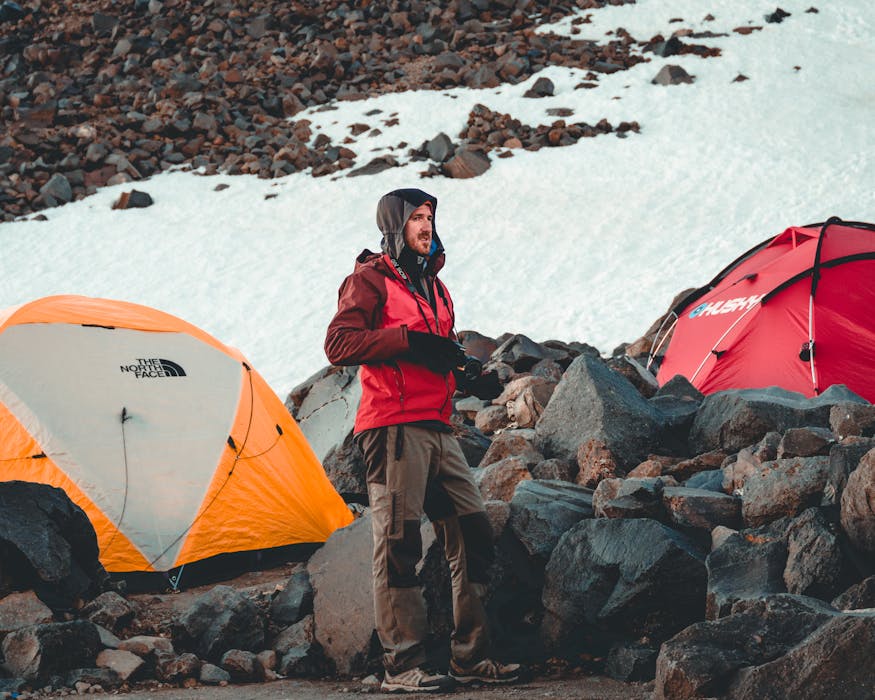
Rock formations absorb heat during the day and release it slowly at night. Setting camp near large rocks can provide subtle warmth after sunset. Rocks also block wind when positioned correctly. Campers avoid areas prone to rockfall. Flat rocks serve as cooking or seating surfaces. Stone surfaces dry quickly after rain. Using rocks strategically improves thermal comfort without artificial heat sources. This method works especially well in desert or alpine environments with temperature swings. Natural stone enhances campsite function while blending seamlessly into the surroundings, offering warmth, shelter, and utility when approached with safety awareness.
Avoiding Valley Floors
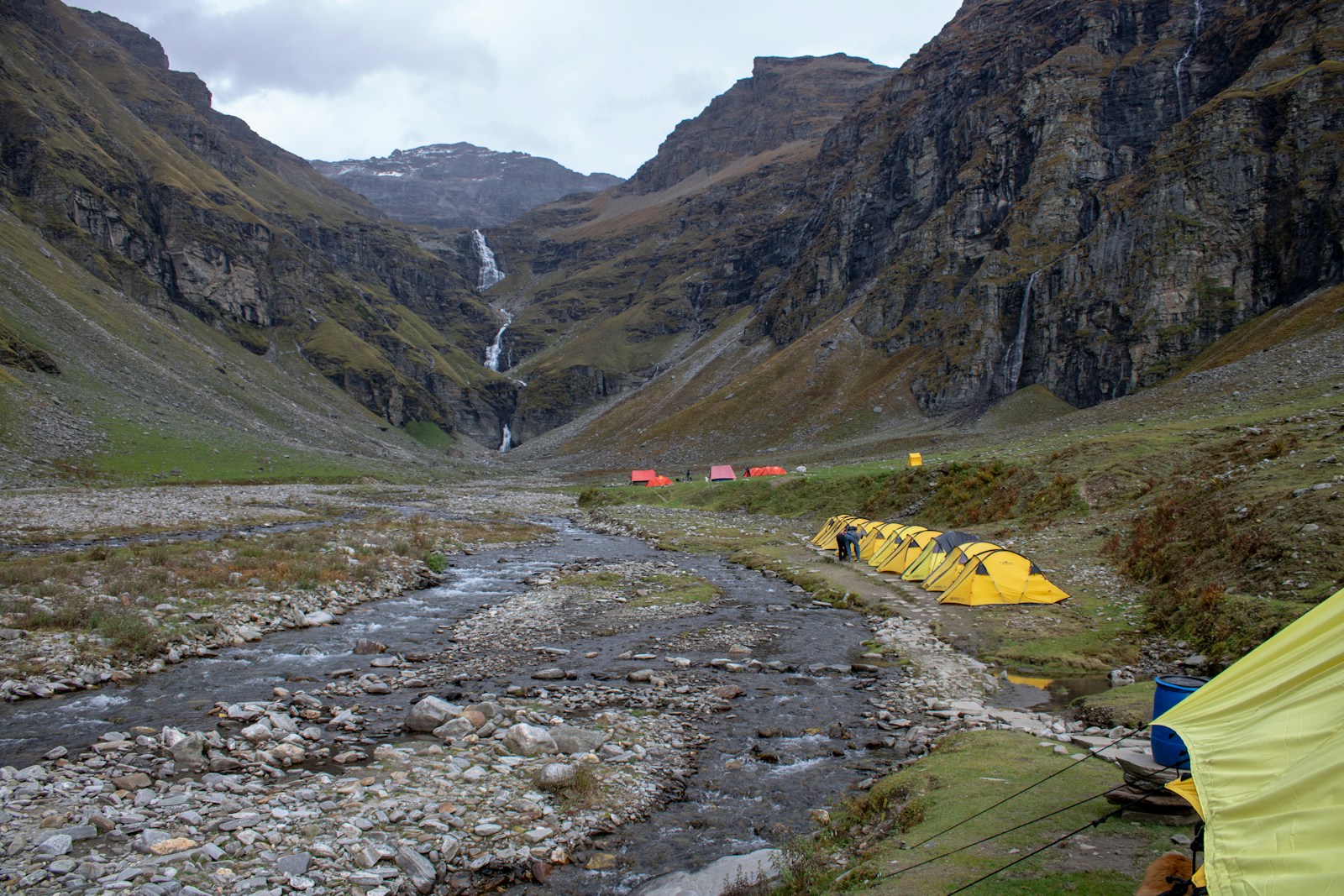
Valley floors often collect cold air, moisture, and fog overnight. Cold air sinks, creating lower temperatures than the surrounding elevations. Camps placed in valleys risk damp ground and increased insect activity. Water drainage converges in low areas during rain. Campers choose benches or gentle rises instead. Avoiding valley bottoms improves warmth and dryness. Visibility also improves away from fog pockets. Understanding cold air movement helps prevent uncomfortable nights. This terrain awareness supports better sleep and gear protection. Valleys may look inviting, but often underperform compared to slightly elevated terrain nearby.
Using Tree Lines For Shade Control
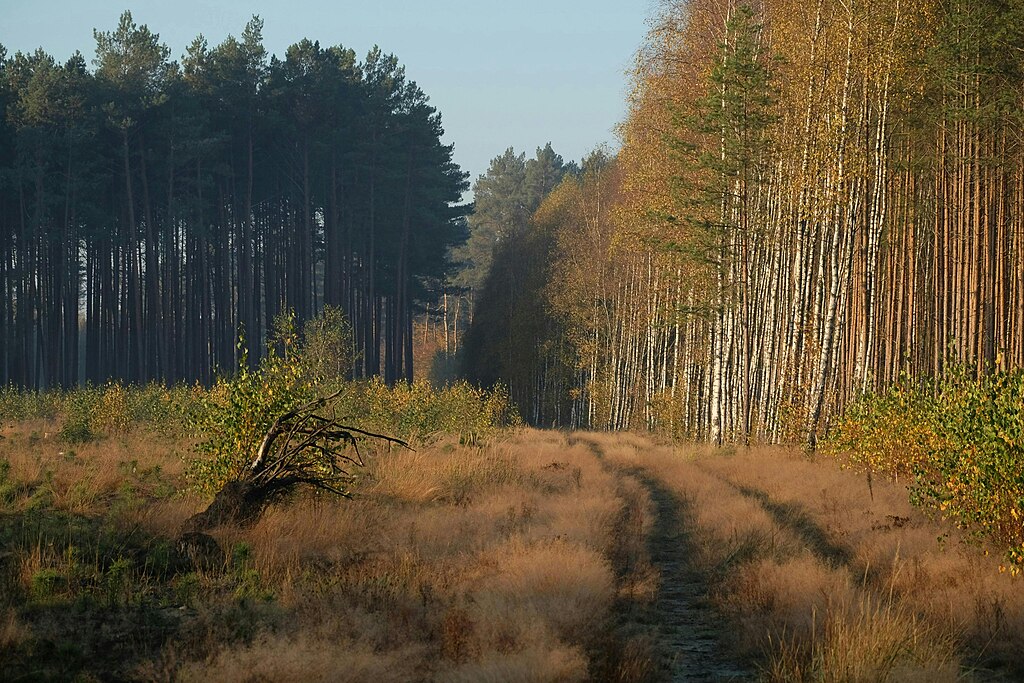
Tree lines allow control over sun exposure throughout the day. Camps placed near edges receive morning warmth and afternoon shade. This balance regulates temperature and reduces overheating. Shade protects tents from UV degradation. Campers adjust placement based on the season. Summer camps benefit from more shade, while cooler months favor sunlight. Tree lines also reduce glare and wind. Using partial cover enhances comfort without full exposure. Strategic positioning along tree edges improves livability and energy efficiency, reducing reliance on additional shelter or constant adjustments during changing daylight conditions.
Setting Camp Above Flood Zones
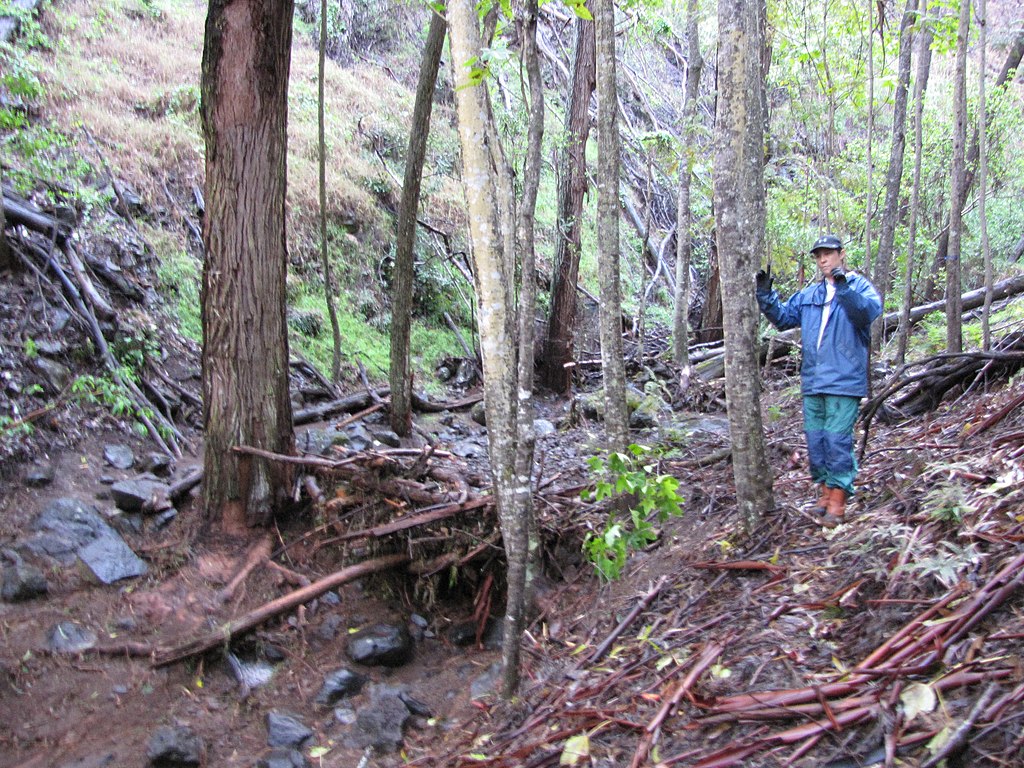
Dry creek beds and riverbanks may appear convenient, but pose flood risks. Sudden rain upstream can cause a rapid water rise. Campers identify high water marks and debris lines. Setting camp above these indicators ensures safety. Elevated placement also reduces humidity and insect presence. Water access remains possible without risk. Understanding watershed behavior prevents emergencies. This habit proves critical in desert and mountain regions. Using terrain knowledge protects campers and equipment. Avoiding flood zones reflects respect for natural water systems and ensures camps remain secure during unpredictable weather events.
Using Vegetation For Visual Privacy
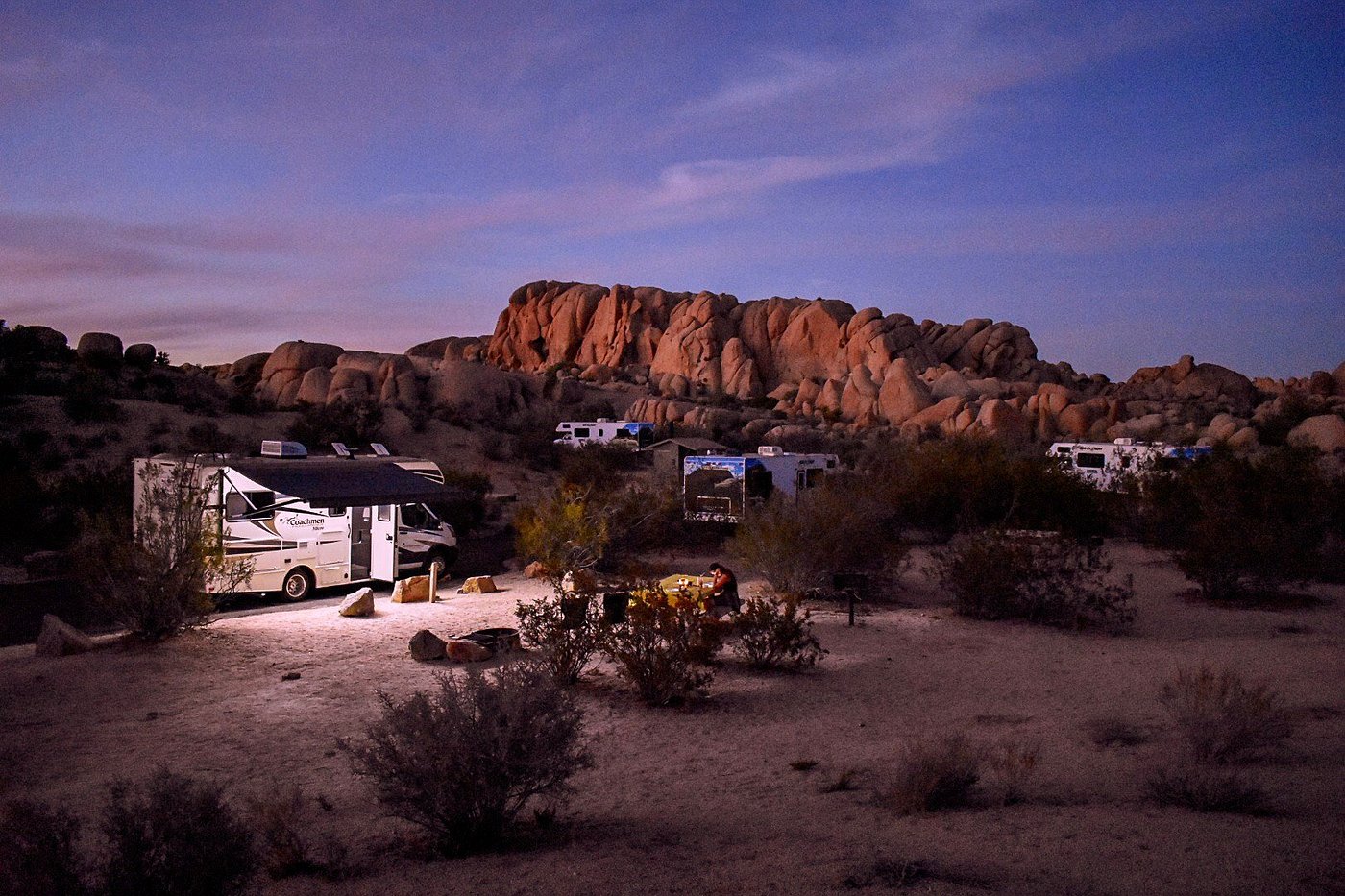
Dense vegetation offers natural privacy without artificial screens. Bushes and shrubs block sightlines while maintaining airflow. Campers use vegetation edges to reduce visibility from trails. This enhances seclusion and reduces wildlife disturbance. Privacy improves group comfort and noise control. Campers avoid damaging plants and use existing growth patterns. Vegetation also diffuses light at night. Using natural screens blends camps into the surroundings. This approach supports low-impact camping while creating a sense of retreat and discretion within shared outdoor spaces, especially in popular camping areas where shared spaces require subtle, respectful boundaries and mutual consideration.
Aligning With Natural Travel Paths
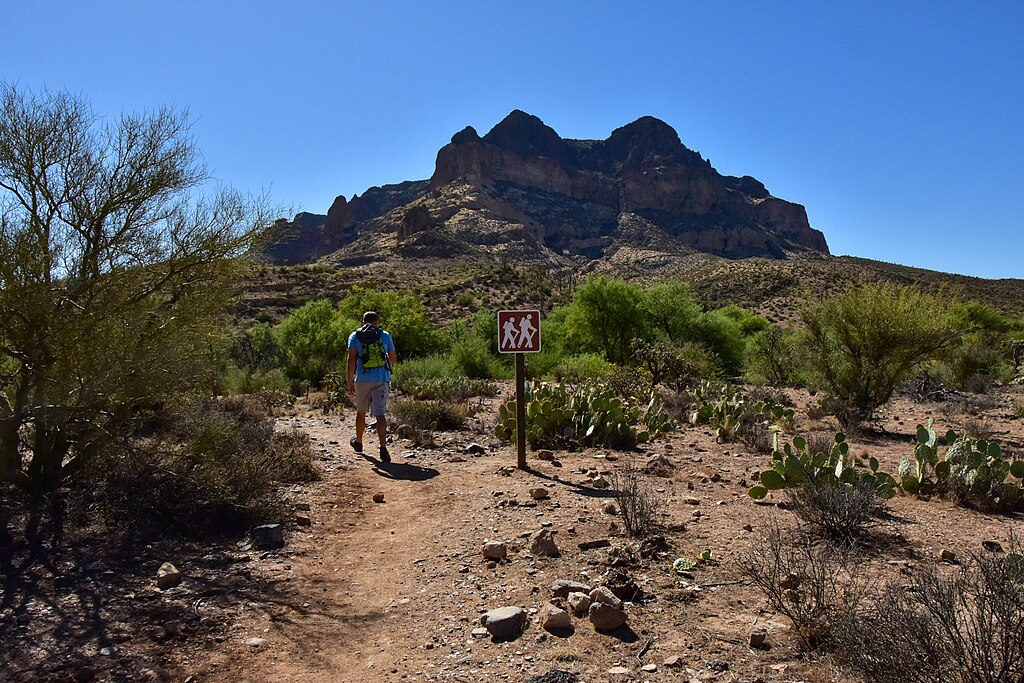
Wildlife and people follow natural travel corridors like ridges and waterways. Camps placed directly on these paths risk disturbance. Skilled campers set camp slightly off the routes. Using terrain features identifies common movement patterns. Avoiding these paths reduces encounters and noise. Camp placement remains accessible but discreet. This awareness improves safety and wildlife respect. Terrain reading prevents accidental interference with natural movement. Aligning camp away from corridors enhances tranquility and minimizes environmental impact while maintaining ease of access to water and resources, during busy seasons with hikers, anglers, and animals frequently moving through these corridors unnoticed daily.
Using Soil Type For Stability
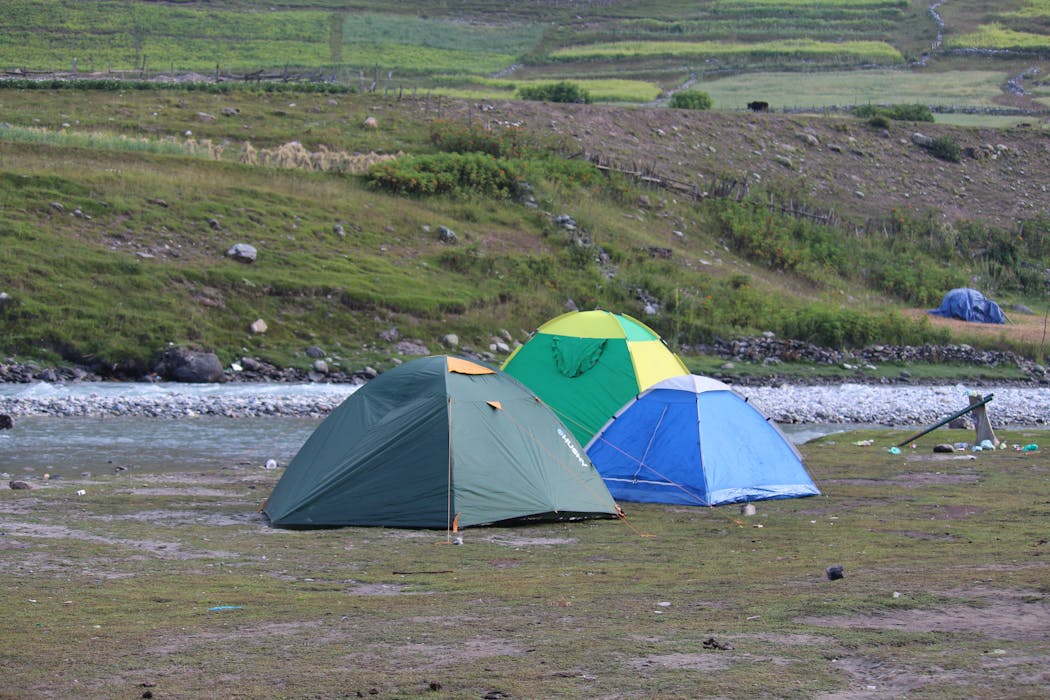
Soil composition affects tent stability and comfort. Sandy soil drains well but may not hold stakes. Clay retains water and becomes slick. Loamy soil offers balance. Campers test soil firmness before setup. Choosing stable ground prevents shifting and sagging. Soil awareness improves drainage and anchor strength. This consideration protects tents from wind or rain. Using terrain knowledge avoids discomfort and gear failure. Evaluating soil type complements slope and elevation choices, creating a secure foundation for camp that performs reliably across varying conditions, across forests, deserts, grasslands, mountains, and coastal environments with changing weather patterns and year-round variability.
Positioning Near Natural Sound Barriers
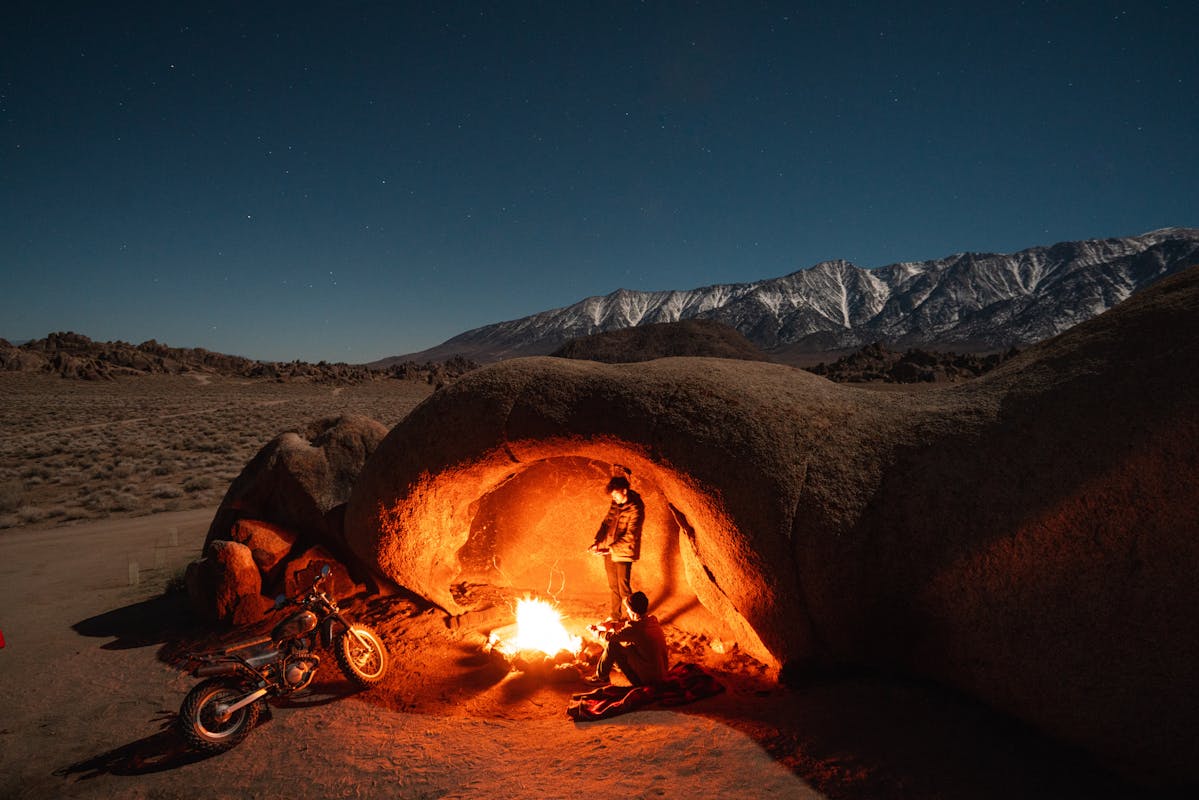
Terrain features like ridges and dense vegetation dampen sound. Camps placed behind barriers reduce wind noise and external sounds. This creates quieter sleeping environments. Sound barriers also reduce camp noise. Using terrain for acoustic control enhances rest and privacy. Campers avoid echo-prone rock faces. Natural sound dampening improves the overall experience. This subtle benefit often goes unnoticed but significantly impacts comfort. Terrain-based sound management supports restful nights, especially in windy or populated areas where noise travels easily across open ground, near campgrounds, roads, waterways, or ridgelines where sound otherwise carries surprisingly far during calm nights.
Using Terrain For Fire Safety
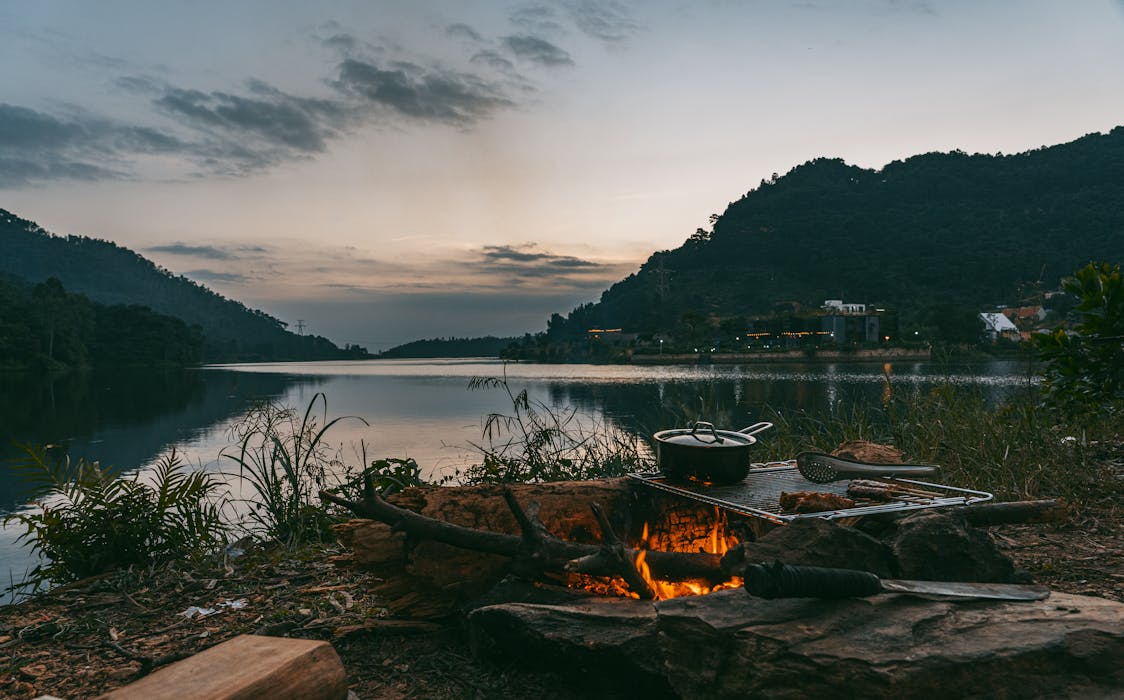
Terrain influences fire behavior and safety. Camps placed on bare soil or rock reduce fire spread risk. Natural clearings away from dry brush provide safer fire zones. Slopes affect flame movement, with fire traveling uphill faster. Campers consider wind channels created by terrain. Using natural fire breaks improves safety. Terrain awareness supports responsible fire use. This practice protects landscapes and campers alike. Thoughtful placement aligns with regulations and ethical standards while ensuring warmth and cooking needs are met without unnecessary risk, in varied climates, seasons, jurisdictions, and landscapes with different regulations, fuel conditions, and enforcement expectations.