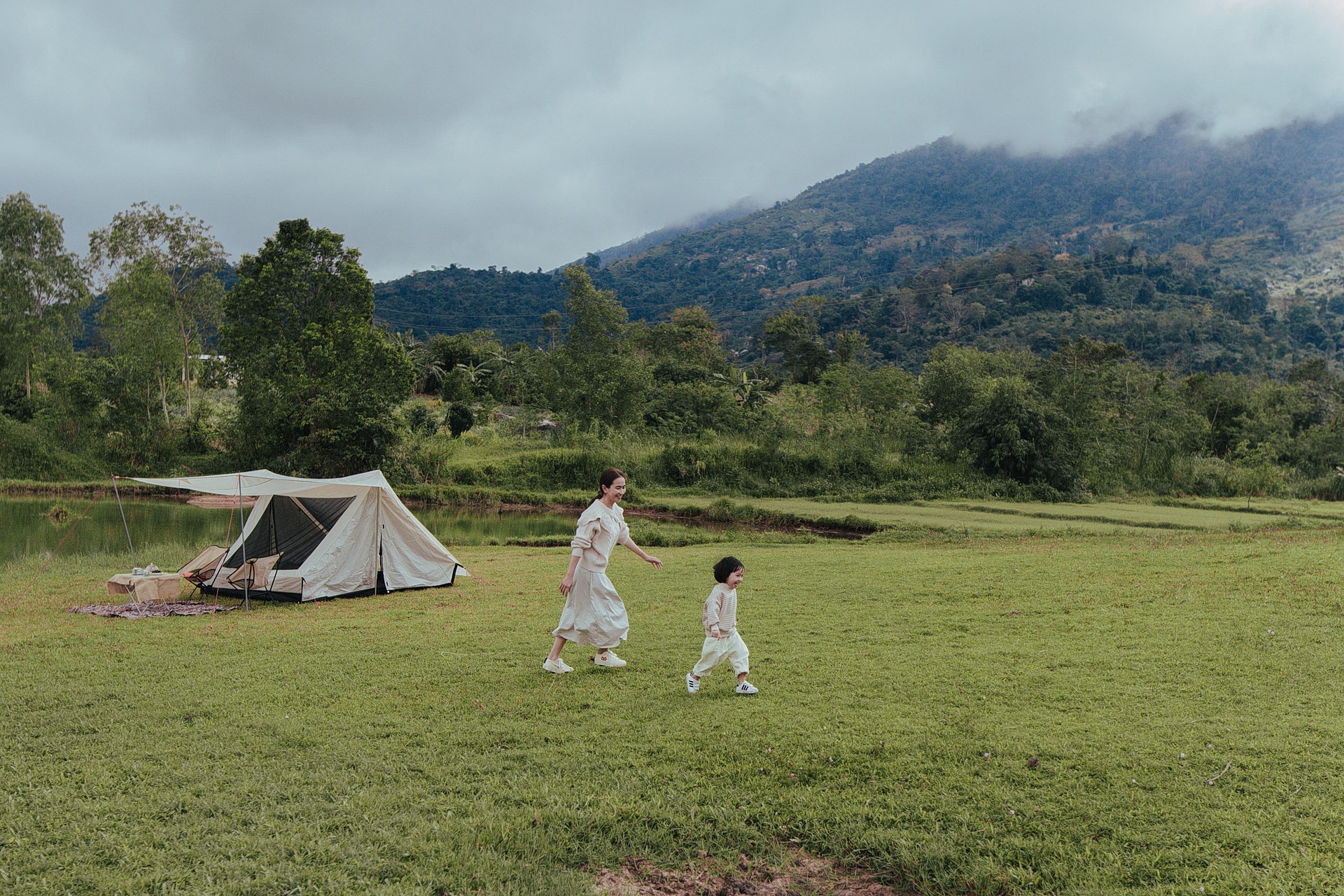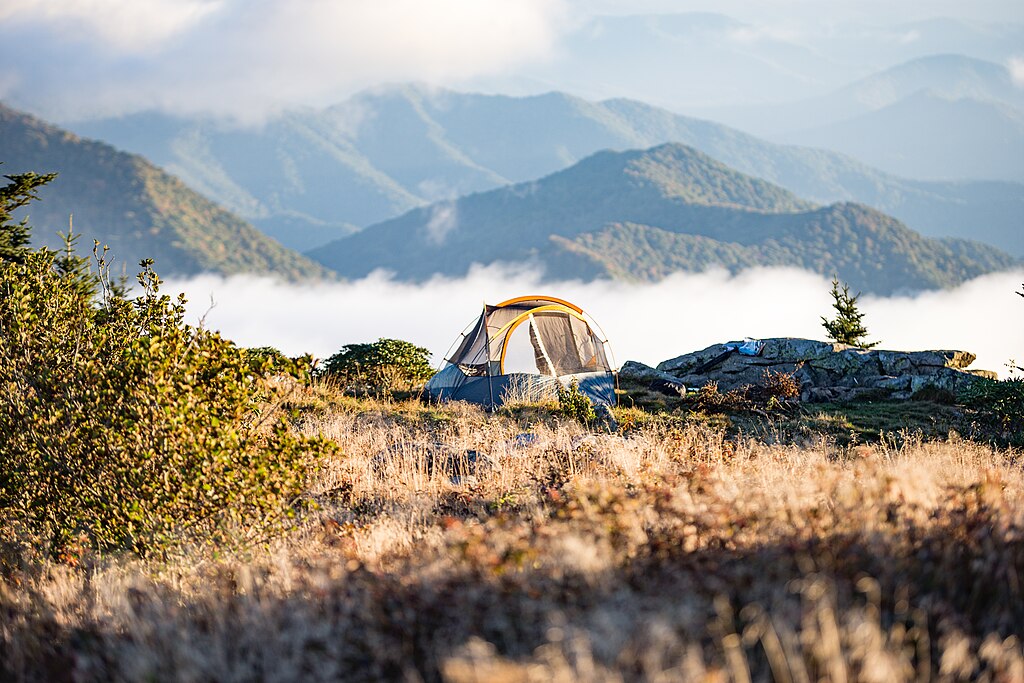
Camping in Arizona and Colorado may sound similar, but anyone who has pitched a tent in both knows the experiences could not be more different. Arizona feels like an endless painting of red rock, sand, and cactus silhouettes glowing beneath the sun. Colorado surrounds you with towering pines, snow-capped peaks, and mountain streams that sing through the night. The contrast shows in the weather, wildlife, and rhythm of nature itself. Understanding these differences helps travelers plan better, pack smarter, and enjoy both regions at their best.
1. Climate and Air Quality
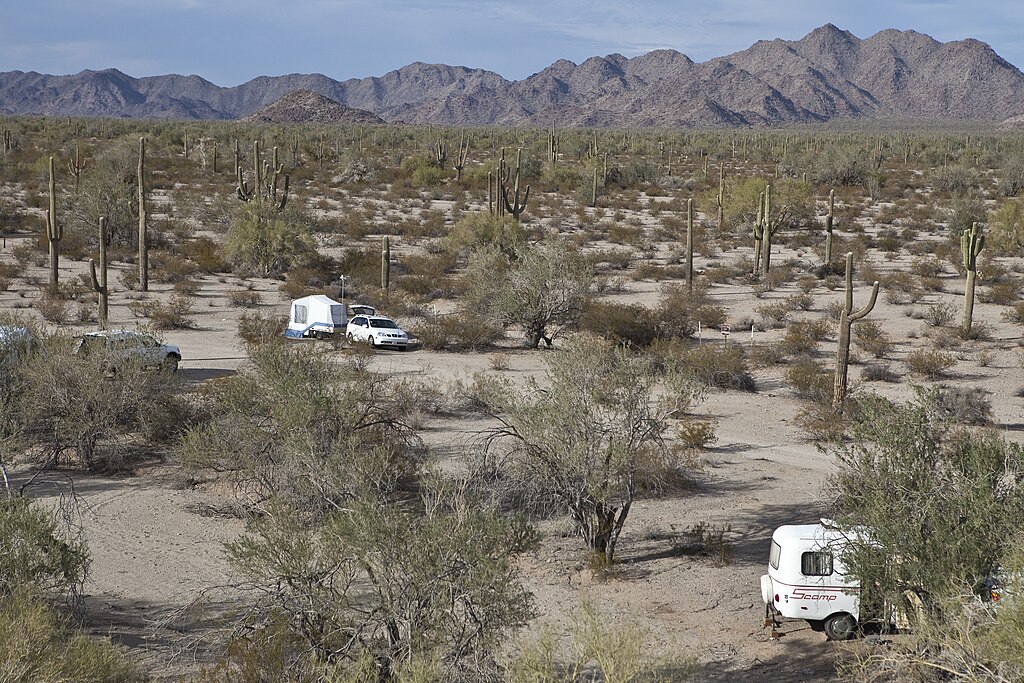
Arizona’s desert air can feel like standing inside a giant oven by midday, while Colorado’s mountain air stays crisp and cool throughout most of the year. The lack of humidity in Arizona means sweat evaporates quickly, hiding signs of dehydration. In Colorado, the thinner air at higher elevations can leave campers short of breath until they adjust. Both climates require awareness and preparation. Arizona demands constant hydration, while Colorado rewards slower breathing and patience. Each climate feels distinct yet equally invigorating for outdoor lovers.
2. Terrain and Elevation
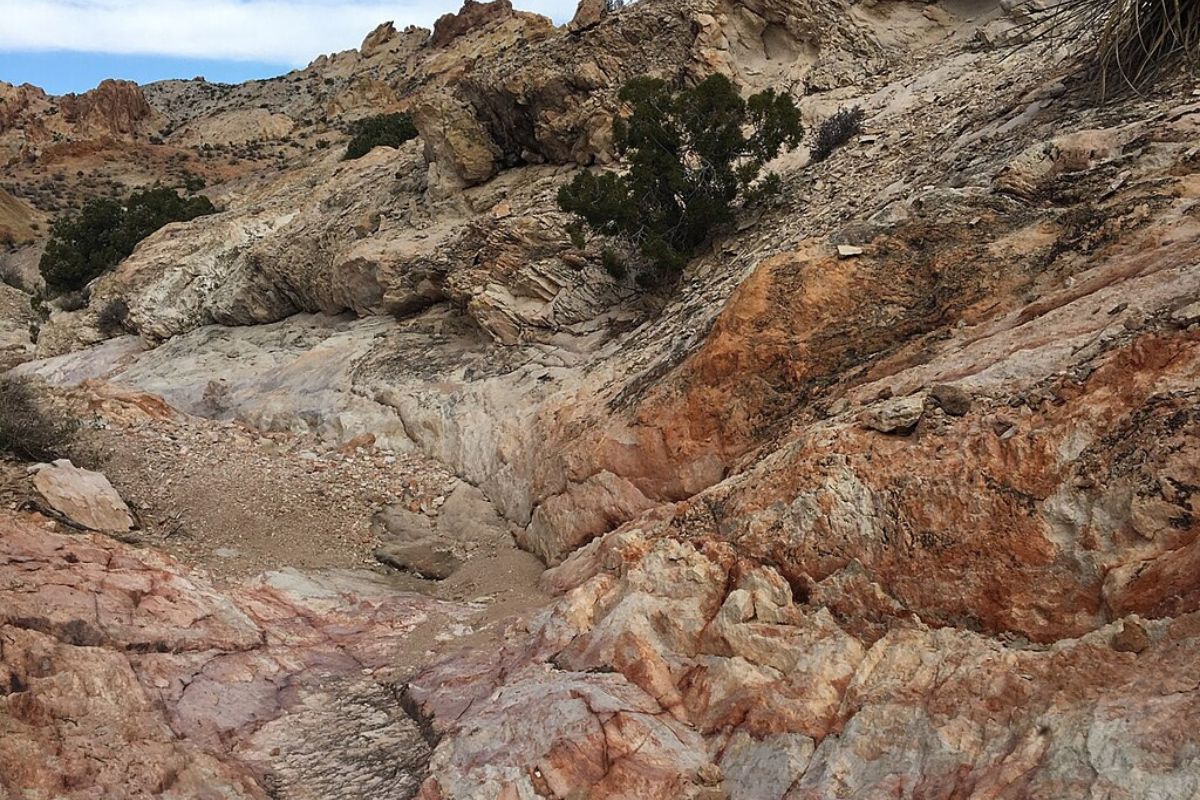
Arizona lies lower, shaped by wide valleys and canyons carved by centuries of wind and water. The land appears endless and open, often colored in red and gold. Colorado rises steeply into alpine territory, with most campsites surrounded by forests and high ridges. Altitude changes everything from how water boils to how fast you tire. Arizona’s trails test endurance through heat and dust, while Colorado’s hikes challenge the lungs with steep inclines. Both landscapes define adventure, but through entirely different natural designs.
3. Wildlife Variety
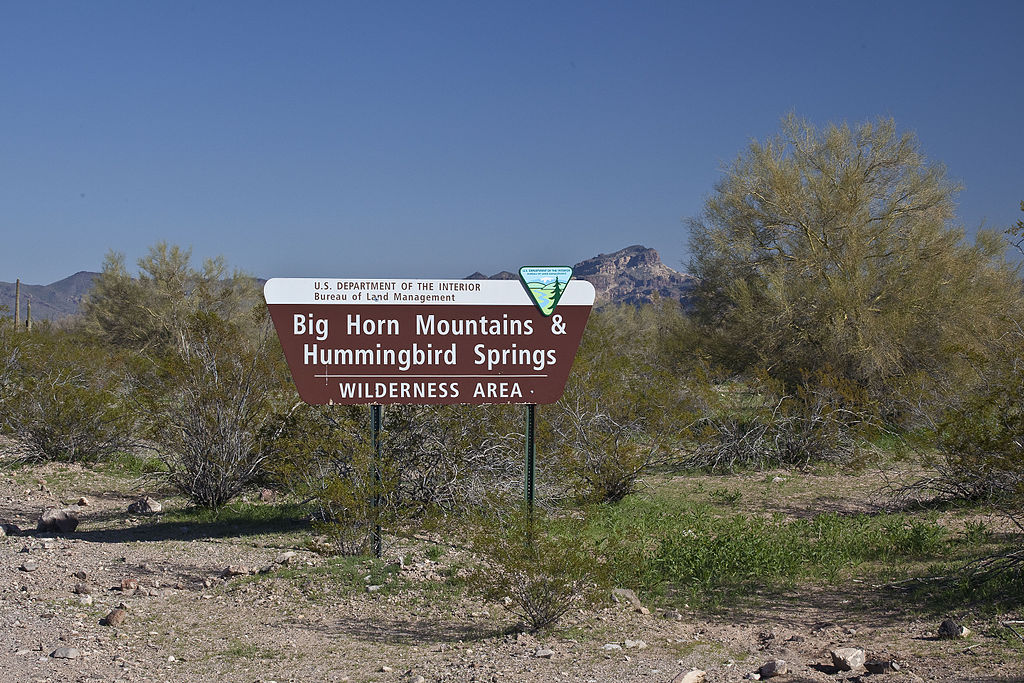
In Arizona, campers may spot coyotes trotting across the sand or hear the rattle of snakes warming on rocks. Gila monsters, scorpions, and roadrunners bring a sense of desert mystery. Colorado’s wilderness hosts elk, moose, and black bears moving through cool meadows. Smaller animals like chipmunks and marmots provide constant movement near camp. Food safety practices also differ between states. Arizona campers protect meals from insects and reptiles, while Colorado campers use bear-proof containers. Every environment teaches a new respect for wildlife habits.
4. Seasonal Camping Windows
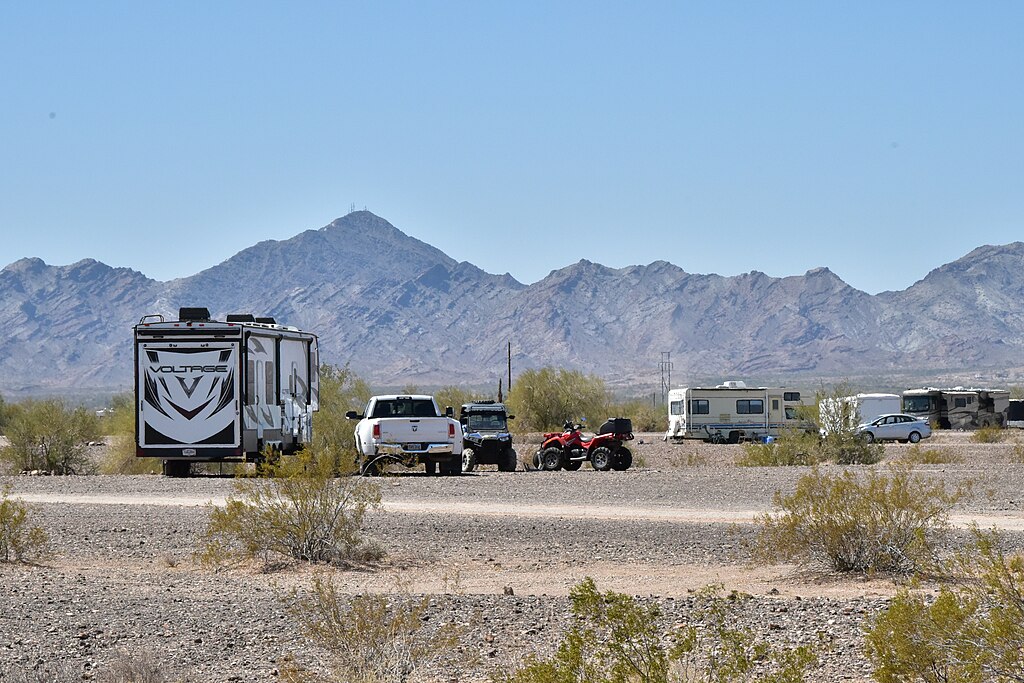
Arizona’s peak camping season stretches through winter and early spring, when cool breezes replace the harsh heat. Summer camping in the desert is difficult, often unsafe due to extreme temperatures. Colorado follows the opposite rhythm. Summer and early fall are the best months, bringing pleasant weather and clear trails. Heavy snow limits camping from late fall through spring. Planning around these seasons ensures comfort and safety. Arizona welcomes campers escaping winter chill, while Colorado calls to those chasing summer’s alpine bloom.
5. Vegetation and Scenery
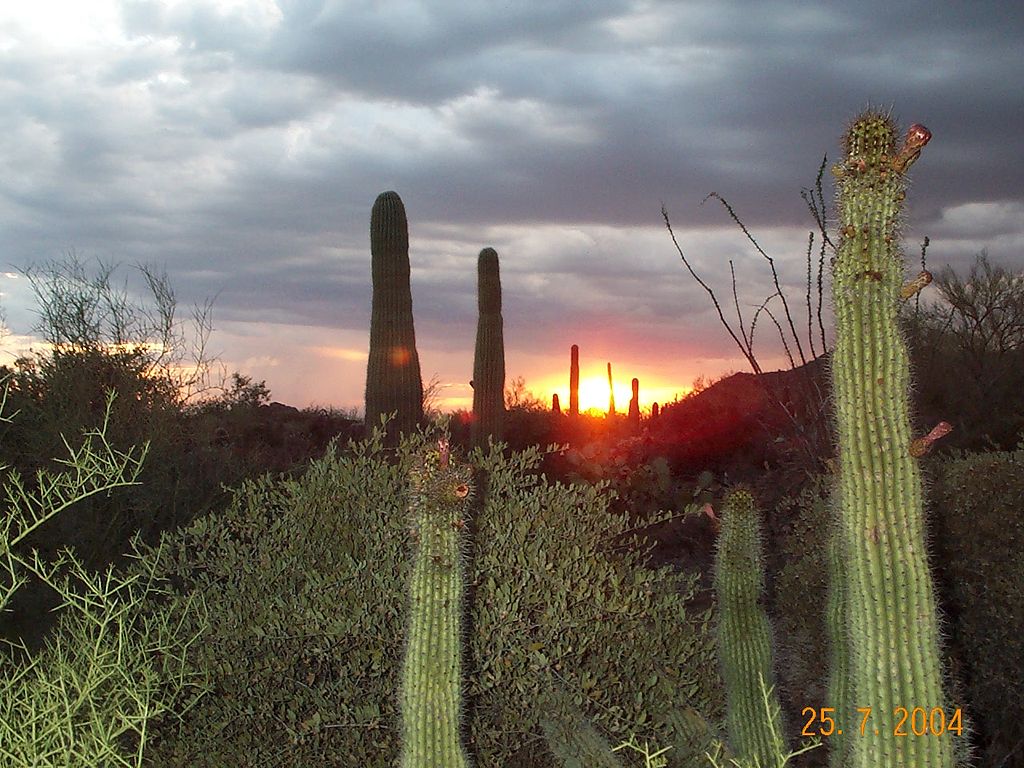
Arizona’s landscapes display strength through simplicity. Towering saguaros, dry riverbeds, and rugged mesas dominate the view. Colors shift between gold, amber, and deep red under the desert sun. Colorado contrasts this with dense pine forests, grassy valleys, and wildflowers covering the slopes in bright color. Lakes reflect snow peaks like glass mirrors. The difference in vegetation defines the visual tone. Arizona feels sunbaked and eternal, while Colorado feels fresh and alive. Both offer photographers endless textures, but with completely opposite moods.
6. Water Availability and Sources
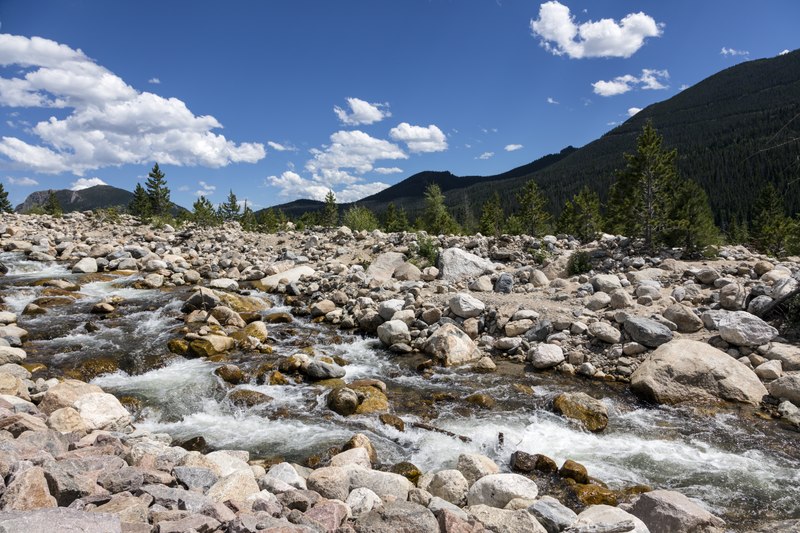
In Arizona, finding water is a serious challenge. Rivers often run dry for months, and only a few high-altitude lakes stay consistent year-round. Campers carry large supplies or plan routes around rare springs. Colorado is rich in flowing streams and alpine lakes fed by snowmelt, making hydration simpler. Yet cold water and unpredictable flow still require purification. Arizona’s scarcity teaches conservation and planning, while Colorado’s abundance offers convenience with caution. In both states, smart water management defines a successful camping trip.
7. Campfire Rules and Safety
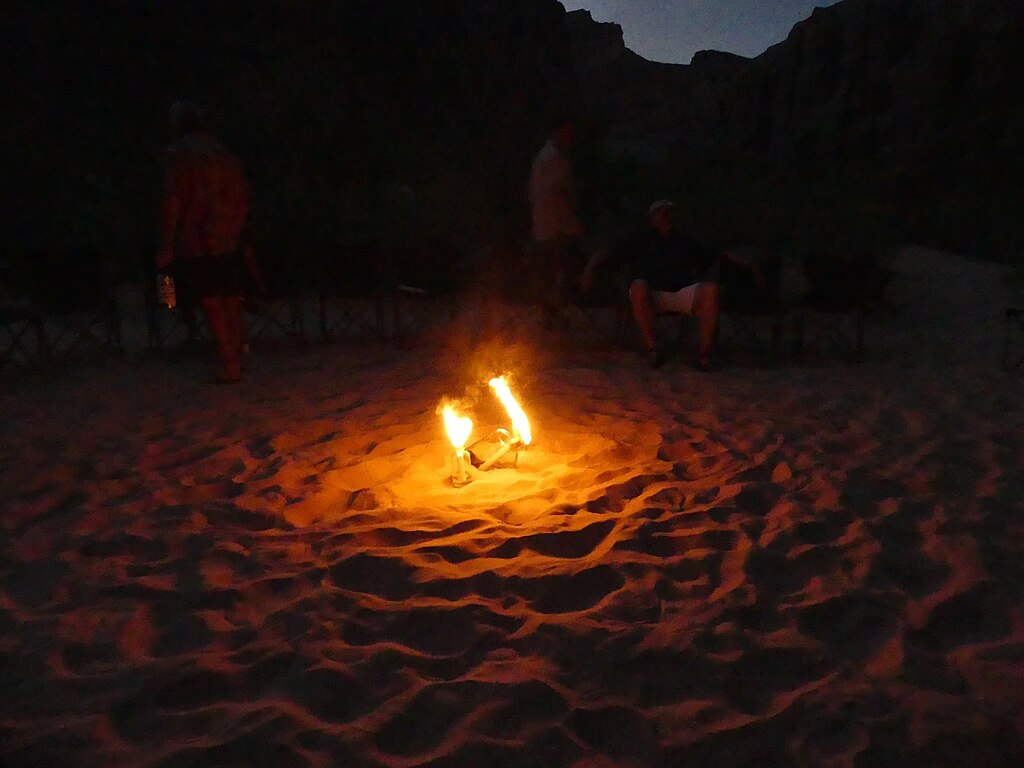
Arizona’s dry air and wind make fire safety a constant concern. Many desert areas restrict open flames, and campers often depend on portable stoves for cooking. Colorado allows more traditional campfires, especially in established fire rings at forested sites, though local bans still apply during droughts. Respecting these rules protects wildlife and preserves the land. In Arizona, flames glow against rock and sand, while in Colorado, they flicker beneath pine branches. Each state’s atmosphere turns every night by the fire into a unique experience.
8. Accessibility and Roads
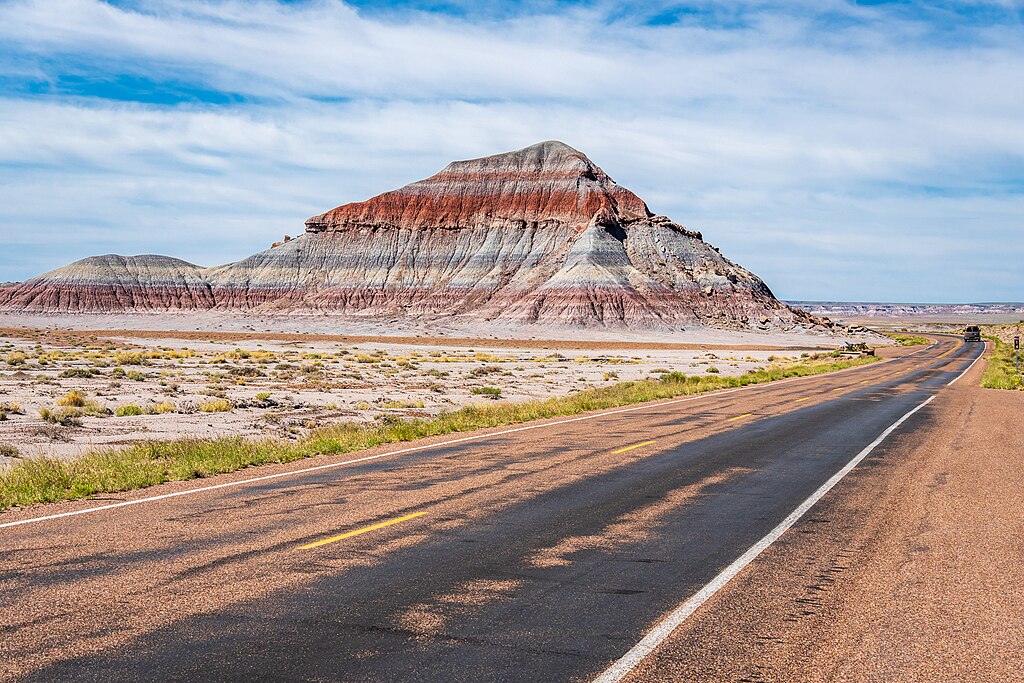
Arizona’s camping routes often require four-wheel-drive vehicles, especially when traveling deep into desert or canyon regions. Dirt roads and sandy paths can trap unprepared drivers. Colorado’s campsites, though higher, tend to have better-maintained forest roads and marked trailheads. However, steep grades and mountain passes can challenge smaller cars. Arizona’s isolation attracts adventure seekers, while Colorado’s accessibility appeals to families and groups. Both environments demand respect for terrain, good navigation, and readiness for sudden changes in driving conditions.
9. Night Sky and Stargazing
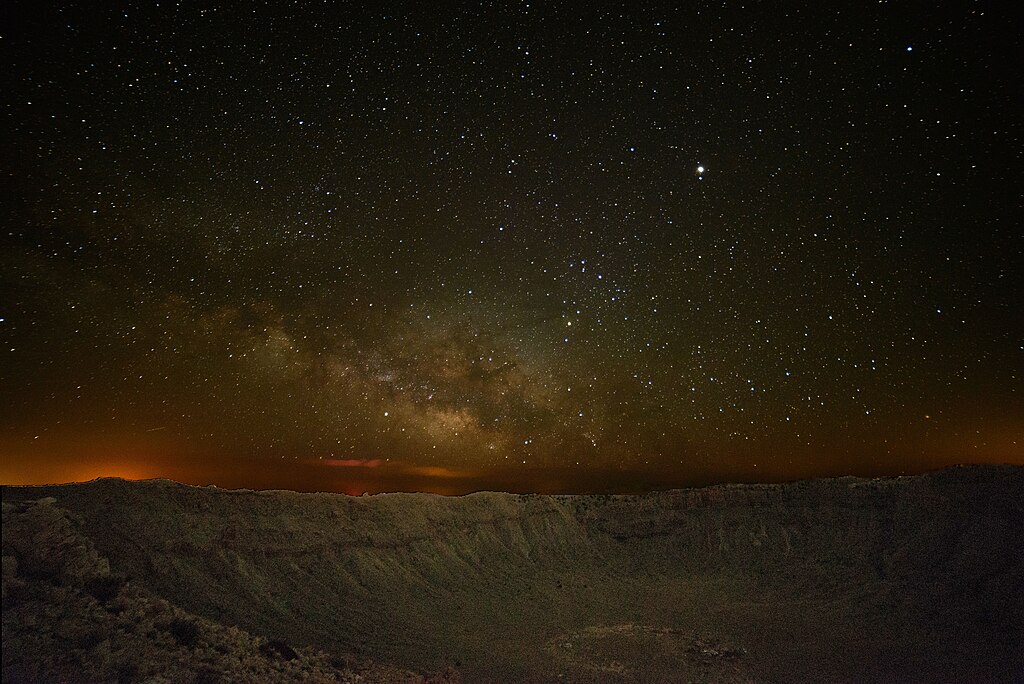
Arizona’s clear desert skies produce some of the best stargazing in the country. With little light pollution and dry air, constellations appear bright and sharp. Colorado’s high altitude brings its own magic, placing you closer to the stars with deep blue clarity. The Milky Way stretches visibly over both landscapes, but feels different in tone. Arizona’s stars shine against warm canyon silhouettes, while Colorado’s sparkle above cool mountain ridges. For photographers and dreamers alike, both skies turn every night into a quiet masterpiece.
10. Hiking Experience
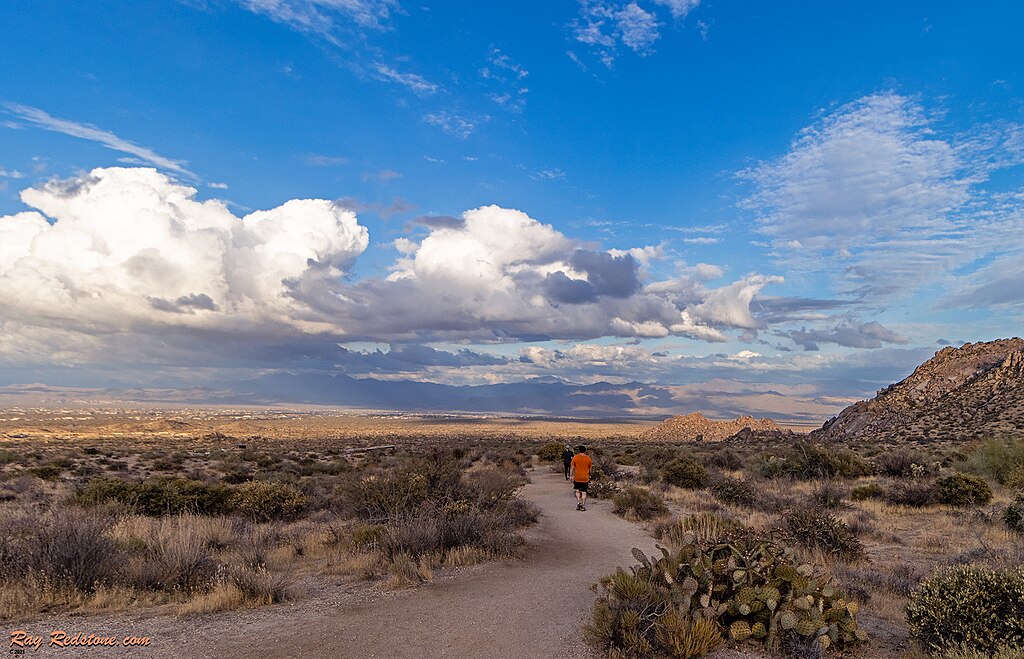
Arizona’s hiking trails test endurance through heat and exposure. Long treks across open terrain require early starts, wide-brimmed hats, and constant water breaks. The reward comes in the form of breathtaking canyons and glowing sunsets. Colorado’s trails wind through forests, climb rocky switchbacks, and cross snowfields near the peaks. The challenge is thinner air and longer climbs, but the views of lakes and alpine meadows make every step worth it. Each state delivers an unmatched hiking trail that mirrors its environment perfectly.
11. Camping Comfort and Facilities
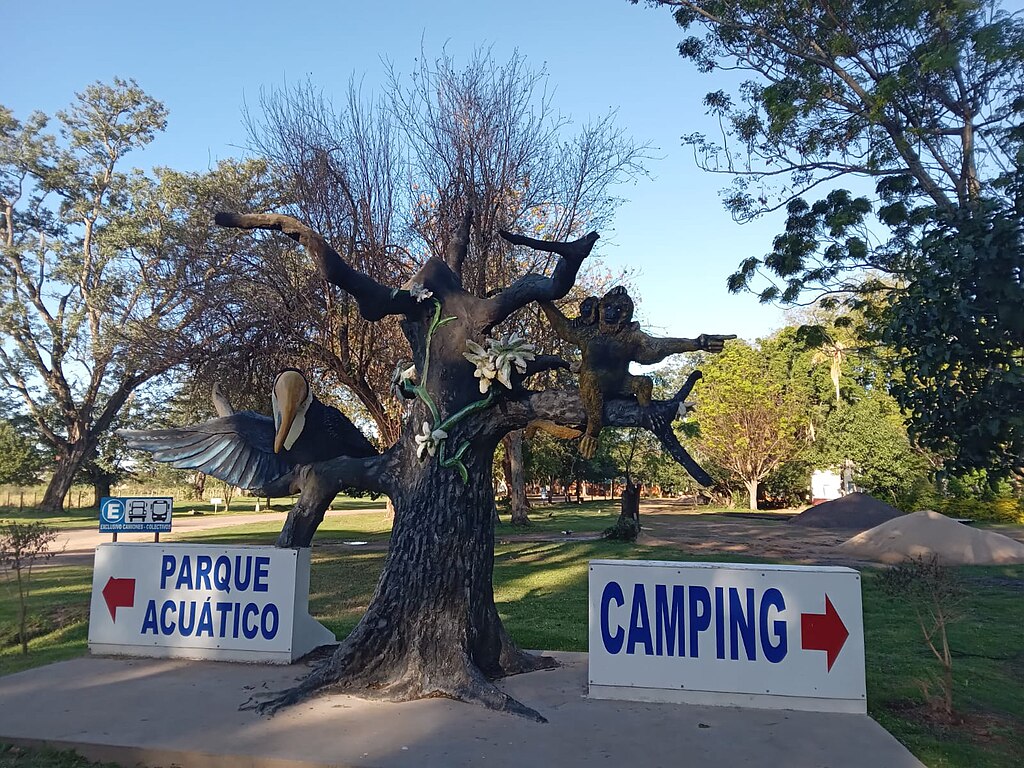
Colorado offers a wide range of organized campgrounds with restrooms, picnic tables, and fire pits. Families find the setup ideal for longer stays. Arizona’s campgrounds vary from primitive sites to full-service parks, but many desert spots favor a more self-reliant style. Comfort often depends on preparation and gear. In Colorado, the forest provides shade and shelter naturally. In Arizona, campers rely on tarps and tents for protection. Both styles encourage a return to basics and appreciation for simplicity in outdoor living.
12. Weather Hazards and Storm Patterns
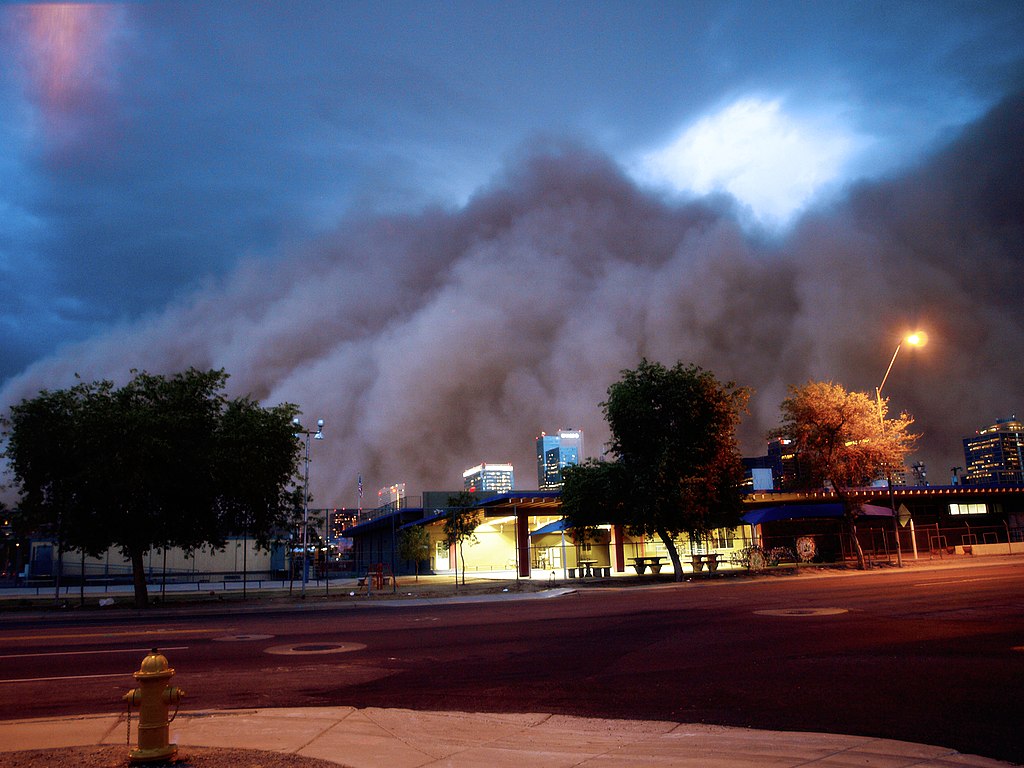
Arizona’s main weather threats include flash floods during the monsoon season and powerful dust storms that can appear with little warning. Campers learn to avoid low washes and watch the sky closely. Colorado’s biggest challenges are sudden mountain storms that bring lightning and cold rain. Snow can fall unexpectedly even in late spring. Understanding forecasts and choosing elevated, safe ground are key in both states. Each region demands awareness, but the form of danger changes dramatically with the landscape.
13. Cultural and Historical Background
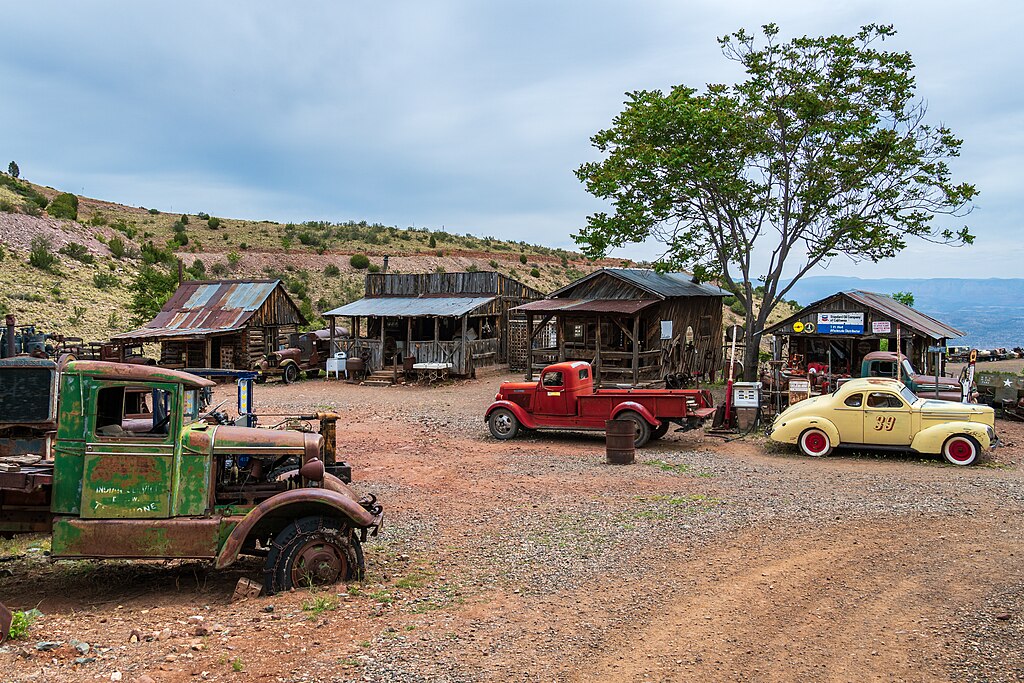
Arizona camping often feels like exploring an outdoor museum of ancient civilizations. Petroglyphs, ghost towns, and remnants of Native American settlements fill the landscape with quiet stories. Colorado carries its own frontier history, marked by mining towns, railroads, and rustic mountain cabins. Every campsite sits within reach of history. Arizona feels older, rooted in sand and stone, while Colorado feels youthful and pioneering. These cultural traces deepen the camping experience, linking every modern visitor to the people who shaped the wilderness long ago.
14. Overall Atmosphere and Emotion
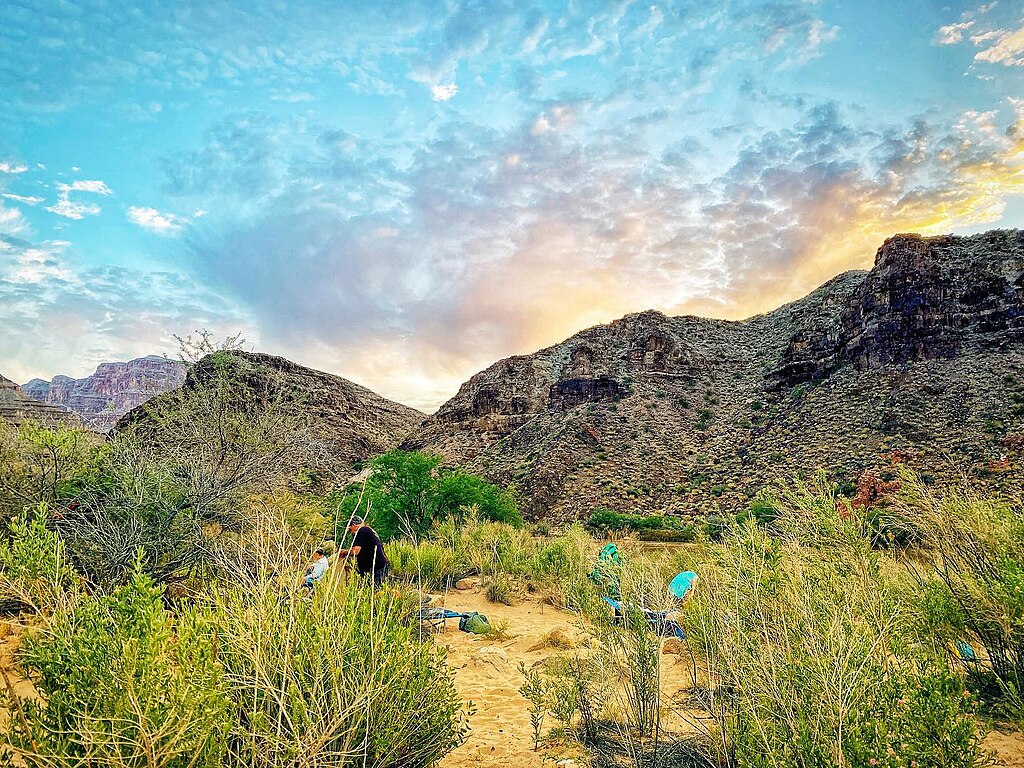
Camping in Arizona feels solitary, spiritual, and bold. The desert stretches endlessly, and silence becomes part of the experience. Stars appear endless, and time seems slower. Colorado camping feels social, refreshing, and alive, filled with laughter around campfires and trails leading through vibrant forests. The two emotions could not be more different. Arizona invites introspection, while Colorado inspires energy. Together, they represent two sides of outdoor adventure: one testing endurance under heat, the other offering peace within cool mountain air.