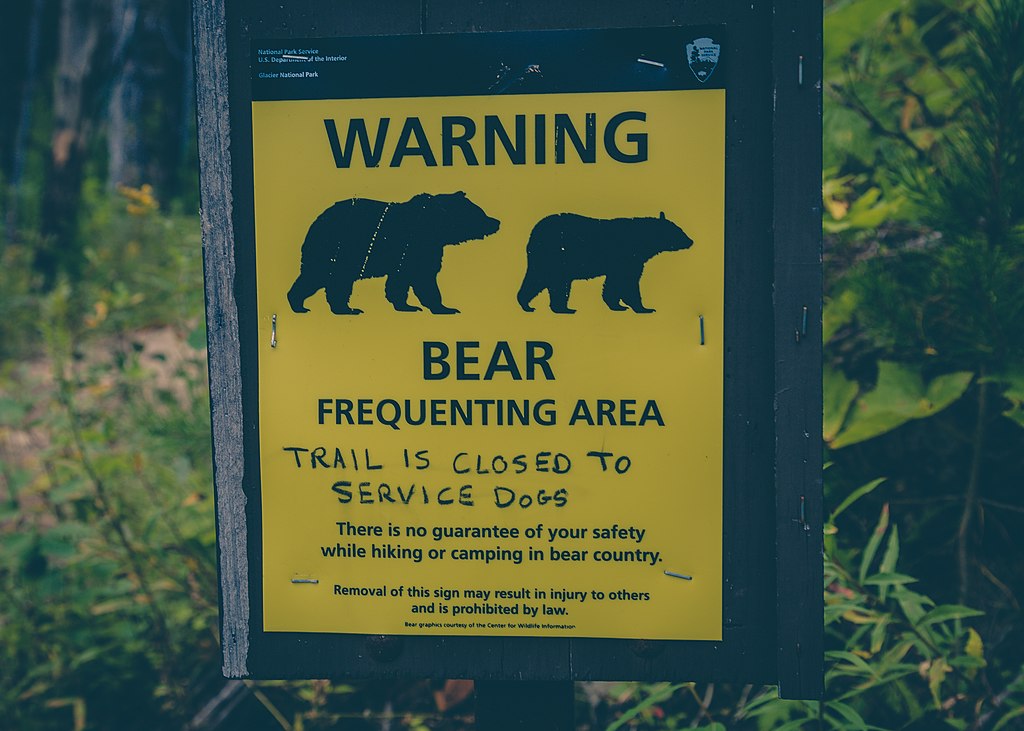
When you encounter a wild bear, staying calm and informed can make all the difference. You might think running or shouting would help, but your reaction could escalate the situation. Understanding how to respond safely helps protect both you and the animal. Each bear encounter is unique, so knowing what to avoid gives you the best chance to de-escalate and leave the area unharmed. Preparation and awareness are your strongest tools in the wild.
Never Run Away
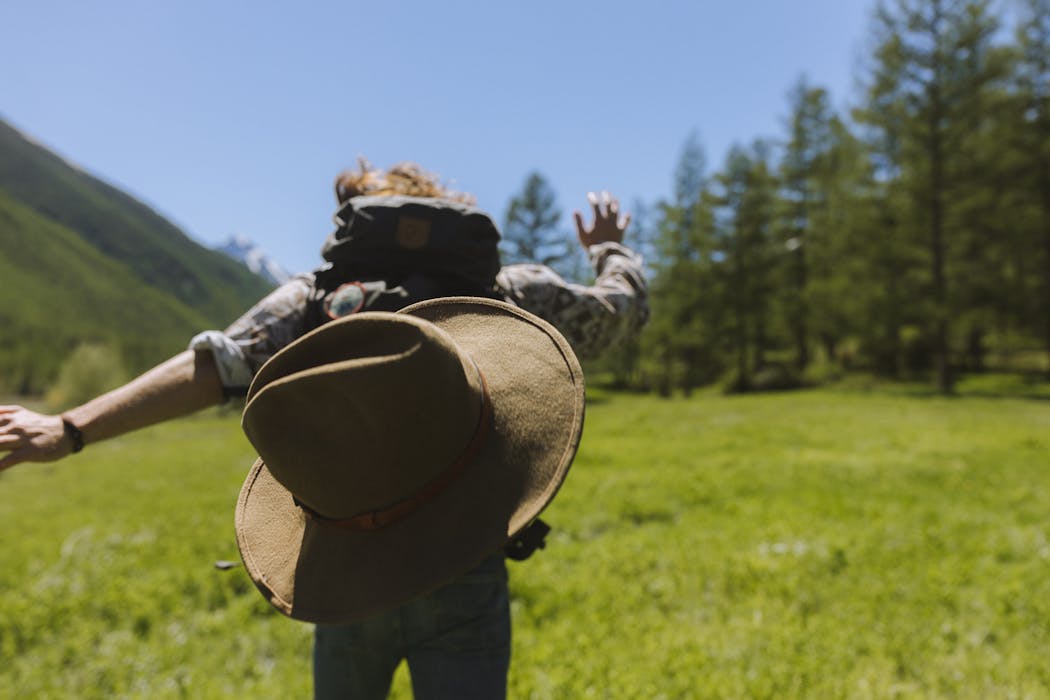
You might feel the urge to run, but that can trigger a bear’s instinct to chase. Bears are incredibly fast, capable of sprinting much quicker than any human. Instead of fleeing, you should slowly back away while keeping your eyes on the bear. Moving calmly shows you’re not a threat and gives the bear space to retreat peacefully. This calm and steady response often prevents panic and reduces the risk of provoking an unnecessary chase.
Never Scream or Make Sudden Moves

Loud noises or sudden gestures can startle a bear and make it act defensively. You should speak softly and move slowly so the animal understands you’re not aggressive. Sudden movements can confuse it or provoke a charge, especially if it feels cornered. Keeping your composure helps signal that you mean no harm and allows the bear time to move away safely. When you remain calm and predictable, the situation often resolves without conflict.
Never Approach for a Closer Look
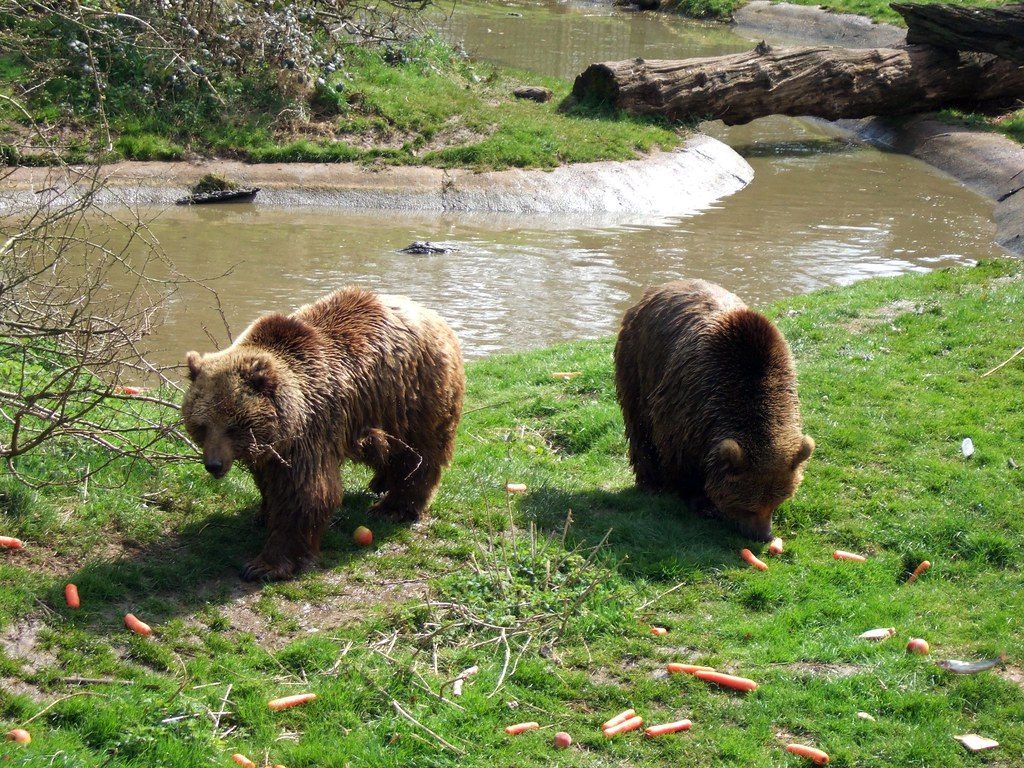
Curiosity can be dangerous when it comes to bears, no matter how calm the animal appears. Even if the bear seems uninterested or distracted, you should never move closer to get a better view. Approaching may cause it to feel trapped or protective, particularly if cubs are nearby. Observing from a safe distance keeps both you and the bear out of harm’s way while maintaining respect for wildlife. Keeping your distance ensures both safety and peace for everyone involved.
Never Turn Your Back
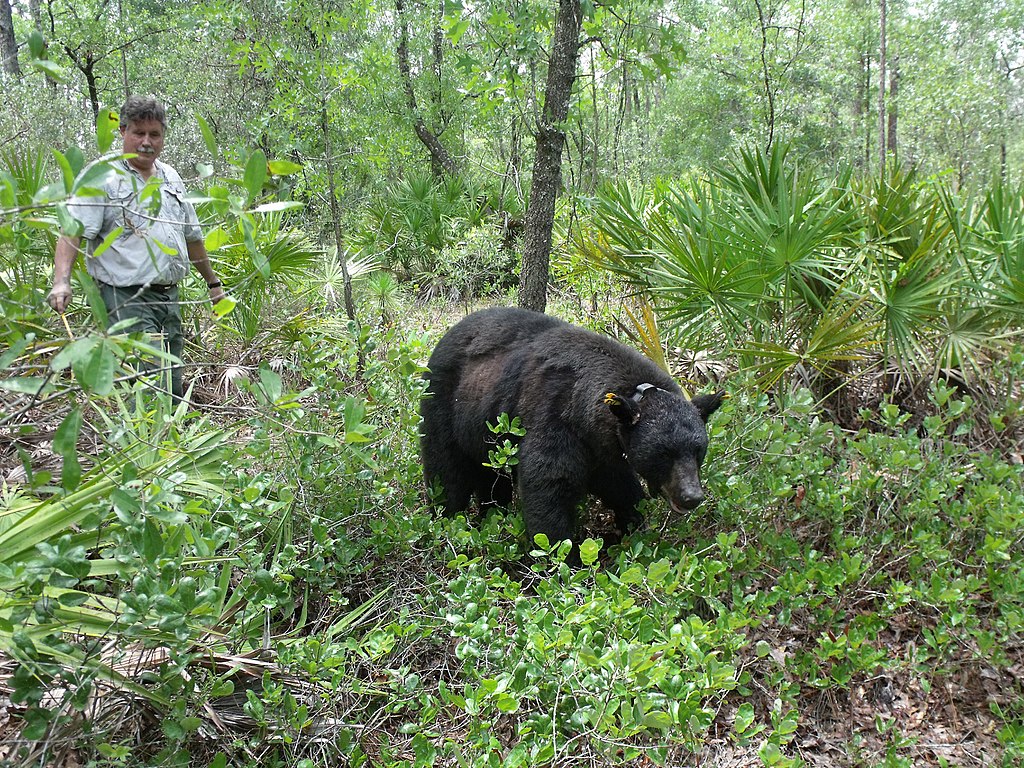
Turning your back on a bear removes your ability to watch its behavior and anticipate its next move. It’s safer to face the bear while slowly stepping backward, keeping your voice low and steady as you retreat. This approach allows you to track its reactions, stay alert, and avoid sudden surprises. Facing it directly also communicates awareness and confidence, reducing the chances of triggering aggression. Maintaining eye-line awareness is a key part of safe wildlife encounters.
Never Drop Food or Litter

Leaving food or trash behind can attract bears to human areas and increase risks for future visitors. You should always pack out everything you bring and store snacks in airtight containers or bear-proof bags. If a bear smells food, it may associate people with easy meals, which creates long-term problems for wildlife management. Responsible food handling helps prevent dangerous habits and keeps both humans and bears safe. Clean campsites and careful storage protect nature and your safety.
Never Climb a Tree

It might seem like a good idea to escape upward, but many bears are excellent climbers and can easily follow you. Grizzlies may push trees or wait below, while black bears can ascend faster than you can. Staying grounded and calm is far safer than scrambling into a tree in panic. You should focus on creating distance on level ground instead of trying to hide. The best approach is to stay visible, controlled, and aware of your surroundings at all times.
Never Stare Aggressively
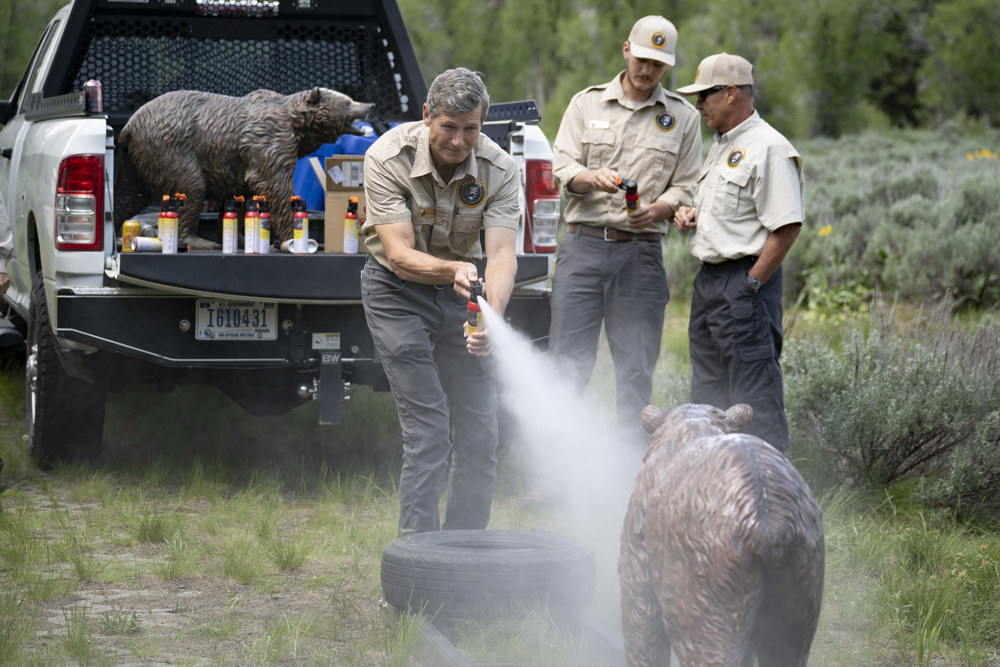
Direct eye contact may feel instinctive, but a bear could see it as a challenge or threat. You should look toward the animal without locking eyes, showing awareness but not confrontation. Aggressive staring can provoke defensive behavior or trigger fear responses. Keeping your gaze calm and steady helps maintain a neutral presence until the bear moves away. Subtle observation without intensity allows you to assess its mood and keep control of the encounter safely.
Never Play Dead Prematurely

Playing dead only helps in specific situations, such as when a grizzly bear attacks defensively after feeling threatened. If a curious or predatory bear approaches, pretending to be dead can make things worse and invite closer inspection. You should assess its body language carefully before reacting, noting whether it huffs, snorts, or charges. Acting appropriately to the bear’s behavior gives you a far better chance of staying safe and deterring further contact.
Never Feed a Bear
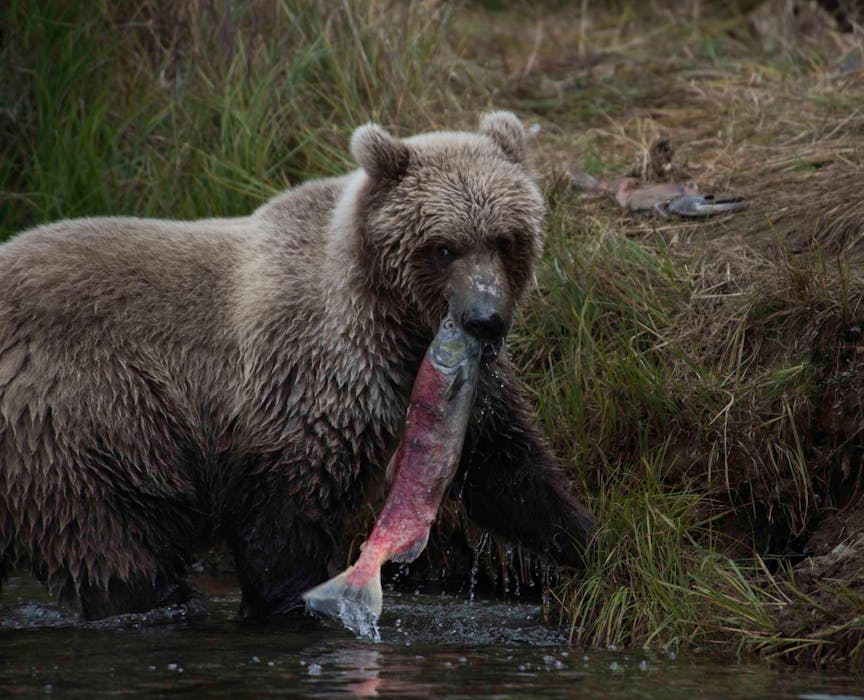
Feeding bears, even accidentally, teaches them to associate humans with easy food sources. This often leads to more aggressive encounters and endangers future visitors who may not be prepared. You should keep food sealed and dispose of leftovers properly, never tossing scraps near trails or campsites. Feeding may seem harmless in the moment, but it creates dangerous habits for wildlife. Protecting natural boundaries ensures bears remain wild and humans stay unharmed. Responsible foraging keeps everyone safe.
Never Make Yourself Look Small

You might think crouching or hiding makes you seem less threatening, but it can do the opposite. Bears interpret shrinking behavior as prey-like movement, which might trigger pursuit instincts. You should stand tall, raise your arms slowly, and speak in a calm, steady tone to show confidence. This posture communicates that you’re not prey and not aggressive. Projecting calm authority often helps the bear lose interest and walk away without conflict or fear.
Never Corner a Bear

A bear that feels trapped is far more likely to react aggressively, especially if it perceives danger to its cubs. You should always leave the animal an open escape route, even if that means stepping aside or backing away. Approaching or blocking its path increases tension and makes the bear defensive. Giving the bear room to move freely helps it retreat without confrontation. Respecting its space lowers risk and fosters peaceful coexistence between humans and wildlife.
Never Ignore Warning Signs
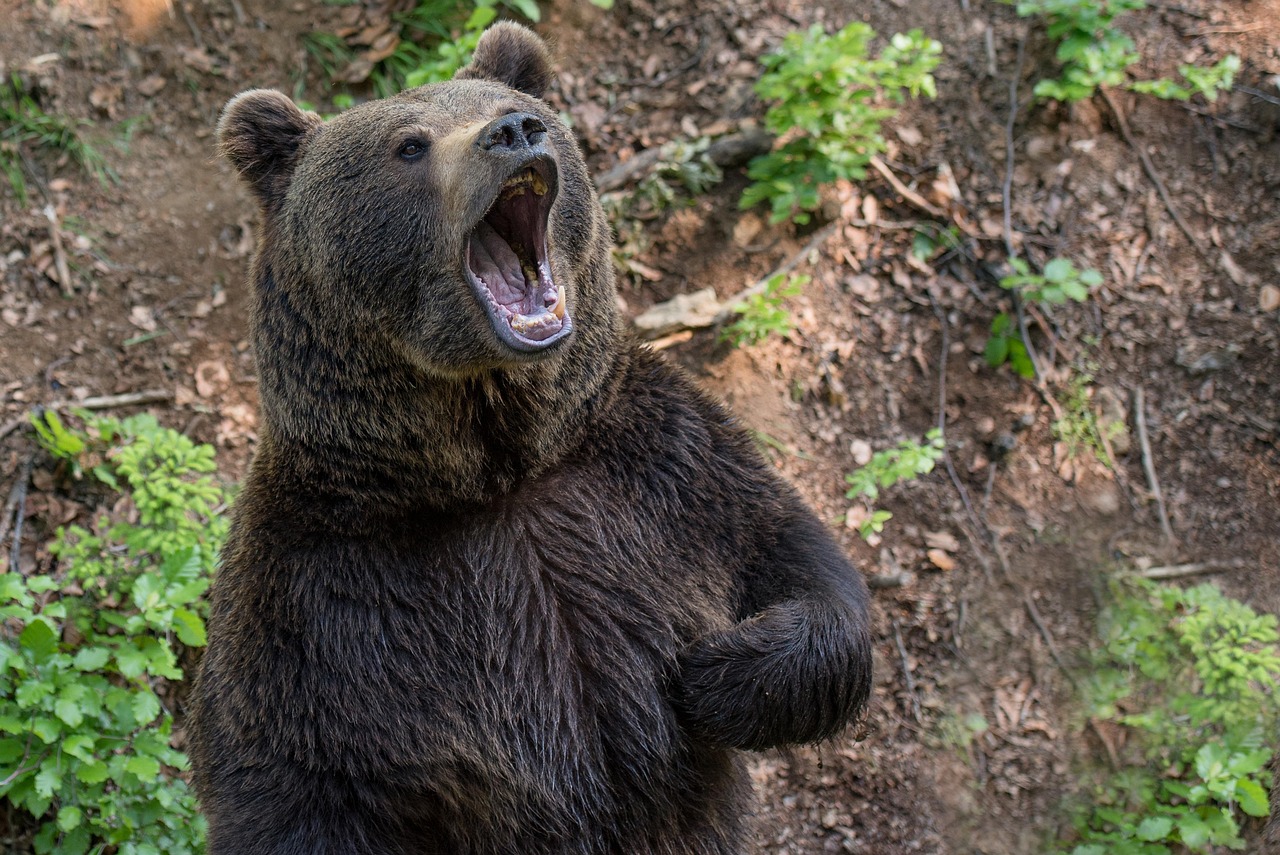
Before a bear charges, it often shows warning signs such as huffing, jaw popping, or paw swatting. You should pay close attention to these signals and prepare to de-escalate immediately. Recognizing body language early helps you avoid danger before it escalates. The sooner you respond with calm and caution, the more likely the situation will end safely. Awareness and quick thinking are essential when you share space with powerful wild animals.
Never Take Photos Up Close
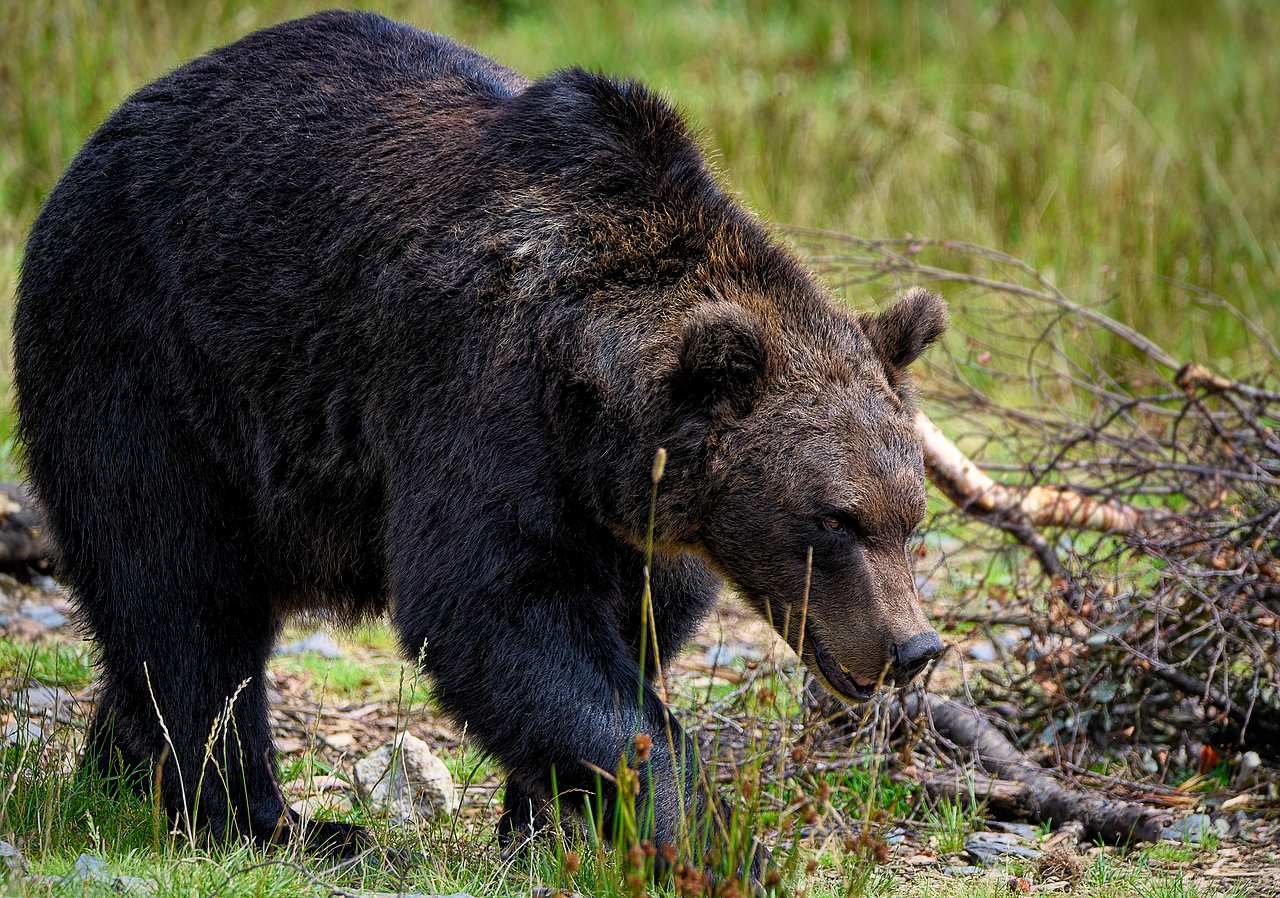
Trying to capture a perfect wildlife photo puts you at serious risk. Getting closer for a better angle can block the bear’s exit route or make it feel threatened. You should always use a zoom lens or maintain a safe distance where the animal remains undisturbed. No photo is worth risking an attack or altering natural behavior. Respecting the bear’s boundaries keeps both you and the ecosystem safe from unnecessary harm or stress.
Never Travel Unprepared
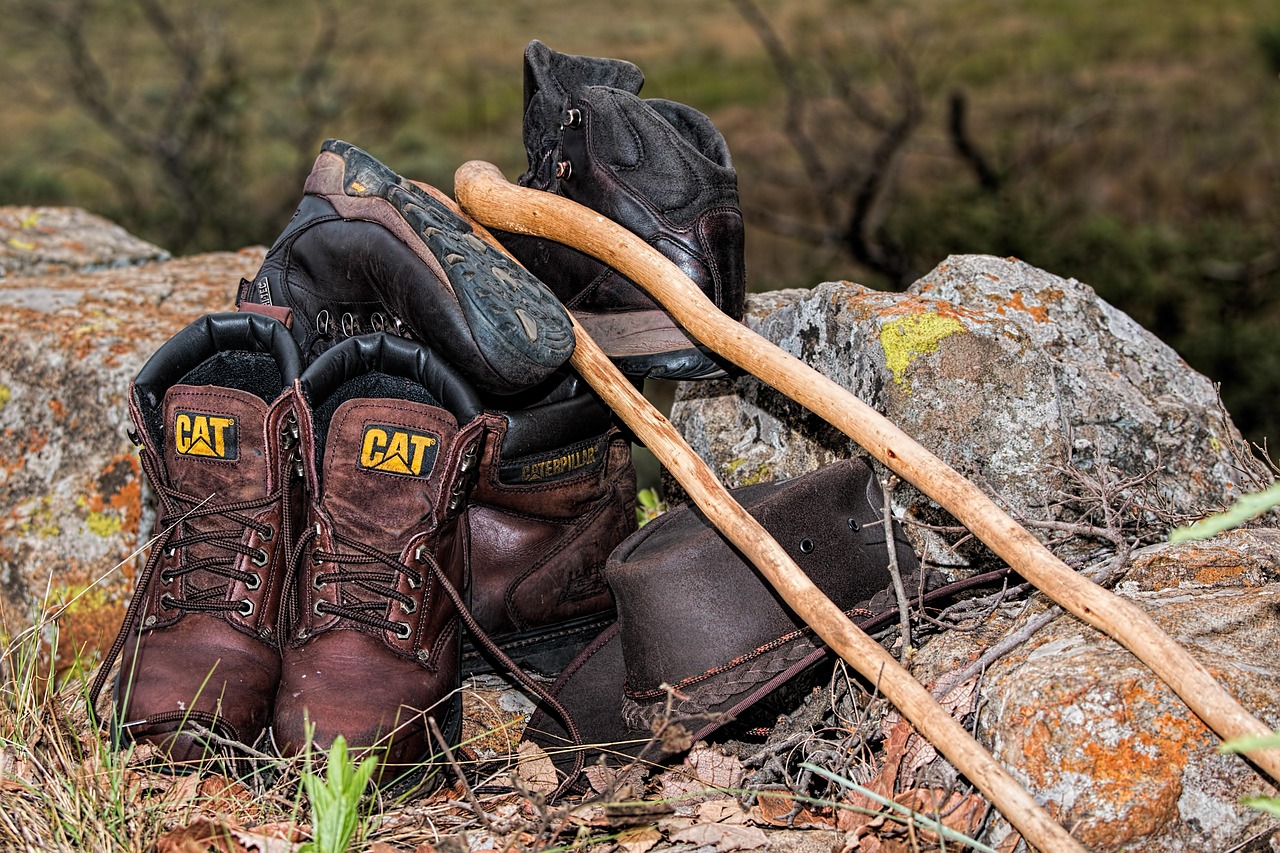
Preparation is one of the most effective ways to avoid danger during bear encounters. Carrying bear spray, storing food securely, and traveling in groups all reduce the likelihood of a surprise meeting. You should research the area beforehand, learn about local species, and make noise while hiking. Staying alert and equipped helps you react quickly and stay safe. Preparedness not only protects you but also promotes harmony between humans and wildlife in shared habitats.