Arriving at a campground often feels simple, yet staff members quietly verify many details before approving entry. These checks protect natural resources, maintain safety, and ensure fair use for everyone. Campgrounds operate under regulations shaped by land management agencies, insurance requirements, and environmental guidelines. Rangers and hosts look beyond reservations to confirm readiness and compliance. Vehicles, equipment, permits, and behavior all factor into decisions. Understanding these checks helps explain why some campers face delays or denials. This overview outlines fourteen common things campgrounds review before granting access, reflecting practical concerns rooted in stewardship, safety, and responsible outdoor recreation.
Valid Reservation Or Permit
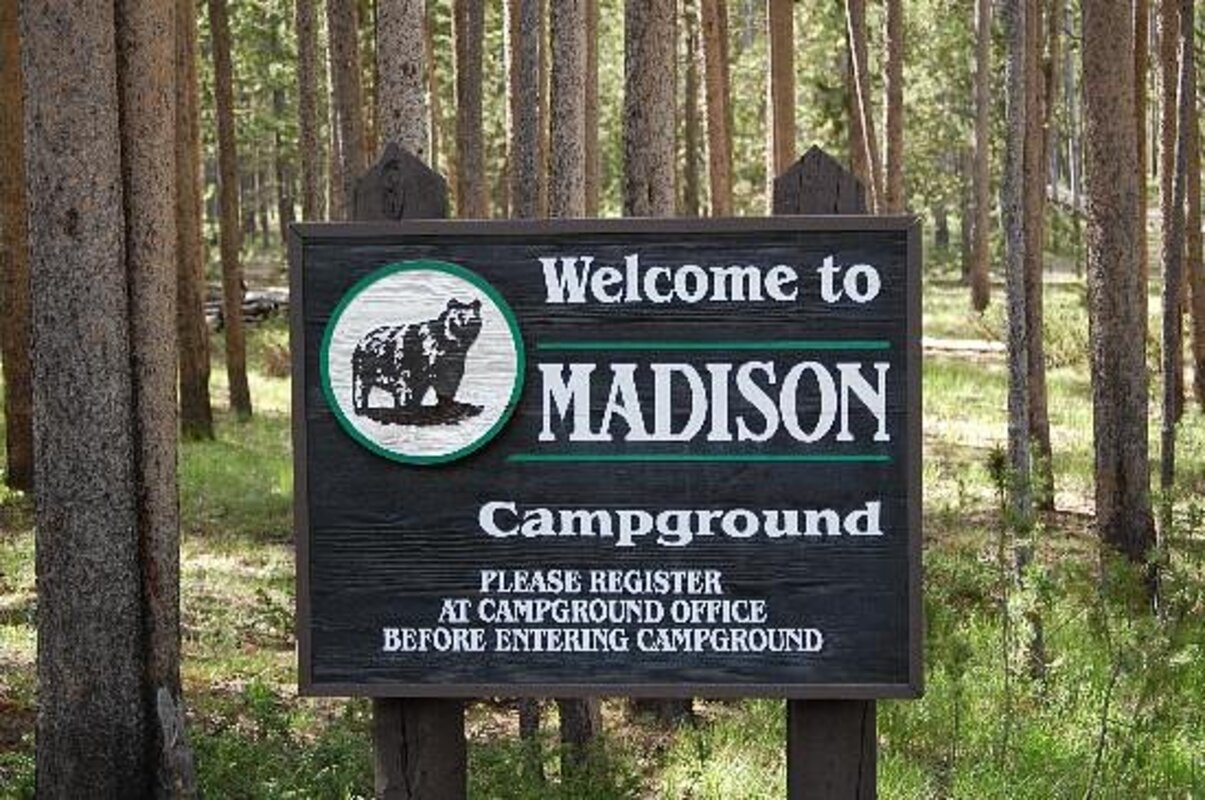
Most campgrounds require proof of a valid reservation or permit before entry. Staff confirm dates, campsite numbers, and group size against their records. This prevents overcrowding and ensures fairness. Some public lands operate on first come systems but still issue permits. Campers arriving without documentation may be turned away. Rangers also verify permits for special areas like backcountry zones. Digital confirmations are commonly accepted, though printed copies help in low signal areas. This check ensures campsites remain available for those who planned ahead. Proper permits support orderly operations and resource protection throughout busy seasons.
Vehicle Registration And Parking Compliance
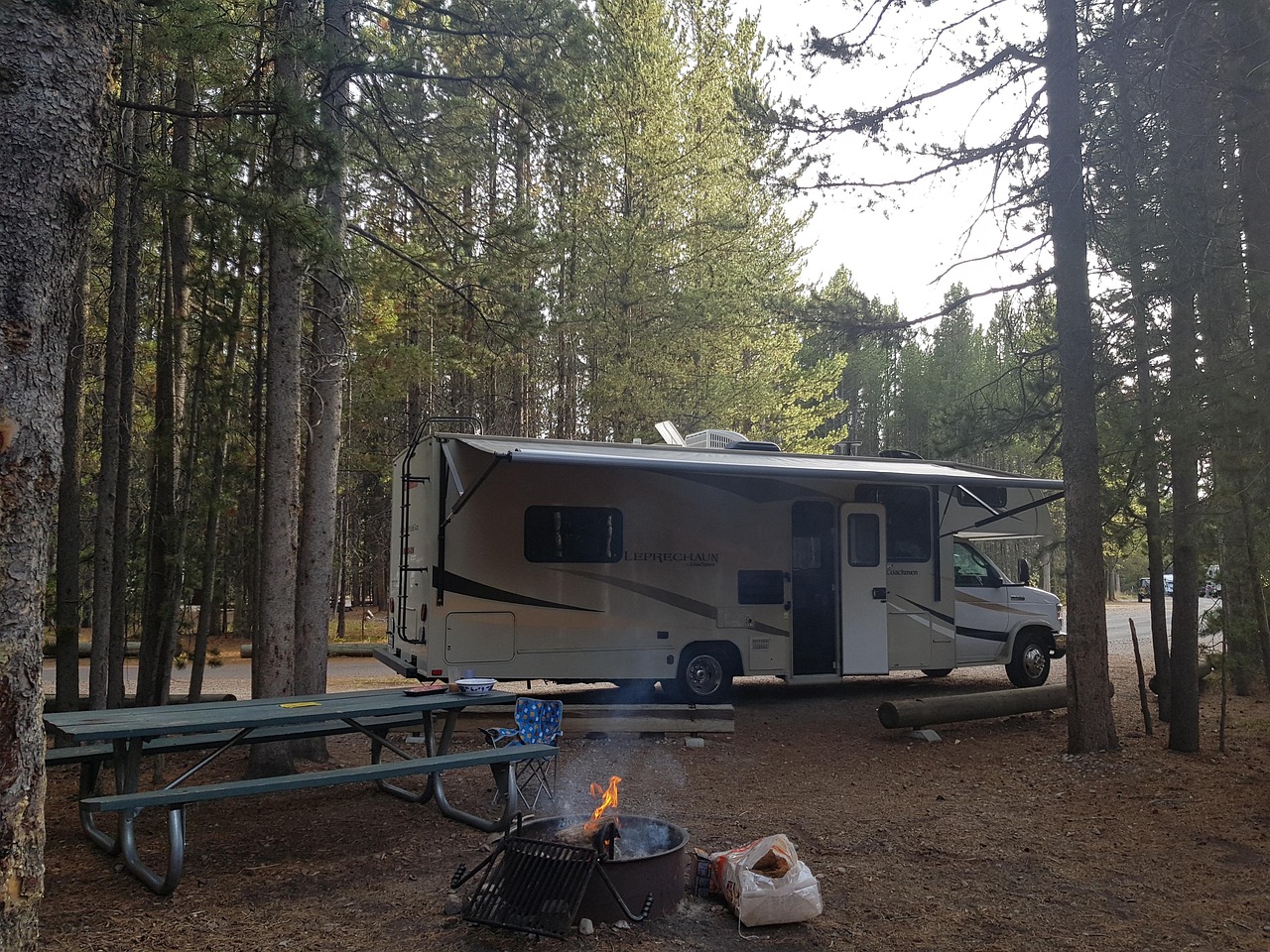
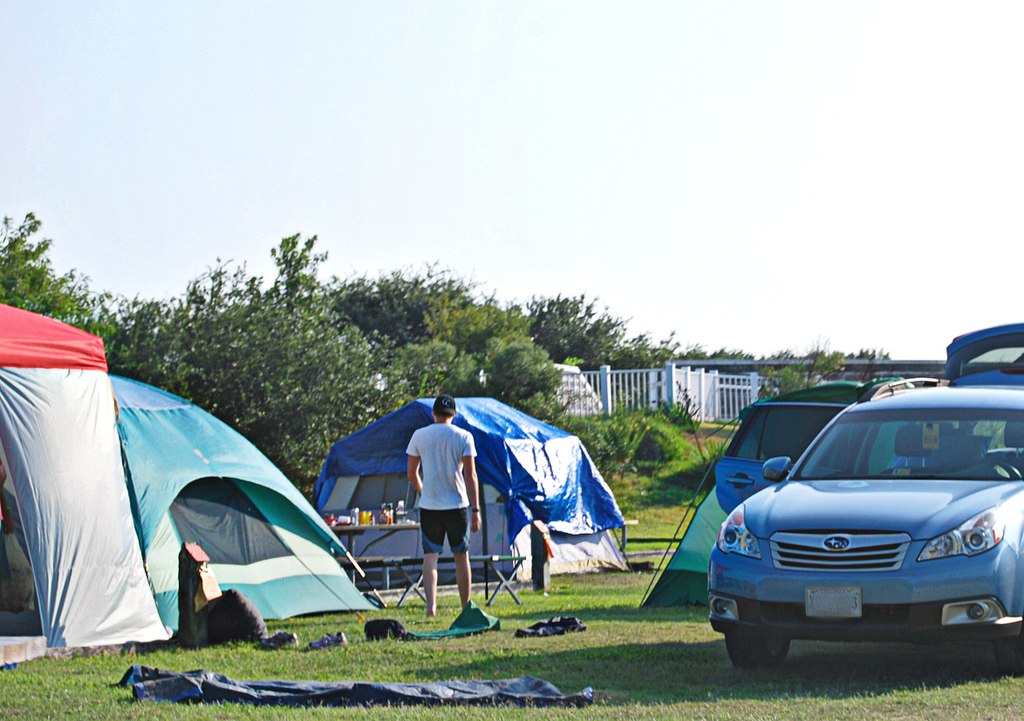
Campgrounds review vehicle registration to ensure legality and proper placement. Hosts confirm license plates match reservation details when required. Parking rules limit environmental damage and congestion. Oversized vehicles may be restricted. Campers must park within designated areas to protect vegetation and emergency access. Some sites allow only one vehicle per campsite. Trailers and additional cars may need approval. This check maintains safety and accessibility. Verifying vehicle compliance prevents blocked roads and damaged landscapes. Campgrounds prioritize smooth traffic flow and emergency readiness, making vehicle checks a routine but essential step before entry approval.
Firewood Restrictions
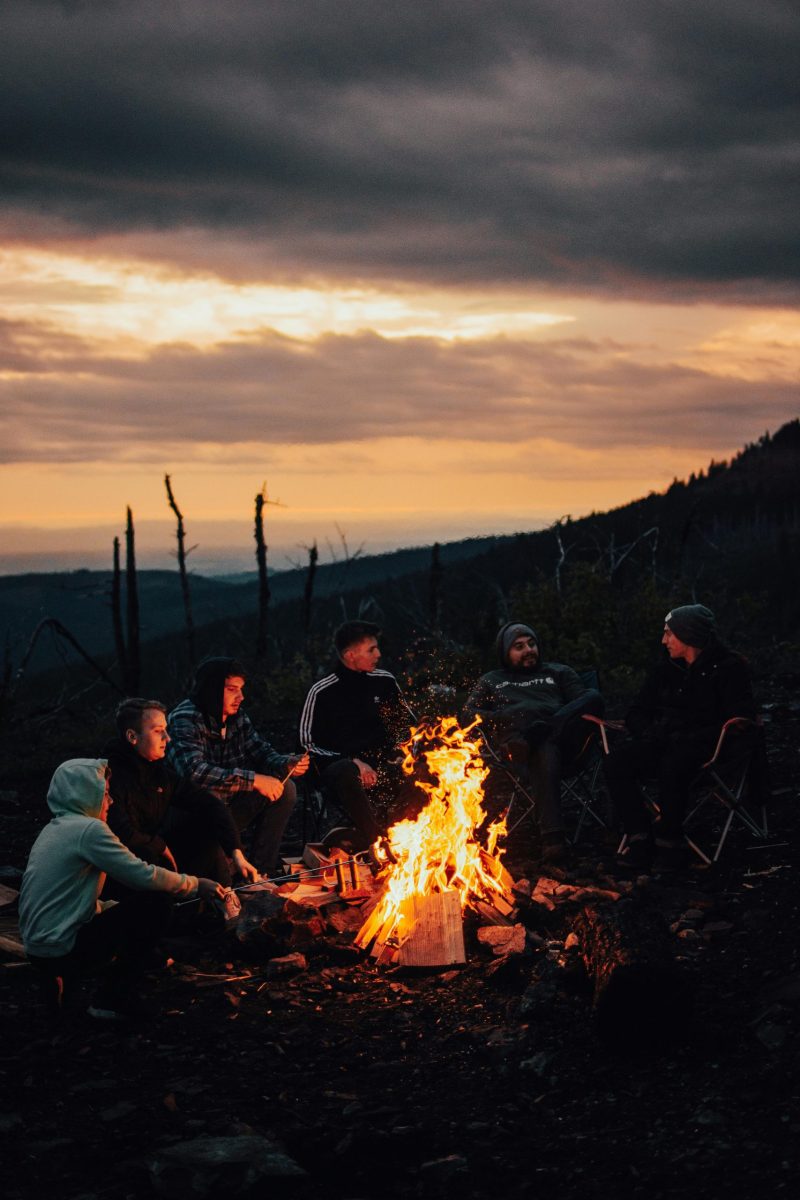
Firewood checks prevent the spread of invasive insects and diseases. Many campgrounds prohibit outside firewood. Staff ask where the firewood originated. Certified local firewood may be required. Inspectors look for untreated wood. Violations can result in confiscation or denial of entry. This practice protects forests from pests like the emerald ash borer. Campers are encouraged to buy firewood locally. Firewood rules vary by region. Rangers enforce them strictly. This check reflects ecological responsibility. Preventing pest spread preserves forest health and ensures long term sustainability of campground ecosystems relied upon by wildlife and visitors alike.
Campfire Permits And Fire Conditions
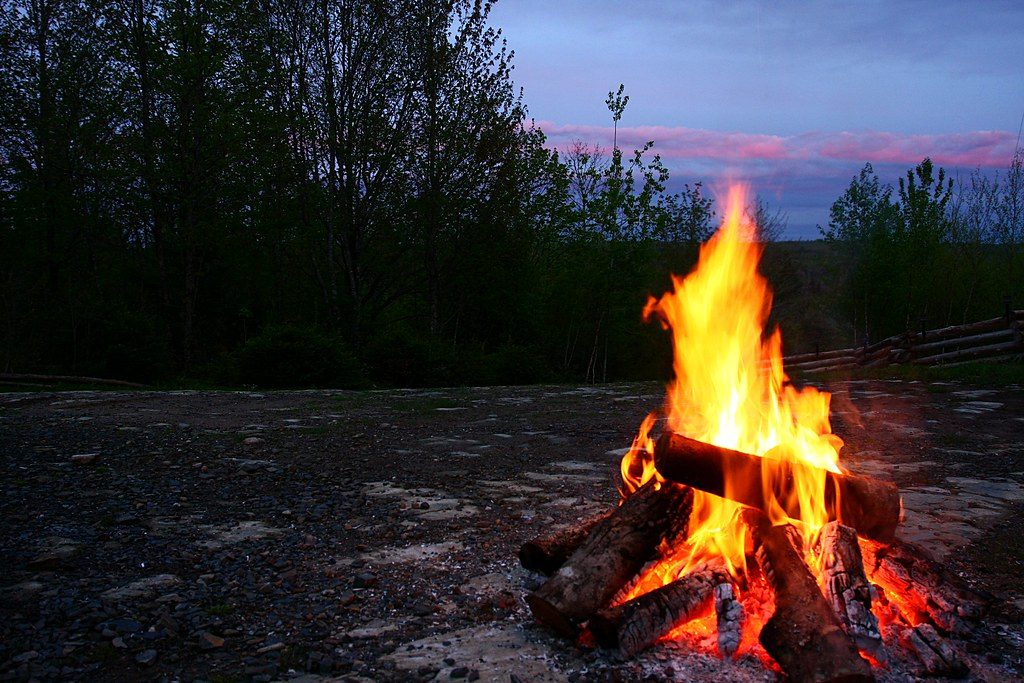
Campgrounds assess fire conditions before allowing entry. During dry seasons, fire bans may apply. Rangers confirm whether campers hold required campfire permits. They also explain current restrictions. Fire rings may be inspected. Campers using prohibited stoves or open flames may be denied access. This check prioritizes wildfire prevention. Fire danger levels change rapidly. Compliance protects forests and nearby communities. Campgrounds communicate rules clearly at check-in. Understanding fire conditions ensures safety. This step reflects heightened awareness of climate impacts and the serious consequences of unmanaged campfires in vulnerable landscapes.
Equipment Suitability

Staff review camping equipment to ensure suitability for the site. Tents must fit designated pads. RV hookups must match vehicle requirements. Unsafe or inappropriate equipment raises concerns. Broken gear may pose hazards. Campgrounds verify that setups comply with regulations. This prevents damage to land and facilities. It also ensures campers can remain safely overnight. Hosts may redirect campers to different sites if equipment mismatches occur. This check supports safety and reduces resource strain. Proper equipment alignment improves the camping experience and minimizes risks associated with unstable shelters or improper installations.
Group Size Limits
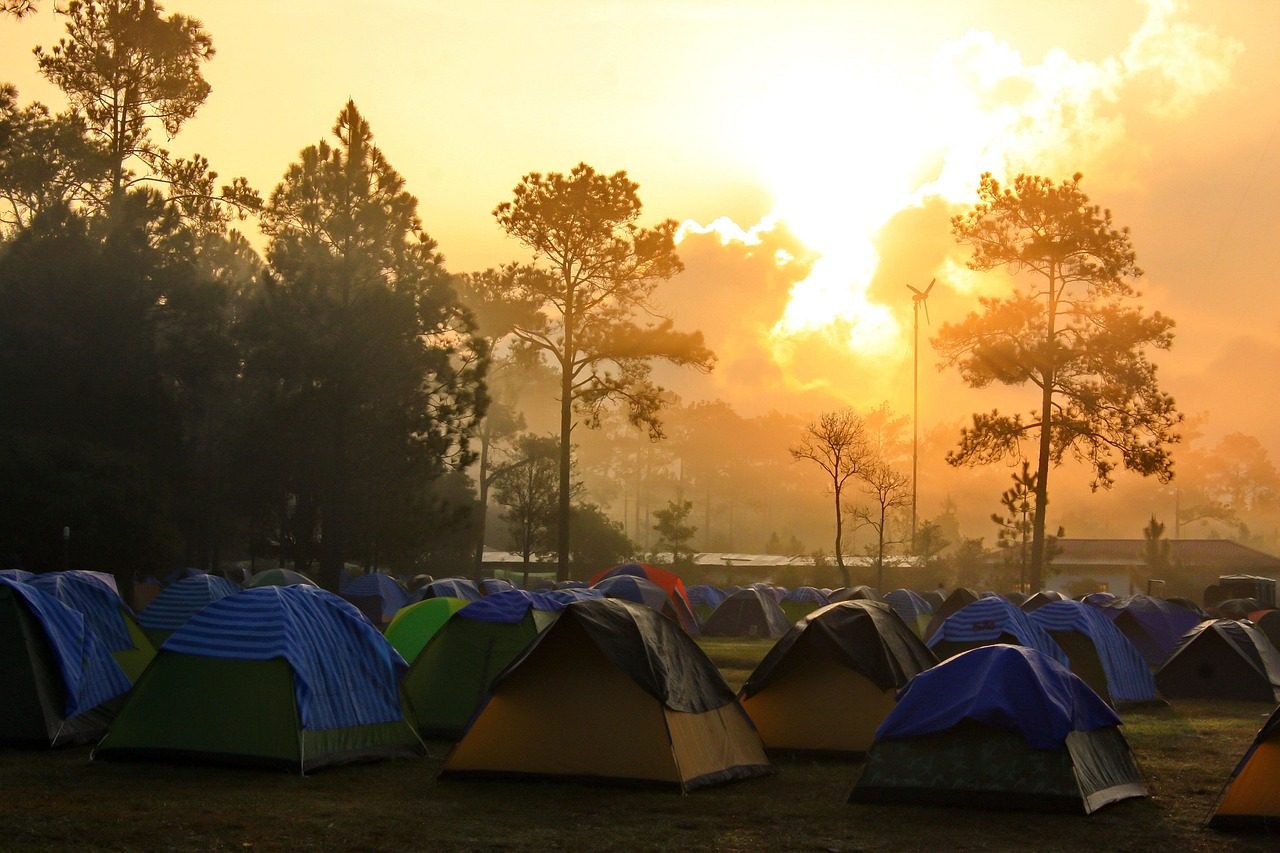
Campgrounds enforce group size limits to prevent overcrowding. Staff confirm the number of campers matches the reservation details. Exceeding limits may result in denial or reassignment. Group caps protect natural resources and maintain quiet. Larger groups often require special permits. Rangers ensure compliance at check-in. This check balances access and preservation. Noise, waste, and impact increase with group size. Enforcing limits ensures fairness. Campgrounds aim to provide quality experiences for all visitors. Verifying group size supports safety, resource management, and positive interactions between neighboring campers sharing common spaces.
Pet Regulations

Pet checks ensure animals comply with campground rules. Proof of vaccinations may be required. Leash laws are strictly enforced. Some areas restrict pets entirely. Campgrounds assess pet behavior to prevent disturbances. Aggressive or uncontrolled animals may lead to denial. Waste disposal requirements apply. These rules protect wildlife and other campers. Rangers explain pet policies clearly. Compliance ensures harmony. Pet regulations vary by location. Checking pets prevents conflicts and ecological harm. Responsible pet management reflects respect for shared spaces and contributes to safer, cleaner campground environments for everyone involved.
Quiet Hours Acknowledgment

Campgrounds verify that campers understand and agree to quiet hours. Staff explain noise policies during check-in. Excessive noise disrupts wildlife and visitors. Campers with plans that conflict with quiet hours may be denied entry. This check preserves peaceful environments. Rangers may reference enforcement consequences. Quiet hours support rest and safety. Acknowledgment ensures accountability. Campgrounds prioritize tranquility as a core value. Understanding expectations prevents disputes. This step reinforces community standards. Compliance helps maintain positive experiences and ensures campgrounds remain welcoming spaces for families, wildlife observers, and those seeking rest.
Waste Disposal Plans

Proper waste management is essential. Campgrounds confirm campers know disposal procedures. Trash separation rules may apply. Food waste attracts wildlife. Rangers emphasize packing out trash where required. Camps lacking waste plans raise concerns. Overflowing trash threatens sanitation. This check supports environmental protection. Campgrounds aim to minimize human impact. Understanding waste rules prevents pollution. Staff may point out disposal locations. Compliance protects health and wildlife. Waste checks reflect broader Leave No Trace principles. Responsible waste handling ensures campgrounds remain clean, safe, and sustainable for future visitors and surrounding ecosystems.
Proof Of Identification
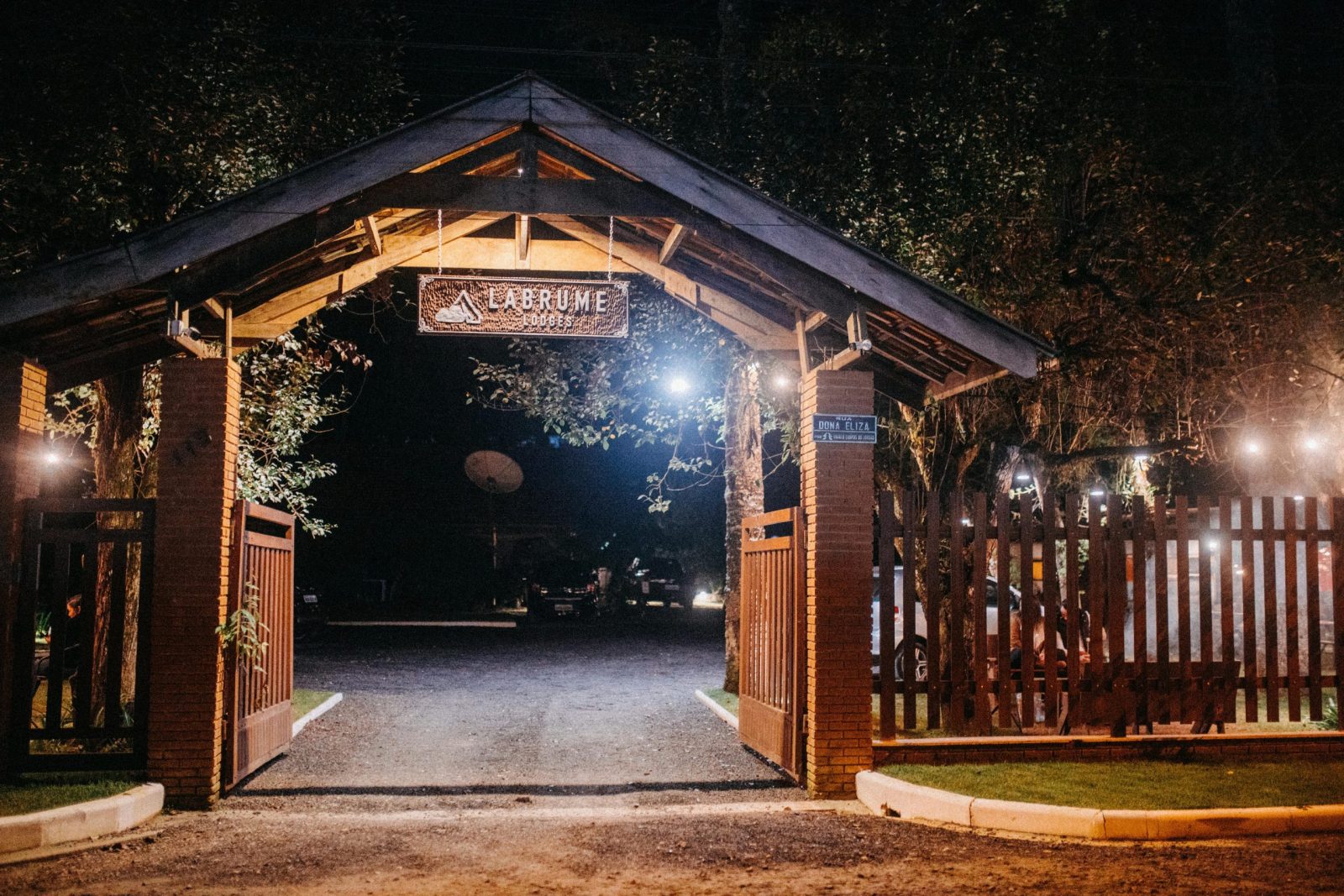
Some campgrounds require identification at check-in. Staff verify names match reservations. Identification supports security and accountability. It helps manage emergencies and rule enforcement. Campgrounds near sensitive areas may require ID for permits. This check ensures transparency. Providing identification builds trust. Rangers handle information responsibly. Identification requirements vary by jurisdiction. This step supports organized operations. It also deters misuse of facilities. Verification ensures that access aligns with policies. Maintaining records helps campgrounds operate safely and respond effectively to incidents involving visitors or resources.
Compliance With Local Regulations
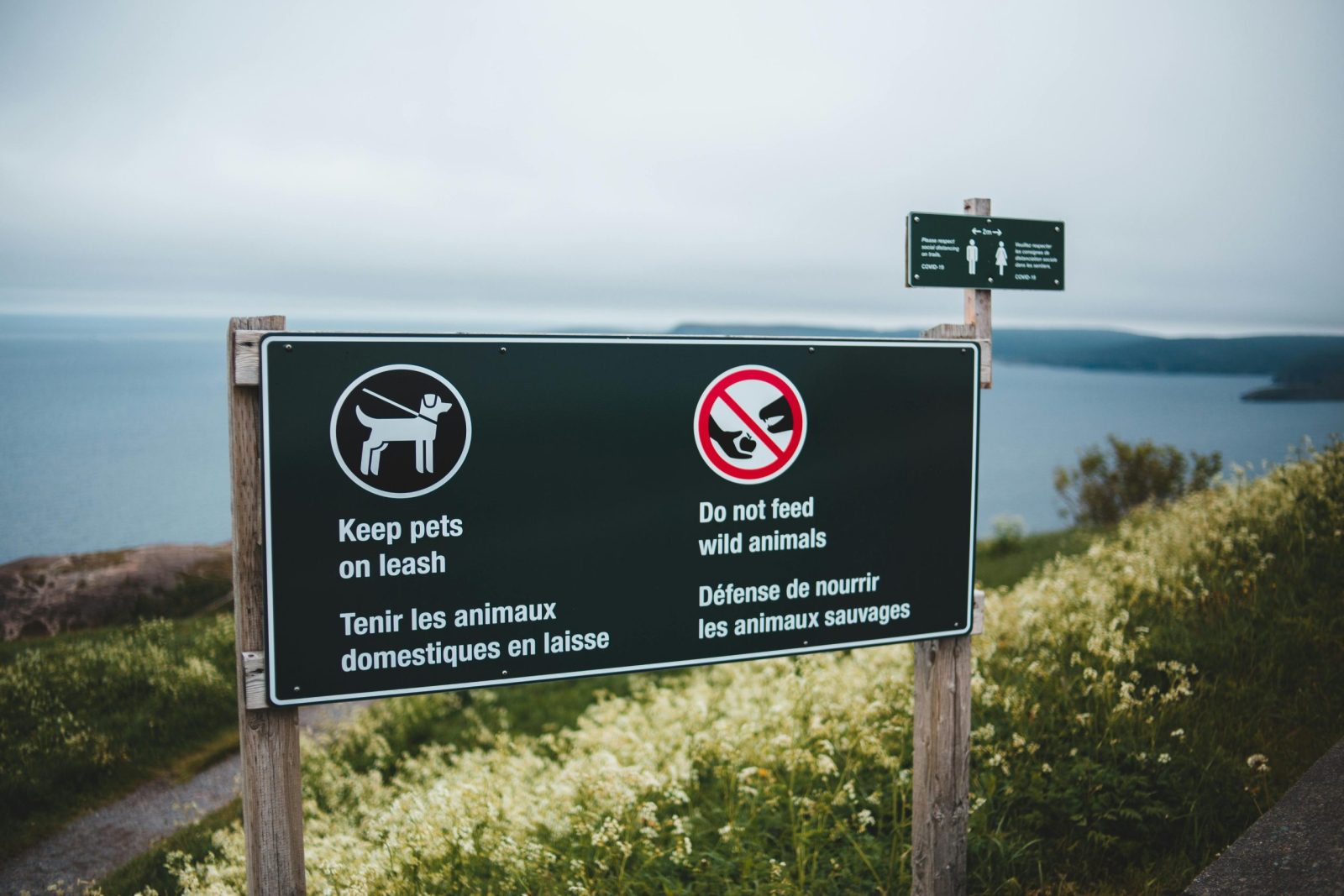
Campgrounds enforce local regulations that vary by region. These include alcohol rules, drone restrictions, and fishing laws. Staff confirm campers understand applicable rules. Violations can result in fines or removal. This check ensures legal compliance. Regulations protect wildlife and visitors. Rangers explain unique local considerations. Awareness prevents accidental infractions. Campgrounds rely on cooperation. Confirming understanding supports smooth stays. Local rules reflect environmental and cultural factors. This step emphasizes respect for place. Compliance ensures campgrounds operate harmoniously within broader land management frameworks and community expectations.
Weather Preparedness

Campgrounds assess camper preparedness for current weather. Rangers may ask about gear suitability. Severe weather poses safety risks. Campers lacking appropriate equipment may be advised against staying. This check protects lives. Weather conditions change quickly in outdoor settings. Campgrounds prioritize informed decisions. Hosts provide forecasts and guidance. Preparedness includes clothing, shelter, and knowledge. This step supports safety planning. Campgrounds aim to prevent emergencies. Ensuring readiness reduces strain on rescue services and improves outcomes during unexpected storms or temperature drops common in exposed environments.
Length Of Stay Compliance
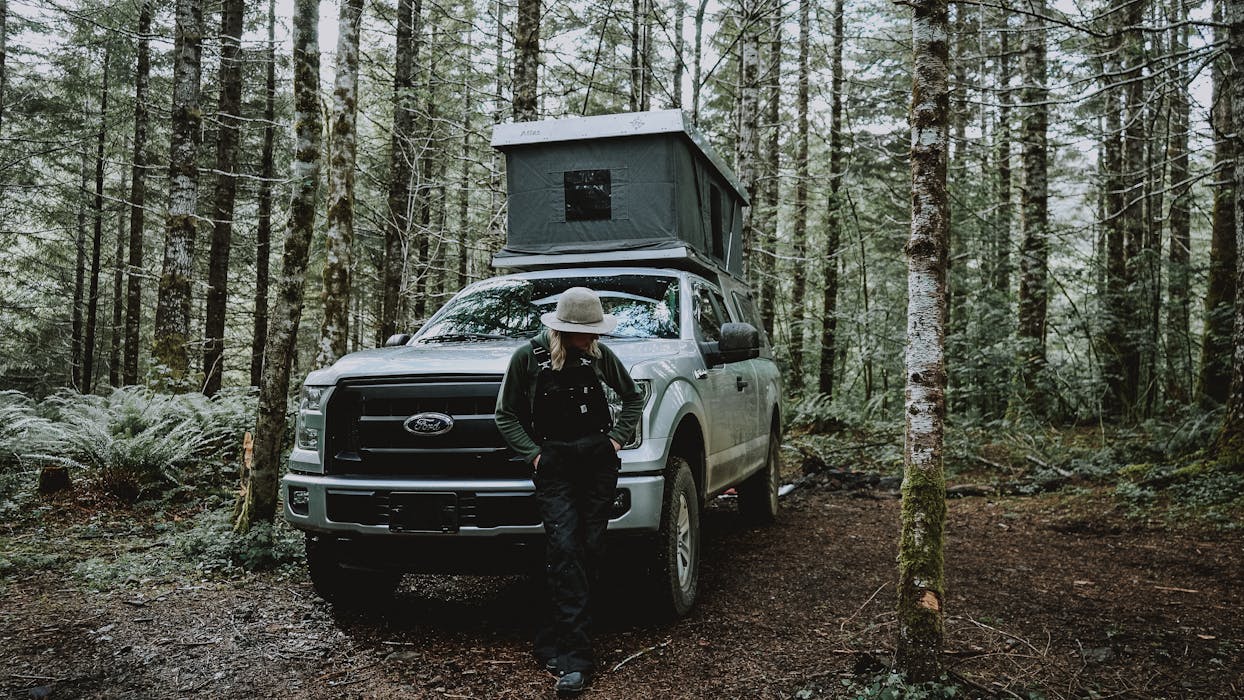
Staff verify that planned stays comply with campground limits. Many sites cap consecutive nights. Overstays impact availability. Campers exceeding limits may be denied entry. Rangers track occupancy carefully. This check ensures fair access. Length limits support rotation and resource recovery. Campgrounds enforce rules consistently. Understanding stay limits prevents misunderstandings. This step supports equitable use. Compliance ensures more visitors can enjoy the facilities. Managing stay length balances demand and preservation, helping campgrounds remain accessible while minimizing long-term environmental impacts from continuous use.
Awareness Of Wildlife Safety Rules

Campgrounds confirm campers understand wildlife safety guidelines. Food storage rules receive emphasis. Rangers explain species-specific precautions. Ignorance increases risk. This check protects people and animals. Wildlife encounters escalate when rules are ignored. Campgrounds prioritize education. Understanding safety practices reduces conflicts. Rangers may provide brochures or briefings. Awareness ensures responsible behavior. This step reflects coexistence principles. Protecting wildlife supports ecosystem balance. Campgrounds rely on informed campers to reduce incidents. Awareness of wildlife safety rules is fundamental to preserving natural behaviors and preventing dangerous encounters.