Staying accurate in the field isn’t just about the rifle or the optics; it’s about how well your body supports the shot in constantly changing environments. Whether you’re hunting deep in the backcountry or practising at your local range, knowing a variety of shooting positions prepares you for moments when you don’t have time to think. Each stance brings its own balance of stability, speed, and adaptability, helping you read terrain, manage recoil, and stay steady under pressure. Once you learn to shift smoothly between these positions, you’ll feel more confident during real-world shooting scenarios and ready to anchor your shot when it matters most.
1. Prone With Bipod Support
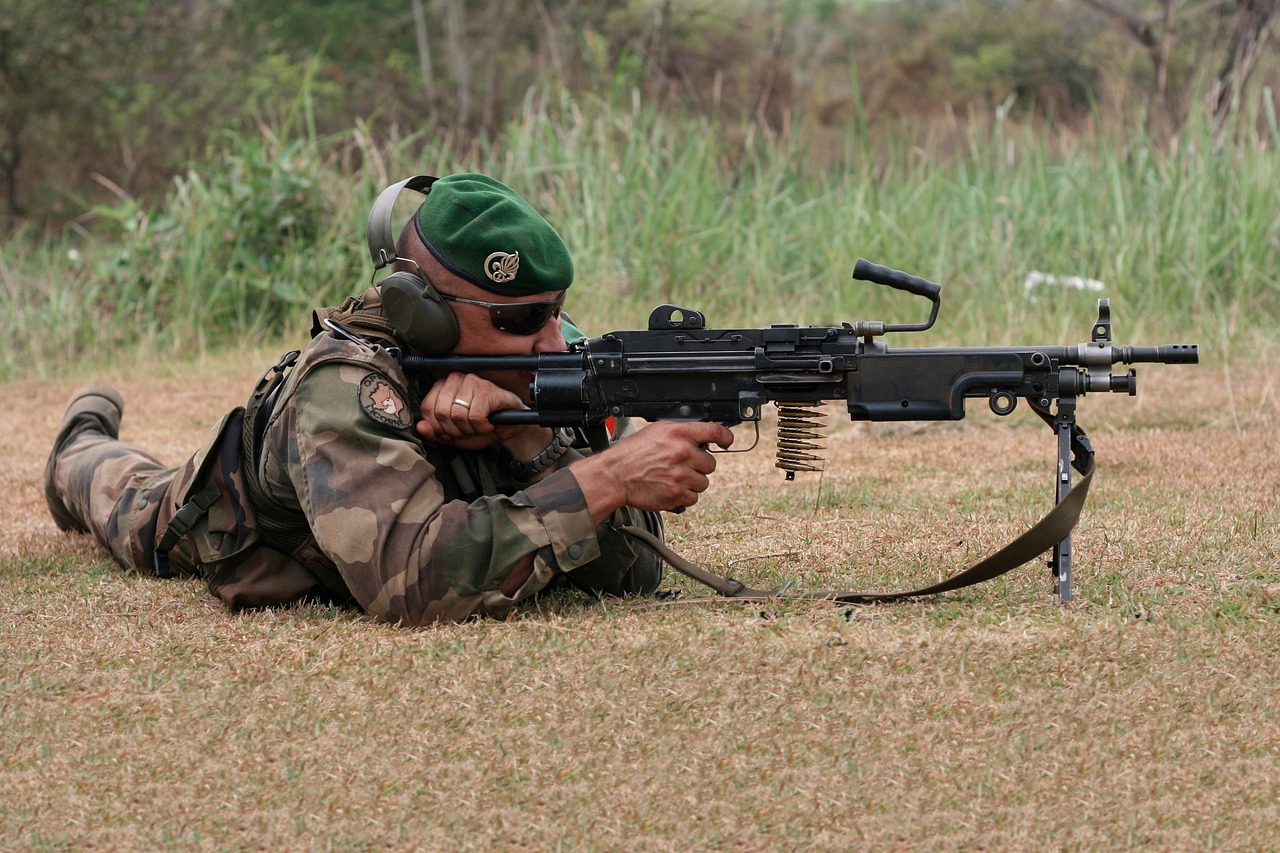
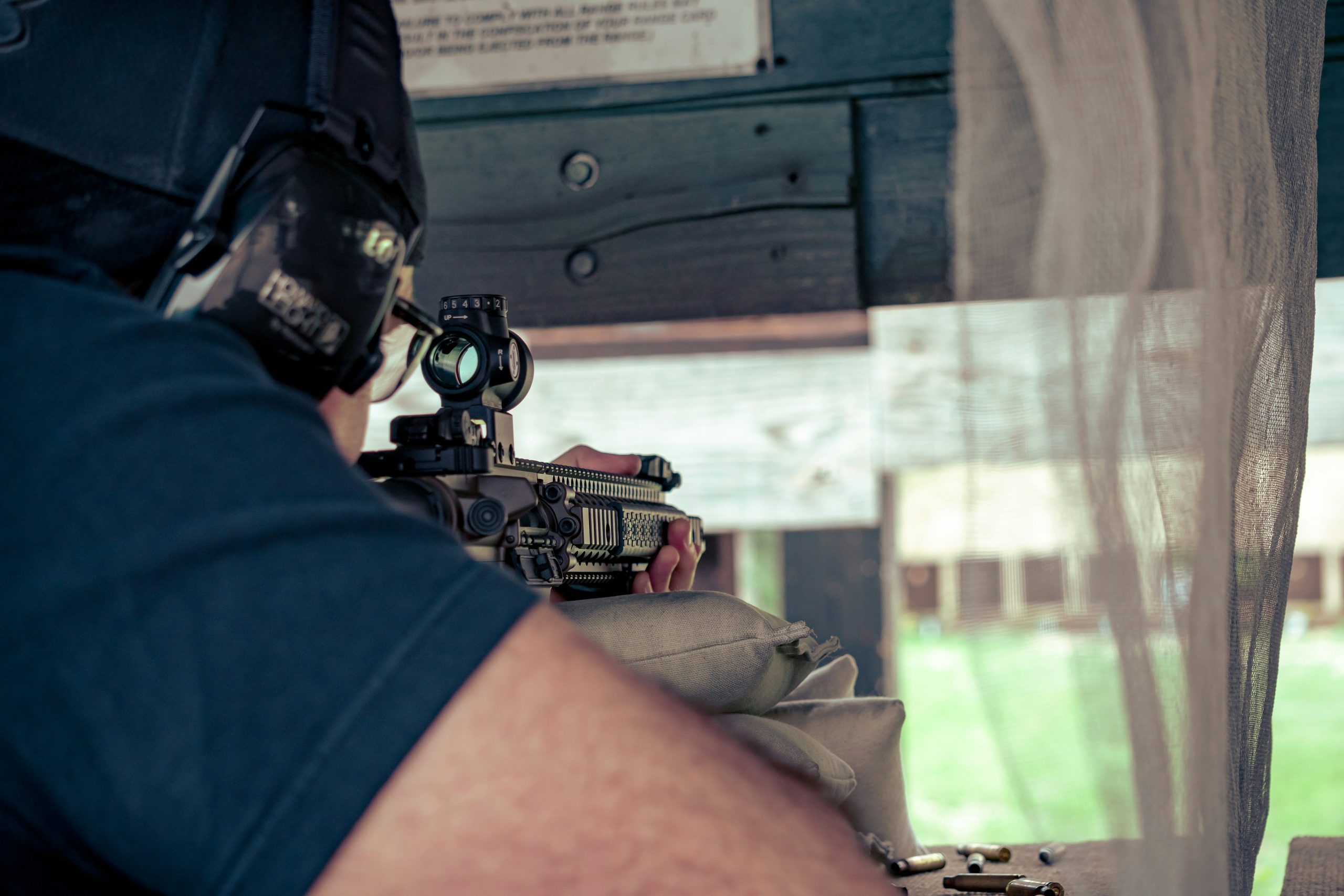
The prone position with a bipod is one of the most stable field setups because it minimises body movement and places most of the rifle’s weight on the ground. When your legs are comfortably spread and your toes point outward, your chest settles naturally, helping you control breathing and recoil. Hunters often rely on this stance in open landscapes where they can get low without losing sight of the target. A properly adjusted bipod keeps the rifle level, especially when working on uneven terrain, allowing you to fine-tune elevation with your rear bag. Once you master it, this position gives you exceptional accuracy at long ranges.
2. Prone With Pack Support
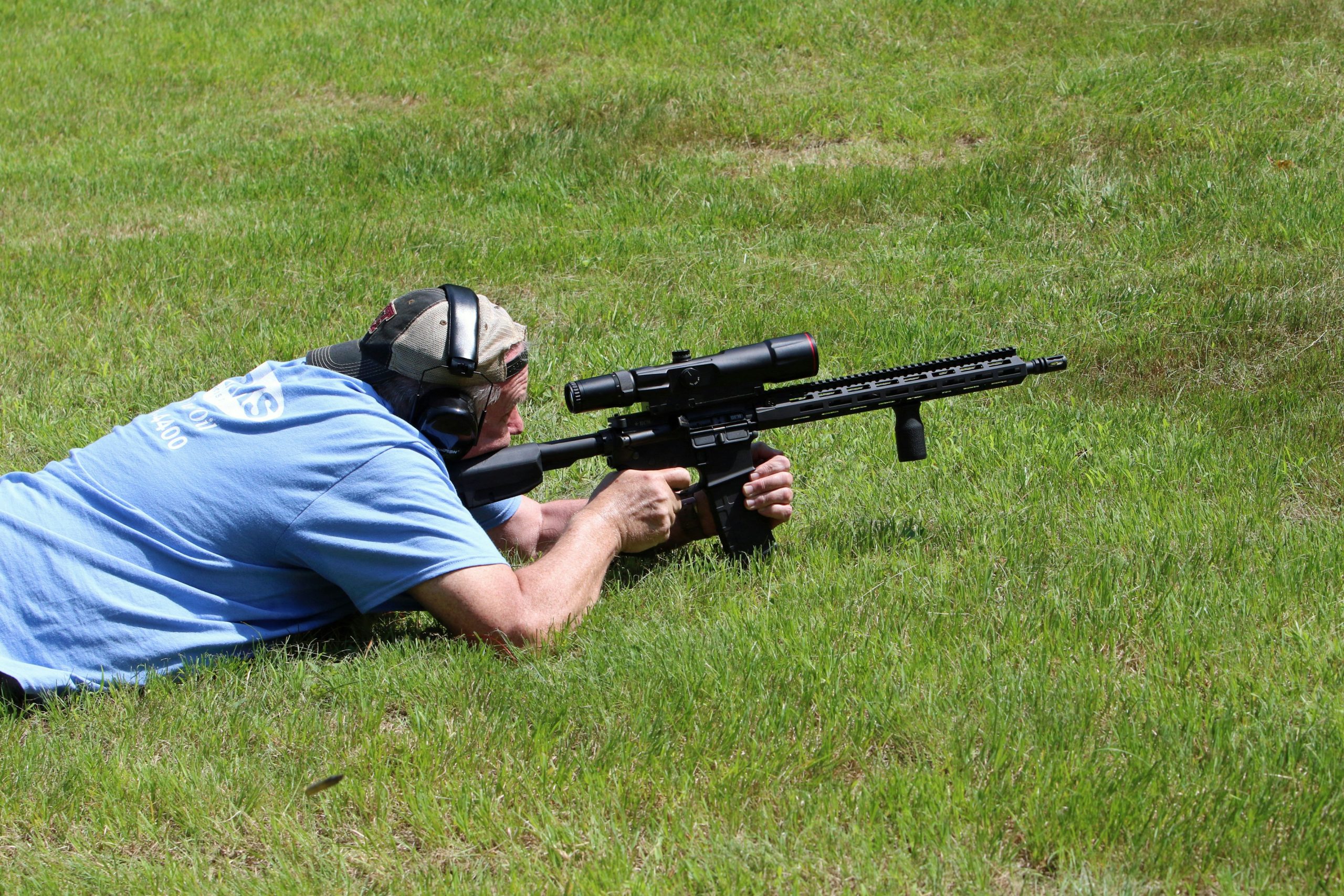
Using your backpack instead of a bipod offers similar stability while giving you greater flexibility in rugged terrain. The pack moulds to the rifle fore-end, absorbing small vibrations and helping you settle quickly when a shot window is short. While this setup isn’t as mechanically precise as a dedicated bipod, it’s much more adjustable and lets you adapt to high grass, rocky ledges, or rising angles. Keeping your elbows planted wide creates a strong triangle of support that reduces wobble even during high-heart-rate moments. This position is valuable when you’re moving fast and need accuracy without carrying extra gear.
3. Sitting With Knees Braced
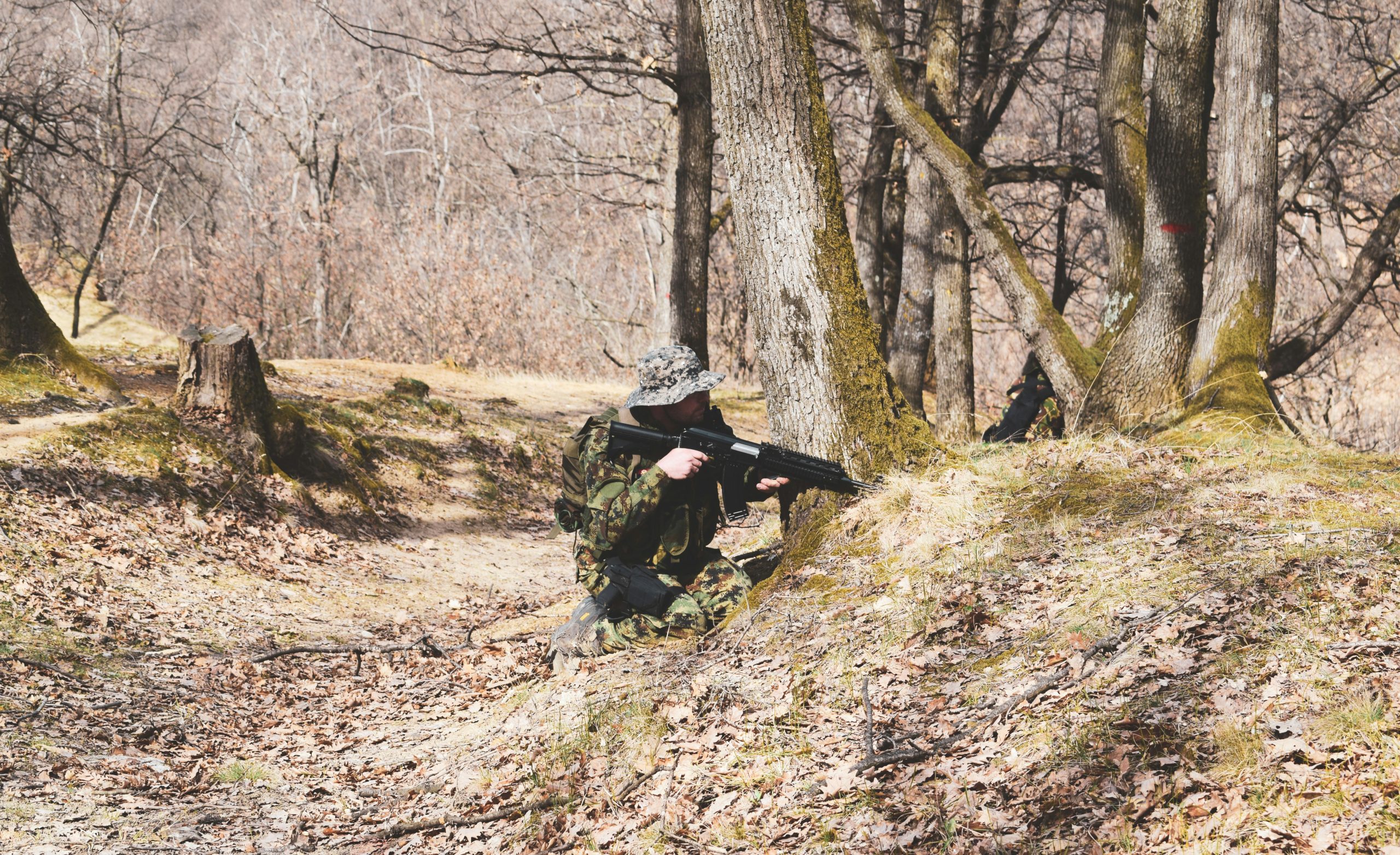
The sitting position with your elbows locked against your knees provides a surprisingly strong foundation that works well during long waits or when you need a higher shooting angle. By crossing your ankles or stretching your legs forward, you can find a balance that feels natural and keeps your core engaged. This stance shines in areas with tall brush or rolling terrain where prone shots aren’t practical. The key is maintaining a slight forward lean, which helps counter recoil and keeps the rifle tracking straight. Once dialled in, the position offers stability with enough mobility to shift quickly if the target moves.
4. Cross-Legged Sitting
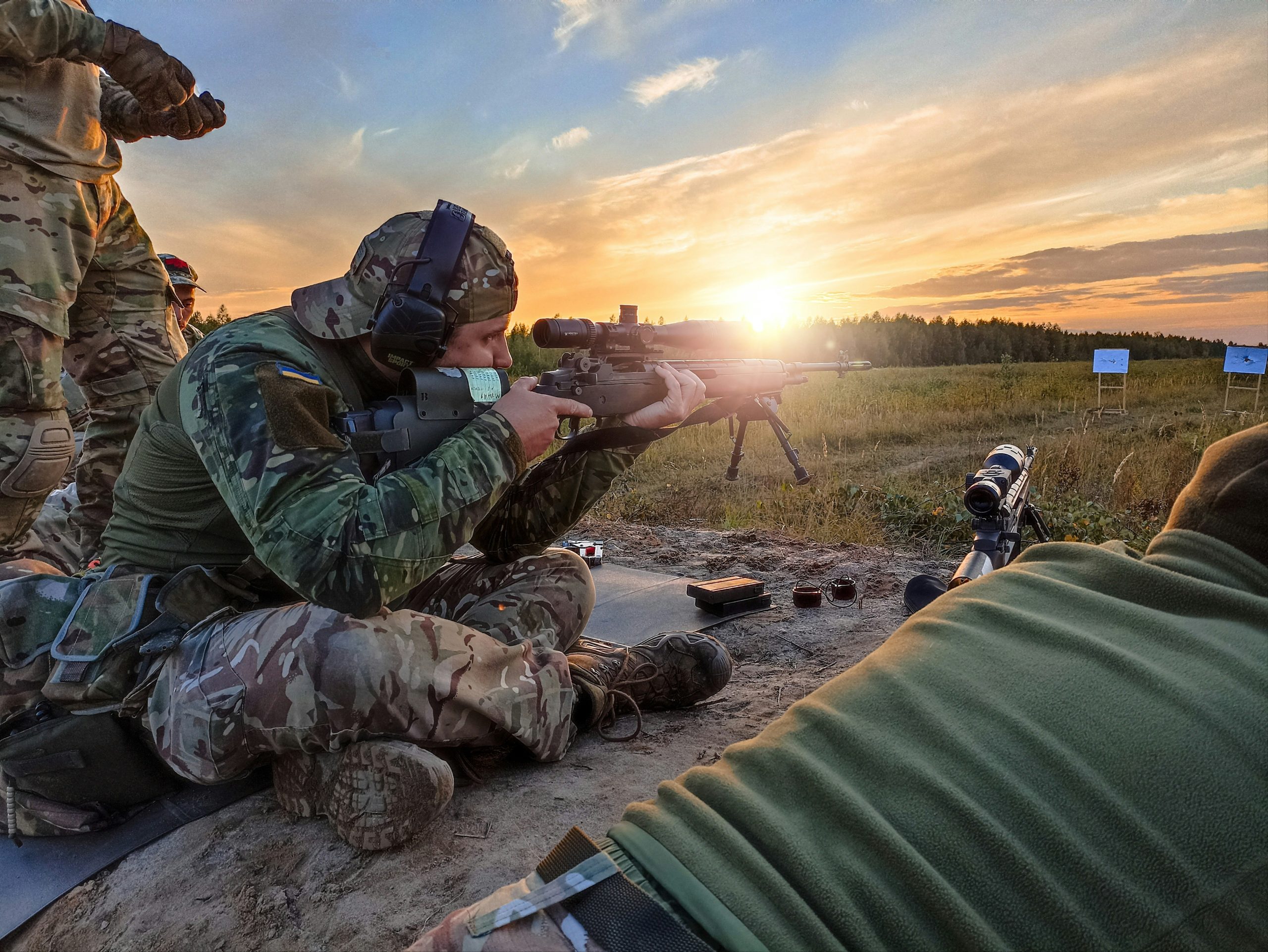
The cross-legged sitting stance is popular among field shooters who need speed and moderate height without sacrificing much stability. By placing your elbows inside your knees, you create a locked-in frame that steadies the rifle even when fatigue sets in. This position is advantageous on uneven ridgelines or open hardwood flats where obstacles make kneeling uncomfortable. The wide base and low centre of gravity help manage recoil, while the forward lean keeps your sight picture from drifting. When practised regularly, you can drop into this position almost instantly and deliver surprisingly accurate shots in unpredictable terrain.
5. Kneeling With Single Support
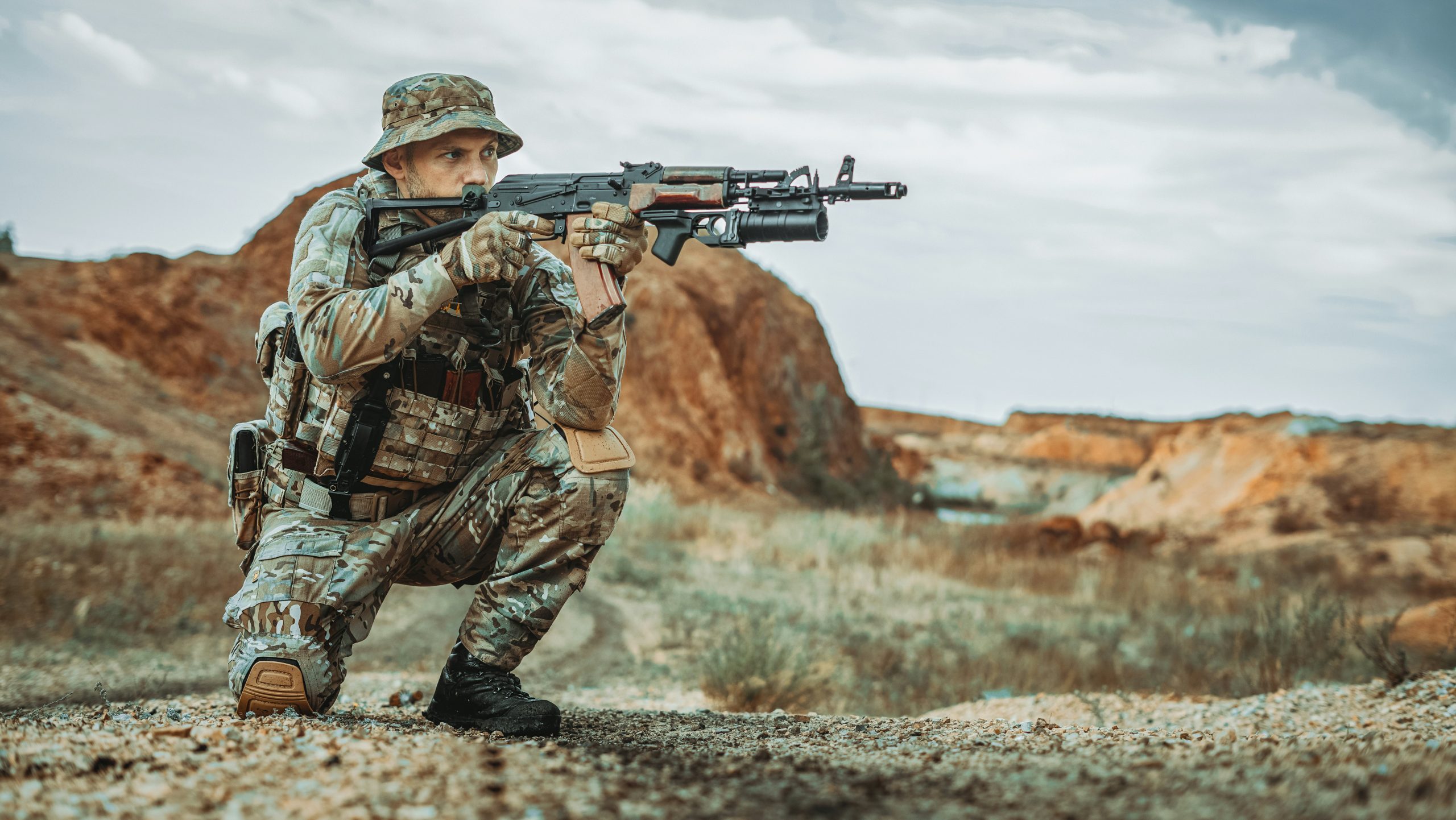
A single-knee kneel offers a balance of speed and stability, making it ideal for mid-range shots in rolling or cluttered environments. When your rear knee is firmly planted, and your front elbow rests on your front knee, the body naturally forms a solid support triangle that cuts down on sway. This position works well when the brush blocks your view, but standing feels too exposed. By leaning slightly forward and keeping your spine aligned, you’ll maintain better trigger control and sight consistency. Its quick setup time makes it a trusted stance when you’re tracking or adjusting to fast-changing field conditions.
6. Kneeling With Double Support
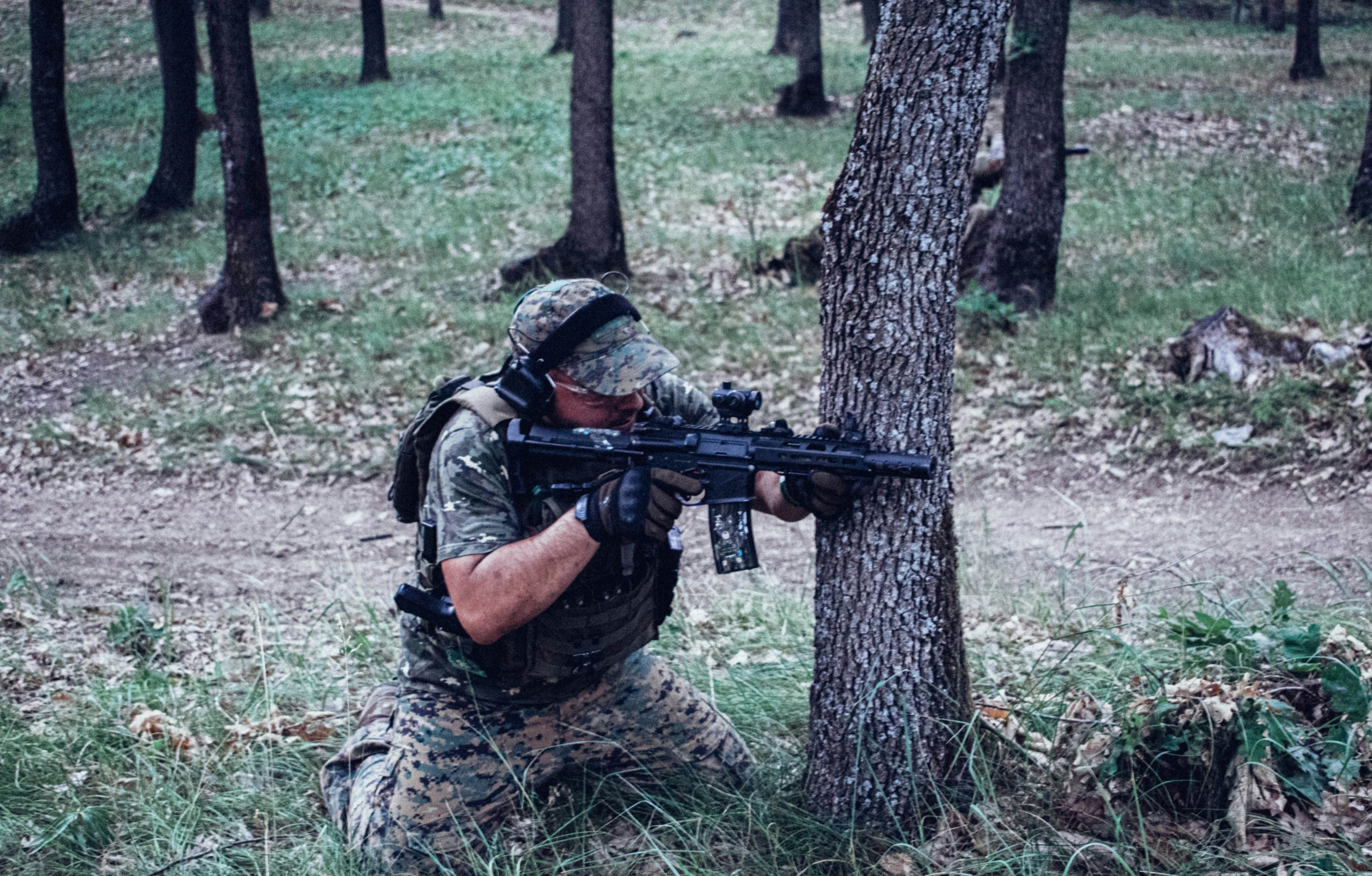
The double-knee kneeling position enhances stability by grounding both knees and anchoring the elbows against your thighs. This low, compact shape helps shooters stay steady on unpredictable surfaces like loose soil or sloping ridges. It works especially well for hunters who need a reliable middle-height shooting angle without relying on external props. The forward lean improves natural point-of-aim and reduces fatigue during longer holds. Because your entire frame is braced, recoil feels more manageable, allowing for quicker follow-up shots. With practice, this stance becomes a dependable option when terrain prevents a clean prone setup.
7. Standing With Sling Tension
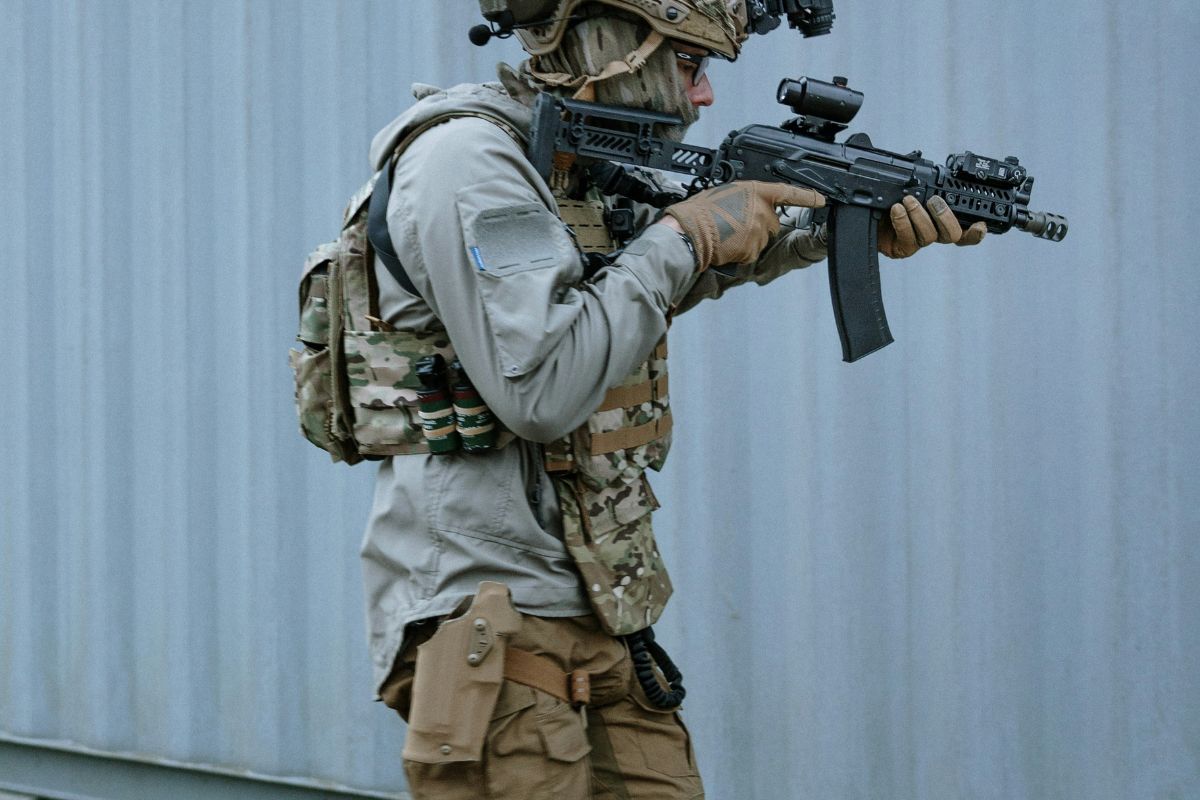
Standing with sling tension is one of the most valuable upright shooting techniques because it lets you build stability without relying on trees or rests. By looping your arm through the sling and applying forward pressure, your support arm becomes a rigid column that counters sway. This setup is helpful in tall grass, dense understory, or areas where brush blocks lower positions. Although it’s less stable than kneeling or sitting, proper sling use dramatically tightens your wobble zone. When paired with good breath control, it offers reliable accuracy for quick shots and moving targets in the field.
8. Standing With Tree Support
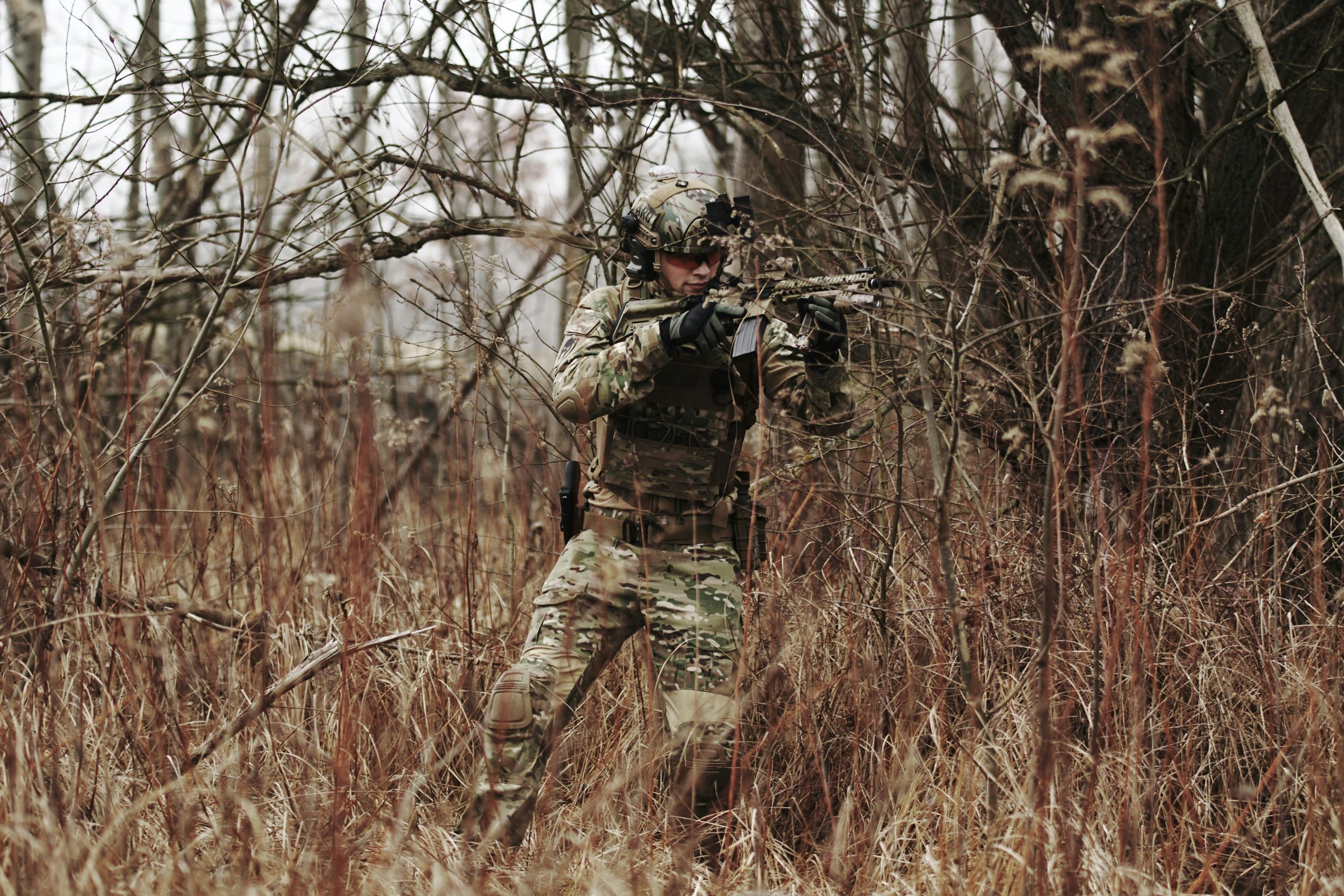
Using a tree trunk as support transforms the standing position into a much steadier shooting platform, especially in dense timber where visibility is limited. By pressing the rifle or your support hand against the bark, you reduce lateral movement and improve sight retention during longer holds. Leaning your body slightly into the tree helps anchor your stance and counter wind drift. This position is quick to set up and allows for good elevation control by adjusting foot placement. It’s one of the most practical solutions when you’re manoeuvring through wooded terrain and need both height and stability.
9. Supported Kneeling Behind a Tree
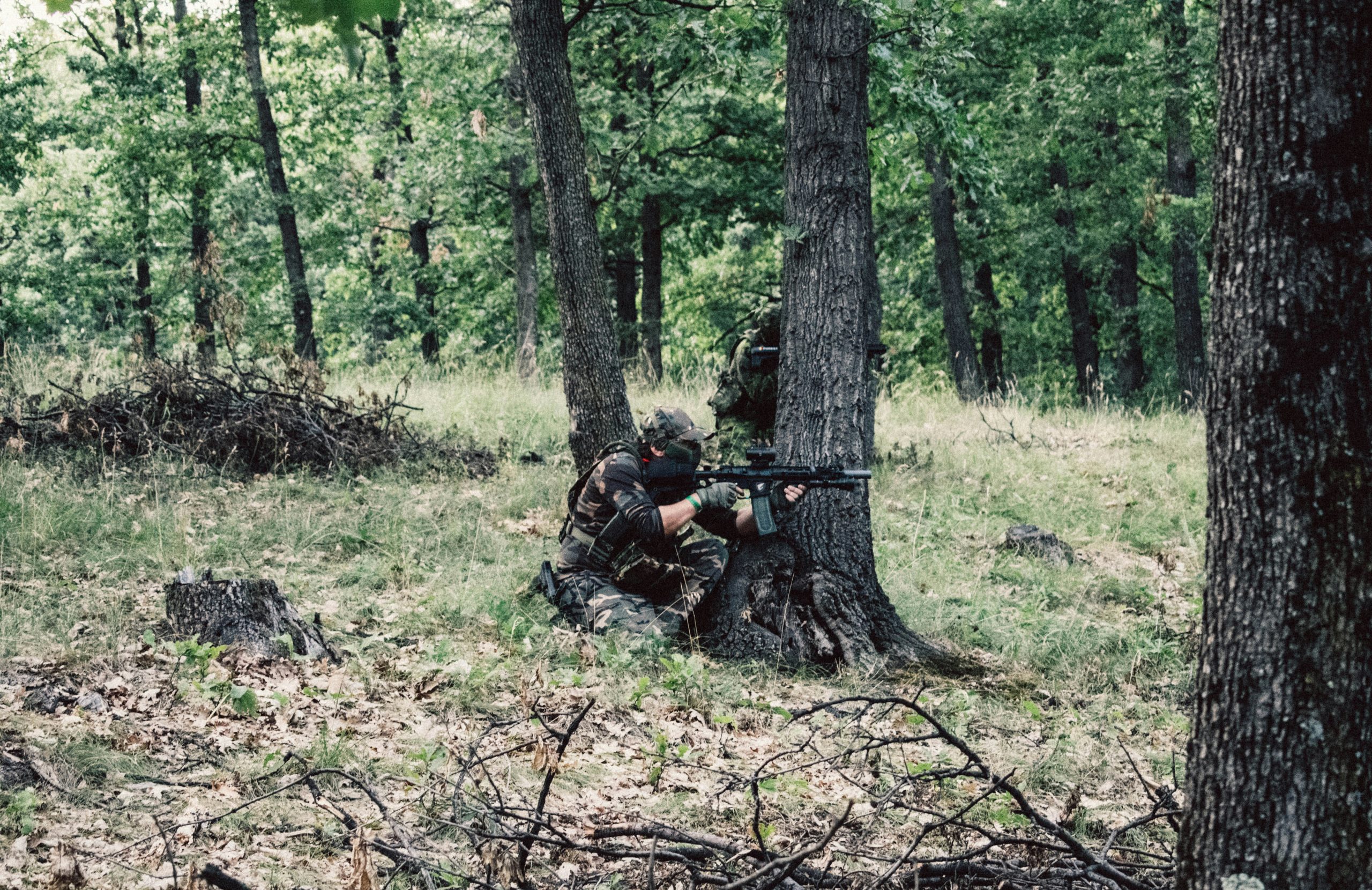
The supported kneeling tree position blends the benefits of kneeling stability with the extra control provided by resting the rifle against a trunk. This setup works well when the shot angle is low, but the brush is still a concern. By kneeling slightly off-centre and placing your support hand or rifle against the bark, you create a strong anchor point that minimises horizontal sway. The tree acts as a natural rest, allowing you to maintain a calm sight picture even during high-heart-rate moments. This hybrid stance is especially useful for hunters who must adapt quickly while remaining concealed.
10. Braced Against a Boulder or Rock Ledge
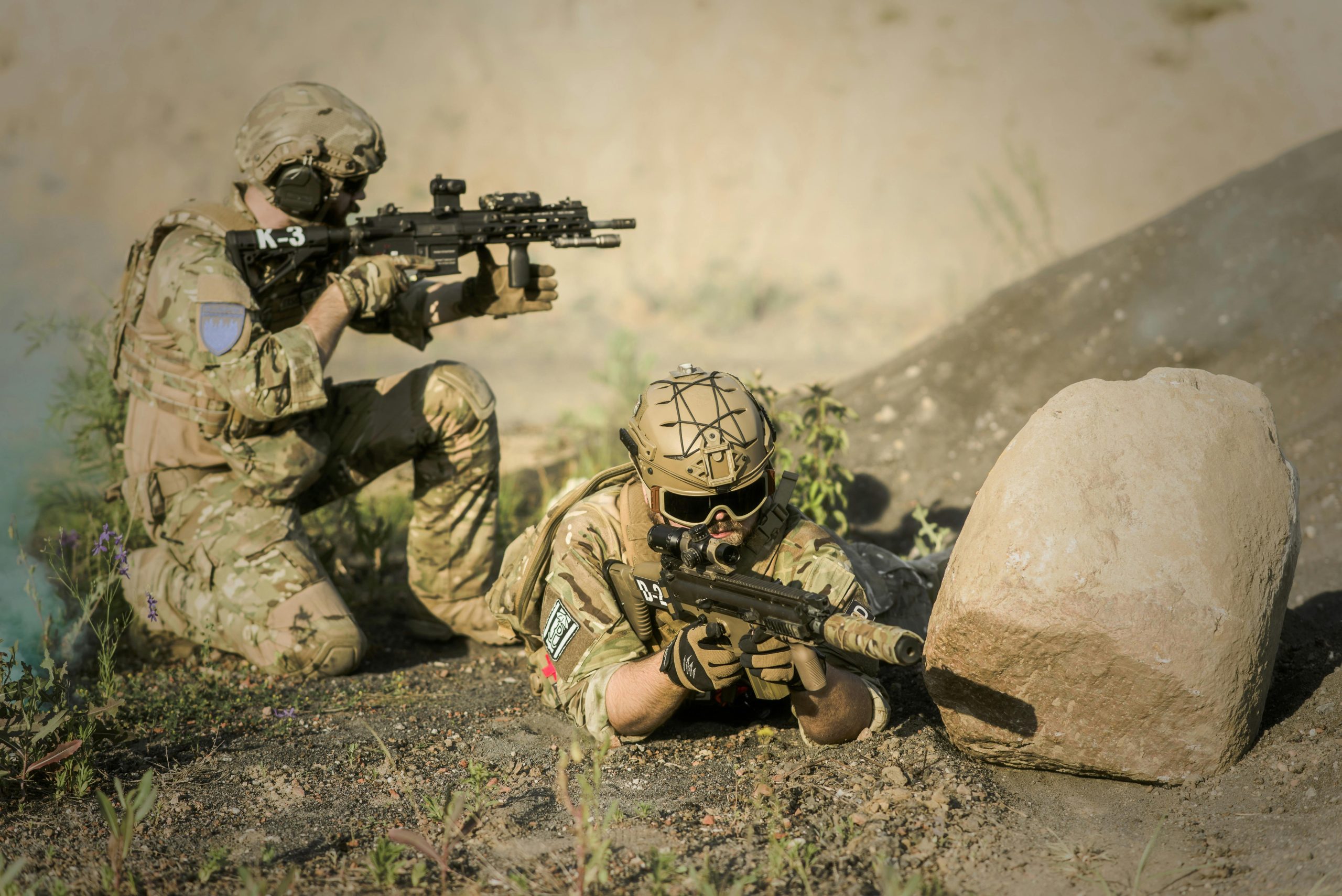
Bracing your rifle or forearm against a solid rock surface offers a stable, elevated shooting position that excels in mountainous or rocky regions. Since boulders don’t shift under pressure, they provide a dependable anchor that absorbs recoil and keeps your muzzle on target. By adjusting your foot placement and leaning gently into the stone, you can reduce vertical movement and maintain a clean sight picture. This method is particularly helpful when shooting downslope angles, as it helps control muzzle rise. With a bit of practice, rock-supported positions offer excellent field accuracy with minimal setup time.
11. Tripod Standing Support
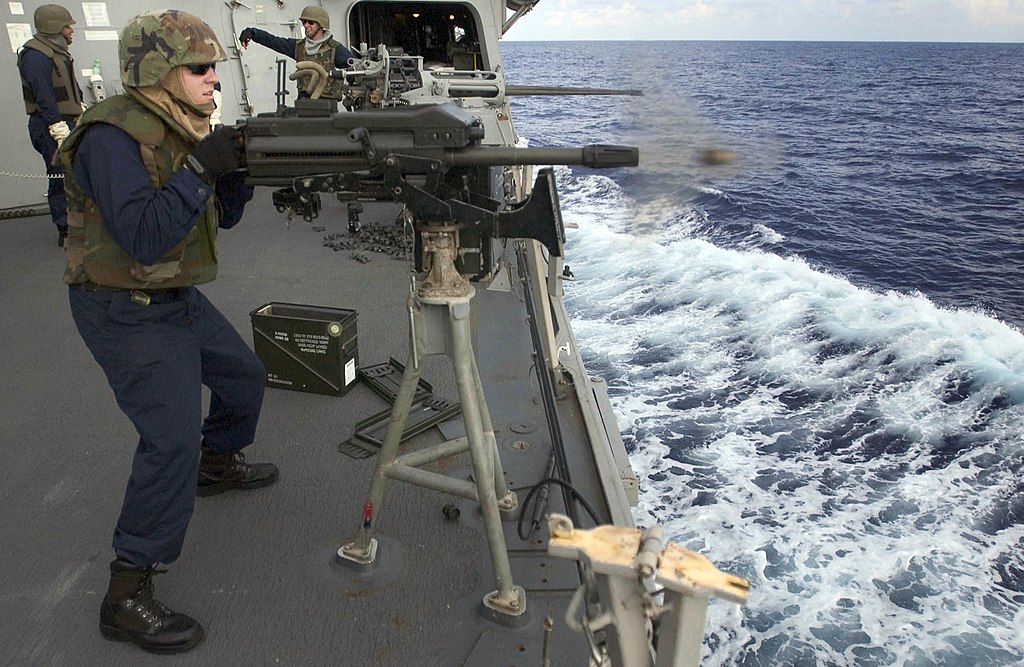
A standing tripod setup is one of the most dependable options for shooters needing both height and rock-solid stability. Modern field tripods with adjustable legs and ball heads allow you to quickly level the rifle, even on uneven ground. By locking your support hand around the fore-end and gripping a tripod leg with the other, you create a unified structure that minimises movement. This stance excels during long-range shots in open areas where brush limits lower positions. Its only drawback is bulk, but the stability it provides makes it worth carrying when precision matters most.
12. Tripod Kneeling Support
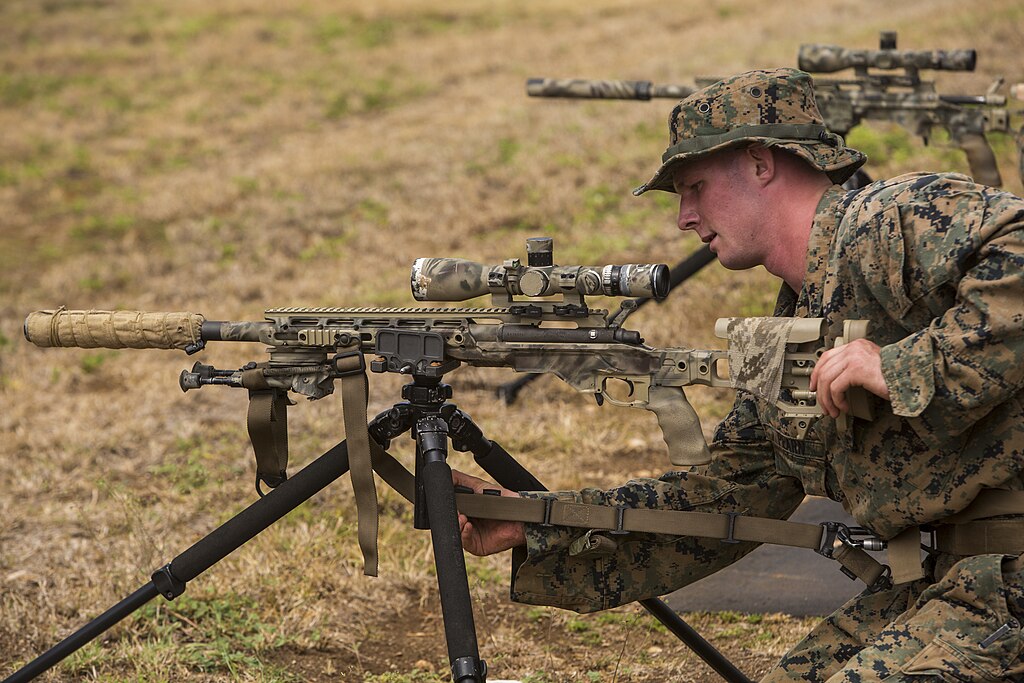
Kneeling behind a tripod offers remarkable stability with a lower profile, making it useful in situations where wind or terrain demands a more grounded stance. By adjusting the legs to match your natural height, you can settle into a comfortable, controlled posture with minimal wobble. The tripod acts as both a vertical and lateral stabiliser, absorbing micro-movements that normally affect kneeling shots. This position is excellent for hunters who prefer a mix of speed and accuracy without going fully prone. With consistent practice, it becomes one of the most versatile field setups.
13. Using a Shooting Stick in Tall Brush
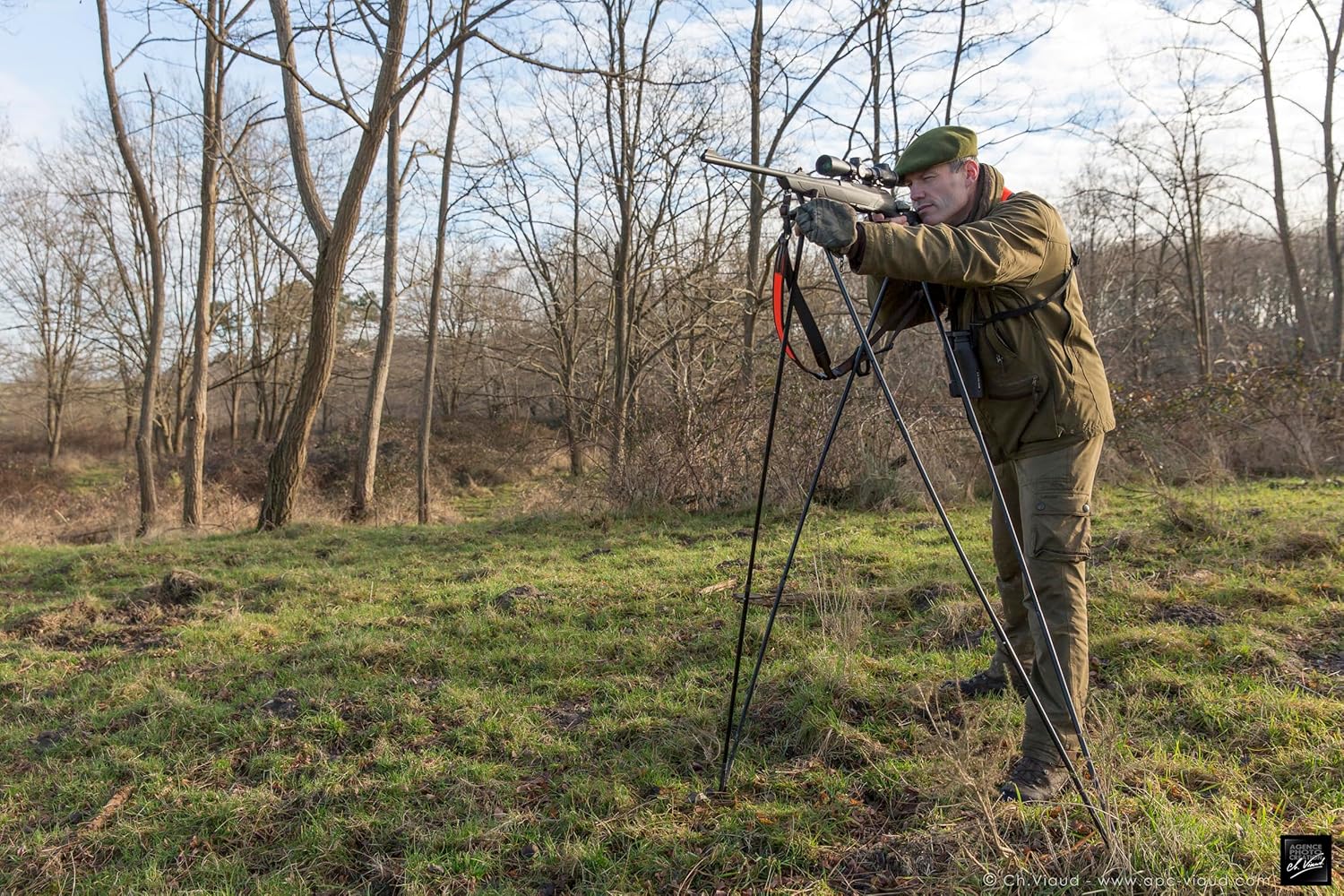
Shooting sticks provide quick, versatile support when dense brush makes lower positions impractical. By planting the sticks firmly and resting the rifle in the cradle, you create a stabilised forward support while maintaining enough mobility to track moving targets. This stance works well during spot-and-stalk hunts in tall grass or at the edges of fields where visibility shifts rapidly. Keeping your legs slightly apart and applying light forward pressure helps lock everything in place. Although not as precise as a tripod, shooting sticks strike a good balance between portability and field readiness.
14. Improvised Support Using Natural Terrain
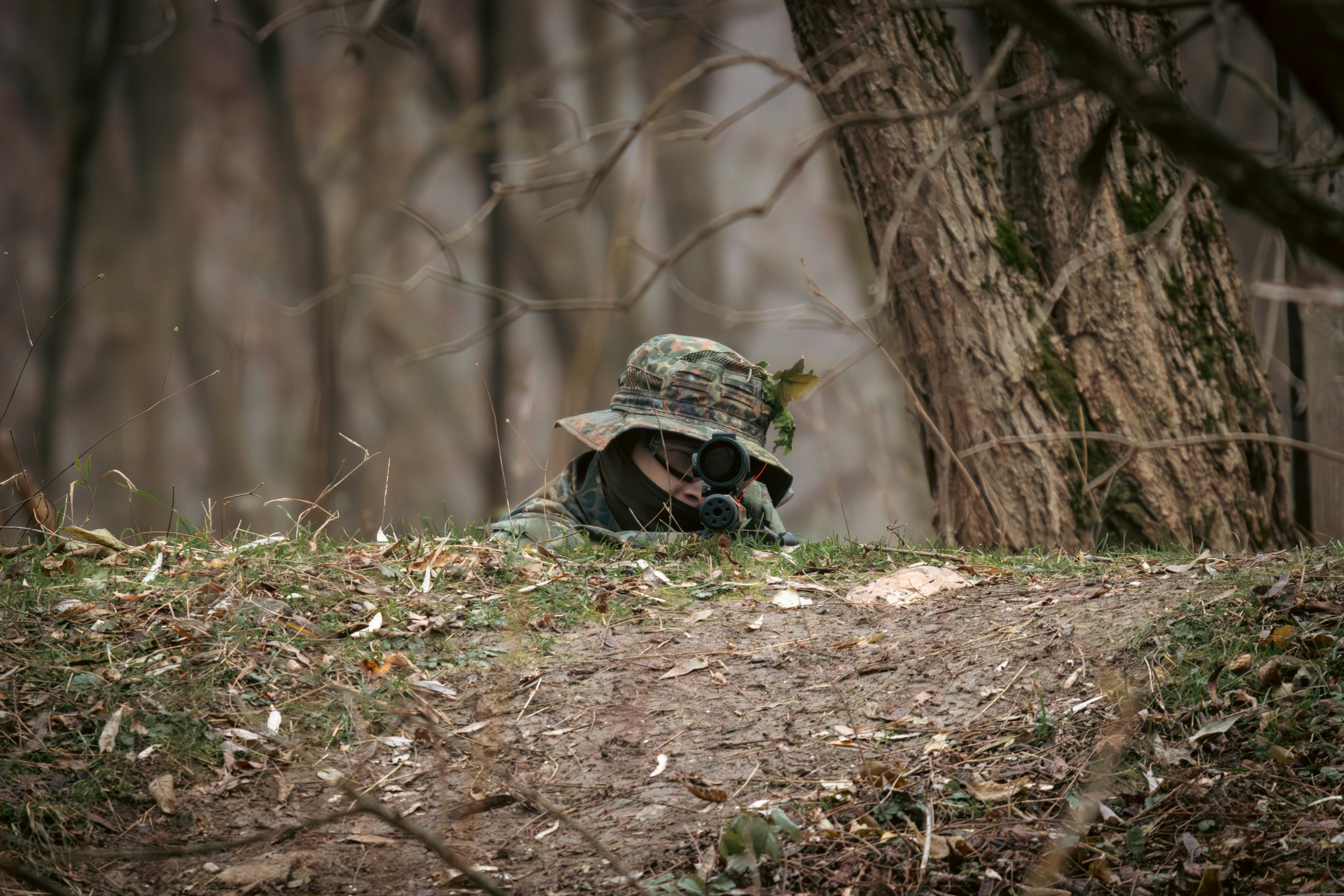
Improvised support positions rely on making the best use of terrain features like logs, stumps, fallen limbs, or even raised roots. These quick adaptations help when you need stability but don’t have time to deploy gear. By placing the rifle or support hand on the solid surface and leaning forward, you transfer much of the rifle’s weight into the object. This minimises sway and helps maintain a controlled sight picture during fast-paced encounters. The key is choosing a surface that won’t shift under recoil. With experience, this becomes one of the most realistic and practical field shooting options.