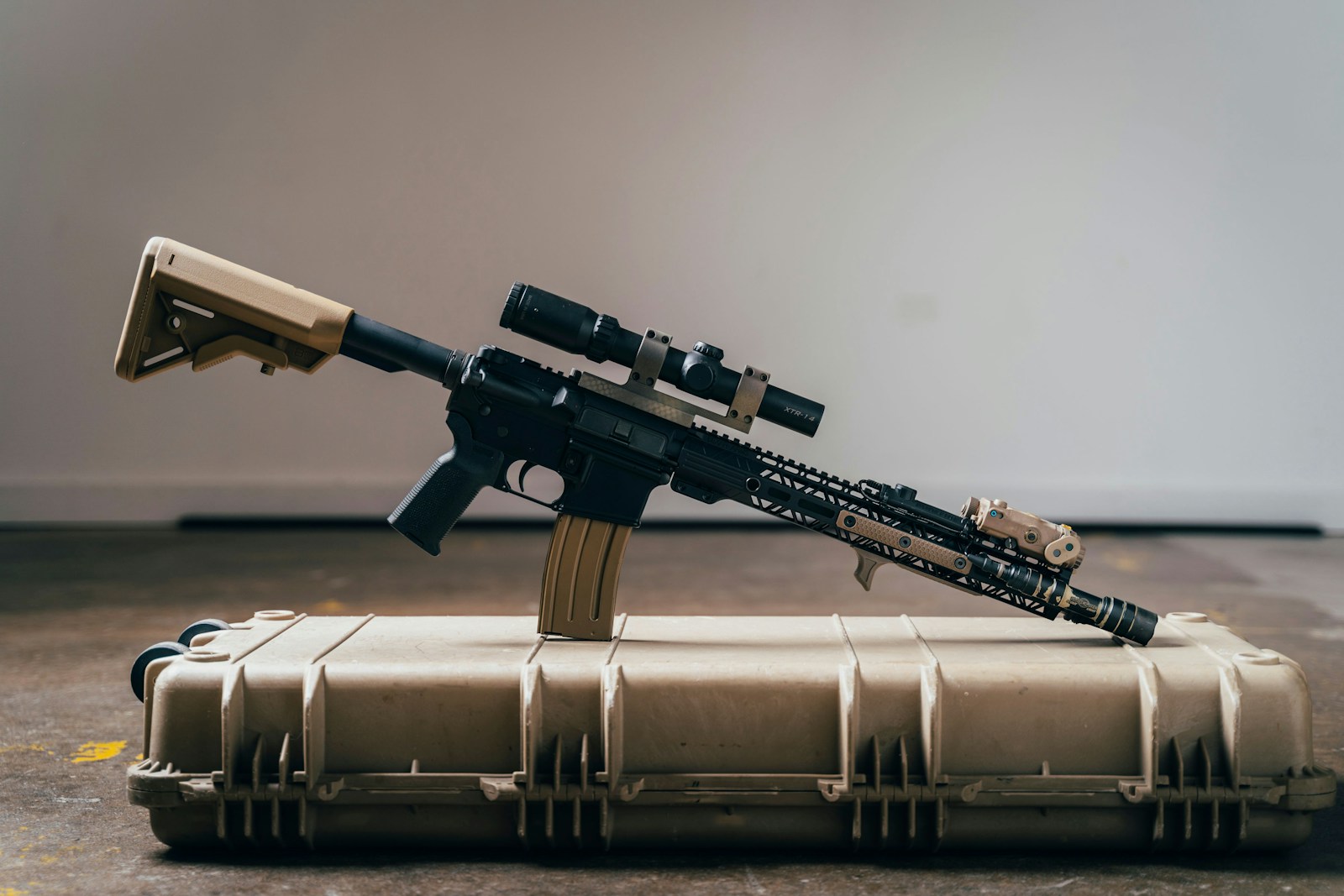
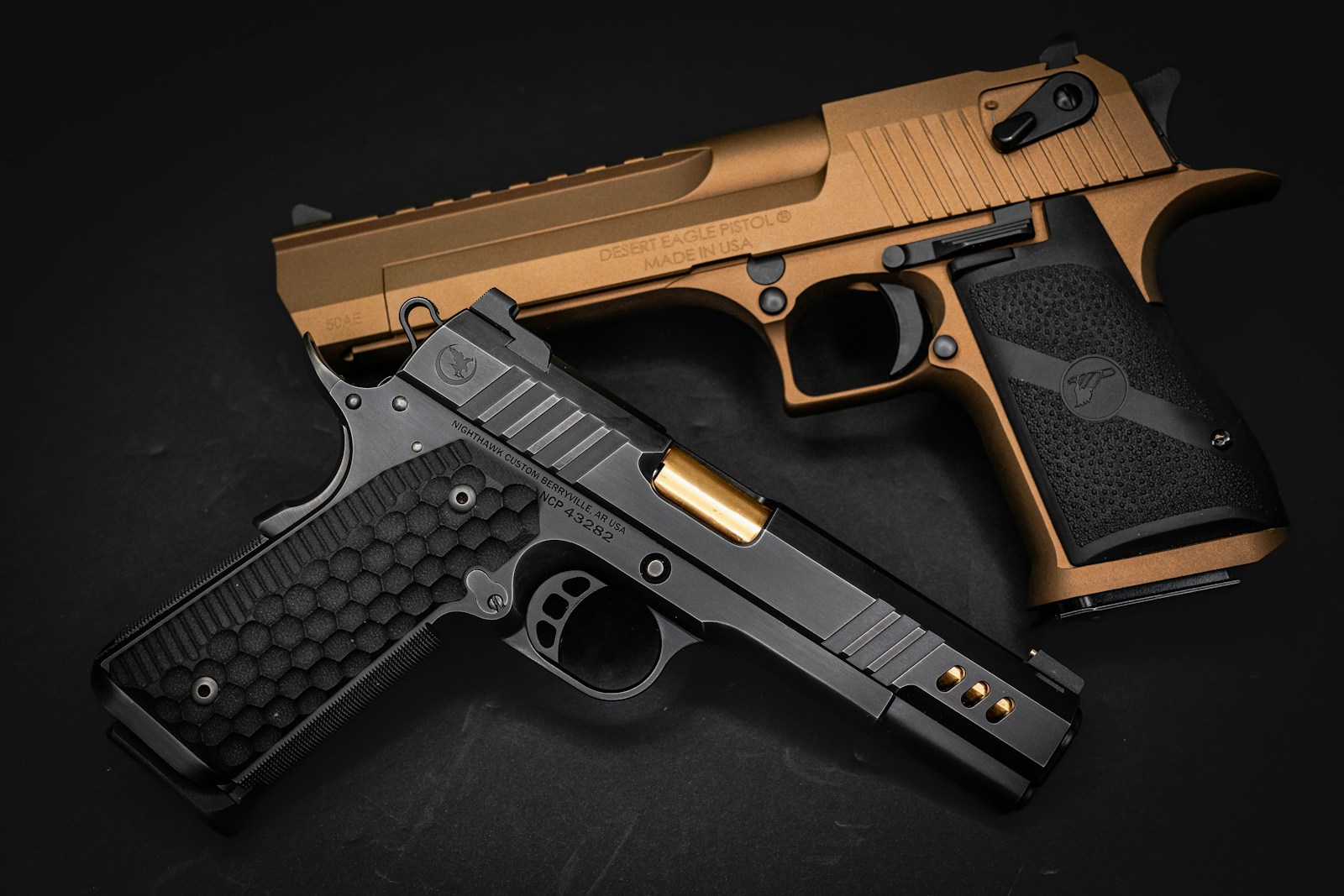
Rifle culture carries a deep sense of identity, and many long-time shooters feel that new upgrades sometimes push too far from the familiar roots that shaped the sport. While modern technology has improved accuracy, durability, and customization, some enthusiasts still consider certain upgrades “unnecessary”, “too tactical”, or simply out of place on a classic firearm. These fourteen examples highlight the divide between modern convenience and the traditional feel many shooters still value.
1. Free Floating Handguards
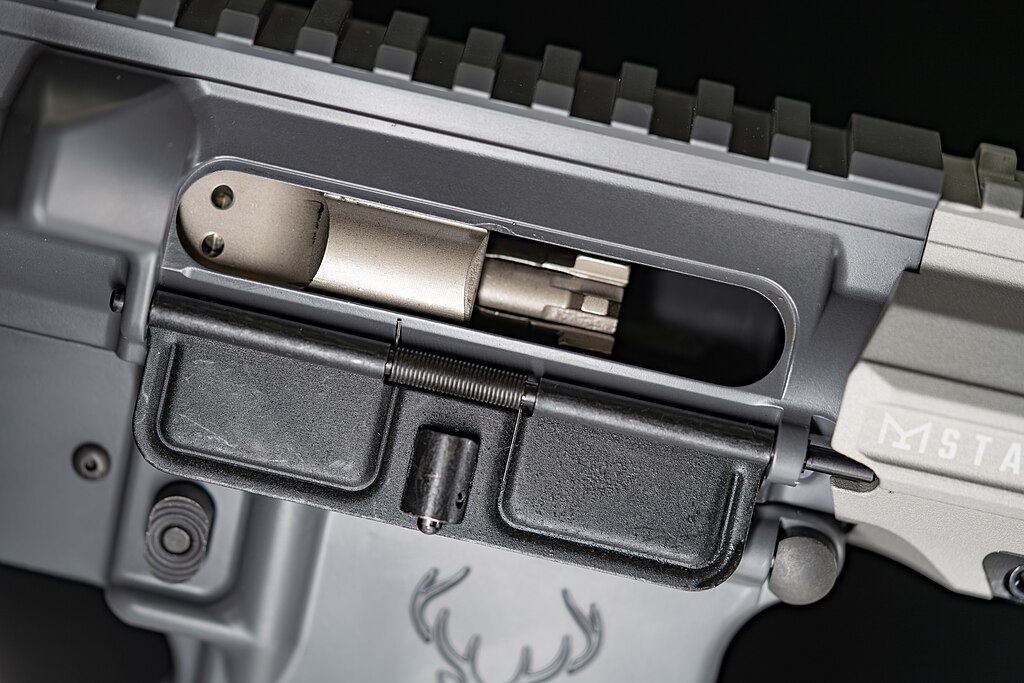
Many traditional shooters see free-floating handguards as an unnecessary shift toward competition-style builds. Even though the design reduces barrel pressure and improves precision, the modern appearance looks out of place on rifles with deep blued steel and warm hardwood stocks. The extended rail surfaces and angular edges create a sharp, tactical profile that contrasts with the smooth lines classic rifle owners prefer. Yet the upgrade remains one of the most effective ways to stabilize accuracy.
2. M Lok and KeyMod Attachment Systems
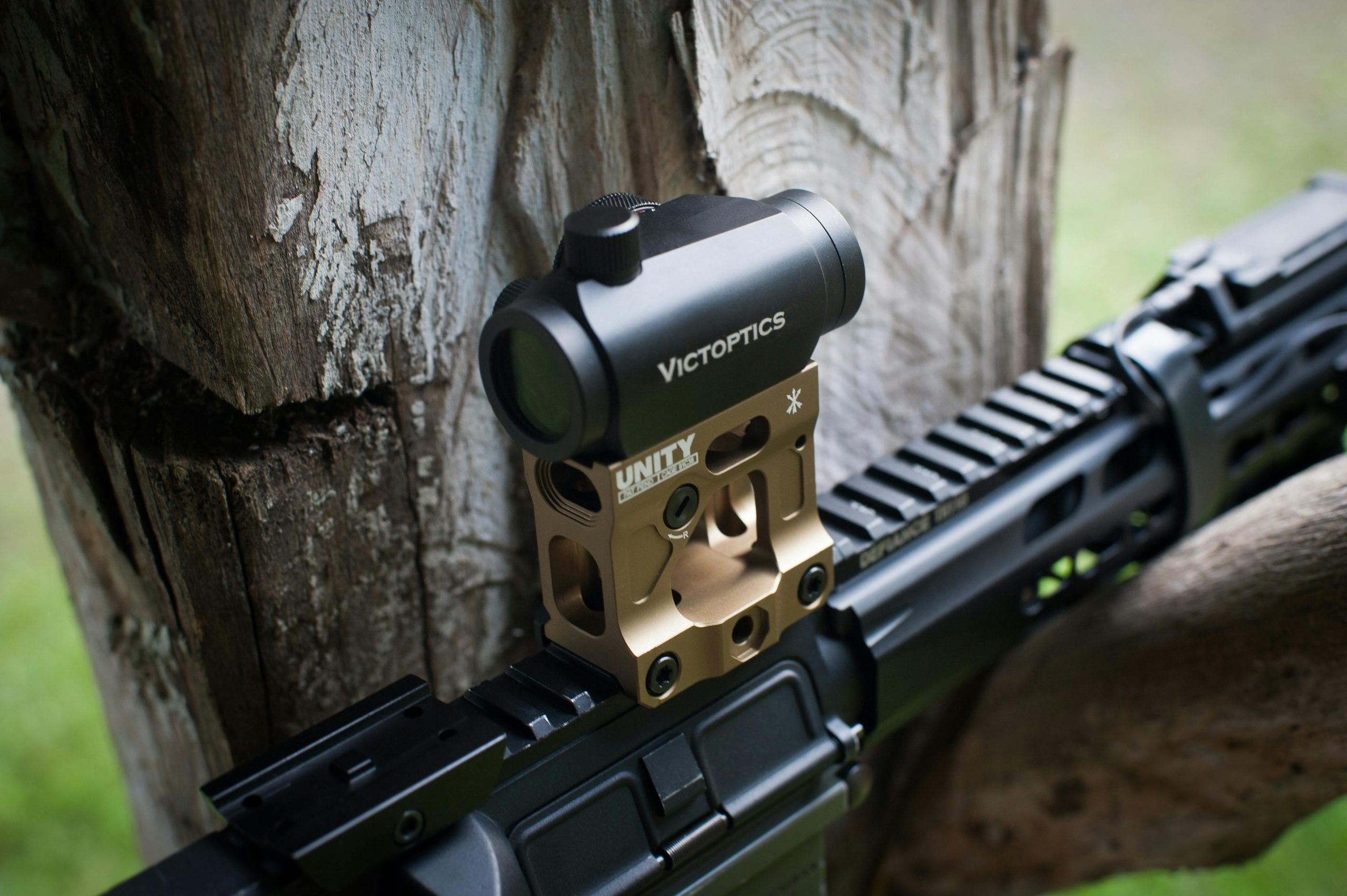
M Lok and KeyMod rails allow shooters to mount lights, bipods, and foregrips without bulky hardware, but the industrial cutouts give rifles a futuristic look that many traditionalists dislike. They prefer the simplicity of fixed sling studs or classic barrel bands that keep a rifle clean and balanced. The newer systems make rifles look like modular carbines rather than field guns, yet many hunters quietly adopt them for their secure fit and lighter feel in rough terrain.
3. Adjustable Tactical Stocks
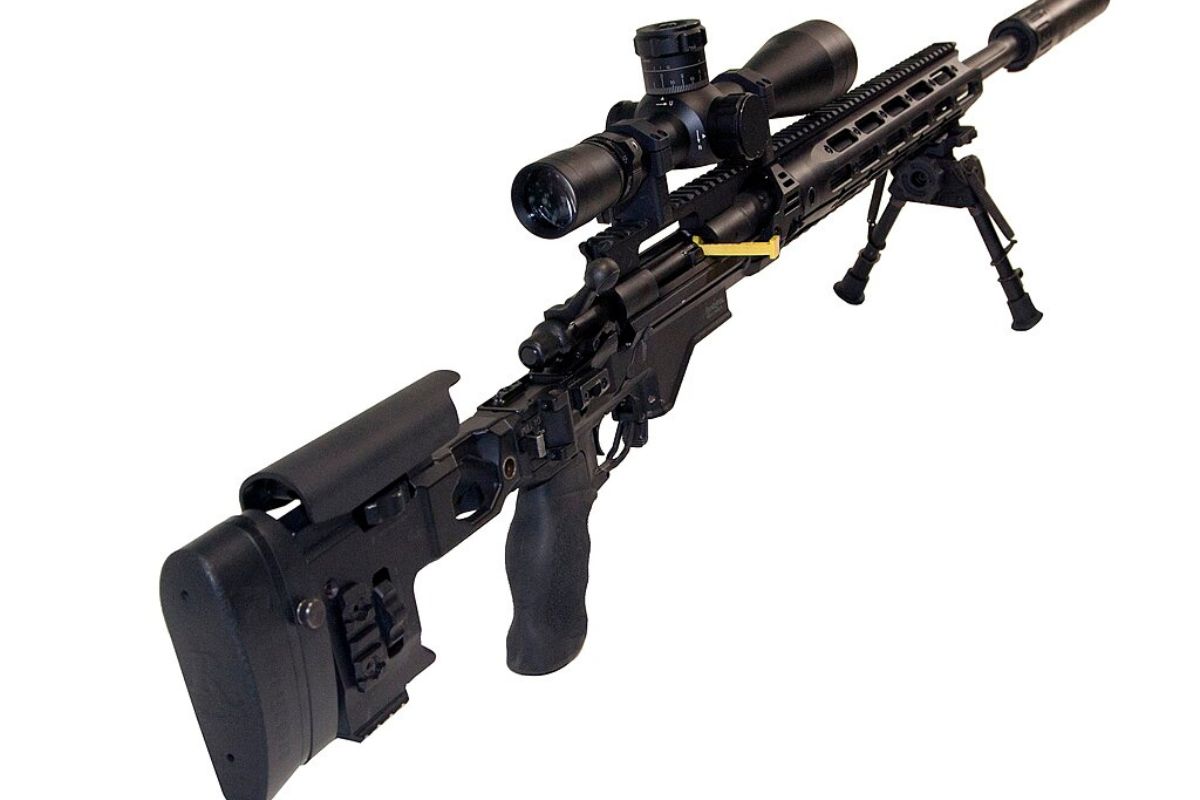
Adjustable stocks offer cheek height control, length of pull settings, and folding features for transport, but their squared shapes and synthetic materials often clash with the classic character of bolt-action rifles. Traditional shooters enjoy the natural grain of walnut, the warmth of oiled finishes, and the fixed stability that comes with a solid one-piece stock. Modern adjustable designs add comfort and versatility, although many purists insist they change the rifle’s entire personality.
4. Suppressors
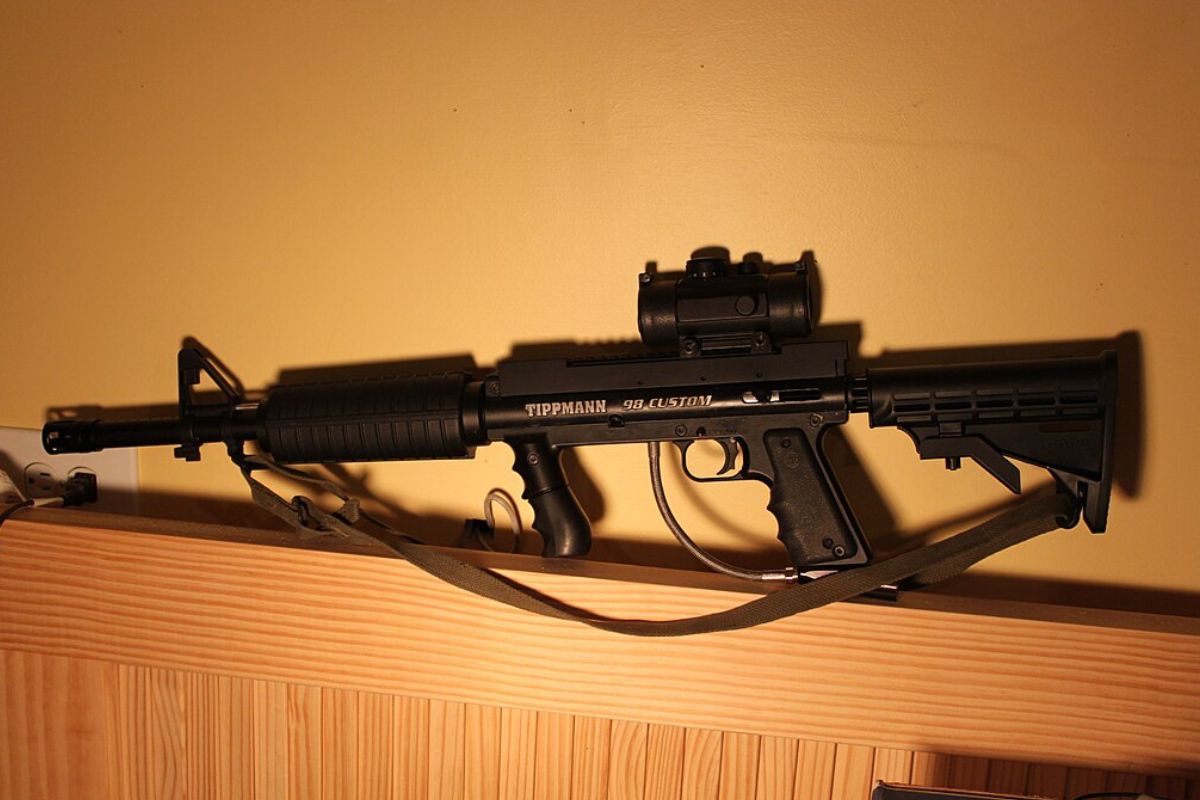
Suppressors reduce recoil, protect hearing, and help hunters maintain awareness in the field, yet some shooters still view them as accessories that turn a simple rifle into a tactical setup. The cylindrical shape and extended barrel length shift the profile dramatically, making even a classic bolt action look like a precision sniper tool. Despite these objections, suppressors remain practical for crowded ranges, youth shooters, and anyone who values cleaner communication while firing.
5. Red Dot Sights on Lever Actions
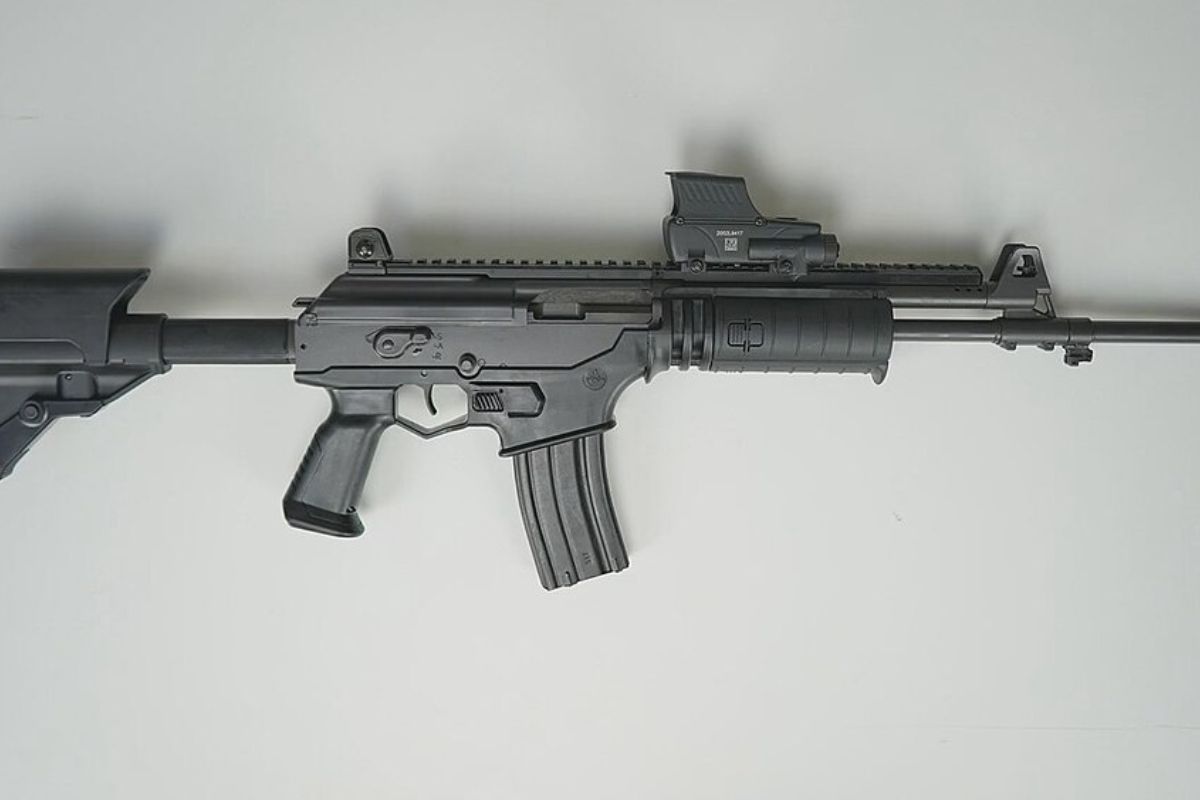
Mounting red dots on lever guns creates a quick handling setup perfect for brush hunting, but the modern glass optic feels visually out of step with the rifle’s cowboy era heritage. Many traditionalists prefer brass bead front sights or buckhorn rear sights that match the rifle’s vintage lines. Still, red dots offer fast target acquisition, clear aiming in low light conditions, and minimal weight, making them an upgrade many hunters use despite the aesthetic clash.
6. Carbon Fiber Barrels
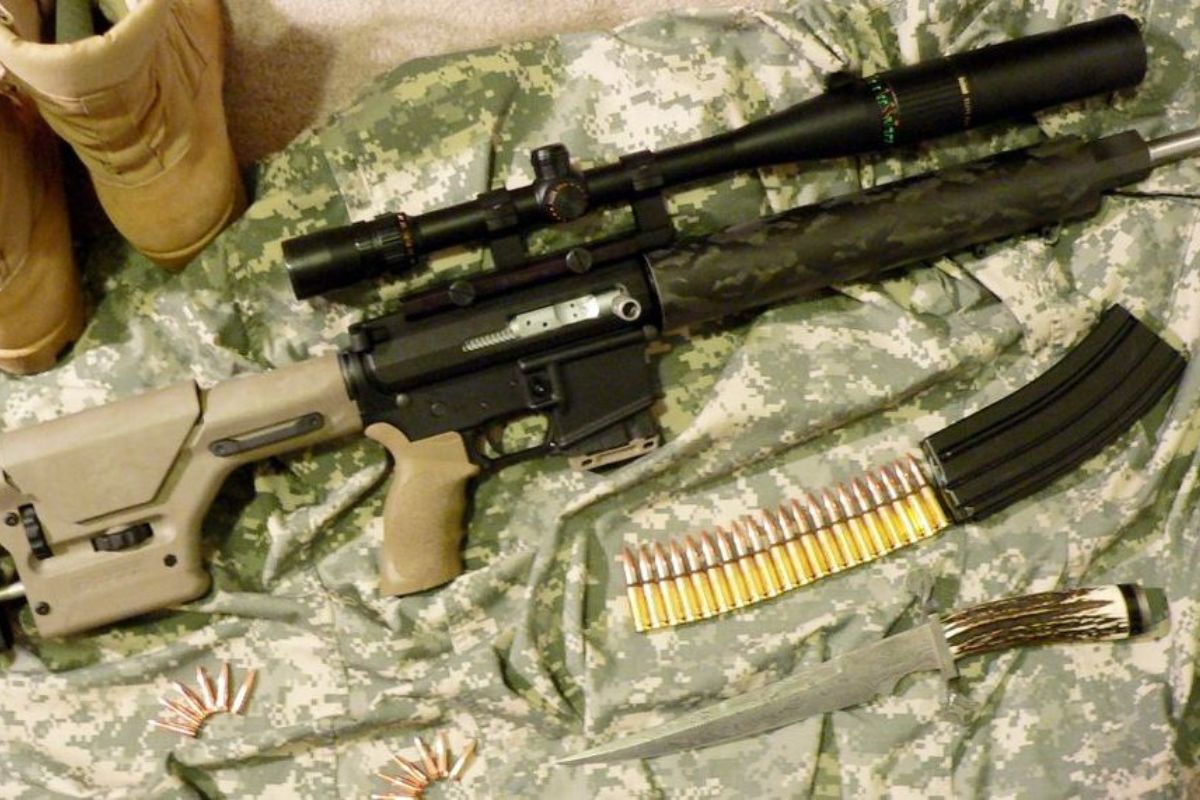
Carbon fiber barrels dramatically reduce weight and resist heat, but the woven pattern looks unlike anything associated with old-world craftsmanship. Shooters who admire polished steel, smooth bluing, and evenly tapered barrels find the textured black wrap visually distracting. Even though carbon fiber models often outperform steel in long shot strings and mountain hunts, traditional users feel the ultramodern barrel material removes the mechanical soul that defines a classic rifle.
7. Oversized Bolt Handles

Oversized bolt knobs improve cycling speed, especially with gloves or cold-weather use, yet many shooters dislike how the enlarged hardware disrupts the sleek lines of a classic action. Traditional rifles often feature small, rounded knobs that complement the stock’s flowing shape. The larger modern handles create a bolder silhouette that some feel looks more competitive than practical. Still, the increased grip and mechanical confidence make them a trusted upgrade for many hunters.
8. Chassis Systems
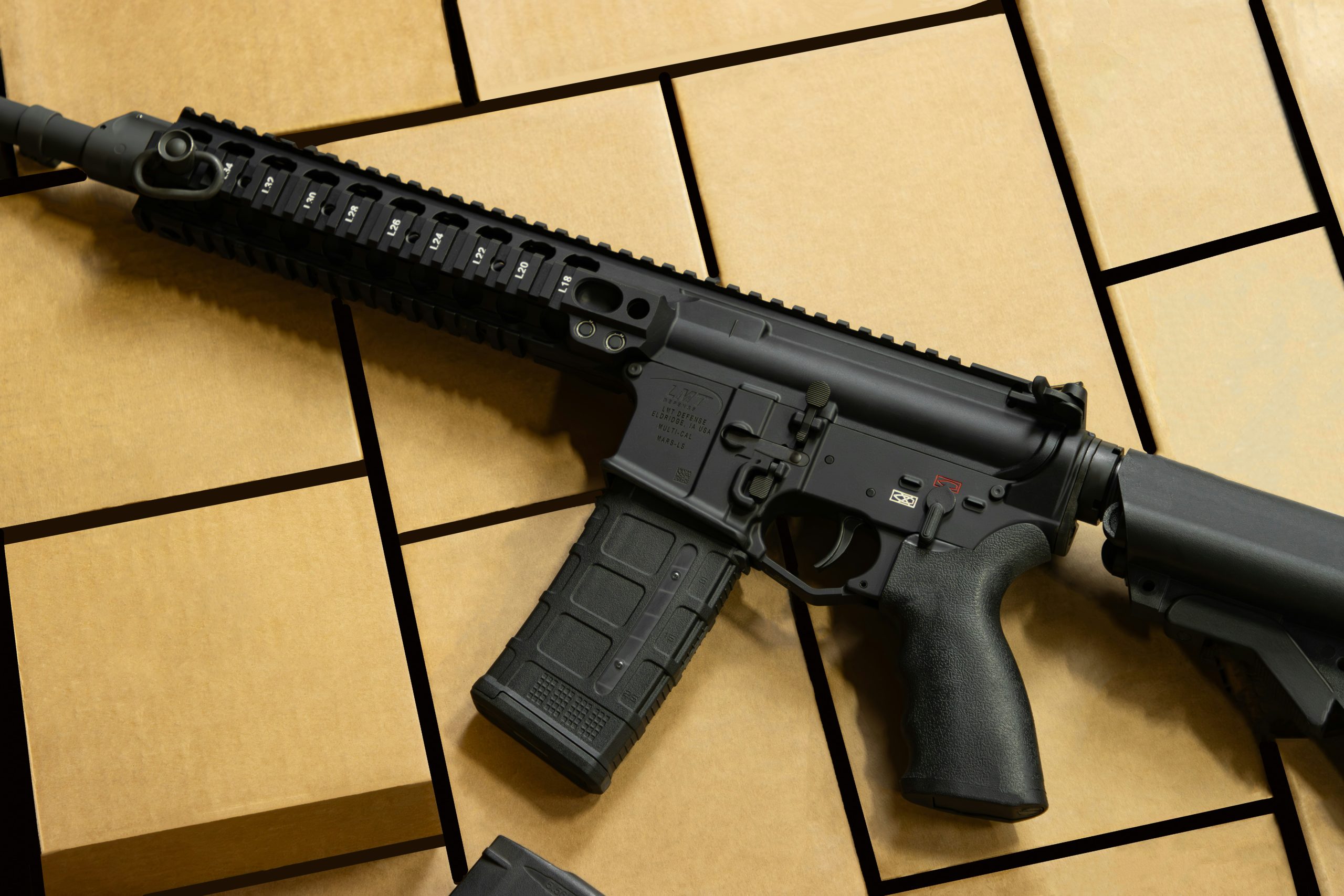
Chassis systems offer modularity, rigidity, and unmatched adjustability, but their angular frames and aluminum construction make rifles look more like precision instruments than sporting arms. Wood stocks evoke heritage and feel warm against the shoulder, while chassis rifles introduce sharp cuts and a distinctly tactical personality. Though many long-range shooters embrace the performance benefits, traditional owners often believe chassis systems erase the natural charm of a finely built hunting rifle.
9. Picatinny Rails on Classic Rifles
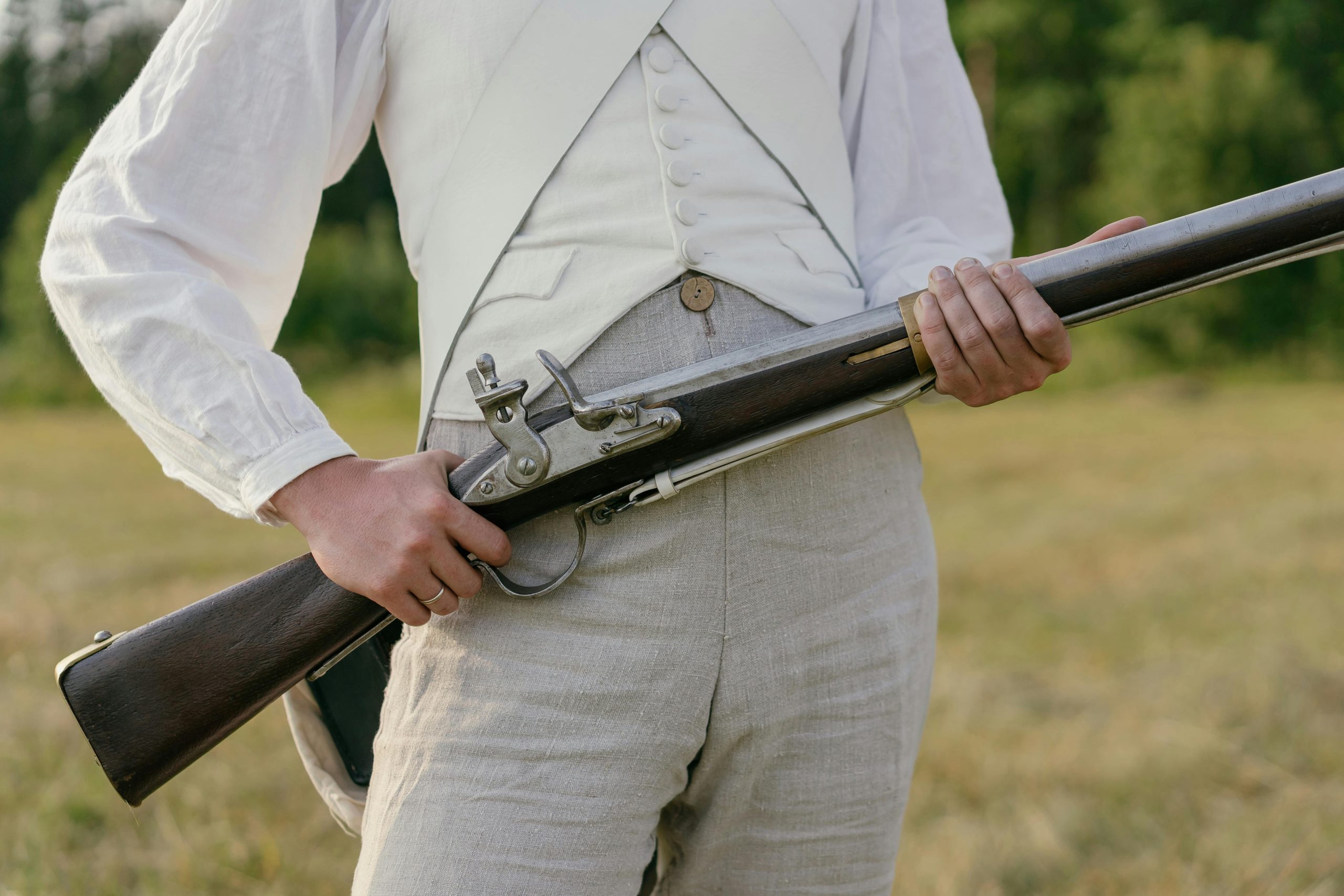
Adding a Picatinny rail to a classic rifle allows mounting optics or night vision, but the solid rib of machined metal clashes with the refined simplicity many shooters appreciate. The rail’s blocky horizontal lines disrupt the smooth contour of the receiver and give even vintage rifles a militarized appearance. While the versatility is undeniable for modern shooters, traditional users prefer drilled scope rings or dovetail mounts that keep the rifle visually timeless.
10. Match Grade Triggers

Match triggers offer crisp breaks with minimal travel, yet some shooters feel they remove the traditional character of a factory pull. Older rifles often had heavier triggers that required practiced technique, giving each shot a sense of deliberate control. Modern triggers create a precision-oriented experience that feels almost too light for some hunters. Even though they improve accuracy, critics believe they reduce the art of mastering a rifle’s natural rhythm.
11. Folding Stocks

Folding stocks make rifles easier to store and transport, but many owners dislike how the hinge mechanism breaks the clean silhouette of a long gun. Classic rifles feel solid and continuous from buttplate to fore-end, while foldable designs introduce moving parts and a modern outline. Despite the complaints, hikers and backcountry hunters love the space-saving benefits. The upgrade remains practical, even if traditionalists see it as a step away from classic form.
12. Integrated Bipods
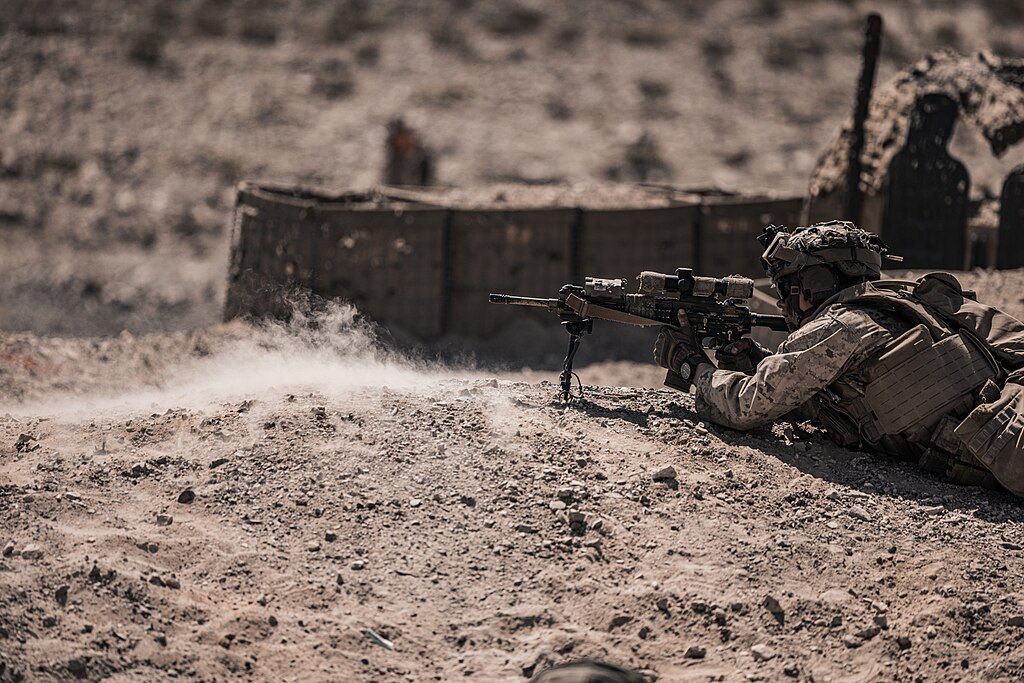
Integrated bipods improve stability for long shots, yet some shooters prefer carrying separate shooting sticks rather than altering the rifle’s natural lines. Built-in bipods often create extra weight near the fore-end and add a mechanical appearance that contrasts with traditional wooden stocks. Although the feature helps with precision and field use, many purists believe it changes the rifle’s balance and aesthetic too much to justify the convenience.
13. Spiral Fluted Bolts
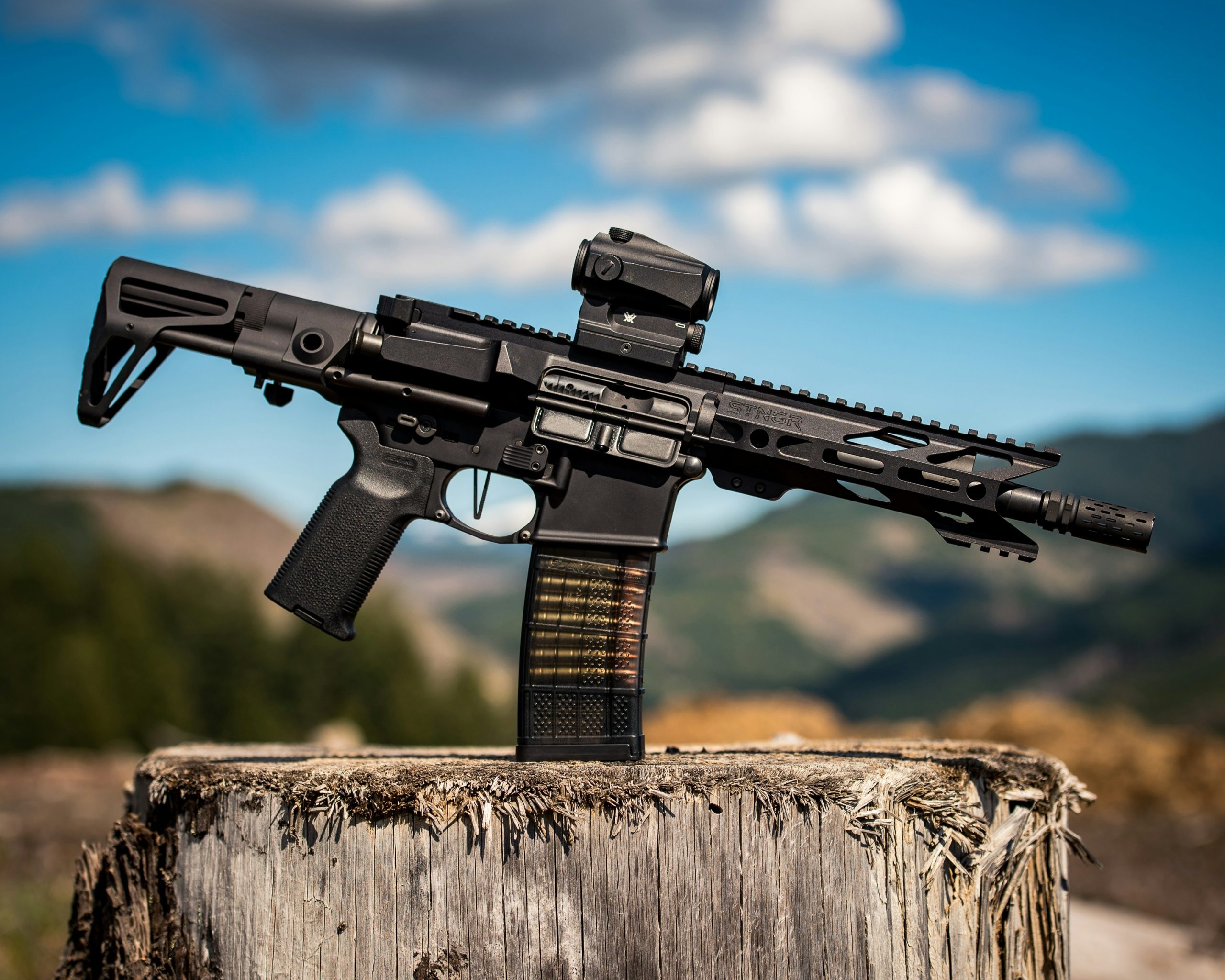
Spiral fluting lightens the bolt and adds smooth cycling, but the decorative pattern feels overly modern for shooters who favor plain polished steel. The swirling cuts catch light in a way that stands out against the rifle’s otherwise classic look. While the functional benefits are real, many traditionalists argue that such styling turns a working rifle into a display piece. Even so, the feature remains popular among precision builders.
14. Cerakote Finishes
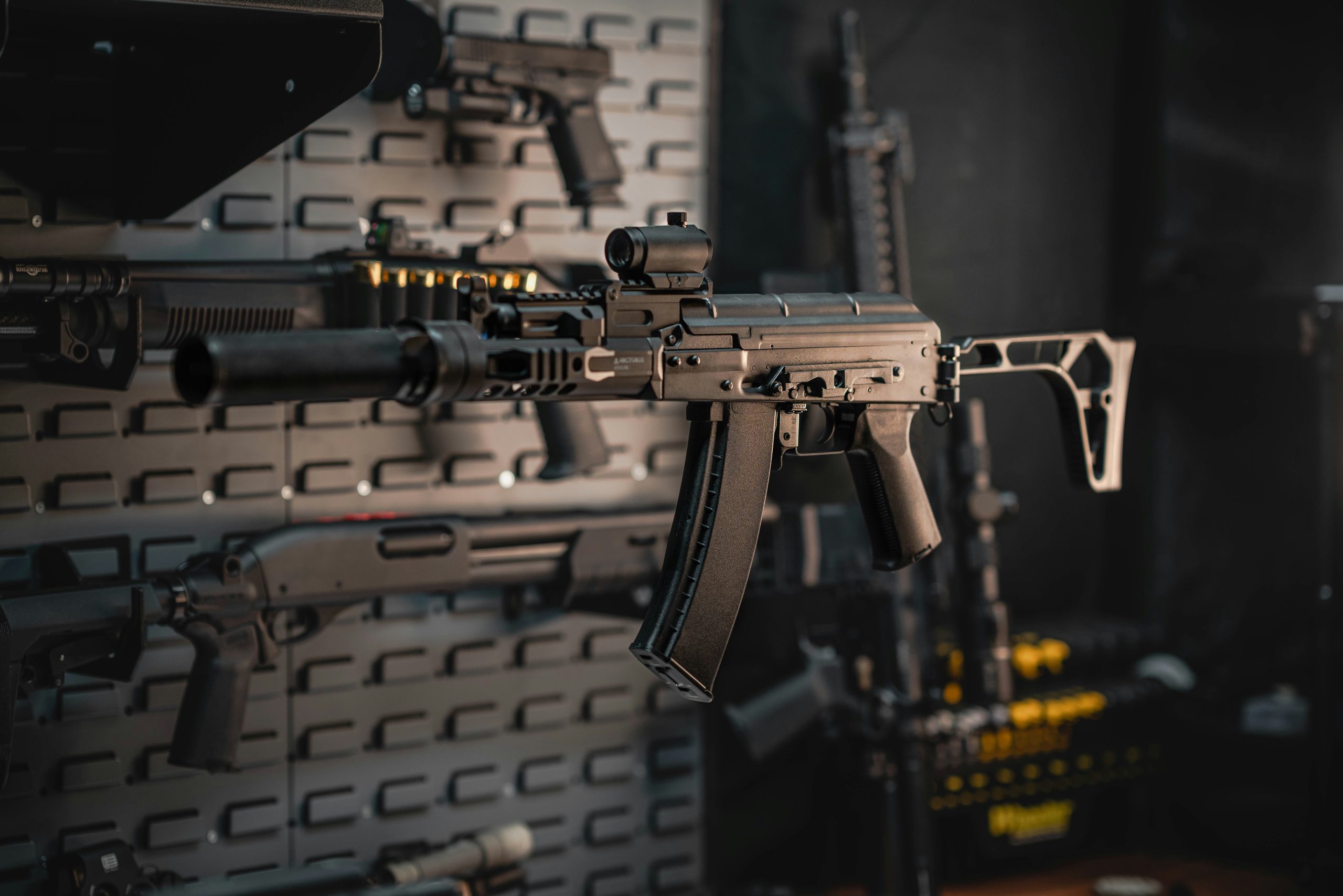
Cerakote coatings protect against rust, scratches, and weather damage, but the matte, tactical colors rarely match the rich, deep sheen of traditional bluing. Hunters who love the timeless appearance of polished steel find modern coatings too dull or artificial. The durability is undeniable, especially for wet climates and rugged terrain, yet some rifle owners still choose classic finishes because they feel more authentic and connected to shooting history.