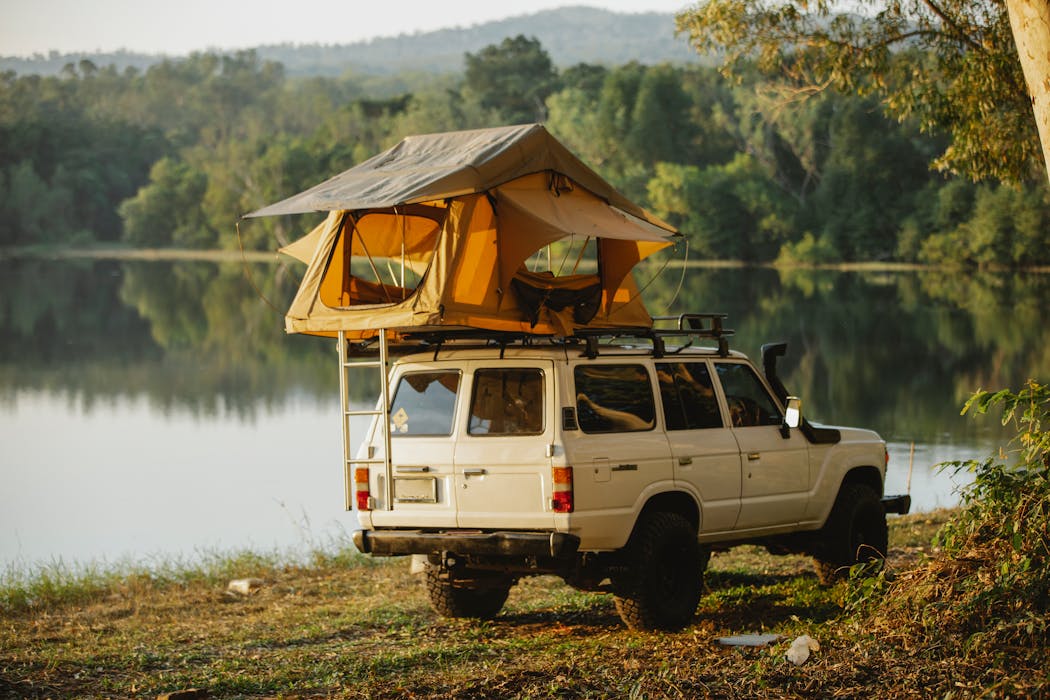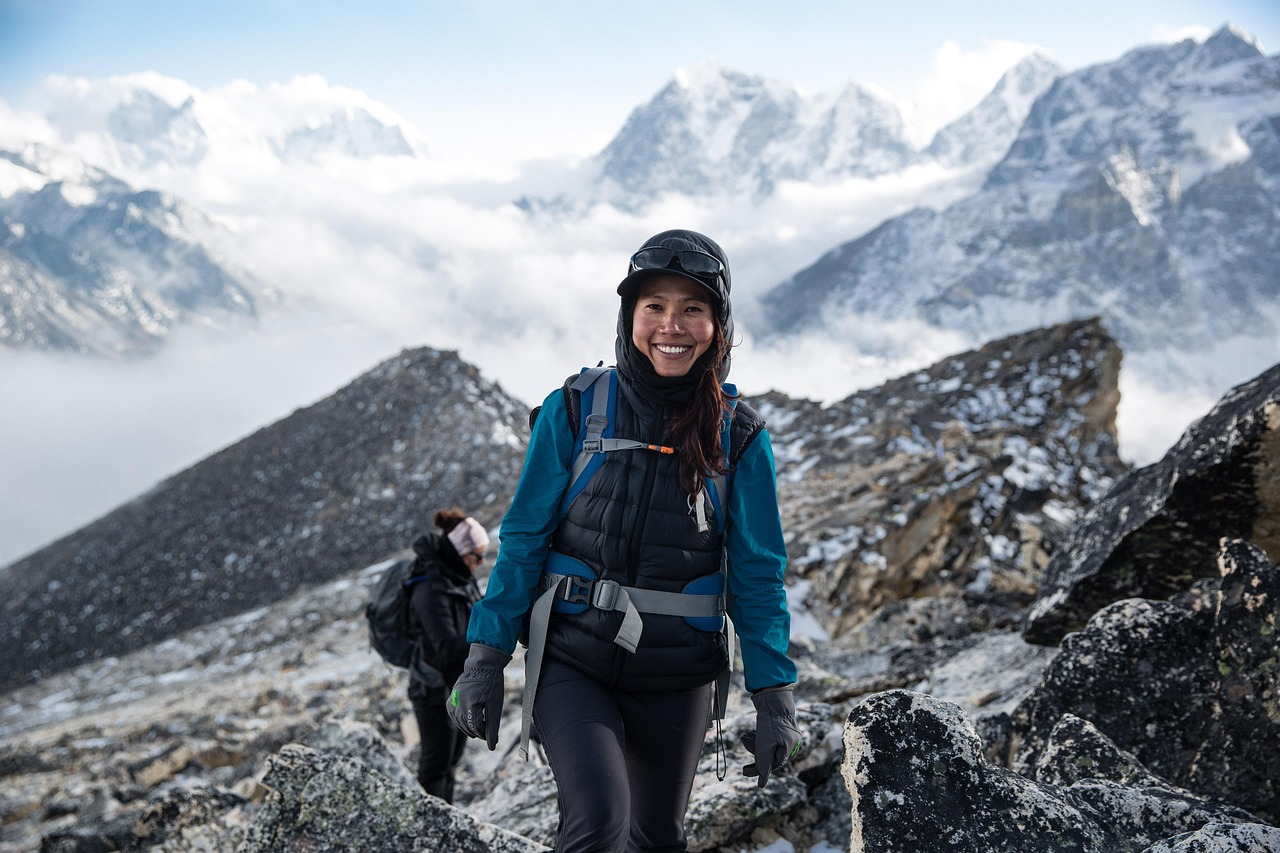
Night hiking offers a new way to experience nature, with quiet trails and starlit skies creating an unforgettable atmosphere. However, even seasoned hikers can overlook important gear that becomes crucial after dark. From safety tools to small comfort items, these essentials make the difference between an enjoyable adventure and a risky experience. Packing carefully before heading out ensures that every step under the stars stays safe, smooth, and stress-free.
Reliable Headlamp
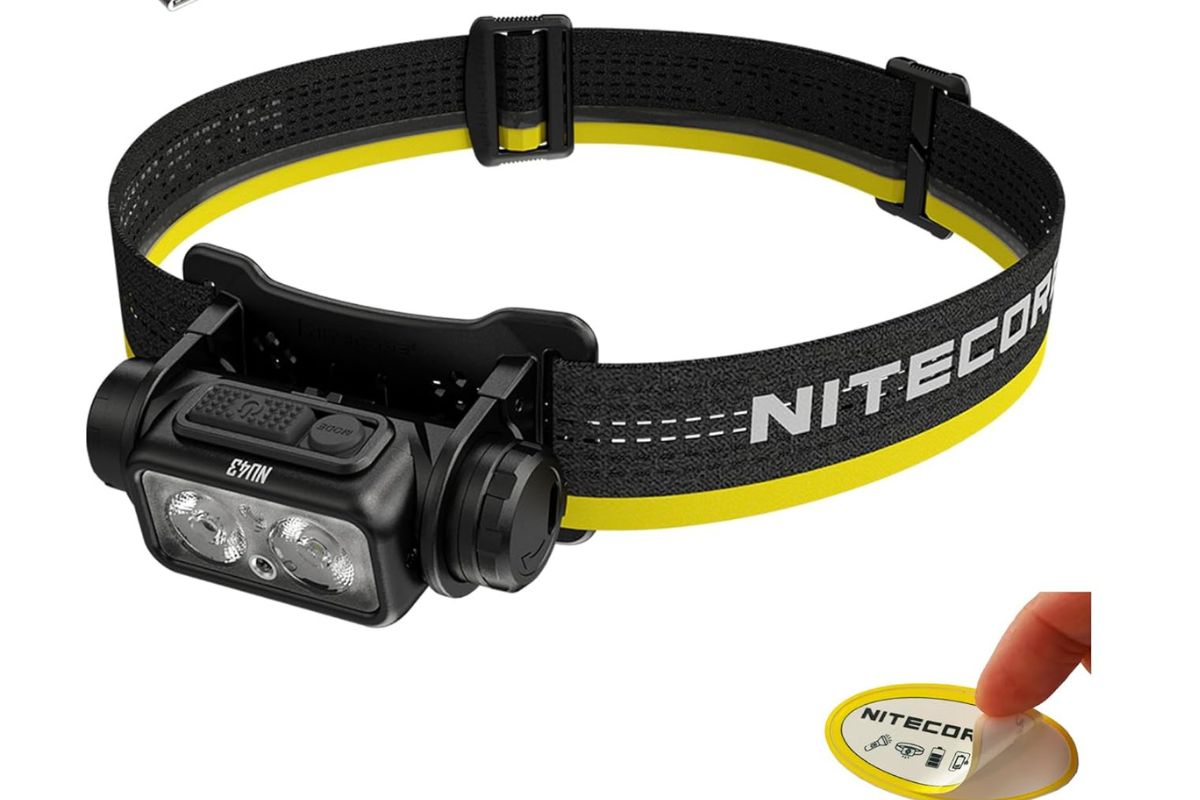
A dependable headlamp is the single most important item for a night hike. It frees your hands while providing consistent light for navigation. Make sure batteries are fresh and carry extras in case of failure. Avoid relying on phone flashlights, which drain quickly and don’t offer wide coverage in uneven terrain.
Backup Light Source
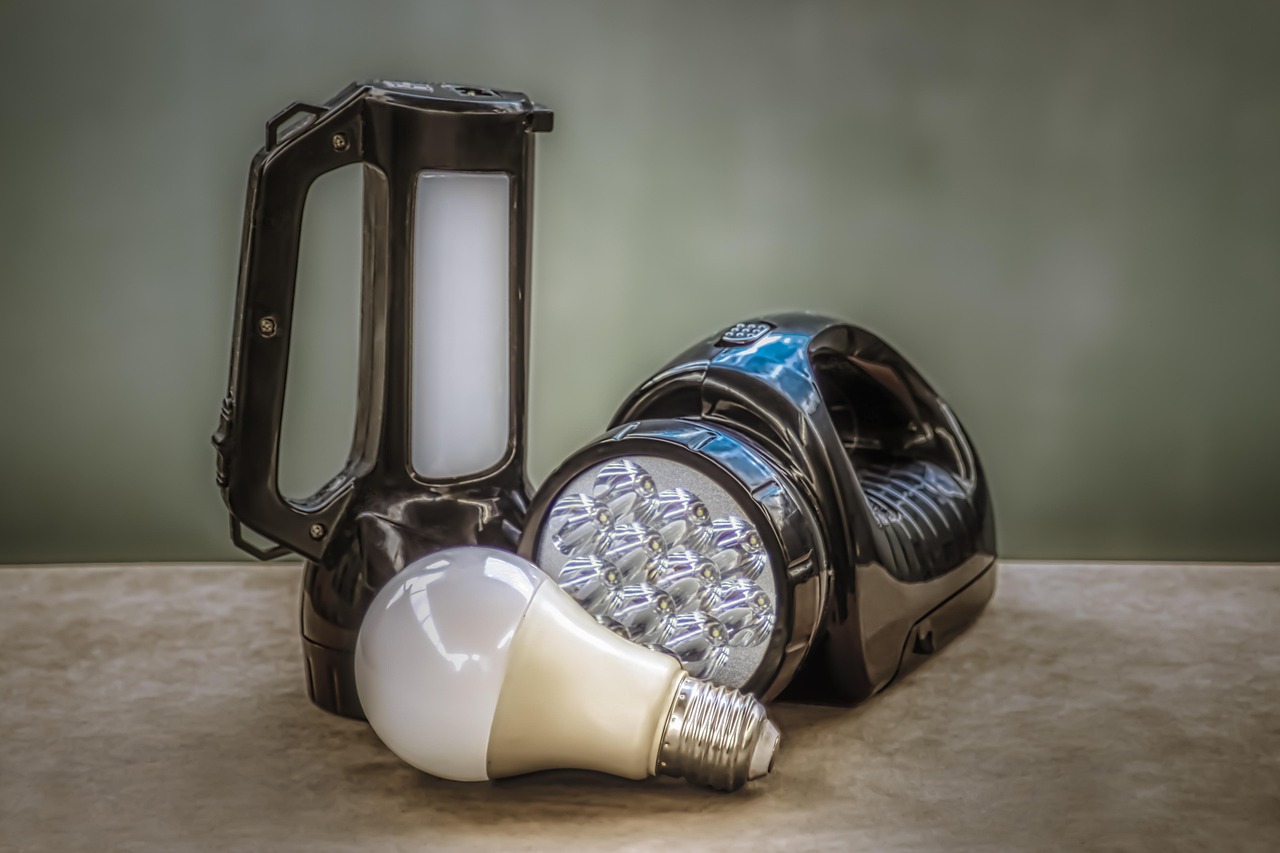
Even the best headlamp can malfunction, so a backup flashlight or small lantern is vital. Choose one with adjustable brightness and a strap or clip for convenience. Extra light helps in emergencies or for signaling if you get separated from the group. Always test your lights before setting out on the trail.
Reflective Gear
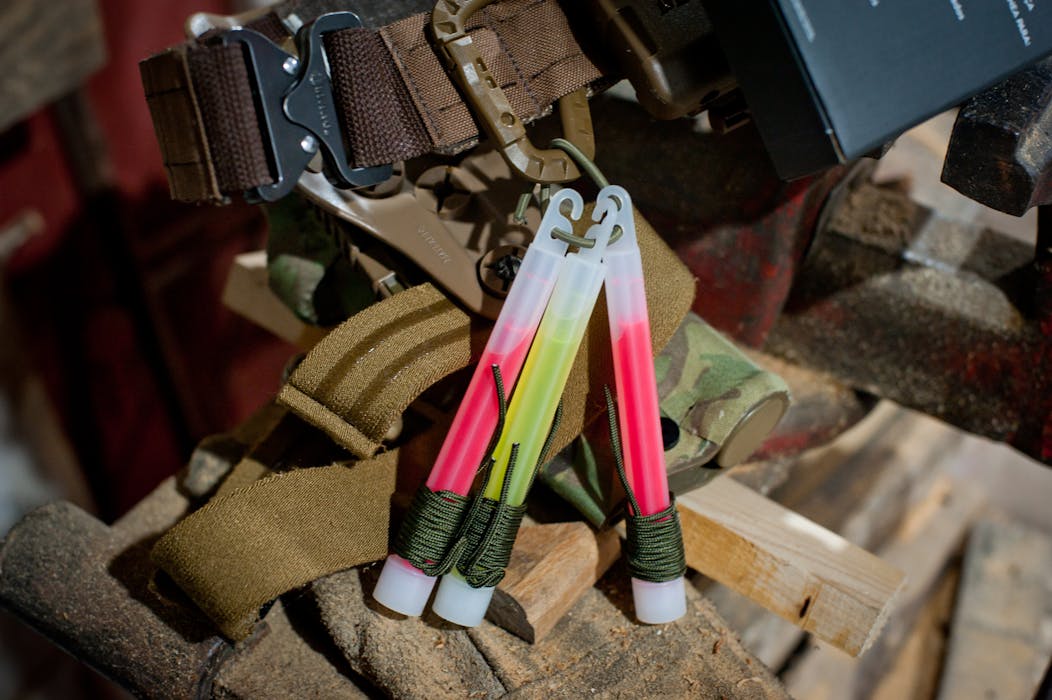
Visibility is key when hiking after dark. Reflective tape, vests, or patches on clothing help you stand out to others in your group and any nearby vehicles. Small reflective details can make a big difference in dense forests or on shared trails. Staying visible ensures everyone’s safety in low-light conditions.
Extra Layers
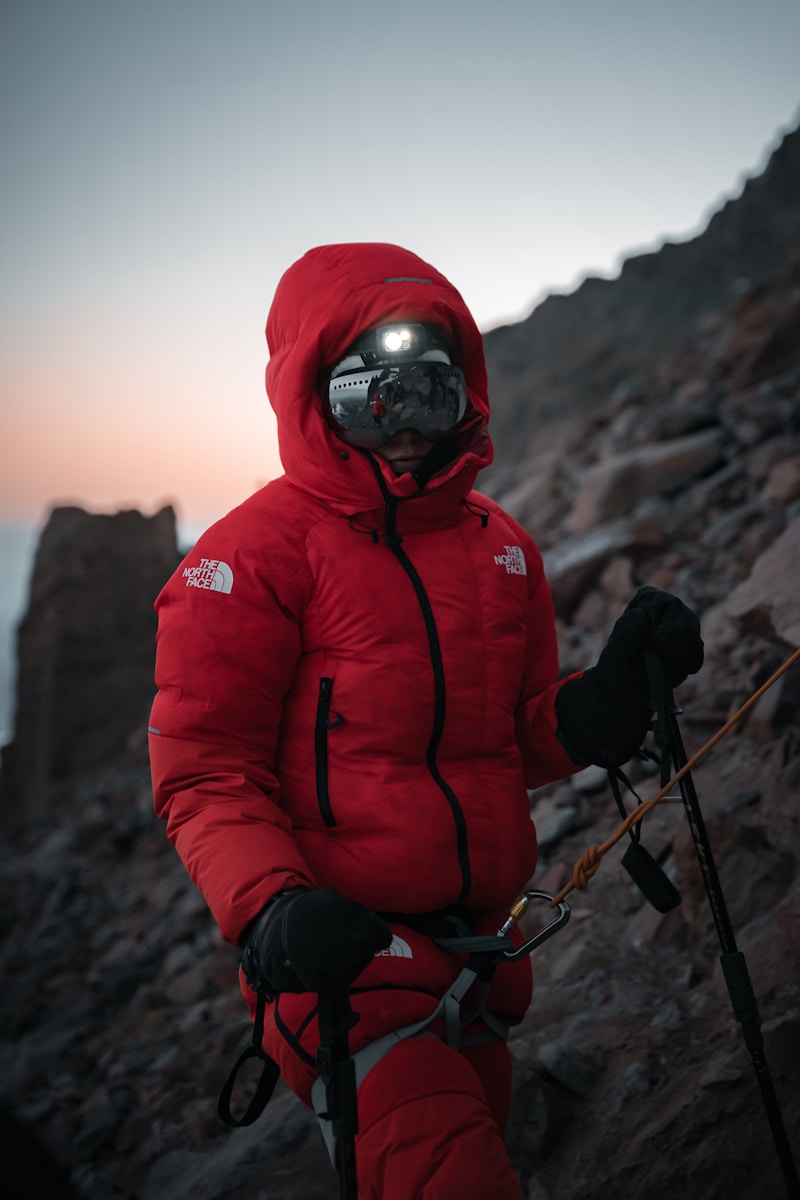
Temperatures often drop quickly after sunset, even during warm seasons. Lightweight jackets, hats, or gloves help maintain body warmth and prevent discomfort. Choose moisture-wicking materials that keep you dry and comfortable as you move. Packing one extra layer is always smarter than wishing you had.
Trail Map and Compass
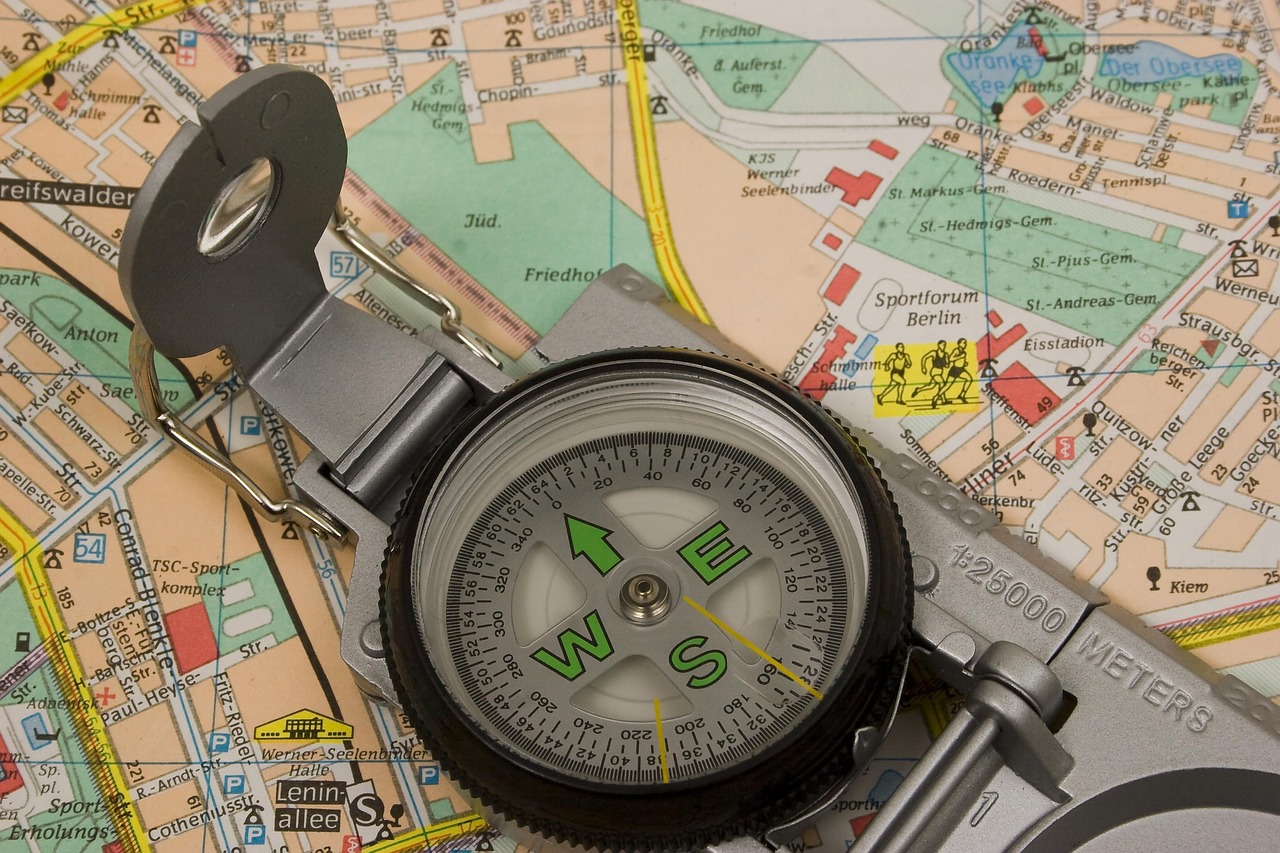
Navigation becomes more challenging at night, even on familiar trails. A physical map and compass serve as reliable backups if your GPS signal fails. Familiarize yourself with the route before hiking and mark landmarks. Relying solely on digital devices can leave you stranded if batteries die unexpectedly.
Fully Charged Phone
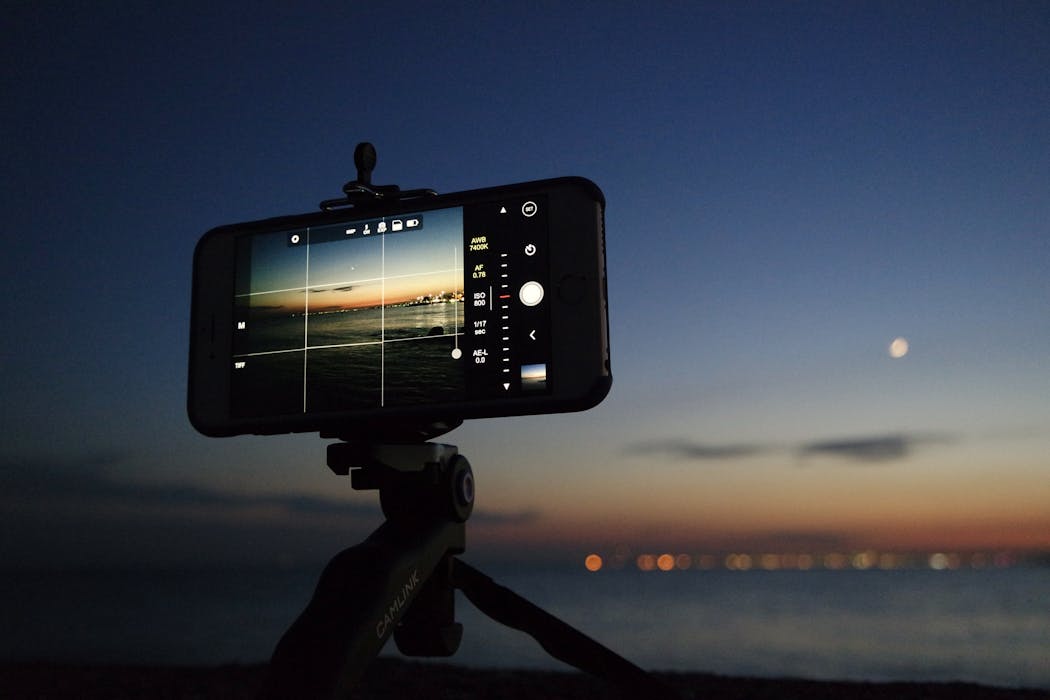
A phone is a lifeline for emergencies, but it’s only helpful if it’s charged. Bring a portable power bank to extend battery life for maps, communication, and flashlights. Enable low-power mode and turn off unnecessary apps to conserve energy. Keeping your phone secure and accessible adds a crucial layer of safety.
First-Aid Kit
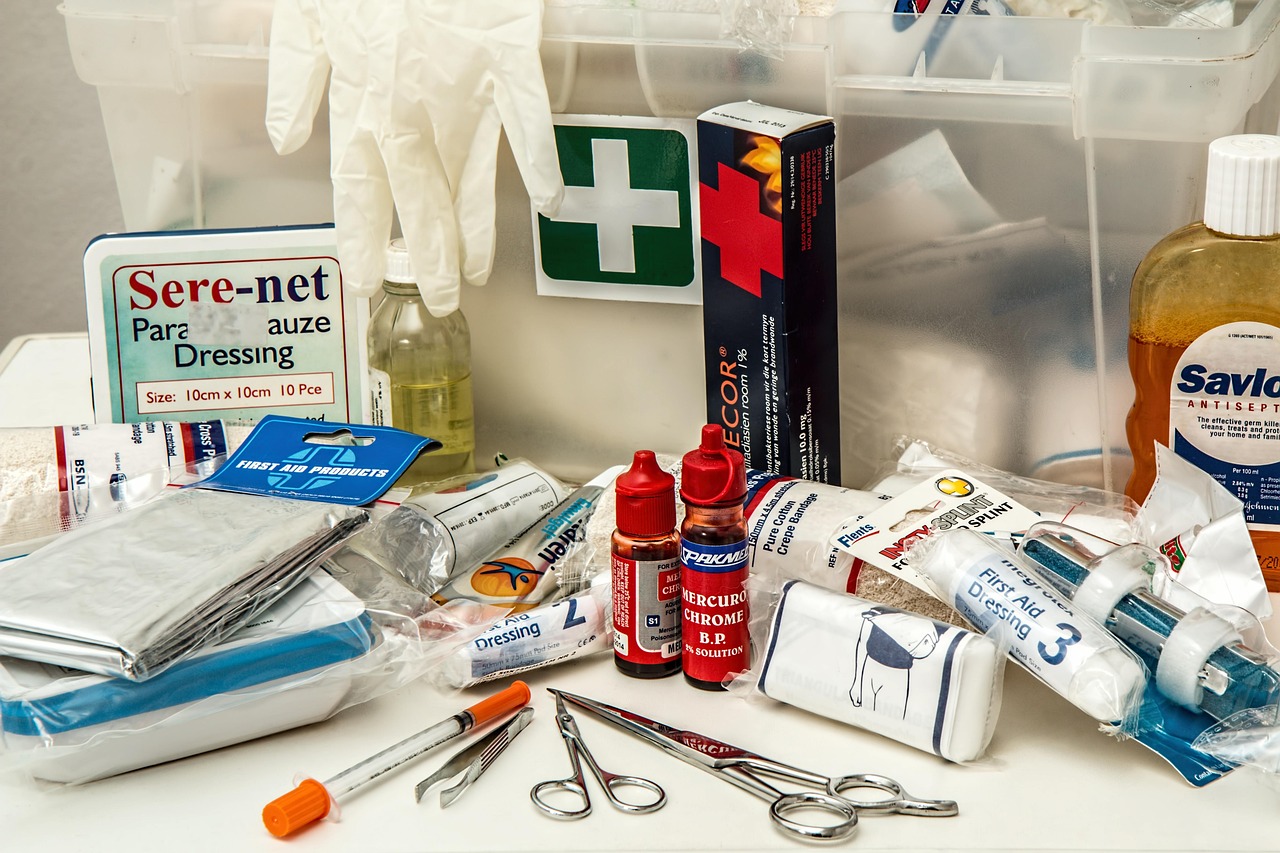
Minor injuries can happen anytime, but darkness makes treating them harder. A compact first-aid kit with bandages, antiseptic wipes, and pain relievers should always be within reach. Add a whistle or emergency blanket for extra preparedness. Quick treatment on the trail keeps small issues from becoming big problems.
Insect Repellent
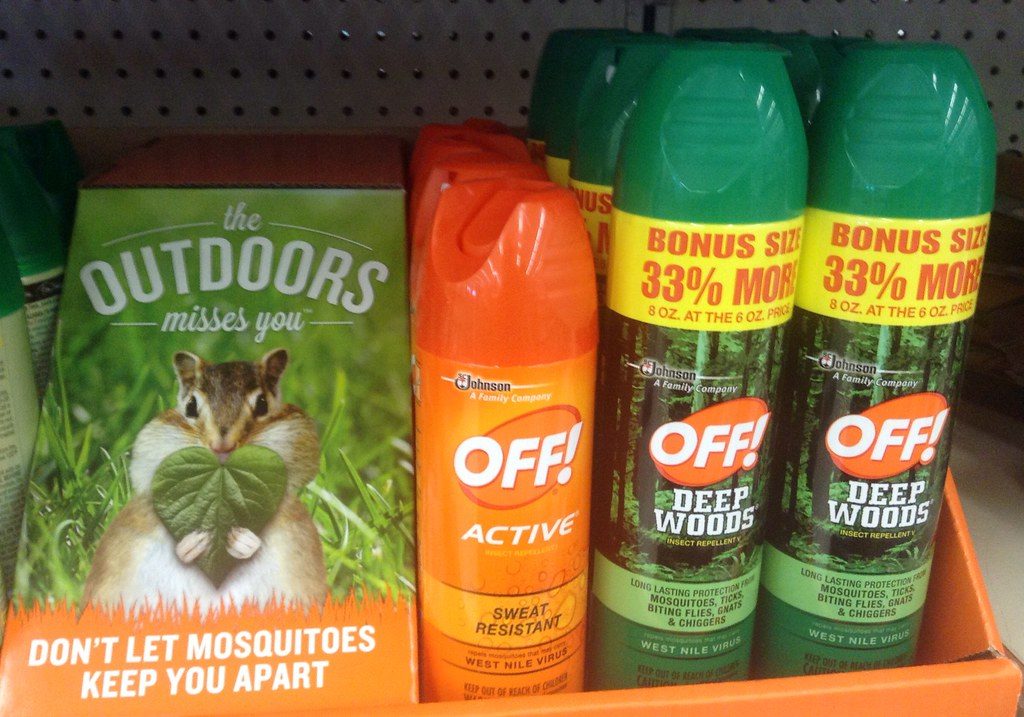
Bugs become more active after dark, especially in humid areas. Apply repellent before hiking and reapply if you sweat heavily. Mosquito bites can distract and irritate, making navigation harder. Keeping insects at bay helps maintain focus and comfort throughout the journey.
Snacks and Water
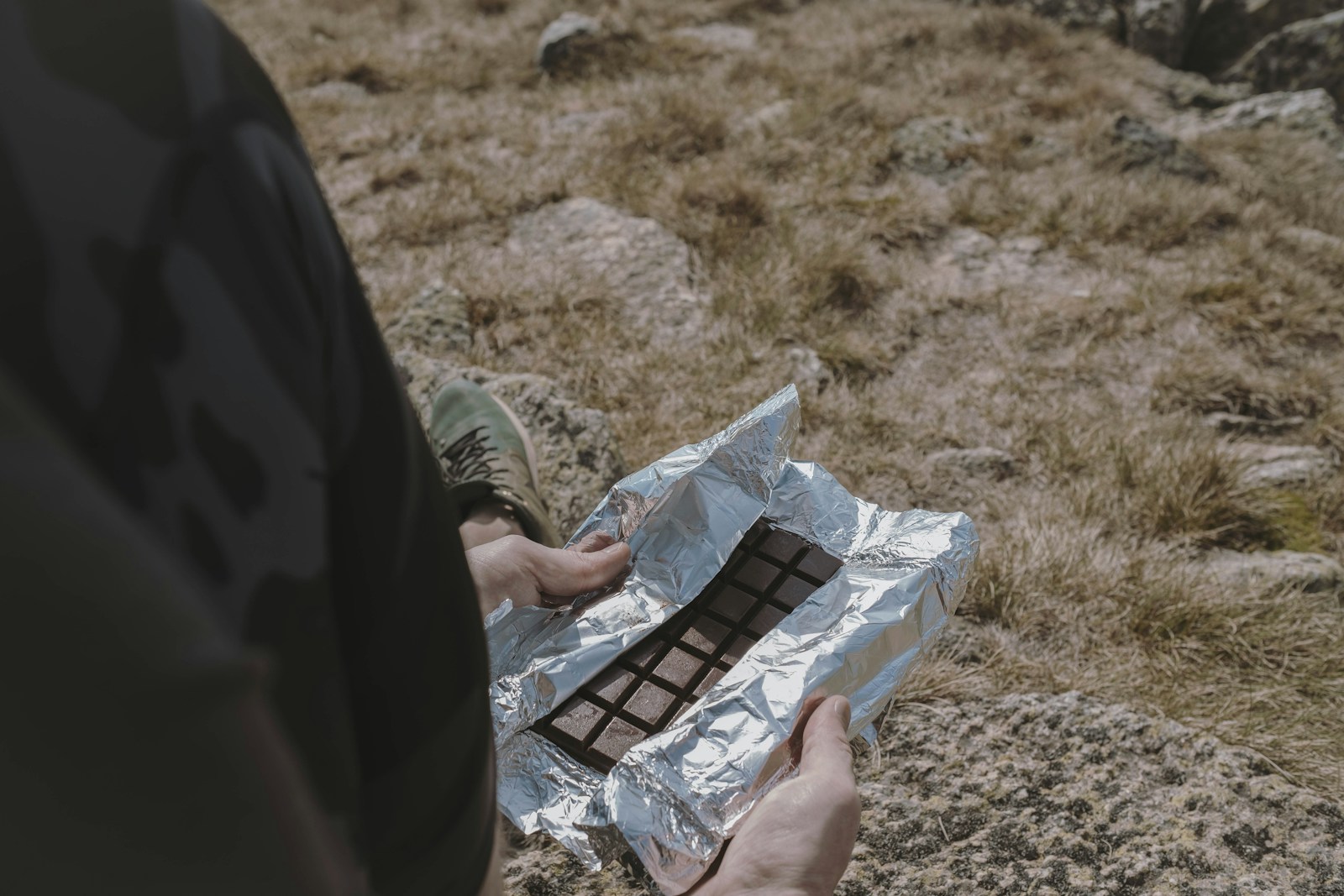
Energy levels can drop faster on night hikes, so hydration and nutrition matter. Bring water bottles or a hydration pack and easy snacks like nuts or protein bars. Eating small amounts regularly keeps you alert and energized. Avoid overpacking heavy foods that slow you down.
Emergency Blanket
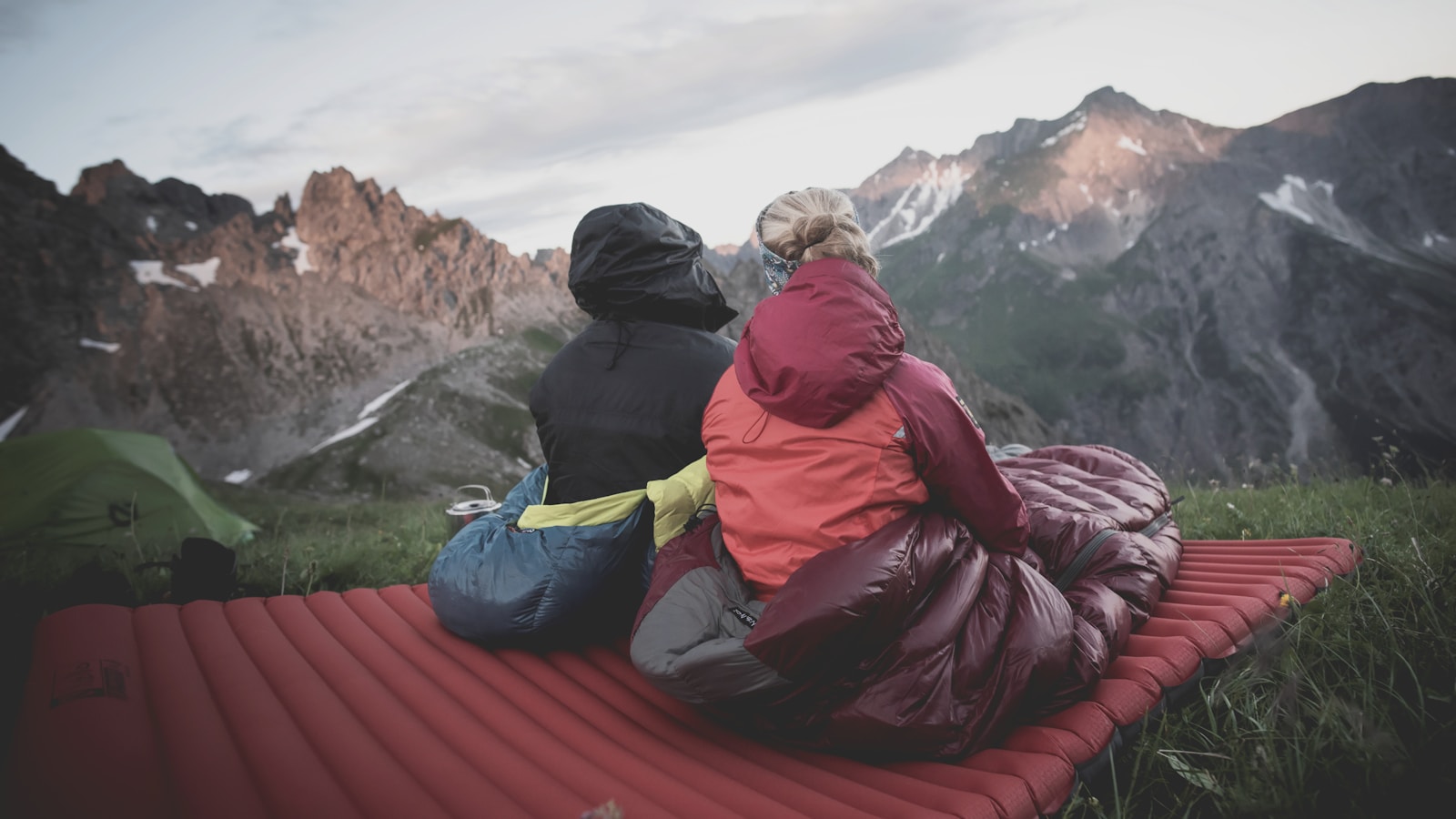
An emergency blanket takes up little space but provides vital warmth if conditions change. It can serve as a ground layer, heat reflector, or signal tool. Always keep one in your pack, even for short hikes. Unexpected weather or injury can make this lightweight item a lifesaver.
Whistle
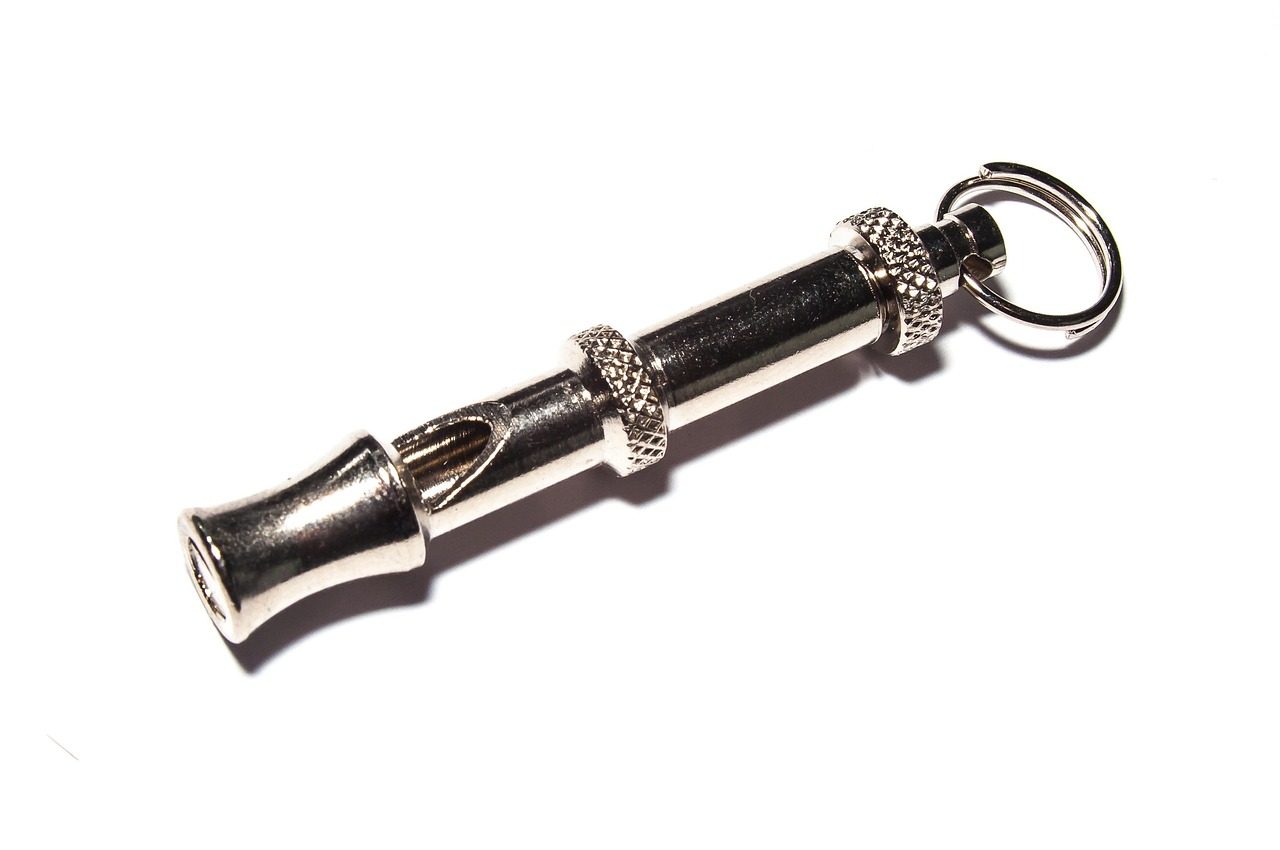
A whistle is one of the simplest but most effective safety tools. Three short blasts signal distress and can be heard far beyond shouting distance. Keep it attached to your pack or jacket for easy access. It’s an essential item for alerting others if you lose your way.
Trekking Poles
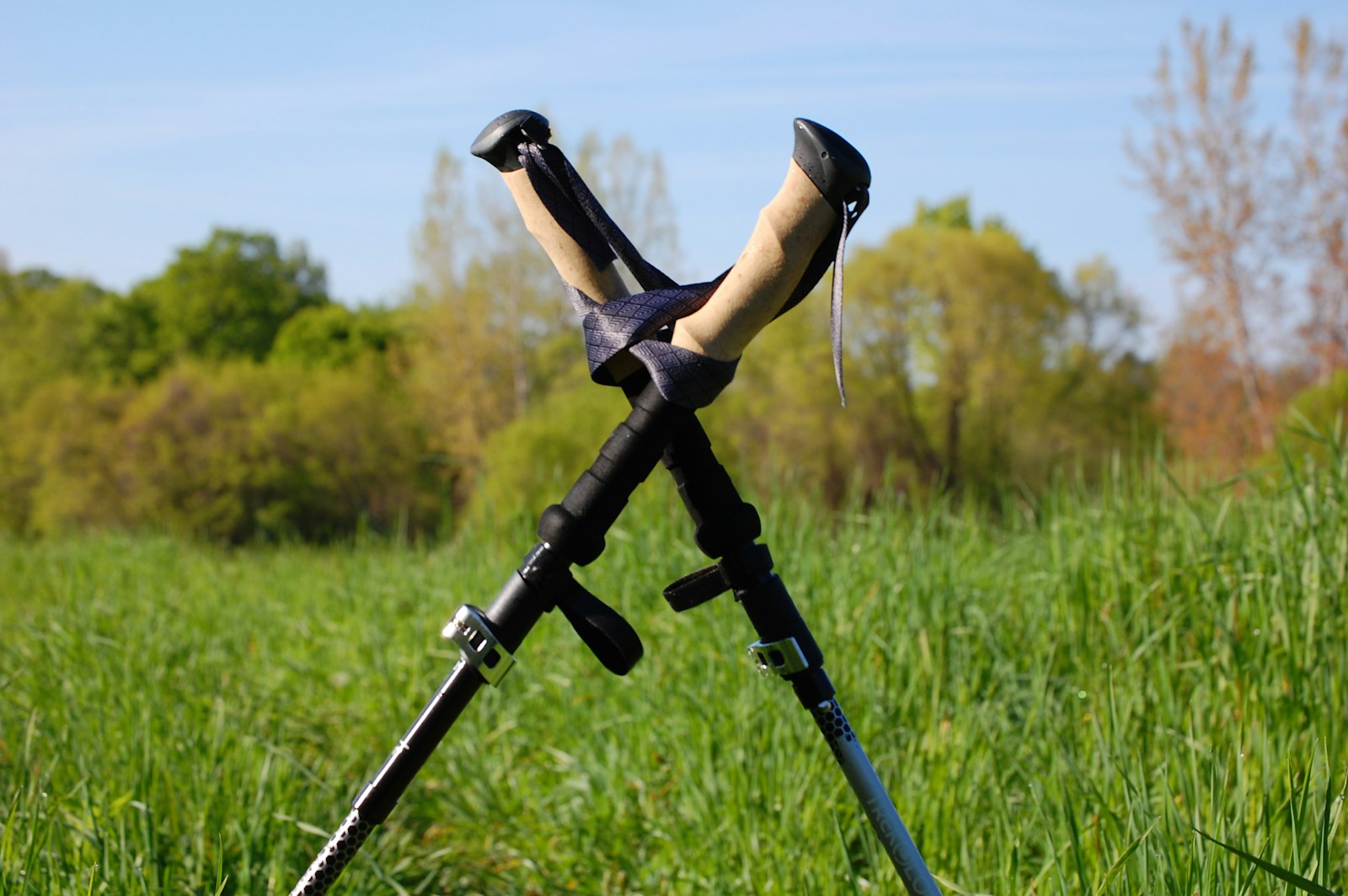
Trekking poles improve stability and balance, especially on uneven terrain that’s harder to see at night. They help reduce strain on knees and prevent trips or falls. Adjustable poles with reflective elements are ideal for visibility. Their added support boosts confidence on rocky or root-covered trails.
Moisture-Wicking Socks

Wet or sweaty feet can quickly ruin a hike. Moisture-wicking socks keep your feet dry and prevent blisters during long walks. Bring an extra pair in case of unexpected water crossings or rain. Comfortable feet make all the difference when hiking in low visibility.
Small Multi-Tool
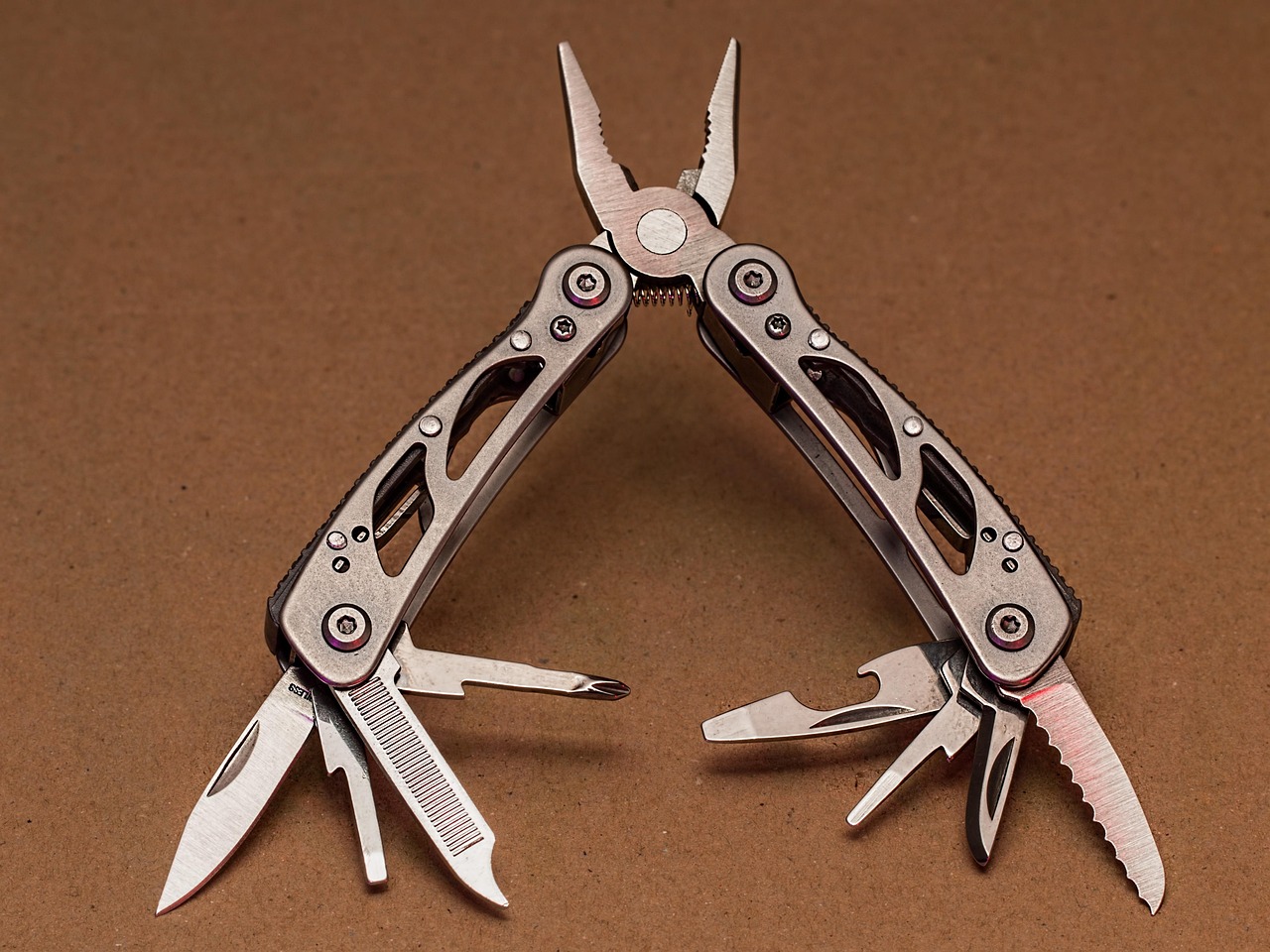
A compact multi-tool comes in handy for cutting rope, opening food packages, or fixing gear. Choose one with essentials like a knife, scissors, and a screwdriver. Its versatility makes it useful in countless small trail situations. Having it on hand prevents frustration and keeps you prepared for anything.