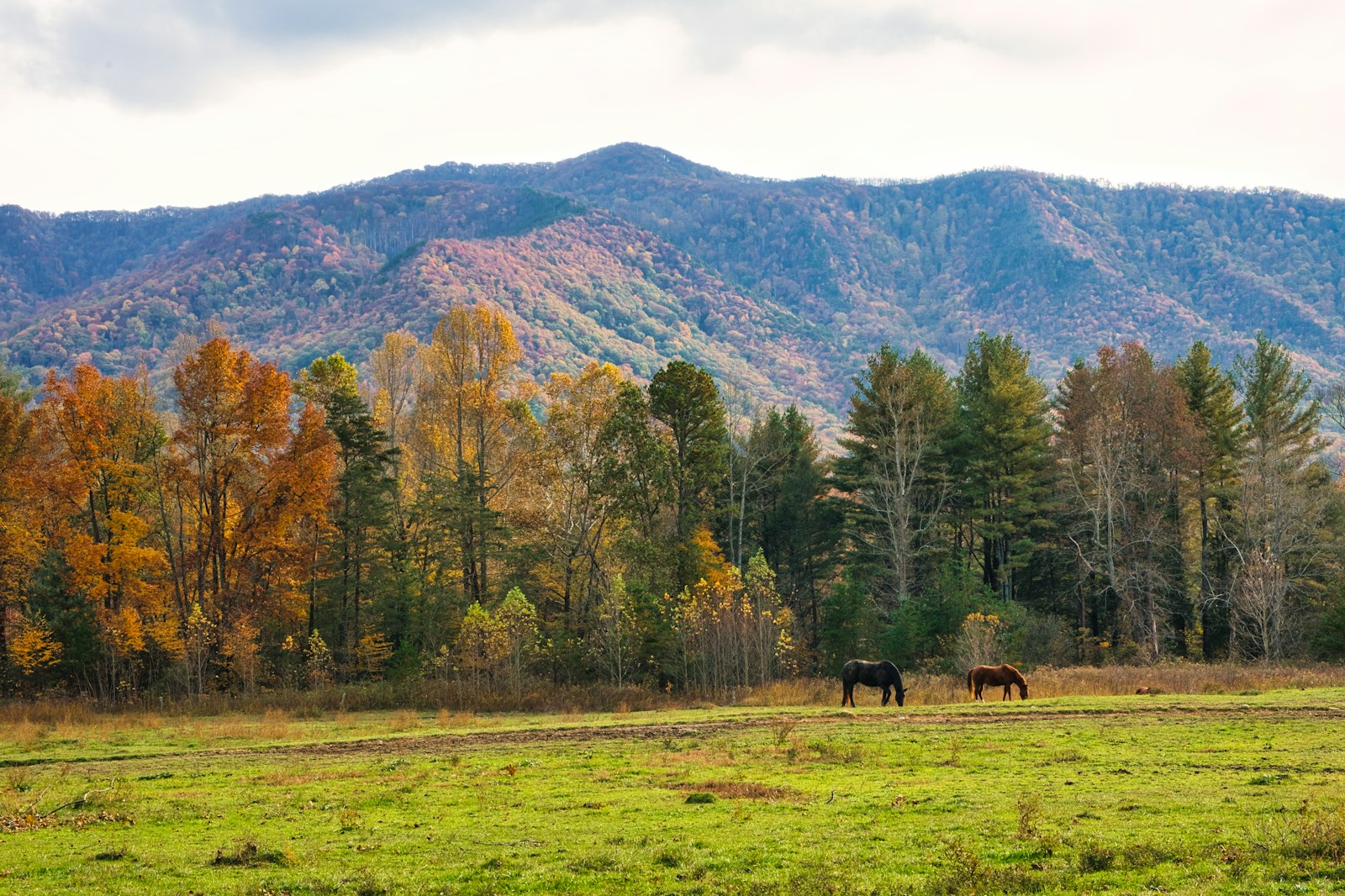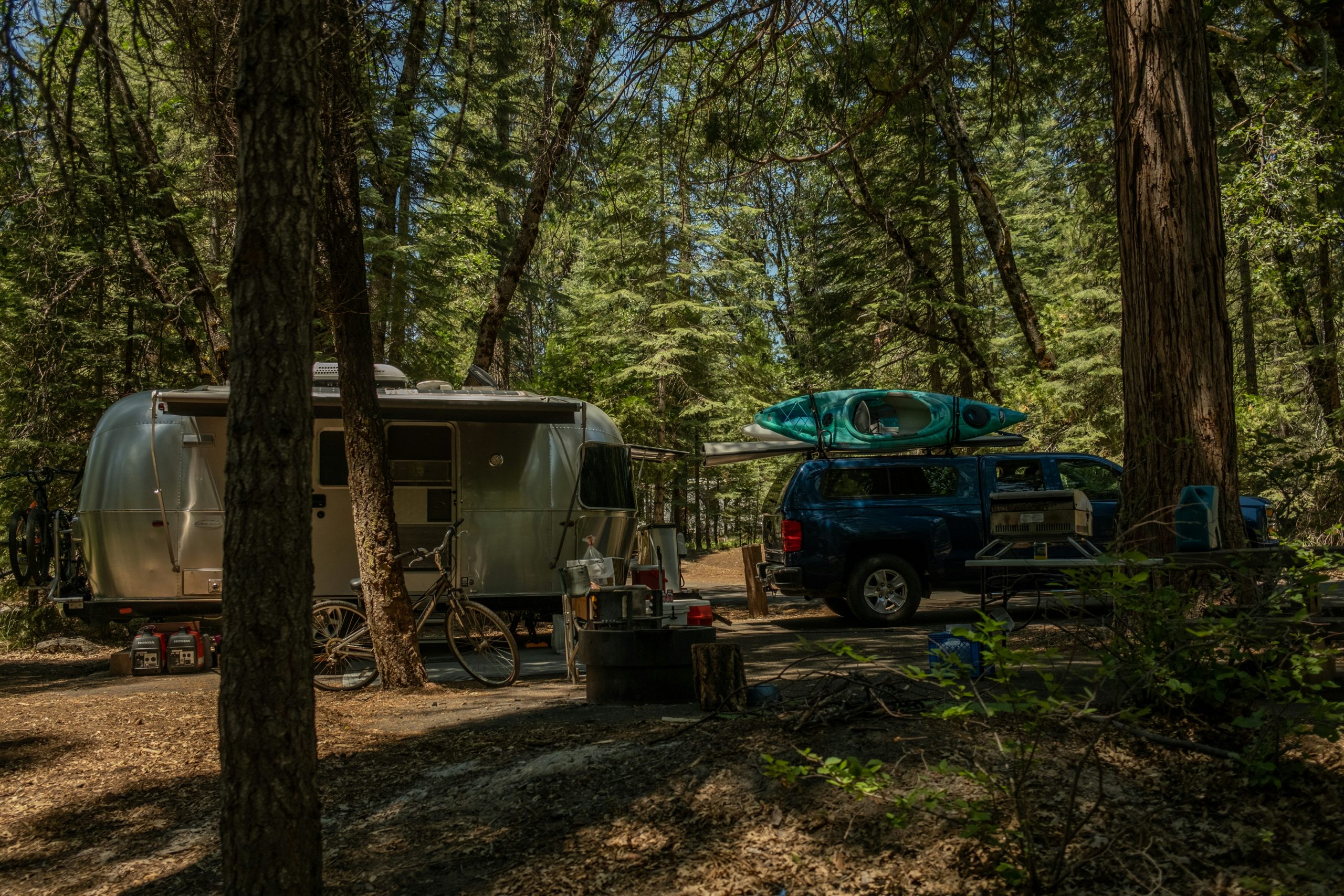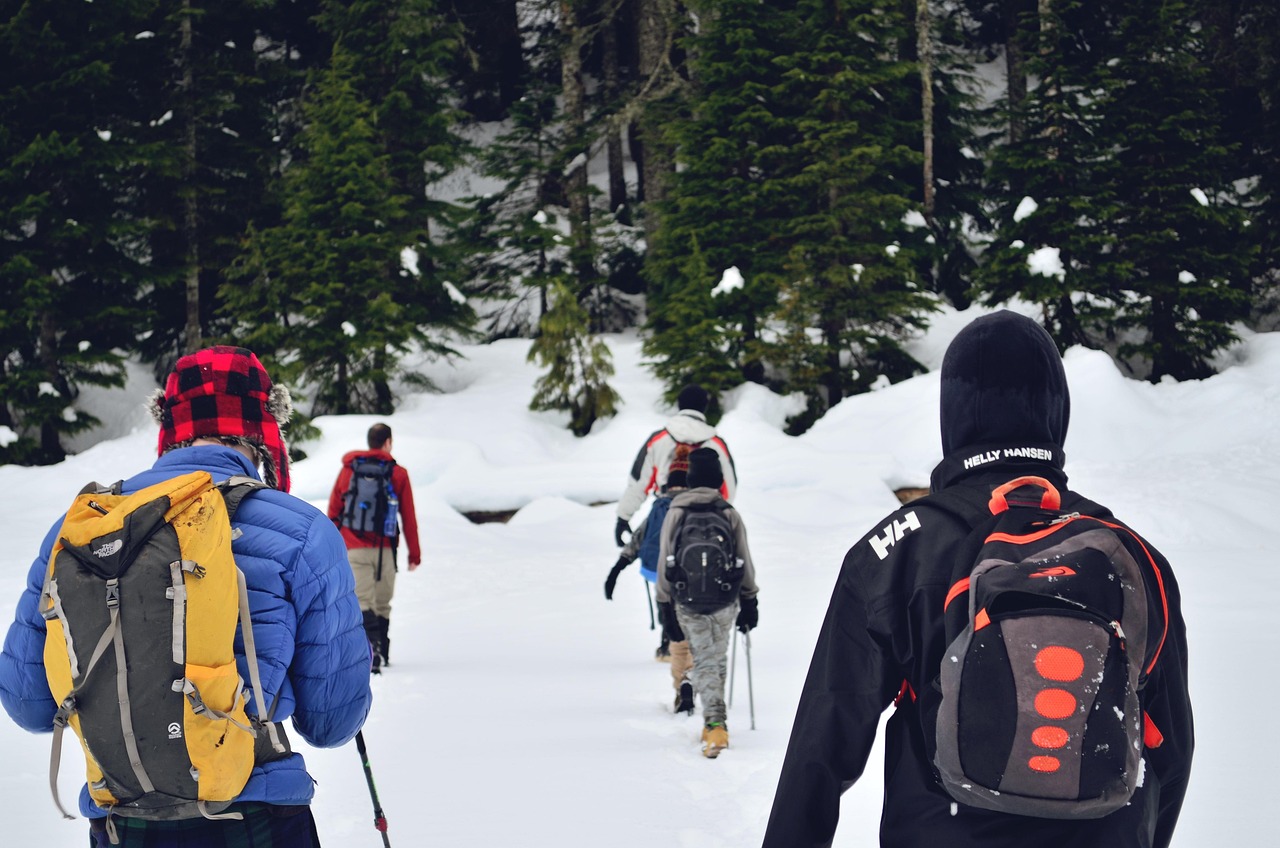
Shoulder season hiking brings a mix of winter’s leftovers and early signs of spring or fall, creating unpredictable conditions that demand smart packing. Trails can shift from dry gravel to icy slopes or muddy ruts without warning. Daylight changes quickly, and temperatures can swing more than most hikers expect. These fourteen items help bridge the gap between comfort and safety, offering versatile support when weather patterns behave strangely. With the right gear, you can move confidently through the in-between seasons.
1. Lightweight Insulated Jacket

A lightweight insulated jacket is essential during shoulder season because temperatures can dip sharply when clouds roll in or winds pick up. It provides dependable warmth without adding unnecessary bulk, and it fits easily into a pack when conditions improve. Many hikers choose synthetic insulation because it performs well when damp, helping maintain comfort in mist or drizzle. This jacket works as a midlayer or outer layer depending on the trail’s temperature swings, giving hikers reliable flexibility in uncertain weather.
2. Waterproof Shell With Breathable Fabric

A waterproof shell with a breathable design protects hikers from sudden rain or wet snow, which is common during shoulder season transitions. Breathable fabric prevents sweat from building up inside the jacket, reducing the risk of chilled skin when you stop to rest. Many shells pack down small, making them easy to carry without adding bulk. This layer becomes especially valuable on ridgelines where wind and moisture combine. Even if you do not use it the entire day, the shell adds security in unstable conditions.
3. Midweight Base Layer Top
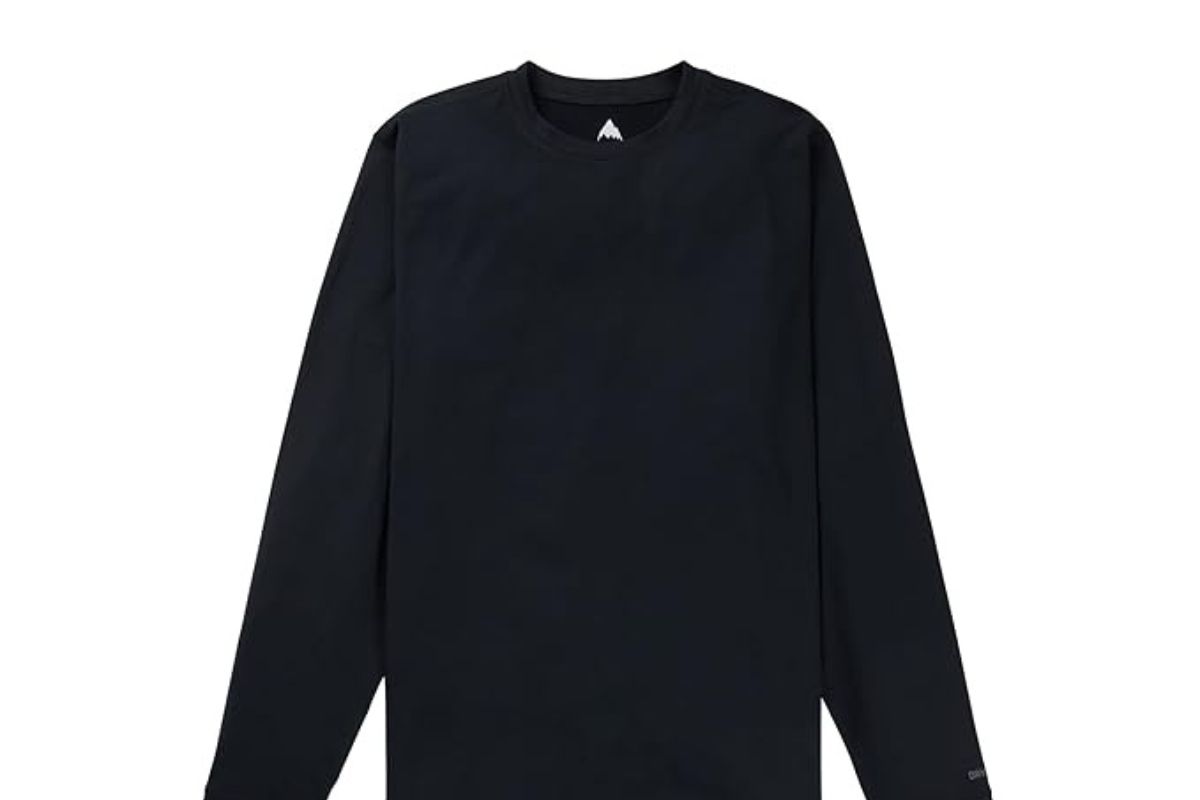
A midweight base layer top helps regulate body temperature during fluctuating conditions, where mornings may feel cold but afternoons grow warm. This fabric pulls moisture away from the skin, preventing chills created by damp clothing when you stop moving. Many hikers prefer merino or synthetic blends because they remain comfortable during long hours on the trail. The base layer works well as a standalone garment during steady climbs or as part of a layering system when breezes or clouds shift the temperature unexpectedly.
4. Convertible Hiking Pants
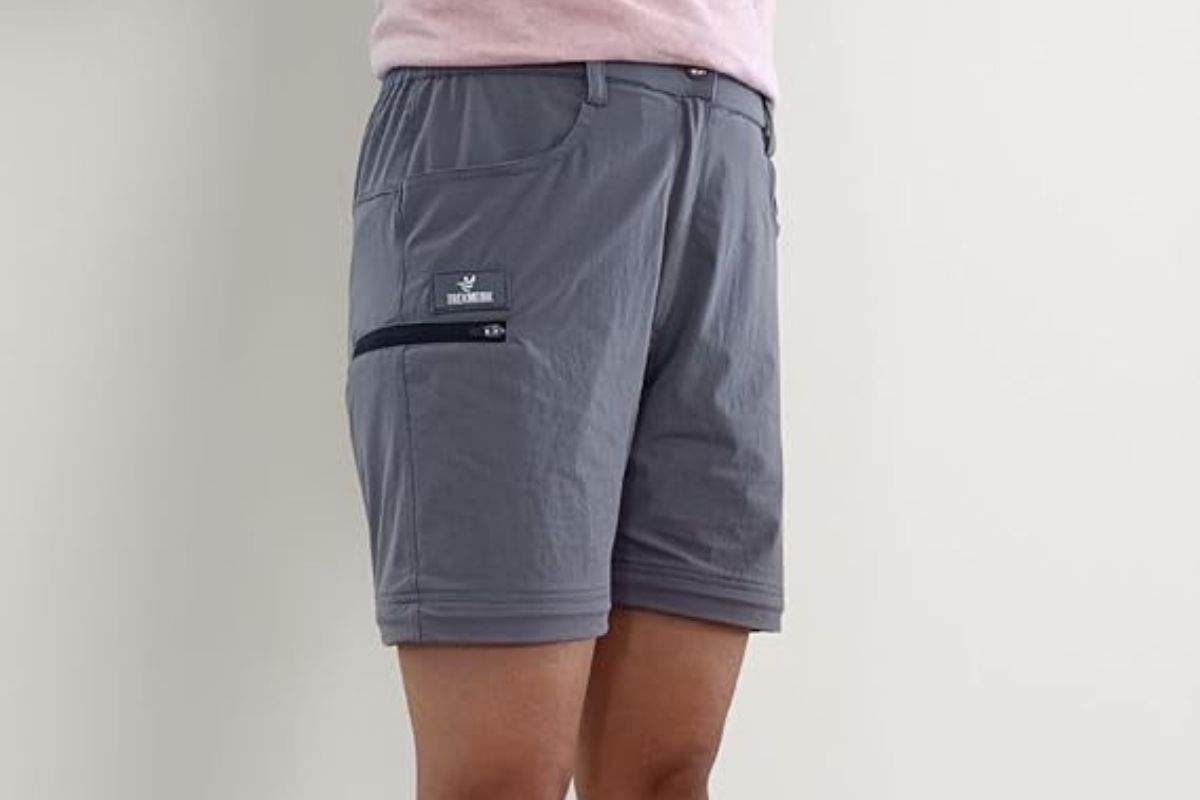
Convertible hiking pants offer flexibility when trails transition between chilly winds and warm pockets of sunshine. You can zip off the lower legs when the sun appears or reattach them when temperatures fall. Their quick-drying fabric is helpful in muddy areas or after unexpected splashes at stream crossings. These pants reduce the need to pack extra layers, saving space in your bag. Their durability also supports movement through brush and wet grass, making them a practical choice for changing shoulder season terrain.
5. Waterproof Hiking Boots

Waterproof hiking boots provide stability and protection during shoulder season when trails may shift between frozen patches, mud, and standing water. They help keep your feet dry, which is critical for preventing blisters and discomfort during long treks. Many styles offer sturdy ankle support that helps manage uneven terrain created by thawing ground. Paired with quality socks, waterproof boots maintain comfort throughout the day, even when conditions fluctuate. These boots make it easier to move confidently across unpredictable surfaces.
6. Traction Devices or Microspikes
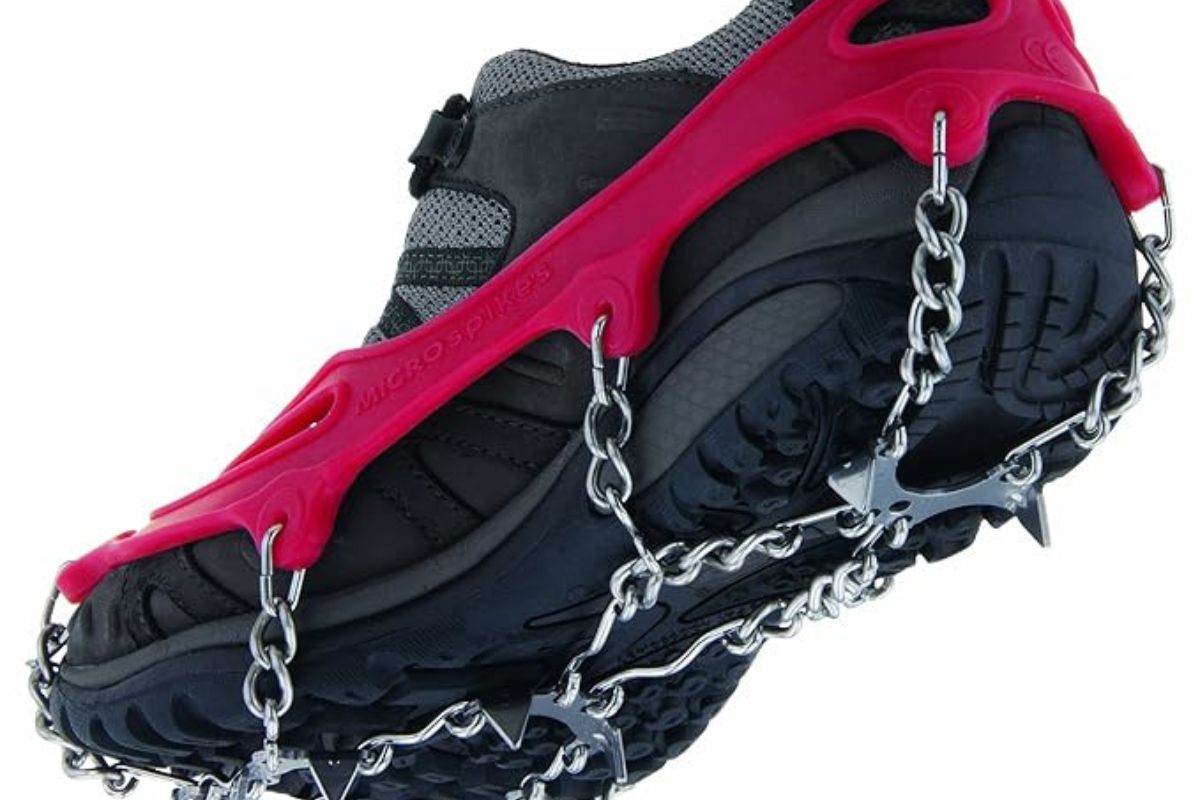
Traction devices or microspikes add grip on icy or compacted snow patches that linger on shaded trails long after winter ends. They are light enough to store without effort and easy to slip on when needed. The added stability reduces the risk of falls on mixed terrain where bare dirt transitions suddenly into slick areas. Even if the trail appears clear at the start, higher elevations often hold more ice. Carrying microspikes offers peace of mind by preparing you for hidden risks along the route.
7. Compact Trekking Poles
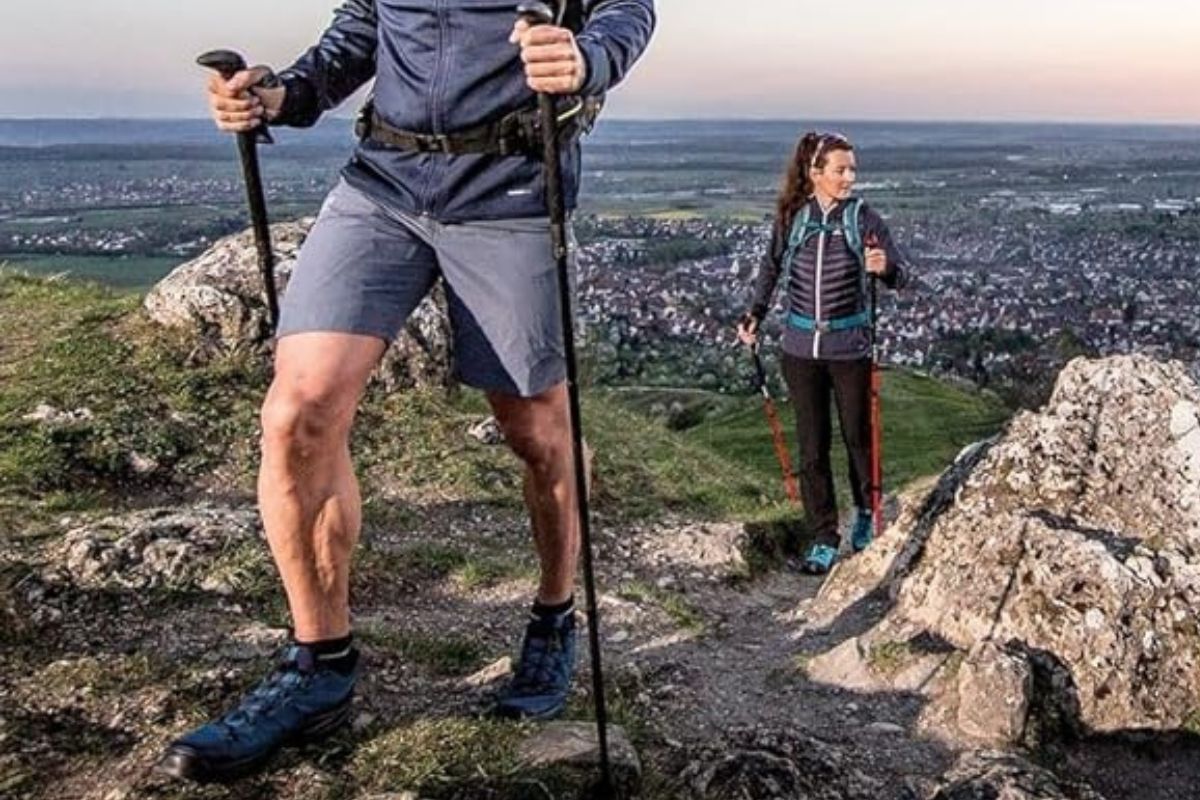
Compact trekking poles help distribute weight and improve balance when navigating slick mud, wet leaves, or patchy snow. They fold or collapse easily, making them simple to store on your pack when the trail smooths out. Many hikers rely on them during steep descents where thawing soil can create unstable footing. The poles also reduce strain on ankles and knees, offering welcome support on longer routes. Their versatility across varied terrain makes them a valuable companion during the unpredictable conditions of shoulder season.
8. Thermal Gloves and Light Beanie
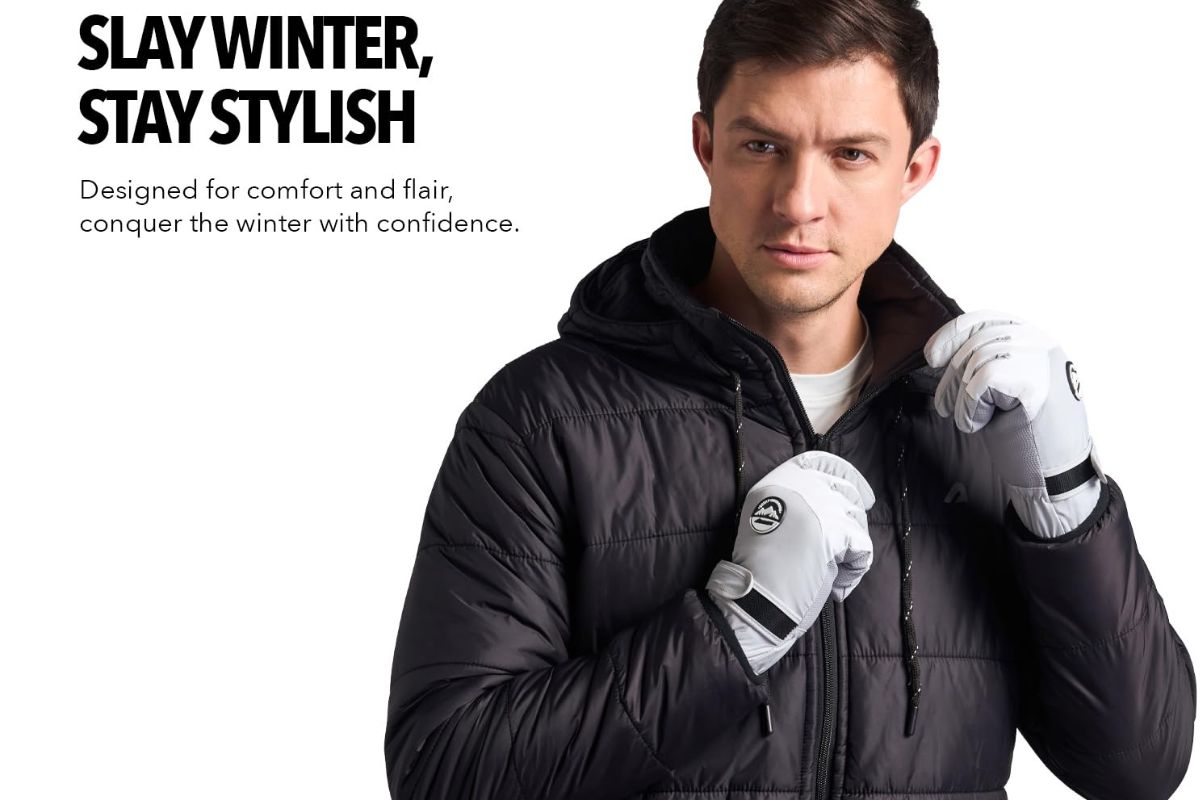
Thermal gloves and a light beanie provide quick warmth when breezes rise or clouds block the sun. Even mild temperatures can feel colder at higher elevations or in shaded valleys. Gloves protect your hands when handling cold trekking poles or clearing brush, while a beanie helps retain body heat. Both items pack small and add important comfort without weighing down your pack. These accessories can transform a chilly moment into a manageable one, keeping your focus on the hike rather than the cold.
9. Water Filter or Purification Tablets

A water filter or purification tablets ensure access to safe drinking water during the shoulder season, when some natural sources may still be influenced by snowmelt. Streams can run high or carry debris, making treatment important for health and safety. Filters provide immediate clean water, while tablets offer a lightweight backup option. Carrying both guarantees flexibility on longer routes. With conditions constantly shifting, dependable water treatment becomes essential to avoid dehydration or illness while exploring shoulder season landscapes.
10. High Energy Snacks and Protein Bars

High-energy snacks and protein bars help maintain stamina during hikes where temperature swings increase calorie use. Shoulder season hiking often involves microclimate changes that can make your body work harder than expected. Snacks like trail mix, nut butters, and protein bars offer quick energy without long prep time. They also withstand cooler temperatures well and remain easy to access even with gloves on. Packing a variety of snacks ensures steady fuel throughout the day, keeping your energy level consistent on uneven terrain.
11. Emergency Space Blanket
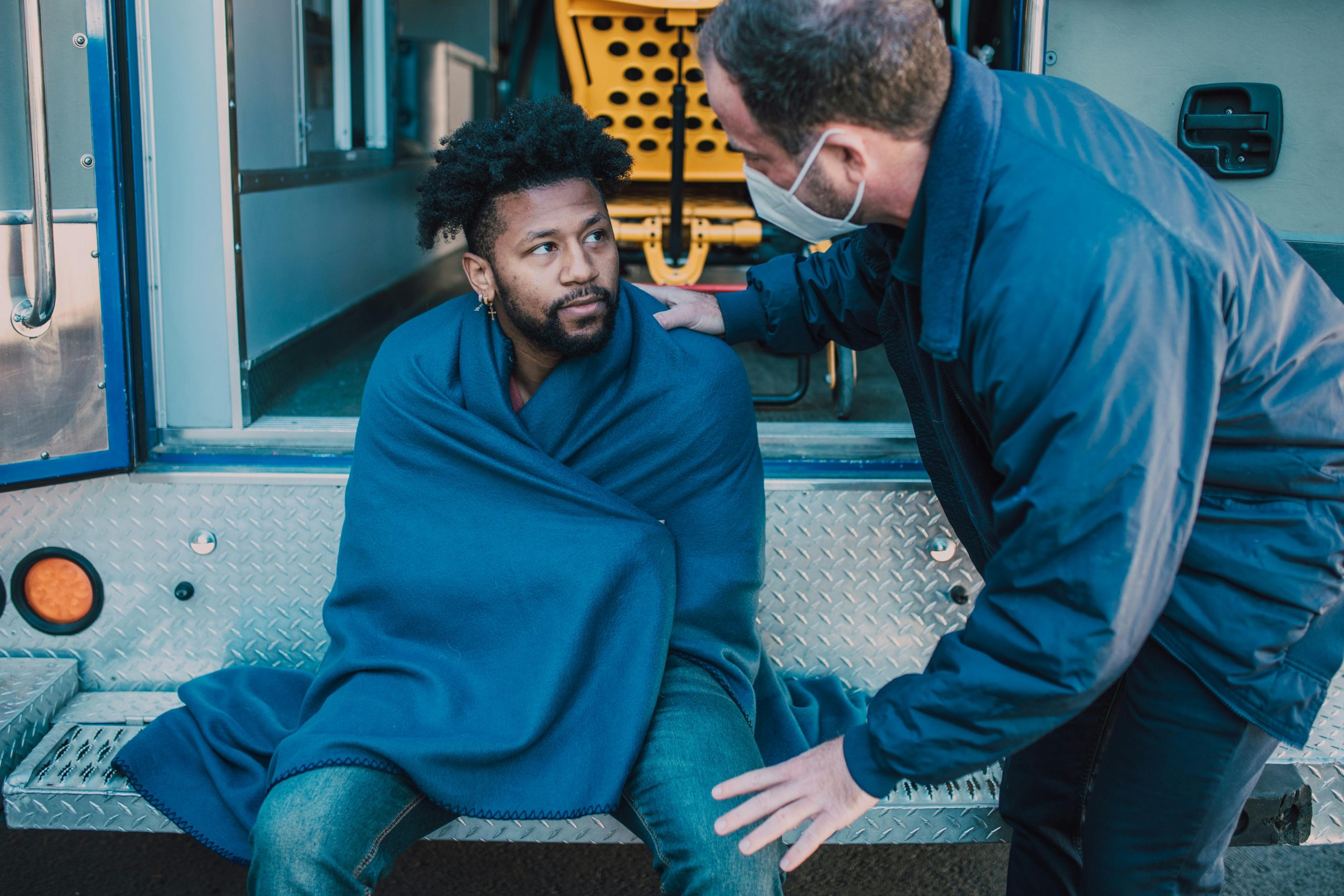
An emergency space blanket provides fast protection from unexpected cold snaps, especially during late afternoon when temperatures fall quickly. Its reflective material helps preserve body heat in situations where layers alone are not enough. The blanket weighs almost nothing, making it a smart addition for hikers travelling in uncertain conditions. It can also serve as a wind barrier or be used to line a sitting area during breaks. The compact size offers meaningful safety without adding stress to your pack weight.
12. Compact First Aid Kit

A compact first aid kit supports hikers by offering immediate solutions to blisters, minor cuts, and sprains that often occur on uneven shoulder season terrain. Trails influenced by freeze-thaw cycles can be rougher underfoot, increasing the chance of small injuries. A good kit includes bandages, antiseptic wipes, blister care, and a few basic medications. These items help you stay comfortable and mobile throughout the hike. By addressing issues early, the kit prevents small problems from becoming major ones later in the day.
13. Headlamp With Fresh Batteries
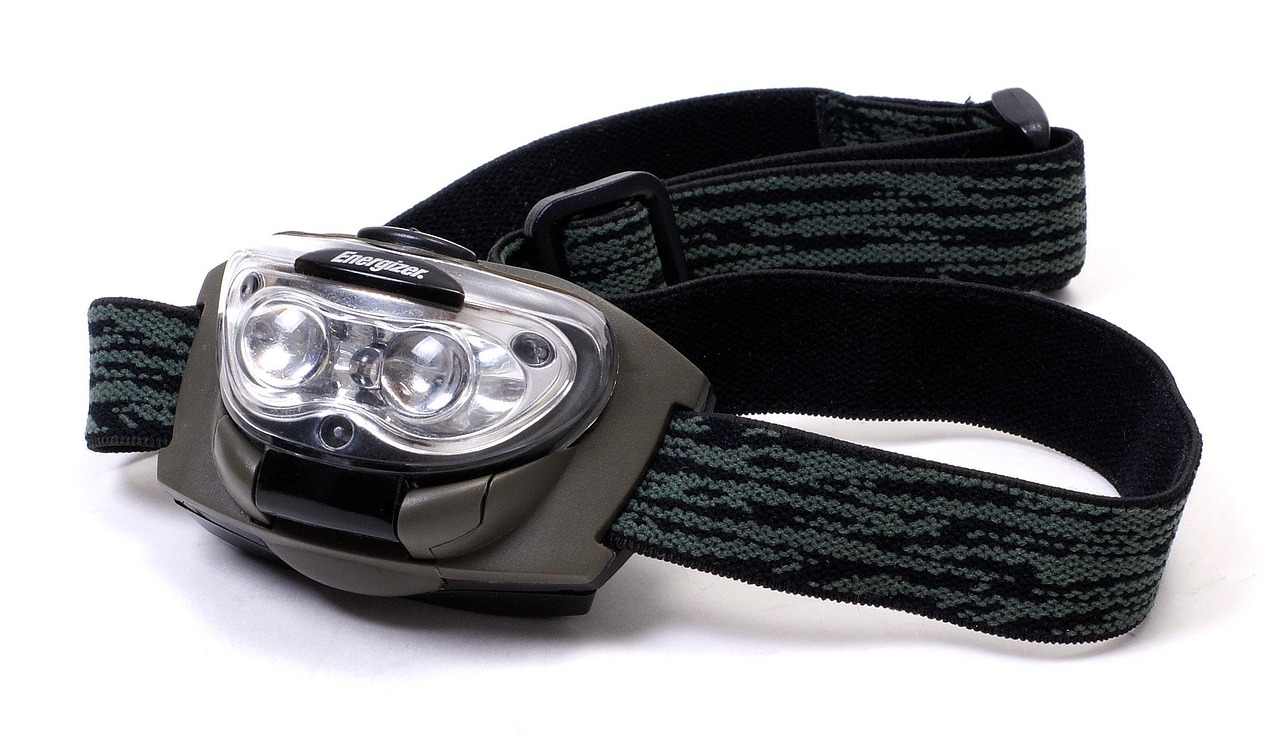
A headlamp with fresh batteries is vital during shoulder season when daylight hours shift unexpectedly. Clouds or deep tree cover can create dim conditions even during daytime, and late returns are common when trails run slower due to mud or ice. A reliable headlamp ensures you can see obstacles, read maps, or set up gear safely. Fresh batteries guarantee consistent brightness. The headlamp’s hands-free design supports safe movement across tricky terrain while keeping your attention on the changing environment.
14. Navigation Tools and Offline Maps
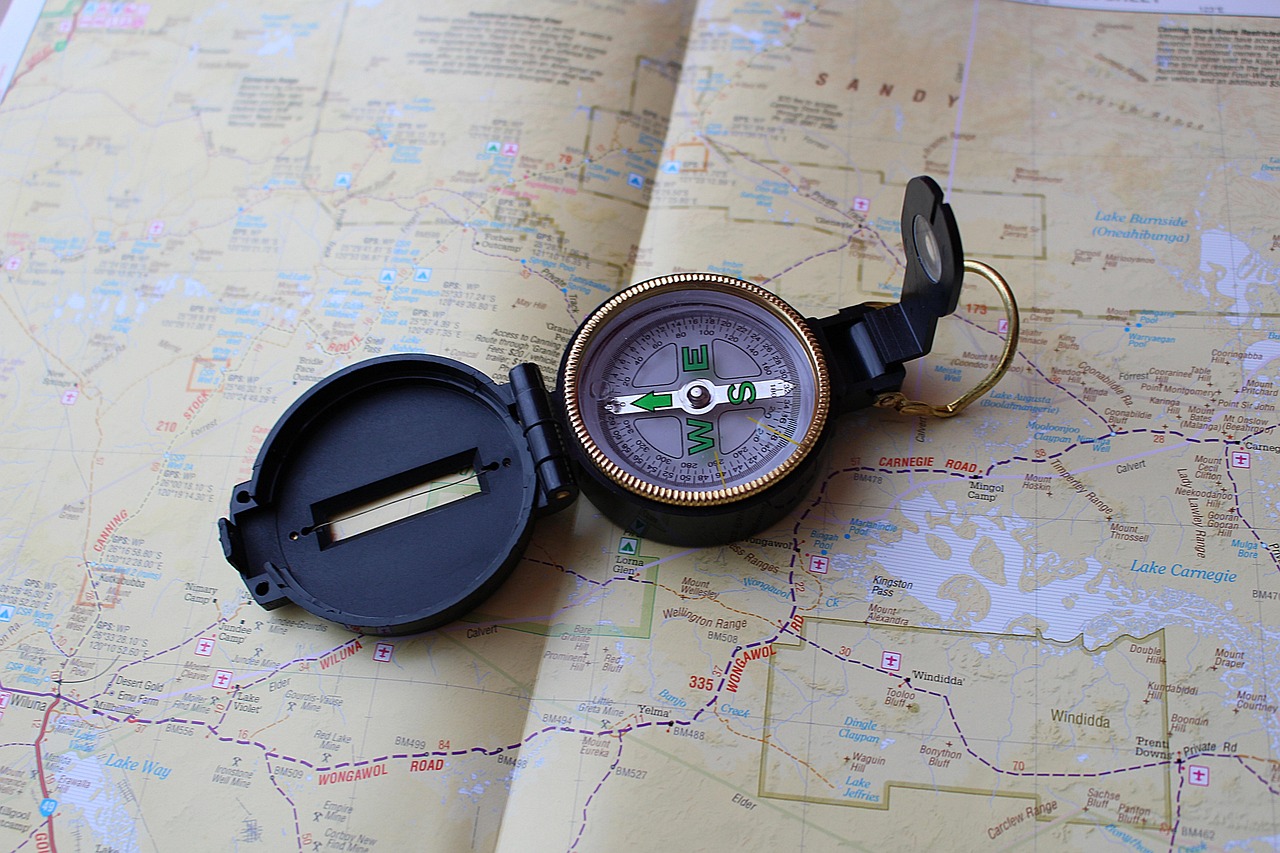
Navigation tools and offline maps keep you on track when the weather changes, reduce visibility, or weaken GPS signals. Shoulder season trails may be covered by snow patches or fallen leaves that obscure markings, making navigation more challenging. Carrying a physical map, a compass, or an offline digital map provides dependable guidance. These tools help prevent wrong turns, especially in forests or remote areas. When conditions shift, having multiple navigation backups allows you to travel with greater confidence and safety.