Visual appeal has always played a powerful role in the firearms market. Sleek lines, aggressive styling, and tactical aesthetics often capture attention long before a trigger is ever pulled. Yet appearance alone cannot guarantee performance, reliability, or user satisfaction. Some firearms generated excitement through design and marketing, only to frustrate owners once they reached the range. Complaints ranged from uncomfortable ergonomics to inconsistent cycling and disappointing accuracy. In many cases, buyers felt the shooting experience simply failed to match the promise suggested by the gun’s exterior. The examples below illustrate how striking looks sometimes mask practical shortcomings, reminding enthusiasts that function, handling, and dependability ultimately matter far more than first impressions.
1. Walther P22
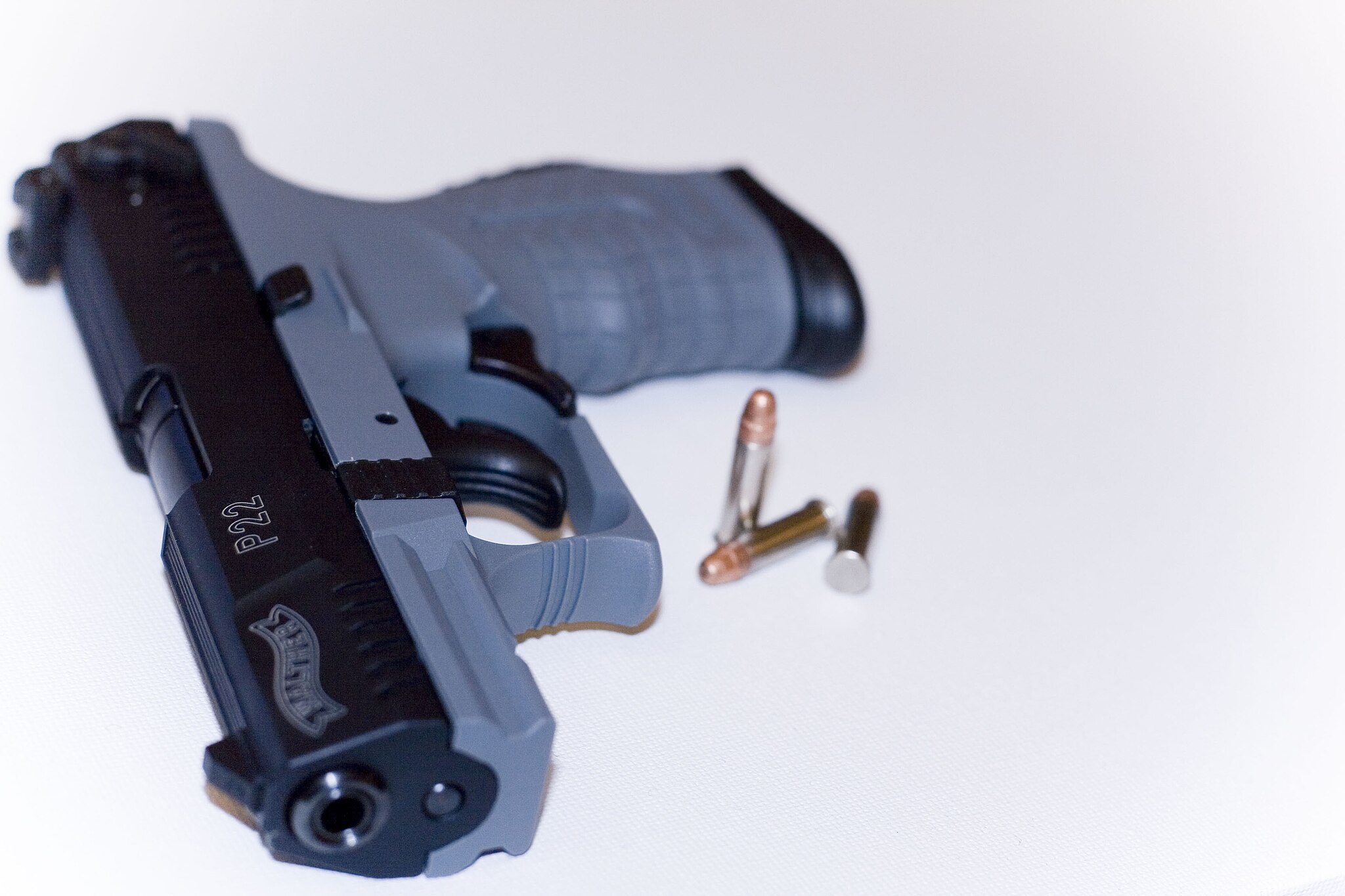
The Walther P22 quickly attracted buyers with its modern styling and compact dimensions, giving the impression of a refined, high-quality rimfire pistol. Its appearance suggested precision and reliability, yet many early owners encountered persistent frustrations. Ammunition sensitivity became a widely discussed issue, with performance varying noticeably between loads. Frequent malfunctions disrupted range sessions and eroded confidence, particularly for newer shooters seeking a trouble-free experience. While the pistol’s lightweight design appealed to casual users, reliability concerns overshadowed its visual charm. Later production improvements addressed some problems, but early impressions proved lasting. The P22 demonstrates how attractive design and brand reputation cannot fully compensate for inconsistent real-world performance.
2. SIG Sauer Mosquito
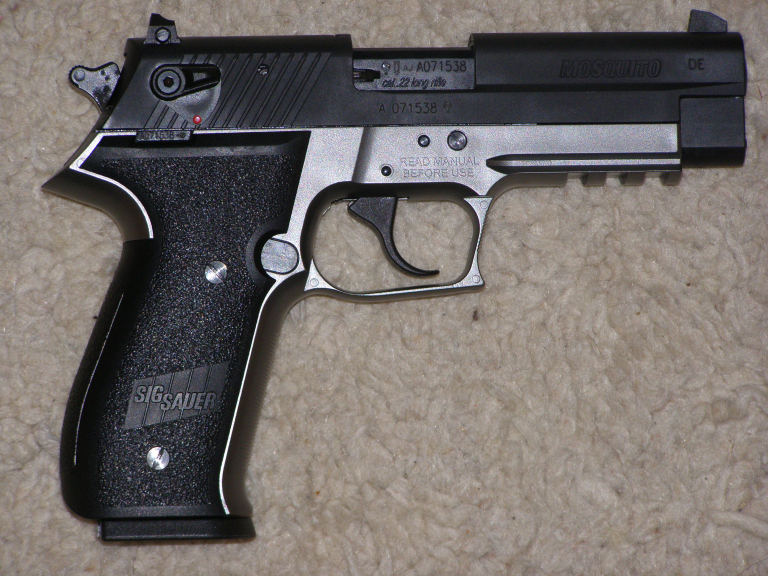
The SIG Sauer Mosquito benefited greatly from its association with a respected manufacturer, presenting itself as a stylish rimfire counterpart to full-sized defensive pistols. Expectations were understandably high, driven by the company’s reputation for quality. However, many users reported cycling problems and pronounced ammunition preferences that complicated ownership. Range reliability often fell short of what buyers anticipated at its price point. The pistol’s ergonomics and visual similarity to centerfire models initially impressed observers, yet repeated stoppages dampened enthusiasm. Although some owners achieved satisfactory results with specific ammunition, inconsistency shaped broader perception. The Mosquito’s mixed reception underscores how brand recognition alone cannot shield a firearm from criticism when performance disappoints.
3. Chiappa Rhino
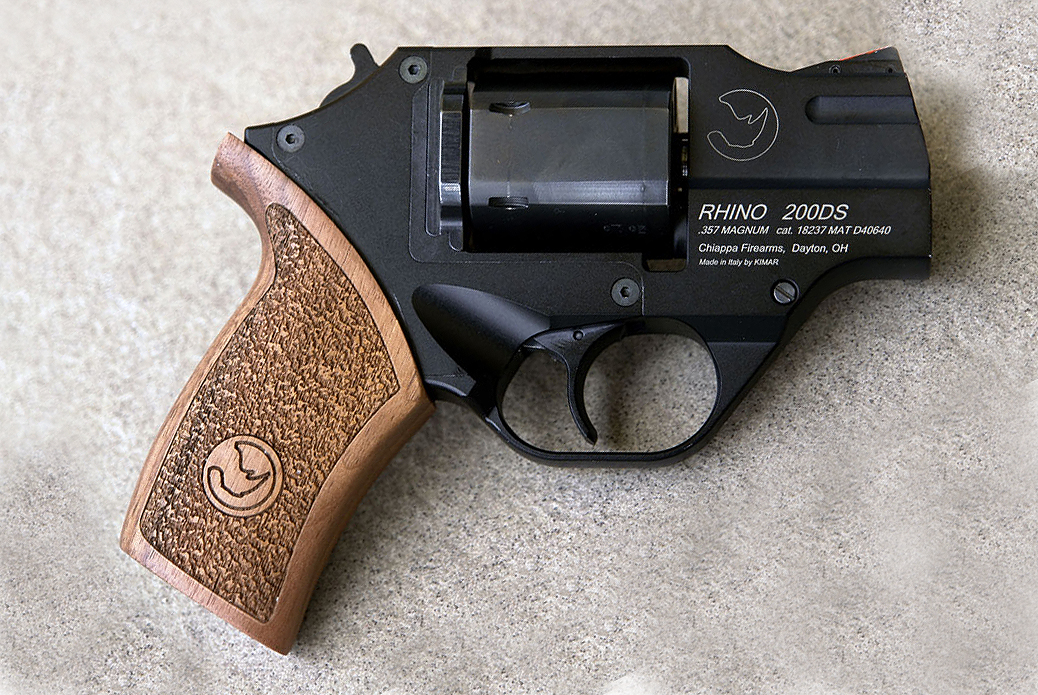
The Chiappa Rhino stands out as one of the most visually unconventional revolvers ever marketed, instantly drawing attention with its low bore axis and futuristic profile. Its design promised recoil advantages and innovative engineering, yet early user experiences varied significantly. Reports of inconsistent trigger feel and refinement raised concerns relative to its premium pricing. While many shooters appreciated the concept, some felt the practical shooting experience lacked the smoothness expected from similarly priced revolvers. The Rhino’s distinctive appearance guaranteed curiosity at the range, but novelty alone could not ensure universal satisfaction. Subsequent production improvements enhanced quality, though early perceptions shaped lasting debate about whether visual uniqueness translated into genuine shooting excellence.
4. Remington R51
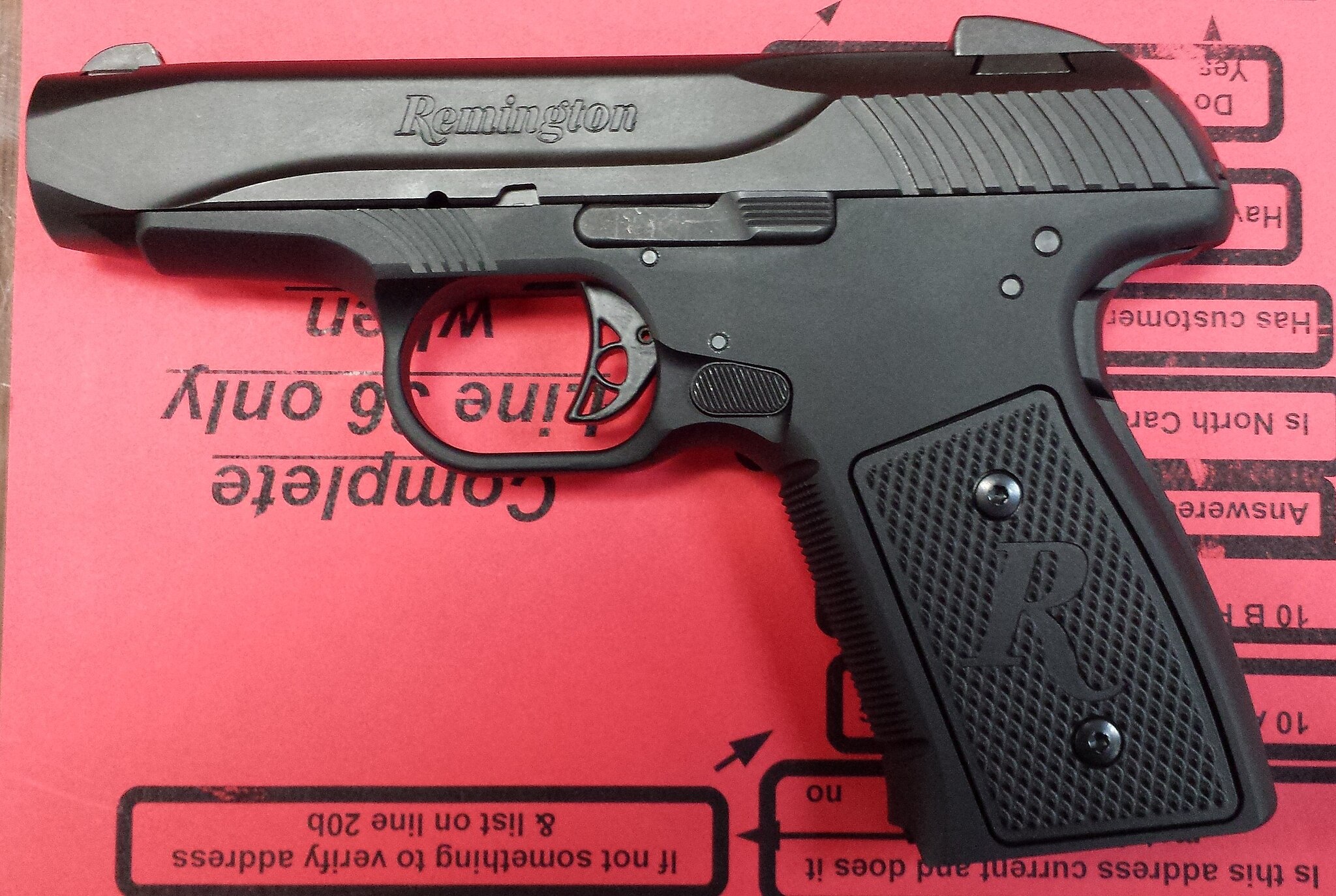
The Remington R51 generated considerable excitement thanks to its sleek lines and historical inspiration, presenting itself as both innovative and elegant. Unfortunately, early production units quickly developed a reputation for reliability problems. Feeding issues and inconsistent cycling frustrated buyers who expected dependable performance. The pistol’s refined appearance contrasted sharply with the practical difficulties some owners encountered. For many, range sessions became exercises in troubleshooting rather than enjoyment. Later revisions attempted to correct shortcomings, yet confidence had already been damaged. Competing handguns offered proven reliability within similar price ranges, influencing buyer sentiment. The R51’s troubled launch illustrates how even visually appealing firearms struggle when initial execution undermines functional expectations.
5. Bushmaster Carbon 15
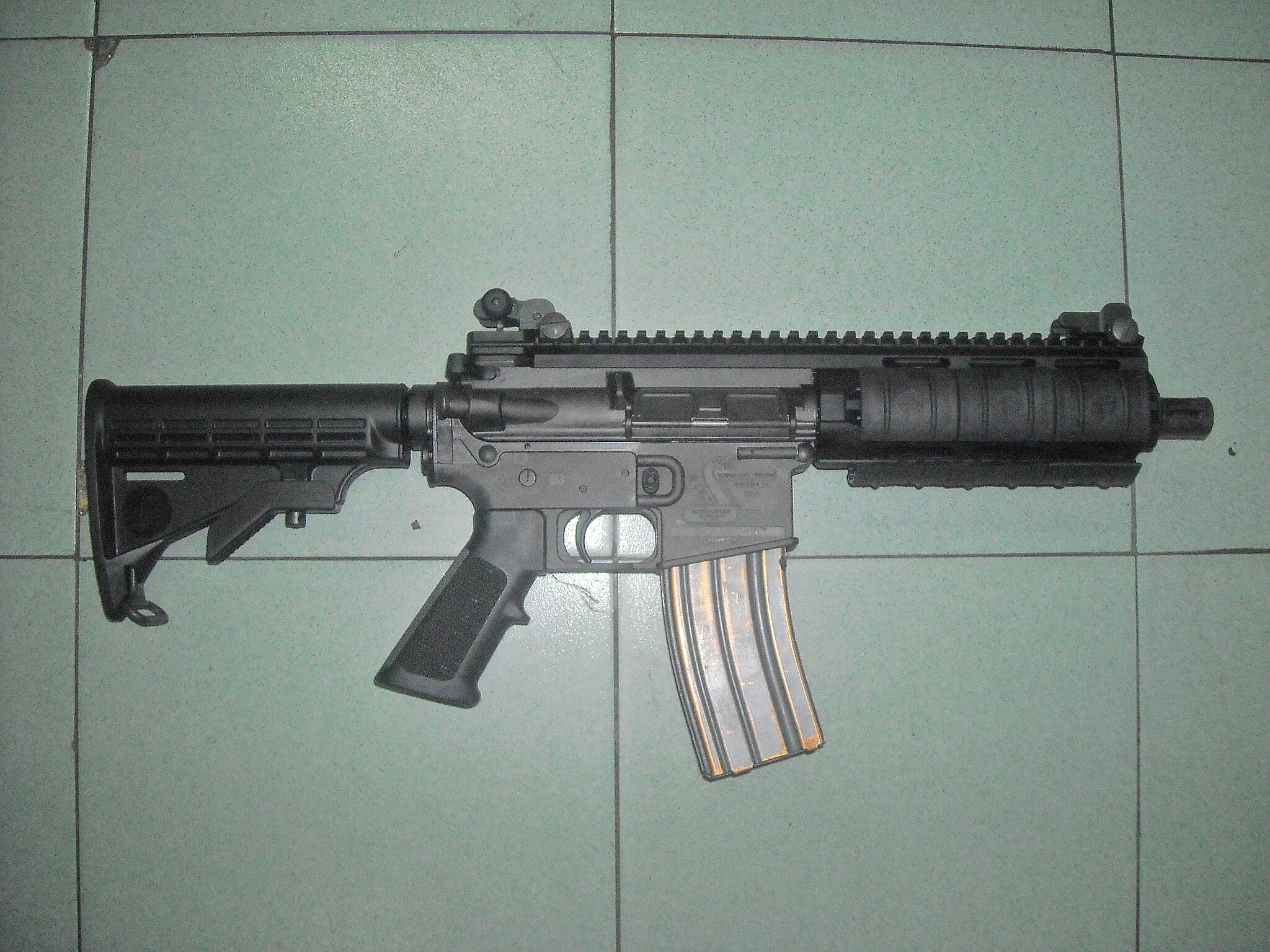
The Bushmaster Carbon 15 gained attention through its lightweight construction and modern materials, presenting a visually appealing alternative to traditional rifles. Its sleek profile and reduced weight suggested agility and innovation. However, durability concerns emerged among users engaging in sustained shooting. Reports of component wear and structural weaknesses complicated the rifle’s reputation. While casual handling impressed many observers, long-term reliability questions influenced perceptions of value. Shooters comparing platforms often favored more conventional designs with established track records. The Carbon 15’s experience reveals how advanced materials and striking aesthetics must be matched by resilience and consistency. Without those qualities, visual appeal alone cannot sustain enthusiasm.
6. Mossberg 715T
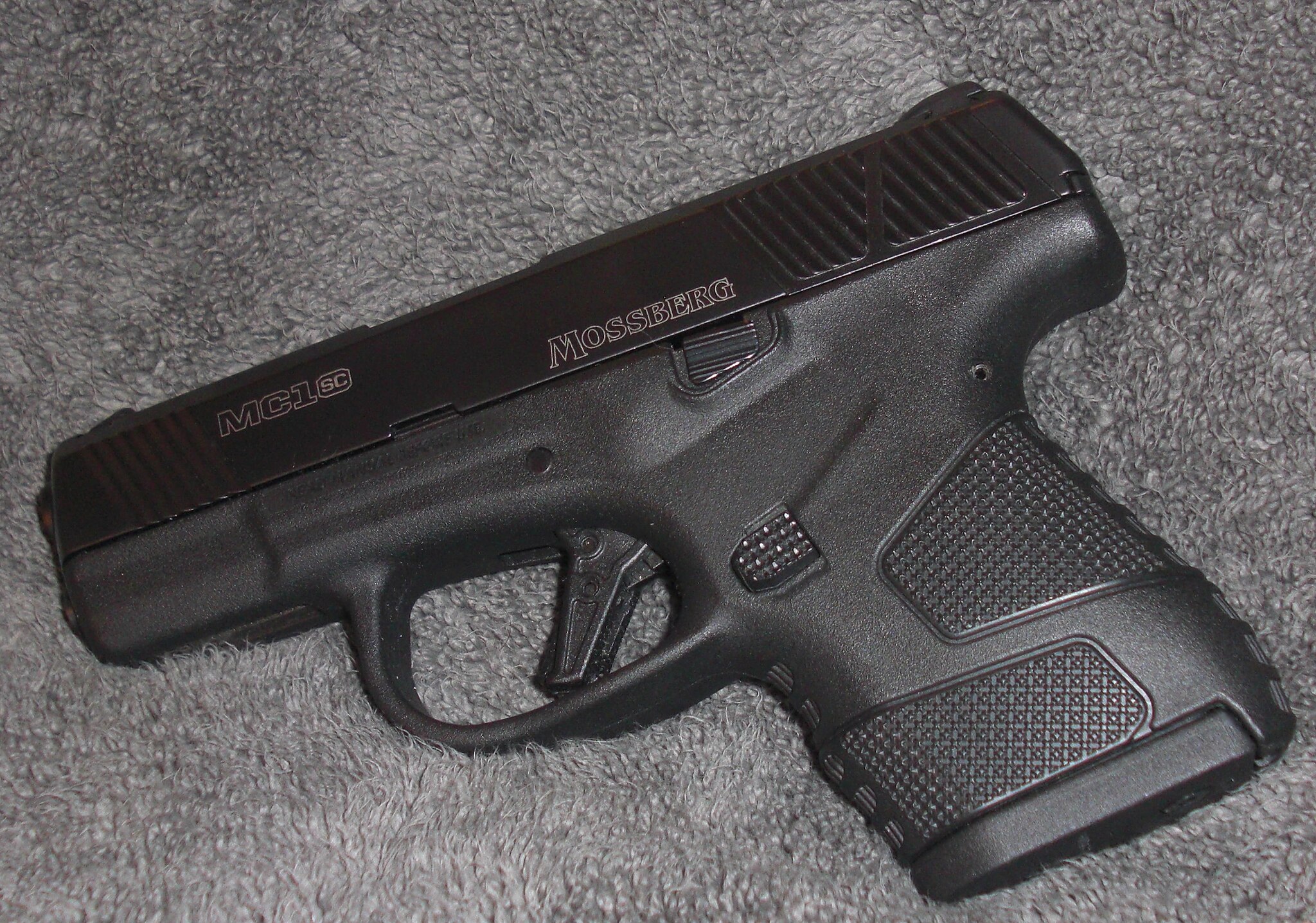
The Mossberg 715T attracted buyers with its tactical styling, closely resembling modern defensive rifles despite being chambered in rimfire. Its aggressive appearance generated strong initial interest, particularly among recreational shooters. Beneath the exterior, however, many owners found performance comparable to more affordable alternatives. Criticism often centered on materials and handling characteristics that did not fully align with expectations created by its design. Although functional for casual shooting, the overall experience left some buyers underwhelmed relative to price. The contrast between visual presentation and practical results fueled debate. The 715T highlights how cosmetic features can elevate expectations that basic performance may struggle to meet.
7. Taurus Judge
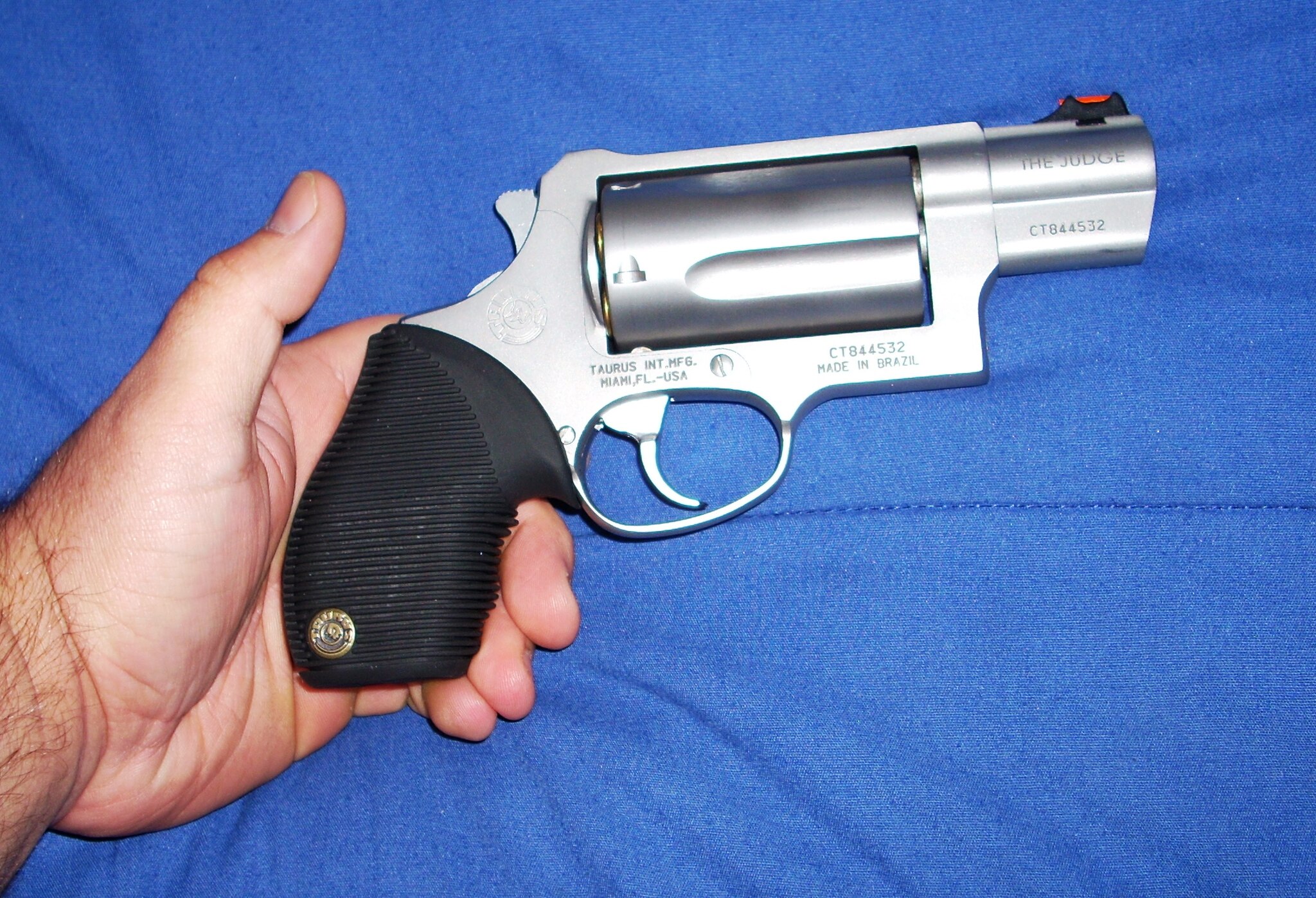
The Taurus Judge became widely recognized for its distinctive chambering concept and bold visual identity. Its unusual design immediately captured attention, suggesting versatility and formidable capability. In practice, many users discovered limitations that complicated these assumptions. Ballistic compromises and patterning constraints reduced effectiveness across intended roles. While undeniably eye-catching, the revolver’s real-world performance often proved less impressive than its marketing implied. Buyers seeking specialized results frequently preferred dedicated platforms. Despite popularity among certain enthusiasts, debates about practicality persisted. The Judge’s reputation demonstrates how innovative appearance and novelty do not automatically guarantee satisfaction when functional trade-offs influence shooting outcomes.
8. Kel Tec Sub 2000
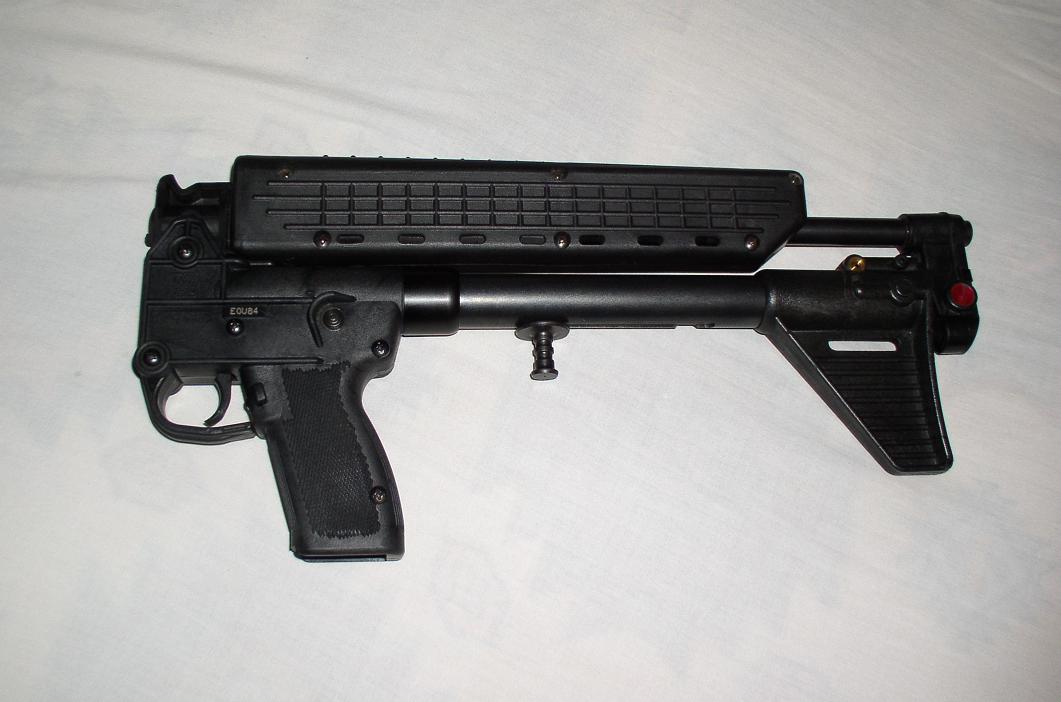
The Kel Tec Sub 2000 earned admiration for its clever folding mechanism and distinctive profile, making it visually memorable and highly portable. Its unique design differentiated it from conventional carbines. Some users, however, expressed concerns regarding refinement and shooting comfort. Reports of variable fit, finish, and handling characteristics shaped mixed impressions. While many appreciated its lightweight practicality, others expected greater durability and smoothness at comparable prices. The Sub 2000’s appearance frequently sparked curiosity, yet individual experiences influenced perceptions of value. The platform illustrates how unconventional engineering can divide opinion, particularly when aesthetic innovation competes with traditional expectations for robustness and long-term reliability.
9. Hi Point Pistols
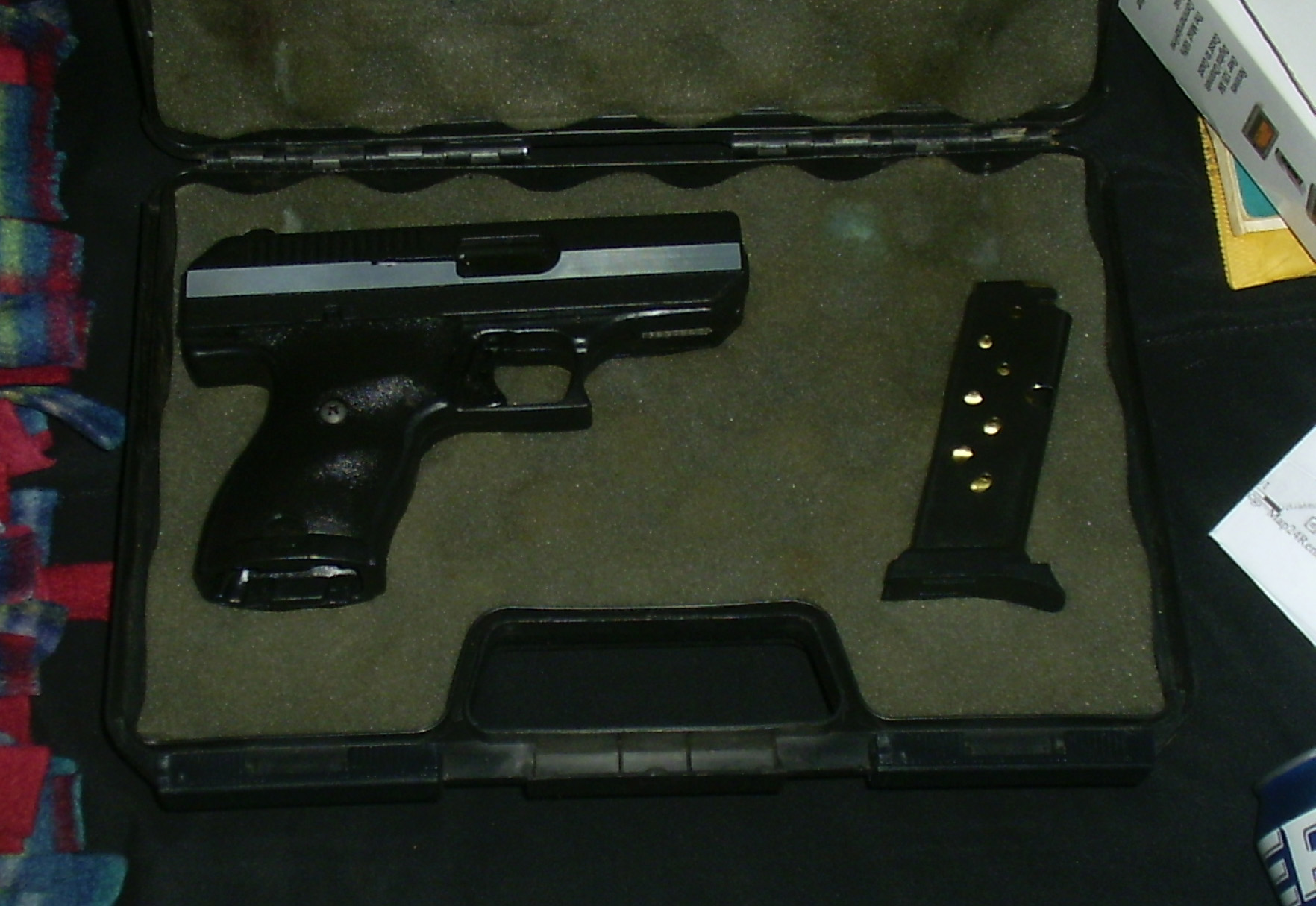
Hi Point pistols are instantly recognizable, presenting a bulky, unconventional appearance that nevertheless attracts attention through sheer distinctiveness. Their visual presence suggests durability, yet shooting impressions often vary widely among users. Heavy slides and unique ergonomics influence handling dynamics. While generally affordable, expectations sometimes clash with practical experience. Critics frequently reference trigger characteristics and overall refinement when discussing range performance. Supporters emphasize reliability within budget constraints, though detractors remain unconvinced. The brand’s pistols reveal how visual identity alone does not dictate user satisfaction. Shooting comfort, balance, and perceived quality strongly shape whether a firearm feels enjoyable despite its strikingly unusual appearance.
10. Olympic Arms Pistols

Certain Olympic Arms pistol offerings generated divided reactions within the shooting community, partly due to visual styling that suggested robust performance. Buyer experiences, however, proved inconsistent. Some owners reported satisfactory function, while others cited reliability and finishing concerns. Such variability complicated broader perceptions of the platform’s shooting qualities. In competitive markets, predictability and confidence play decisive roles in value judgments. Comparisons with similarly priced alternatives frequently influenced purchasing decisions. Although not universally criticized, the brand’s pistols demonstrate how mixed user feedback can overshadow aesthetic appeal. Ultimately, shooting reputation depends on consistency rather than isolated positive experiences or visual presentation.
11. Cobray M11 Pistols

Cobray M11 pistols gained notoriety through their dramatic, military-inspired appearance, which naturally drew attention and curiosity. The visual design suggested rugged performance and distinctive character. Practical use often revealed limitations tied to materials, ergonomics, and shooting comfort. Many users found the experience less satisfying than anticipated, particularly when measured against expectations created by styling. While undeniably recognizable, the platform’s shooting dynamics did not always match its aggressive visual identity. Enthusiasts frequently debated whether novelty justified compromises. The M11 illustrates how visual drama can attract buyers initially but struggles to sustain a positive reputation when range performance or handling proves underwhelming.
12. Kimber Solo
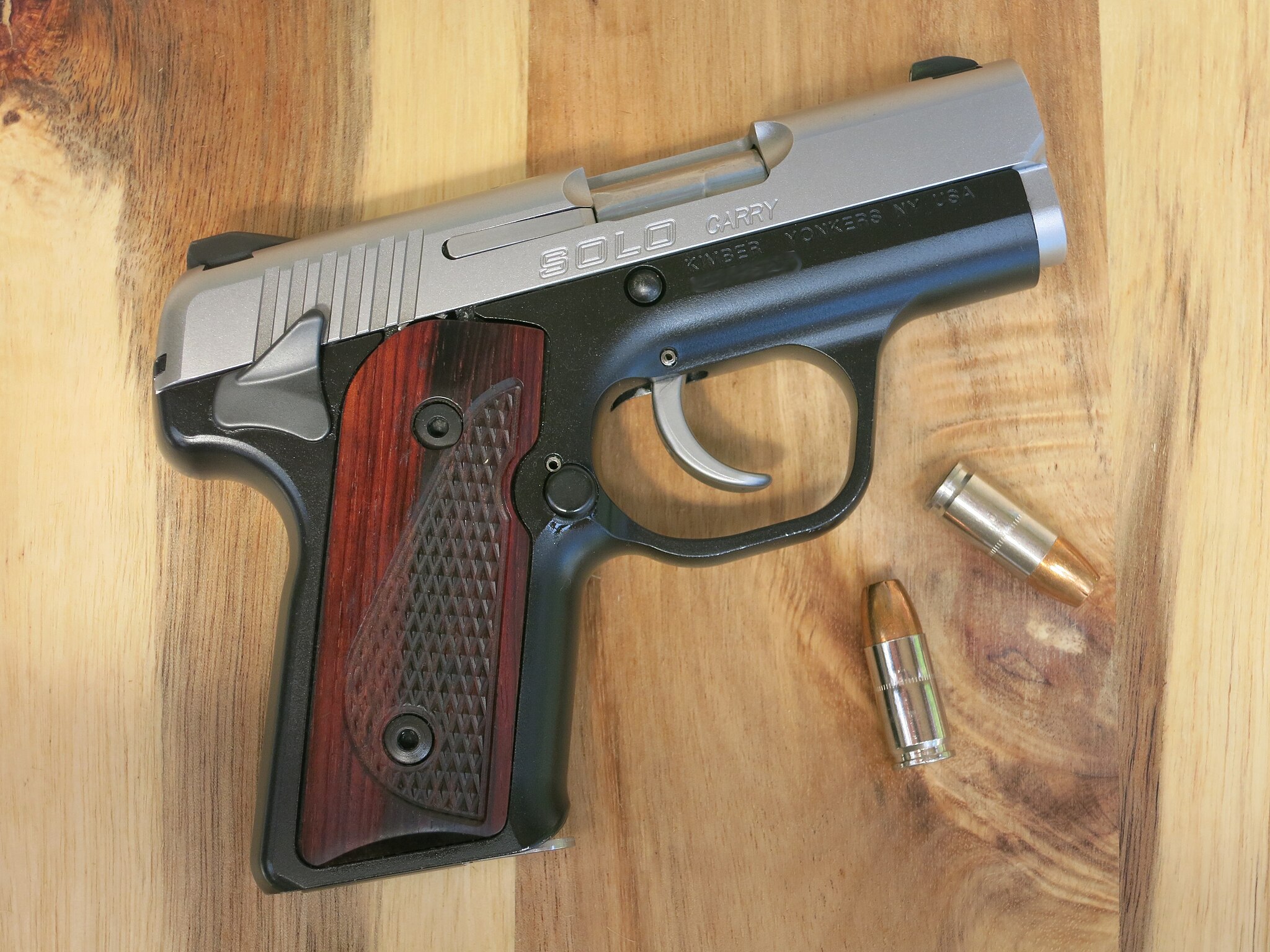
The Kimber Solo entered the market with undeniable visual appeal, featuring sleek lines, refined contours, and a premium aesthetic that immediately resonated with buyers. Its compact dimensions and polished presentation suggested a high-quality concealed carry pistol designed for both style and performance. However, many early owners reported reliability concerns that complicated its reputation. Ammunition sensitivity became a recurring theme, with the pistol often functioning best only with specific, higher-powered loads. For a handgun positioned at a relatively premium price point, such limitations proved disappointing. While ergonomics and appearance drew praise, practical shooting experiences sometimes fell short of expectations. The Solo illustrates how elegant design and brand prestige must be supported by consistent reliability to sustain long-term enthusiasm.
13. Smith & Wesson Sigma
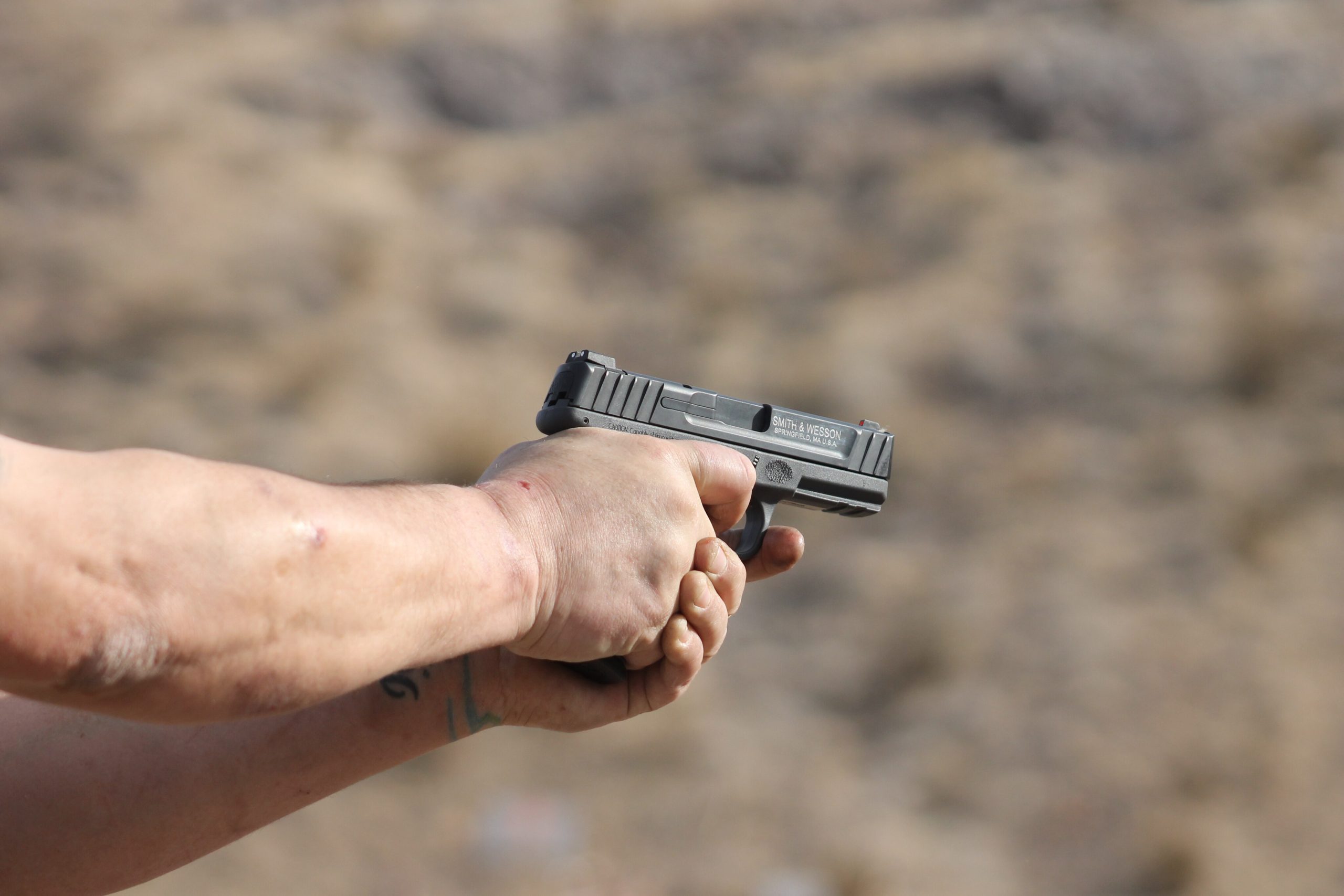
Early Sigma series pistols from Smith & Wesson attracted attention through their clean lines and contemporary polymer-framed design. Visually, they aligned well with prevailing market trends. Trigger characteristics became a frequent criticism, influencing overall shooting impressions. Many users described the pull as heavier than expected, affecting comfort and precision. Although later models improved considerably, initial reactions shaped lasting opinions. Buyers comparing handguns often encountered alternatives offering smoother trigger experiences at similar costs. The Sigma’s evolution illustrates how early design choices and user perceptions can strongly influence reputation. Visual appeal alone rarely offsets functional aspects that directly impact shooting satisfaction.
14. Desert Eagle
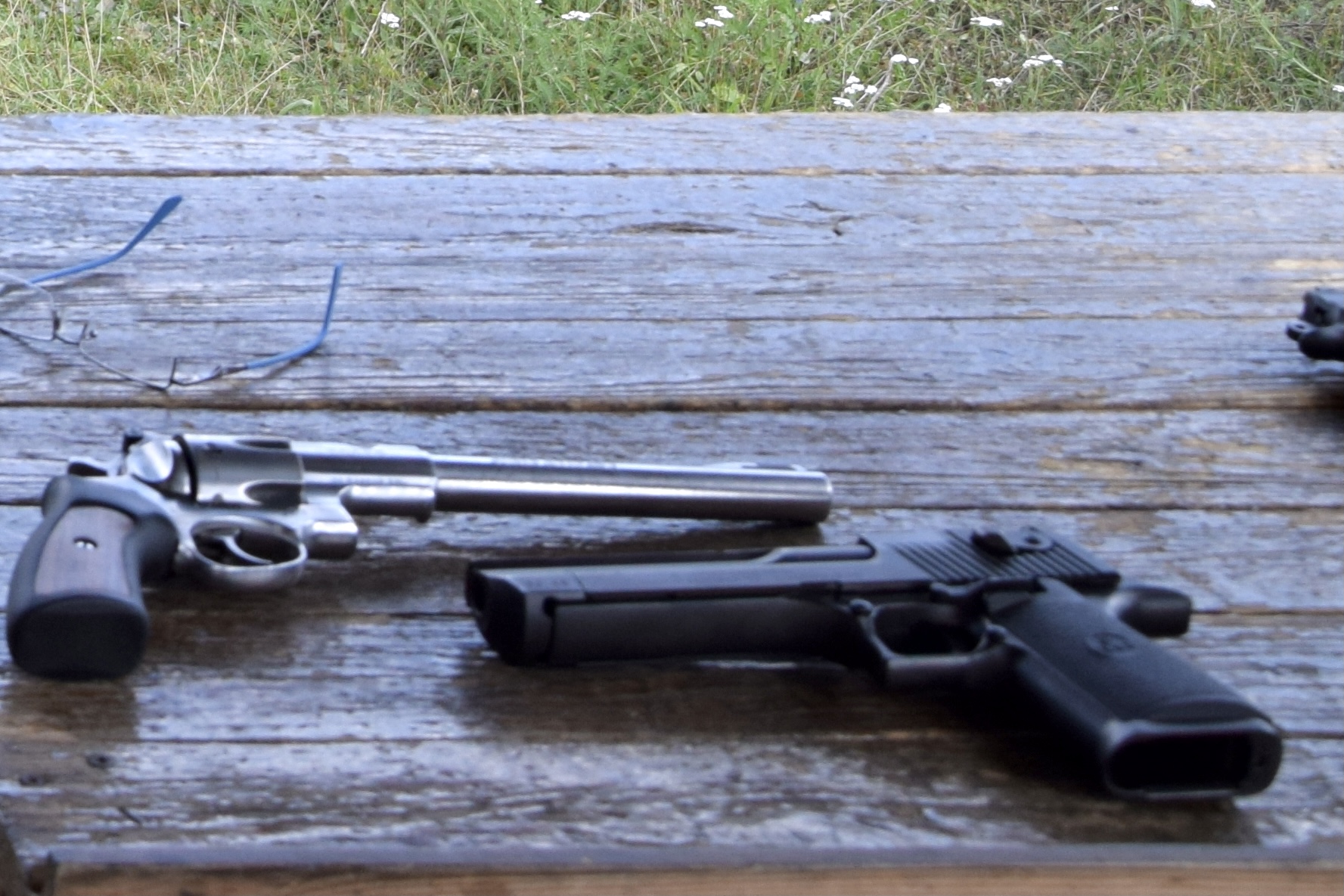
The Desert Eagle stands as one of the most visually iconic handguns ever produced, commanding immediate attention through size and styling. Its dramatic appearance conveys power and mechanical intrigue. In practical shooting contexts, however, weight, recoil, and handling complexity influence user experience. While capable and admired by enthusiasts, the pistol’s range practicality differs significantly from conventional handguns. Many shooters find extended sessions physically demanding. The contrast between visual spectacle and everyday usability shapes debate. The Desert Eagle exemplifies how extraordinary aesthetics can create expectations that real-world shooting dynamics may challenge, reinforcing the importance of balancing visual impact with functional considerations.