Hunting demands more than skill; it requires preparation, patience, and reliable gear. The wilderness is unpredictable, and success often depends on having the right tools within reach. From safety to accuracy, every item you pack can make or break your day in the field. Whether you’re a seasoned hunter or just starting, these fourteen essential tools will help you hunt smarter, safer, and more efficiently.
1. Hunting Knife
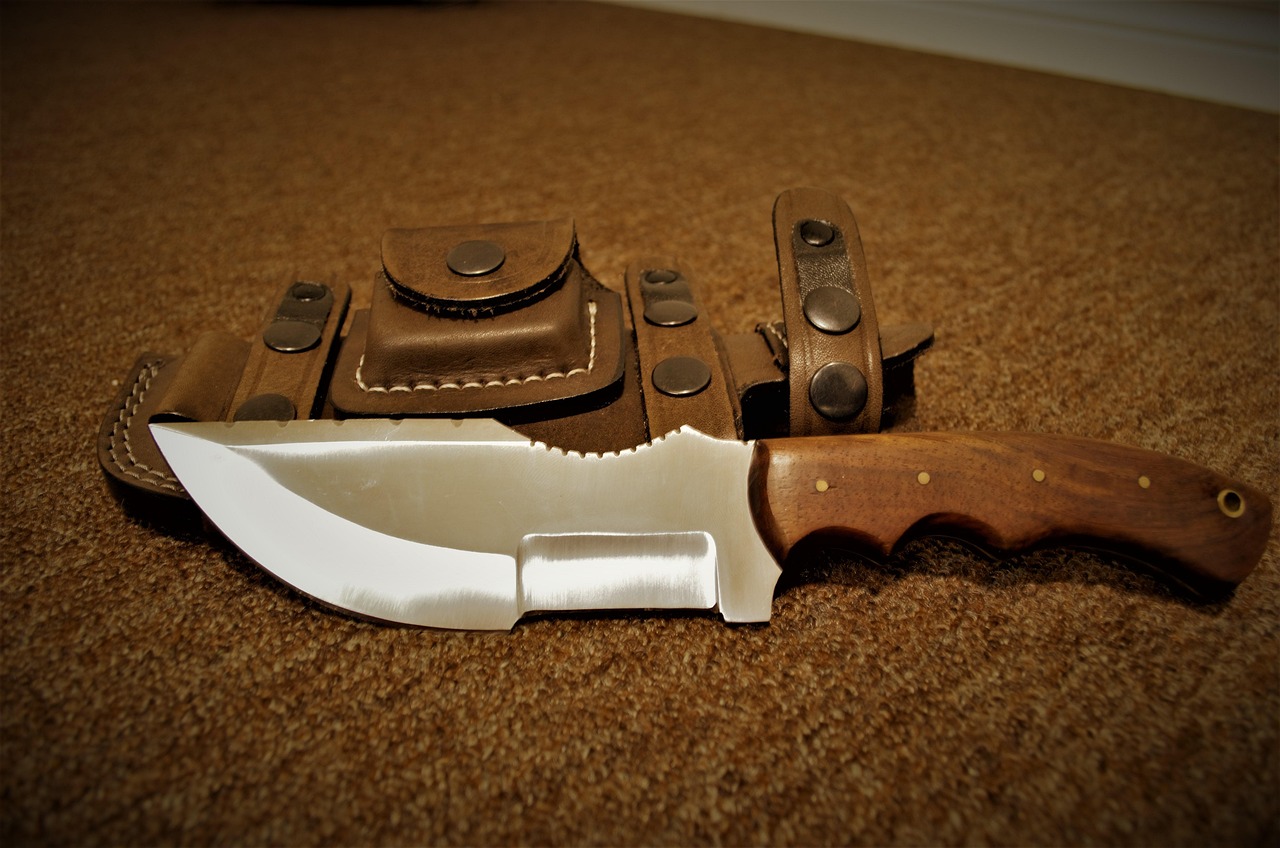
A hunting knife is one of the most vital tools an outdoorsman can own. It’s used for skinning, dressing, and processing game, as well as cutting ropes or preparing camp essentials. Choose a fixed-blade knife with a full tang for strength and balance. A textured handle ensures a steady grip even in wet conditions, and a sharp, corrosion-resistant blade keeps it dependable throughout every hunt.
2. Binoculars
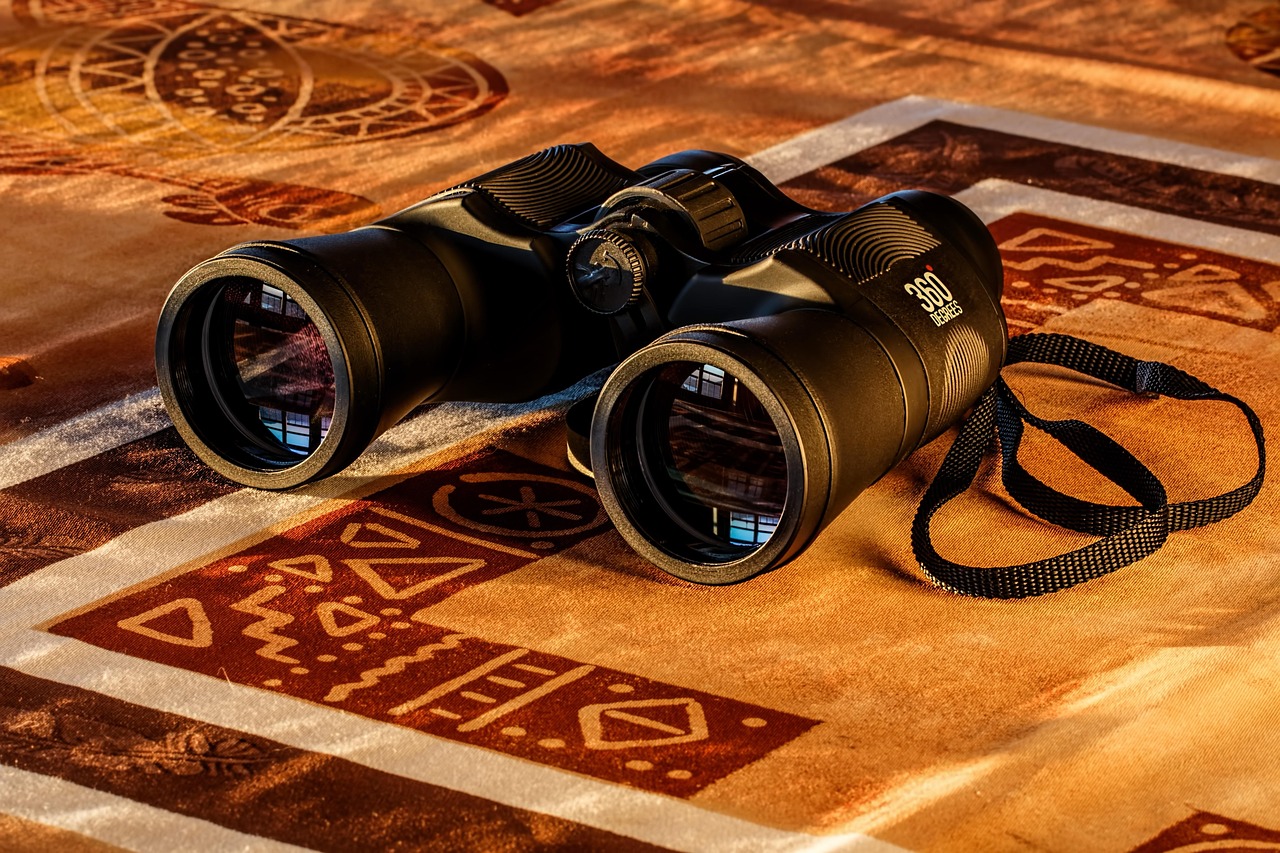
Spotting game from a distance is critical, and quality binoculars make that possible. Look for models offering at least 8x magnification with anti-reflective coatings to deliver crisp images in low light. Durable, waterproof construction is ideal for rugged conditions. Whether you’re scanning ridgelines or tracking movement through brush, reliable binoculars help you stay one step ahead without making noise.
3. Rifle or Bow
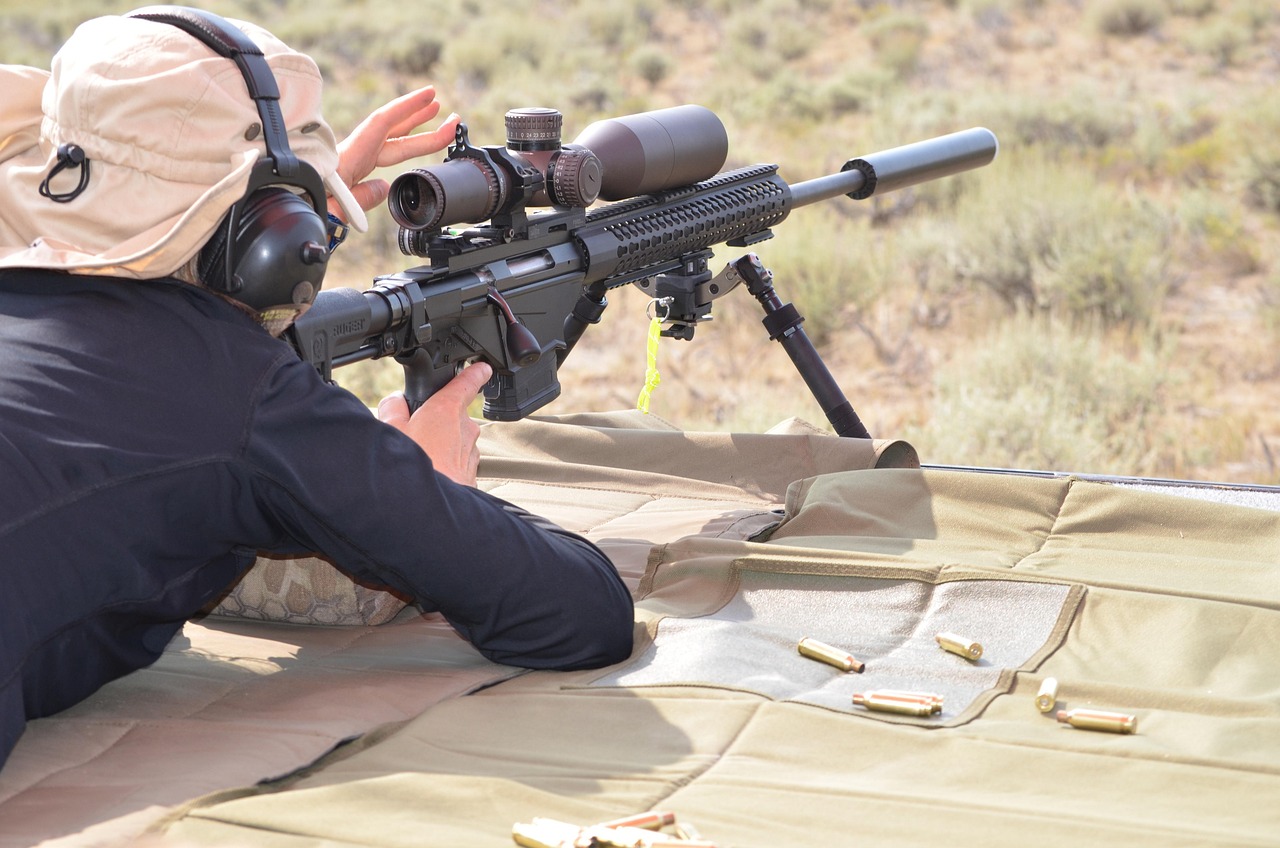
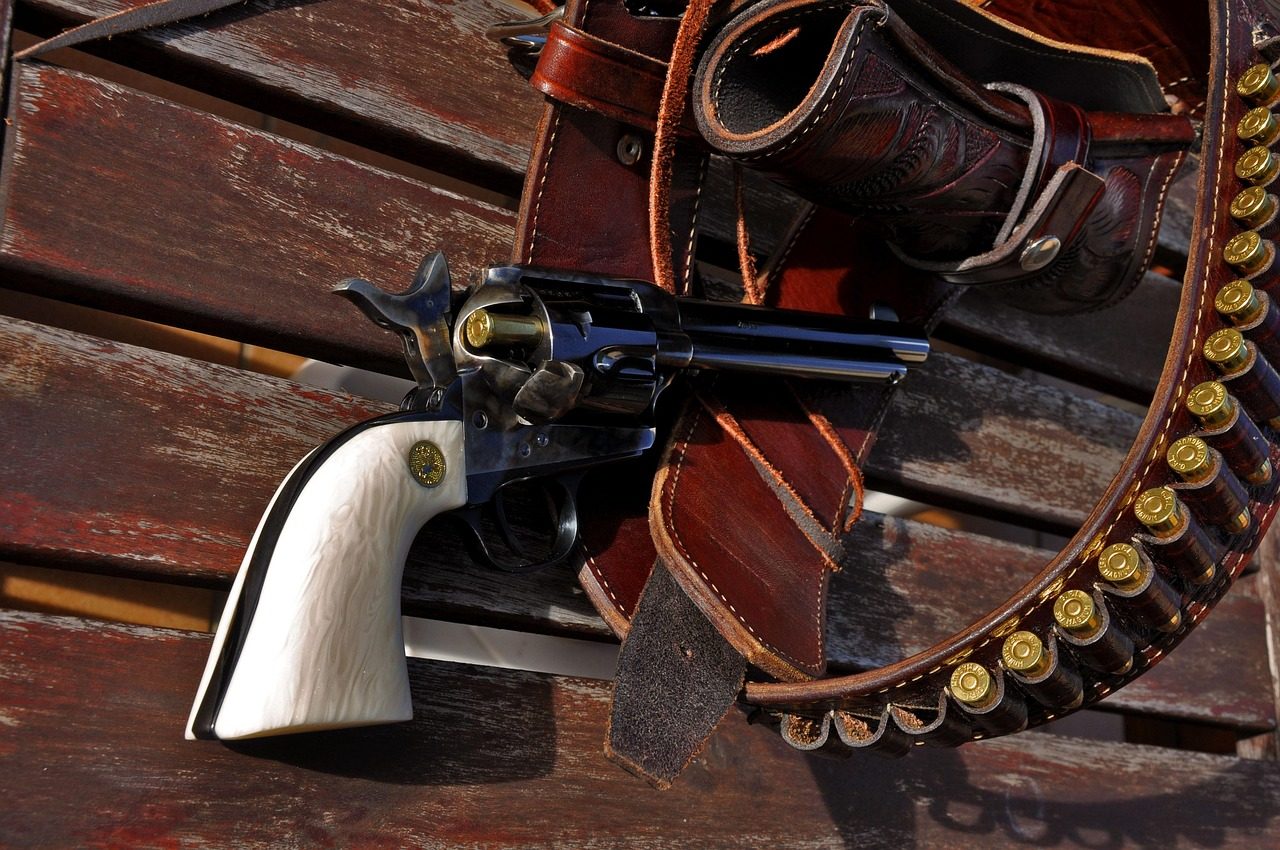
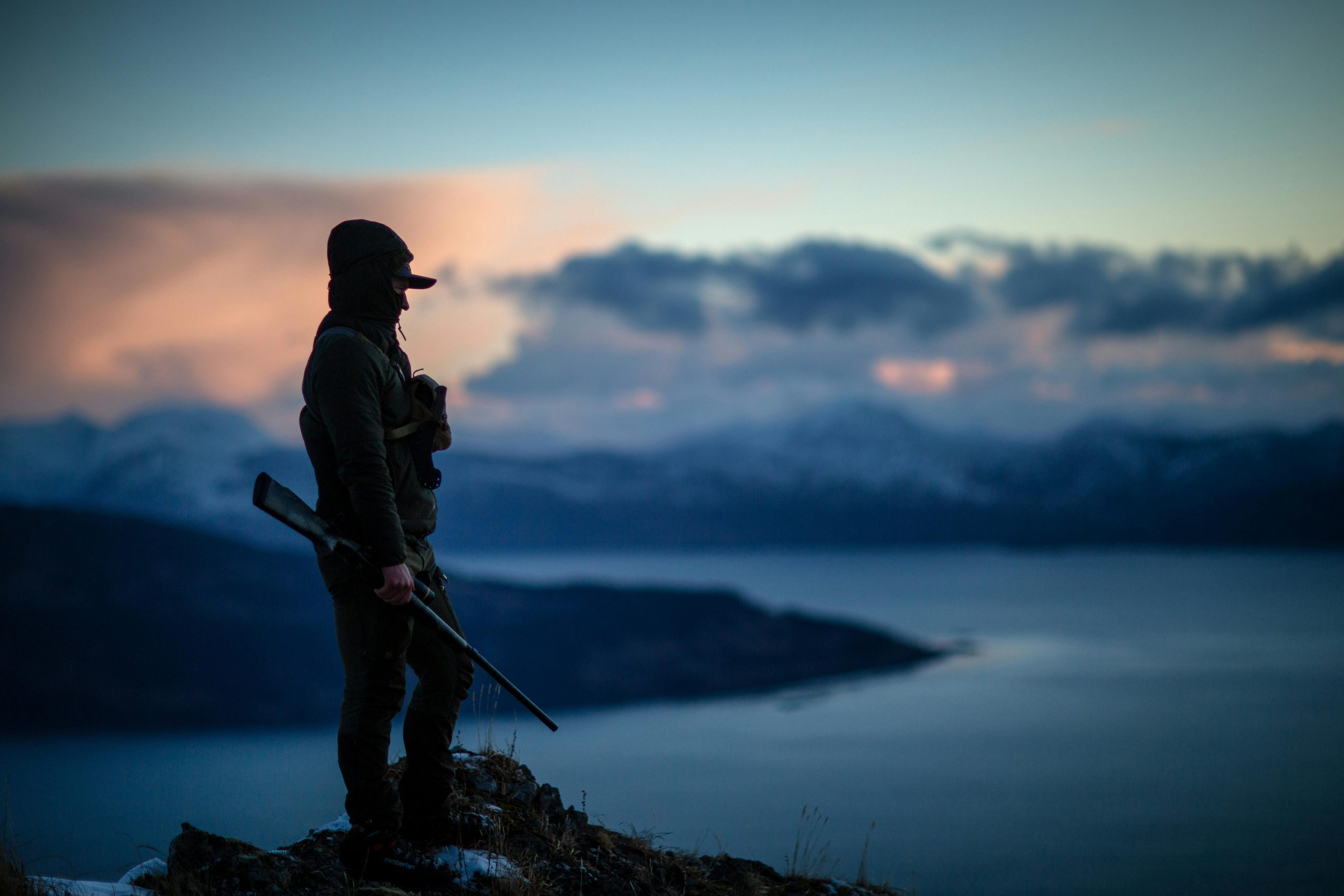
Your choice of weapon defines your hunting style. Rifles provide accuracy and range, while bows offer quiet precision for stealth-based hunting. Invest in a weapon suited to your target species and skill level, and make regular maintenance part of your routine. A clean, sighted, and well-handled rifle or bow is more than equipment; it’s an extension of your focus and discipline.
4. Rangefinder
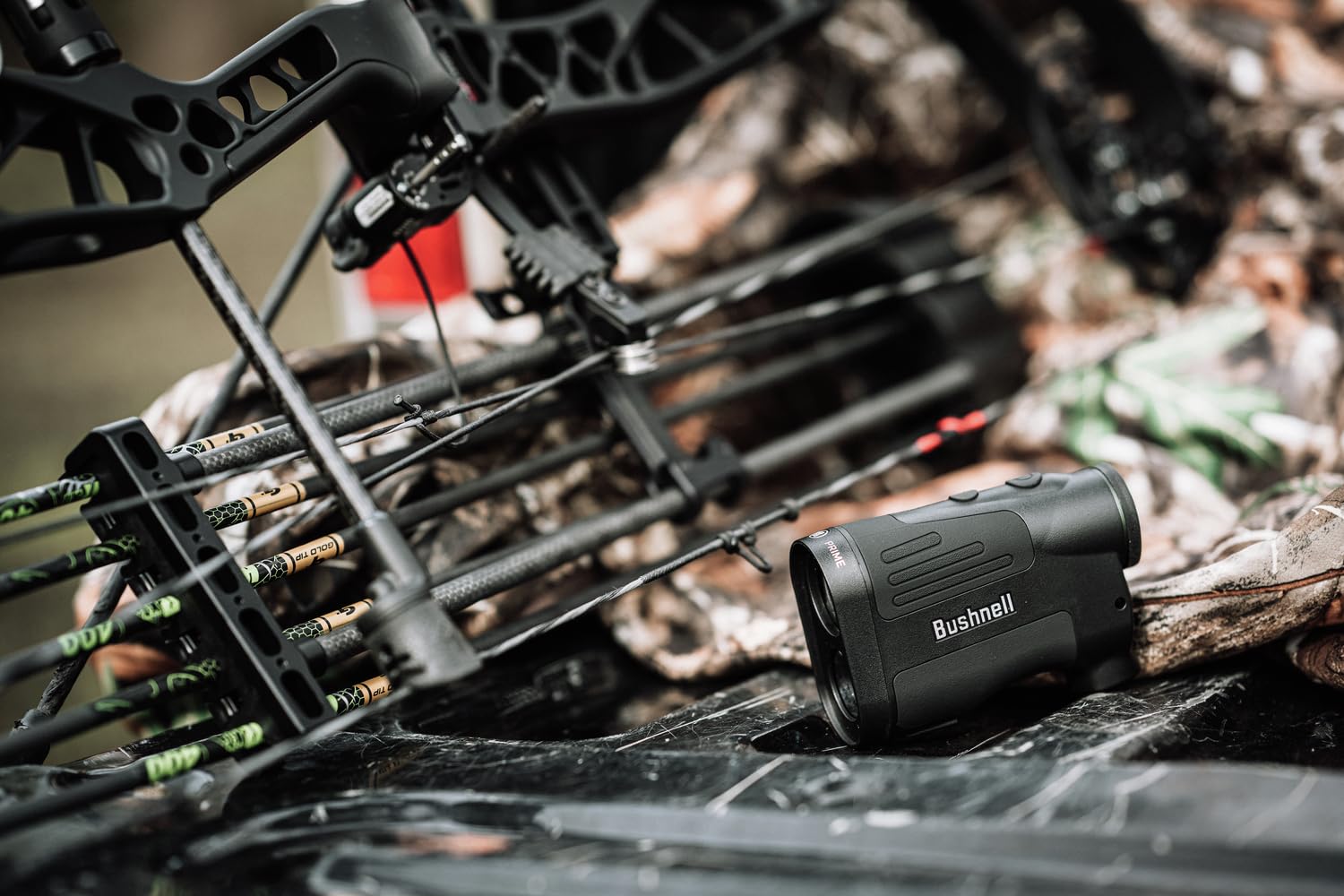
A rangefinder ensures every shot counts. It measures the exact distance to your target, allowing for precise adjustments in aim. Many modern rangefinders include angle compensation and weather resistance, ideal for uneven terrain or challenging conditions. Compact and lightweight, this tool saves time, conserves ammo, and helps guarantee ethical, accurate shots every time.
5. Headlamp or Flashlight
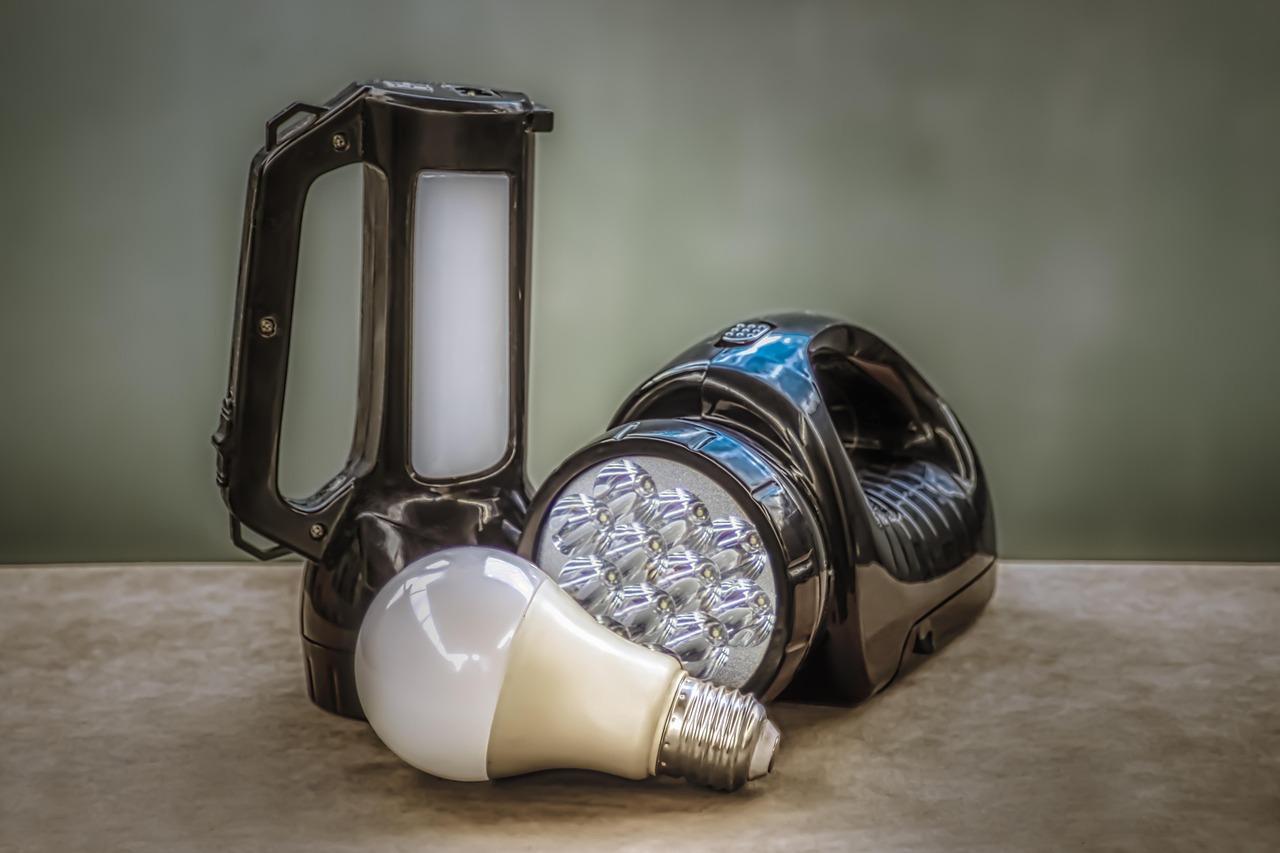
When daylight fades, dependable lighting becomes essential. A headlamp offers hands-free convenience for tracking or field dressing after dark, while a flashlight provides focused power when you need it most. Look for LED options with adjustable brightness and long battery life. A red-light mode helps preserve night vision and prevents spooking animals nearby.
6. GPS Device or Compass

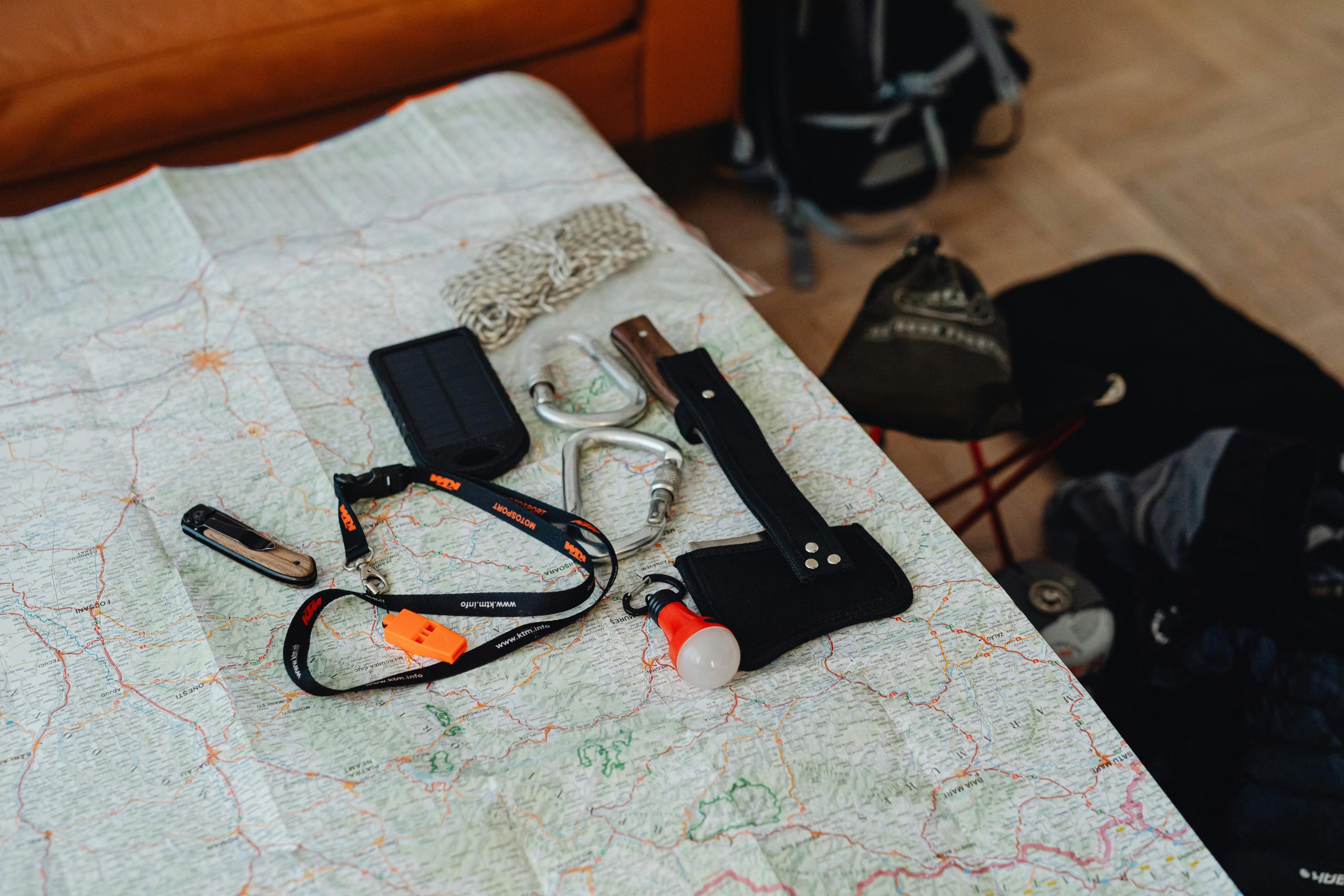
Getting lost in unfamiliar terrain can turn dangerous quickly. A GPS unit helps mark trails and key locations, but always carry a compass and a physical map as backups. Modern GPS models offer satellite tracking and weather updates, yet a basic compass never runs out of power. Knowing how to use both is a skill every hunter should master for safety and confidence.
7. Field Dressing Kit
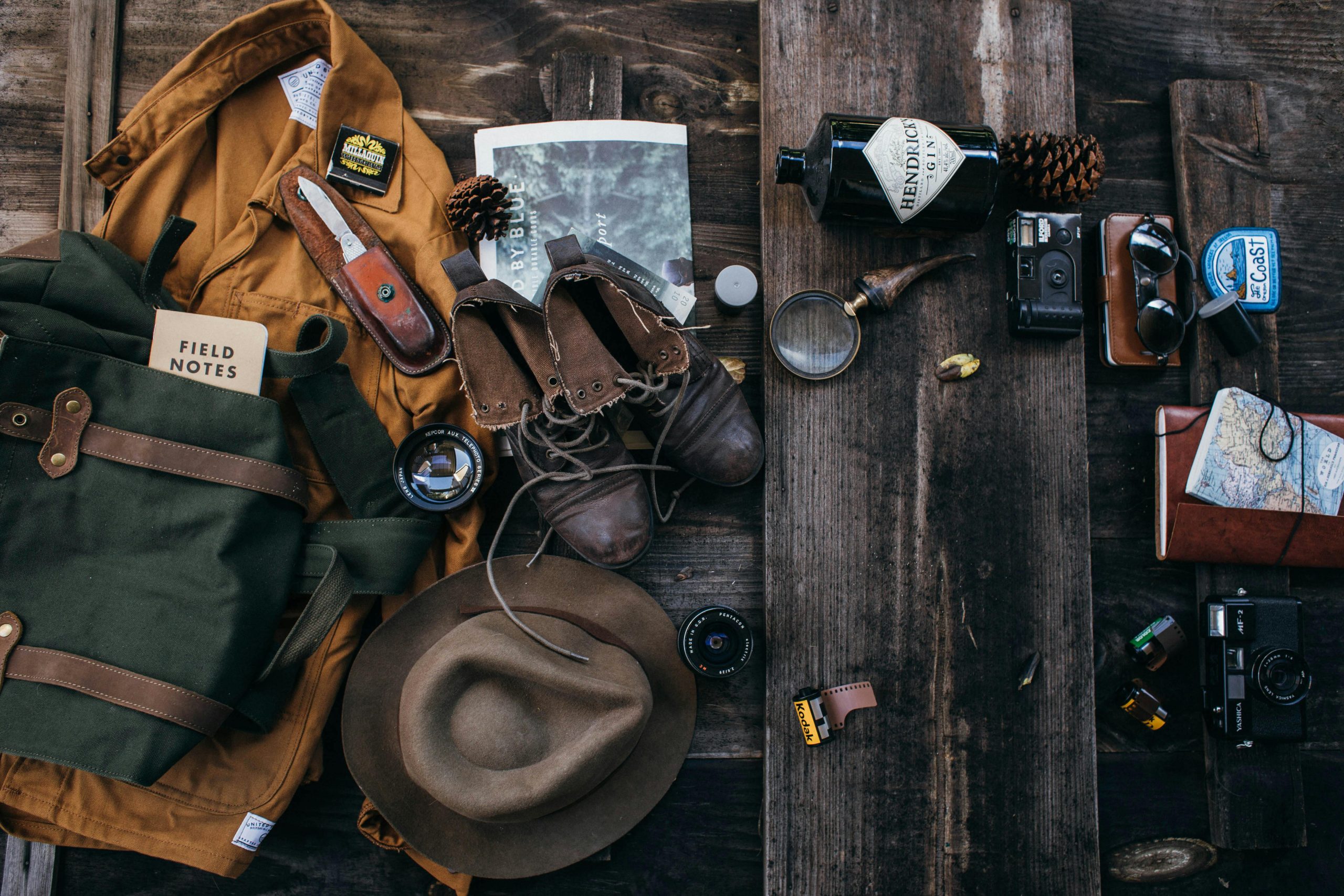
After a successful hunt, a field dressing kit ensures clean and efficient processing. These kits usually include gloves, bone saws, game bags, and wipes to handle meat safely and hygienically. Compact and easy to pack, they prevent spoilage by speeding up preparation. Proper field dressing also respects the animal by preserving every usable part of your harvest.
8. First Aid Kit
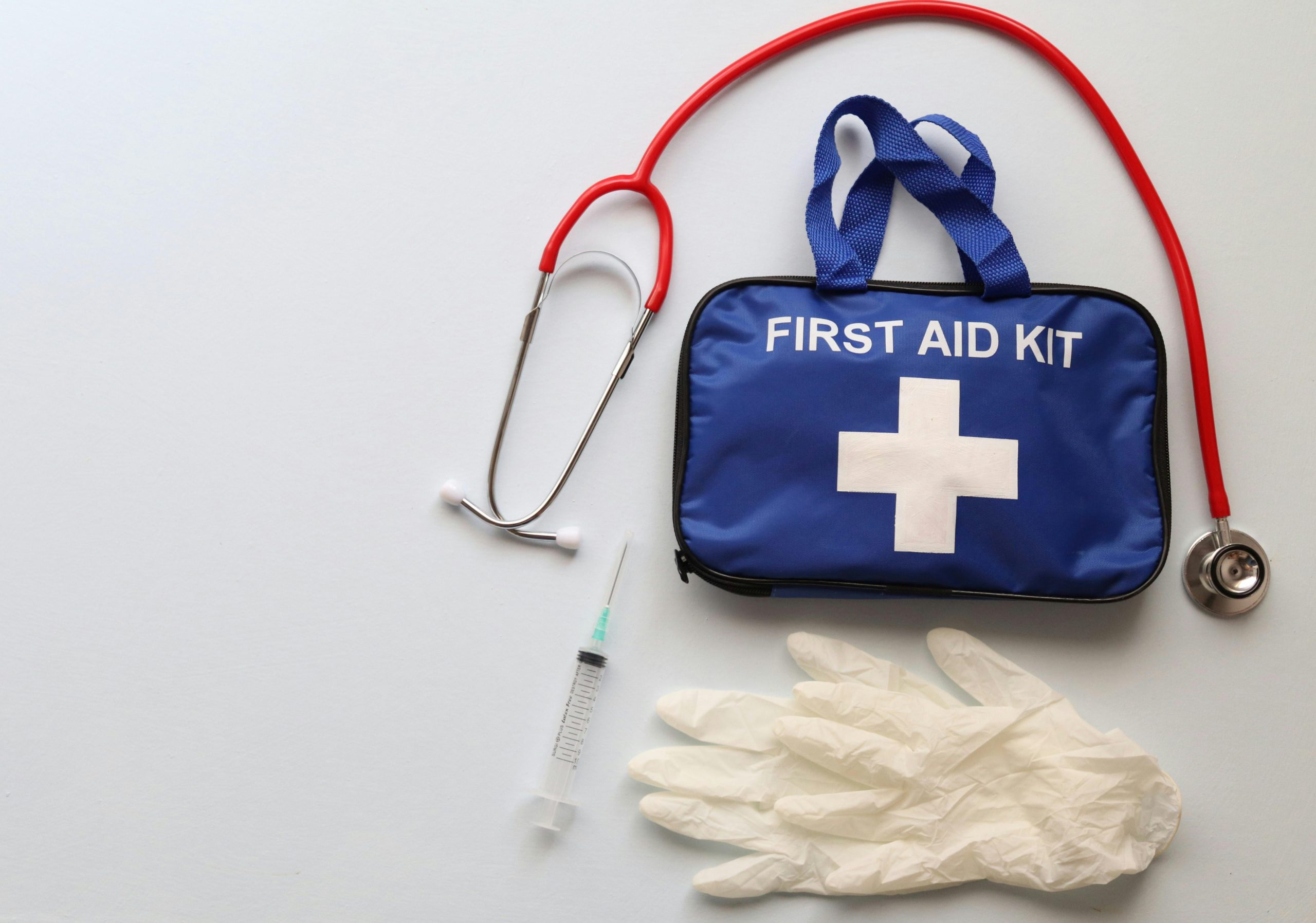
Even experienced hunters face unexpected injuries. A well-stocked first aid kit should contain antiseptic wipes, bandages, medical tape, pain relievers, and tweezers for removing splinters or ticks. Compact kits fit easily into a backpack and are vital for remote locations. Having one isn’t just smart, it’s an essential safety measure that could save your life in the wild.
9. Hunting Backpack
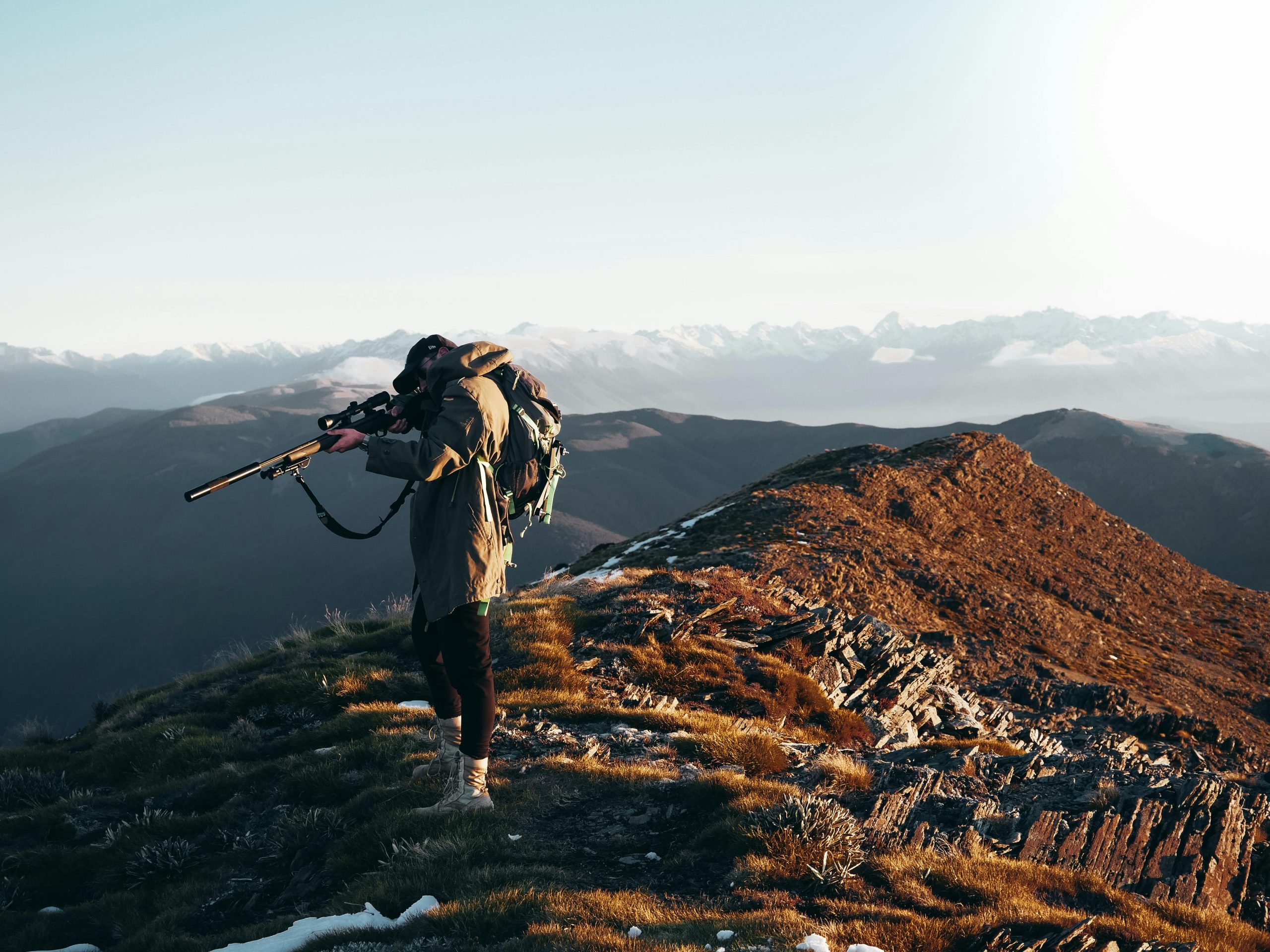
A sturdy hunting backpack keeps your gear organized and secure. Look for one made from silent, weatherproof materials with padded straps and multiple compartments. A built-in hydration sleeve or water pouch adds convenience, and external loops can hold rifles or bows. When properly fitted, a backpack distributes weight evenly, keeping you comfortable during long treks.
10. Camouflage Clothing
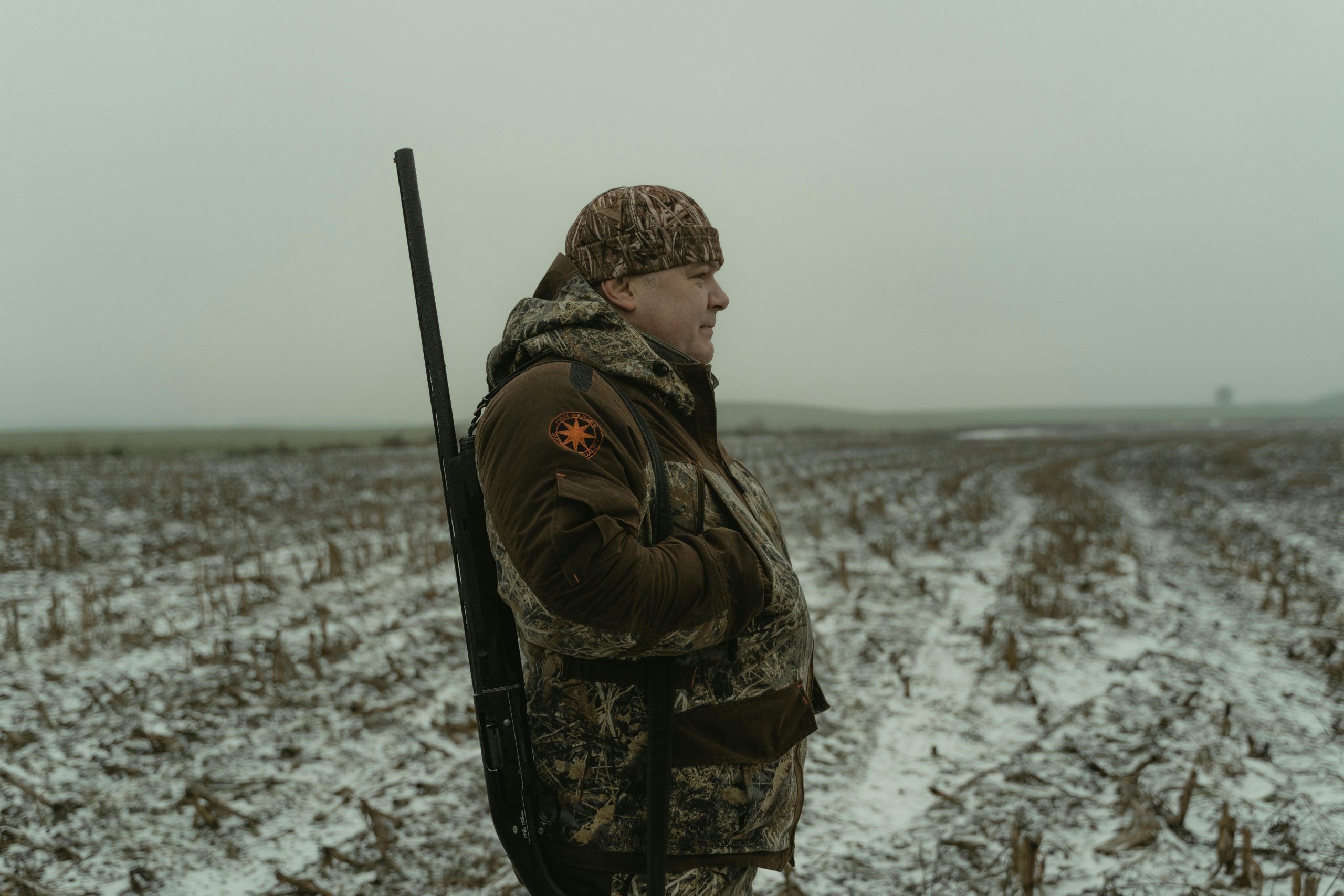
Blending in with your surroundings can mean the difference between success and failure. Choose camouflage patterns suited to your hunting environment: the forest, desert, or snow. Lightweight, moisture-wicking fabrics regulate temperature and reduce noise. Gloves, hats, and face covers are equally important. Good camouflage helps you stay invisible, calm, and focused when wildlife draws near.
11. Hunting Optics Scope
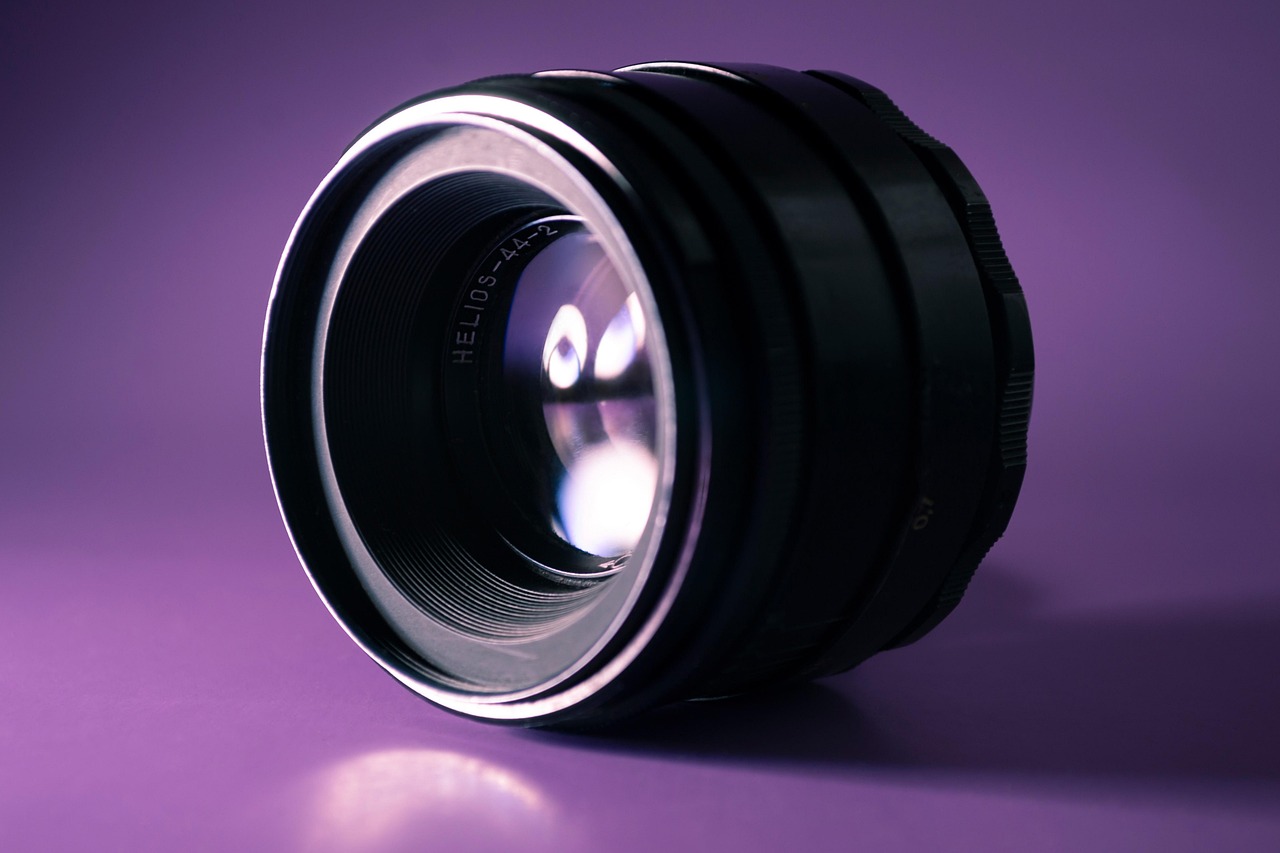
A high-quality scope transforms accuracy and confidence in the field. Whether mounted on a rifle or used for spotting, clear optics with adjustable zoom help identify targets at various distances. Look for fog-proof, waterproof lenses and shock-resistant construction for rugged reliability. A properly sighted scope reduces guesswork, improves precision, and ensures ethical, well-placed shots every time.
12. Weather-Resistant Clothing

Mother Nature can be unpredictable, and weather-resistant clothing keeps you comfortable through it all. Invest in windproof and waterproof outerwear that still allows breathability to prevent overheating. Layering systems work best moisture-wicking base, an insulated mid-layer, and a protective shell. This combination helps you stay dry, warm, and focused, no matter how rough the terrain or sudden the storm.
13. Portable Shelter or Blind
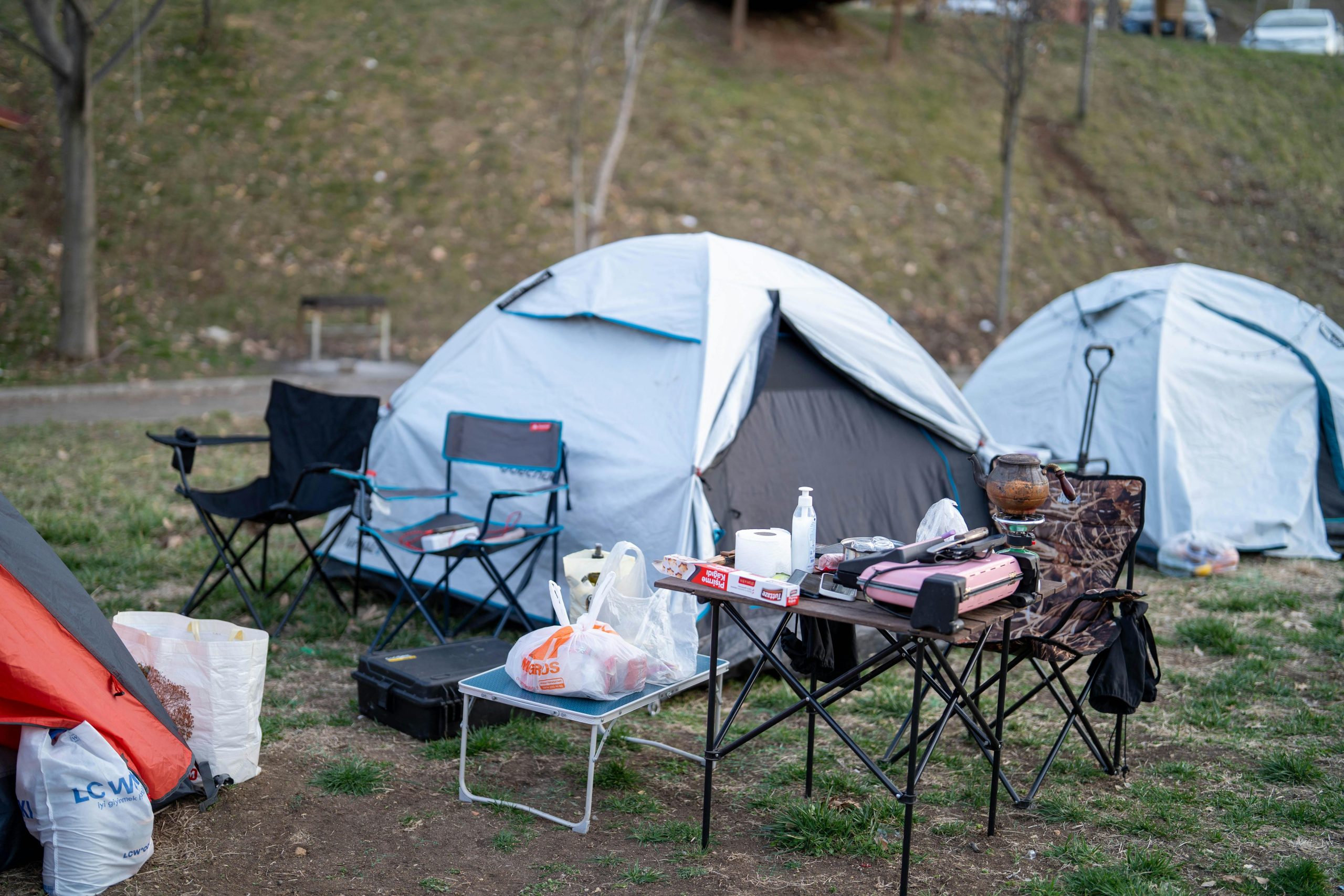
A portable blind or tarp provides concealment and protection from harsh weather. Blinds reduce scent spread and movement visibility while keeping you comfortable during long waits. Choose one that’s easy to set up and blends naturally into your surroundings. A reliable shelter not only hides you but also keeps your focus steady during unpredictable outdoor conditions.
14. Multi-Tool
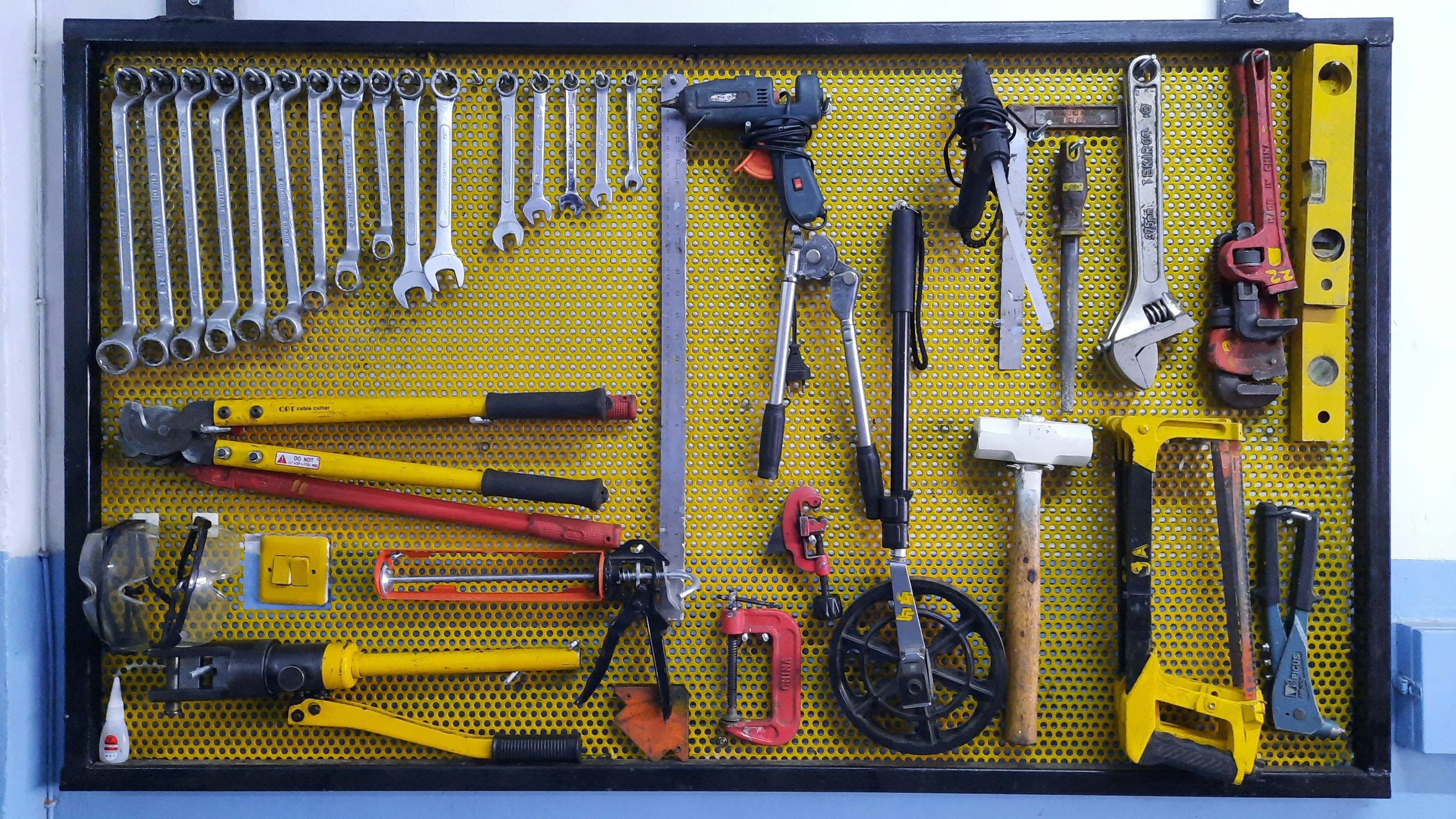
A multi-tool is the ultimate piece of survival gear. With pliers, screwdrivers, blades, and wire cutters all in one, it handles repairs, snags, or quick adjustments effortlessly. Compact enough for your pocket, it’s perfect for fixing gear, tightening bolts, or slicing rope on the fly. Versatile and durable, this tool embodies preparedness for any situation.