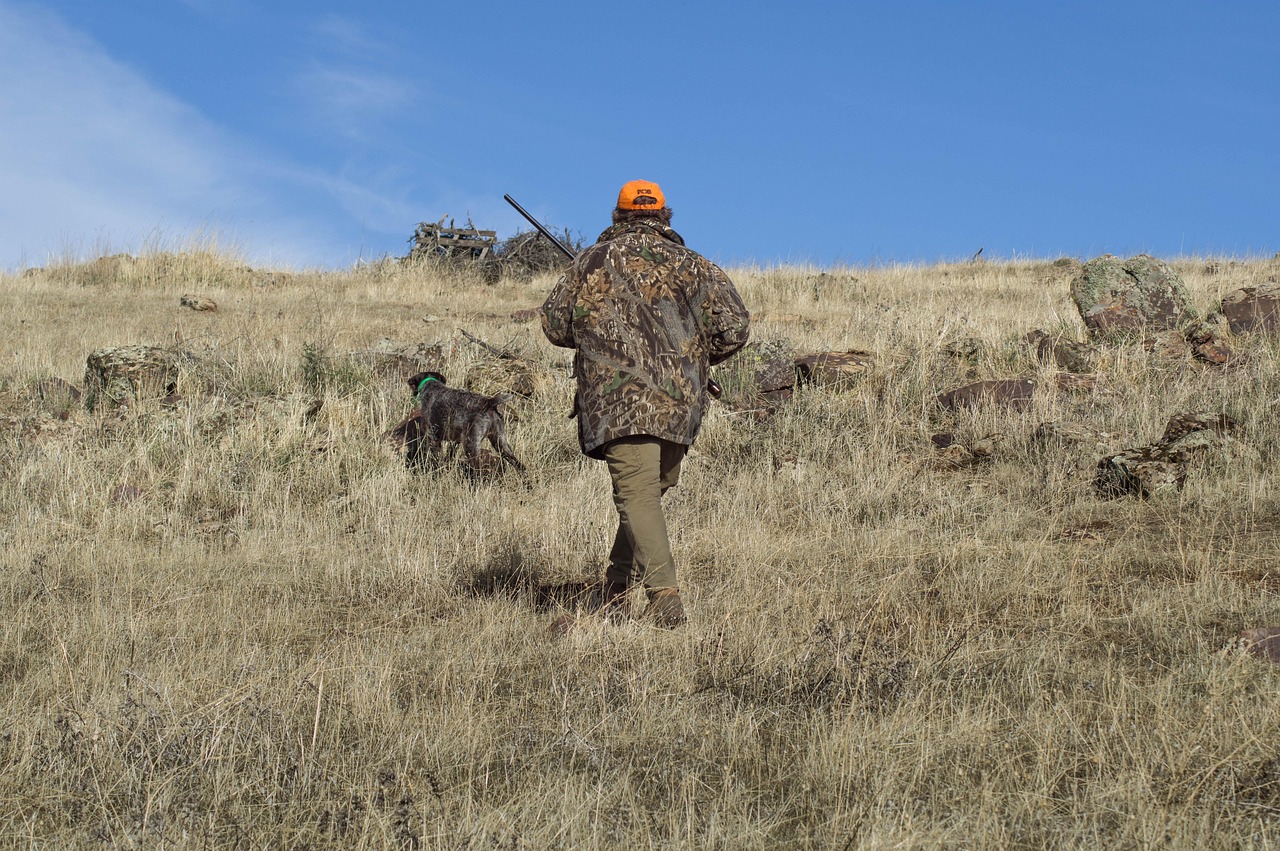
Opening day brings excitement, anticipation, and a renewed appreciation for time spent outdoors, but preparation plays a major role in shaping a successful start to the season. Equipment that performs well at home may behave differently once exposed to rugged terrain, shifting weather, and long hours of use, making careful inspection vital before heading out. Checking gear helps prevent delays, malfunctions, and safety risks that often arise from overlooked details. From worn straps to loose screws, small issues can compromise larger plans, yet straightforward maintenance builds confidence and readiness. Hunters who take time to evaluate their equipment gain a clearer understanding of how each item supports performance, comfort, and reliability throughout the first days of the hunt.
Inspecting Firearms for Safety and Function
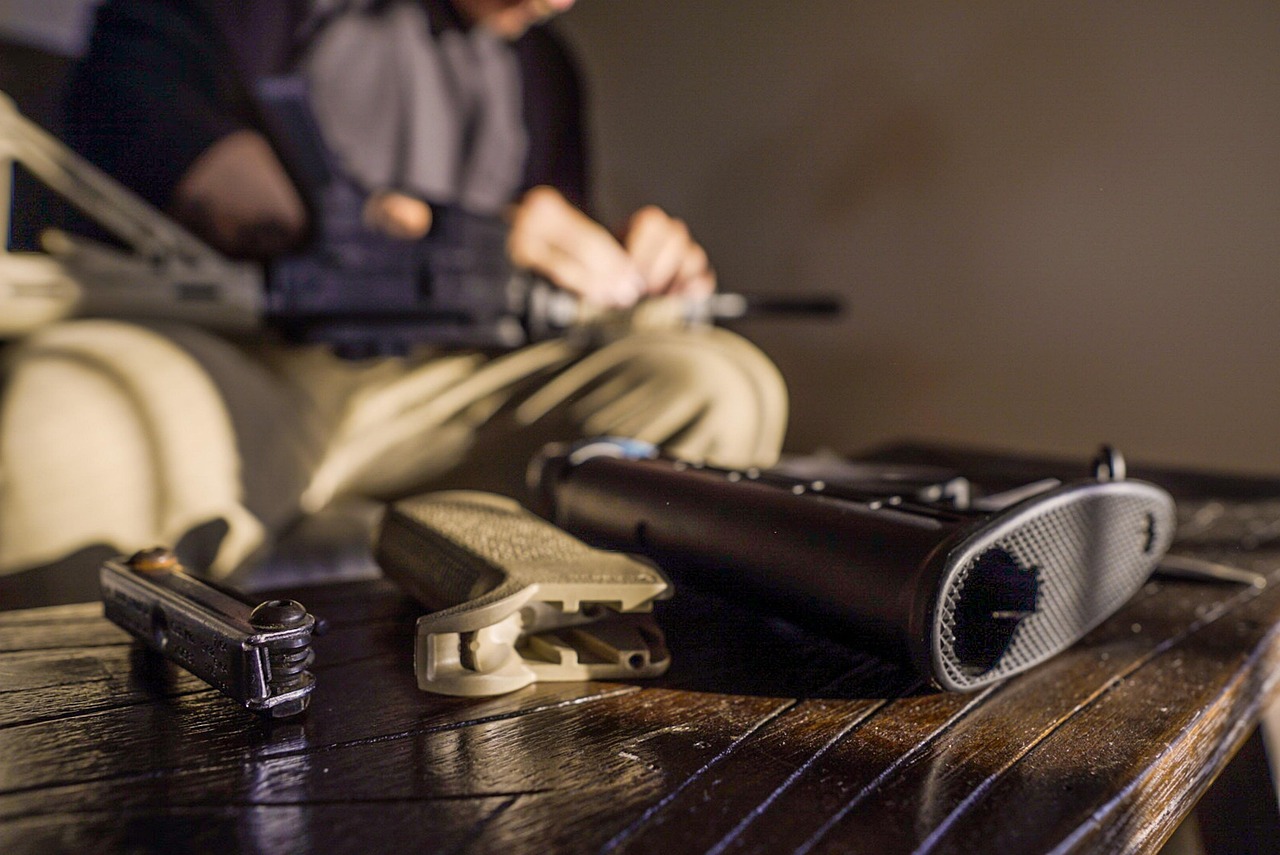
Firearm inspection remains one of the most important steps before opening day because small mechanical issues can escalate quickly in the field. Checking for clean bores, secure screws, smooth bolt movement, and proper trigger function helps ensure reliable performance during critical moments. Hunters benefit from cycling ammunition through magazines to confirm feeding consistency, while also verifying that safeties engage properly. Rust, dirt, or old lubricant may affect accuracy or cycling under demanding conditions, making regular cleaning essential. Inspecting firearms carefully provides confidence and reduces the risk of misfires, jams, or avoidable equipment failures once the season officially begins.
Verifying Optics Alignment and Clarity

Optics often shift slightly during storage or transport, making alignment checks important for ensuring accurate shots. Hunters who verify reticle stability, eye relief, and clarity gain a clearer sense of how scopes perform under natural light and varied distances. Checking for fogging, loose mounts, or internal debris helps prevent surprises in the field. Adjusting focus rings and testing turrets reinforces familiarity with the optic’s functions before long hikes or changing angles. Clear, well-maintained optics improve confidence and decision-making, especially when the game appears briefly or moves through brushy terrain during opening-day excitement.
Testing Ammunition for Consistency
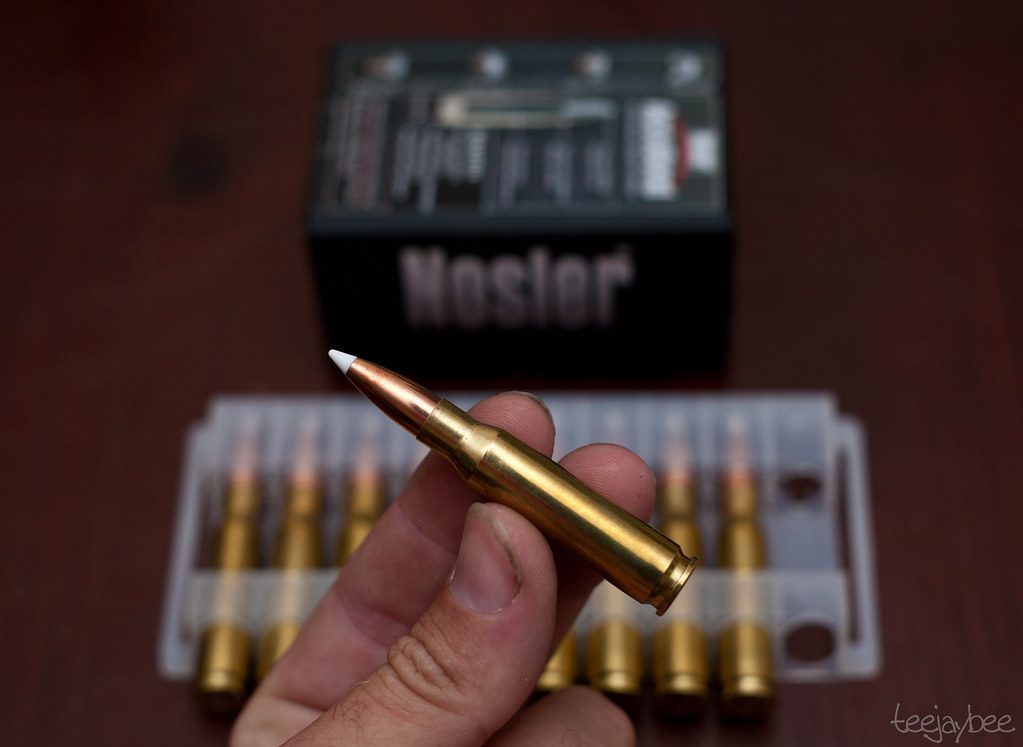
Ammunition performance influences accuracy and reliability, making it wise to inspect cartridges for dents, corrosion, or inconsistencies that may disrupt chambering. Testing a few rounds before the season helps confirm that the chosen load groups work well and function smoothly in the firearm. Storage conditions can affect powder integrity or primer sensitivity, so examining boxes for damage provides added reassurance. Consistent ammunition supports predictable shooting, improved ethical decisions, and reduced frustration when conditions shift unexpectedly. Pre-season testing strengthens trust in equipment and reduces the likelihood of malfunctions that could affect early opportunities.
Examining Boots for Wear and Traction
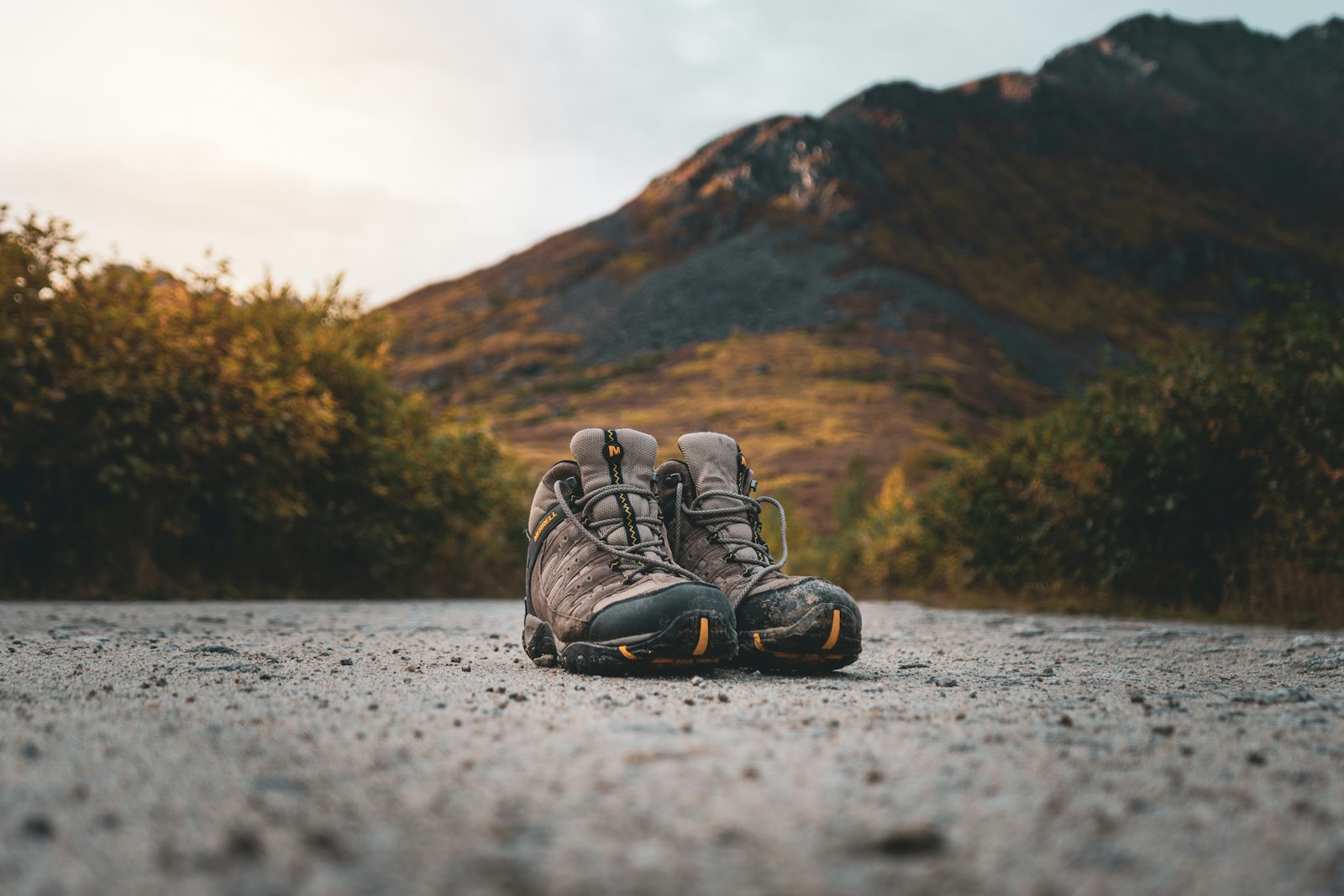
Boots endure heavy use throughout the season, and early inspection helps prevent discomfort or injury. Checking soles for worn tread, cracked rubber, or weak seams reveals potential issues that may worsen during long walks. Ensuring that eyelets remain secure and laces intact supports stable movement across uneven terrain. Wet-weather preparation becomes easier when waterproof coatings and insulation remain in good condition. By testing boots on short hikes before opening day, hunters gain a realistic sense of fit, traction, and durability, allowing them to address problems before entering more demanding environments.
Evaluating Backpacks and Straps
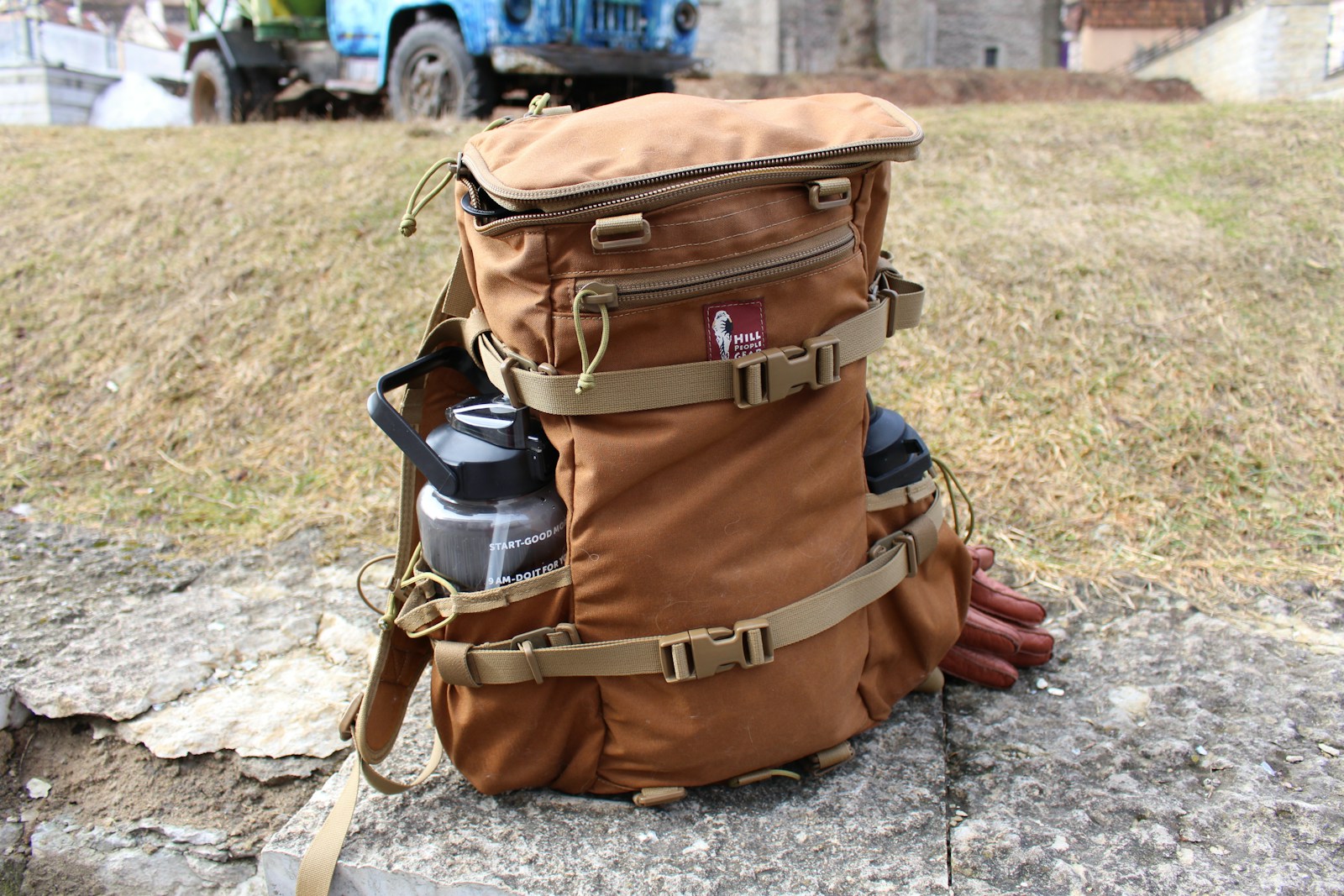
Backpacks hold essential items such as water, clothing, first-aid gear, and tools, so structural integrity matters. Inspecting straps for fraying, weakened stitching, or loose buckles helps prevent failures that could occur during long hikes or heavy loads. Zippers often reveal early signs of wear and should glide smoothly without catching or separating. Internal compartments may benefit from reorganization to improve weight distribution and accessibility. A well-maintained backpack supports efficiency throughout the day and allows hunters to focus on tracking and navigation rather than equipment concerns.
Cleaning and Testing Calls
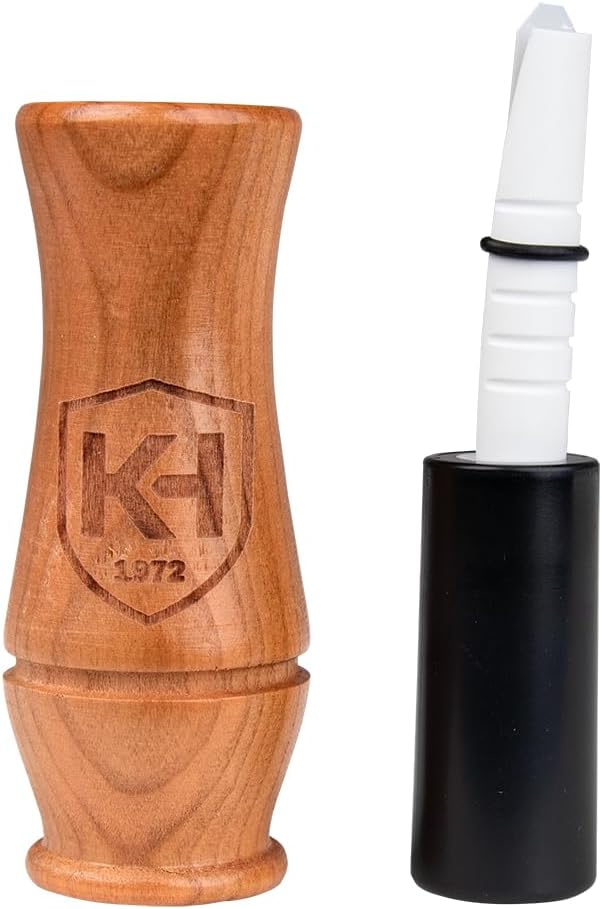
Game calls require careful maintenance to produce consistent sound quality and avoid malfunctions during key moments. Reeds may dry out, crack, or warp during storage, affecting tone and volume. Mouth calls often accumulate dust or moisture that changes performance unless cleaned thoroughly. Electronic calls should be tested for battery life, speaker clarity, and proper programming before opening day. Practicing with calls reinforces familiarity and ensures they respond accurately in cold air or windy conditions. Reliable calls increase confidence during encounters and help hunters communicate effectively with game throughout the season.
Checking Knives and Field Dressing Tools
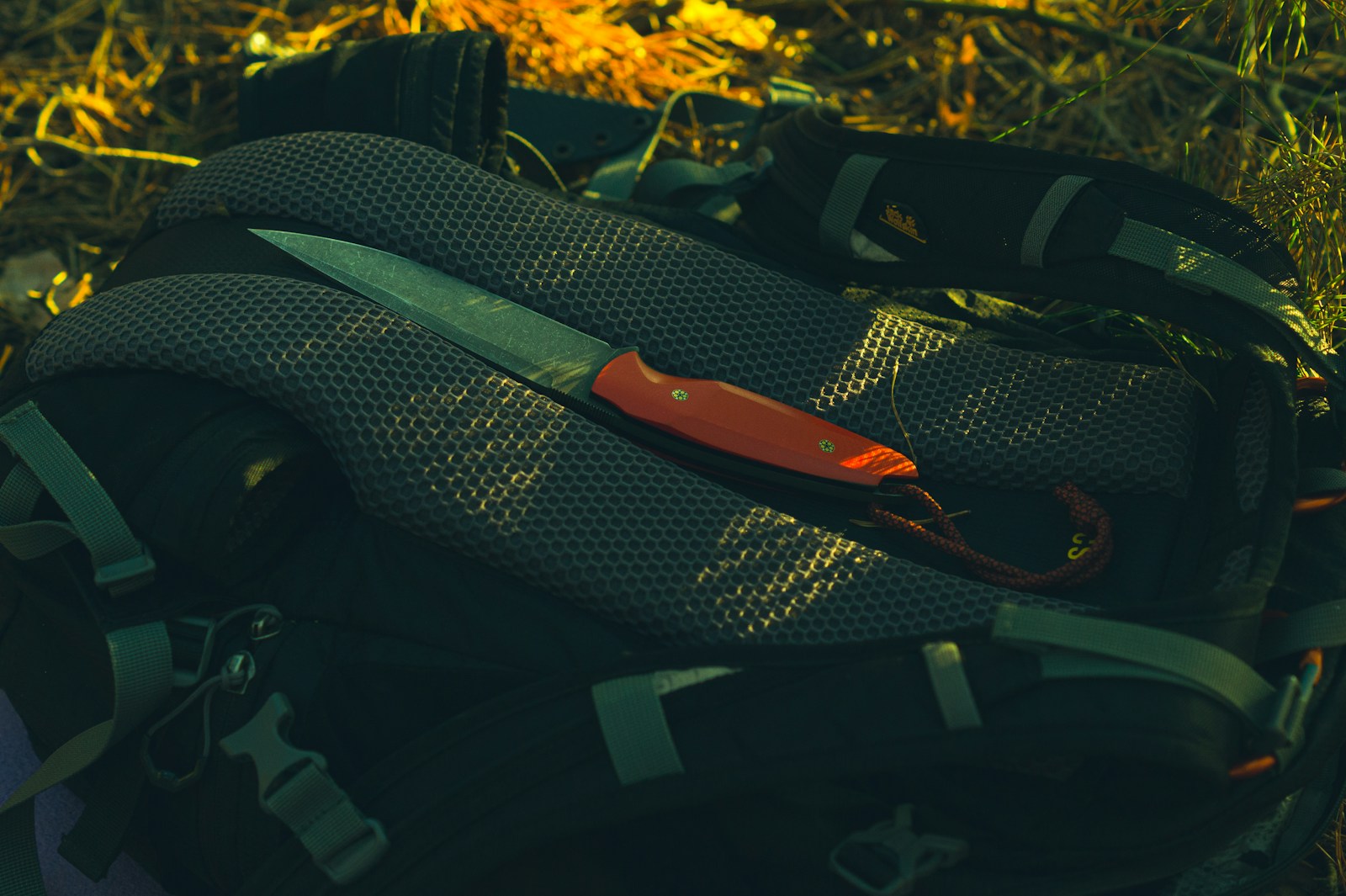
Sharp knives and clean field dressing tools allow for efficient processing once the game is harvested. Dull blades require more force and increase the risk of slipping, while rust or residue weakens metal over time. Hunters benefit from verifying sheath condition, handle grip, and locking mechanisms that may loosen across seasons. Multi-tools and saws deserve equal attention, especially when cutting through bone or dense brush. Preparing tools beforehand ensures smoother field dressing and reduces the likelihood of delays after a successful shot. These careful checks improve readiness during demanding conditions and help maintain safety when processing harvested game.
Inspecting Clothing and Layers
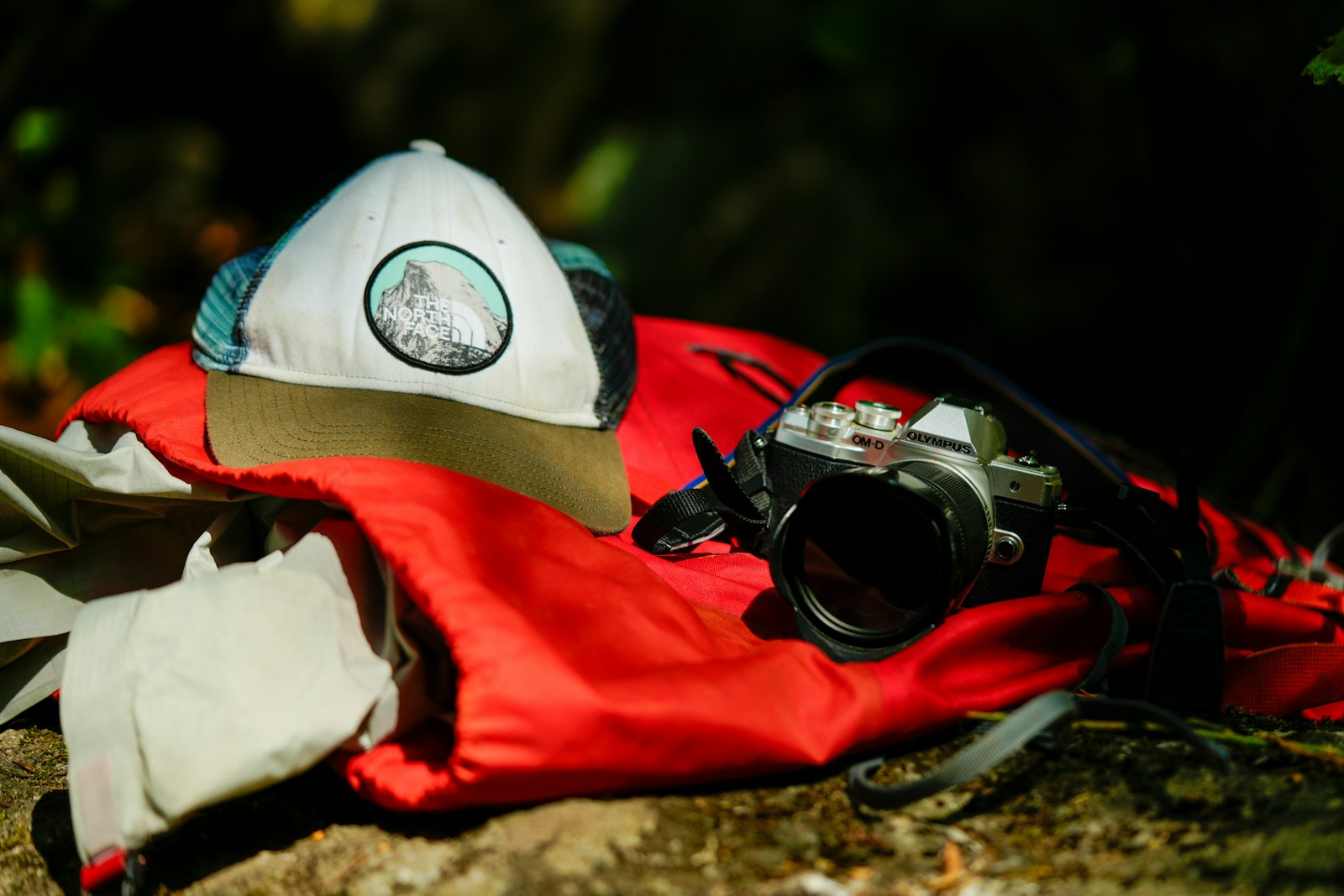
Clothing plays a major role in comfort and safety, especially during early-season temperature swings. Checking jackets, base layers, and pants for tears, worn seams, or broken zippers helps confirm reliability. Waterproof materials may require reproofing to maintain function, while insulation should remain evenly distributed. Testing pockets, vents, and adjustable cuffs reinforces familiarity with each piece’s purpose. Well-maintained clothing enhances mobility, temperature regulation, and overall comfort, helping hunters remain focused and steady throughout opening day. These inspections reduce unexpected discomfort and support reliable performance throughout long hours spent navigating terrain.
Reviewing First-Aid Supplies
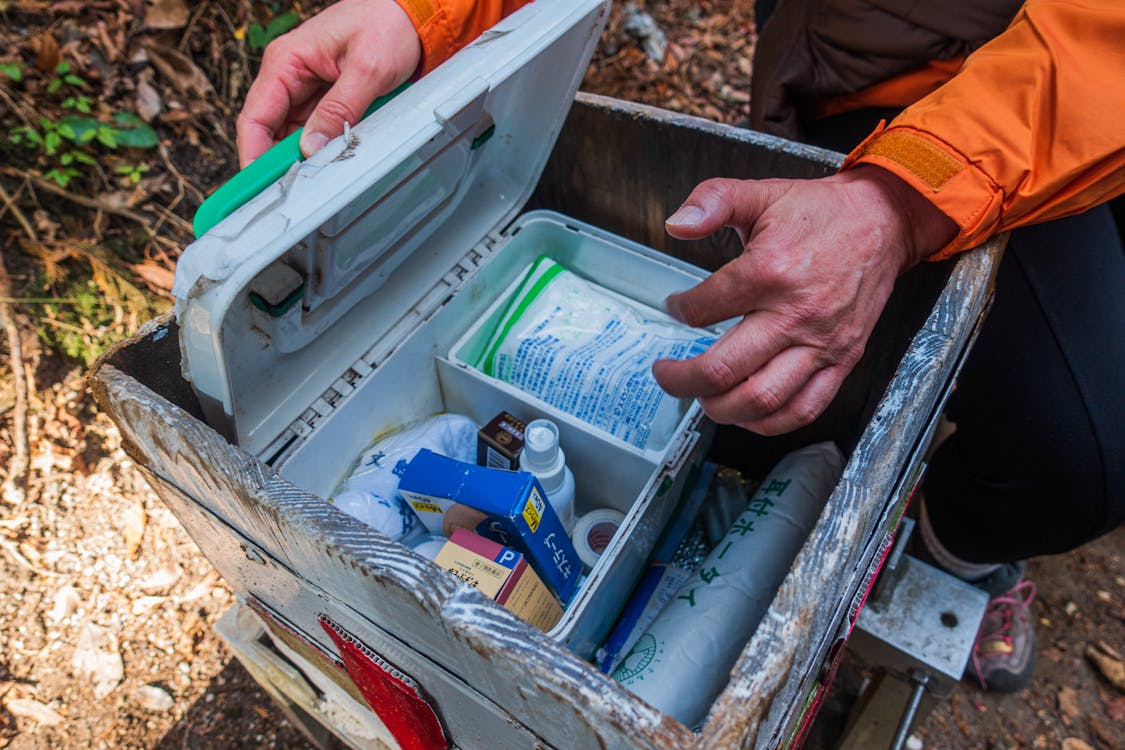
First-aid kits often lose items throughout the year, making pre-season checks important for ensuring readiness. Hunters benefit from restocking bandages, antiseptics, blister treatments, and medications that may expire or degrade. Adding items tailored to terrain, weather, or personal needs improves preparedness during emergencies. Ensuring that kits remain accessible inside backpacks or pockets increases response speed. A complete and updated first-aid kit supports safe decision-making and reduces anxiety during unexpected situations in remote areas. Regular inspection ensures essential medical supplies remain functional and dependable when injuries unexpectedly happen outdoors.
Testing Navigation Tools
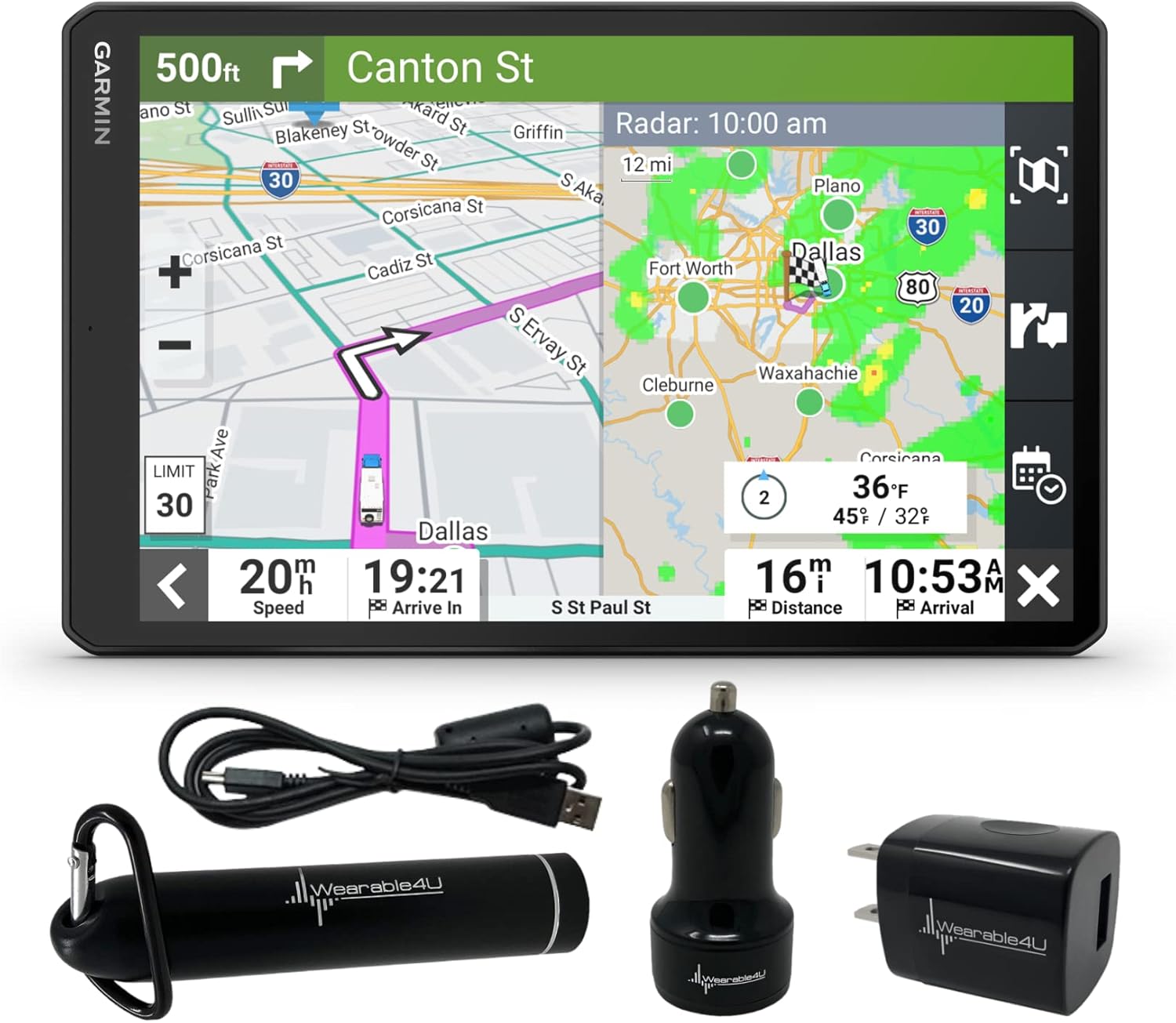
Navigation tools such as compasses, maps, handheld GPS units, and phone-based apps require careful testing before opening day. Batteries should be replaced or fully charged, while maps must remain readable and relevant to the area. GPS units may need updated software or recalibrations to ensure accurate tracking. Practicing with navigation tools strengthens familiarity and reduces confusion when landmarks become difficult to identify. Reliable navigation supports confident movement across varied terrain and prevents unnecessary detours during early hunts. Continued practice increases awareness of surroundings and reinforces safe travel habits in unfamiliar conditions.
Checking Tree Stand or Blind Stability
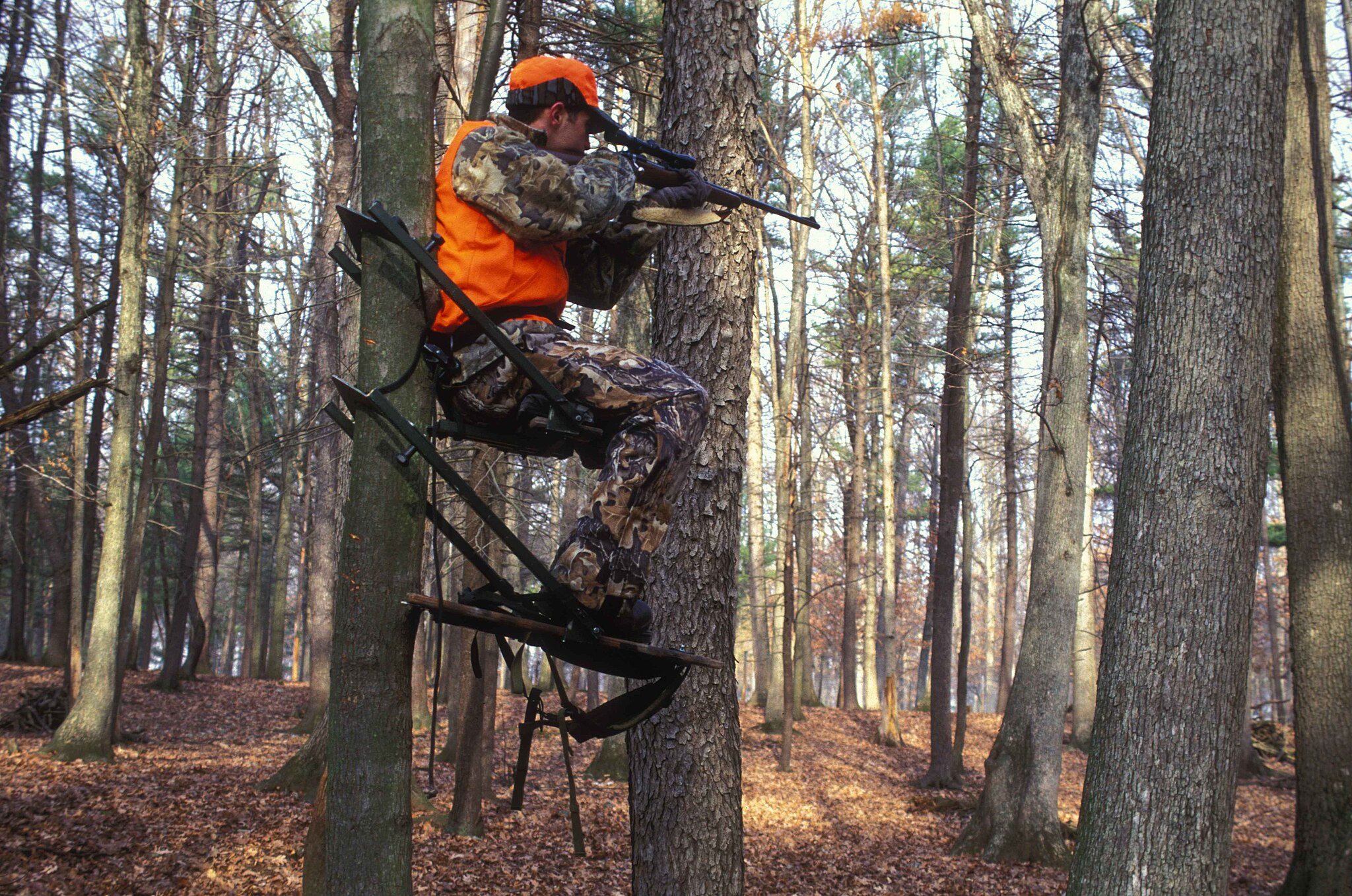
Tree stands and blinds must remain structurally sound to ensure safety during extended sits. Inspecting cables, straps, bolts, and platforms helps reveal signs of rust, weakening, or material fatigue that could cause accidents. Hunters benefit from assembling or climbing stands before the season to verify stability. Checking shooting lanes and visibility strengthens awareness of positioning and angles. Prioritizing safety reduces the risk of falls and supports a more comfortable, productive experience during opening day. Careful preparation enhances stability, reduces stress, and encourages hunters to remain attentive during long periods.
Verifying Scent Control Products

Scent control remains important for reducing detection, and checking products before opening day ensures they perform as expected. Inspecting sprays, detergents, and scent-free storage bags helps determine whether items expired or weakened during storage. Hunters benefit from organizing clothing and gear to minimize contamination with household smells. Testing ozone units or scent-neutralizing systems confirms functionality. Proper scent control supports closer encounters and more predictable animal behavior during the season’s earliest hunts. Thorough planning ensures gear remains uncontaminated and prevents unwanted scents from interfering with early-season hunting.
Testing Radios and Communication Gear
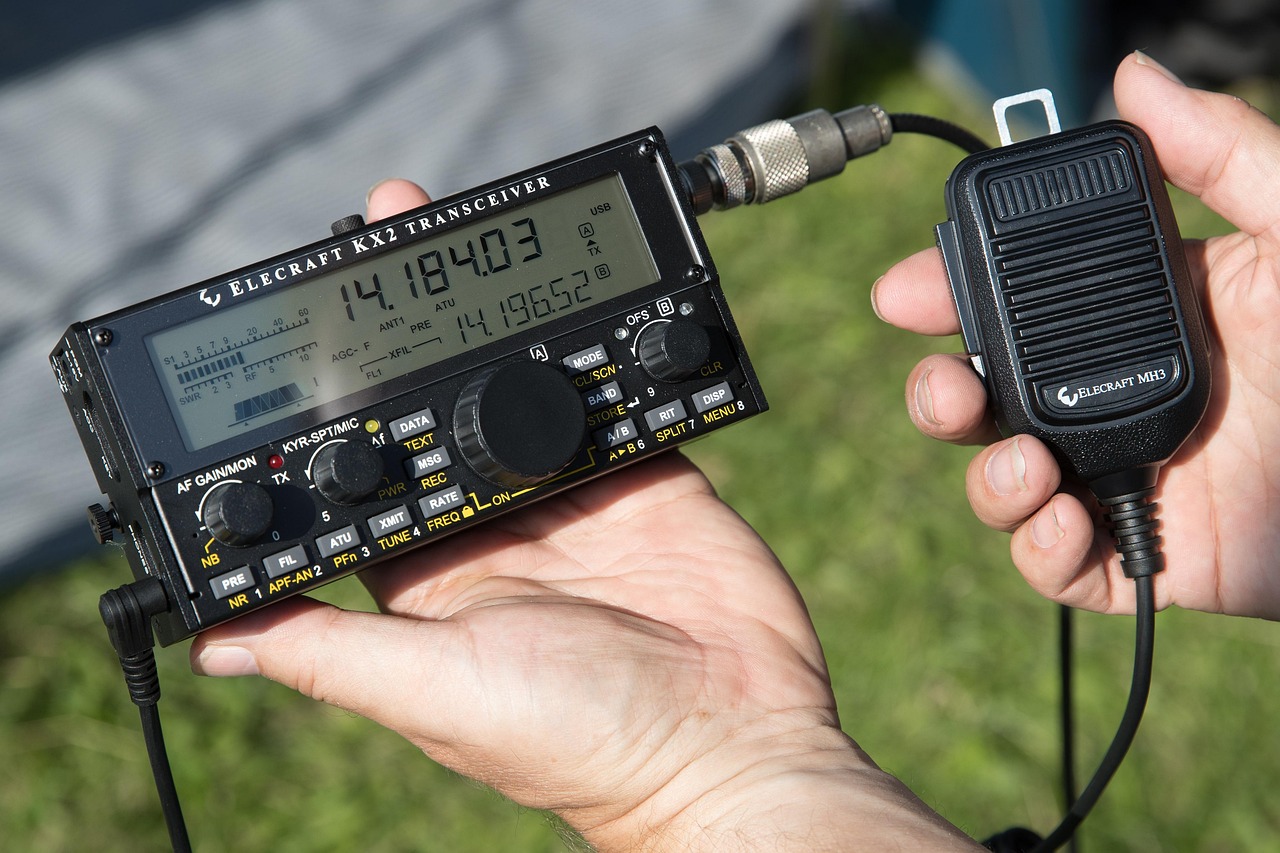
Communication devices help hunters stay coordinated and safe, especially in remote areas. Inspecting radios for clear transmission, checking batteries, and verifying programmed channels reinforces reliability. Headsets, microphones, and clip attachments may require adjustments for comfort and stability. Strong communication skills support teamwork when hunters track game from different elevations or forest sections. Maintaining dependable devices ensures quick responses during unexpected events and helps prevent confusion or delays. Consistent testing improves coordination and strengthens safety awareness when hunters communicate across challenging terrain effectively.
Confirming License, Tag, and Regulation Compliance

Hunters must ensure that required licenses, tags, permits, and stamps remain valid before opening day. Reviewing updated seasonal regulations helps prevent misunderstandings related to boundaries, harvest limits, or weapon restrictions. Keeping documentation organized and accessible reduces stress during encounters with wildlife officers. Understanding changes in local policies supports ethical and legal participation in the hunt. Proper preparation strengthens awareness and encourages responsible actions throughout the season. Careful review eliminates preventable mistakes and ensures hunters meet legal obligations required for a responsible hunt.